Normal Numbers up to 100 Worksheets for Ages 3-9
22 filtered results
-
From - To
Explore our engaging "Normal Numbers up to 100 Worksheets" designed for children ages 3 to 9! These worksheets provide a fun and interactive way to help young learners develop their numeracy skills, explore number recognition, and practice counting. Each worksheet is tailored to maintain the child's interest while reinforcing essential concepts relevant to everyday life, aiding in cognitive and motor skills development. Perfect for parents, teachers, or homeschoolers, our collection will ease the learning process and ensure that children build a strong foundation in mathematics. Download today and watch your child gain confidence in their number understanding!
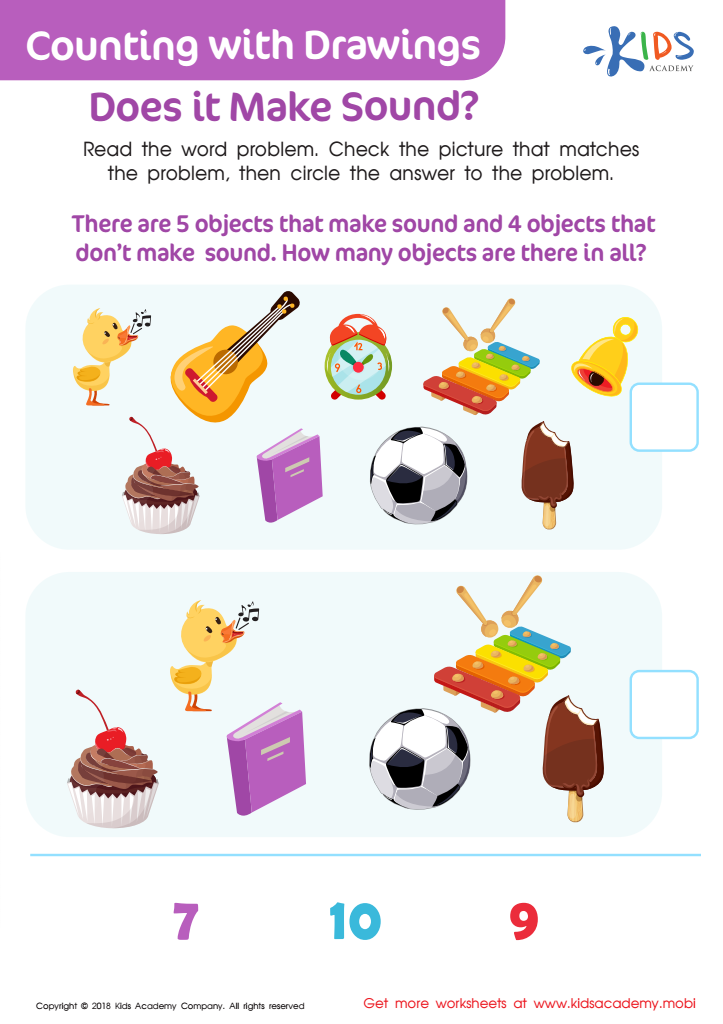
Counting With Drawings. Does It Make Sound? Worksheet
 Assign to My Students
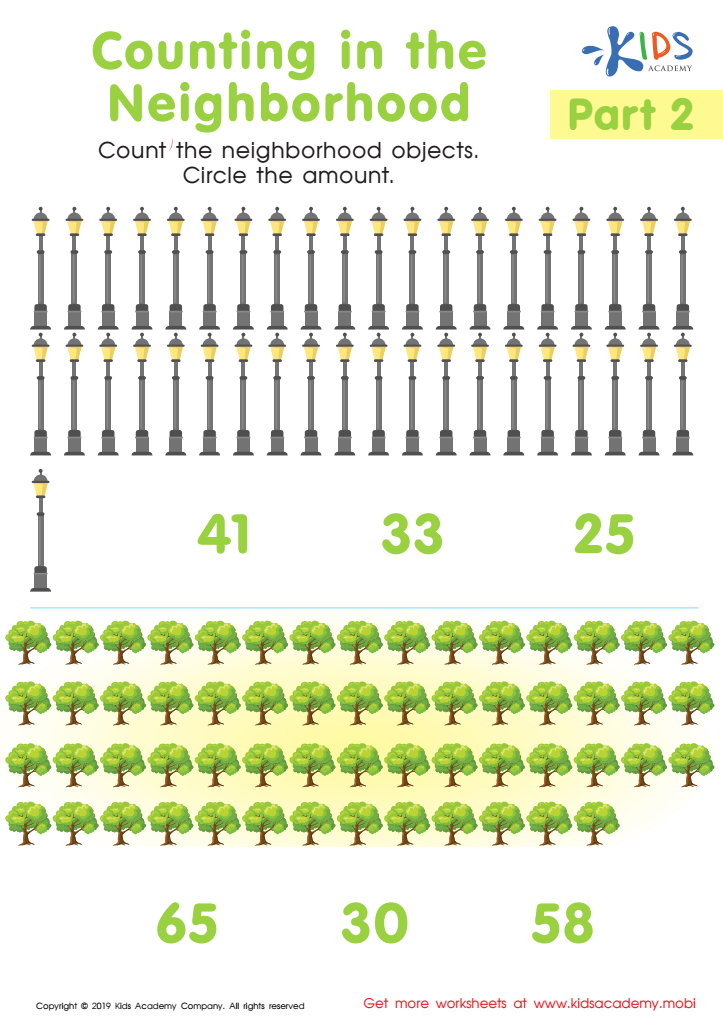
Counting In The Neighborhood Part 2 Worksheet
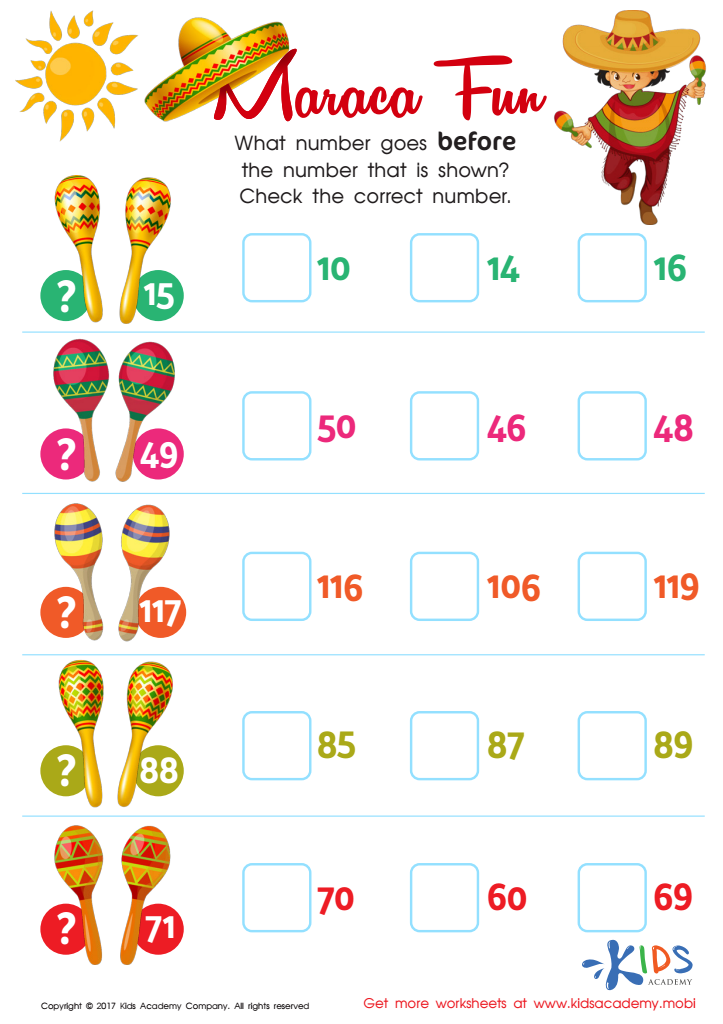
Counting: Maraca Fun Worksheet
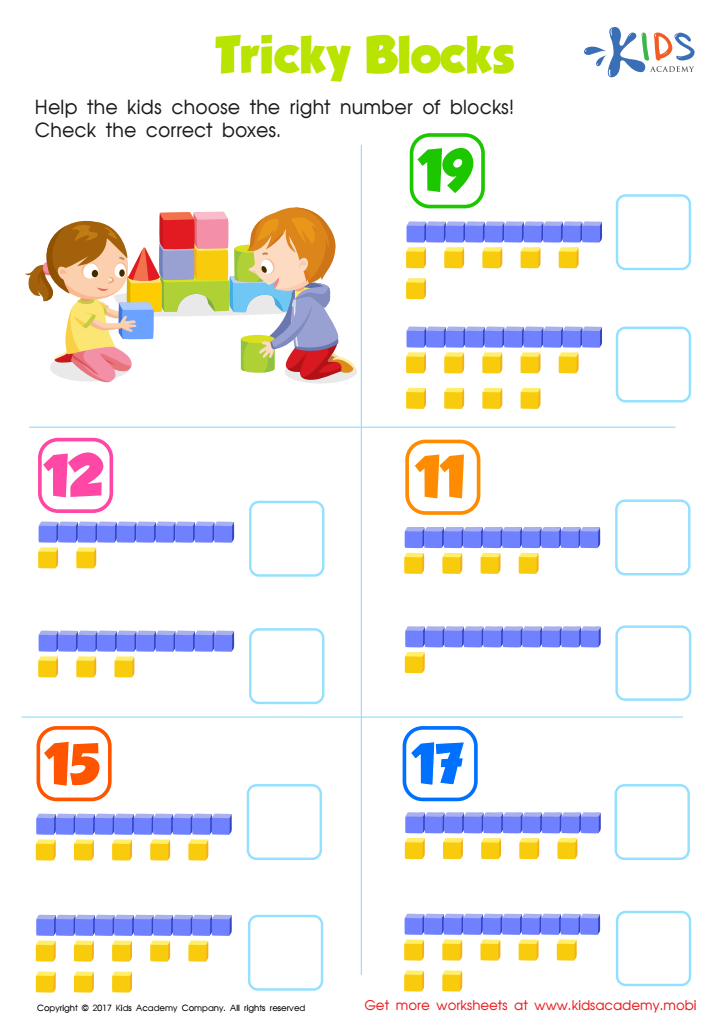
Tricky Blocks Worksheet
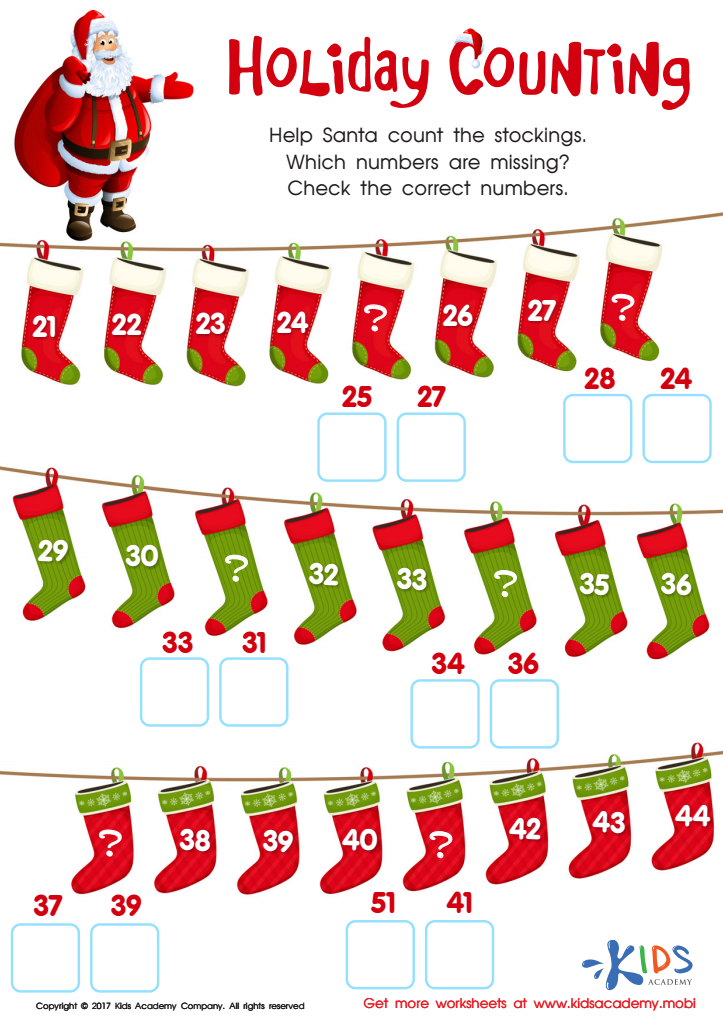
Holiday Counting Worksheet
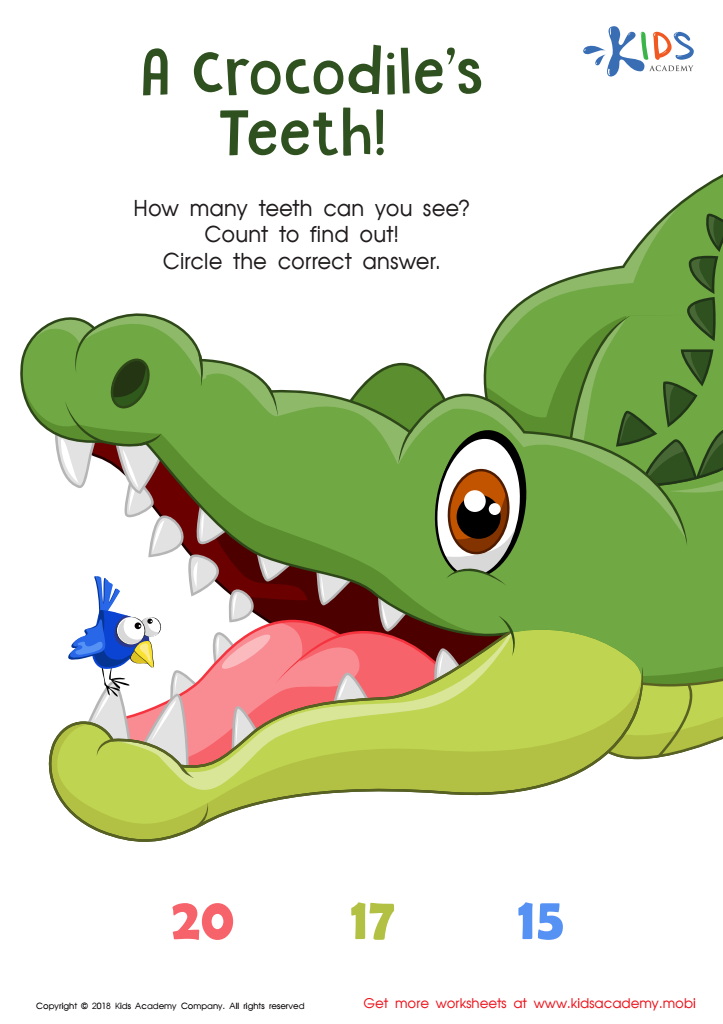
A Crocodile's Teeth Worksheet
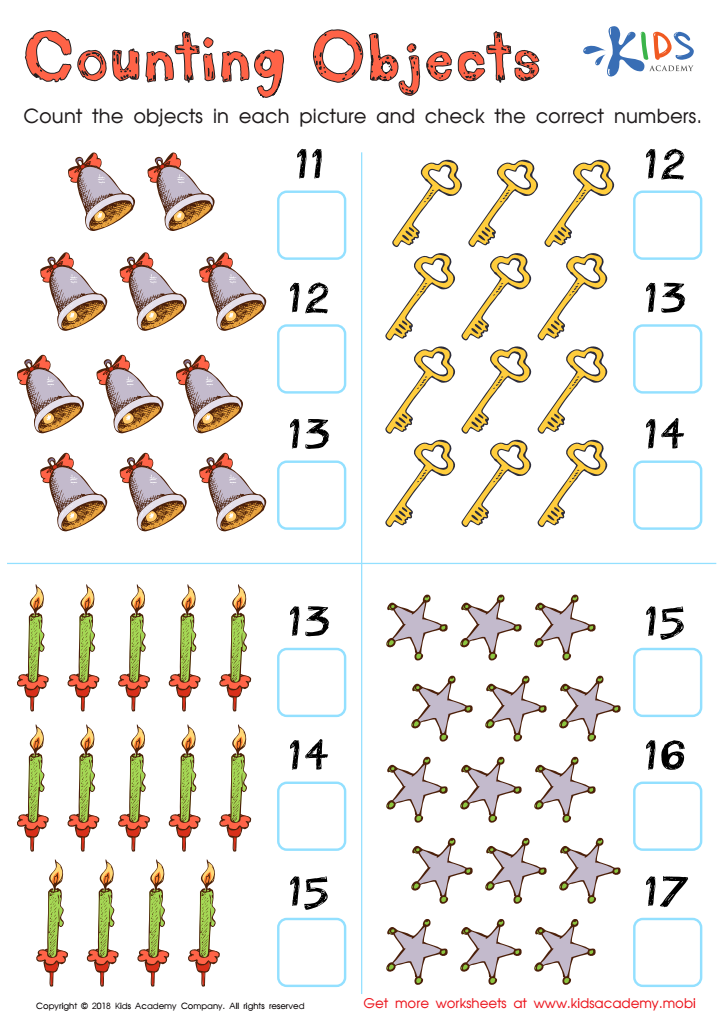
Counting Numbers Worksheet For Kindergarten
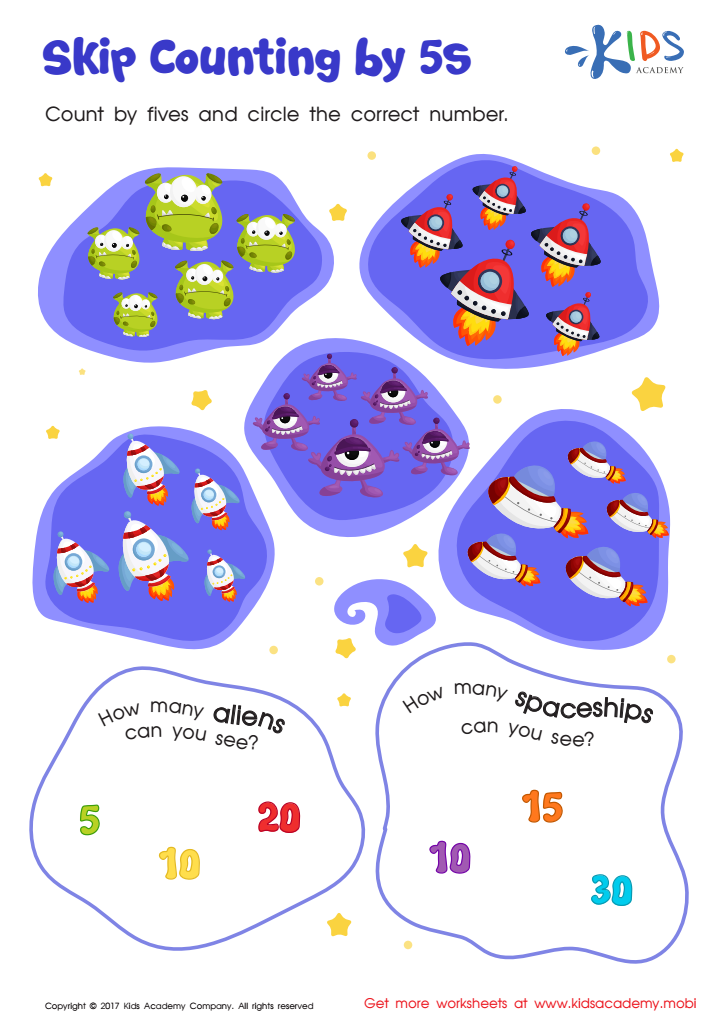
Skip Counting by 5s: Aliens and Spaceships Printable
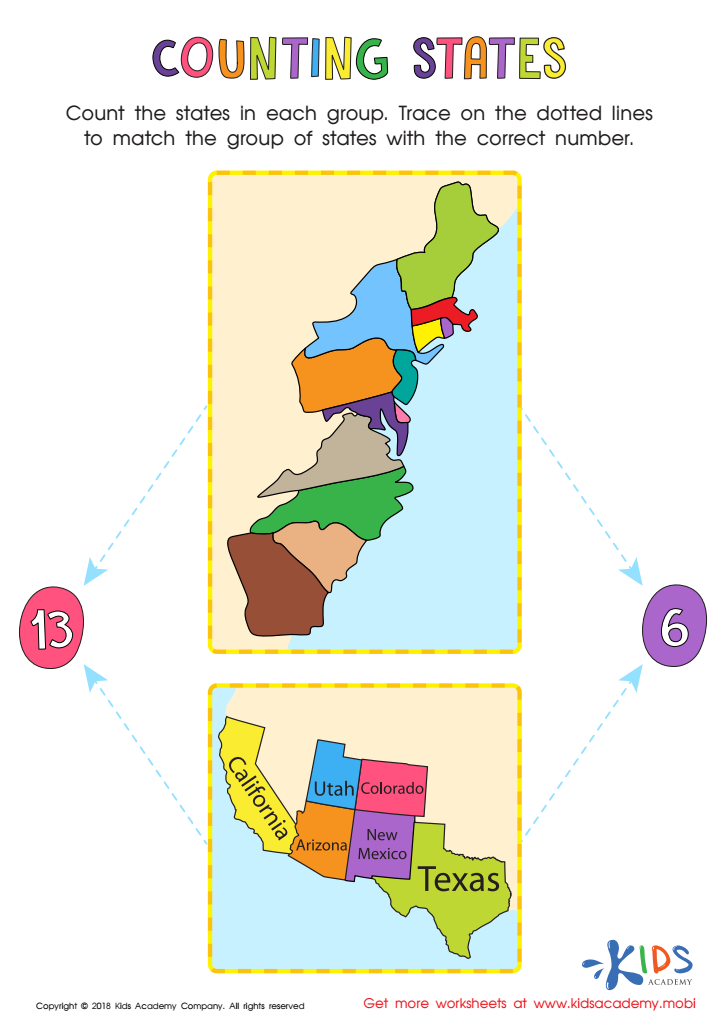
Counting States Worksheet
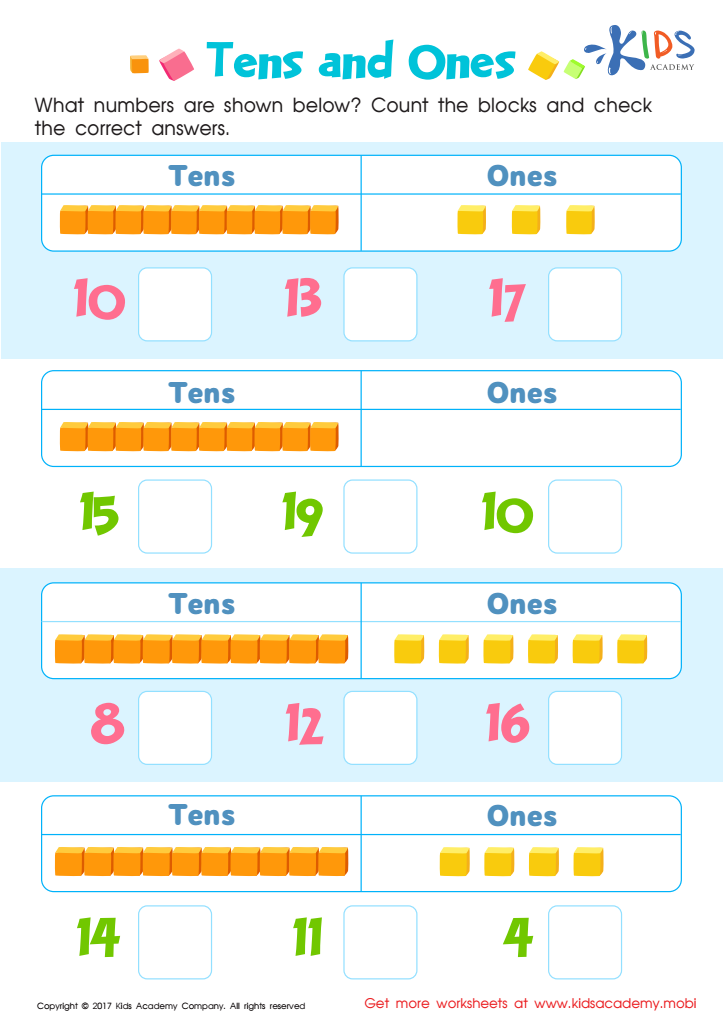
Tens and Ones Worksheet
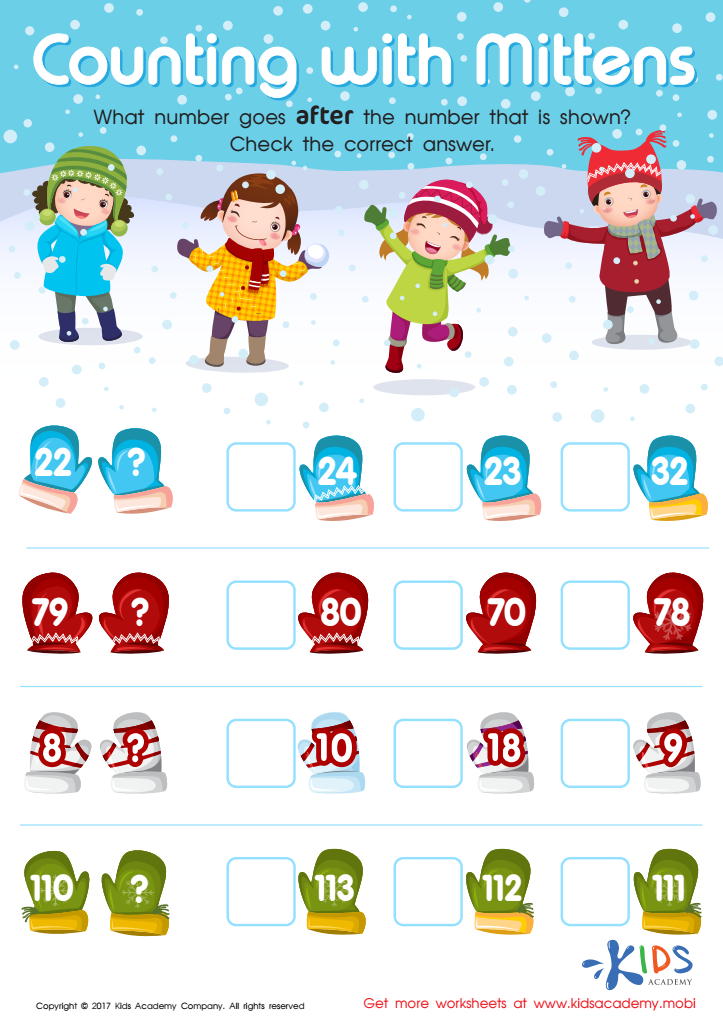
Counting with Mittens Worksheet
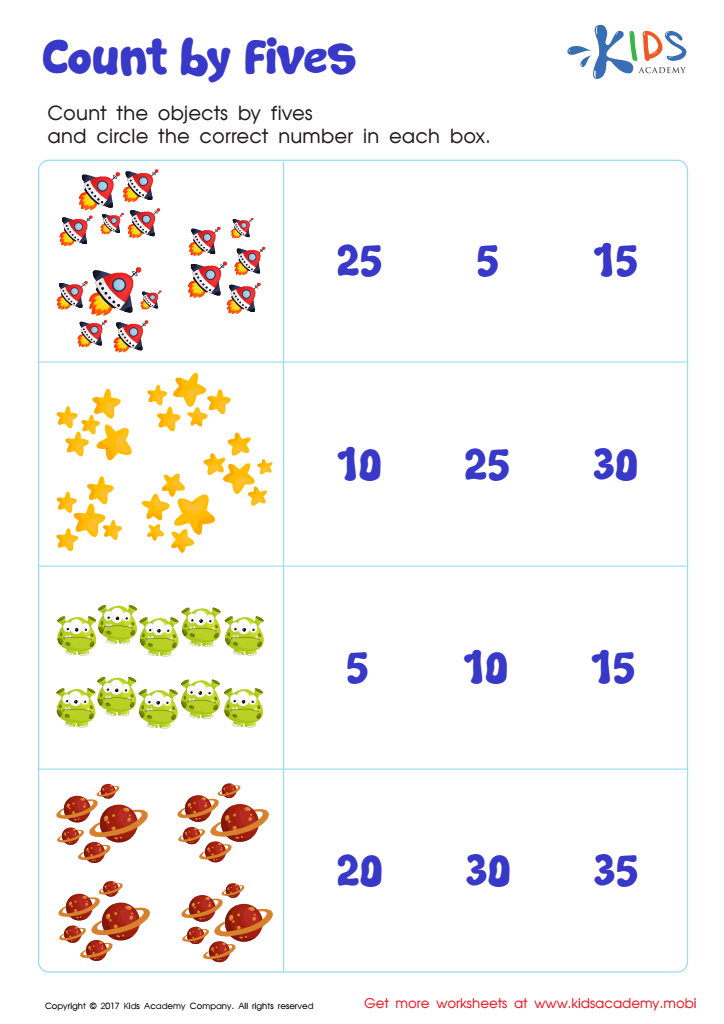
Skip Counting by 5s: Space Math Printable
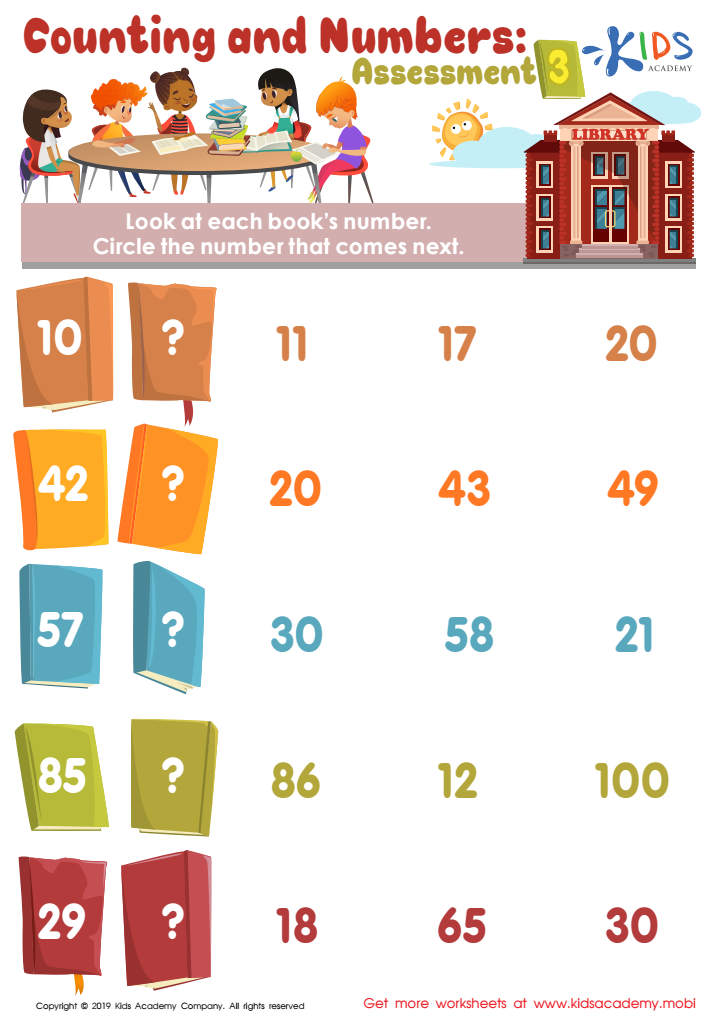
Counting and Numbers: Assessment Worksheet
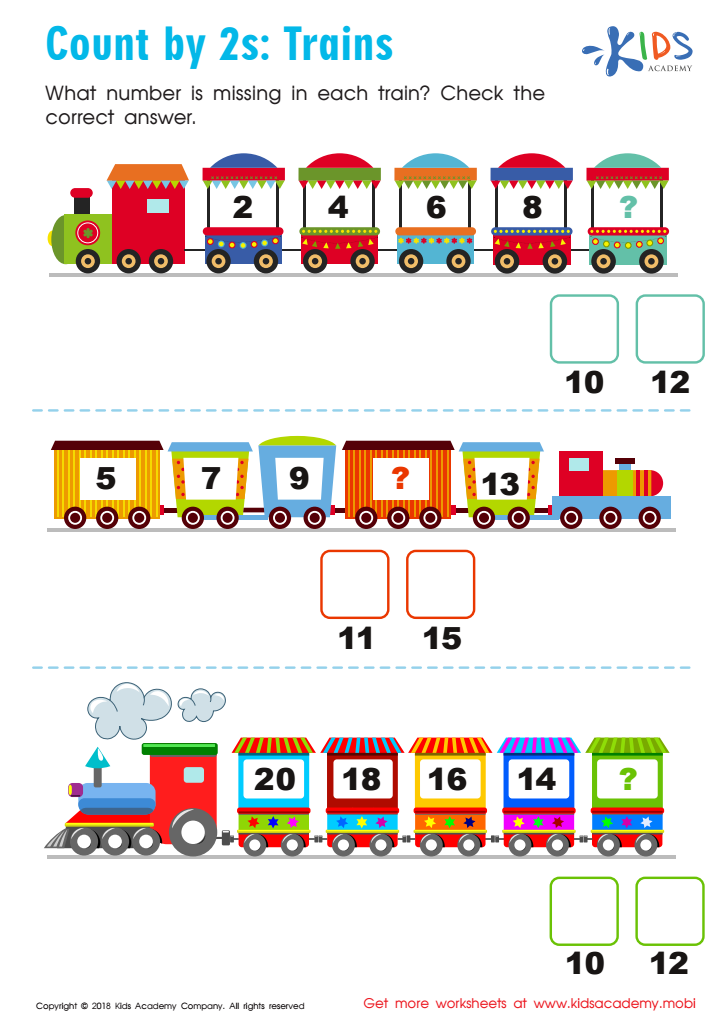
Count by 2's: Trains Worksheet
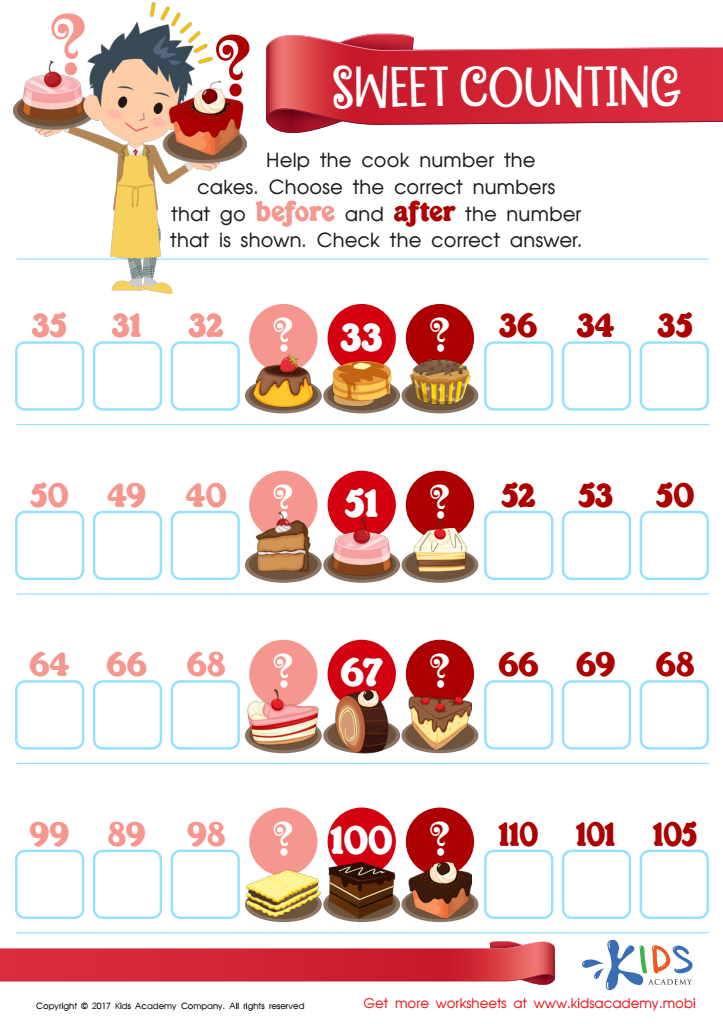
Sweet Counting - Part 1 Worksheet
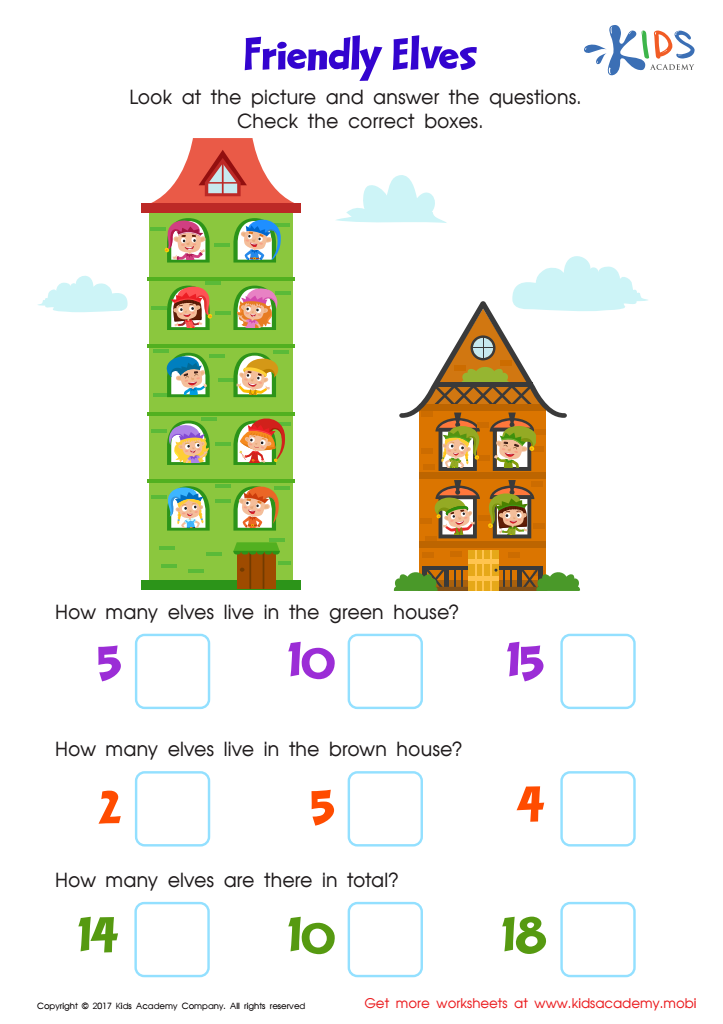
Place Value: Friendly Elves Worksheet
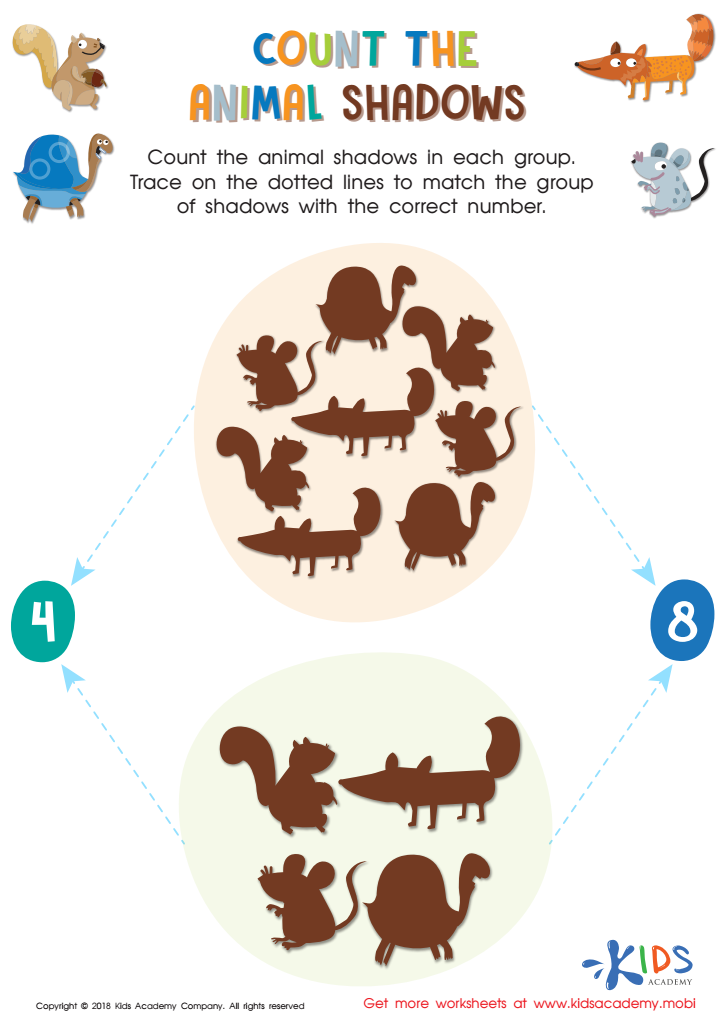
Count the Animal Shadows Worksheet
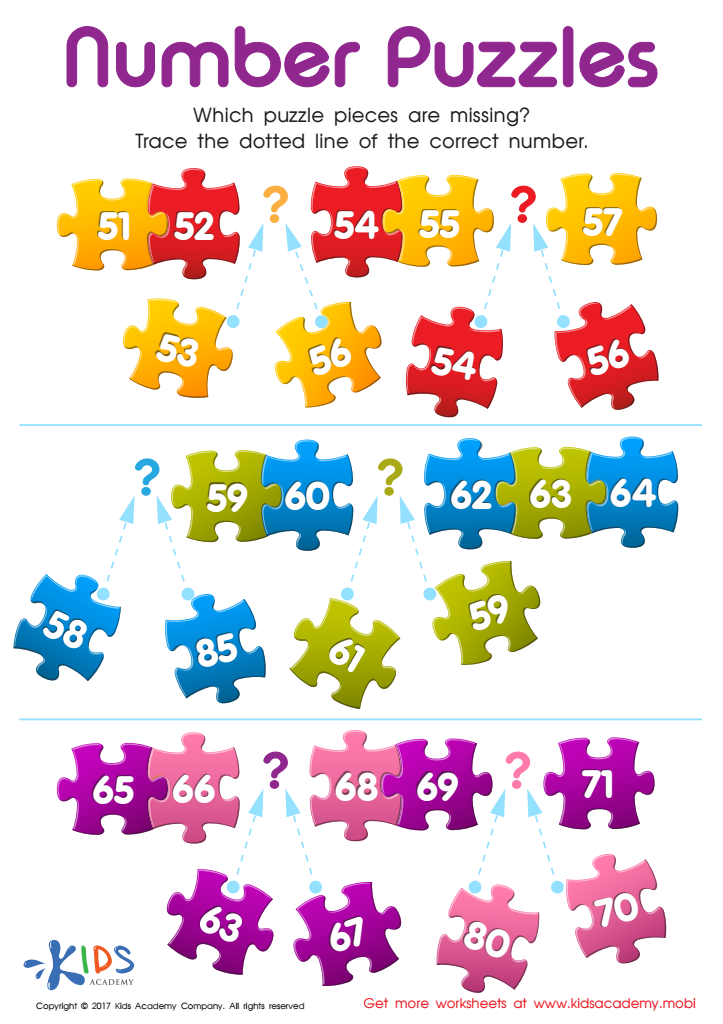
Number Puzzles Worksheet
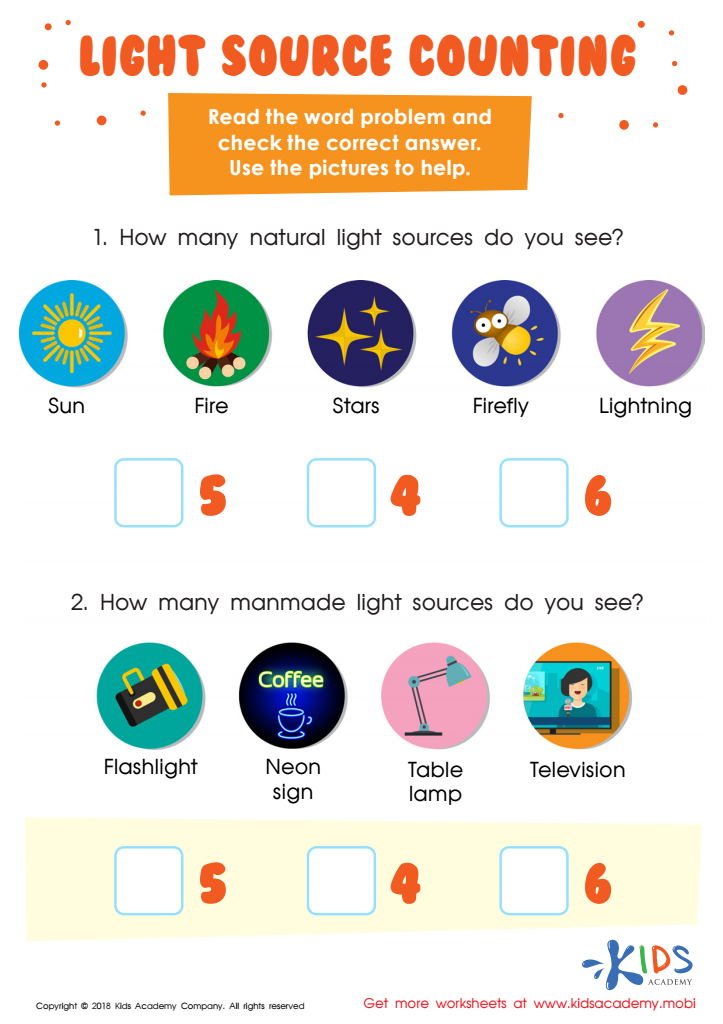
Light Source Counting Worksheet
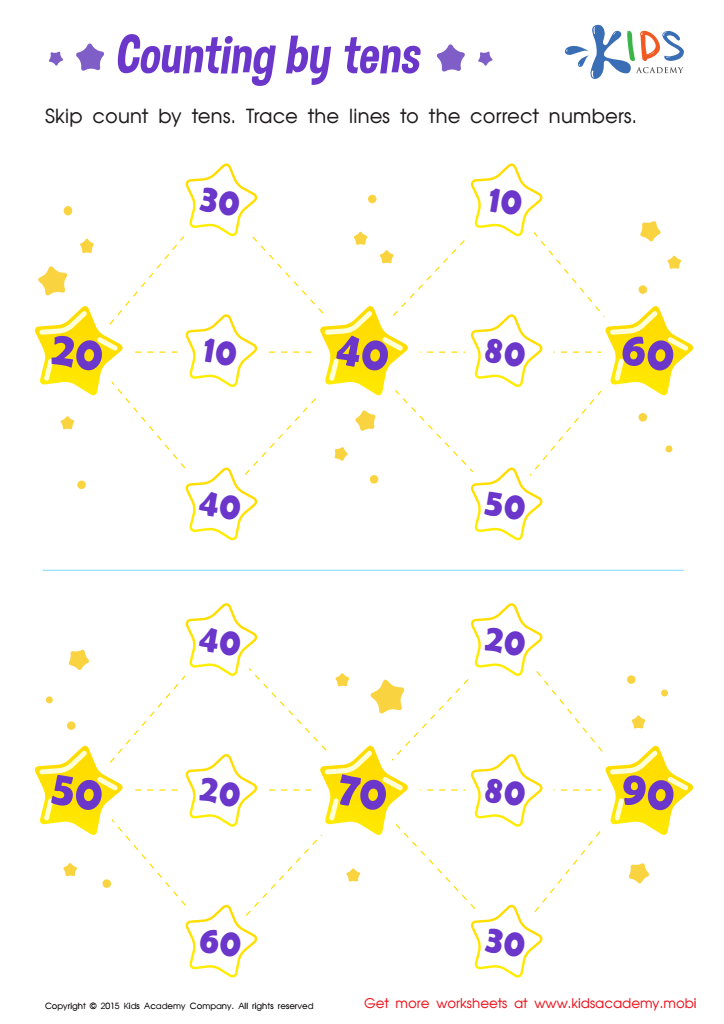
Learn Dozens: Counting by Tens Printable
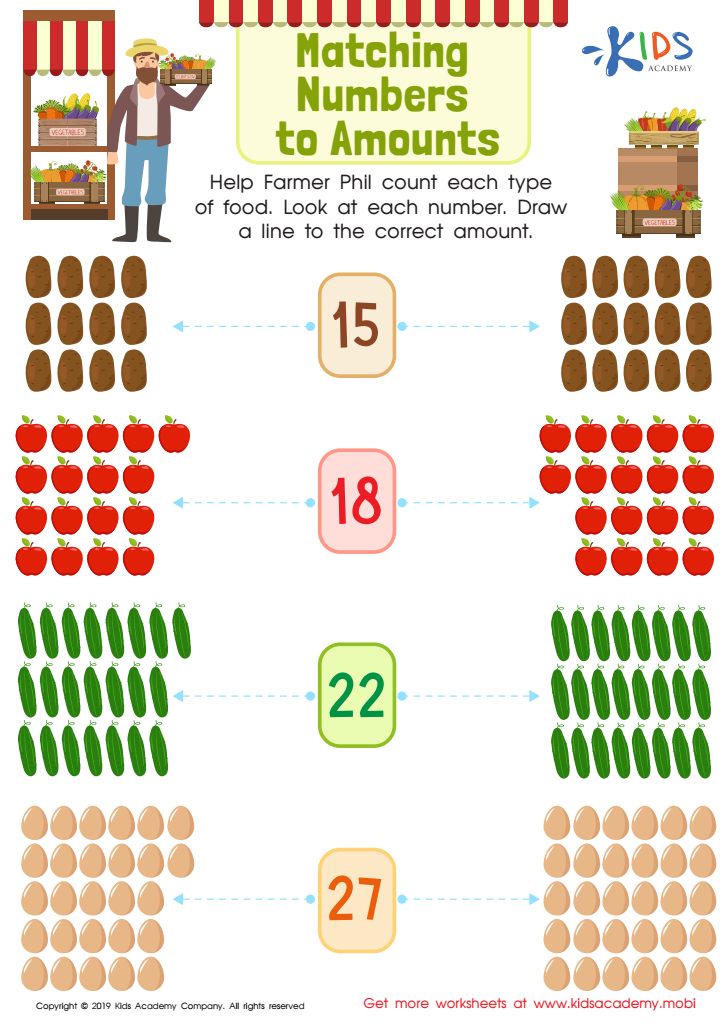
Matching Numbers to Amounts Worksheet



%20(1).jpg)




Normal numbers, typically involving the understanding and recognition of numerical patterns, quantities, and representations, play a crucial role in mathematical development for children ages 3-9. Parents and teachers should care about fostering an understanding of normal numbers for several reasons.
Firstly, numerical fluency forms the foundation for everyday problem-solving skills. By familiarizing children with numbers up to 100, they can learn to count, perform basic calculations, and understand concepts like more or less, which are essential for higher-level math as they progress in school.
Secondly, grasping these basic numbers enhances cognitive skills. Engaging with normal numbers promotes critical thinking and logical reasoning, as children observe patterns and relationships within numbers. This lays the groundwork for future mathematical concepts like addition, subtraction, and even early algebra.
Moreover, a solid grasp of numbers increases children’s confidence, making math a less daunting subject as they grow older. Encouraging interaction with numbers through fun games, visual aids, or real-life activities can make learning enjoyable and effective.
Ultimately, fostering a positive relationship with normal numbers can shape children's attitudes towards math, encouraging a lifelong appreciation for learning and problem-solving. This focus prepares them not just for academic success but also for independence in everyday life situations.