Normal Upper & Lowercase Letters Worksheets for Ages 4-7 - Page 2
44 filtered results
-
From - To

Find Uppercase Letters A, B, and C Worksheet
 Assign to My Students

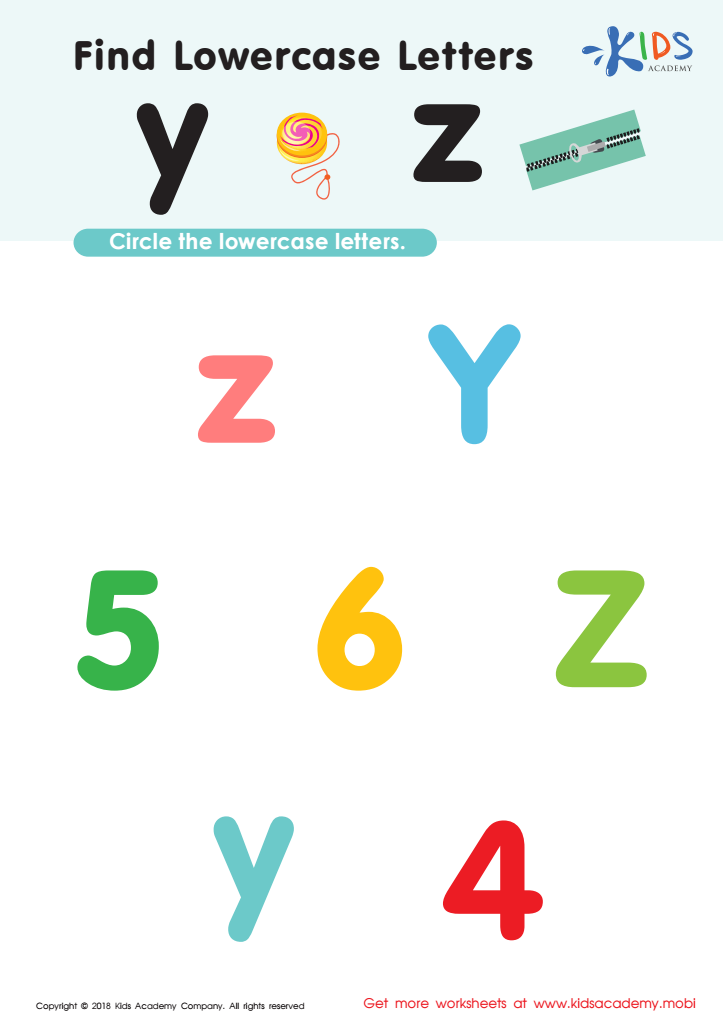
Find Lowercase Letters y z Worksheet
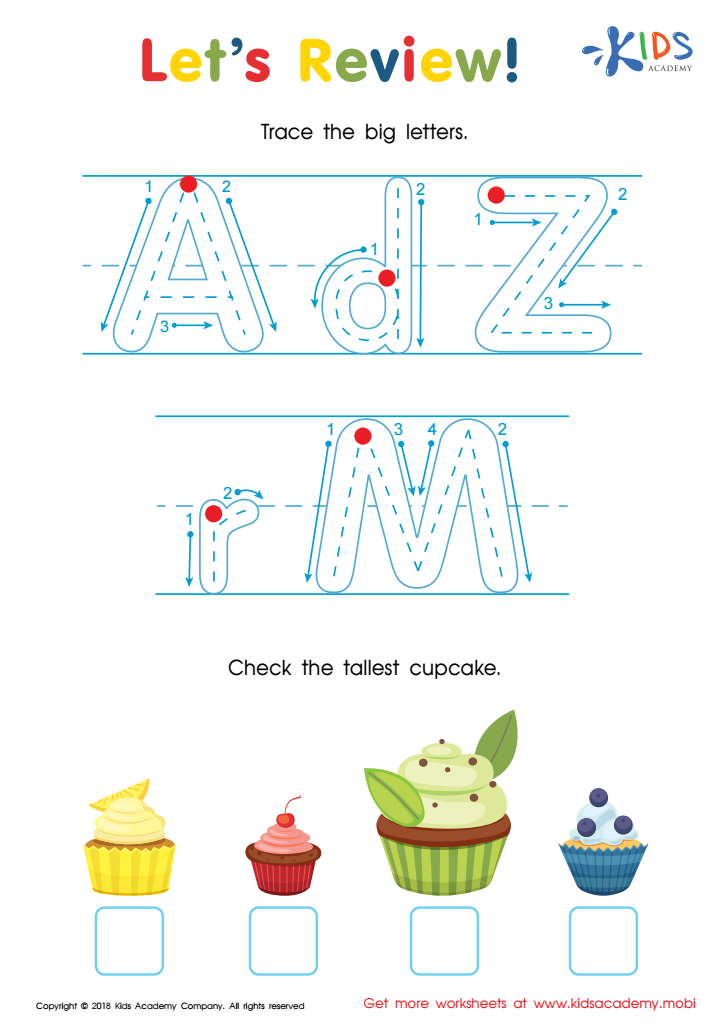
Let's Review! Big Letters Worksheet
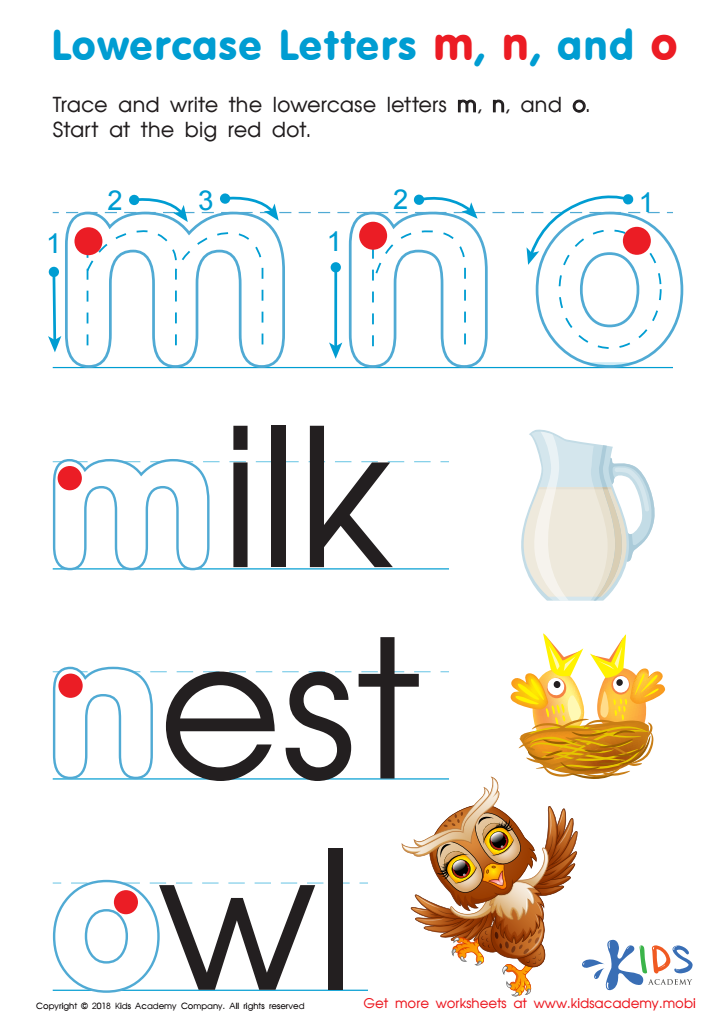
Lowercase Letters m n o Worksheet
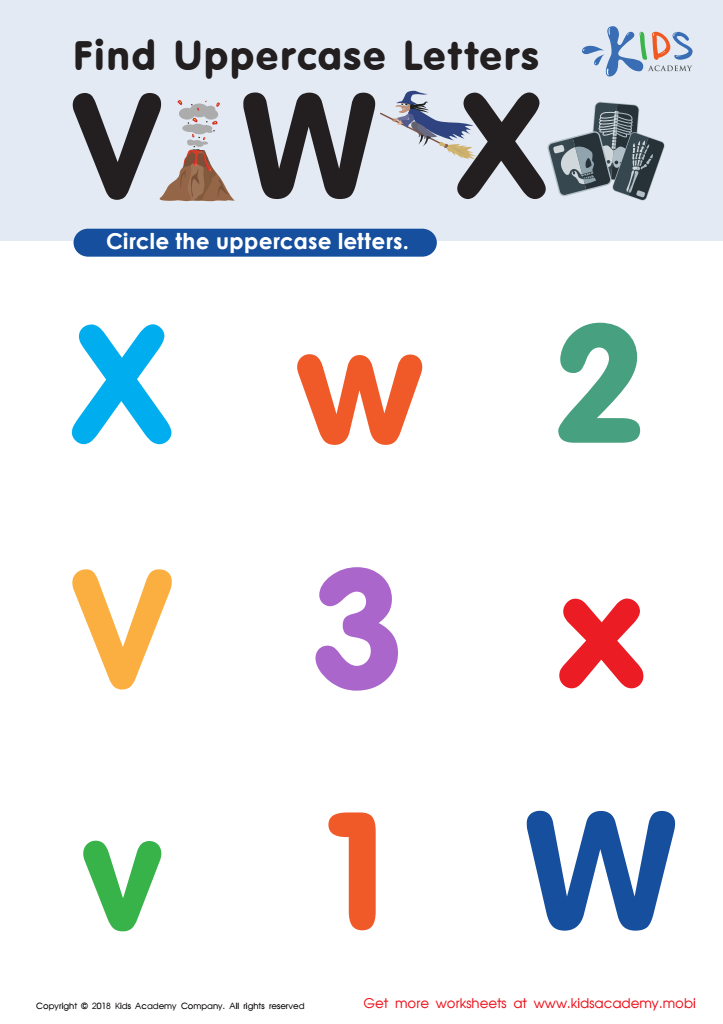
Find Uppercase Letters V, W, X Worksheet
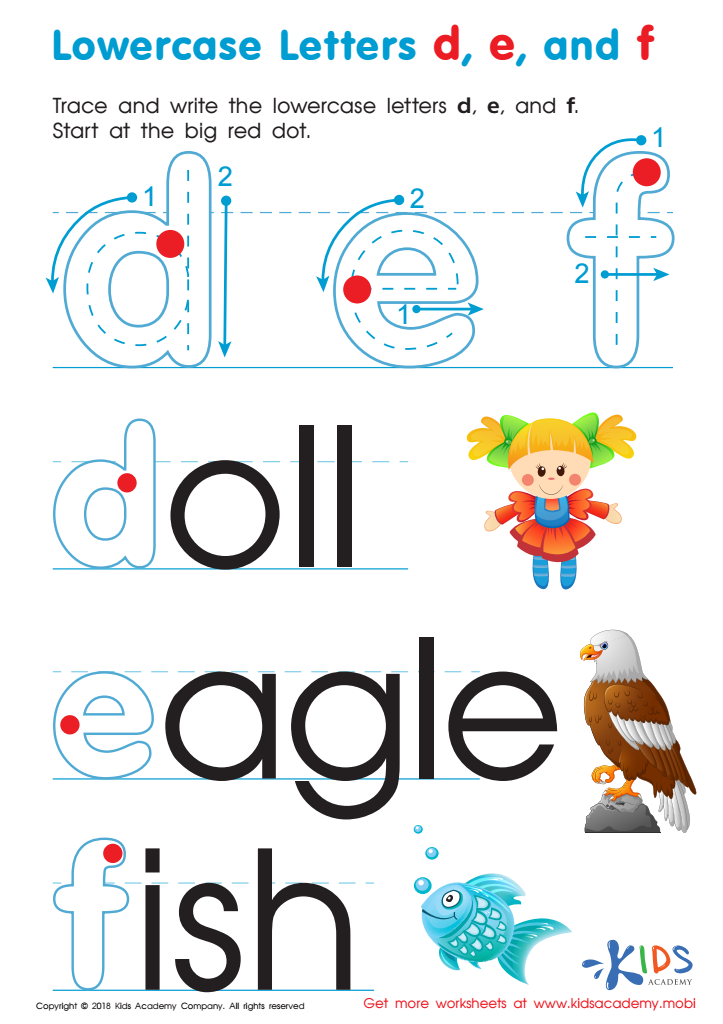
Lowercase Letters d e f Worksheet
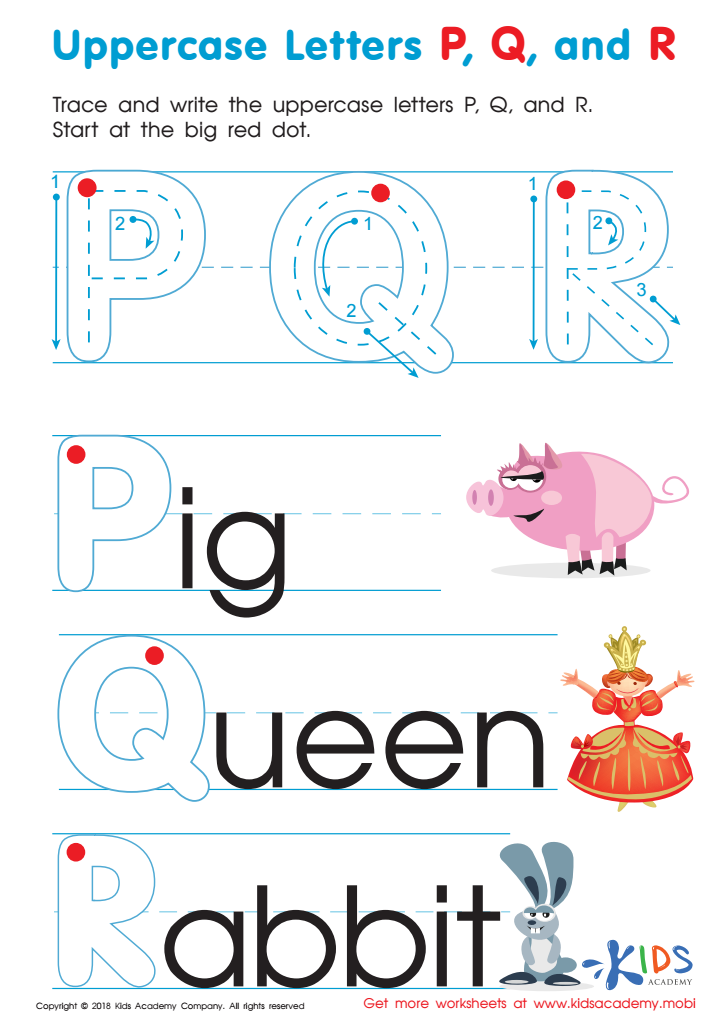
Uppercase Letters P, Q, and R Worksheet
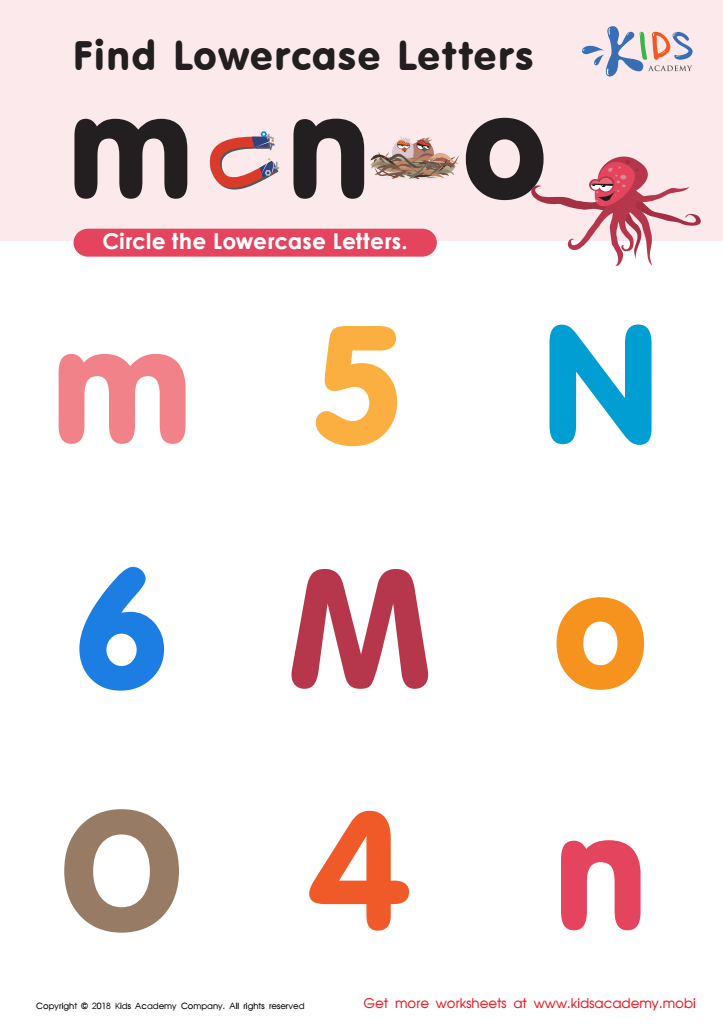
Find Lowercase Letters m n o Worksheet
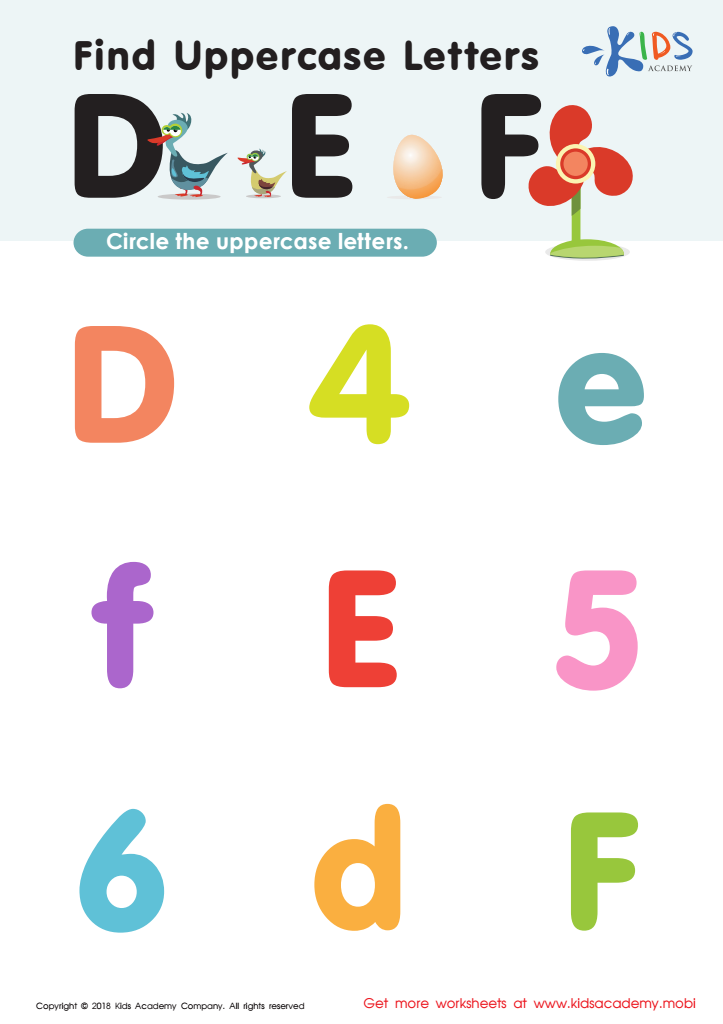
Find Uppercase Letters D, E, and F Worksheet
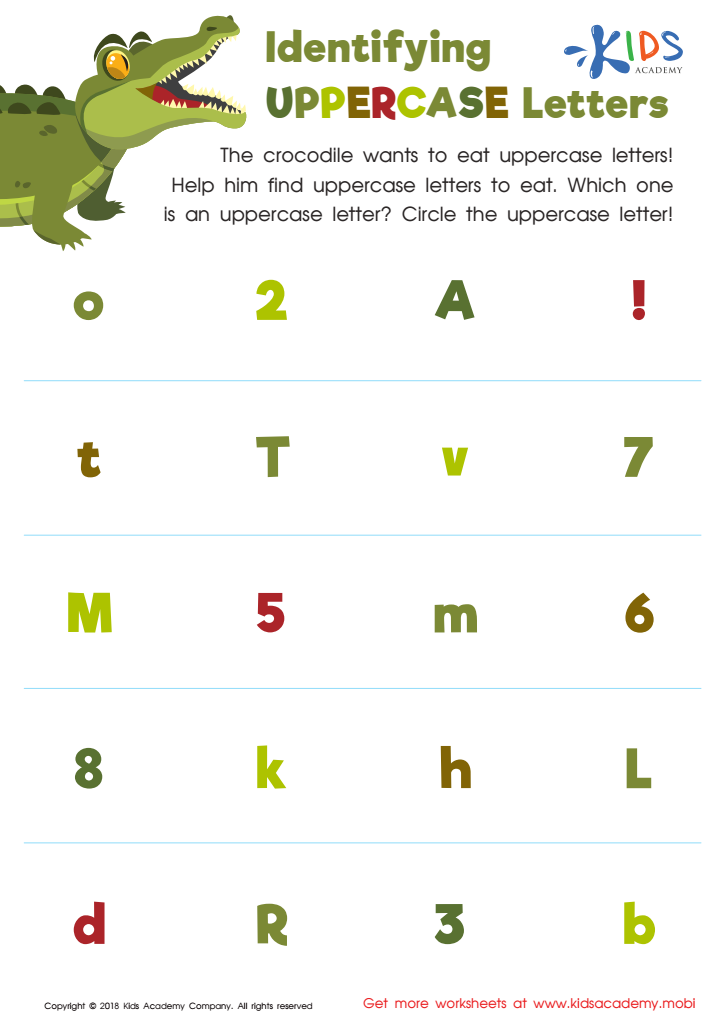
Identifying Uppercase Letters Worksheet
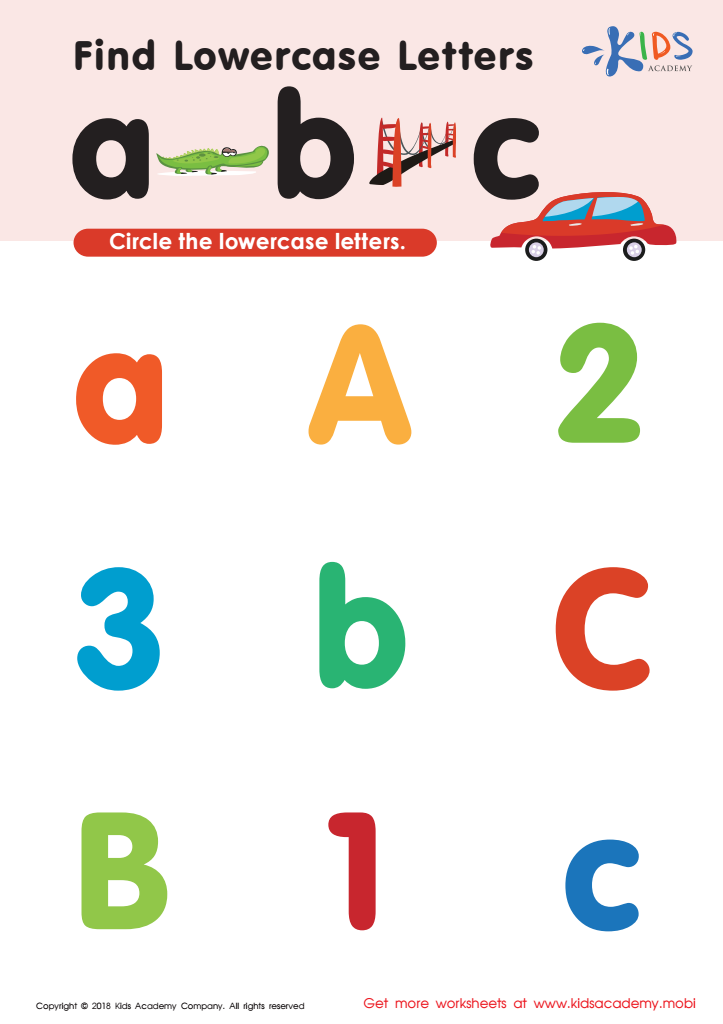
Find lowercase letters a b c Worksheet
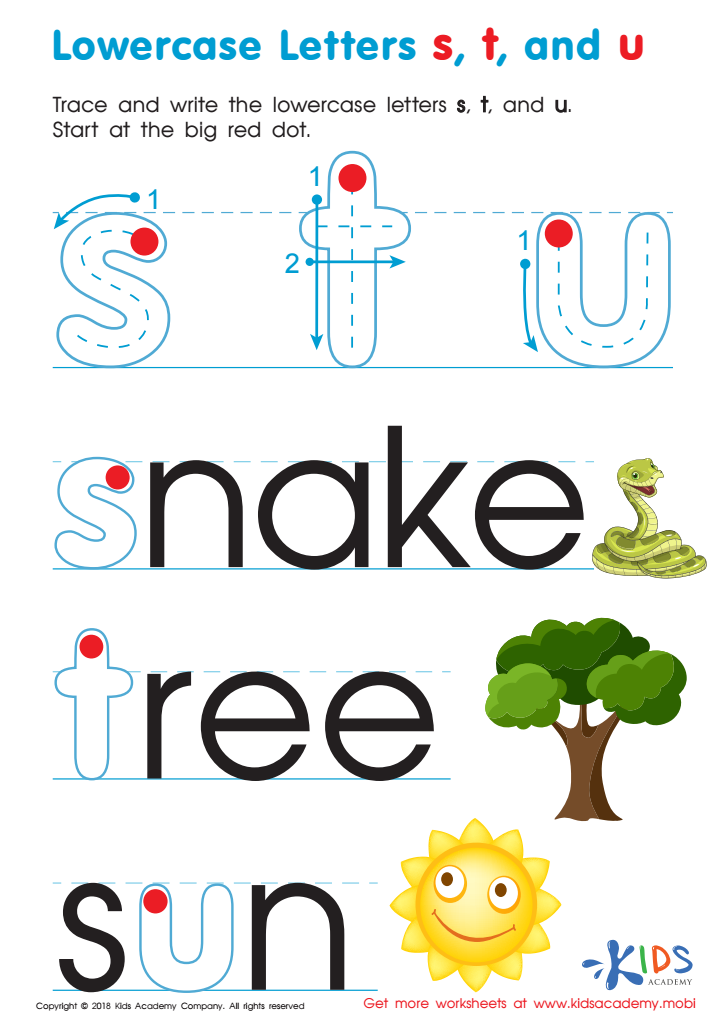
Lowercase Letters s t u Worksheet
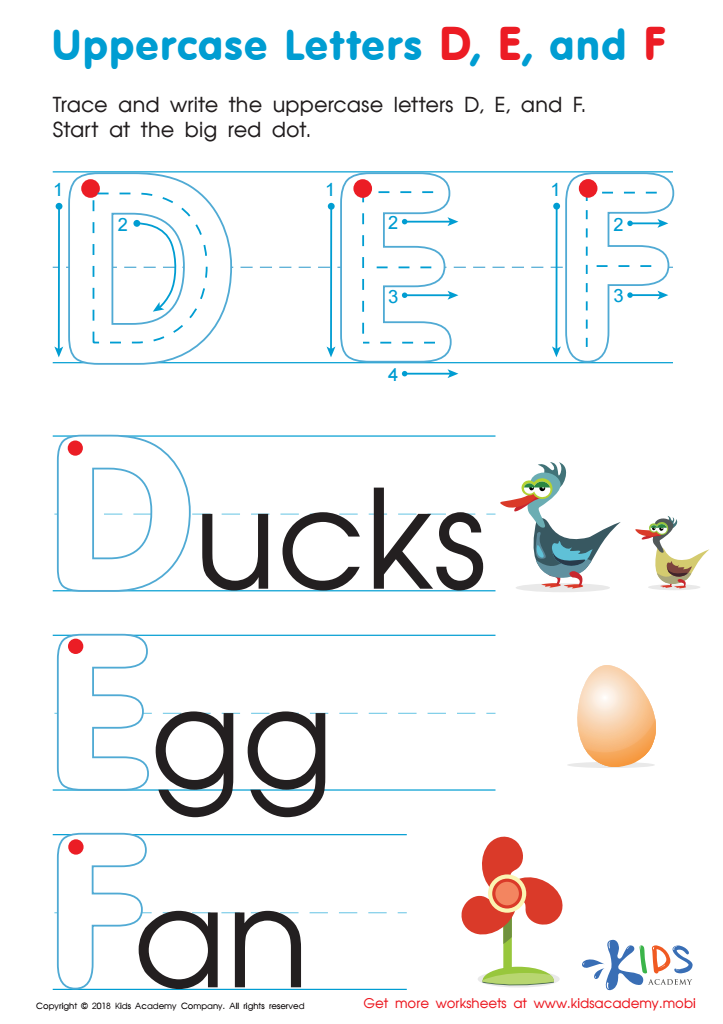
Uppercase Letters D, E, and F Worksheet
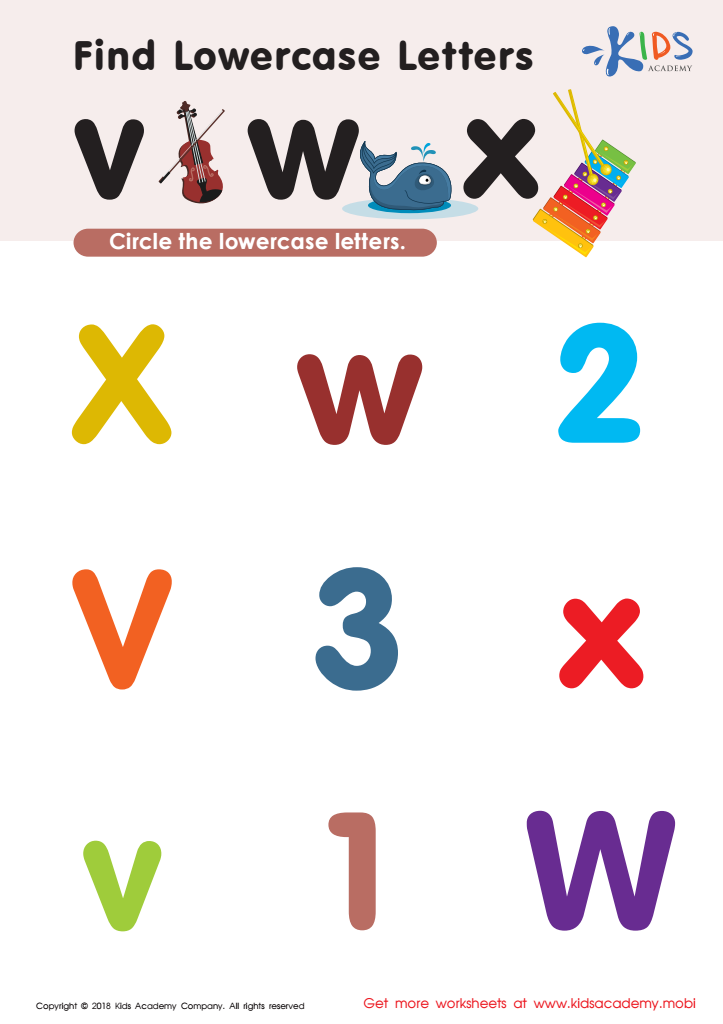
Find Lowercase Letters v w x Worksheet
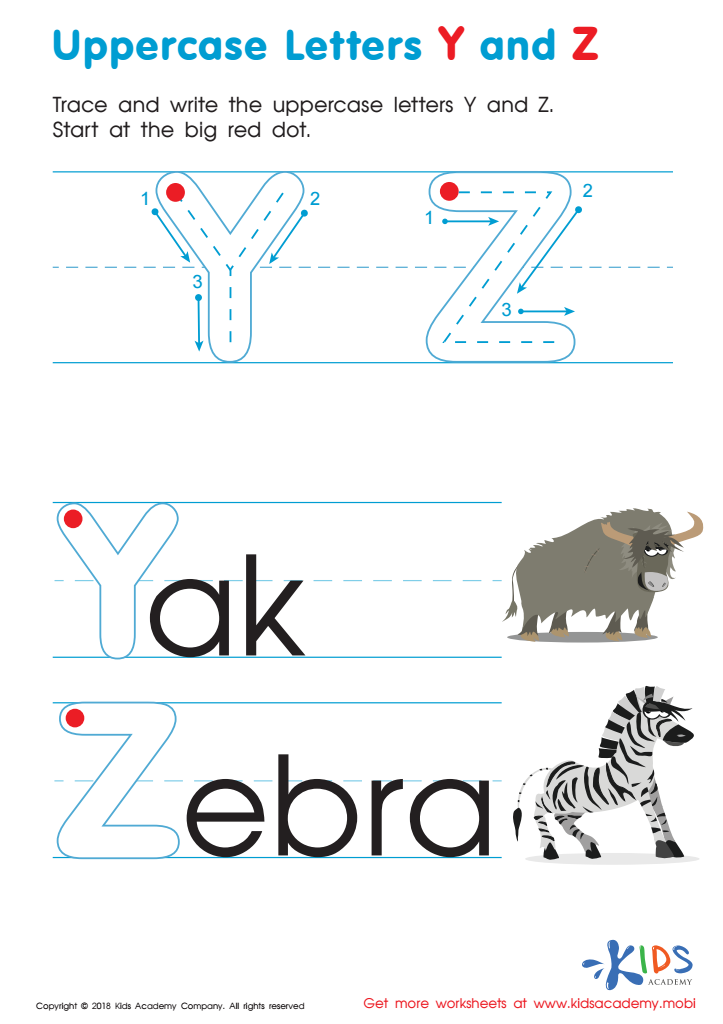
Uppercase Letters Y Z Worksheet
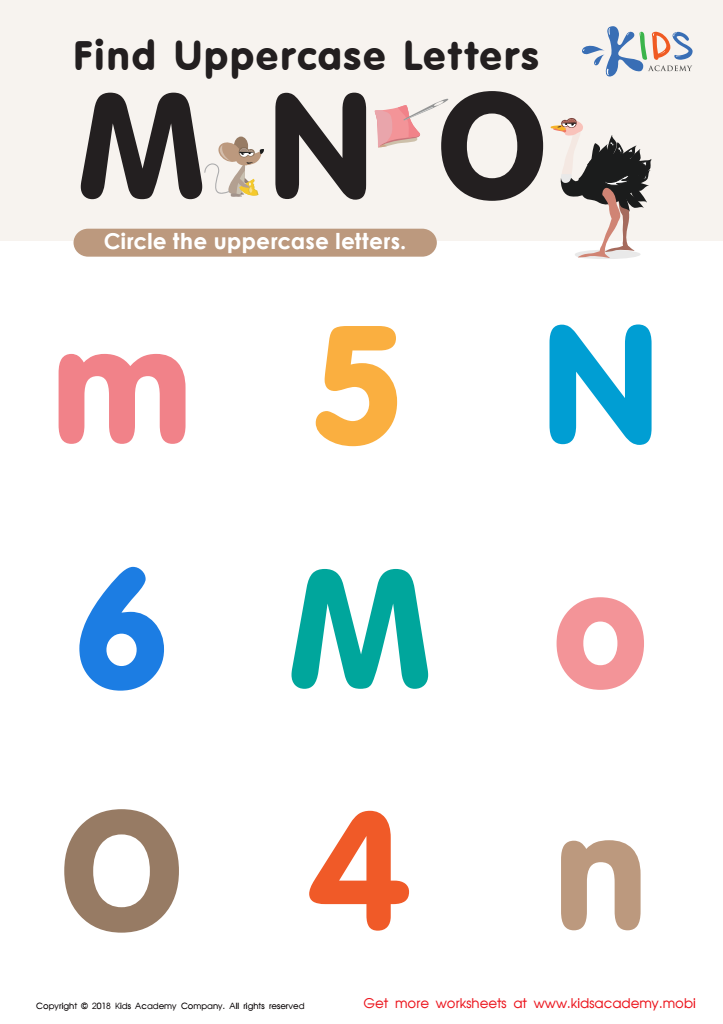
Find Uppercase Letters M, N, and O Worksheet
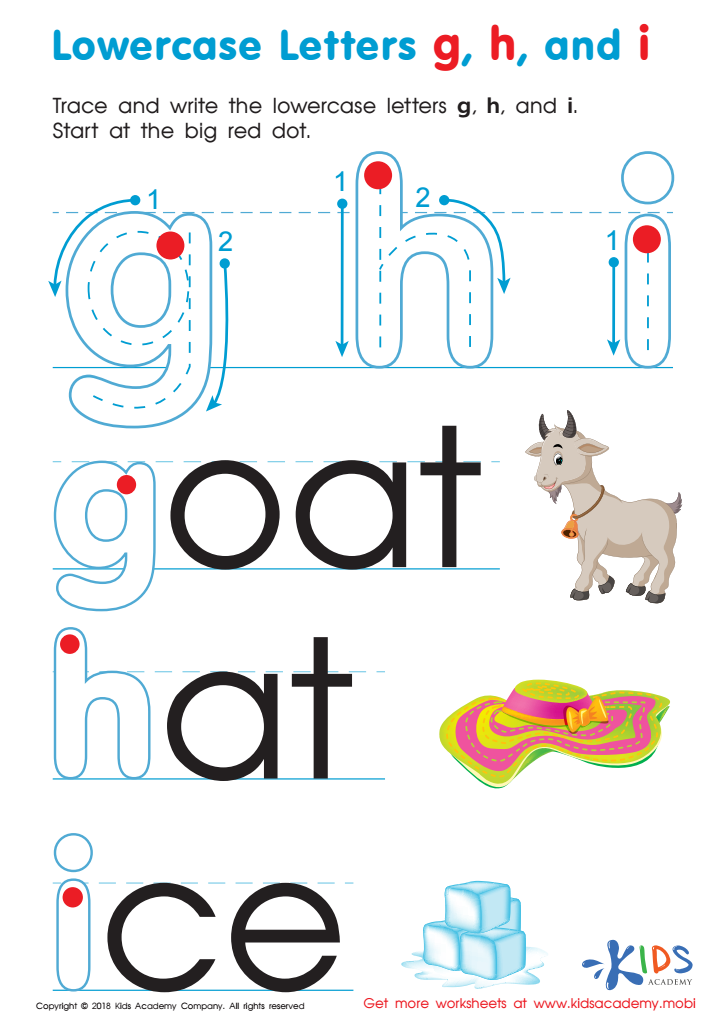
Lowercase Letters g h i Worksheet
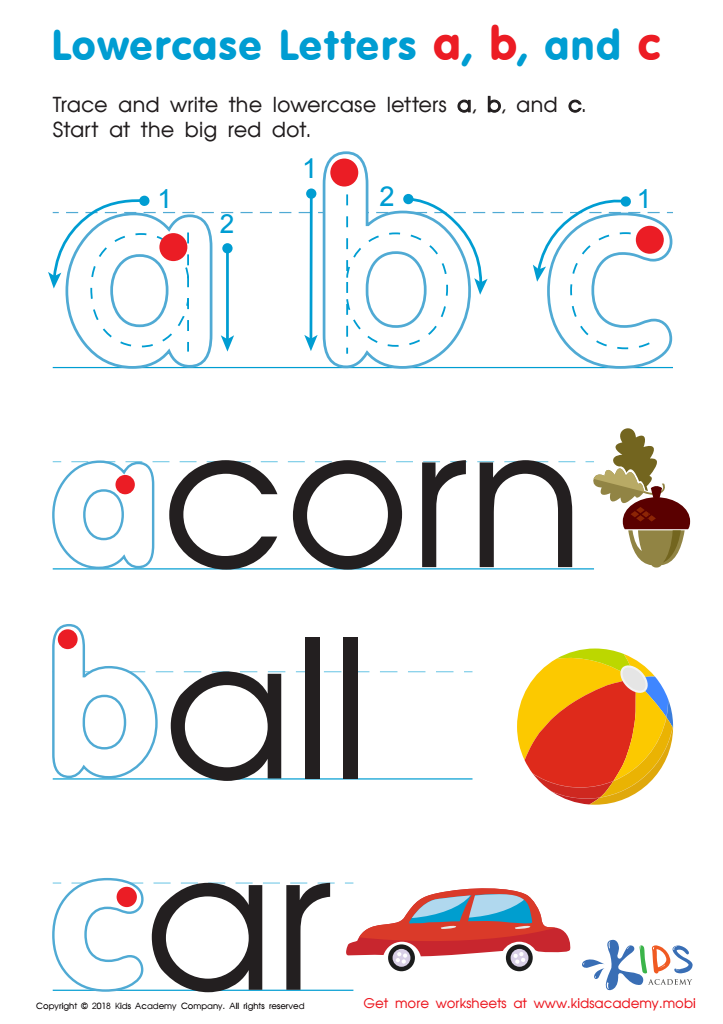
Lowercase Letters a b c Worksheet
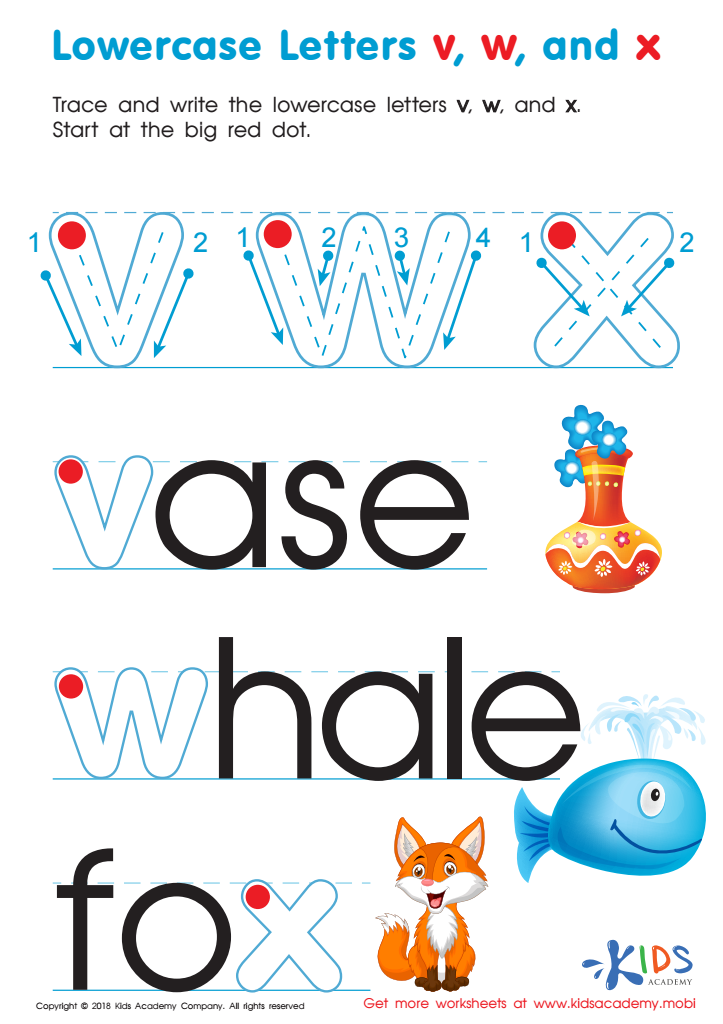
Lowercase Letters v w x Worksheet
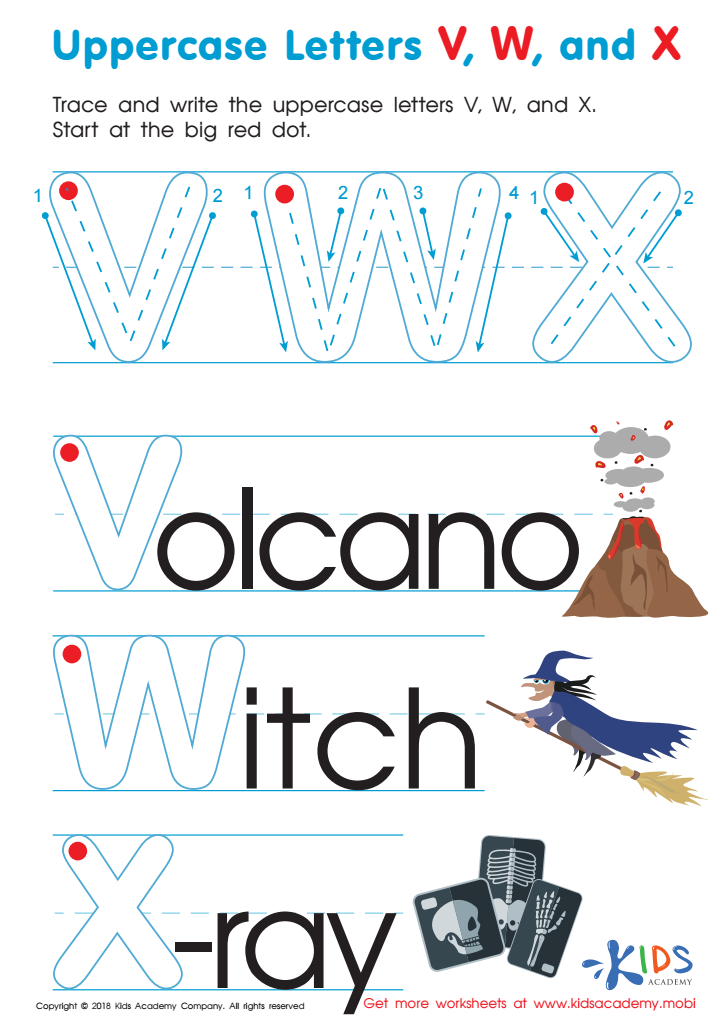
Uppercase Letters V, W, and X Worksheet






Parents and teachers should prioritize the recognition and writing of upper and lowercase letters for children ages 4-7 due to its foundational role in literacy development. At this early stage, children are developing critical reading and writing skills, and understanding the difference between capital and small letters enhances their reading fluency and writing accuracy.
Upper and lowercase letters are used differently in printed text, such as capital letters beginning sentences and proper nouns, while lowercase letters are prevalent in the general body of text. Recognizing these differences helps children decode words more efficiently and understand the structure and meaning of sentences, fostering better comprehension skills.
For writing skills, learning the correct usage and visual distinction between uppercase and lowercase letters aids in neat handwriting, proper word spacing, and ultimately, clear communication. Early mastery of these aspects builds children's confidence and pride in their ability to read and write, creating a positive foundation for lifelong learning.
Engaging activities, like alphabet games and interactive writing exercises, support children in this learning journey, making the process enjoyable and memorable. In essence, familiarity with both upper and lower case letters sets the stage for academic success, while also helping young learners to navigate the written world effectively.







