Normal Geometry Worksheets for Ages 4-7 - Page 3
63 filtered results
-
From - To
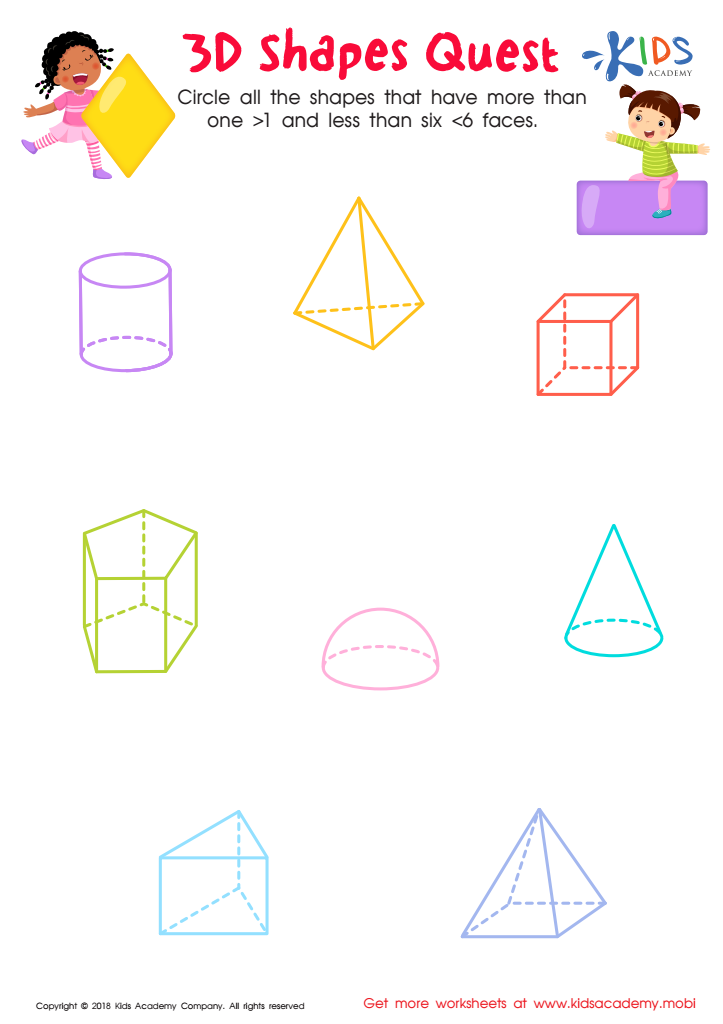
3D Shapes Quest Worksheet
 Assign to My Students











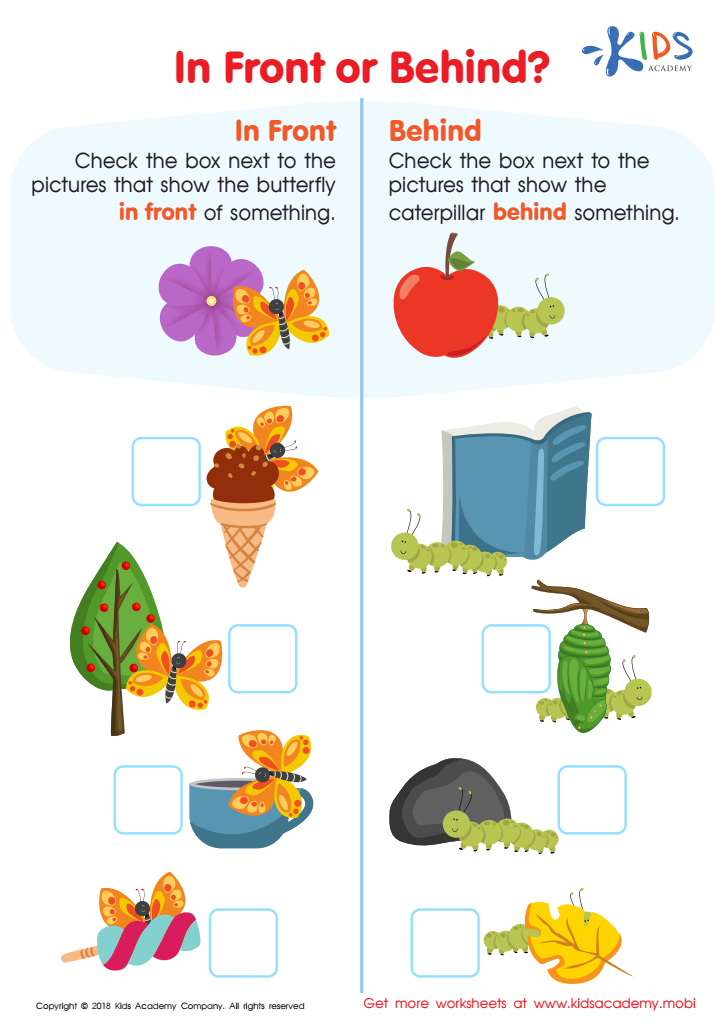
In Front or Behind Worksheet
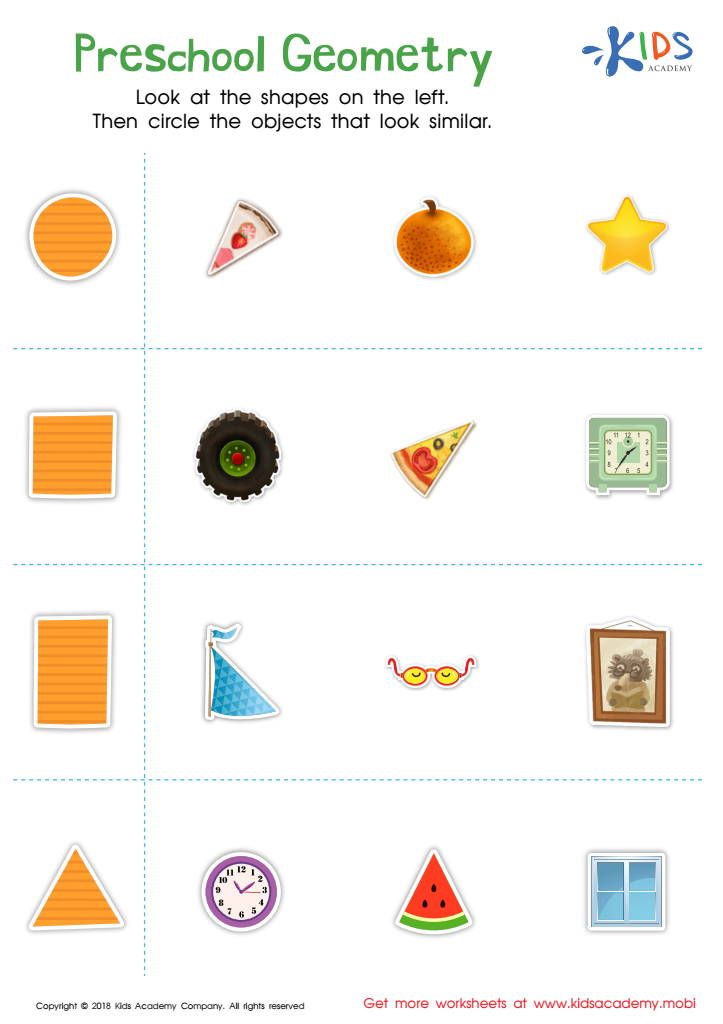
Preschool Geometry Worksheet
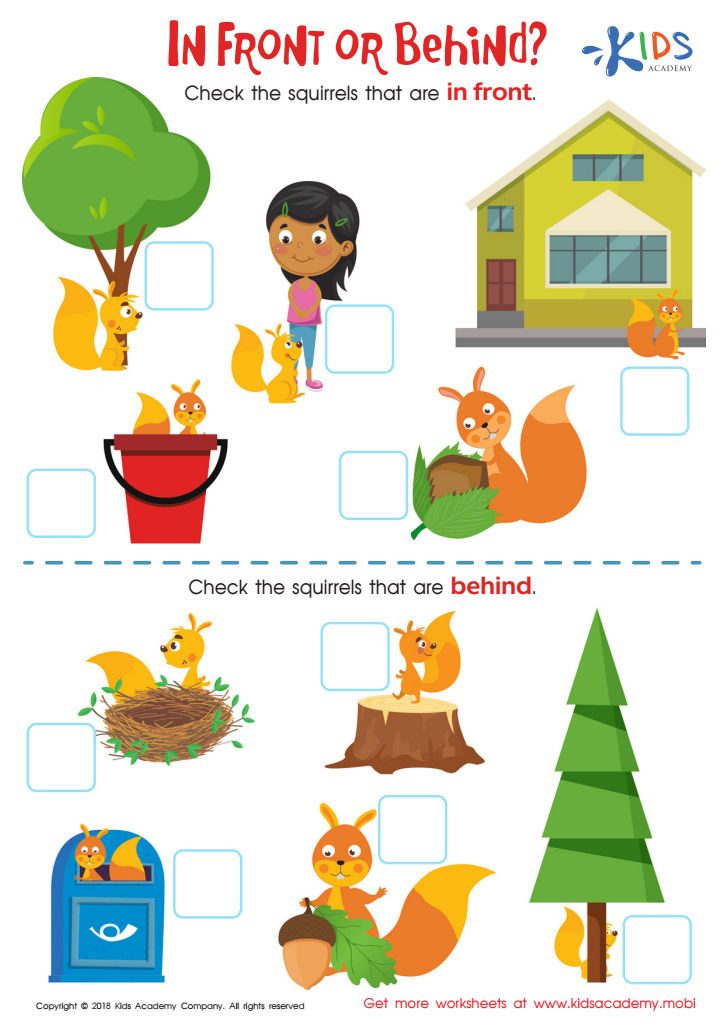
In Front or Behind: Part 2 Worksheet
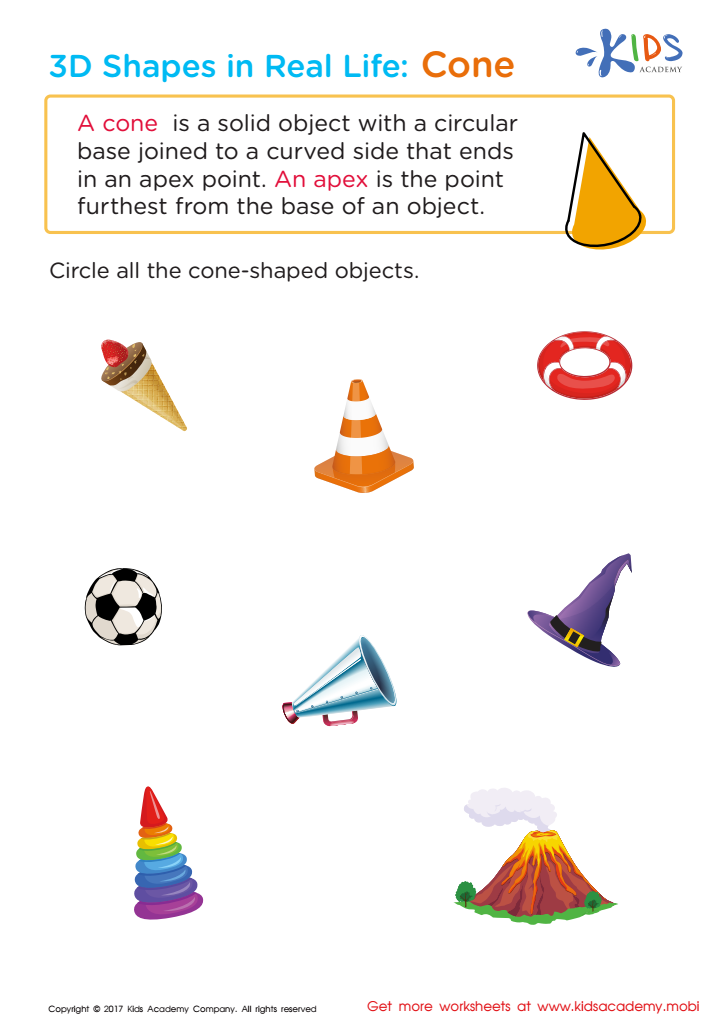
Shapes in Real Life: Cone Worksheet
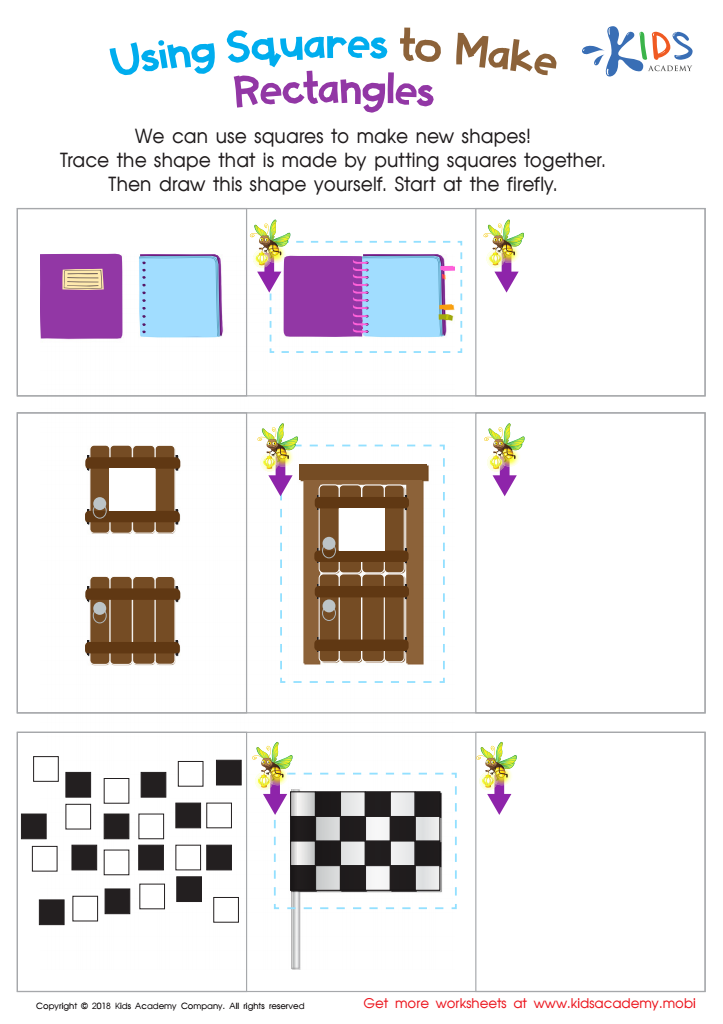
Using Squares to Make Rectangles Worksheet
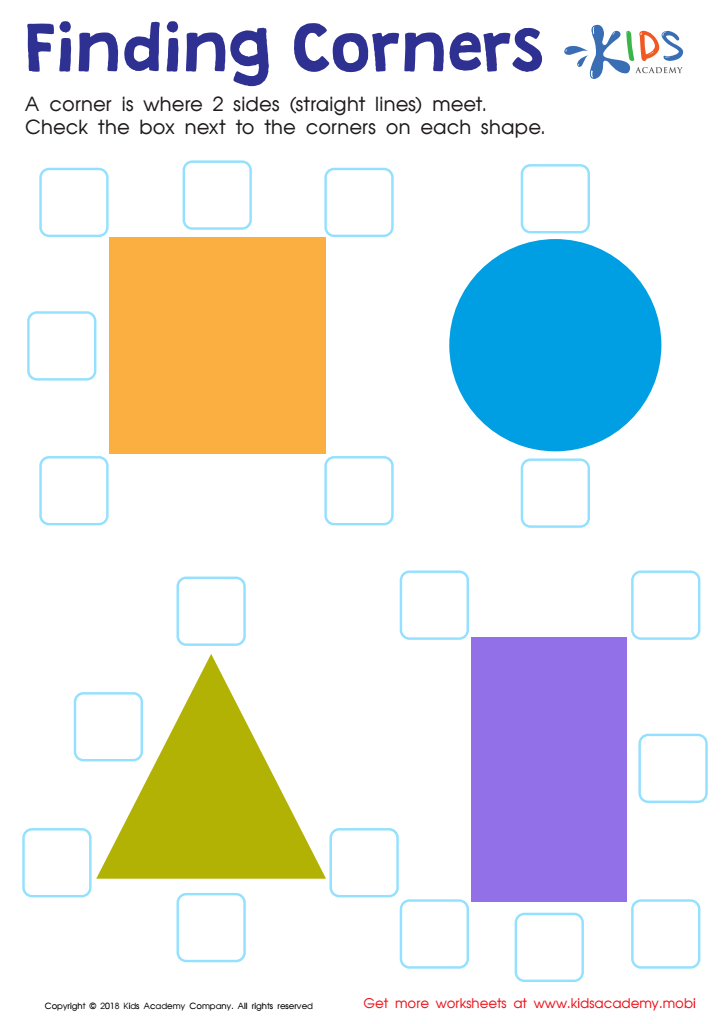
Finding Corners Worksheet
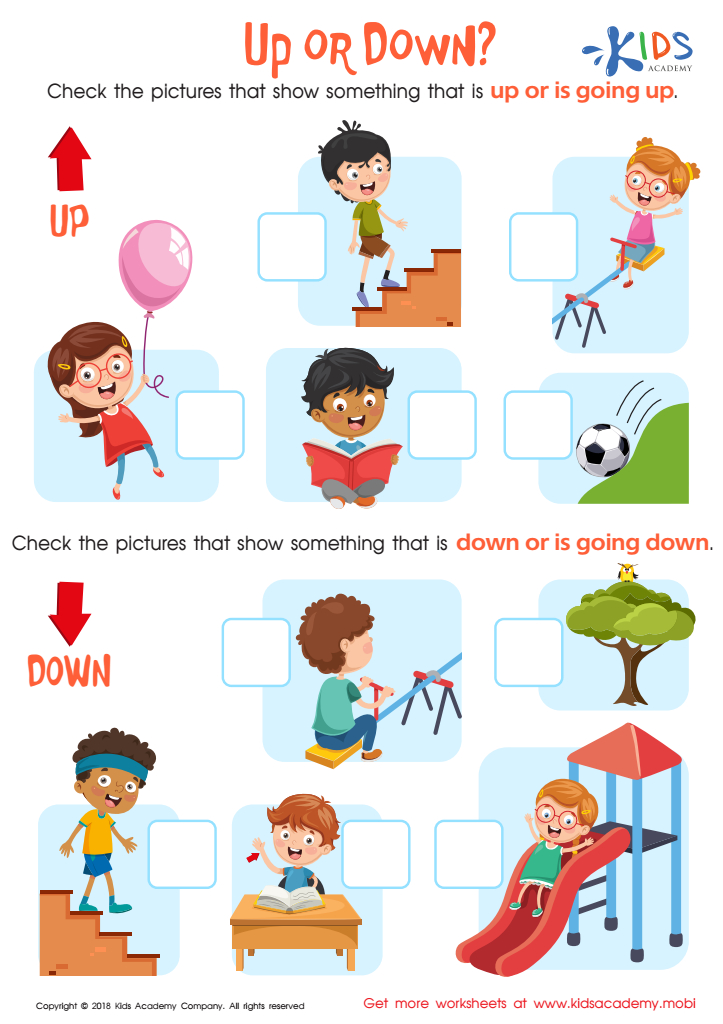
Up or Down Worksheet
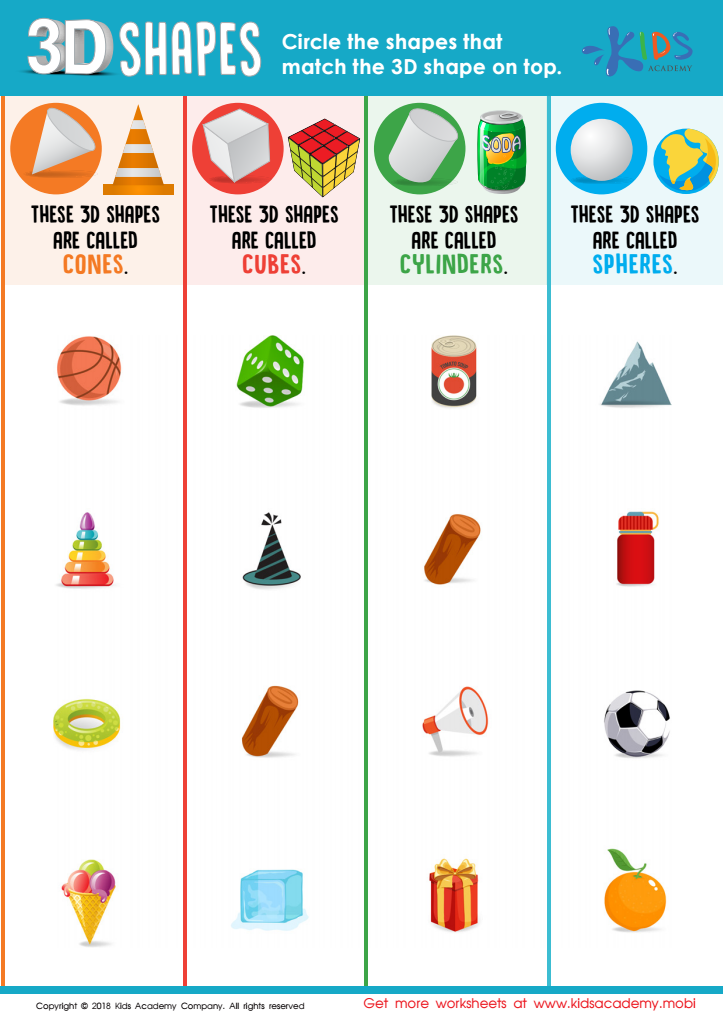
3D Shapes Worksheet
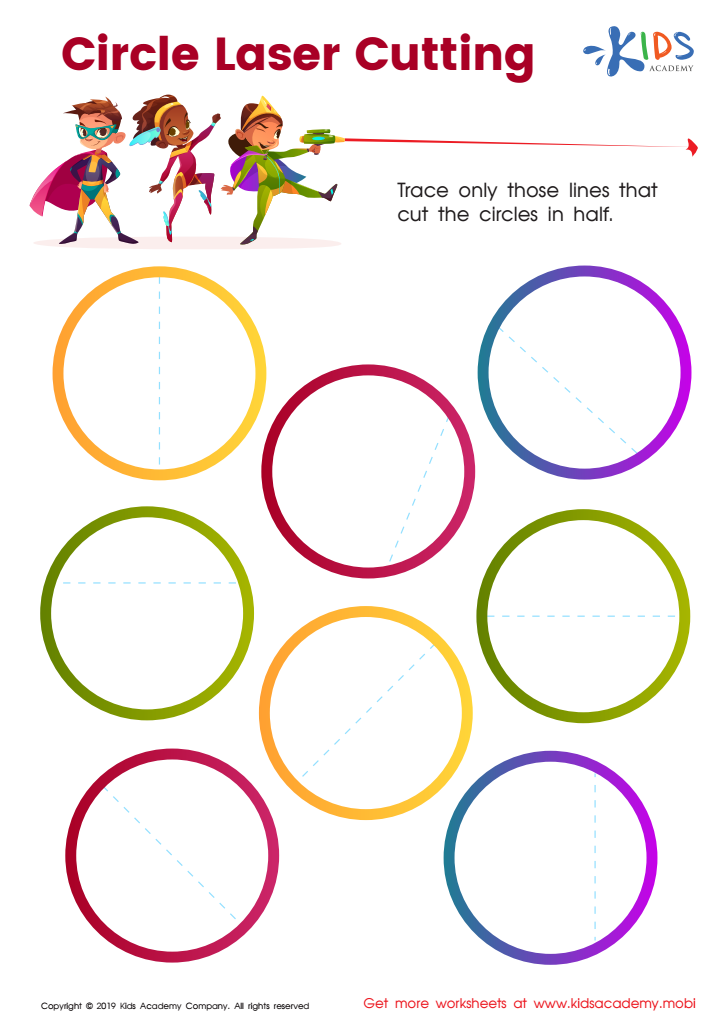
Circle Laser Cutting Worksheet
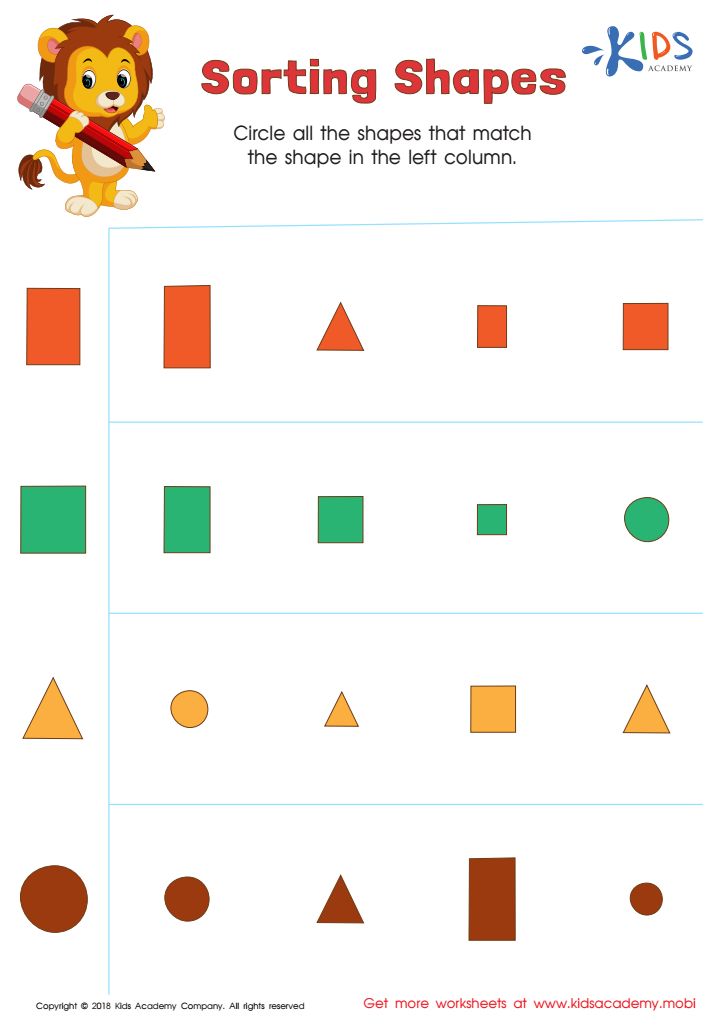
Sorting Shapes - Part 2 Worksheet
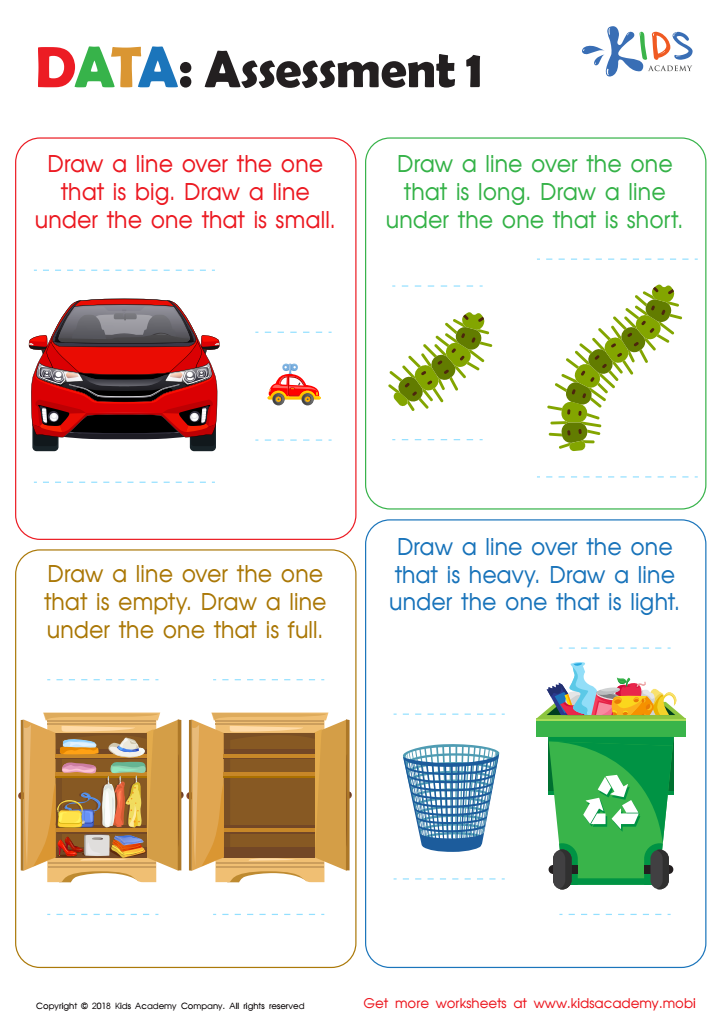
Data: Assessment 1 Worksheet
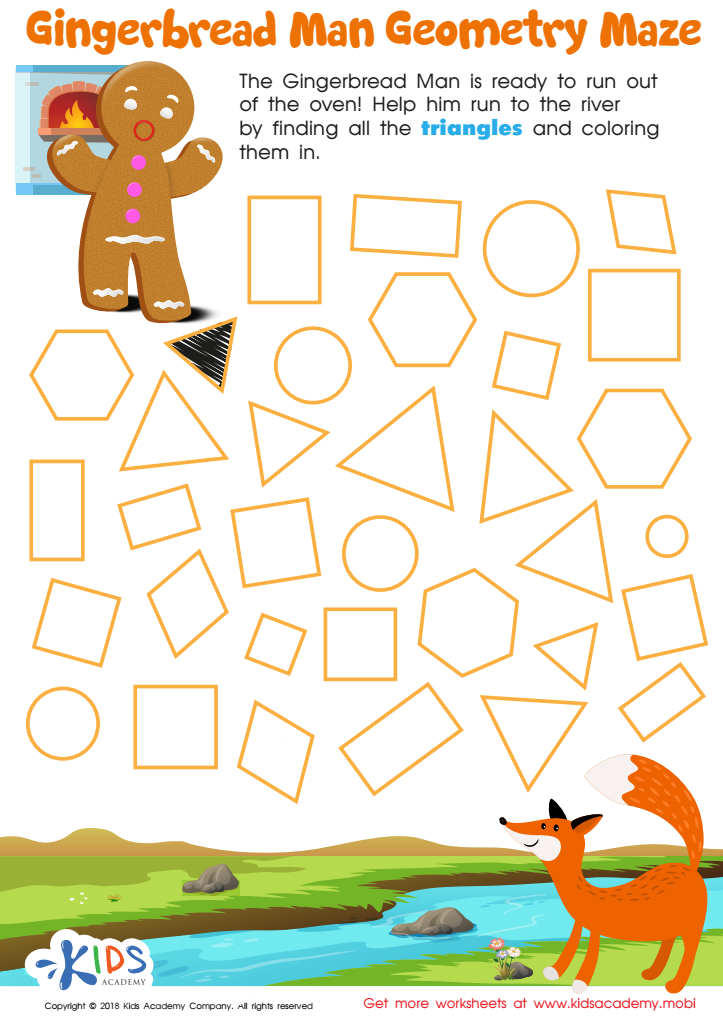
Gingerbread Man Geometry Maze Worksheet
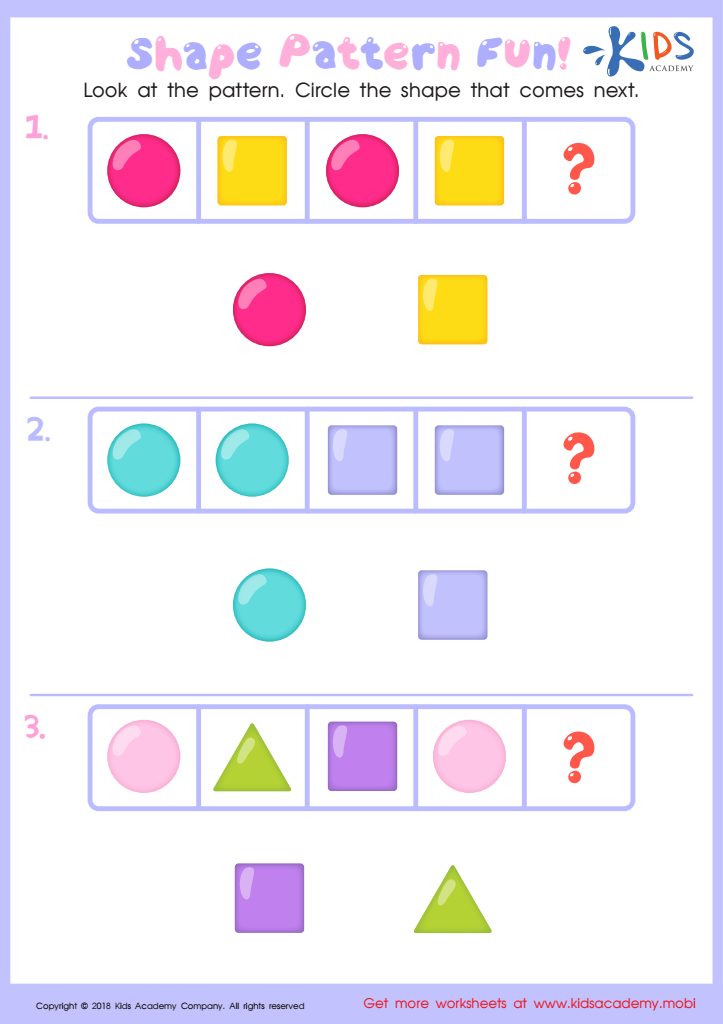
Shape Pattern Fun Worksheet
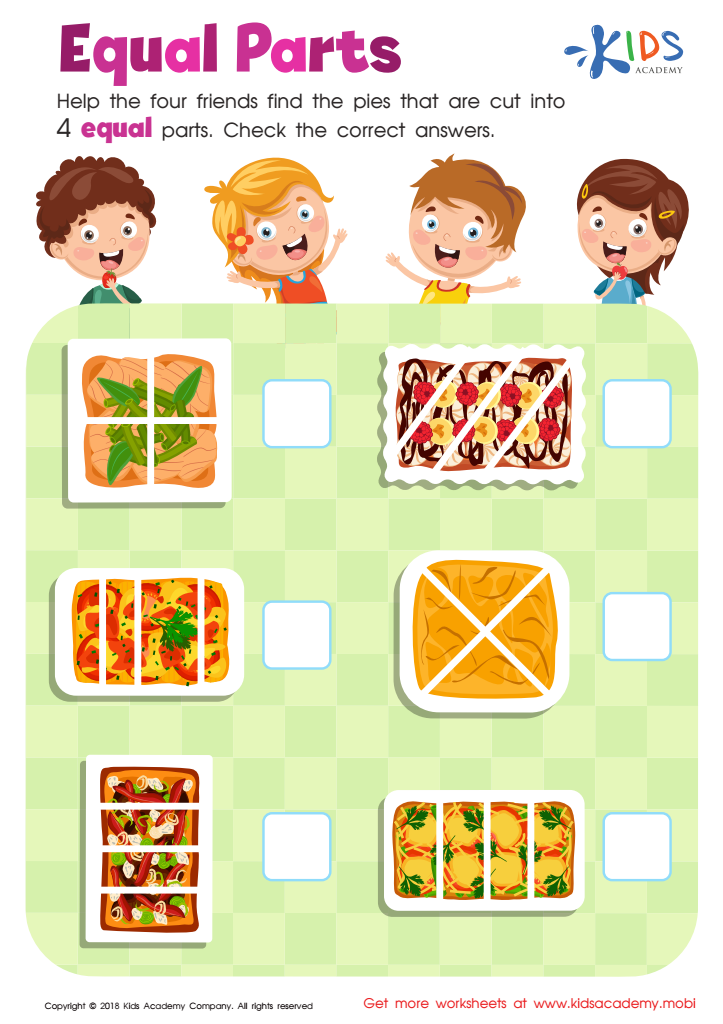
Equal Parts: Food Worksheet








Normal Geometry introduces basic geometric concepts to children ages 4-7, laying a crucial foundation for future mathematical learning and critical thinking skills. At this developmental stage, young learners are highly receptive to visual and spatial stimulation. Shapes, patterns, and spatial awareness are not just mathematical concepts but also everyday tools they use to make sense of the world around them.
Teaching geometry fosters spatial reasoning, an essential skill that helps children understand and navigate various environments, from arranging toys to recognizing shapes in nature. It enhances their ability to classify and categorize objects, which is vital for cognitive development. Moreover, geometry plays a significant role in developing fine motor skills as children manipulate objects, draw shapes, and recognize patterns.
For teachers, incorporating geometry in the curriculum aligns with educational standards and prepares students for more advanced mathematical concepts such as measurement and algebra. Engaging activities like drawing, building, and puzzles make learning fun and promote problem-solving strategies.
For parents, using geometry in daily interactions—like recognizing shapes during play or while reading picture books—supports learning consistency and deepens family connections around shared educational experiences. Thus, early exposure to geometry nurtures a well-rounded, inquisitive young mind ready to engage with the world more fully.








