Normal Geography Worksheets for Ages 4-7 - Page 2
43 filtered results
-
From - To
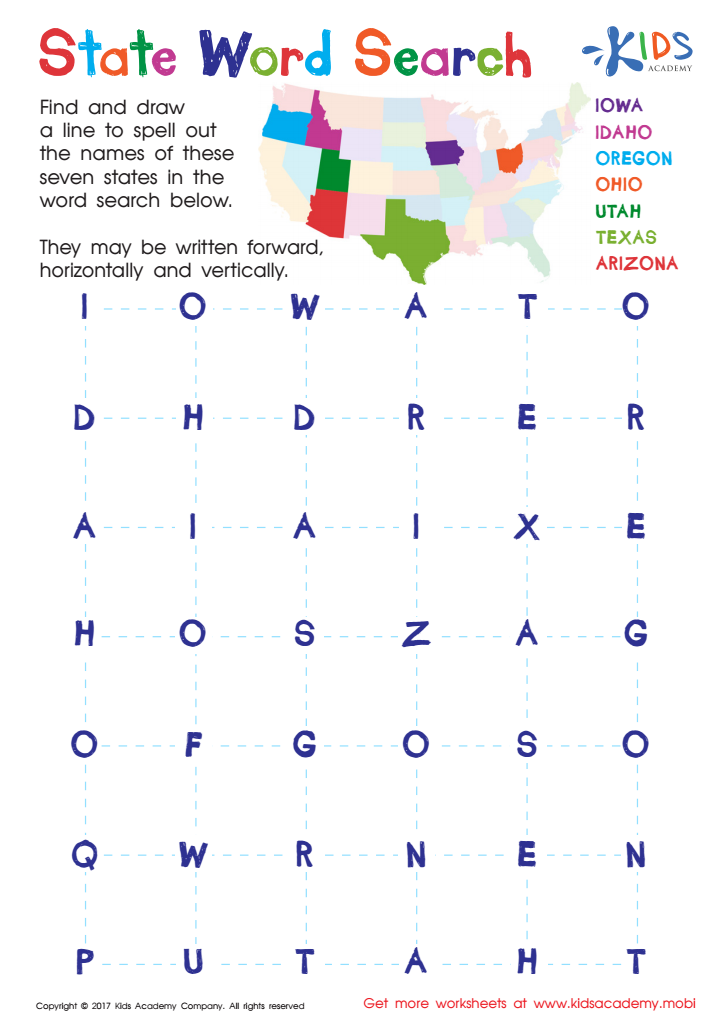
State Word Search Worksheet
 Assign to My Students
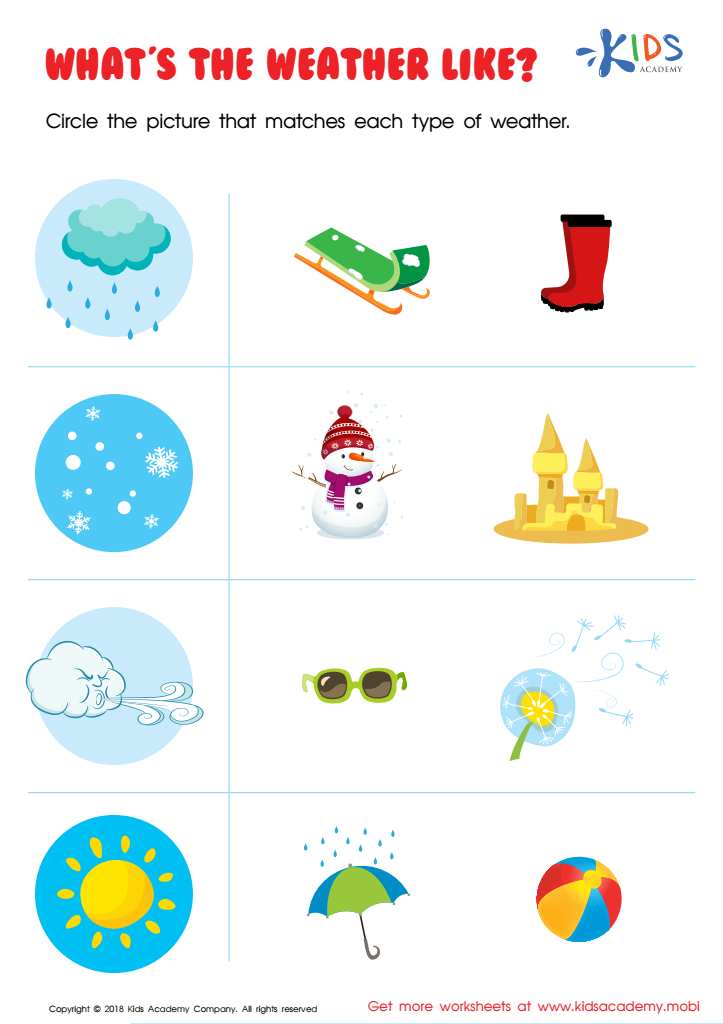
What's the Weather Like? Worksheet
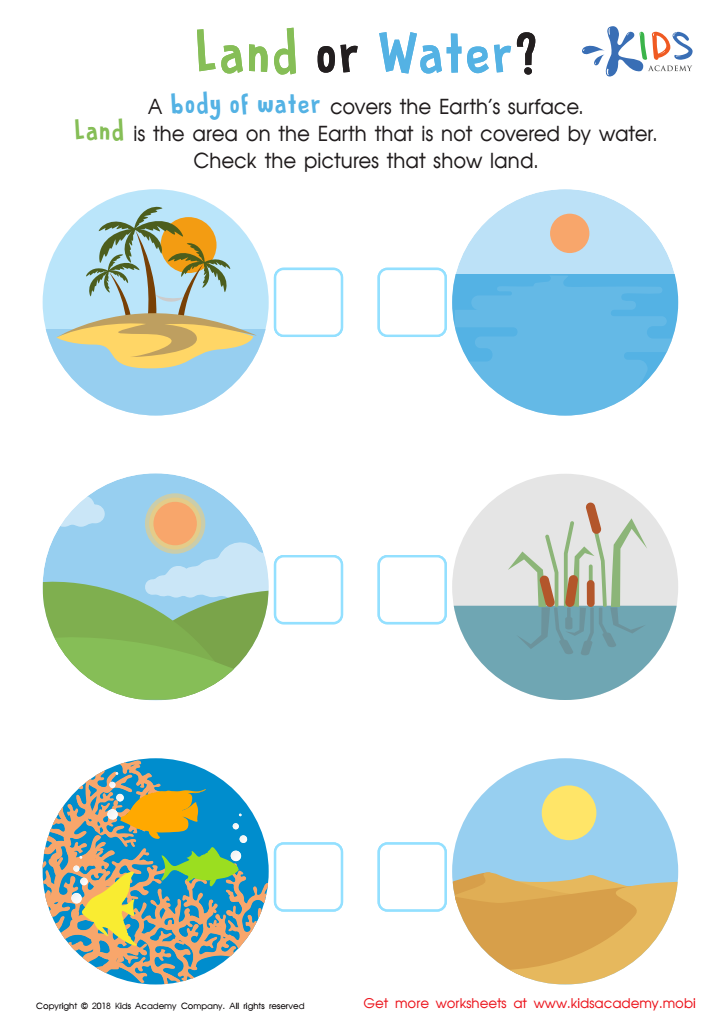
Land or Water Worksheet
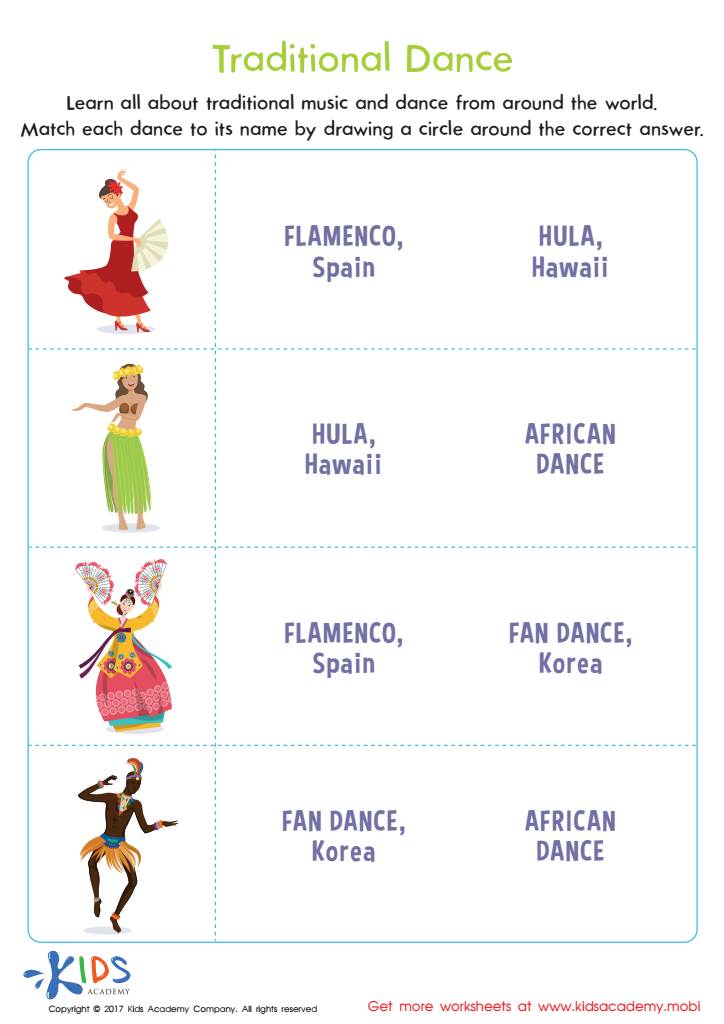
Traditional Dance Printable
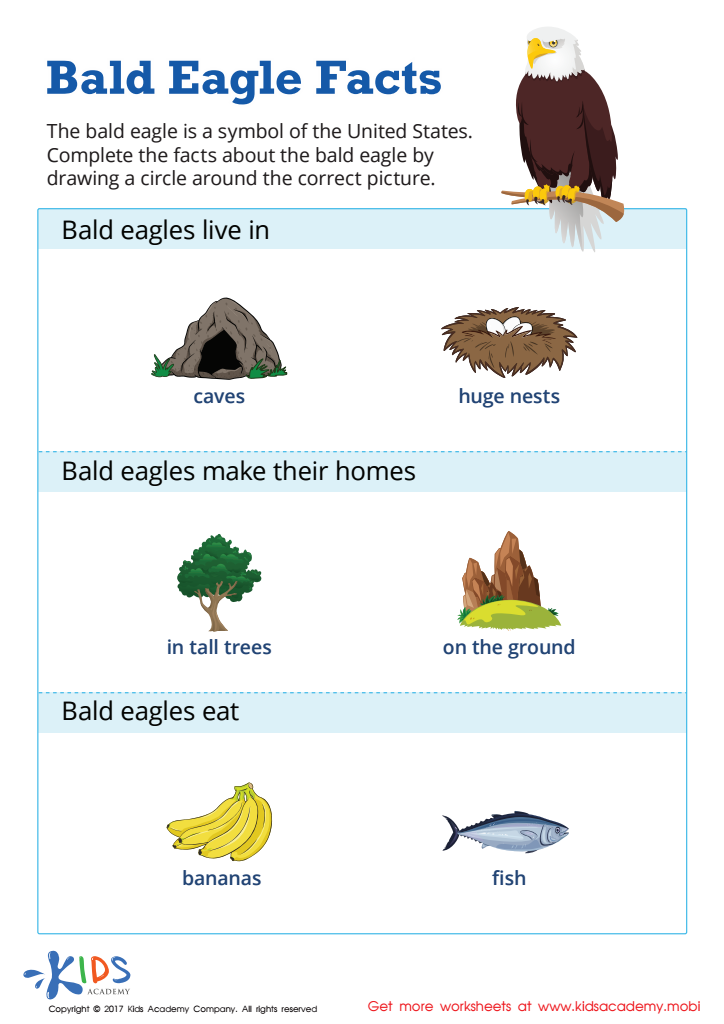
Bald Eagle Facts Worksheet
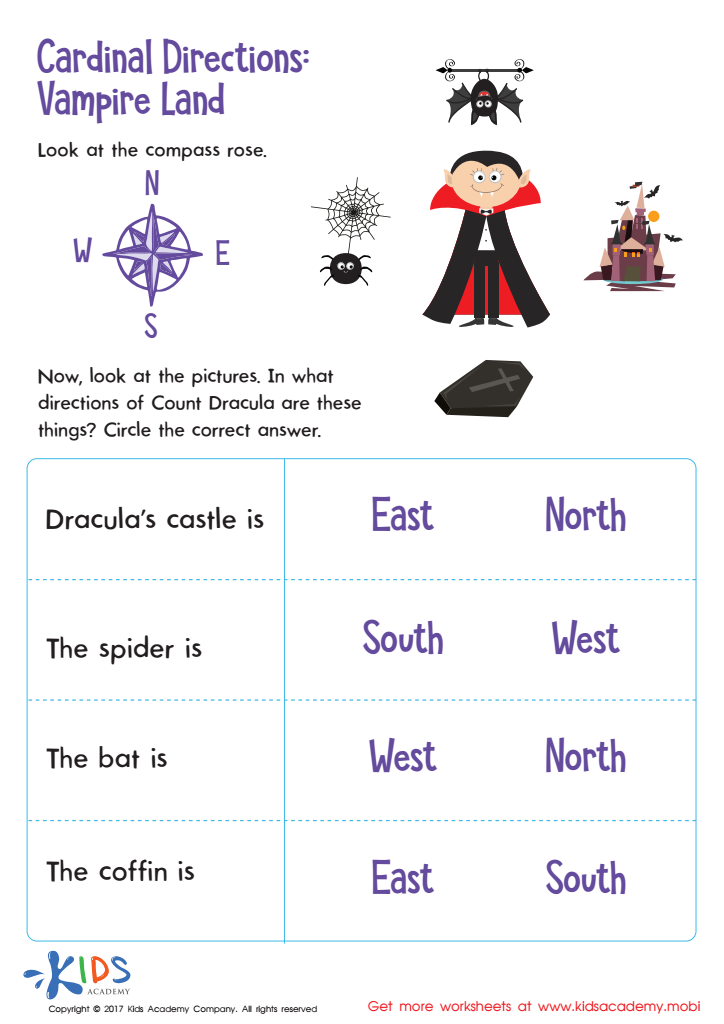
Cardinal Directions Printable
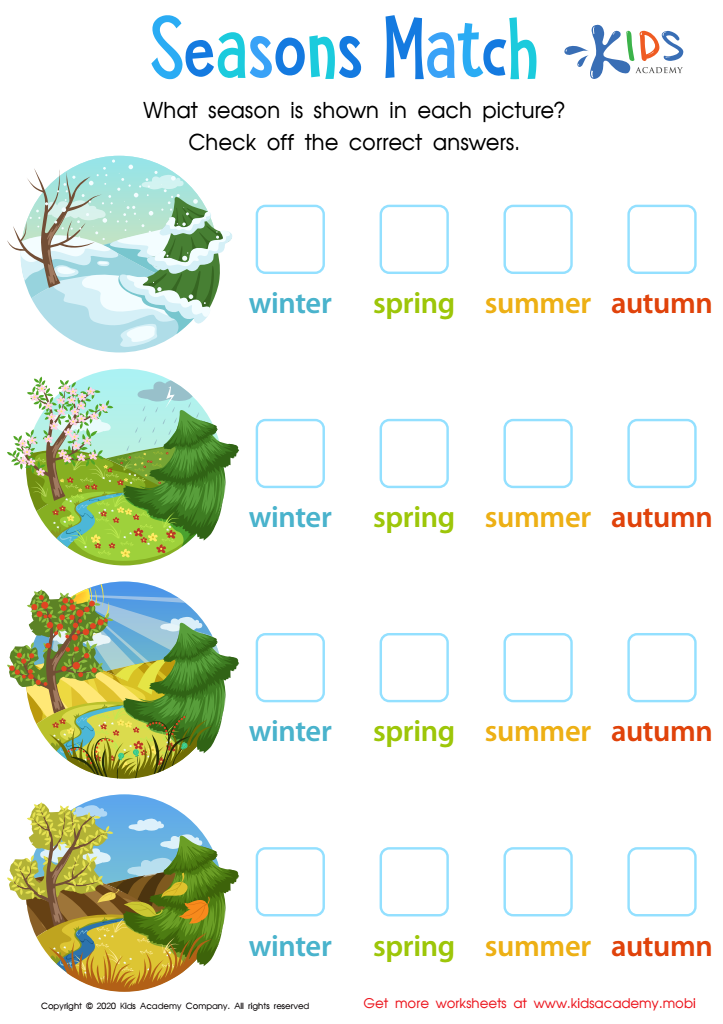
Seasons Match Worksheet
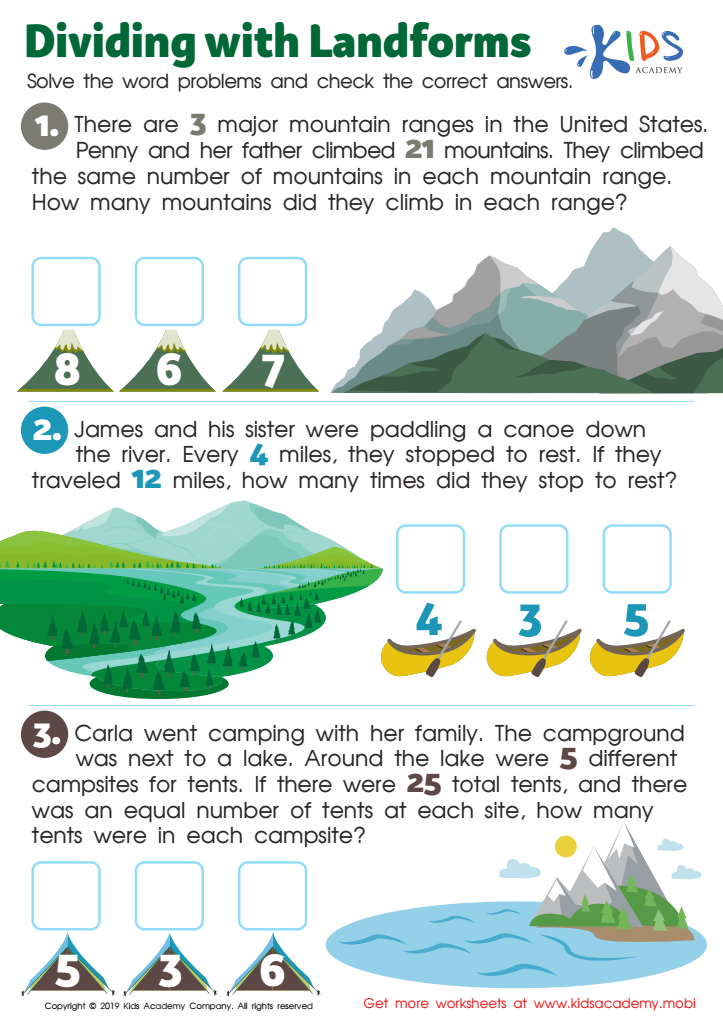
Dividing with Landforms
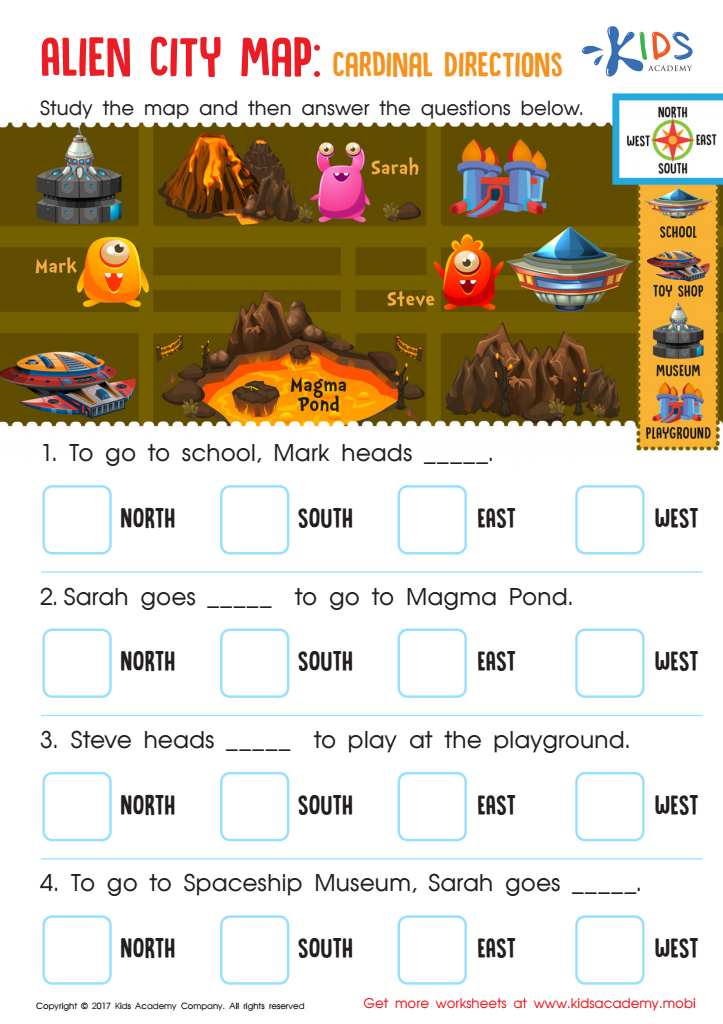
Alien City Map: Cardinal Directions Worksheet
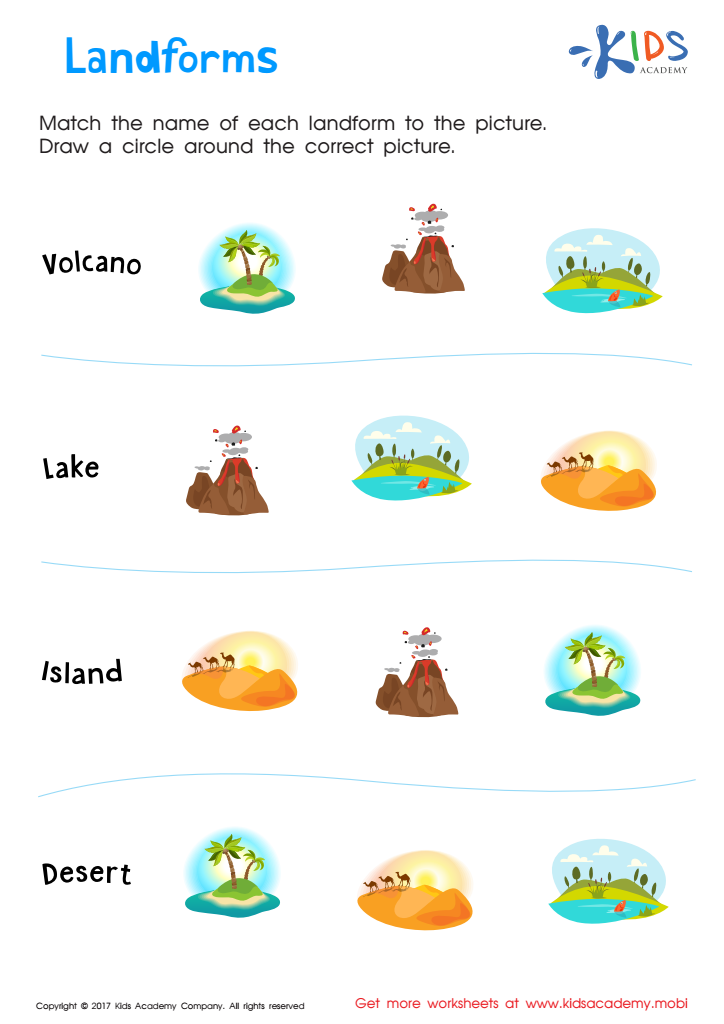
Landforms Printable
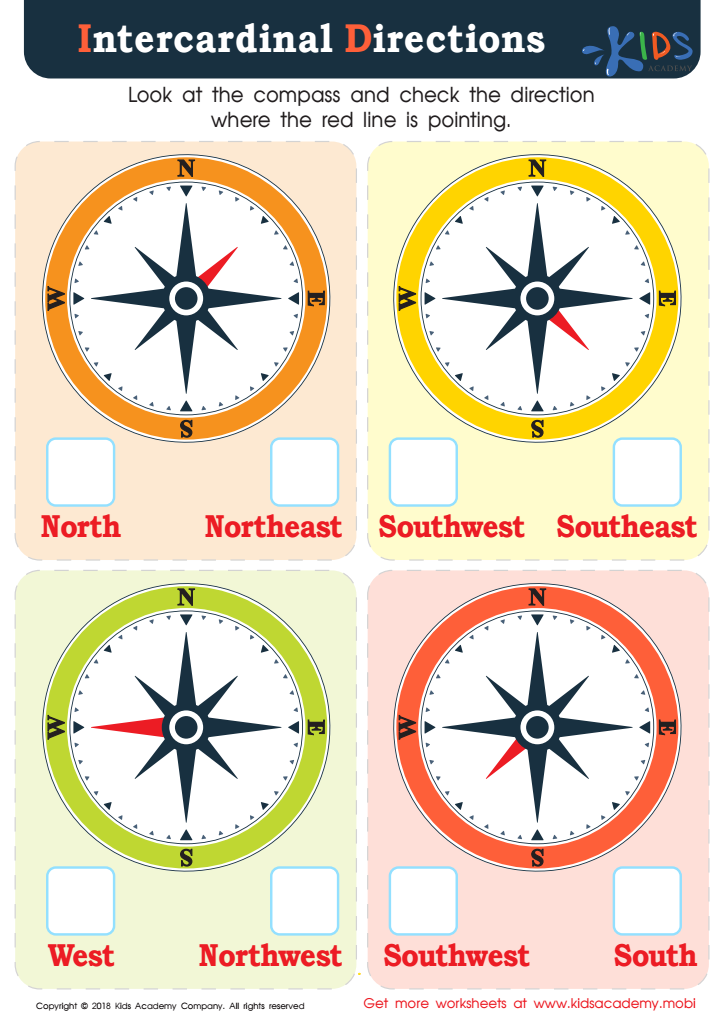
Intercardinal Directions Worksheet
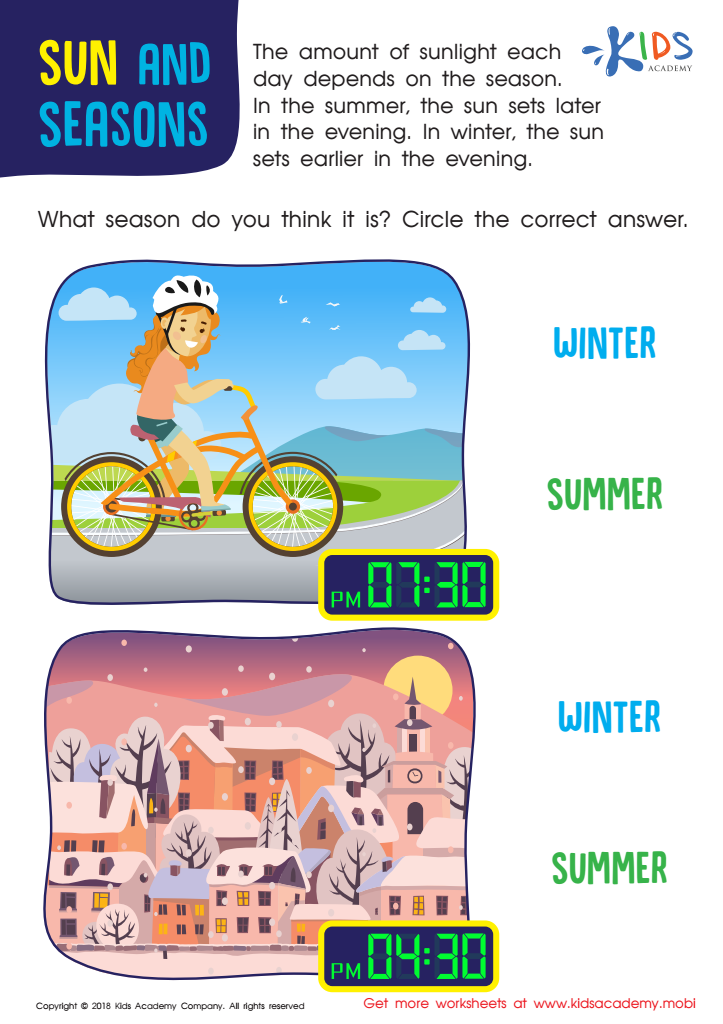
Sun and Seasons Worksheet
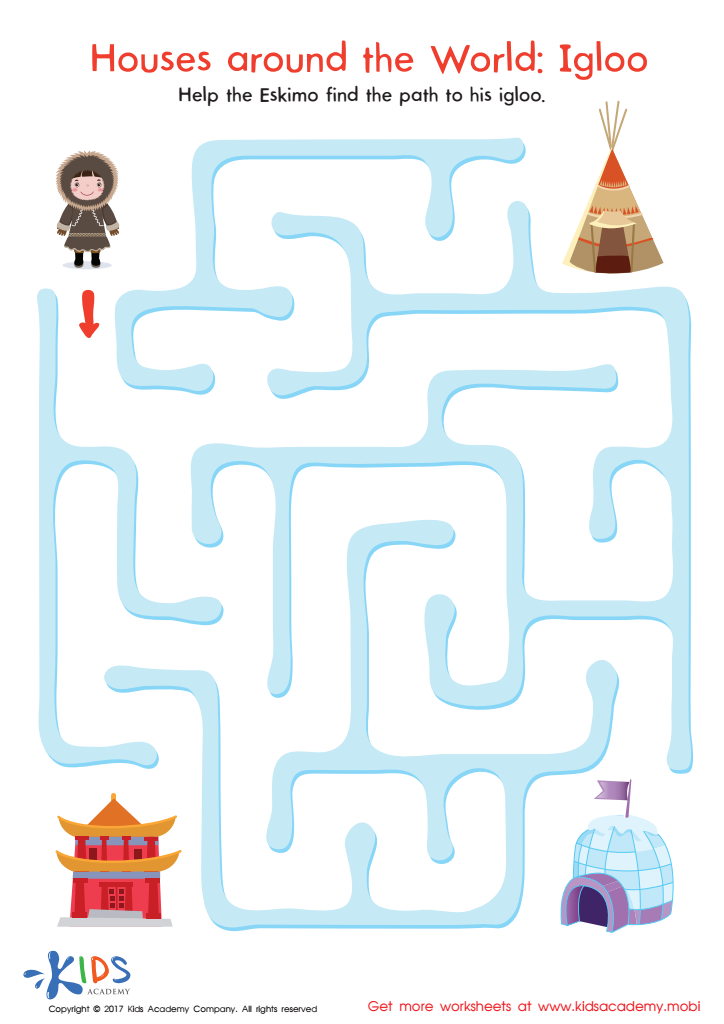
Houses Around the World: Igloo Printable
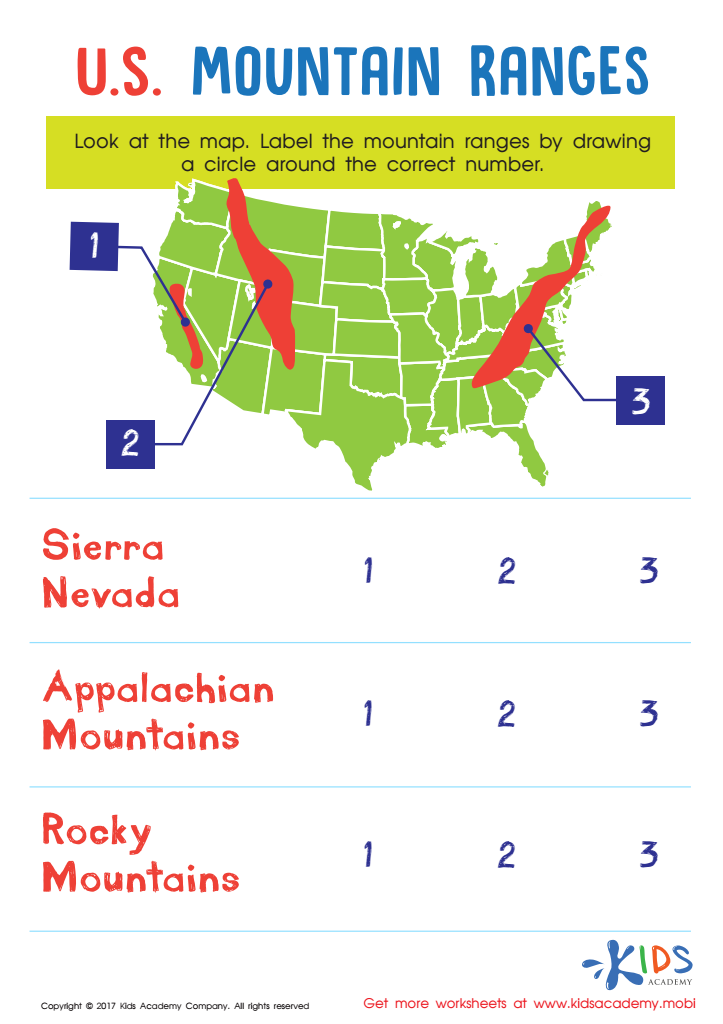
US Mountain Ranges Worksheet
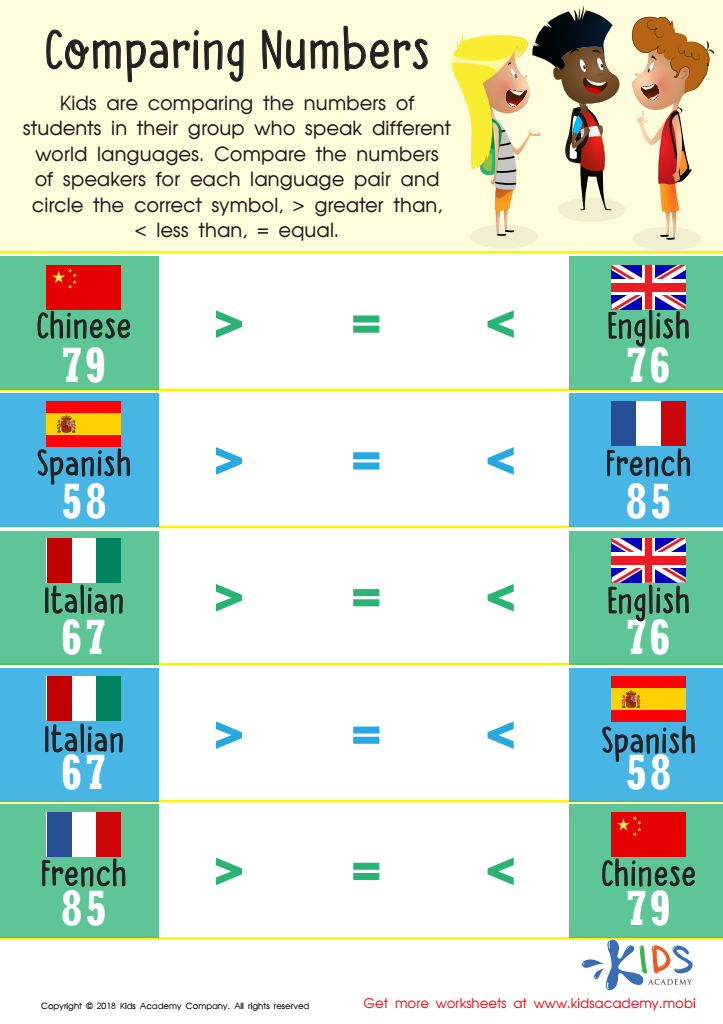
Comparing Numbers Worksheet for 1st Grade
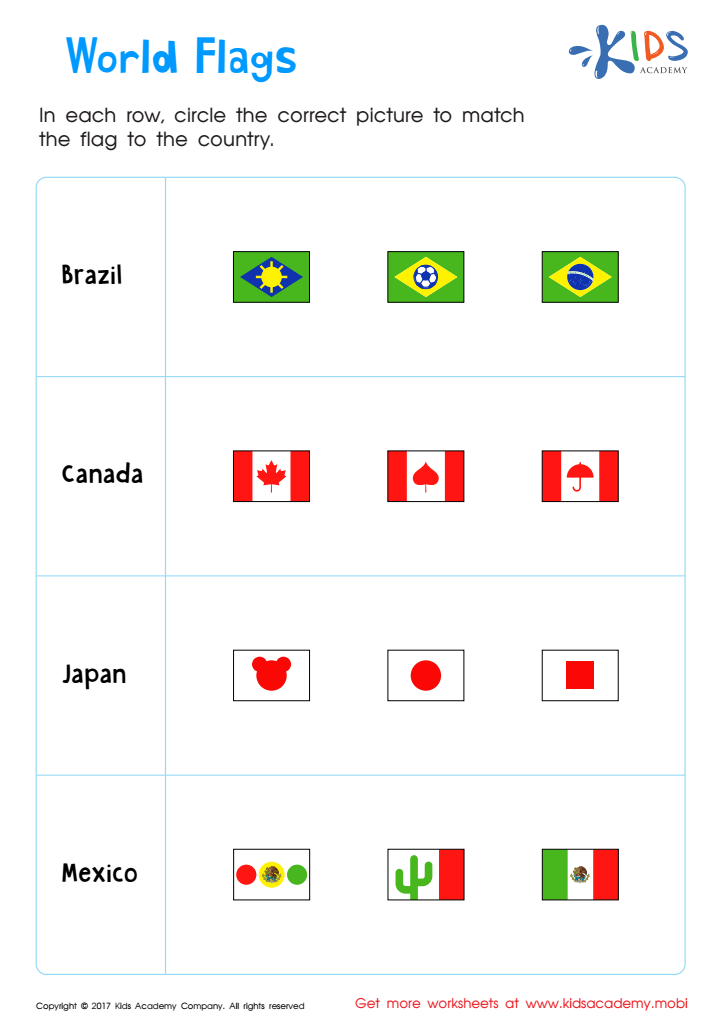
World Flags Printable
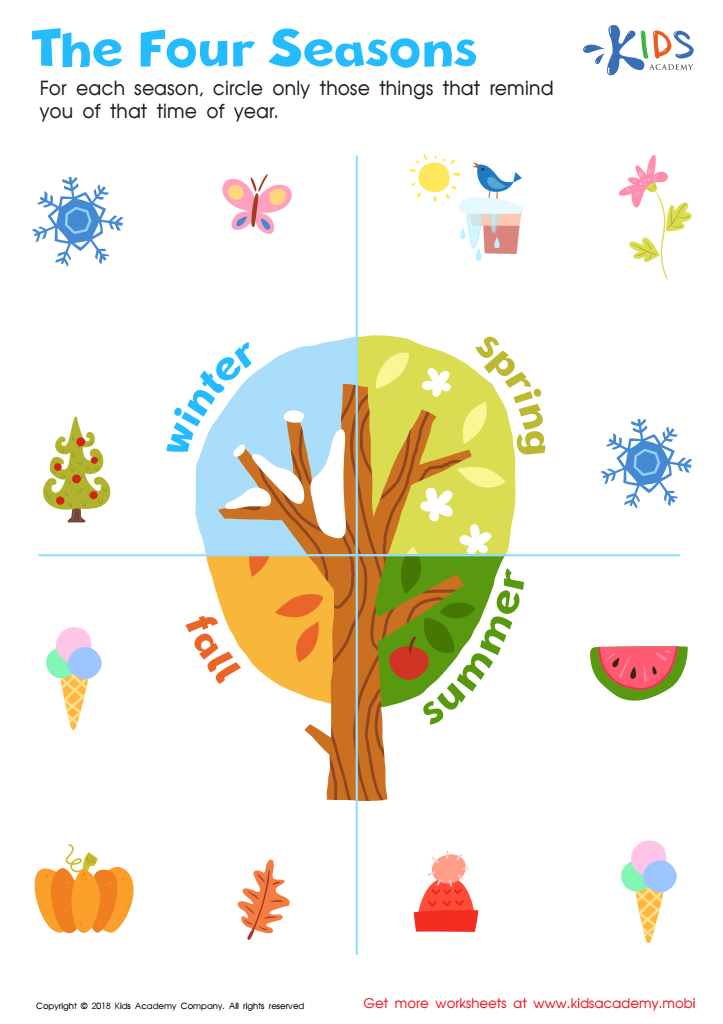
The Four Seasons Worksheet
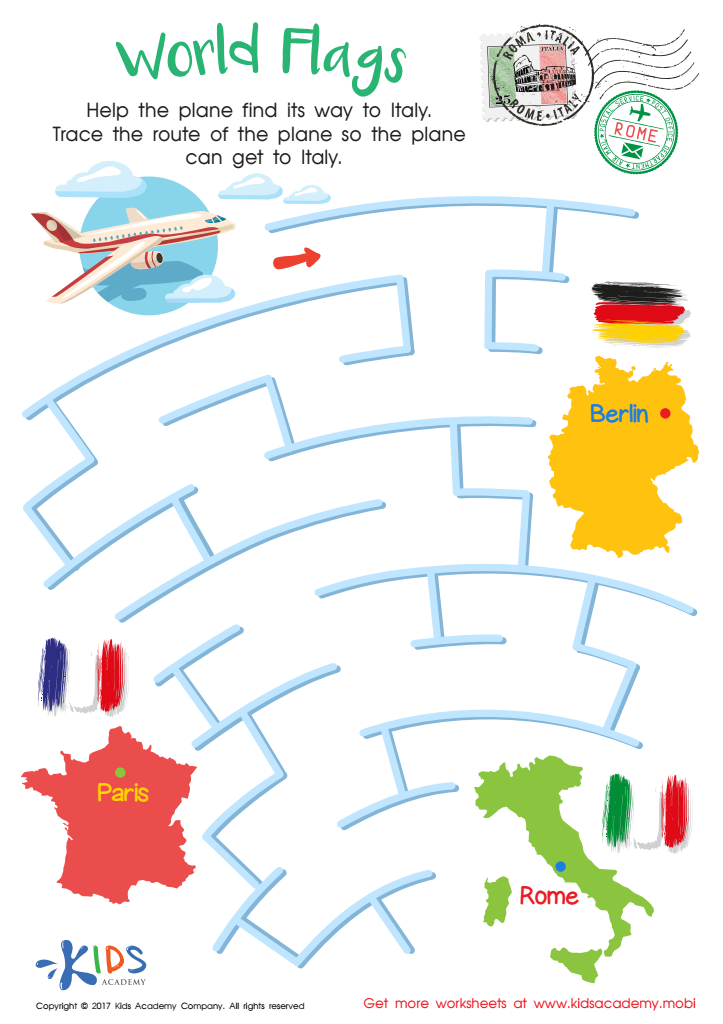
World Flags Maze Worksheet
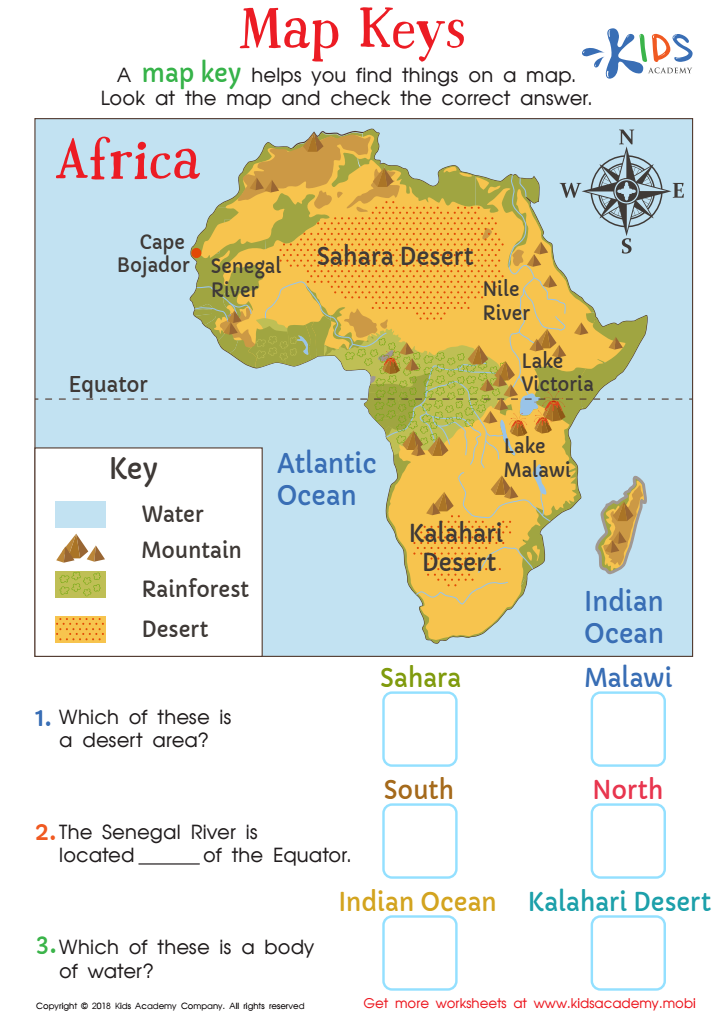
Map Keys Worksheet




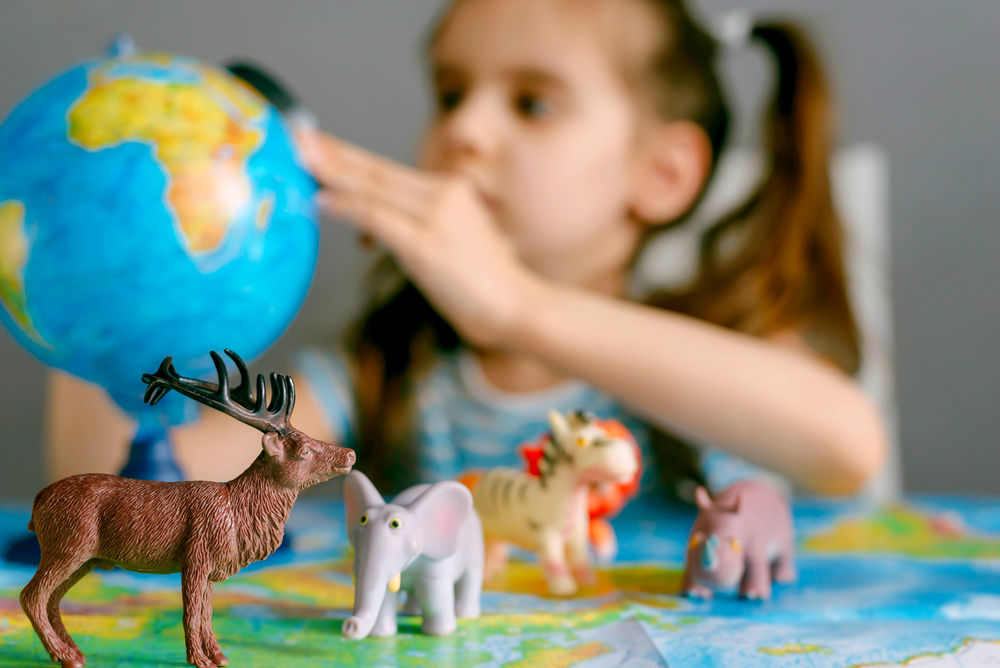


Normal Geography, the understanding of our everyday environment and basic geographic concepts, plays a crucial role in the education of children ages 4-7. For parents and teachers, fostering an early interest in geography helps cultivate a child’s spatial awareness, curiosity, and cognitive development.
At this age, children are naturally curious about the world around them. Introducing basic geography concepts, such as recognizing landforms, understanding weather patterns, and identifying community landmarks, taps into this curiosity. It encourages children to make sense of their surroundings and builds a foundation for more complex learning.
Geography also enhances critical thinking and problem-solving skills. When children learn to read maps, comprehend distances, or understand directional concepts like left and right, they practice logical reasoning. These skills are transferable to other academic areas, boosting overall academic performance.
Additionally, understanding geography helps foster empathy and global awareness. Recognizing that cities, countries, and cultures differ around the world encourages children to appreciate diversity. It lays the groundwork for them to become informed and compassionate global citizens.
For teachers and parents, integrating geography into daily lessons or activities can be straightforward and engaging. Through simple map activities, storybooks, and nature walks, children can explore geographic concepts in an age-appropriate and enjoyable way. Building this knowledge early on supports well-rounded intellectual and social development.