Normal Word Problems Worksheets for Ages 4-8 - Page 2
45 filtered results
-
From - To
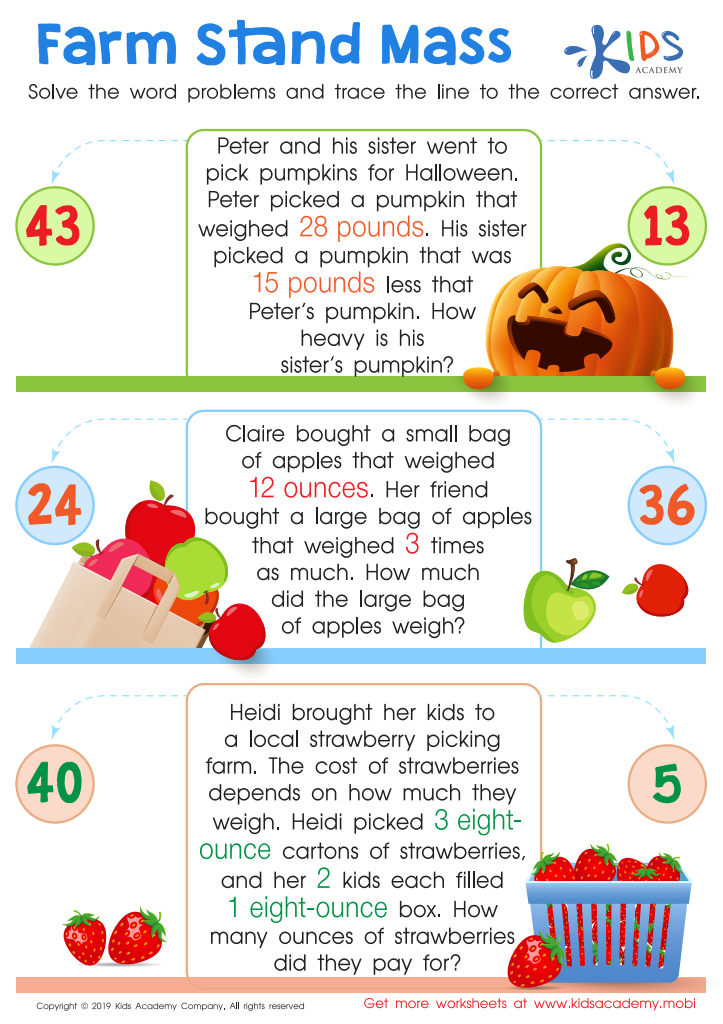
Farm Stand Mass Worksheet
 Assign to My Students
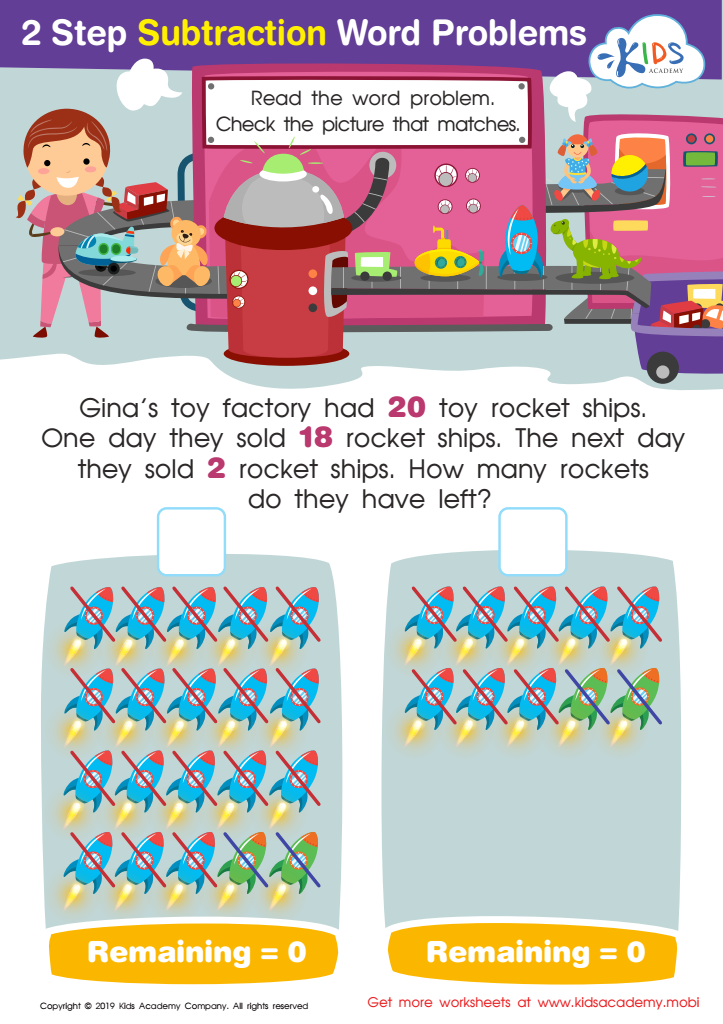
Step Subtraction Word Problems Worksheet
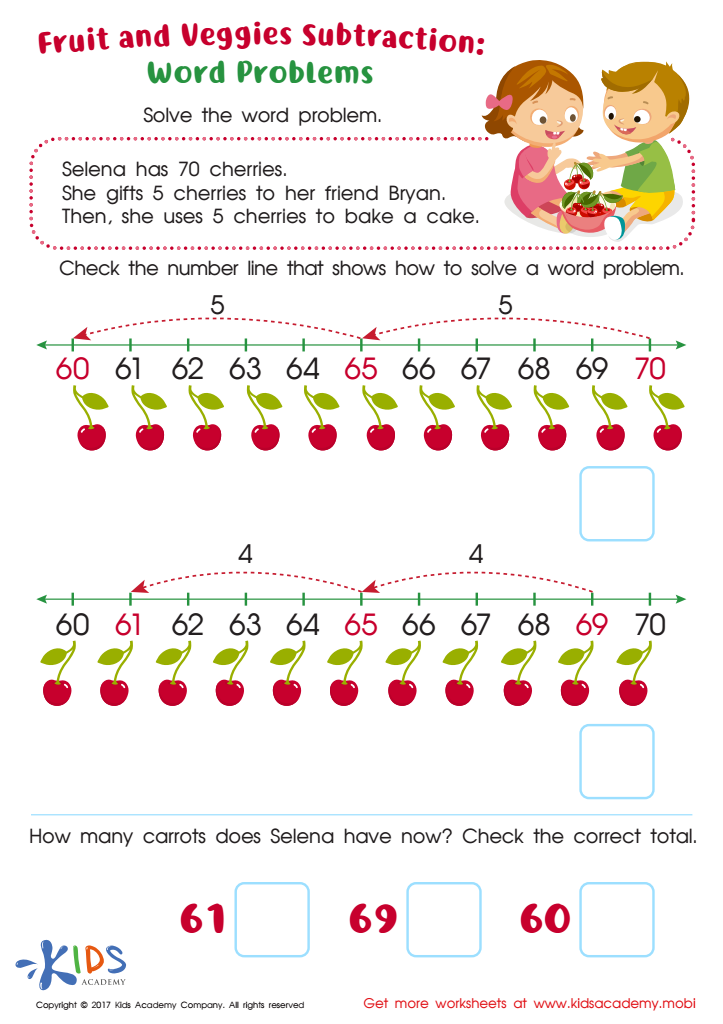
Subtraction Word Problems Free Printable
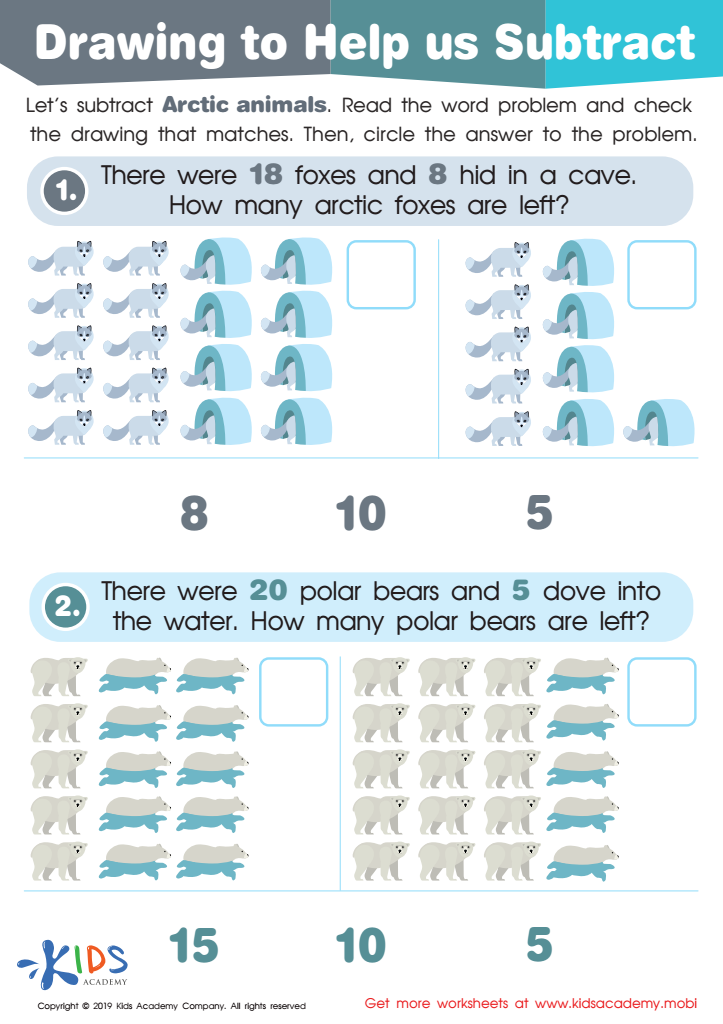
Drawing to Help Us Subtract Worksheet
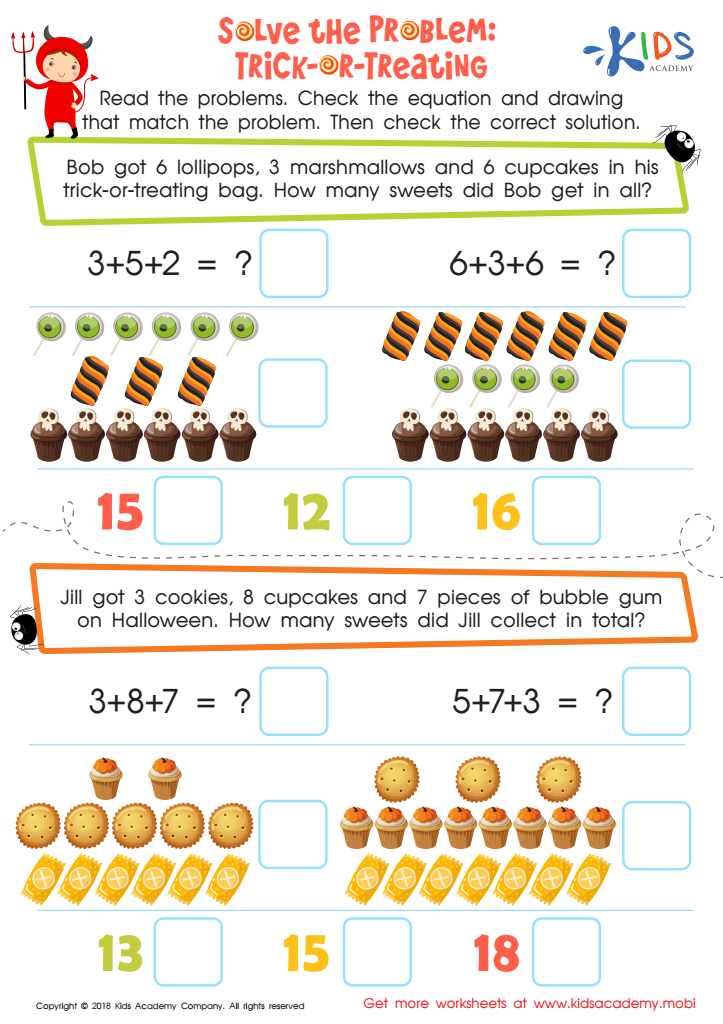
Solve the Problem: Trick–or–treating Worksheet
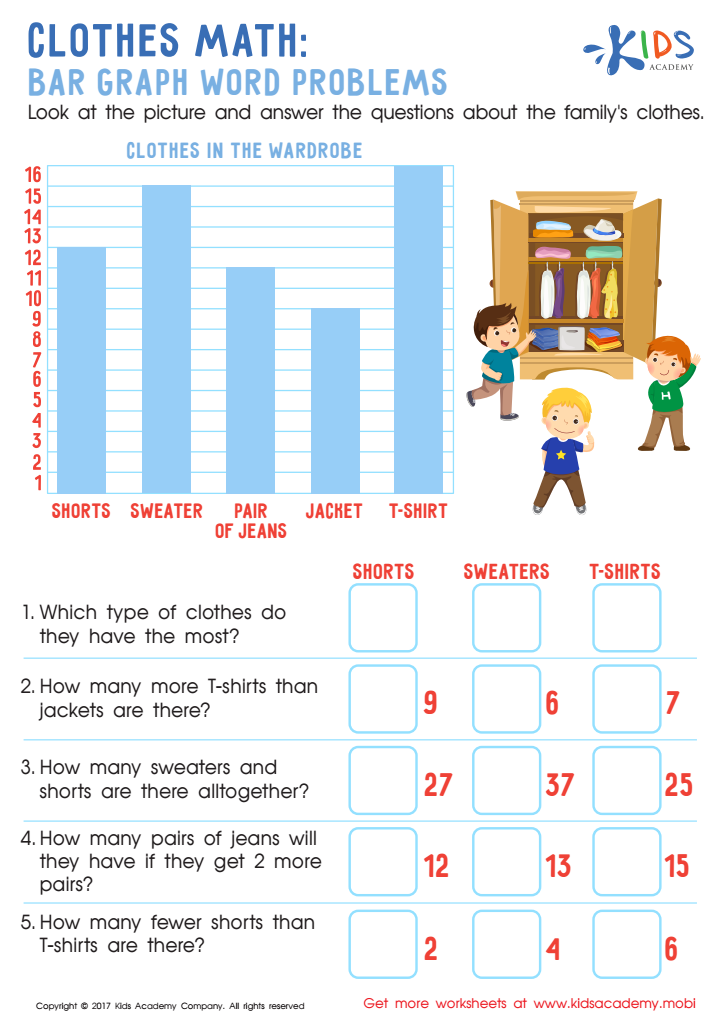
Clothes Math: Bar Graph Word Problems Worksheet
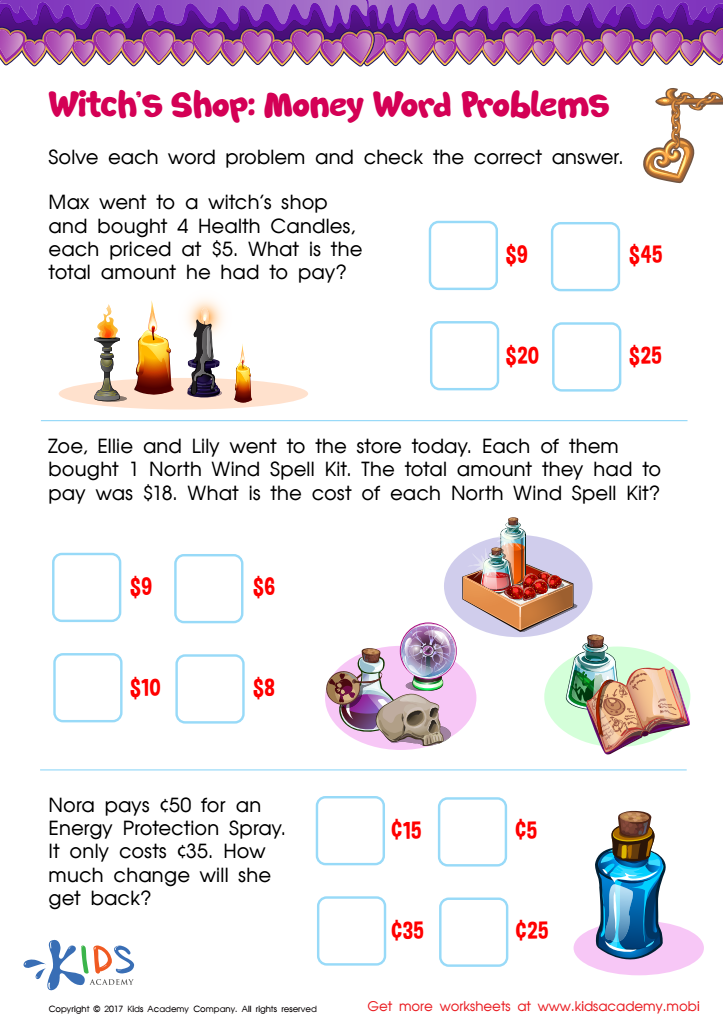
Money Word Problems Printable
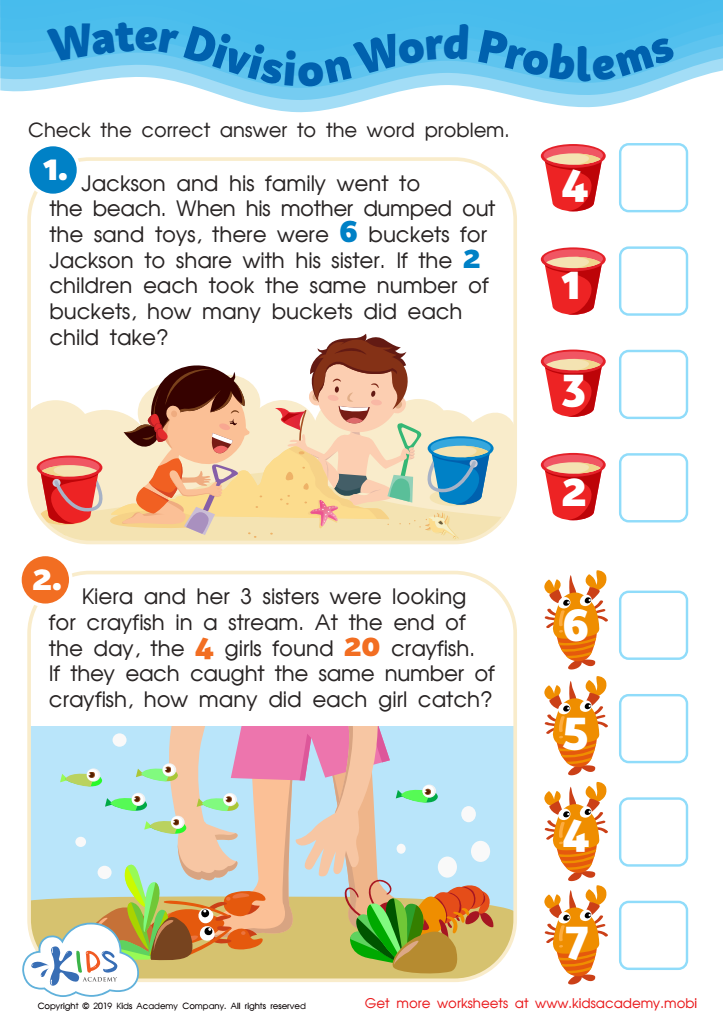
Water Division Word Problems Worksheet
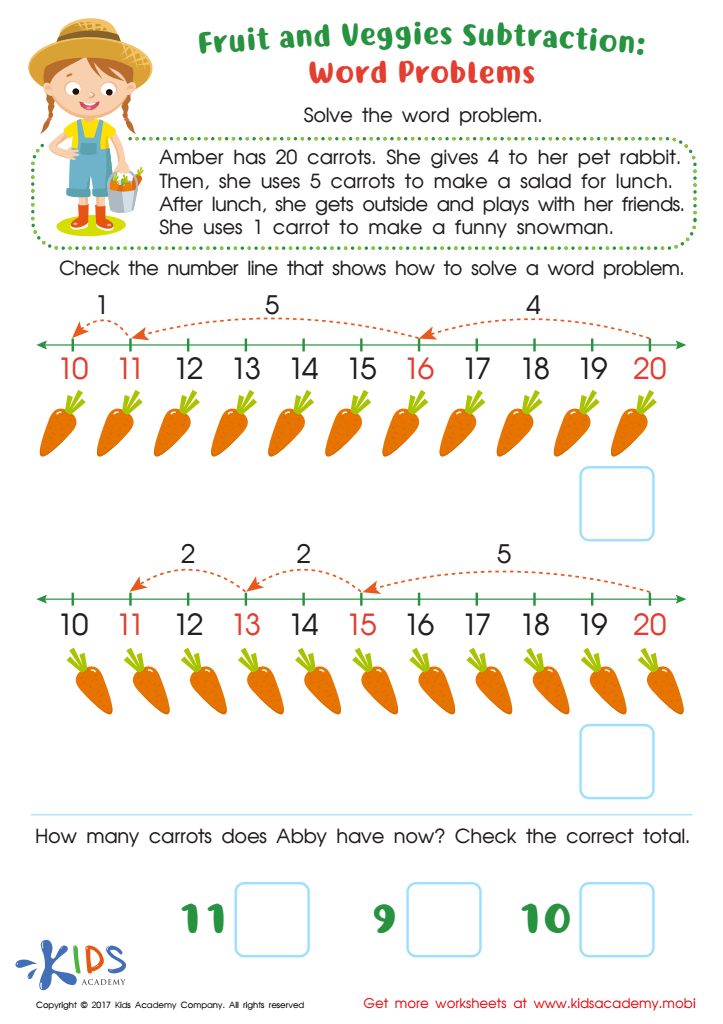
Subtraction Word Problems Printable
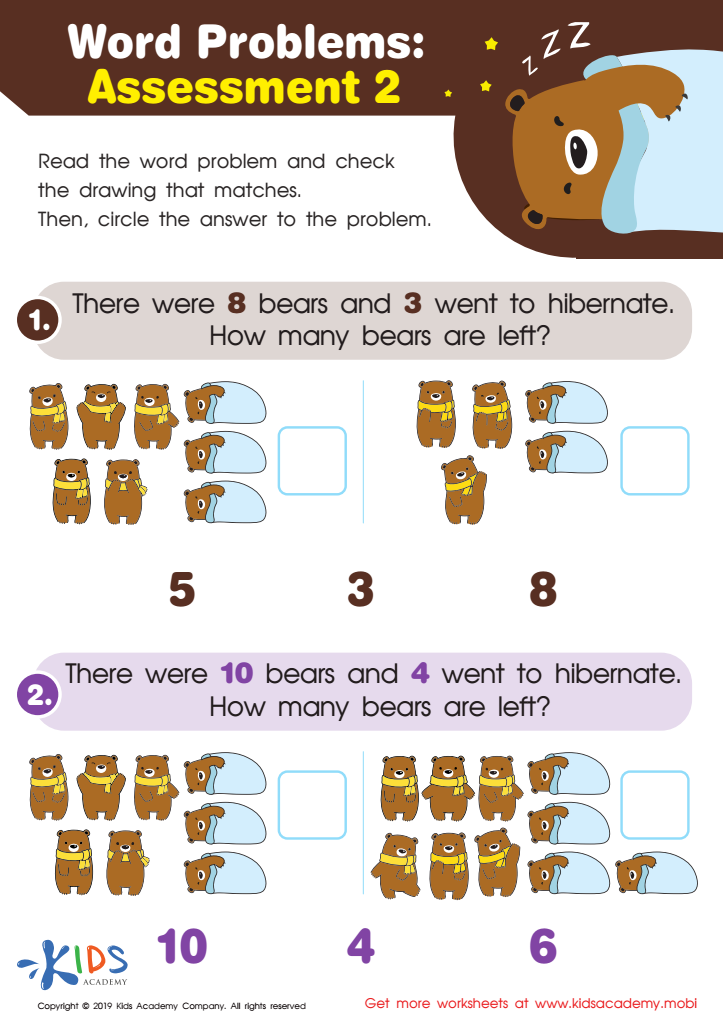
Word Problems: Assessment 2 Worksheet
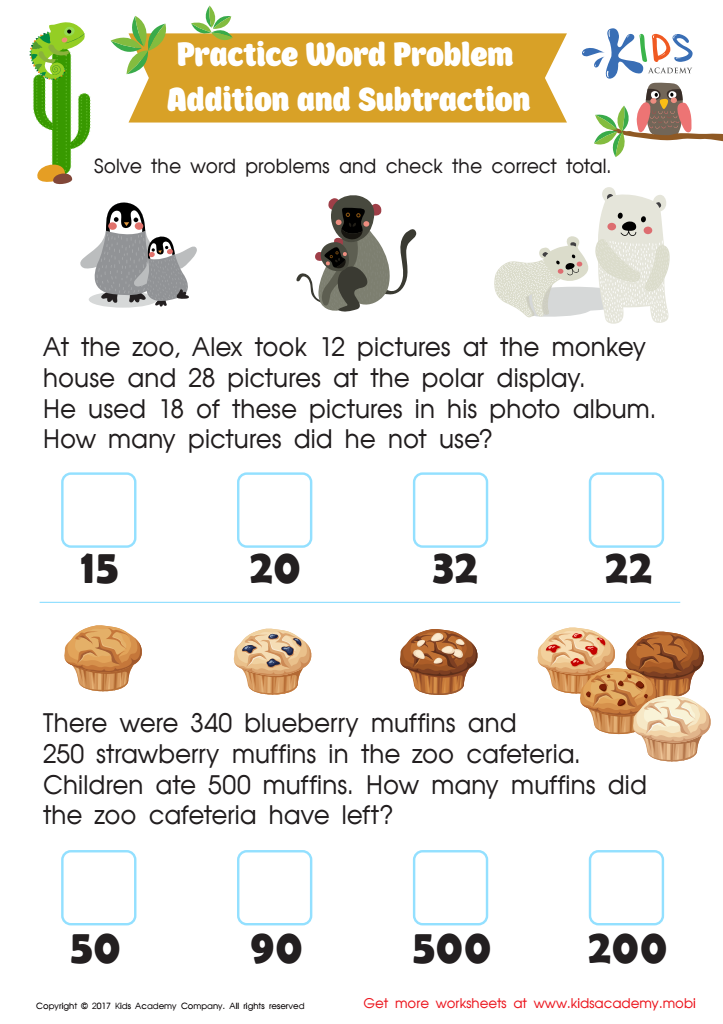
Addition and Subtraction: Word Problems Worksheet
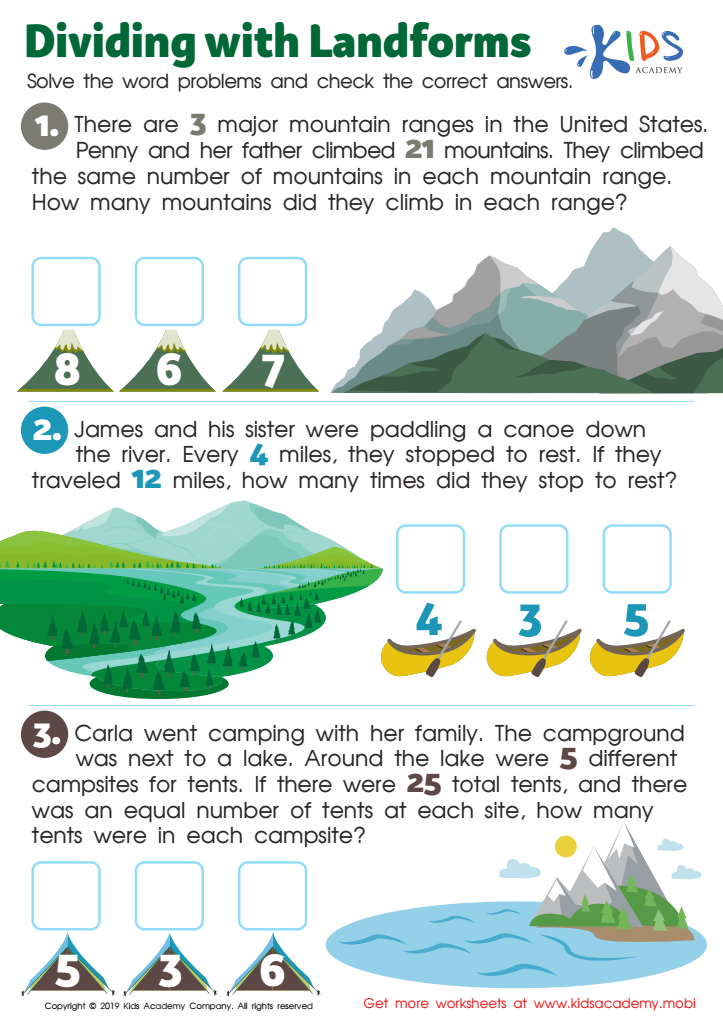
Dividing with Landforms
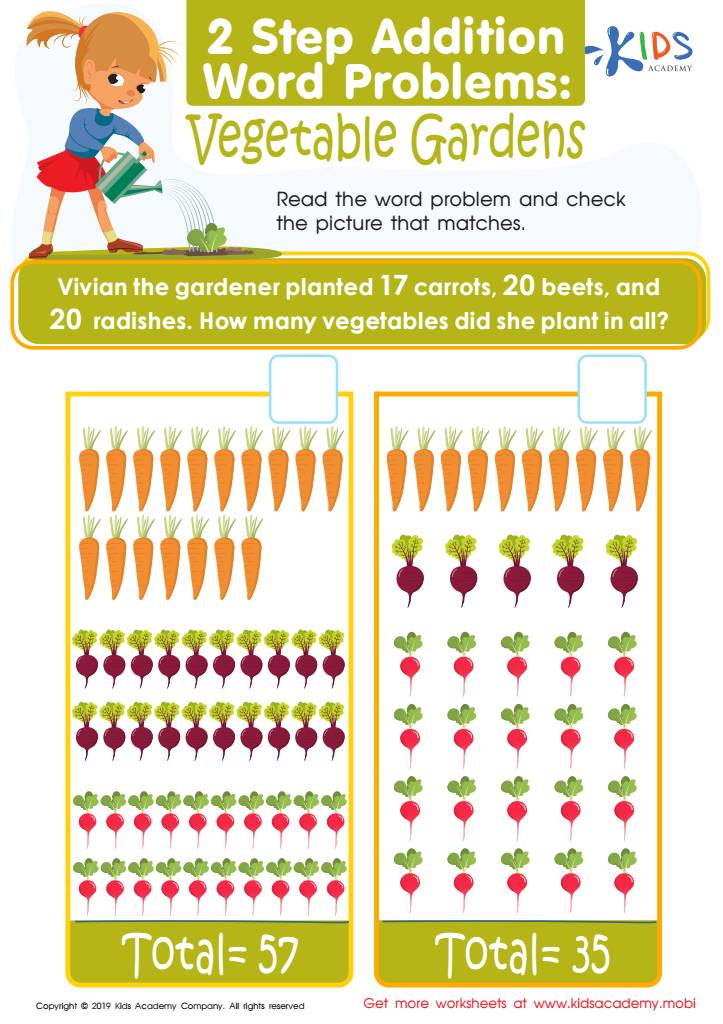
Vegetable Gardens Worksheet
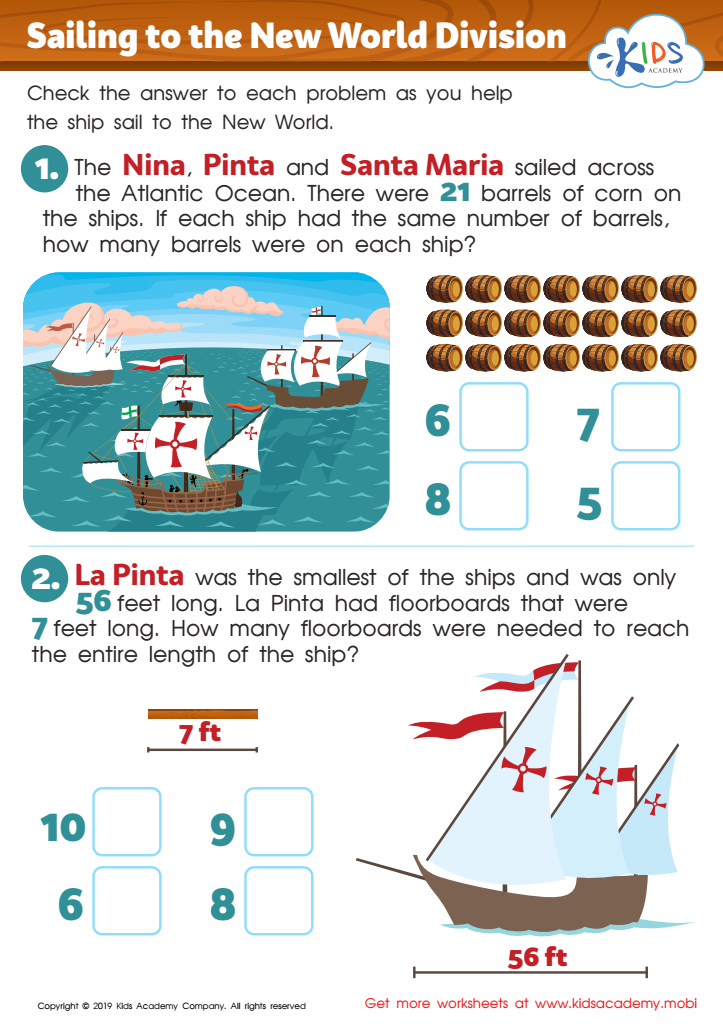
Sailing to the New World Division Worksheet
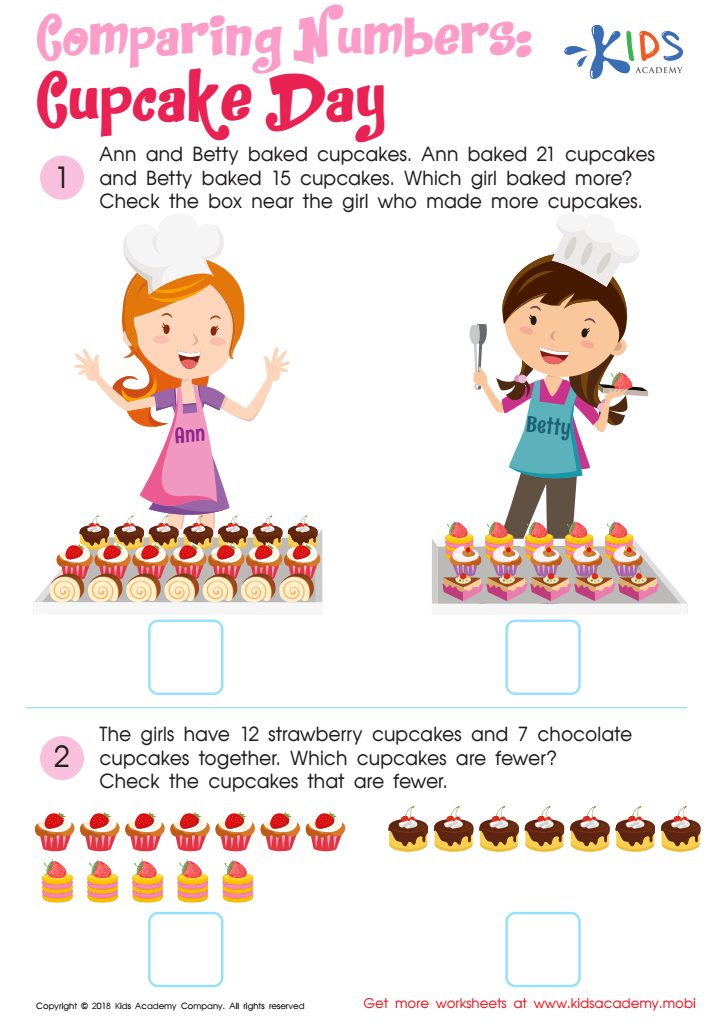
Cupcake Day Worksheet
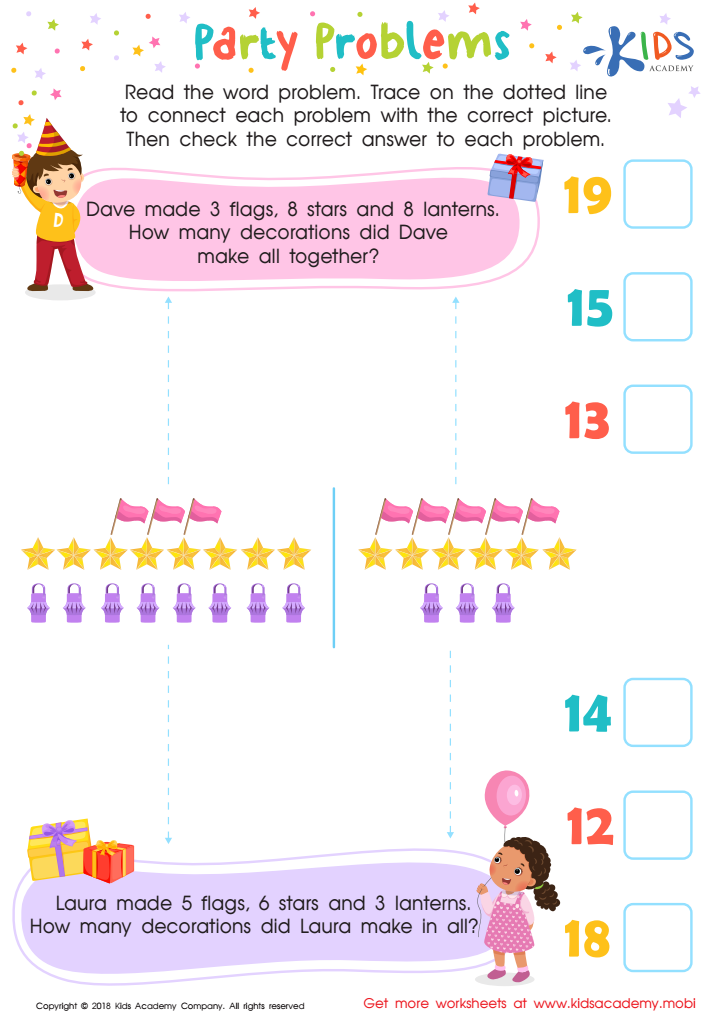
Party Problems Worksheet
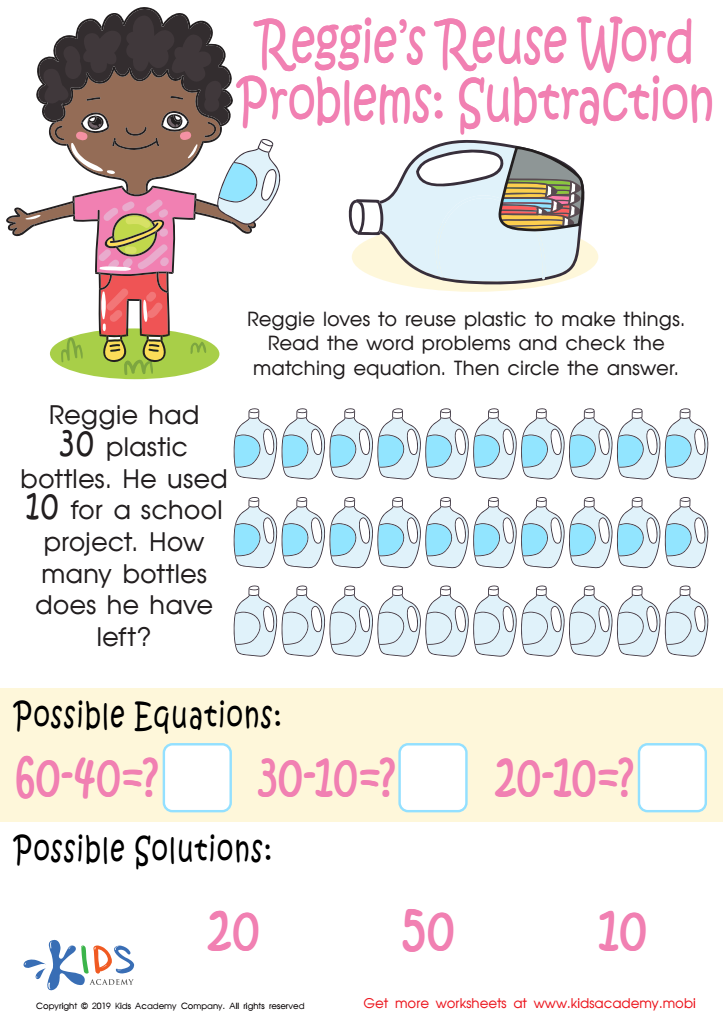
Reggie's Reuse Word Problems: Subtraction Worksheet
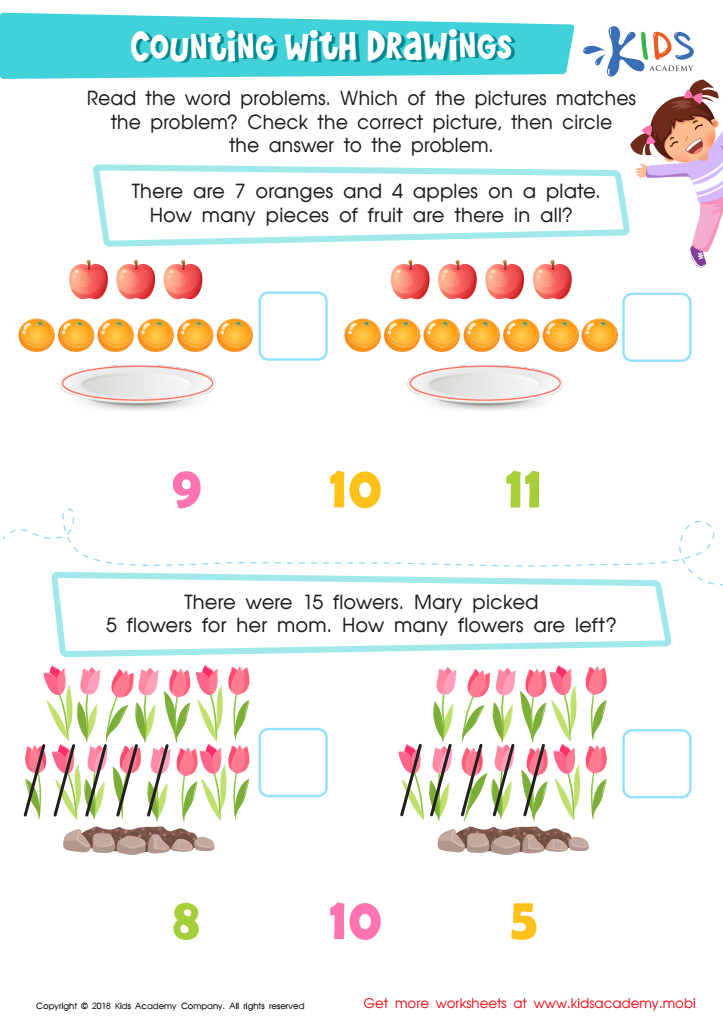
Counting with Drawings:Fruits & Flowers Worksheet
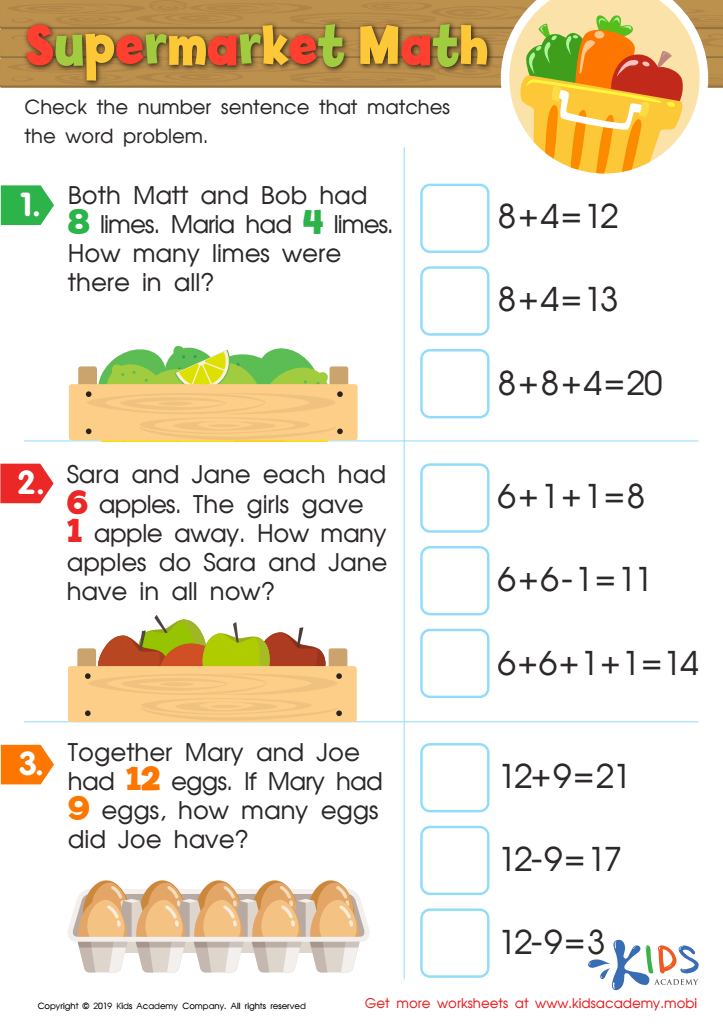
Supermarket Math Worksheet
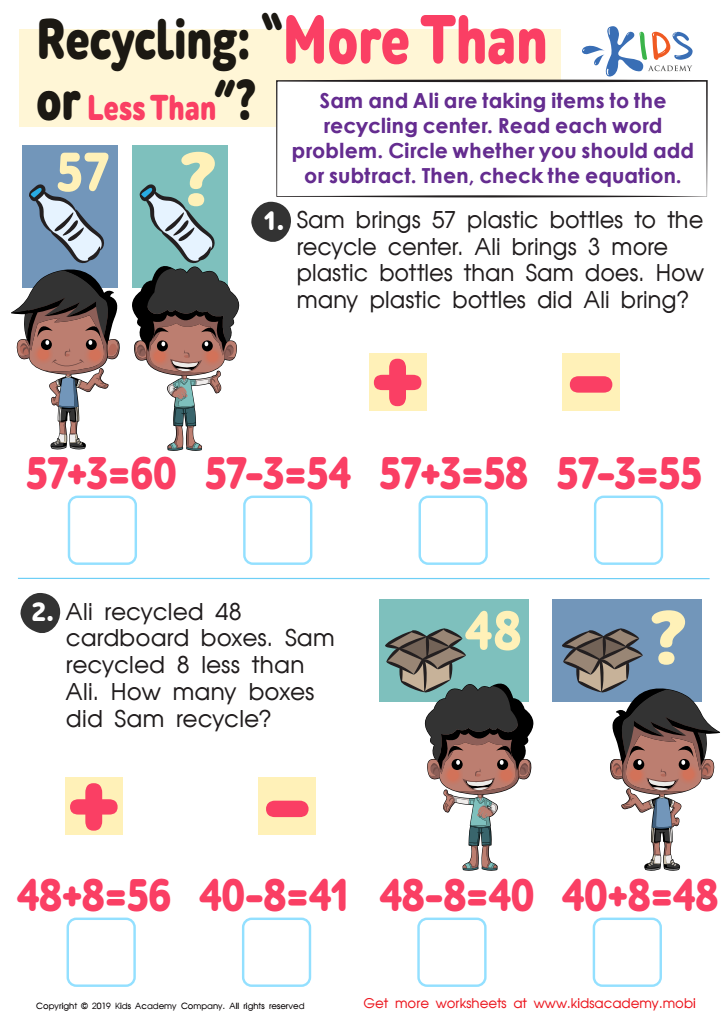
Recycling - More or Less Worksheet
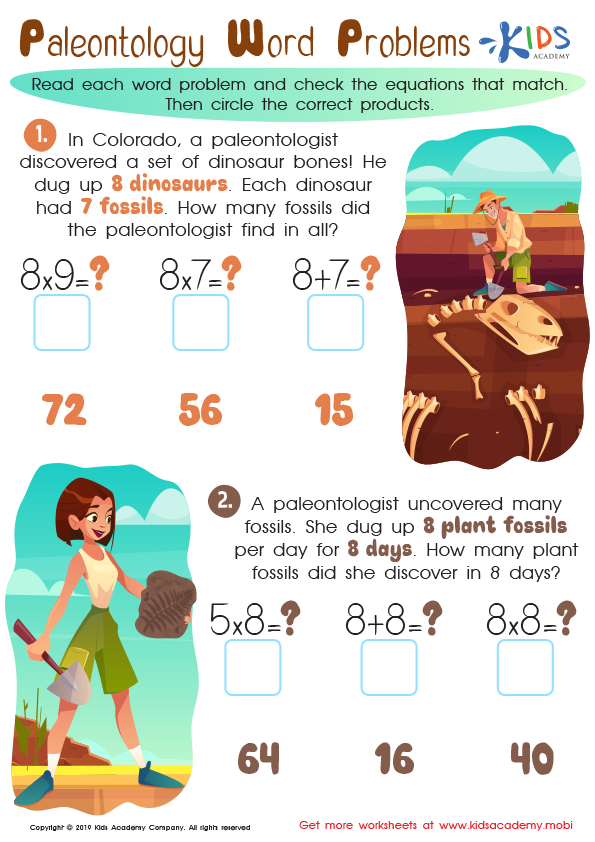
Archeology Word Problems Worksheet








Normal word problems for children ages 4-8 are crucial for developing a range of foundational skills that support both academic achievement and everyday problem-solving abilities. At this formative stage, young minds are highly receptive and capable of adopting cognitive frameworks essential for later complex reasoning. Incorporating word problems into their learning routine encourages the development of basic mathematical concepts such as addition, subtraction, counting, and understanding quantities.
Moreover, word problems help children improve their reading and comprehension skills. They learn to extract relevant information from text, understand the context, and relate it to mathematical operations, thus bridging literacy with numeracy. This dual engagement stimulates critical thinking, comprehension, and fosters a practical understanding of how math applies to real-life situations, enhancing their overall cognitive development.
Teachers and parents should also recognize that solving word problems builds a child’s confidence in handling challenging tasks, offering them a sense of accomplishment. These problems also teach persistence and patience, valuable qualities that go beyond academics. By providing support and encouragement as children tackle word problems, adults can nurture a child’s growth mindset, paving the way for future academic success and the ability to tackle everyday challenges with confidence and competence.








