Normal Comparing Numbers Worksheets for Ages 4-9 - Page 2
32 filtered results
-
From - To
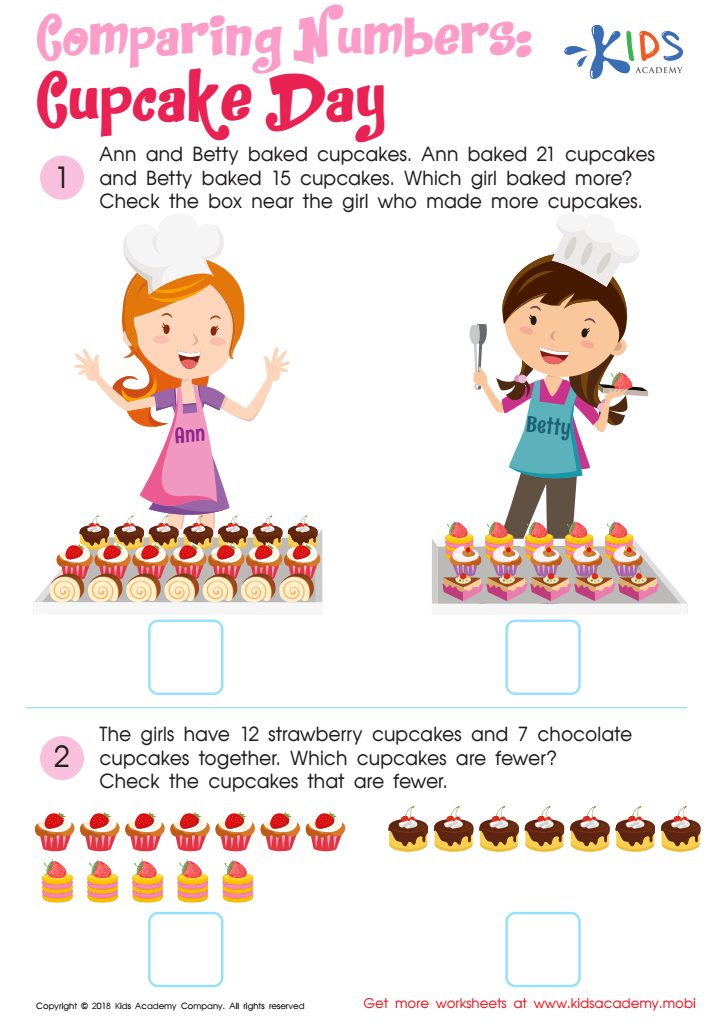
Cupcake Day Worksheet
 Assign to My Students
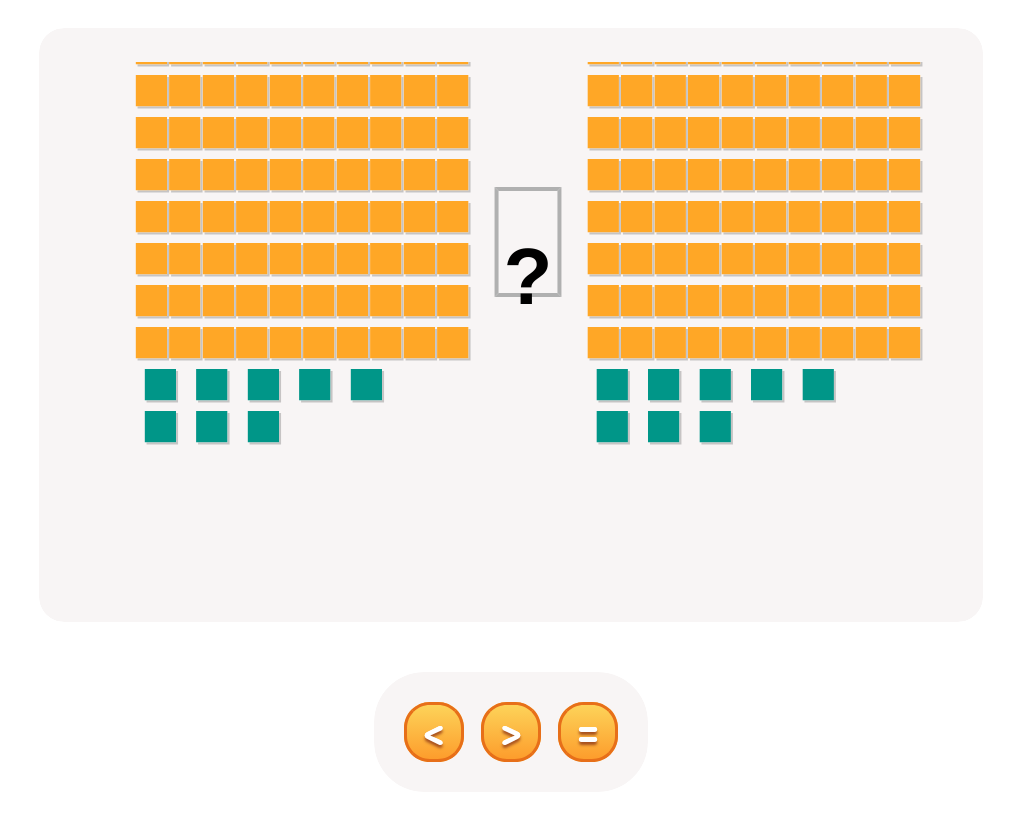

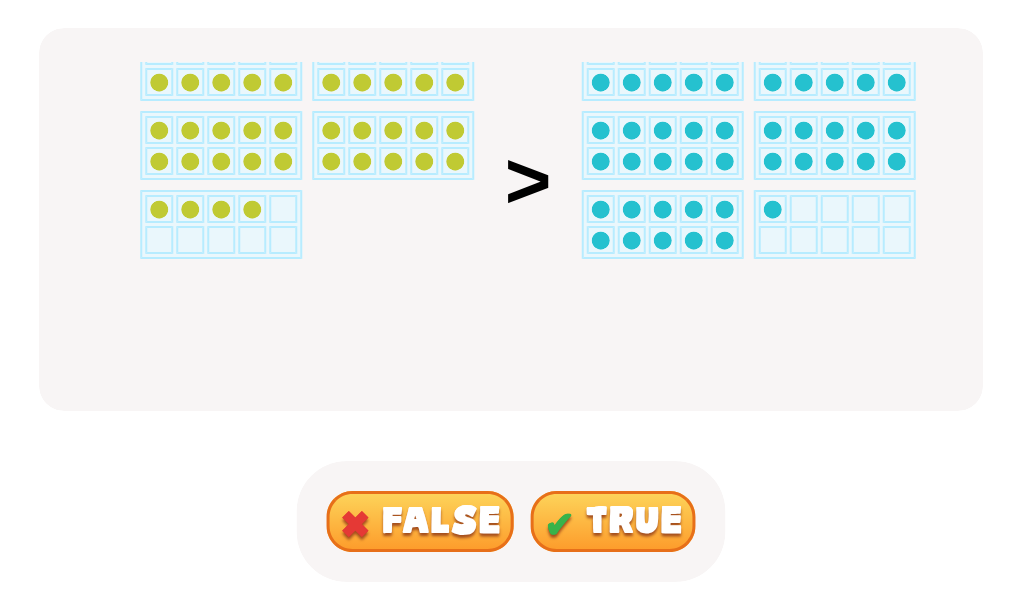
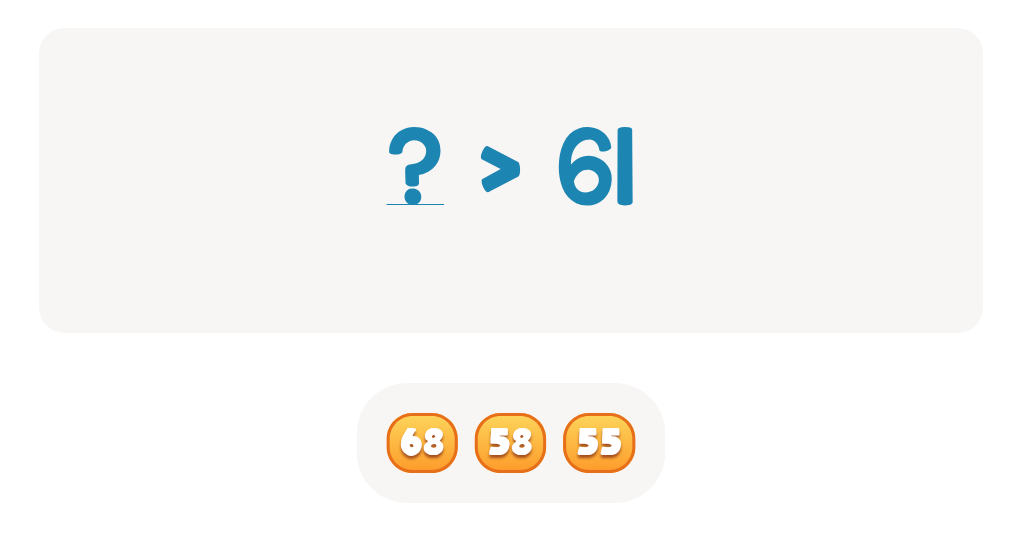
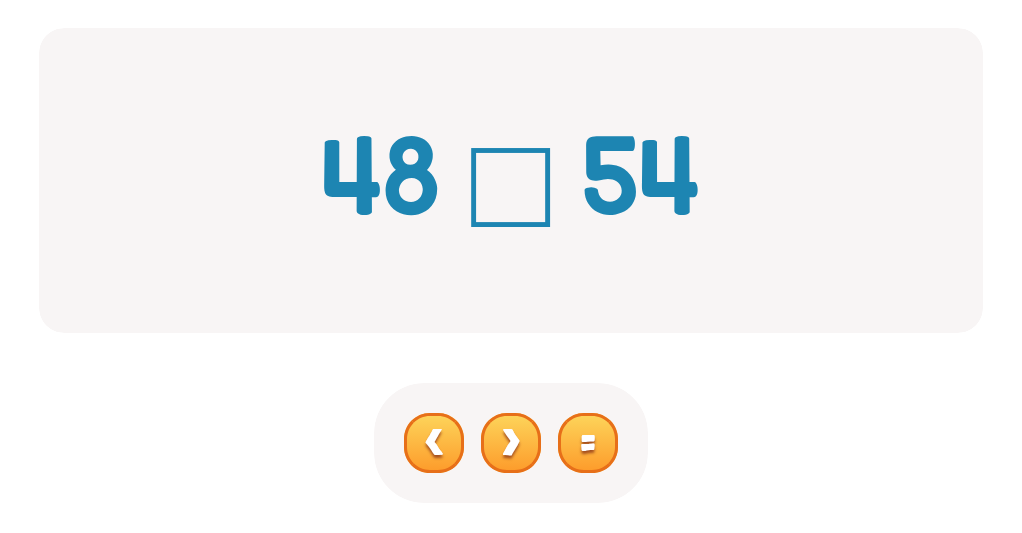
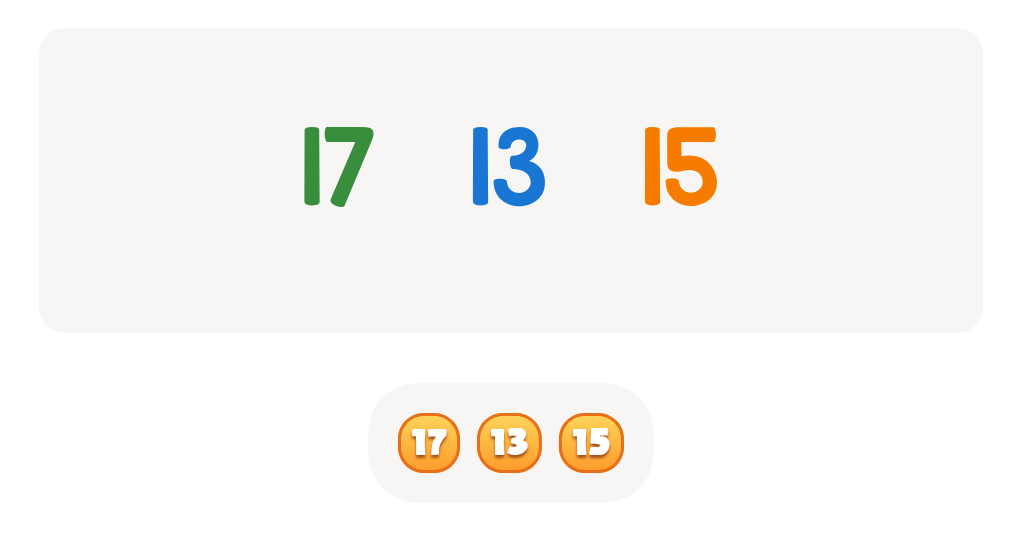
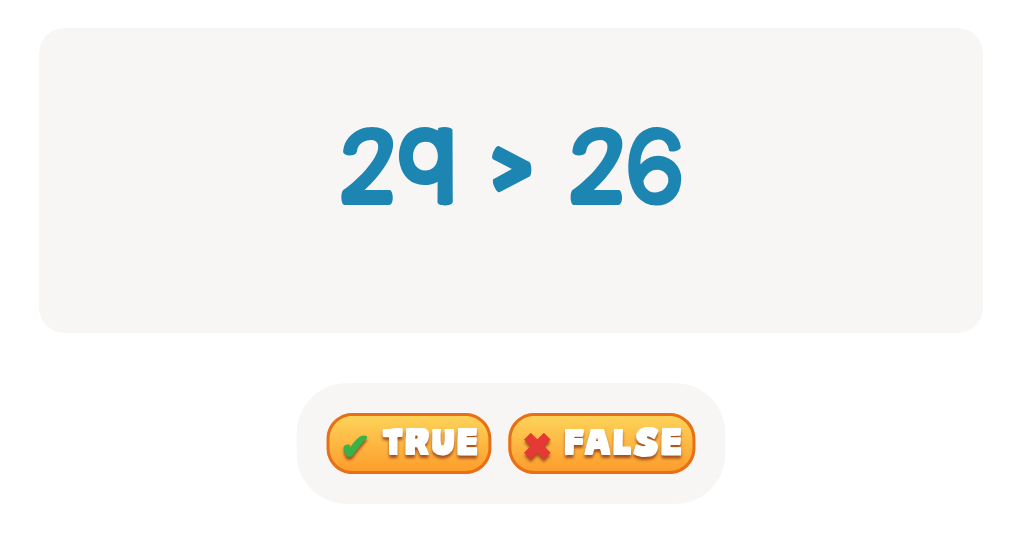
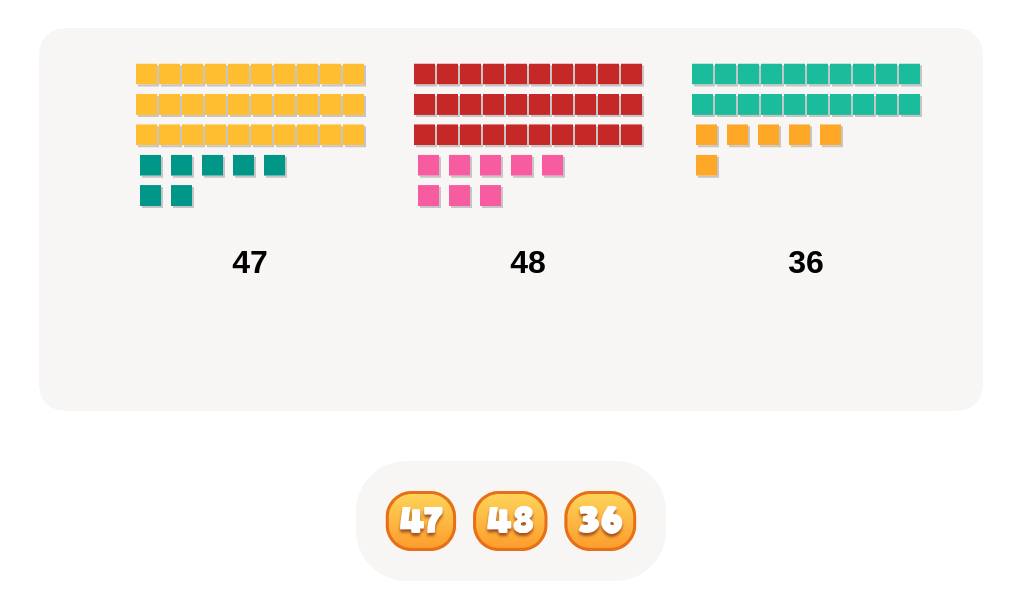
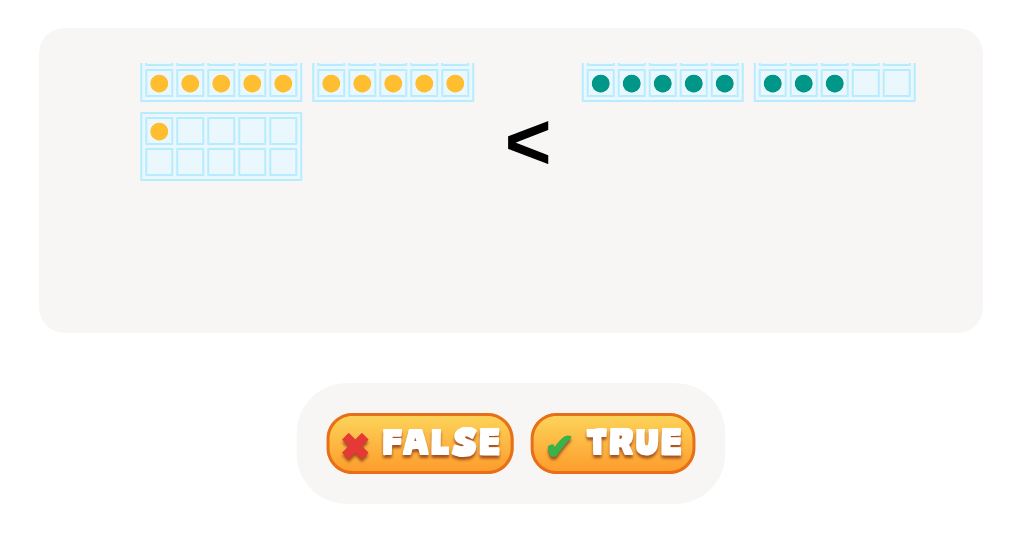
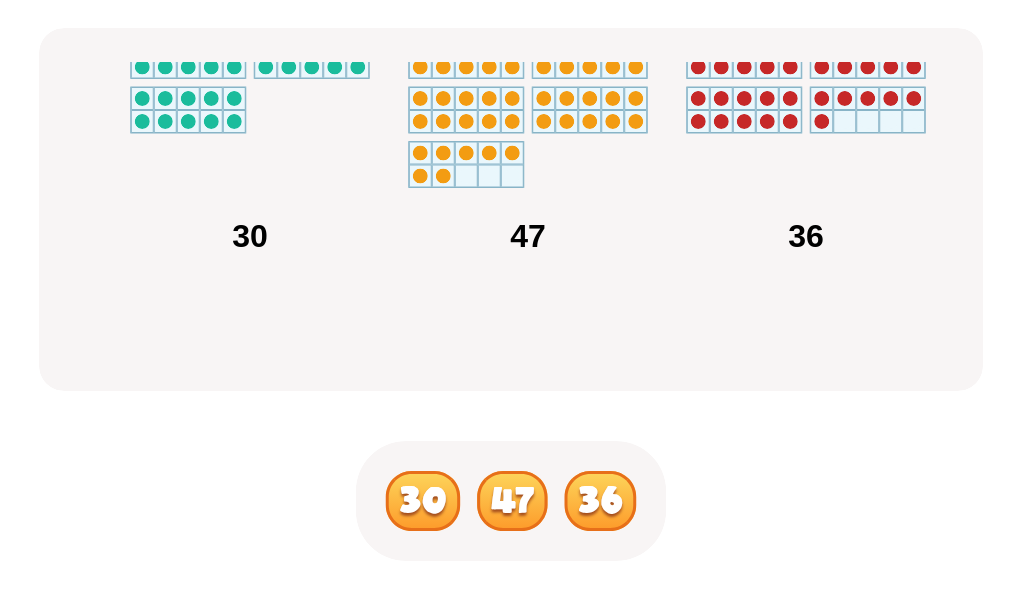
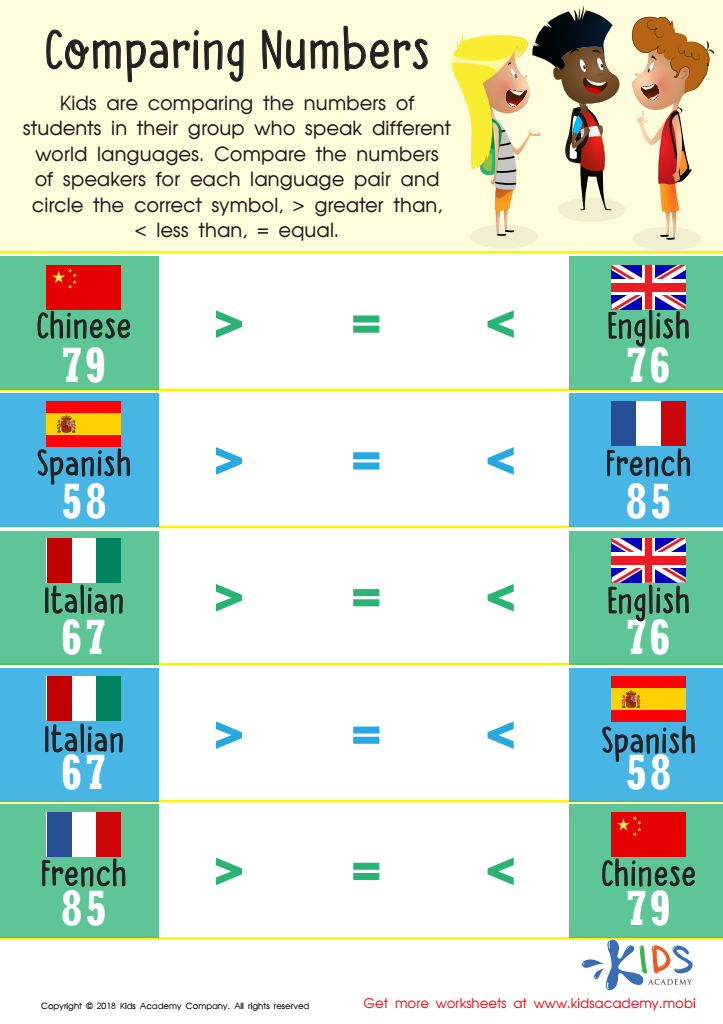
Comparing Numbers Worksheet for 1st Grade
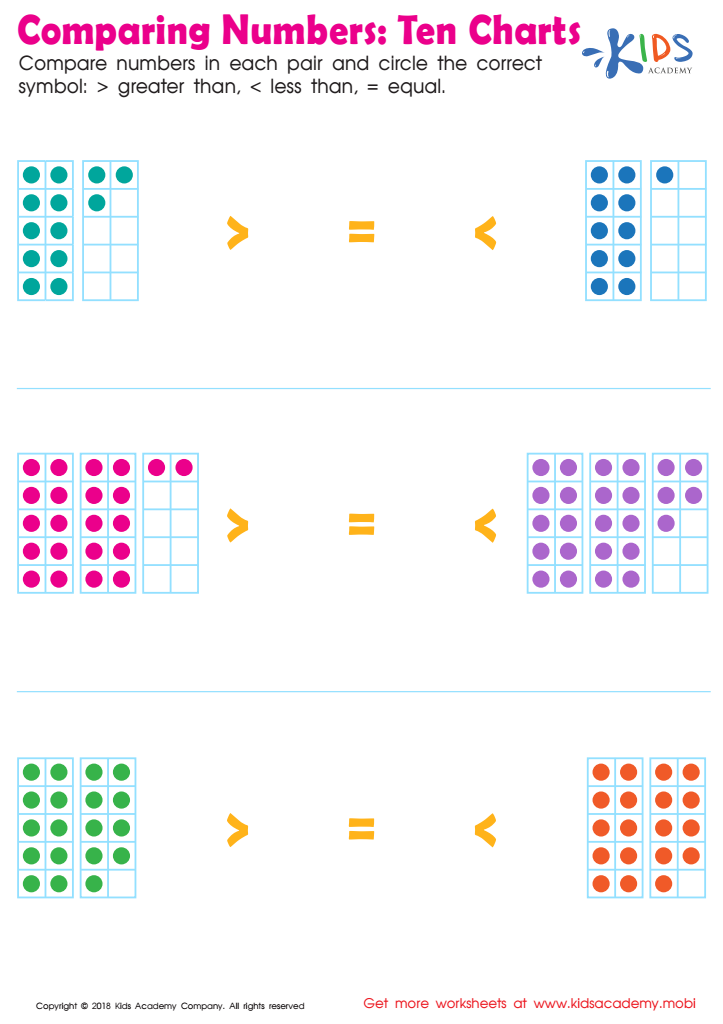
Ten Charts Worksheet
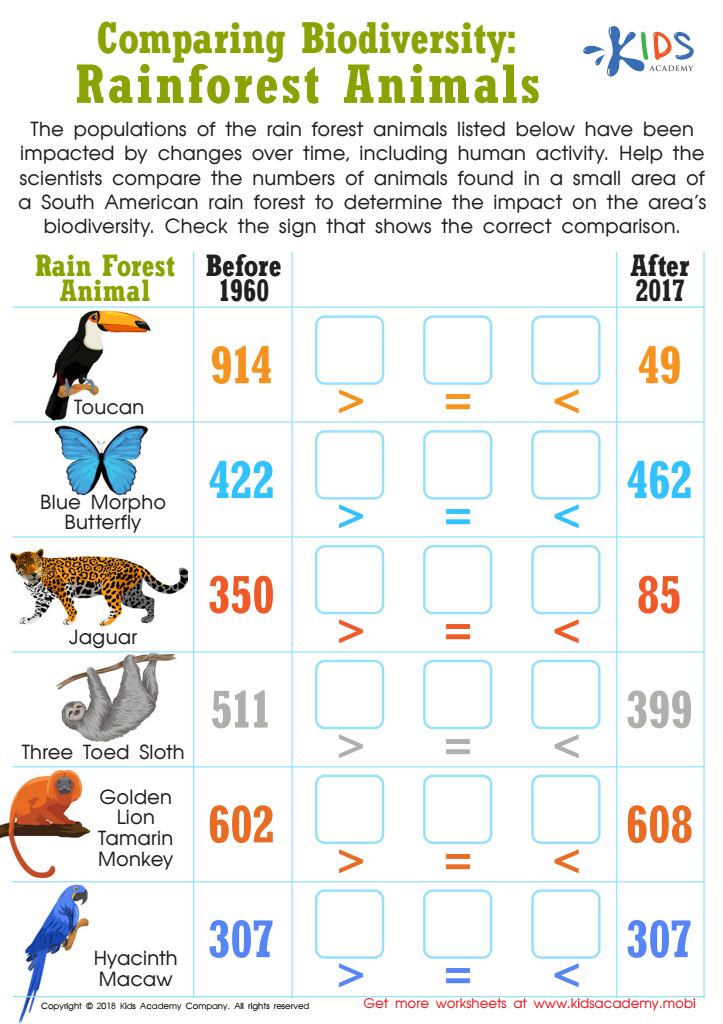
Comparing Biodiversity: Rainforest Animals Worksheet
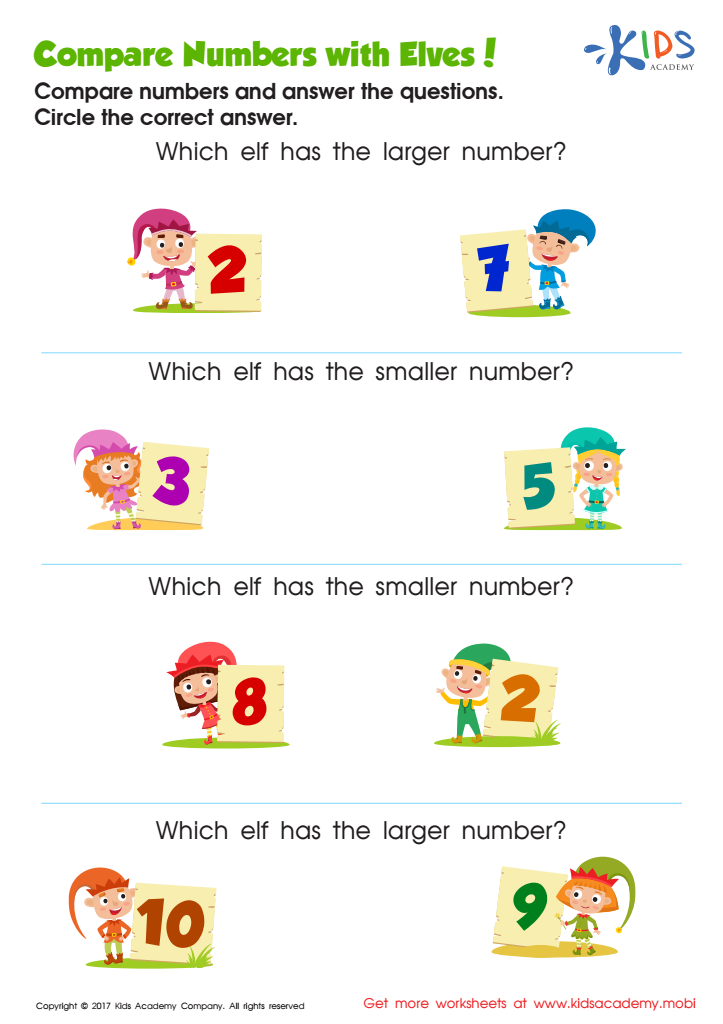
Comparing Numbers Worksheet for Kindergarten
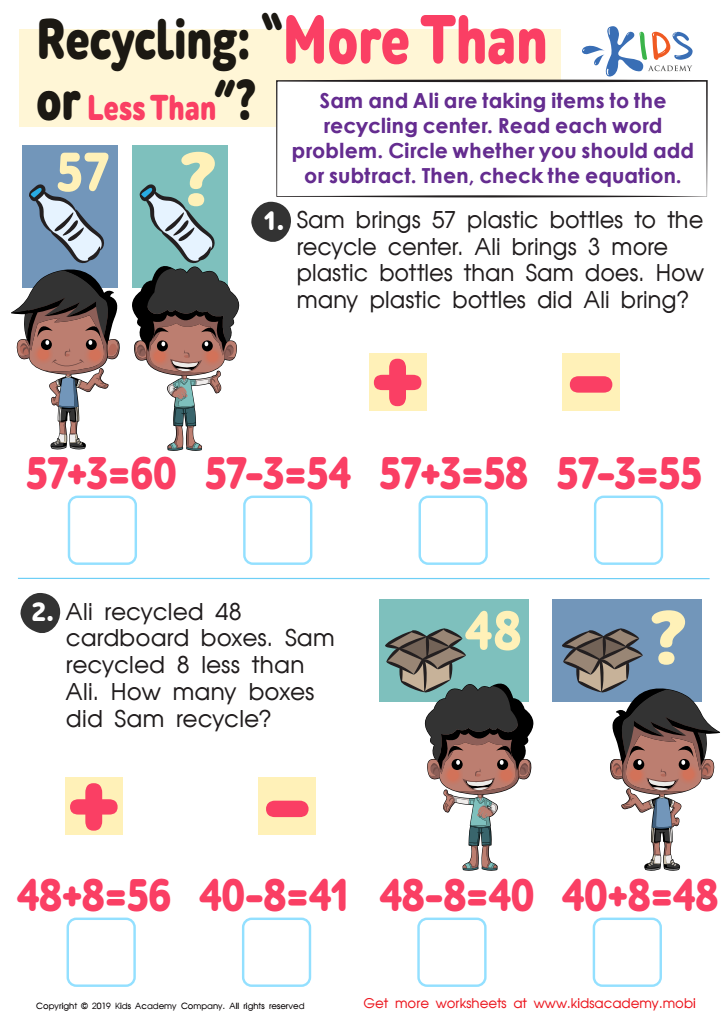
Recycling - More or Less Worksheet
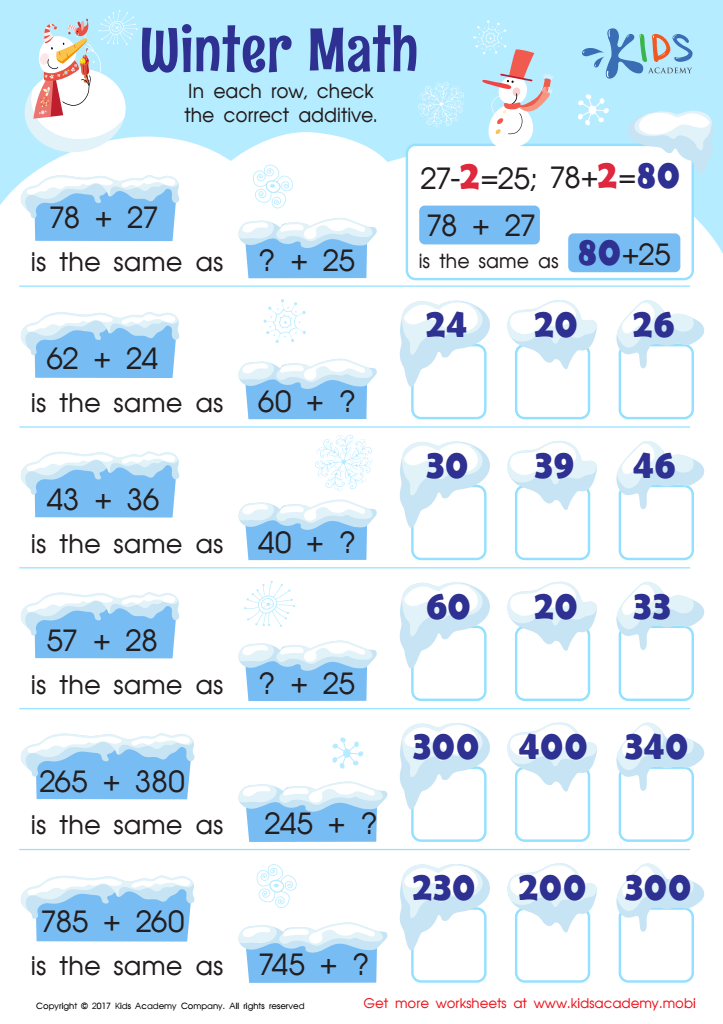
Free Addition Worksheet
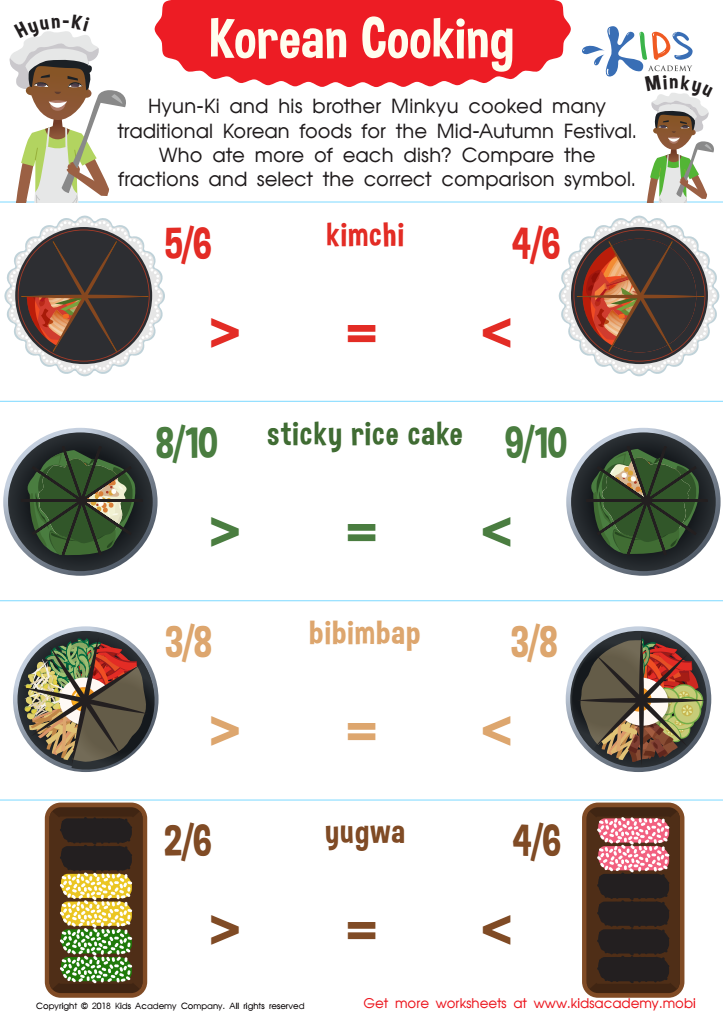
Korean Cooking Worksheet






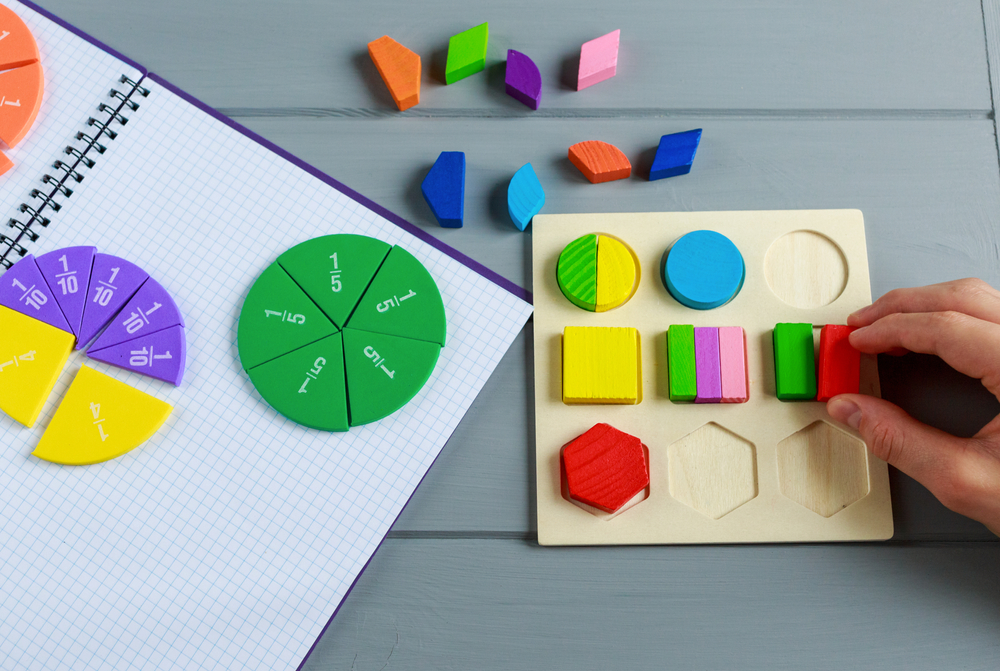

Understanding and comparing numbers is a foundational skill for children aged 4-9, serving as a cornerstone for their mathematical development. At this crucial stage, children begin to develop number sense, which encompasses the ability to recognize, order, and comprehend quantities.
When parents and teachers prioritize normal comparing numbers, they empower children to grasp essential concepts such as greater than, less than, and equal to. These skills enhance critical thinking and problem-solving abilities, fostering confidence as they explore more complex mathematics later in life. Engaging in number comparisons also supports language development as children articulate their reasoning and share their thoughts.
In addition, by addressing comparing numbers in early education, children develop a positive relationship with math from an early age, reducing anxiety often associated with the subject later on. The interactive practice of comparing numbers through games, activities, and real-world situations makes learning engaging and fun, ensuring that children remain curious and motivated.
Ultimately, prioritizing normal comparing numbers cultivates a strong mathematical foundation, preparing children for future academic success and everyday situations where numeracy is essential. Therefore, it’s vital for parents and teachers to embrace this skill as a key element of early education.