Normal Subtraction Worksheets for Ages 4-9 - Page 2
29 filtered results
-
From - To
 Assign to My Students
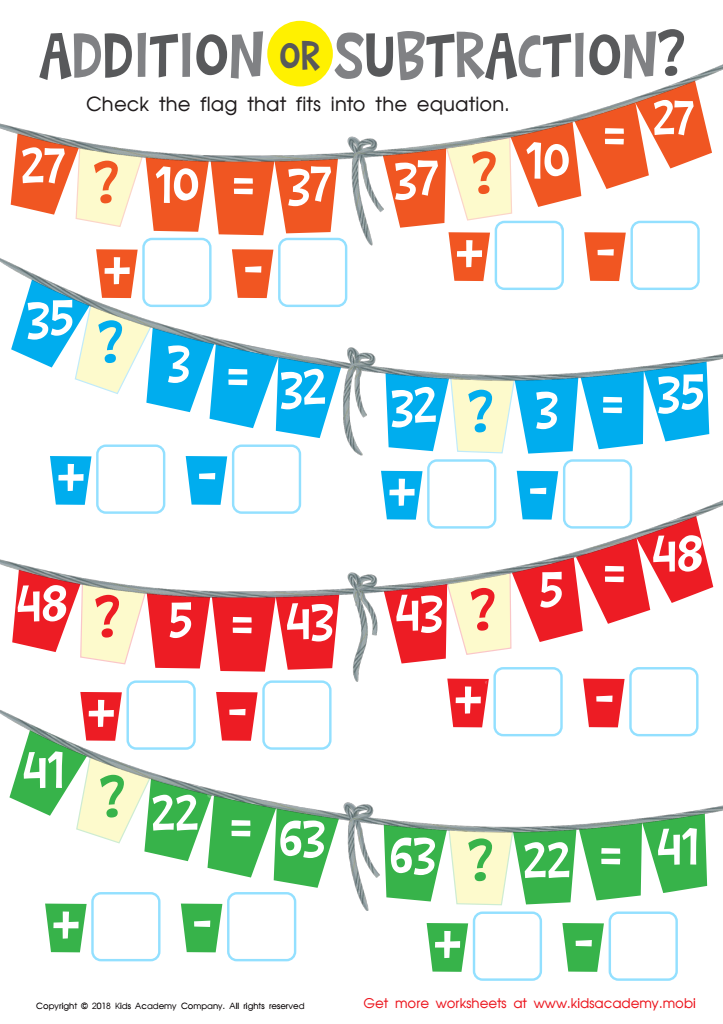
Addition or Subtraction? Worksheet
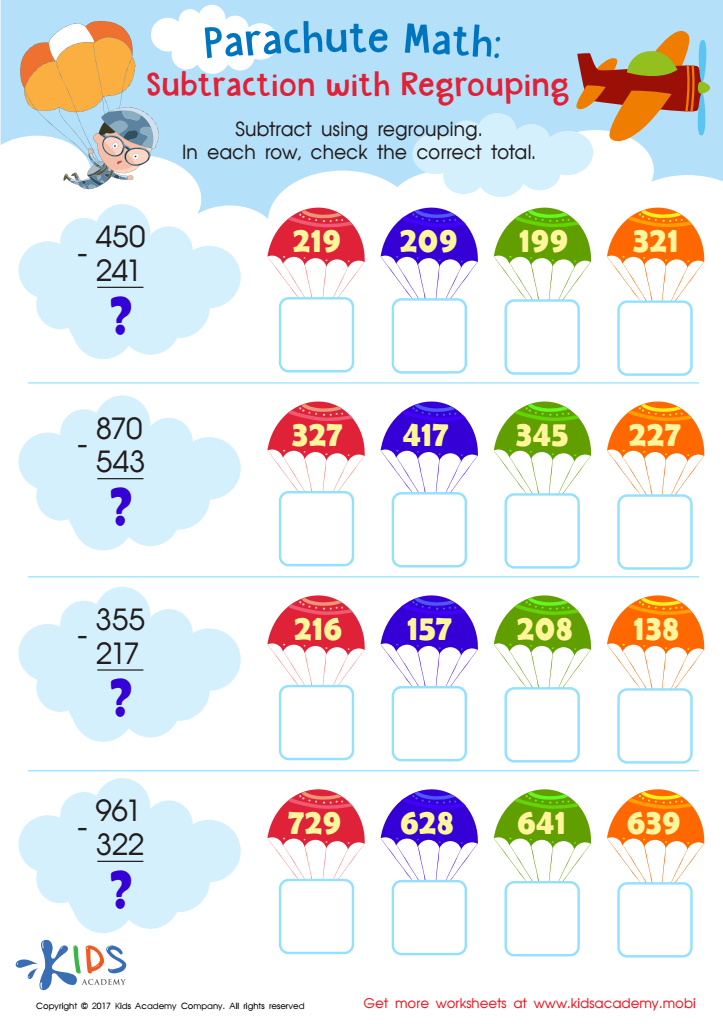
Subtraction with Regrouping for 3rd Grade Worksheet
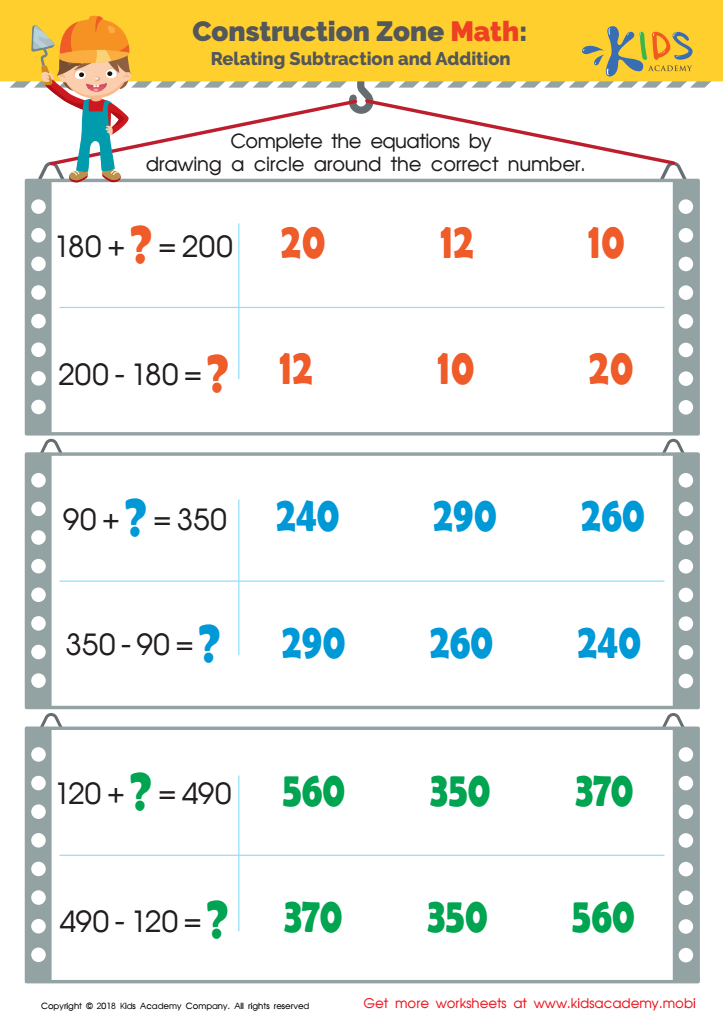
Construction Zone Math: Relating Subtraction and Addition Worksheet
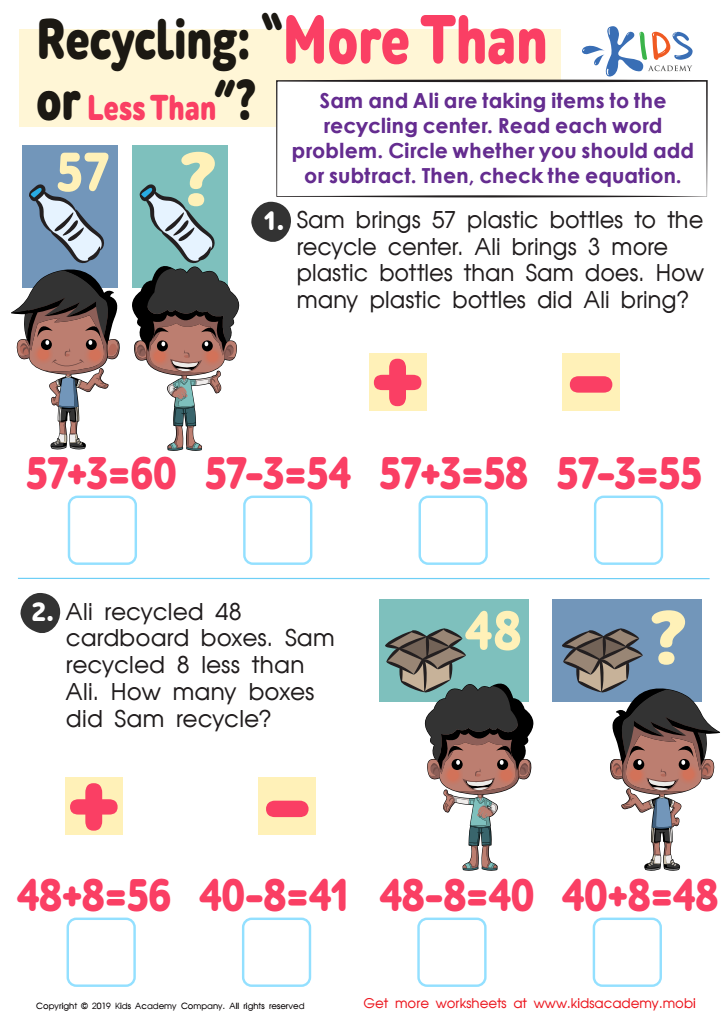
Recycling - More or Less Worksheet







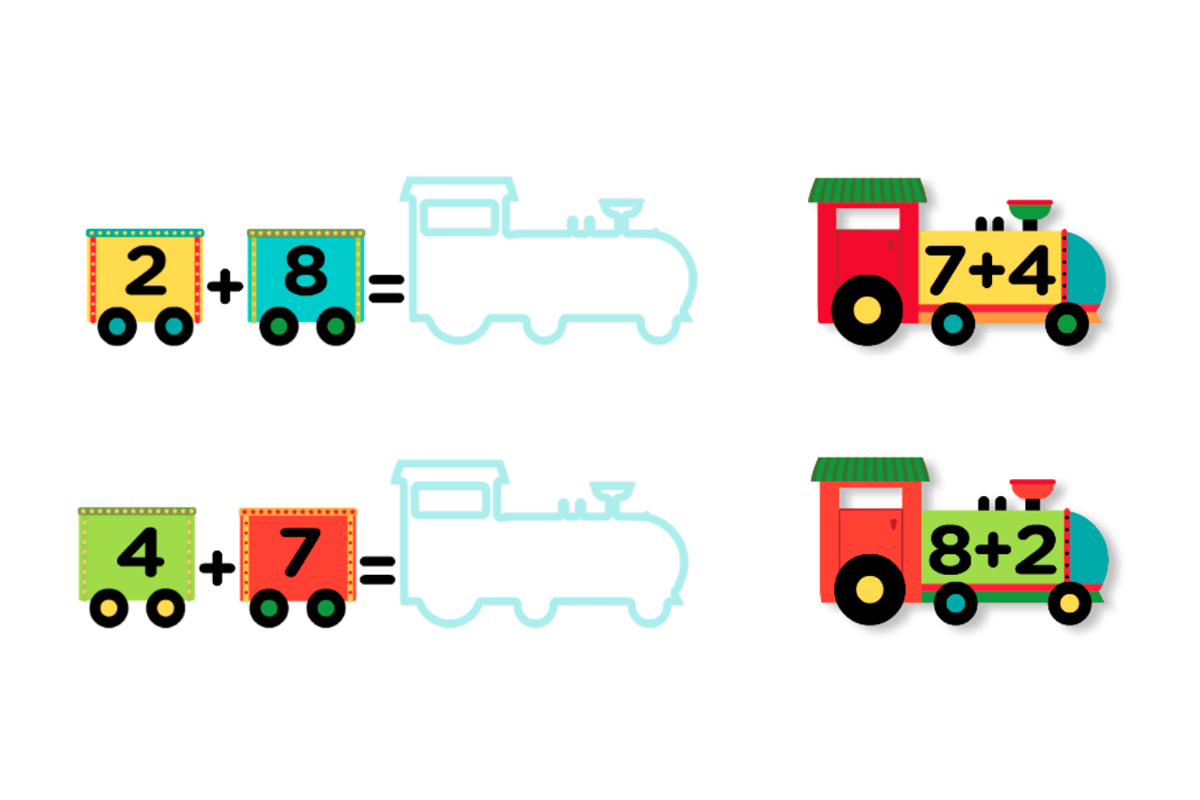
Normal subtraction is a foundational mathematical concept that plays a vital role in early childhood education for children aged 4-9. Understanding subtraction is crucial as it extends beyond simple number operations; it fosters critical thinking, problem-solving skills, and logical reasoning. When children grasp normal subtraction, they learn to comprehend the relationship between numbers, which is essential for future mathematical proficiency.
Early mastery of subtraction helps instill confidence in children, allowing them to tackle more complex mathematical concepts as they progress in their education. Proficiency in subtraction supports skills such as counting backwards, understanding negative numbers, and grasping the concept of quantity. This knowledge can enhance their overall academic performance, particularly in subjects that require mathematical reasoning.
Moreover, subtraction is frequently encountered in everyday situations—be it sharing snacks, understanding time, or counting down to an event—which makes it a practical skill. When parents or teachers emphasize normal subtraction in a fun and engaging manner, they help children build a positive attitude toward math and learning in general. Consequently, prioritizing subtraction in early education not only sets the stage for future academic success but also enriches children's overall cognitive development.