Normal Geography Worksheets for Ages 4-9 - Page 2
51 filtered results
-
From - To
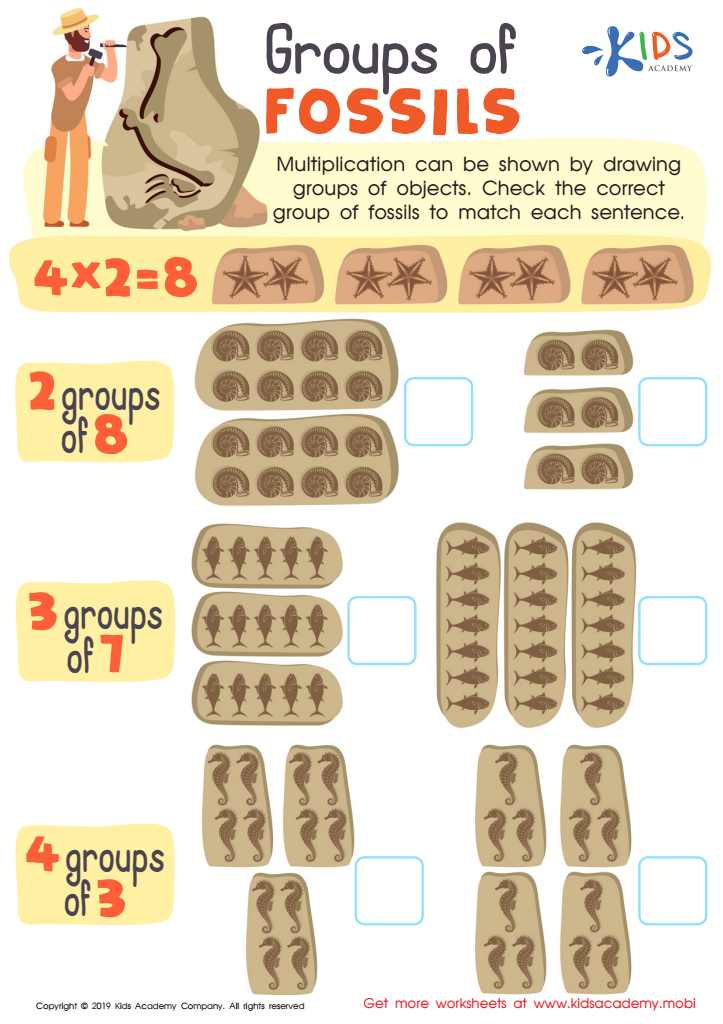
Groups of Fossils Worksheet
 Assign to My Students
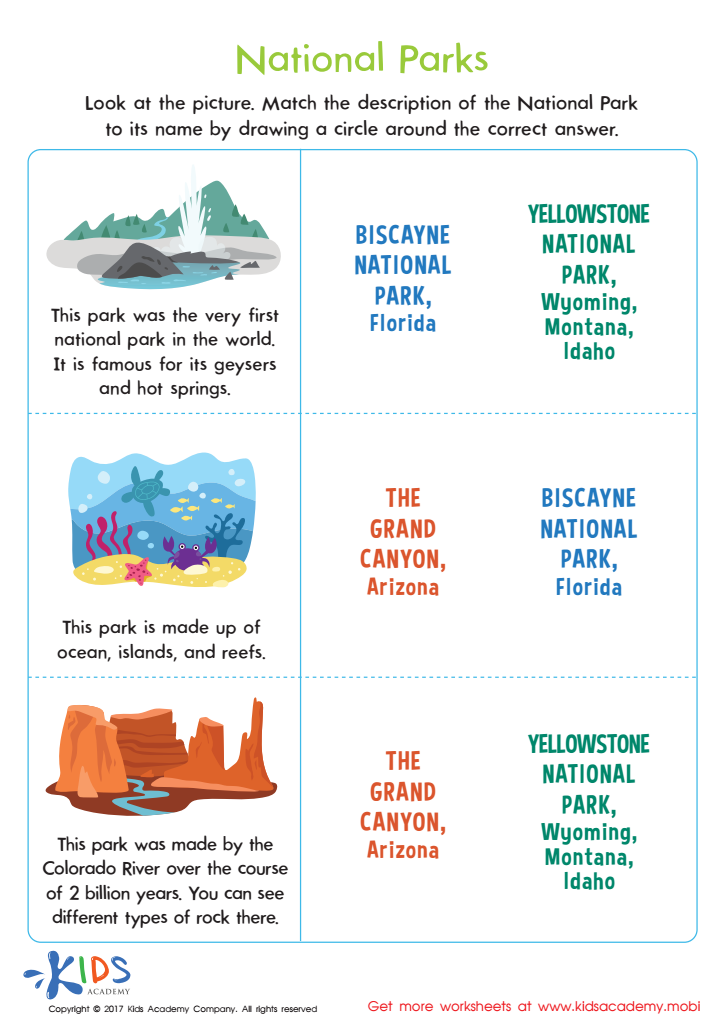
National Parks Printable
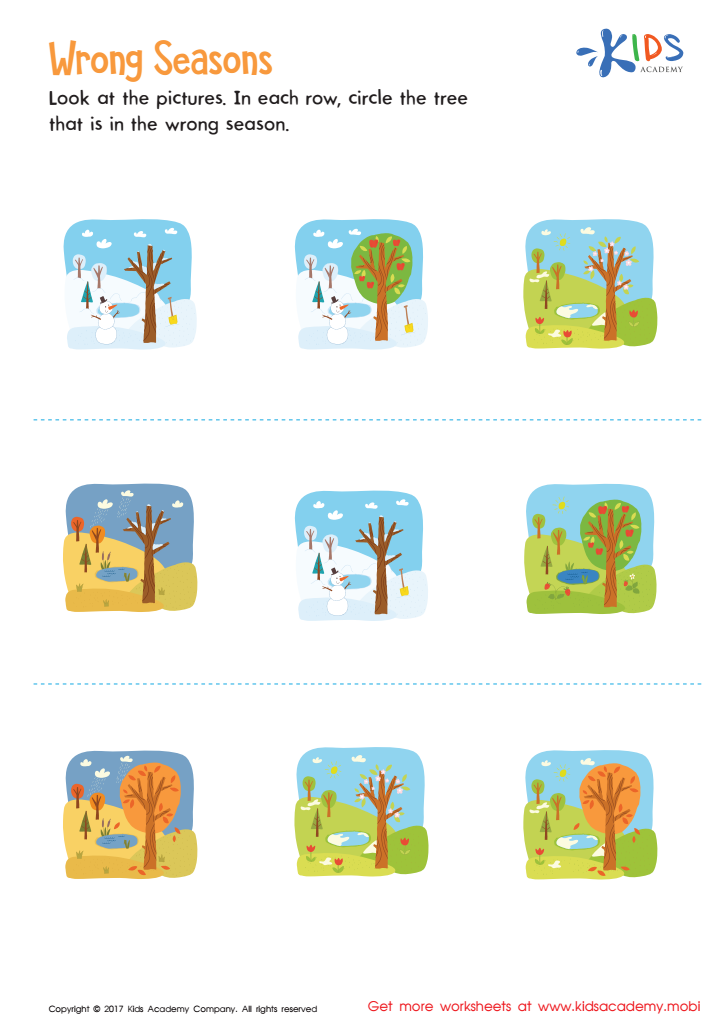
Wrong Seasons Worksheet
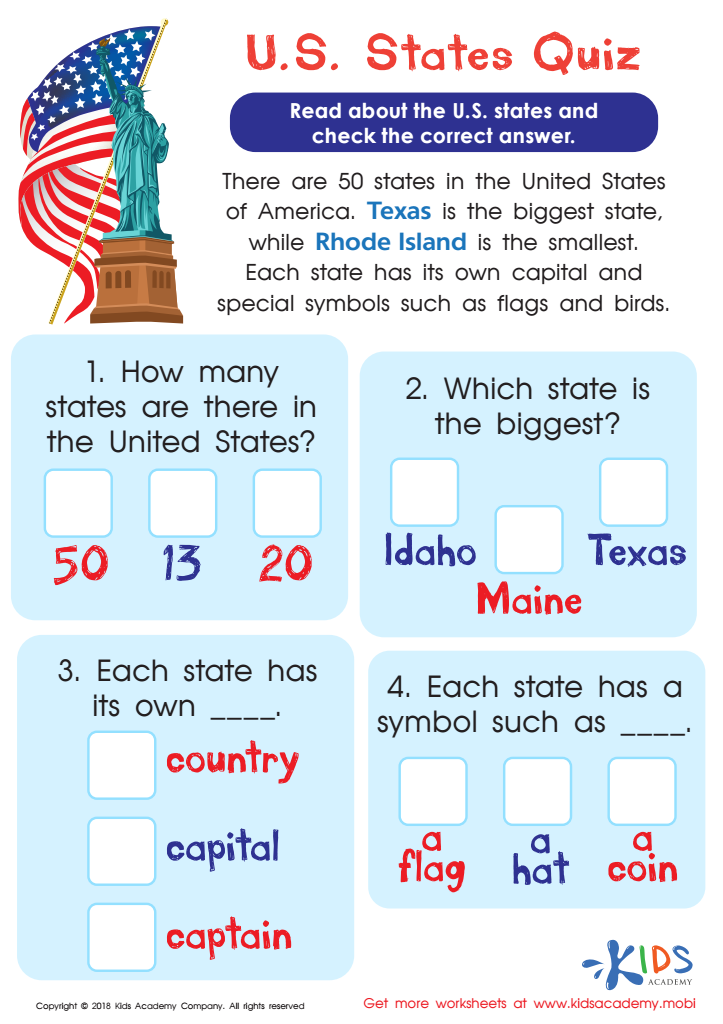
U.S. States Quiz Worksheet
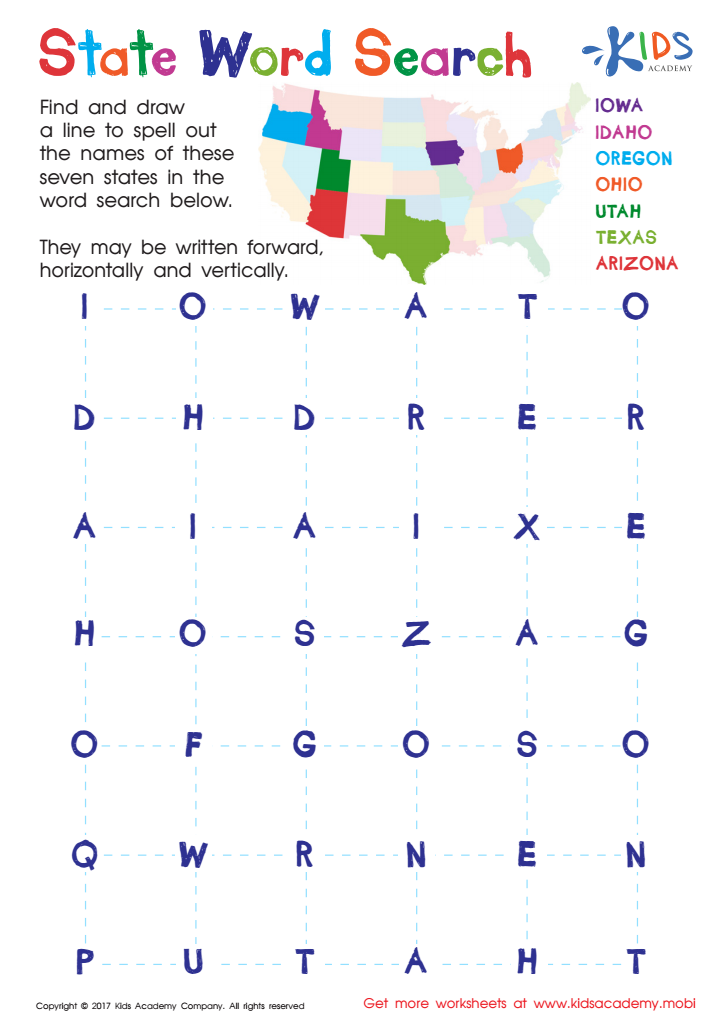
State Word Search Worksheet
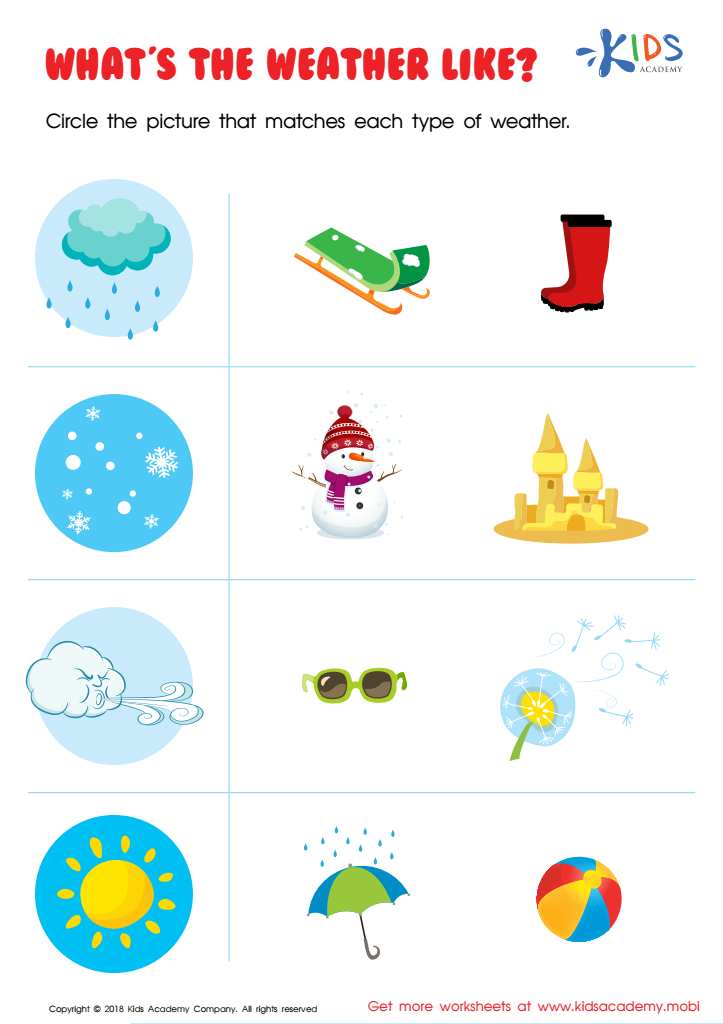
What's the Weather Like? Worksheet
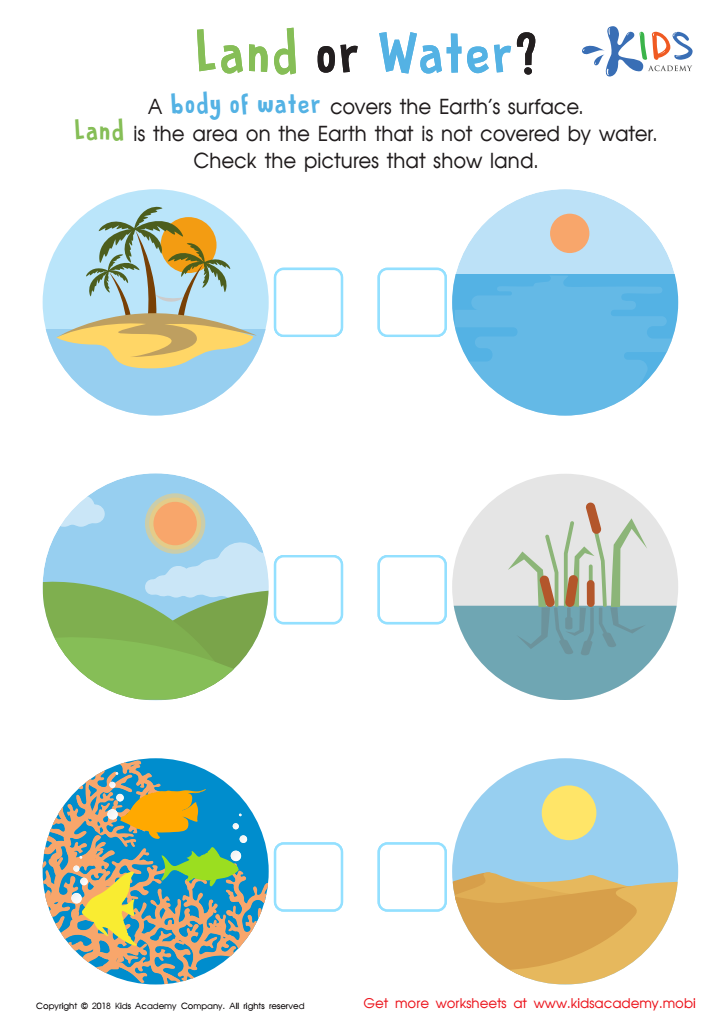
Land or Water Worksheet
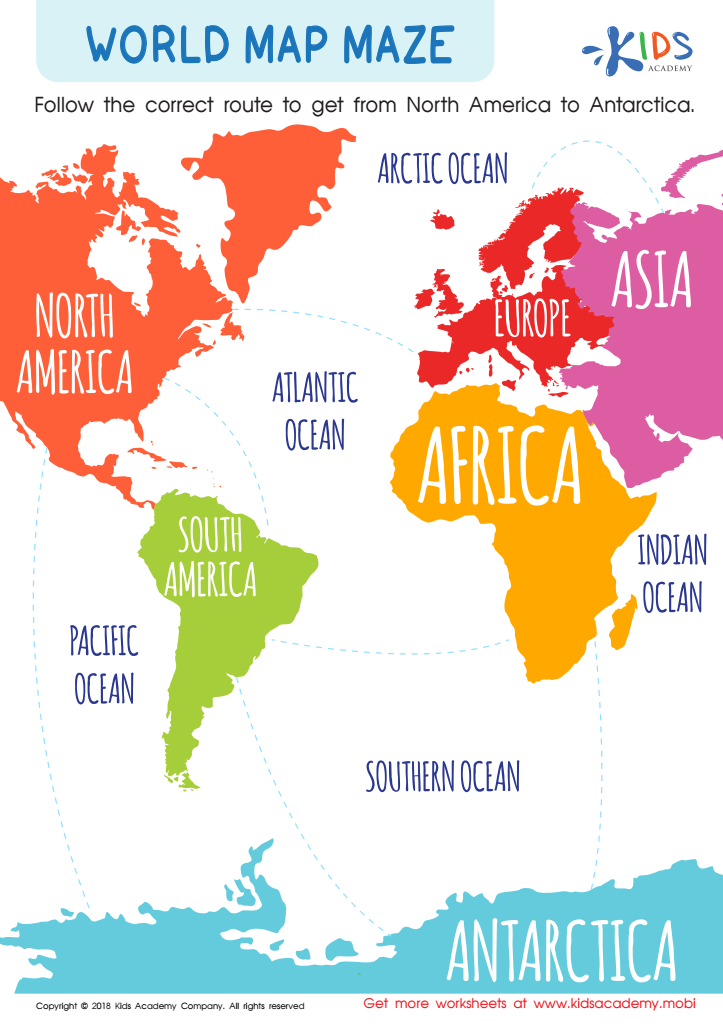
World Map Maze Worksheet
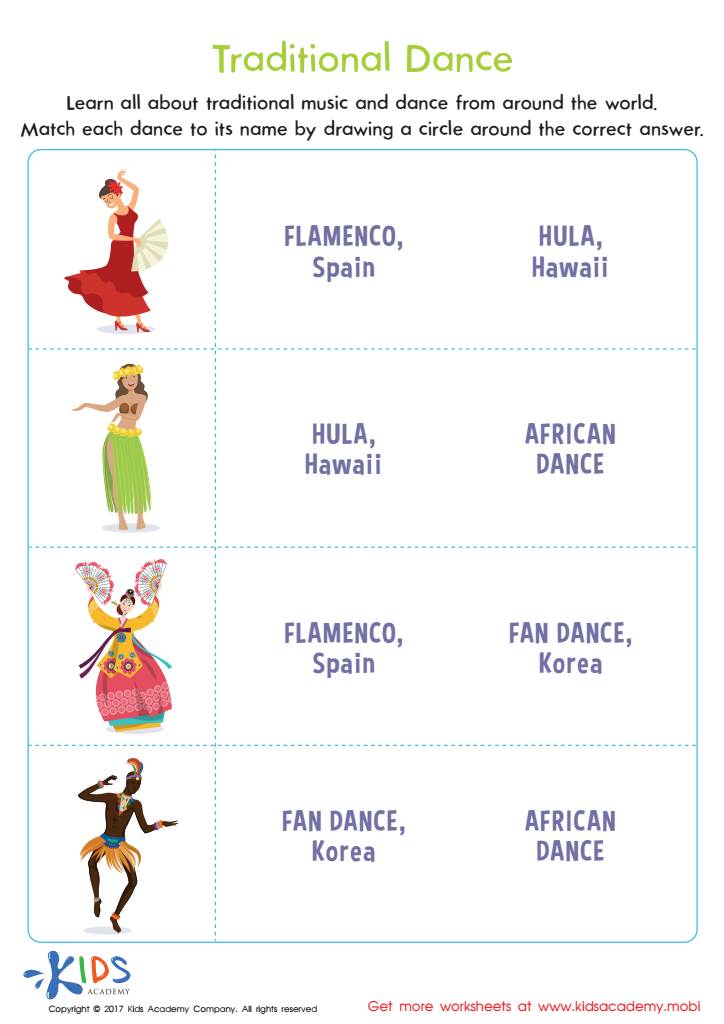
Traditional Dance Printable
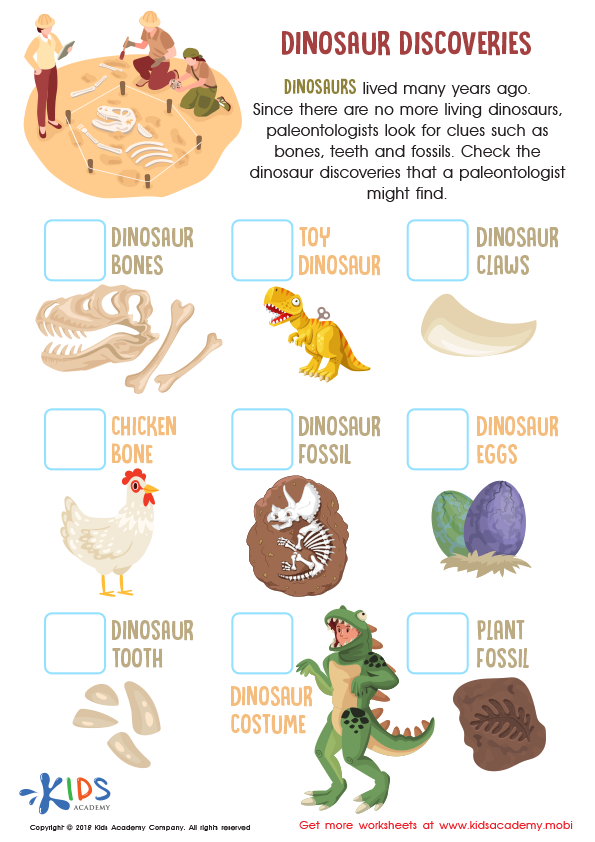
Dinosaur Discoveries Worksheet
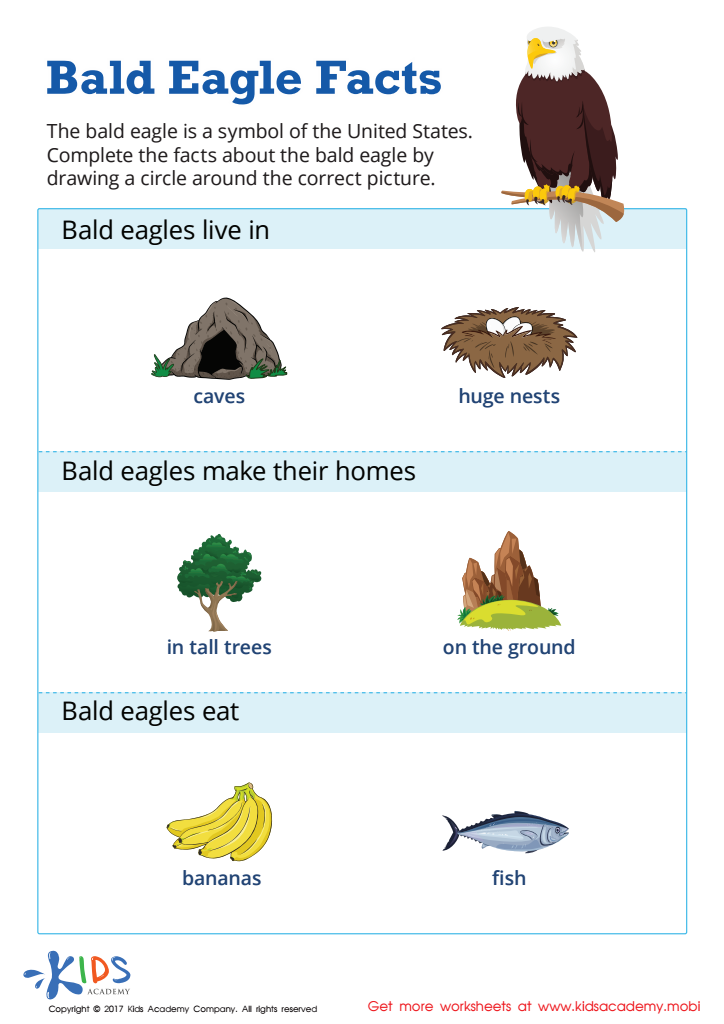
Bald Eagle Facts Worksheet
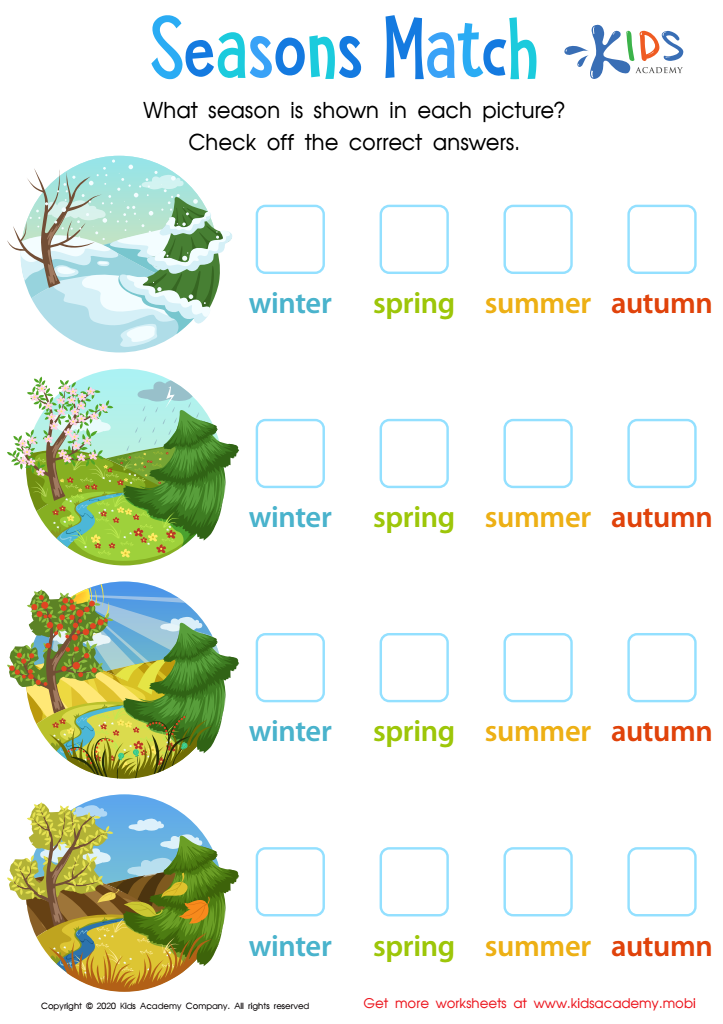
Seasons Match Worksheet
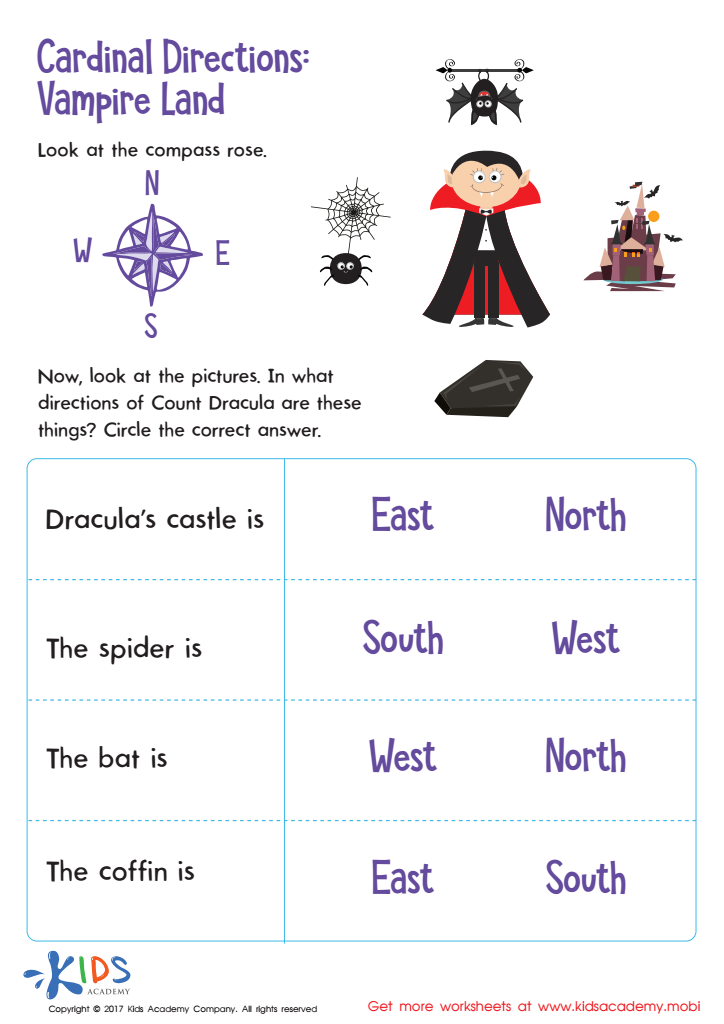
Cardinal Directions Printable
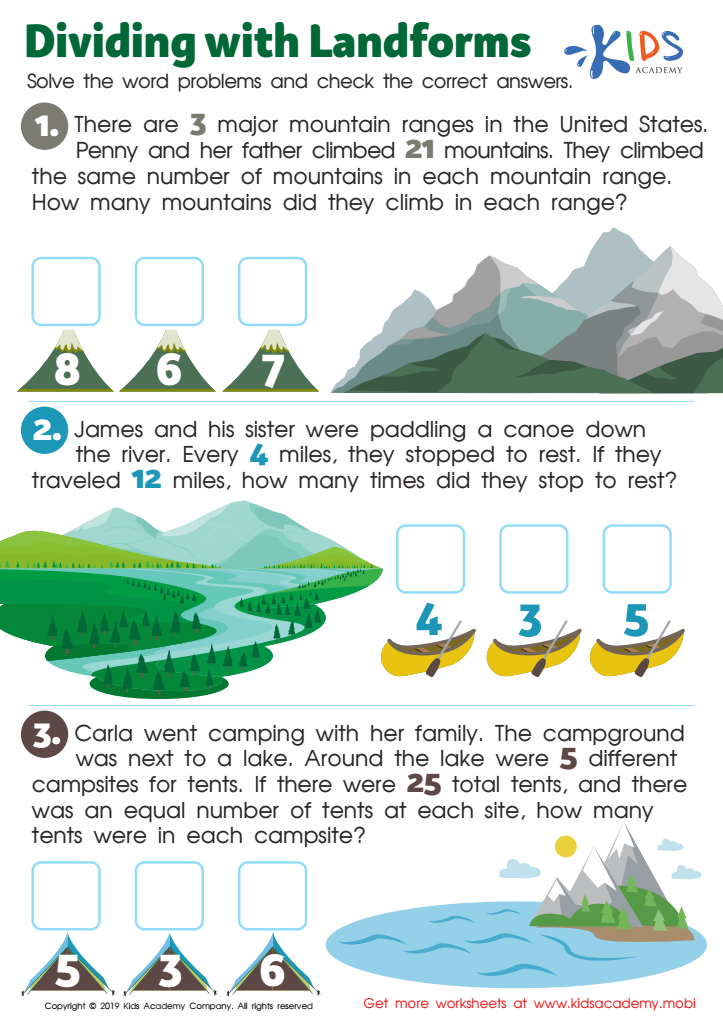
Dividing with Landforms
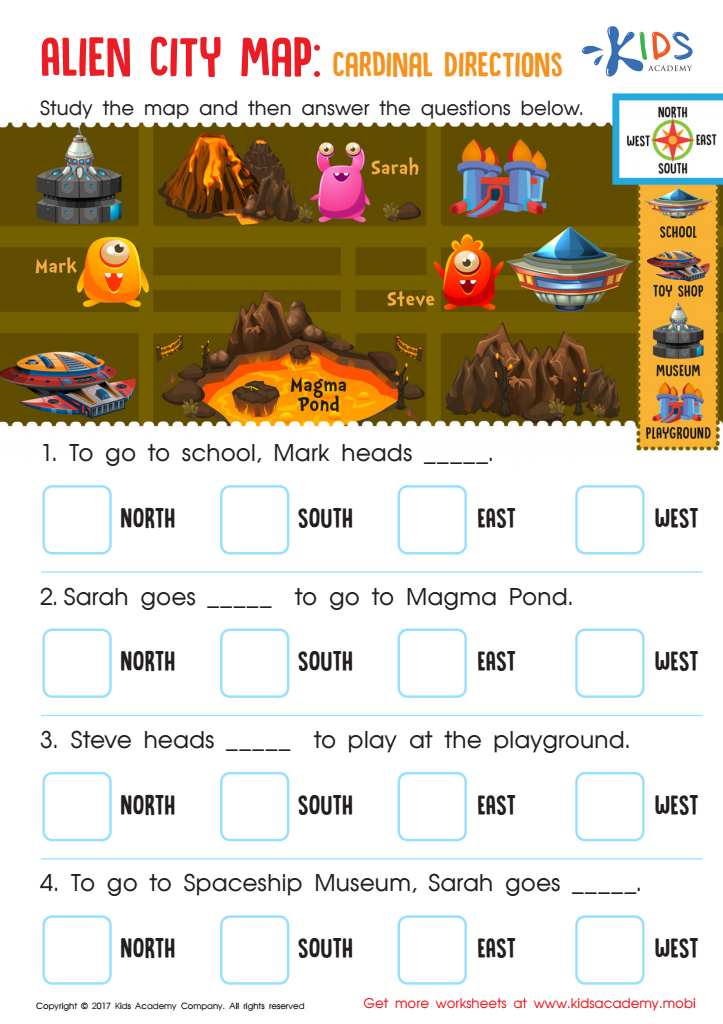
Alien City Map: Cardinal Directions Worksheet
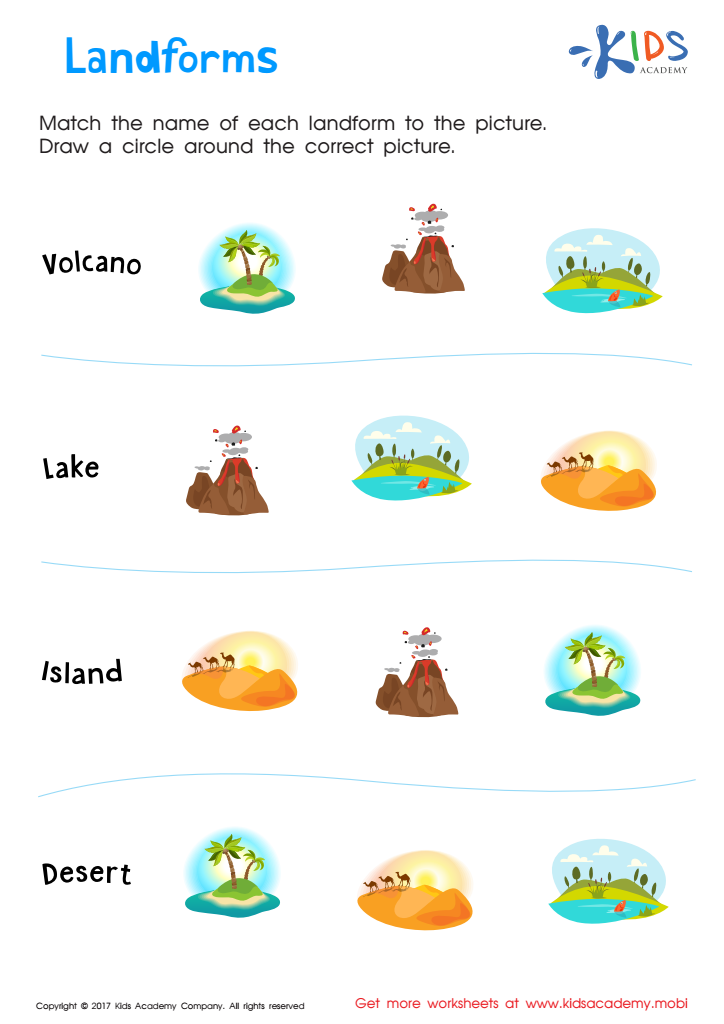
Landforms Printable
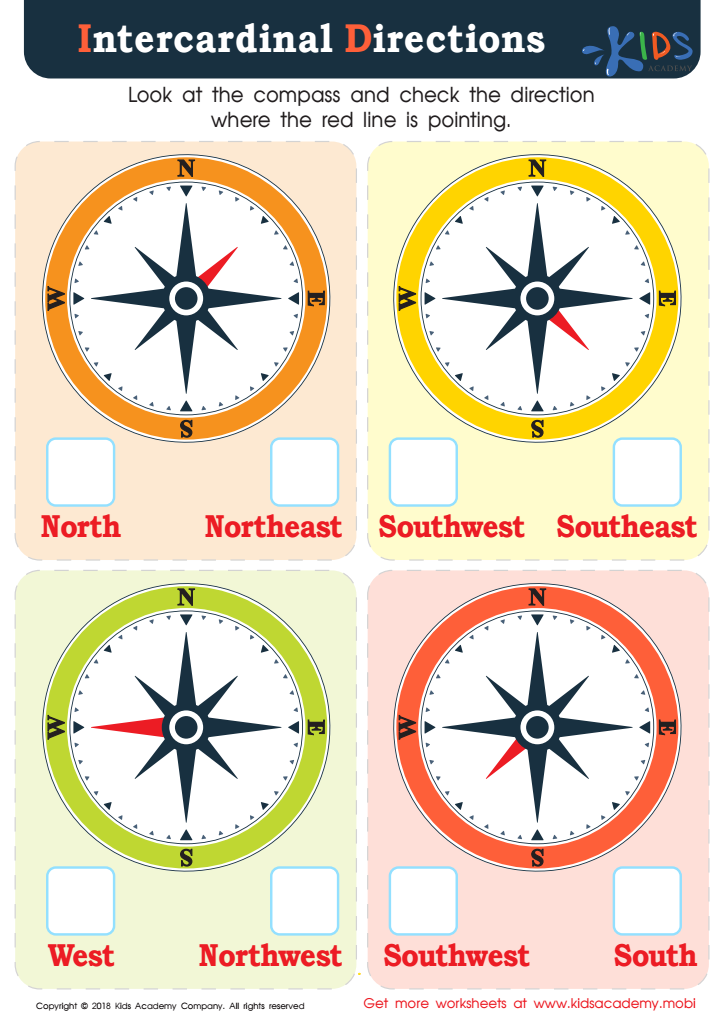
Intercardinal Directions Worksheet
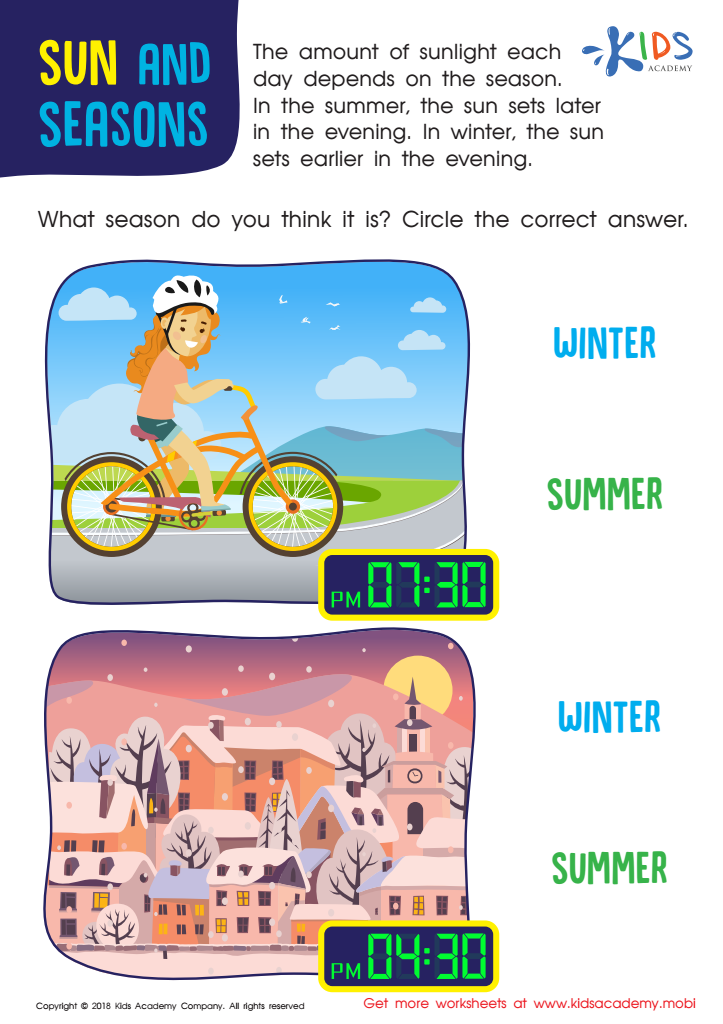
Sun and Seasons Worksheet
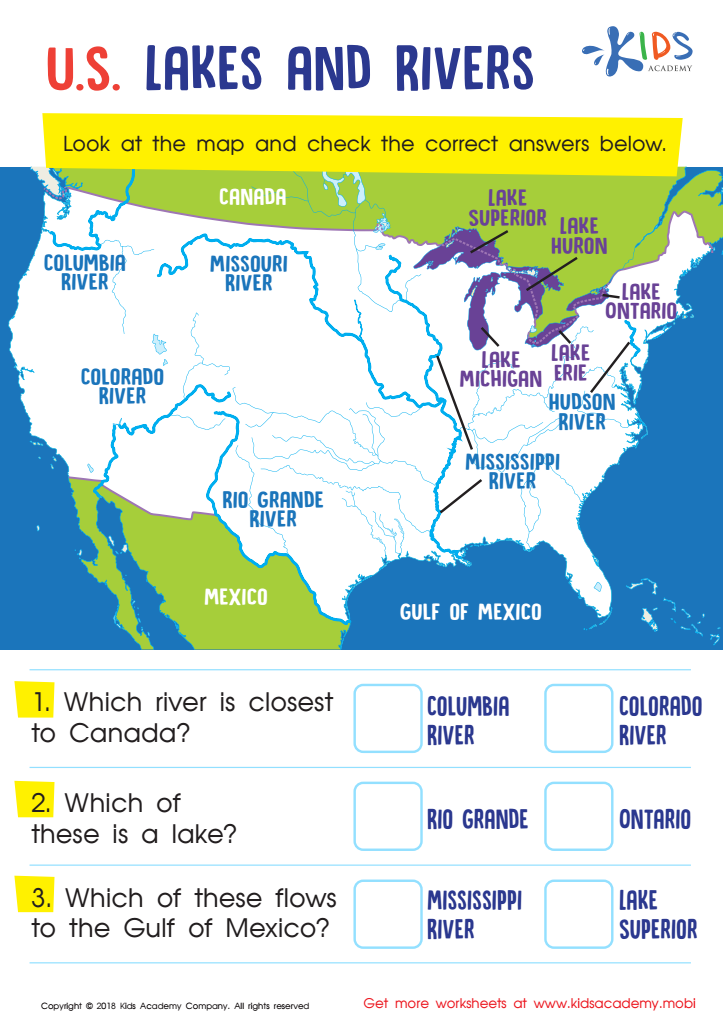
U.S. Lakes and Rivers Worksheet
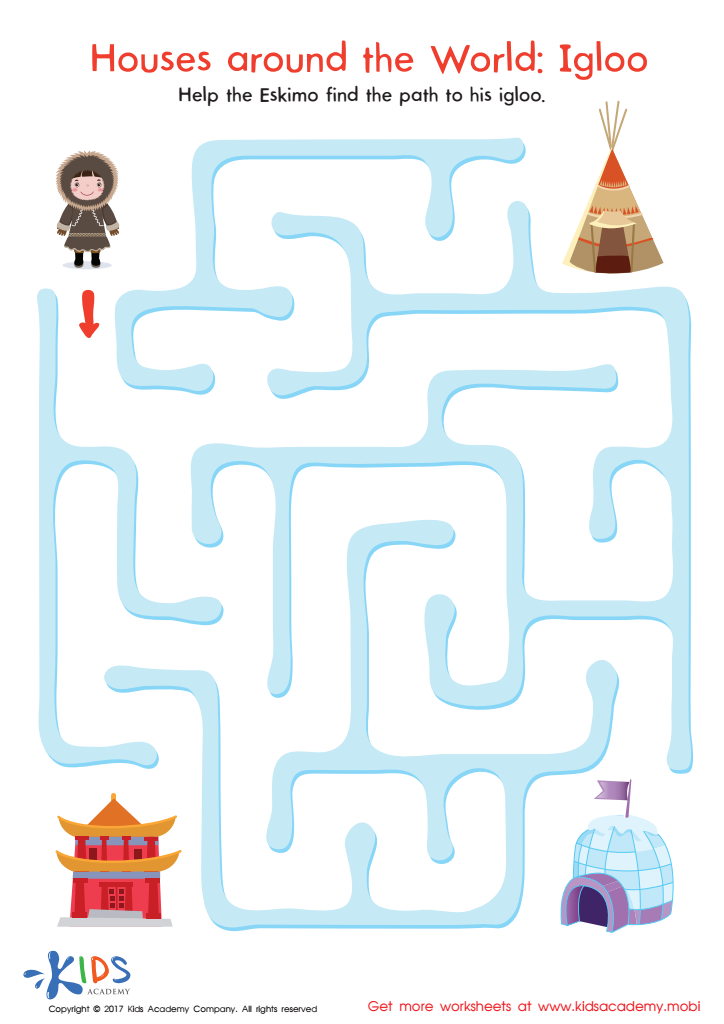
Houses Around the World: Igloo Printable
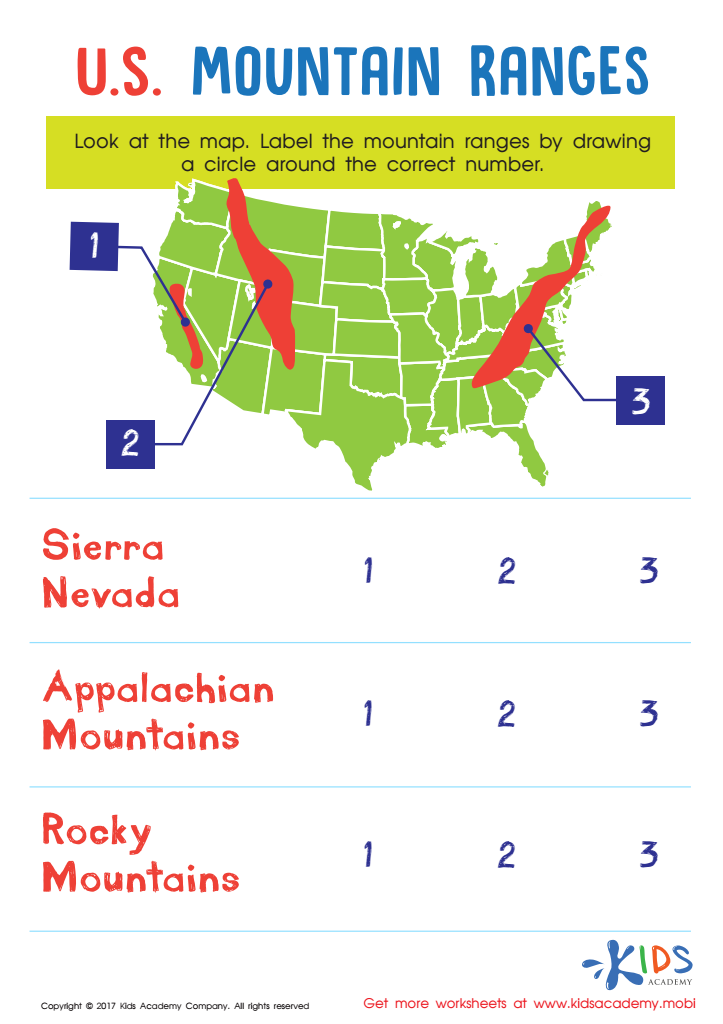
US Mountain Ranges Worksheet
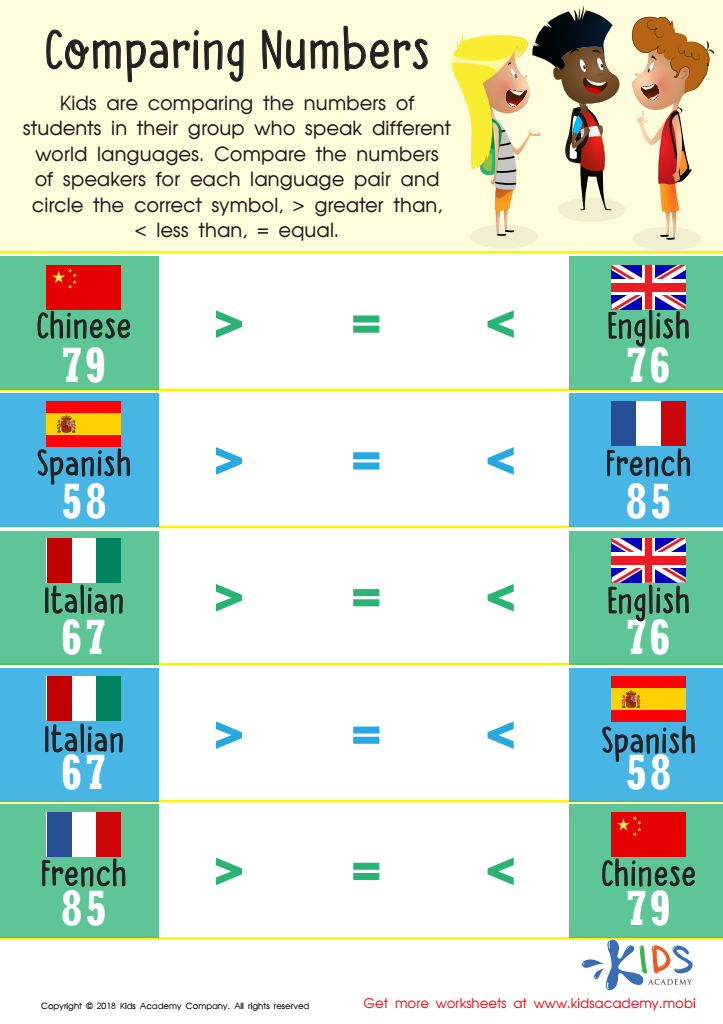
Comparing Numbers Worksheet for 1st Grade
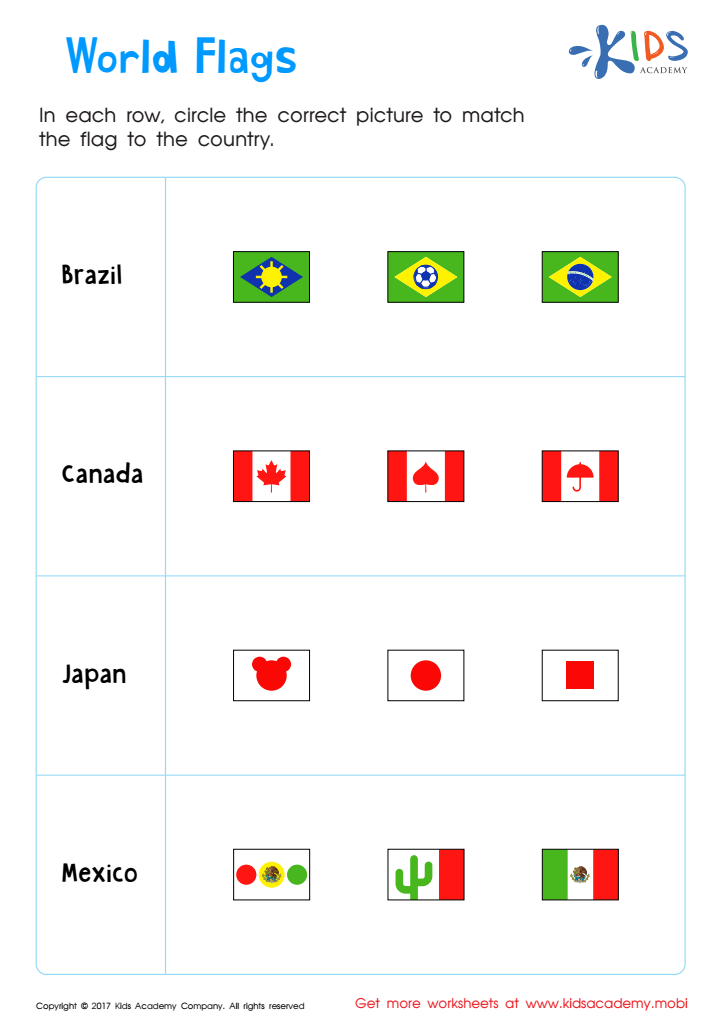
World Flags Printable
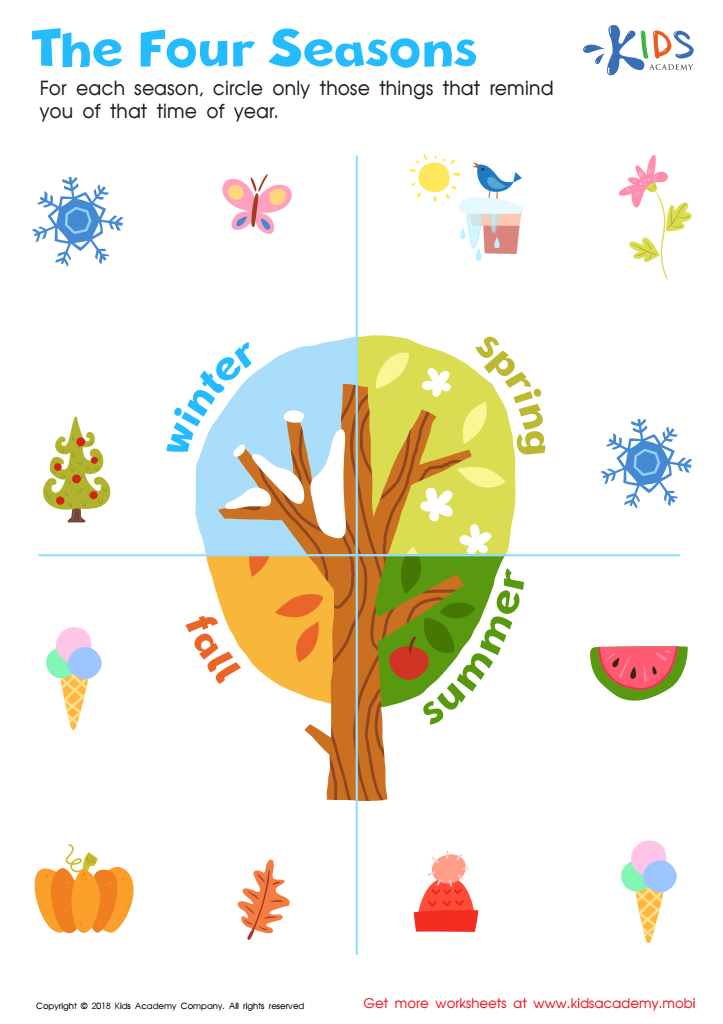
The Four Seasons Worksheet






Teaching normal geography to children ages 4-9 is crucial for several fundamental reasons that benefit their overall development. At this age, children's minds are highly receptive and eager to explore the world around them. Introducing geography helps them grasp basic concepts of their environment, such as understanding spatial relationships, recognizing landmarks, and identifying different places on maps. This foundational knowledge enhances their cognitive skills, promoting better memory, problem-solving abilities, and critical thinking.
Geography helps foster a sense of curiosity and love for learning. As children learn about different regions, cultures, and environments, they become more interested in the diverse world they live in. This awareness encourages empathy and understanding towards others, promoting respect and open-mindedness.
Moreover, studying geography improves children's language and literacy skills. They acquire new vocabulary related to landforms, ecosystems, and directions, which enriches their language development and communication abilities. Hands-on activities, like drawing maps or identifying features in nature walks, also support fine motor skills and creativity.
By recognizing the importance of normal geography, parents and teachers equip children with essential life skills and shape them into informed, considerate, and inquisitive individuals. These early lessons can pave the way for a well-rounded education and an enduring curiosity about the planet they inhabit.