Normal Science Worksheets for Ages 5-7 - Page 8
239 filtered results
-
From - To
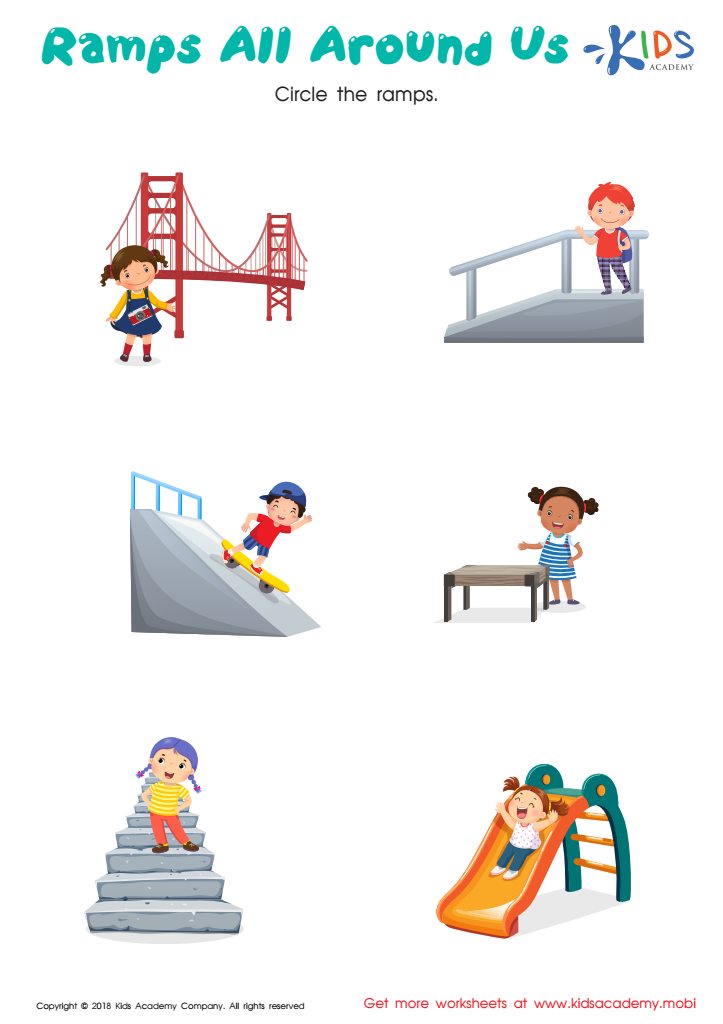
Ramps All Around us Worksheet
 Assign to My Students
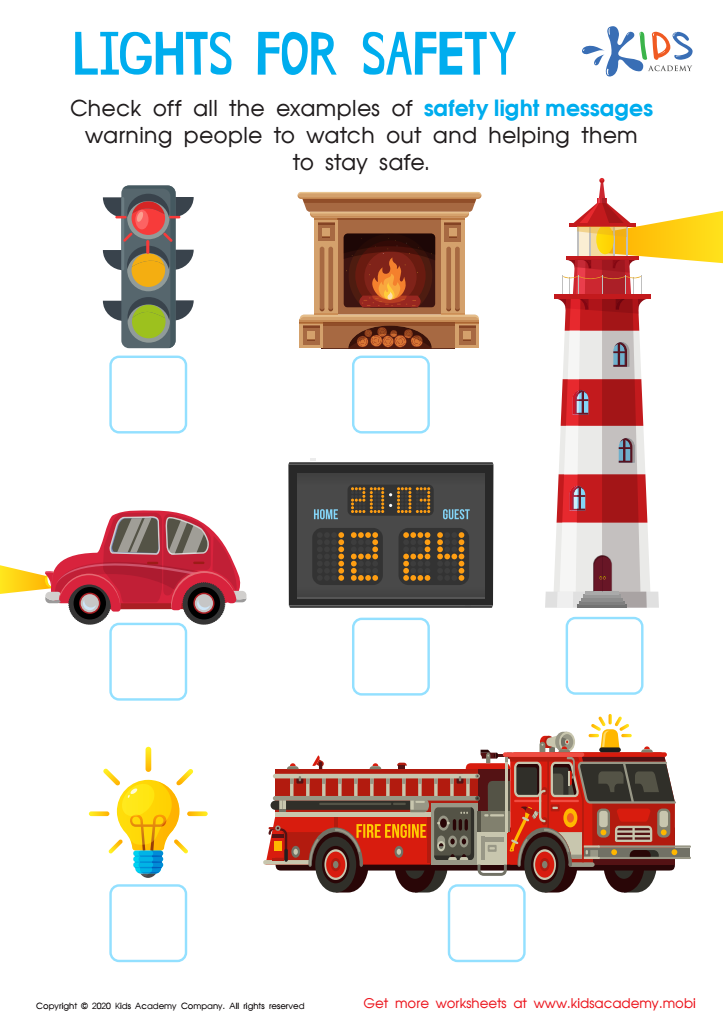
Lights for Safety Worksheet
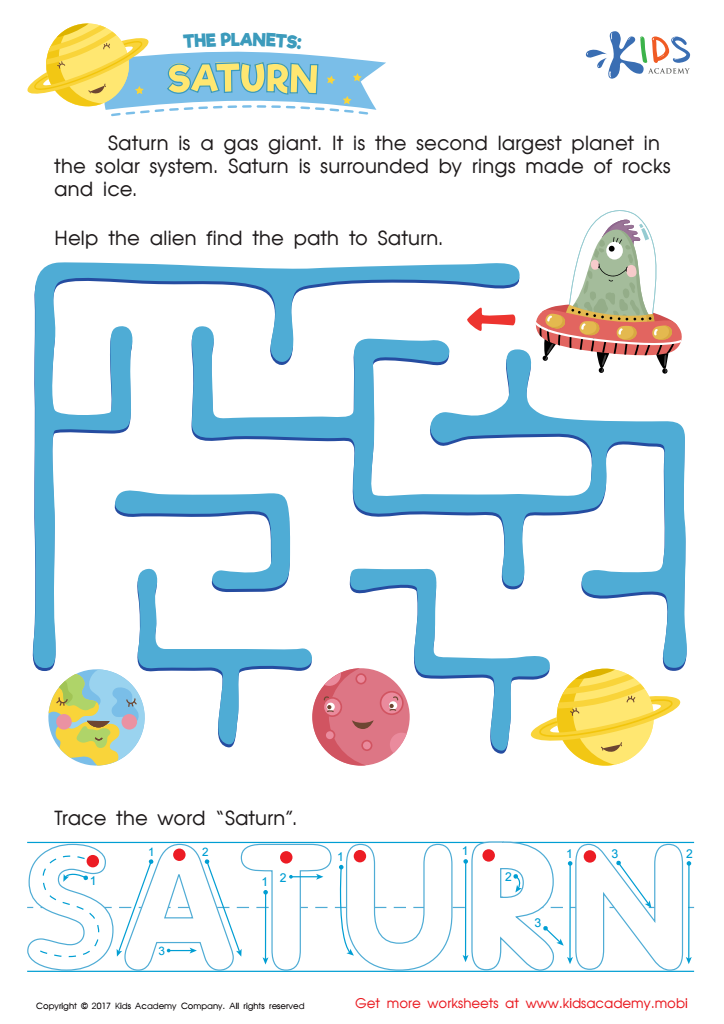
The Planets: Saturn Printable
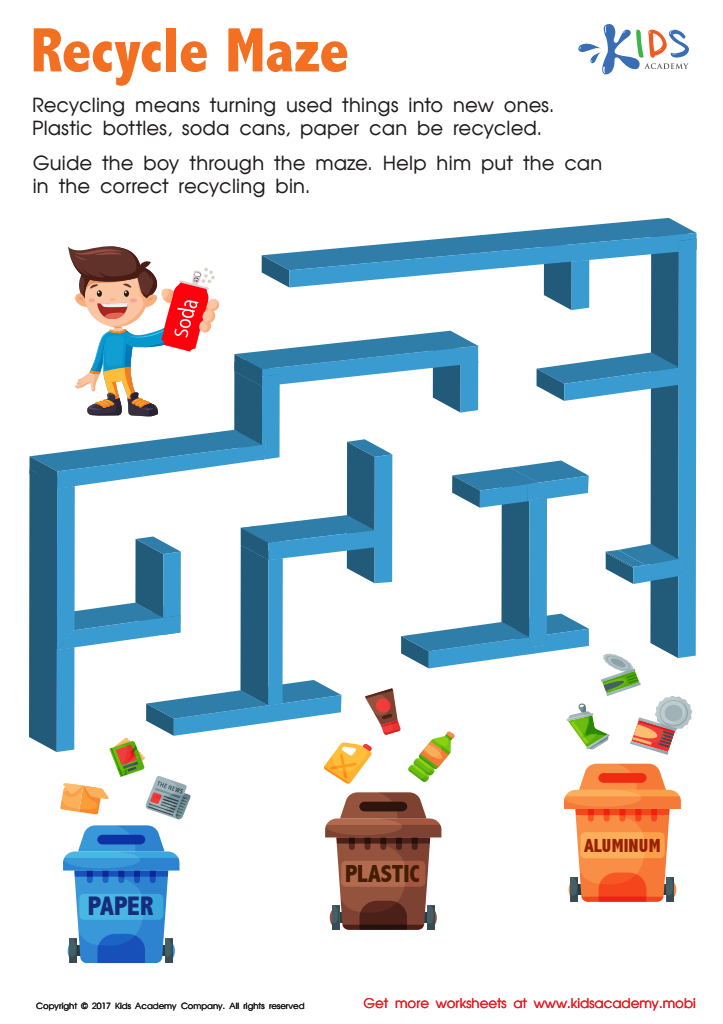
Recycle Maze Worksheet
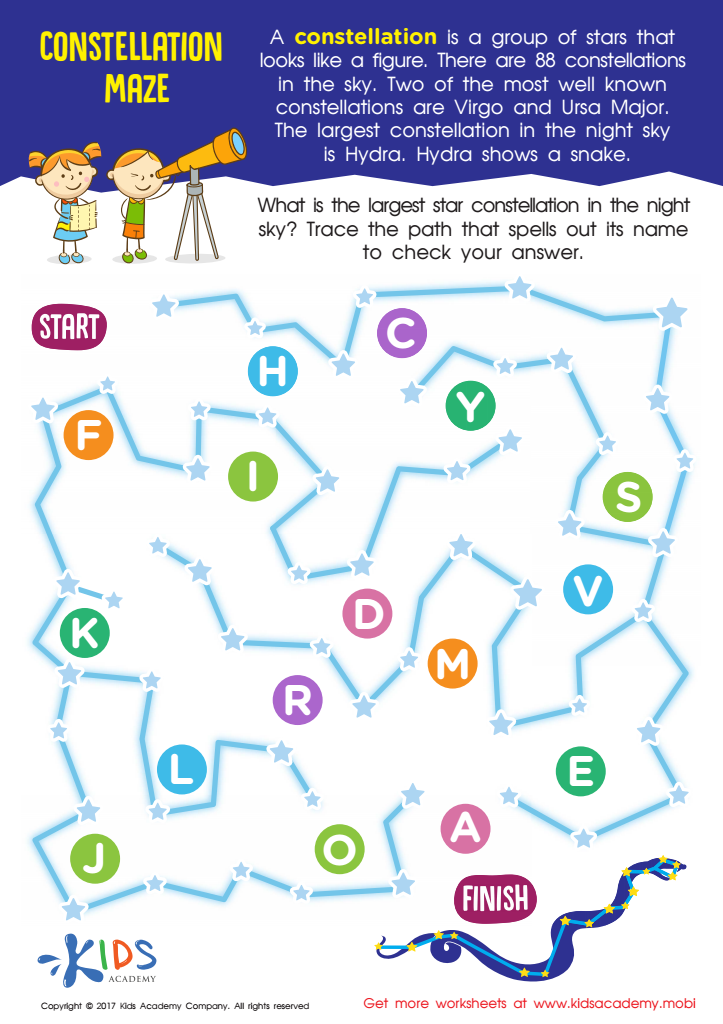
Constellations Worksheet
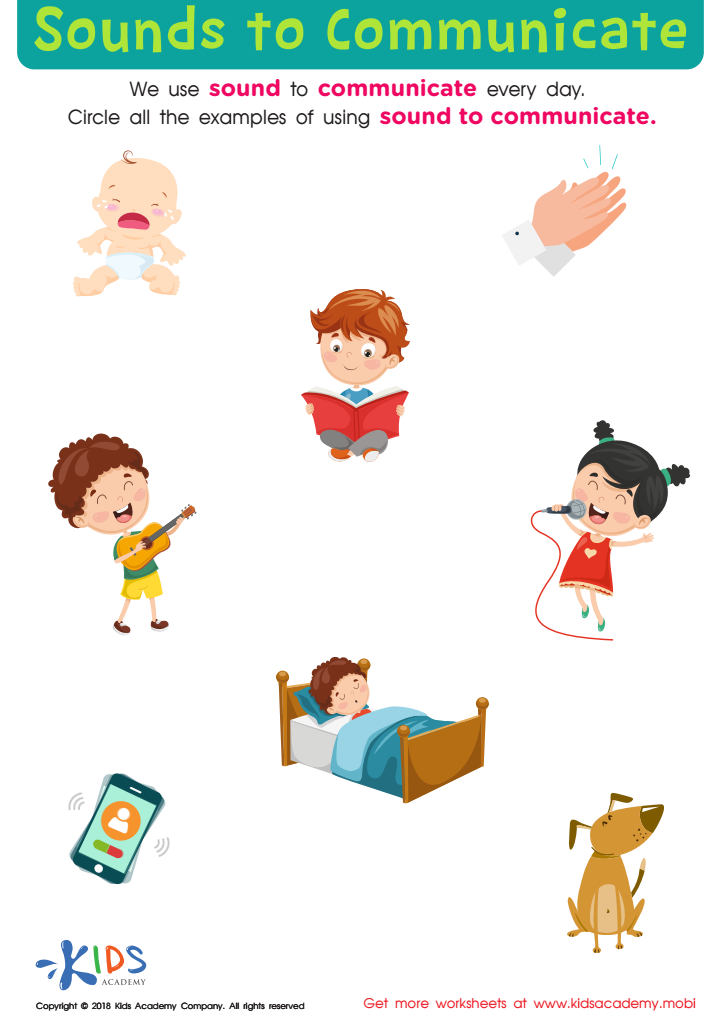
Sounds to Communicate Worksheet
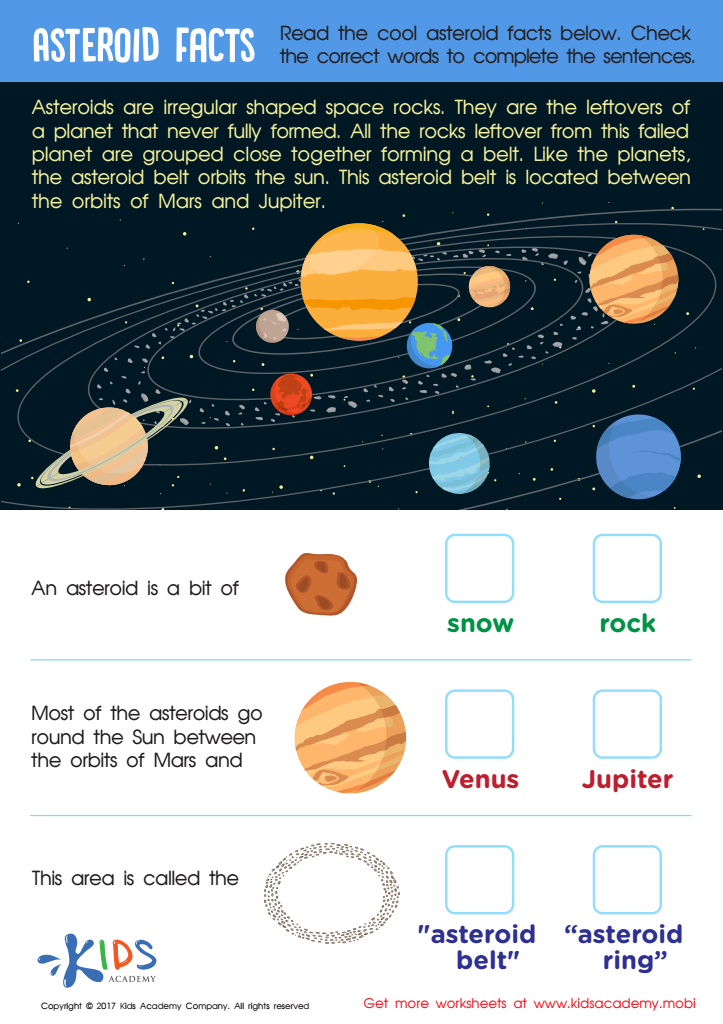
Asteroid Facts Worksheet
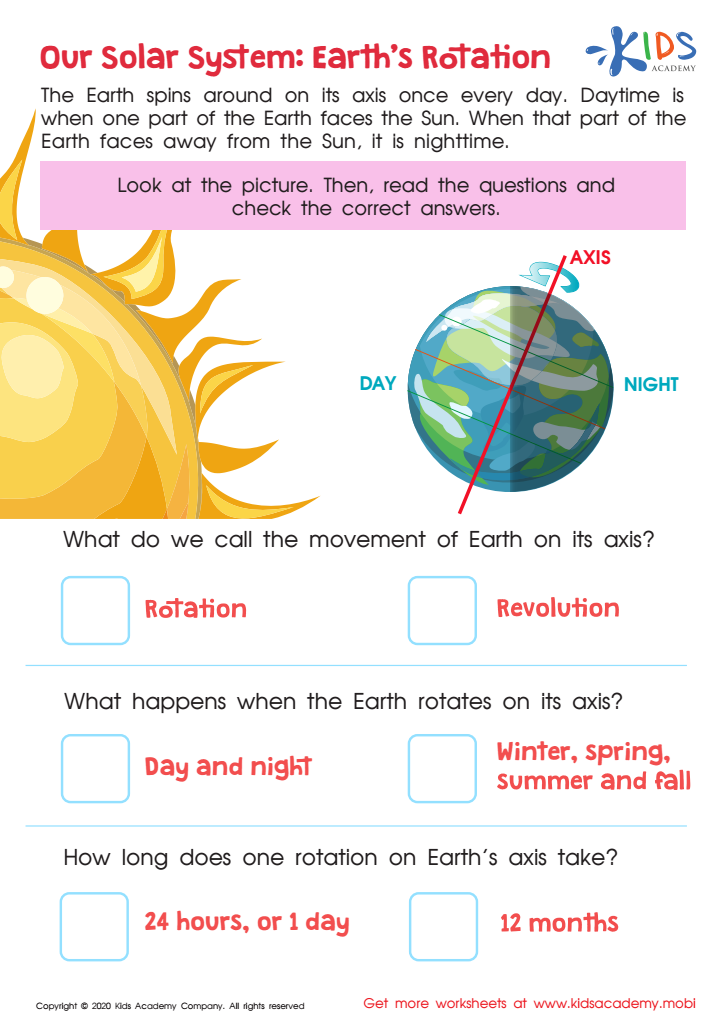
Our Solar System: Earth's Rotation Printable
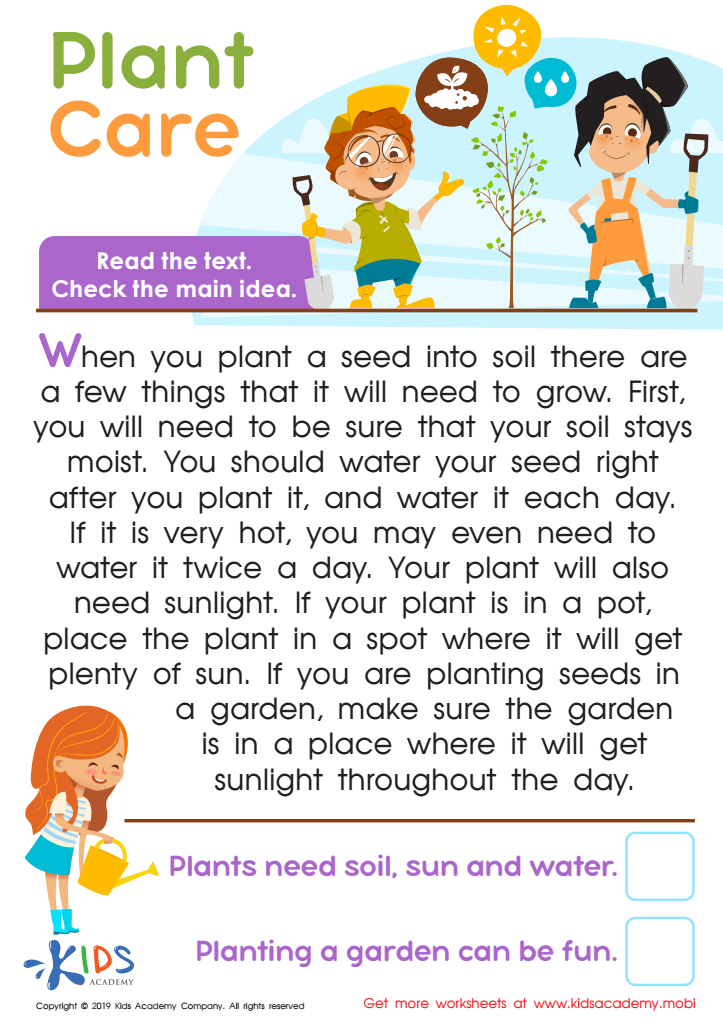
Plant Care Worksheet
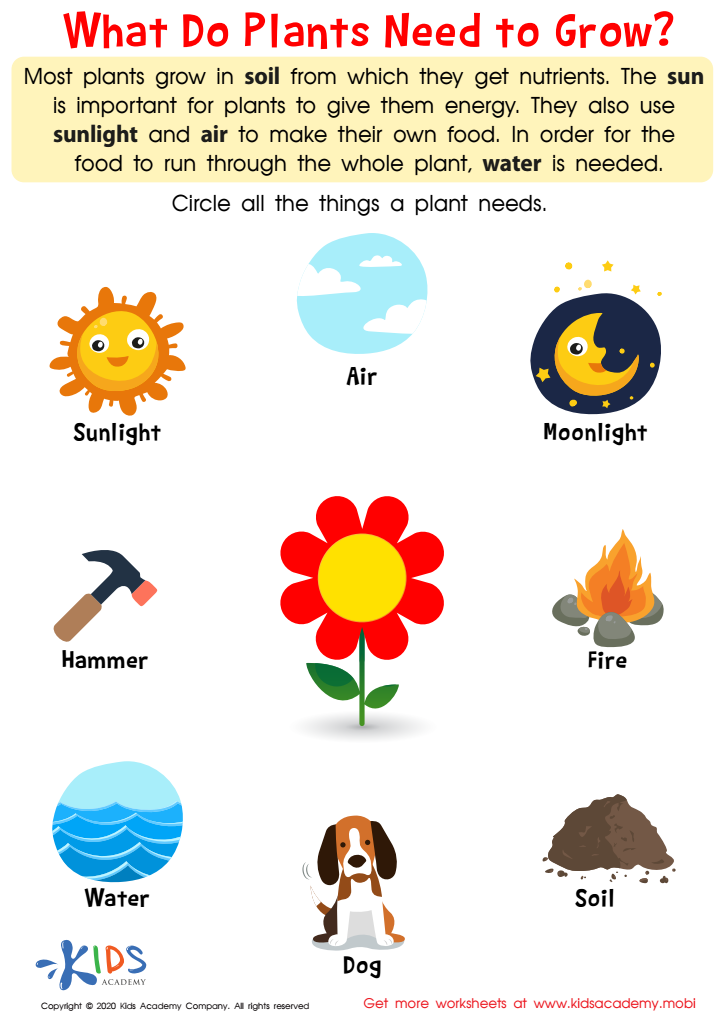
What Do Plants Need to Grow Worksheet
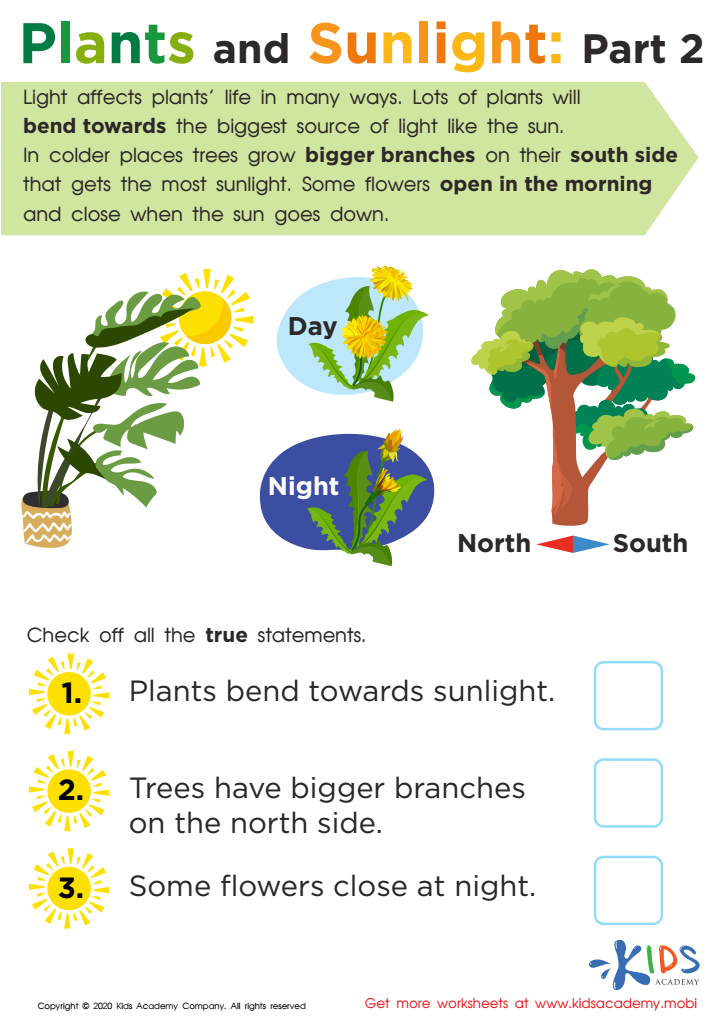
Plants and Sunlight: Part 2 Worksheet
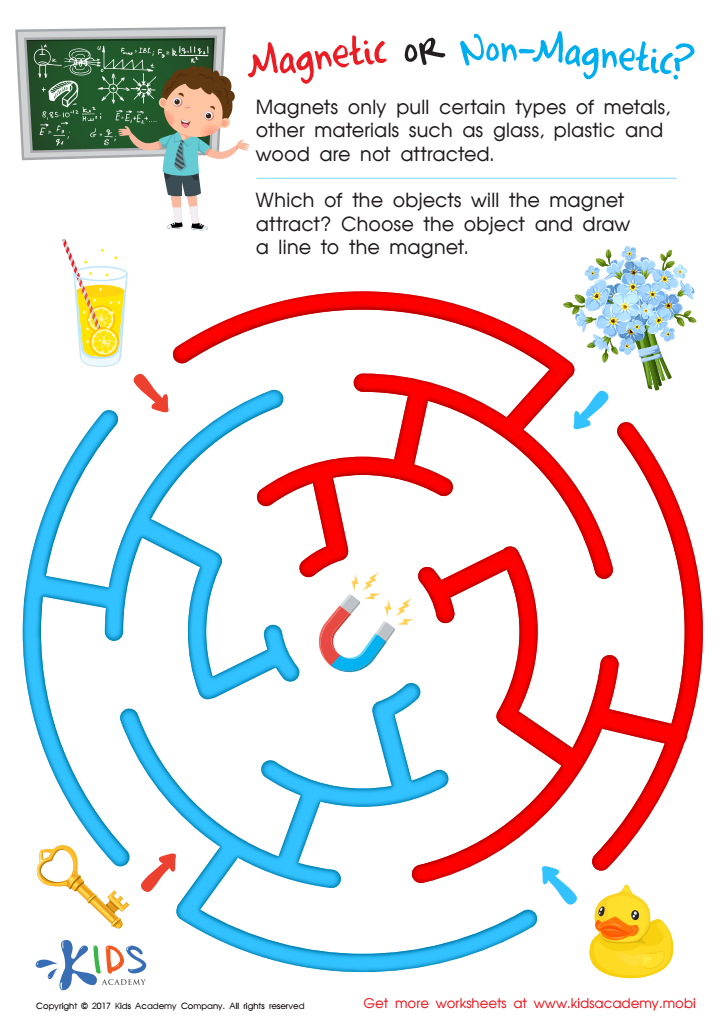
Magnetic or Non–Magnetic Worksheet
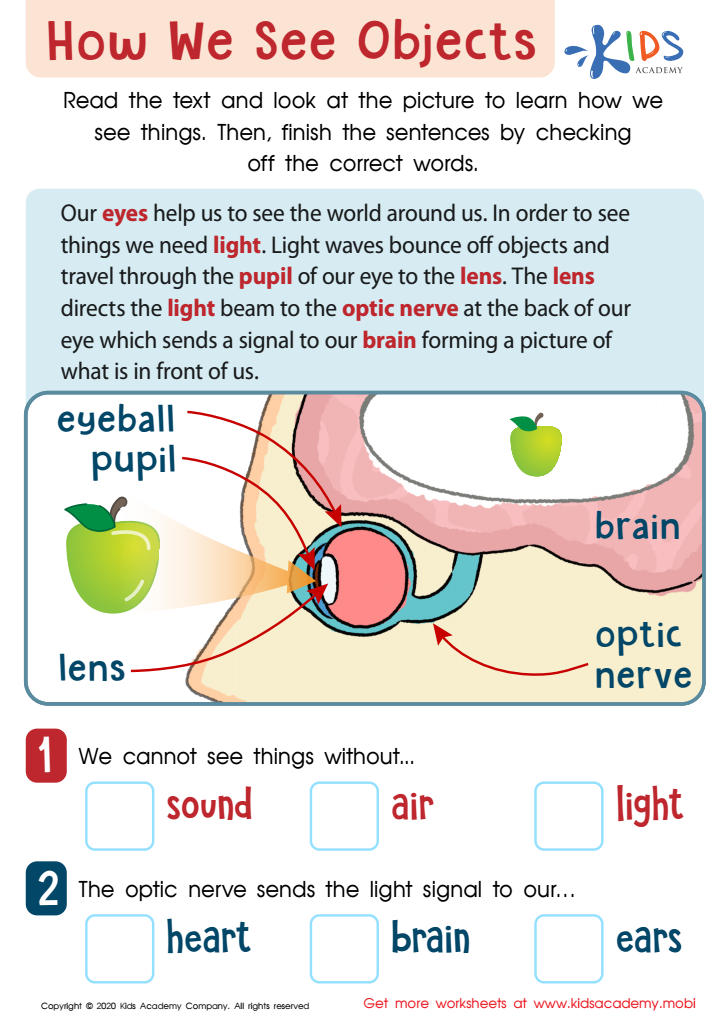
How We See Objects Worksheet
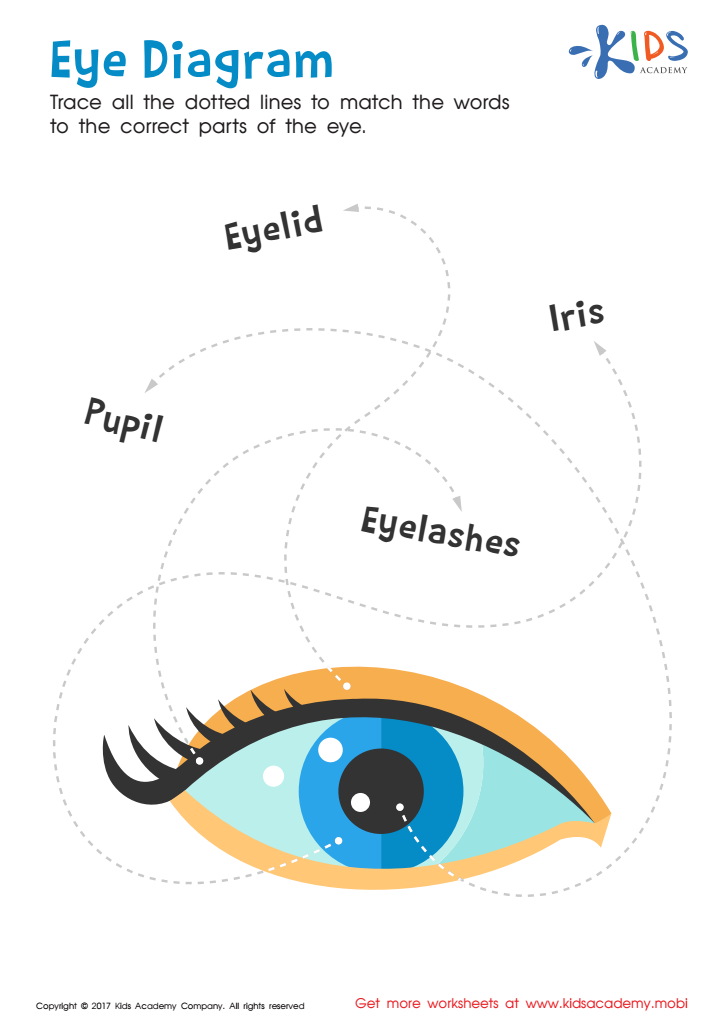
Eye Diagram Printable
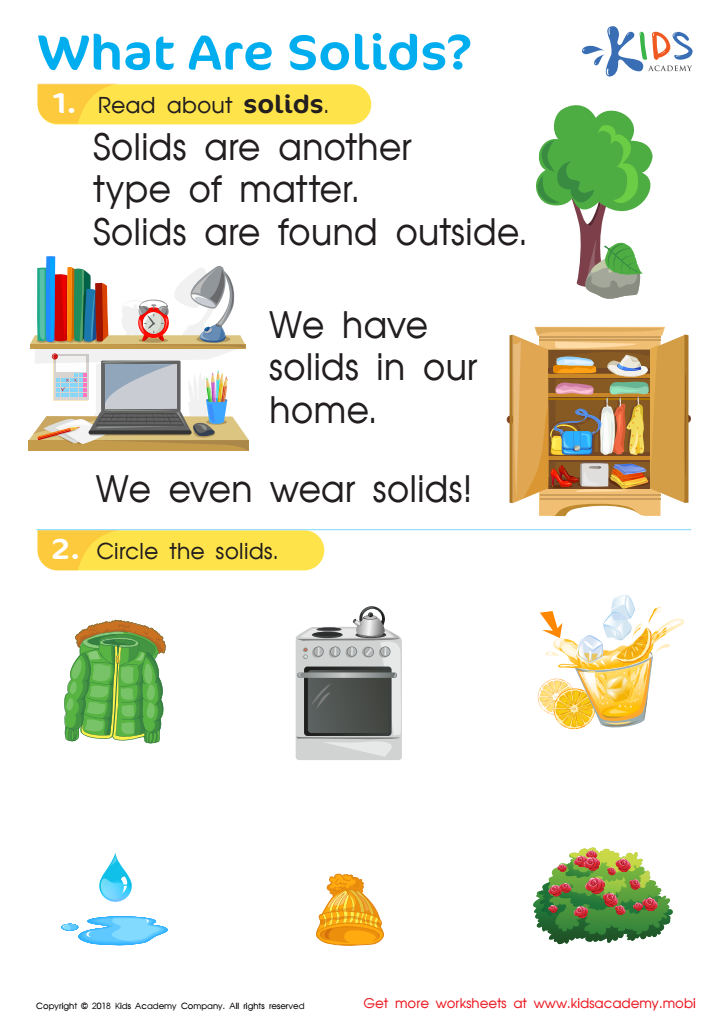
What Are Solids? Worksheet
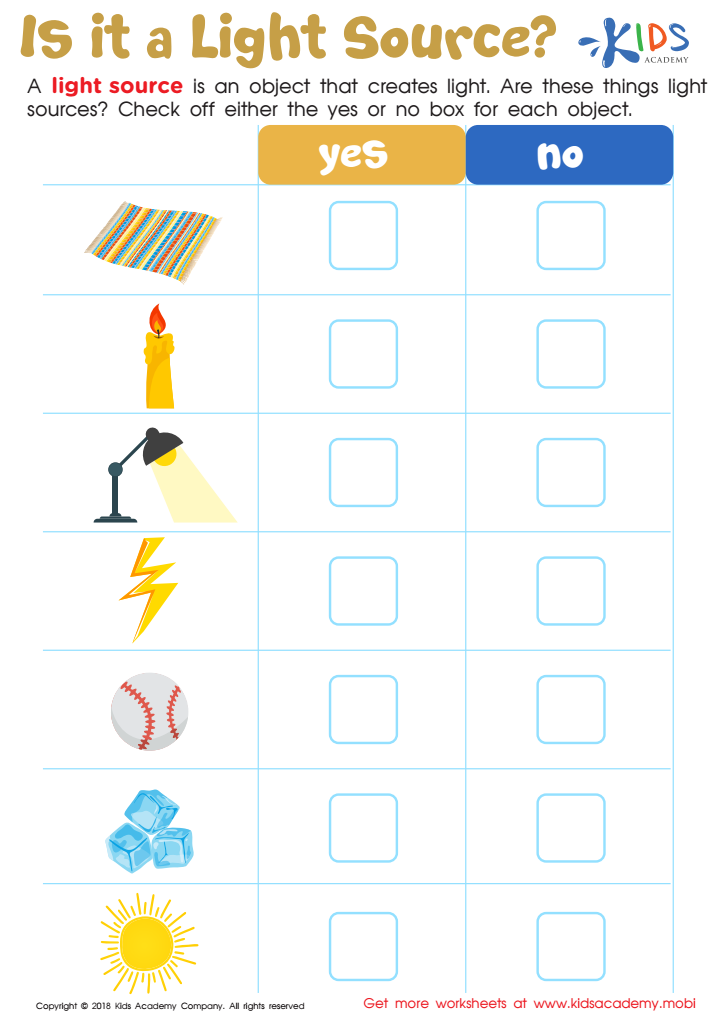
Is It a Light Source? Worksheet
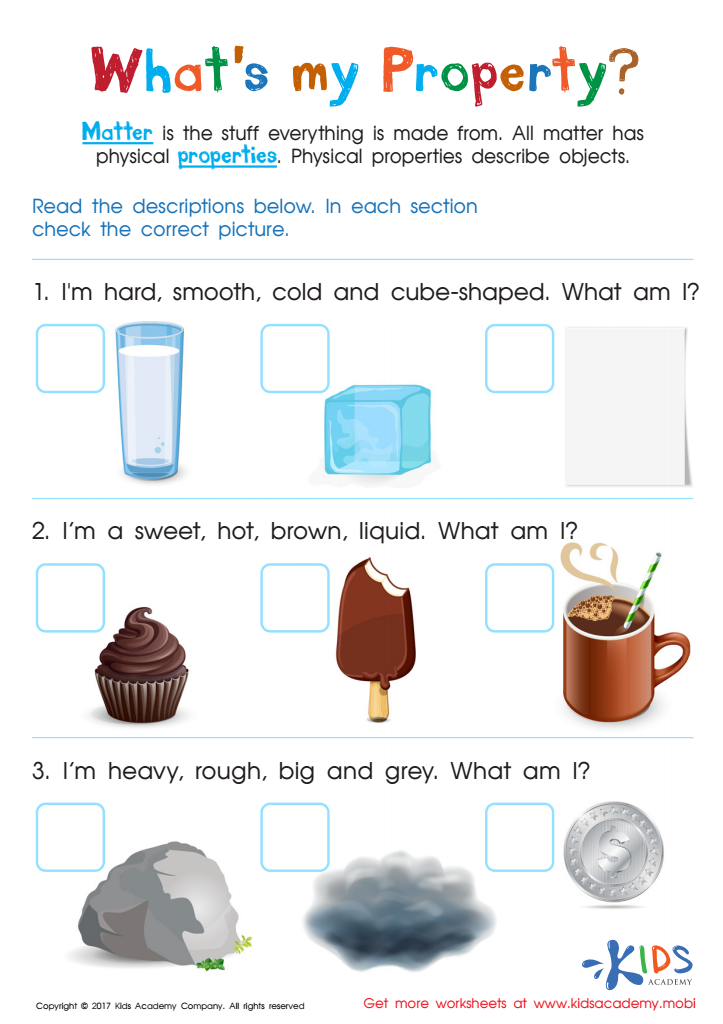
Physical Properties Of Matter Worksheet
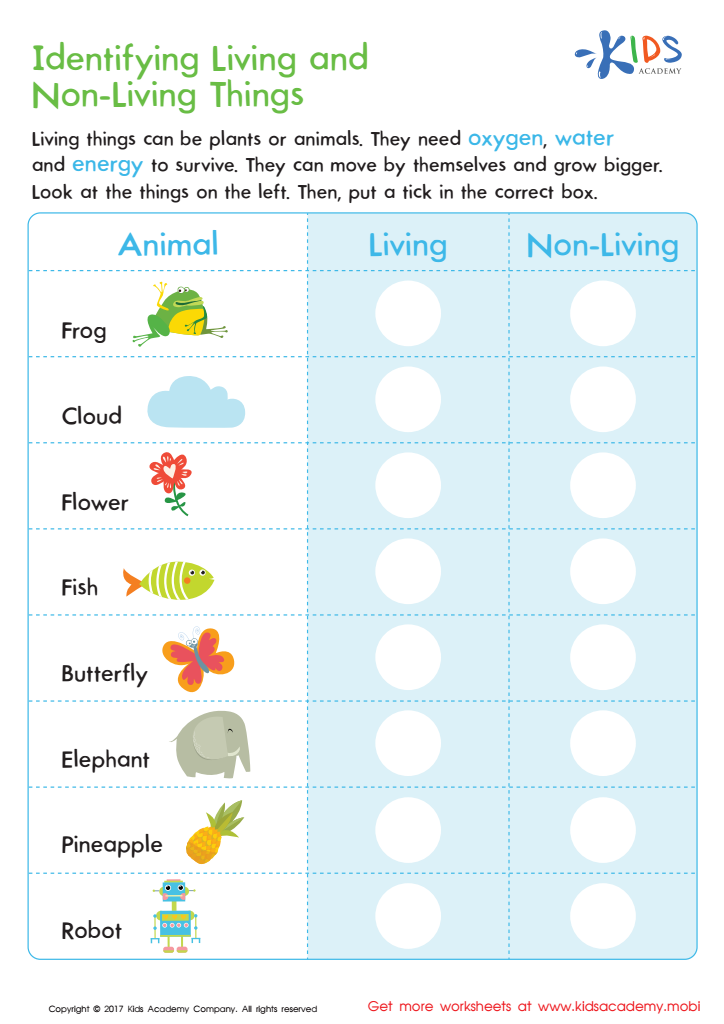
Identifying Living or Non–living Worksheet
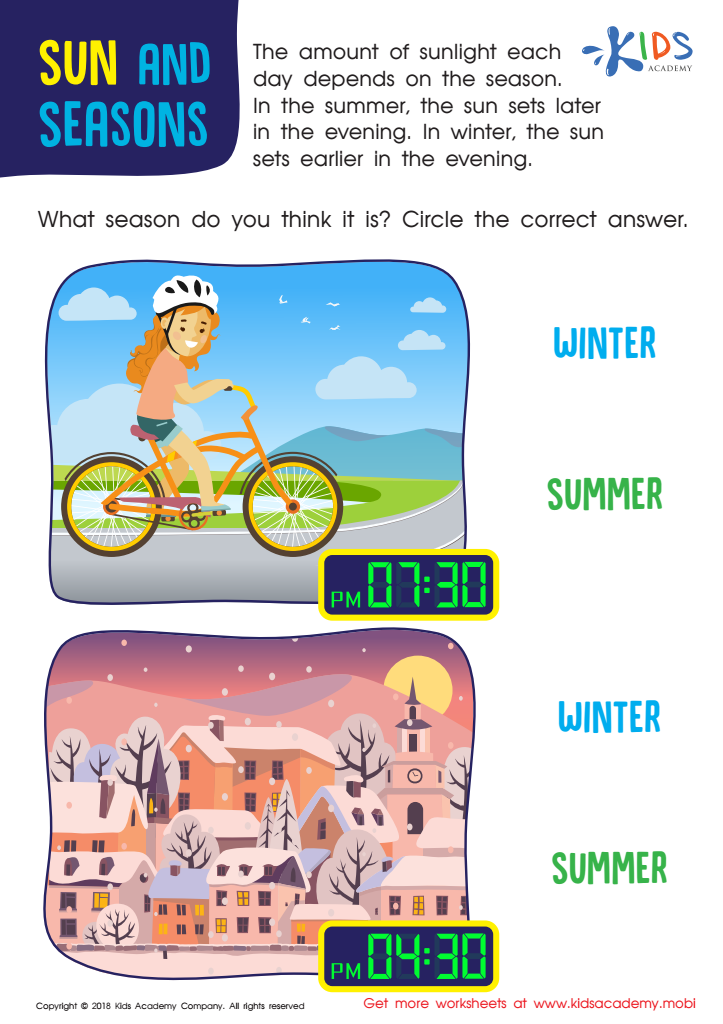
Sun and Seasons Worksheet
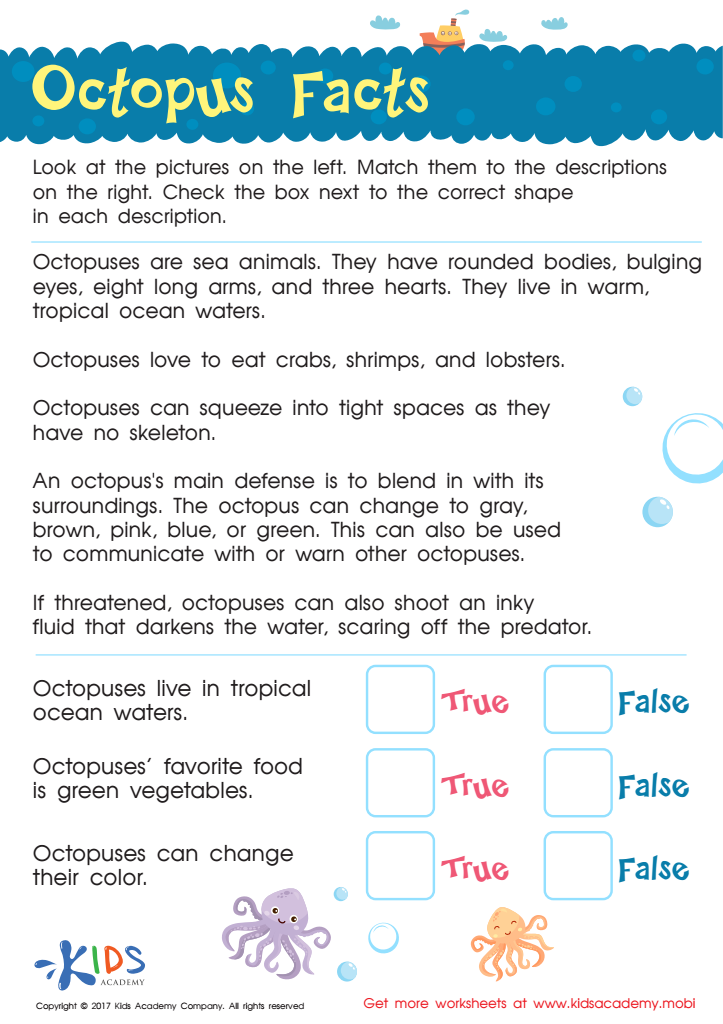
Octopus Facts Worksheet For Kids
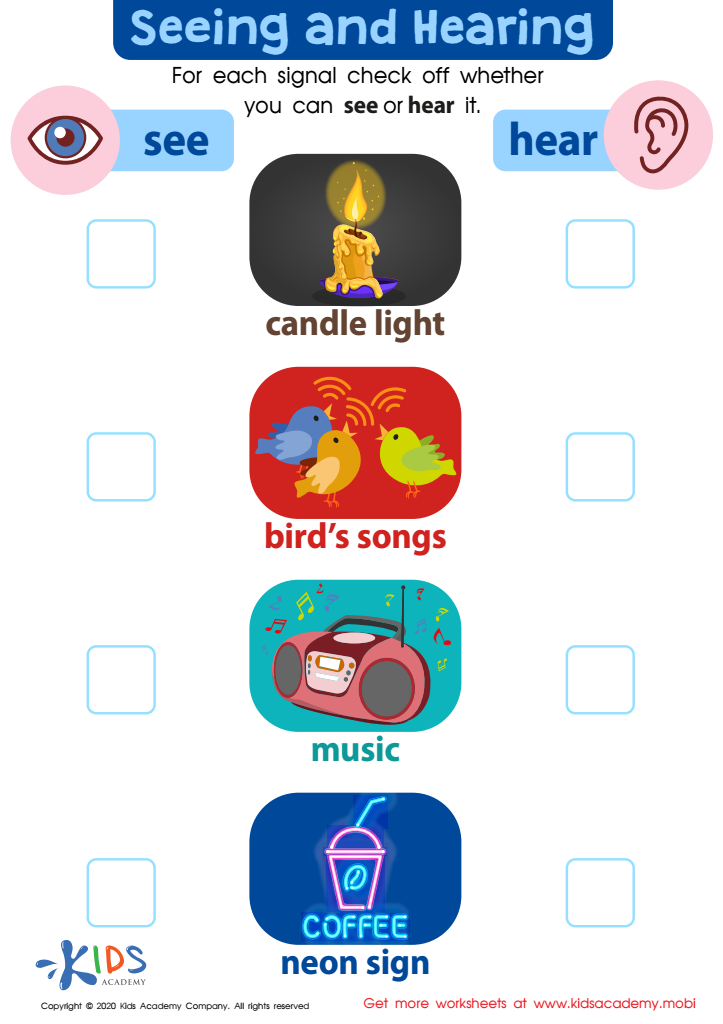
Seeing and Hearing Worksheet
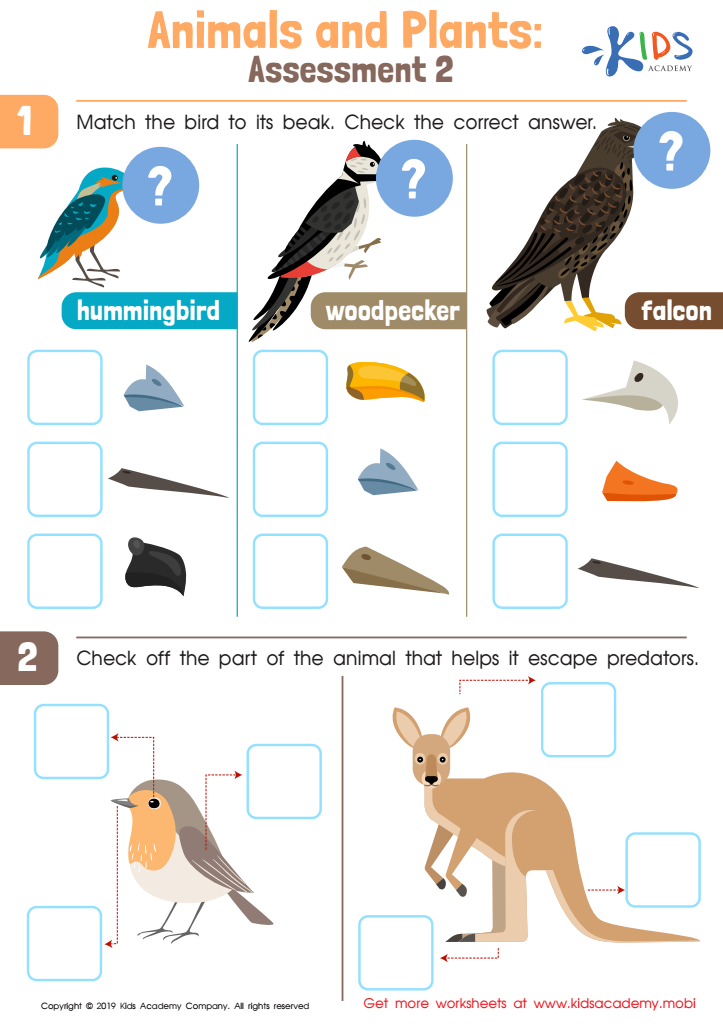
Animals and Plants: Assessment 2 Worksheet
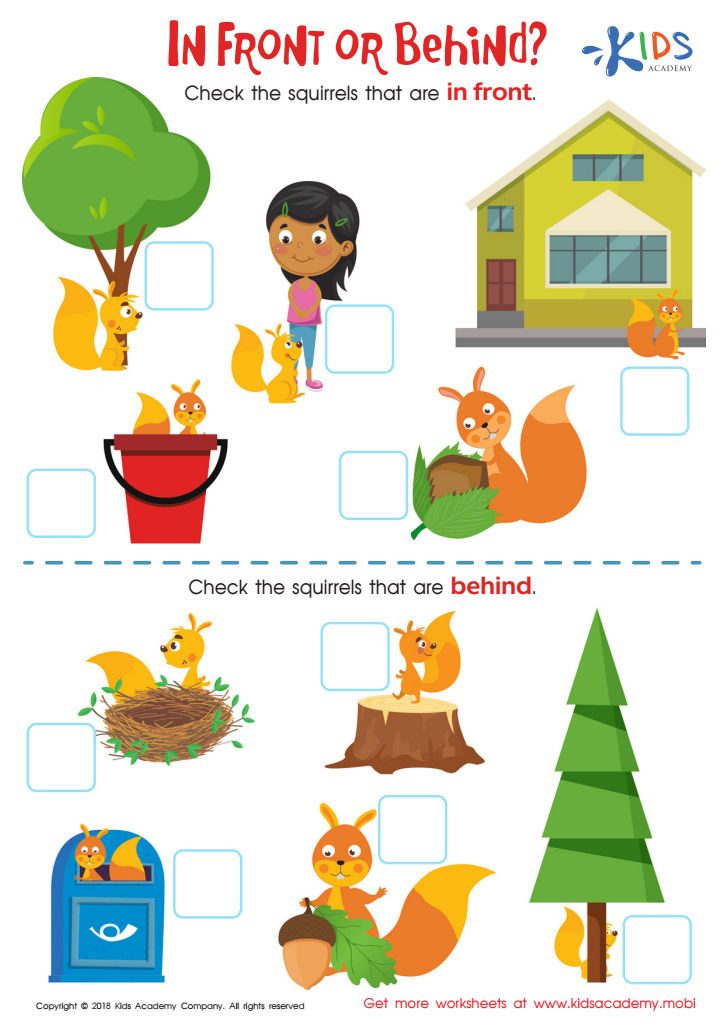
In Front or Behind: Part 2 Worksheet
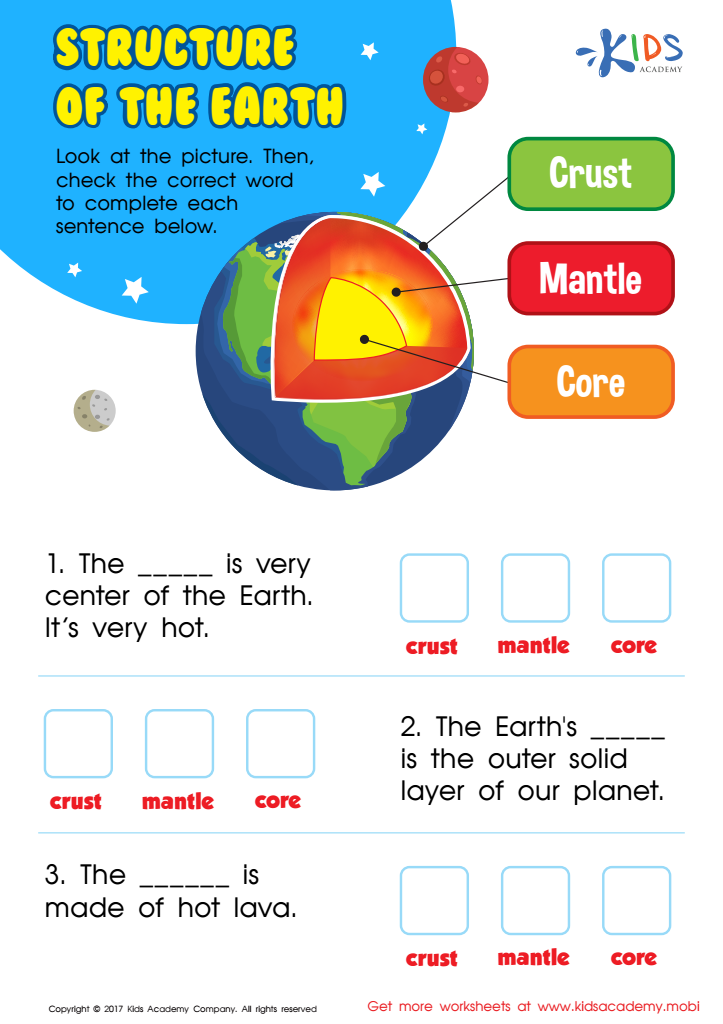
Structure of the Earth Worksheet






Teachers and parents should care about introducing Normal Science to children ages 5-7 because it lays a foundational understanding of the world and promotes lifelong curiosity. At this age, children are natural explorers with an innate curiosity about their surroundings. Introducing them to science concepts through simple and engaging activities can foster an inquisitive mindset.
Understanding basic science helps children develop critical thinking skills as they learn to ask questions, make observations, and draw conclusions. Engaging in hands-on activities like experimenting with water, exploring living organisms, or observing weather patterns can make learning enjoyable and relatable.
Furthermore, incorporating science into early education supports the development of other essential skills. It enhances vocabulary by introducing scientific terms, improves mathematical abilities through measurement and data collection, and boosts literacy as children read about and discuss scientific concepts.
Early exposure to science also shapes future attitudes towards learning and reduces anxiety related to complex subjects later on. It encourages creativity and problem-solving, skills that are valuable across numerous areas of life. Teachers and parents who emphasize science education are not only nurturing potential future scientists but are also equipping children with the necessary tools to navigate and understand a rapidly changing world.







