Normal Animals Worksheets for Ages 5-7 - Page 2
38 filtered results
-
From - To
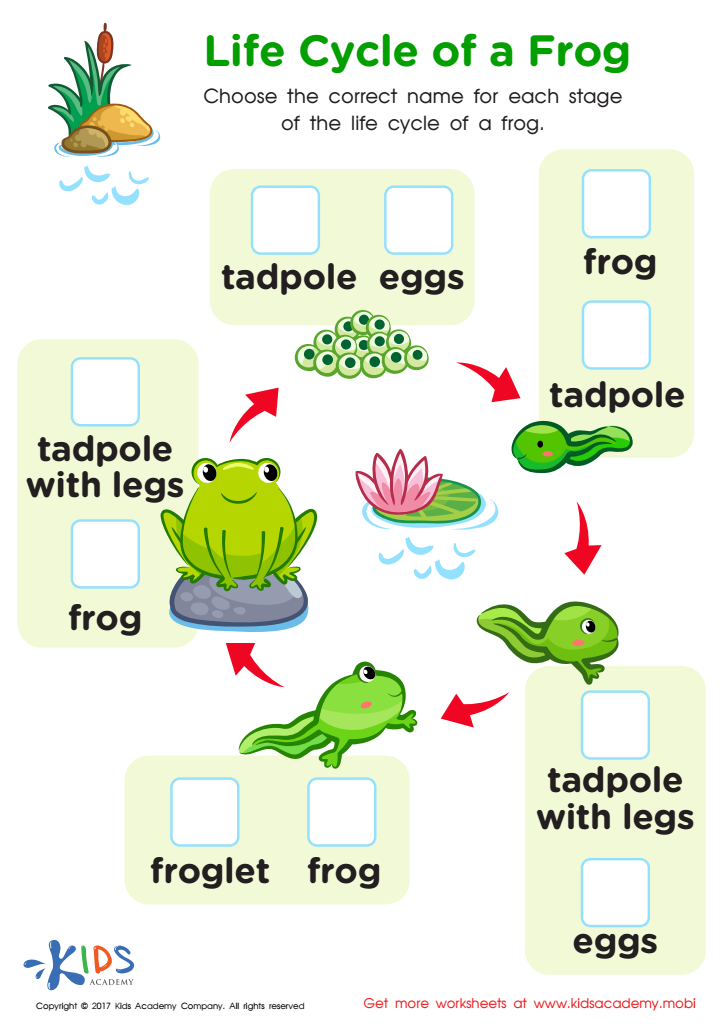
Life Cycle Frog Printable
 Assign to My Students
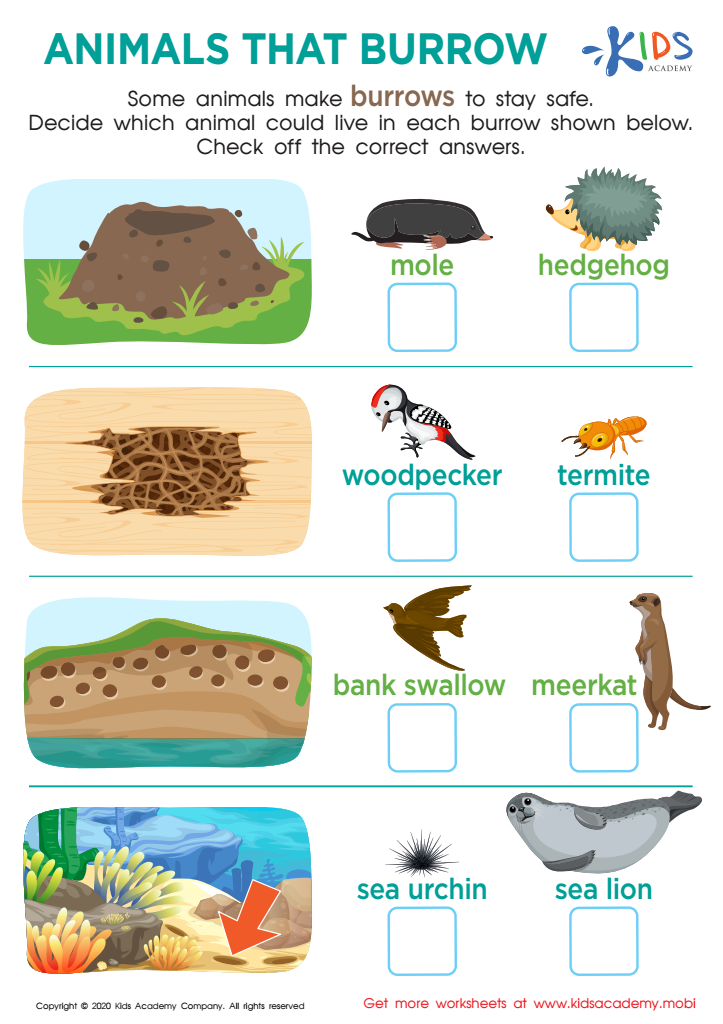
Animals That Burrow Worksheet
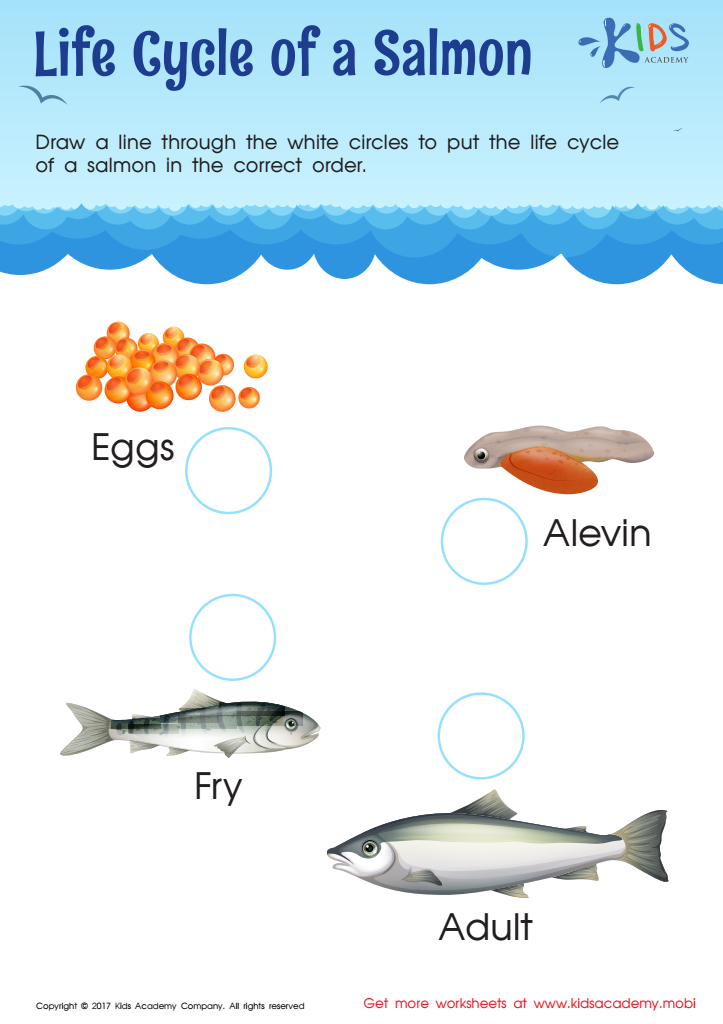
Cycle Of Salmon Worksheet
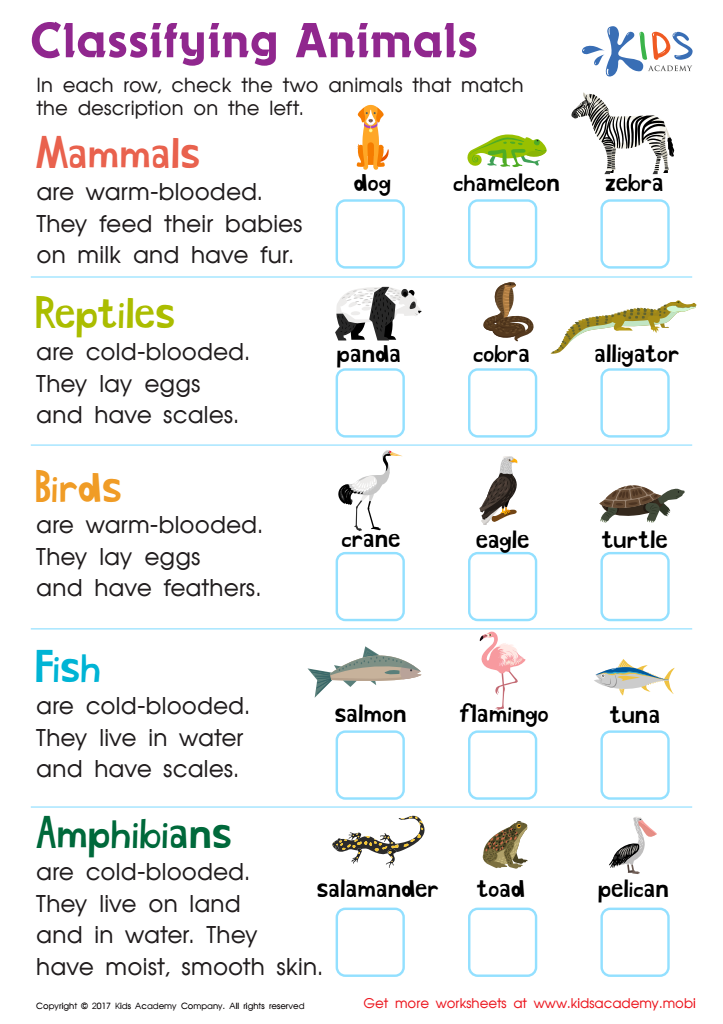
Classifying Animals Worksheet
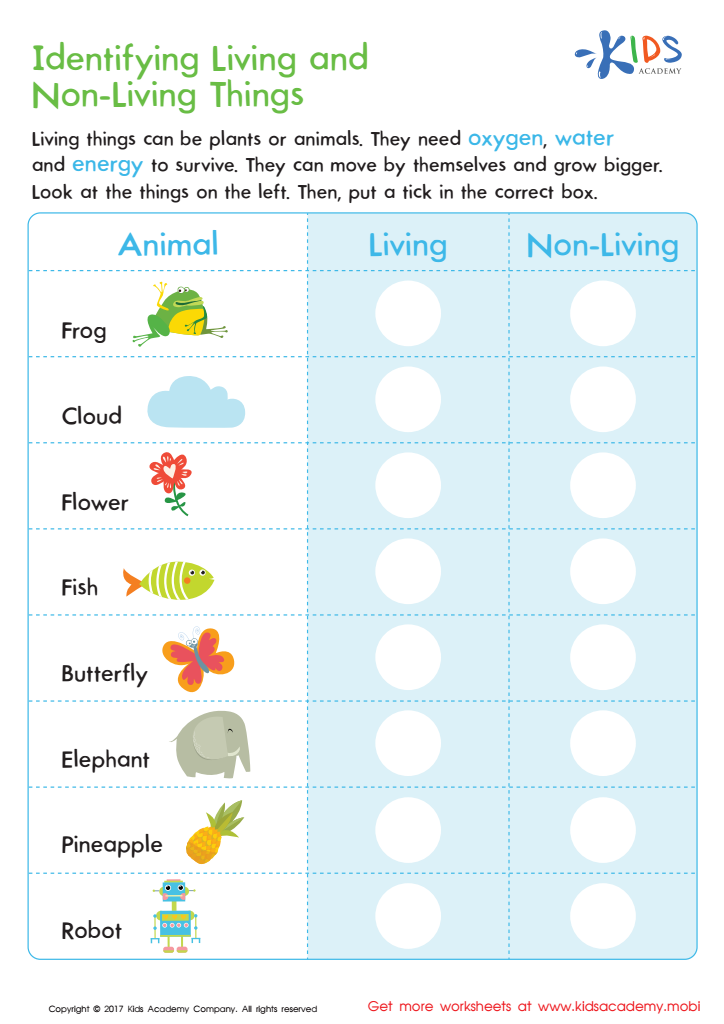
Identifying Living or Non–living Worksheet
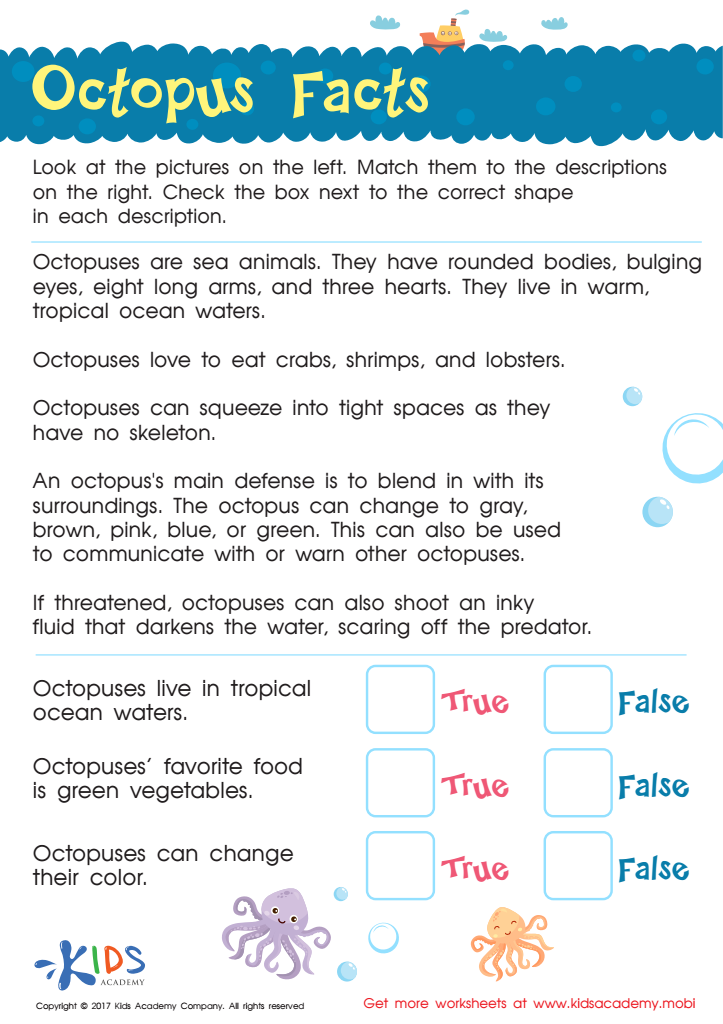
Octopus Facts Worksheet For Kids
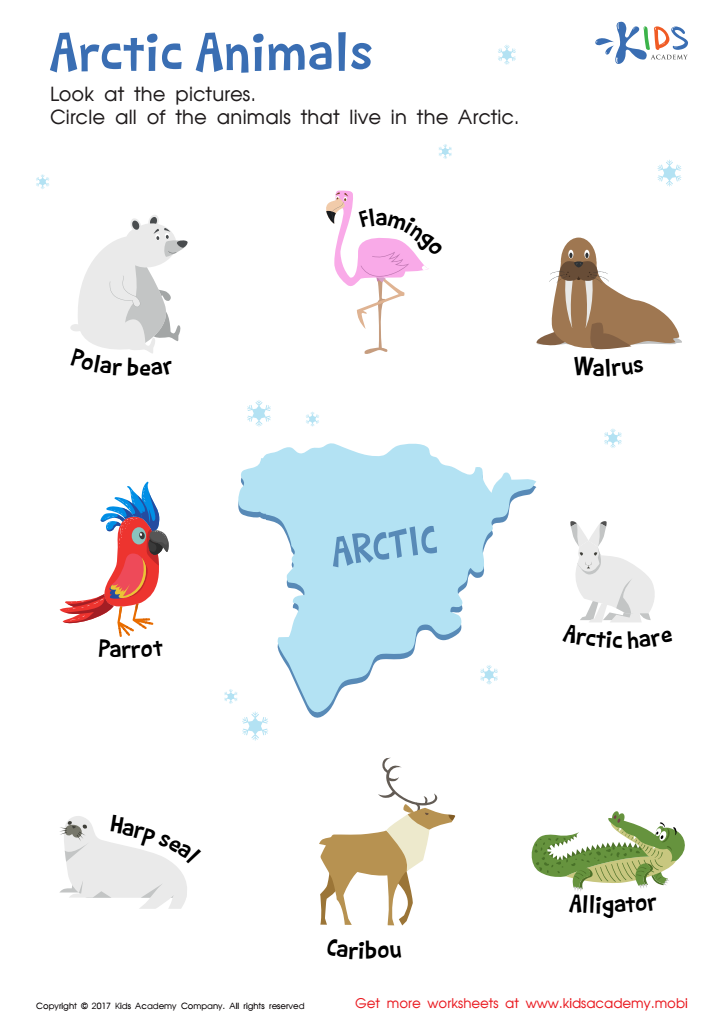
Arctic Animals Worksheet
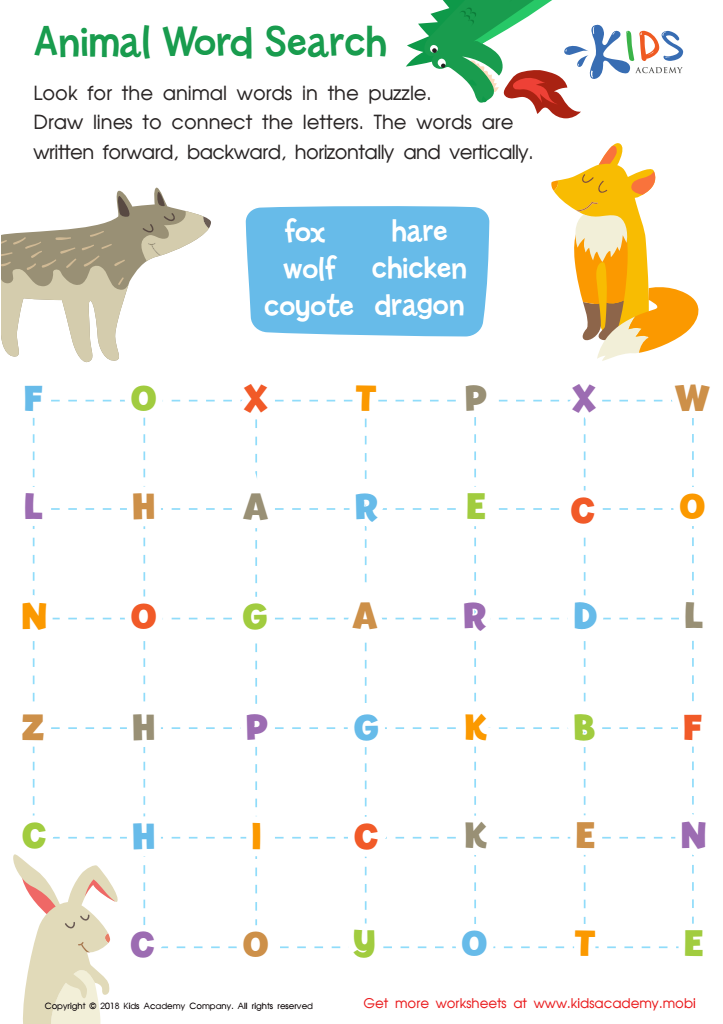
Animal Word Search Worksheet
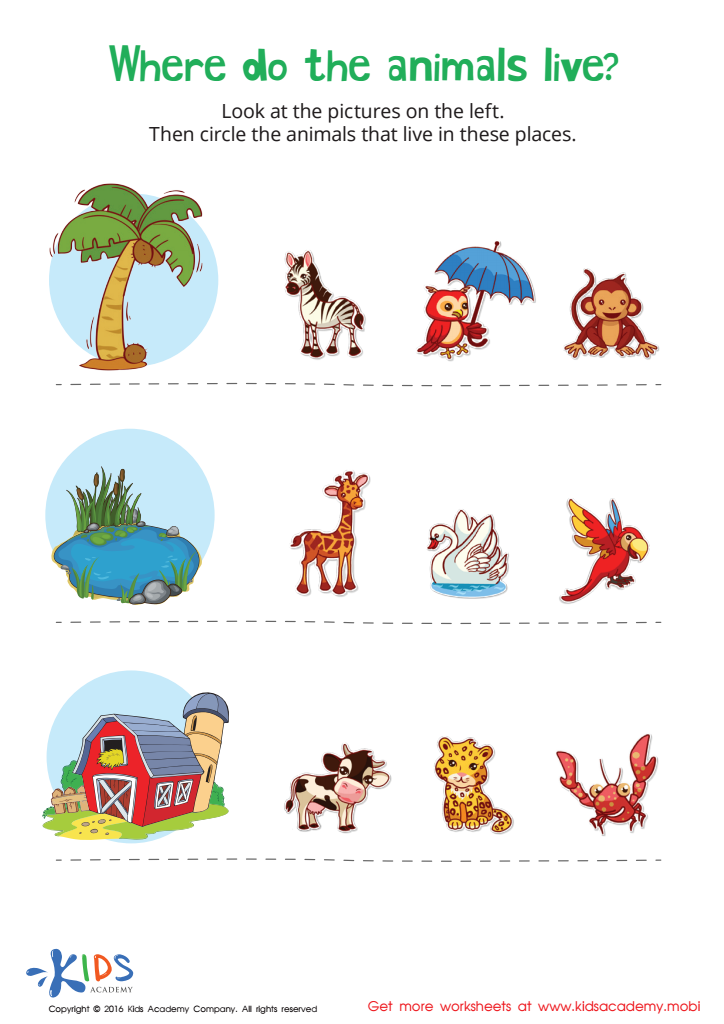
Where Animals Live Worksheet
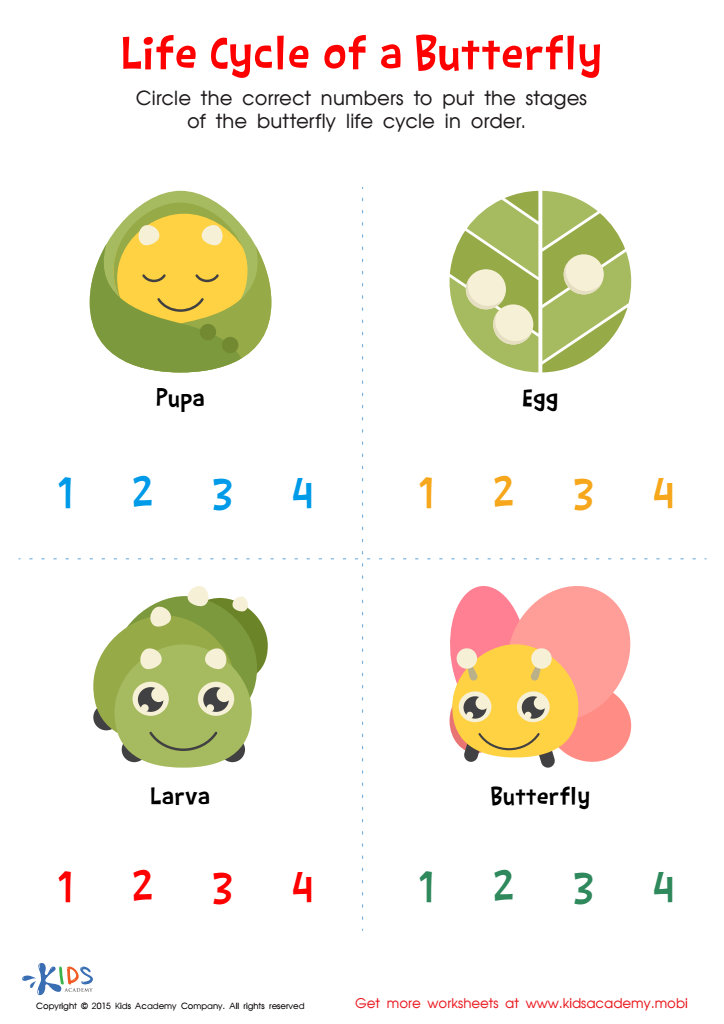
Life Cycle of Butterfly Printable
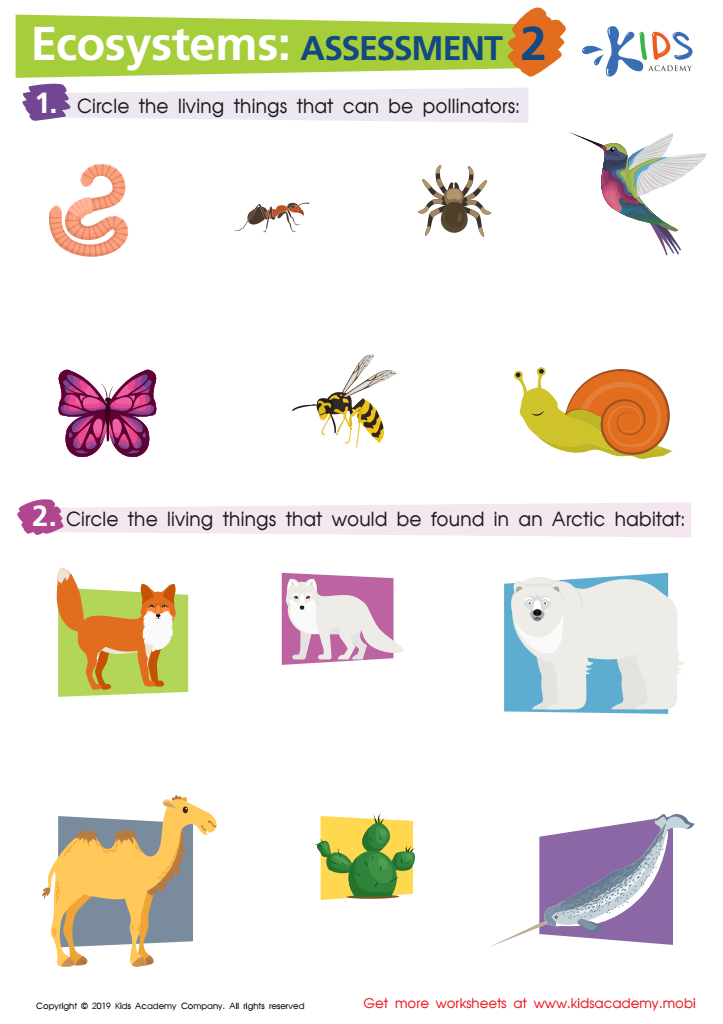
Ecosystems: Assessment 2 Worksheet
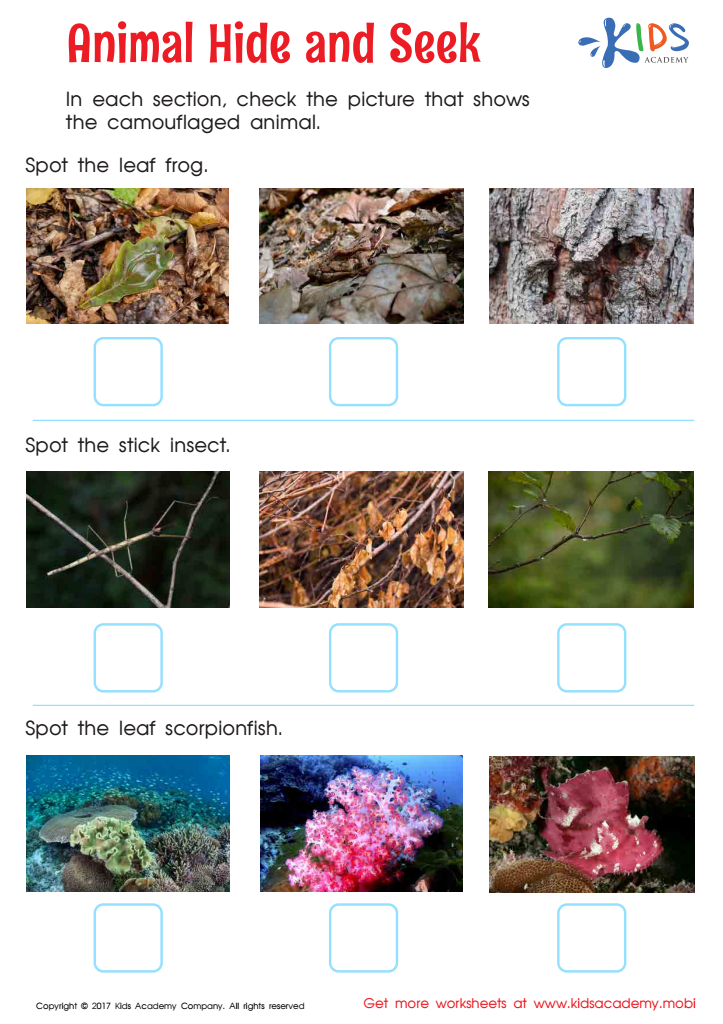
Animal Hide and Seek Worksheet
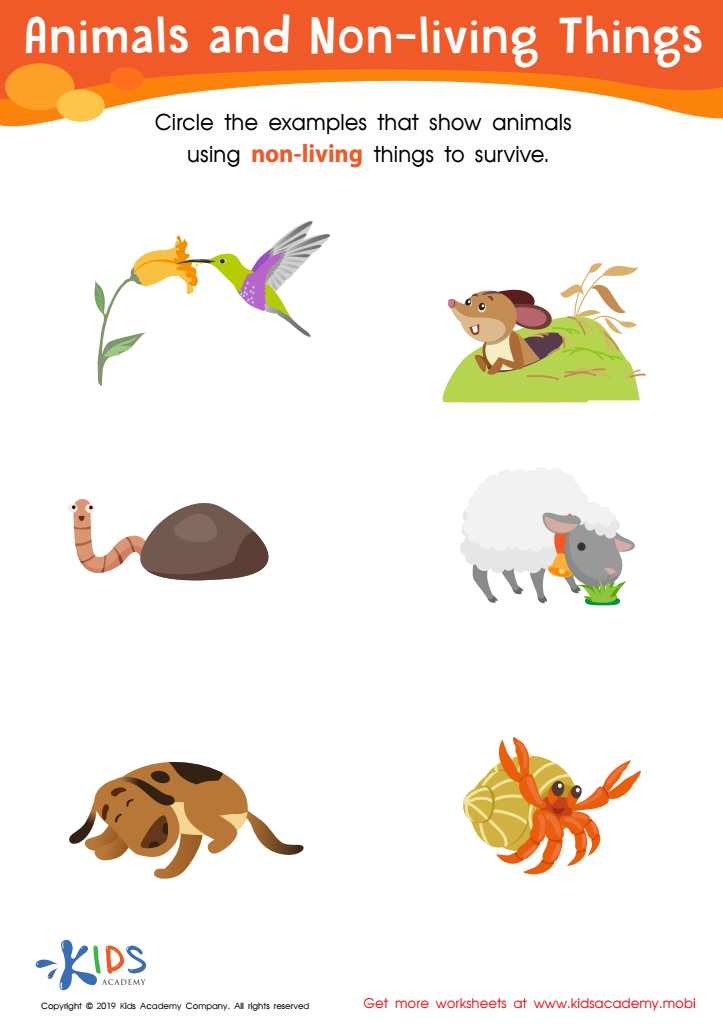
Animals and Non-Living Things Worksheet
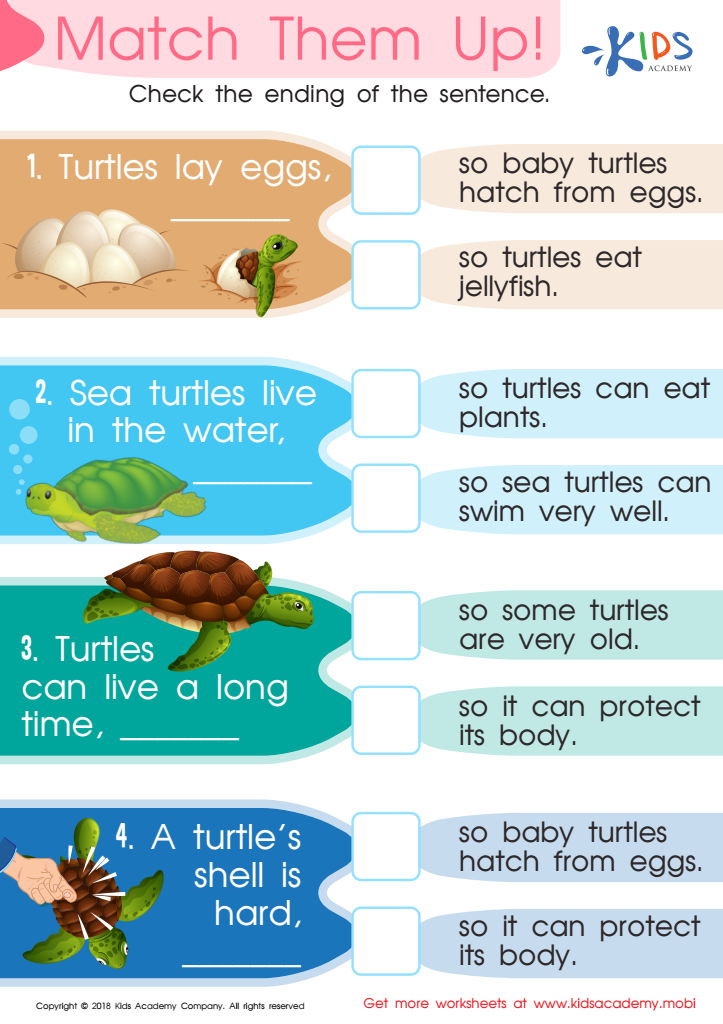
Match Them Up Worksheet





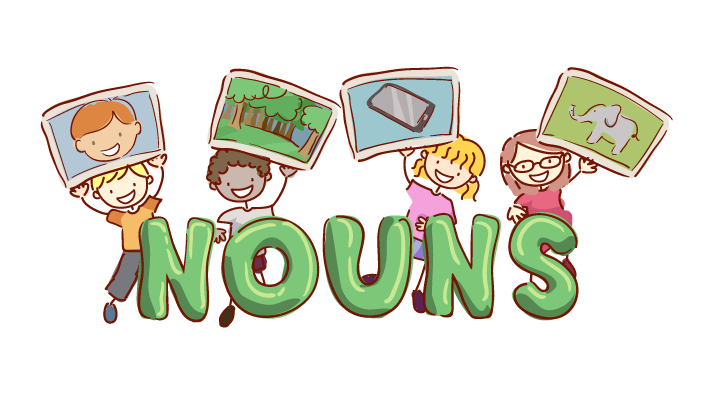

Parents and teachers should care about introducing the concept of Normal Animals to children aged 5-7 for several important reasons. First, understanding animals helps foster a sense of curiosity and wonder about the natural world. This age group is naturally inquisitive, and learning about various animals can enhance their observational and critical-thinking skills as they explore differences and similarities among species.
Additionally, normalizing discussions about animals encourages empathy and respect for living beings. Children can develop a sense of connection with animals, which strengthens their social-emotional skills. This awareness can lead to discussions about caring for the environment and the importance of wildlife conservation.
Teaching children about normal animals also provides valuable opportunities for vocabulary development and literacy skills. Books and stories about animals help enrich their language, while learning facts encourages literacy through reading and comprehension activities.
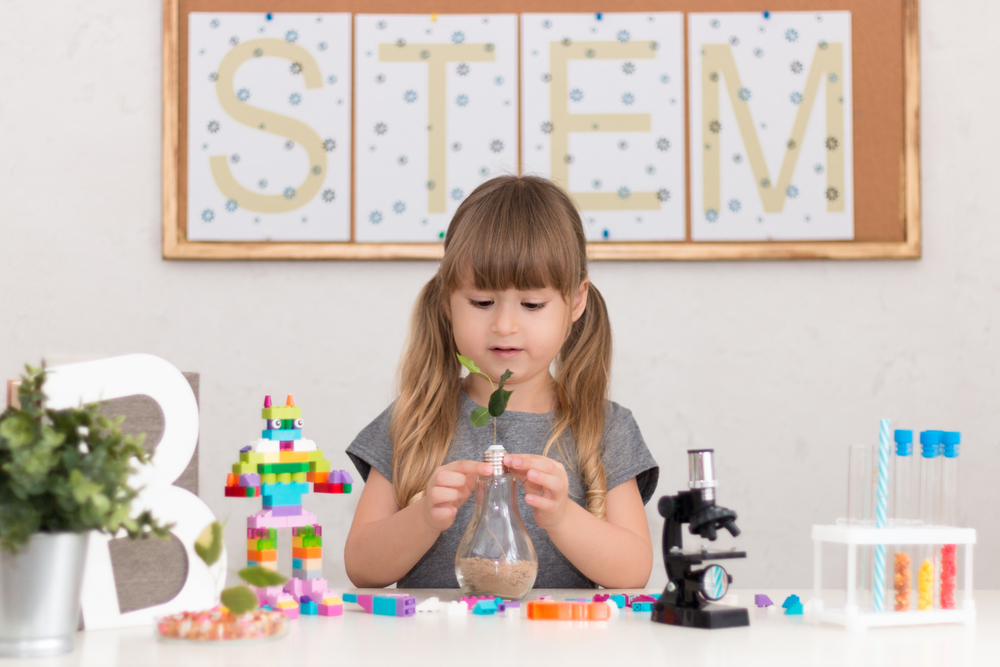
Moreover, animal studies can be a bridge to exciting interdisciplinary learning, combining science, art, and even math through activities like counting animals or creating their habitats. Ultimately, engaging with the topic of Normal Animals equips young learners with essential life skills, knowledge, and an appreciation for the diverse world surrounding them.








