Normal Science Worksheets for Ages 5-8 - Page 12
312 filtered results
-
From - To
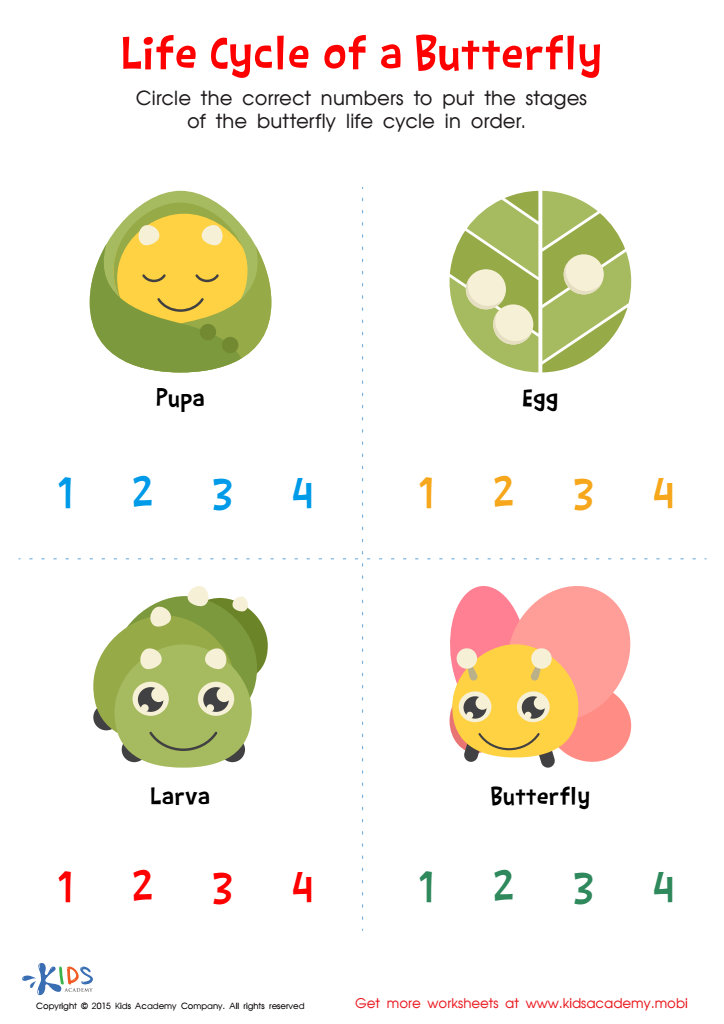
Life Cycle of Butterfly Printable
 Assign to My Students
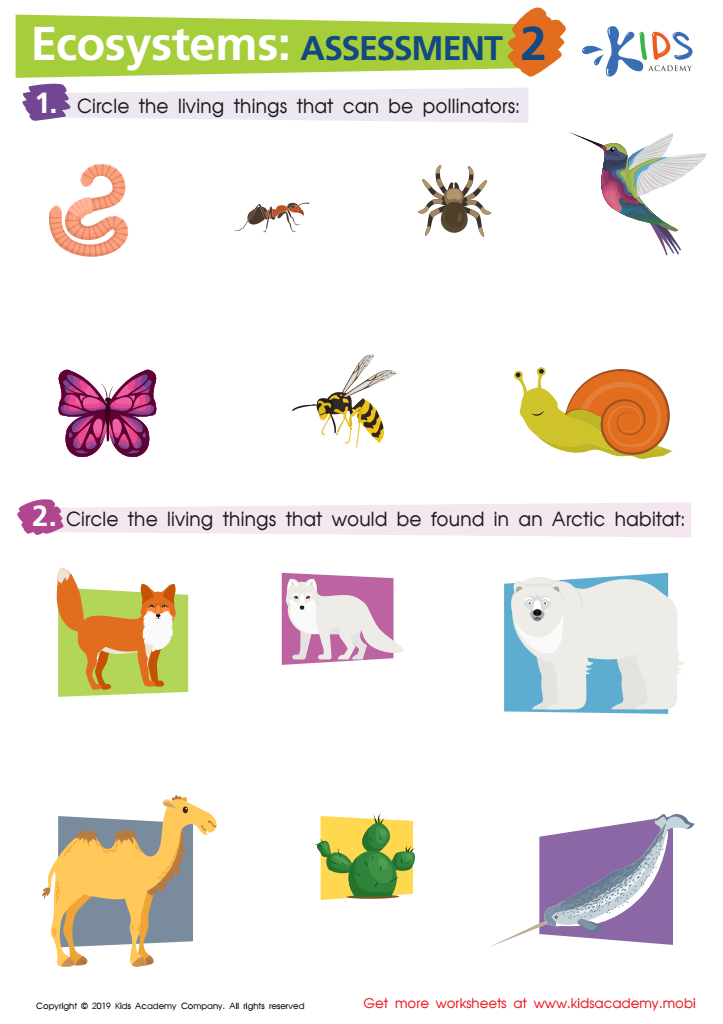
Ecosystems: Assessment 2 Worksheet
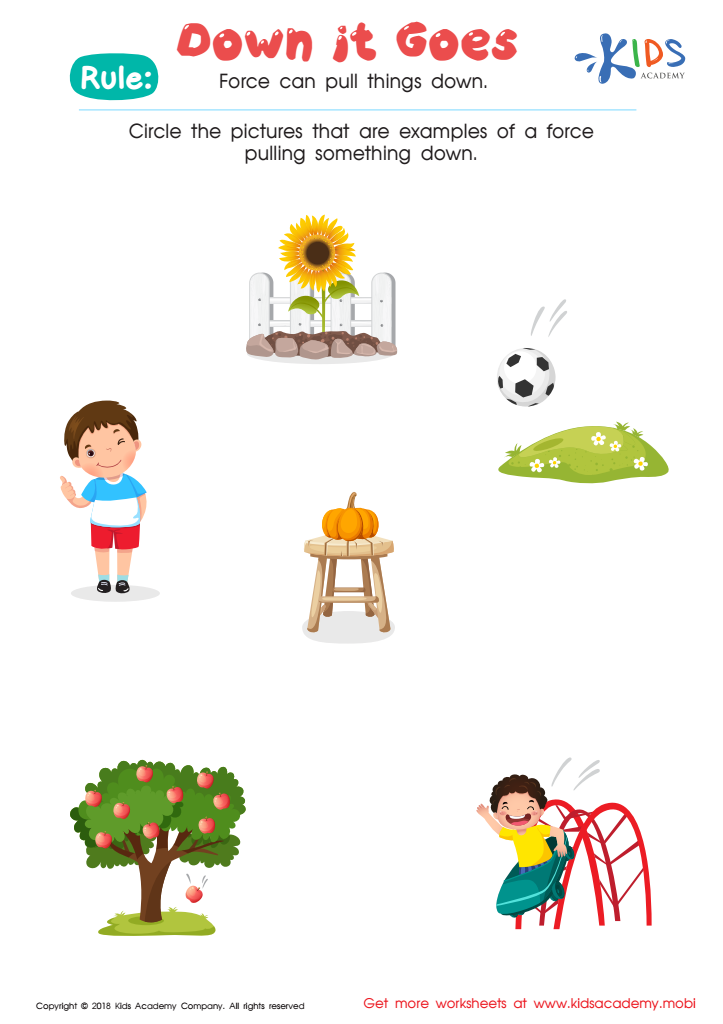
Down it Goes Worksheet
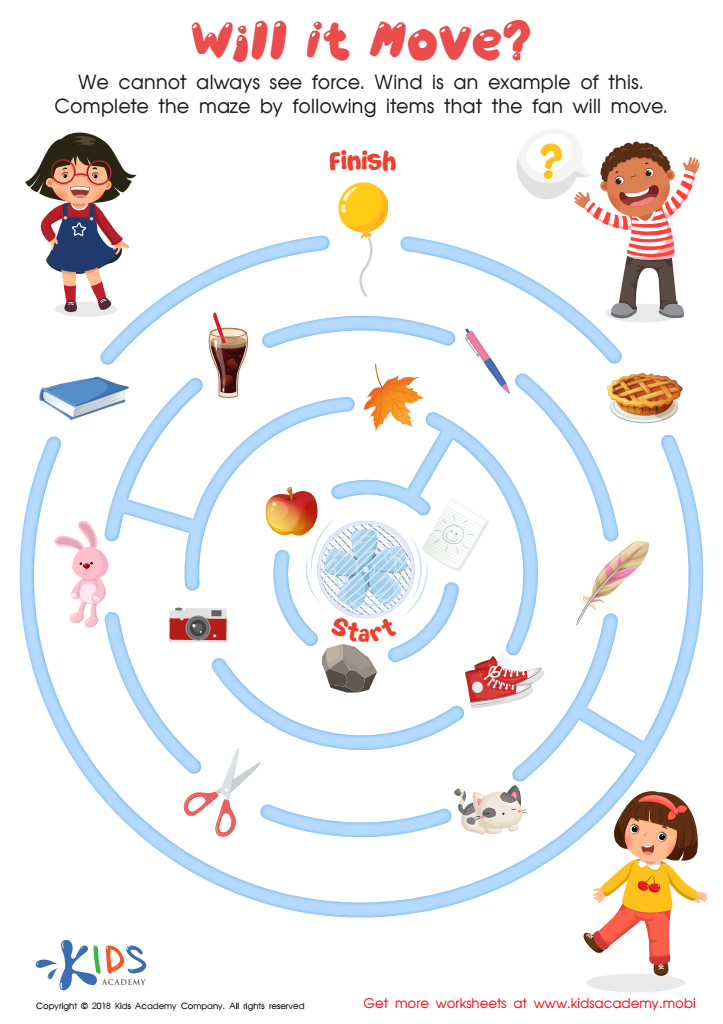
Will it Move? Worksheet
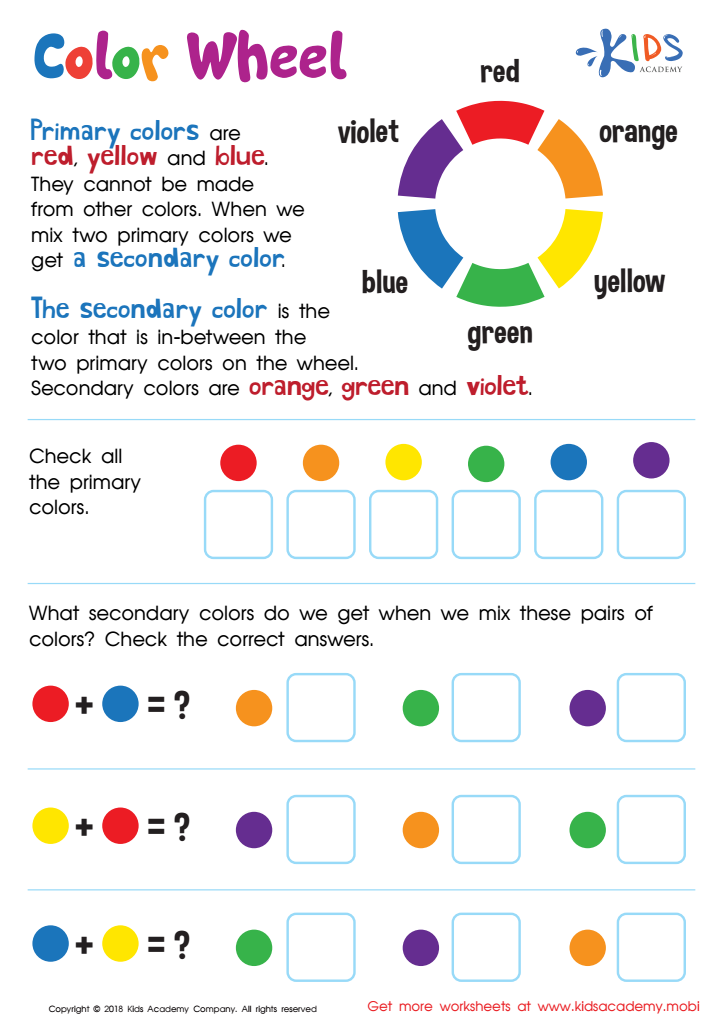
Primary and Secondary Colors Worksheet
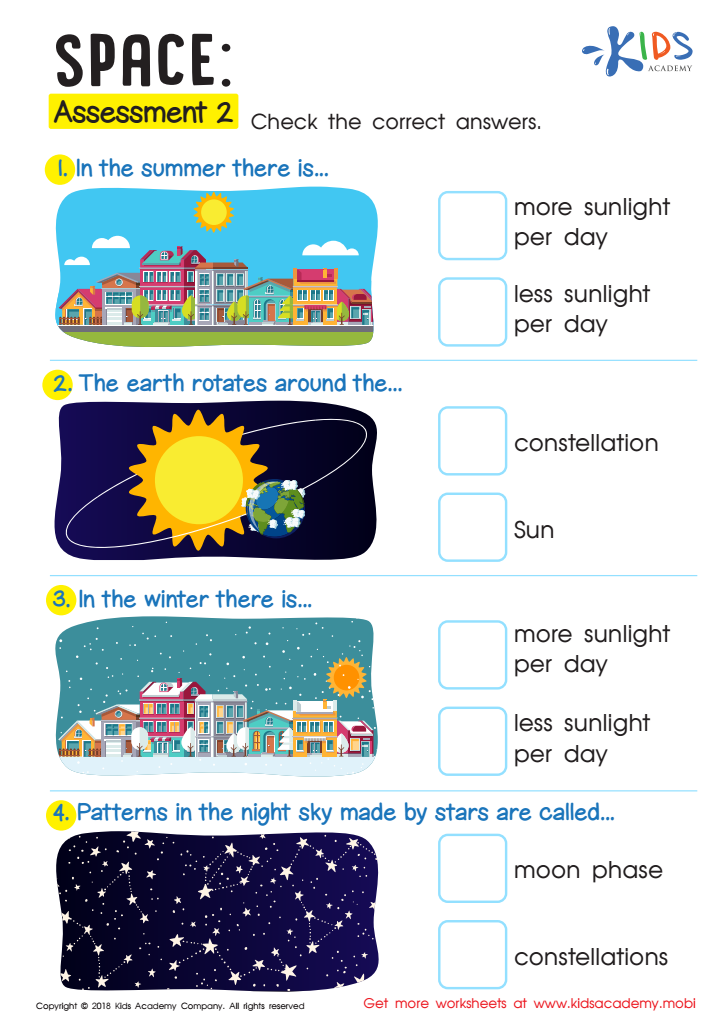
Space: Assessment 2 Worksheet
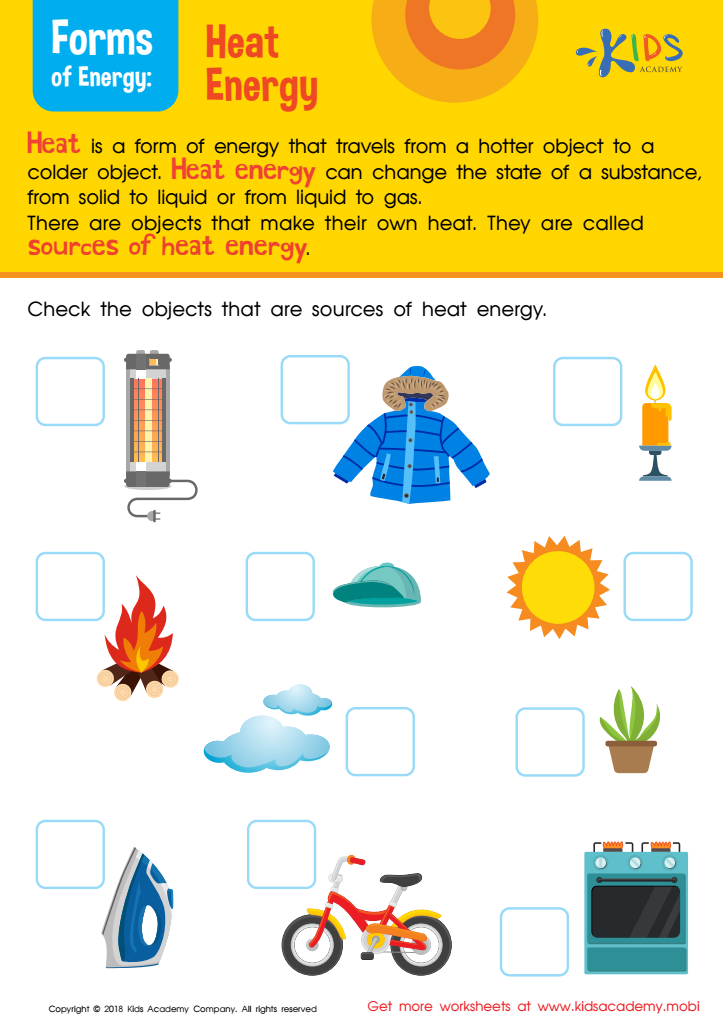
Sources of Heat Energy Worksheet
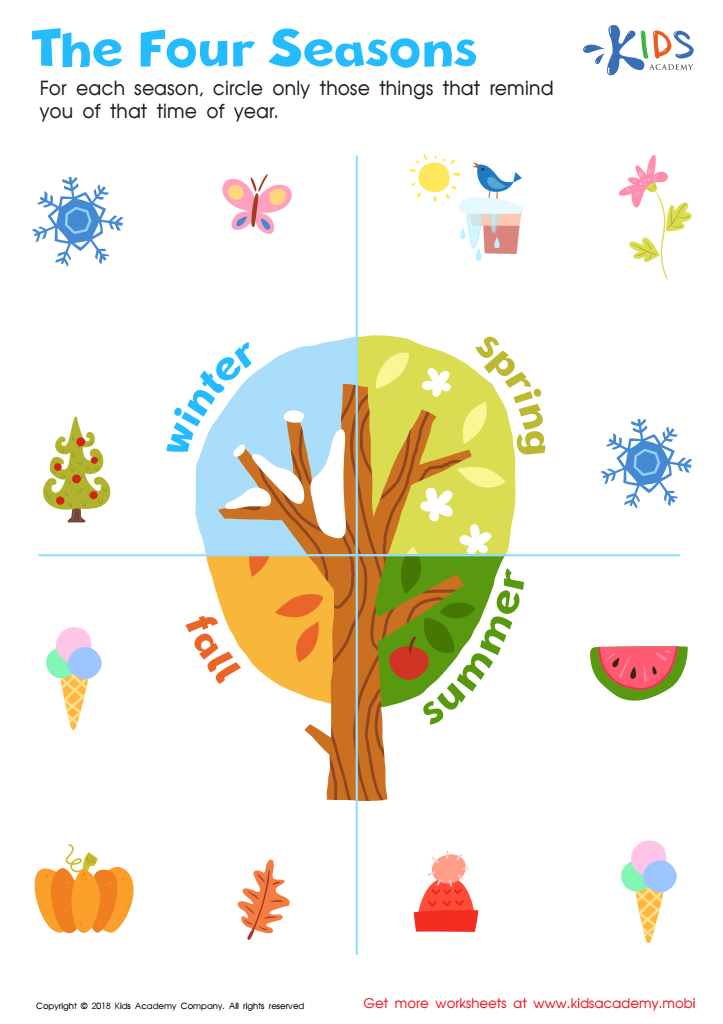
The Four Seasons Worksheet
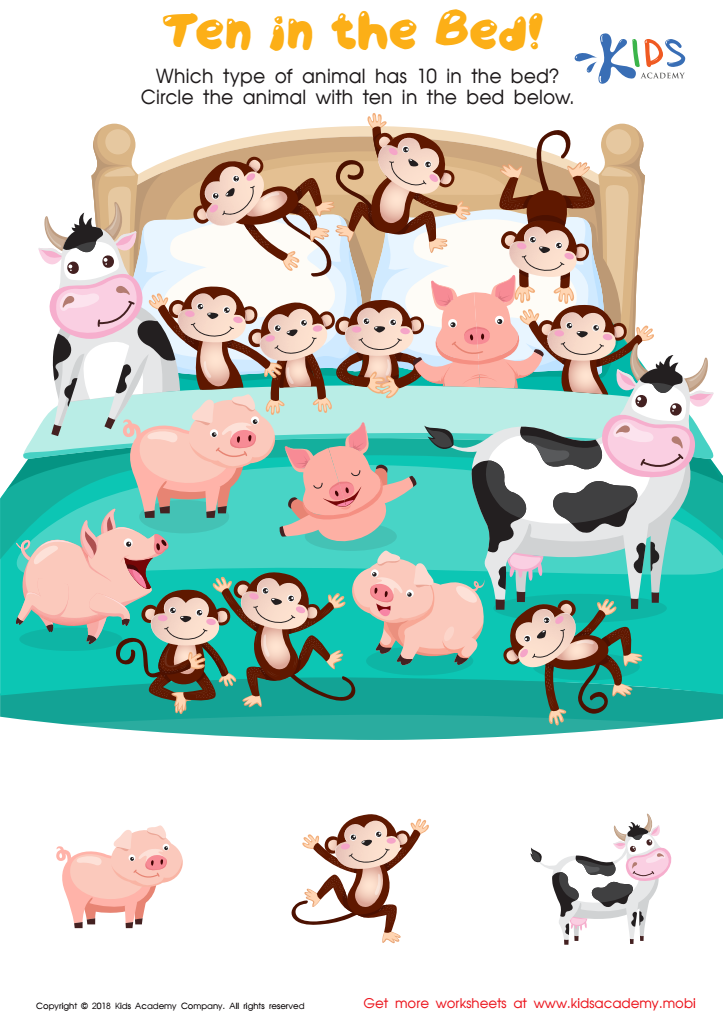
Ten in the Bed Worksheet
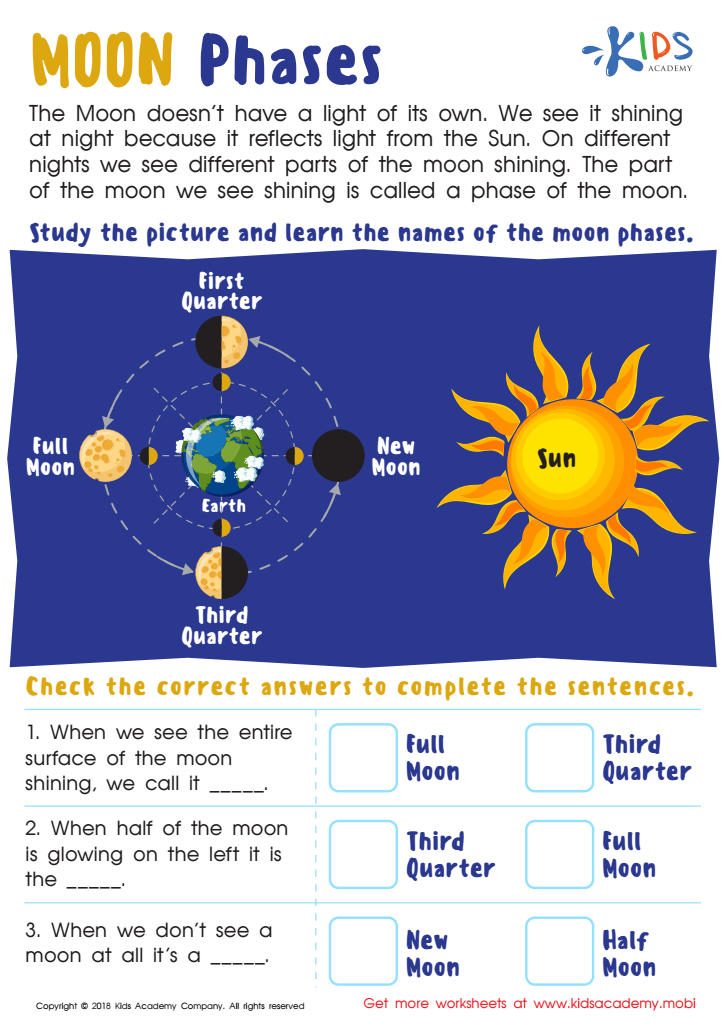
Moon Phases Worksheet
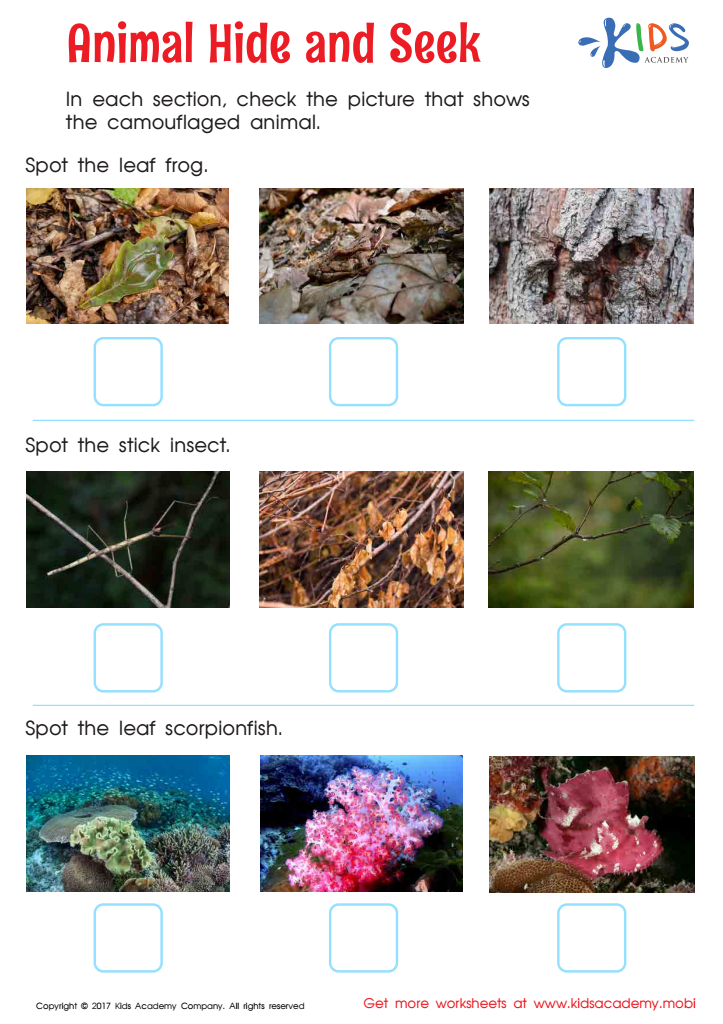
Animal Hide and Seek Worksheet
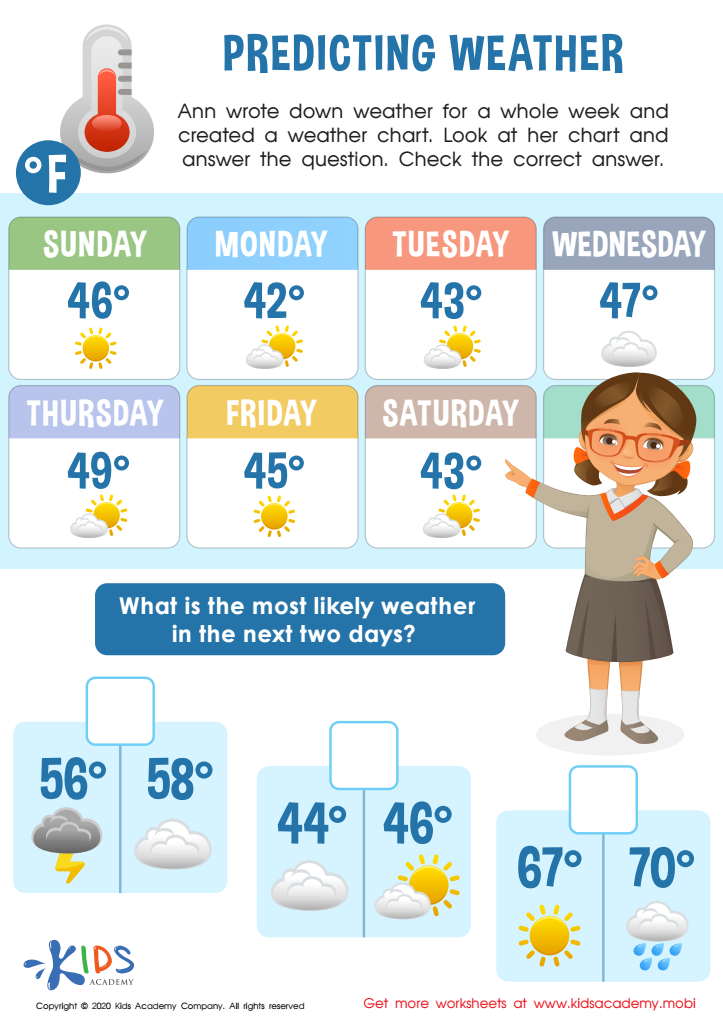
Predicting Weather Worksheet
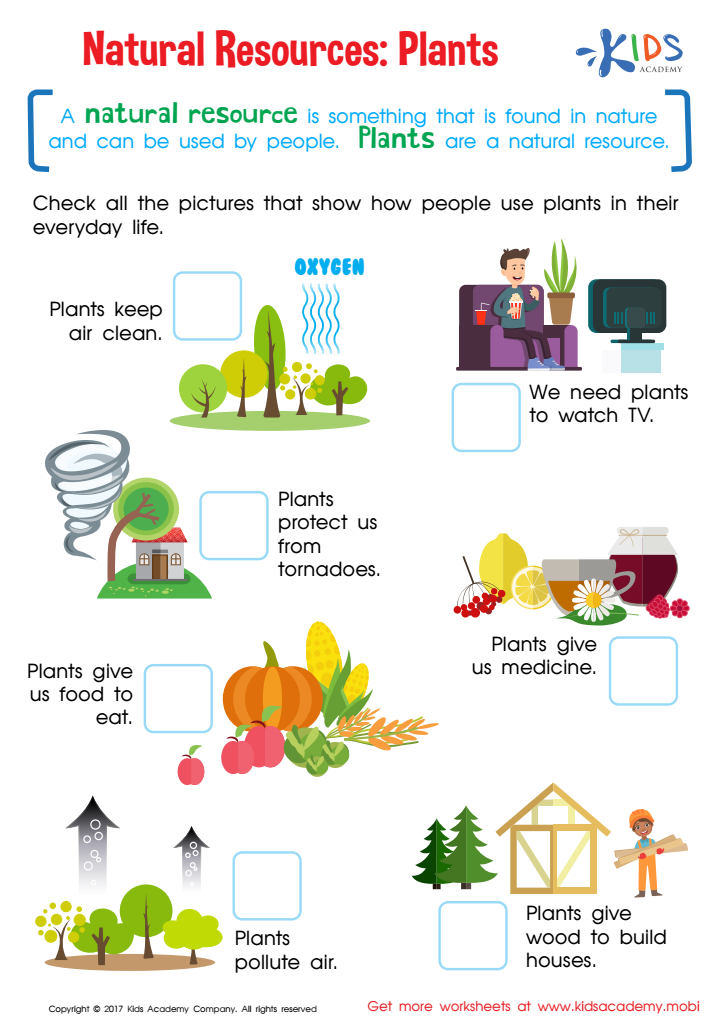
Natural Resources: Plants Worksheet
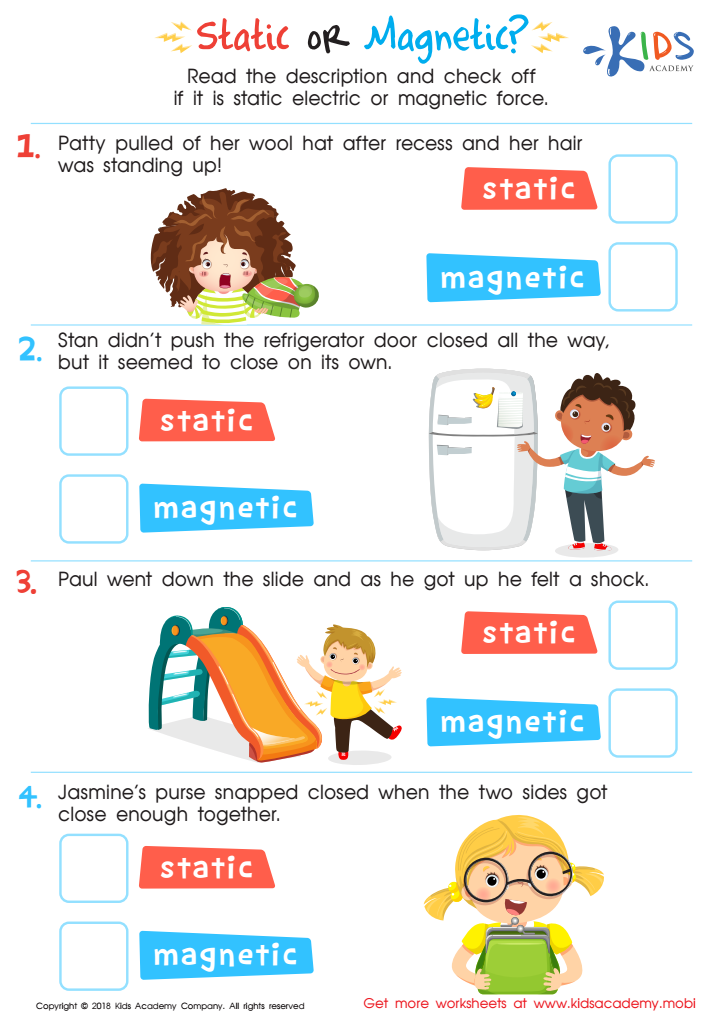
Static or Magnetic Printable Worksheet
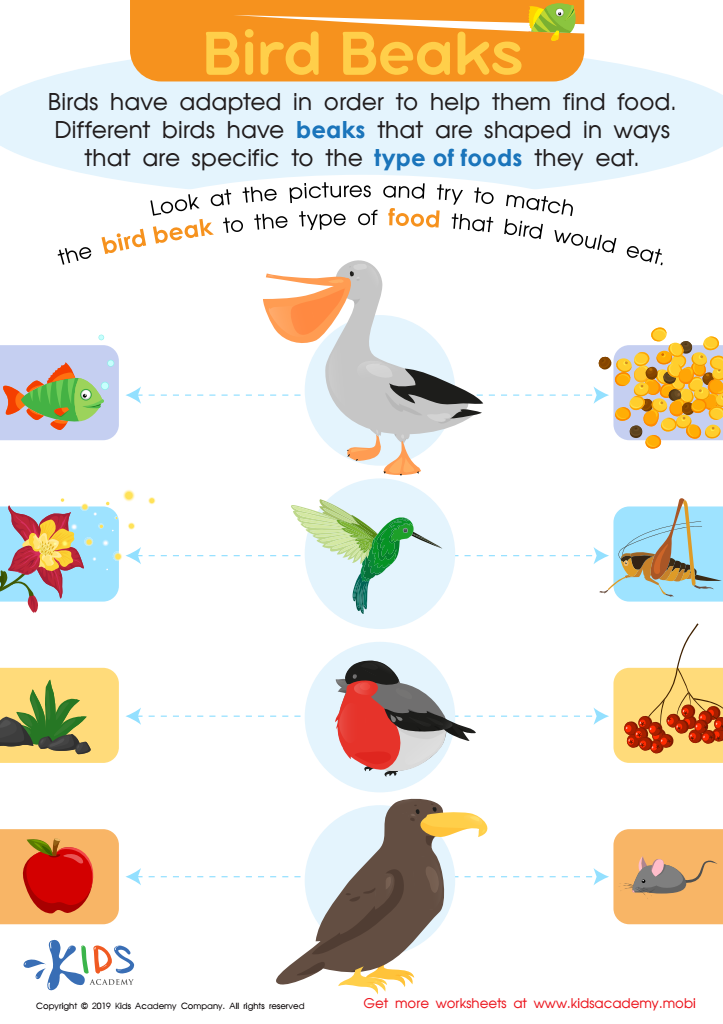
Bird Beaks Worksheet
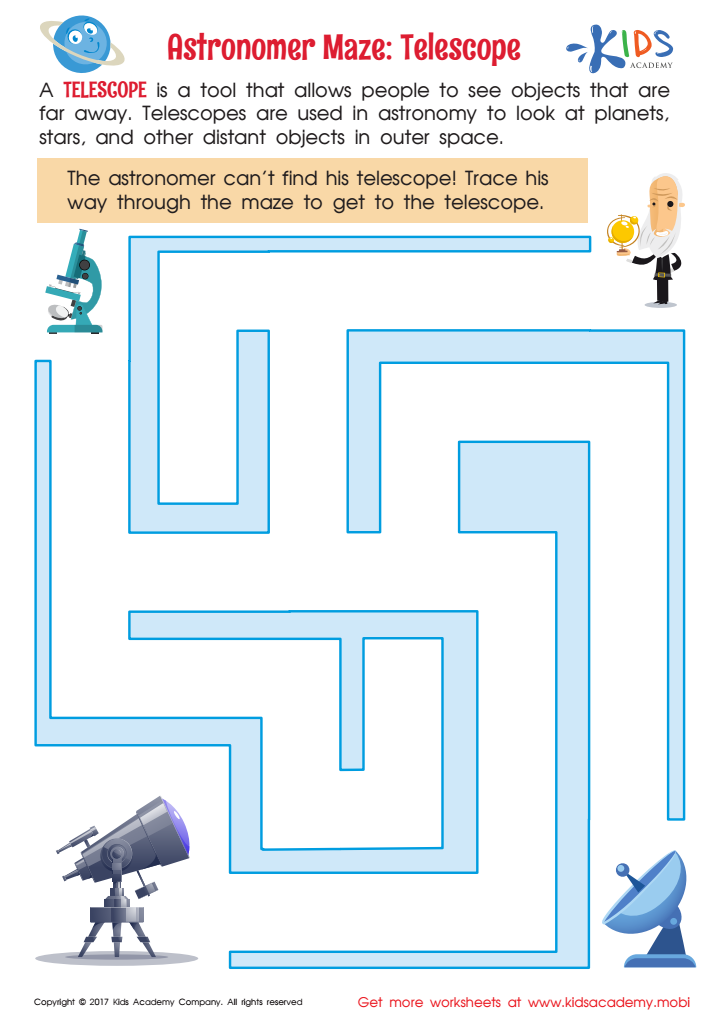
Astronomer Maze: Telescope Worksheet
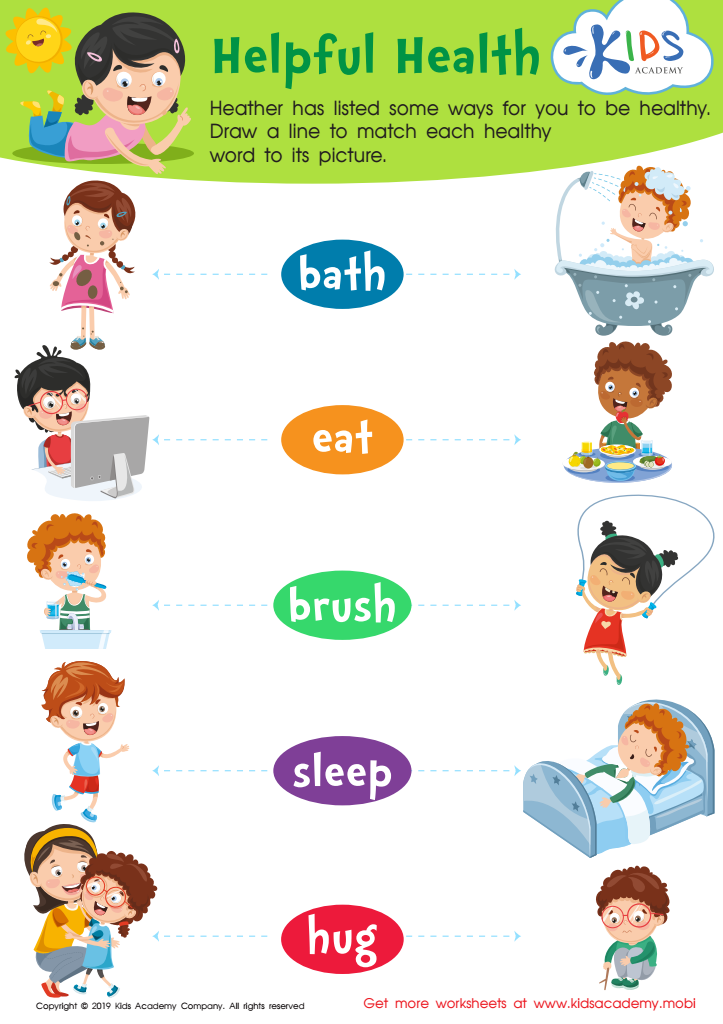
Helpful Health Worksheet
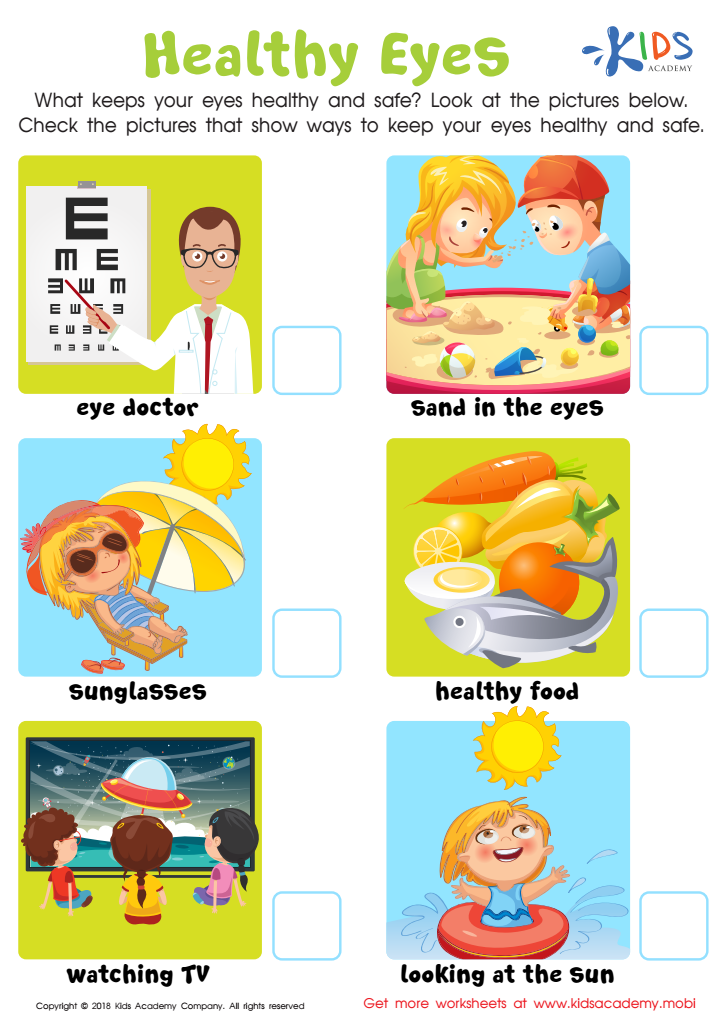
Healthy Eyes Worksheet
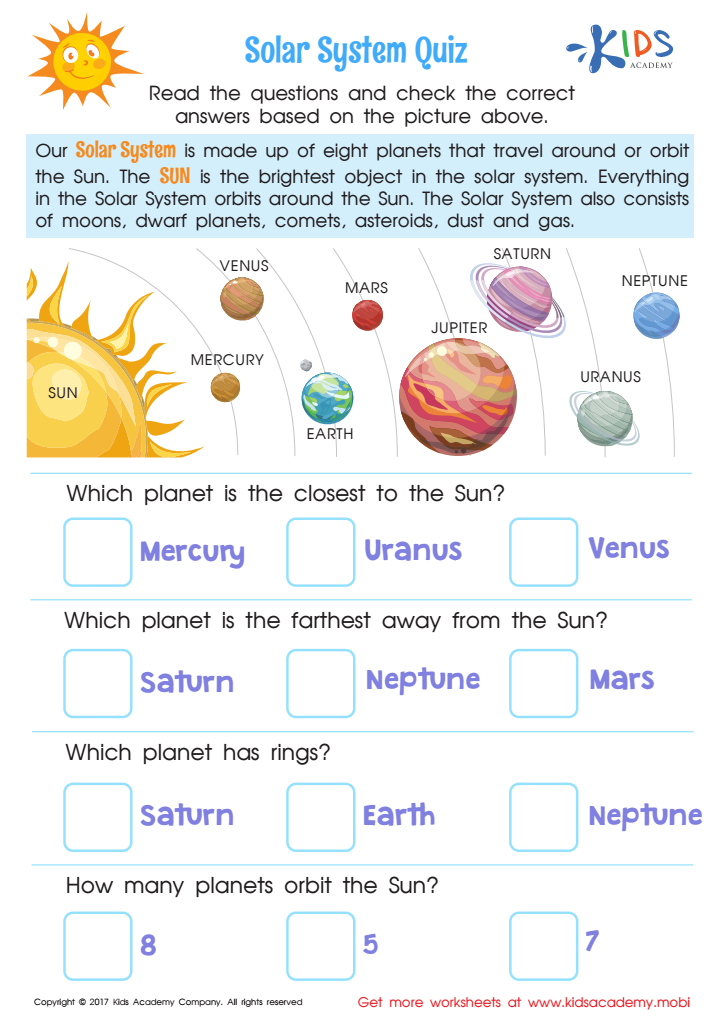
Solar System Quiz Printable
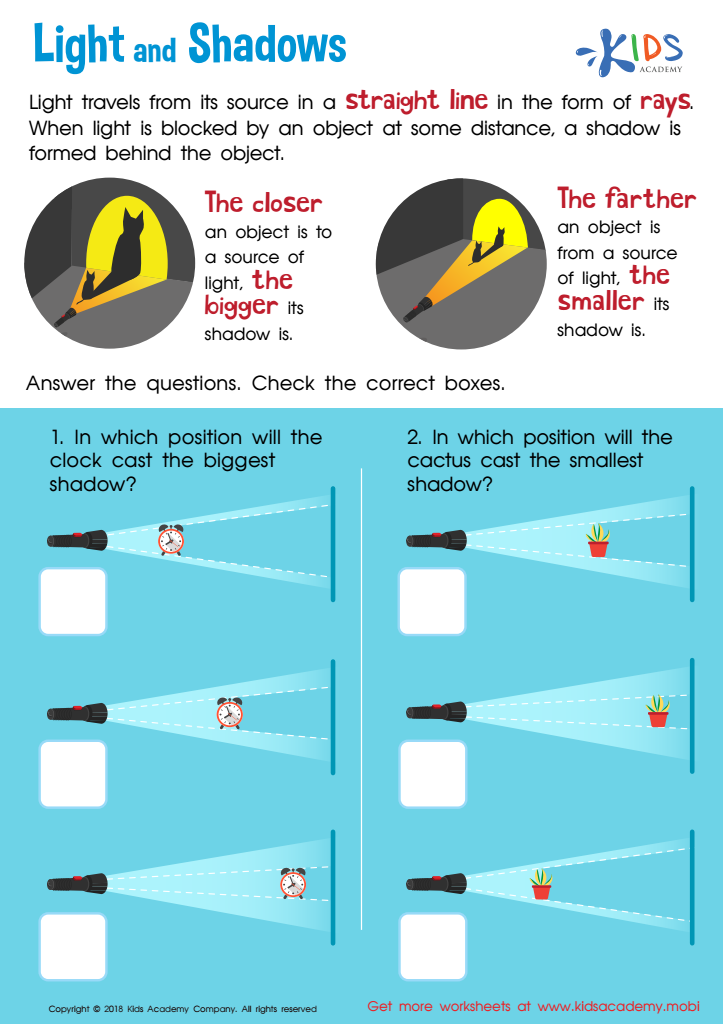
Light and Shadow Worksheet for Grade 3
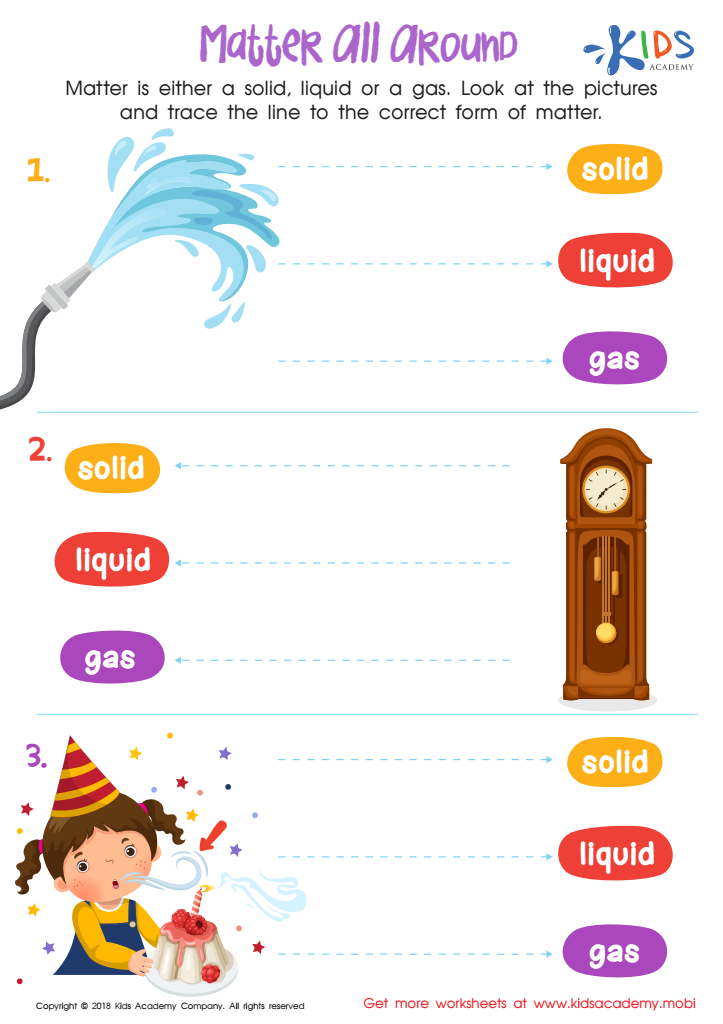
Matter all Around Worksheet
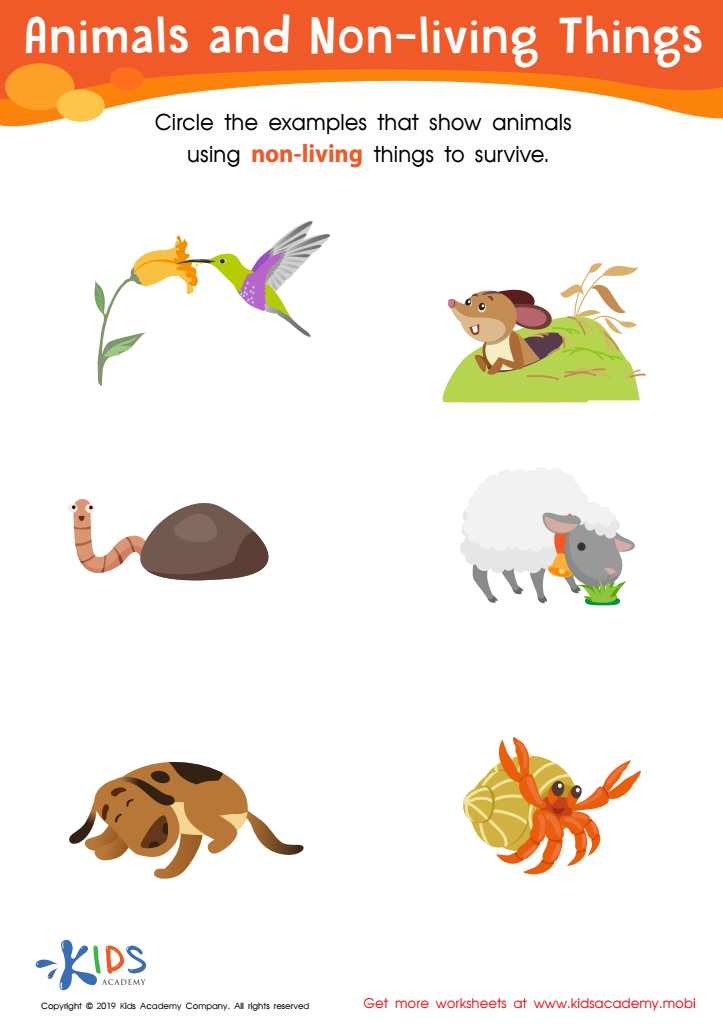
Animals and Non-Living Things Worksheet
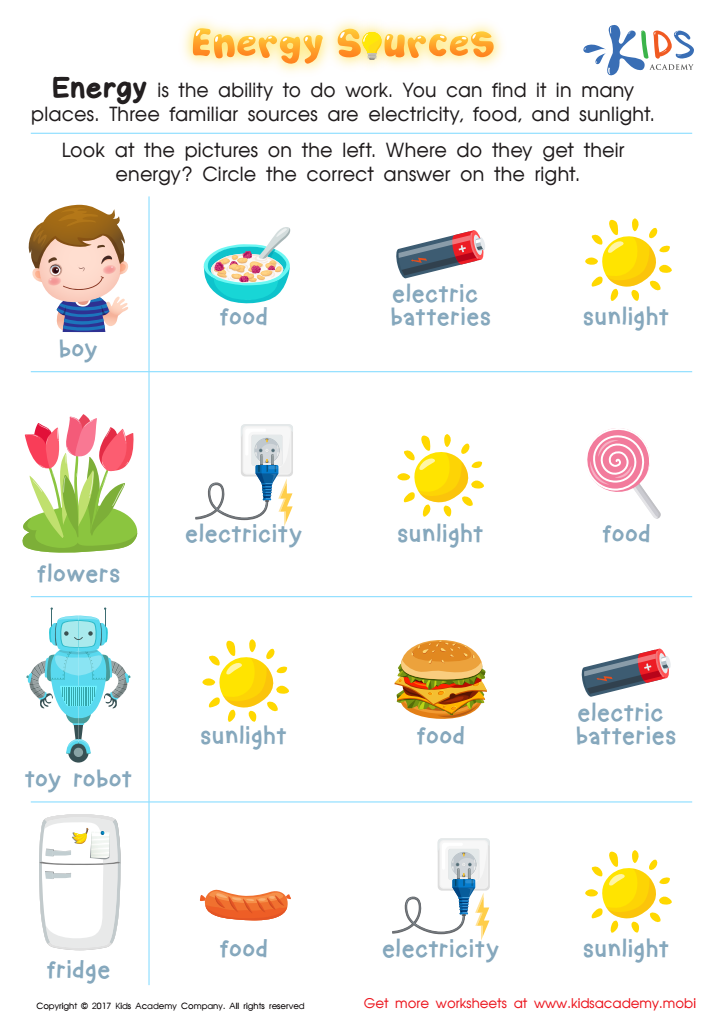
Energy Sources Printable



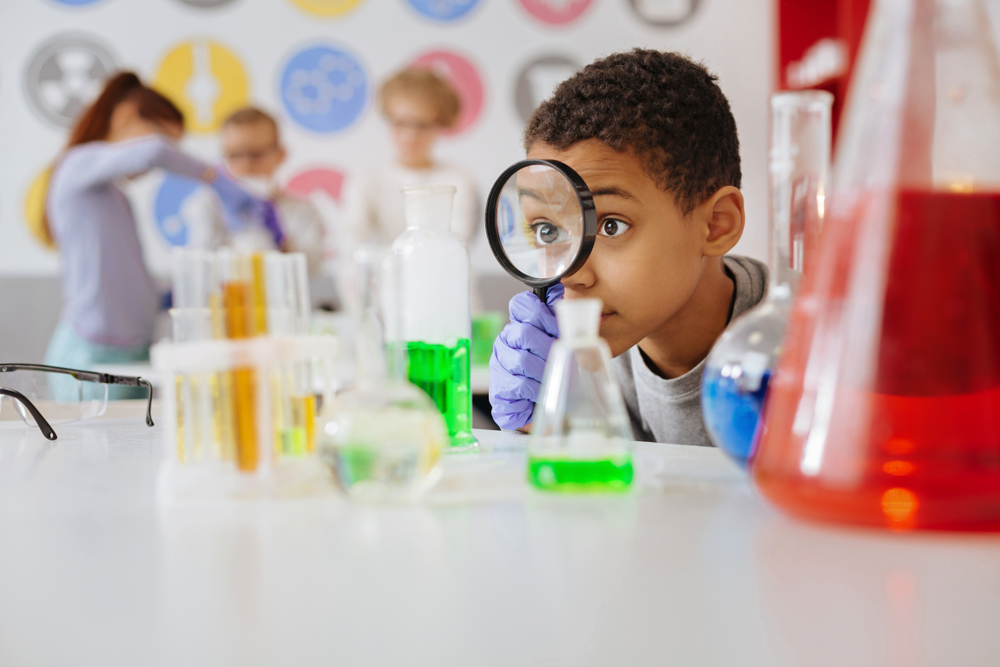
Normal Science refers to the everyday, observable phenomena and concepts that help children aged 5-8 develop a foundational understanding of the world around them. Parents and teachers should care about Normal Science because it fosters curiosity and critical thinking in young learners, which are vital skills for academic and personal growth. By encouraging exploration and questioning, children can build a strong scientific literacy that will serve them throughout their lives.
At this age, children are naturally inquisitive, making it an ideal time to engage them in hands-on activities and real-world observations. For instance, simple experiments like growing plants or exploring weather phenomena can instill a love for science and an appreciation for nature.
Moreover, understanding Normal Science can enhance children's problem-solving abilities and their capacity to work collaboratively. It encourages discussions, nurtures creativity, and allows for imaginative play, which are essential components of cognitive development.
Finally, integrating Normal Science into learning helps bridge curricular subjects. It supports reading, math, and communication skills while connecting students to larger societal issues like environmental awareness. By prioritizing Normal Science, parents and teachers can cultivate informed, thoughtful, and engaged young citizens ready to navigate the complexities of the world.







