Normal Alphabet Worksheets for Ages 5-9 - Page 10
252 filtered results
-
From - To
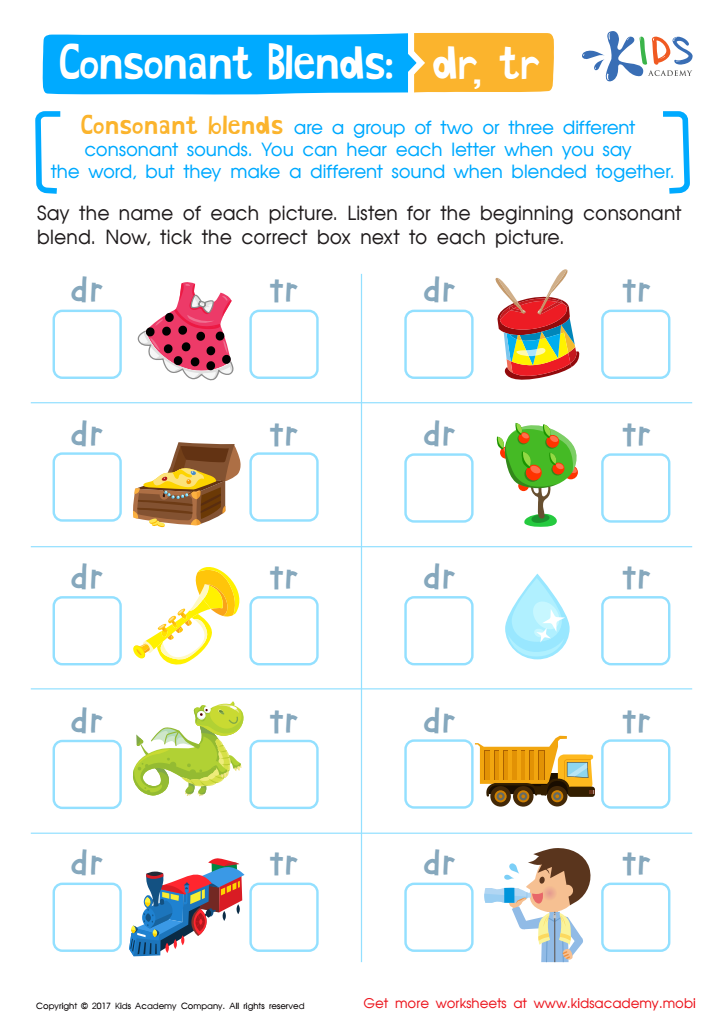
Consonant Blends: "Dr" and "Tr" Printable
 Assign to My Students
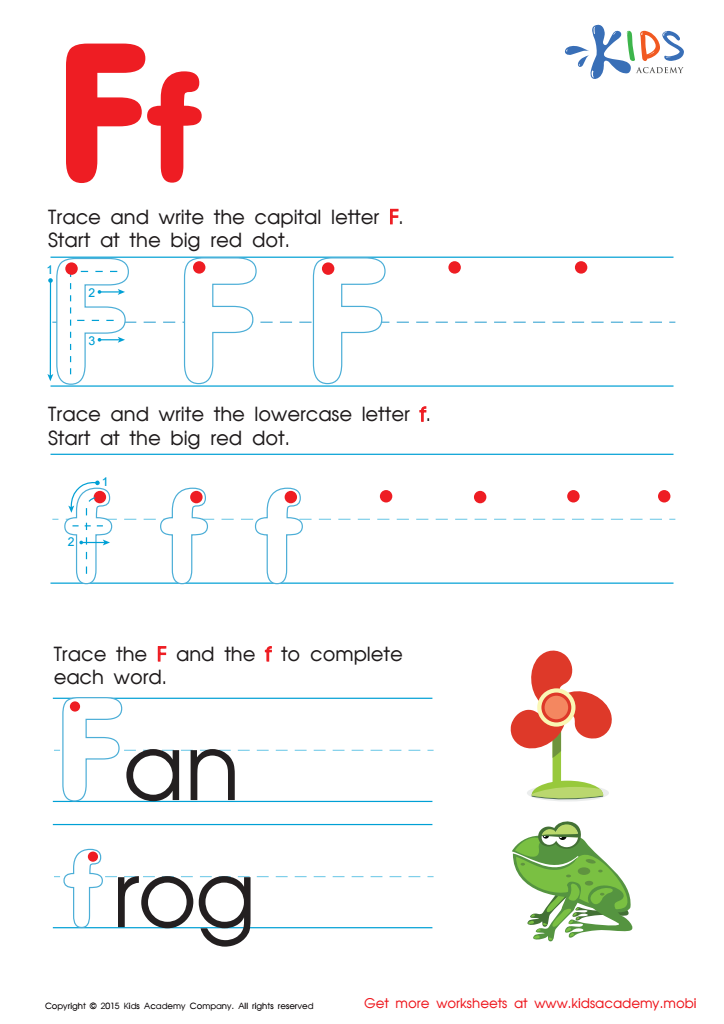
Letter F Tracing Page
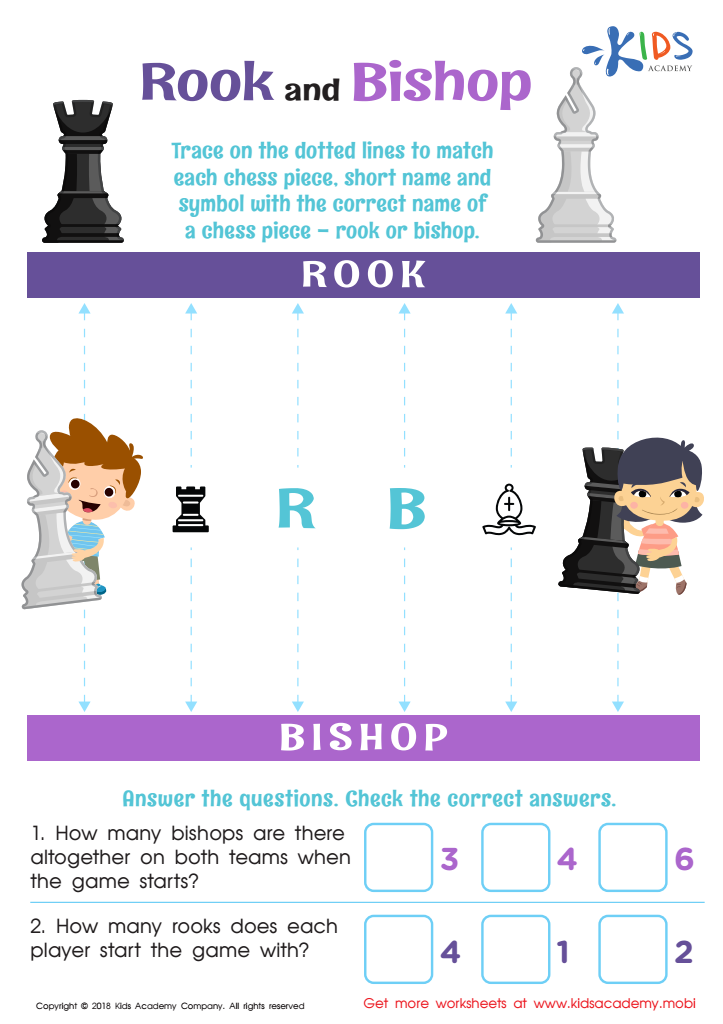
Rook and Bishop Worksheet

Uppercase Letters Y Z Worksheet
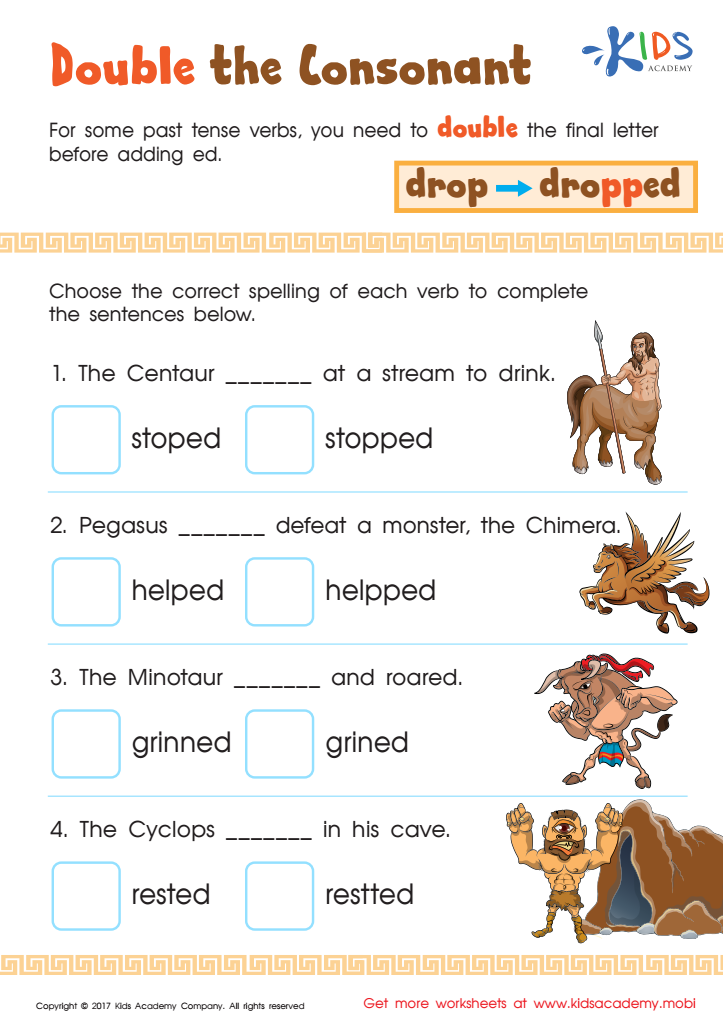
Double Consonant Spelling Worksheet
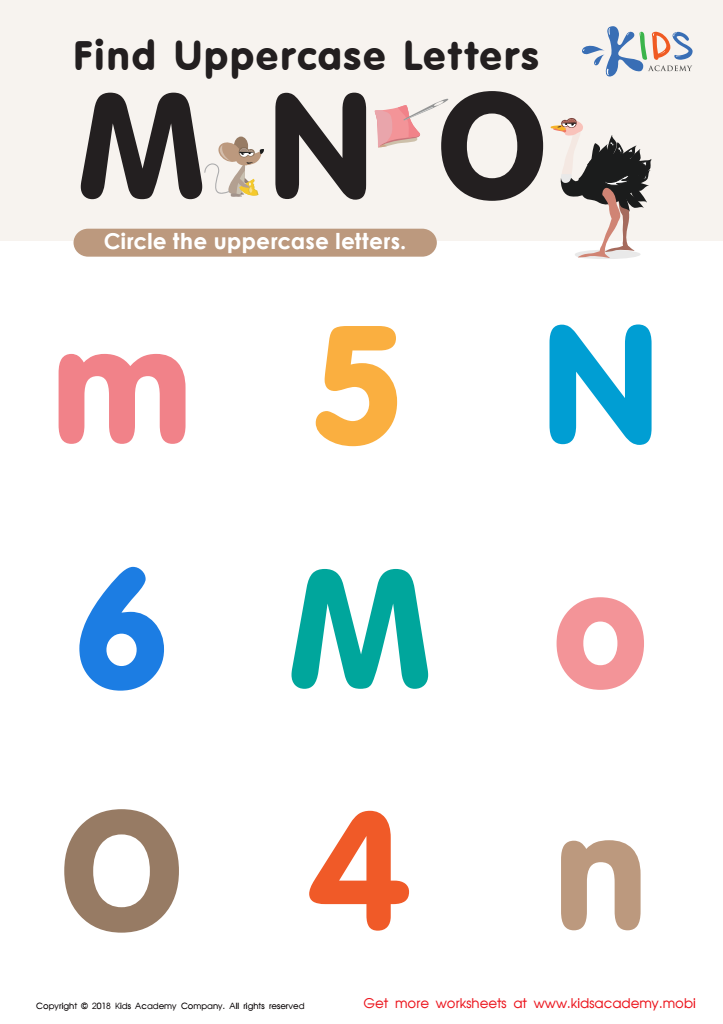
Find Uppercase Letters M, N, and O Worksheet
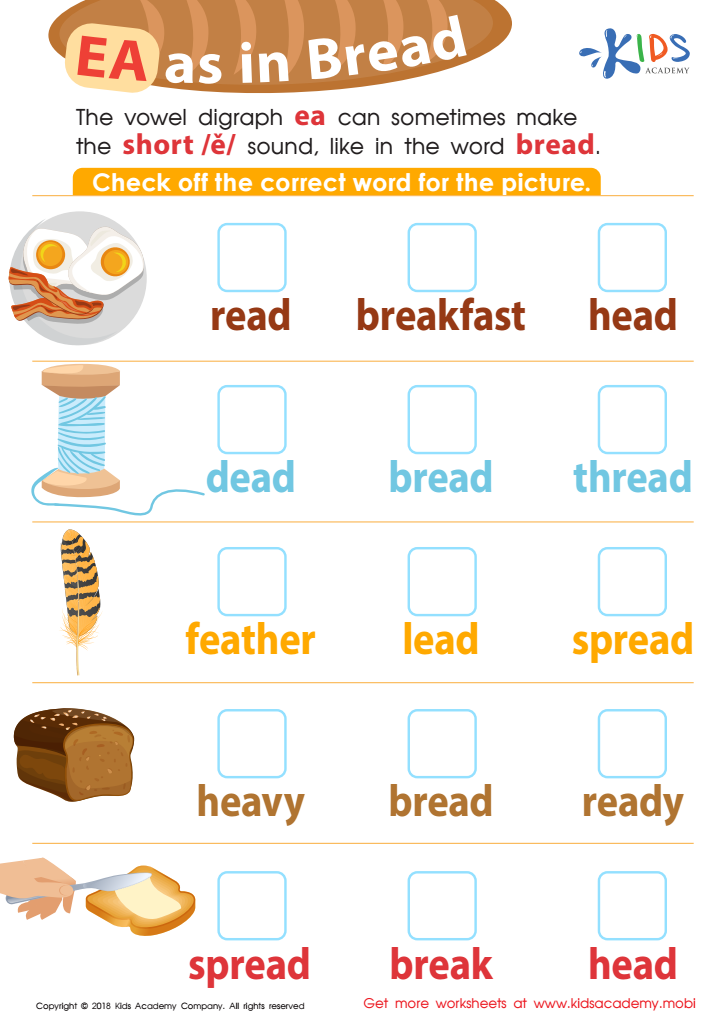
Reading: EA as in Bread Worksheet
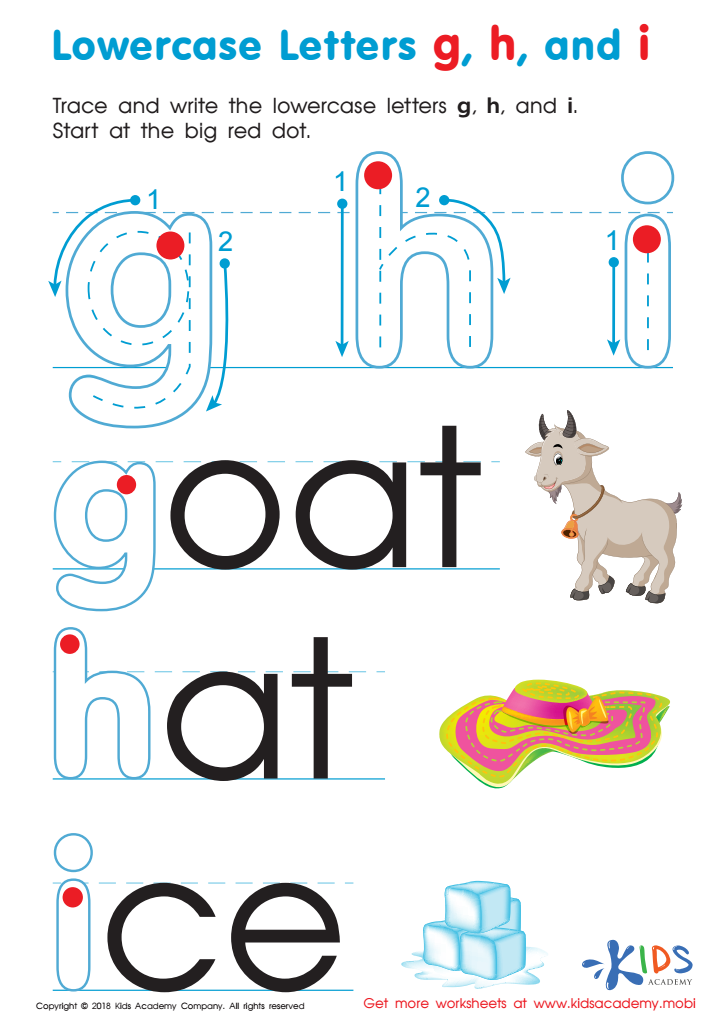
Lowercase Letters g h i Worksheet
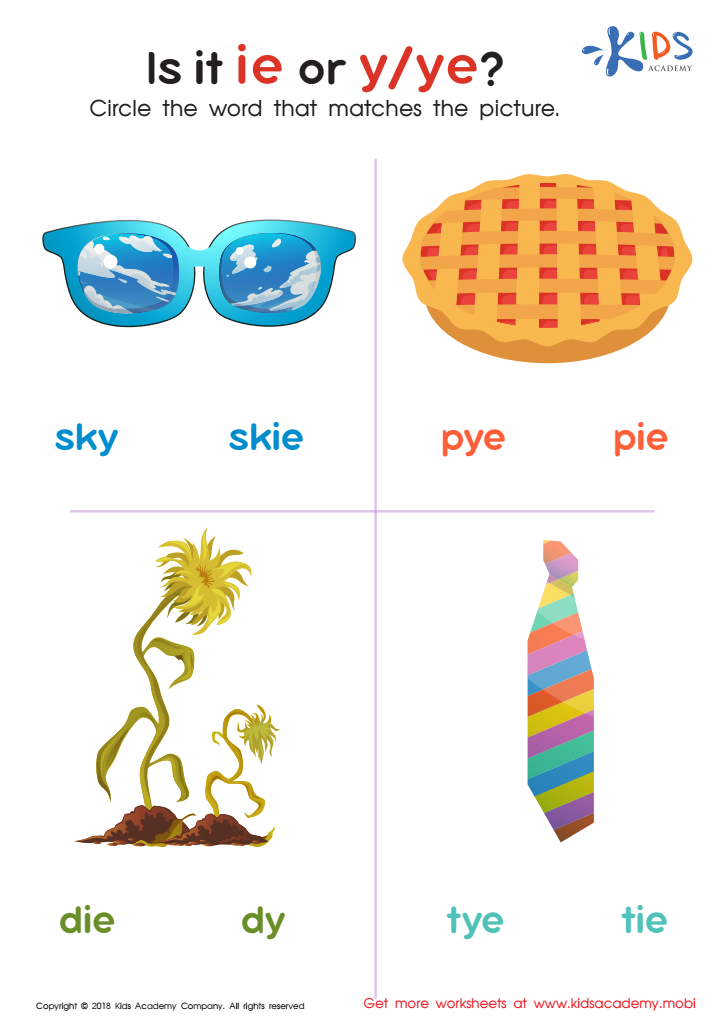
Is It IE or Y/Ye? Worksheet
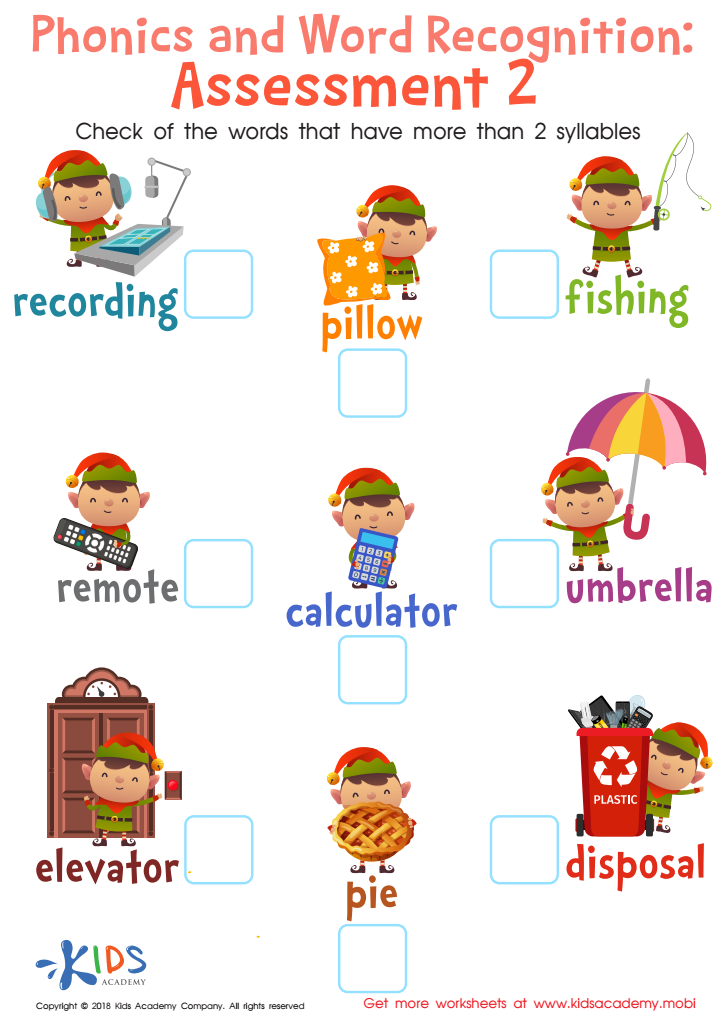
Phonics and Word Recognition: Assessment 2 Worksheet
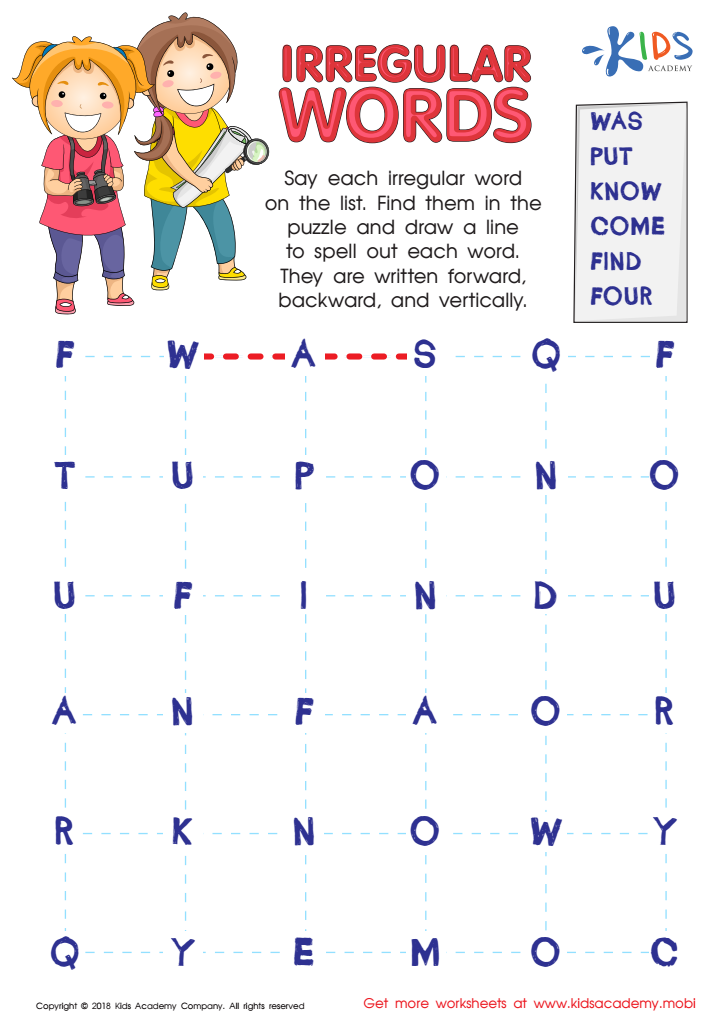
Irregular Words Worksheet
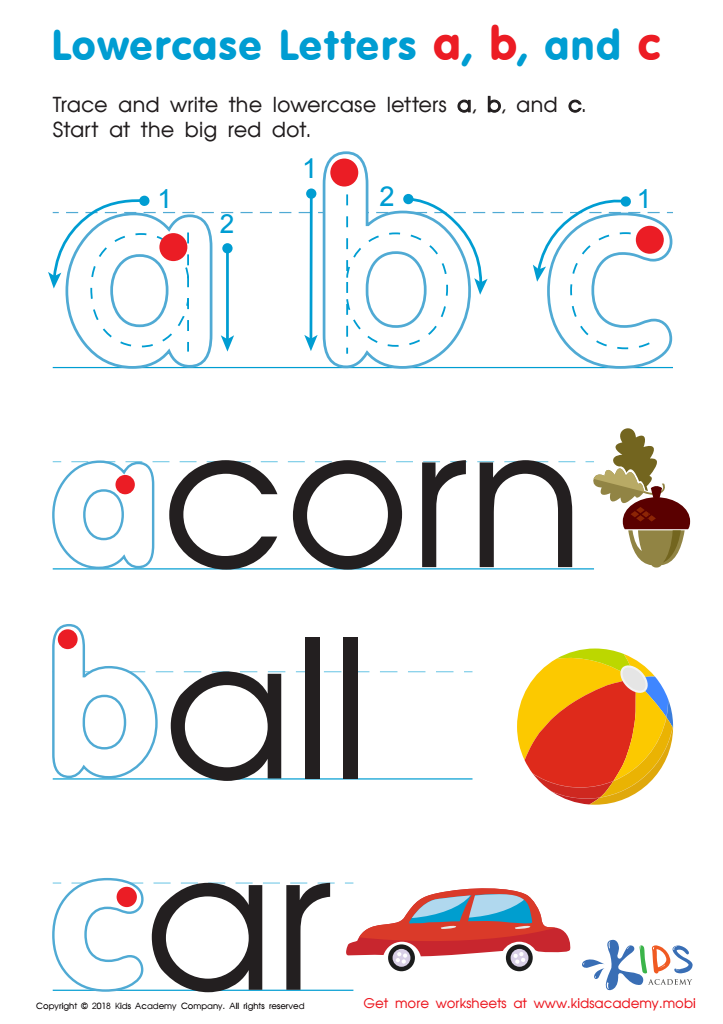
Lowercase Letters a b c Worksheet
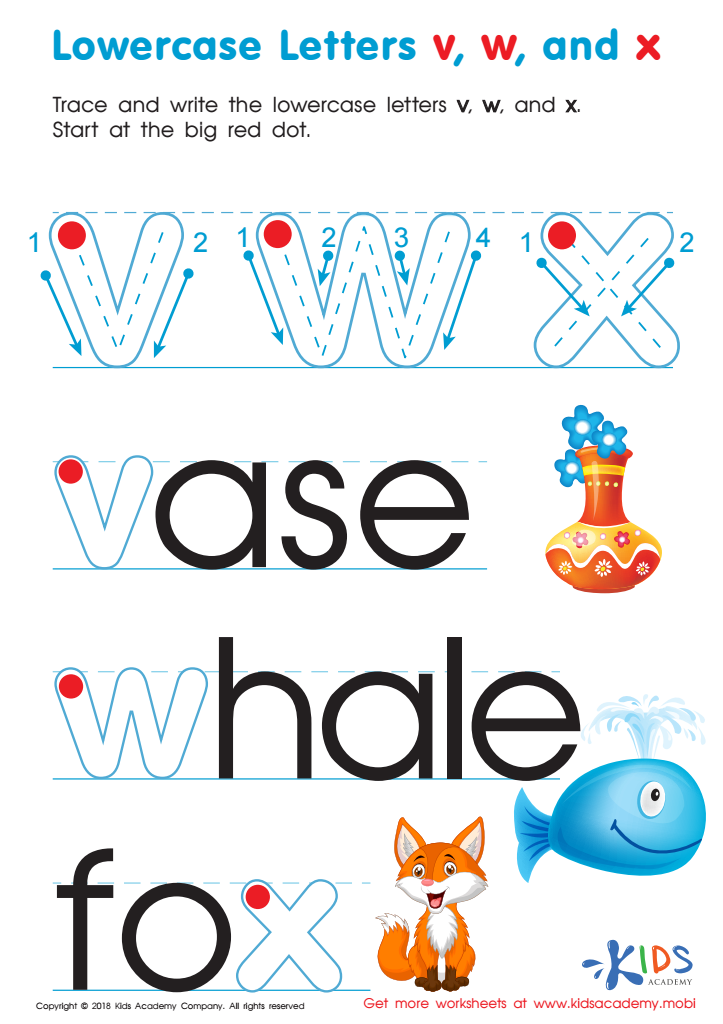
Lowercase Letters v w x Worksheet
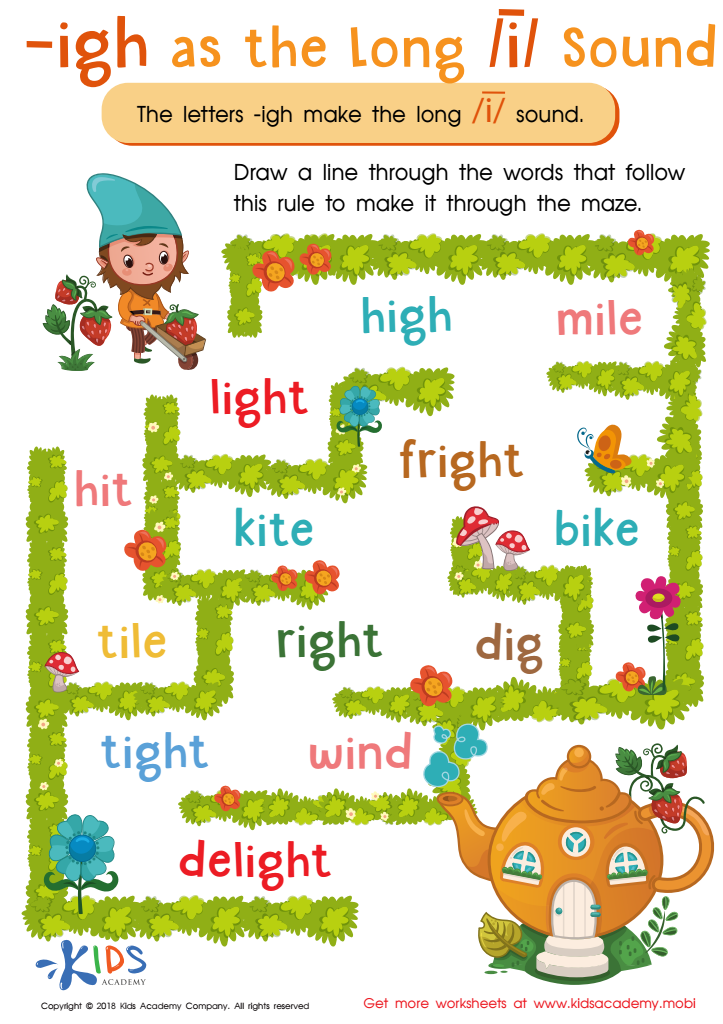
Reading: IGH as Long I Worksheet
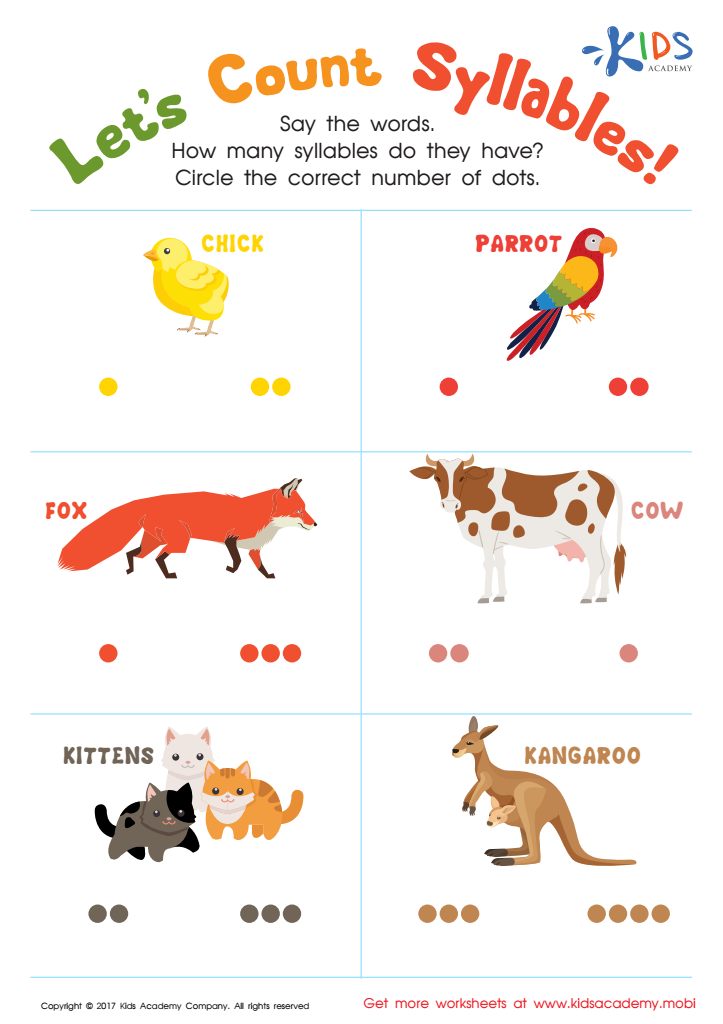
Lets Count Syllables Worksheet
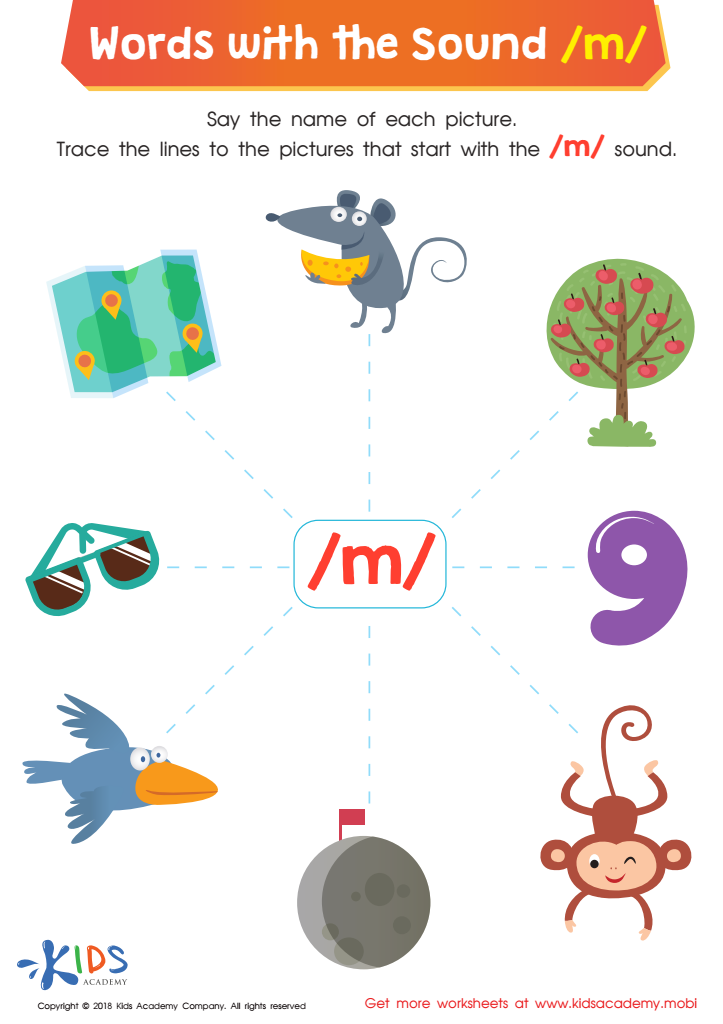
Words with Sound M Reading Worksheet
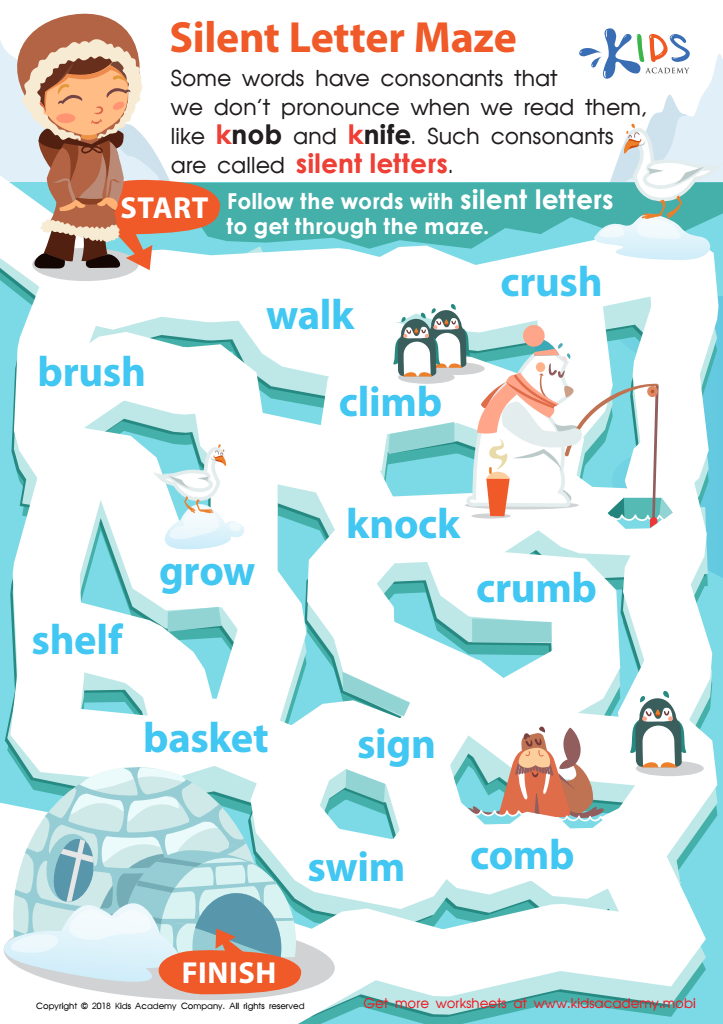
Silent Letter Maze Worksheet
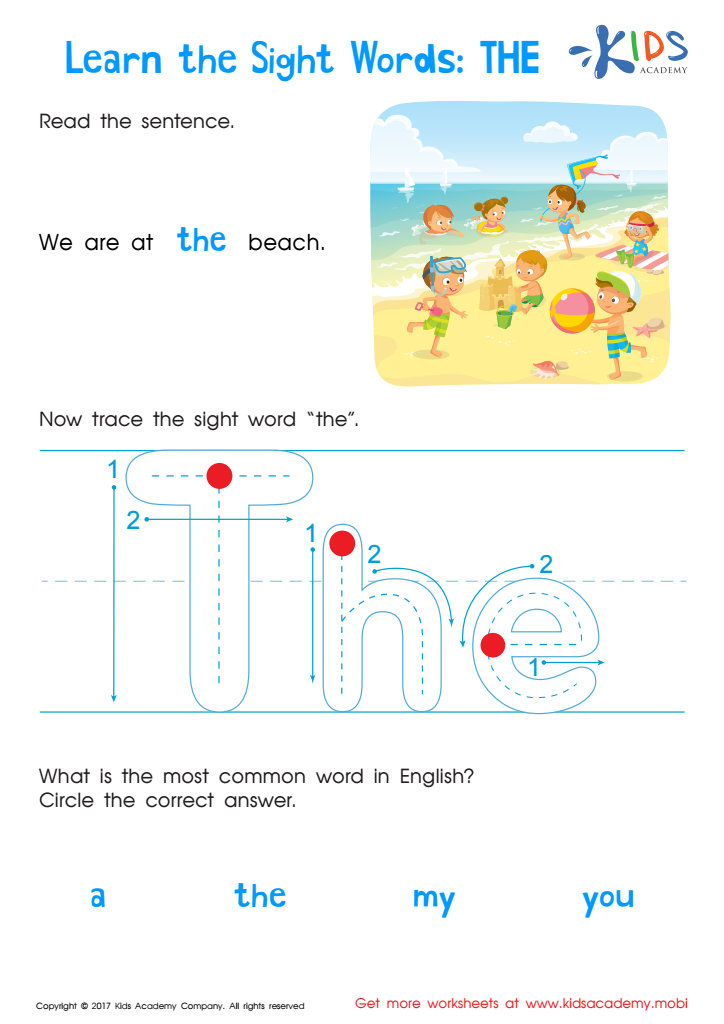
Sight Words: The Worksheet
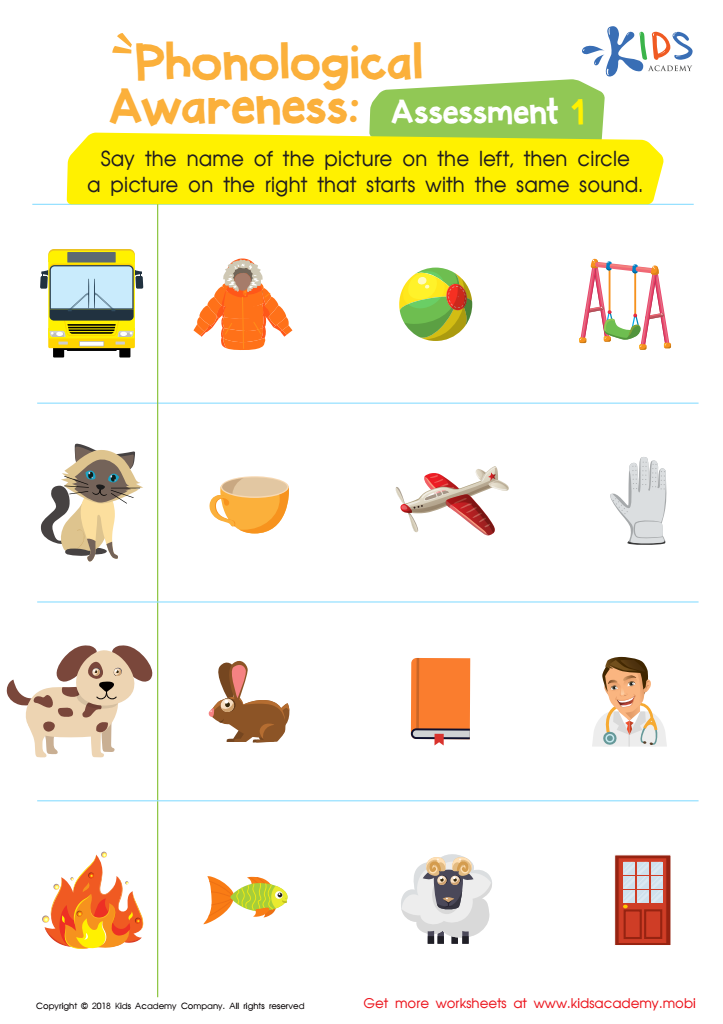
Phonological Awareness: Assessment 1 Worksheet
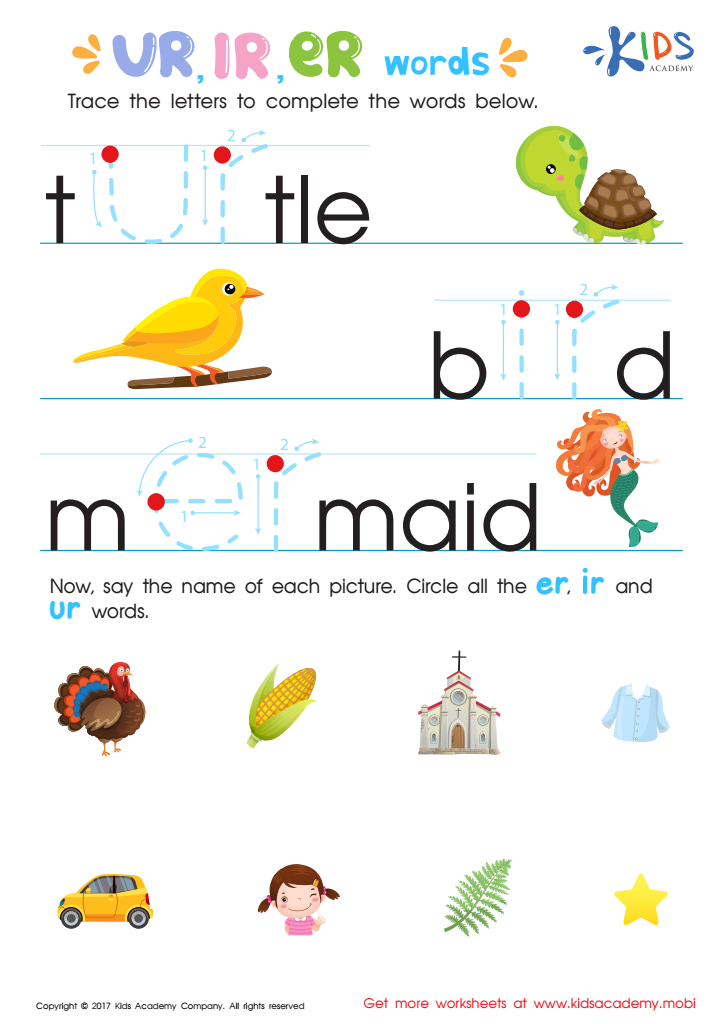
IR UR ER Words Worksheet
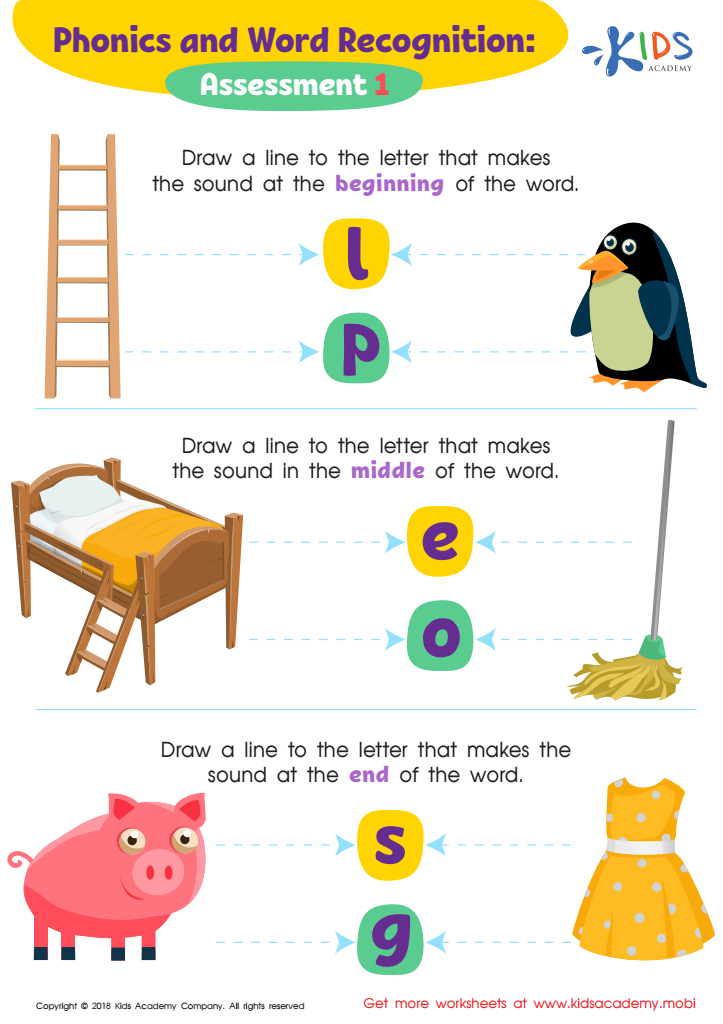
Phonics and Word Recognition: Assessment 1 ELA Worksheet
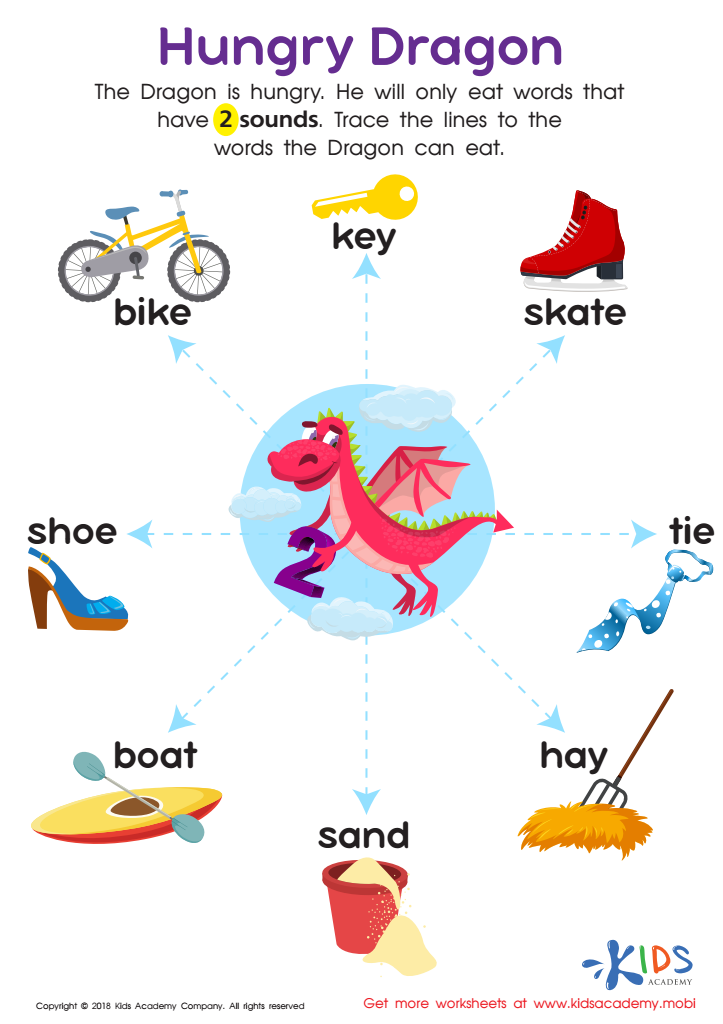
Hungry Dragon Worksheet
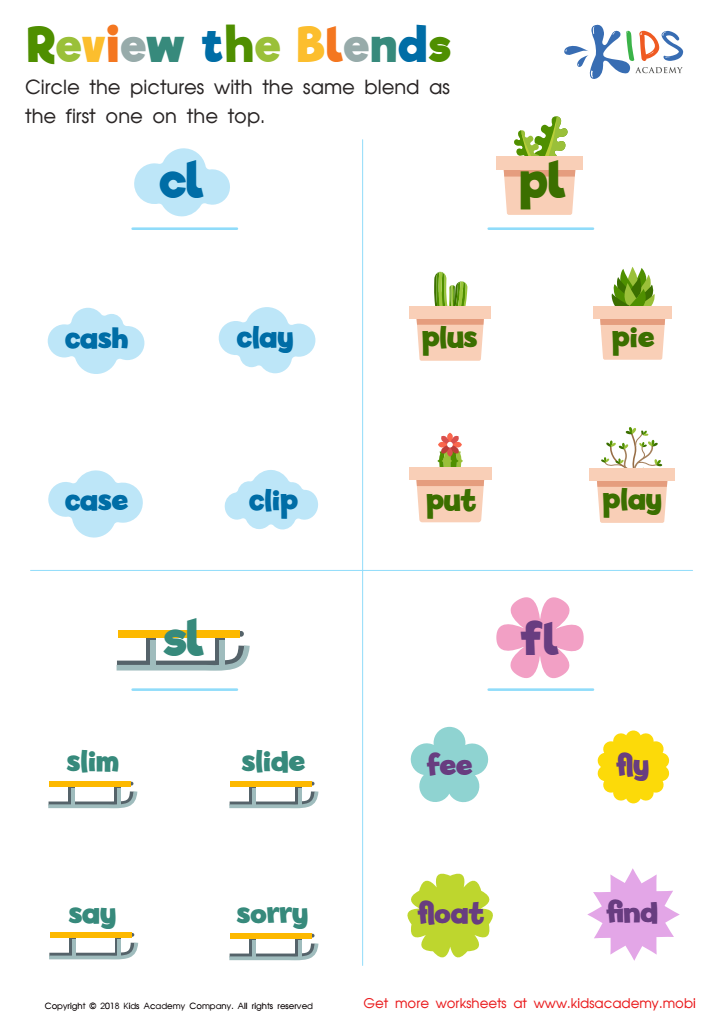
Review the Blends Worksheet






Parents and teachers should prioritize introducing the Normal Alphabet to children aged 5-9 because this foundational literacy skill is crucial for effective communication, reading, and writing. Mastering the Normal Alphabet equips children with the ability to form words and comprehend early reading materials, fostering a strong love for literature and expanding their vocabulary.
At this age, children are highly receptive to learning and exploring language. Engaging them with the Normal Alphabet helps develop their phonemic awareness—the understanding that sounds contribute to the meaning of words. This awareness is essential for reading fluency and comprehension. Moreover, a solid grasp of the alphabet is linked to academic success in other subjects, as literacy skills are often interwoven across curricula.
Moreover, knowing the Normal Alphabet enhances children’s self-expression, enabling them to share ideas and stories constructively. For parents and teachers, fostering a child’s familiarity with these fundamental concepts can spark creativity and boost confidence. It also strengthens the child-adult bond, as collaborative reading and writing activities provide invaluable opportunities for connection and engagement. Ultimately, caring about the Normal Alphabet means investing in a child’s future learning and development.







