Normal Geometry Worksheets for Ages 5-9 - Page 4
75 filtered results
-
From - To
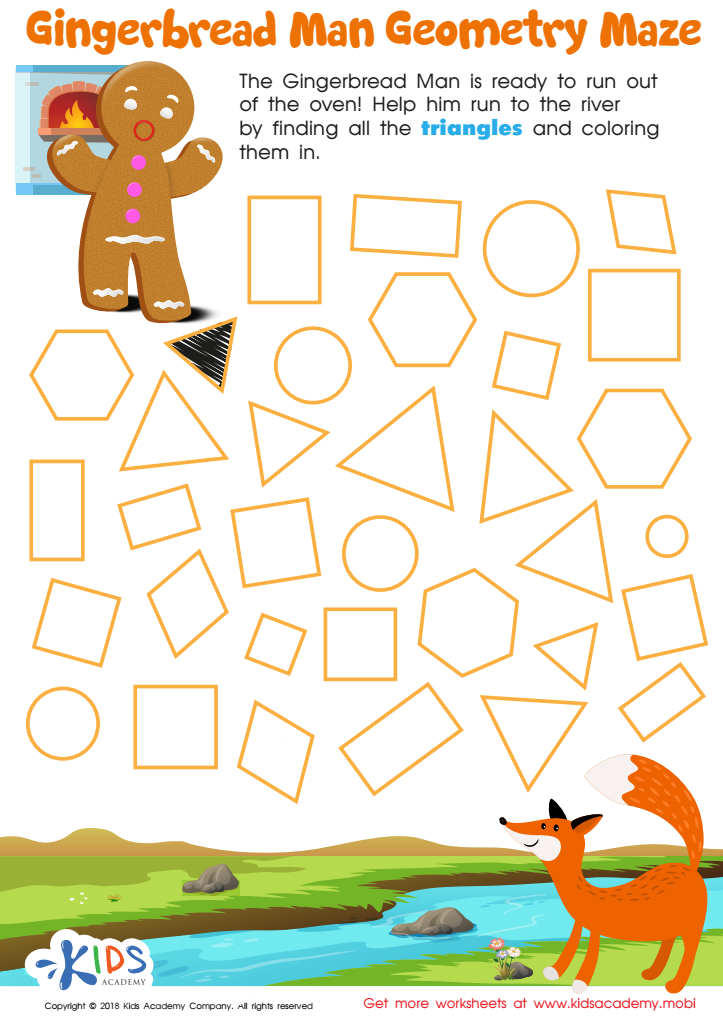
Gingerbread Man Geometry Maze Worksheet
 Assign to My Students











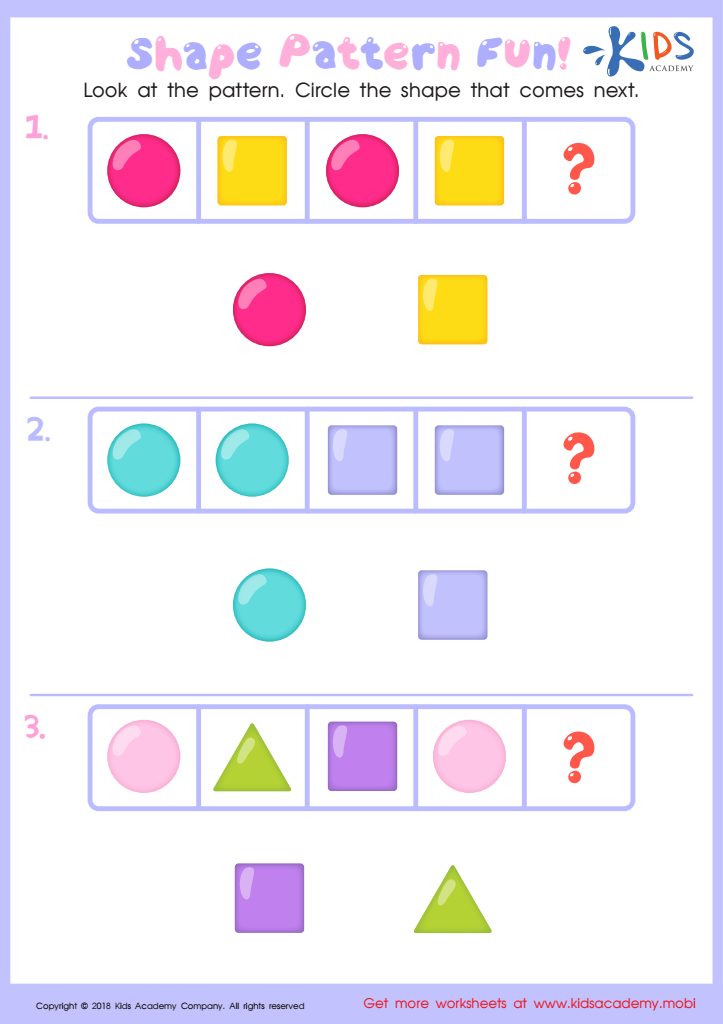
Shape Pattern Fun Worksheet
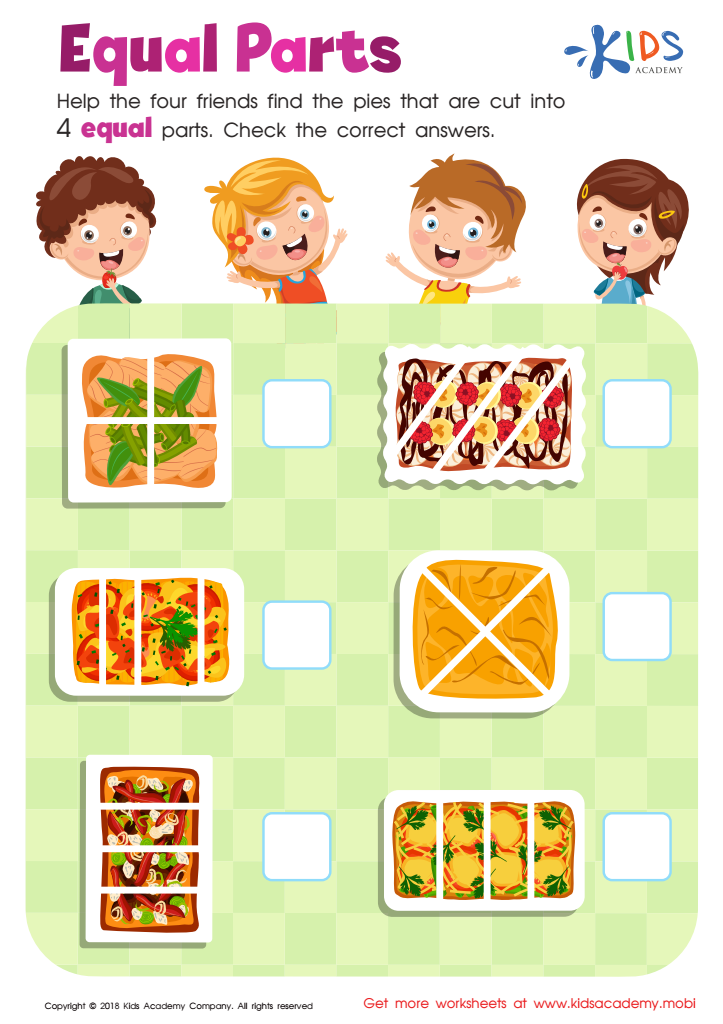
Equal Parts: Food Worksheet








Understanding normal geometry is vital for children aged 5-9 as it forms the backbone of their spatial reasoning and problem-solving skills. This stage of education lays the foundation for advanced mathematical concepts that children will encounter in later grades.
At this age, children learn to recognize shapes, understand spatial relationships, and visualize objects in various orientations. These skills are crucial not only in mathematics but also in everyday scenarios, from assembling puzzles to navigating their environments. By emphasizing normal geometry, parents and teachers can promote critical thinking and logic, enhancing children's ability to understand concepts such as symmetry, patterns, and measurement.
Moreover, engaging with geometry at a young age fosters creativity and encourages children to explore their surroundings. Think about how geometry is inherent in art, architecture, and nature; by appreciating these connections, children can develop a genuine interest in both math and science. This creates a more capable, curious, and confident learner who is better prepared for the future. Hence, recognizing the importance of early geometry education allows parents and teachers to equip children with essential skills that support their overall academic and personal growth.








