Normal Science Worksheets for Ages 5-9 - Page 12
312 filtered results
-
From - To
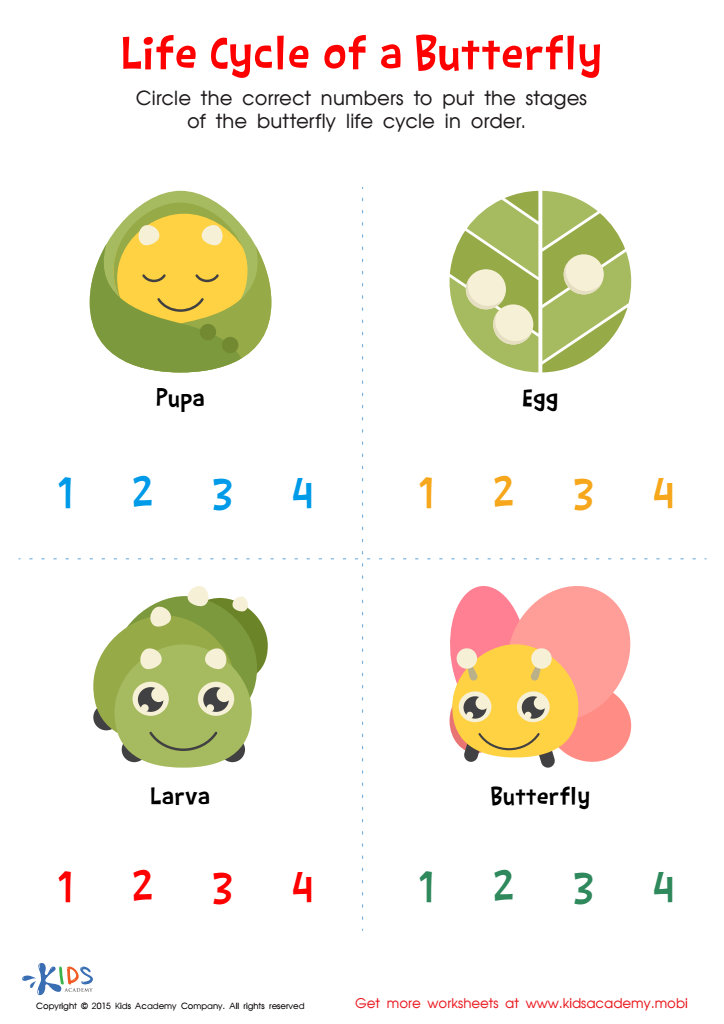
Life Cycle of Butterfly Printable
 Assign to My Students
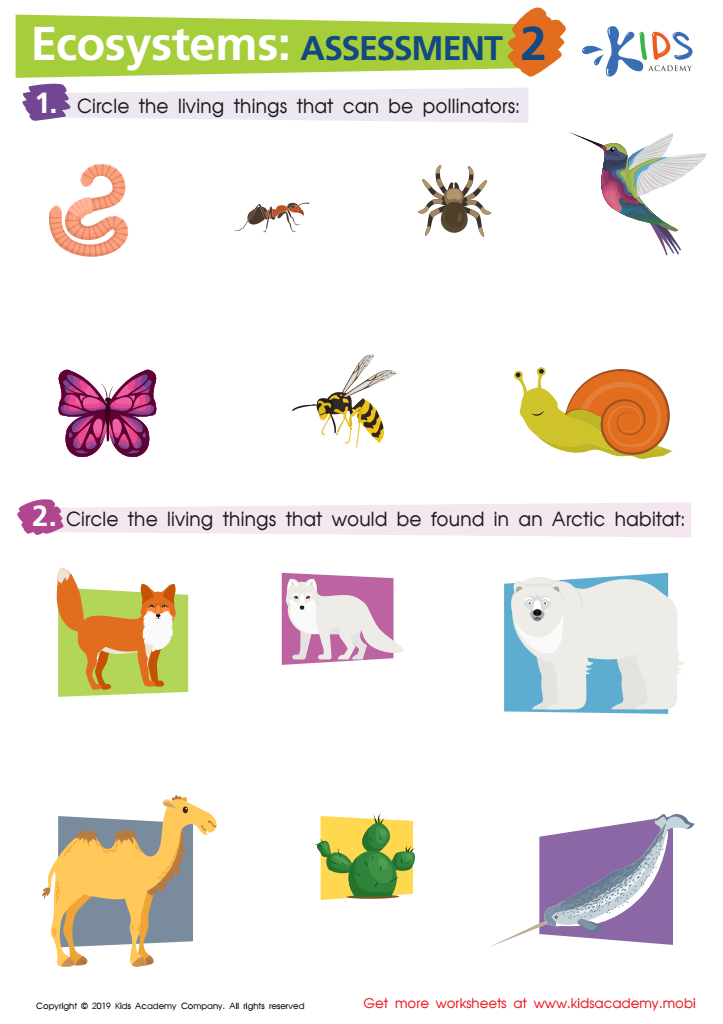
Ecosystems: Assessment 2 Worksheet
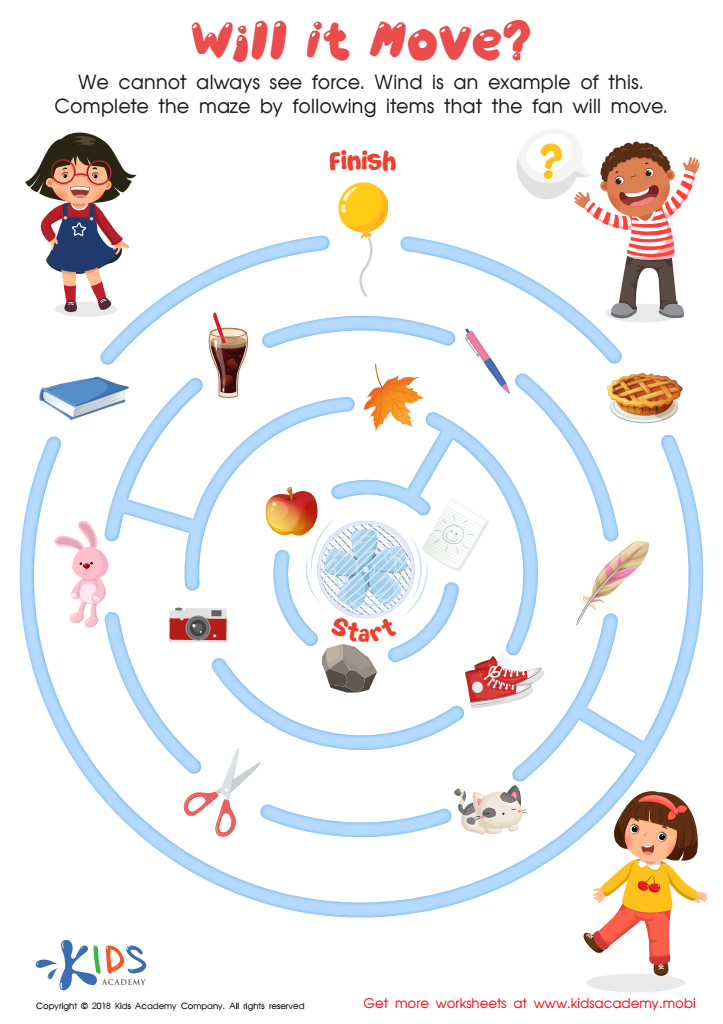
Will it Move? Worksheet
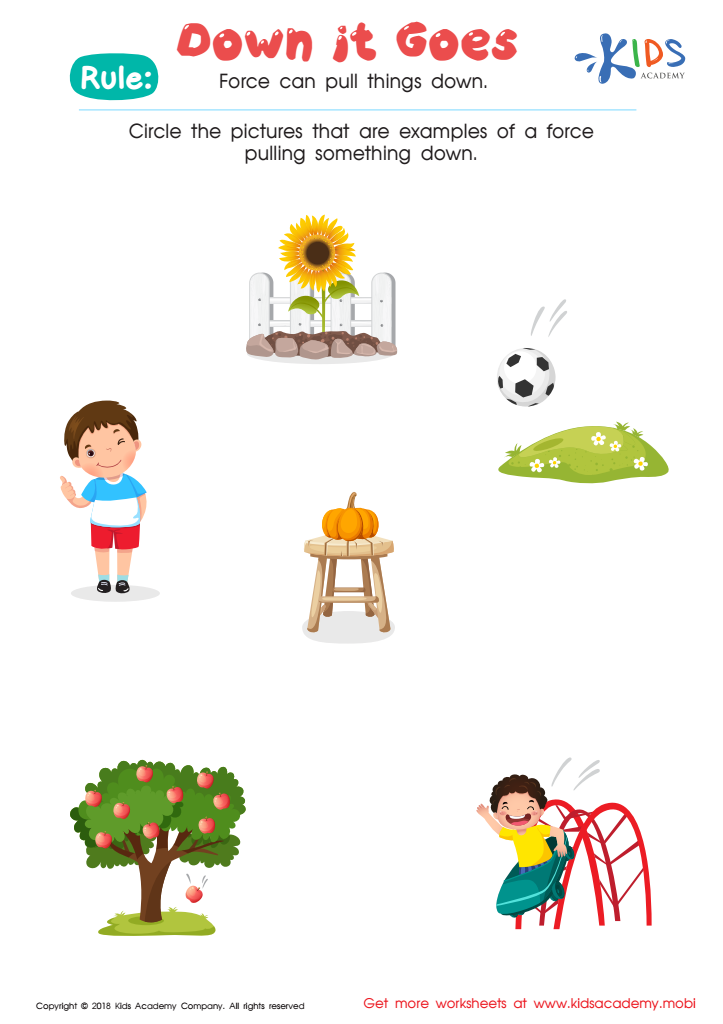
Down it Goes Worksheet
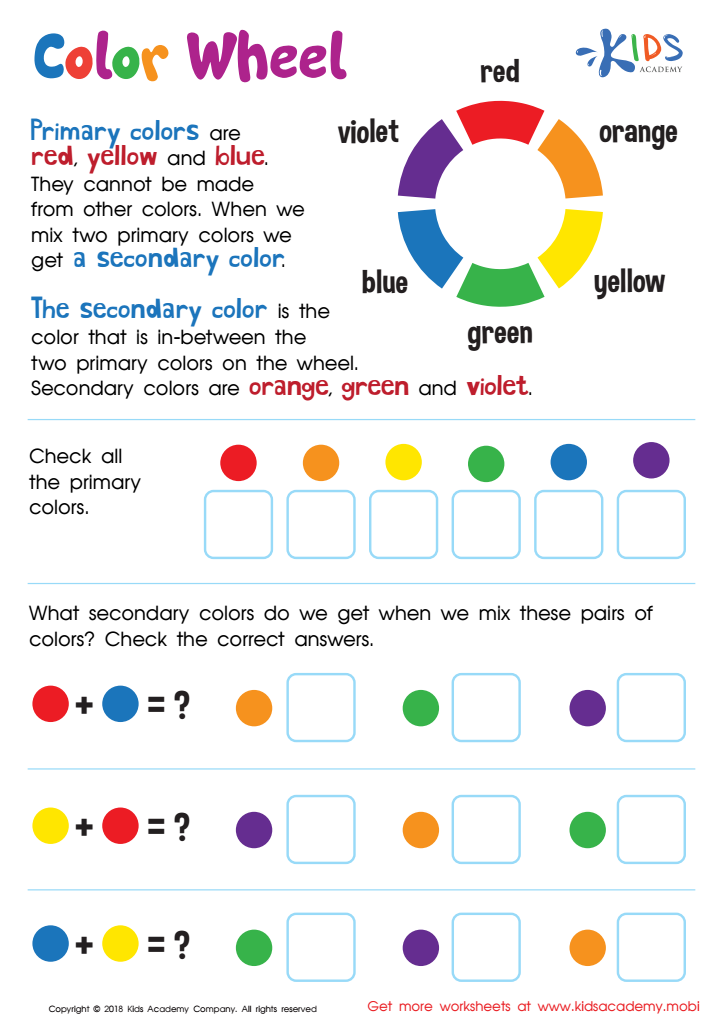
Primary and Secondary Colors Worksheet
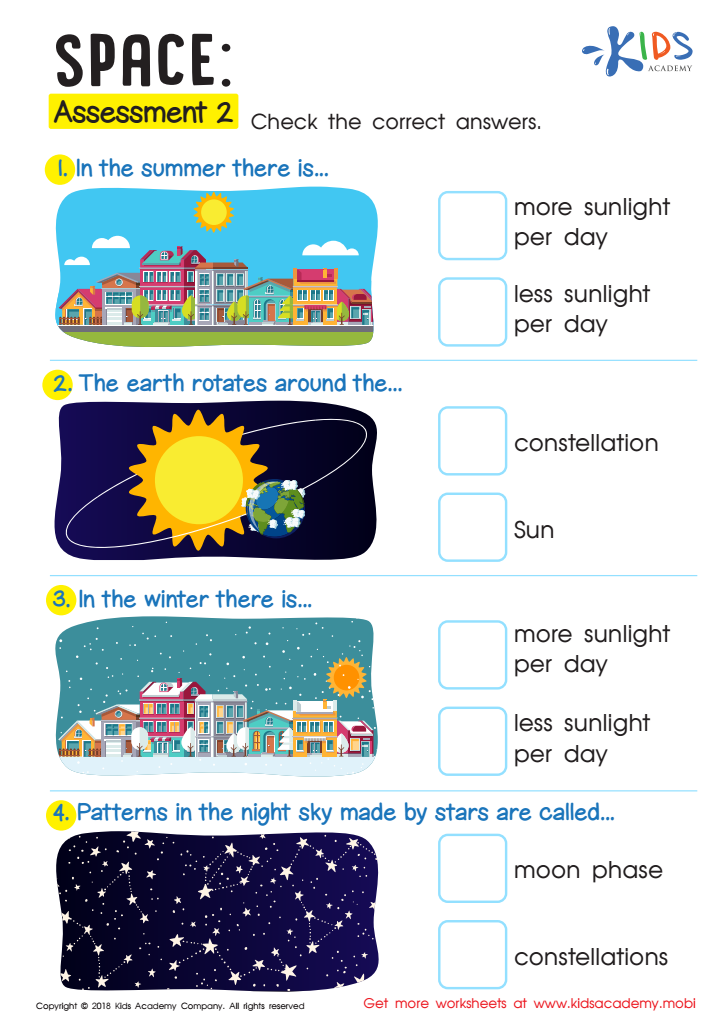
Space: Assessment 2 Worksheet
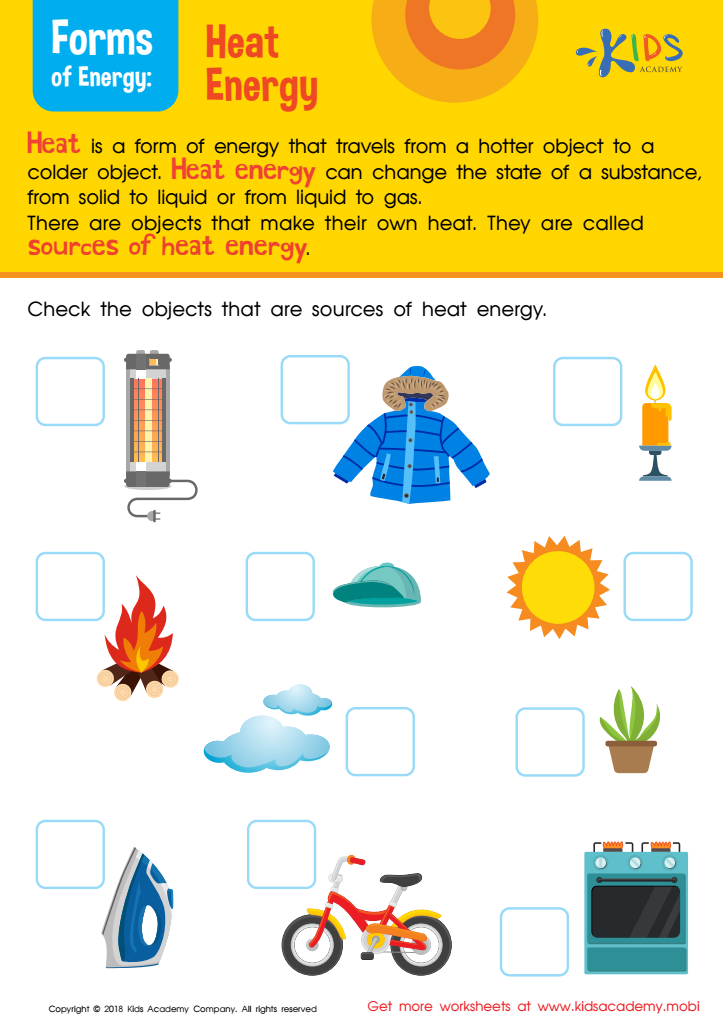
Sources of Heat Energy Worksheet
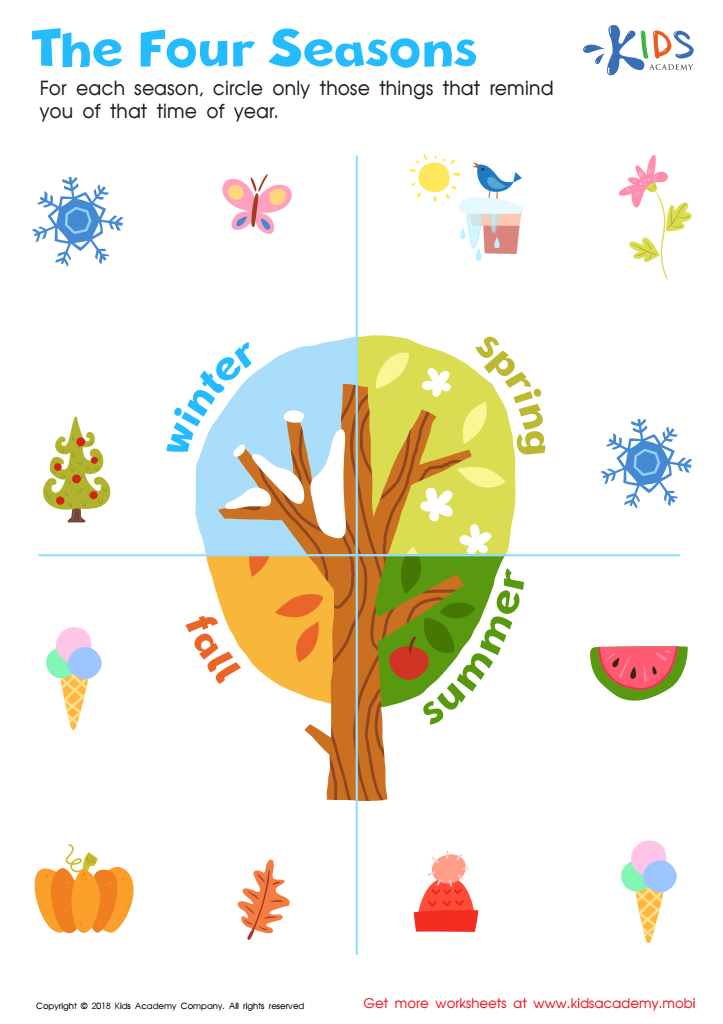
The Four Seasons Worksheet
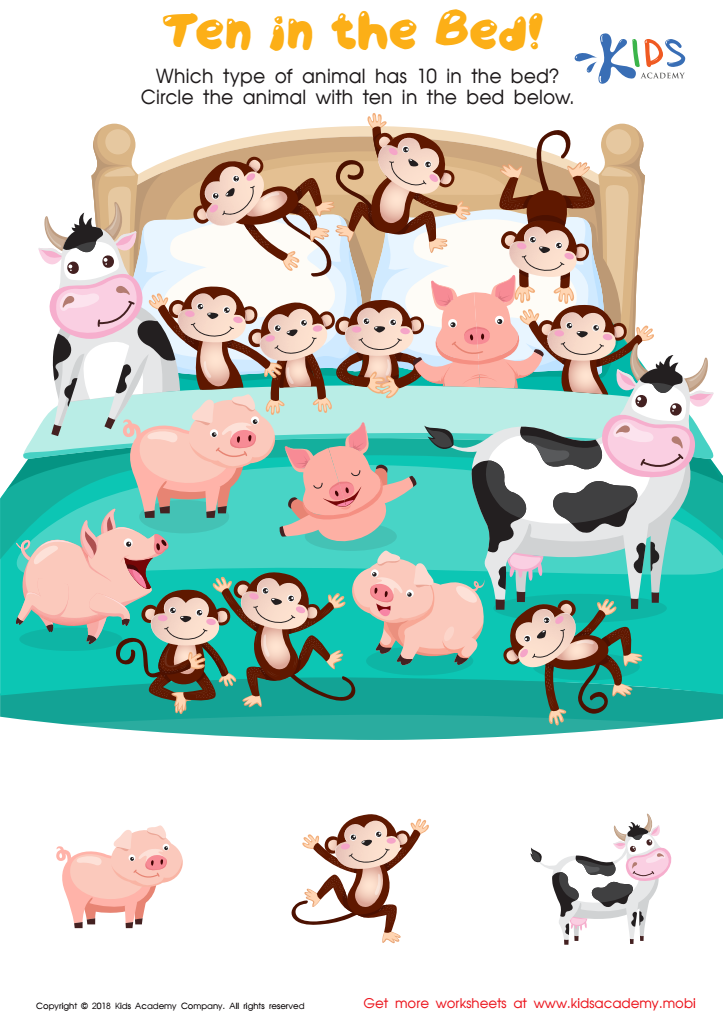
Ten in the Bed Worksheet
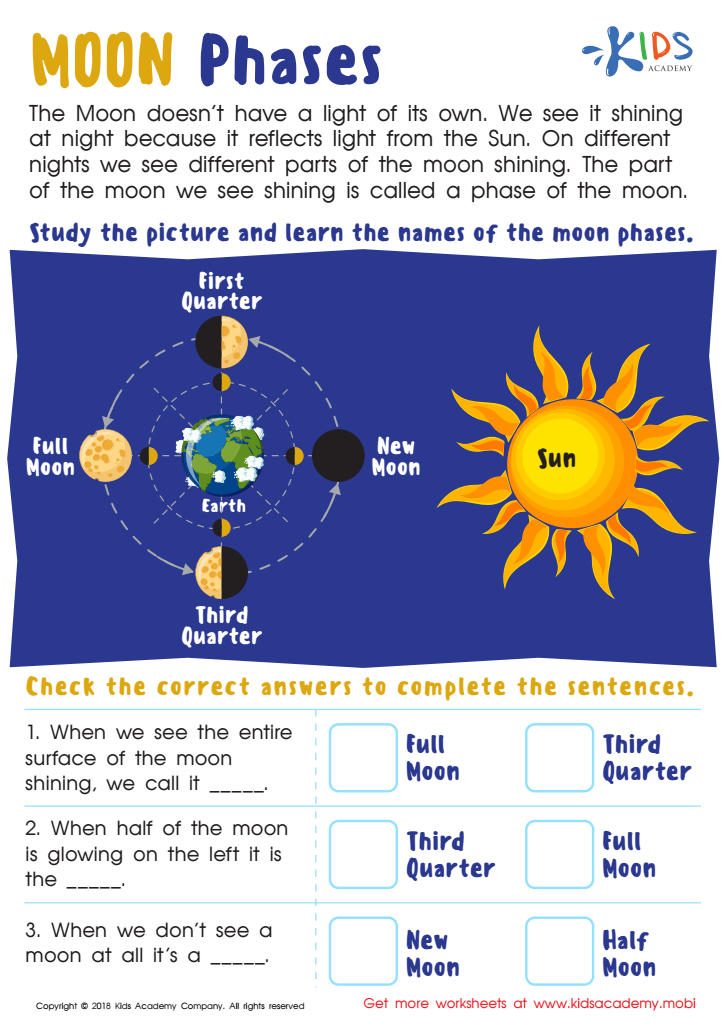
Moon Phases Worksheet
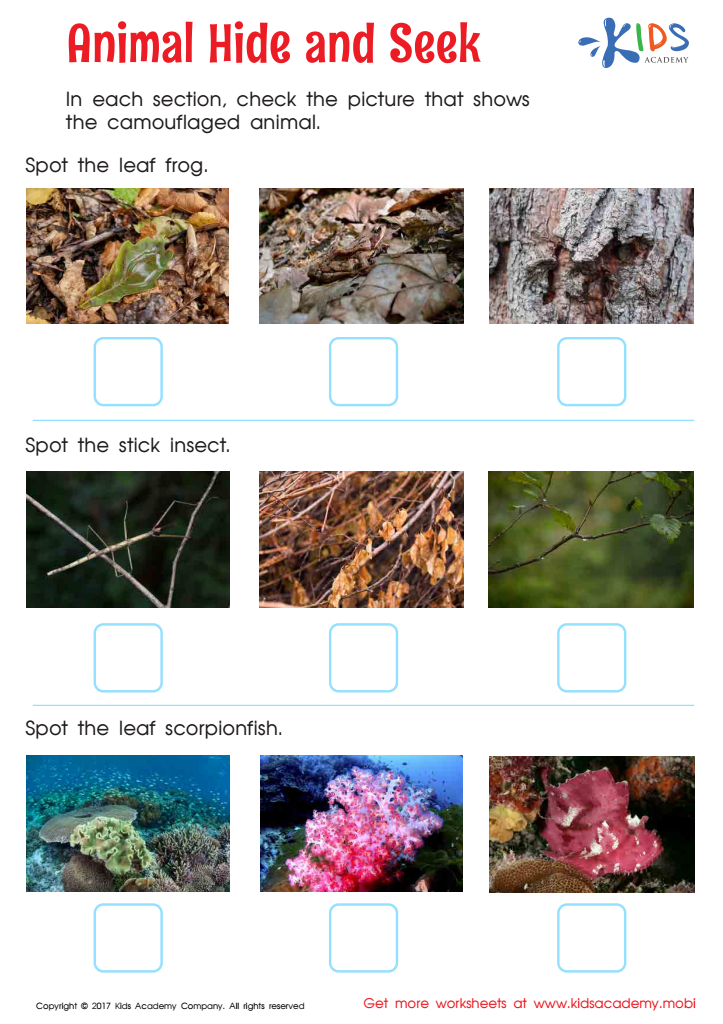
Animal Hide and Seek Worksheet
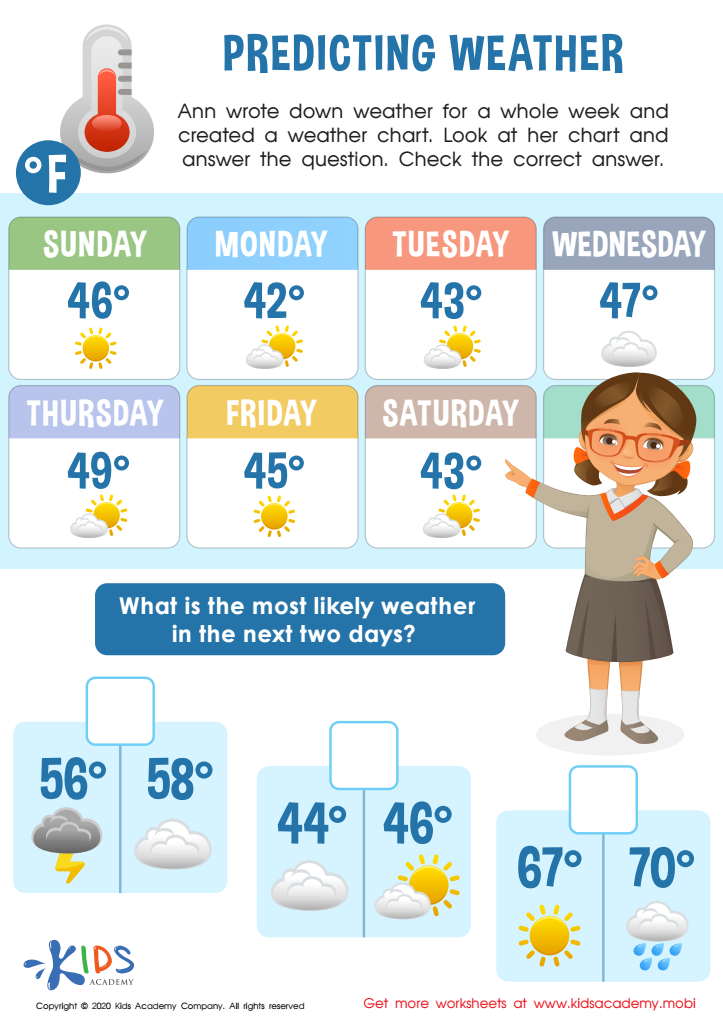
Predicting Weather Worksheet
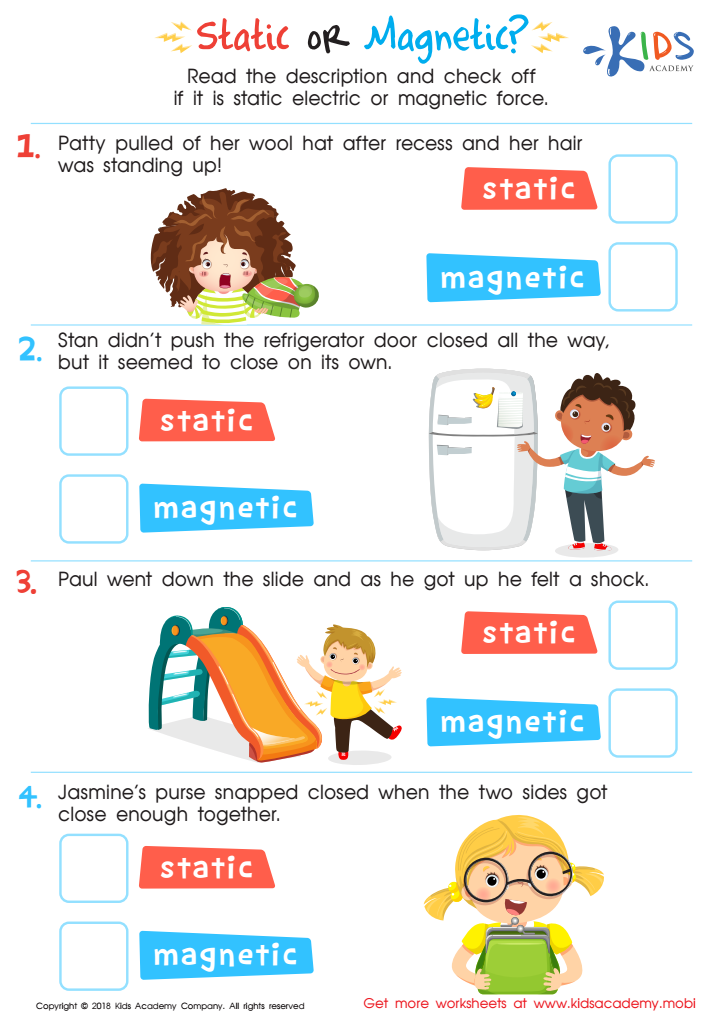
Static or Magnetic Printable Worksheet
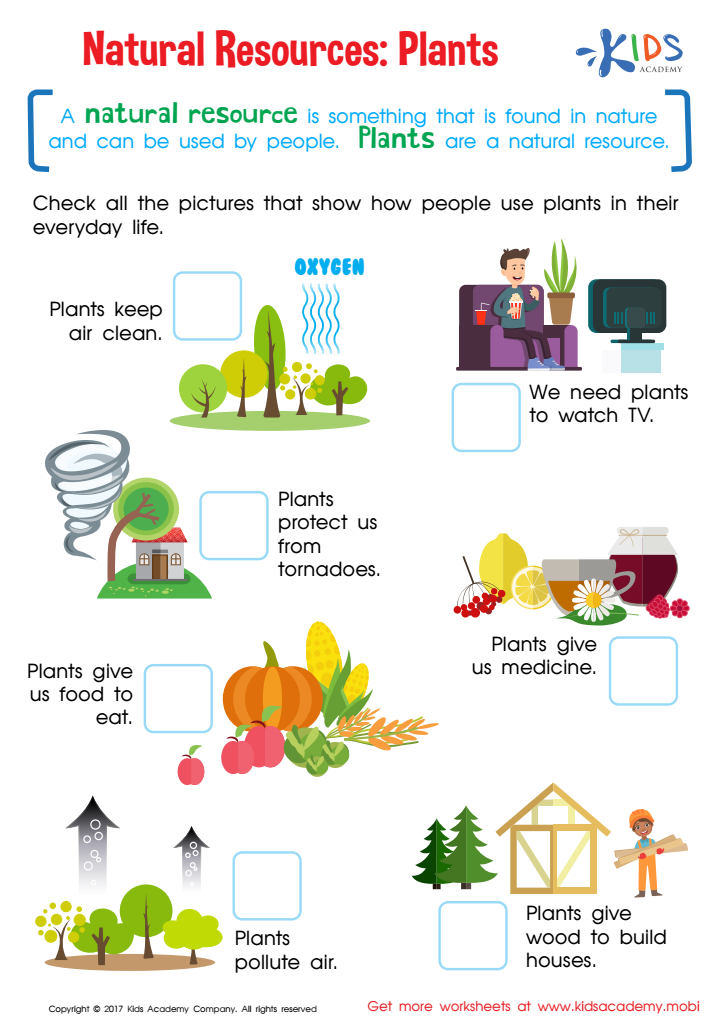
Natural Resources: Plants Worksheet
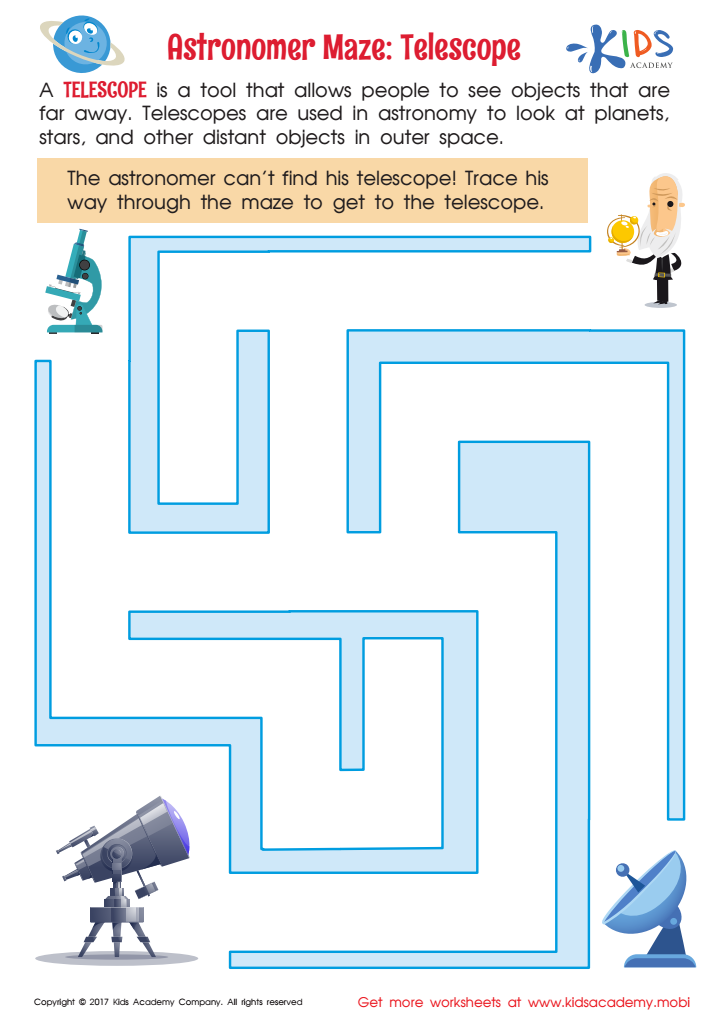
Astronomer Maze: Telescope Worksheet
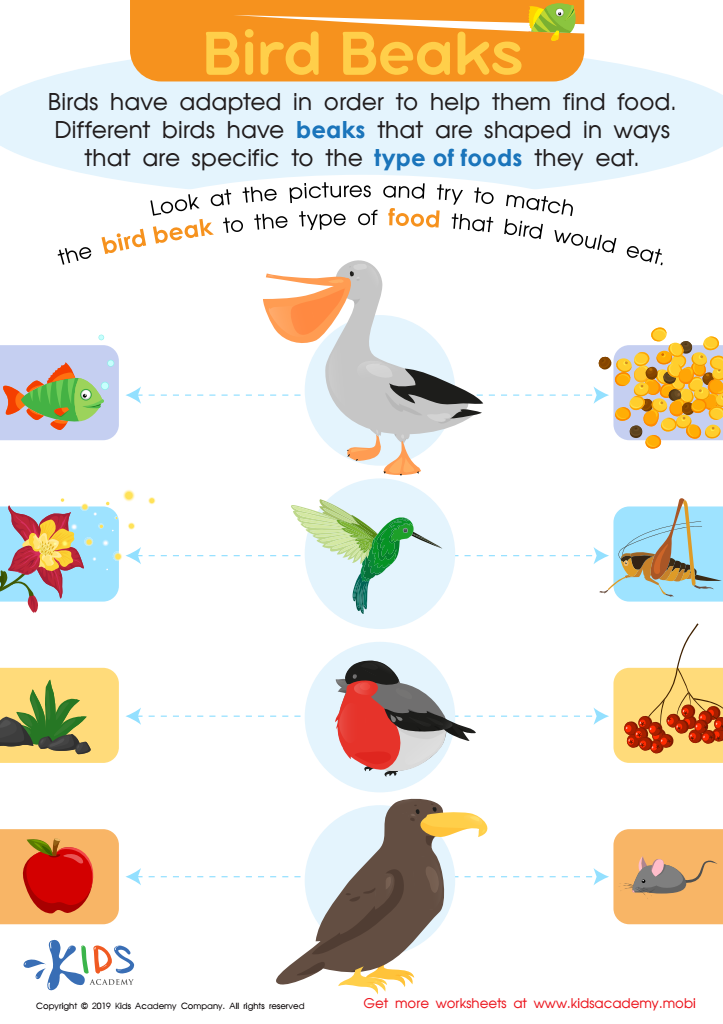
Bird Beaks Worksheet
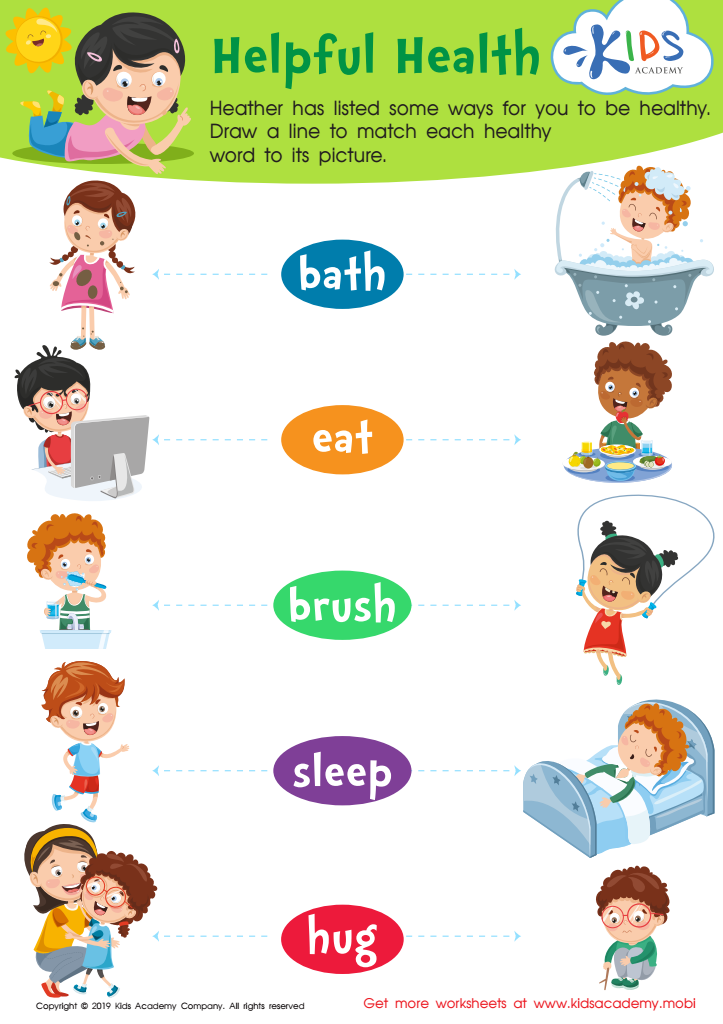
Helpful Health Worksheet
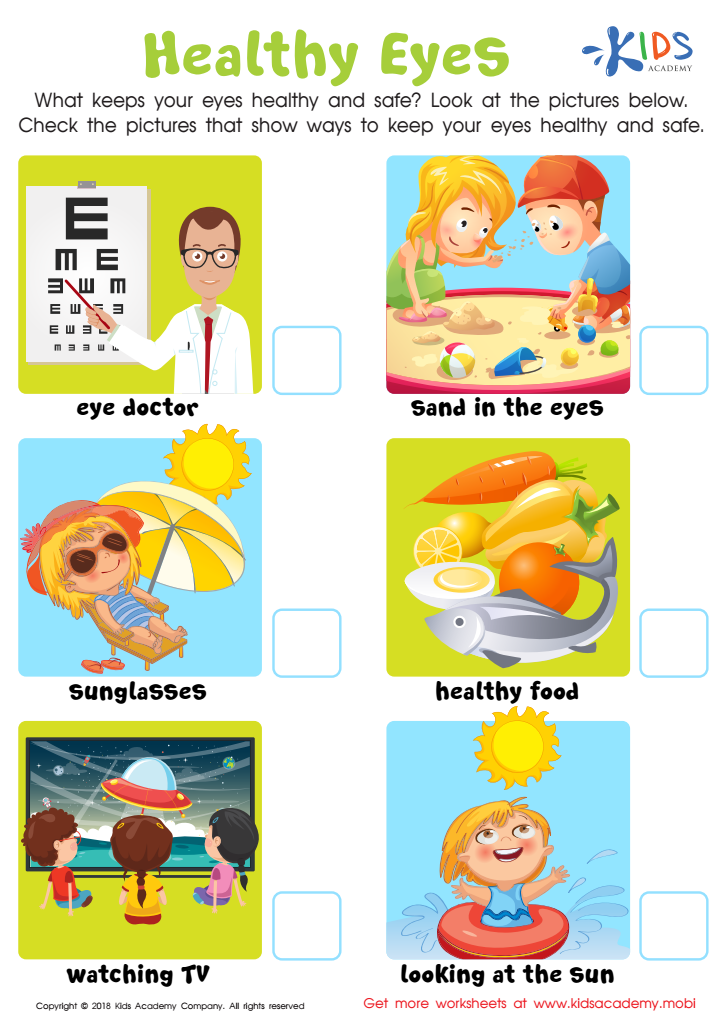
Healthy Eyes Worksheet
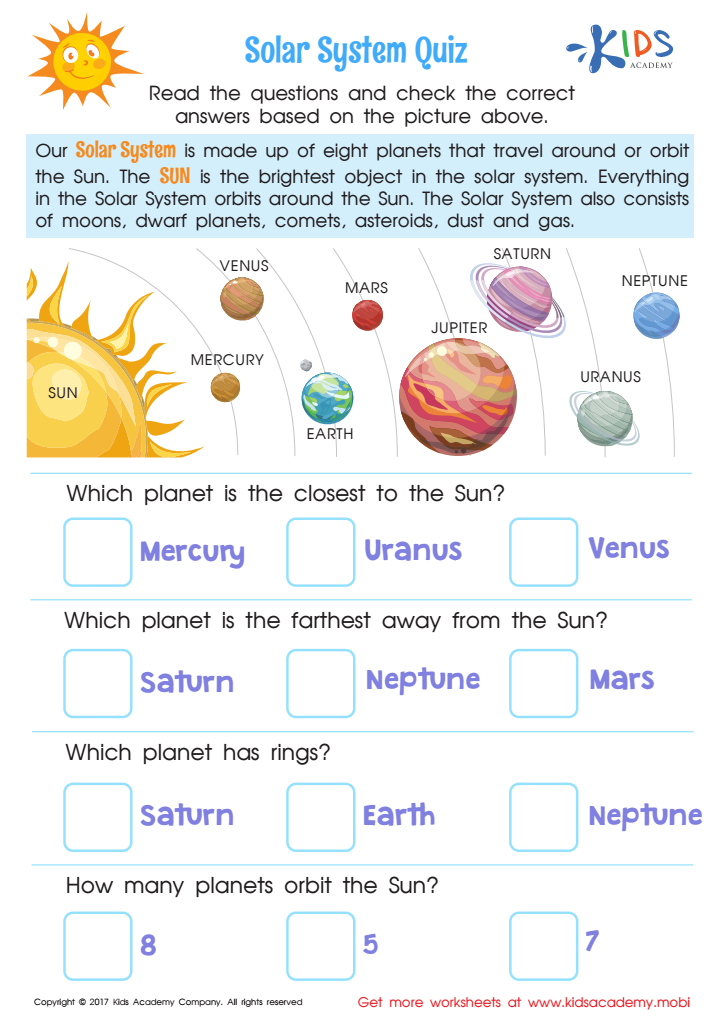
Solar System Quiz Printable
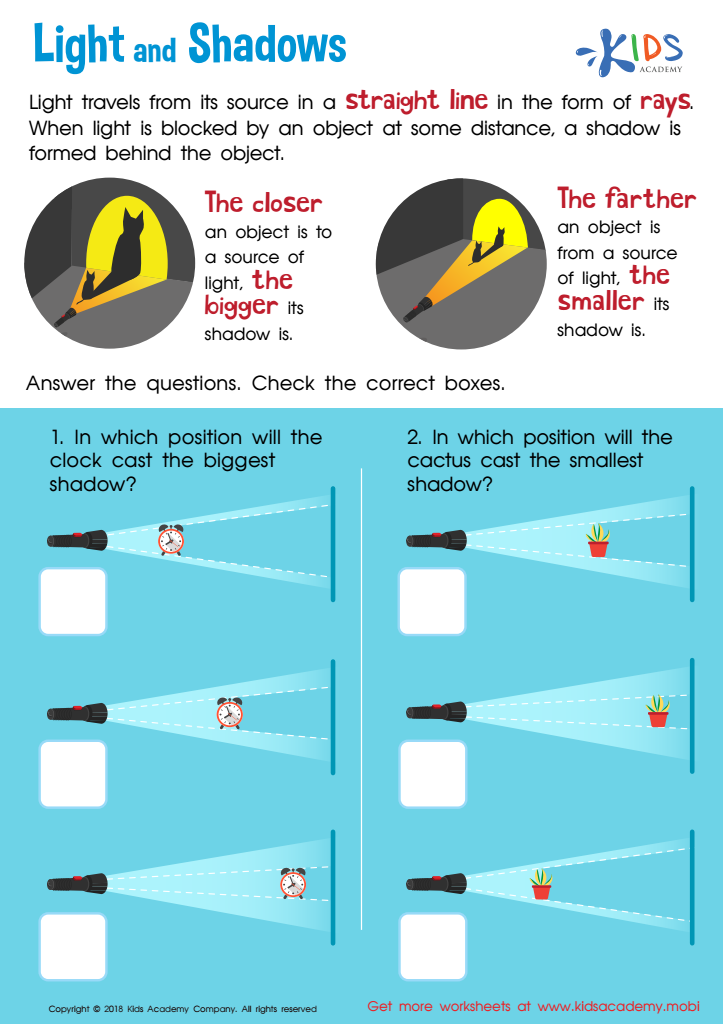
Light and Shadow Worksheet for Grade 3
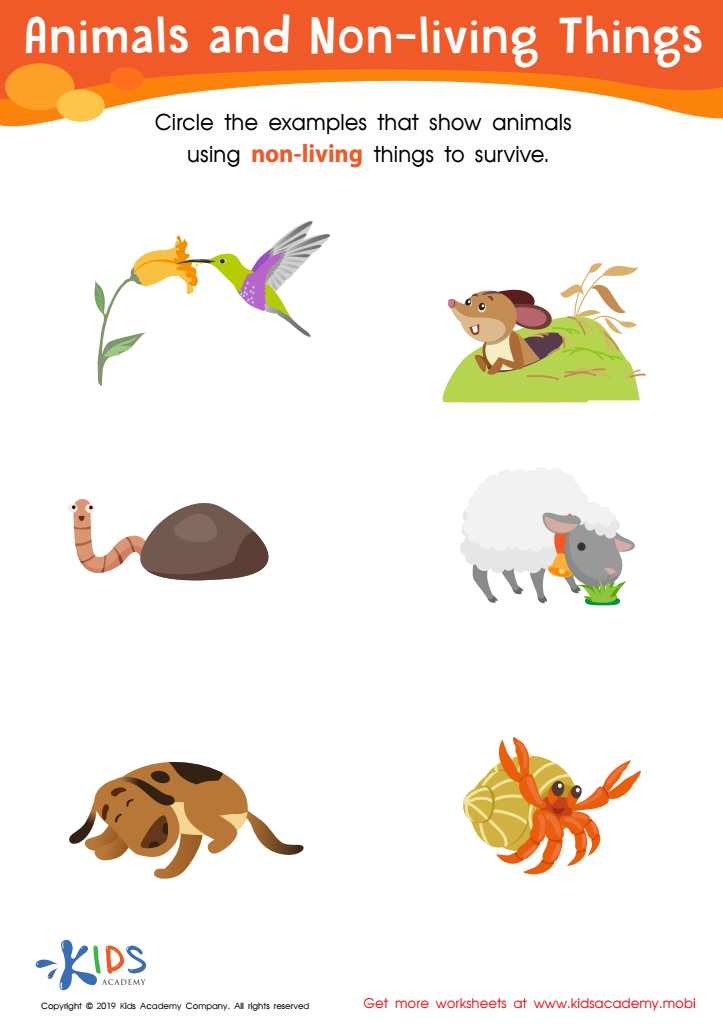
Animals and Non-Living Things Worksheet
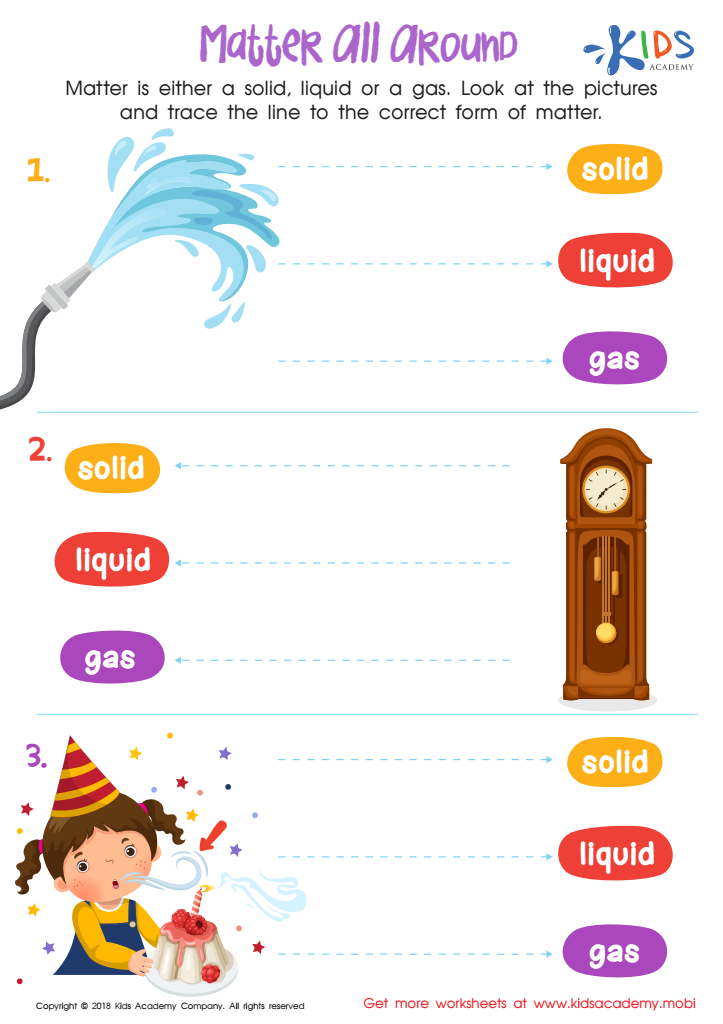
Matter all Around Worksheet
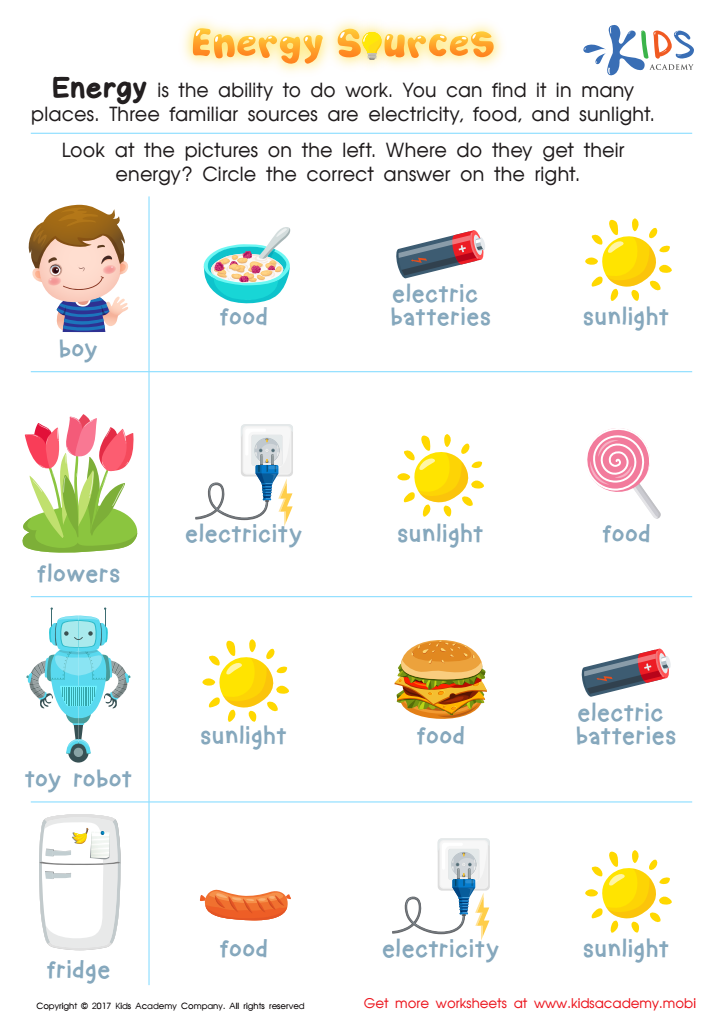
Energy Sources Printable








Normal science, especially for ages 5-9, serves as a foundational pillar in early childhood education. Engaging young children in scientific exploration fosters curiosity, critical thinking, and a lifelong love for learning. When parents and teachers prioritize normal science, they help children develop essential cognitive skills such as observation, hypothesis formation, and problem-solving.
Science introduces kids to the natural world, enhancing their understanding of everyday phenomena like weather, plants, animals, and basic physics. This early exposure helps demystify complex concepts, making them more accessible and less intimidating as children get older. Additionally, normal science activities are often hands-on and inquiry-based, which encourages active learning and boosts fine motor skills through experiments and model-building.
Moreover, instilling a scientific mindset nurtures resilience and flexibility. Children learn to approach challenges methodically and understand that failure is part of the learning process. This growth mindset can significantly impact their academic and personal life by promoting perseverance.
For teachers, integrating science into the curriculum aligns with national educational standards and prepares students for future academic requirements. For parents, it offers valuable bonding experiences and opportunities to reinforce classroom learning through everyday activities.
Overall, normal science for young children cultivates an early appreciation for the scientific method and supports well-rounded intellectual development.







