Normal Upper & Lowercase Letters Worksheets for Ages 6-7 - Page 2
43 filtered results
-
From - To
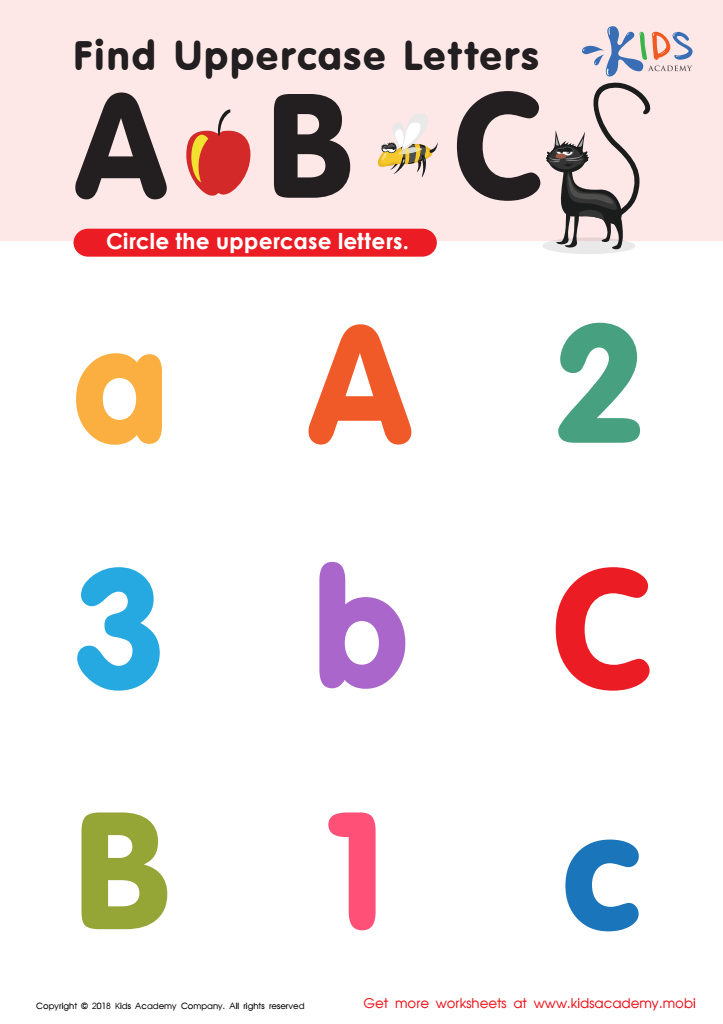
Find Uppercase Letters A, B, and C Worksheet
 Assign to My Students








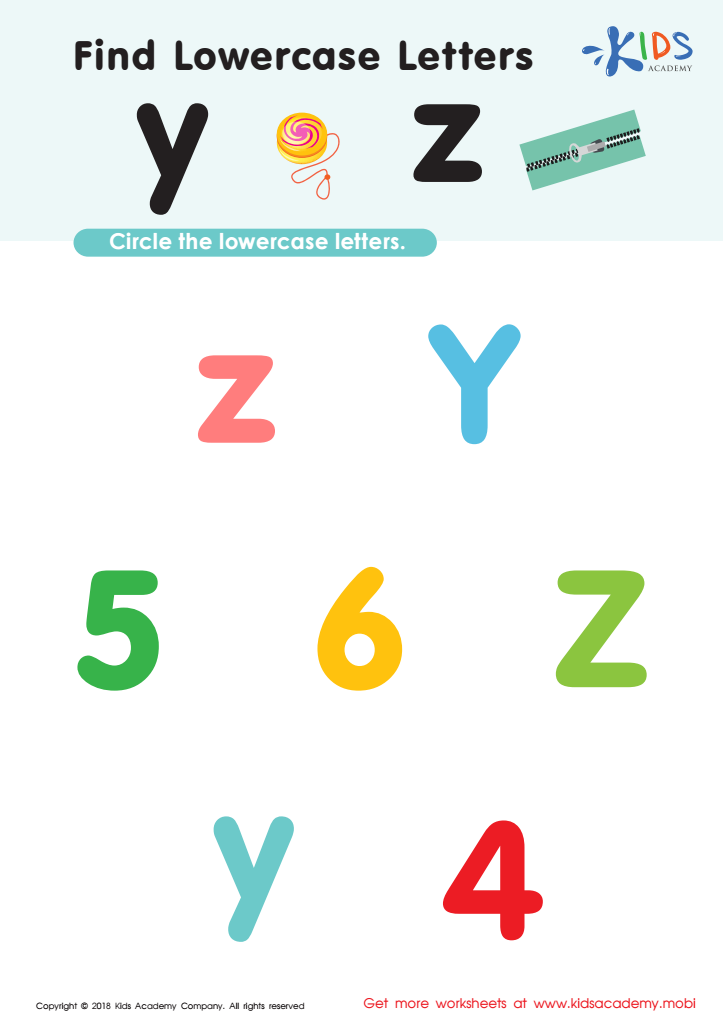
Find Lowercase Letters y z Worksheet
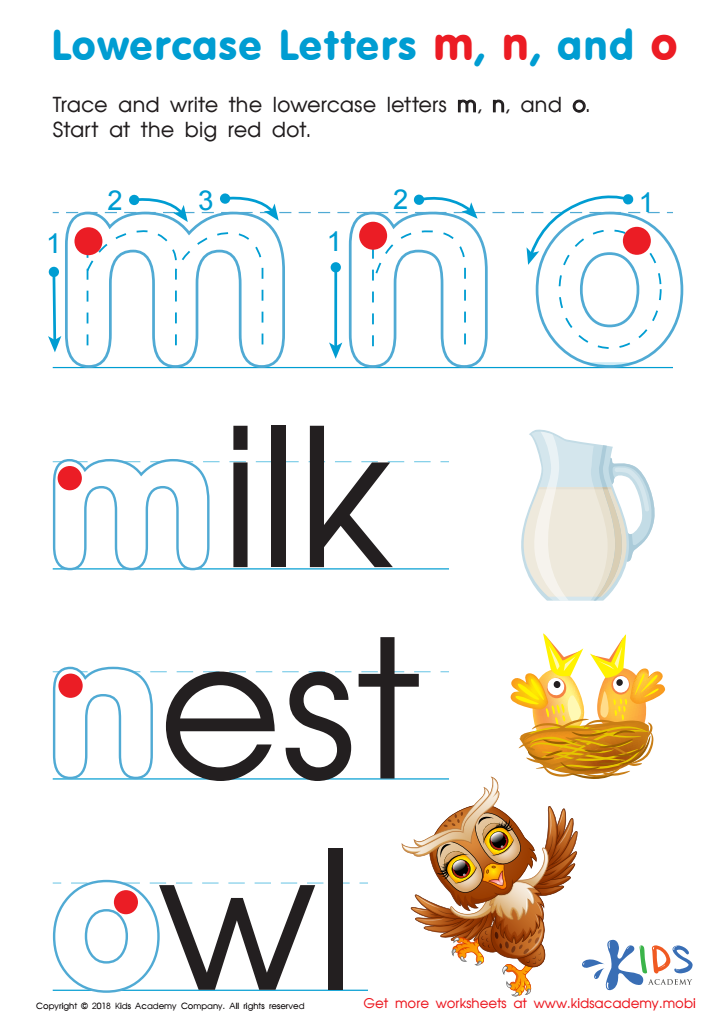
Lowercase Letters m n o Worksheet
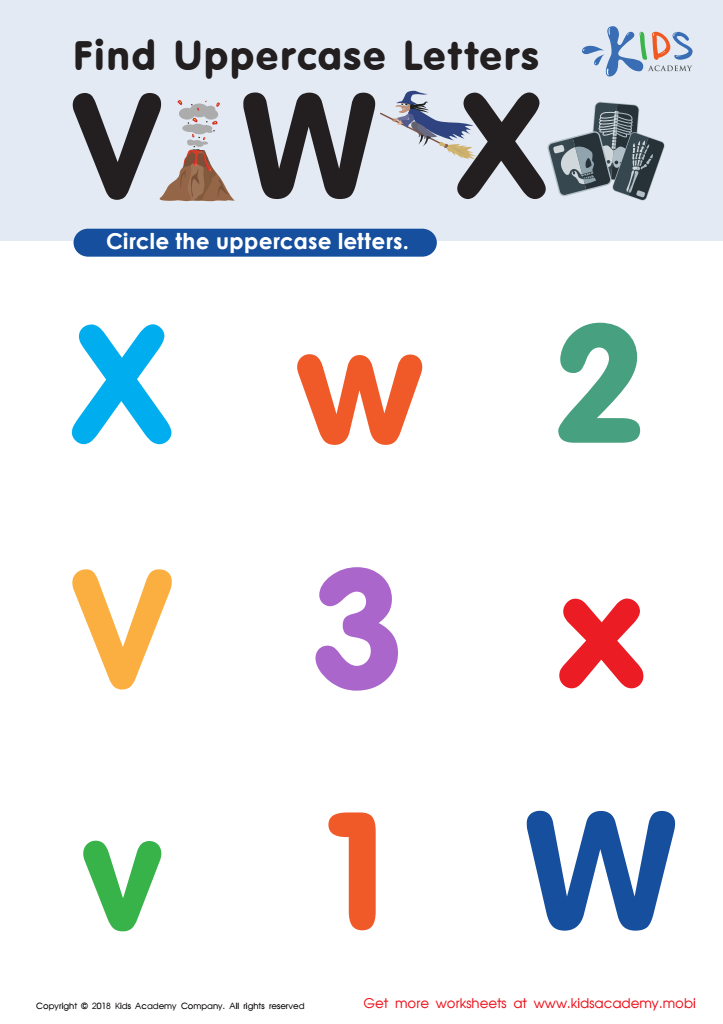
Find Uppercase Letters V, W, X Worksheet
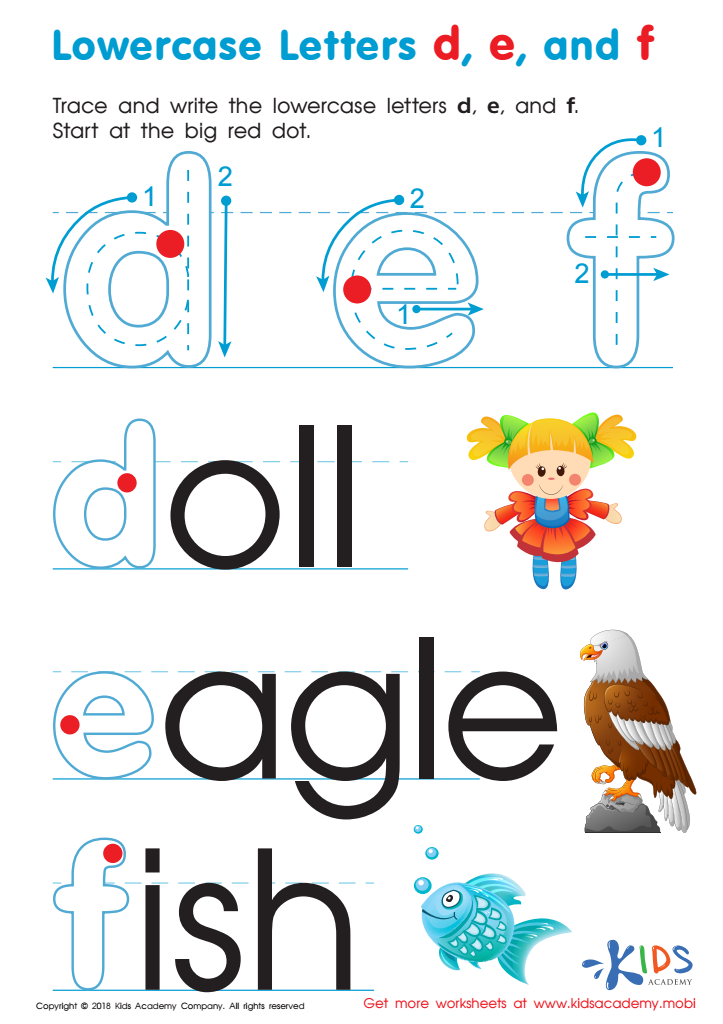
Lowercase Letters d e f Worksheet
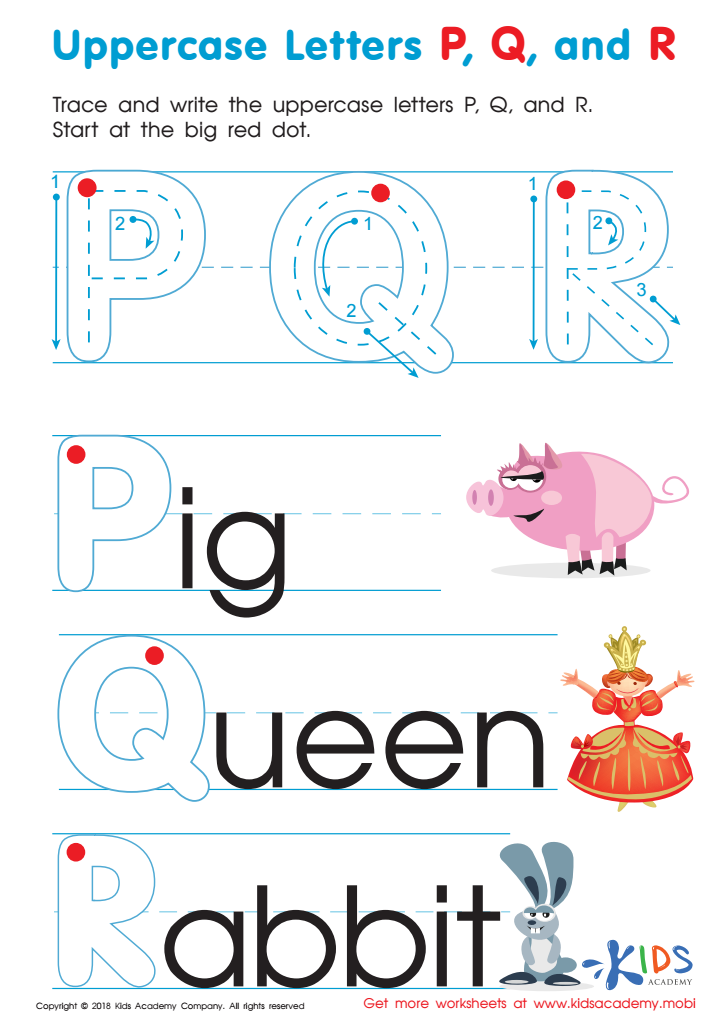
Uppercase Letters P, Q, and R Worksheet
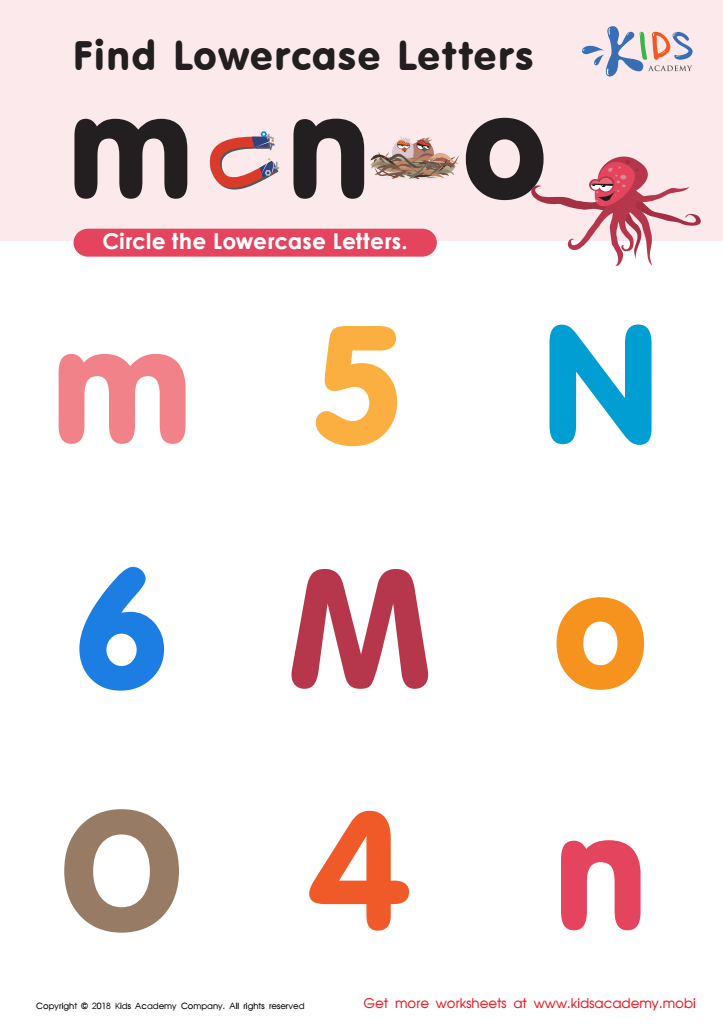
Find Lowercase Letters m n o Worksheet
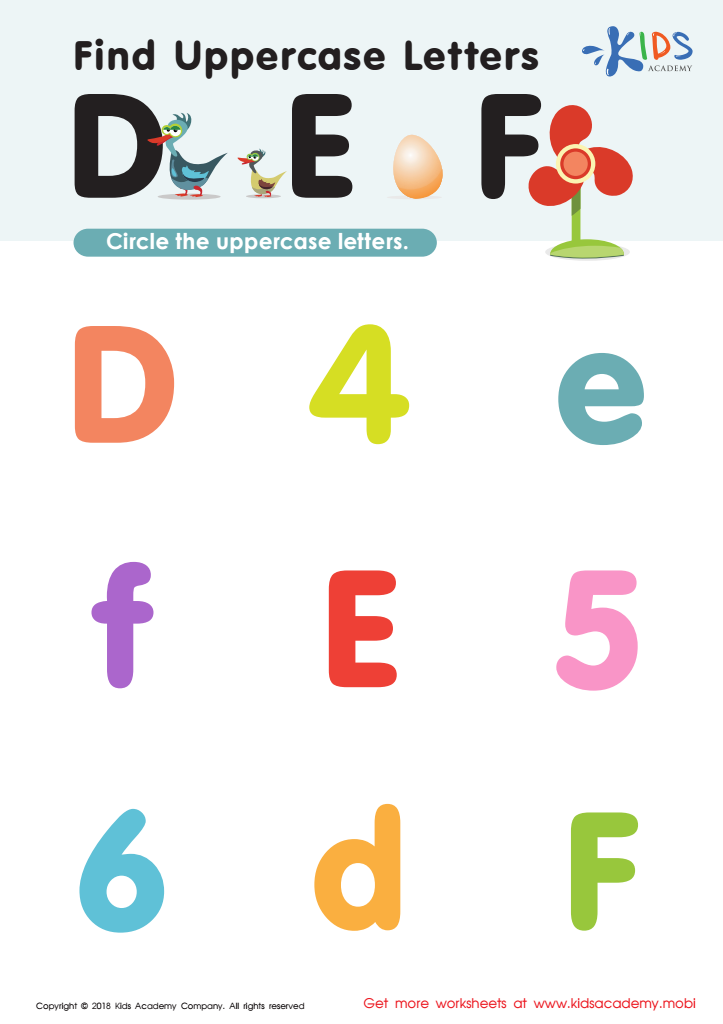
Find Uppercase Letters D, E, and F Worksheet
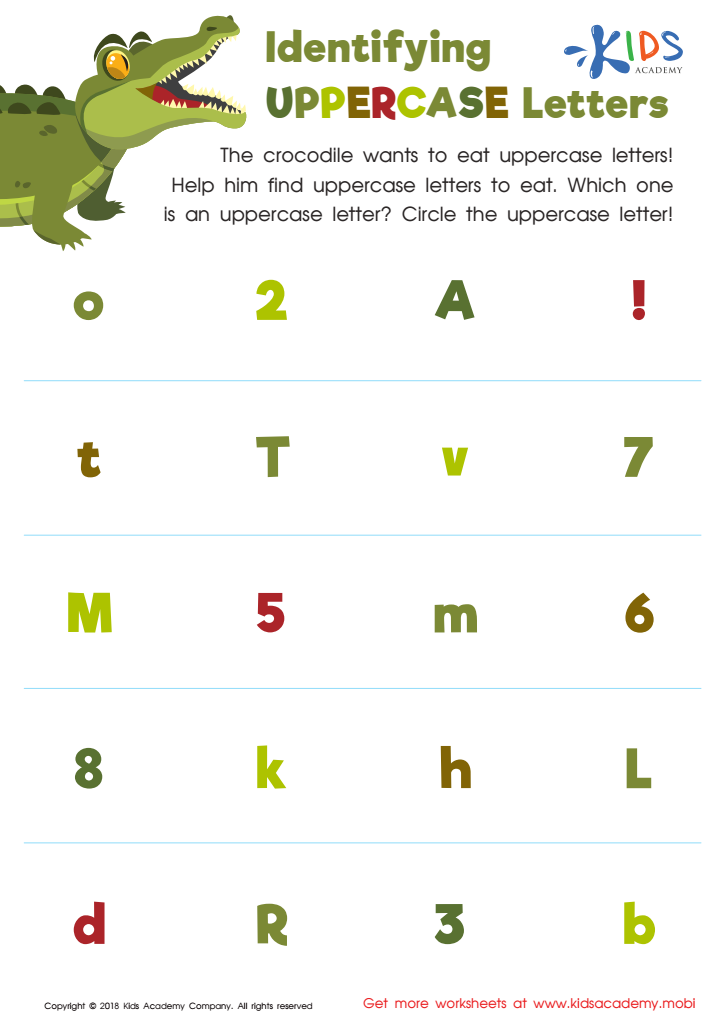
Identifying Uppercase Letters Worksheet
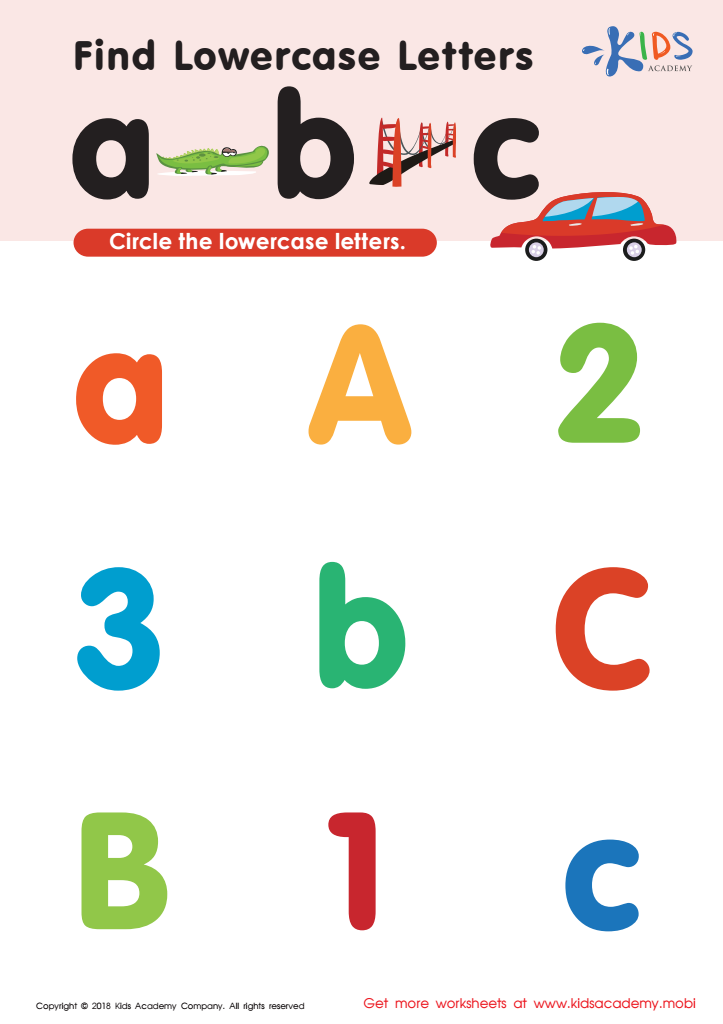
Find lowercase letters a b c Worksheet
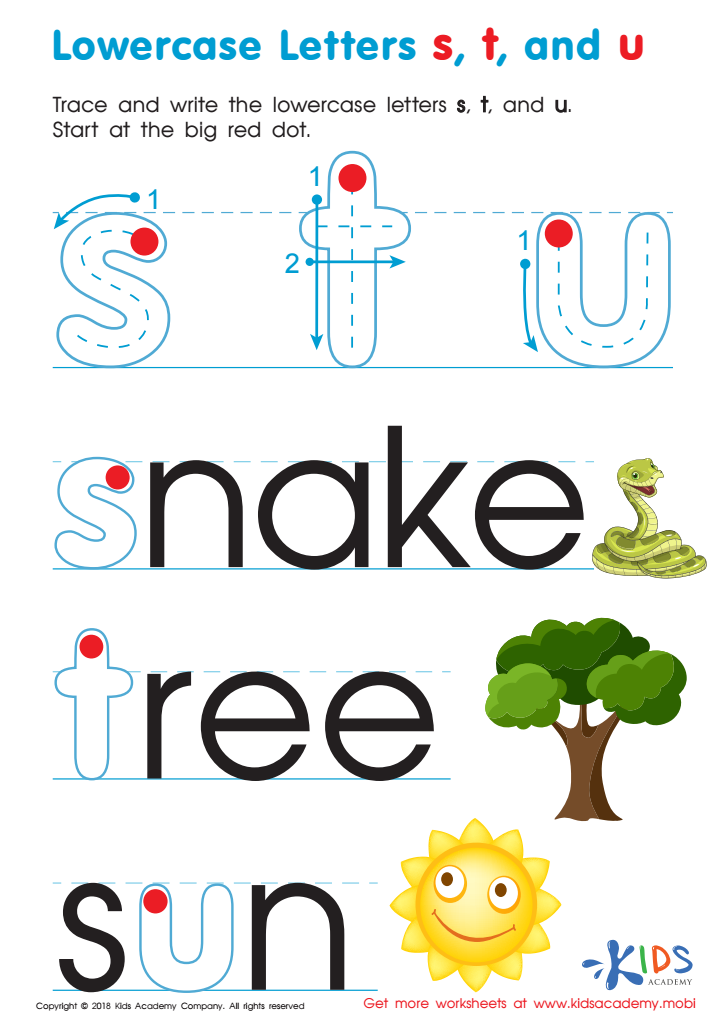
Lowercase Letters s t u Worksheet
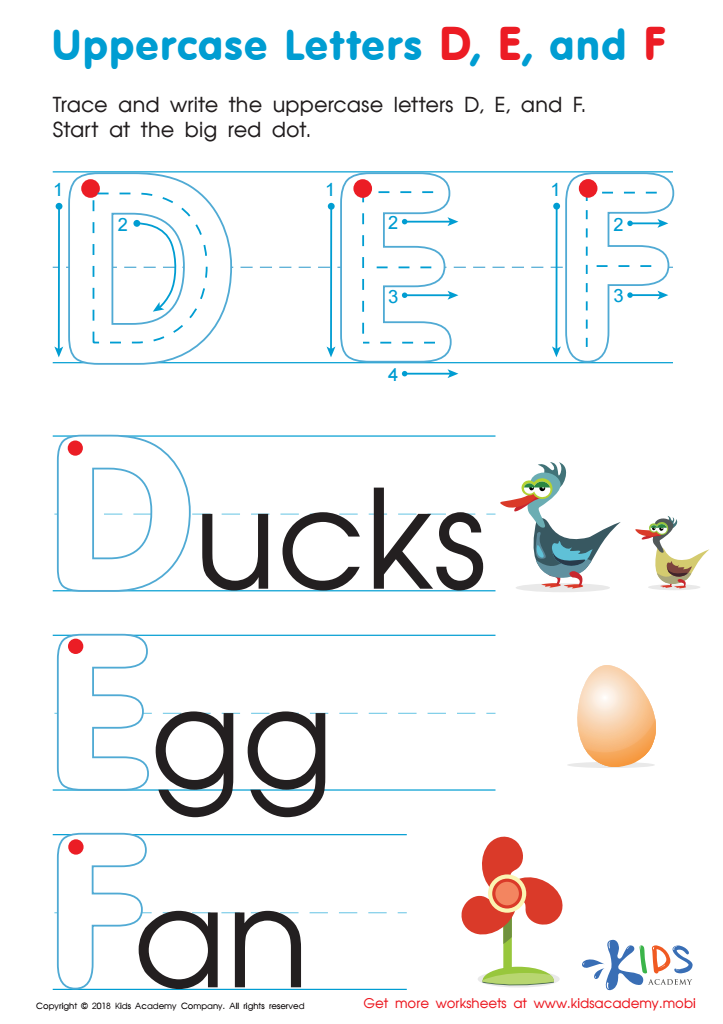
Uppercase Letters D, E, and F Worksheet
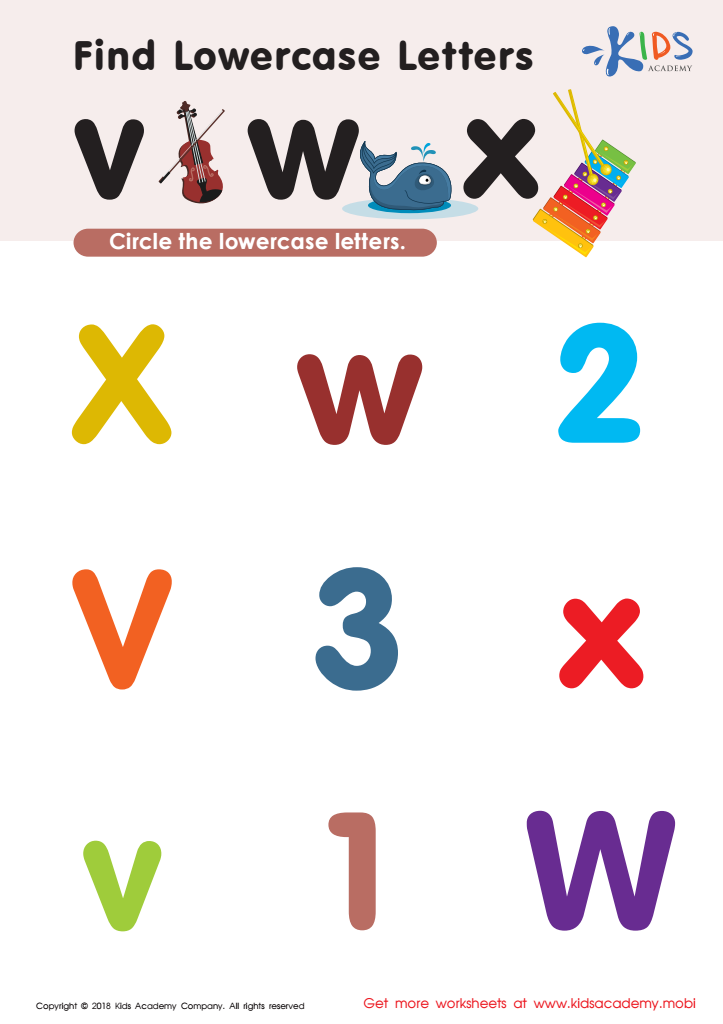
Find Lowercase Letters v w x Worksheet
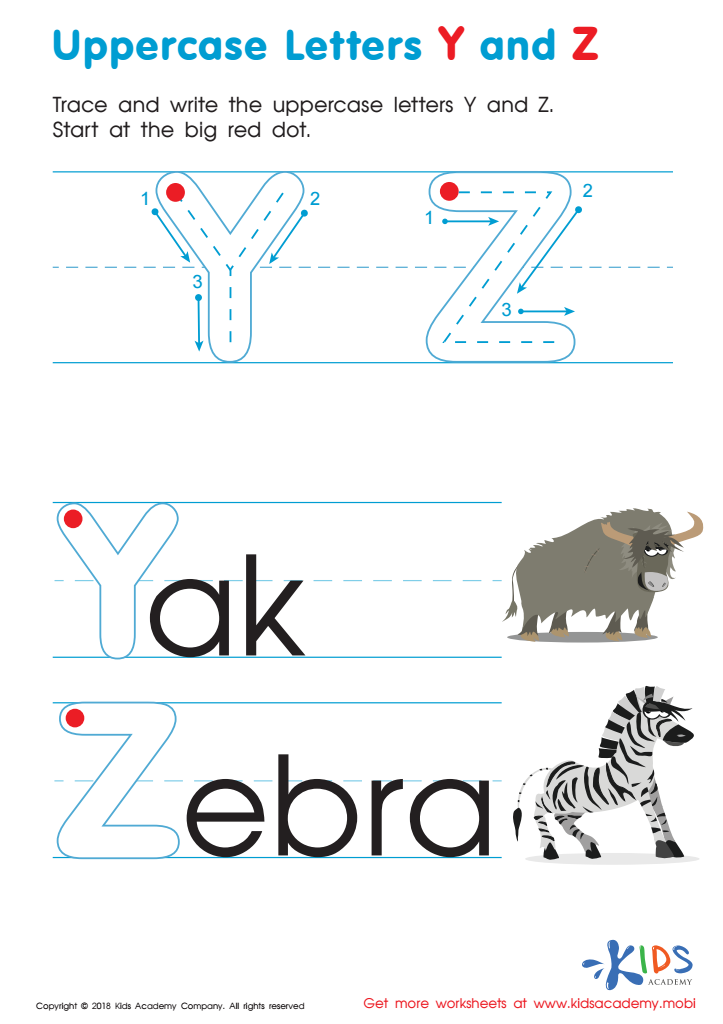
Uppercase Letters Y Z Worksheet
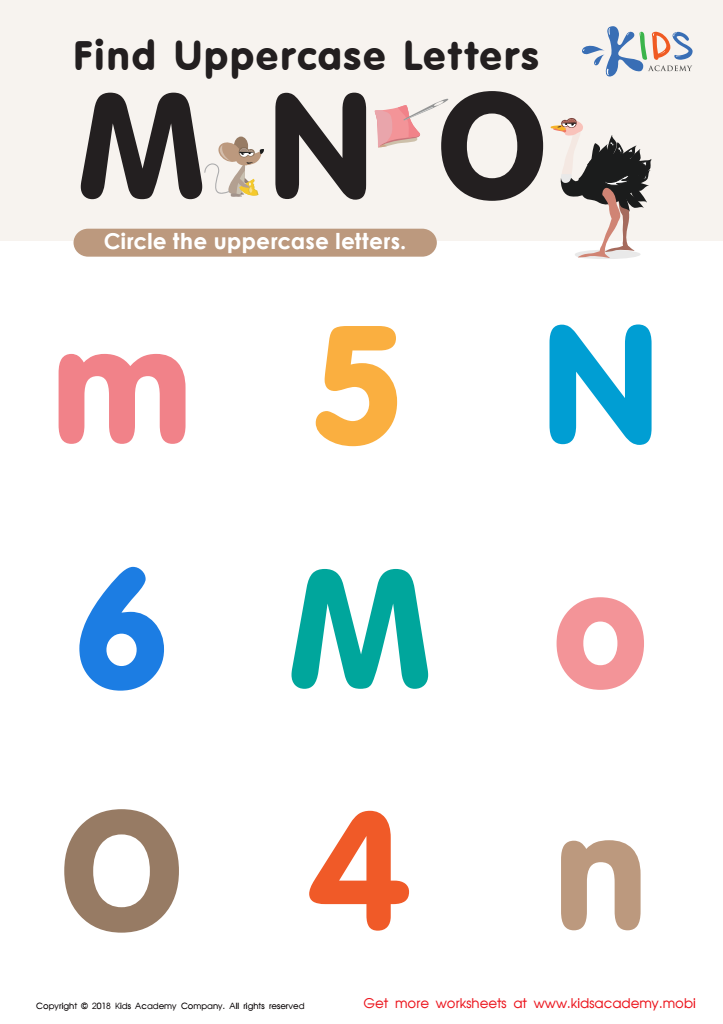
Find Uppercase Letters M, N, and O Worksheet
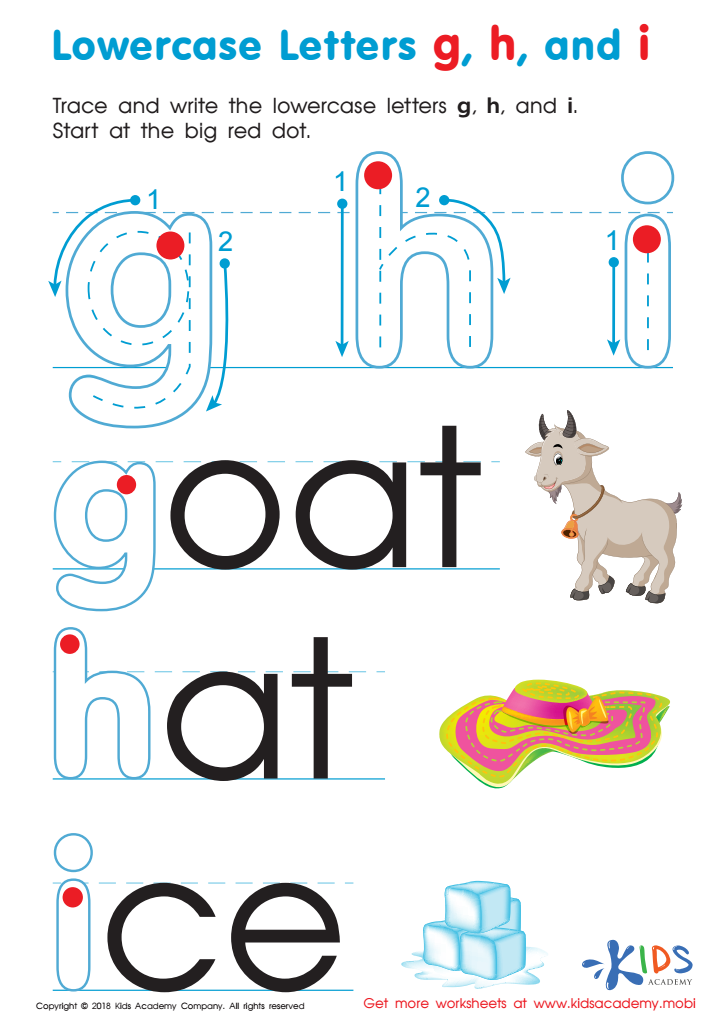
Lowercase Letters g h i Worksheet
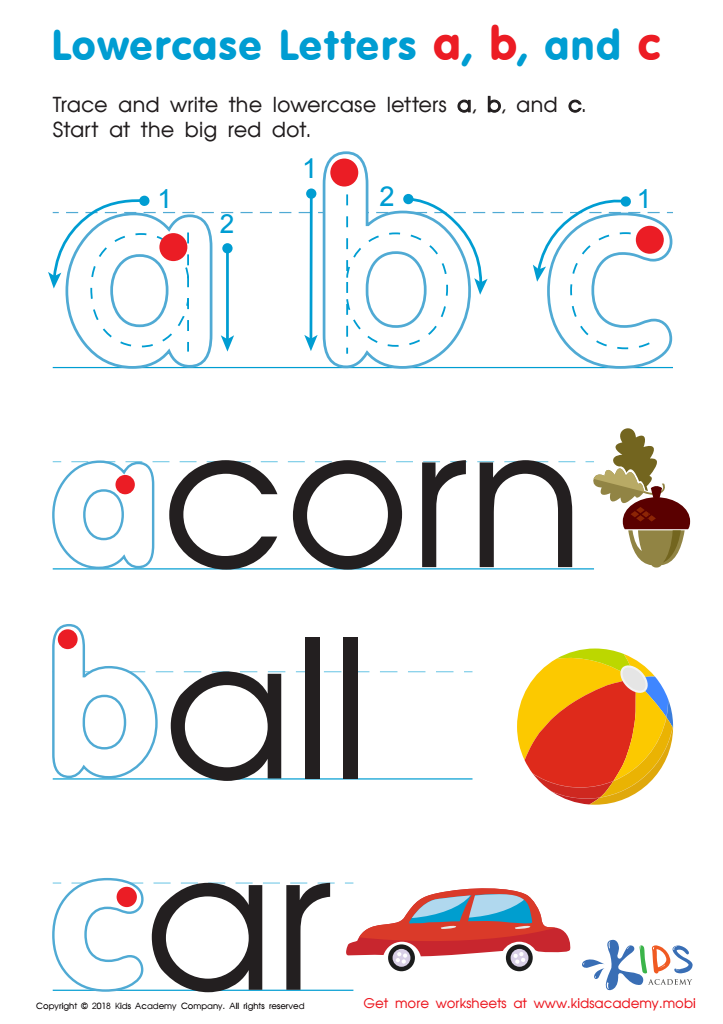
Lowercase Letters a b c Worksheet
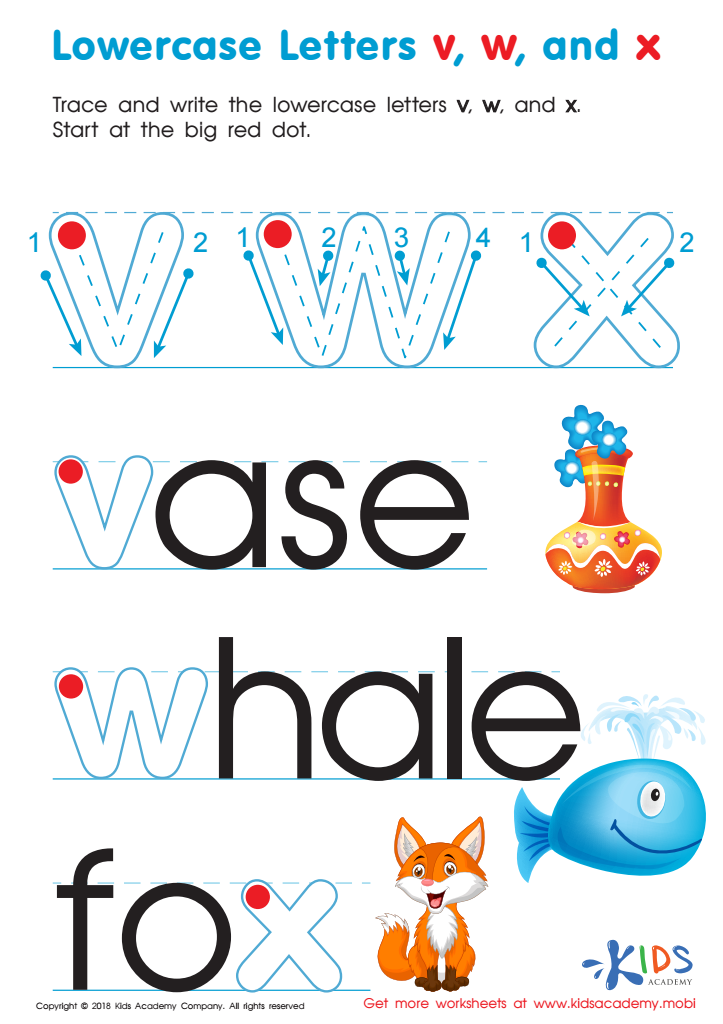
Lowercase Letters v w x Worksheet
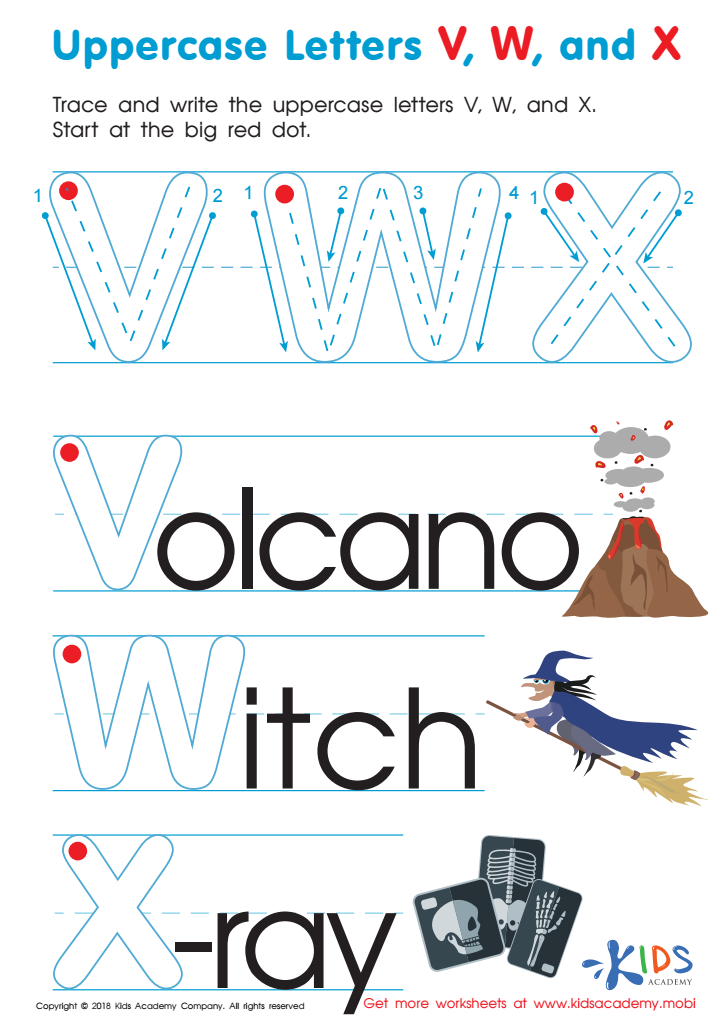
Uppercase Letters V, W, and X Worksheet






Understanding and mastering normal upper and lowercase letters is crucial for children aged 6-7, as it lays the foundation for their writing and reading skills. At this young age, children are transitioning from learning the basic phonetics to applying this knowledge in written communication. Recognizing and using upper and lowercase letters properly enhances their reading fluency, which is vital for comprehension and overall literacy development.
Parents and teachers should emphasize this skill because it aids in developing a child’s ability to differentiate between proper nouns (which begin with uppercase letters) and common nouns. This distinction is foundational for spelling, grammar, and syntax, forming an essential part of effective communication.
Additionally, familiarity with both upper and lowercase letters promotes confidence in writing, allowing children to express themselves coherently. It also fosters fine motor skills through writing practice, enhancing their handwriting abilities.
By encouraging practice and providing positive reinforcement, caregivers can cultivate a love for reading and writing that motivates children to engage with texts. Ultimately, this skill set supports academic success and equips children with lifelong literacy skills, making it imperative for parents and teachers to prioritize this aspect of early education.







