Normal Measurement Worksheets for Ages 6-8 - Page 2
34 filtered results
-
From - To
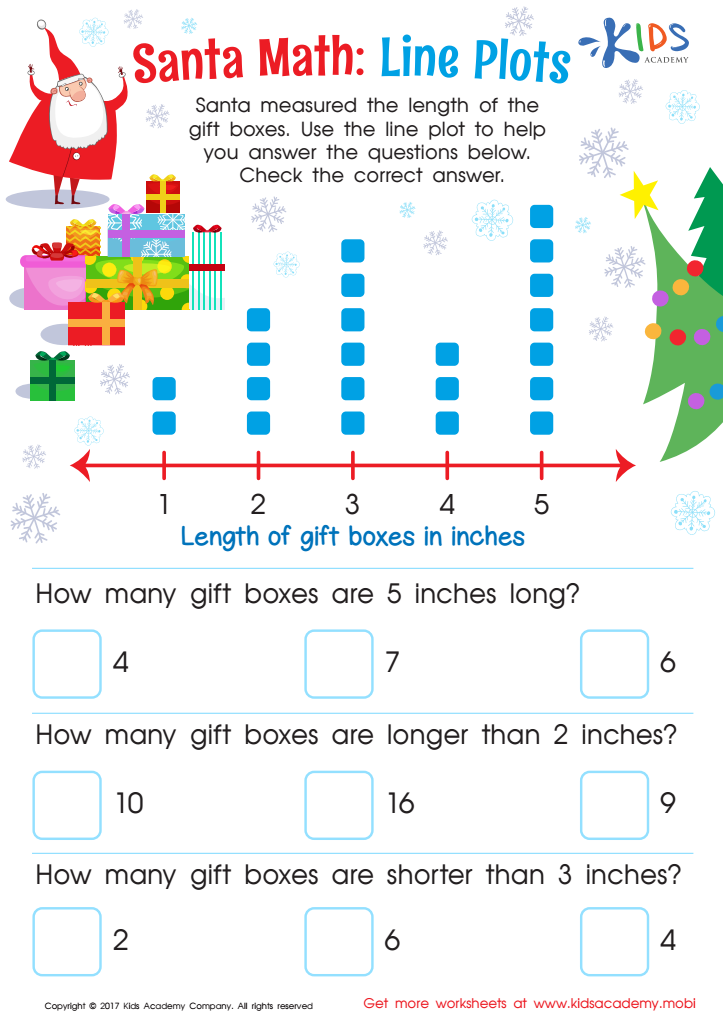
Line Plot Worksheet
 Assign to My Students
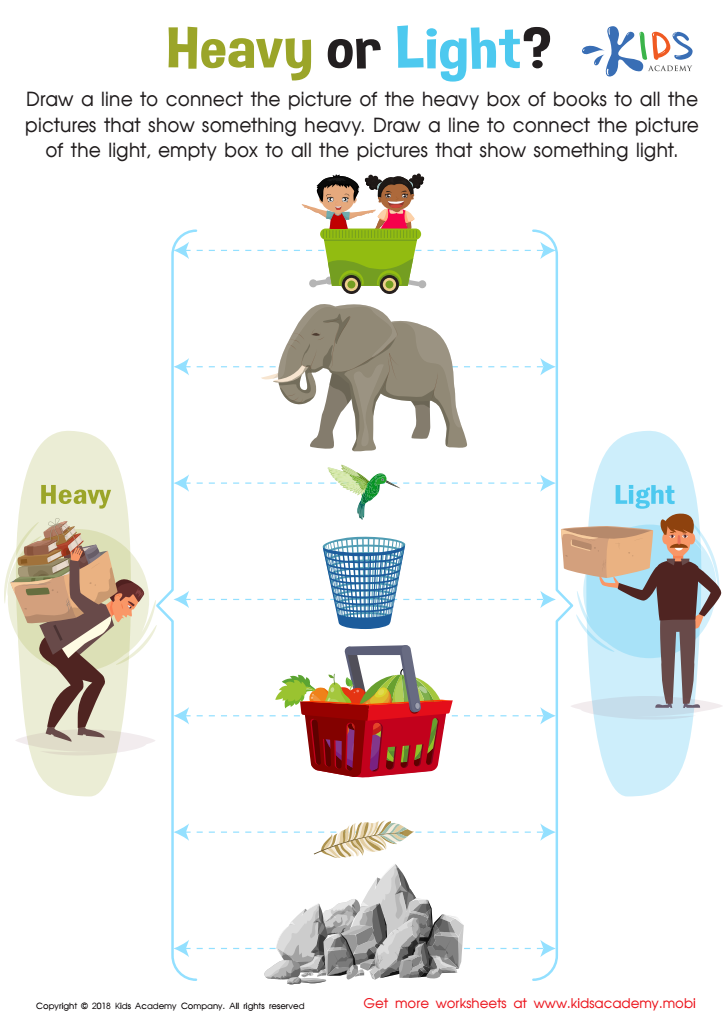
Heavy or Light? Worksheet
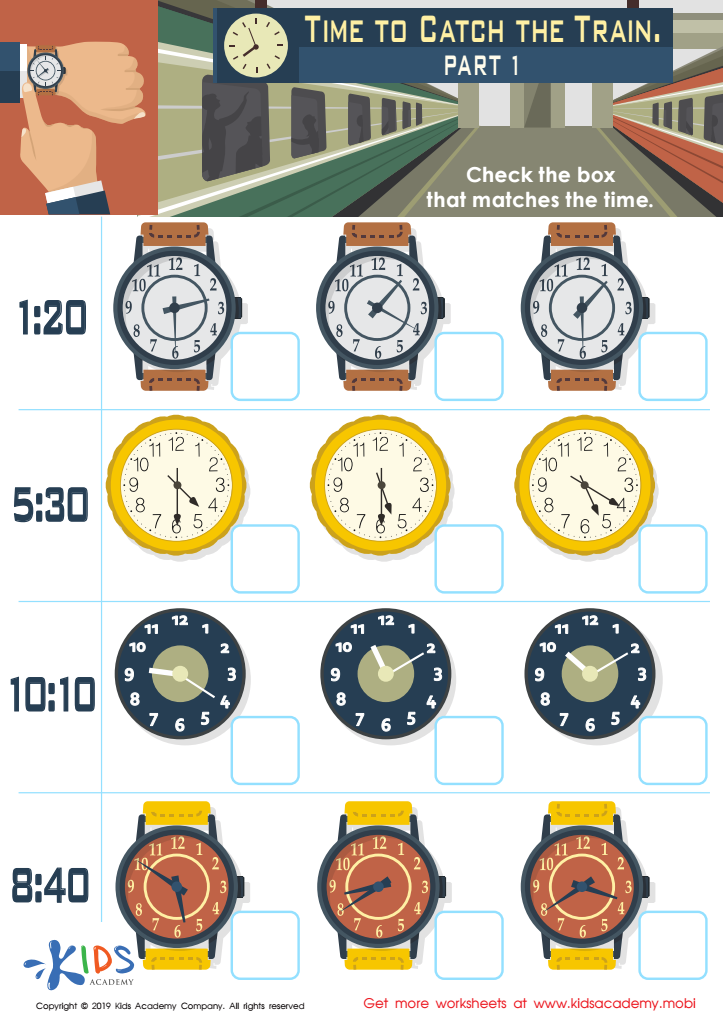
Time to Catch the Train Part 1 Worksheet
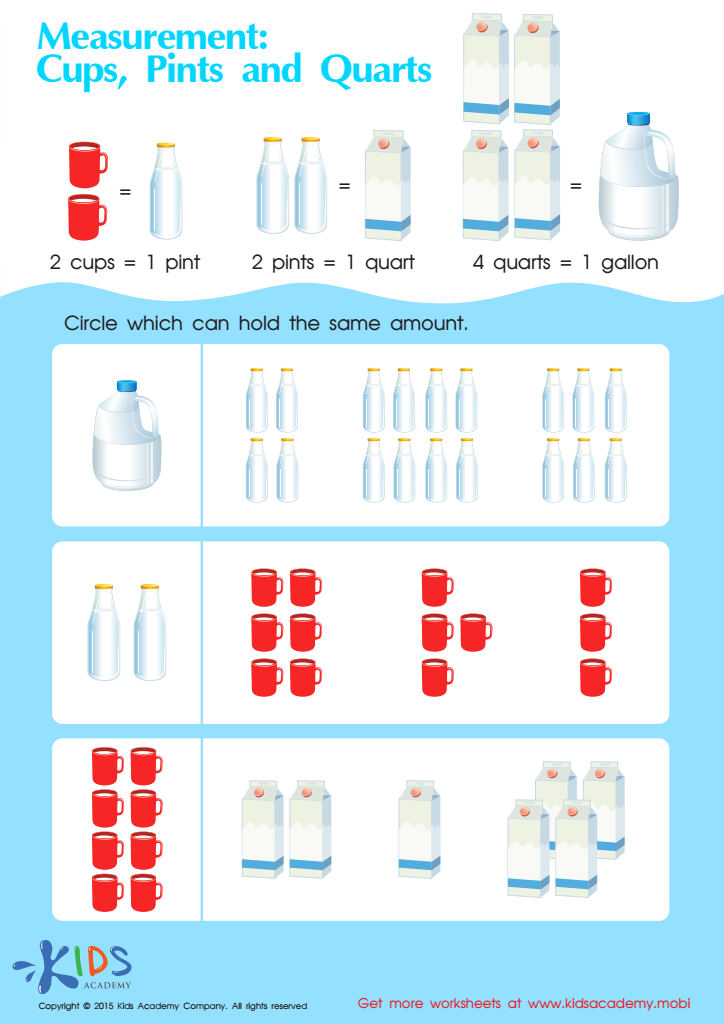
Cups, Pints and Quarts 2 Worksheet
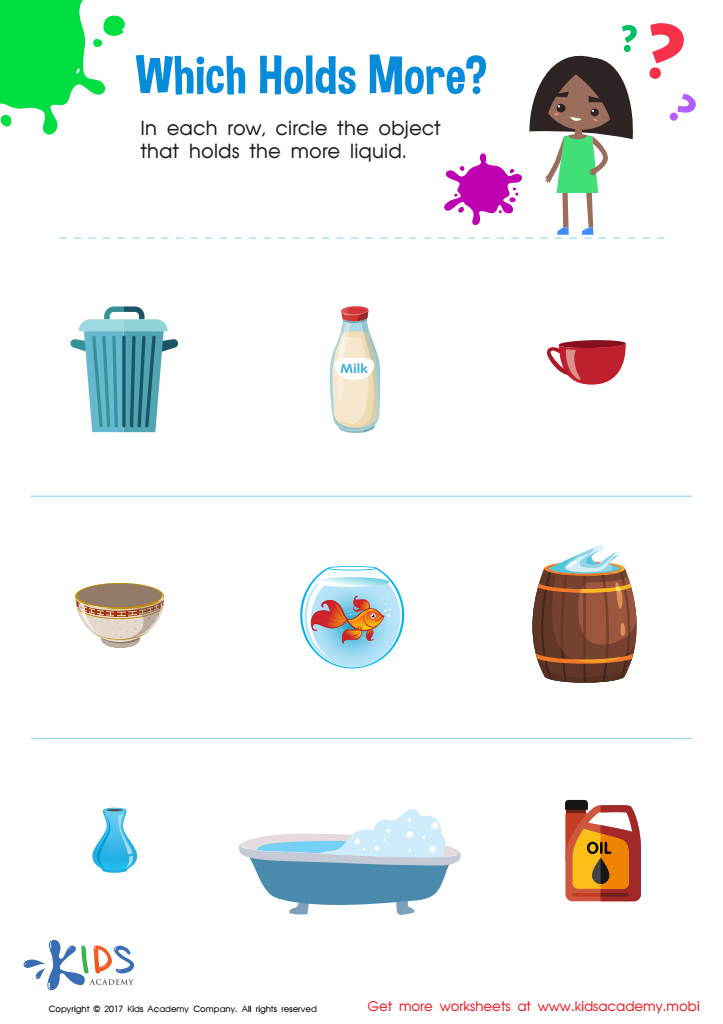
Which Holds More: Capacity Worksheet
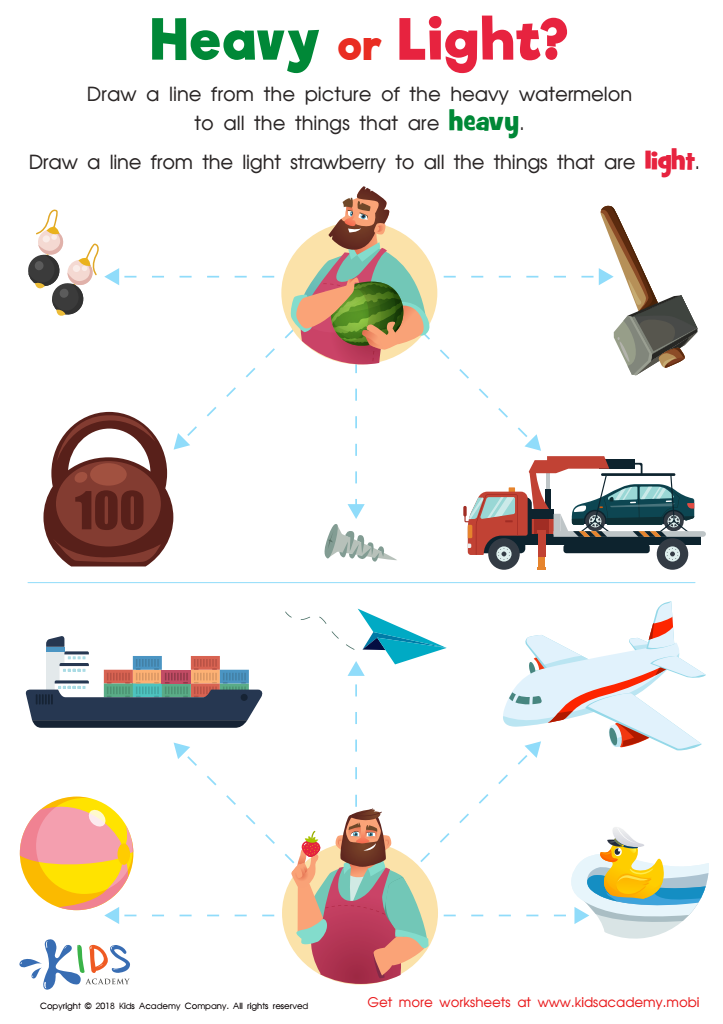
Heavy or Light? Worksheet
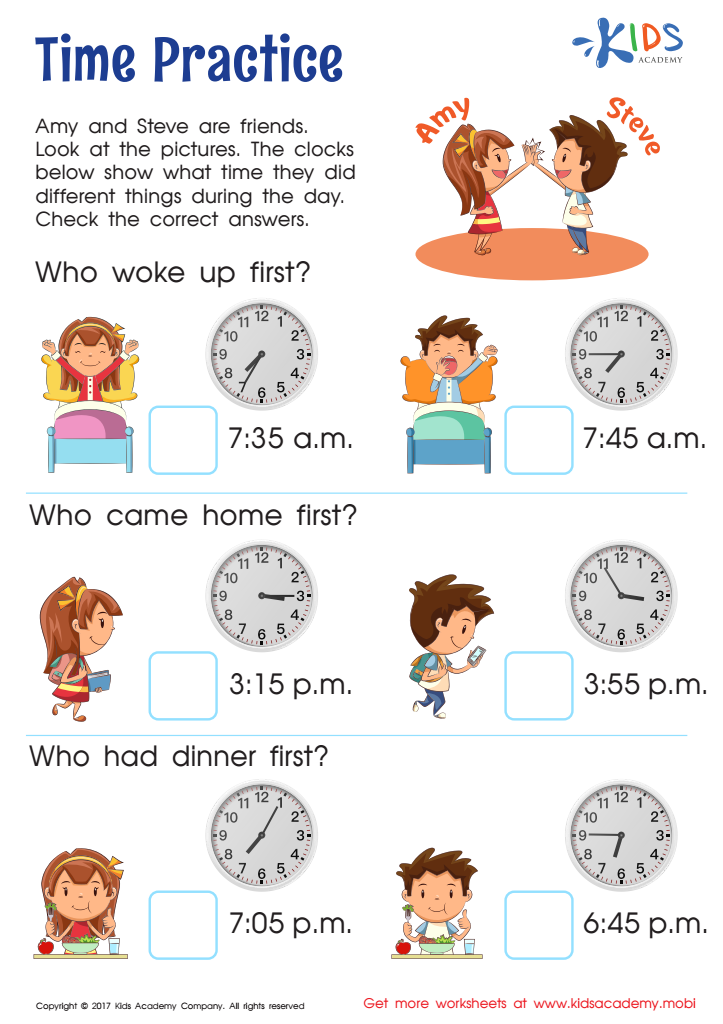
Time Practice Worksheet
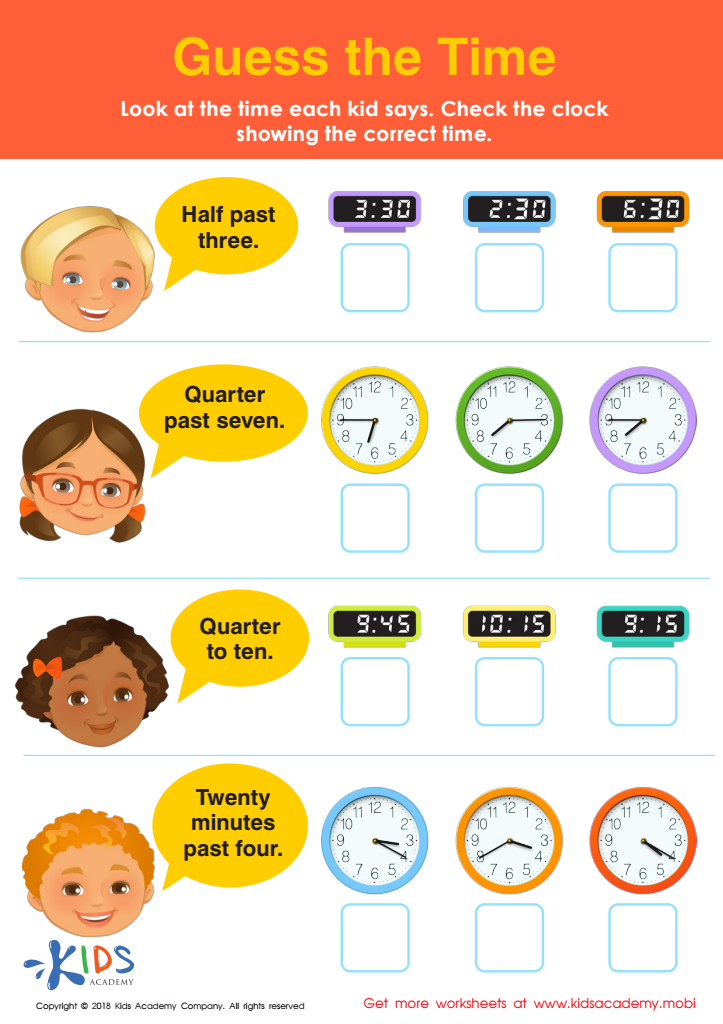
Guess the Time Worksheet
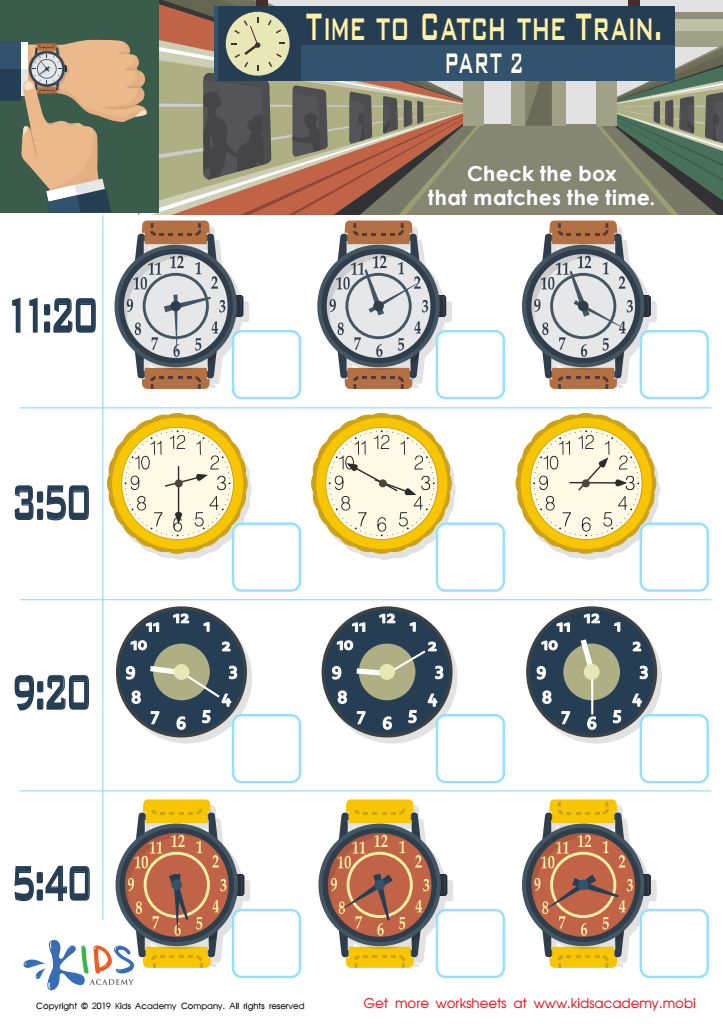
Time to Catch the Train Part 2 Worksheet
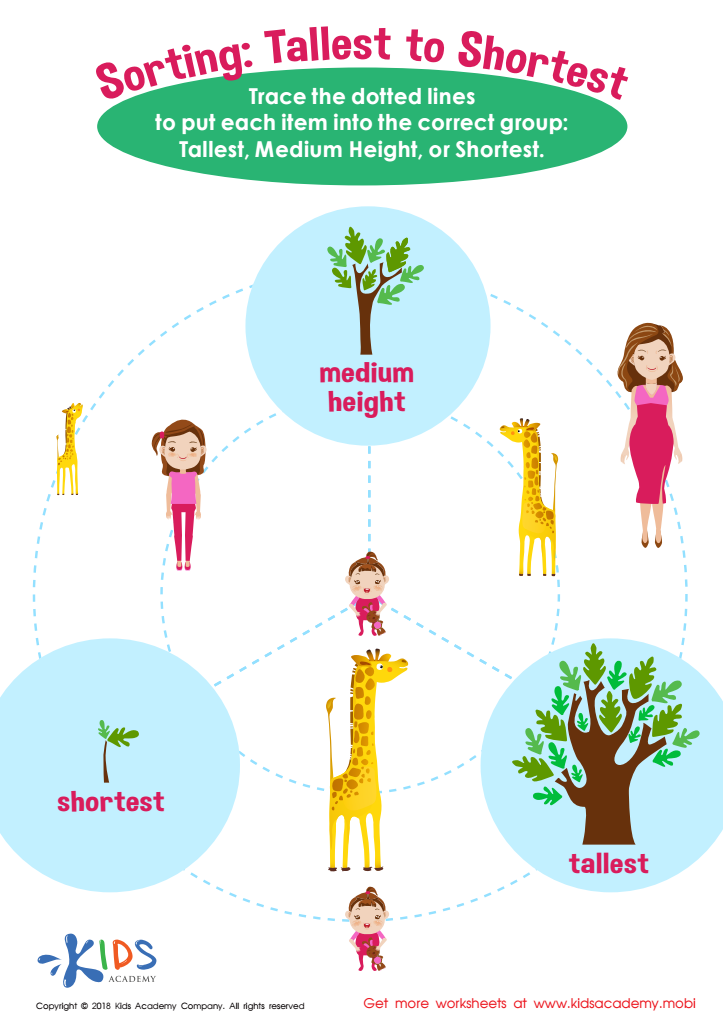
Sorting: Tallest to Shortest Worksheet








Normal measurement skills are foundational for children aged 6-8, playing a crucial role in their overall development. At this crucial stage, children are beginning to grasp the concepts of length, weight, volume, and time. Acquiring these skills helps them make sense of the world around them—whether it’s understanding how tall they are compared to a friend, measuring ingredients for a recipe, or telling time.
Parents and teachers should care about normal measurement because these skills encourage critical thinking and problem-solving. As children explore measurement, they engage in hands-on activities that promote inquiry and exploration. Moreover, it supports cognitive development by enhancing spatial awareness and mathematical thinking.
Early mastery of measurement can have lasting effects on children's academic trajectories. By facilitating positive experiences with measurement in the home and classroom, we foster confidence and a positive attitude towards STEM (Science, Technology, Engineering, Mathematics) subjects. Furthermore, these measurements intersect with everyday life, from cooking to shopping, making them highly relevant skills as children grow.
Ultimately, ensuring children develop a strong understanding of normal measurement equips them with essential life skills that promote independence and innovation in their future endeavors.








