Normal Reading Comprehension Worksheets for Ages 6-8 - Page 2
188 filtered results
-
From - To
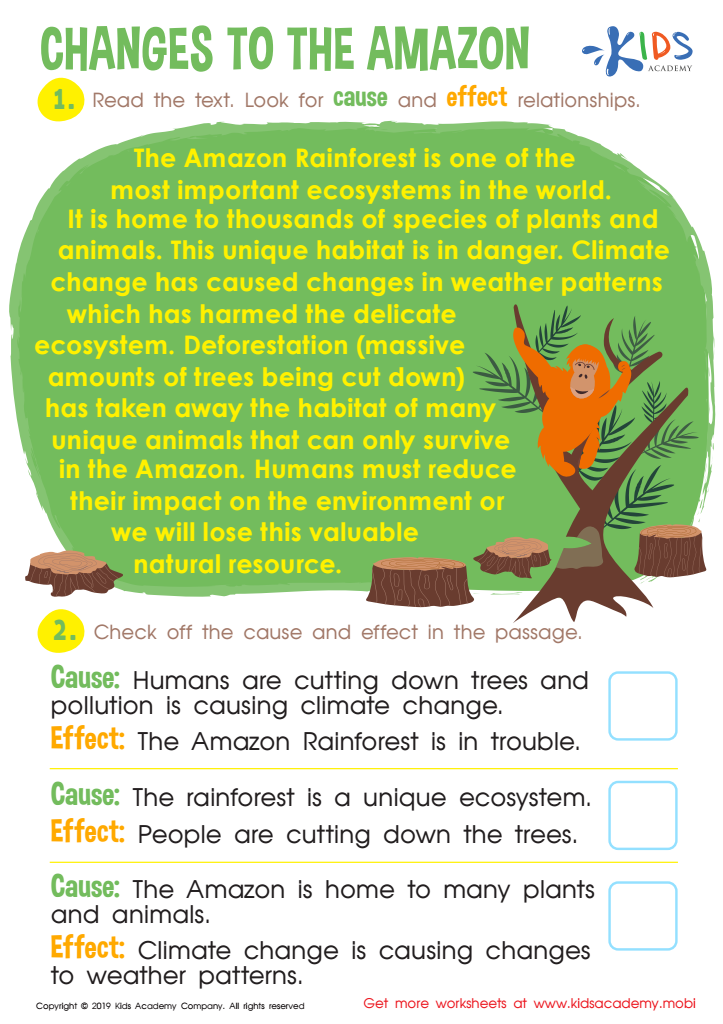
Changes to the Amazon Worksheet
 Assign to My Students
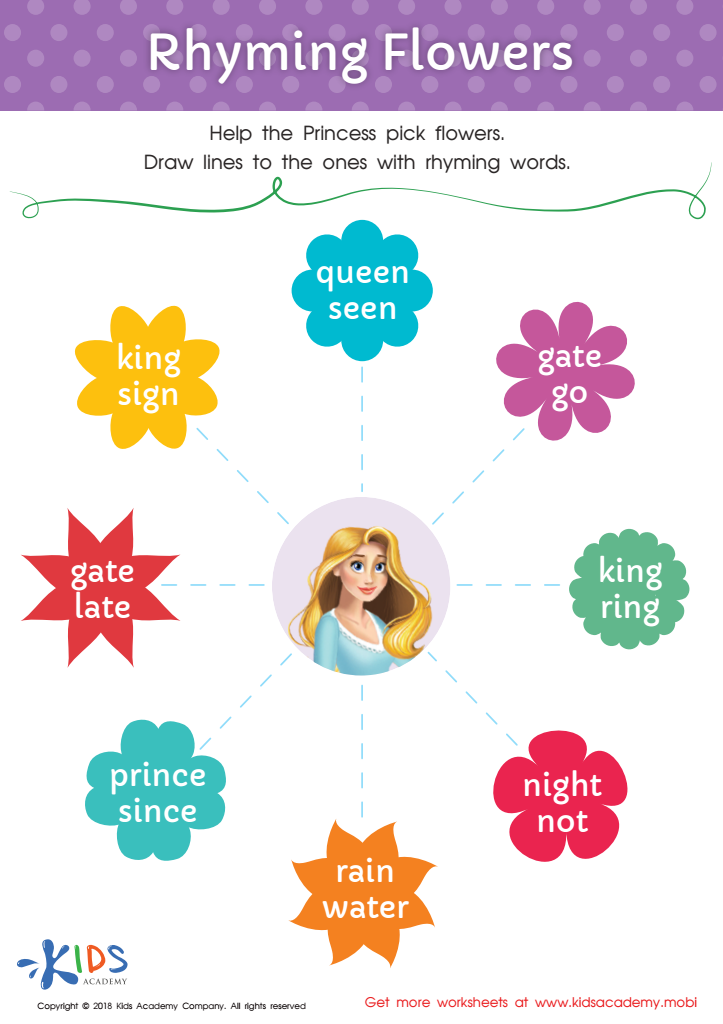
Rhyming Flowers Worksheet
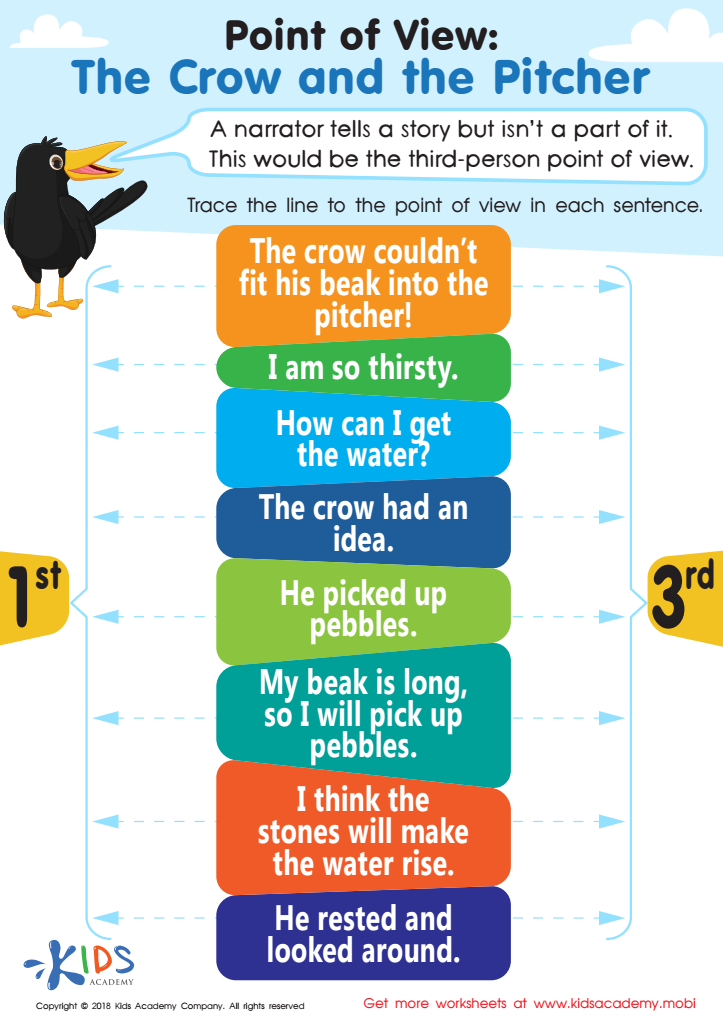
Point of View: The Crow and the Pitcher Worksheet
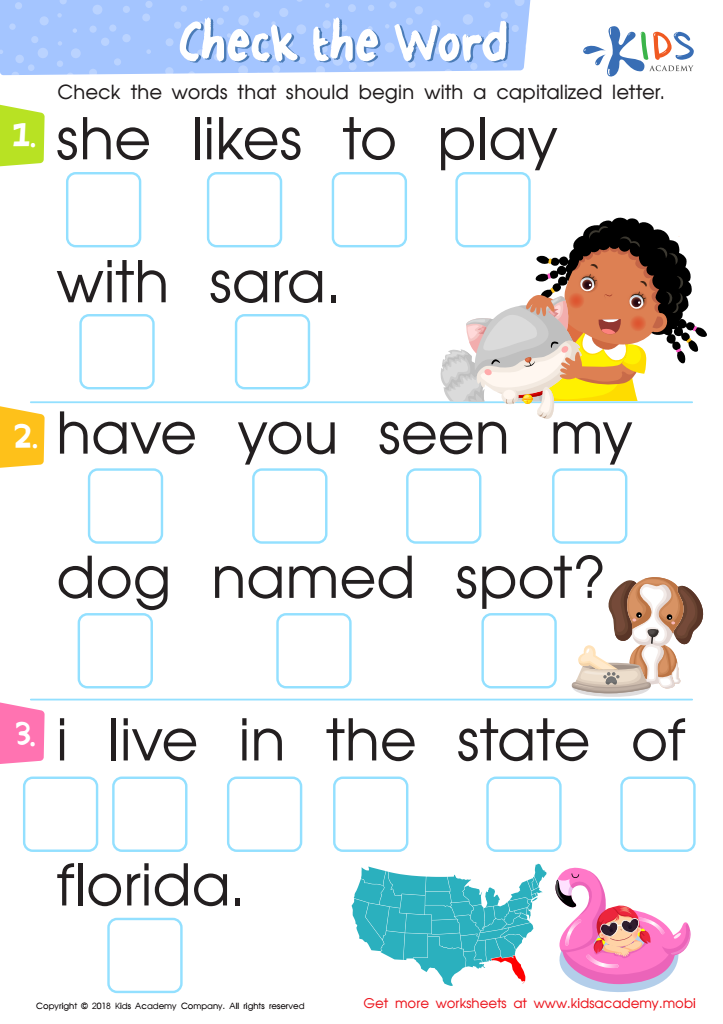
Check the Word Worksheet
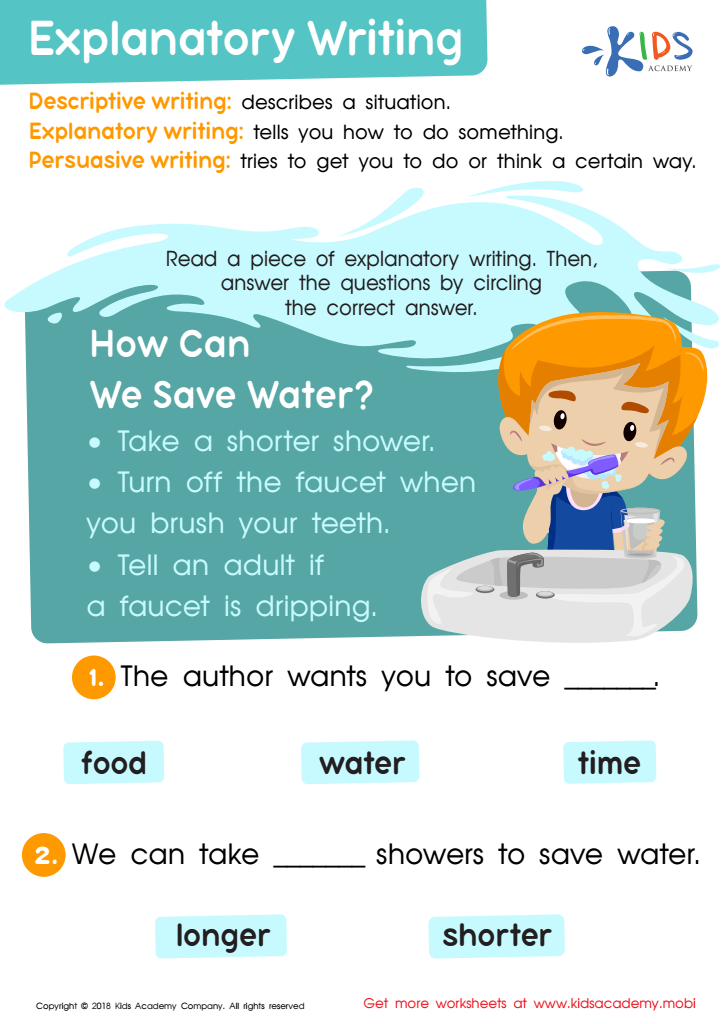
Explanatory Writing Worksheet
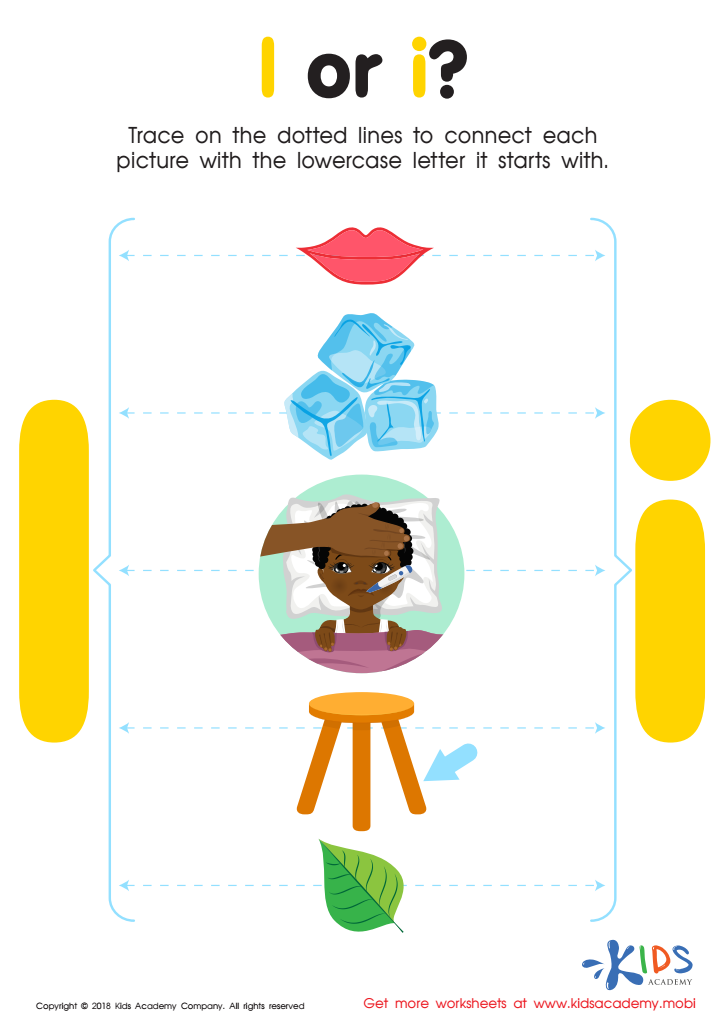
l or i? Worksheet
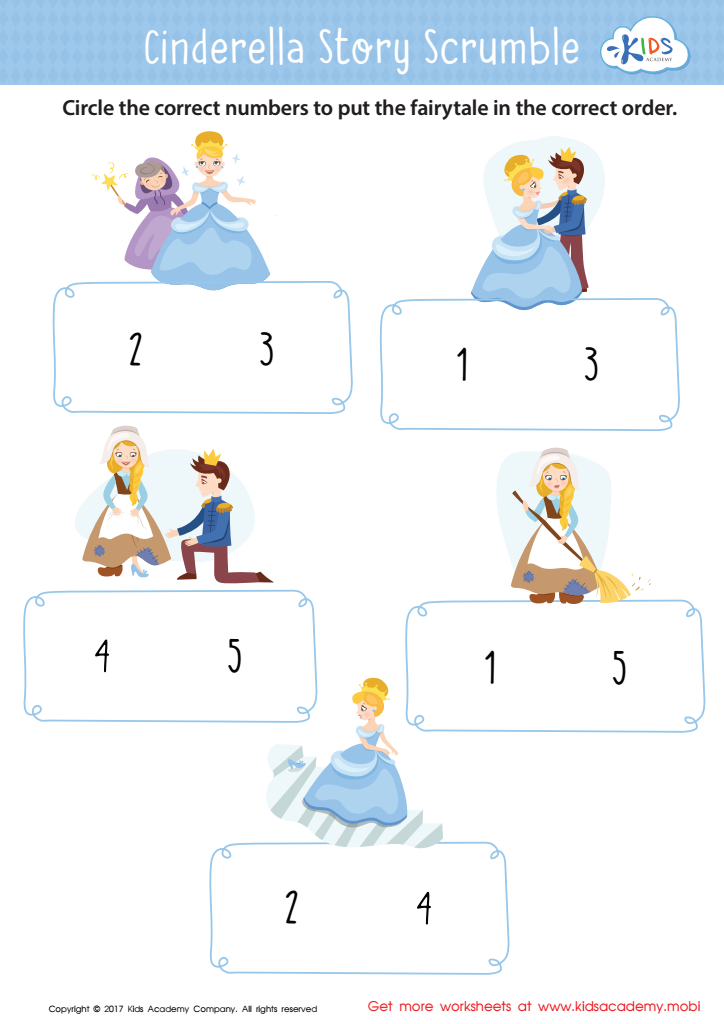
Cinderella Story Sequencing Worksheet
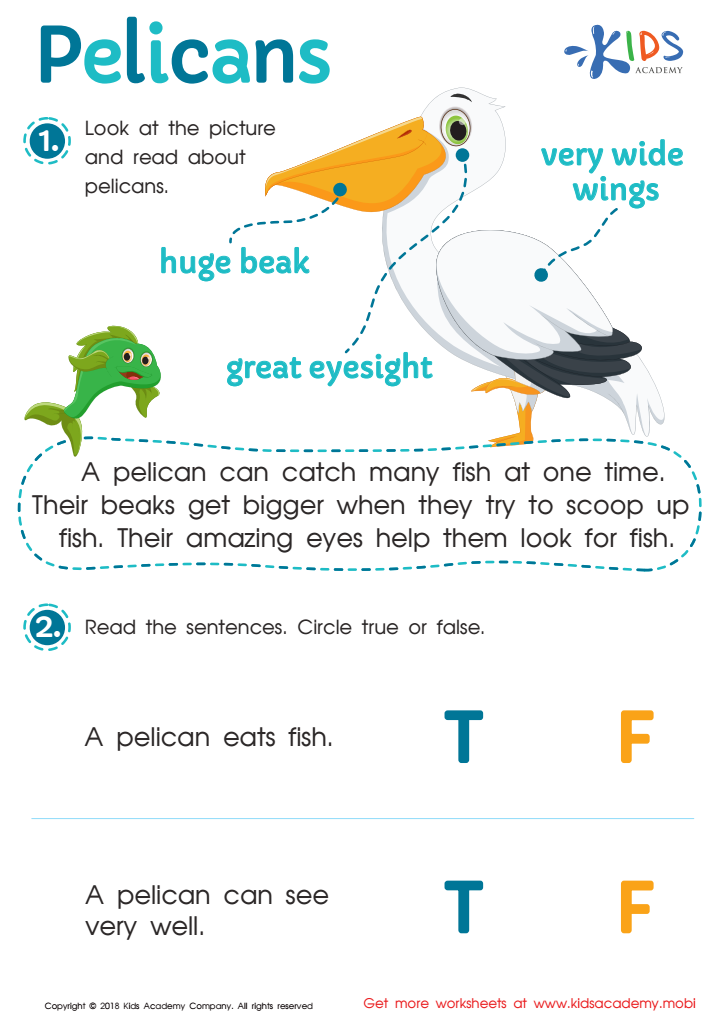
Pelicans Worksheet
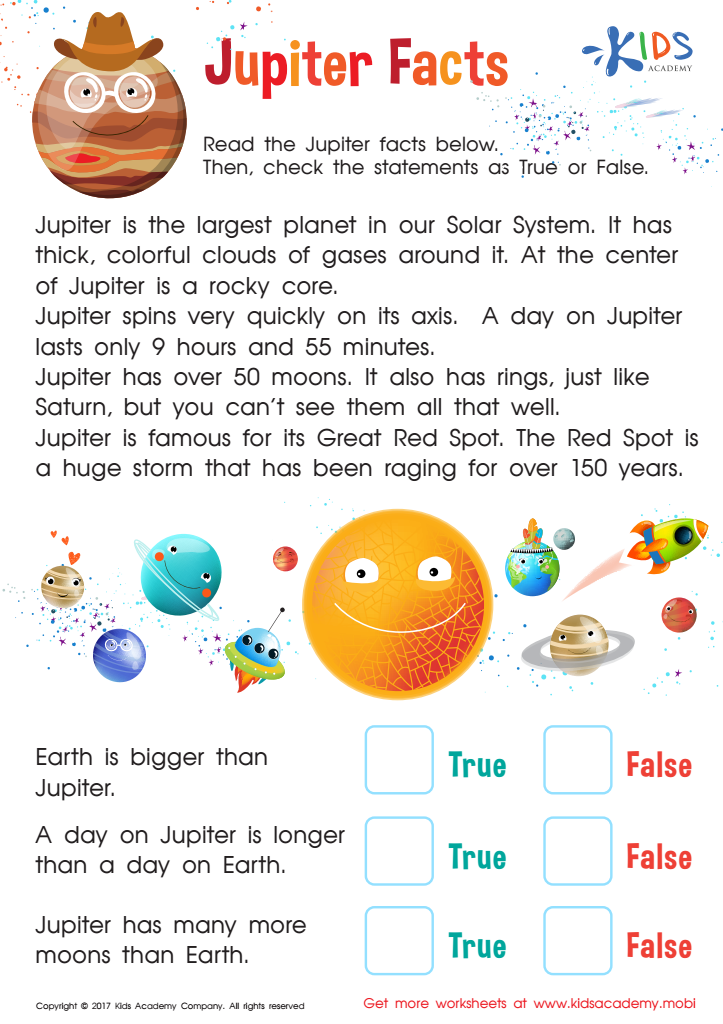
Jupiter Facts Worksheet
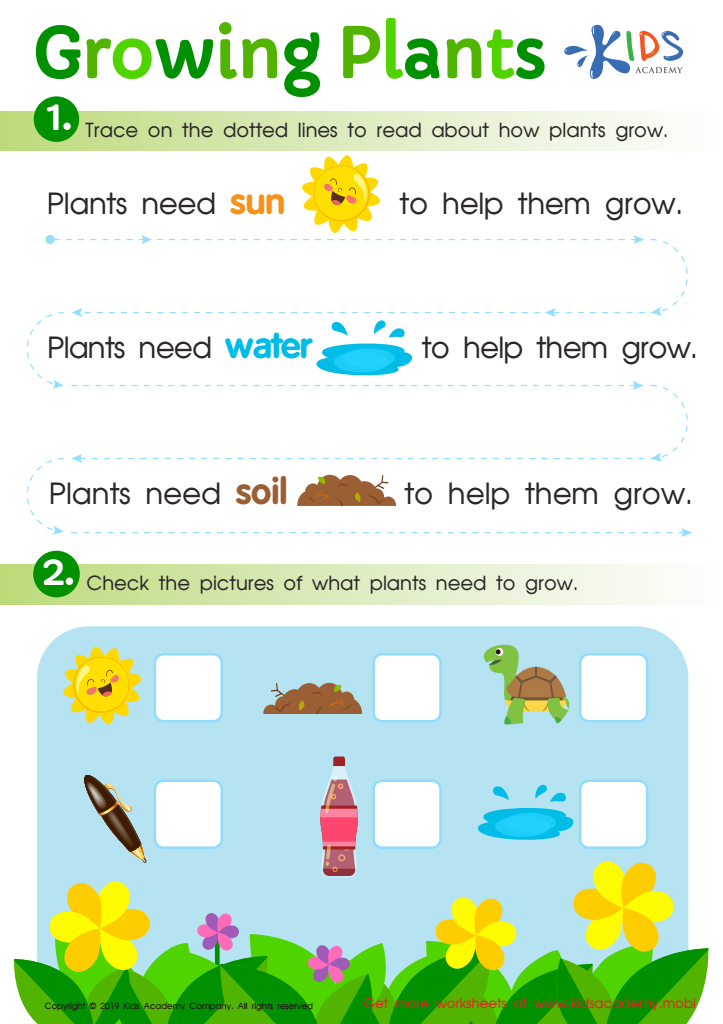
Growing Plants Worksheet
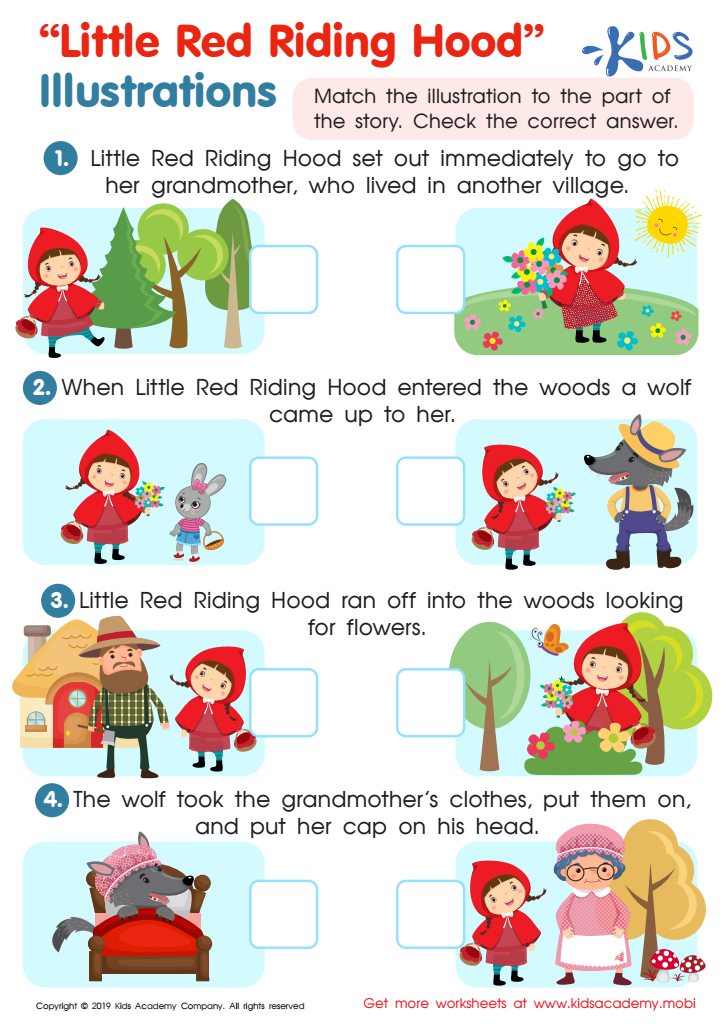
Little Red Riding Hood: Illustrations Worksheet
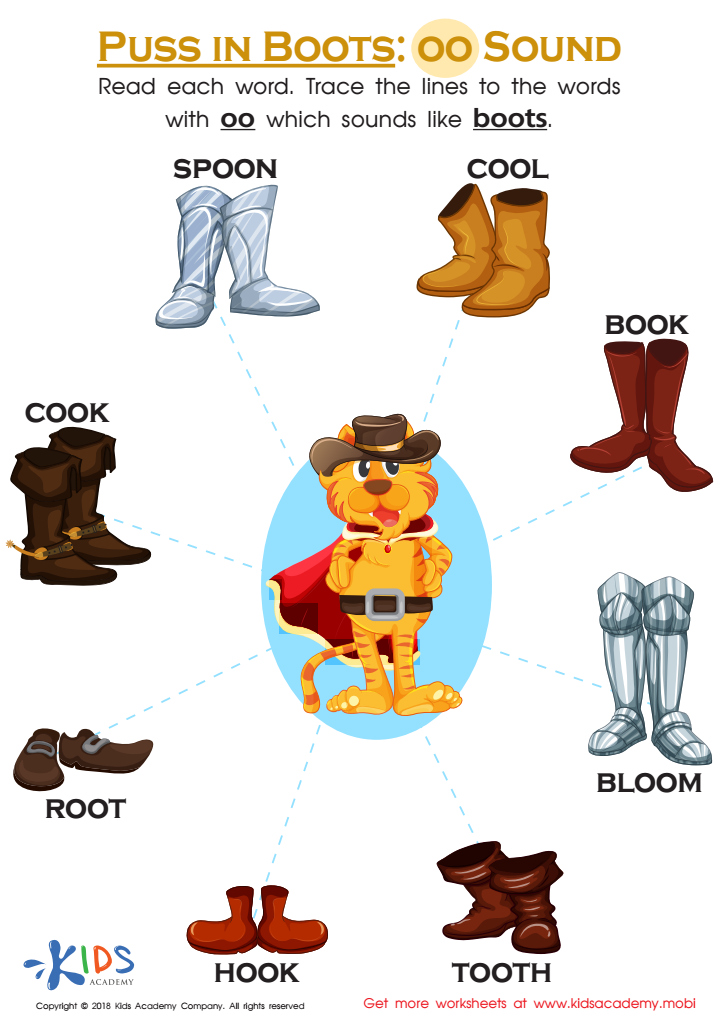
Puss in Boots: OO Sound Worksheet
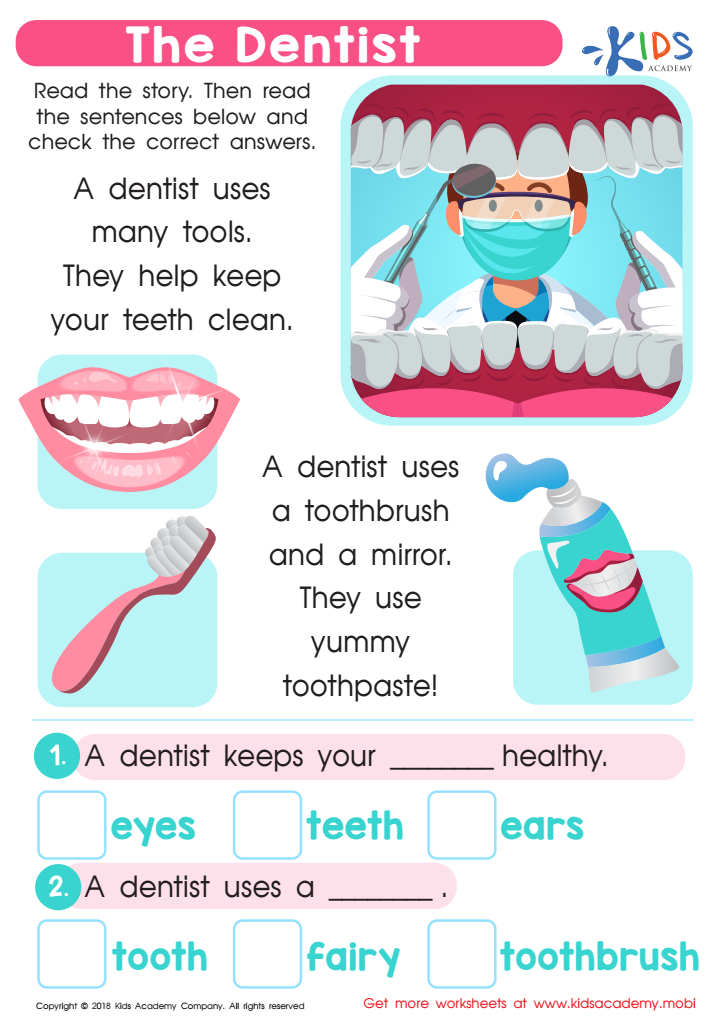
The Dentist Worksheet
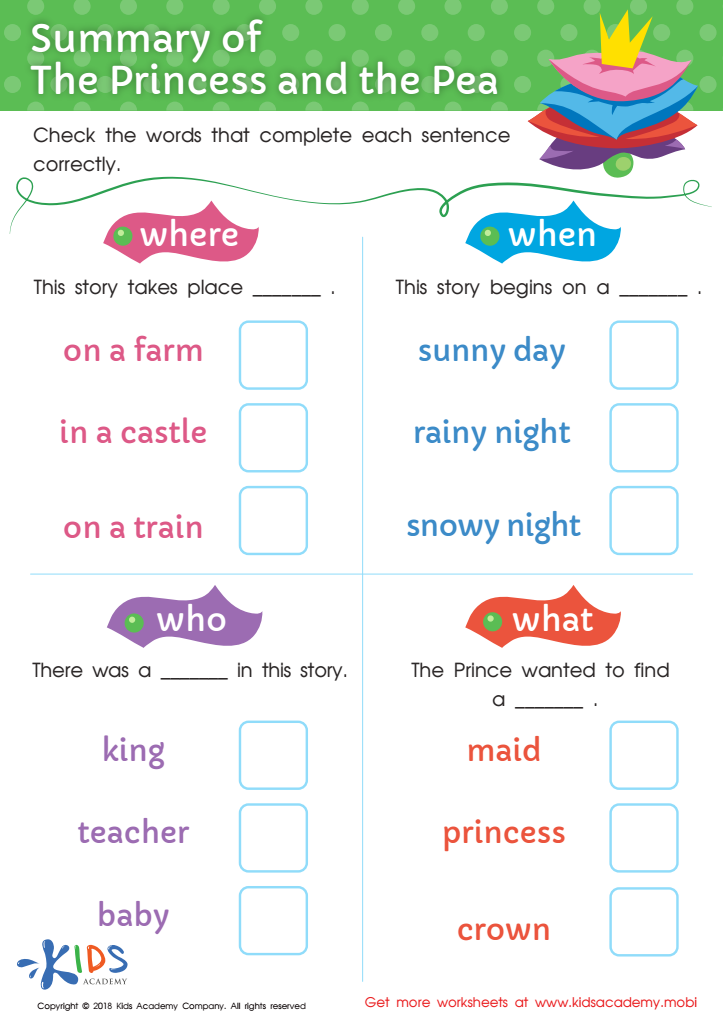
The Summary of the Princess and the Pea Worksheet
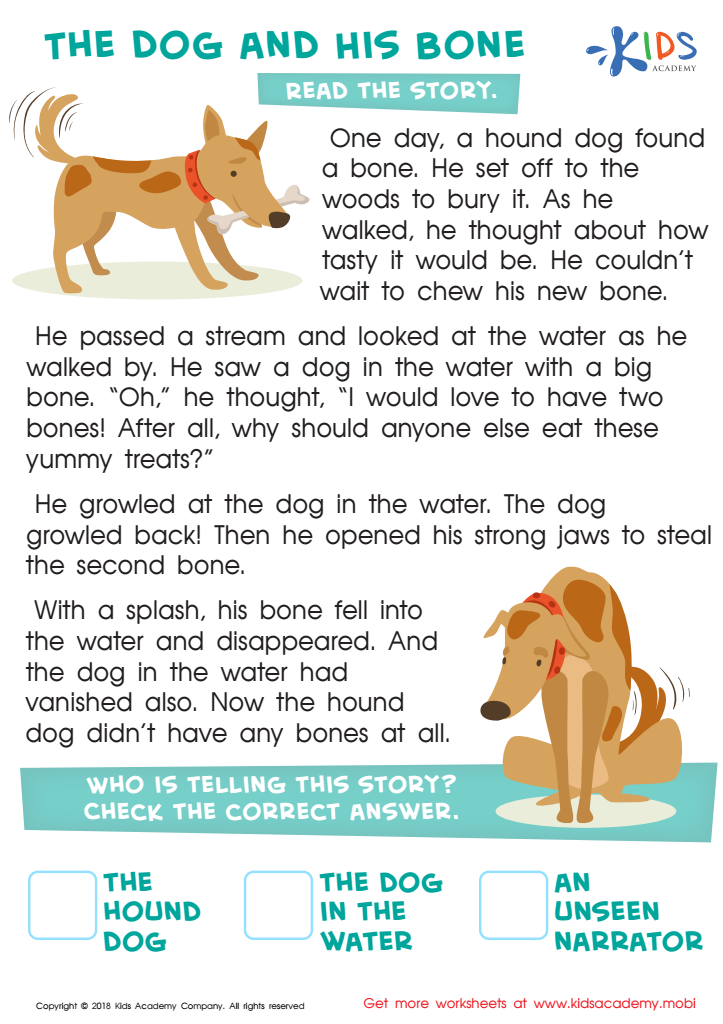
The Dog and His Bone Worksheet
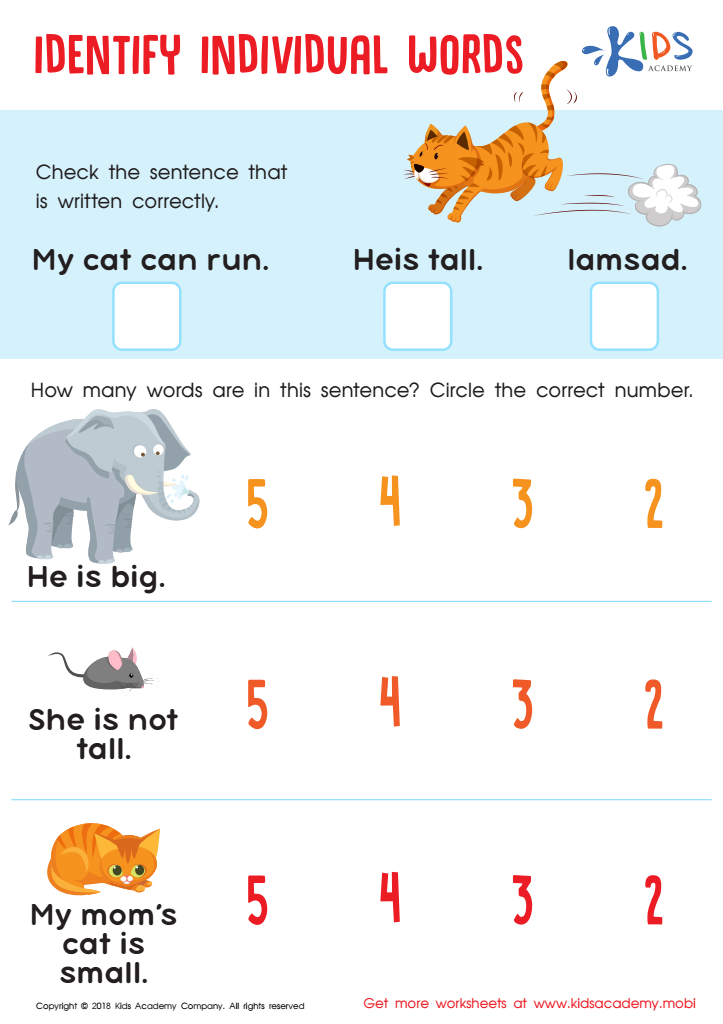
Identify Individual Words Worksheet
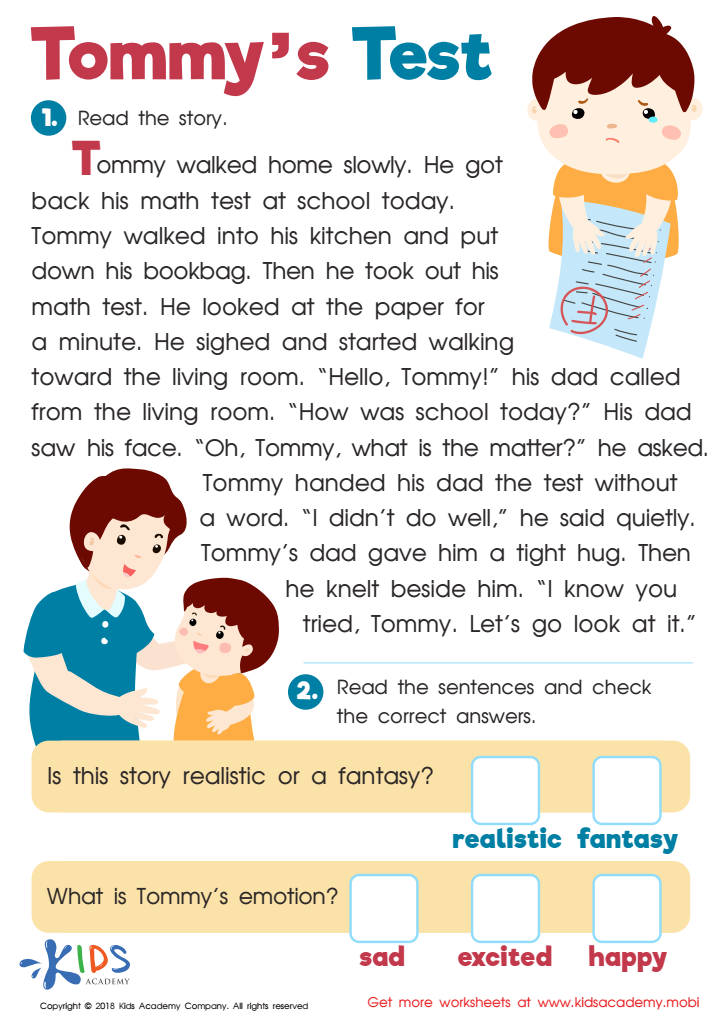
Tommys Test Worksheet
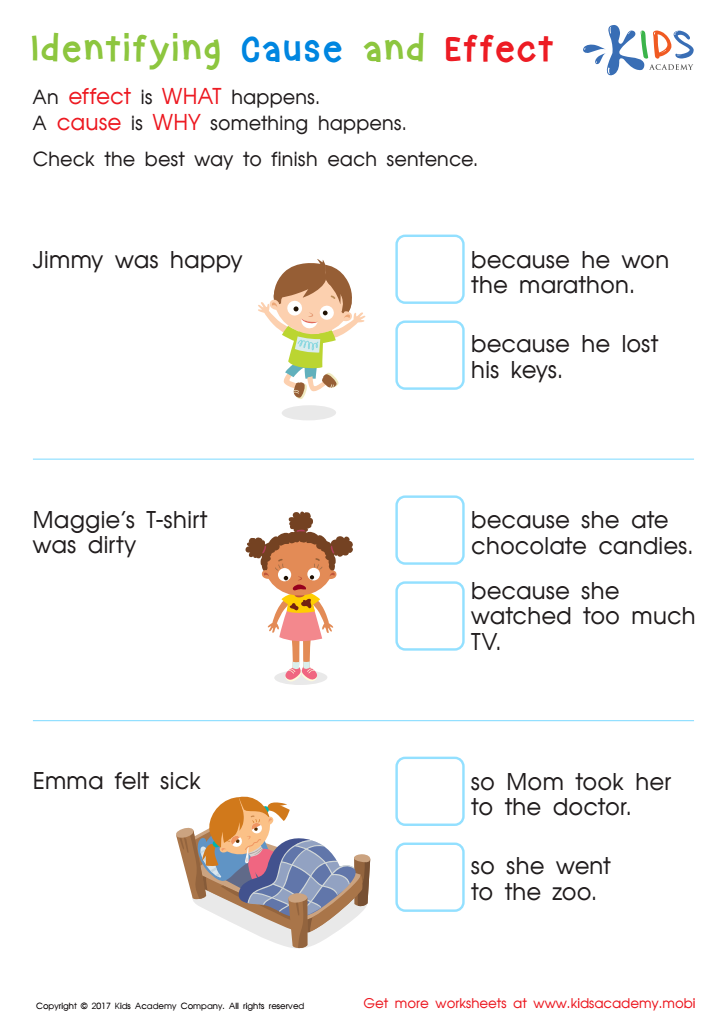
Indentifying Cause and Effect Worksheet
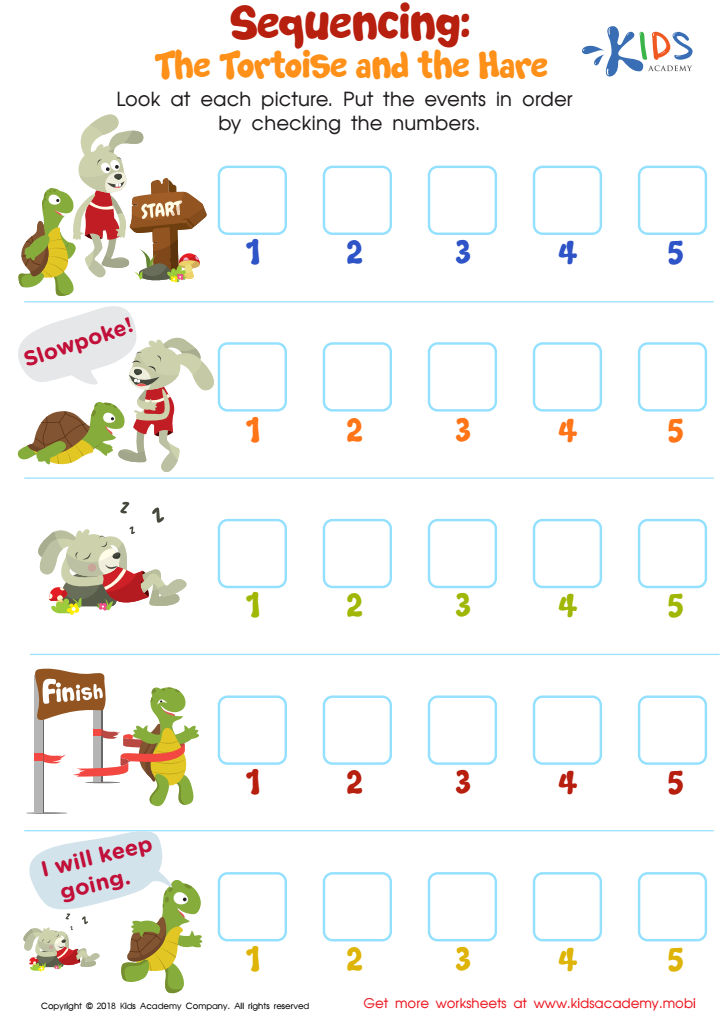
Sequencing: The Tortoise and the Hare Worksheet
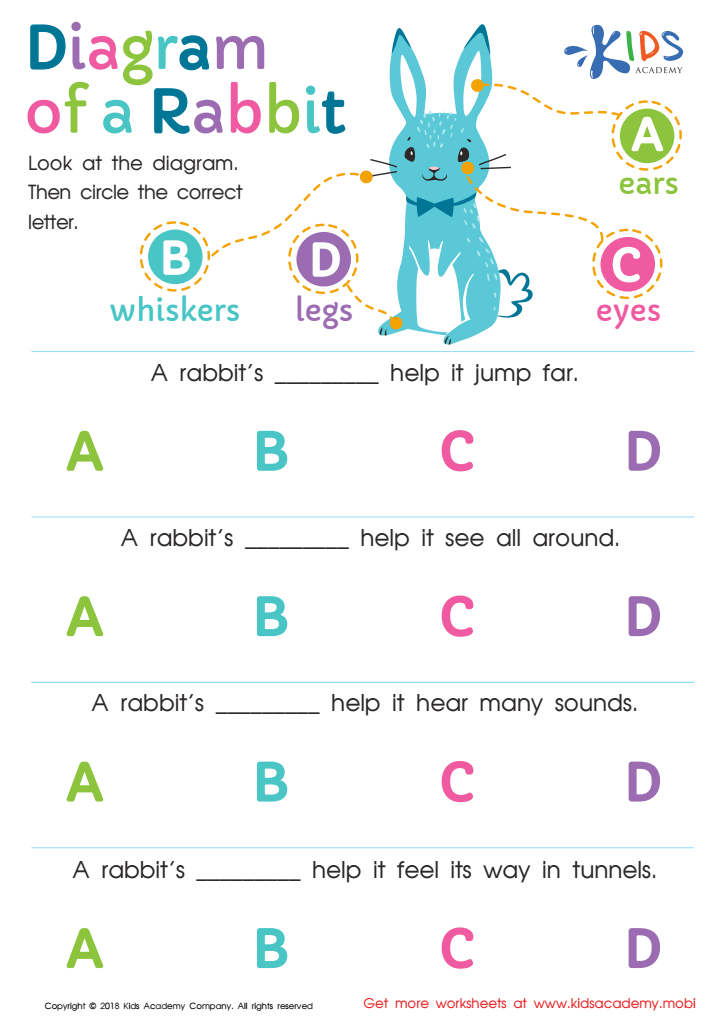
Diagram of a Rabbit Worksheet
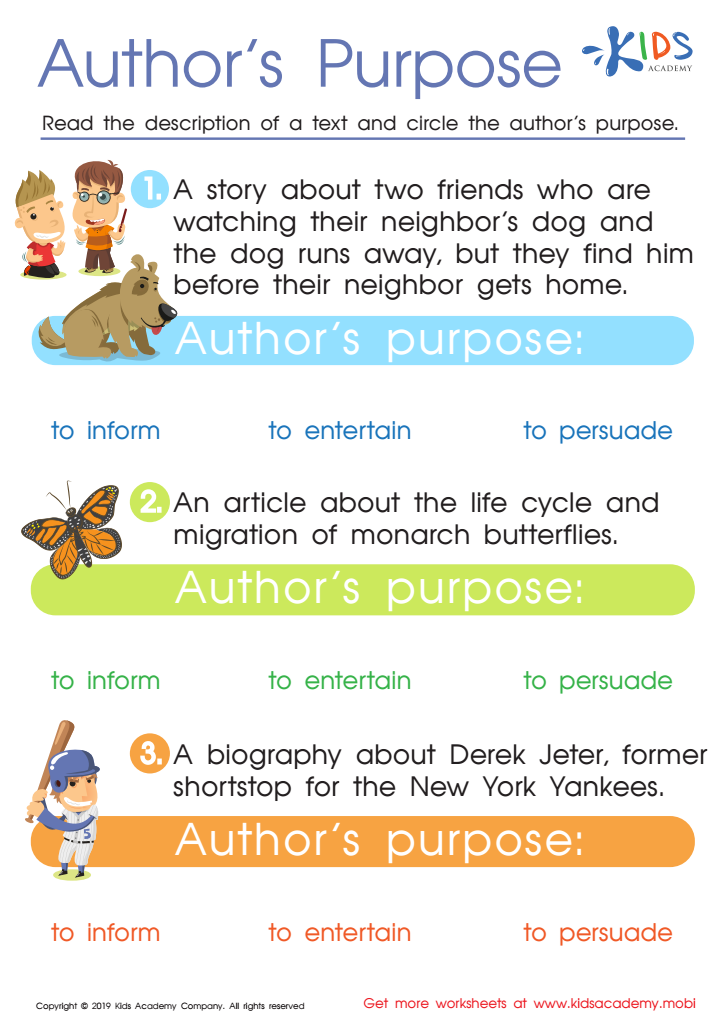
Author's Purpose Worksheet
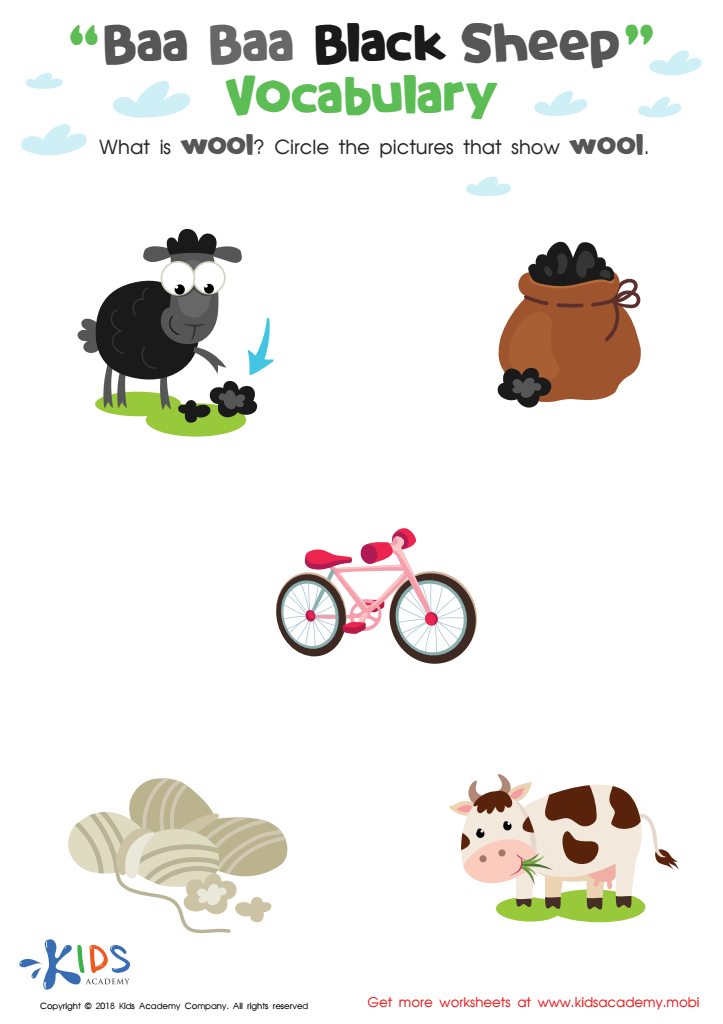
Baa Baa Black Sheep: Vocabulary Worksheet
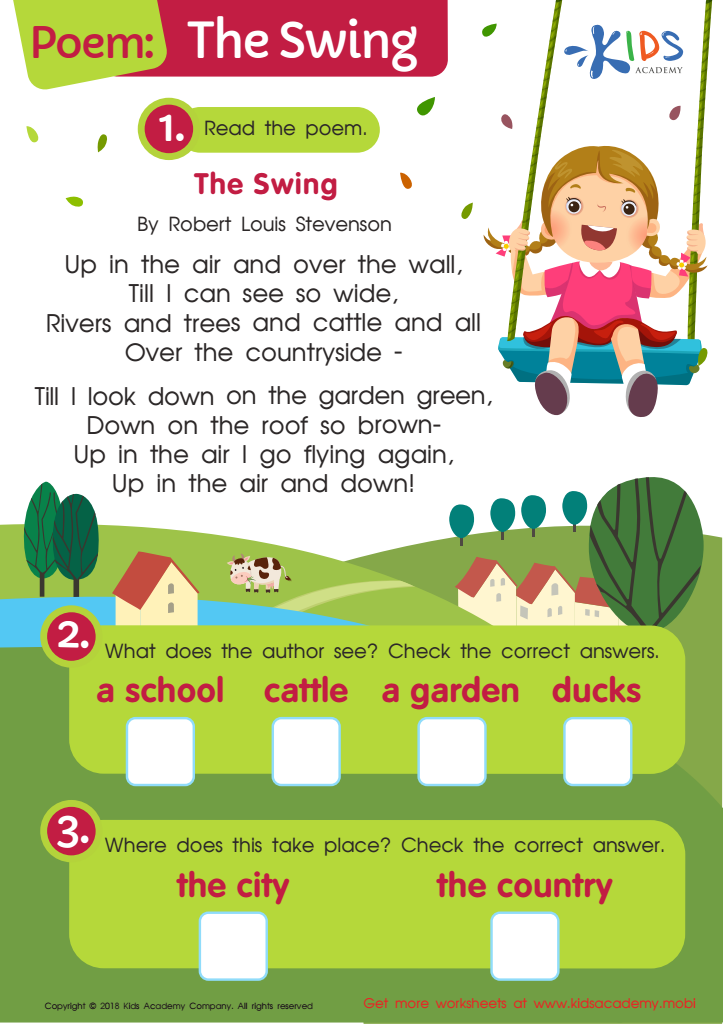
Poem: The Swing Worksheet
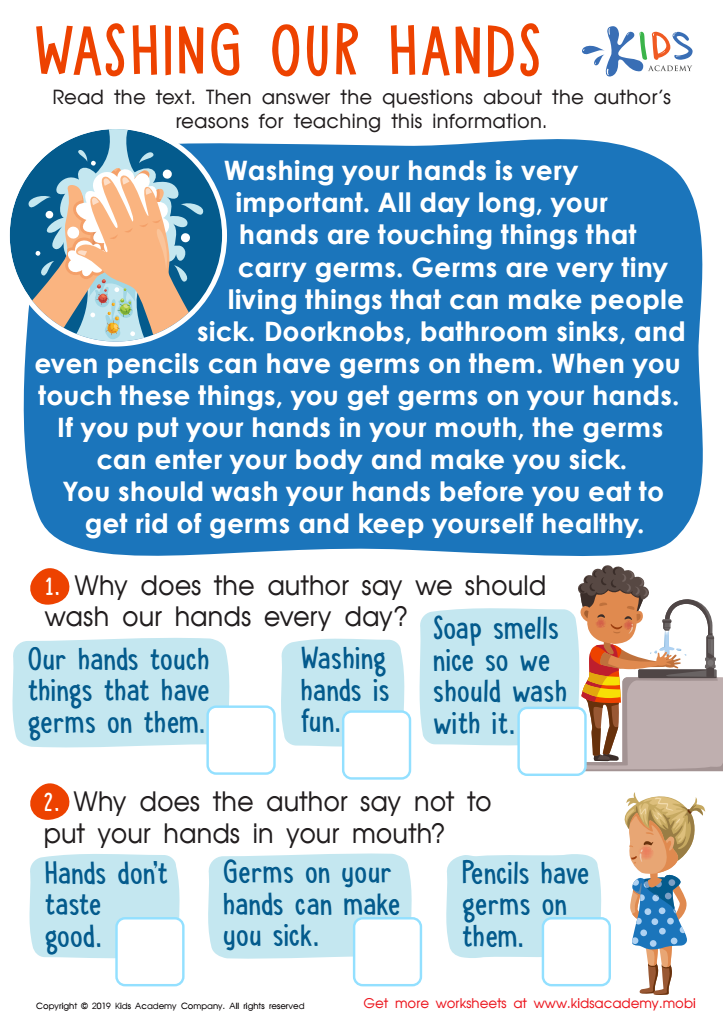
Washing Our Hands Worksheet




.jpg)



Parents and teachers should prioritize normal reading comprehension for children aged 6-8 because this foundational skill supports overall academic success and lifelong learning. At this developmental stage, children transition from learning to read to reading to learn. Proficient reading comprehension allows them to understand stories, follow instructions, and extract information from texts across subjects.
Moreover, comprehension skills directly impact critical thinking and problem-solving abilities, fostering creativity and curiosity. Children who grasp reading materials are more likely to engage in discussions, ask questions, and develop a love of reading, which enhances vocabulary and language development. This early competence is vital, as struggles with comprehension can lead to feelings of frustration and decreased motivation.
Additionally, early intervention in reading comprehension helps identify any learning difficulties, allowing for timely support. Through collaboration on activities such as reading together, asking comprehension questions, and incorporating diverse texts, parents and teachers can nurture these skills.
Ultimately, strong reading comprehension lays the groundwork for future educational achievement and ensures that children are better equipped for a range of subjects and challenges as they advance in their schooling. By caring about and cultivating this skill, adults play a crucial role in shaping confident, capable learners.








