Normal Animals Worksheets for Ages 6-8 - Page 2
48 filtered results
-
From - To
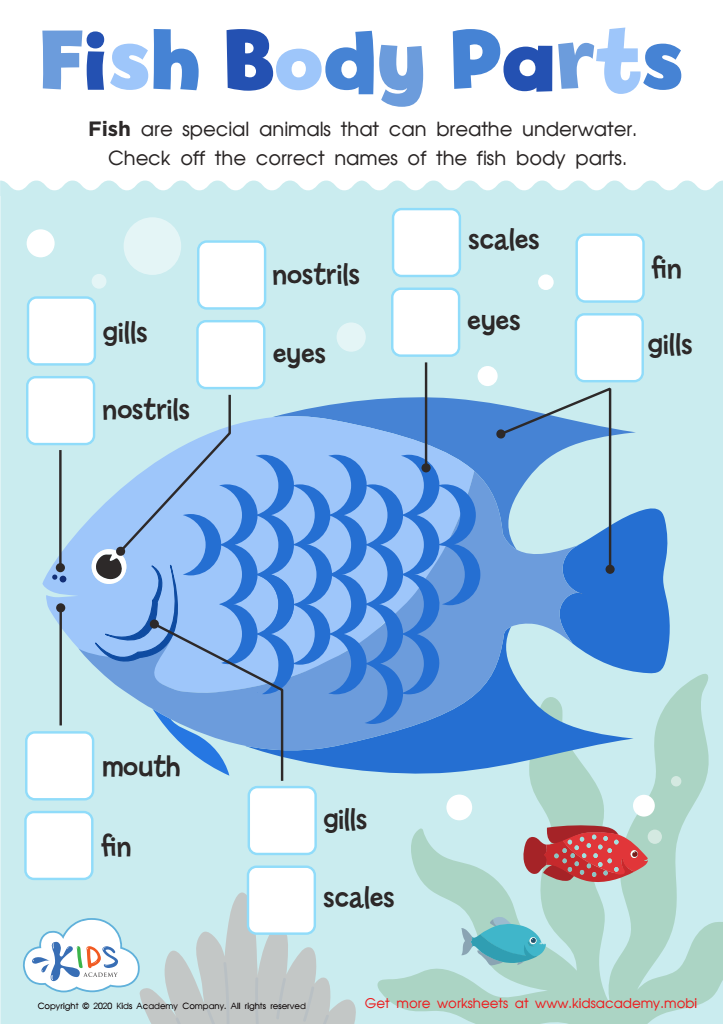
Fish Body Parts Worksheet
 Assign to My Students
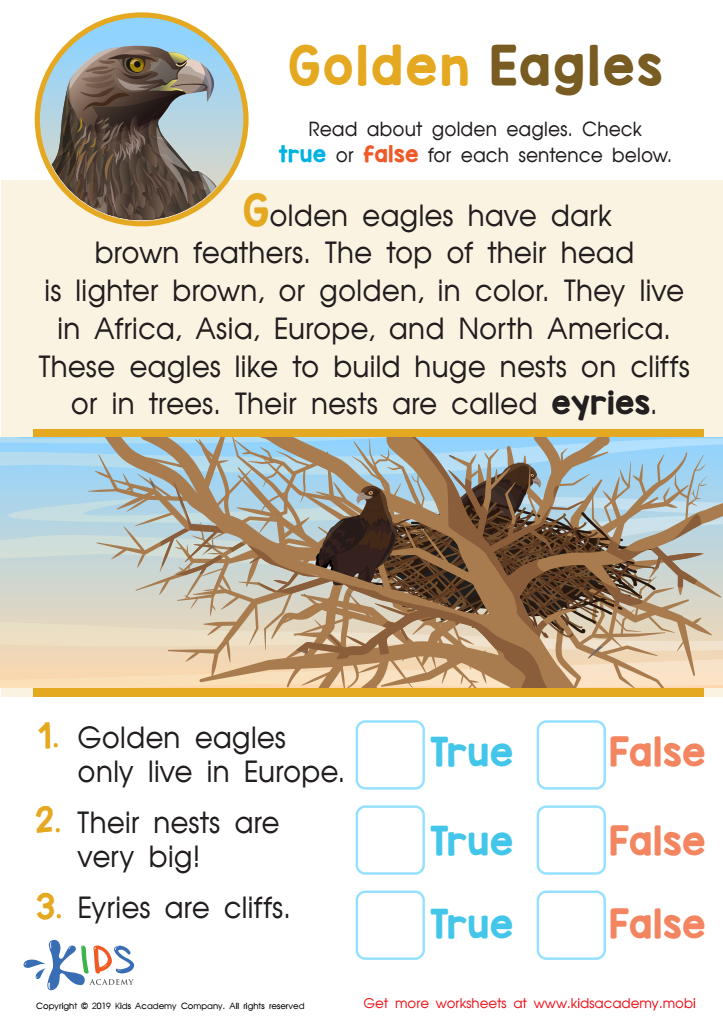
Golden Eagles Worksheet
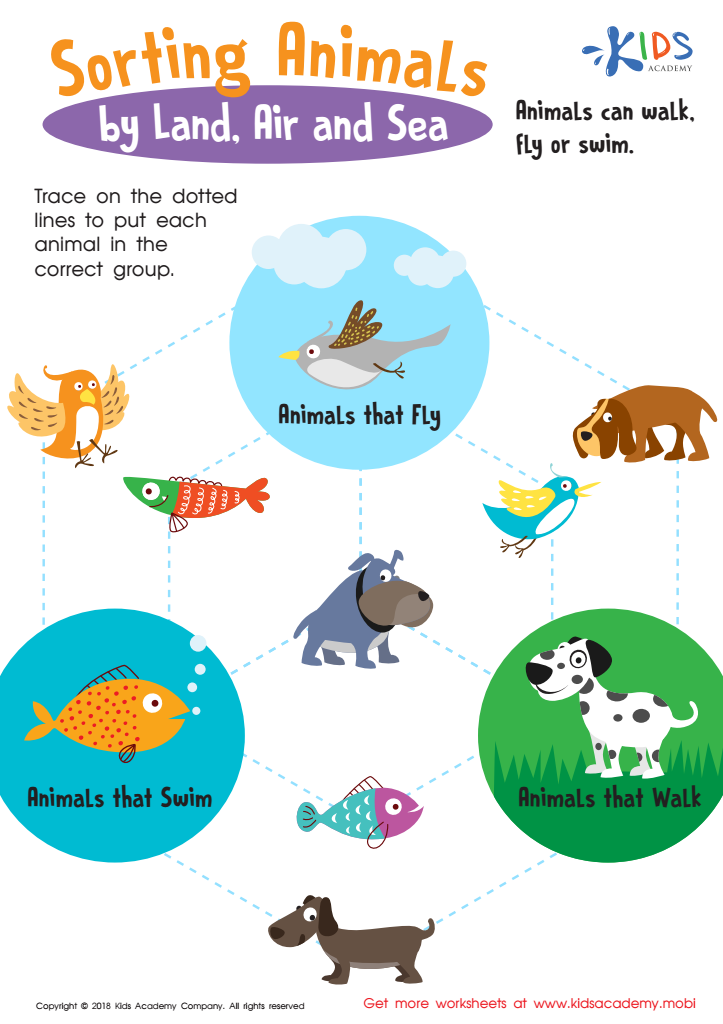
Sorting Animals by Land, Air and Sea Worksheet
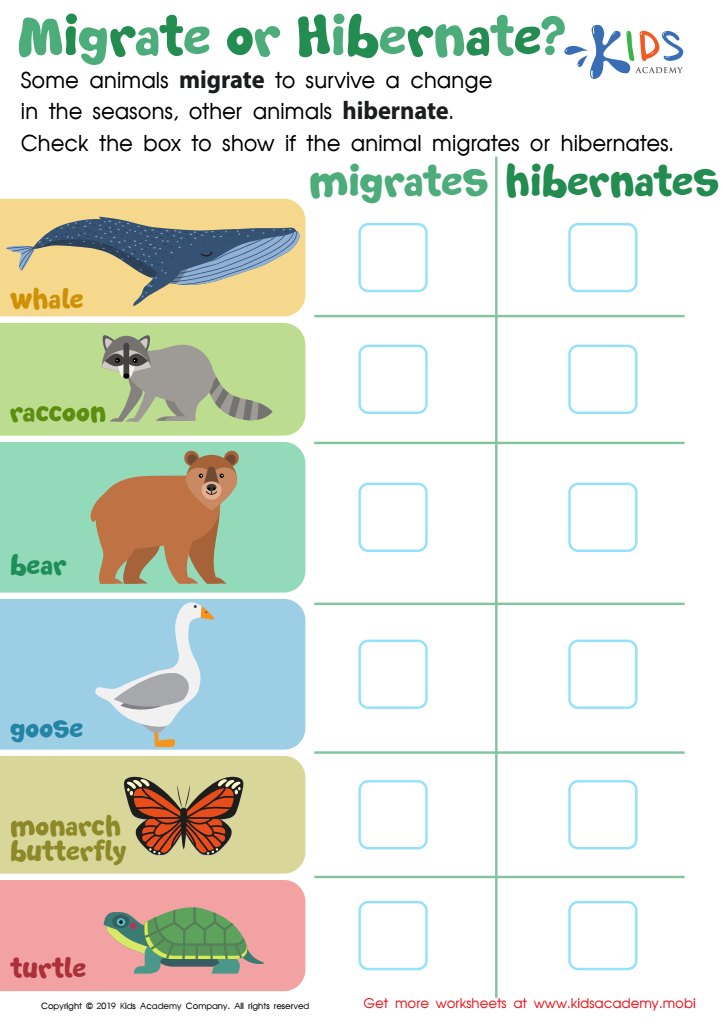
Migrate or Hibernate? Worksheet
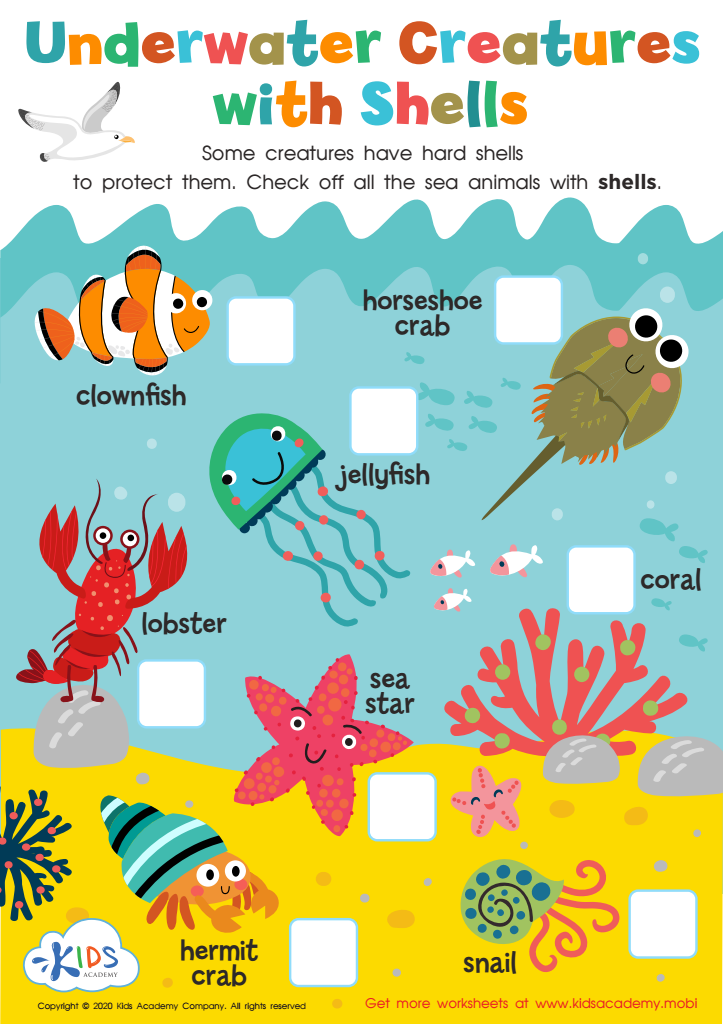
Underwater Creatures with Shells Worksheet
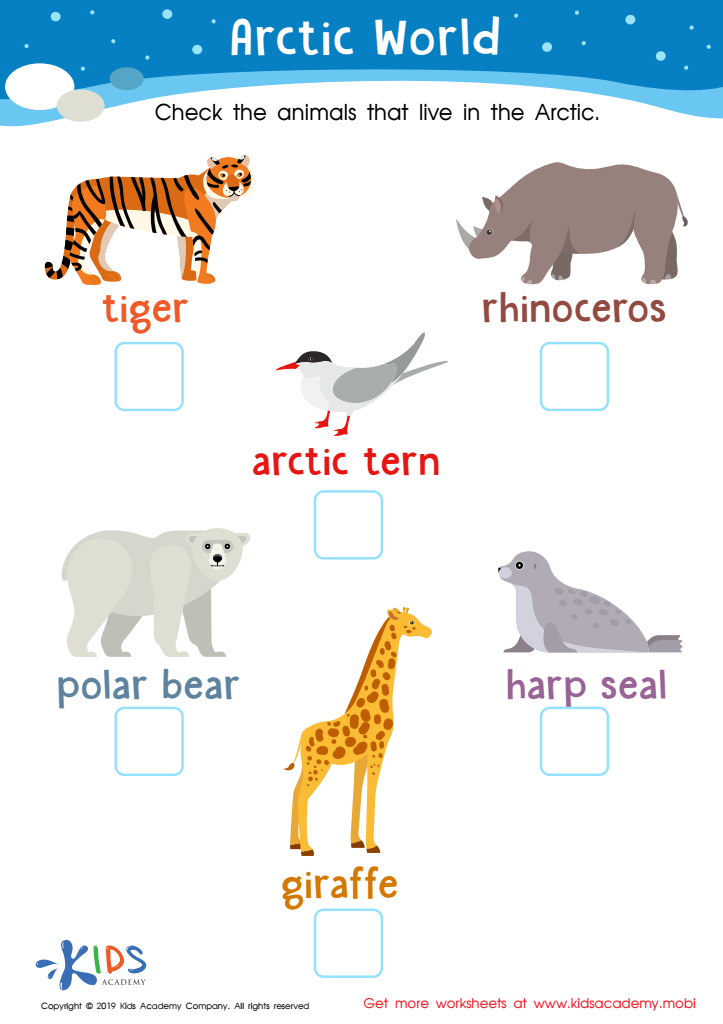
Arctic World Worksheet
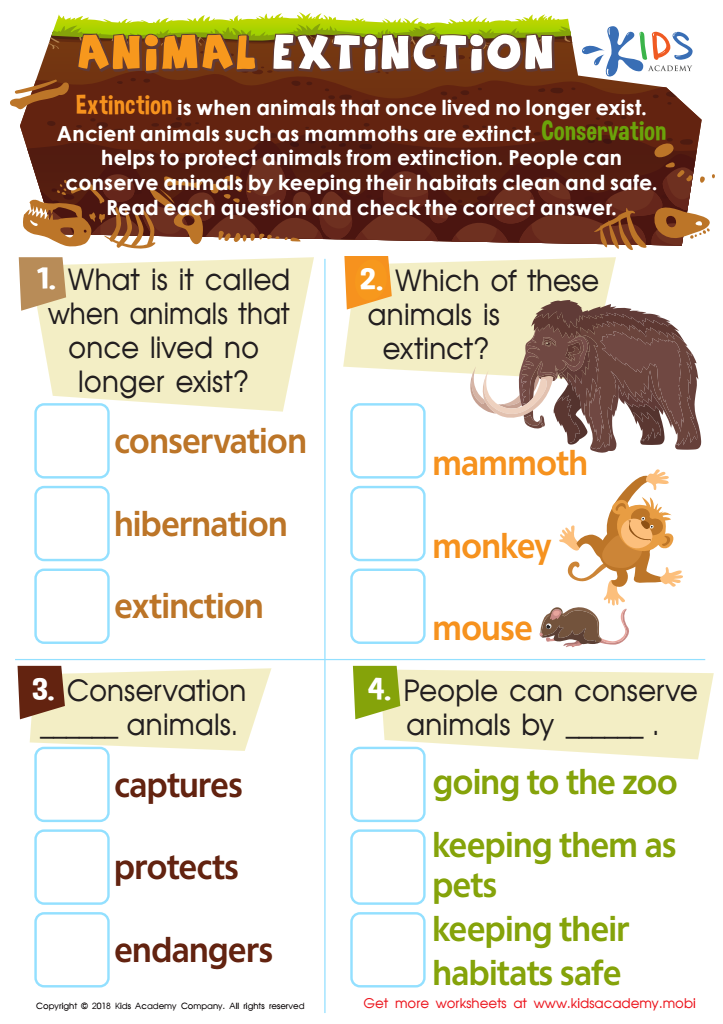
Animal Extinction Worksheet
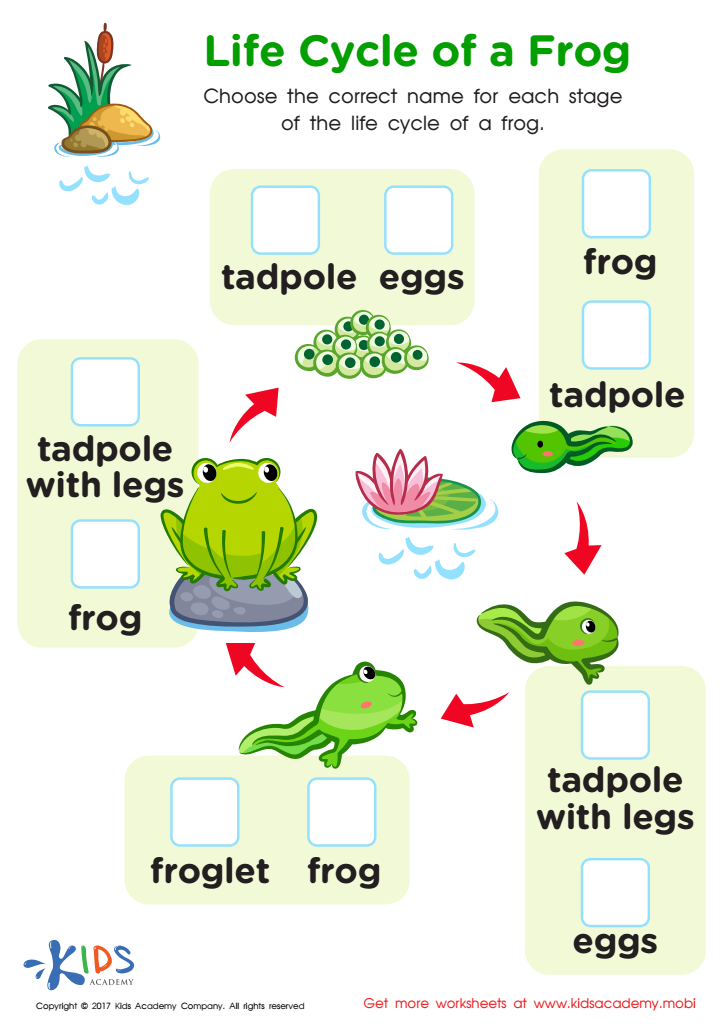
Life Cycle Frog Printable
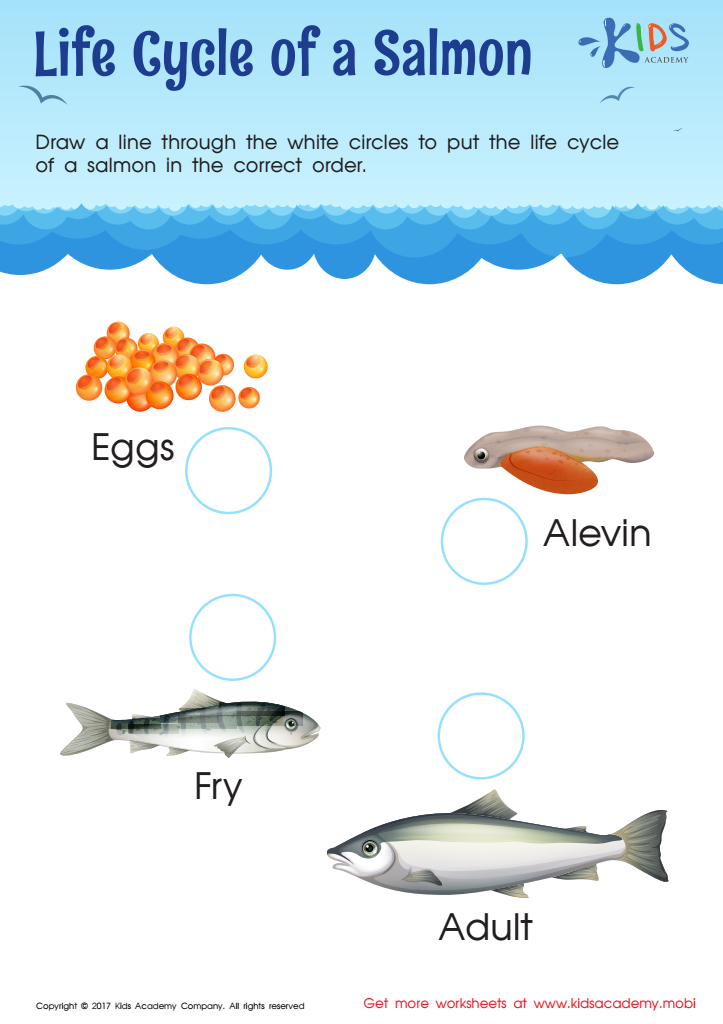
Cycle Of Salmon Worksheet
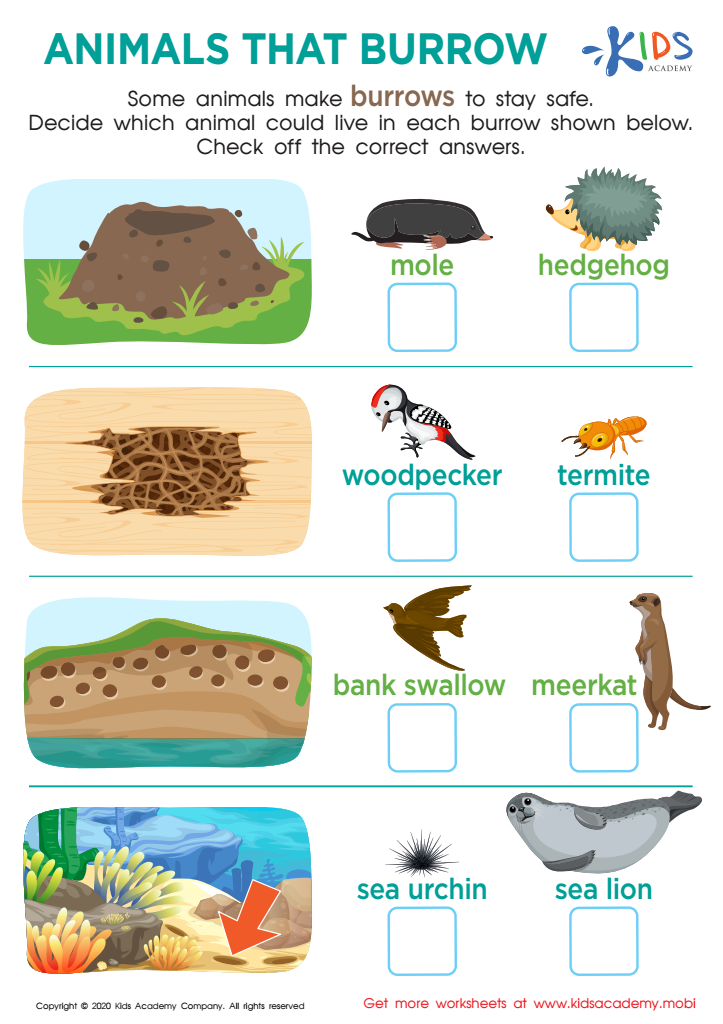
Animals That Burrow Worksheet
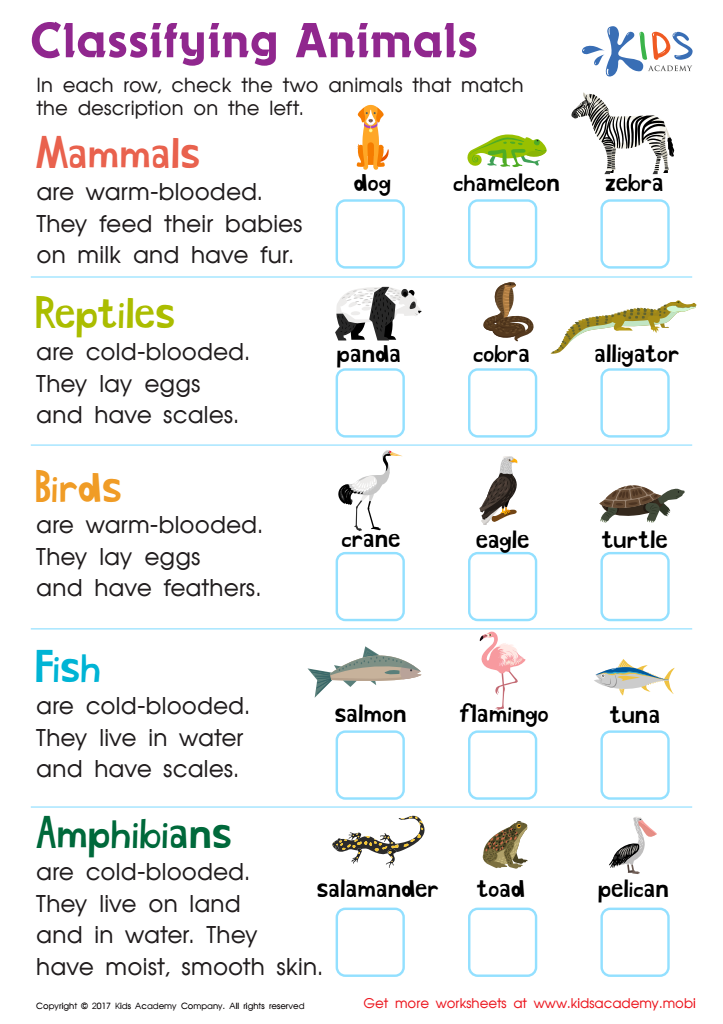
Classifying Animals Worksheet
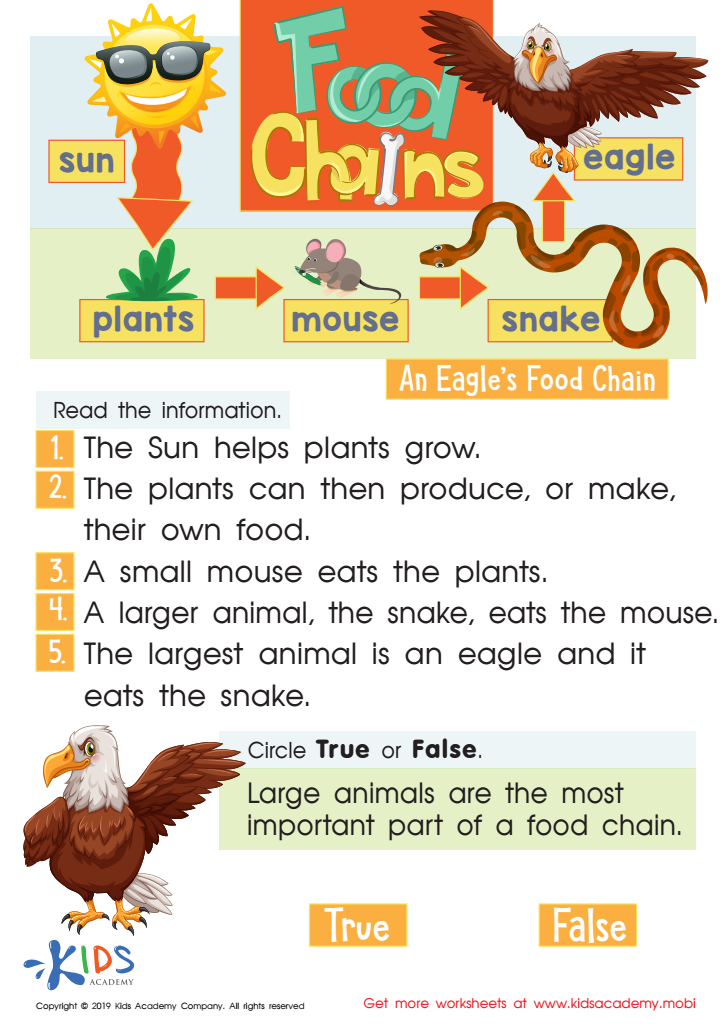
Food Chains Worksheet
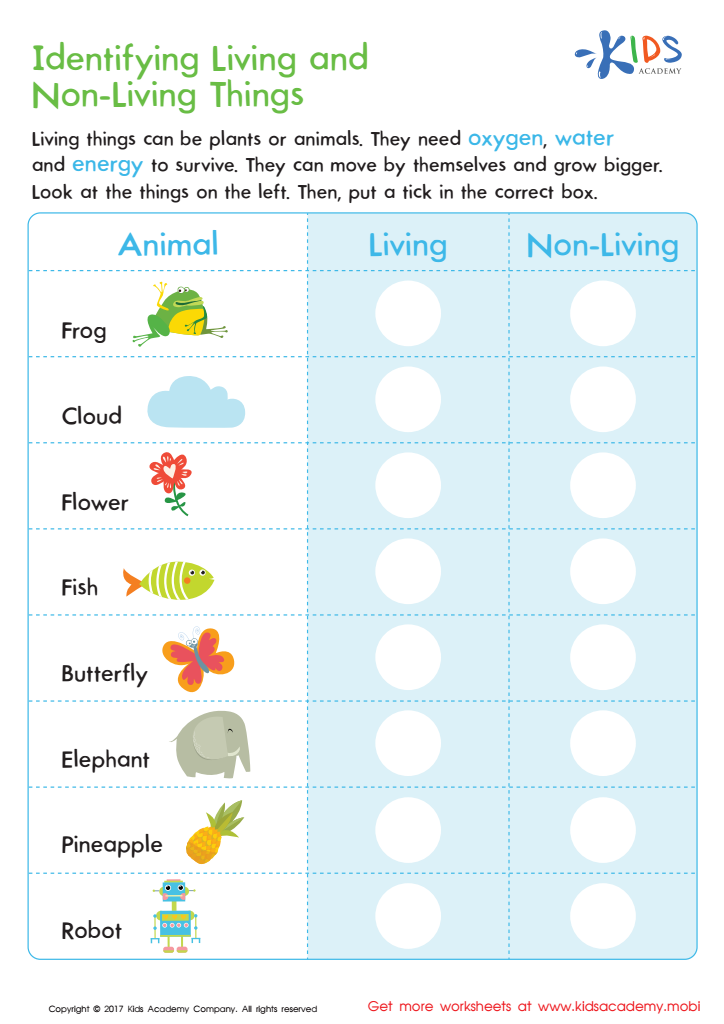
Identifying Living or Non–living Worksheet
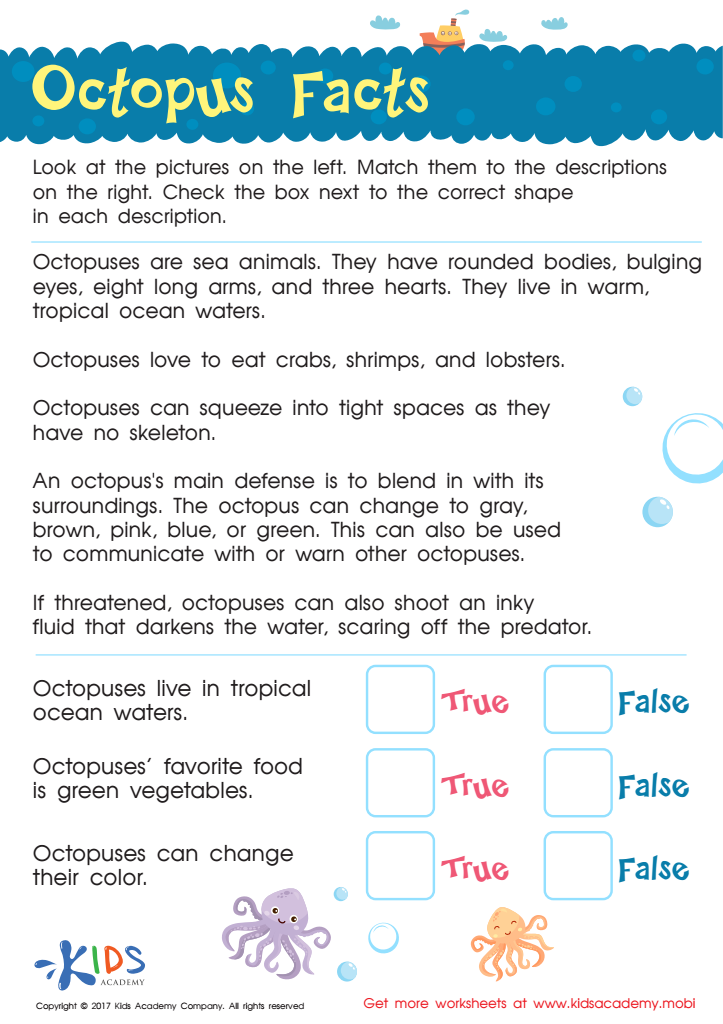
Octopus Facts Worksheet For Kids
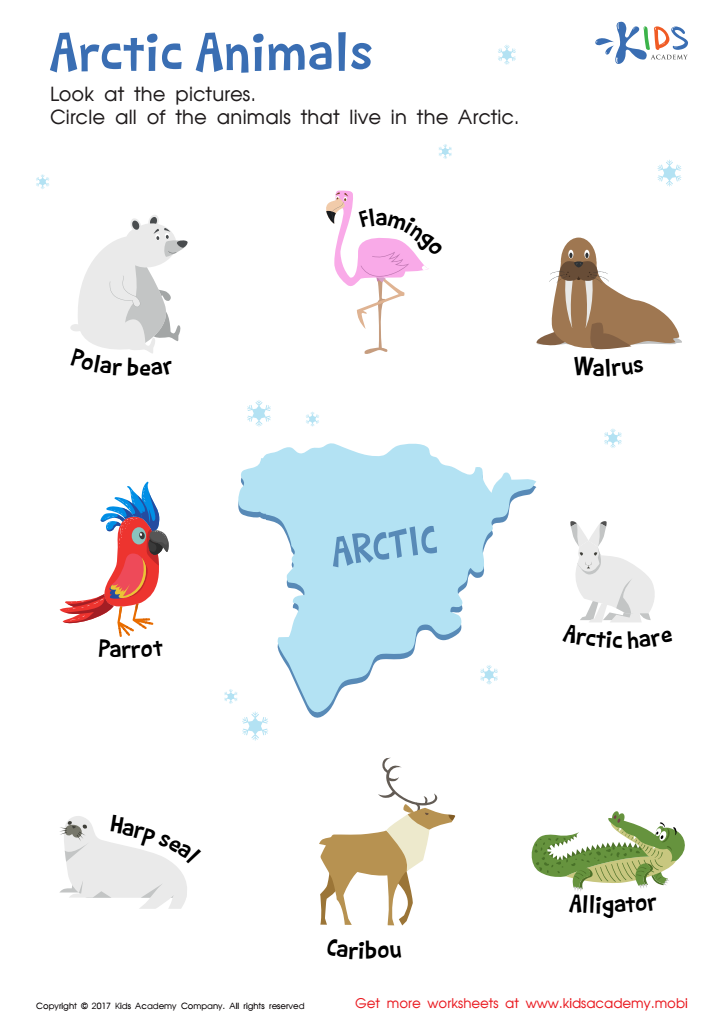
Arctic Animals Worksheet
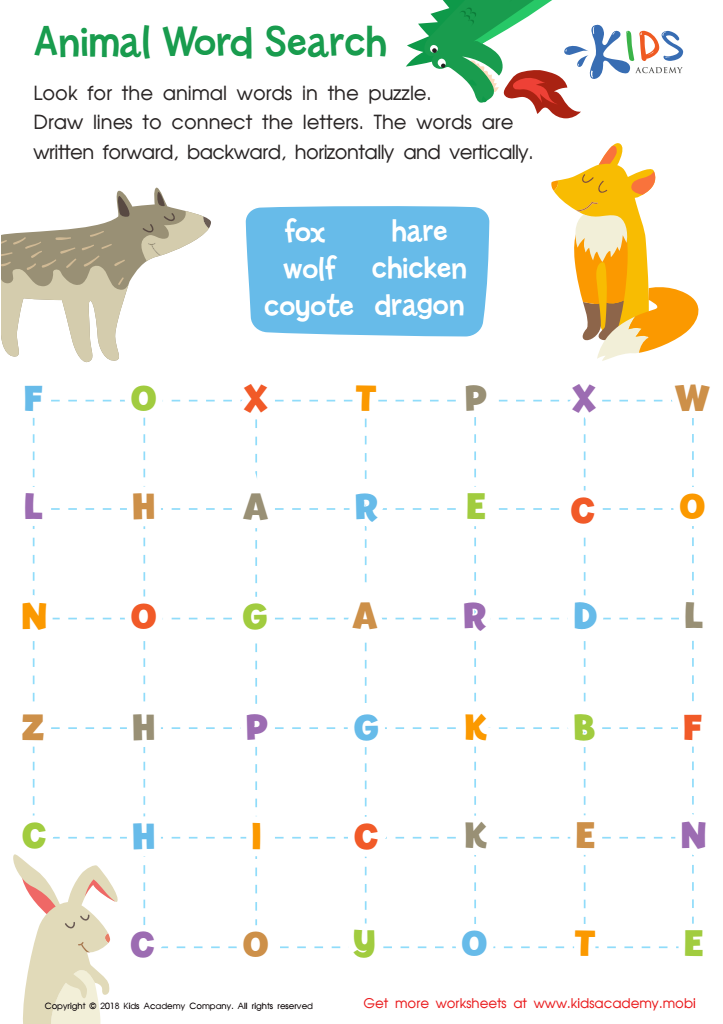
Animal Word Search Worksheet
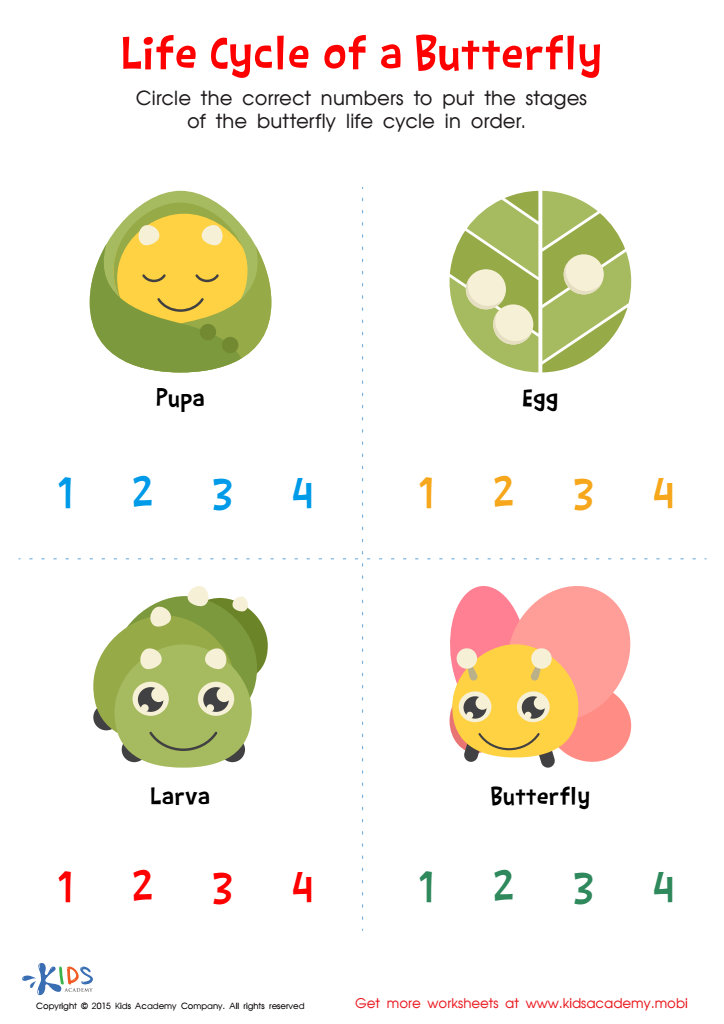
Life Cycle of Butterfly Printable
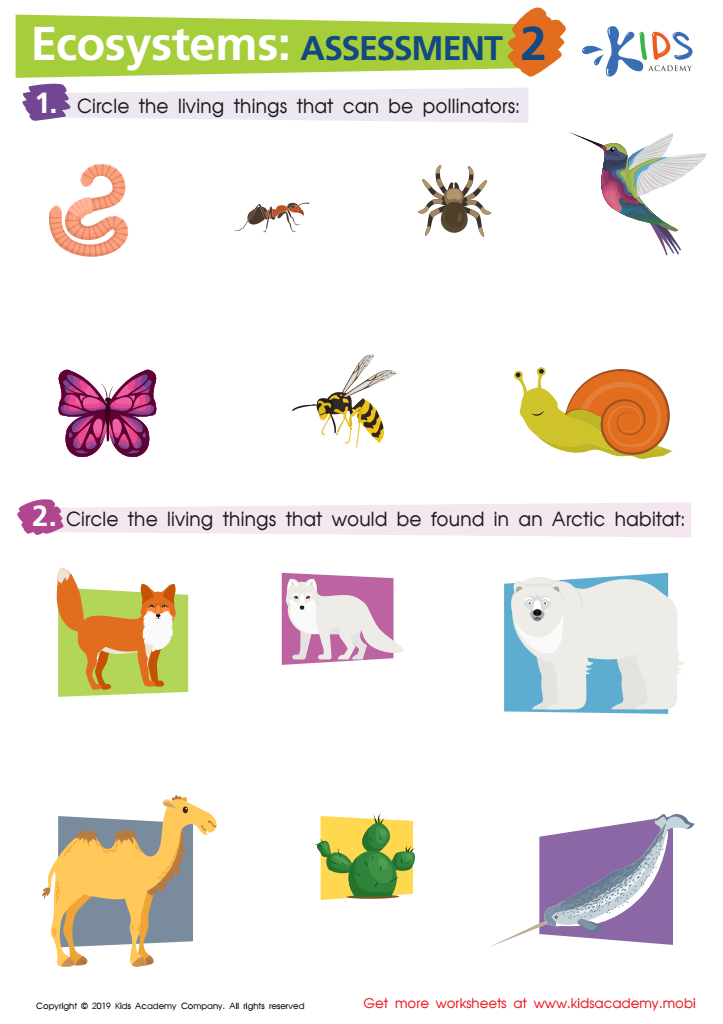
Ecosystems: Assessment 2 Worksheet
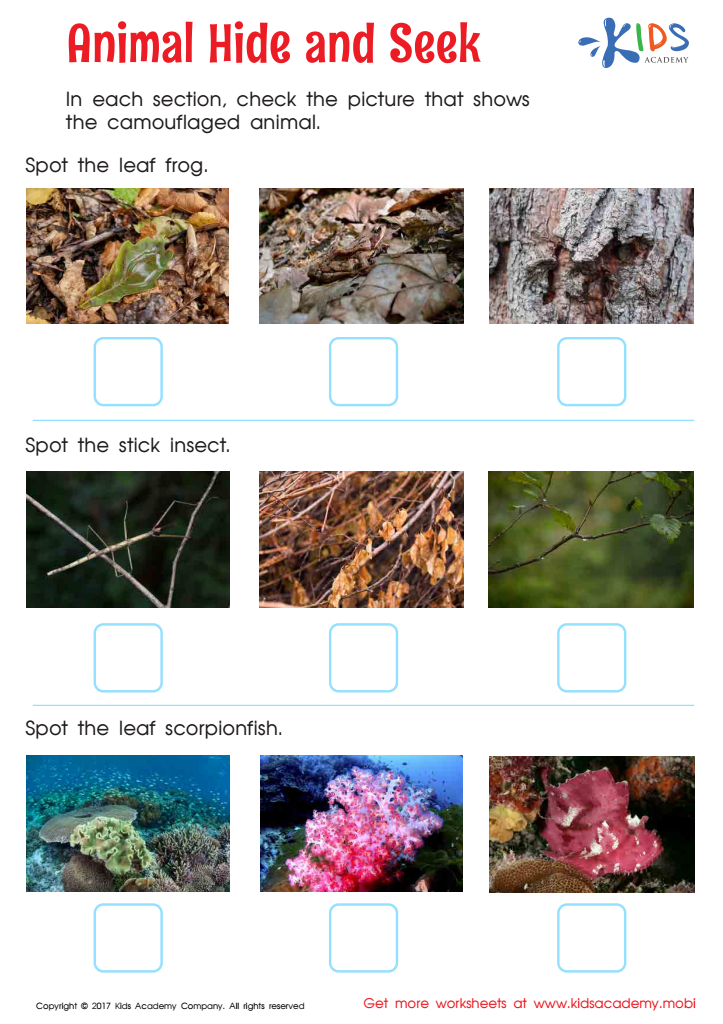
Animal Hide and Seek Worksheet
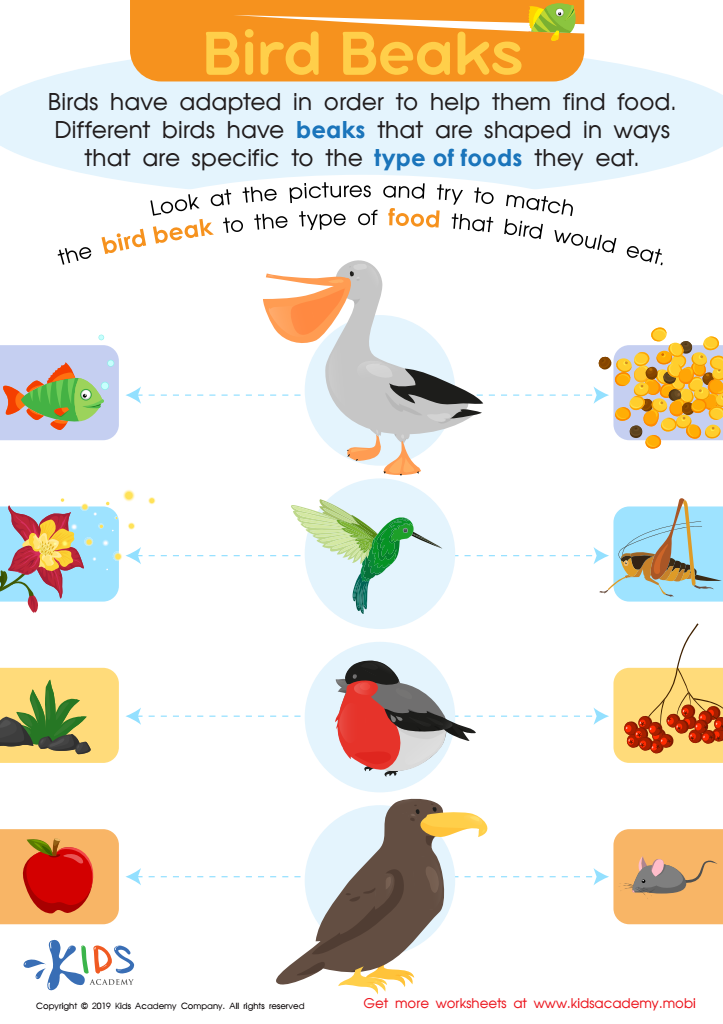
Bird Beaks Worksheet
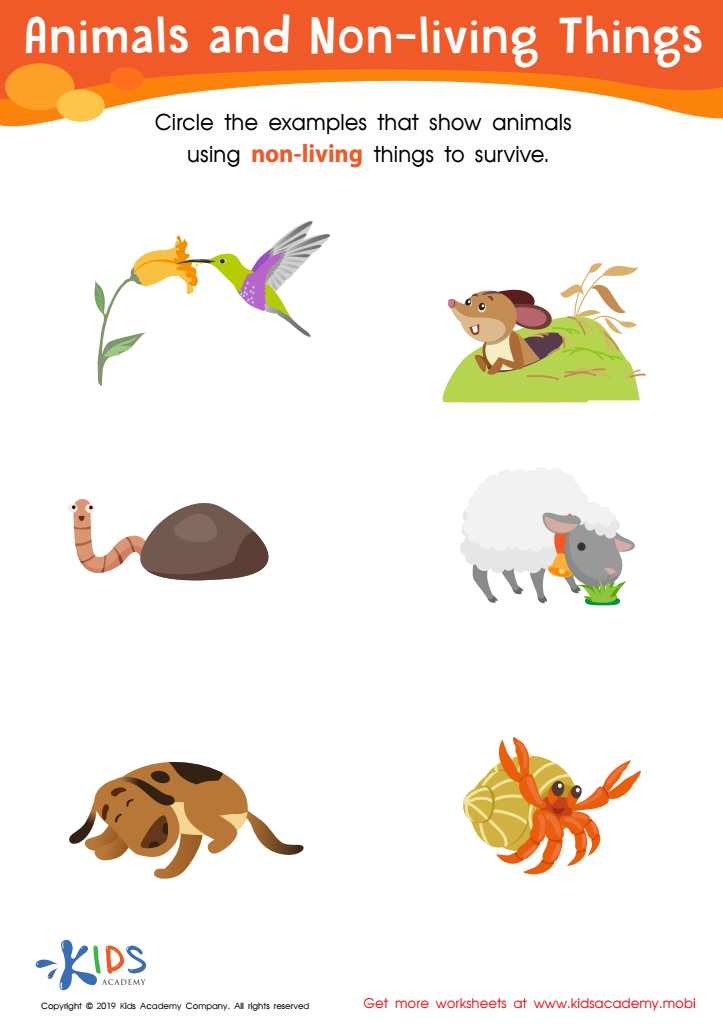
Animals and Non-Living Things Worksheet
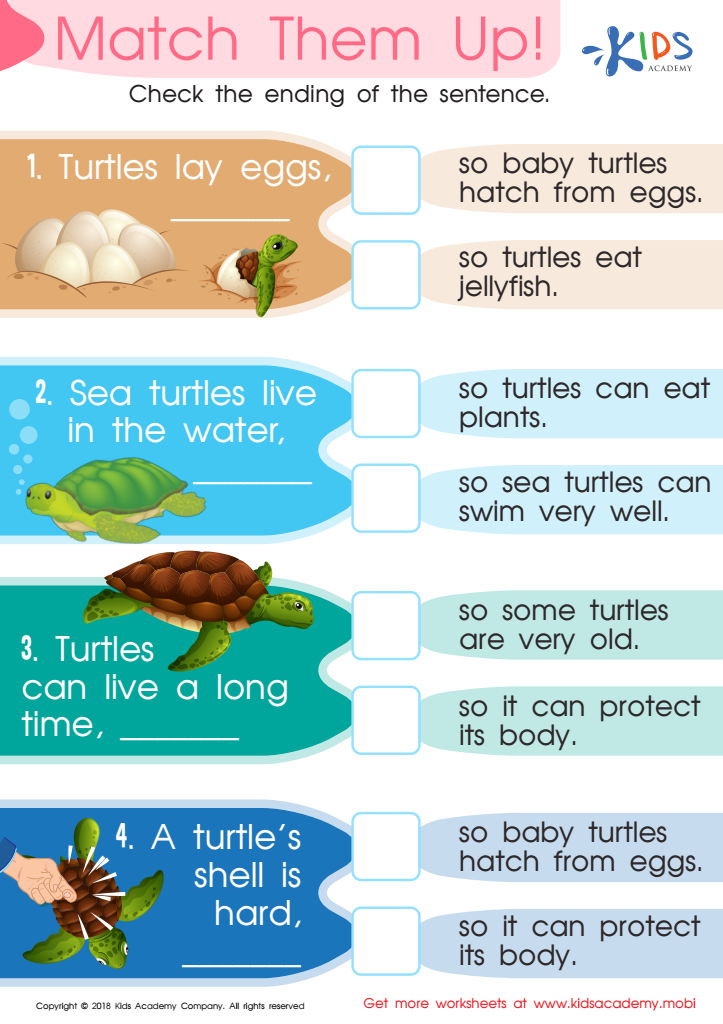
Match Them Up Worksheet
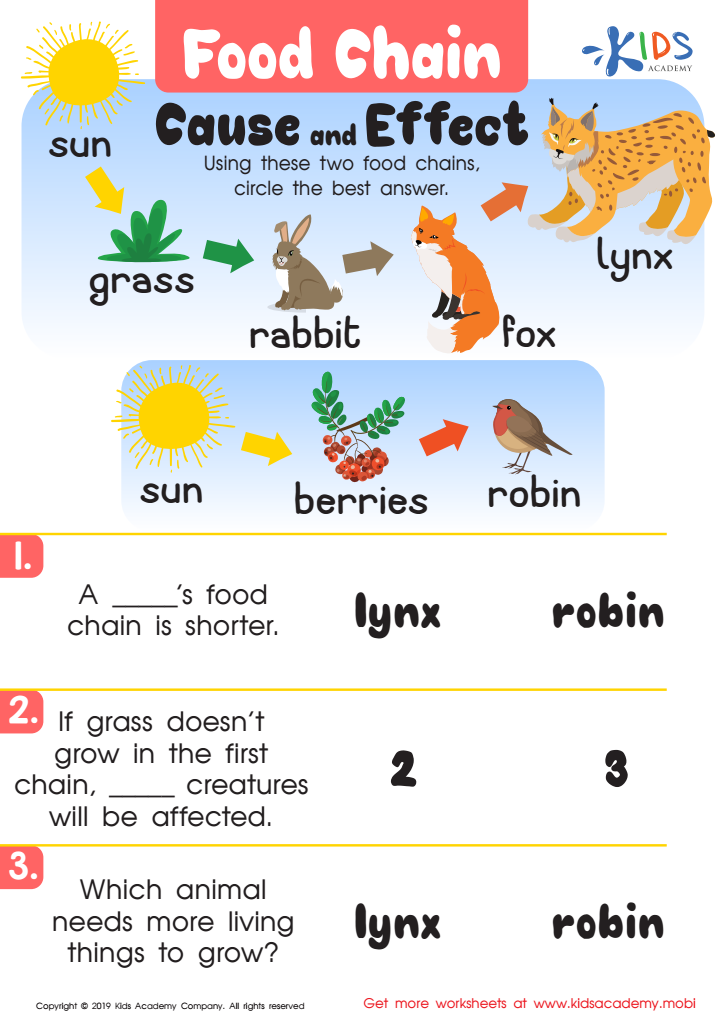
Food Chain Cause Worksheet
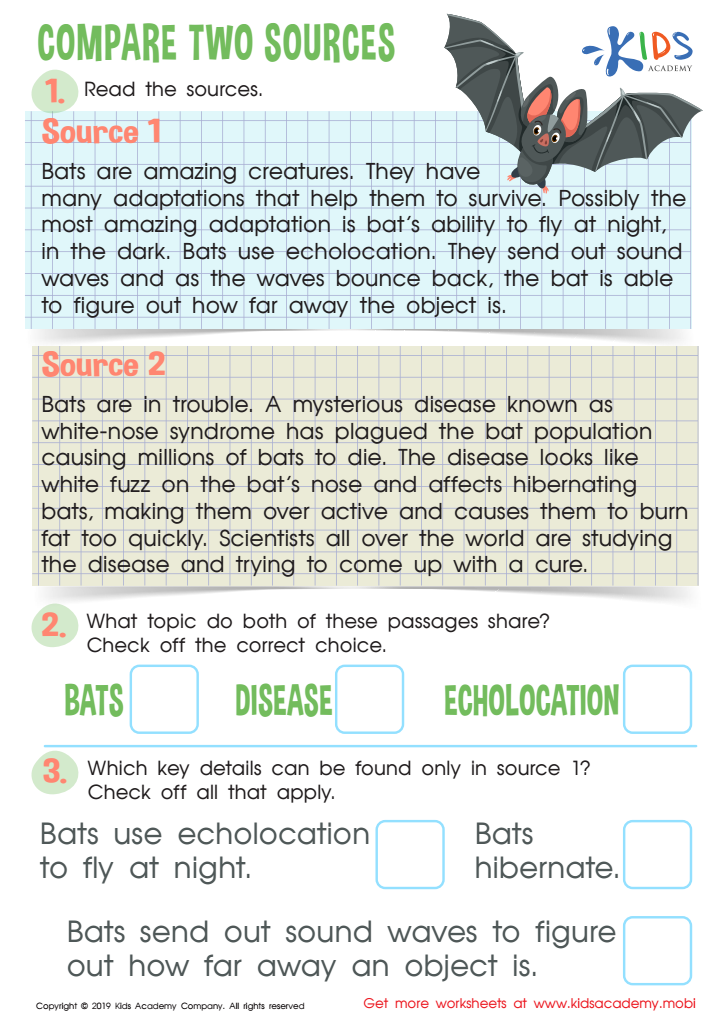
Compare Two Sources Worksheet




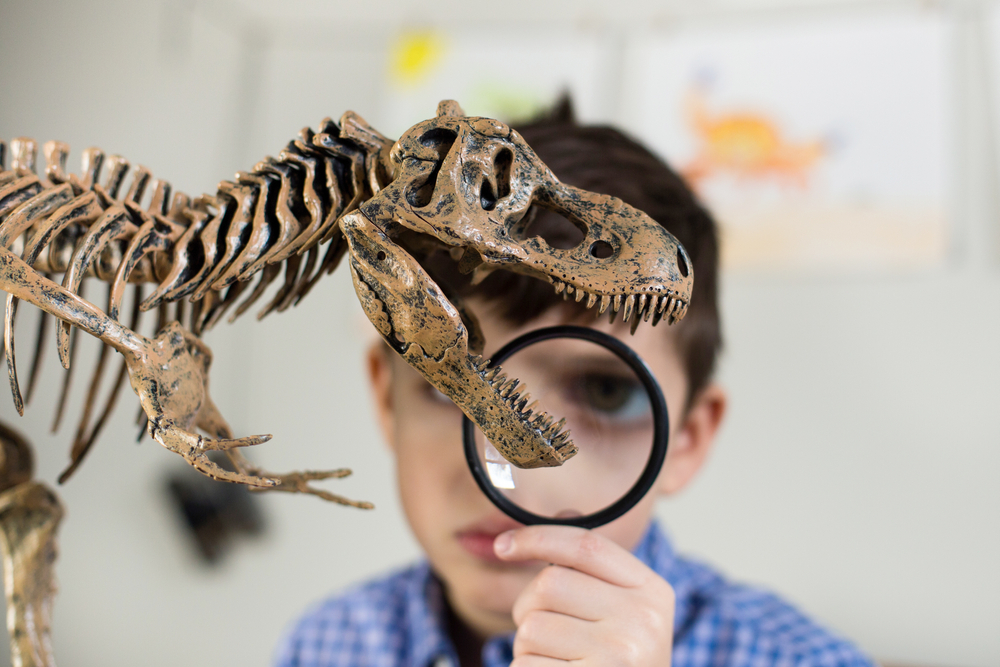



Understanding Normal Animals—those commonly found in everyday life—helps children aged 6-8 develop a solid foundation of knowledge about the natural world. As young learners, children possess an innate curiosity about animals, which can be nurtured into a lasting sense of wonder and stewardship. Parents and teachers should care about this because promoting awareness of Normal Animals engages children in key educational skills, such as observation, classification, and critical thinking.
Learning about familiar animals enhances children’s literacy and vocabulary, as they learn to describe characteristics, habitats, and behaviors. Incorporating Normal Animals into lessons makes science relatable and accessible, fostering a love for learning. Additionally, this knowledge encourages empathy and respect for living creatures, promoting a sense of responsibility toward the environment.
Furthermore, engaging with Normal Animals can spark interest in broader themes, such as ecosystems and biodiversity, which are vital components of environmental education. By connecting lessons about animals to real-world contexts, children can appreciate the interconnectedness of life. Ultimately, facilitating this learning encourages curiosity, compassion, and a deeper understanding of the world, equipping young minds to become informed, caring stewards of their environment in the future.








