Normal Addition Worksheets for Ages 6-9 - Page 3
68 filtered results
-
From - To
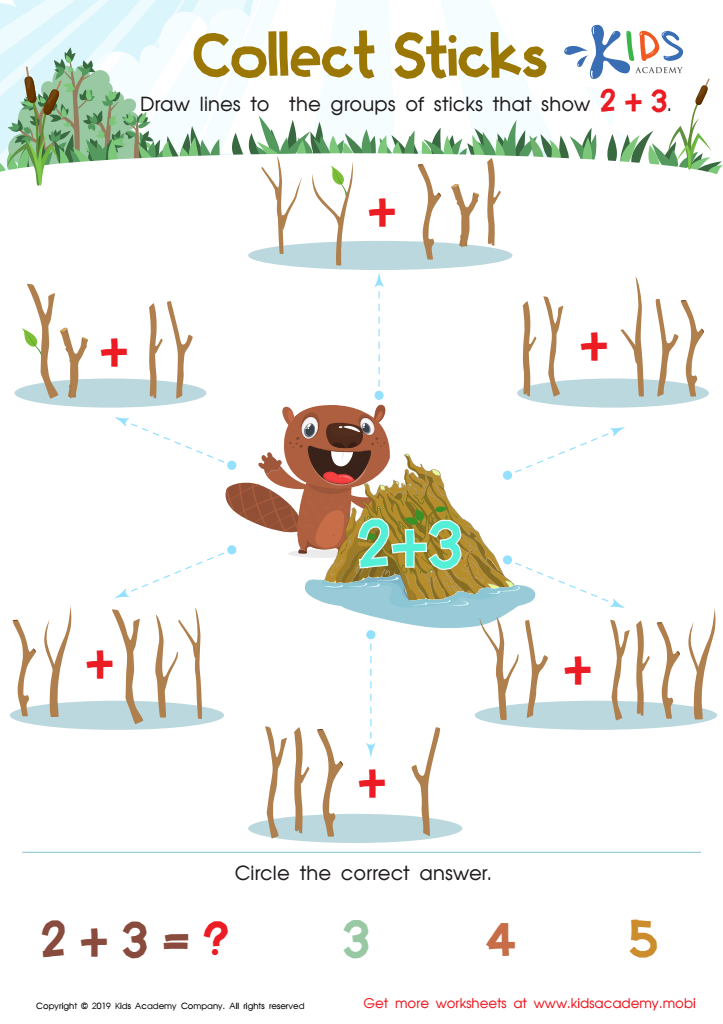
Collect Sticks Worksheet
 Assign to My Students
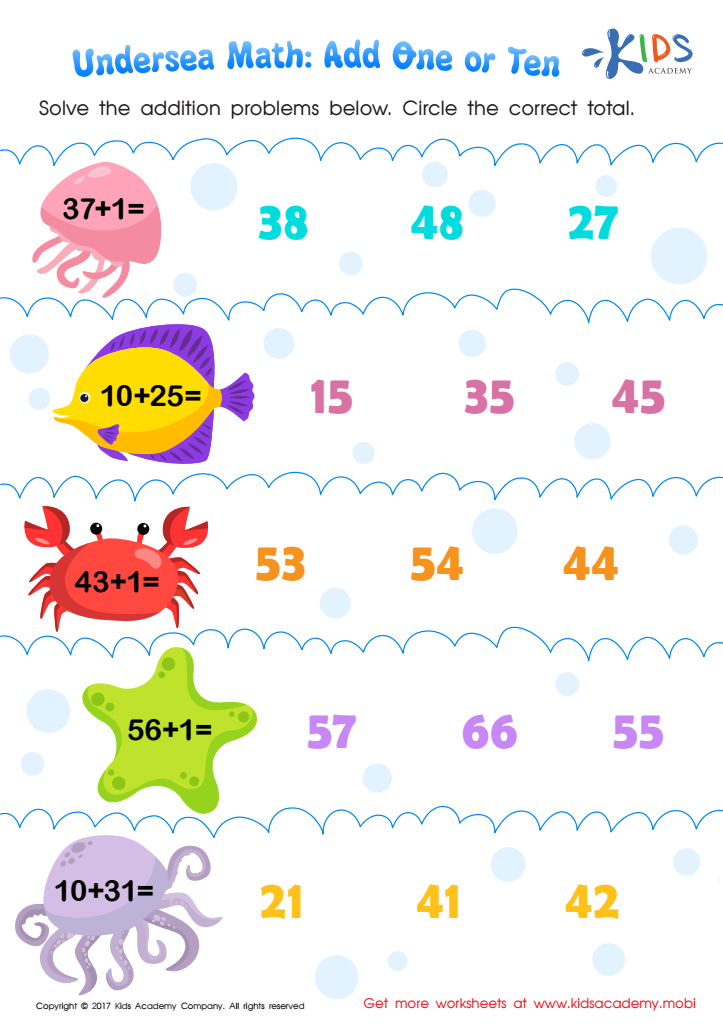
Undersea Math Worksheet
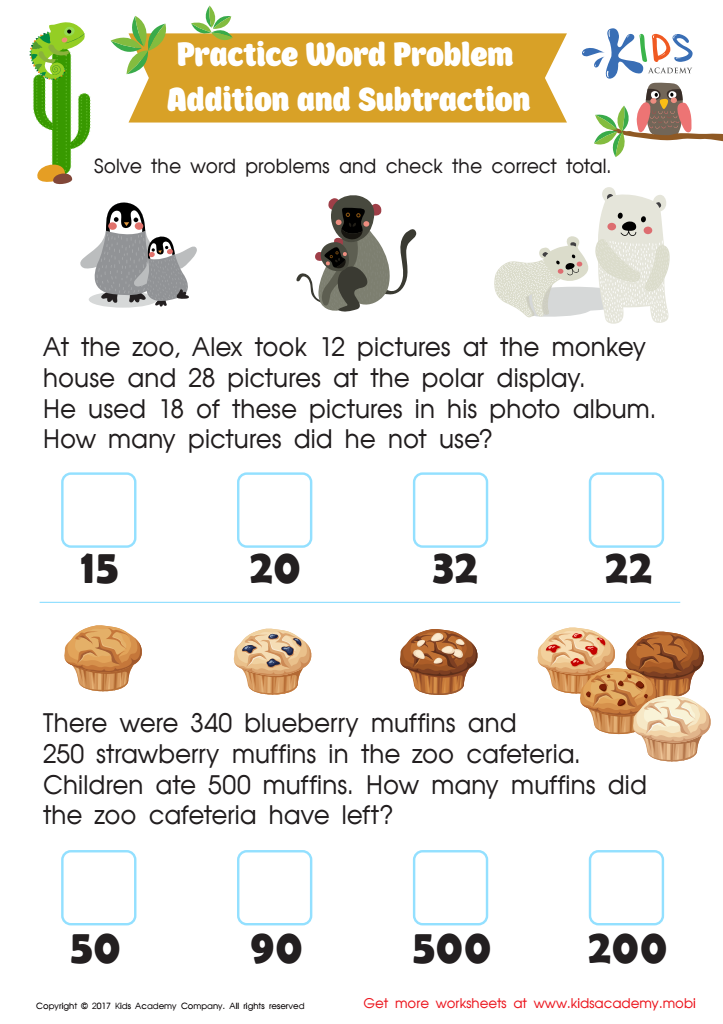
Addition and Subtraction: Word Problems Worksheet
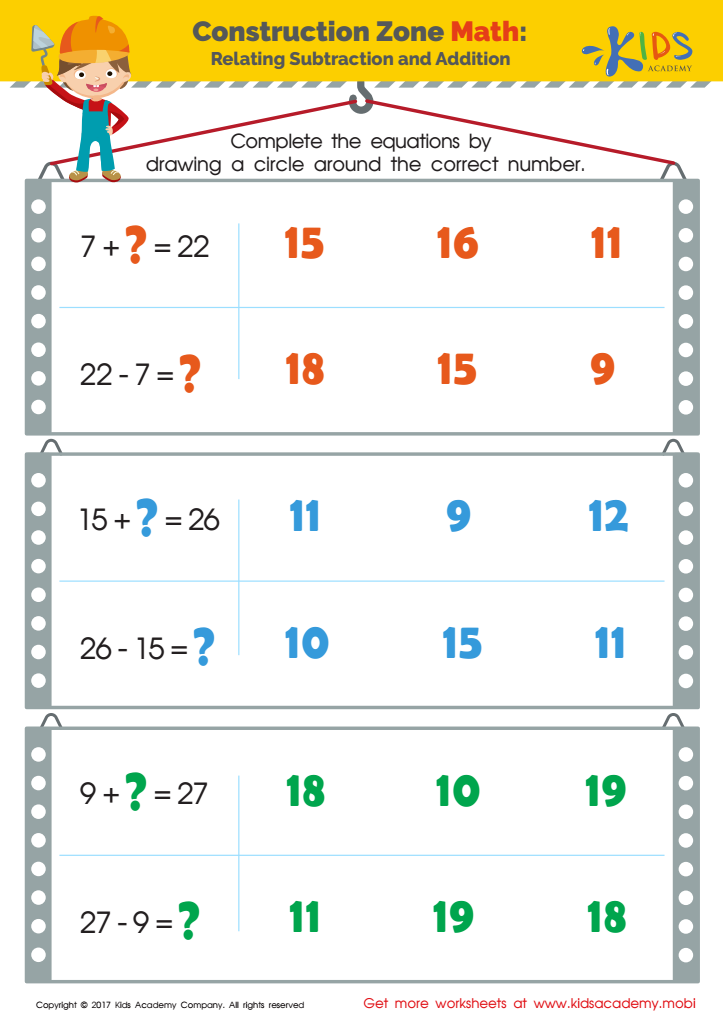
Related Addition and Subtraction Facts Worksheet
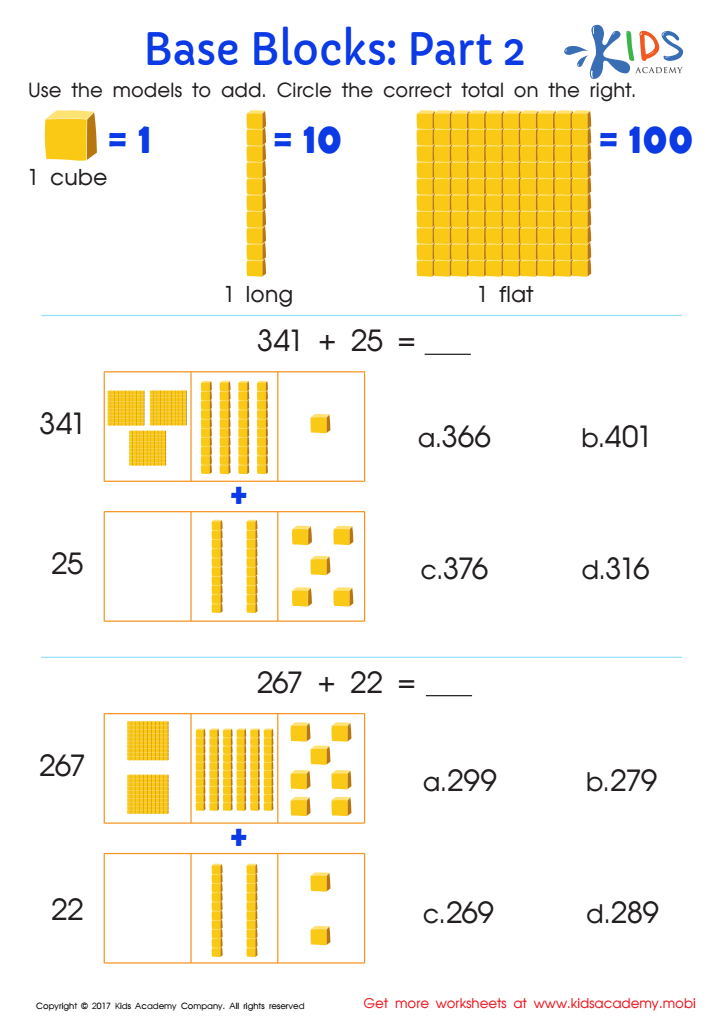
Base Ten Blocks Worksheet: Part 2
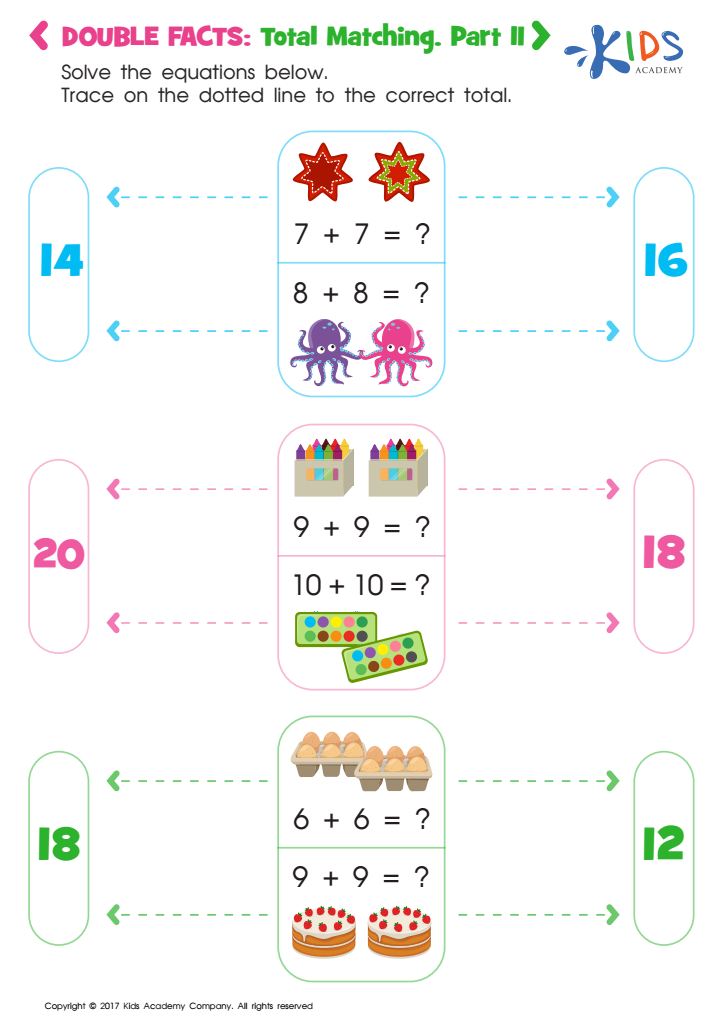
Double Facts: Total Matching 2 Worksheet
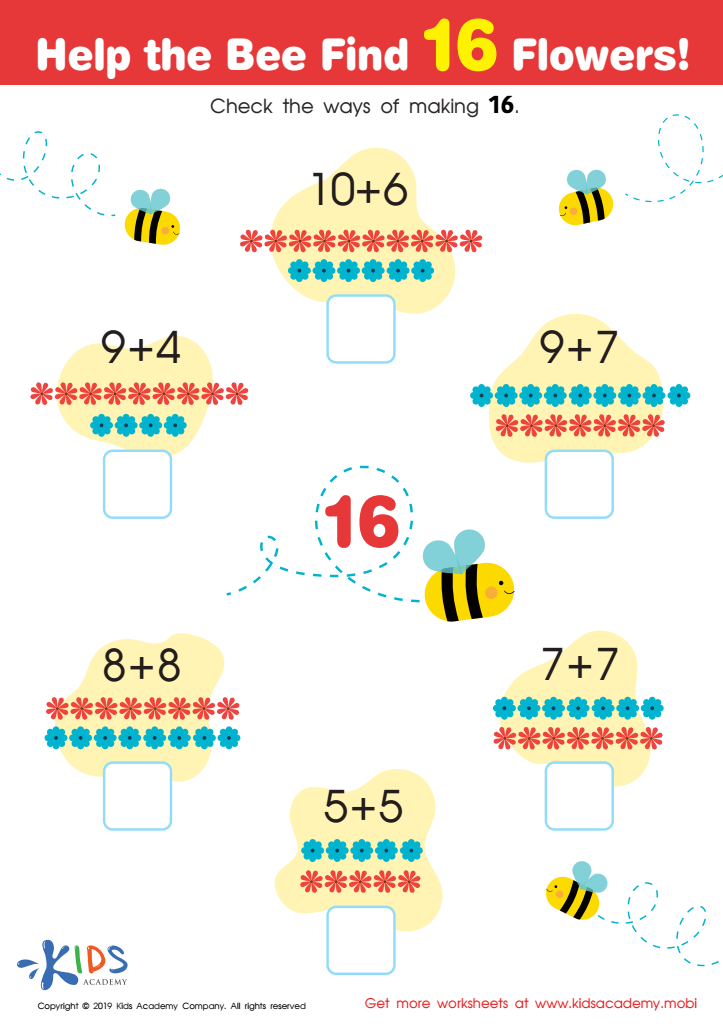
Help the Bee Find 16 Flowers Worksheet
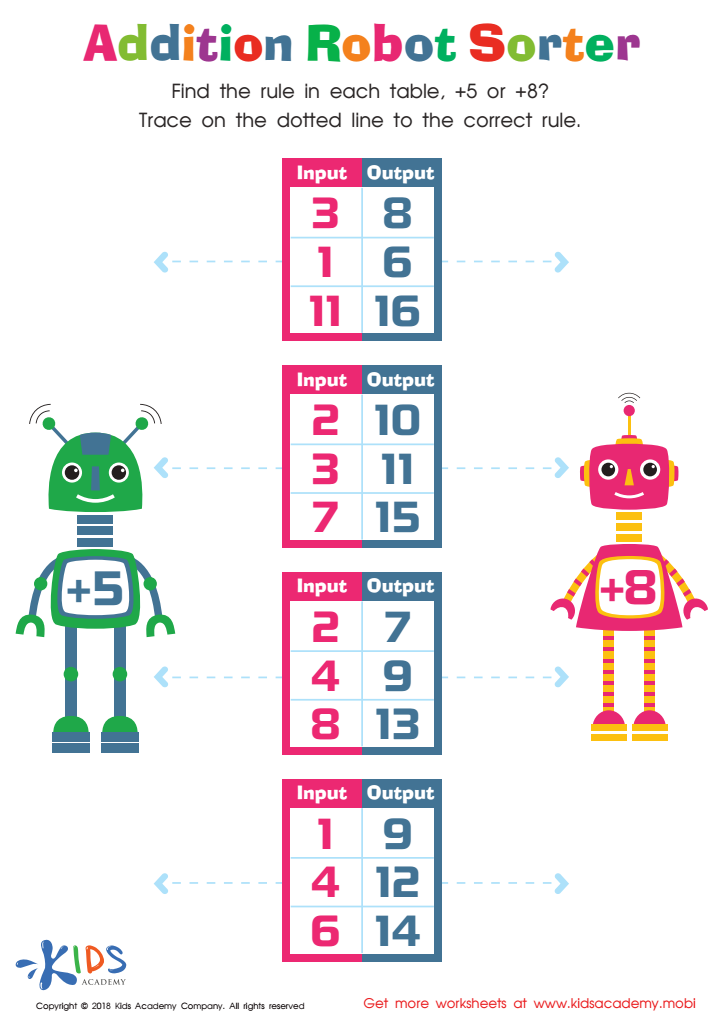
Addition Robot Sorter Worksheet
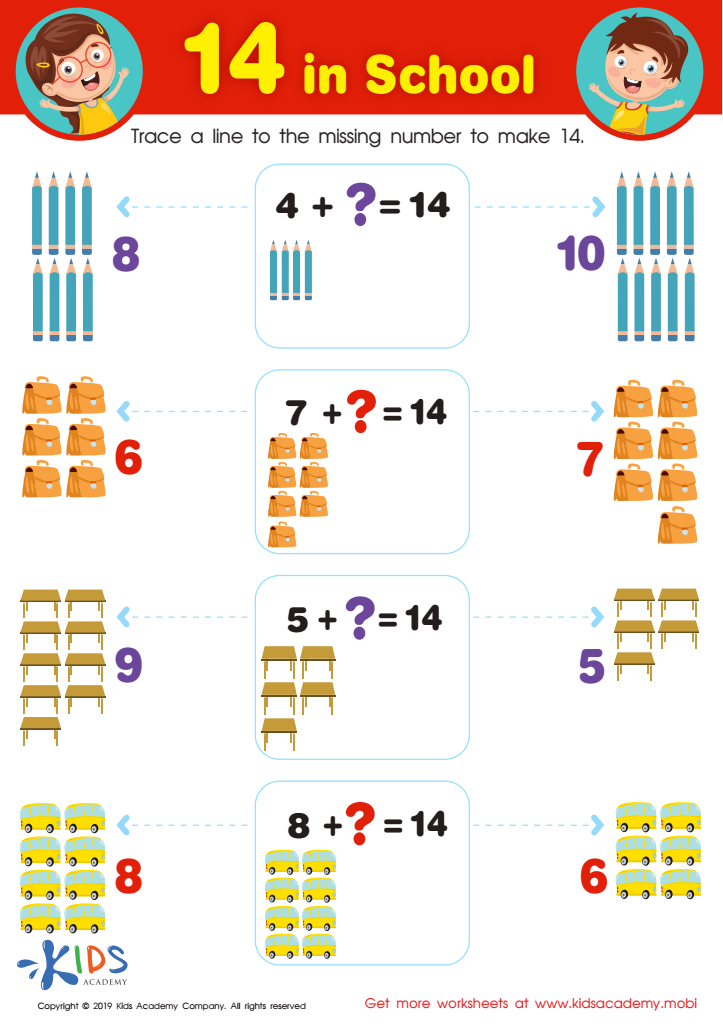
14 in School Worksheet
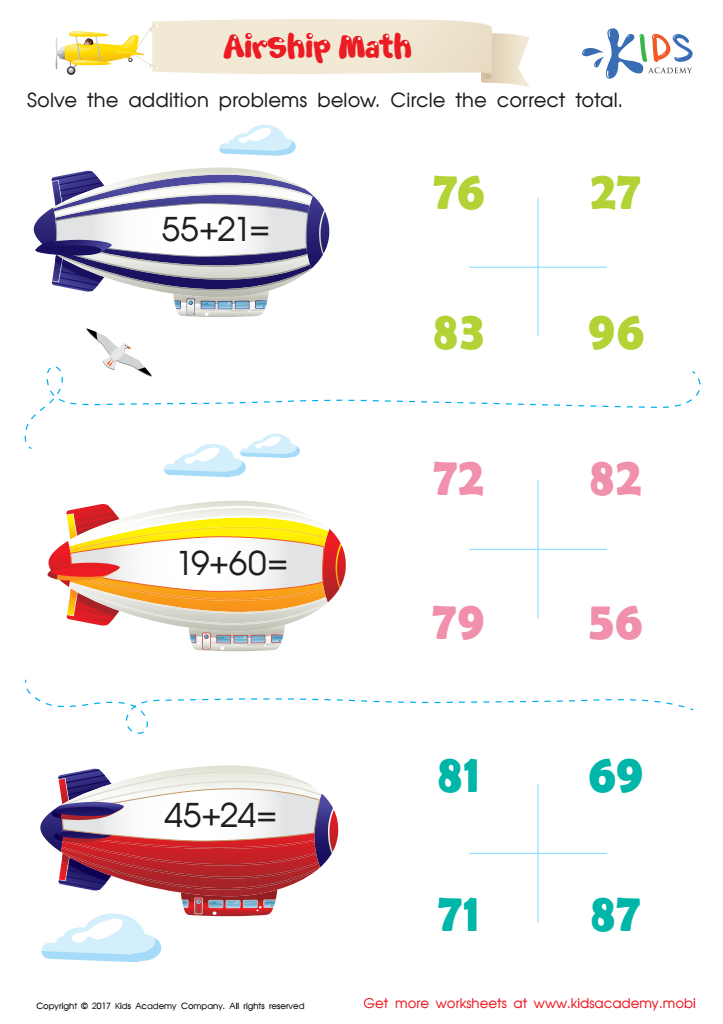
Airship Math Addition Printable
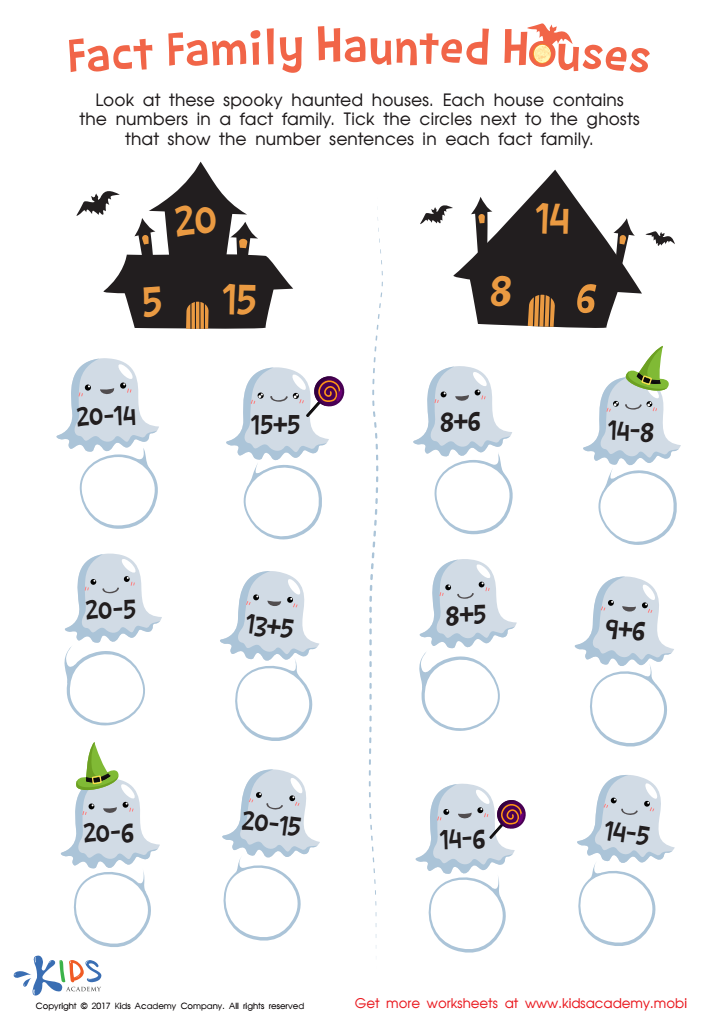
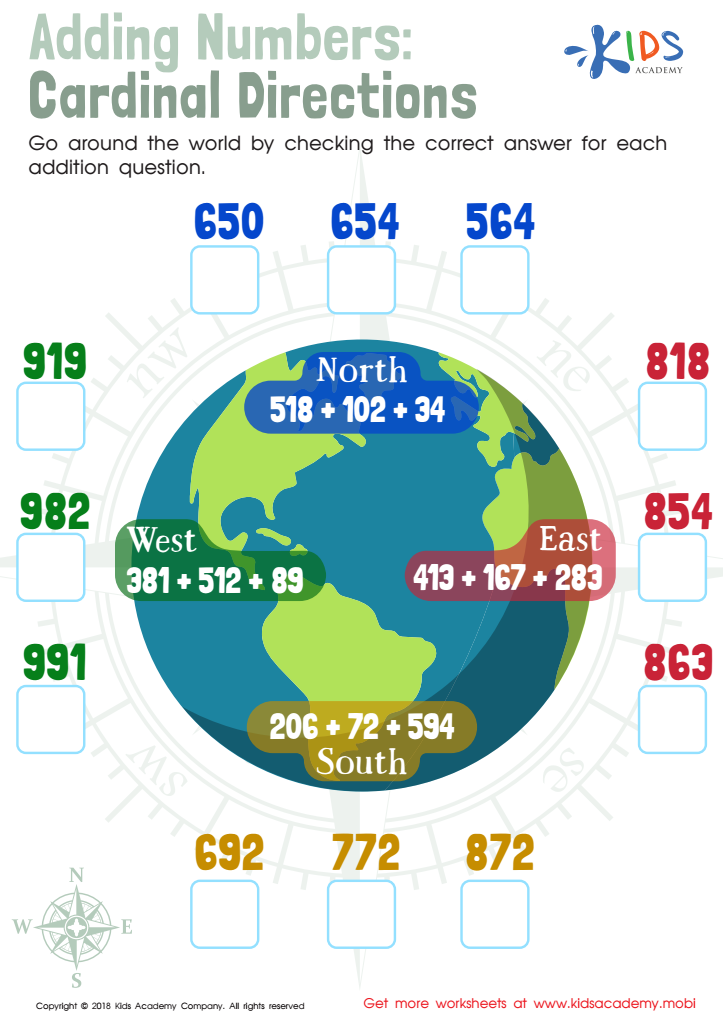
Adding Numbers: Cardinal Directions Worksheet
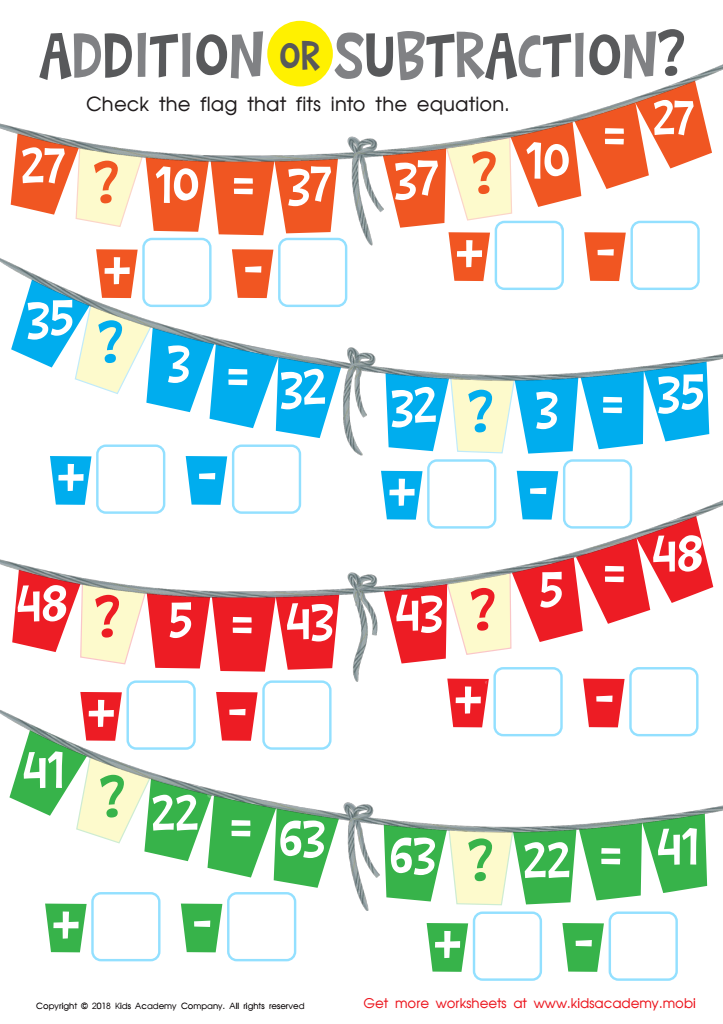
Addition or Subtraction? Worksheet
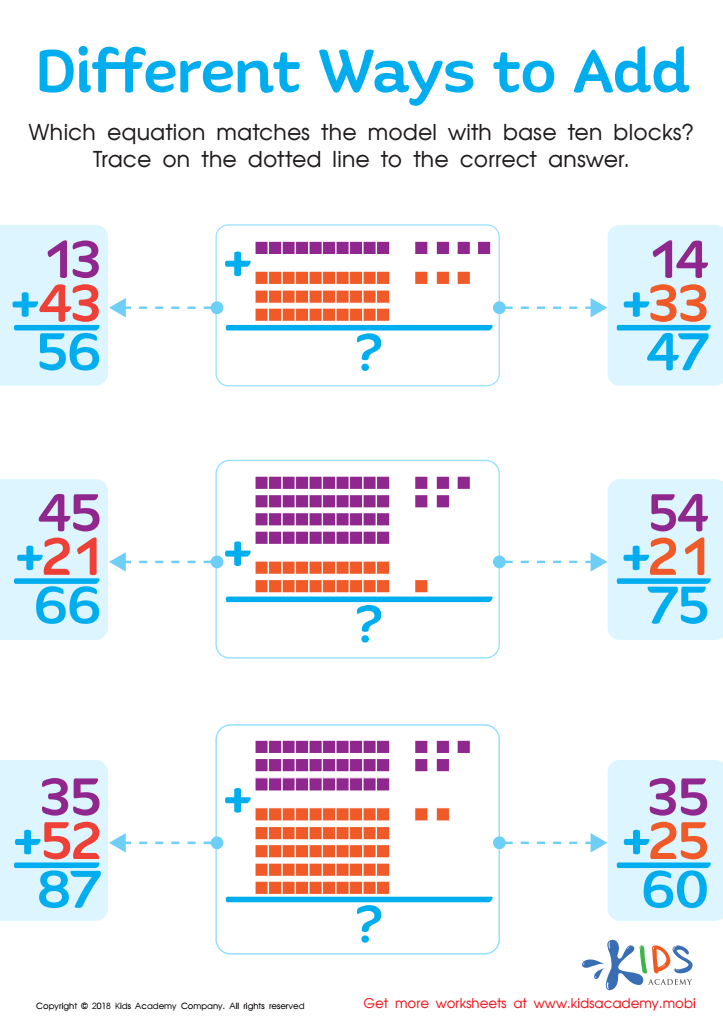
Different Ways to Add Worksheet
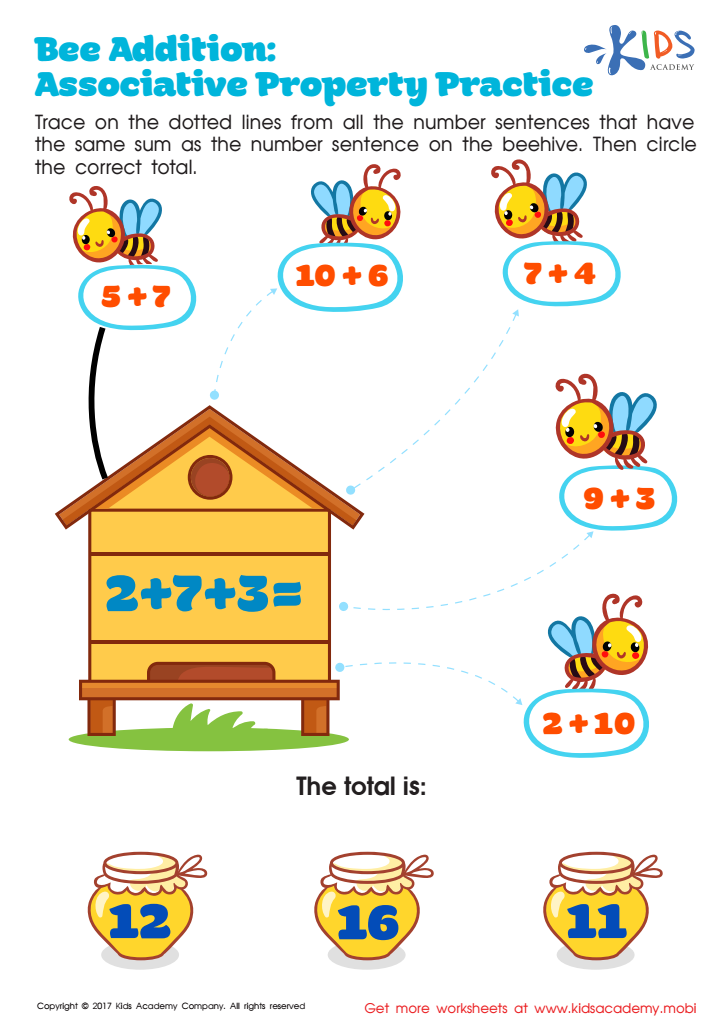
Bee Addition: Associative Property Practice Worksheet
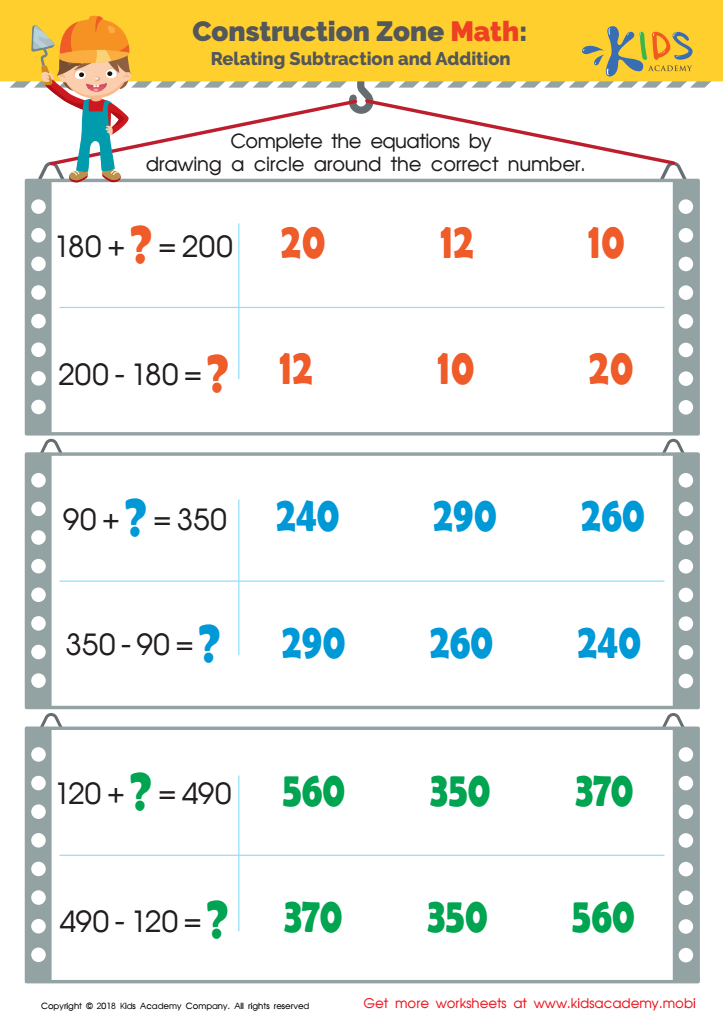
Construction Zone Math: Relating Subtraction and Addition Worksheet
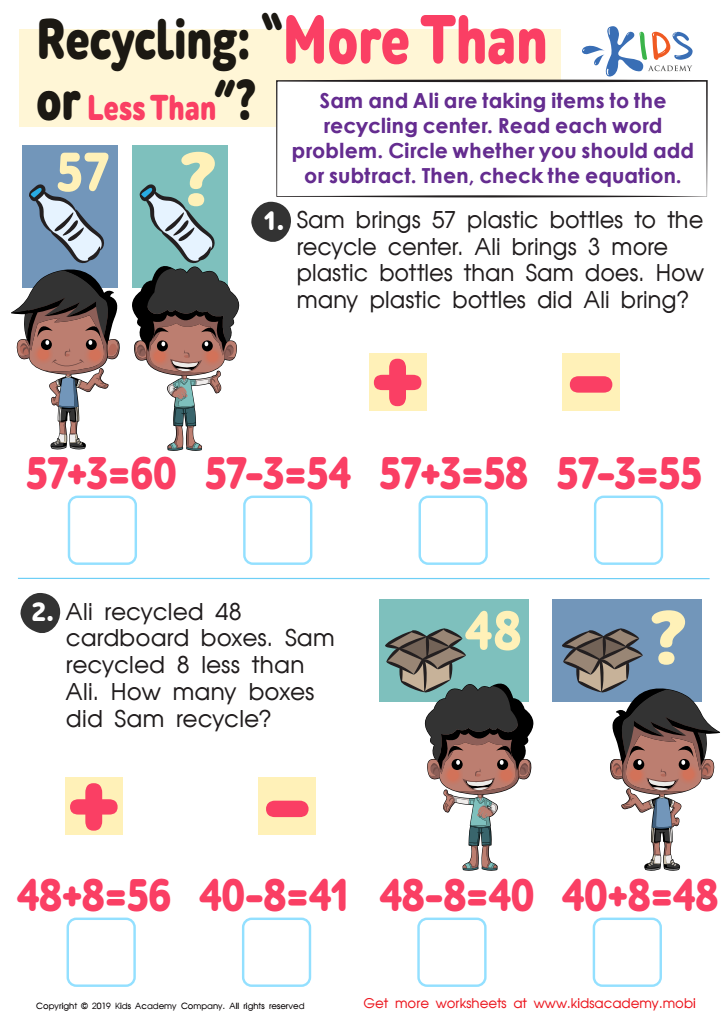
Recycling - More or Less Worksheet
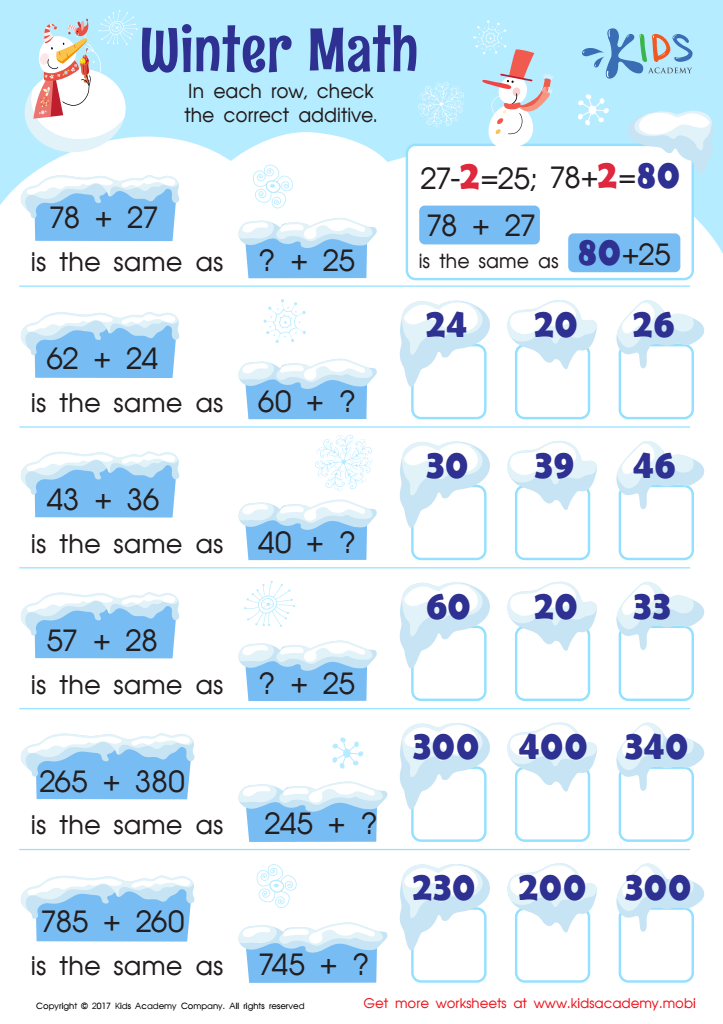
Free Addition Worksheet
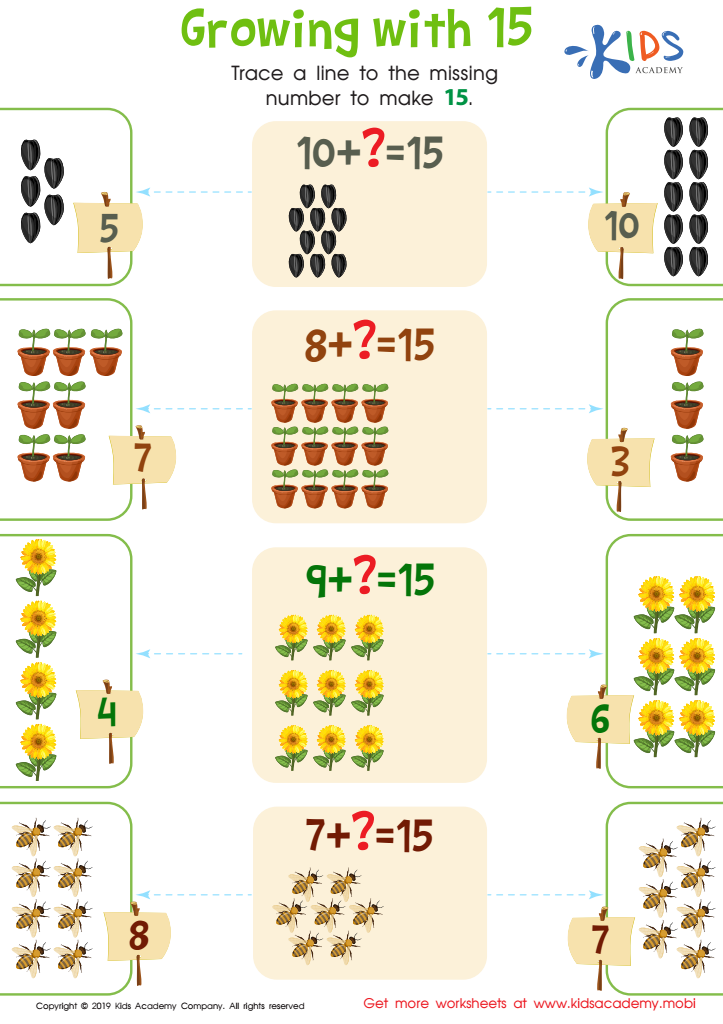
Growing with 15 Worksheet
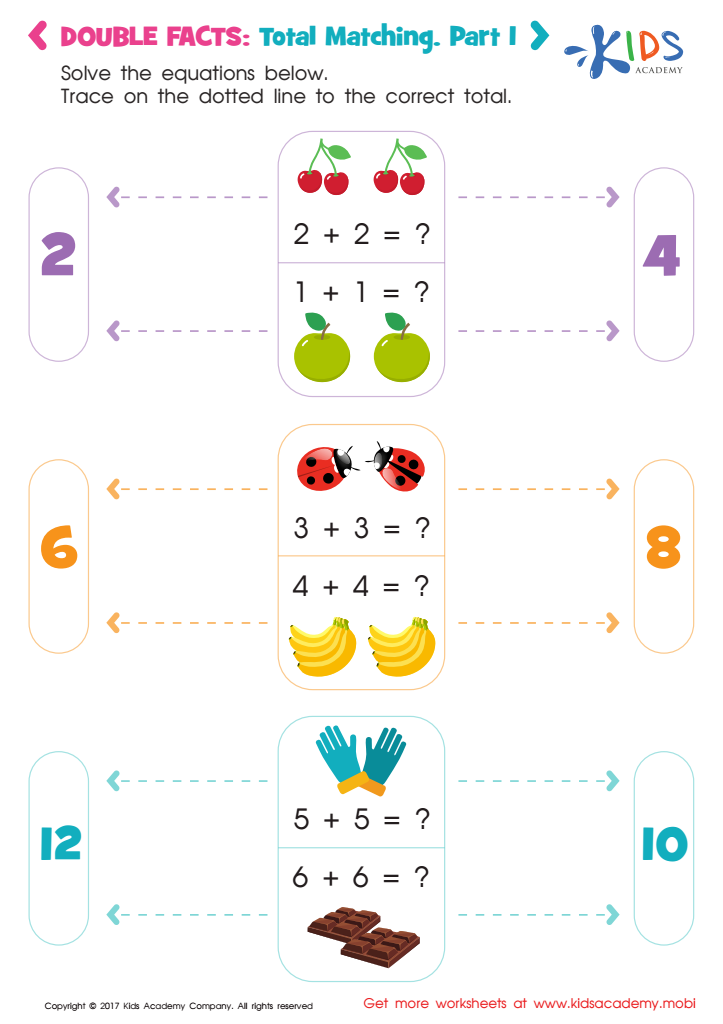
Double Facts: Total Matching Worksheet: Part 1



.jpg)




Normal addition, often taught to children ages 6-9, is a foundational math skill crucial for several reasons. Firstly, it develops essential cognitive abilities; engaging with addition problems enhances children's logical thinking, problem-solving skills, and concentration. Mastering addition in these formative years lays the groundwork for more complex mathematical concepts, such as subtraction, multiplication, and division, ensuring a solid understanding of numeracy.
Additionally, normal addition fosters confidence in children. As they successfully solve addition problems, their self-esteem grows, promoting a love for learning and mathematics. This positive perspective toward math can encourage a lifelong interest and aptitude in the subject.
Moreover, addition skills are crucial for everyday life. Children will encounter situations requiring quick calculations, such as shopping, managing money, and measuring while cooking. By equipping students with strong addition skills, teachers and parents prepare them to handle real-world scenarios effectively.
Lastly, understanding normal addition is essential for collaborative learning experiences. Group activities that involve counting and problem-solving can facilitate teamwork, communication, and social skills among peers. Therefore, investing time in teaching normal addition is beneficial not just for academic success, but also for developing well-rounded individuals in both educational and social contexts.