Normal Measurement Worksheets for Ages 6-9 - Page 2
34 filtered results
-
From - To
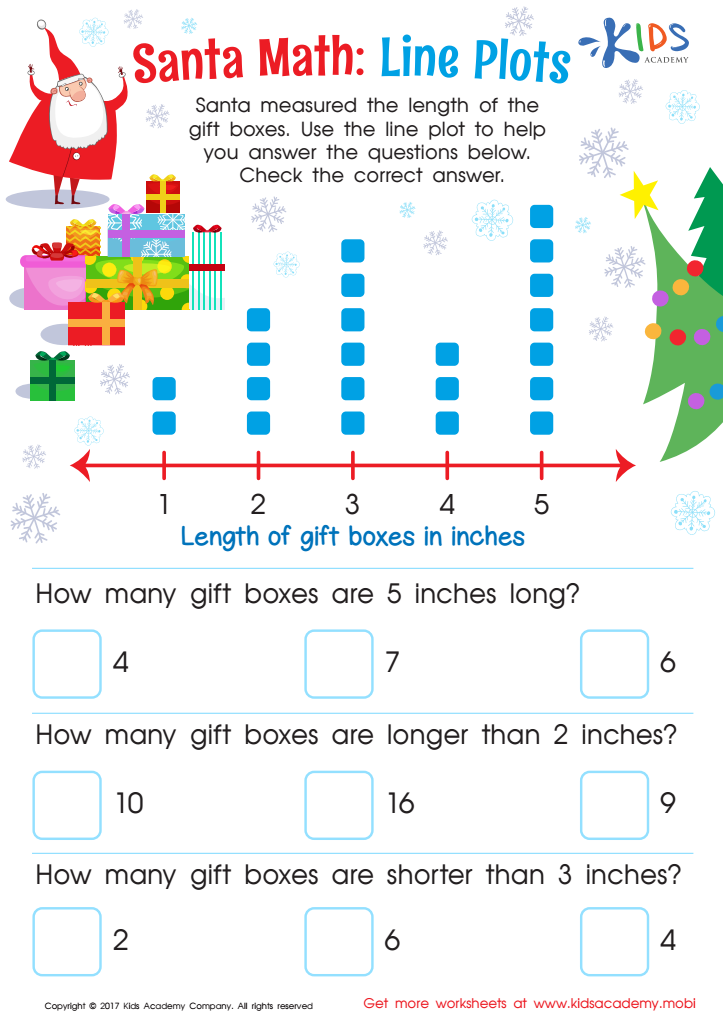
Line Plot Worksheet
 Assign to My Students
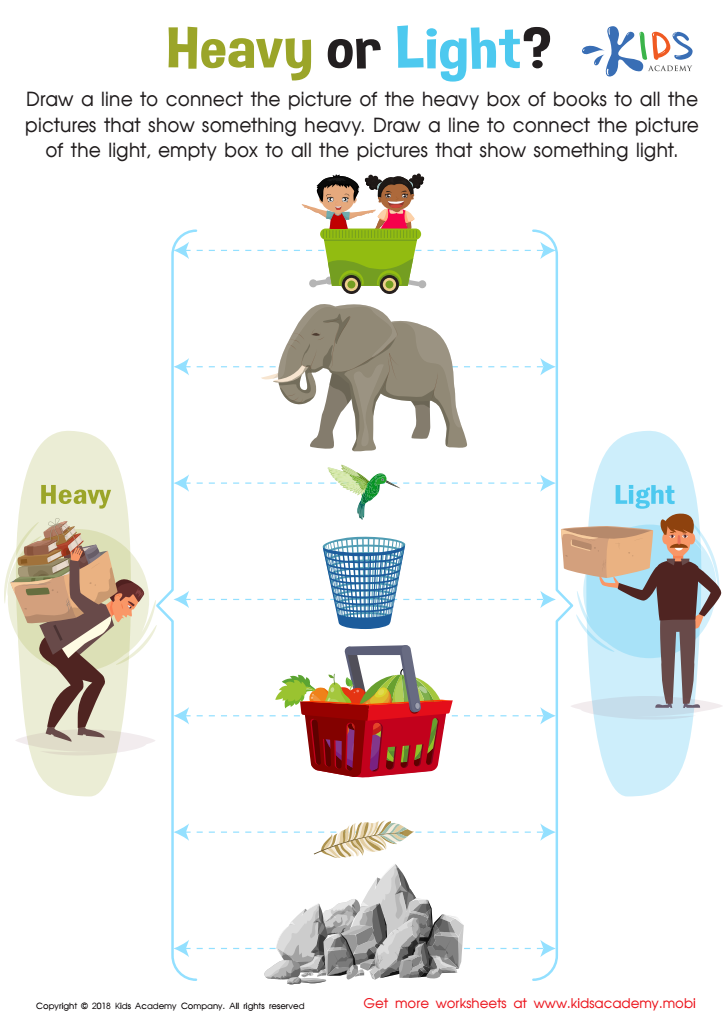
Heavy or Light? Worksheet
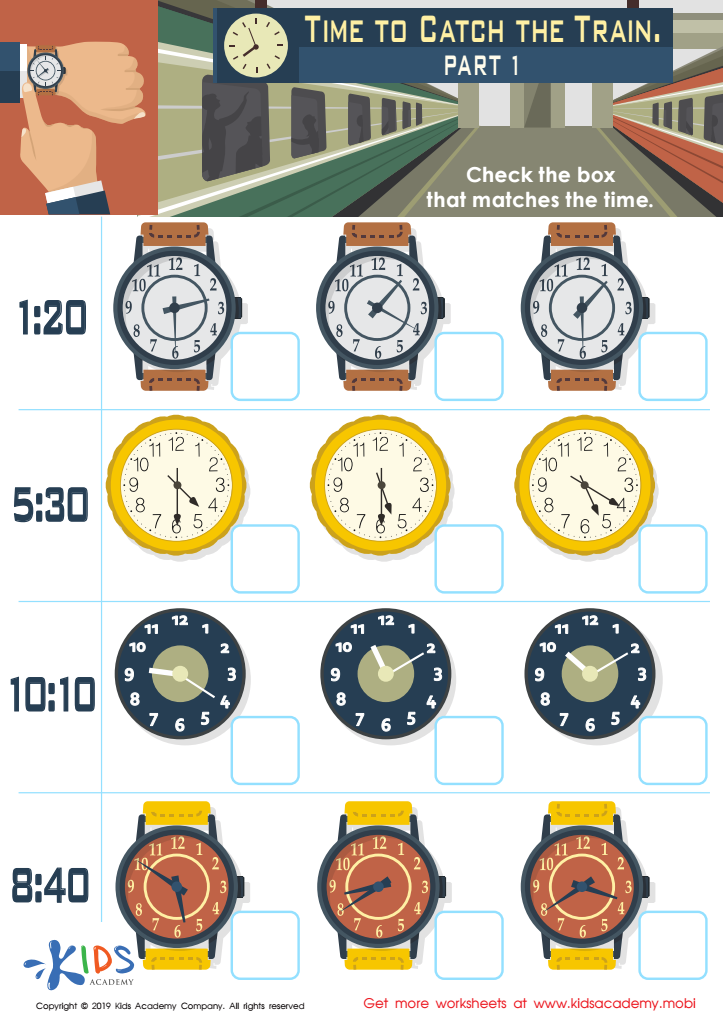
Time to Catch the Train Part 1 Worksheet
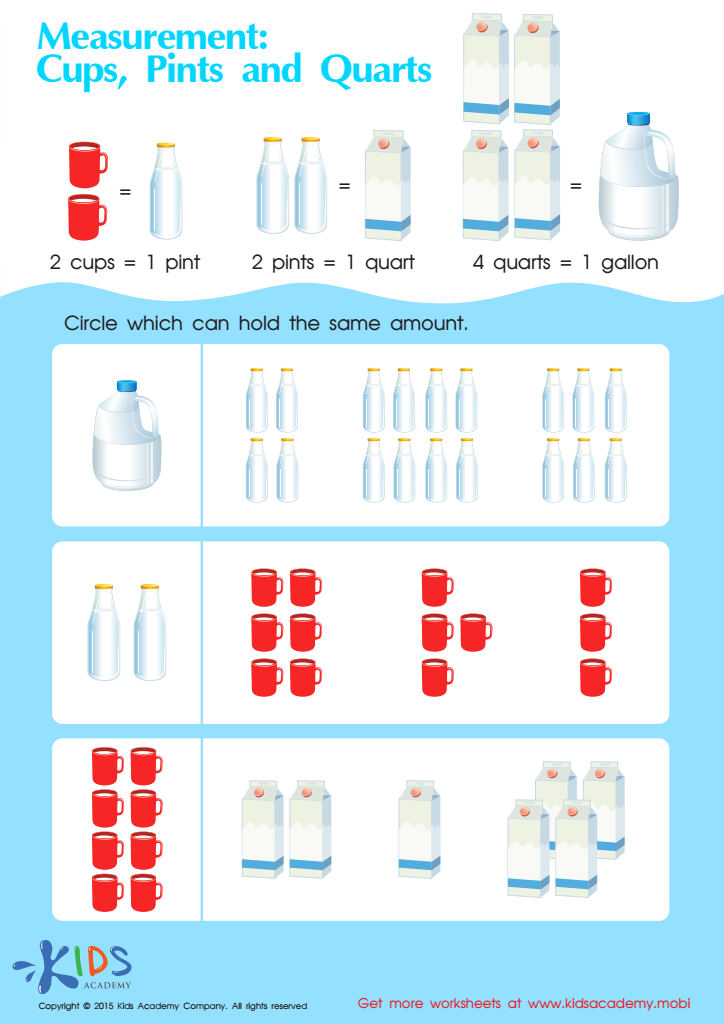
Cups, Pints and Quarts 2 Worksheet
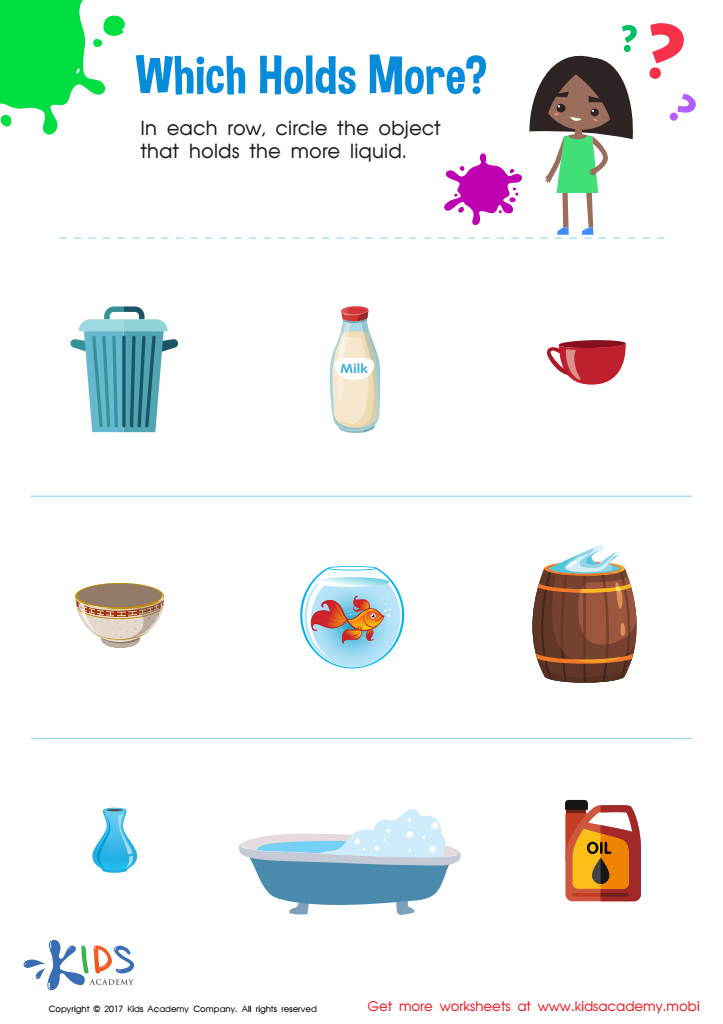
Which Holds More: Capacity Worksheet
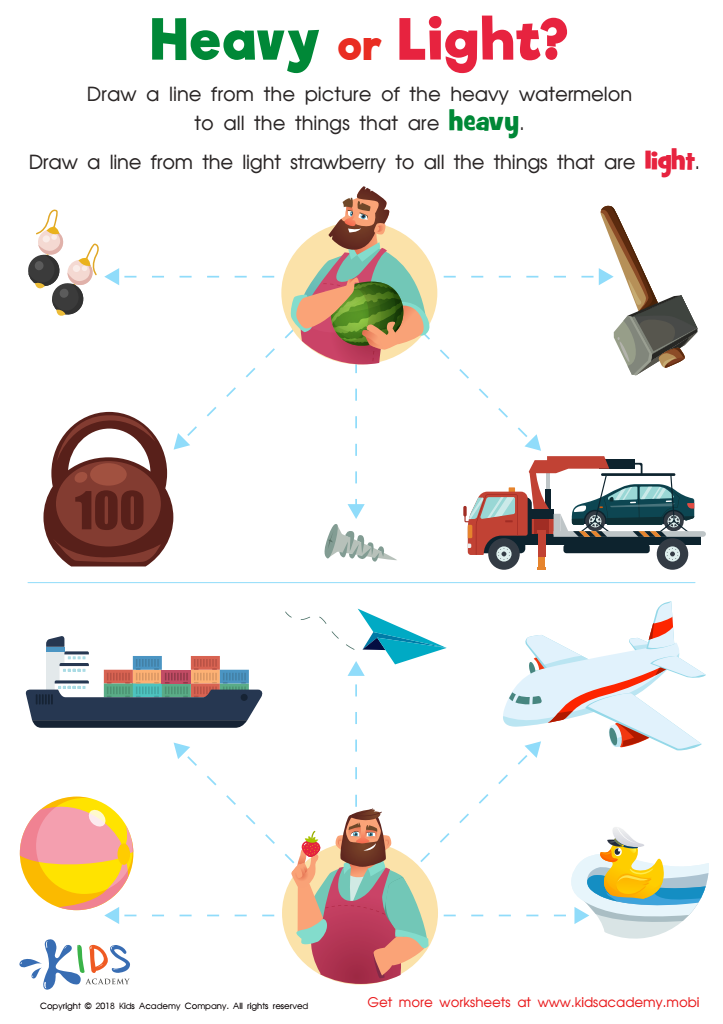
Heavy or Light? Worksheet
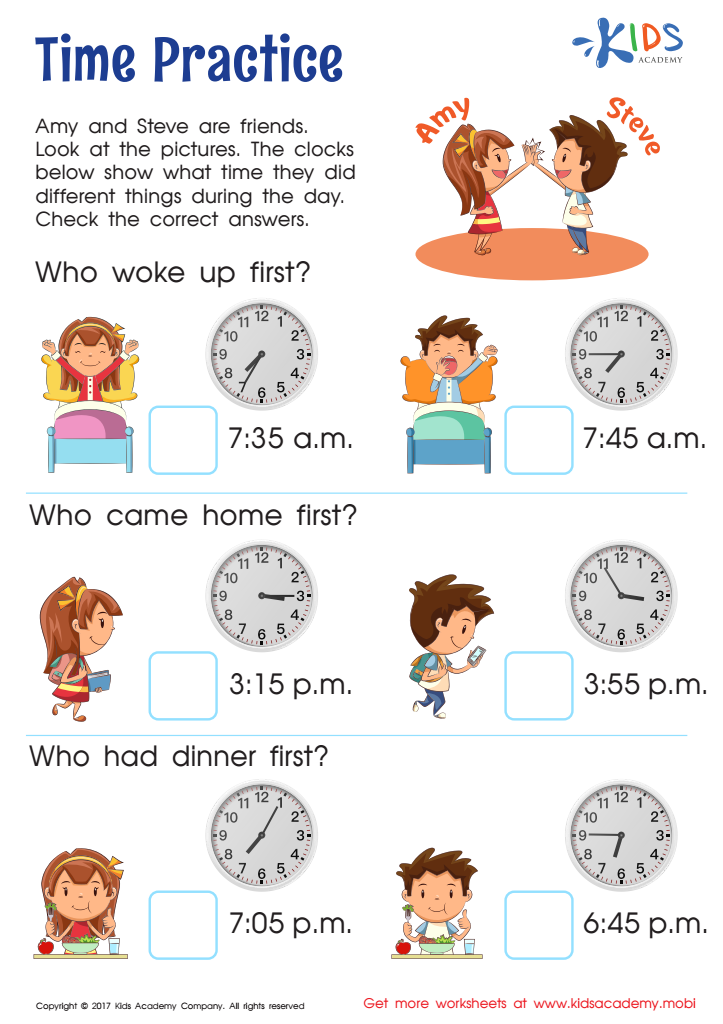
Time Practice Worksheet
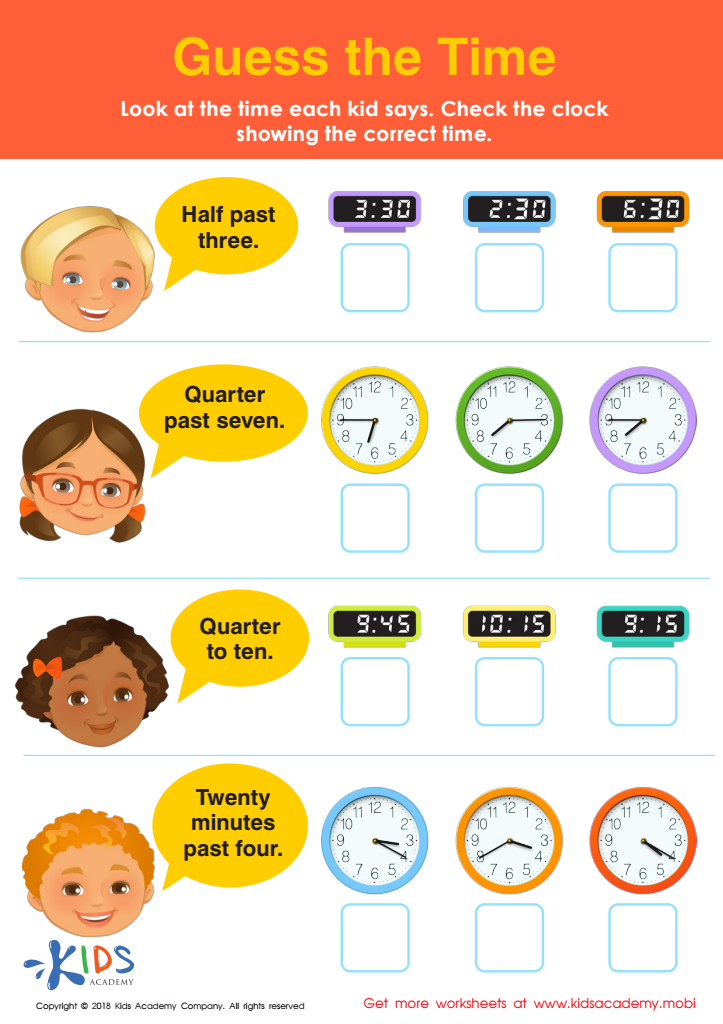
Guess the Time Worksheet
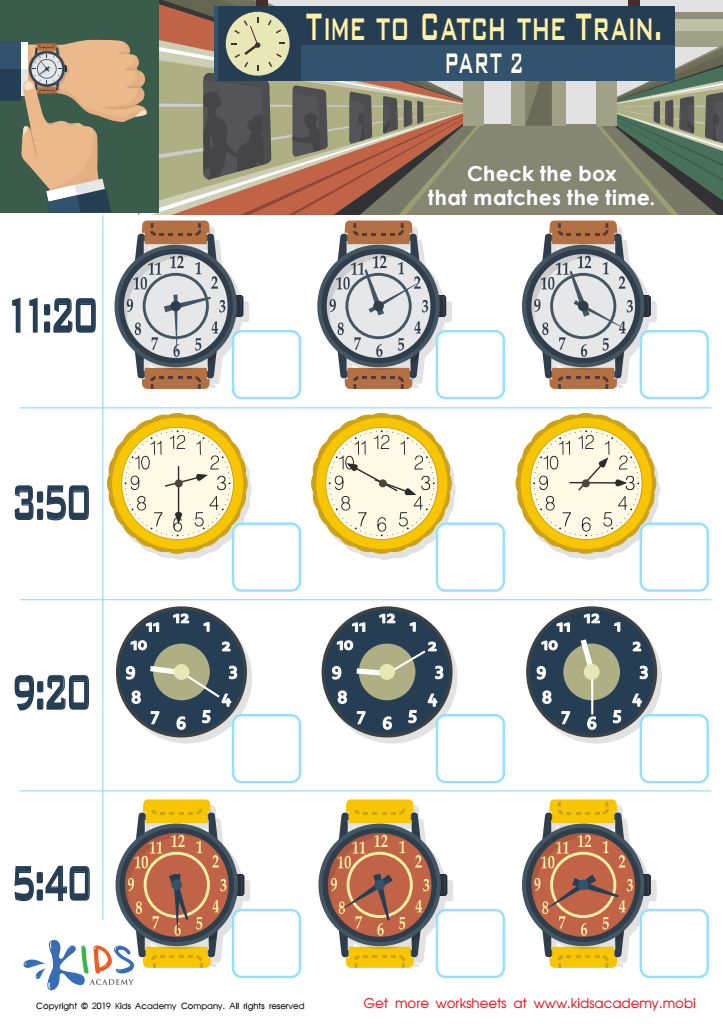
Time to Catch the Train Part 2 Worksheet
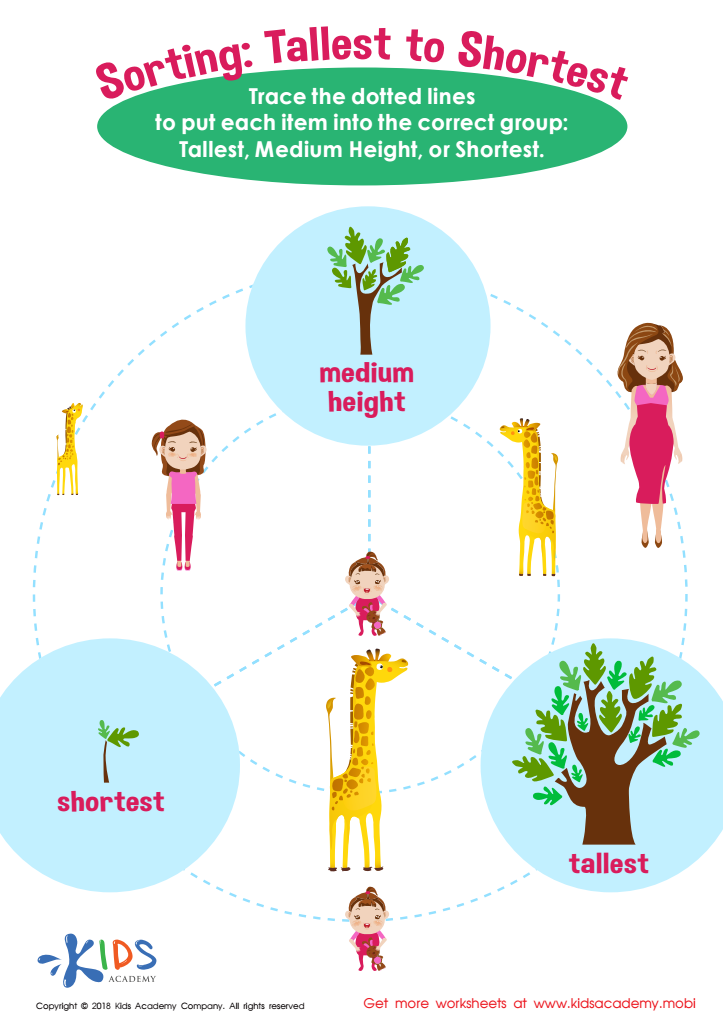
Sorting: Tallest to Shortest Worksheet








Understanding normal measurement for ages 6-9 is essential for parents and teachers as it lays the foundation for academic growth and confidence in children. Measurement concepts, which include length, weight, capacity, and time, are critical skills that children will utilize throughout their lives, both in and out of the classroom.
At this developmental stage, children are naturally curious, exploring their environment, and learning through hands-on experiences. Parents and teachers can harness this curiosity by introducing measurement in engaging ways, making it relevant to everyday situations, such as cooking or crafting. Learning about measurement enhances critical thinking and problem-solving skills.
Moreover, establishing a strong understanding of measurement aids in the comprehension of other subjects such as math, science, and geometry. By recognizing typical developmental milestones in measurement, adults can provide targeted support to those who may struggle, ensuring all children have the opportunity to succeed.
Investing time and resources in helping children grasp these concepts encourages perseverance and a growth mindset. In essence, fostering these foundational skills fosters self-confidence in children and sets the stage for lifelong learning and application of mathematics in various real-world scenarios. Parents and teachers play a vital role in shaping how positively children engage with these important concepts.








