Normal Numbers up to 100 Worksheets for Ages 6-9
22 filtered results
-
From - To
Explore our engaging "Normal Numbers up to 100 Worksheets" designed specifically for children ages 6-9! These worksheets provide a fun and interactive way to help young learners master number recognition, counting, and basic arithmetic up to 100. With colorful illustrations, clear directions, and a variety of exercises, students will enhance their mathematical skills while enjoying the process. Perfect for classroom use or at-home learning, our resources encourage independent thinking and boost confidence in math. Download the worksheets today and give your child the foundation they need to excel in their mathematical journey!
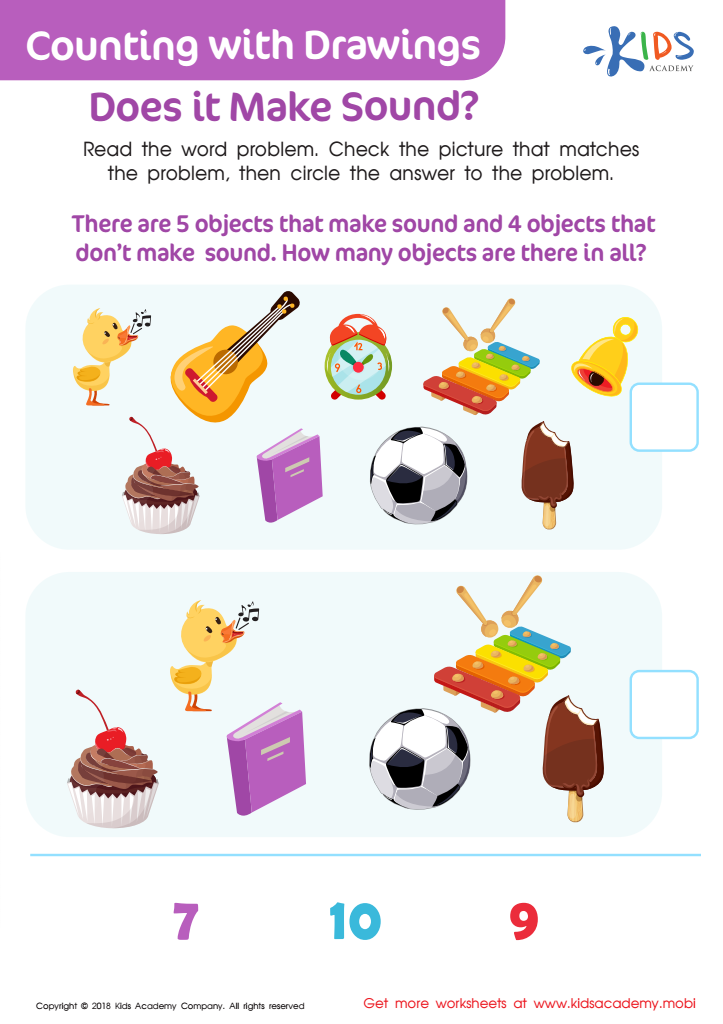
Counting With Drawings. Does It Make Sound? Worksheet
 Assign to My Students
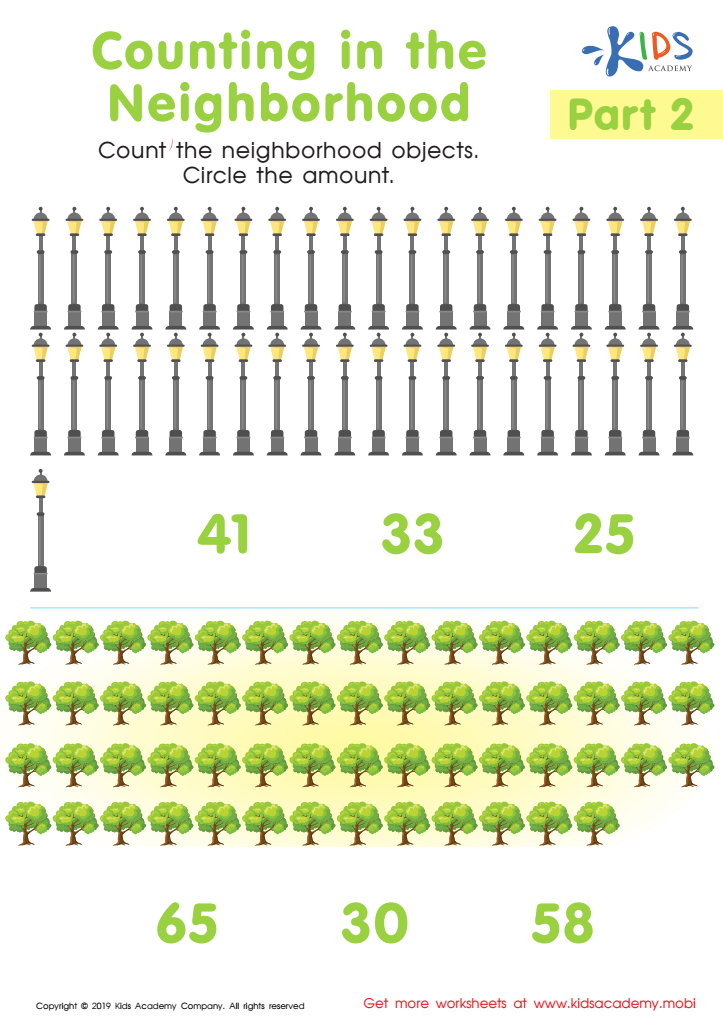
Counting In The Neighborhood Part 2 Worksheet
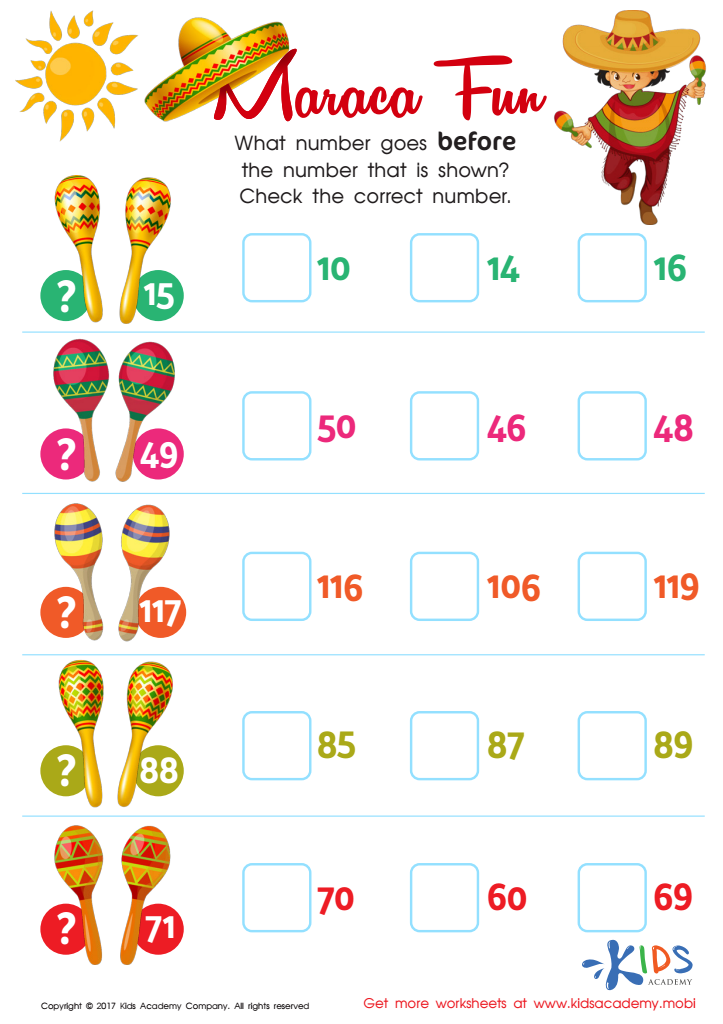
Counting: Maraca Fun Worksheet
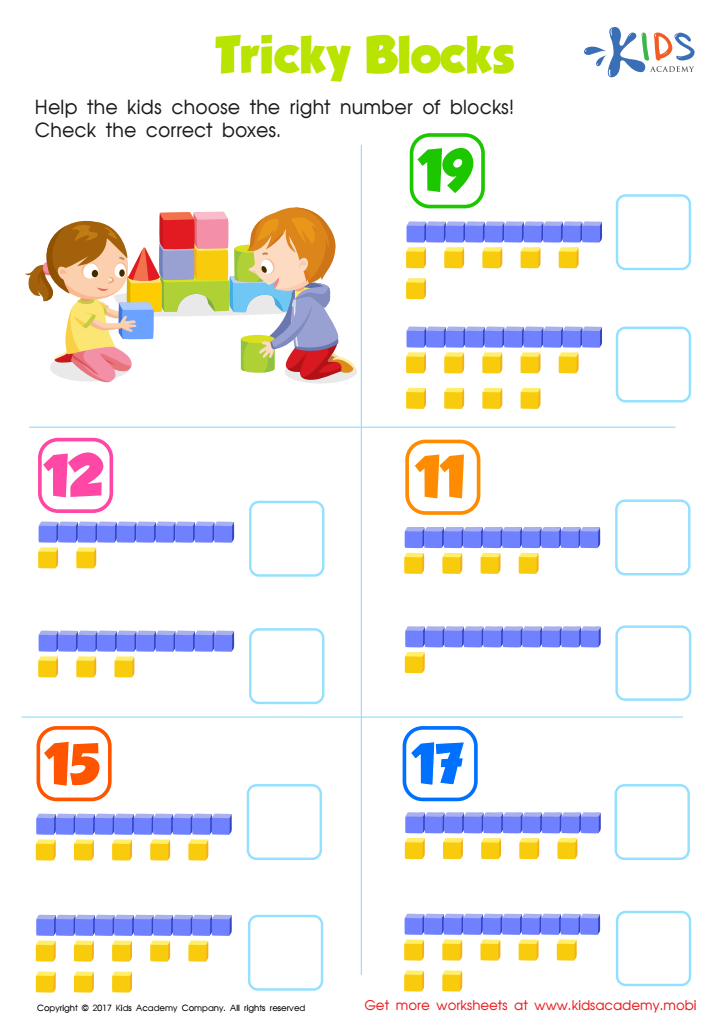
Tricky Blocks Worksheet
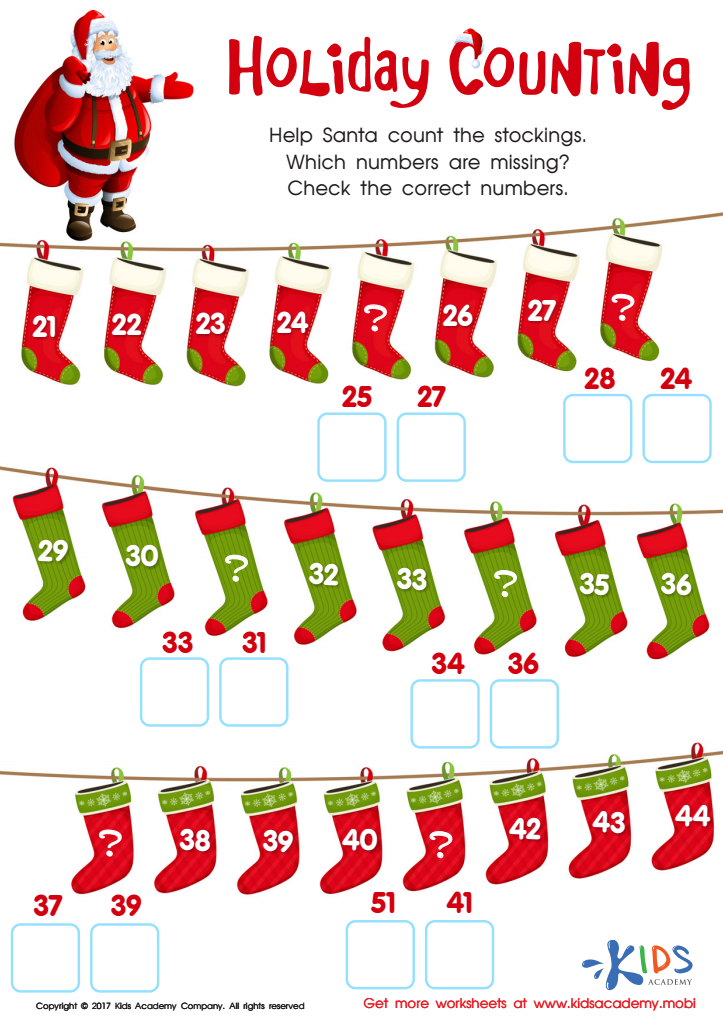
Holiday Counting Worksheet
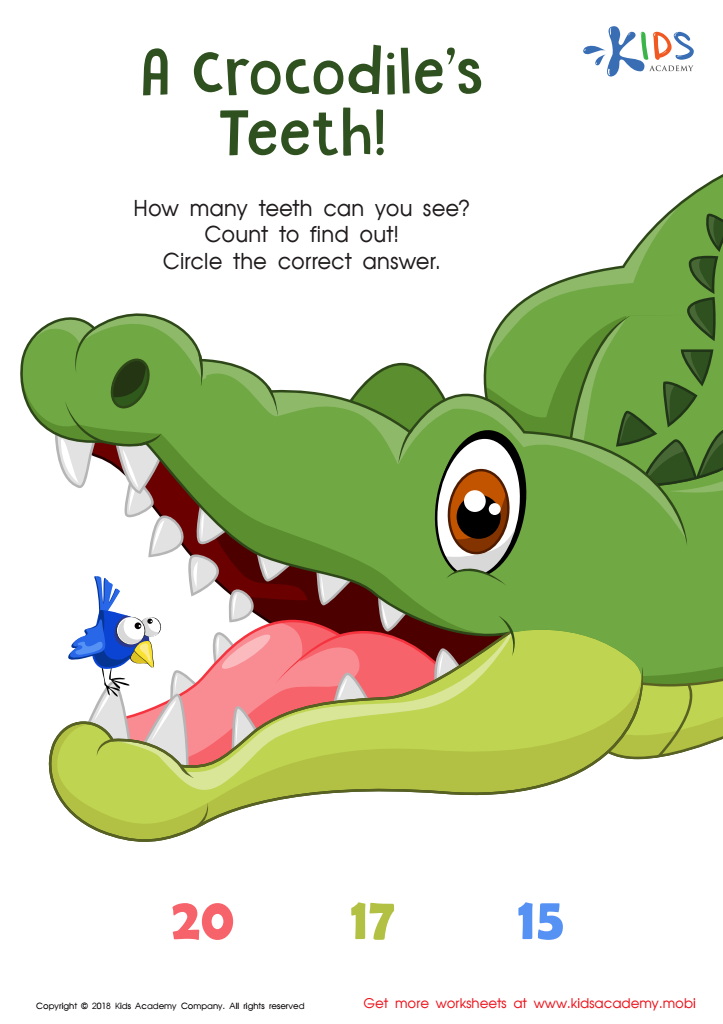
A Crocodile's Teeth Worksheet
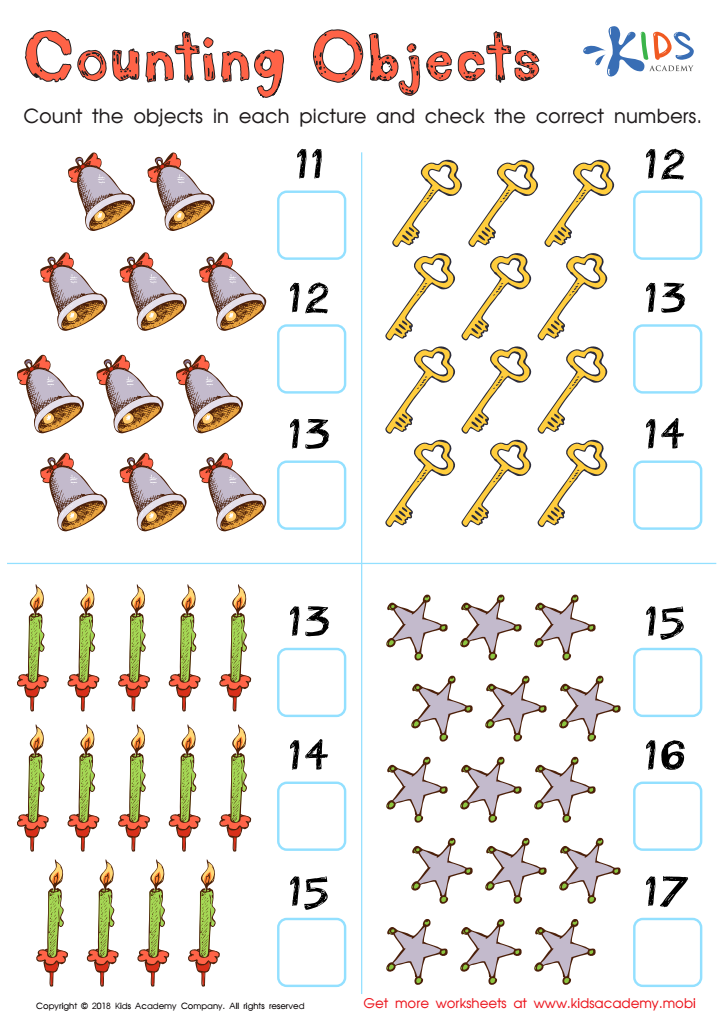
Counting Numbers Worksheet For Kindergarten
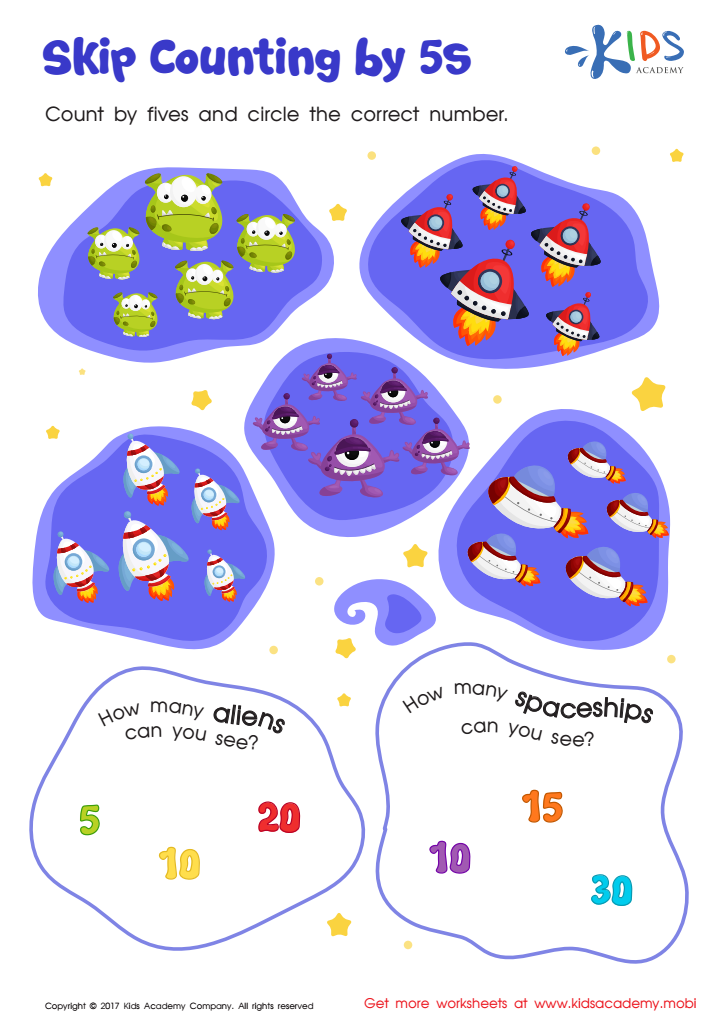
Skip Counting by 5s: Aliens and Spaceships Printable
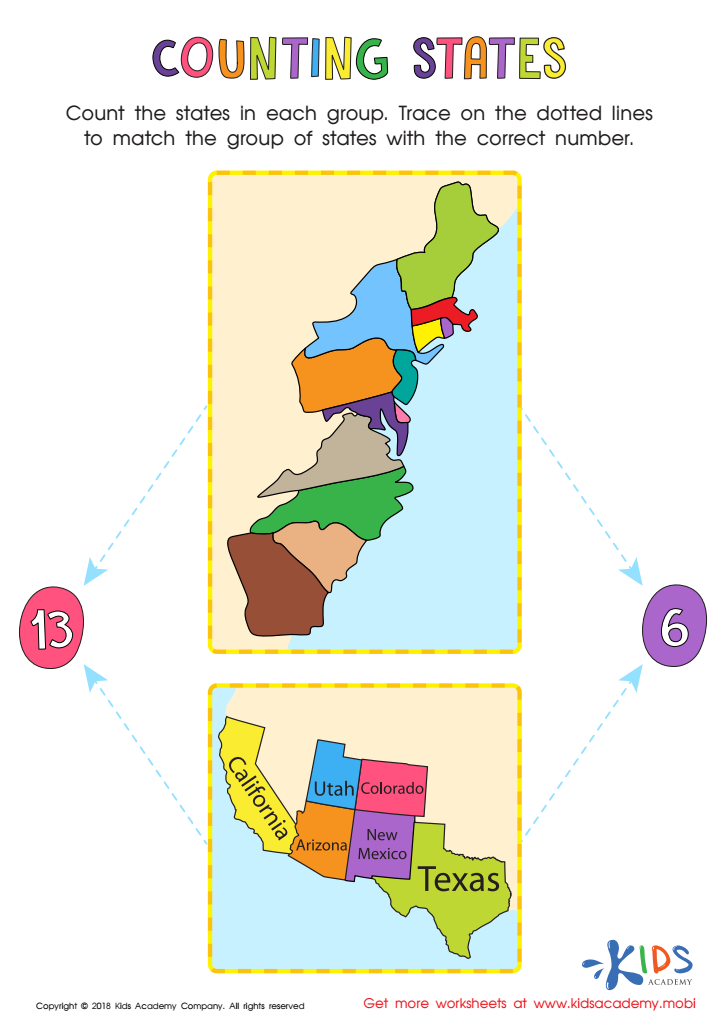
Counting States Worksheet
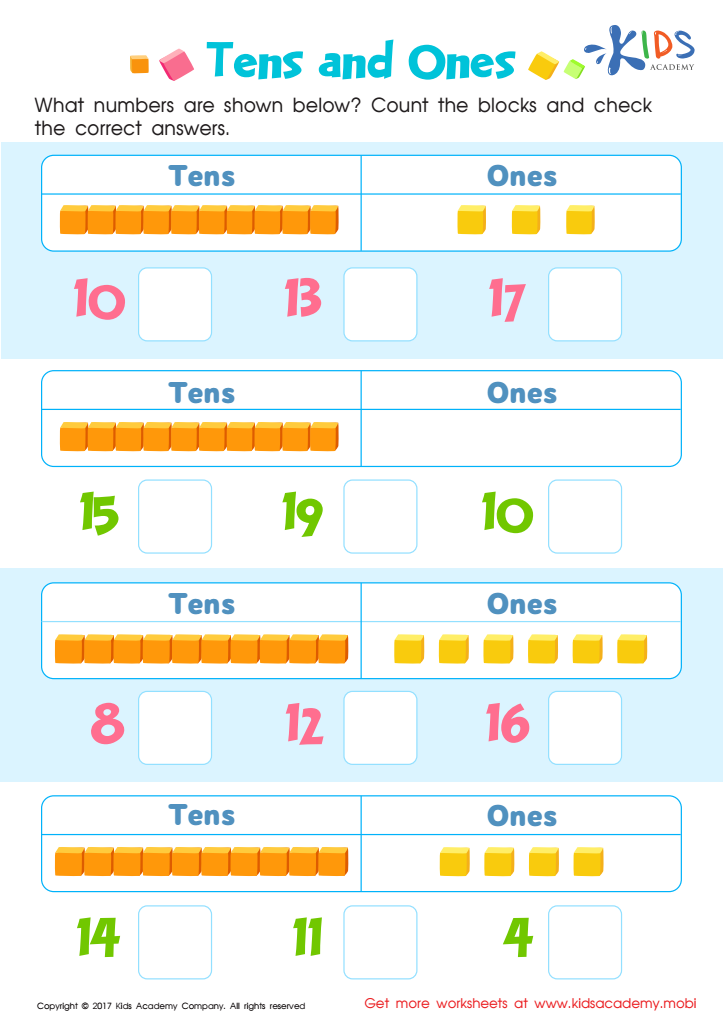
Tens and Ones Worksheet
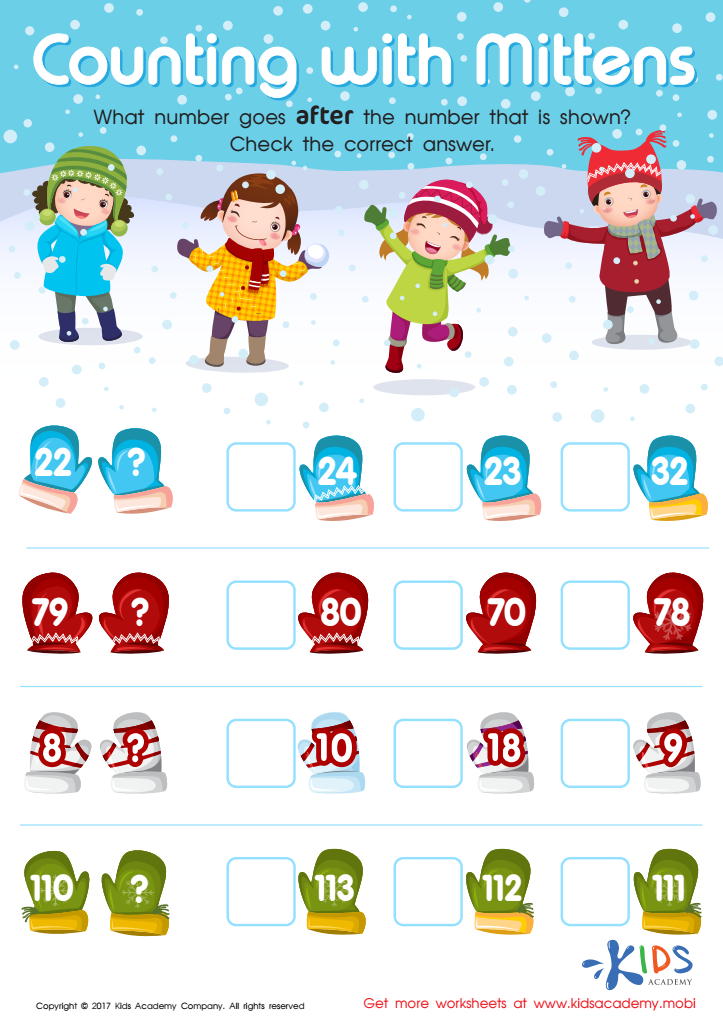
Counting with Mittens Worksheet
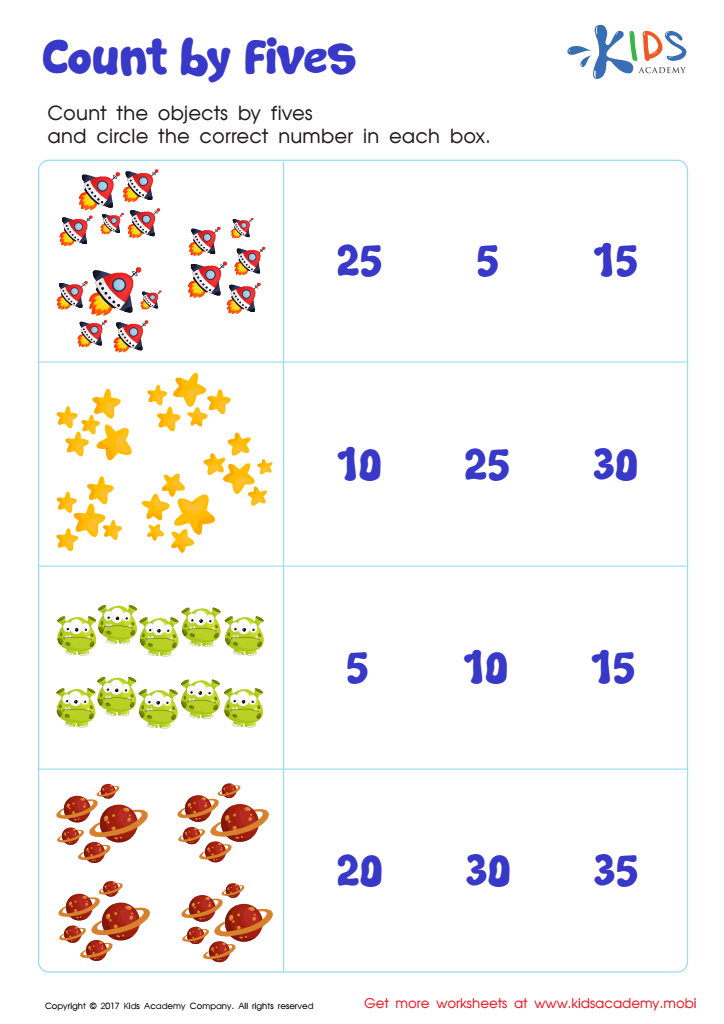
Skip Counting by 5s: Space Math Printable
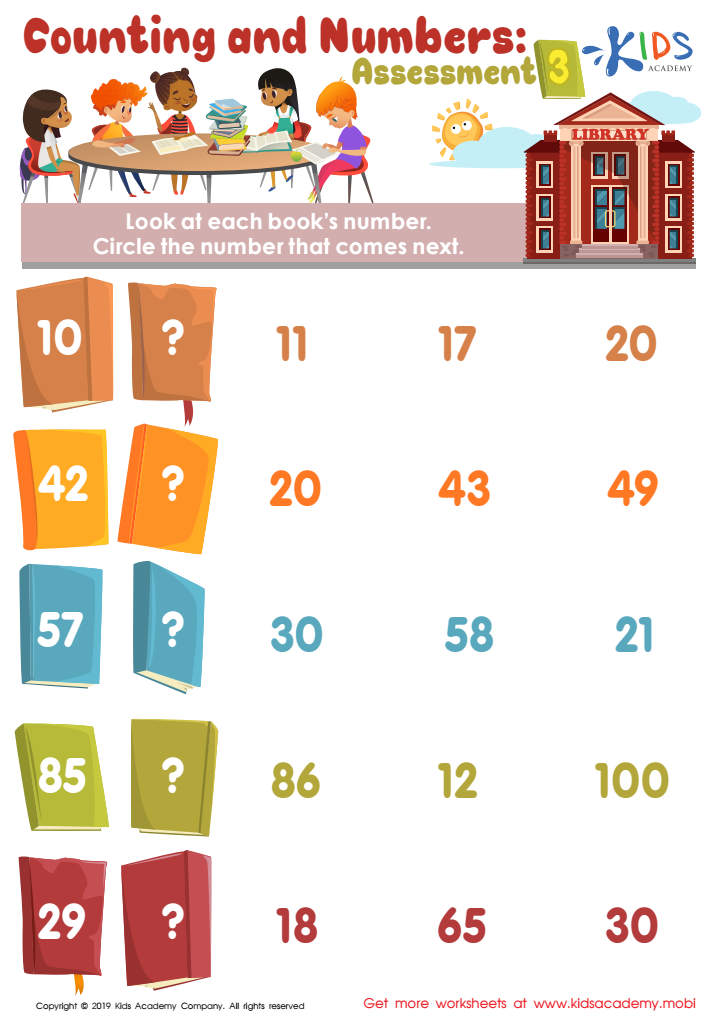
Counting and Numbers: Assessment Worksheet
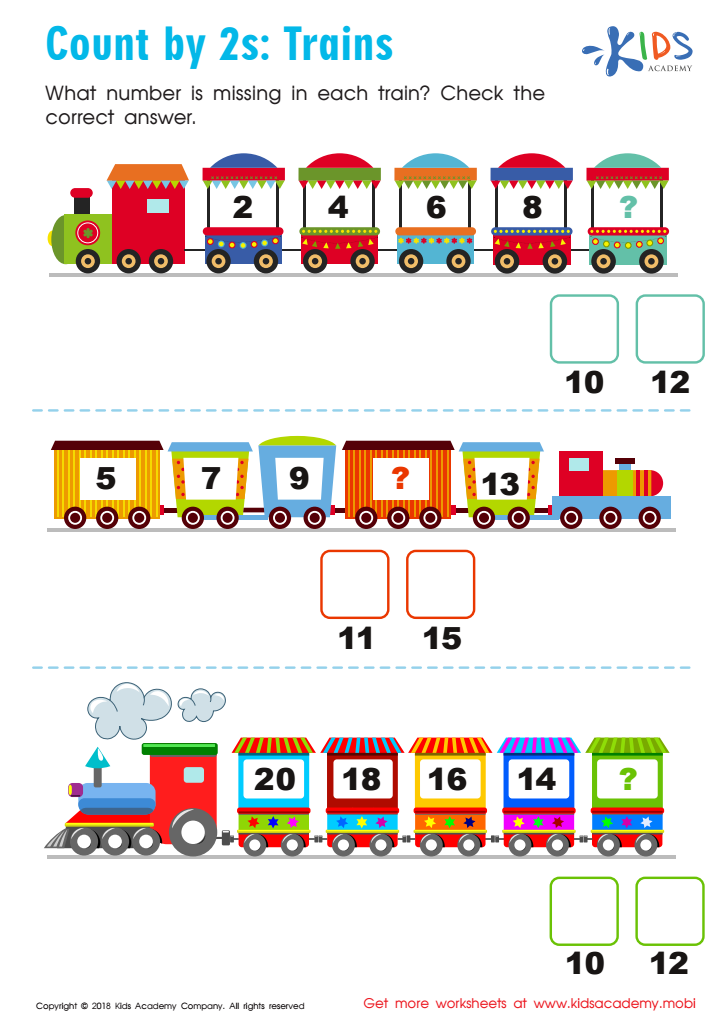
Count by 2's: Trains Worksheet
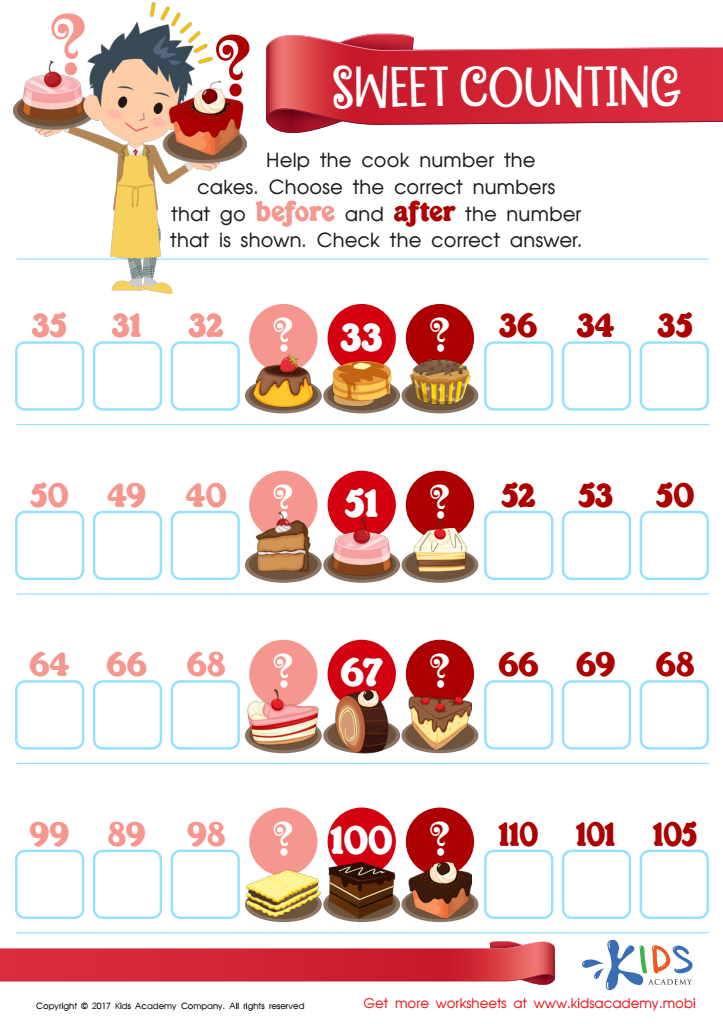
Sweet Counting - Part 1 Worksheet
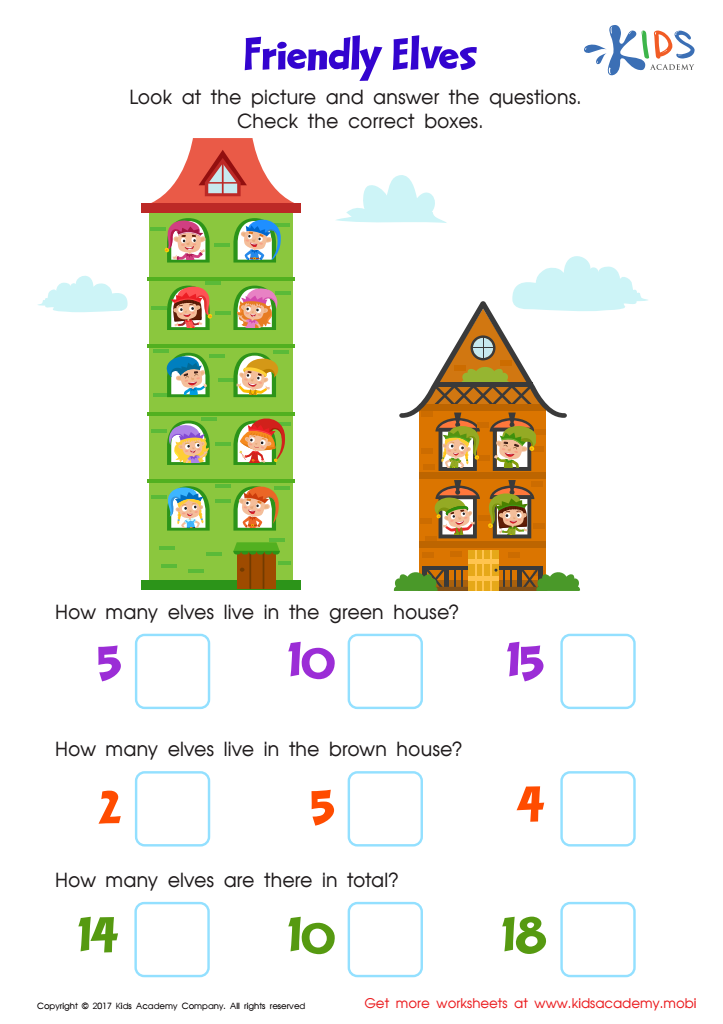
Place Value: Friendly Elves Worksheet
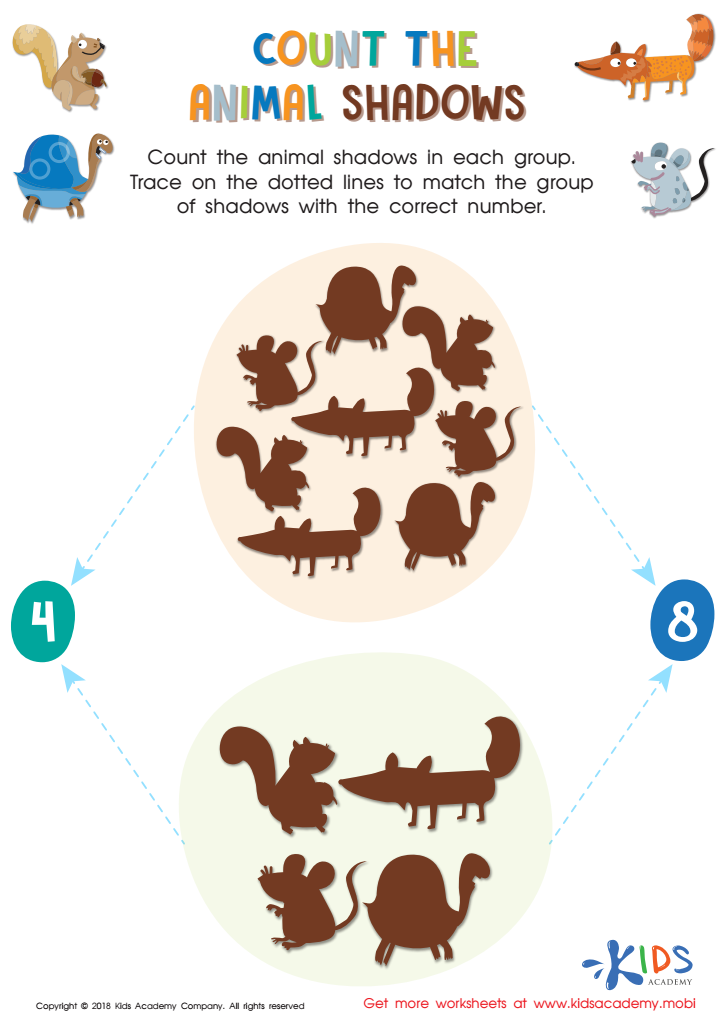
Count the Animal Shadows Worksheet
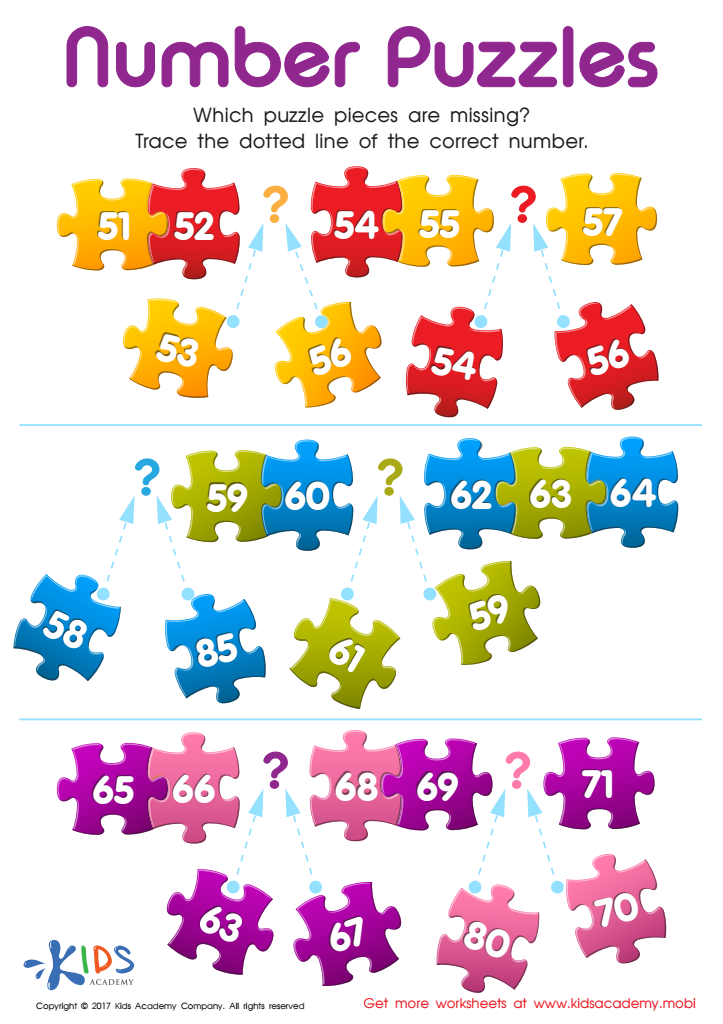
Number Puzzles Worksheet
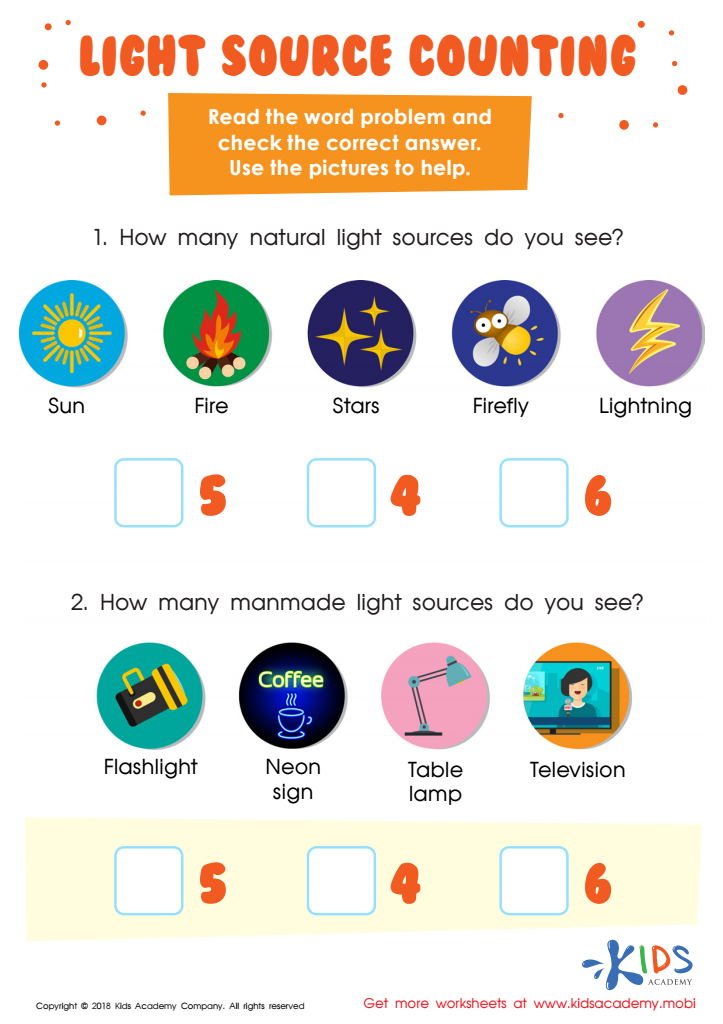
Light Source Counting Worksheet
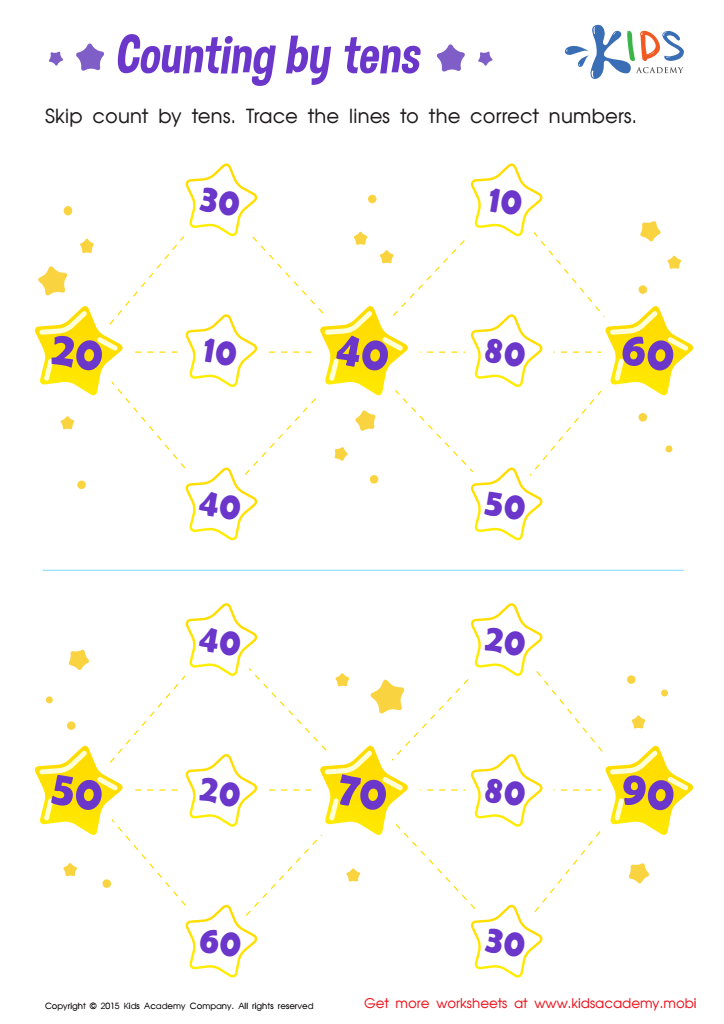
Learn Dozens: Counting by Tens Printable
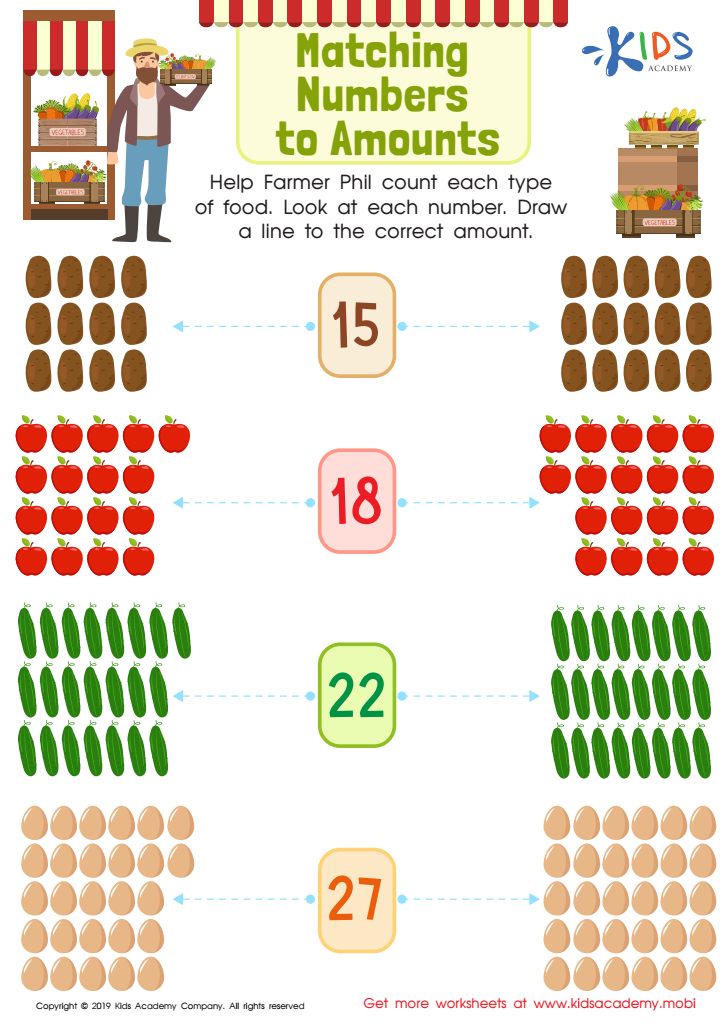
Matching Numbers to Amounts Worksheet








Normal numbers, especially in the context of early mathematics education for children ages 6-9, are foundational concepts that help develop essential skills in number sense and mathematical reasoning. For parents and teachers, understanding normal numbers—those values regularly encountered in everyday activities up to 100—is crucial because they provide a framework for helping children engage with and relate to mathematics in a practical way.
Normal numbers, such as those representing countable quantities, common shapes, and patterns, encourage children’s curiosity and ability to visually and contextually interpret mathematical concepts. Engaging with numbers in early childhood fosters critical thinking skills, increases confidence, and lays the groundwork for future academic success.
Moreover, by exploring normal numbers, children learn to recognize and appreciate relationships between numbers, sequences, and basic arithmetic operations, which are foundational for more advanced mathematics. Parents and teachers can promote fun, hands-on activities using normal numbers—counting objects, cooking using measurements, or simple budgeting—to reinforce the concept. In doing so, children perceive math as relevant and enjoyable, leading to a stronger, more positive connection with the subject. This early engagement can inspire a lifelong appreciation for mathematics, ultimately shaping future learning experiences.