Normal Word Problems Worksheets for Ages 6-9 - Page 2
45 filtered results
-
From - To
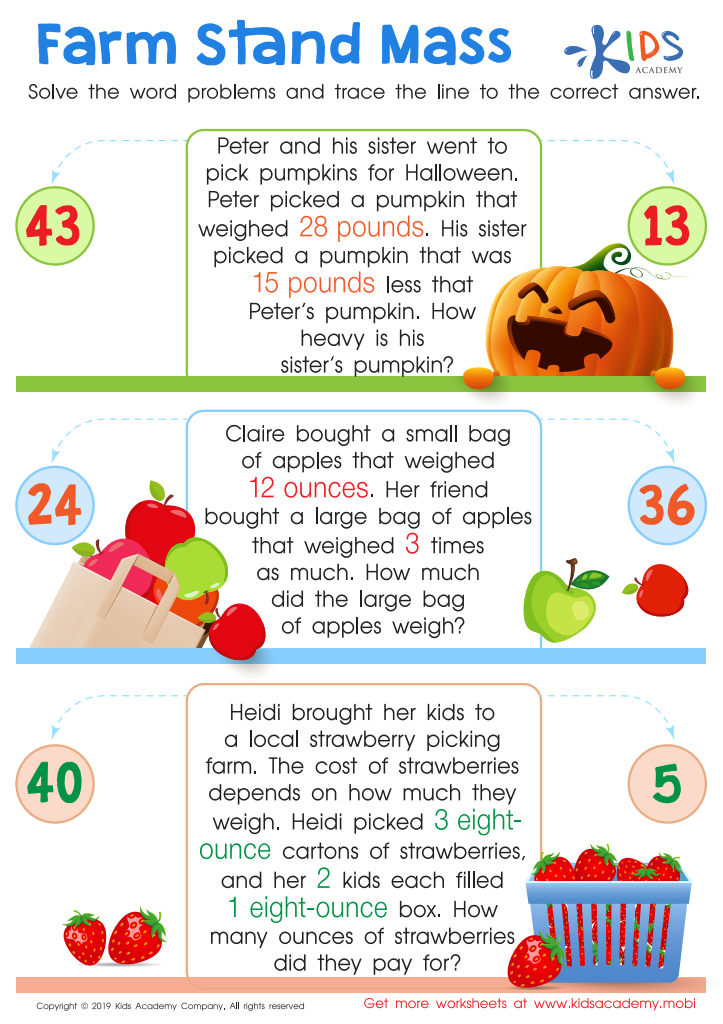
Farm Stand Mass Worksheet
 Assign to My Students
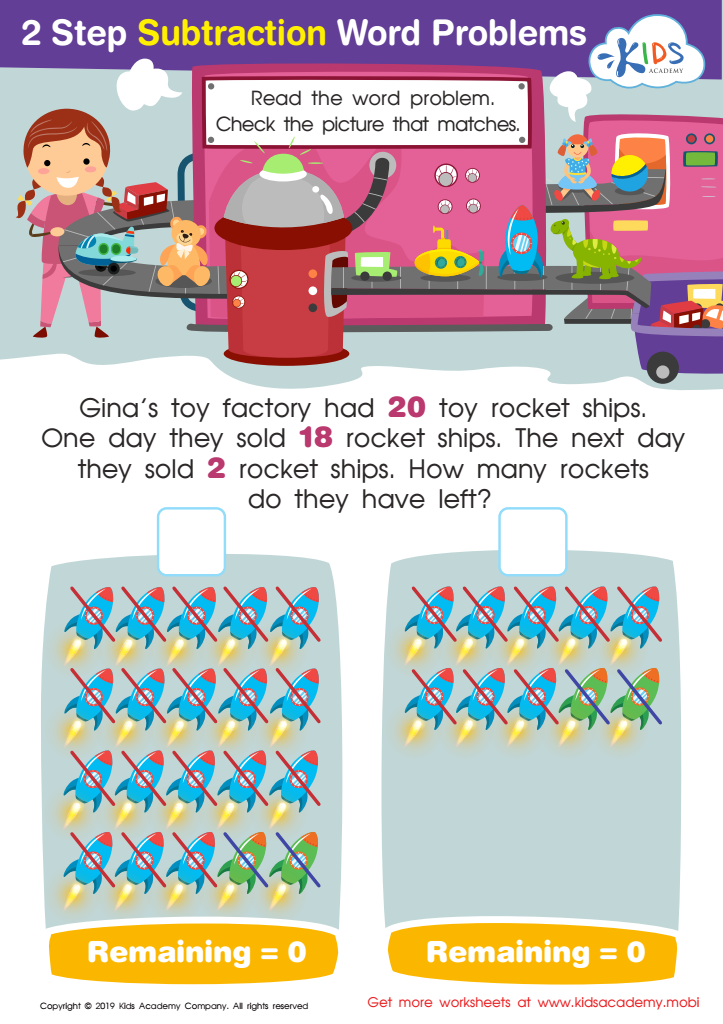
Step Subtraction Word Problems Worksheet
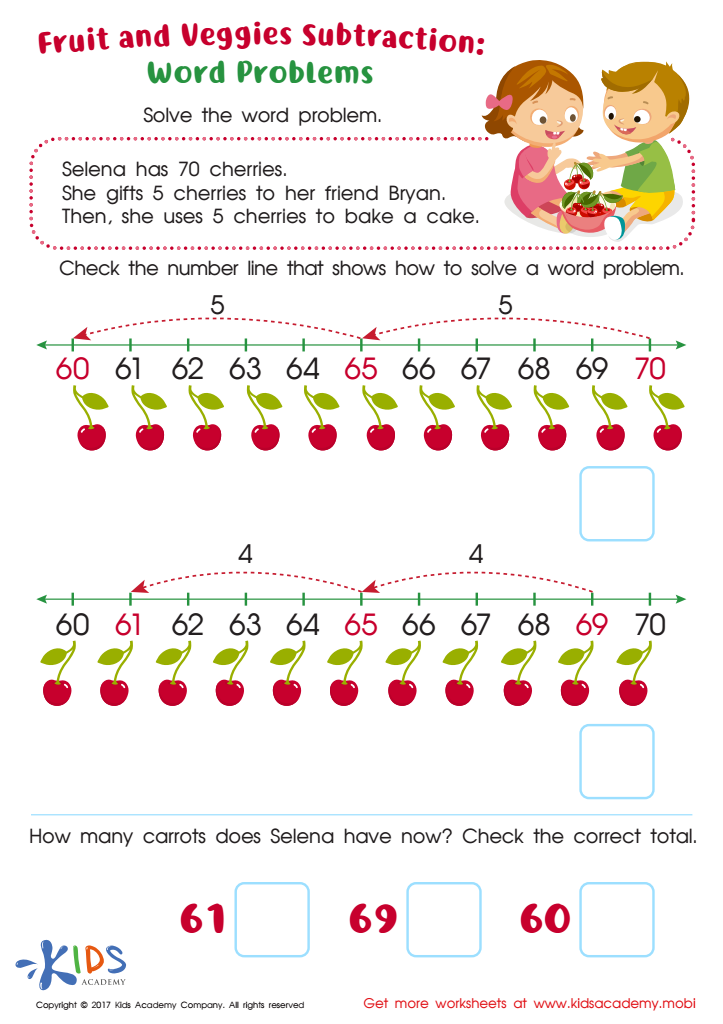
Subtraction Word Problems Free Printable
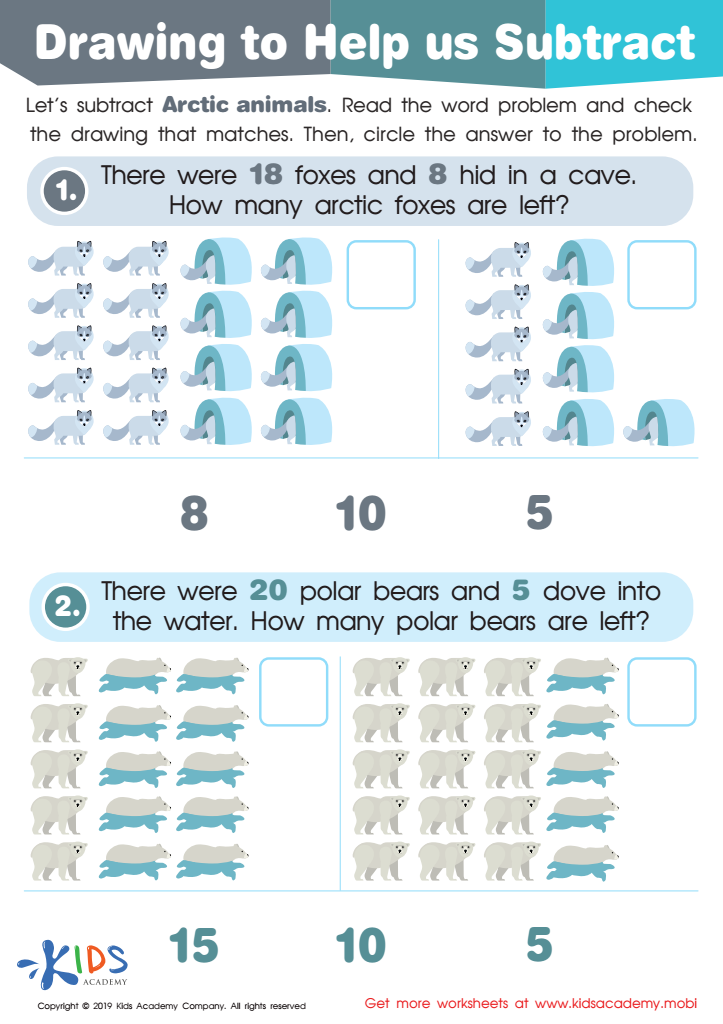
Drawing to Help Us Subtract Worksheet
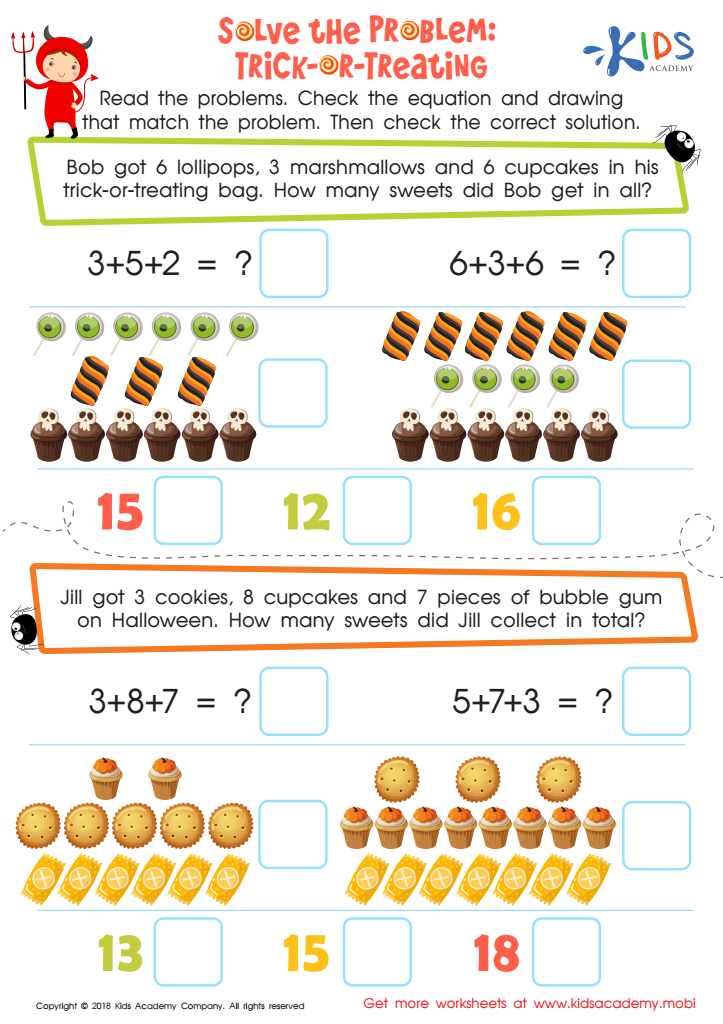
Solve the Problem: Trick–or–treating Worksheet
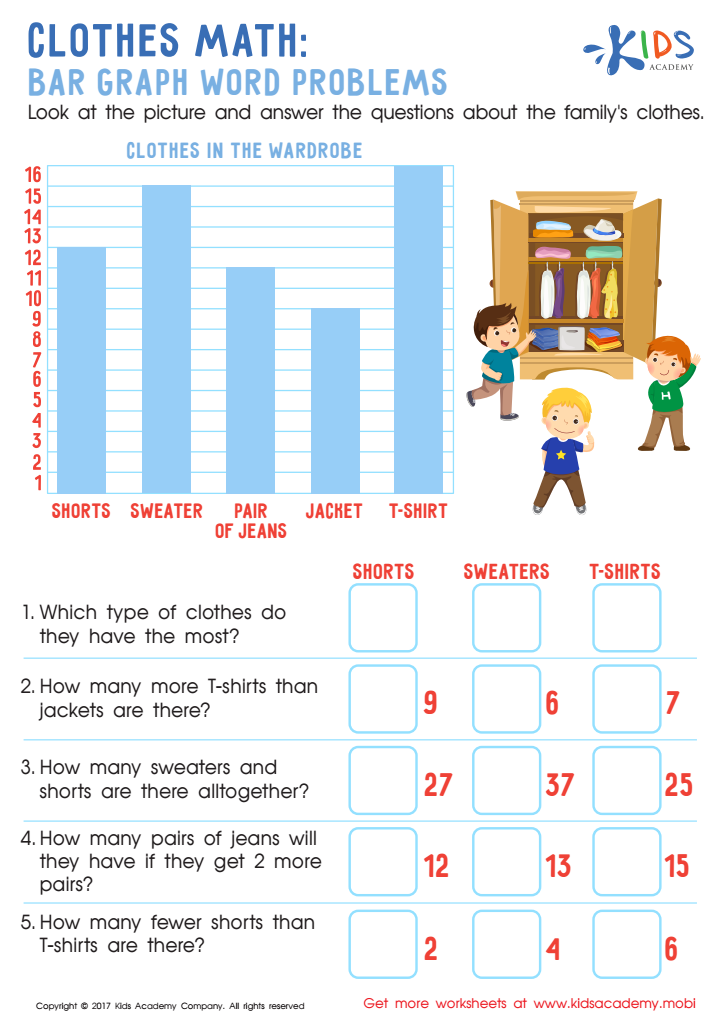
Clothes Math: Bar Graph Word Problems Worksheet
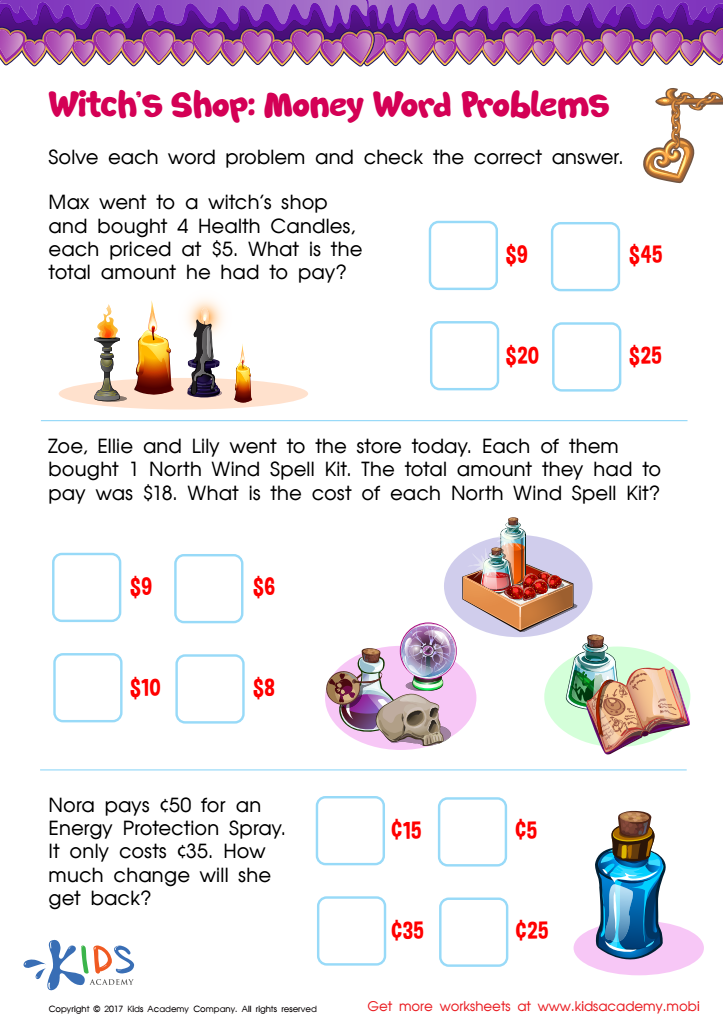
Money Word Problems Printable
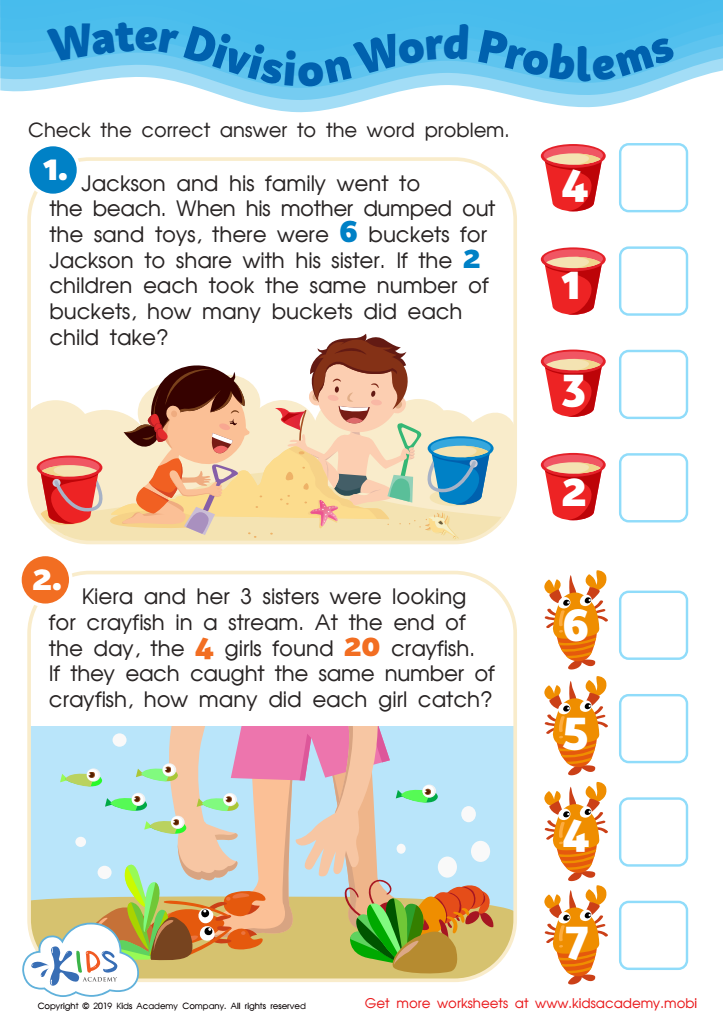
Water Division Word Problems Worksheet
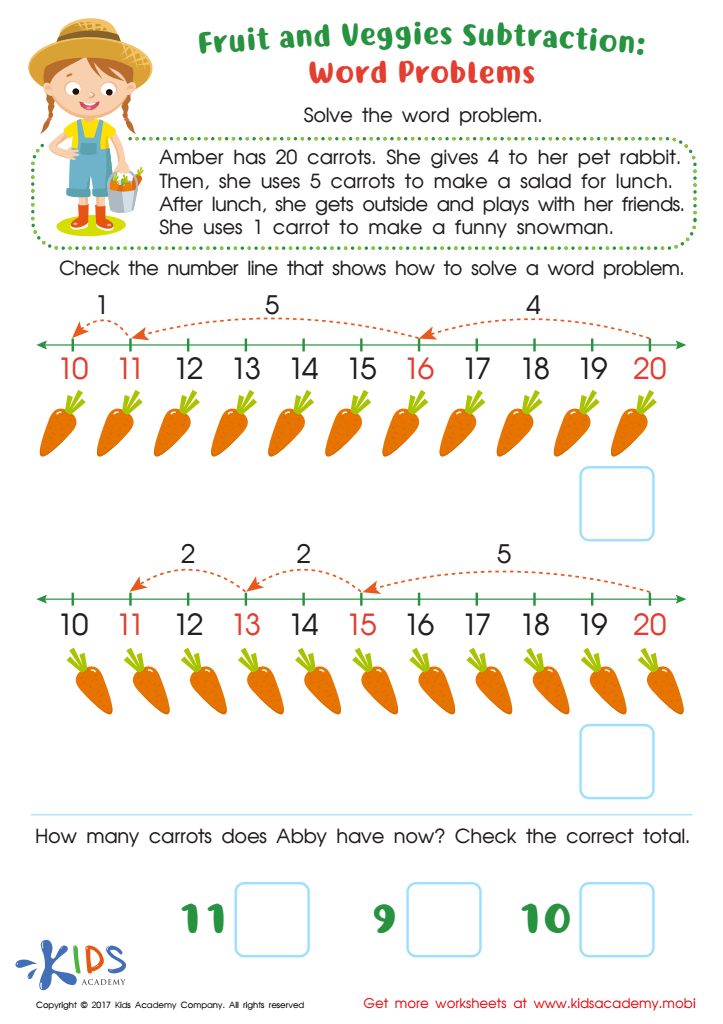
Subtraction Word Problems Printable
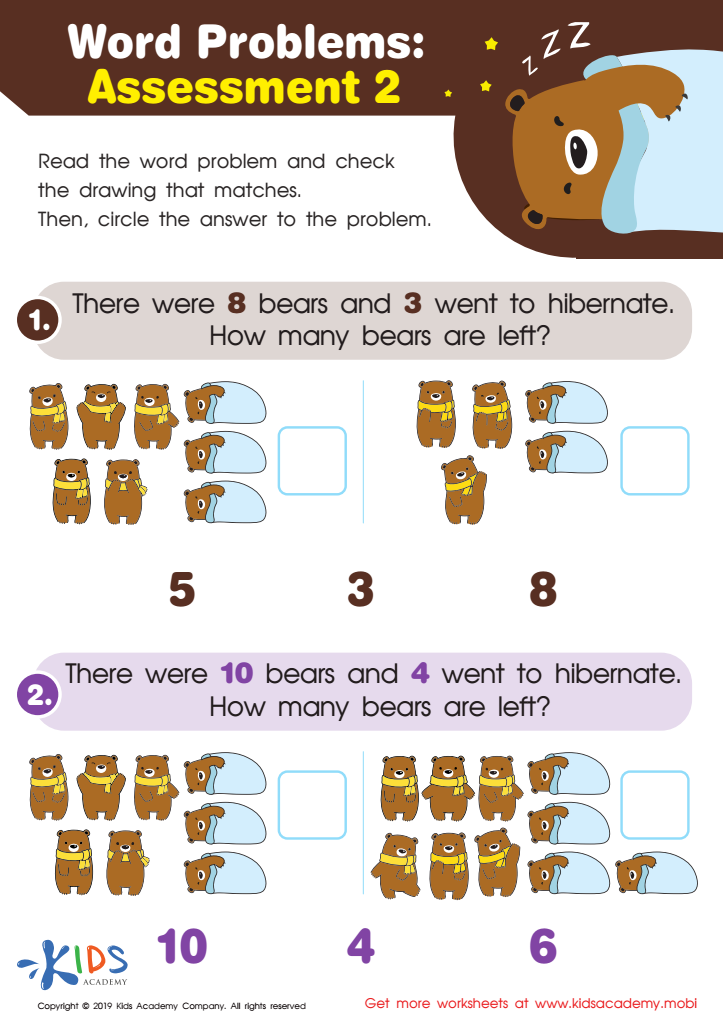
Word Problems: Assessment 2 Worksheet
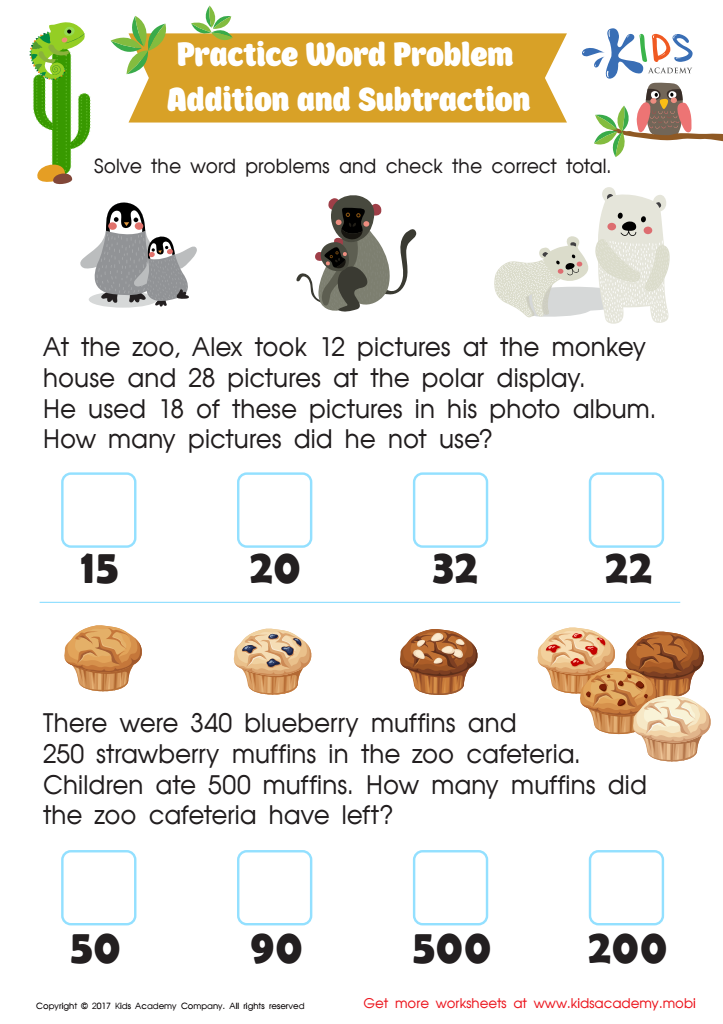
Addition and Subtraction: Word Problems Worksheet
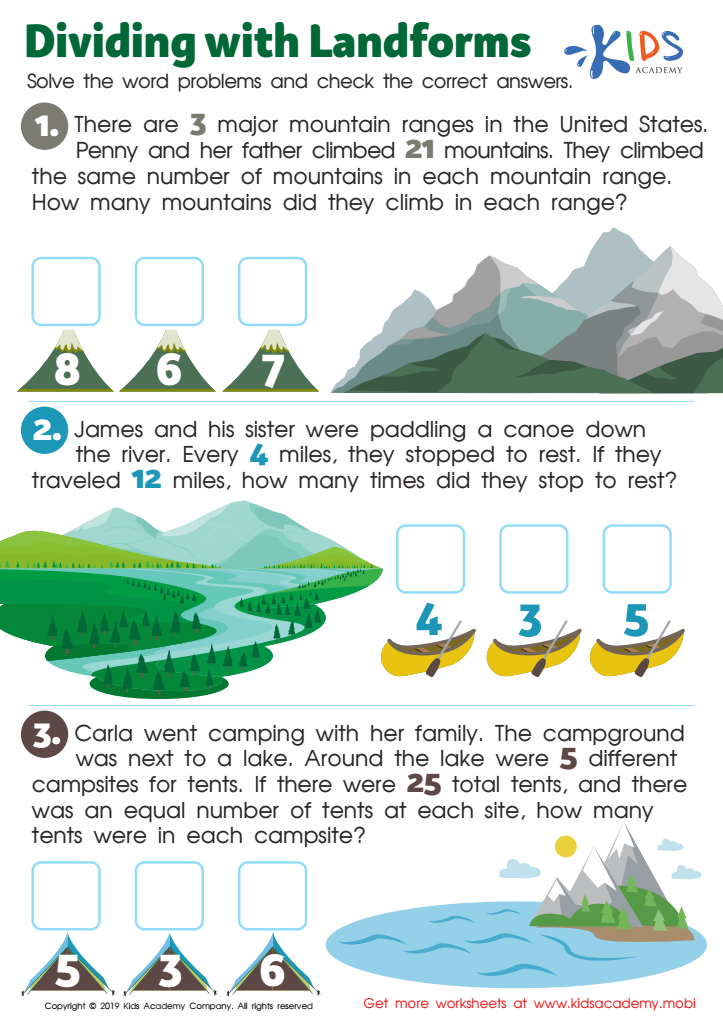
Dividing with Landforms
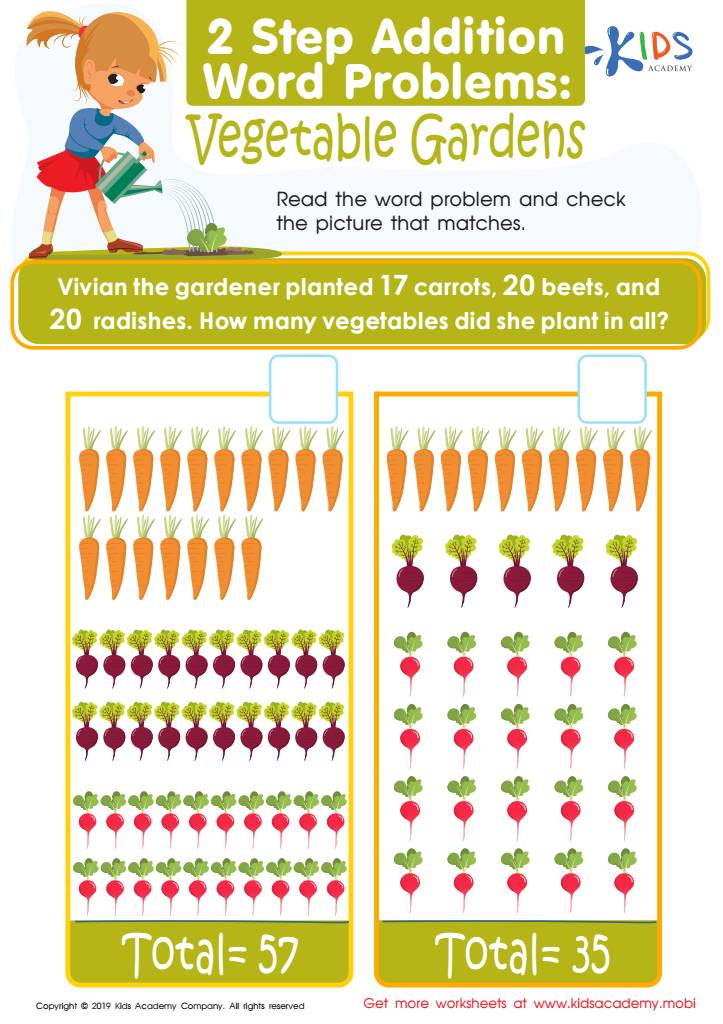
Vegetable Gardens Worksheet
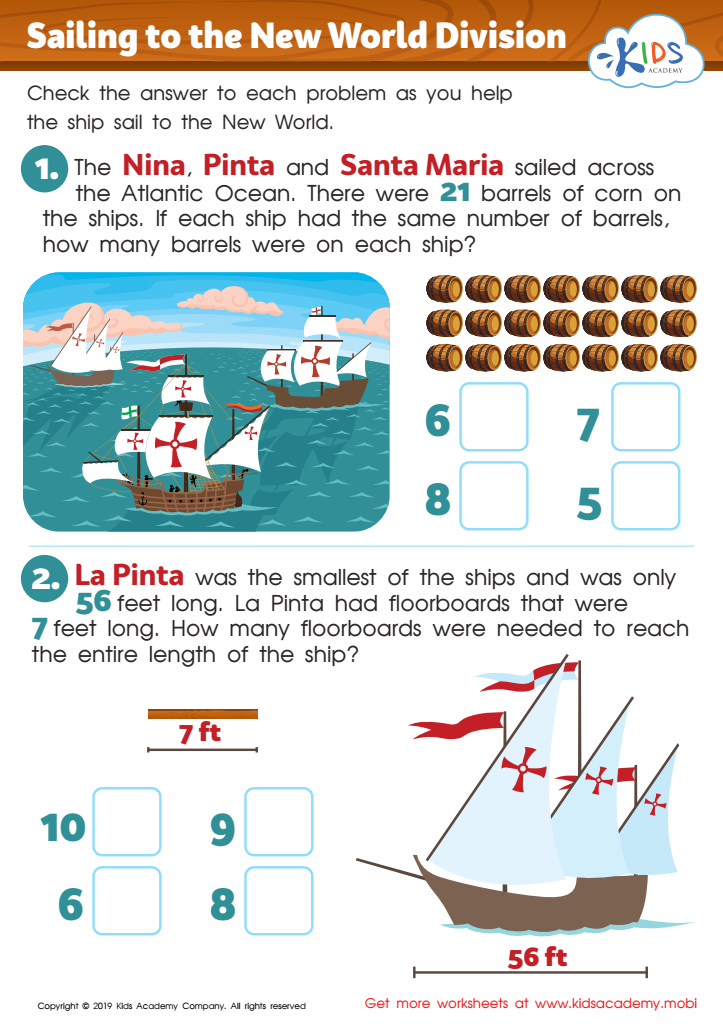
Sailing to the New World Division Worksheet
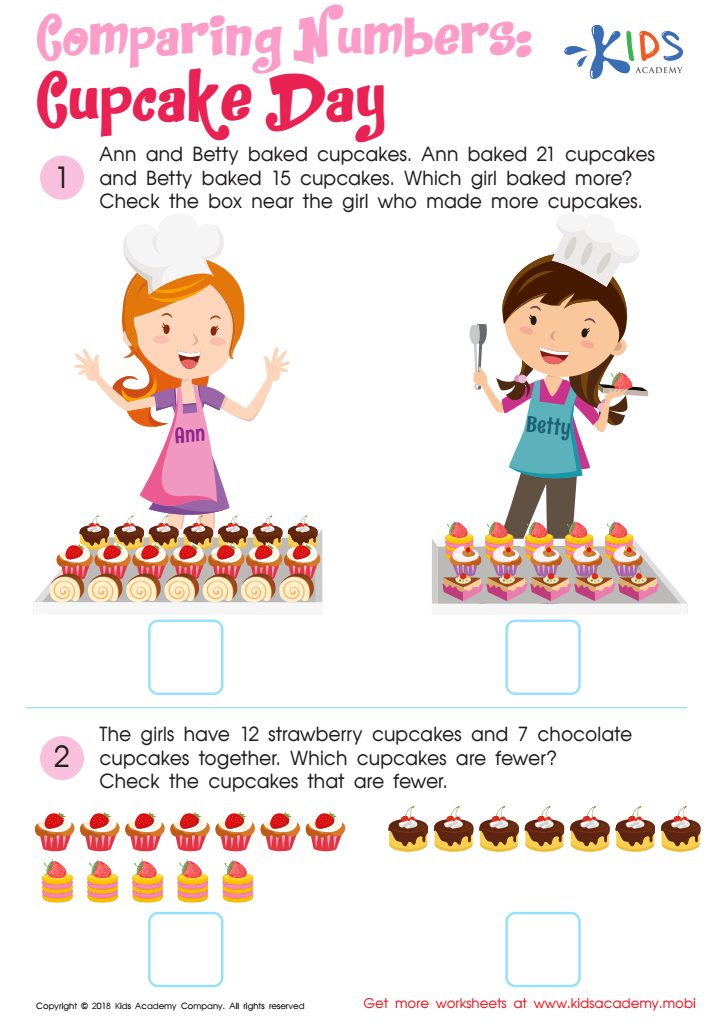
Cupcake Day Worksheet
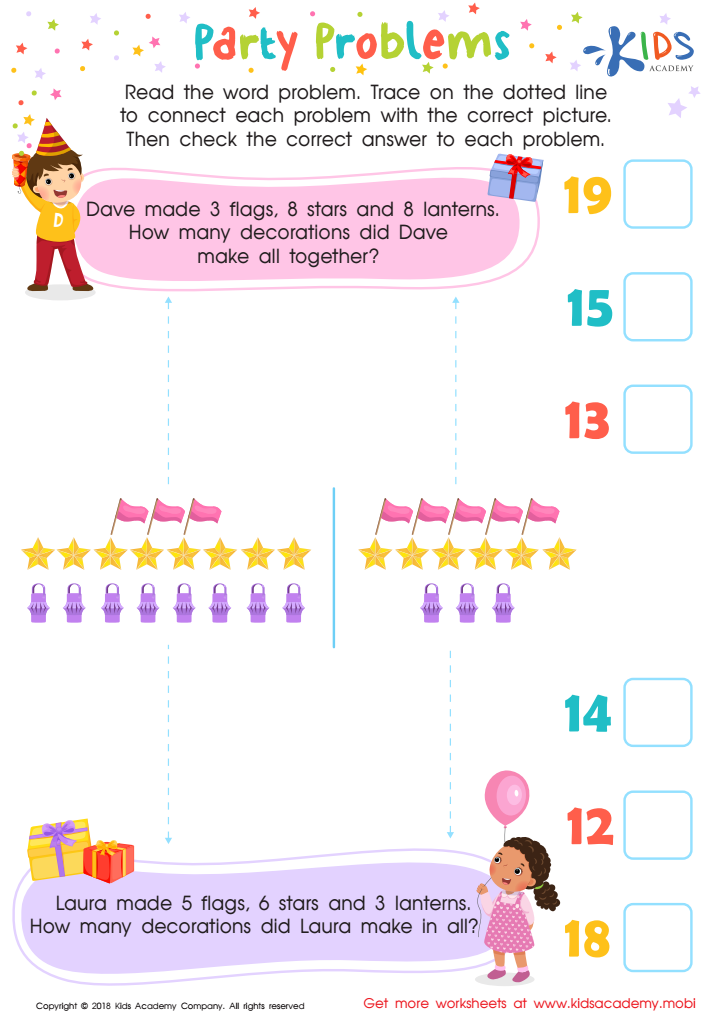
Party Problems Worksheet
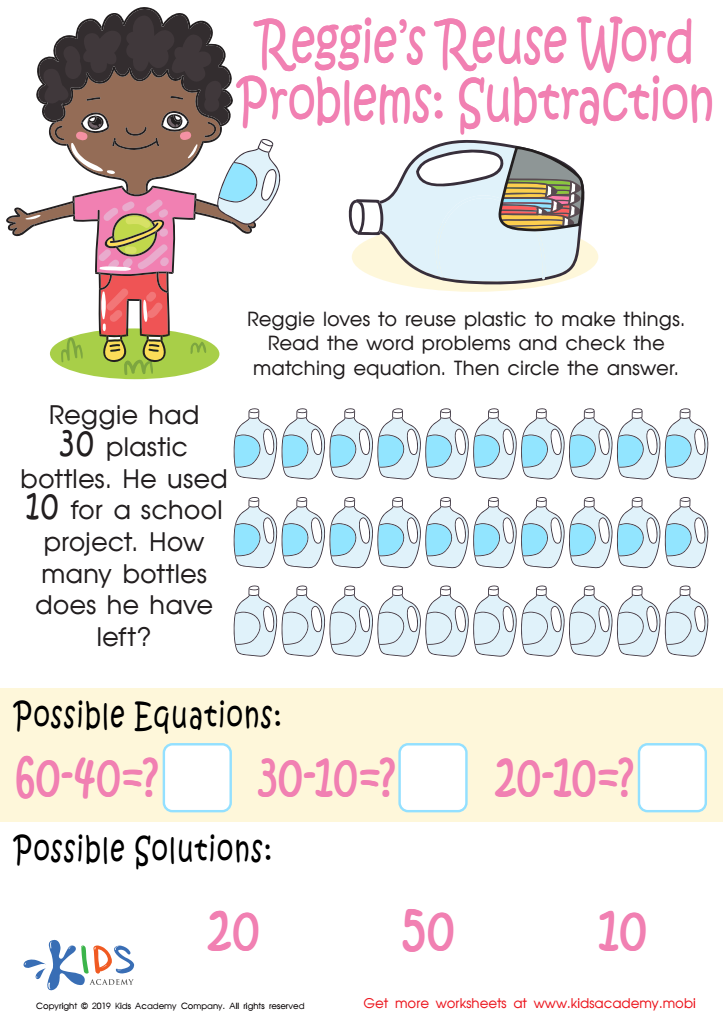
Reggie's Reuse Word Problems: Subtraction Worksheet
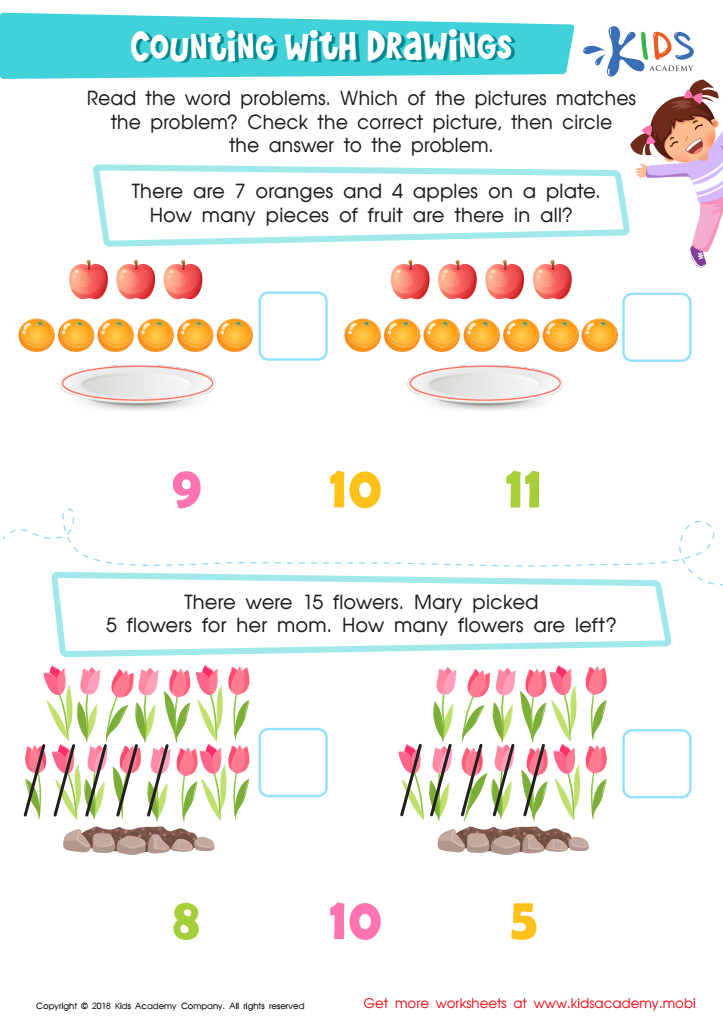
Counting with Drawings:Fruits & Flowers Worksheet
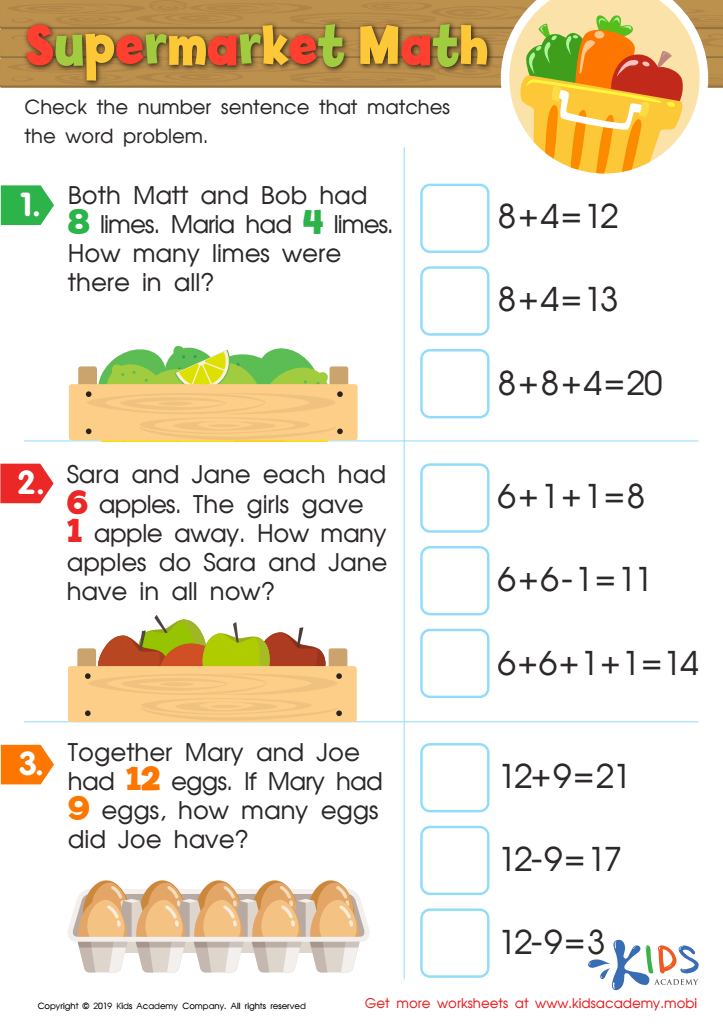
Supermarket Math Worksheet
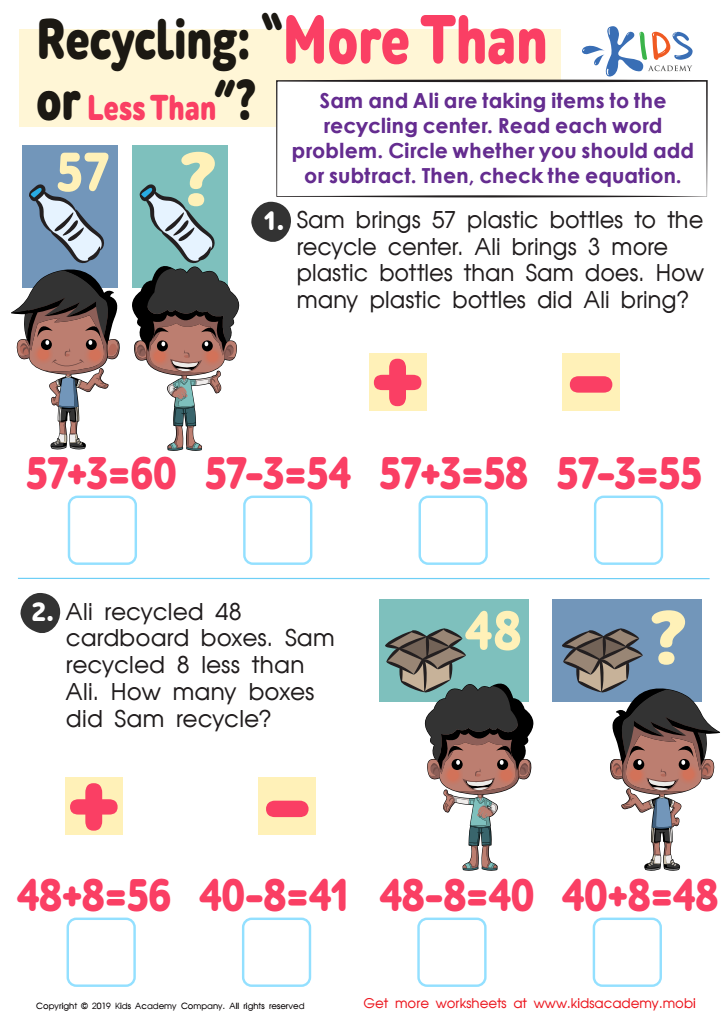
Recycling - More or Less Worksheet
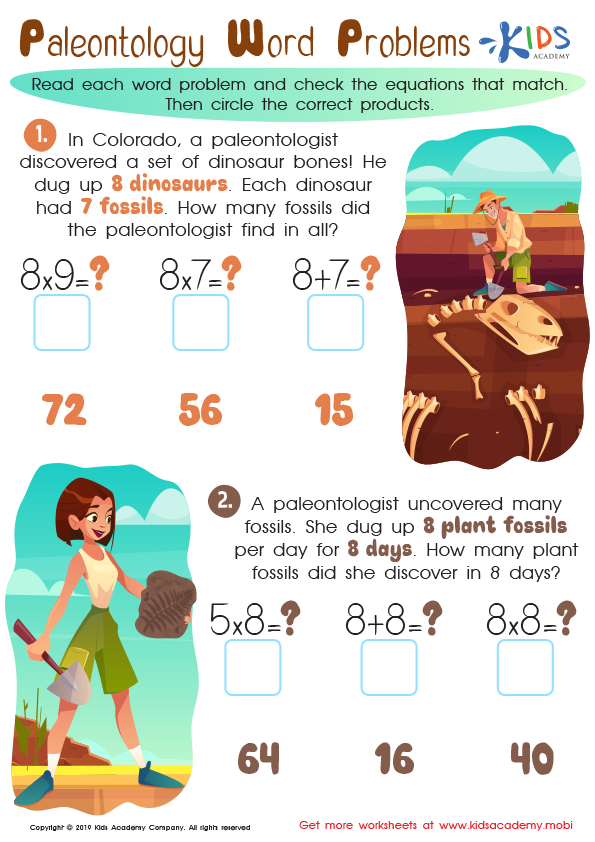
Archeology Word Problems Worksheet








Parents and teachers should care about normal word problems for ages 6-9 because they play a crucial role in developing foundational math skills. At this age, children are beginning to form critical thinking and problem-solving abilities that are essential for later academic success and everyday life. Word problems help children understand how to apply math concepts like addition, subtraction, multiplication, and division in real-world contexts, making abstract concepts more concrete and relatable.
Moreover, normal word problems enhance reading comprehension and reasoning skills. They require children to read and understand the text, identify the relevant information, and follow logical steps to arrive at the correct solution. This process supports literacy development as children must interpret and make meaning from the context of the problem.
Additionally, solving word problems helps in fostering perseverance and resilience. Children learn to approach challenges methodically, encouraging a growth mindset where they view obstacles as opportunities to develop and improve.
Engaging with word problems collaboratively—whether in a classroom or at home—also offers an opportunity for meaningful interaction between adults and children. This collaboration can reinforce positive attitudes toward learning, demonstrating to children that struggle and effort are natural parts of the learning process. Overall, a focus on normal word problems sets the stage for a robust educational foundation in both math and critical life skills.








