Normal Animals Worksheets for Ages 6-9 - Page 2
48 filtered results
-
From - To
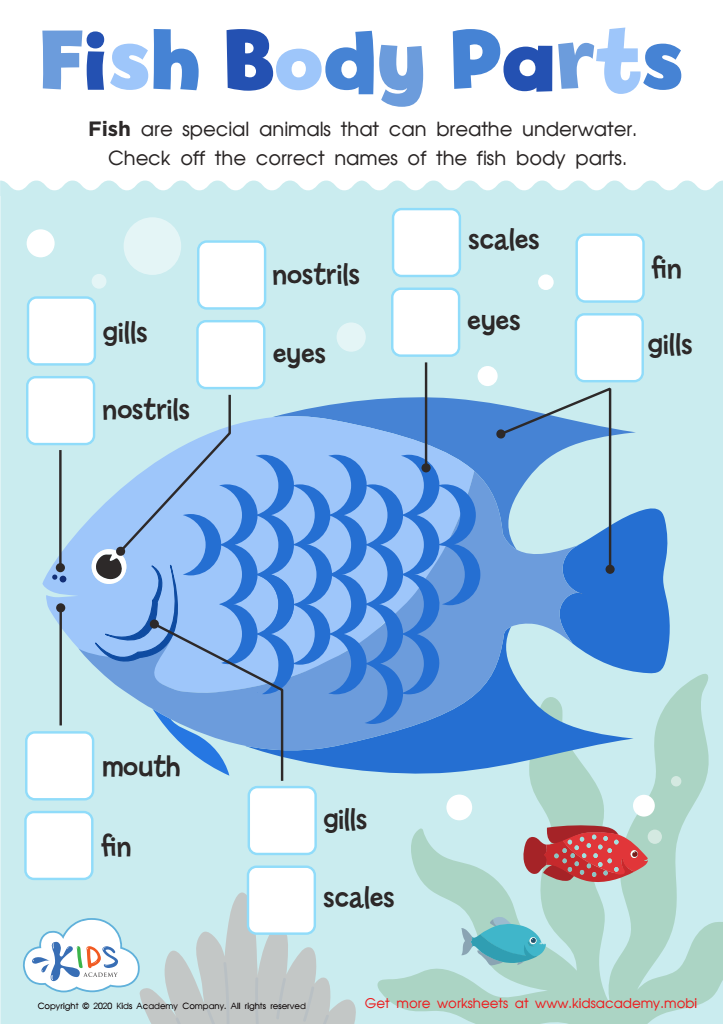
Fish Body Parts Worksheet
 Assign to My Students
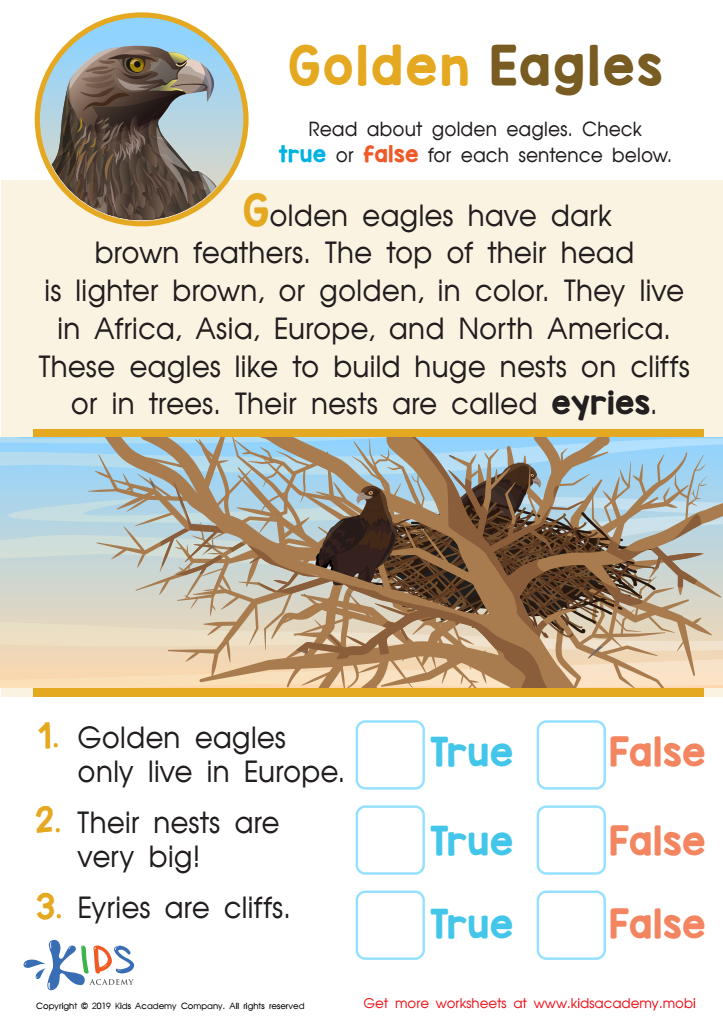
Golden Eagles Worksheet
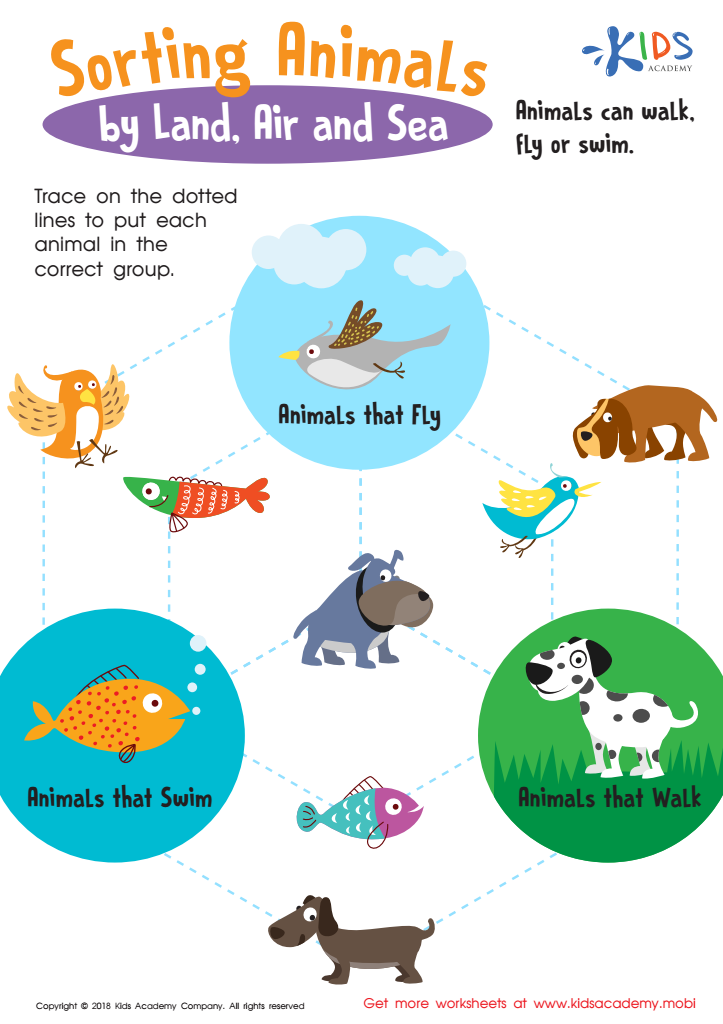
Sorting Animals by Land, Air and Sea Worksheet
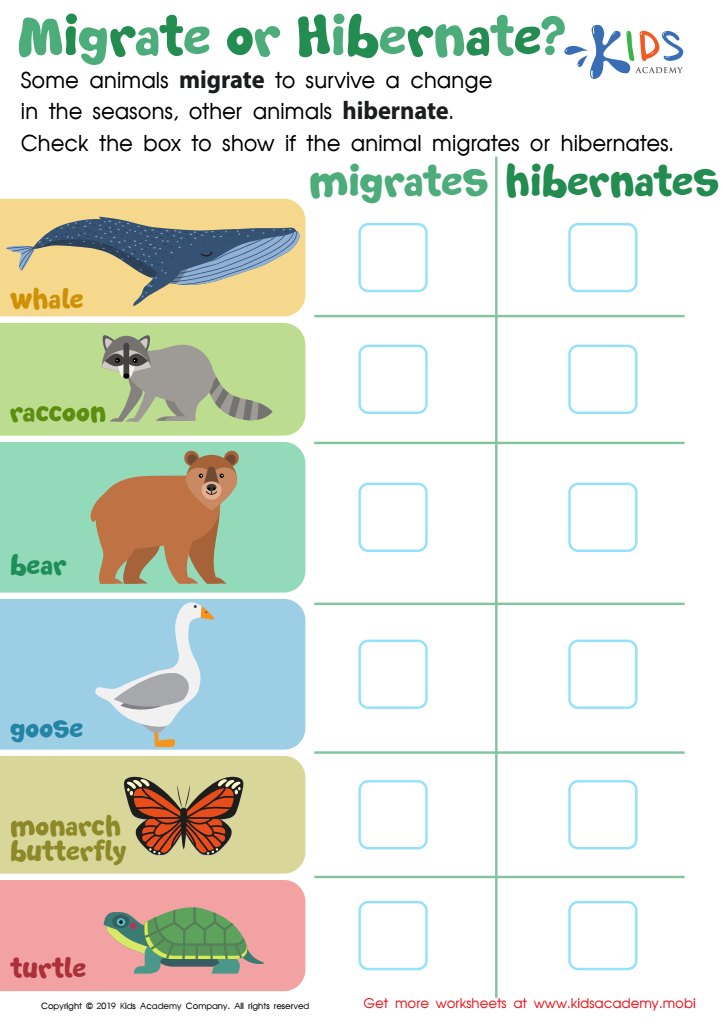
Migrate or Hibernate? Worksheet
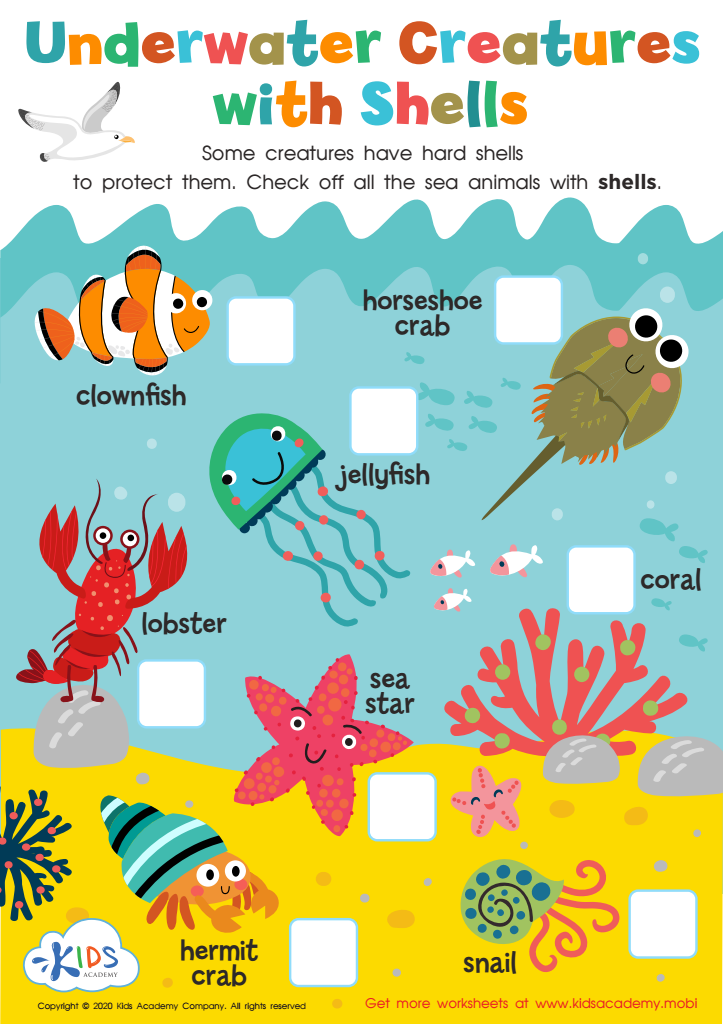
Underwater Creatures with Shells Worksheet
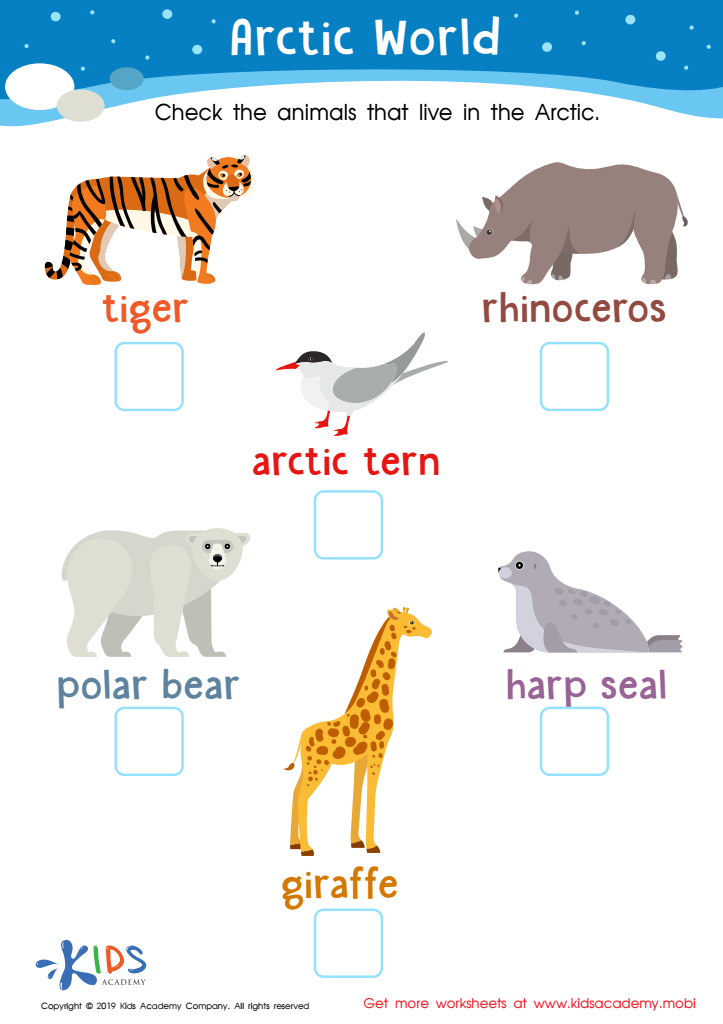
Arctic World Worksheet
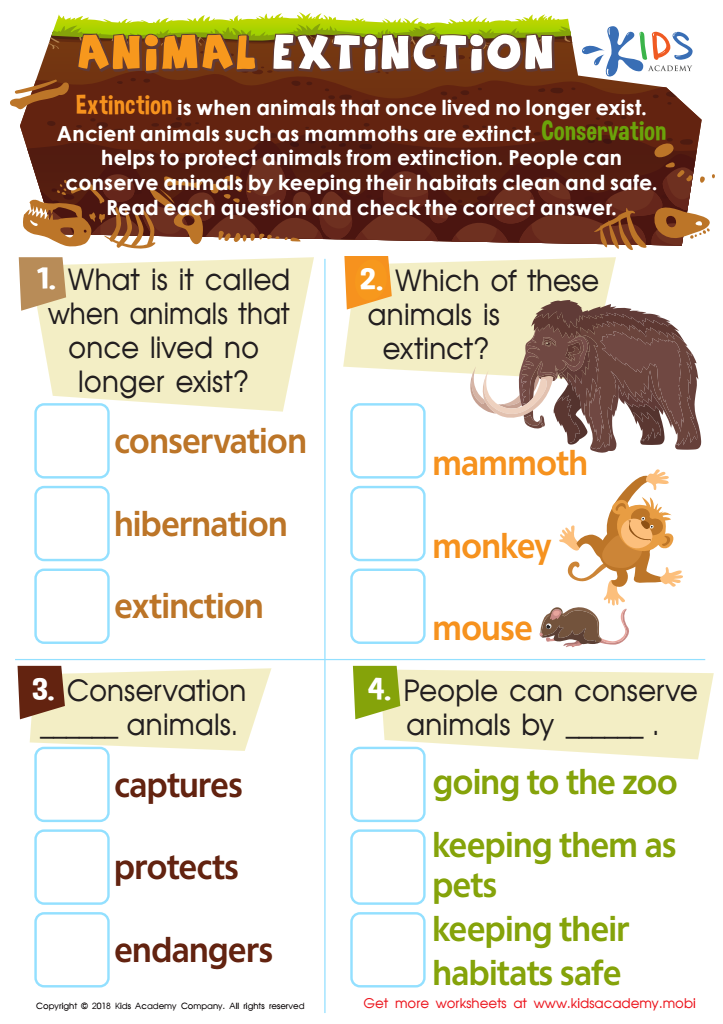
Animal Extinction Worksheet
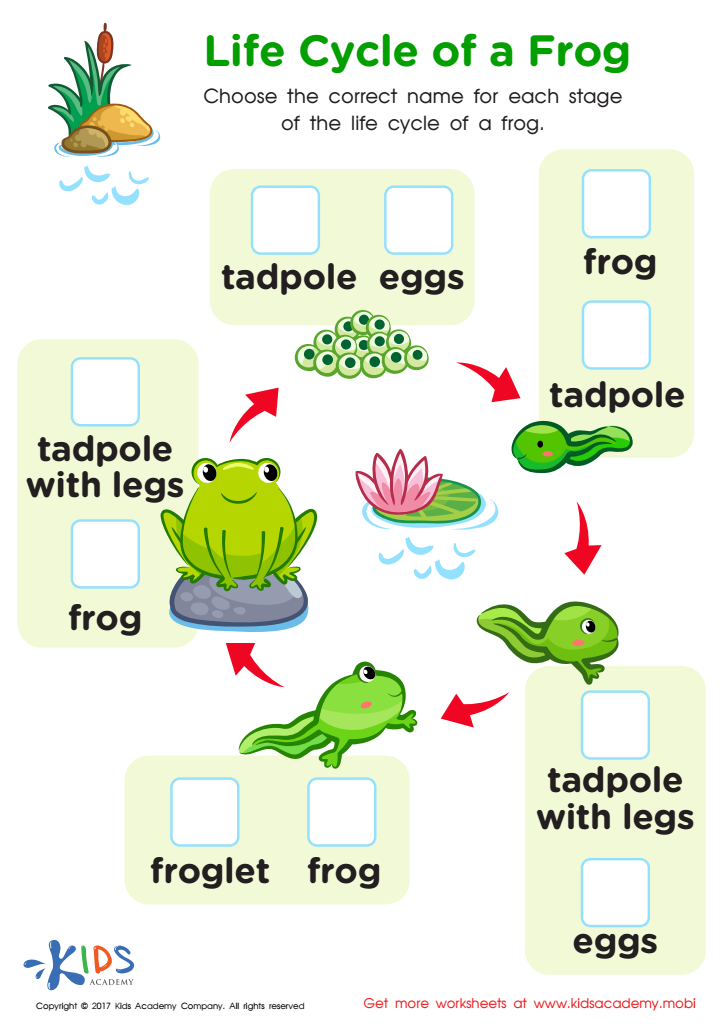
Life Cycle Frog Printable
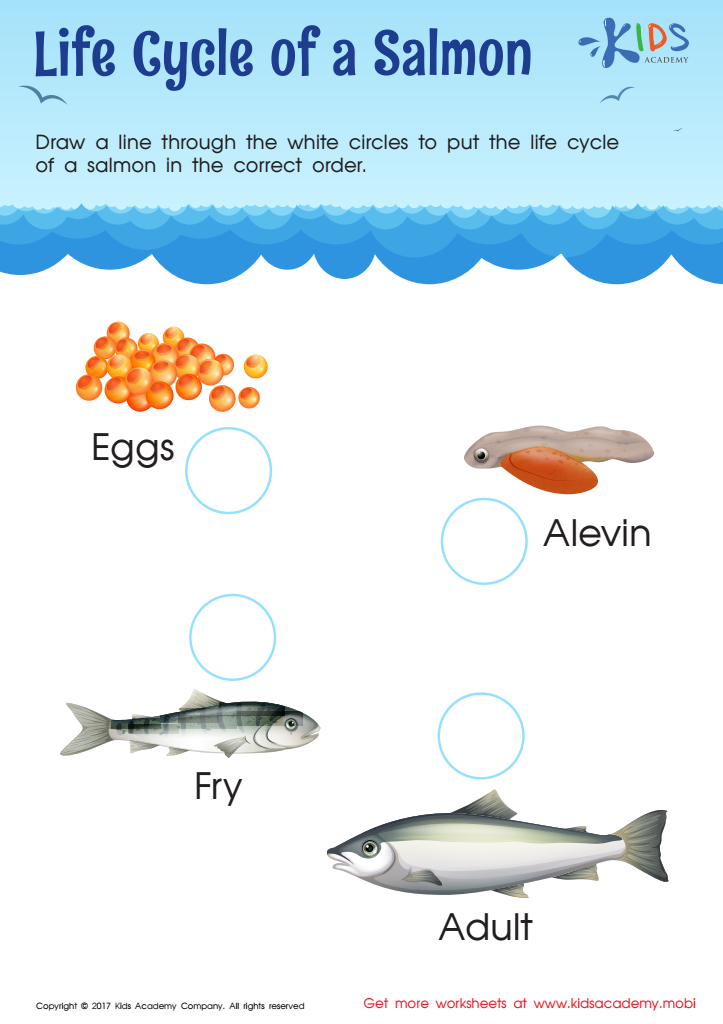
Cycle Of Salmon Worksheet
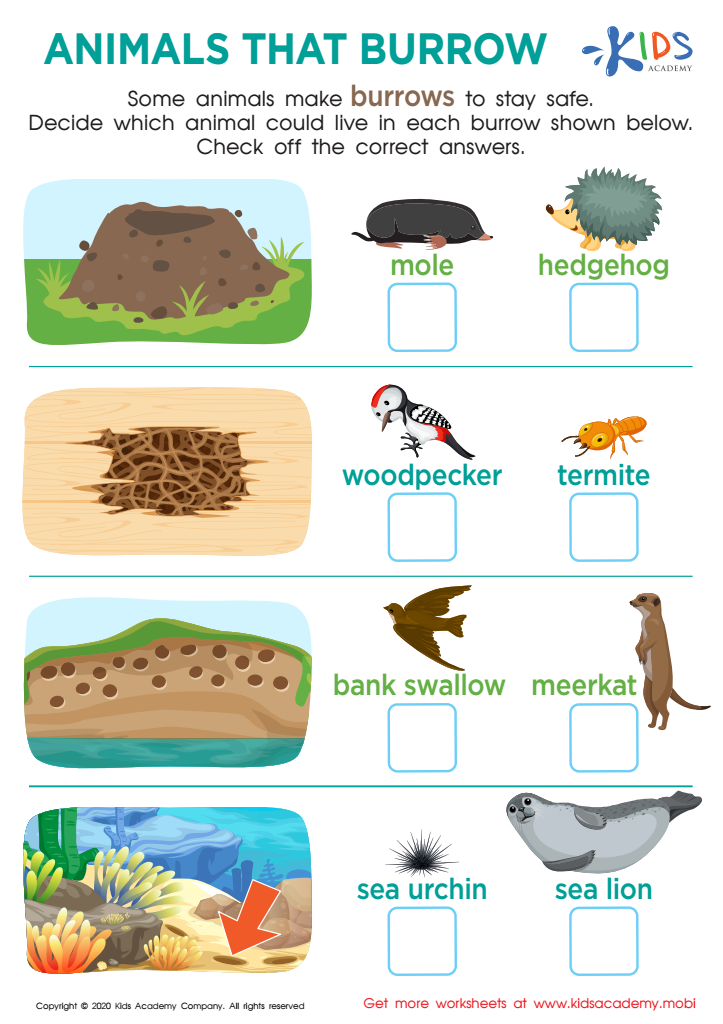
Animals That Burrow Worksheet
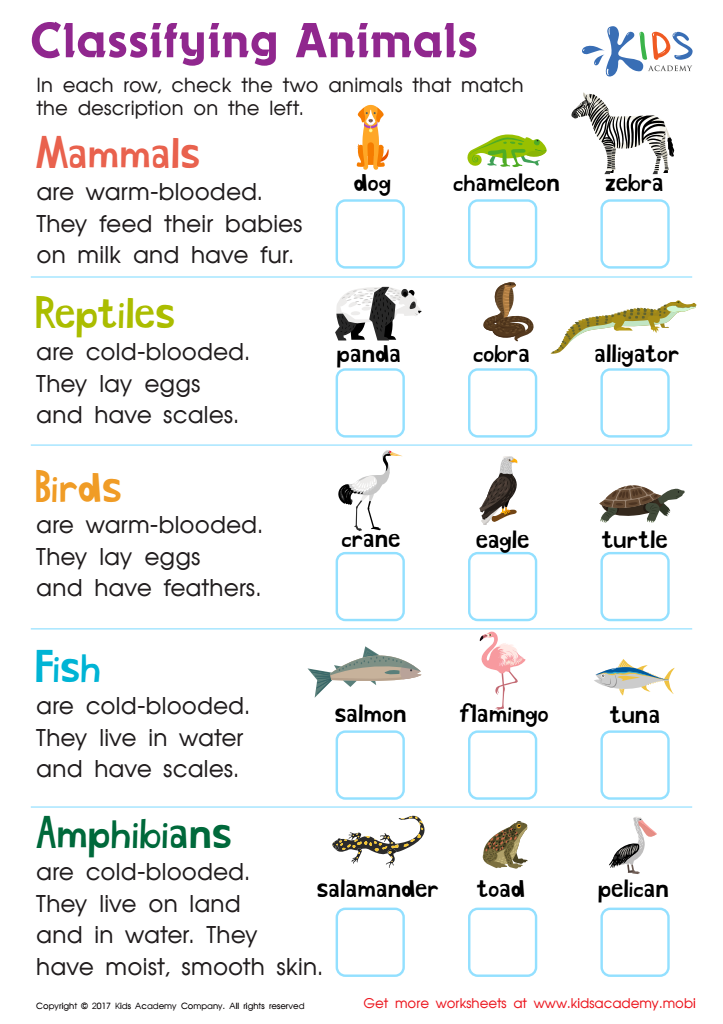
Classifying Animals Worksheet
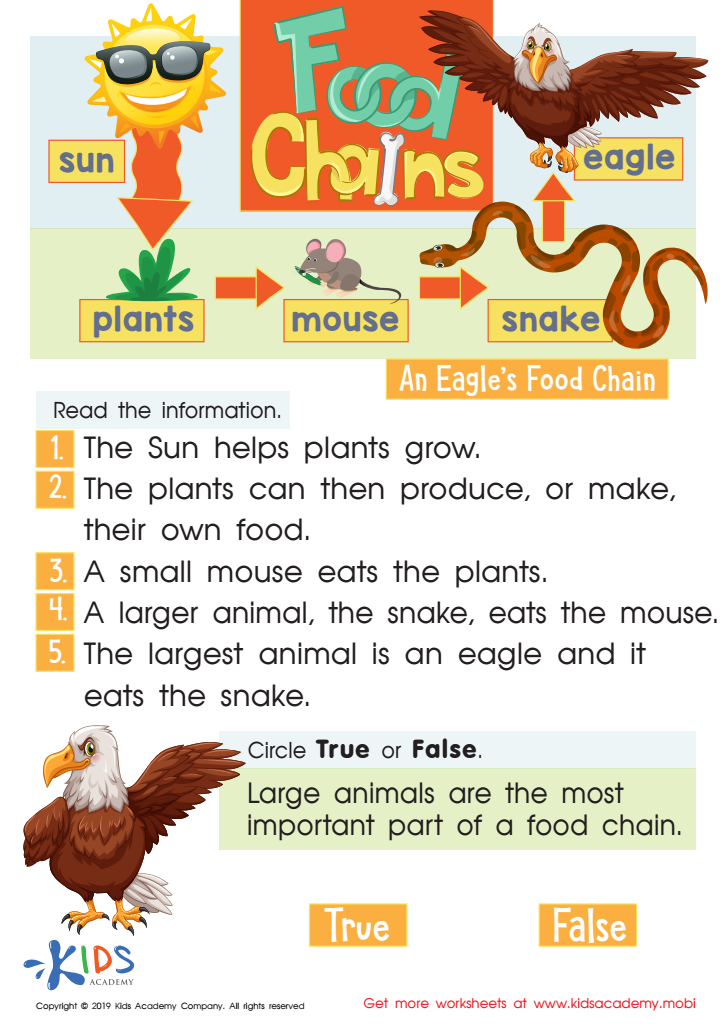
Food Chains Worksheet
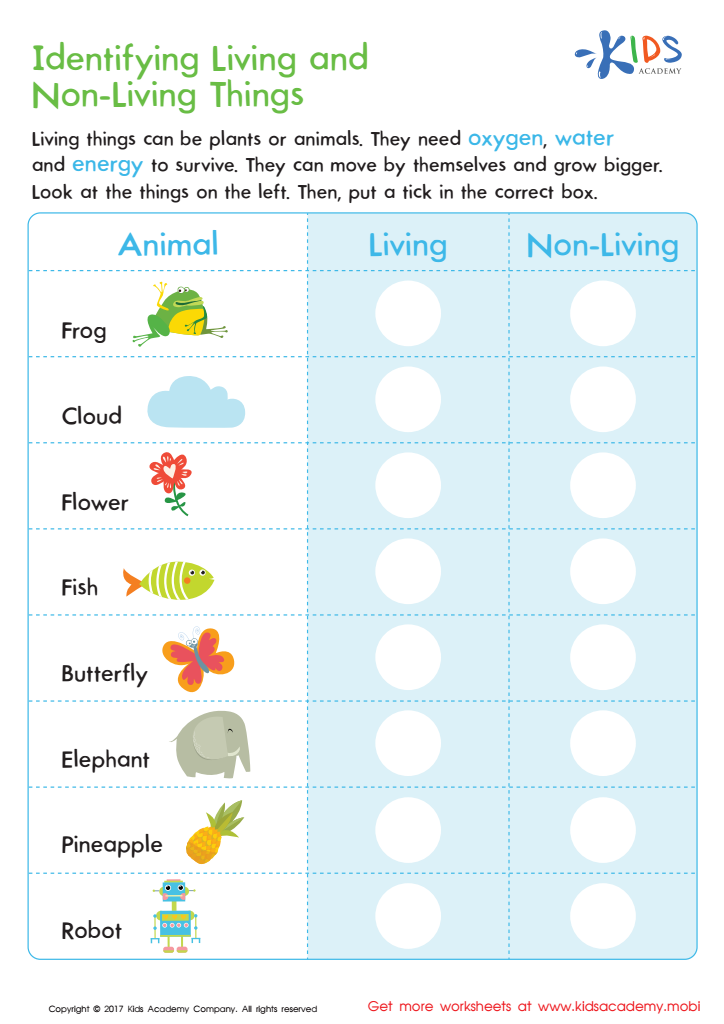
Identifying Living or Non–living Worksheet
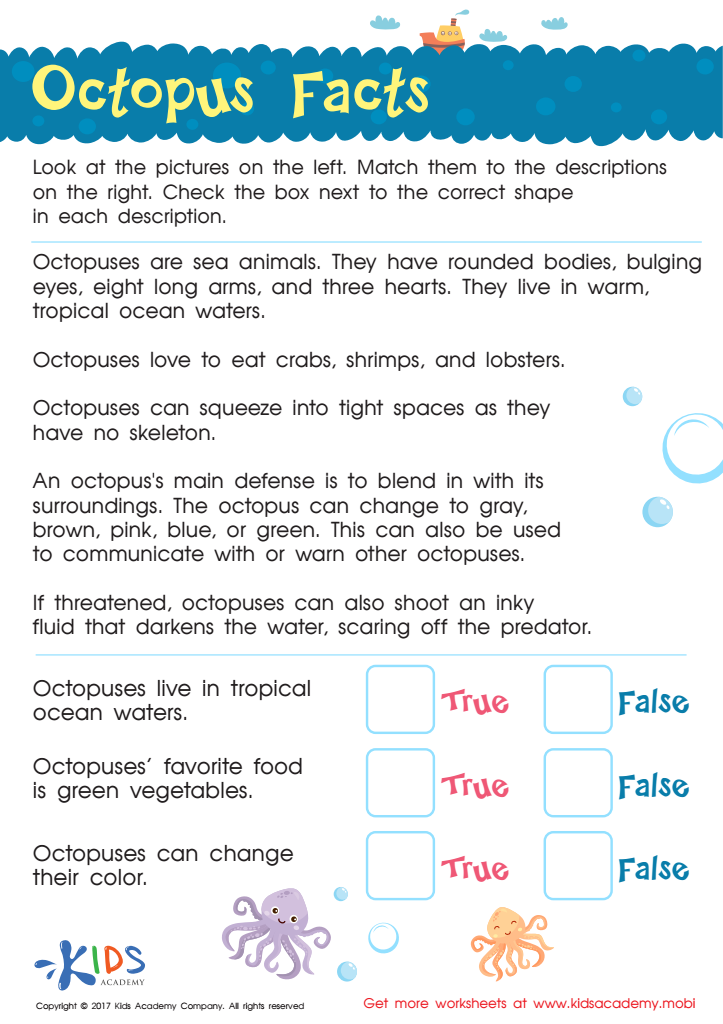
Octopus Facts Worksheet For Kids
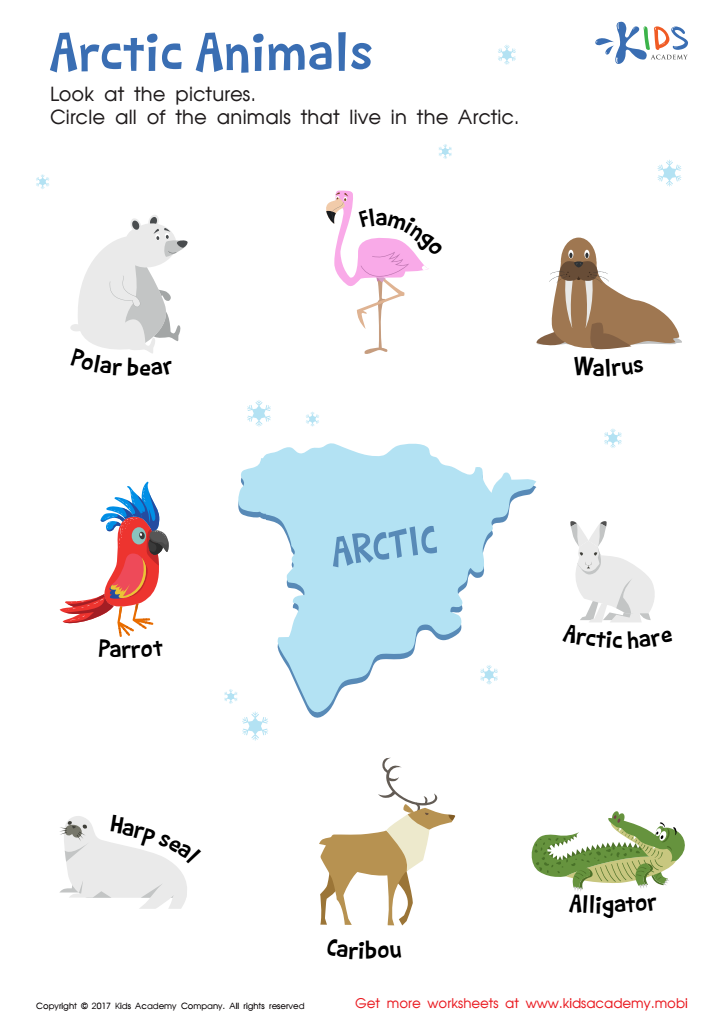
Arctic Animals Worksheet
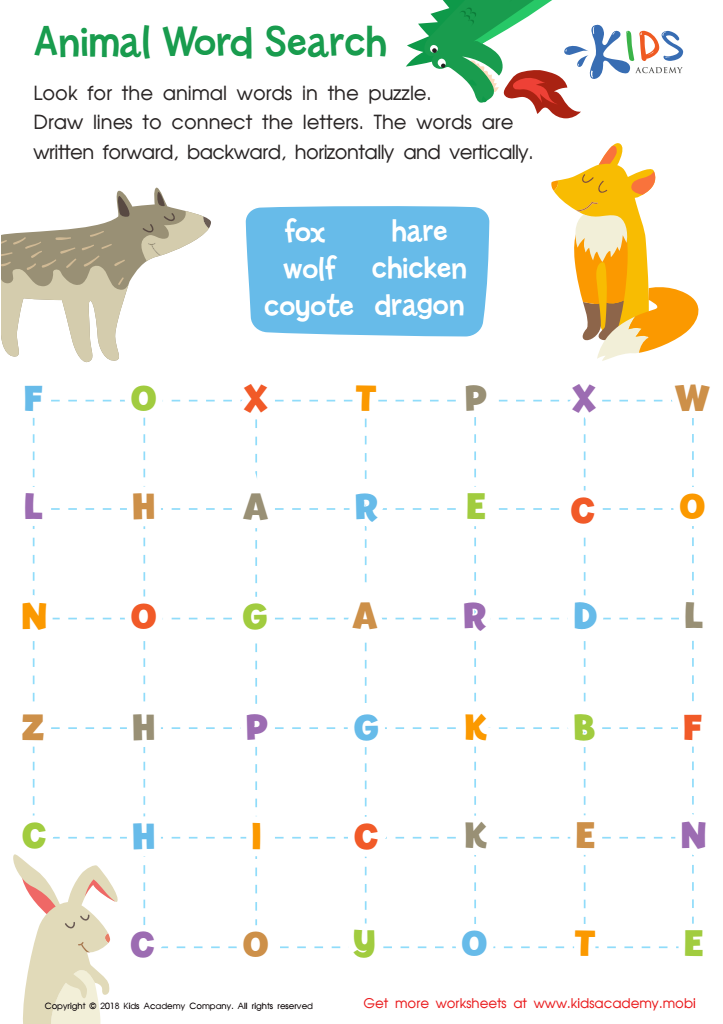
Animal Word Search Worksheet
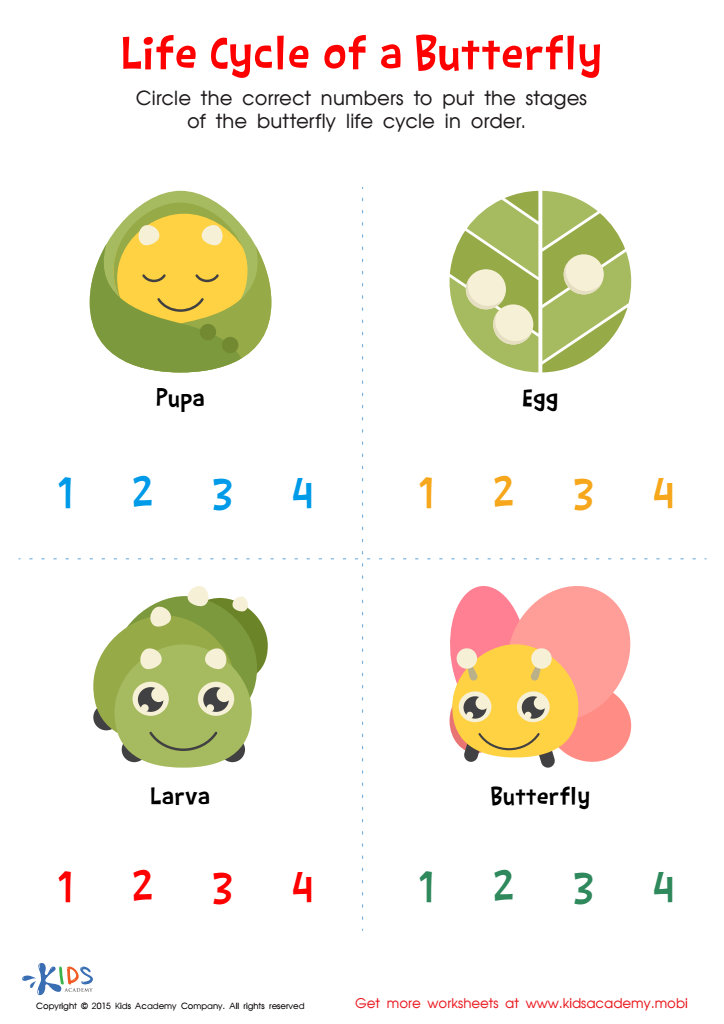
Life Cycle of Butterfly Printable
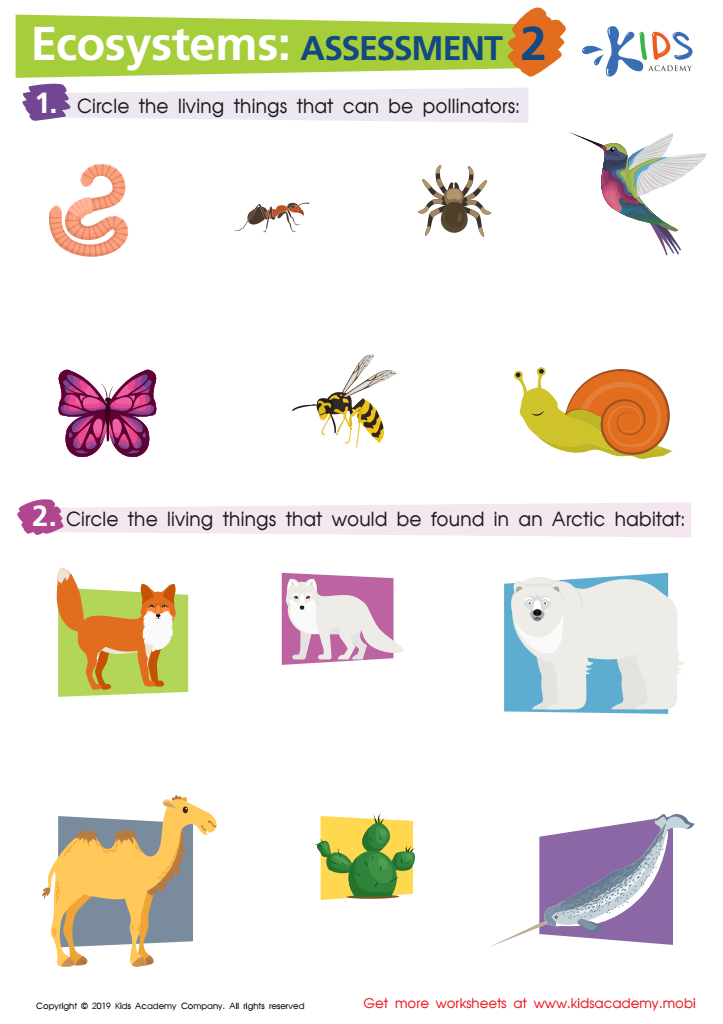
Ecosystems: Assessment 2 Worksheet
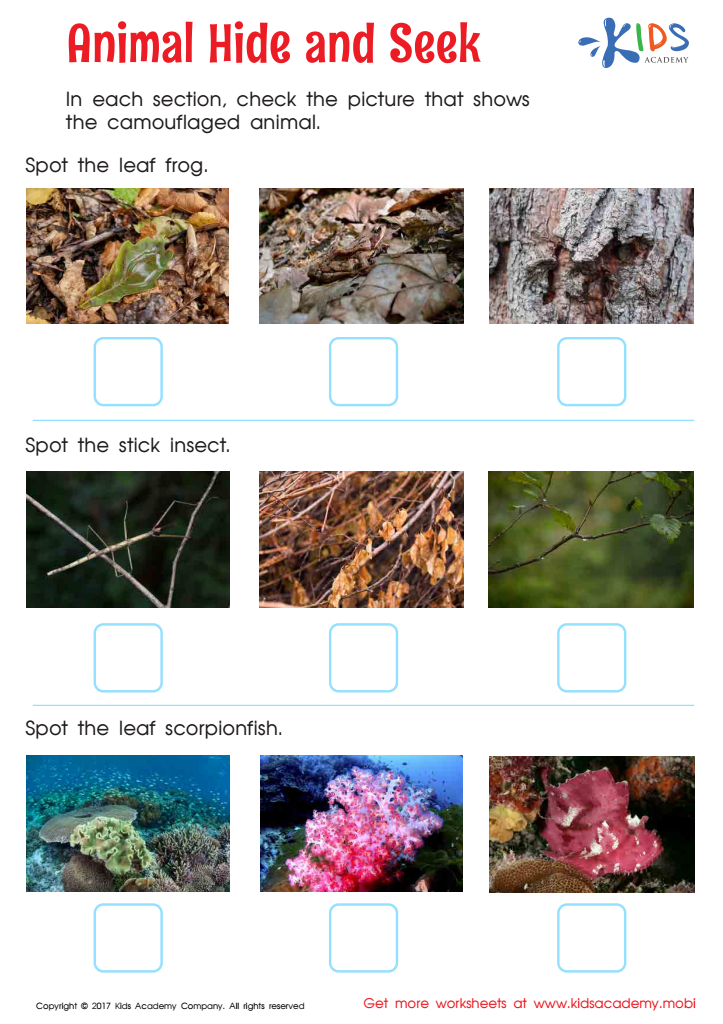
Animal Hide and Seek Worksheet
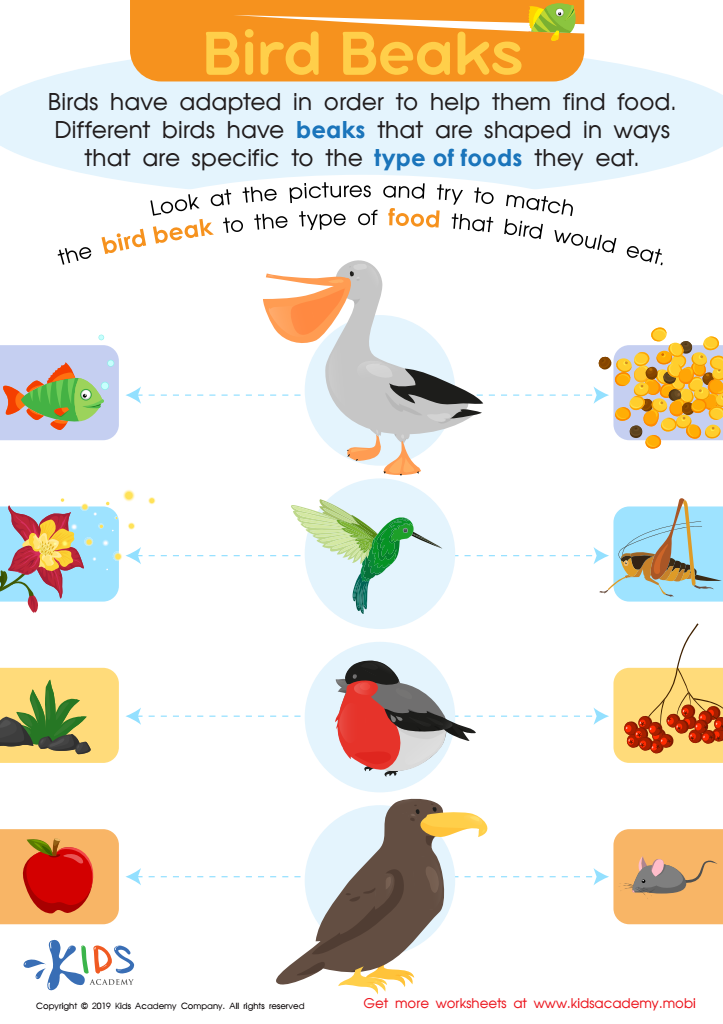
Bird Beaks Worksheet
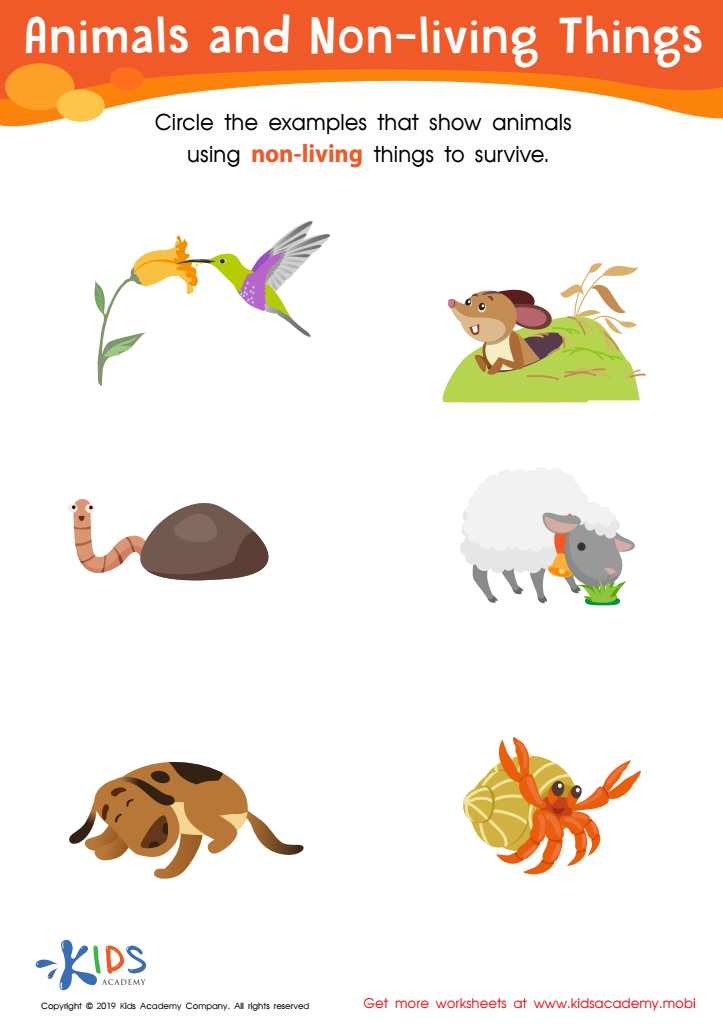
Animals and Non-Living Things Worksheet
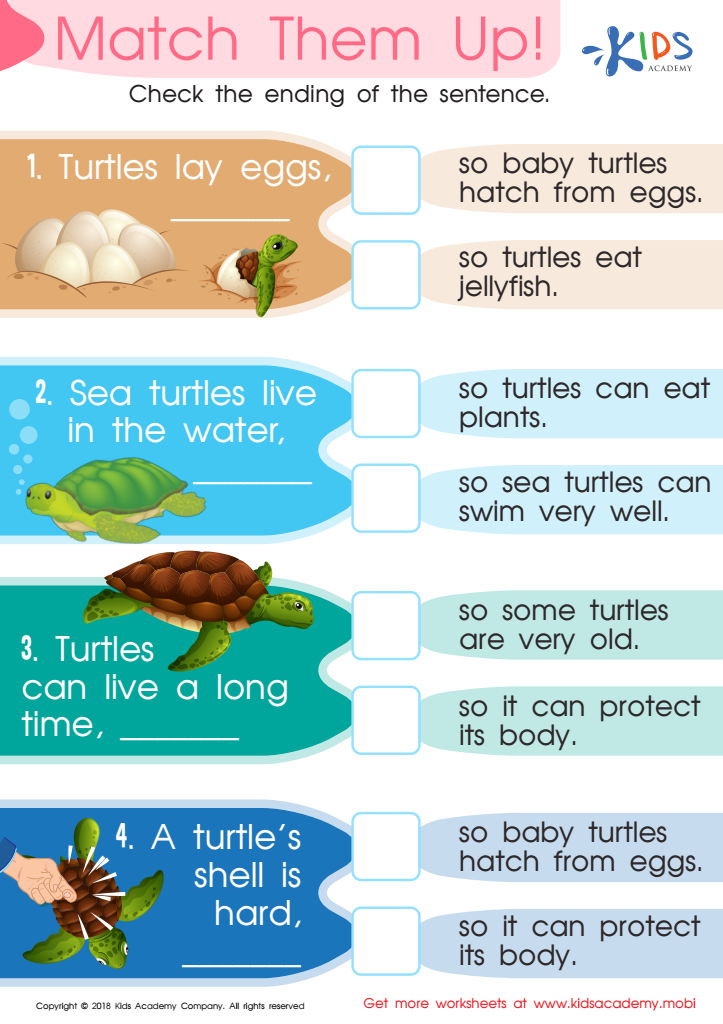
Match Them Up Worksheet
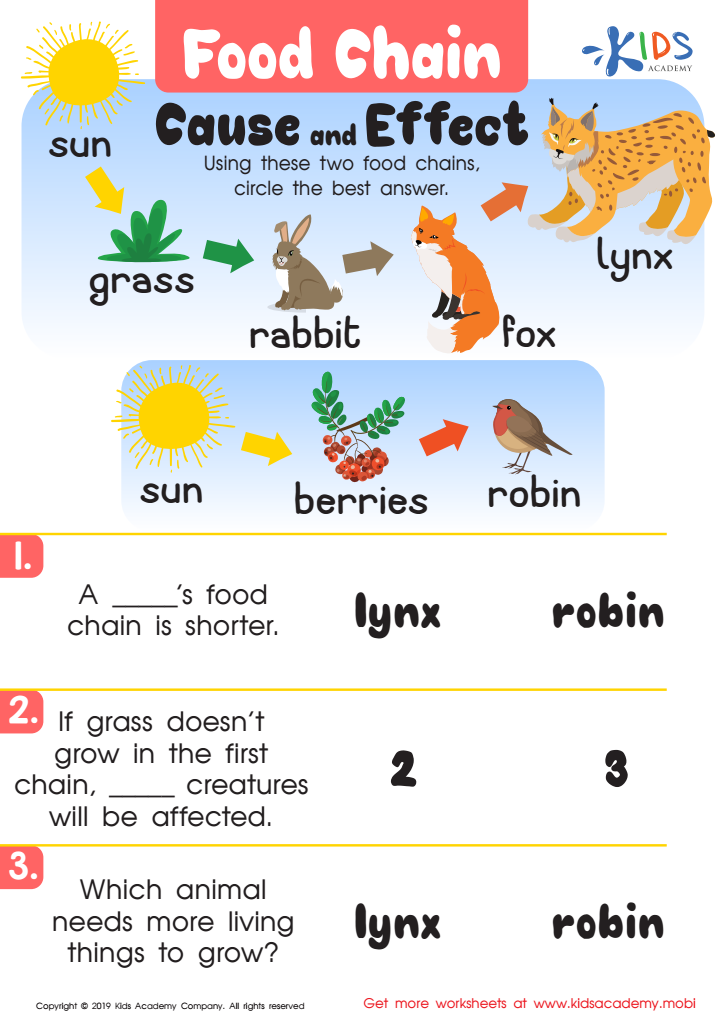
Food Chain Cause Worksheet
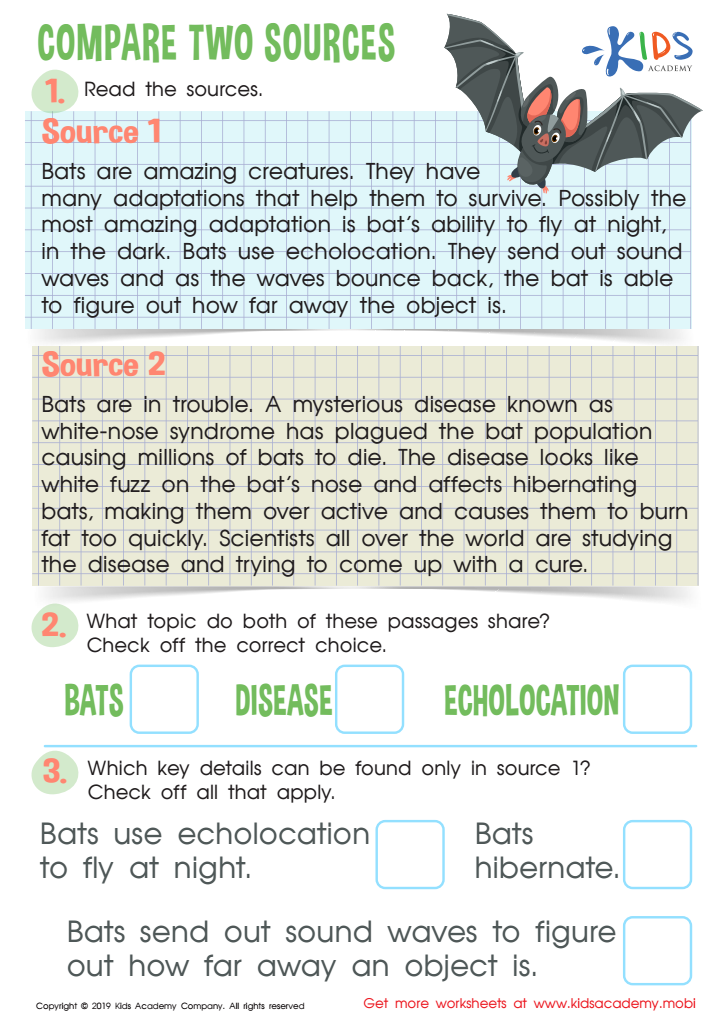
Compare Two Sources Worksheet






Understanding normal animals is vital for children aged 6-9, as it shapes their knowledge of the natural world and promotes empathy. At this age, children are naturally curious, eager to learn about the environment, and develop opinions about living creatures. Learning about normal animals helps them identify and appreciate the diversity of wildlife, fostering respect and awareness of ecosystems.
Parents and teachers can utilize this opportunity to introduce concepts like habitat, adaptation, and biodiversity. Engaging children in discussions about how animals live, reproduce, and interact with each other and their surroundings builds a foundational understanding that can spark interest in biology and ecology.
Moreover, exposing children to normal animal behavior fosters compassion, as they begin to see these creatures as living beings with needs and feelings. This awareness encourages responsible behavior towards pets and wildlife, promoting advocacy for animal welfare and conservation.
Additionally, discussing normal animals enables interdisciplinary learning, incorporating science, art, reading, and ethics. It enhances cognitive development, encourages storytelling and creative expression, and cultivates critical thinking through comparisons and classifications. In essence, learning about normal animals enriches a child's education, instilling a lifelong love for the natural world and its inhabitants.








