Normal Place Value Worksheets for Ages 7-9 - Page 2
43 filtered results
-
From - To
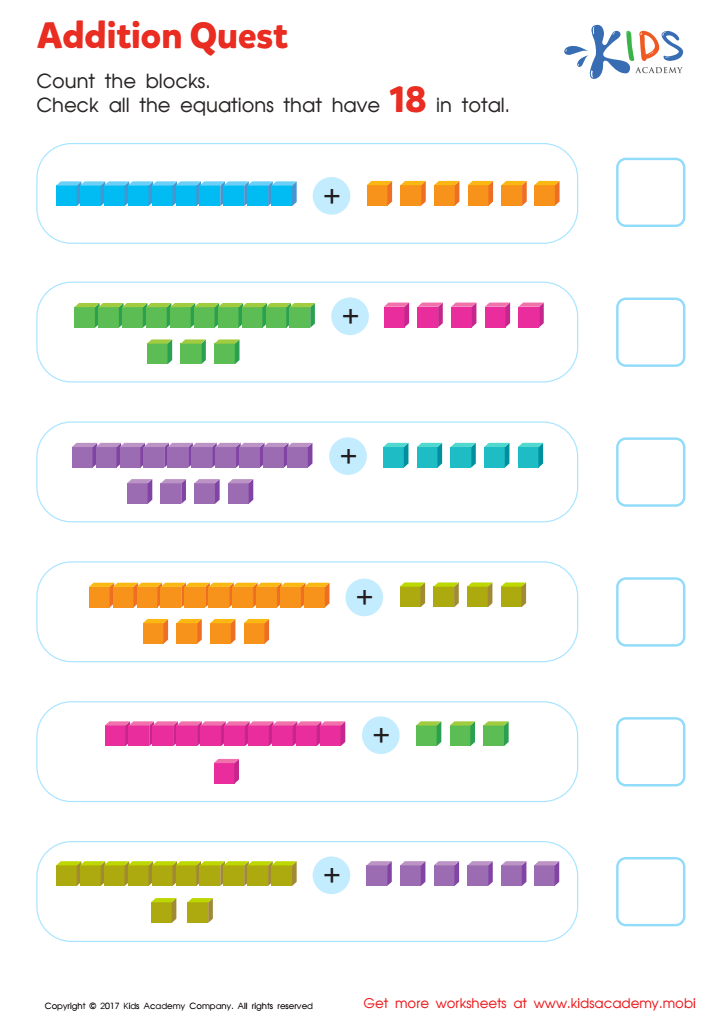
Addition Quest Worksheet: Part 2
 Assign to My Students
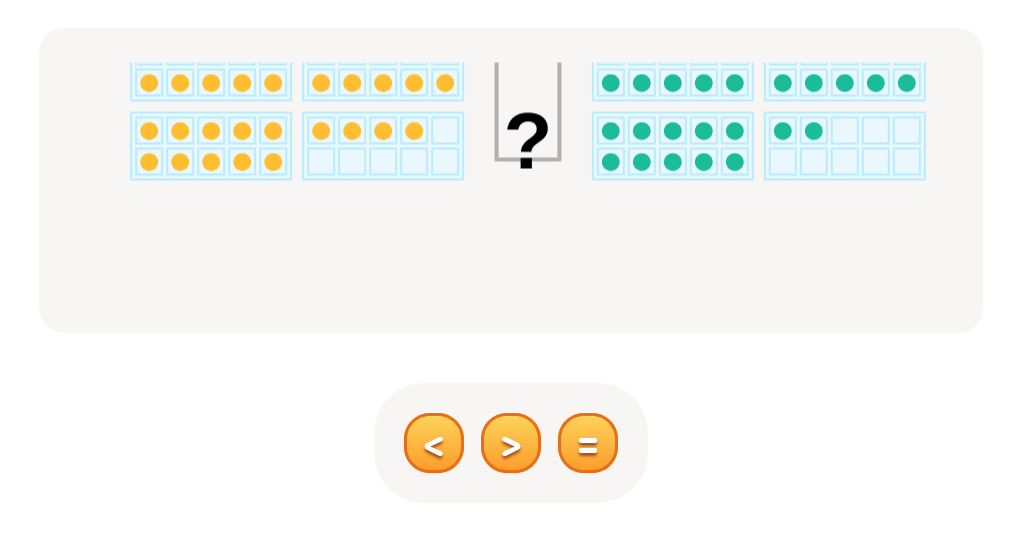

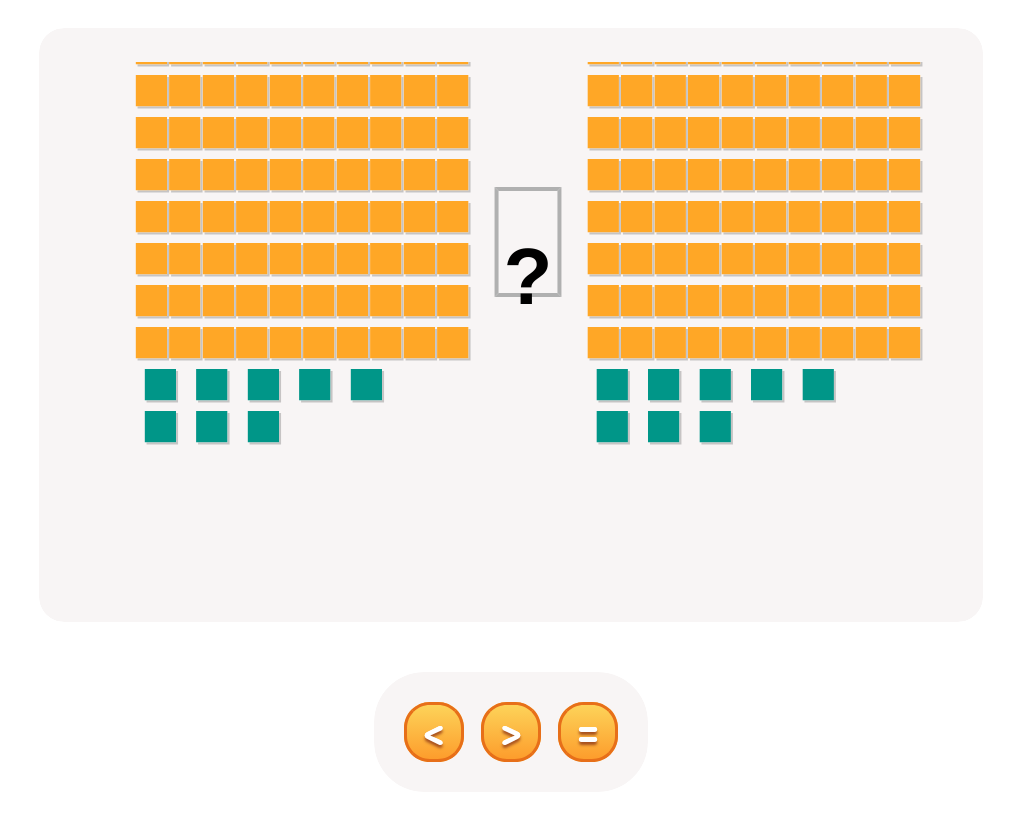
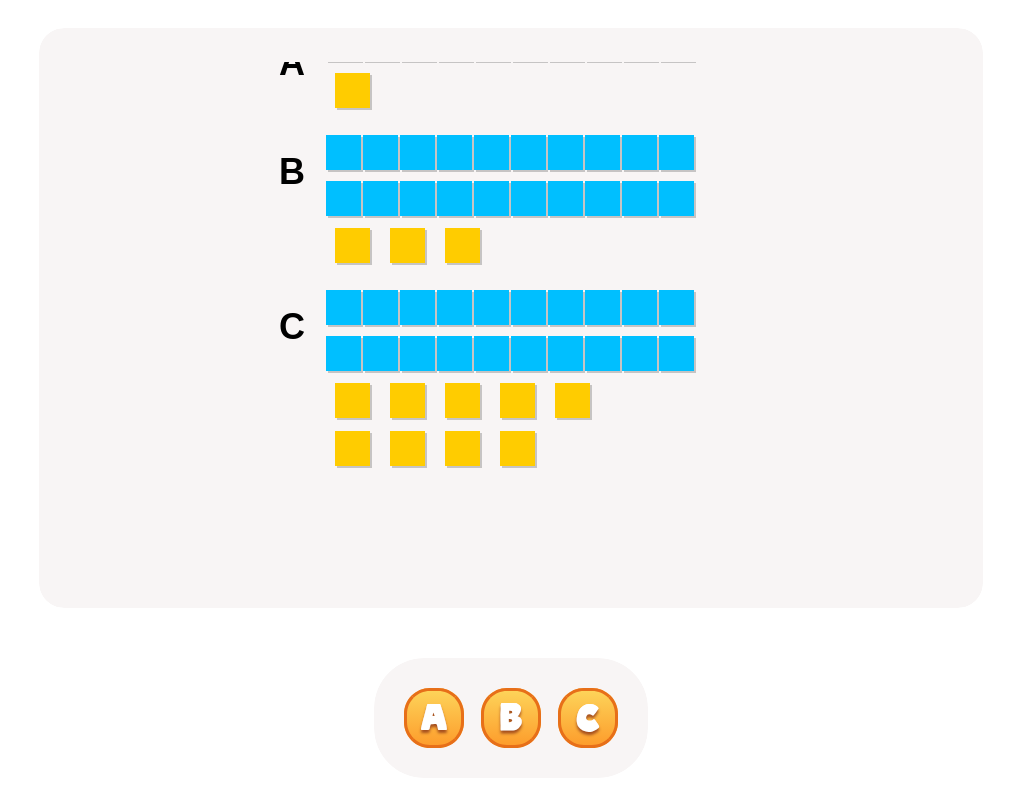
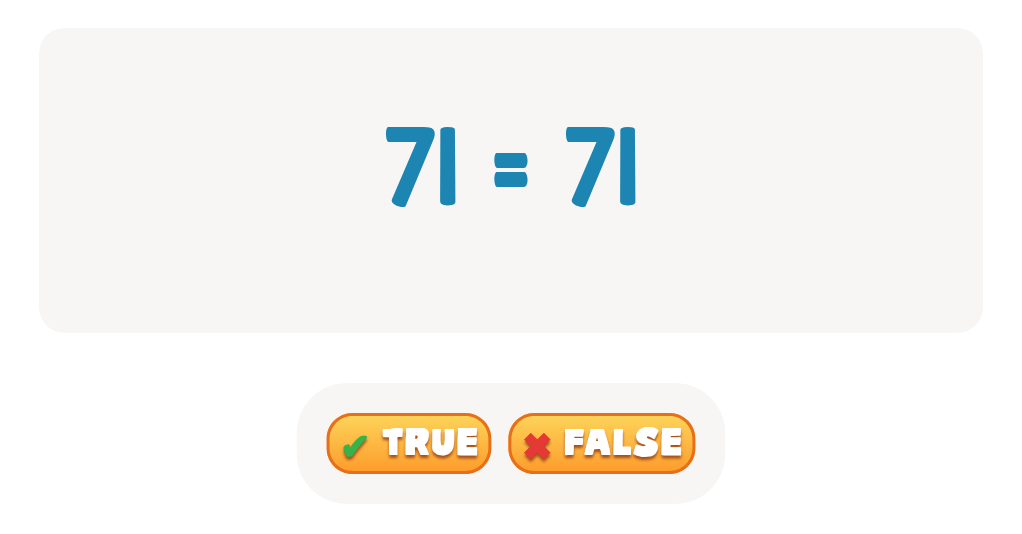
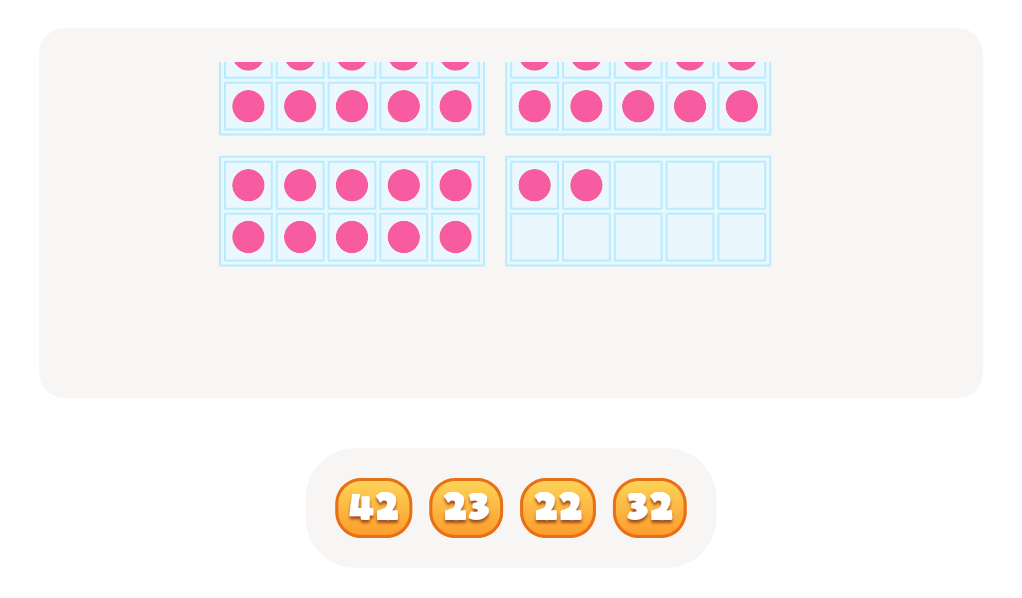
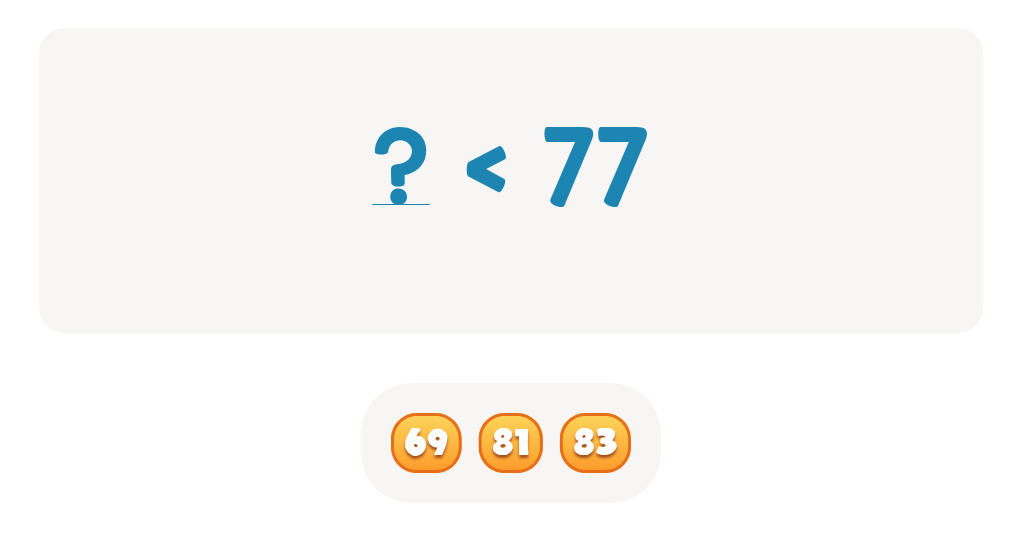
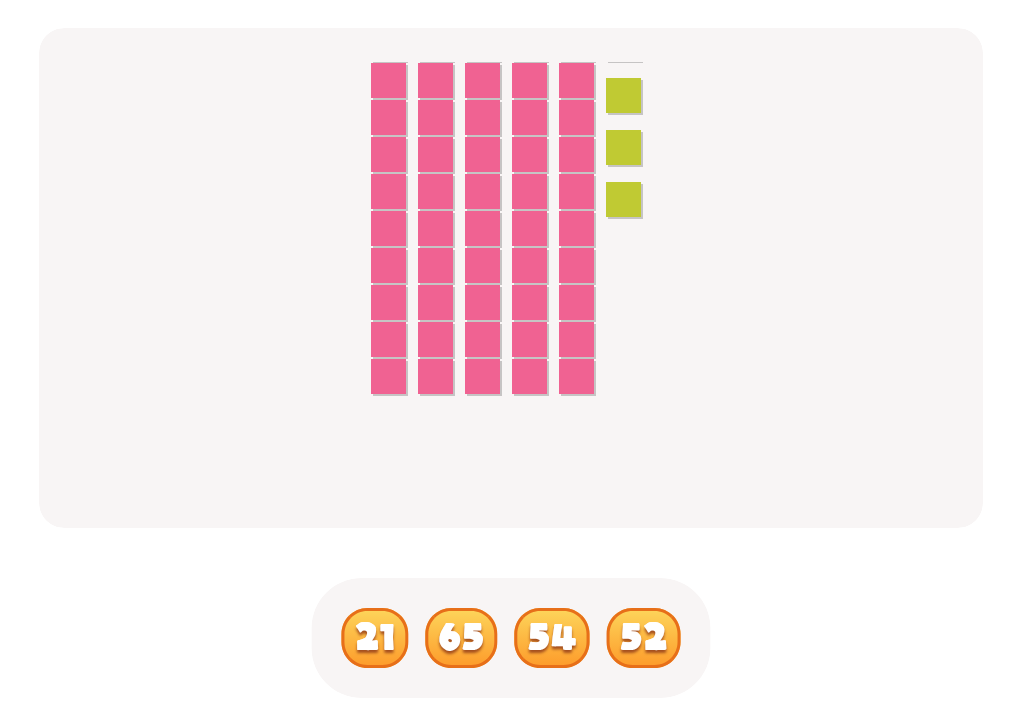
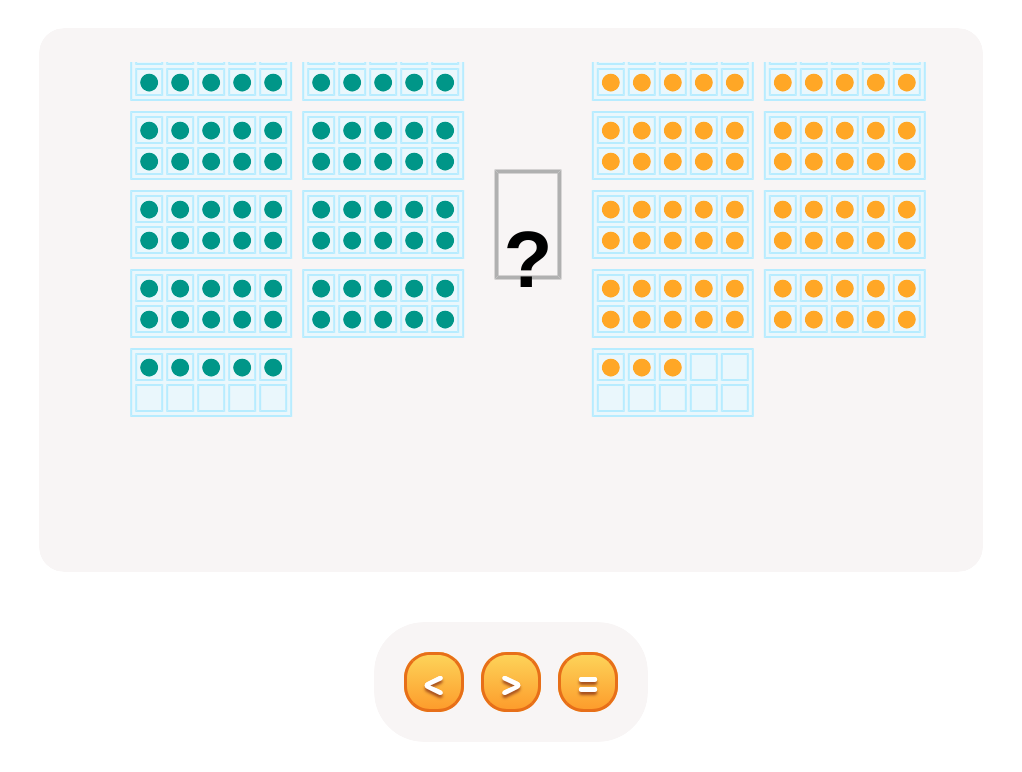
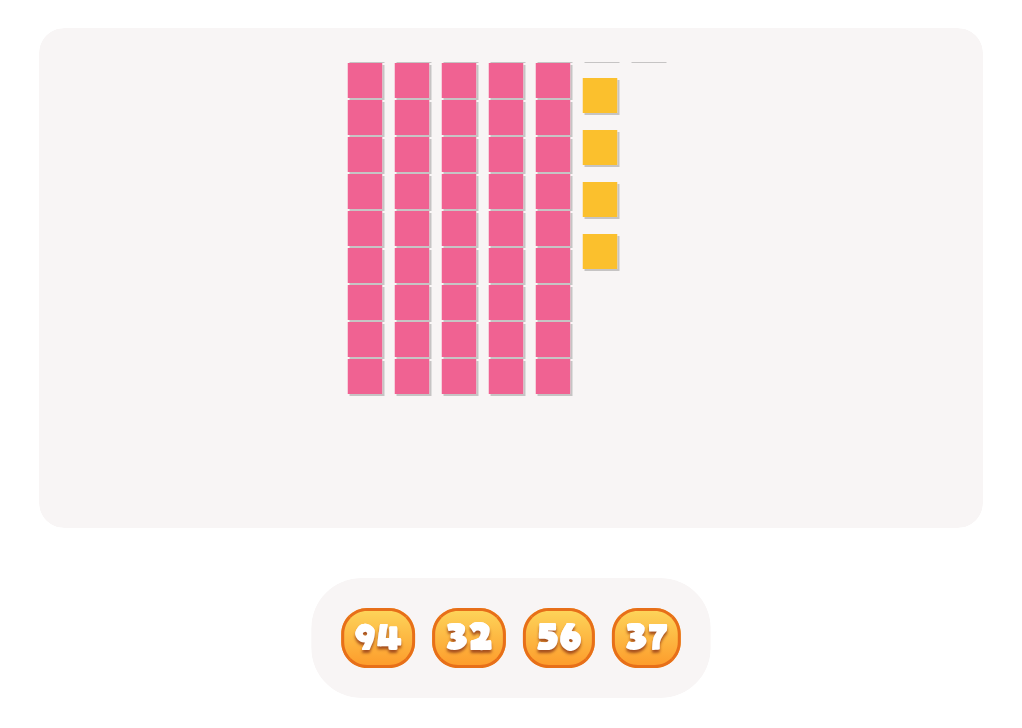
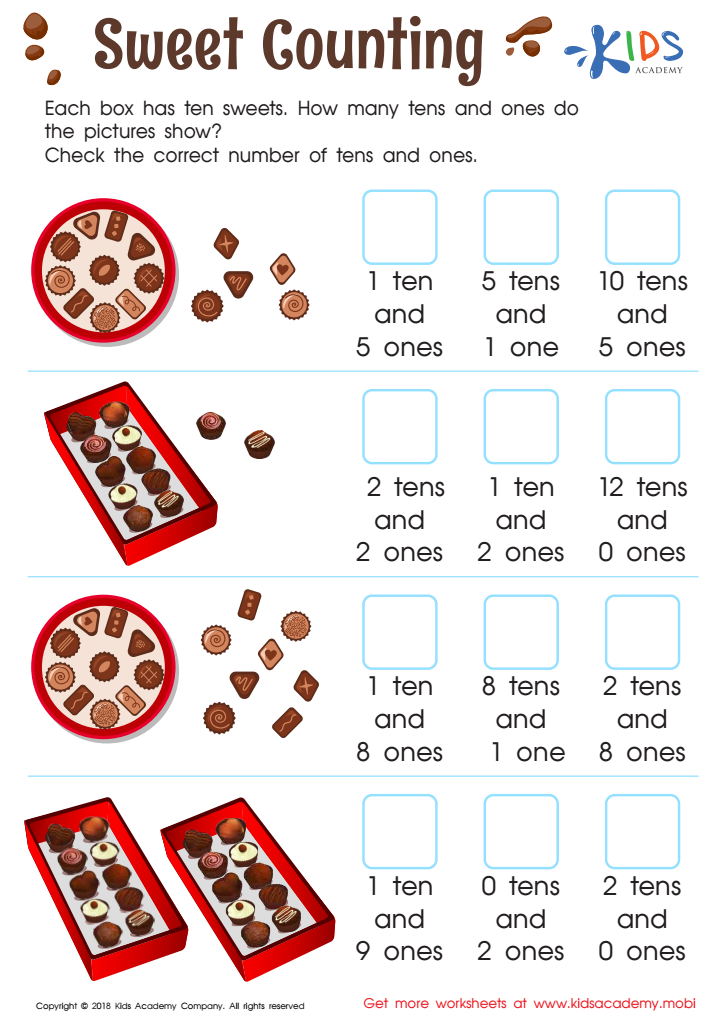
Sweet Counting - Part 2 Worksheet
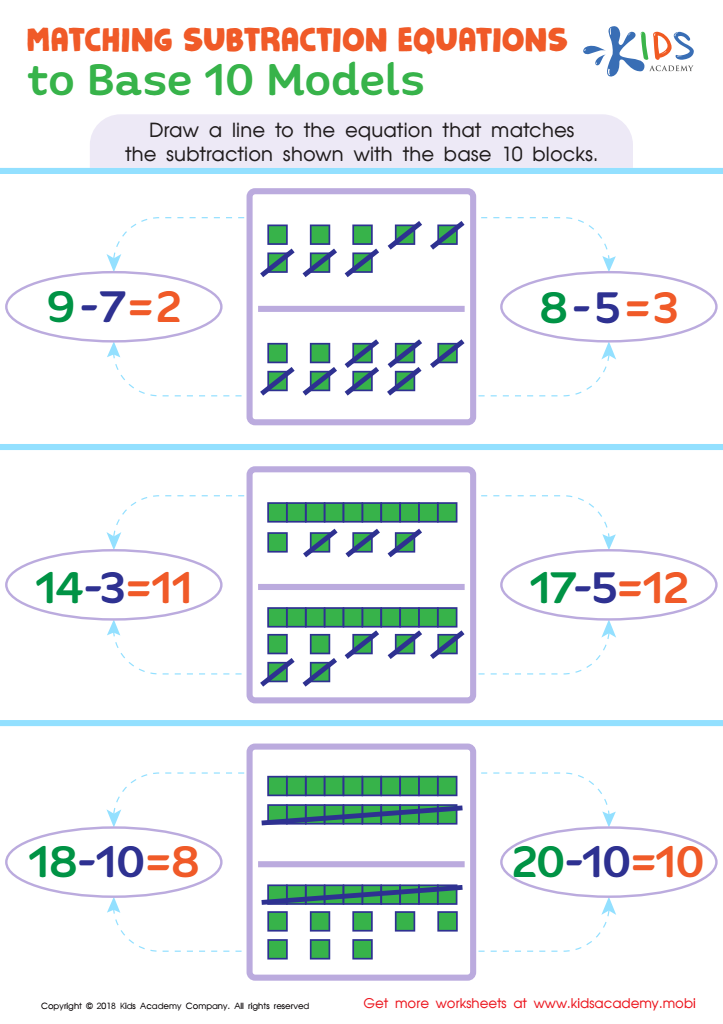
Matching Subtraction Equations To Base 10 Models Worksheet
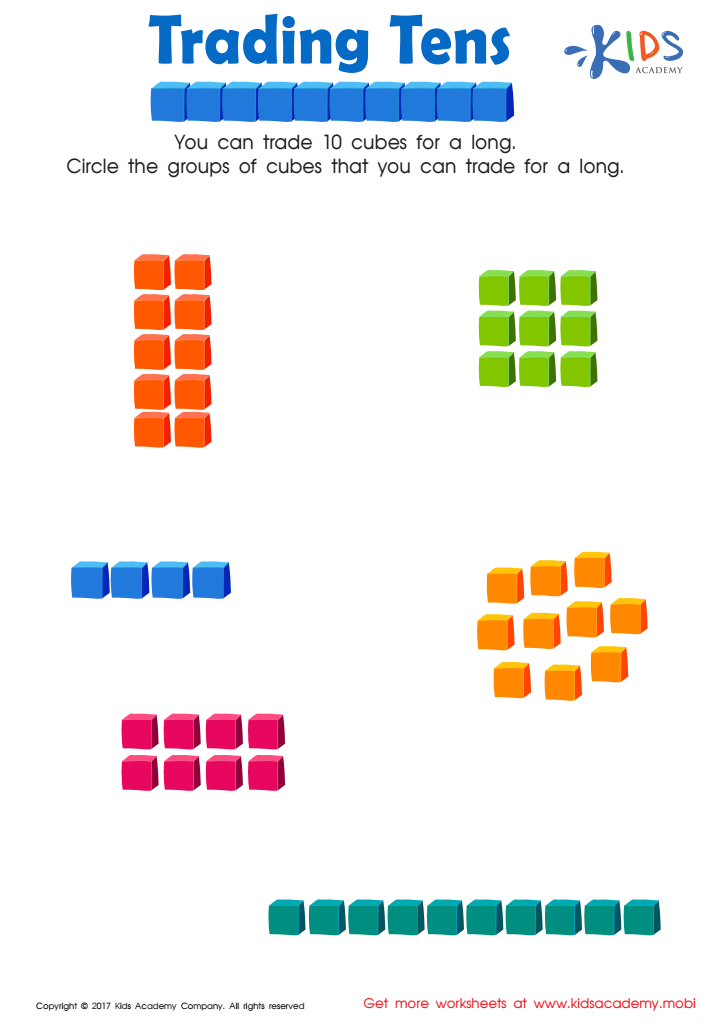
Trading Tens Worksheet
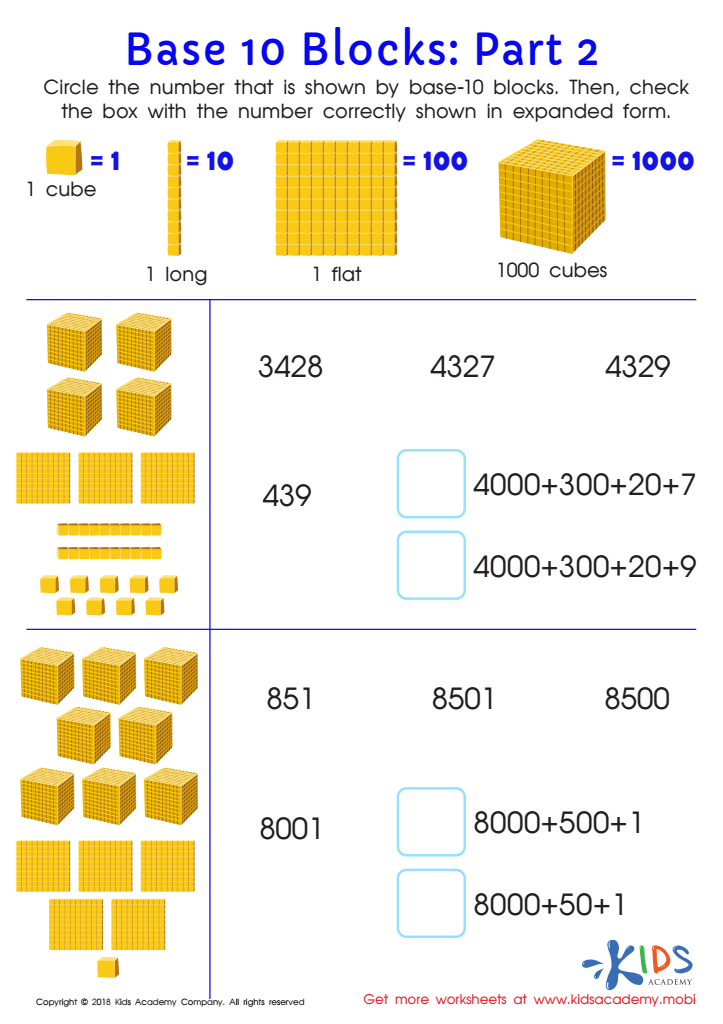
Base 10 Blocks Worksheet: Part 2
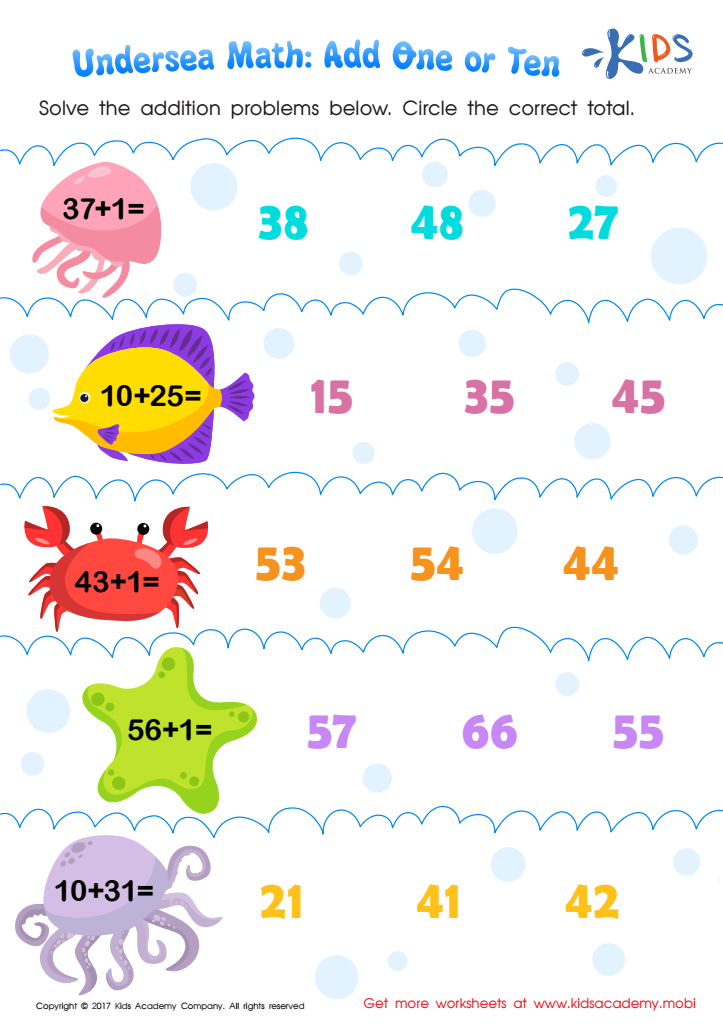
Undersea Math Worksheet
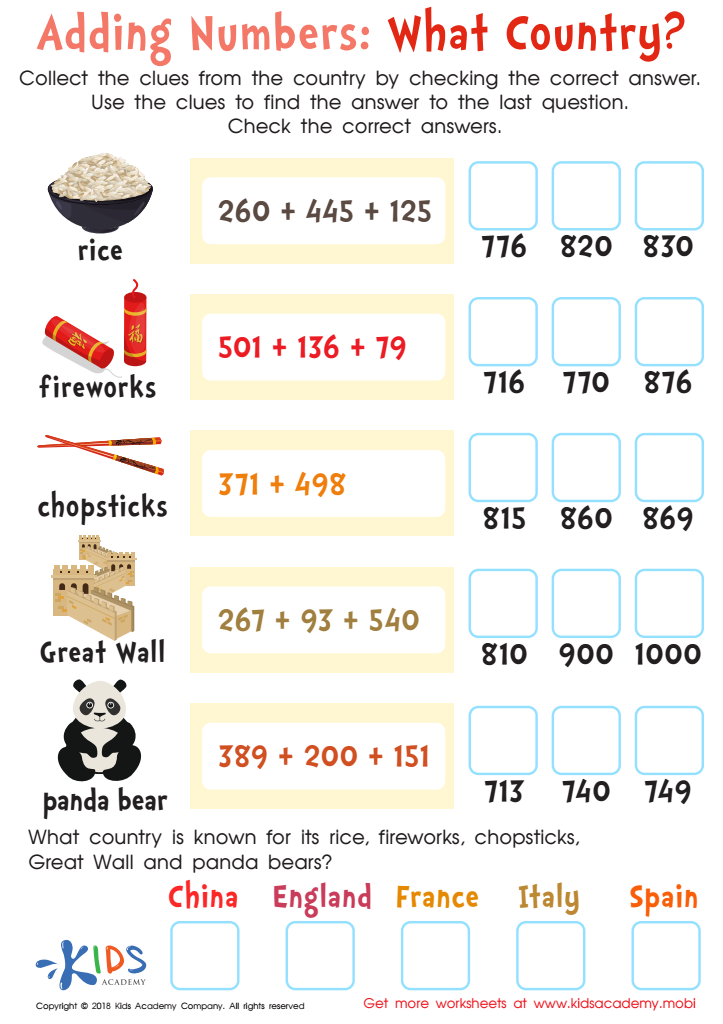
Adding Numbers: What Country Worksheet
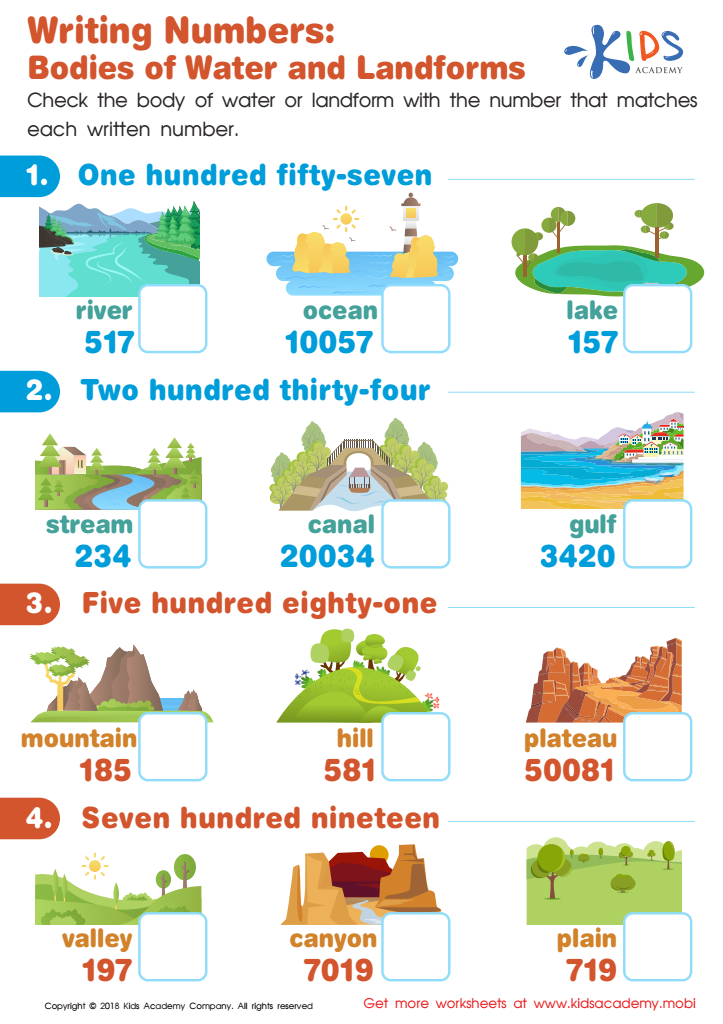
Bodies of Water and Landforms Writing Numbers Worksheet
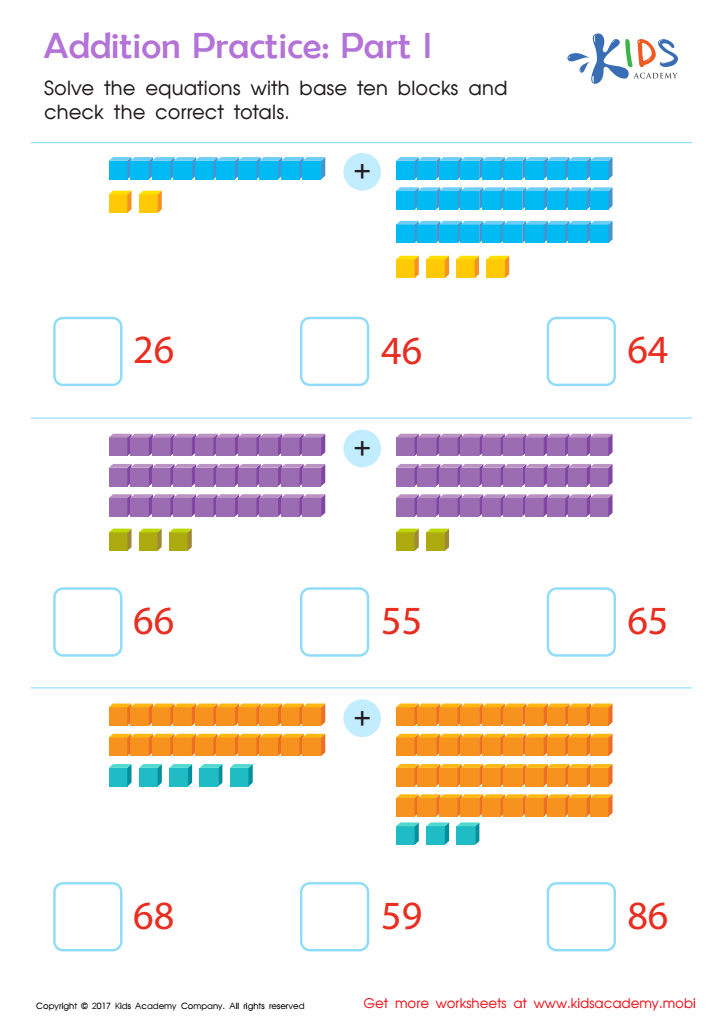
Addition Practice Sheet: Part 1
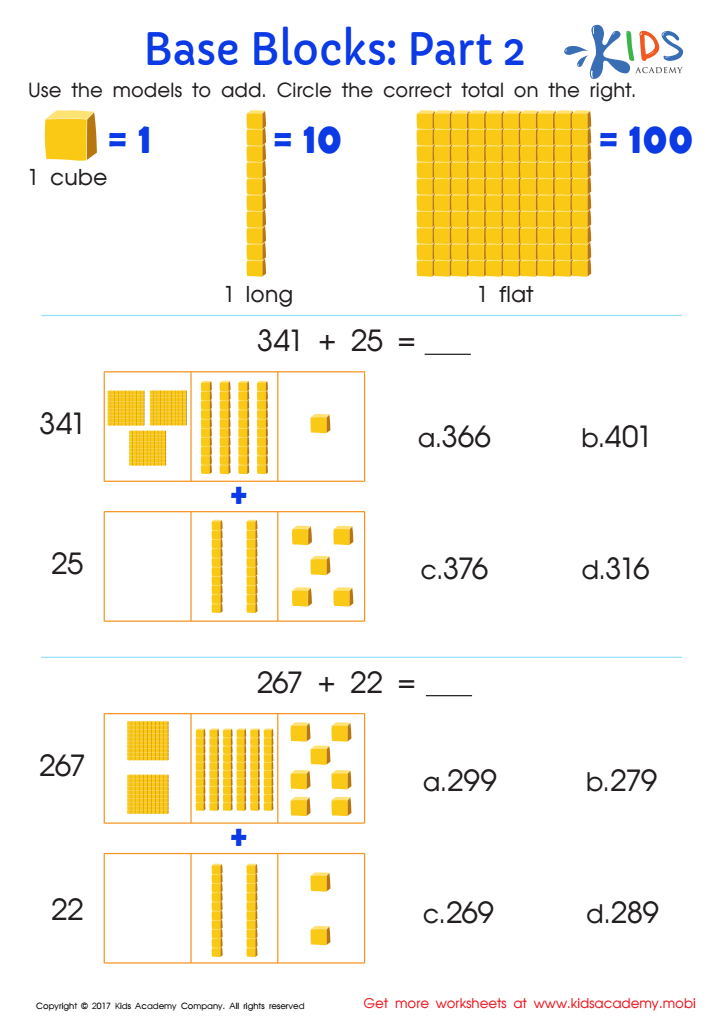
Base Ten Blocks Worksheet: Part 2
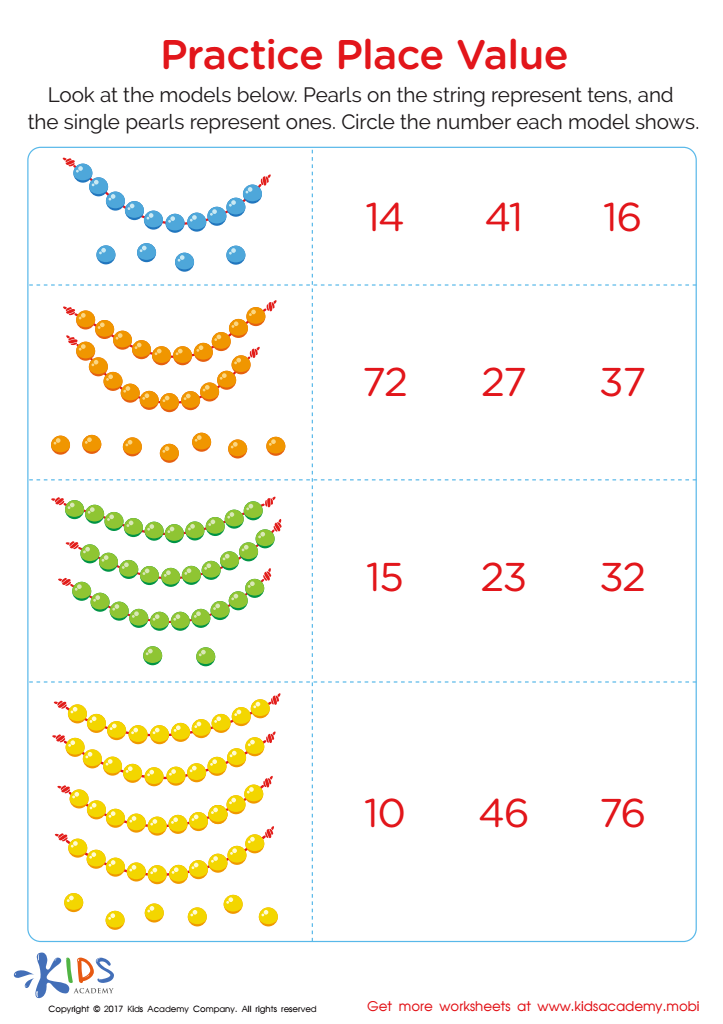
Practice Place Value Printable
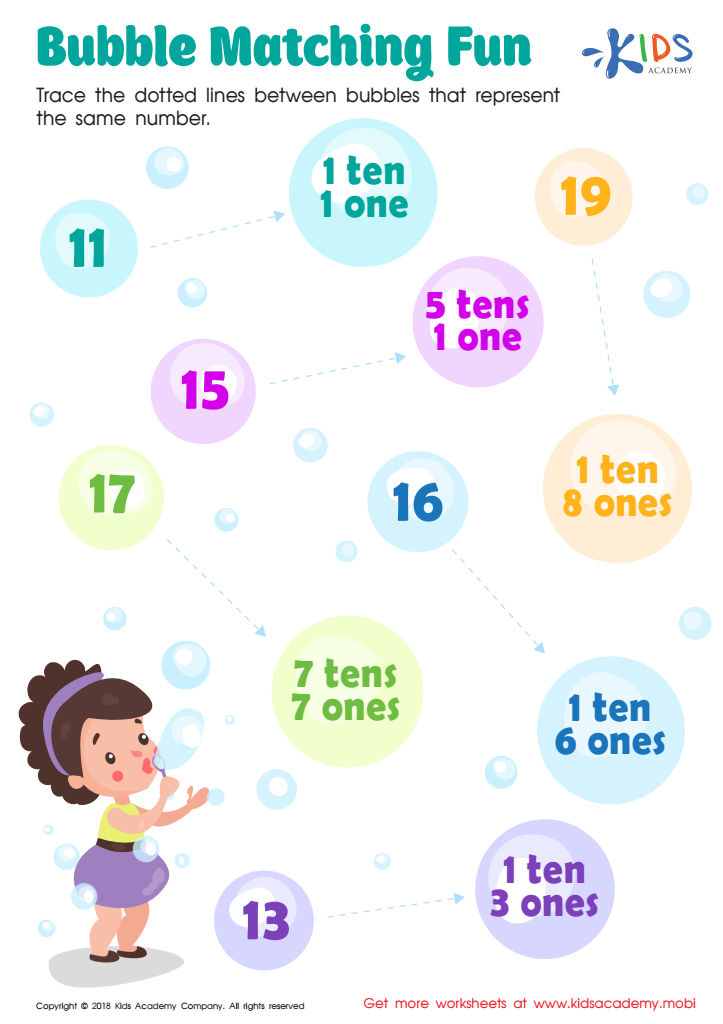
Bubble Matching Fun Worksheet
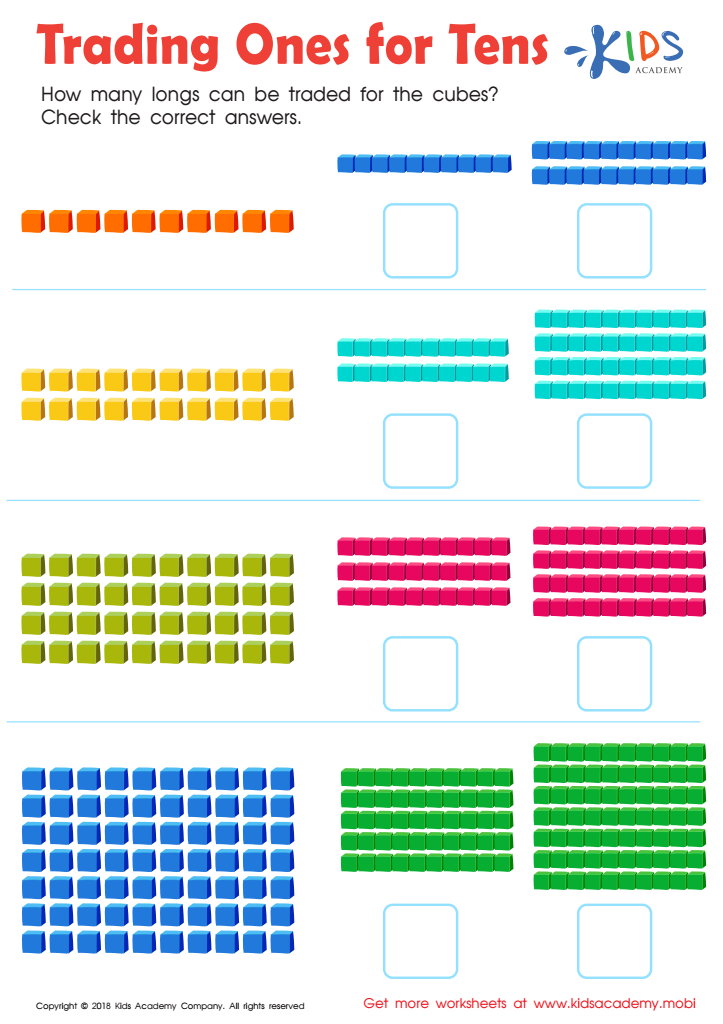
Trading Ones for Tens Worksheet: Part 2
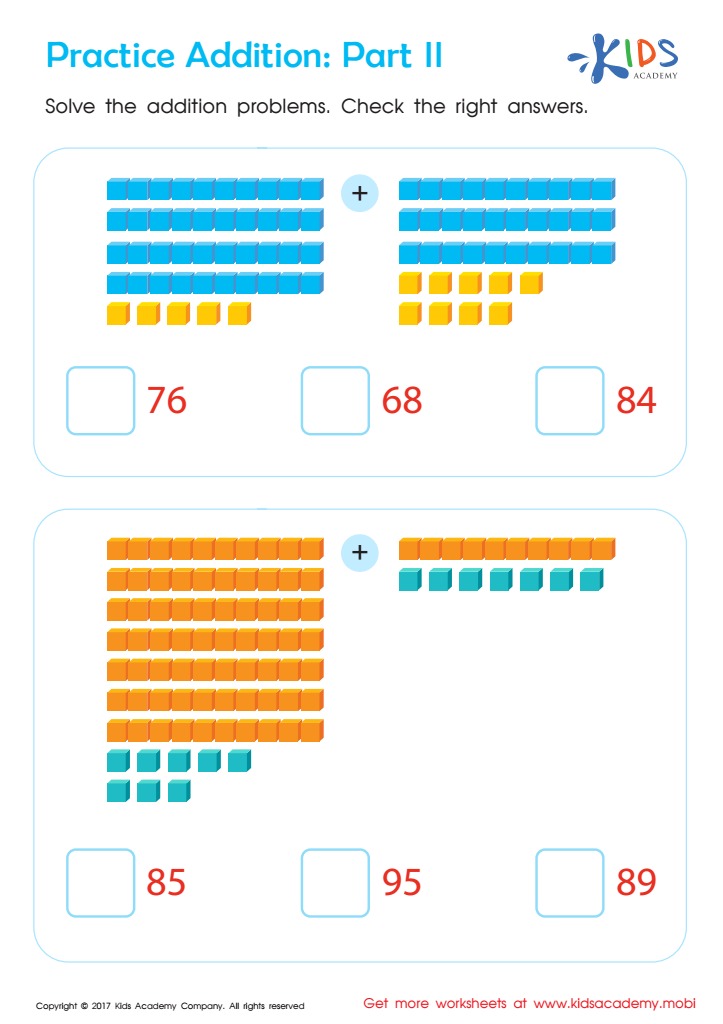
Practice Addition: Part 2 Worksheet
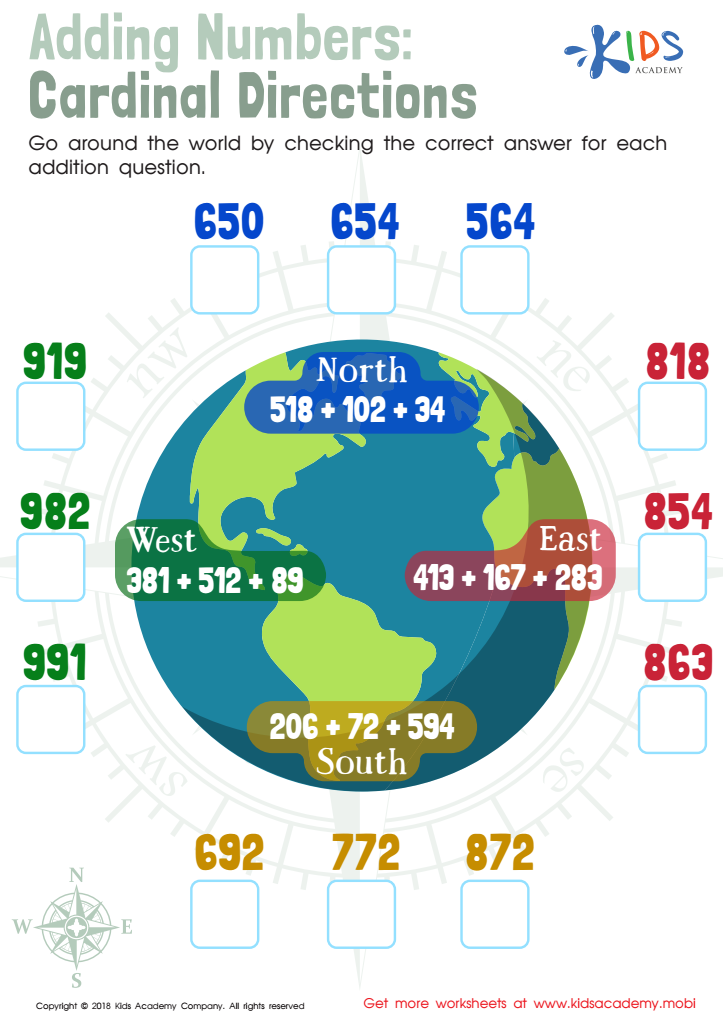
Adding Numbers: Cardinal Directions Worksheet
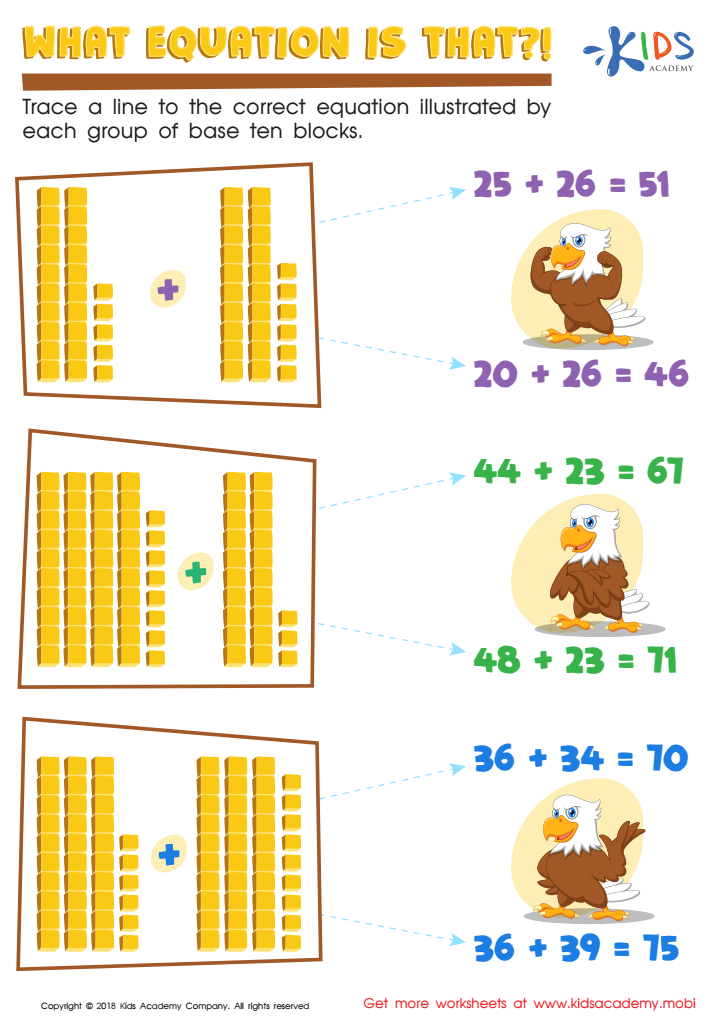
What Equation Is That? Worksheet
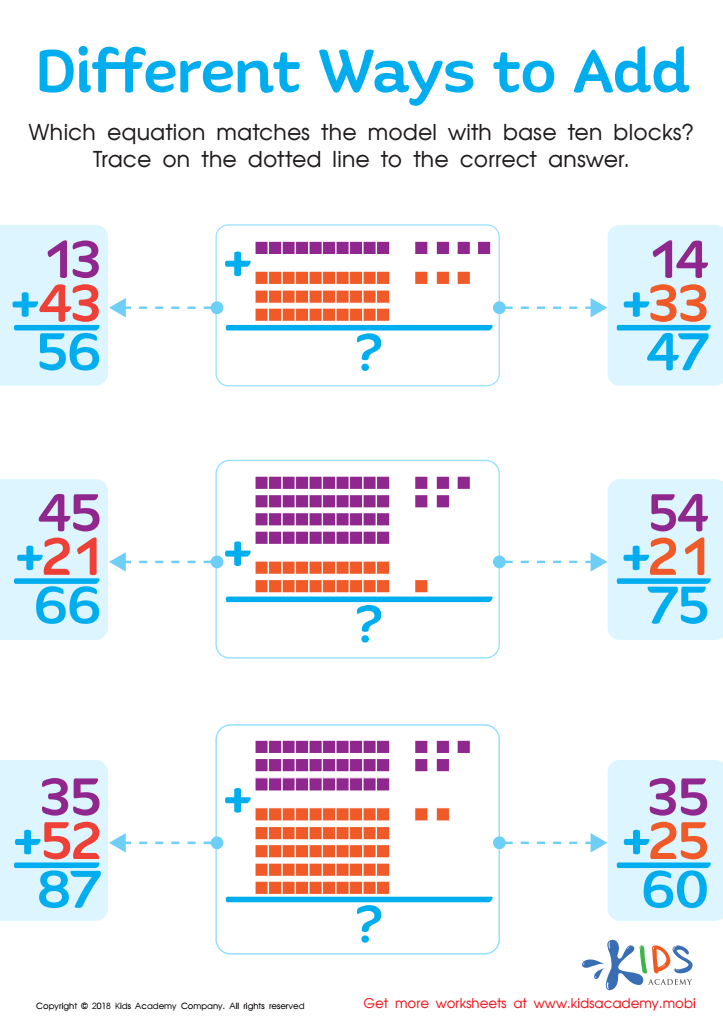
Different Ways to Add Worksheet
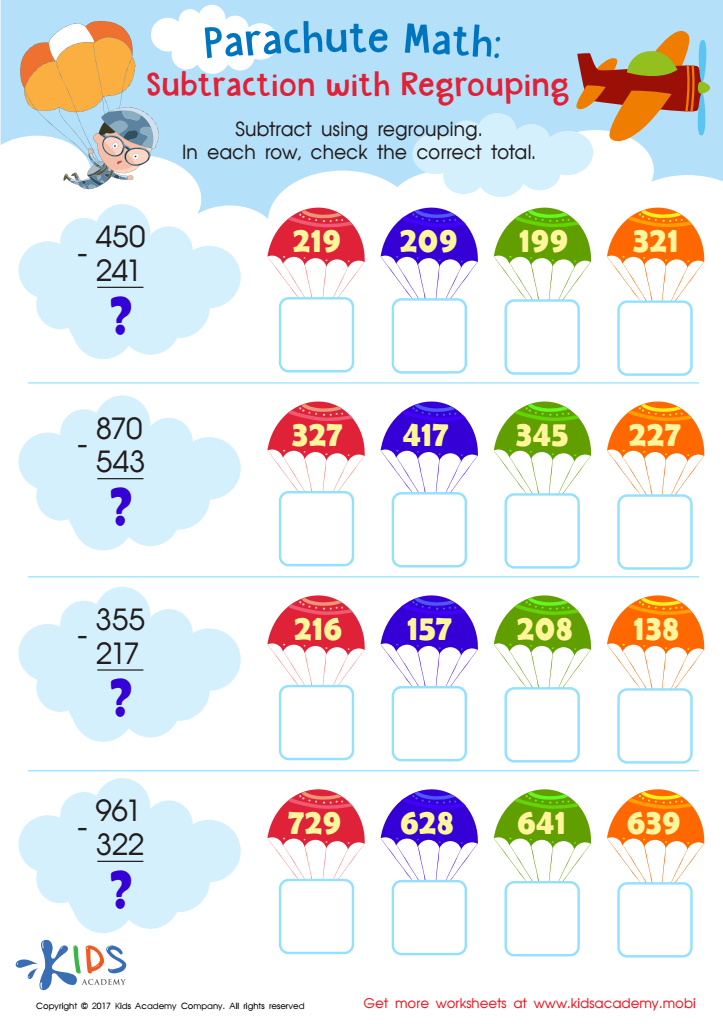
Subtraction with Regrouping for 3rd Grade Worksheet
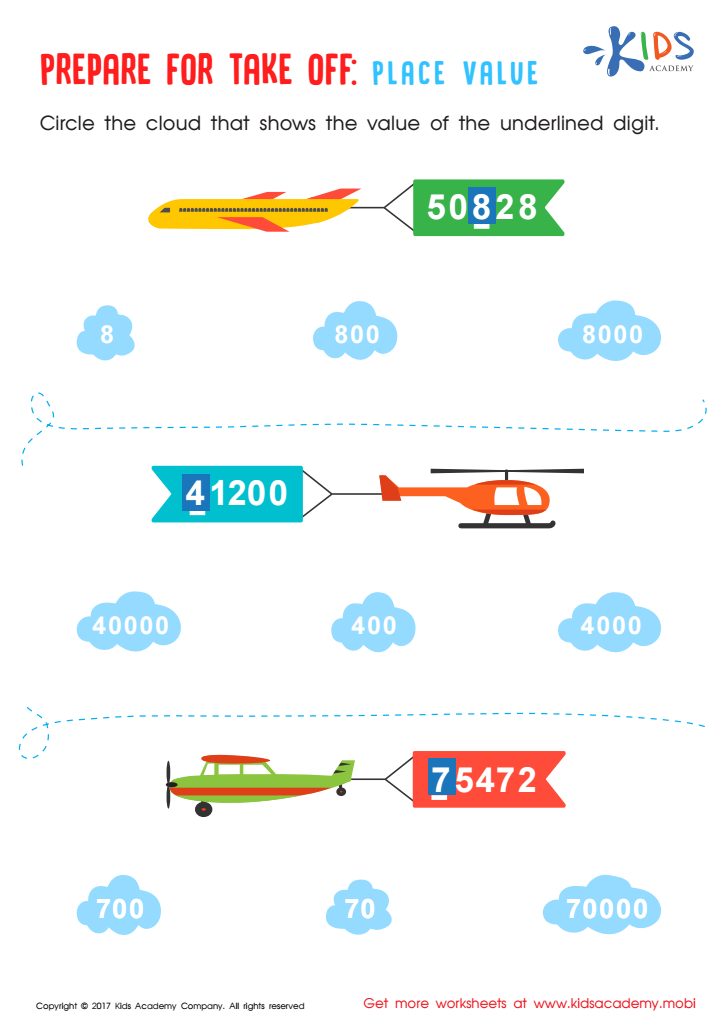
Free Place Value Worksheet for 3rd Grade








Understanding normal place value is crucial for children aged 7-9, as it forms the foundation for their mathematical development. Place value helps learners comprehend the numerical value of each digit based on its position within a number, aiding them in grasping concepts such as addition, subtraction, multiplication, and division.
When parents or teachers emphasize place value, they facilitate deeper mathematical reasoning. Children can better understand larger numbers, making it easier for them to engage in problem-solving and critical thinking skills. Additionally, a solid grasp of place value fosters confidence in math, encouraging a positive attitude toward the subject.
Moreover, the skills gained from learning place value have long-lasting implications across various disciplines. Recognizing the significance of different digit places (units, tens, hundreds) supports competencies in everyday tasks, such as counting, budgeting, and interpreting data.
Consequently, investing time and resources in mastering normal place value primes children for success in more complex mathematical concepts and real-world applications. By fostering an environment where place value is prioritized, parents and teachers set children on a path toward academic achievement and empower them with essential skills for future endeavors.