Normal Reading Worksheets for Ages 7-9 - Page 5
269 filtered results
-
From - To
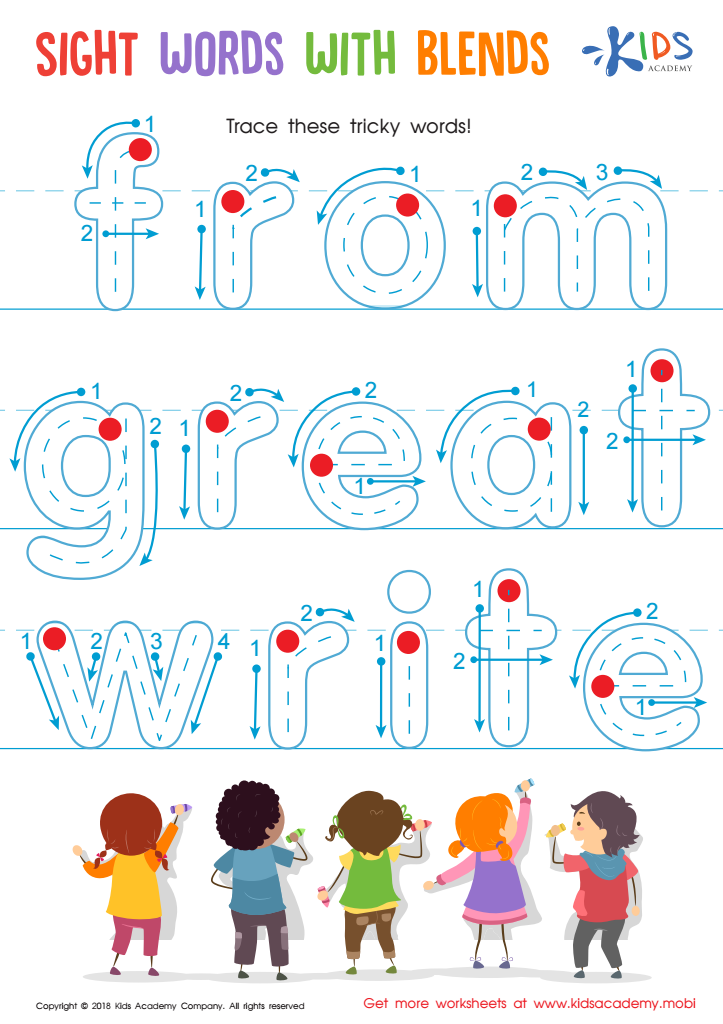
Sight Words with Blends Worksheet
 Assign to My Students
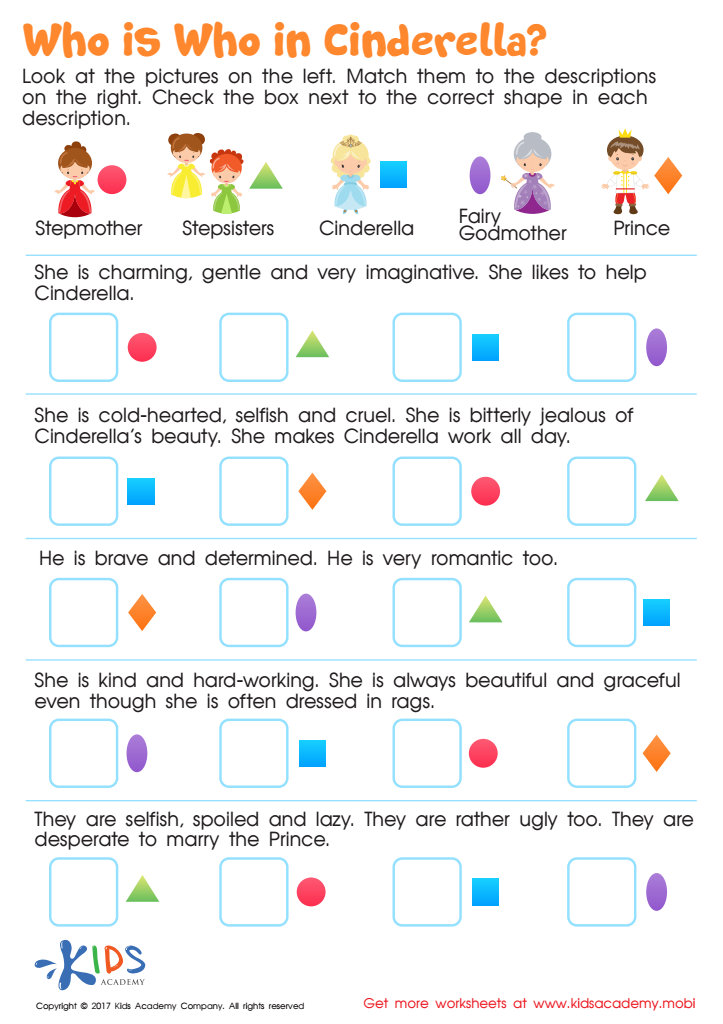
Cinderella Comprehension Worksheet
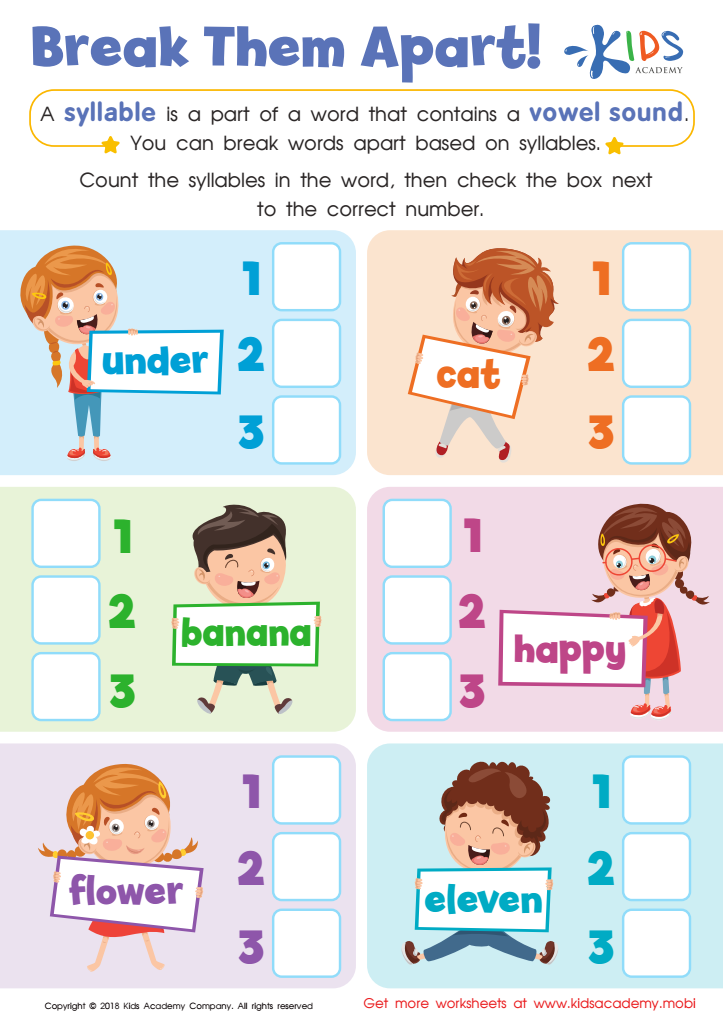
Reading: Break Them Apart Worksheet
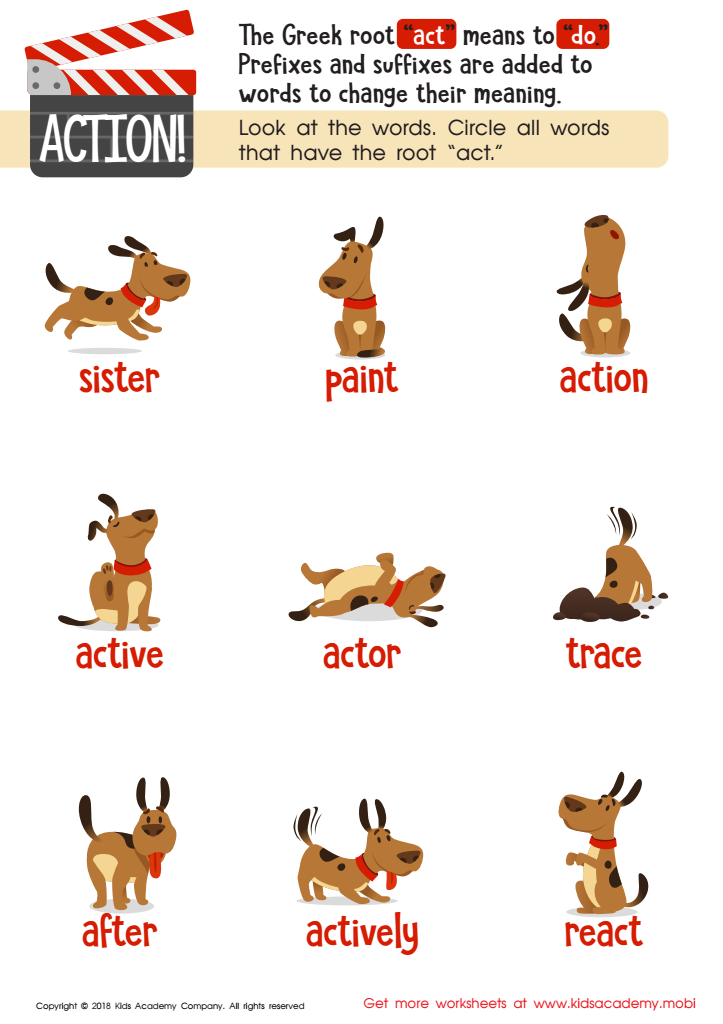
Action! Worksheet
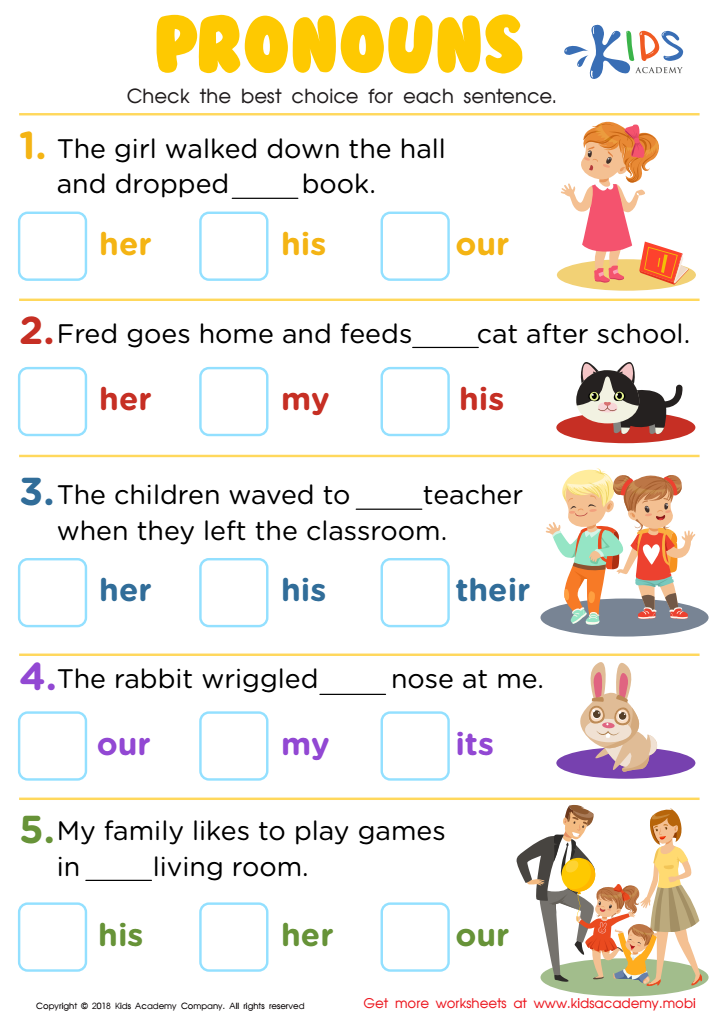
Pronouns Worksheet
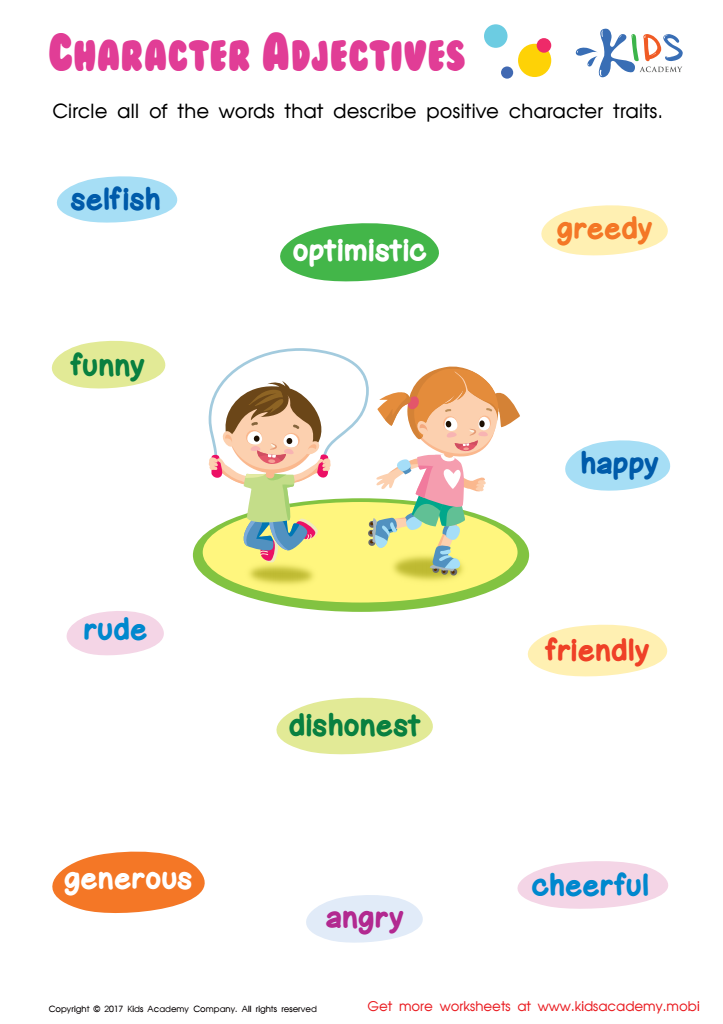
Character Adjectives Worksheet
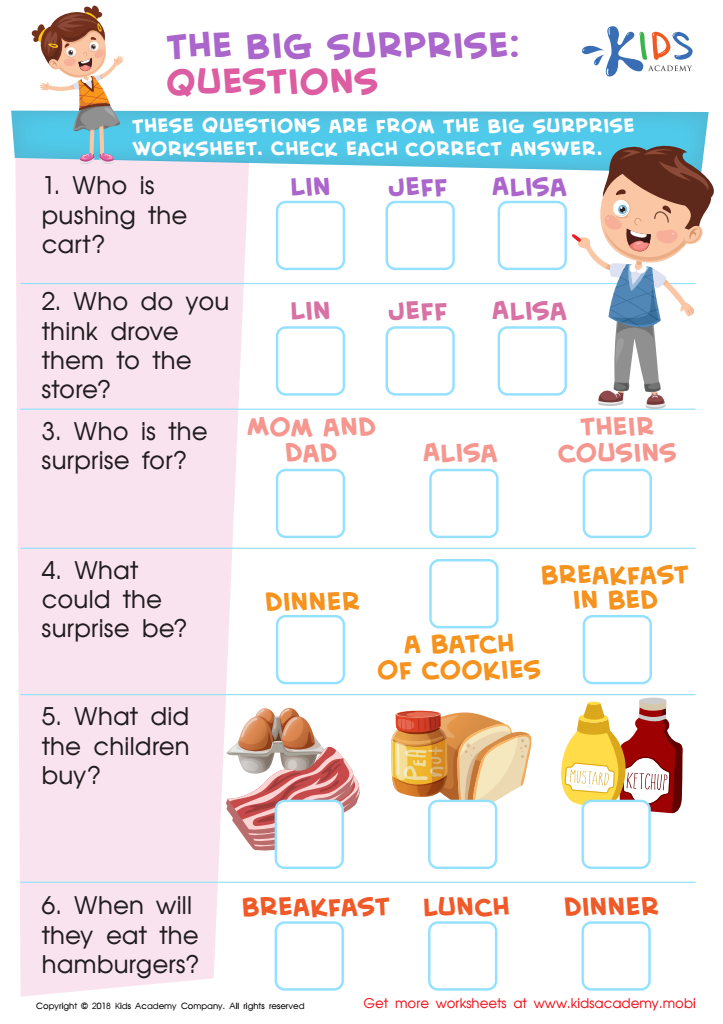
The Big Surprise: Questions Worksheet
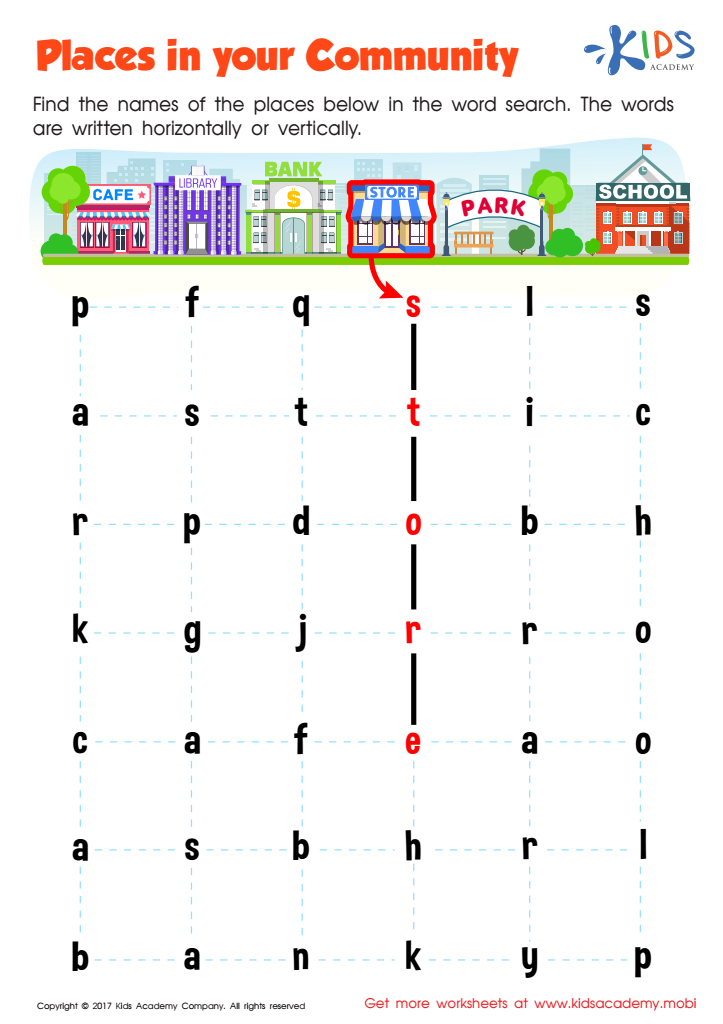
Places in Your Community Worksheet
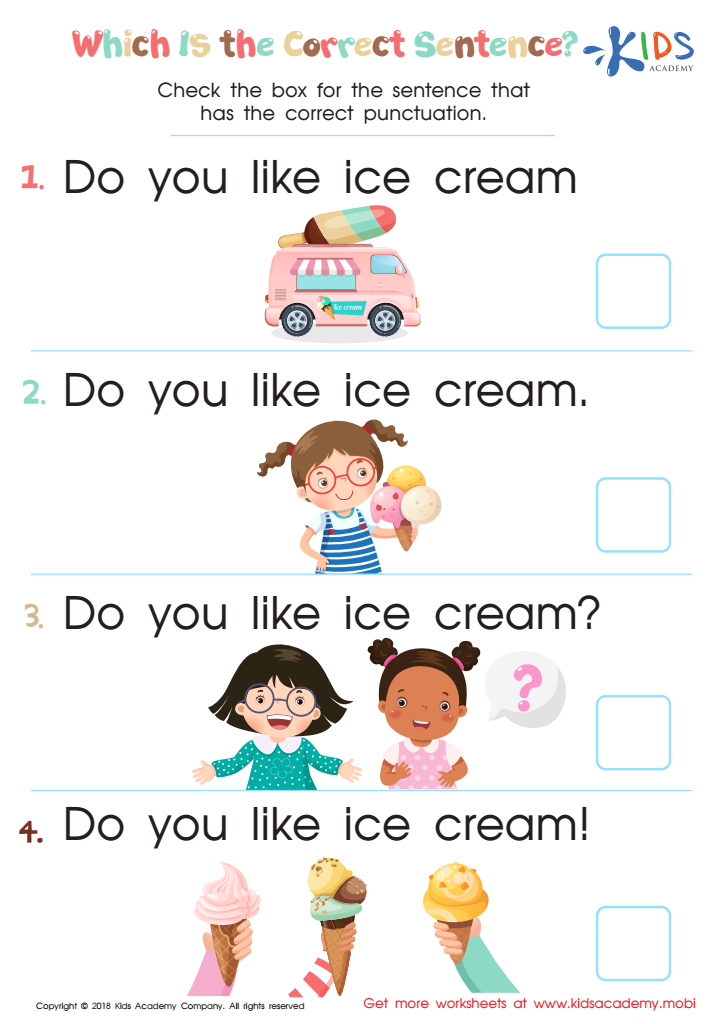
Which is the Correct Sentence? Worksheet
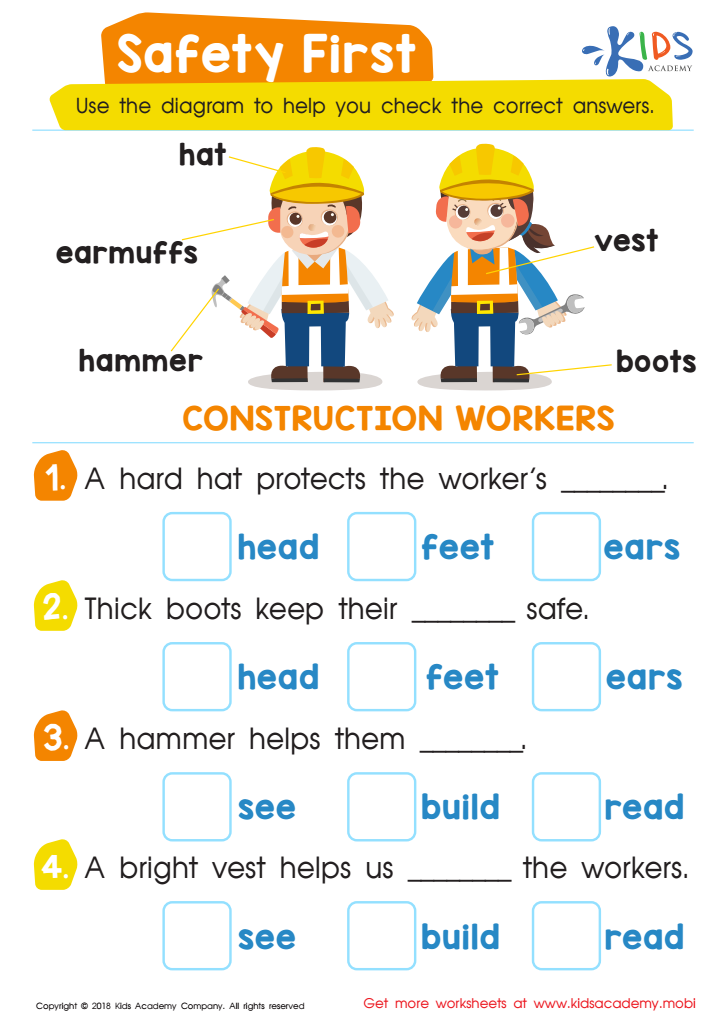
Safety First Worksheet
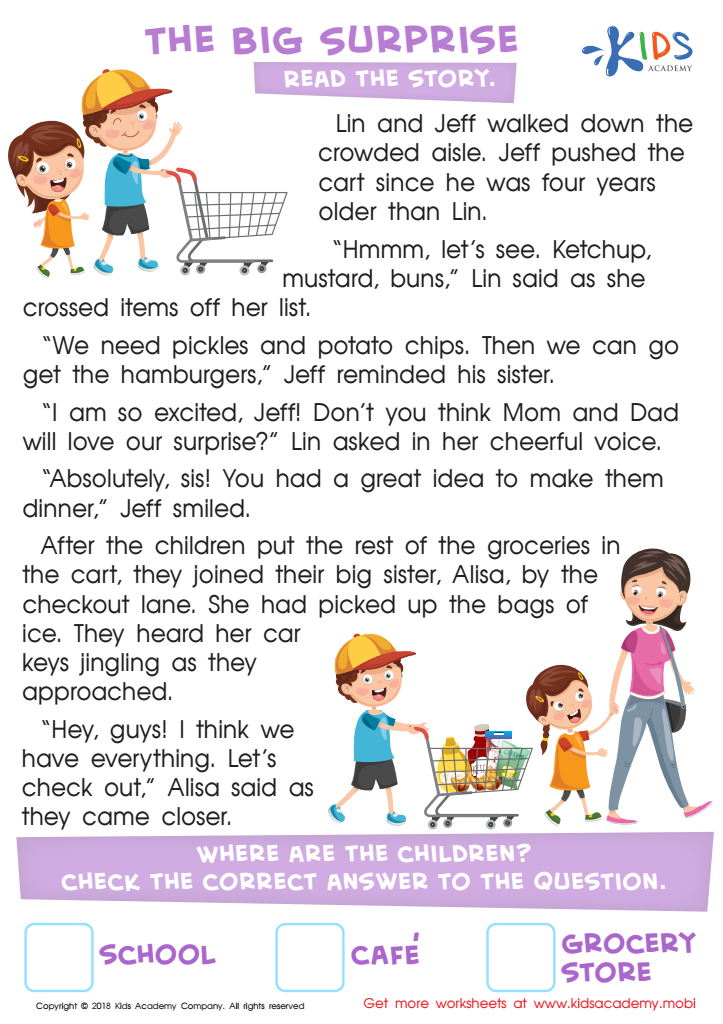
The Big Surprise Worksheet
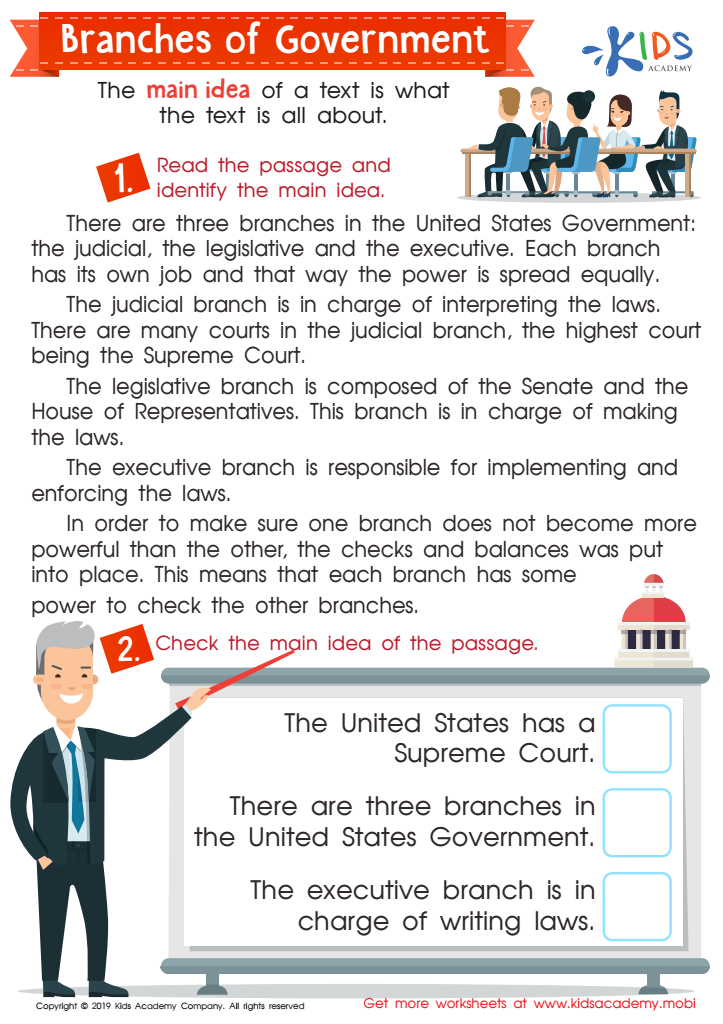
Branches of the Government Worksheet
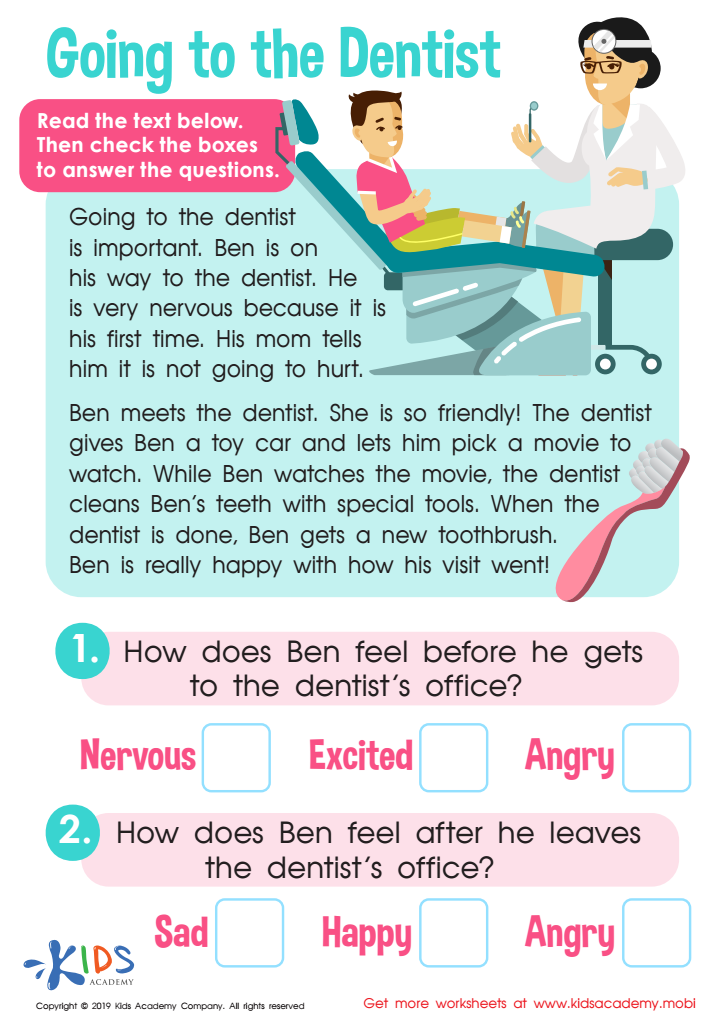
Going to the Dentist Worksheet
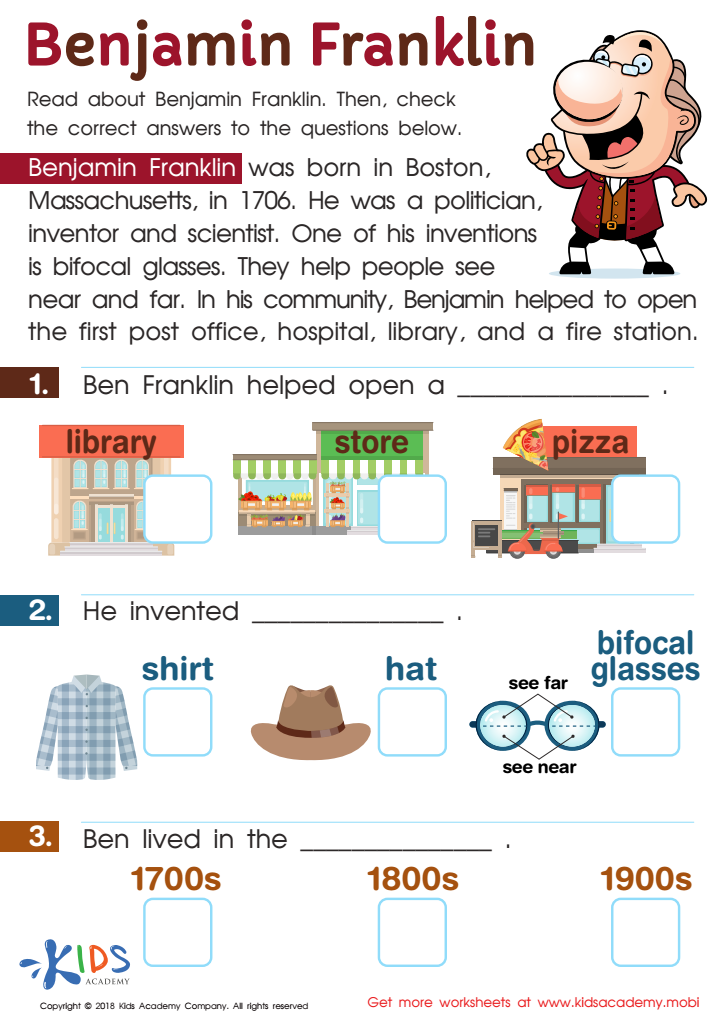
Benjamin Franklin Worksheet
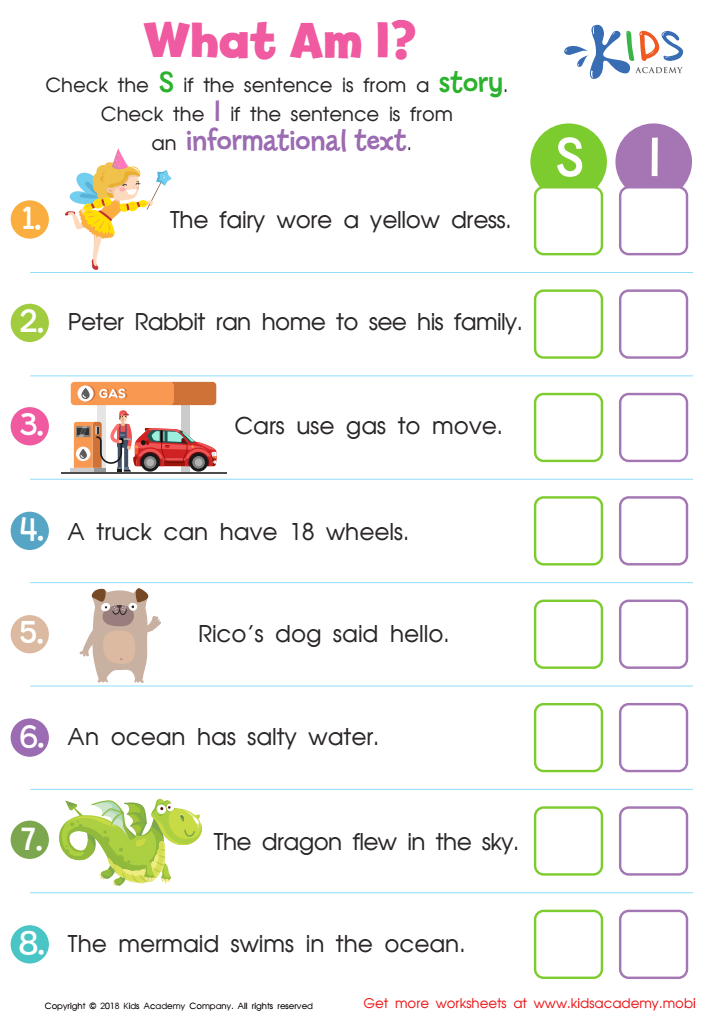
What Am I? Worksheet
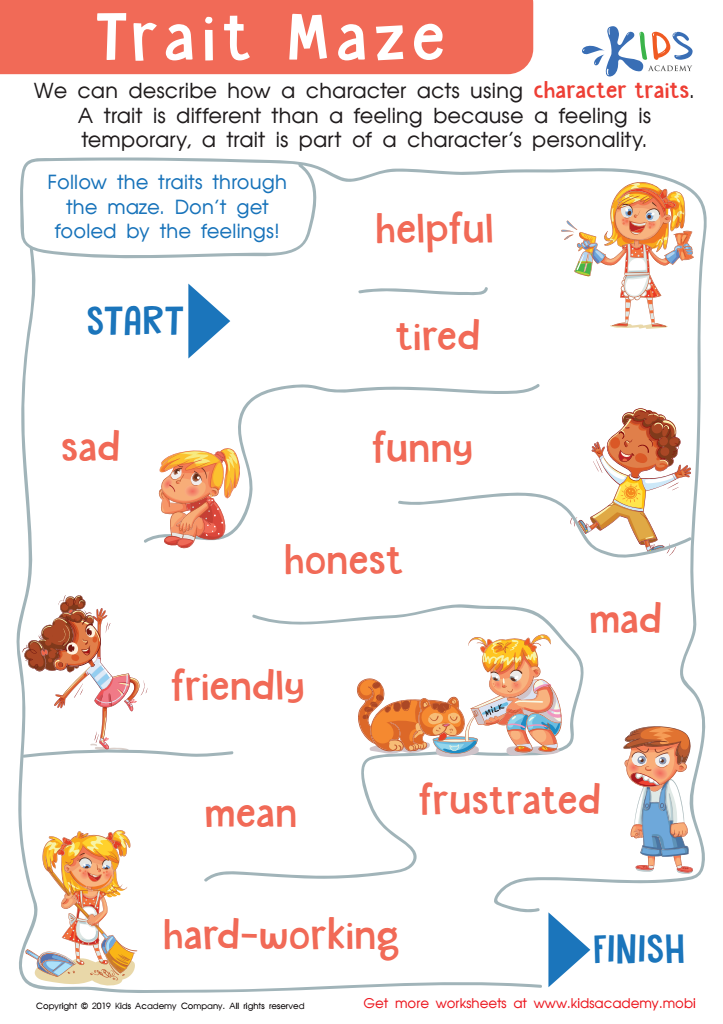
Trait Maze Worksheet
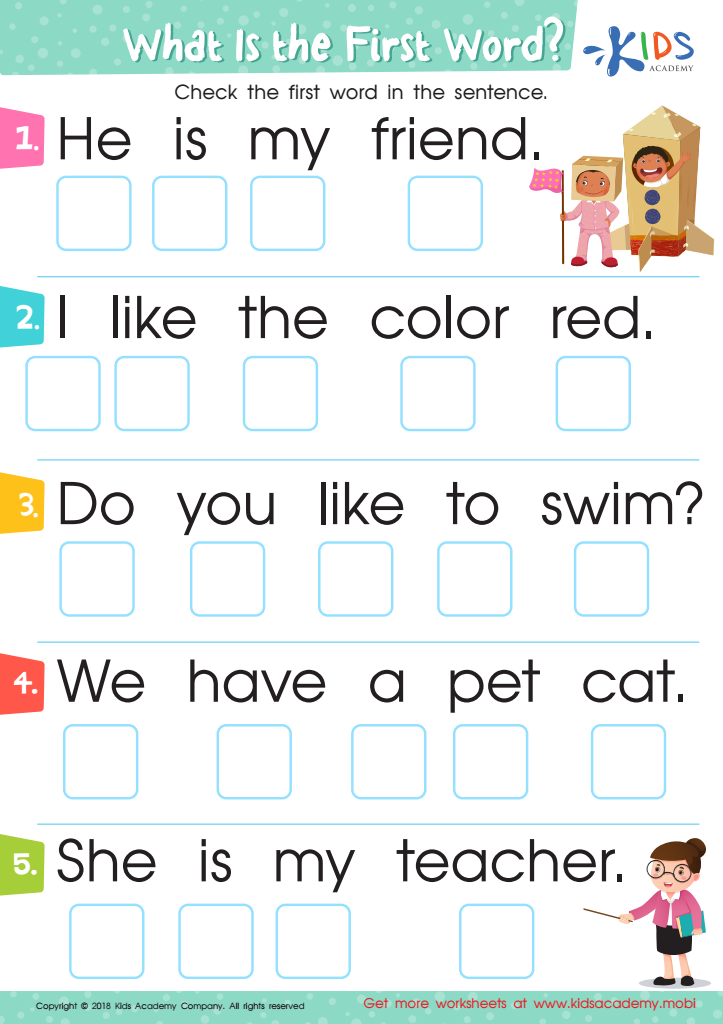
What is the First Word? Worksheet
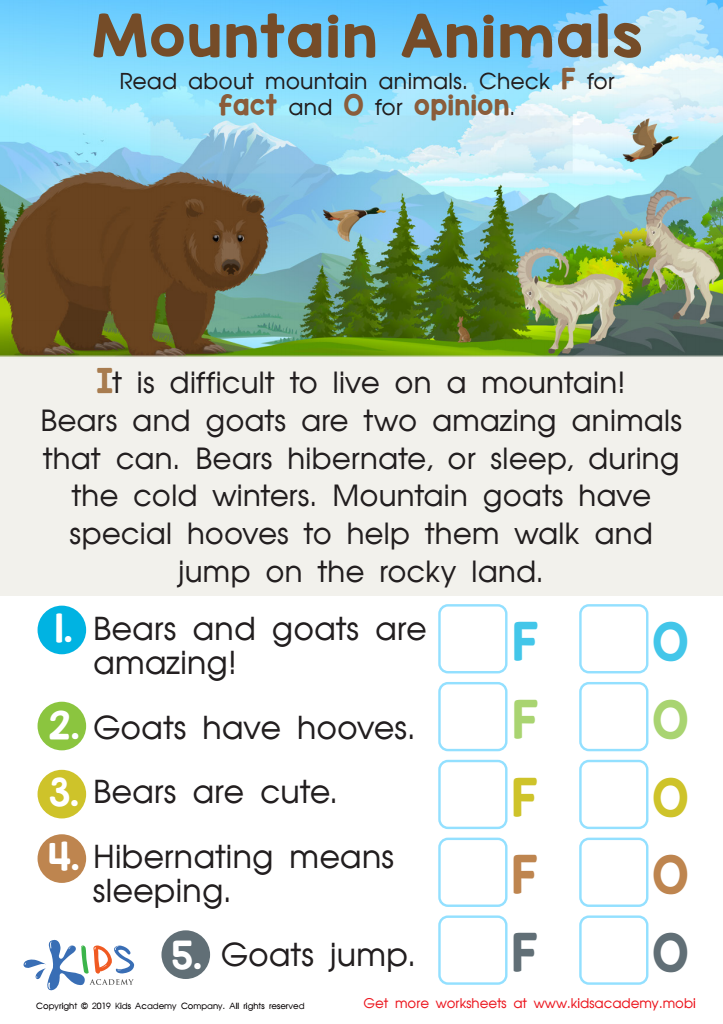
Mountain Animals Worksheet
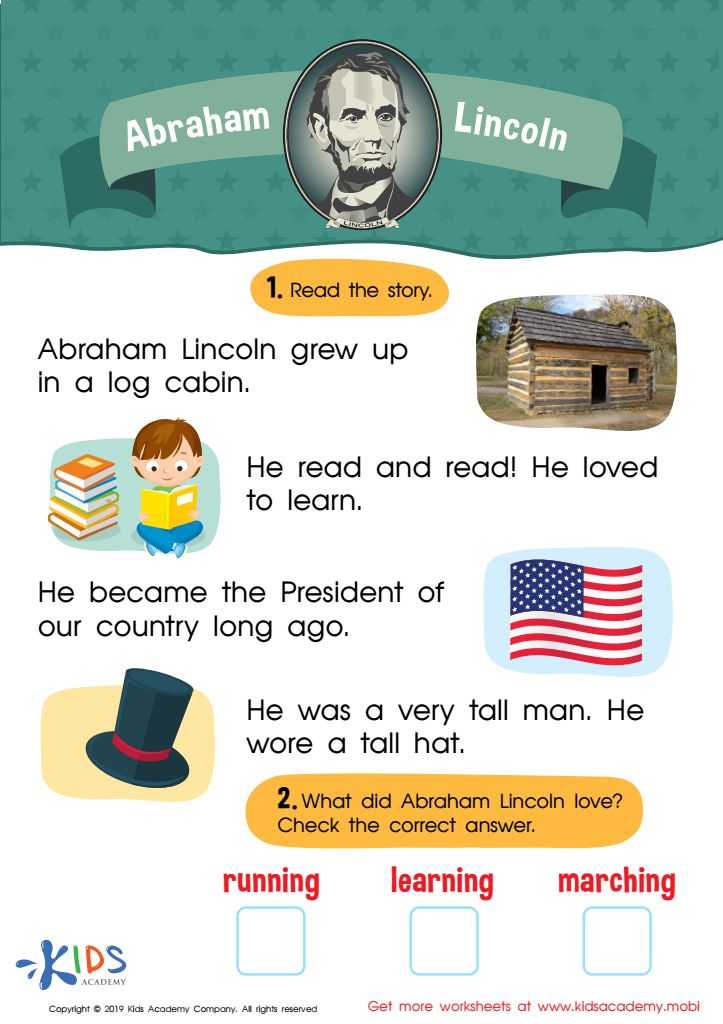
Abraham Lincoln Worksheet
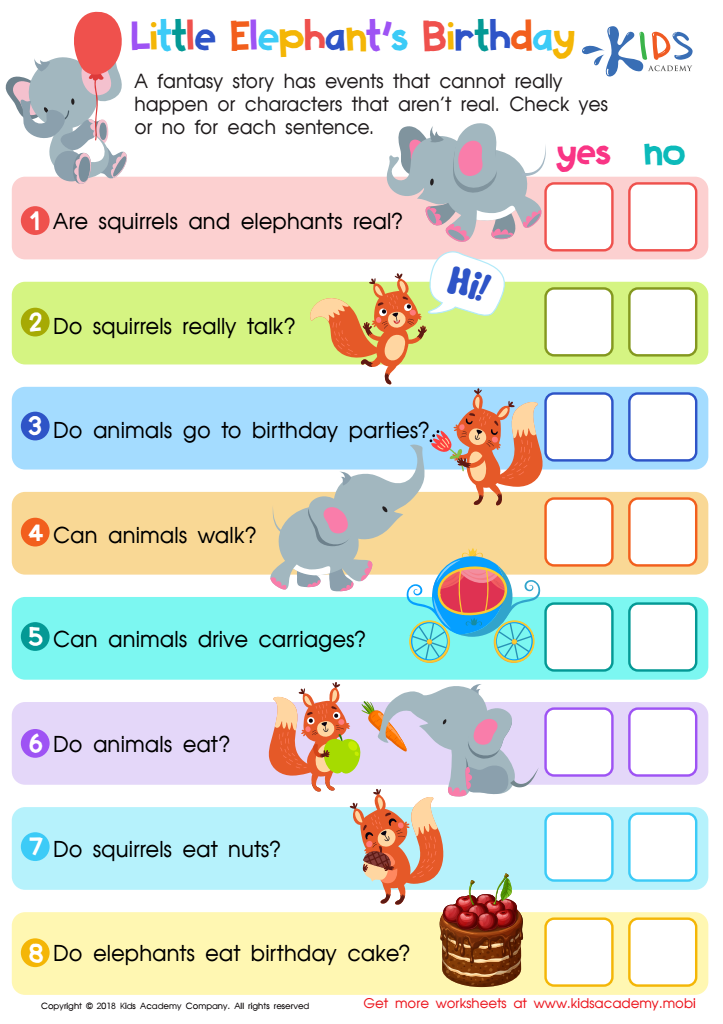
Little Elephant's Birthday Worksheet
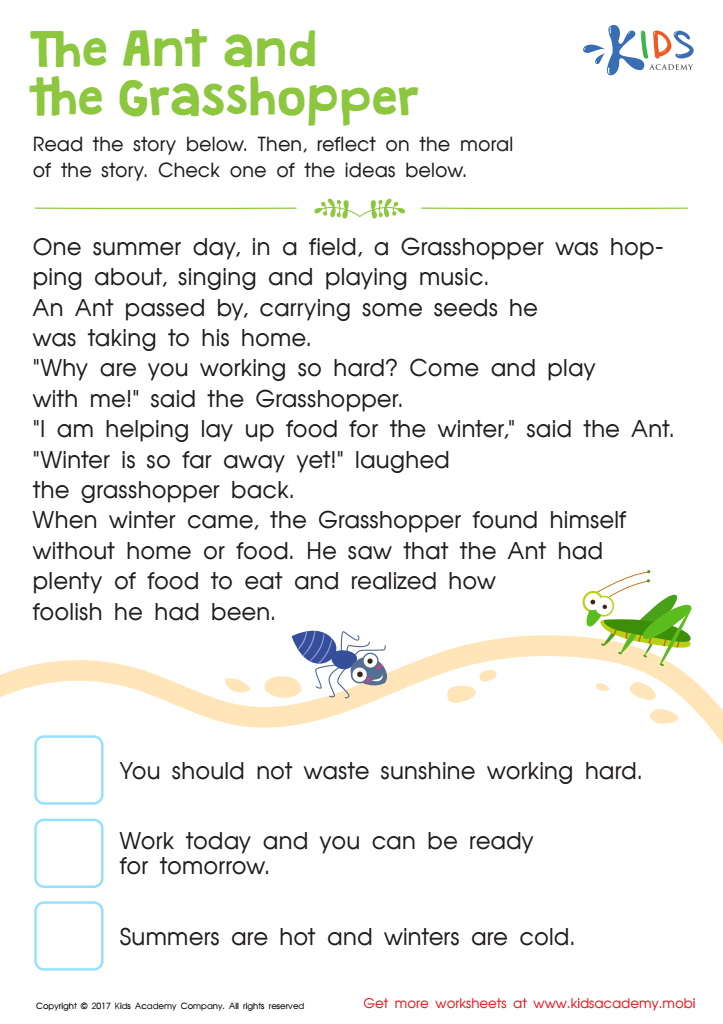
The Ant and The Grasshopper Printable
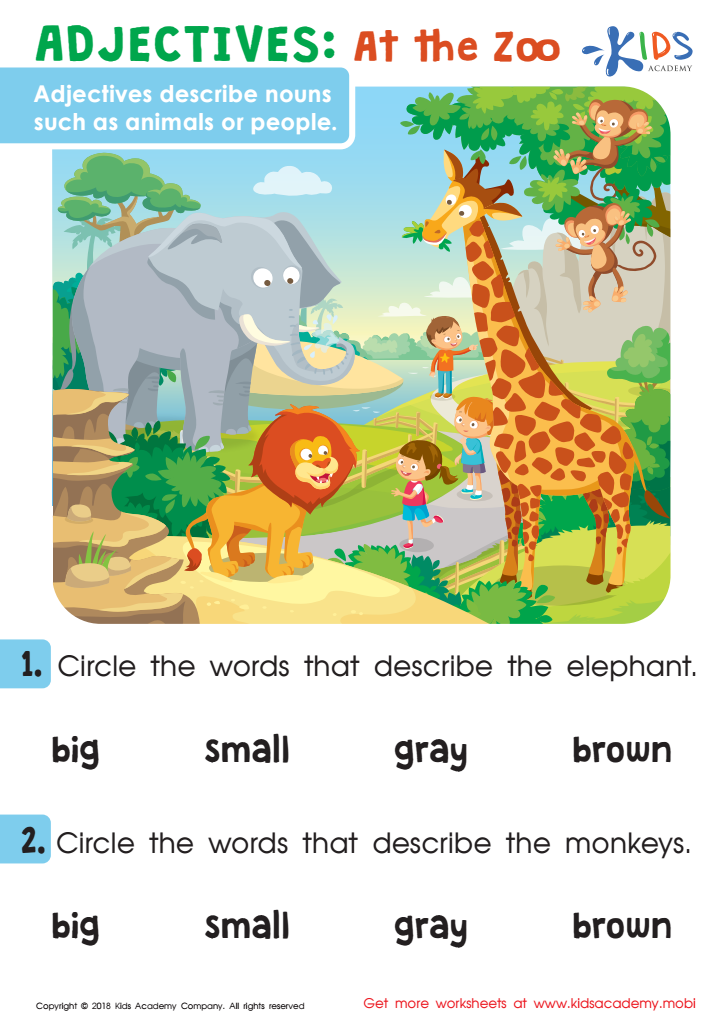
Adjectives: At The Zoo Worksheet
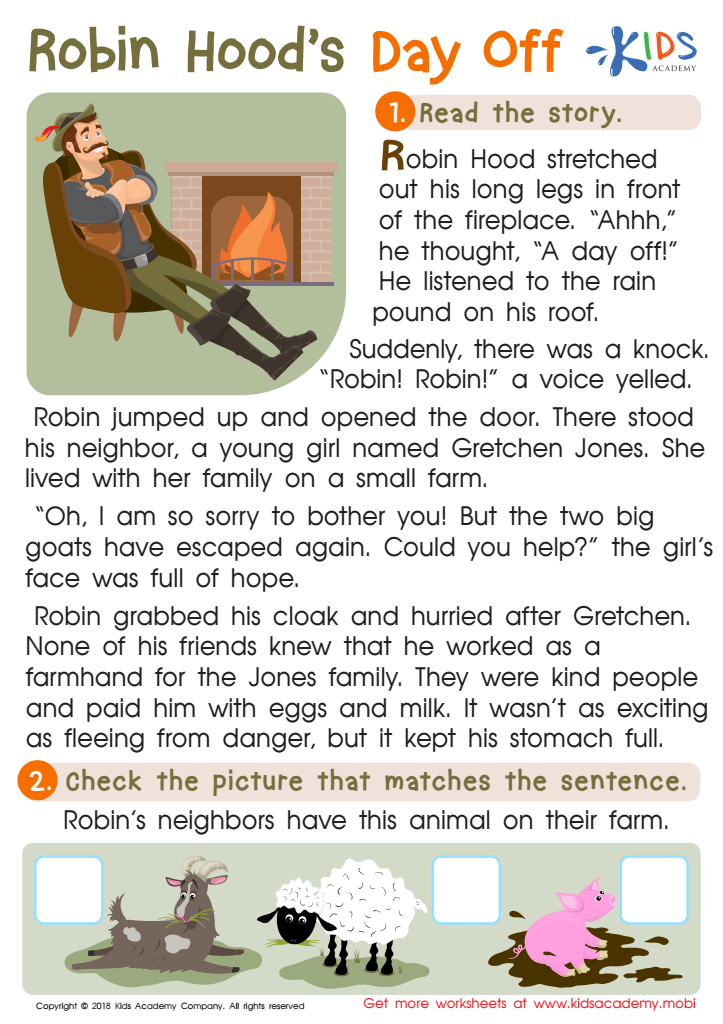
Robin Hood's Day Off Worksheet








Normal reading development for children ages 7-9 is crucial because it lays the foundation for lifelong literacy skills. During this stage, children transition from learning to read to reading to learn. Ensuring that they reach appropriate reading milestones influences their academic performance across all subjects. If parents and teachers support this development, they can help foster a positive attitude towards reading, which promotes a love of learning.
At this age, children usually progress to more complex texts, so exposure to a variety of literature—both fiction and nonfiction—is essential. Engaging children in reading can strengthen their comprehension, vocabulary, and critical thinking skills. Skills developed during these formative years affect their ability to interpret texts, analyze information, and articulate thoughts, all of which are vital for success in higher education and future careers.
Moreover, early identification of reading difficulties can alleviate potential long-term struggles. Parents and teachers should monitor children’s reading habits and encourage regular practice to build confidence and proficiency. By prioritizing normal reading milestones, adults can positively impact students' academic journeys and guide them toward becoming competent, enthusiastic readers who can navigate the complexities of the world around them.








