Reading: Literature worksheets for Grade 2 - Page 2
27 filtered results
-
From - To
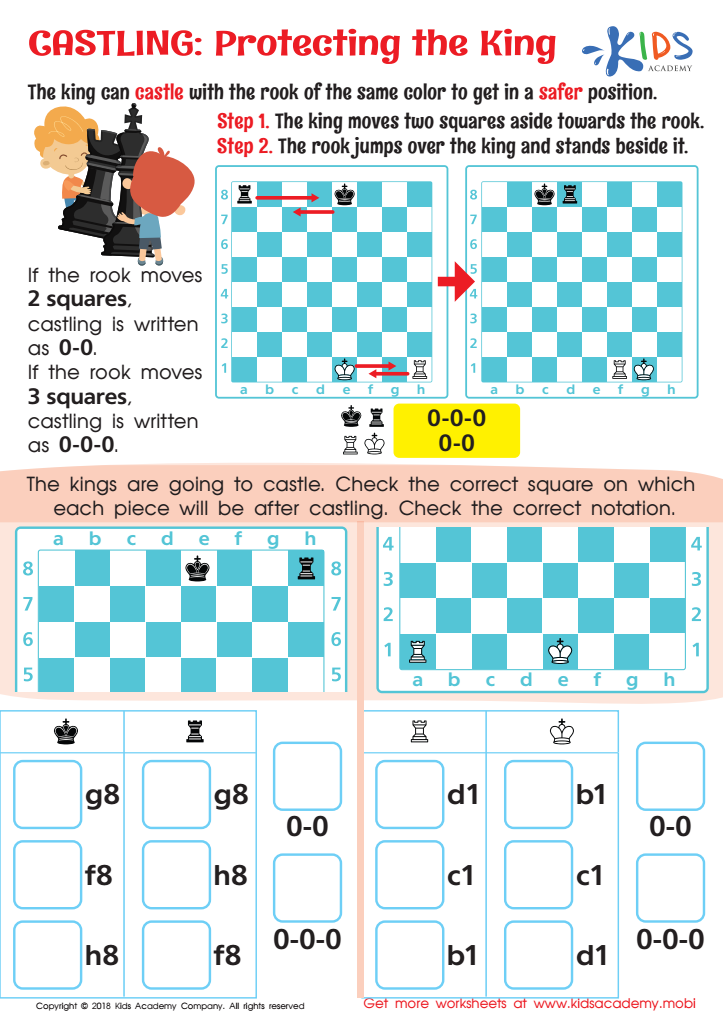
Castling: Protecting the King Worksheet
 Assign to My Students
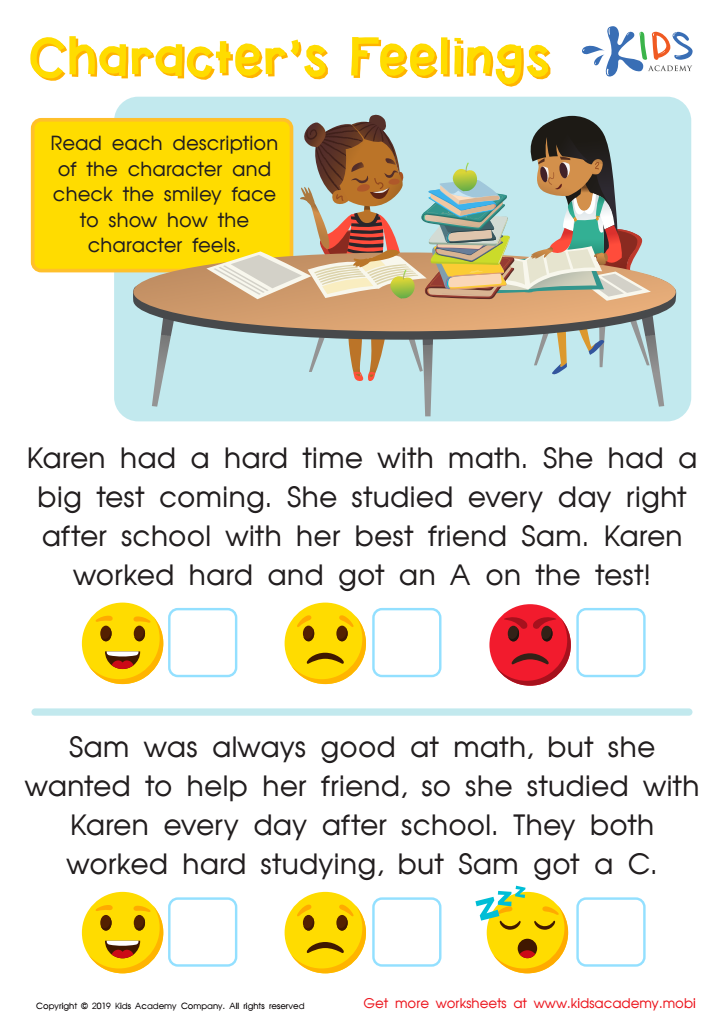
Character’s Feelings Worksheet
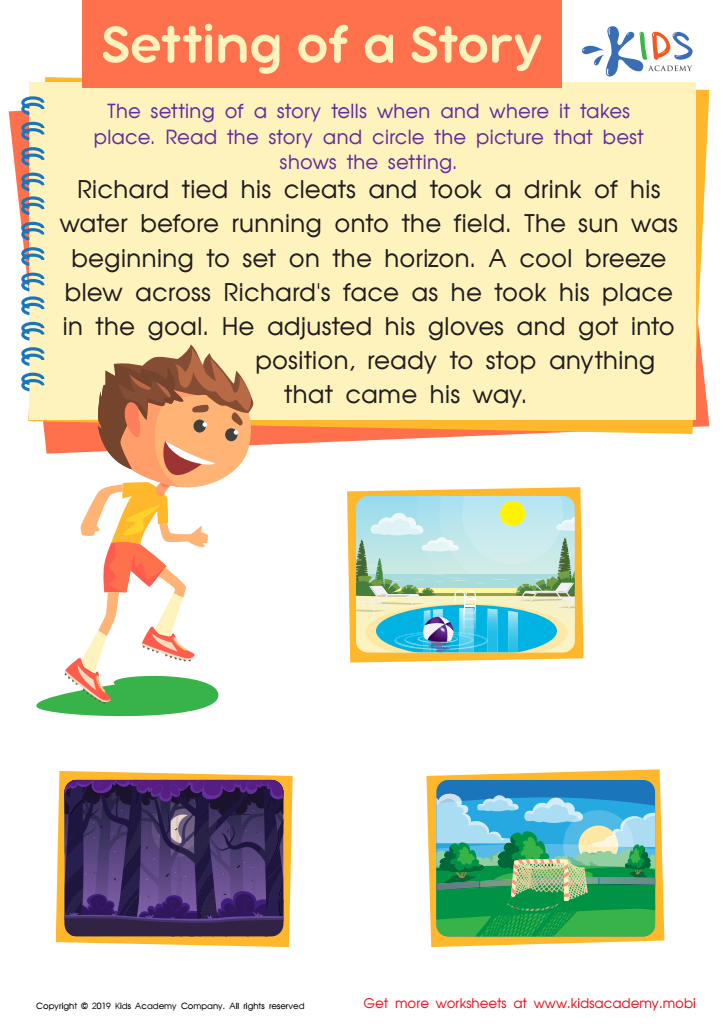
Setting of a Story Worksheet





Reading literature in Grade 2 is essential for both parents and teachers as it lays a foundational love for reading and enhances critical life skills. At this age, children transition from learning to read to reading to learn; literature offers engaging narratives that promote comprehension, vocabulary expansion, and fluency. Exposure to a diverse range of genres, characters, and cultures not only boosts language development but also fosters empathy and understanding, encouraging children to appreciate different perspectives.
Furthermore, reading literature contributes to enhanced cognitive development. By discussing stories, children improve their critical thinking and analytical skills as they explore plots, identify themes, and make inferences. This interactive dialogue cultivates a deeper connection with texts, leading to improved motivation and engagement in future learning.
For parents, encouraging literature reading can strengthen family bonds and create opportunities for shared experiences. It serves as a stepping stone to instill a lifelong reading habit, which is vital for academic success. For teachers, promoting literature in the classroom supports literacy goals, engages students in meaningful discussions, and fosters a rich learning environment. In conclusion, embracing literature in Grade 2 is crucial for holistic child development, ensuring they are well-equipped for future academic endeavors and personal growth.