Geometry worksheets for Grade 1 - Page 2
40 filtered results
-
From - To
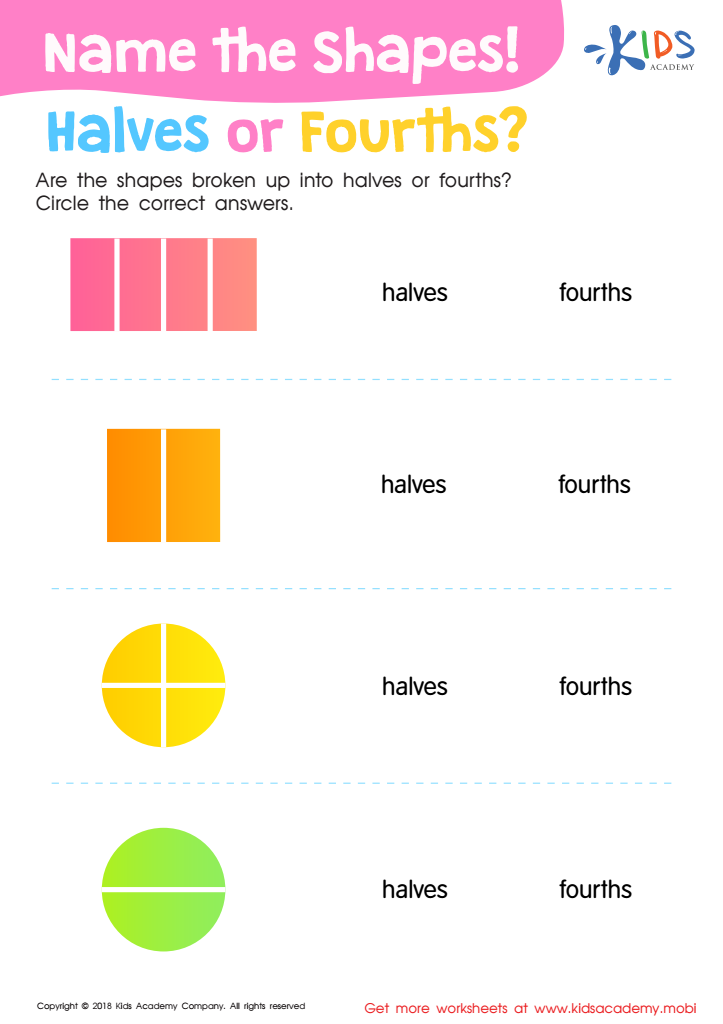
Name the Shapes Halves or Fourths? Worksheet
 Assign to My Students
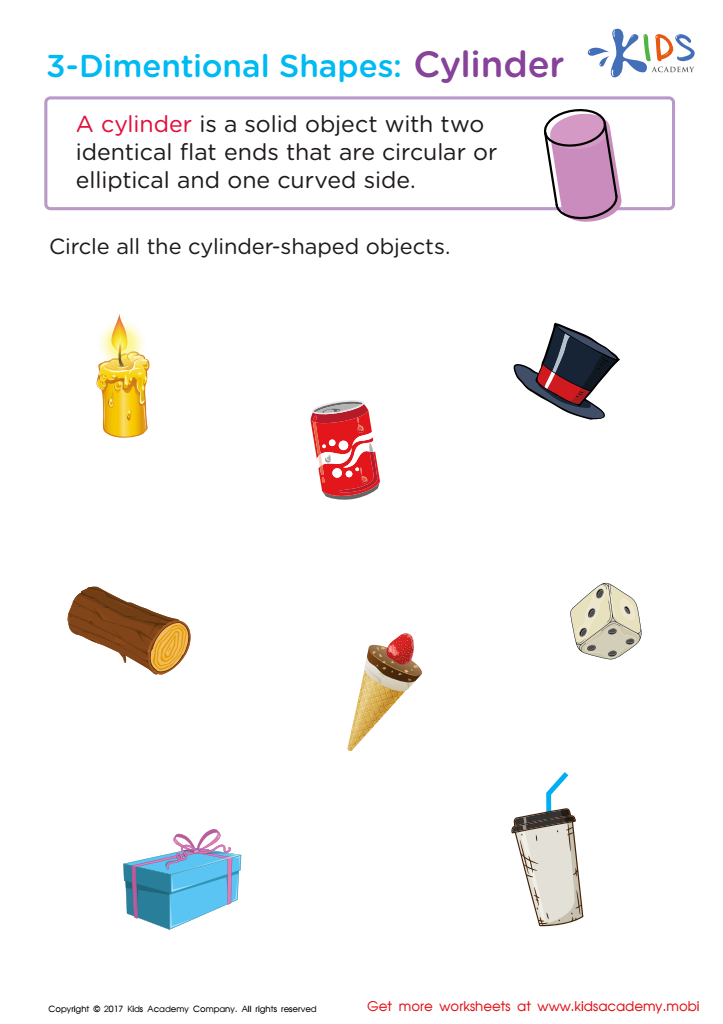
Three–Dimensional Shapes: Cylinder Worksheet
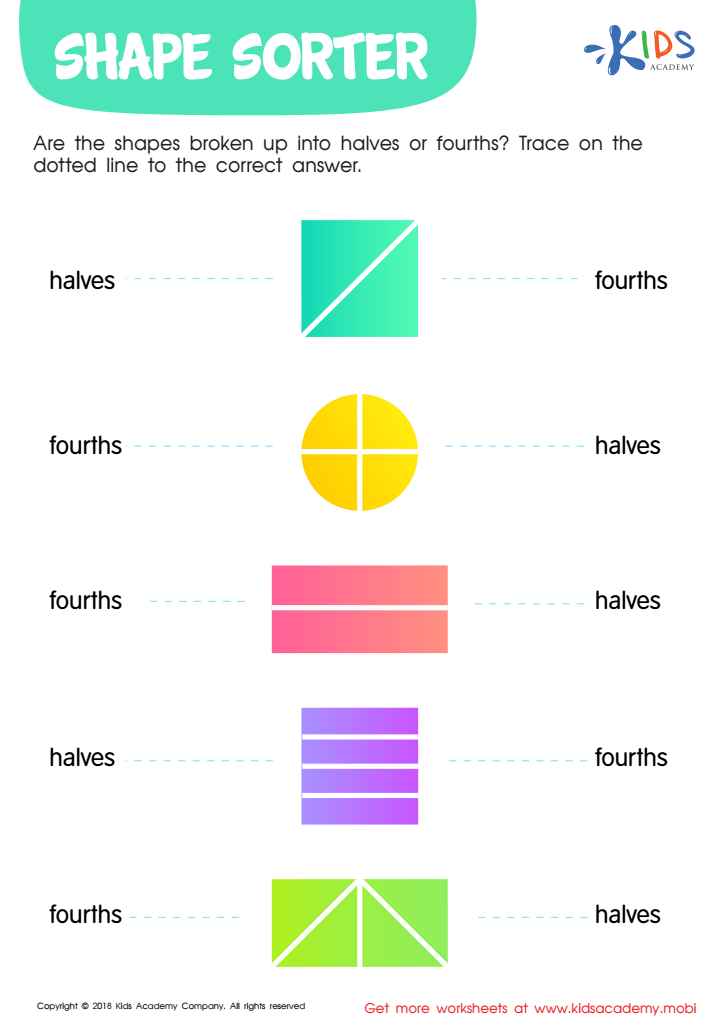
Shape Sorter Worksheet
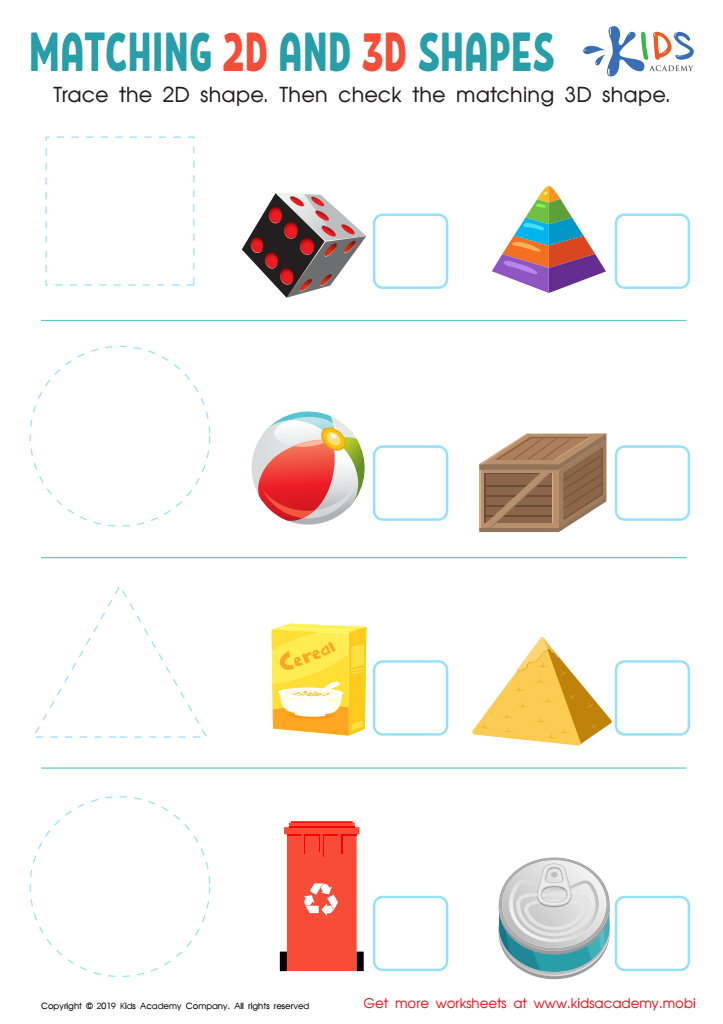
Matching 2D and 3D Shapes Worksheet
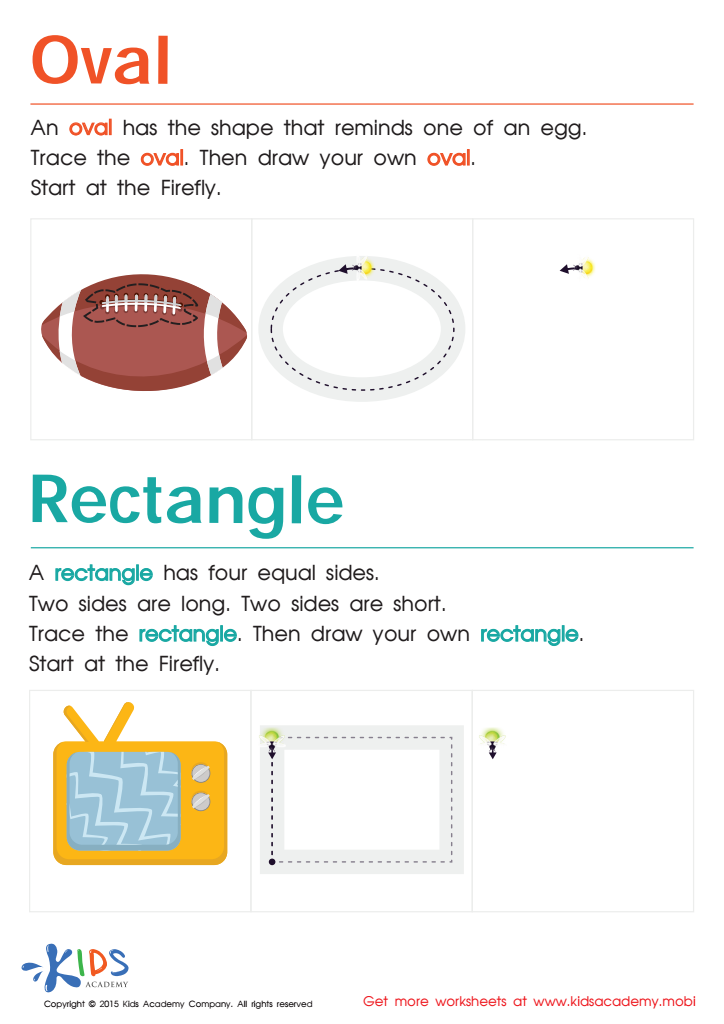
Easy Drawing of Ovals And Rectangles Worksheet
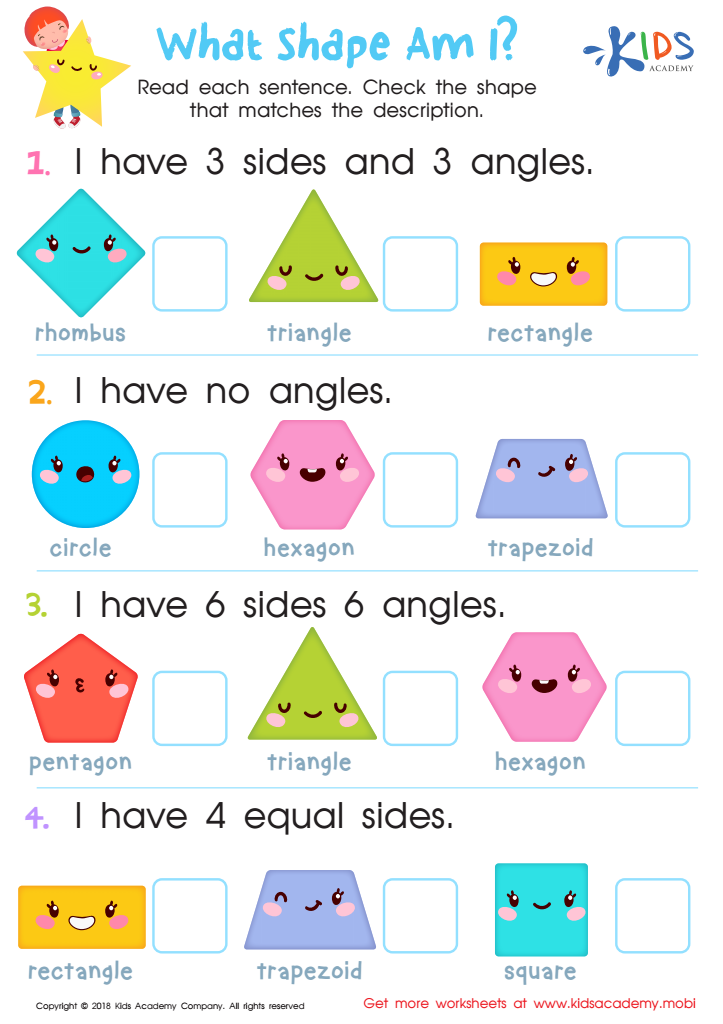
What Shape Am I? Worksheet
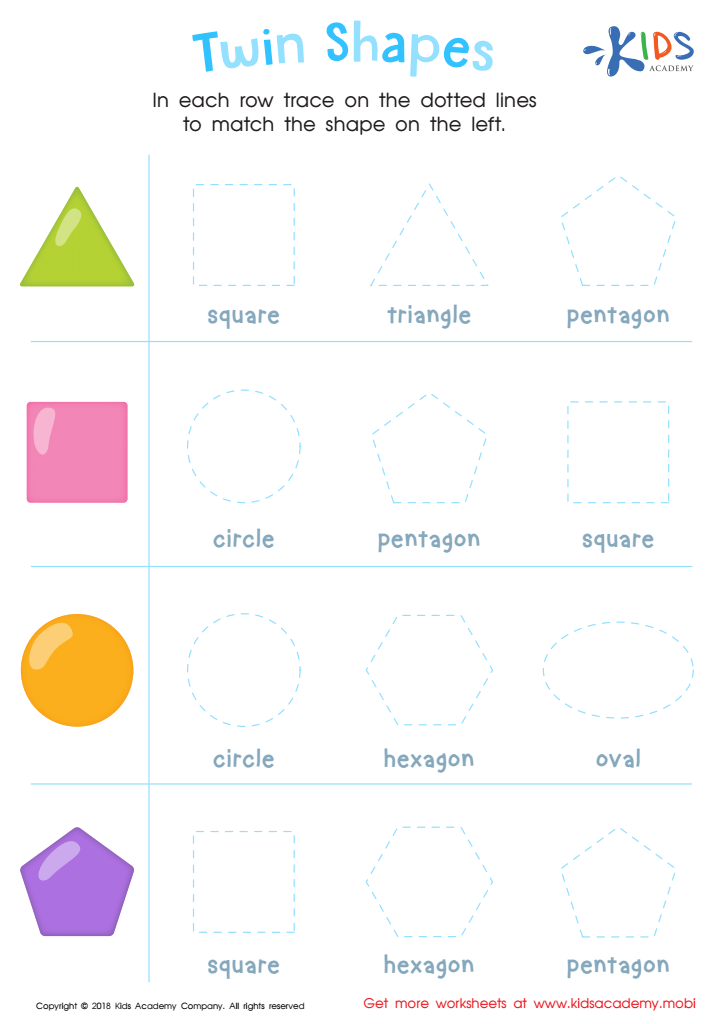
Twin Shapes Dot-to-Dot Worksheet
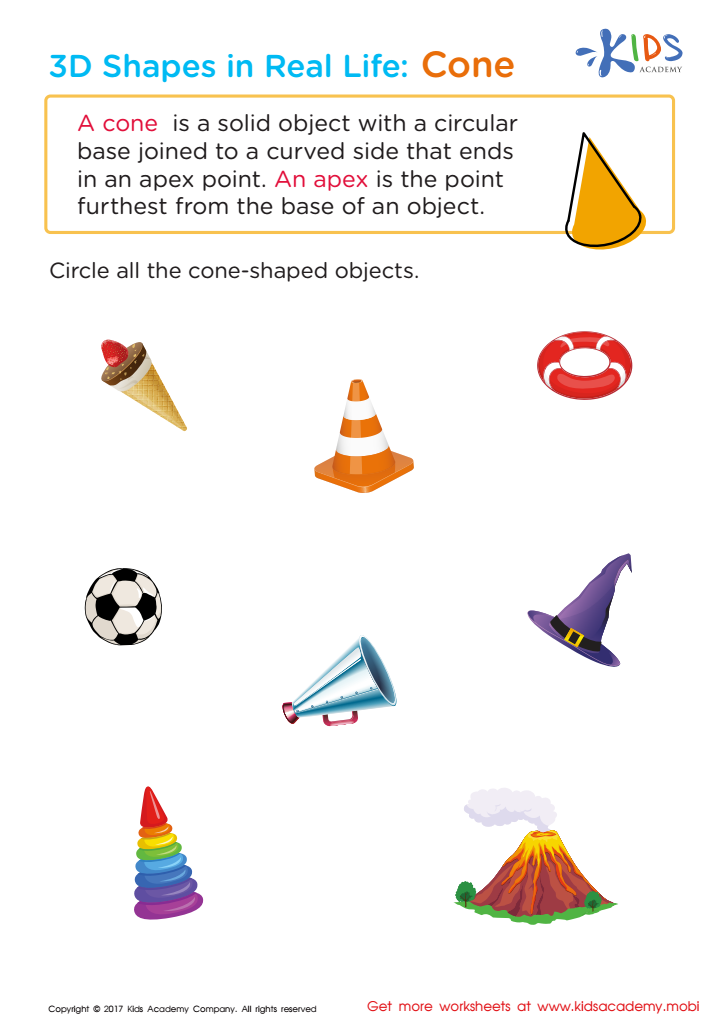
Shapes in Real Life: Cone Worksheet
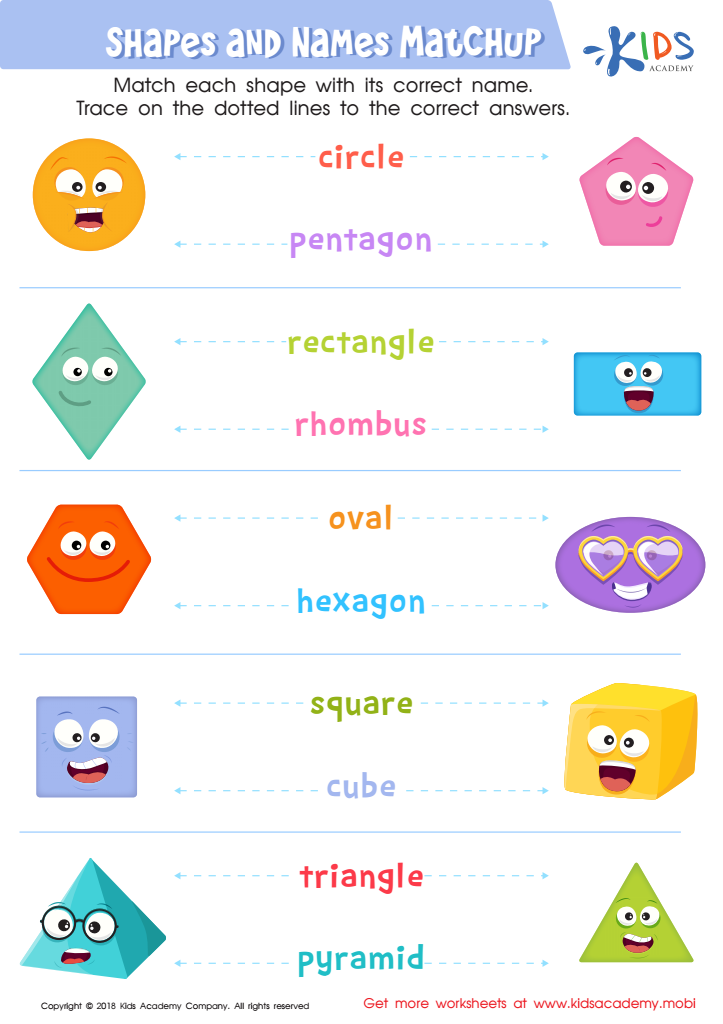
Shapes and Names Matchup Worksheet
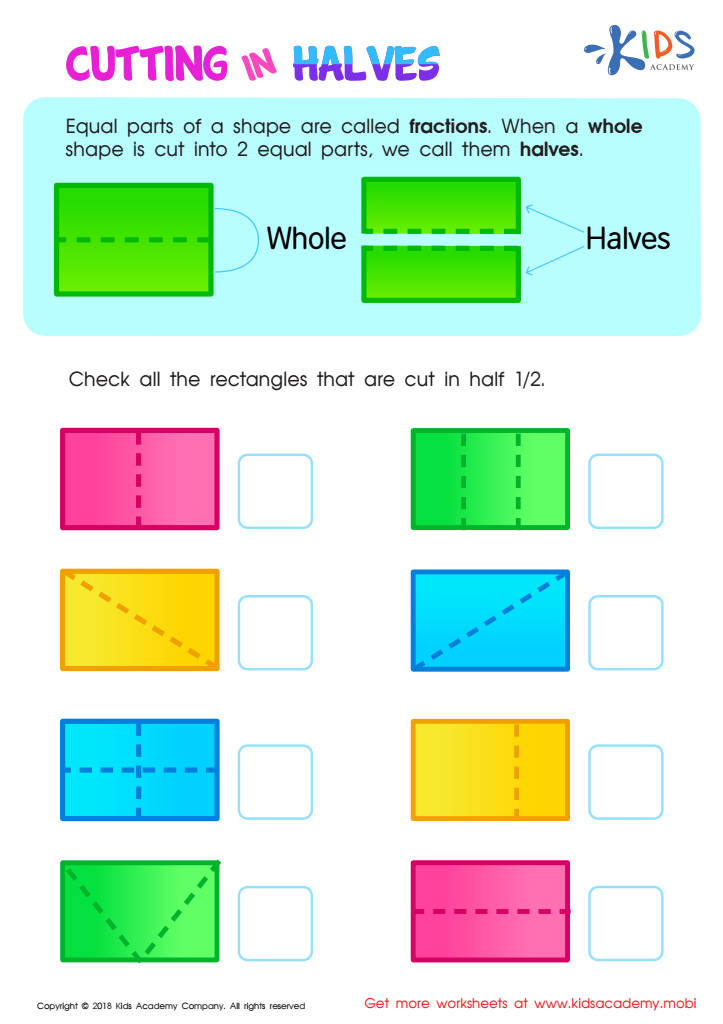
Cutting in Halves Worksheet
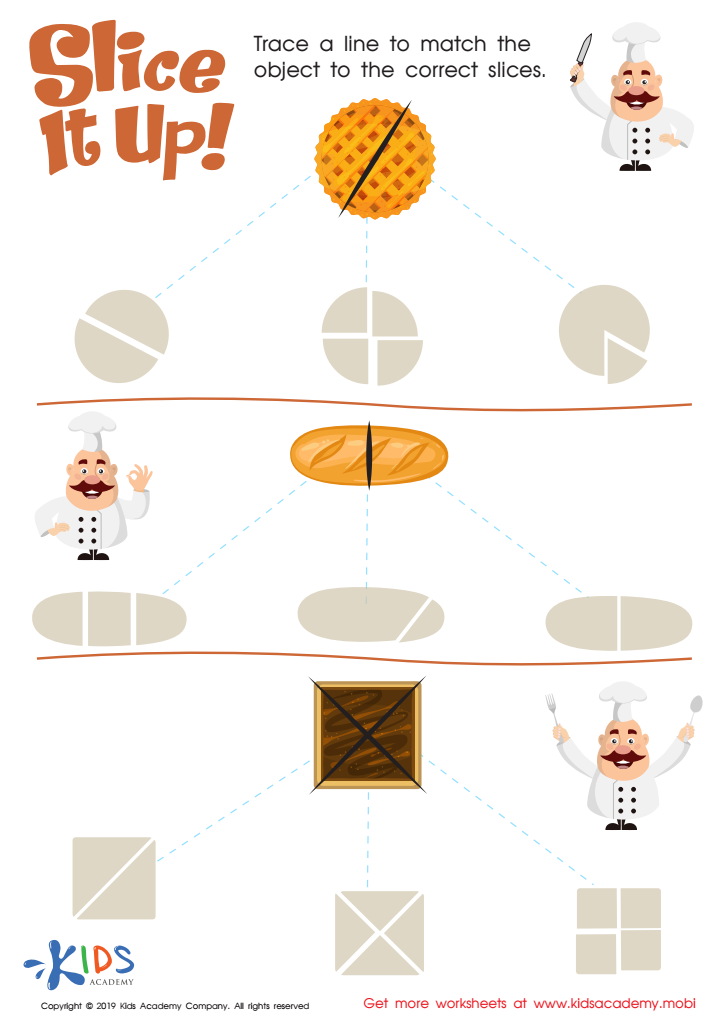
Slice It Up Worksheet
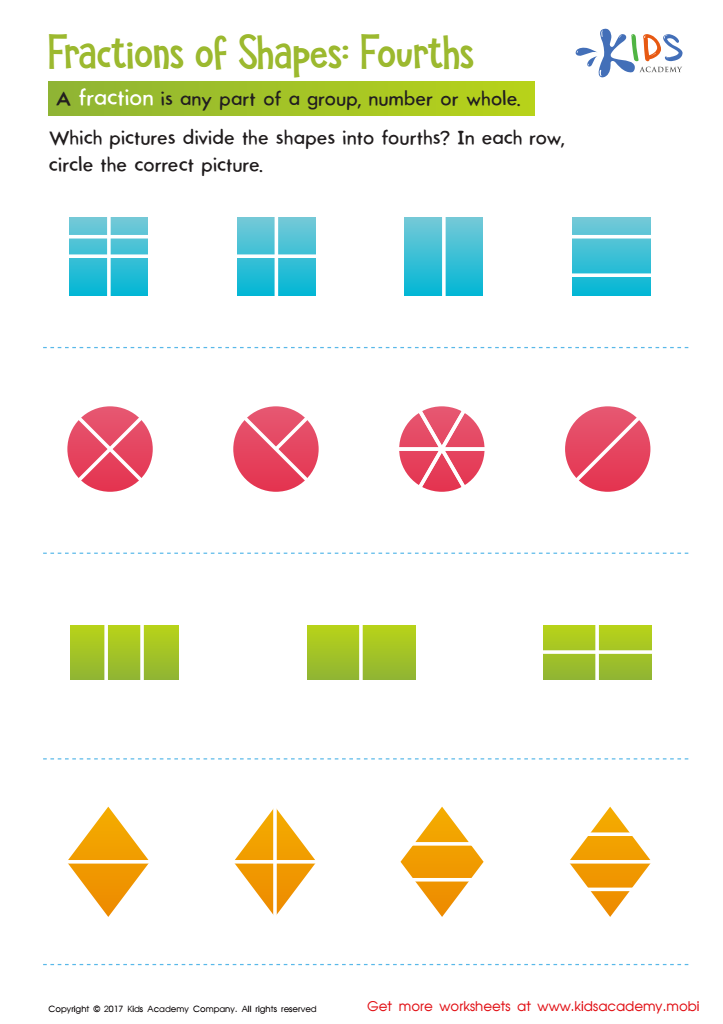
Fractions of Shapes Worksheet
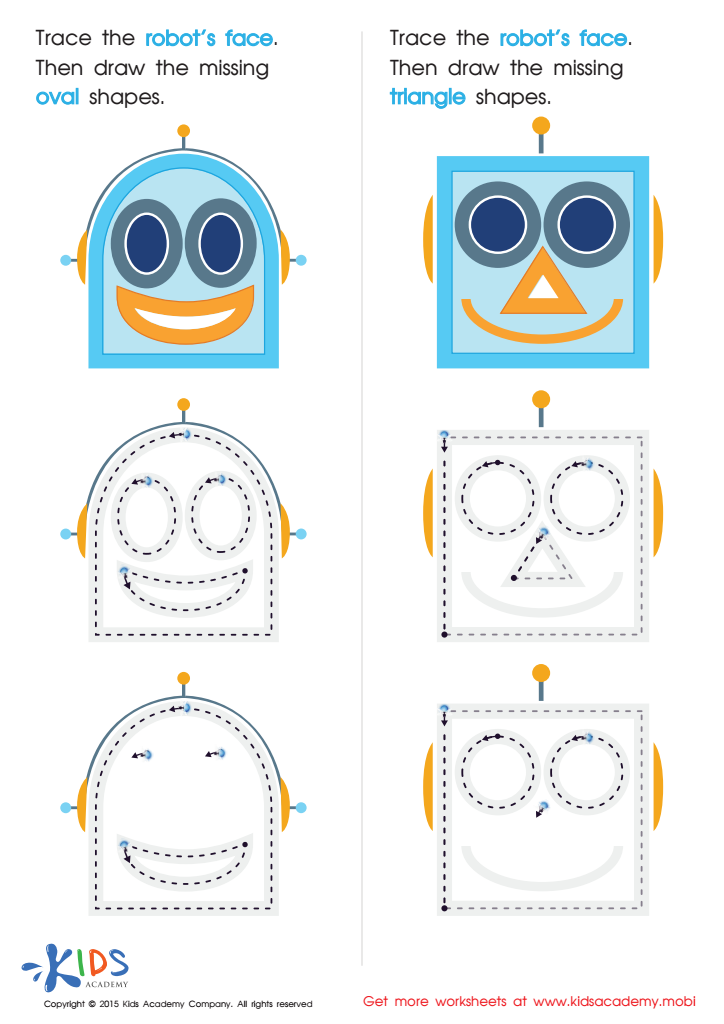
Drawing Ovals And Triangles with Fun Printable
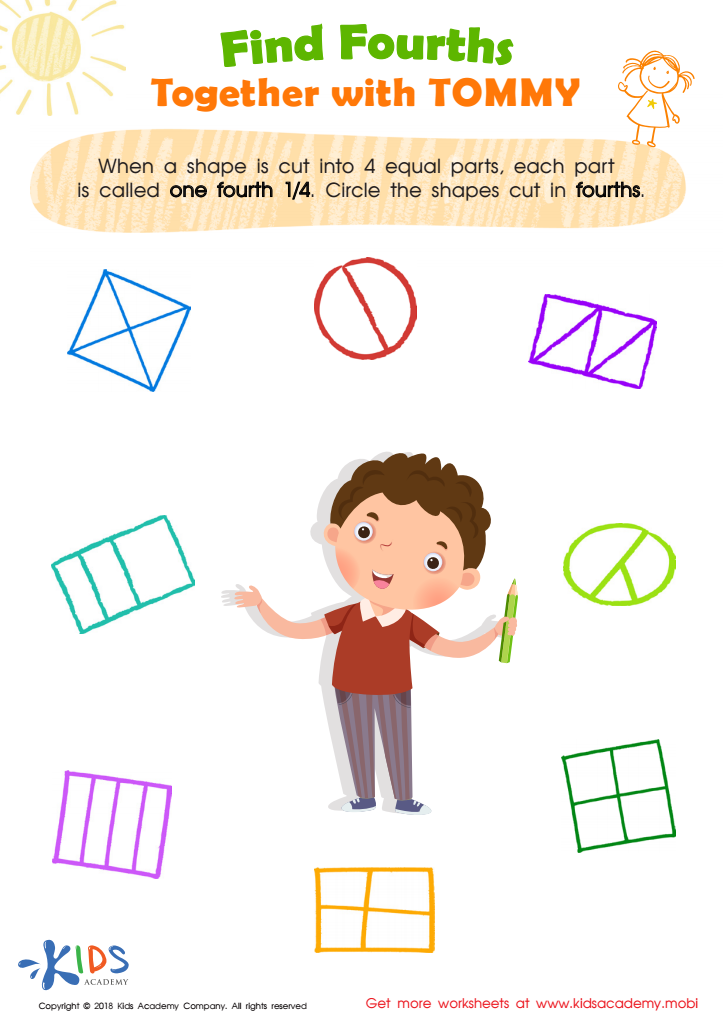
Find Fourths Together with Tommy Worksheet
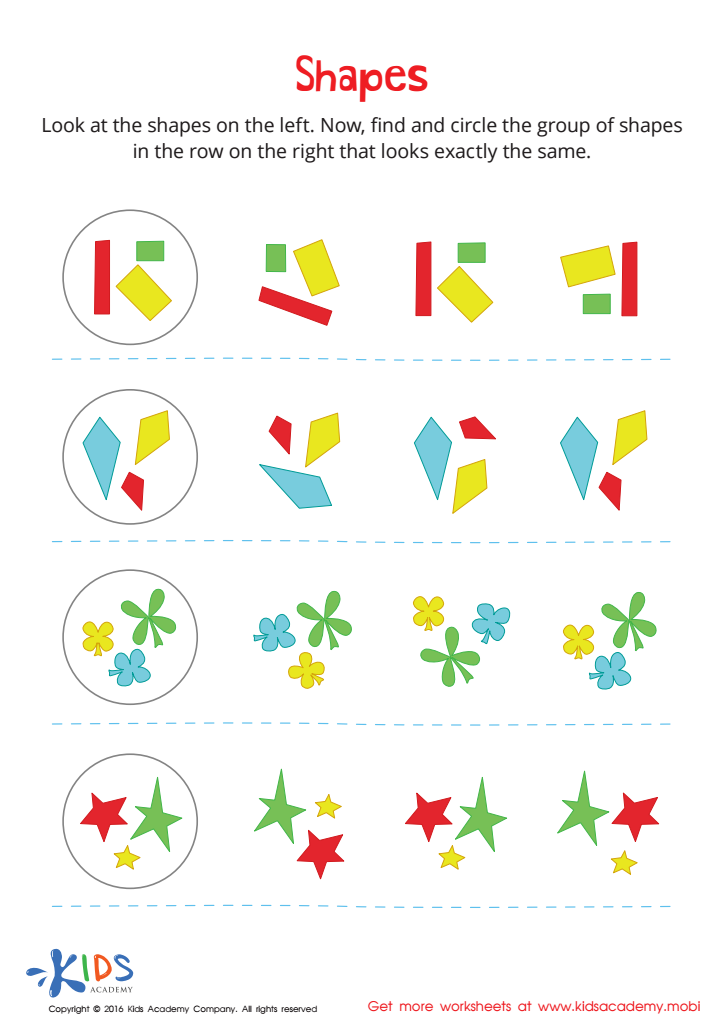
Shapes Worksheet
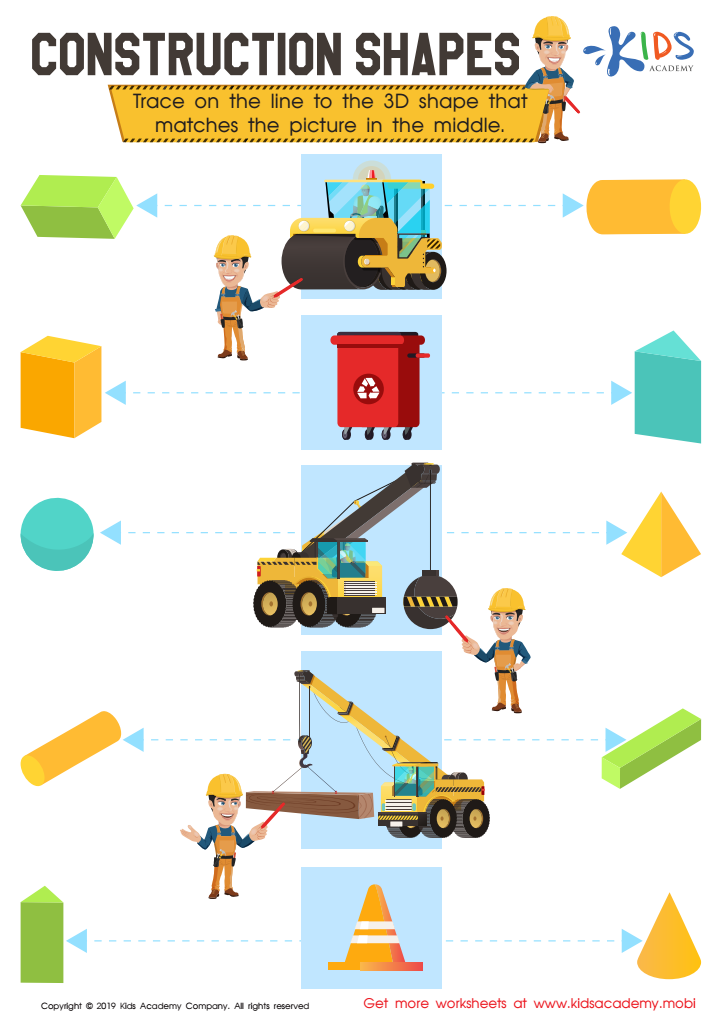
Construction Shapes Worksheet







Geometry is a vital component of early education that lays the foundation for a child's mathematical journey. For first graders, engaging with geometry not only introduces them to shapes and spatial relationships but also enhances critical thinking skills. Parents and teachers should care about geometry because it supports cognitive development by encouraging children to visualize, analyze, and classify the world around them.
By learning about shapes, such as squares, triangles, and circles, children develop observation and comparison skills, which are essential for problem-solving. Geometry also helps foster creativity and spatial awareness, as students explore how shapes fit together and create simple patterns. Exposure to geometric concepts in first grade builds confidence and curiosity, motivating students to investigate their environment more deeply.
Additionally, geometric principles are prevalent in daily life, from understanding building structures to art and nature. Early engagement with geometry helps children make meaningful connections between what they are learning in school and real-world applications. Thus, nurturing a child's interest in geometry not only equips them with foundational math skills but also prepares them for future academic success and a nuanced understanding of their surroundings. Ultimately, both parents and teachers play a crucial role in inspiring young learners in this essential area of study.