Easy Word Problems Worksheets for Ages 3-8 - Page 2
44 filtered results
-
From - To
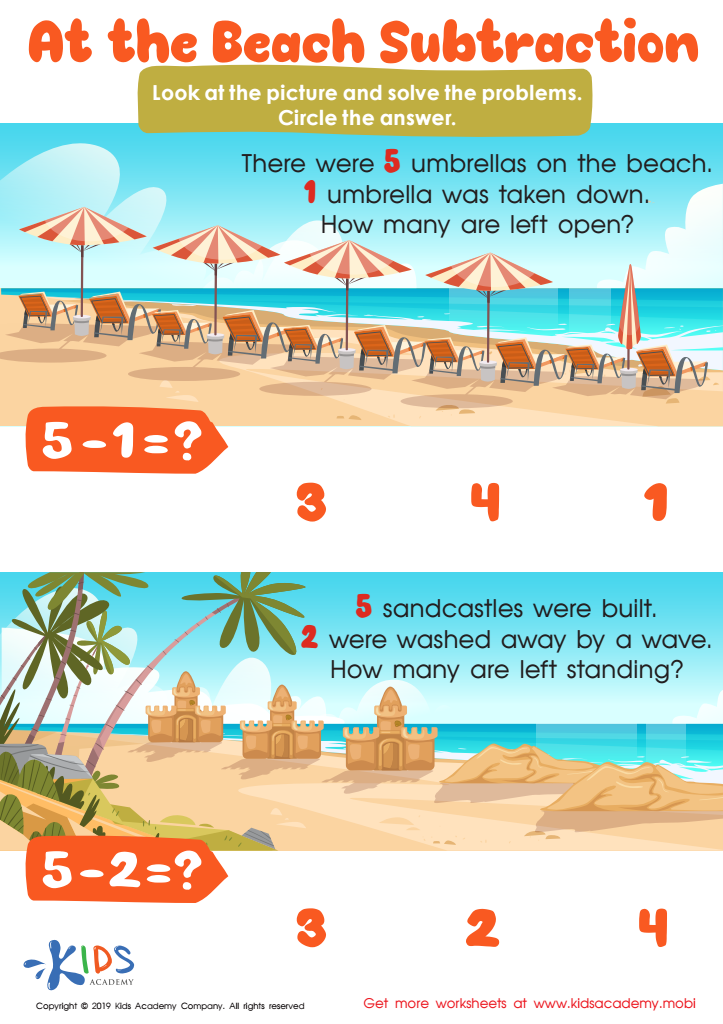
At the Beach Subtraction Worksheet
 Assign to My Students
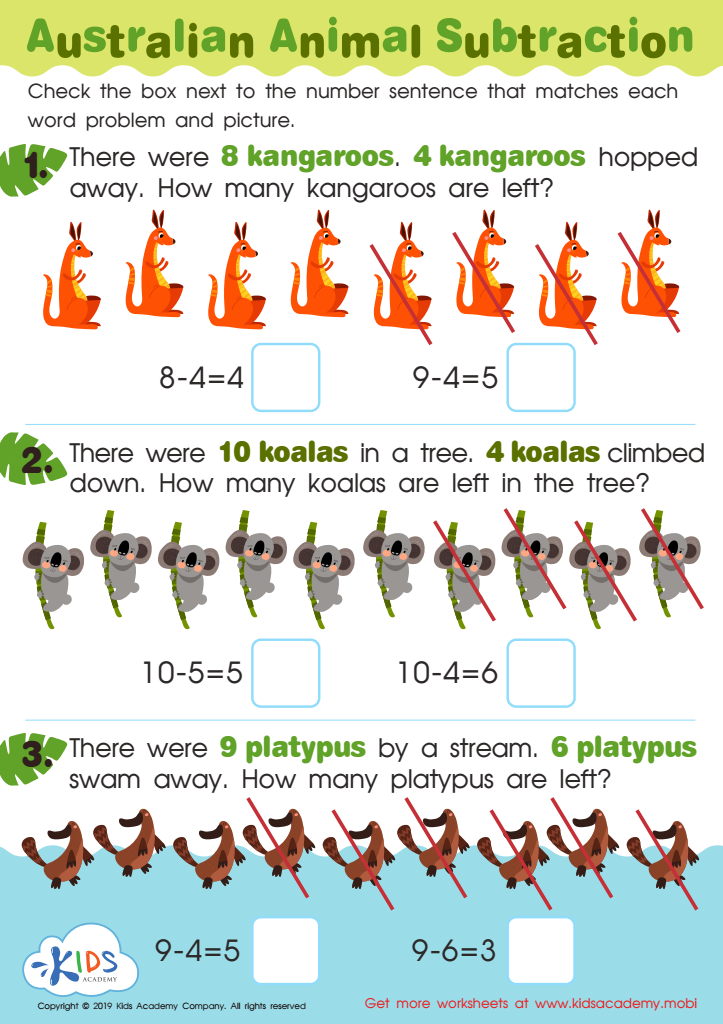
Australian Animal Subtraction Worksheet
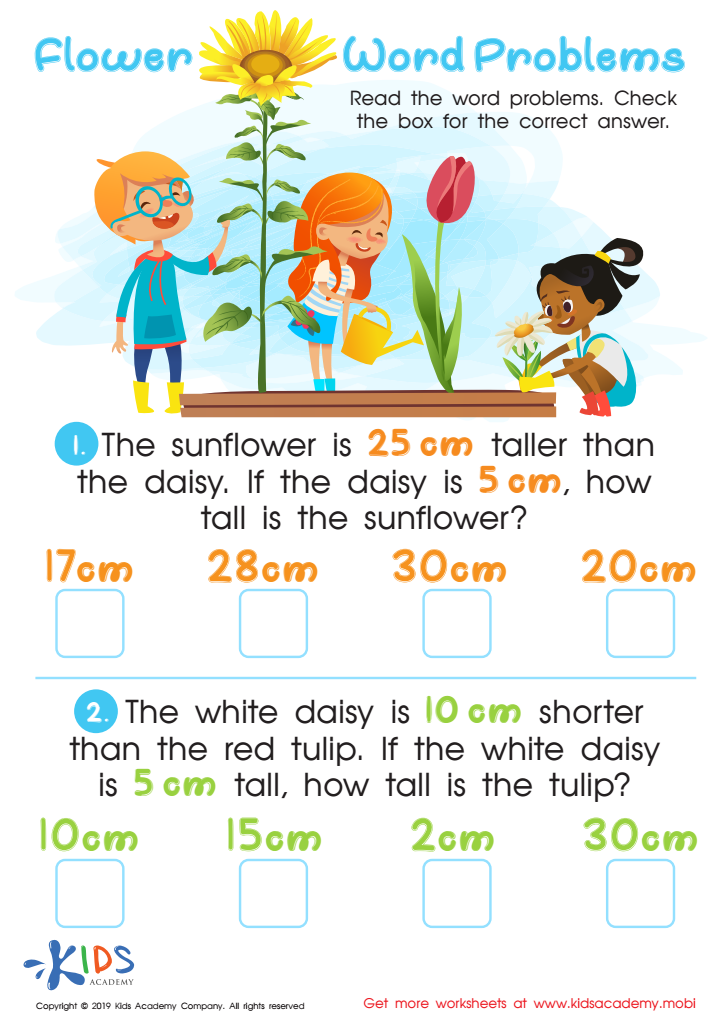
Flower Word Problems Worksheet
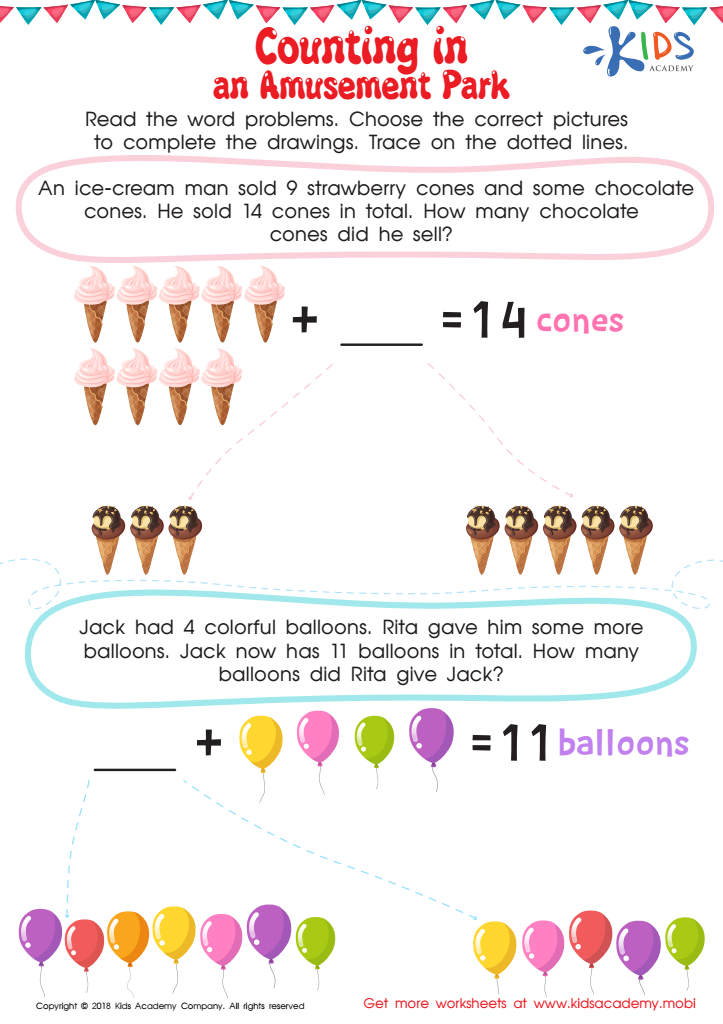
Counting in an Amusement Park Worksheet
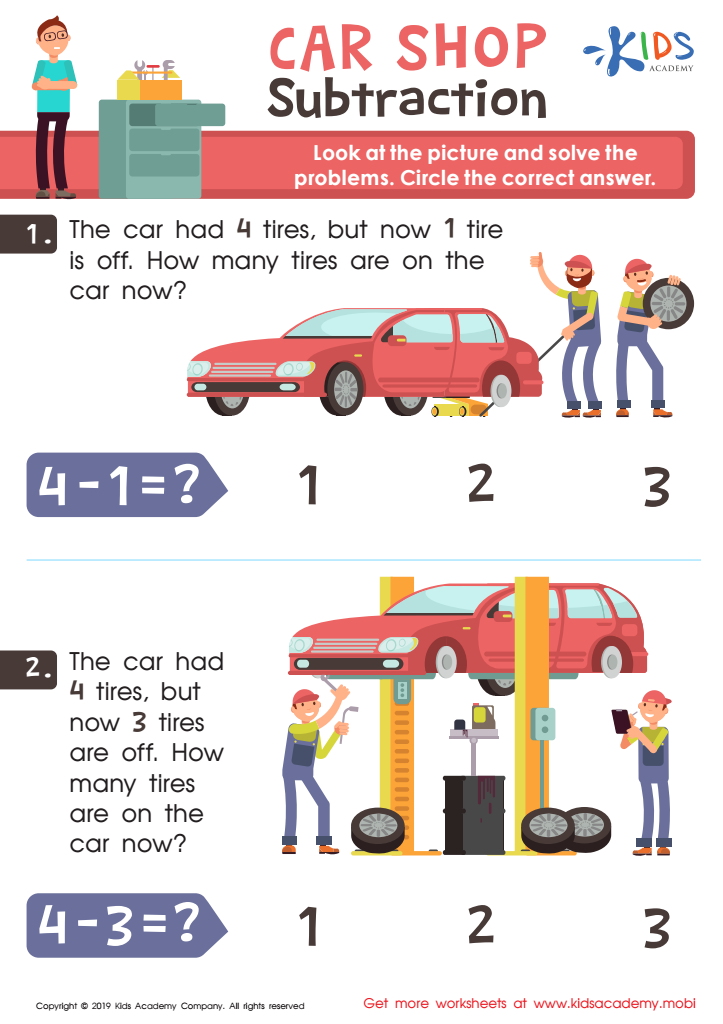
Car Shop Subtraction Worksheet
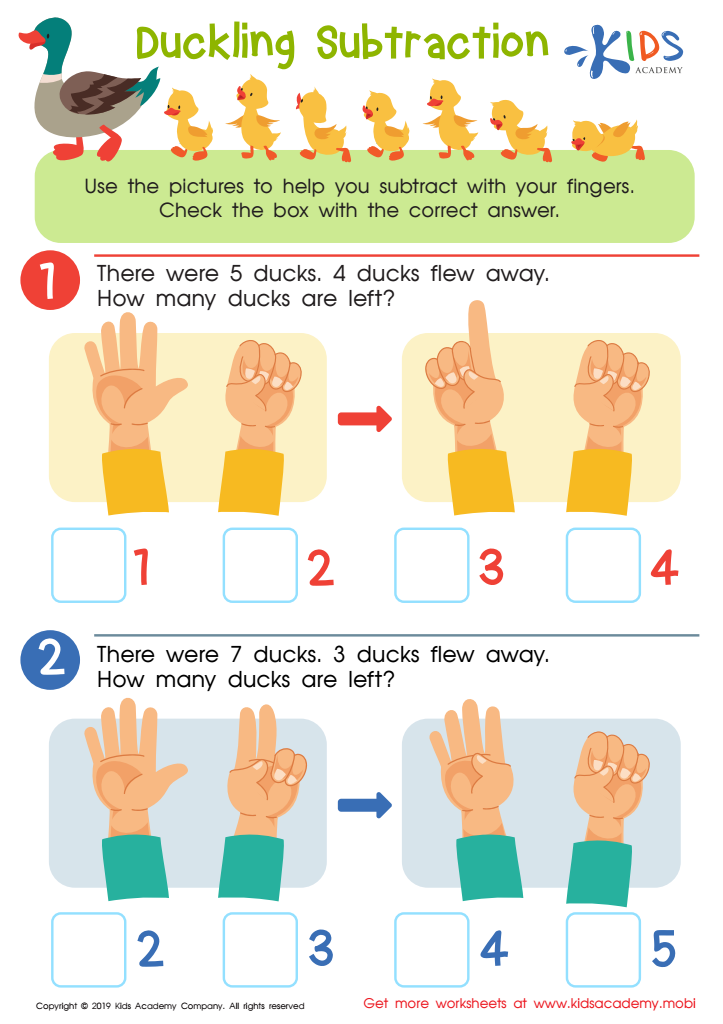
Duckling Subtraction Worksheet
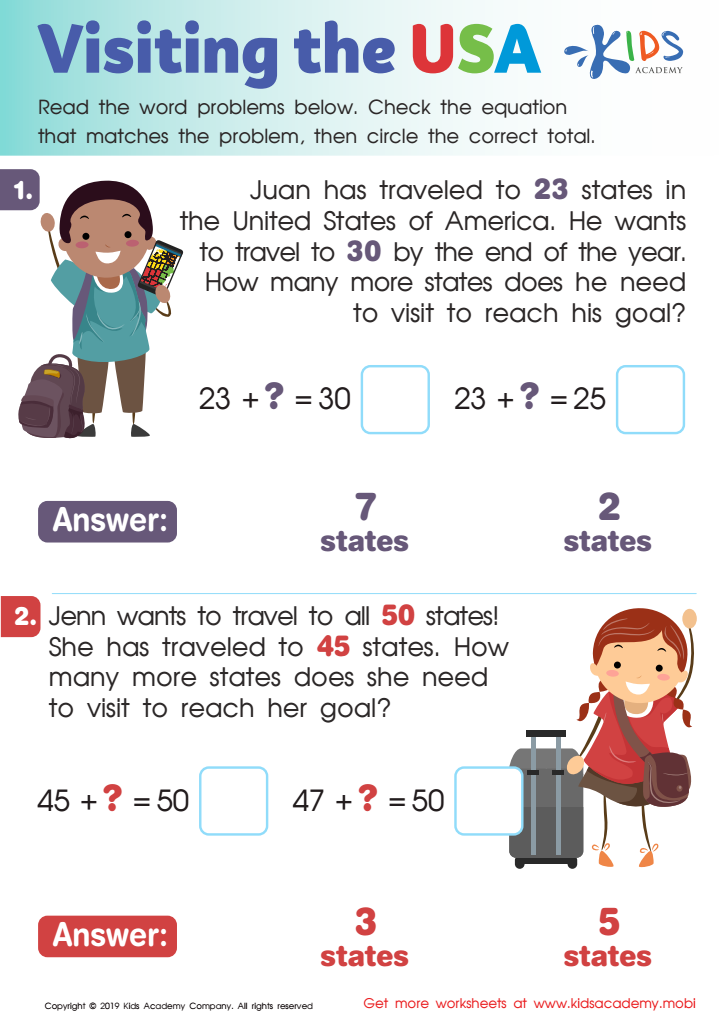
Visiting the USA Worksheet
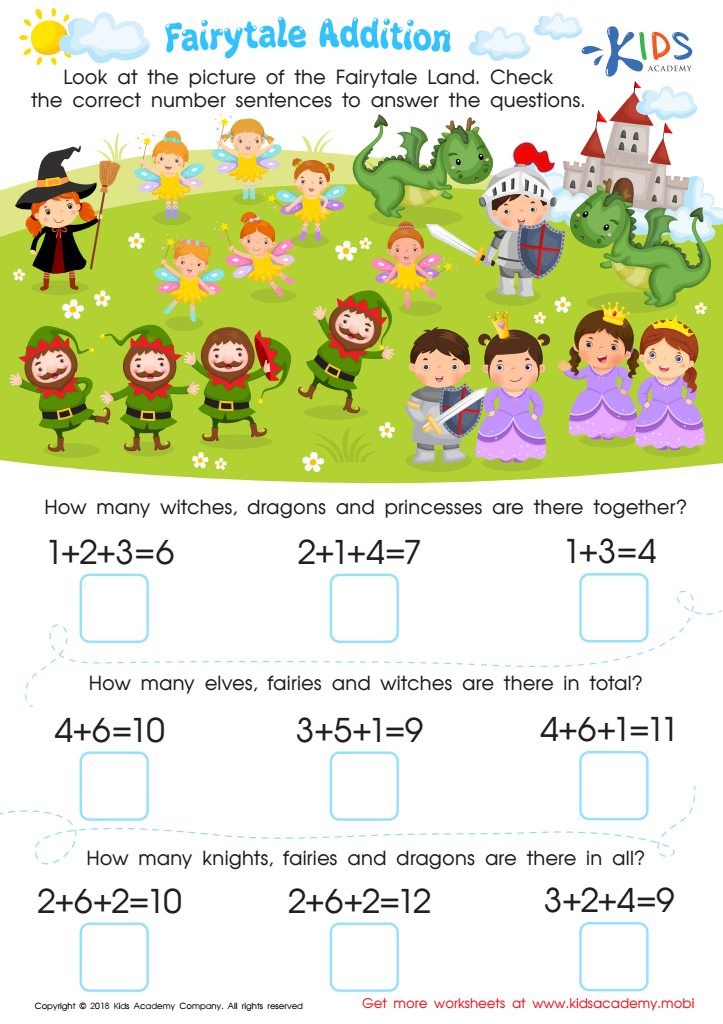
Fairytale Addition Worksheet
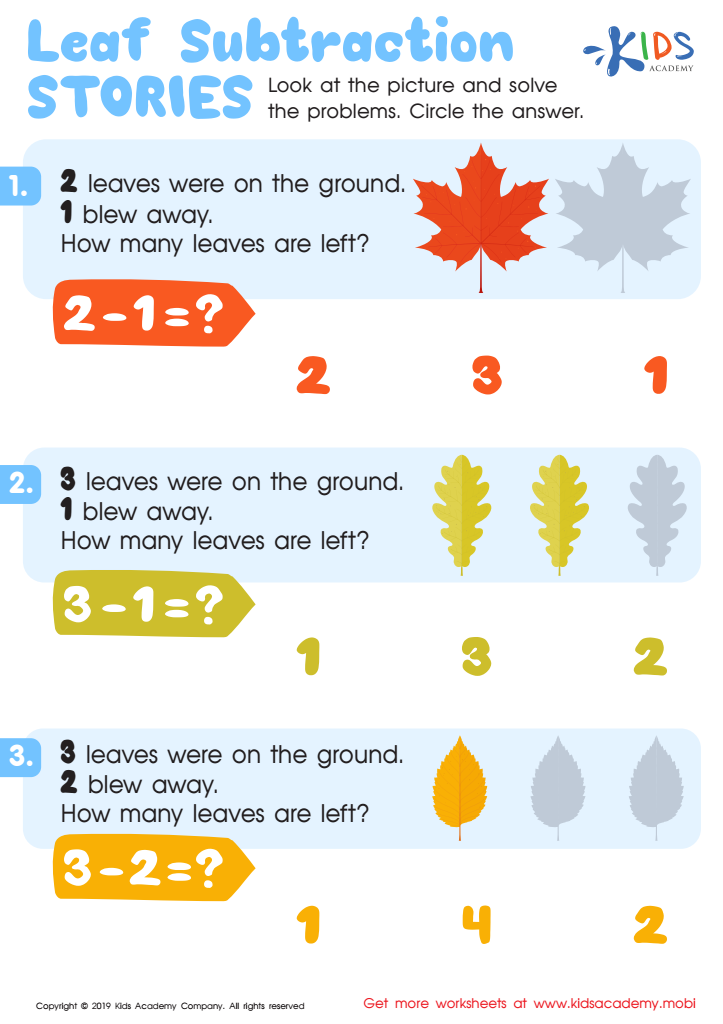
Leaf Subtraction Stories Worksheet
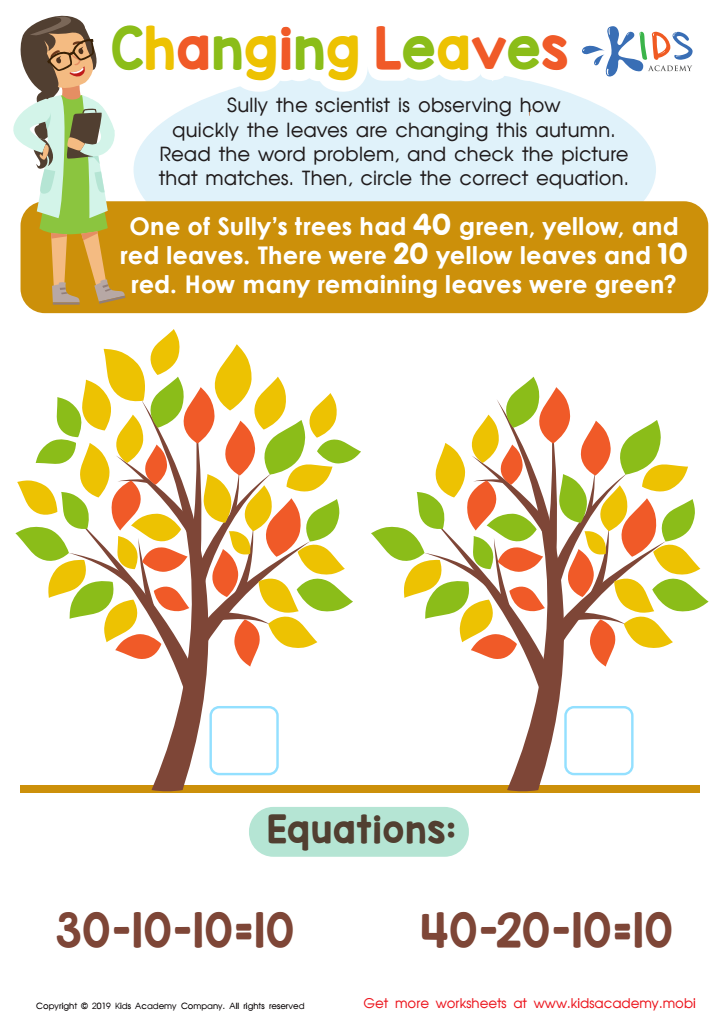
Changing Leaves Worksheet
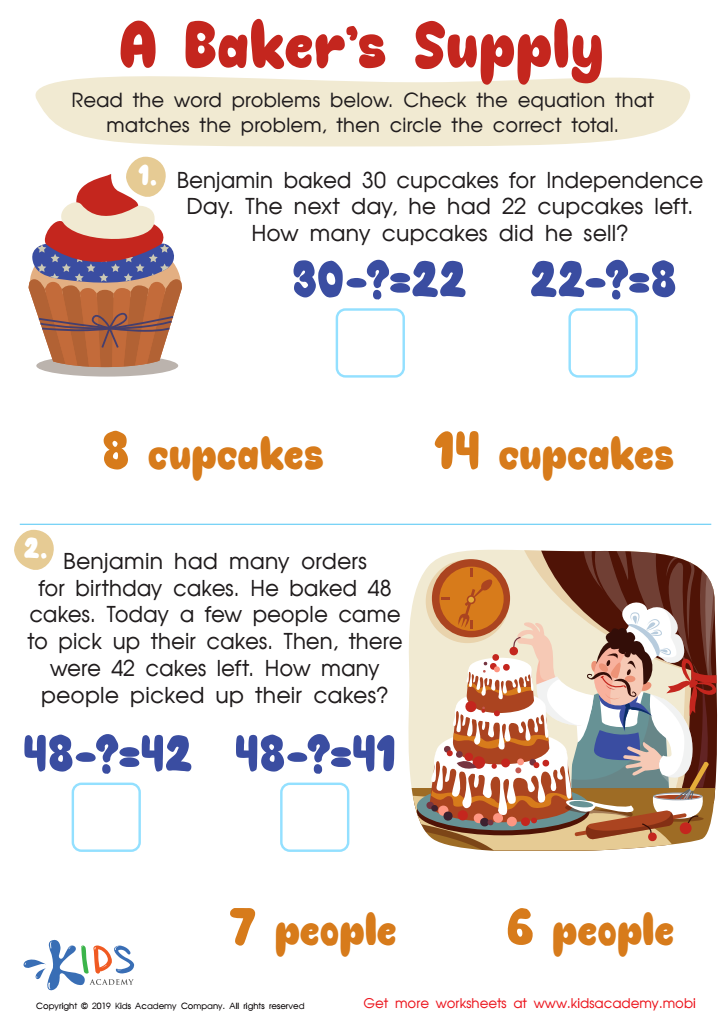
A Baker's Supply Worksheet
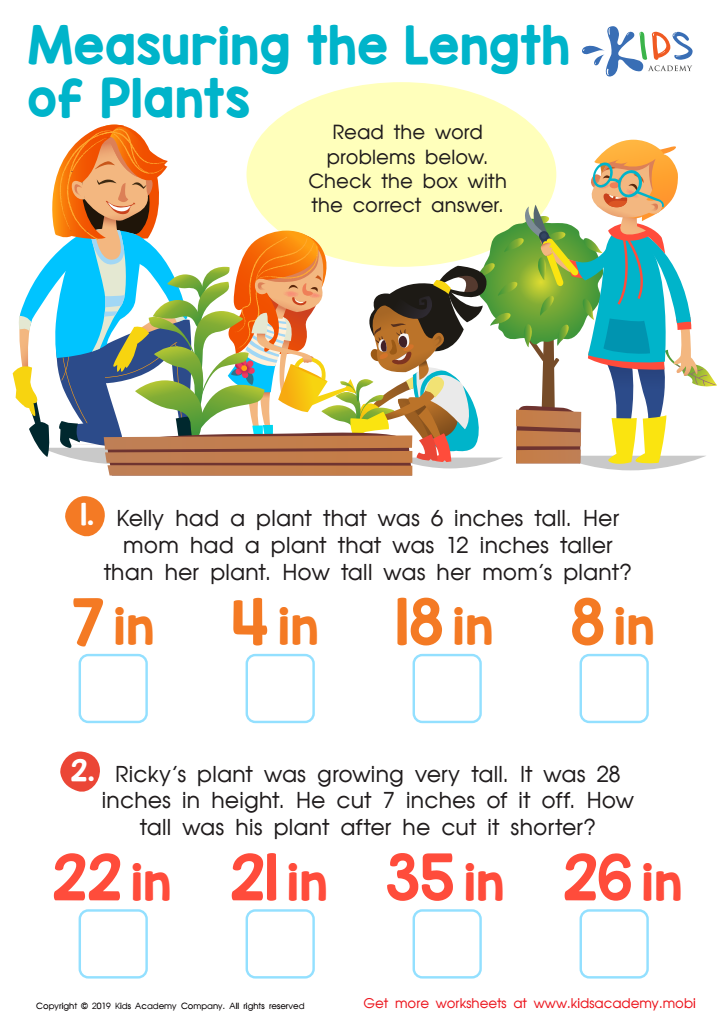
Measuring the Length of Plants Worksheet
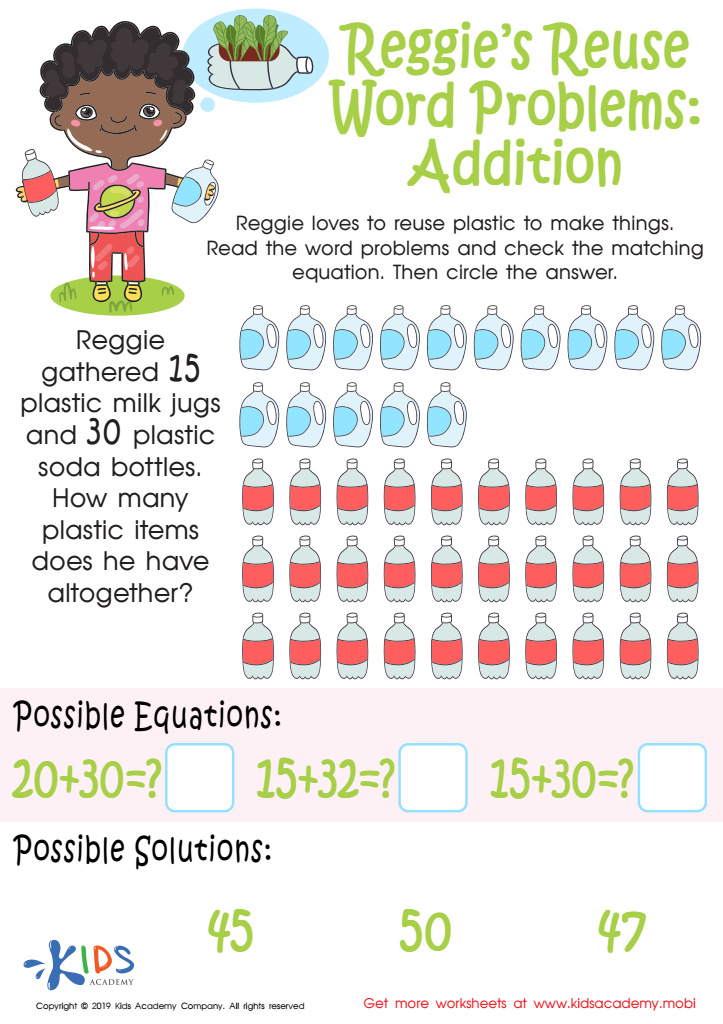
Reggie's Reuse Word Problems: Addition Worksheet
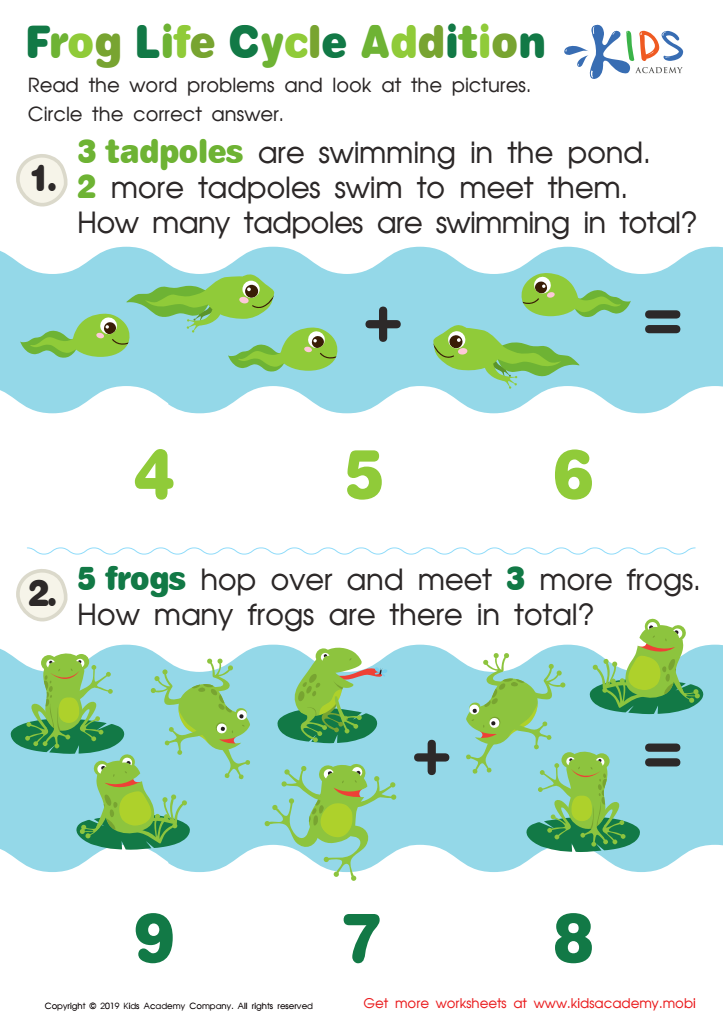
Frog Life Cycle Addition Worksheet
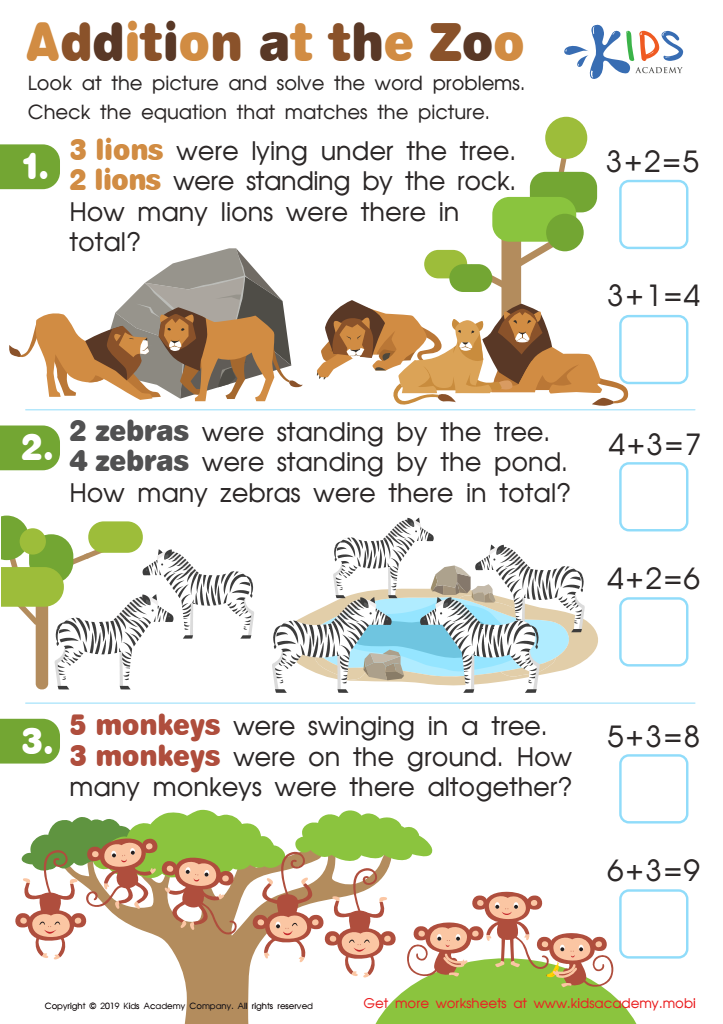
Addition at the Zoo Worksheet
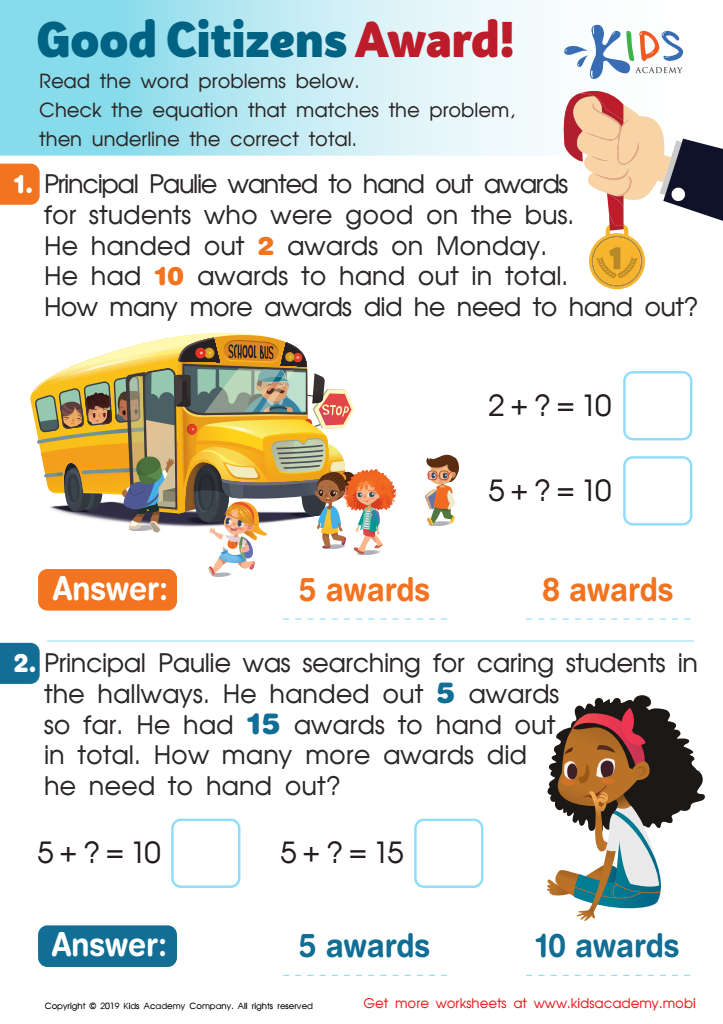
Good Citizens Award! Worksheet
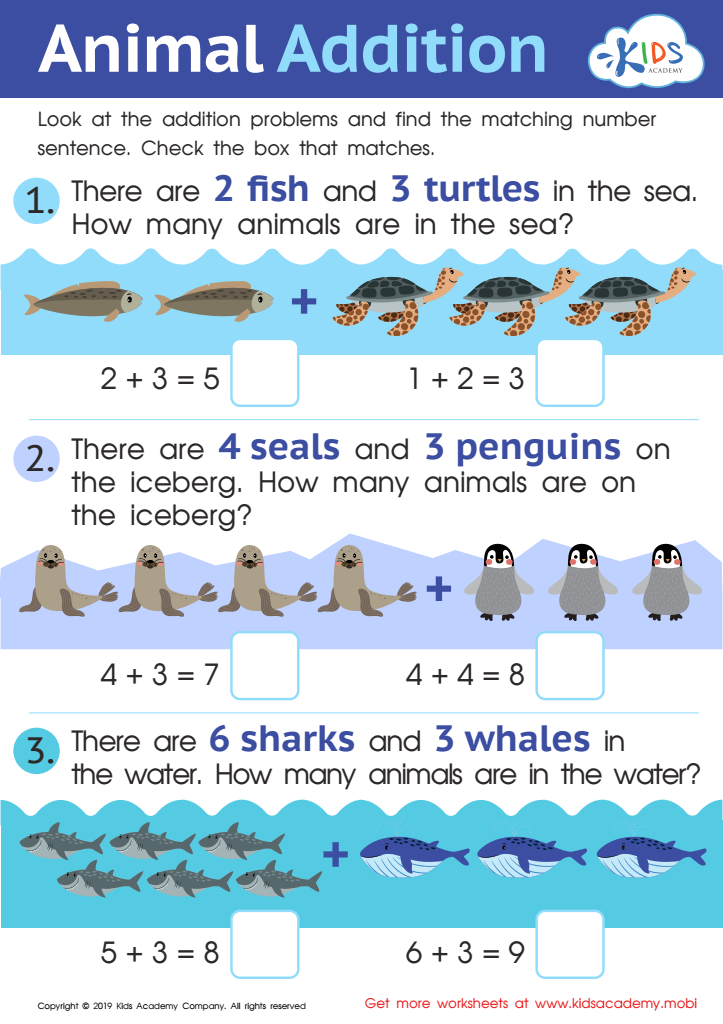
Animal Addition Worksheet
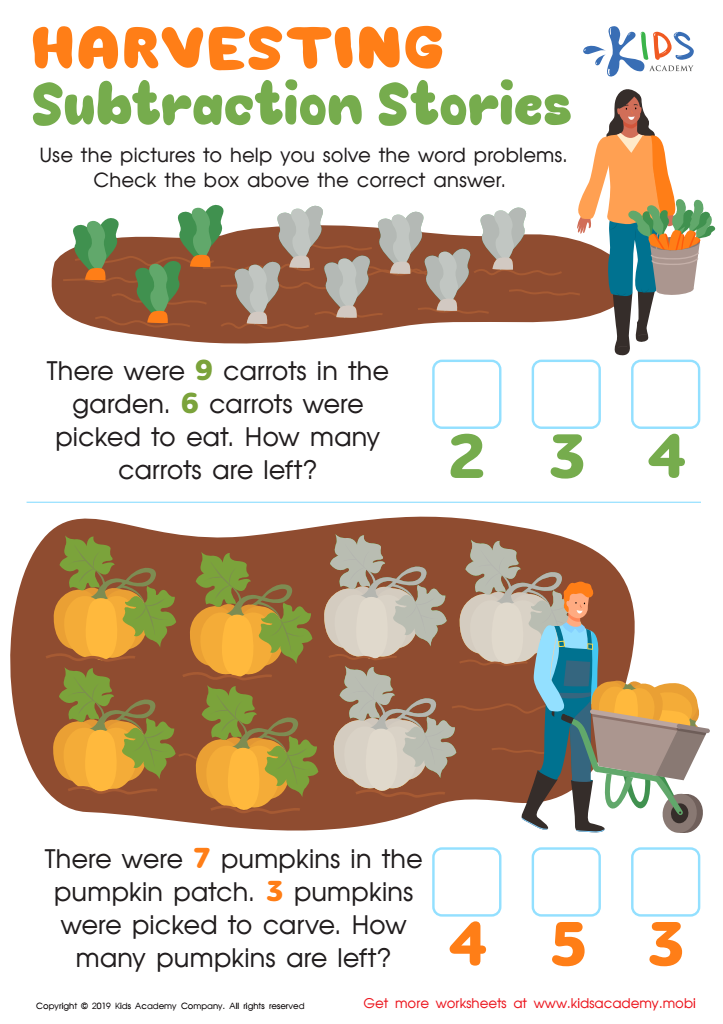
Harvesting Subtraction Stories Worksheet
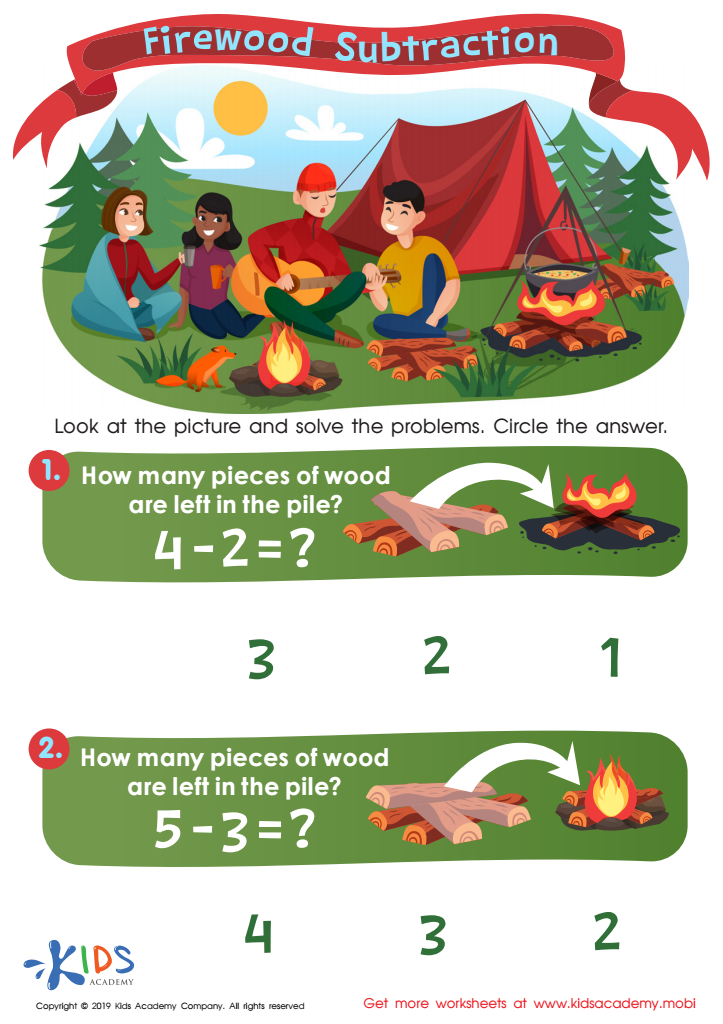
Firewood Subtraction Worksheet
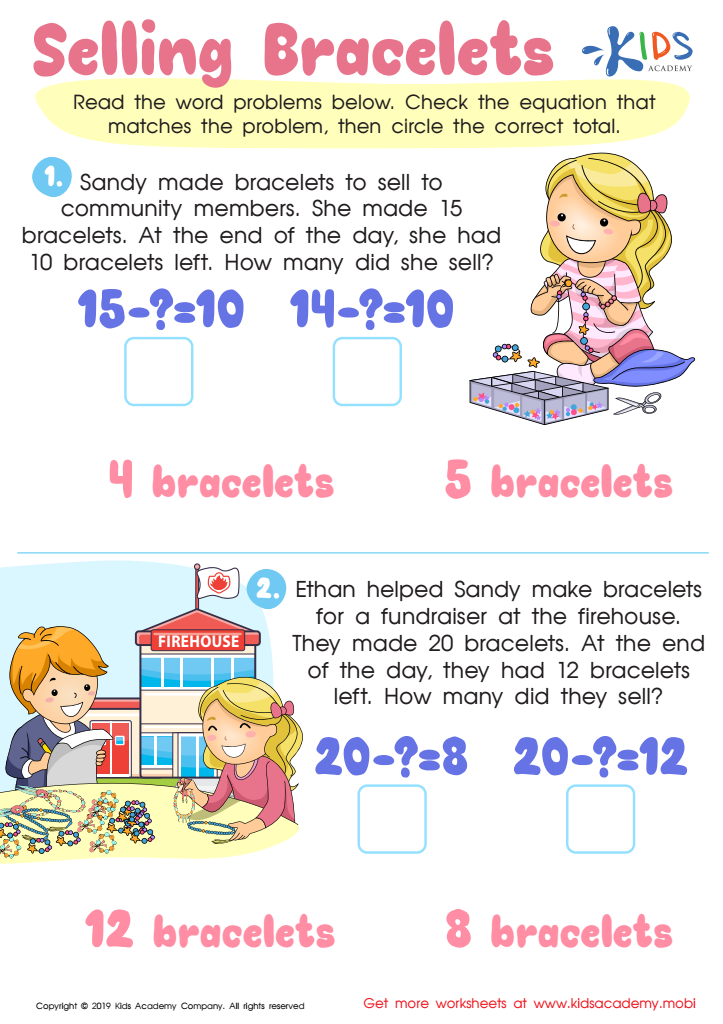
Selling the Bracelets Worksheet








Parents and teachers should prioritize Easy Word Problems for ages 3-8 for several compelling reasons. Firstly, these problems encourage early mathematical thinking. Engaging young learners in simple, relatable word problems helps them connect math to real-life situations, laying a strong foundation for future problem-solving skills. At this age, children's cognitive abilities are rapidly developing; thus, presenting math in an enjoyable way fosters a positive attitude towards the subject.
Moreover, word problems sharpen critical thinking and comprehension skills. Young learners must comprehend the context of a situation, identify relevant information, and determine the appropriate operations to find solutions. This practice supports the development of literacy skills, as children learn to parse language and improve vocabulary.
Furthermore, early exposure to math builds confidence. When children succeed in solving easy problems, it boosts their self-esteem and encourages a growth mindset. Parents and teachers can use these problems to identify individual learning styles and areas needing improvement, enabling tailored support.
In summary, incorporating Easy Word Problems into early education nurtures mathematical understanding, sharpens critical thinking skills, fosters a love for learning, and builds confidence—all essential components for lifelong academic success.








