Easy Reading Non-Fiction Worksheets for Ages 3-8
21 filtered results
-
From - To
Introducing our Easy Reading Non-Fiction Worksheets for Ages 3-8! Carefully crafted to captivate young minds, these printable resources encourage curiosity and lifelong love for learning. Featuring age-appropriate content, the worksheets aim to enhance reading comprehension, vocabulary, and critical thinking skills through engaging facts and real-world topics. Perfect for both classroom and at-home use, each worksheet offers a fun and educational experience tailored to the youngest readers. Jumpstart your child's academic journey with our vibrant, informative, and enjoyable non-fiction reading activities. Explore today and watch their knowledge and confidence soar!
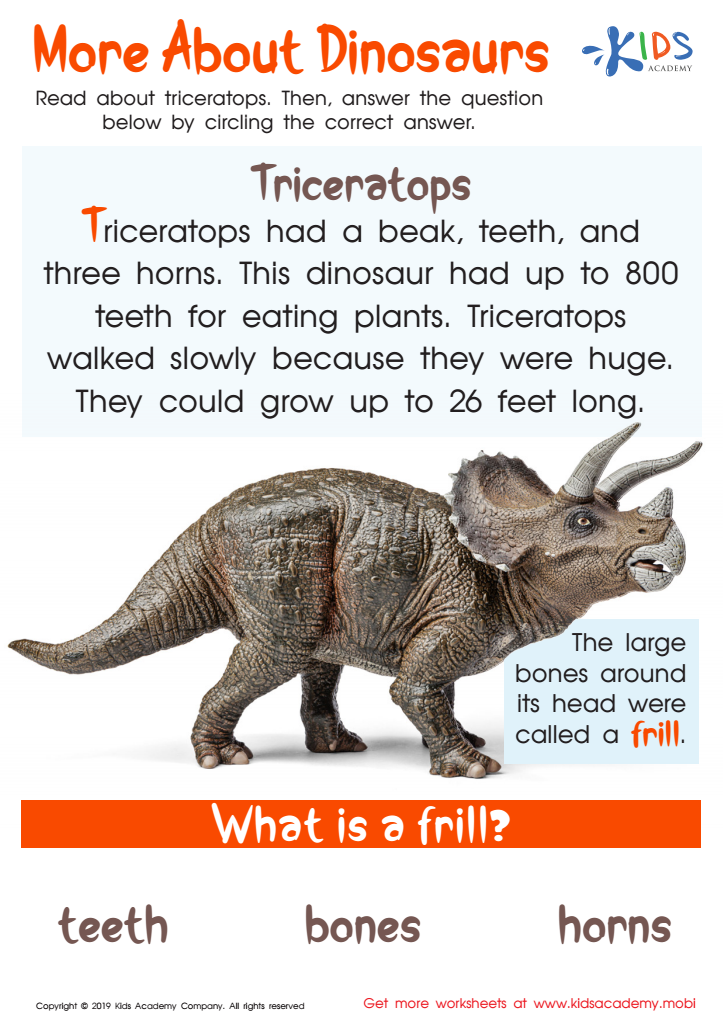
More About Dinosaurs Worksheet
 Assign to My Students
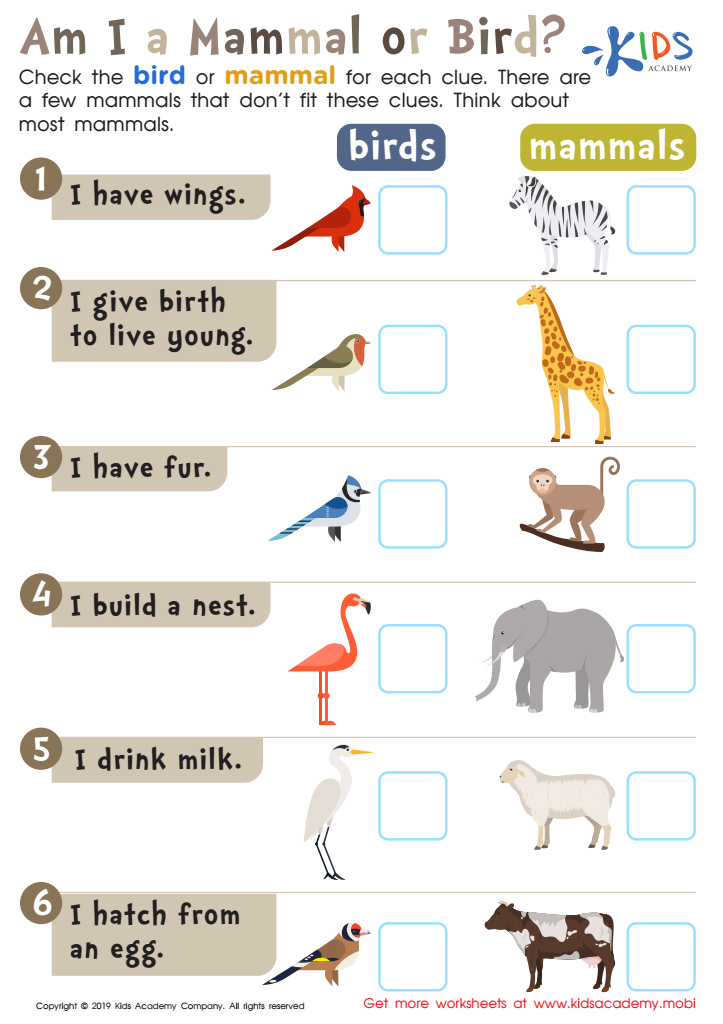
Am I a Mammal or Bird? Worksheet
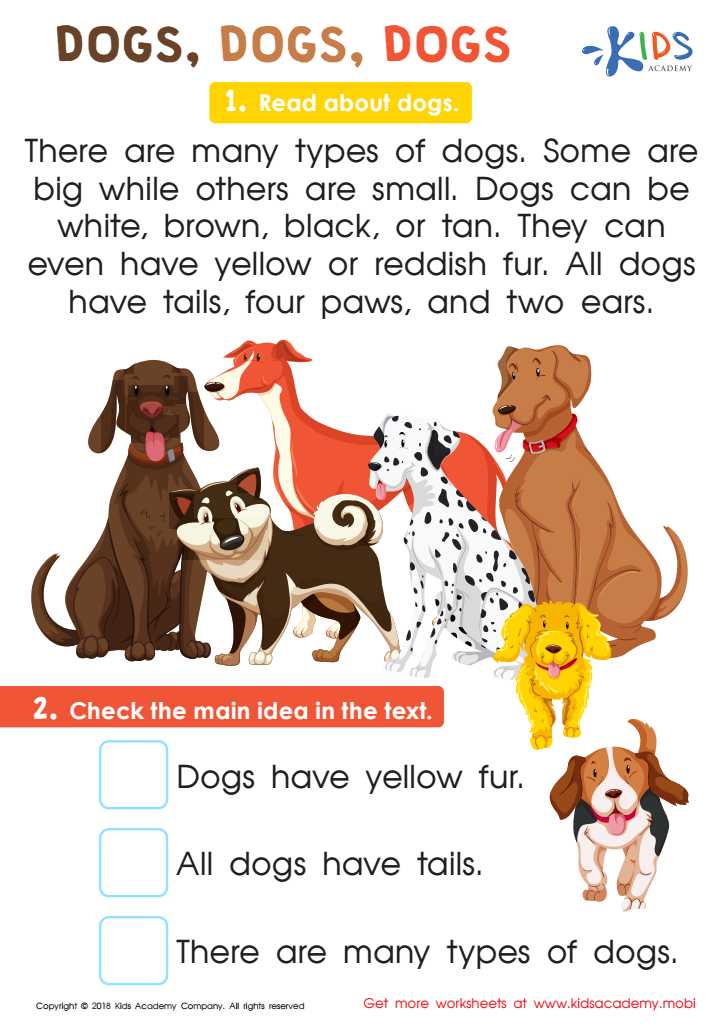
Dogs, Dogs Worksheet
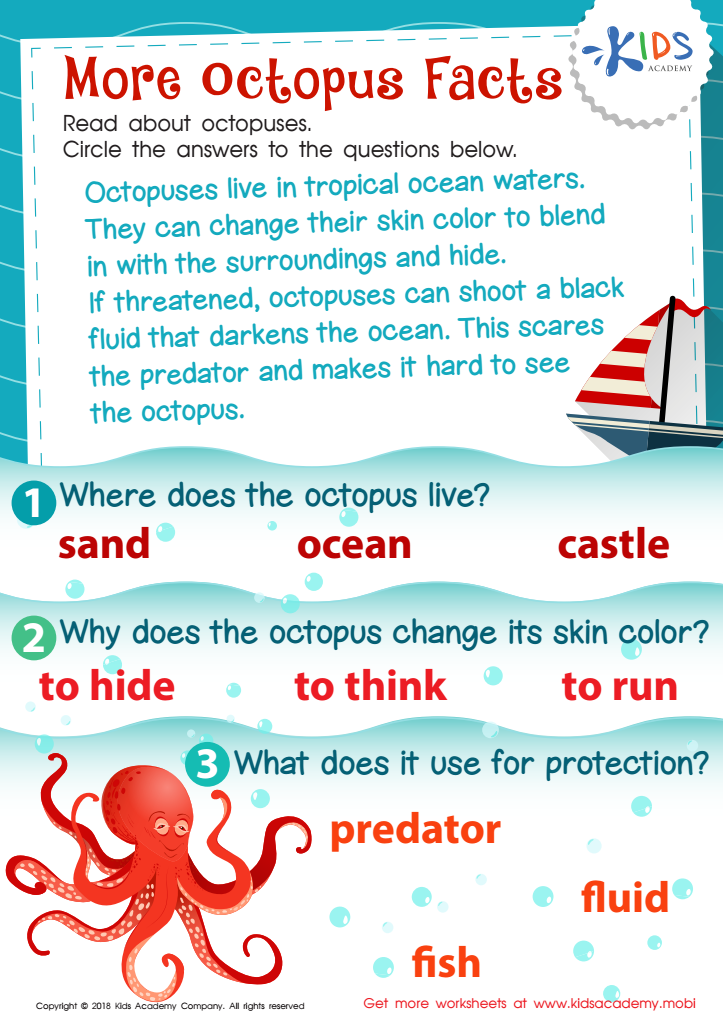
More Octopus Facts Worksheet
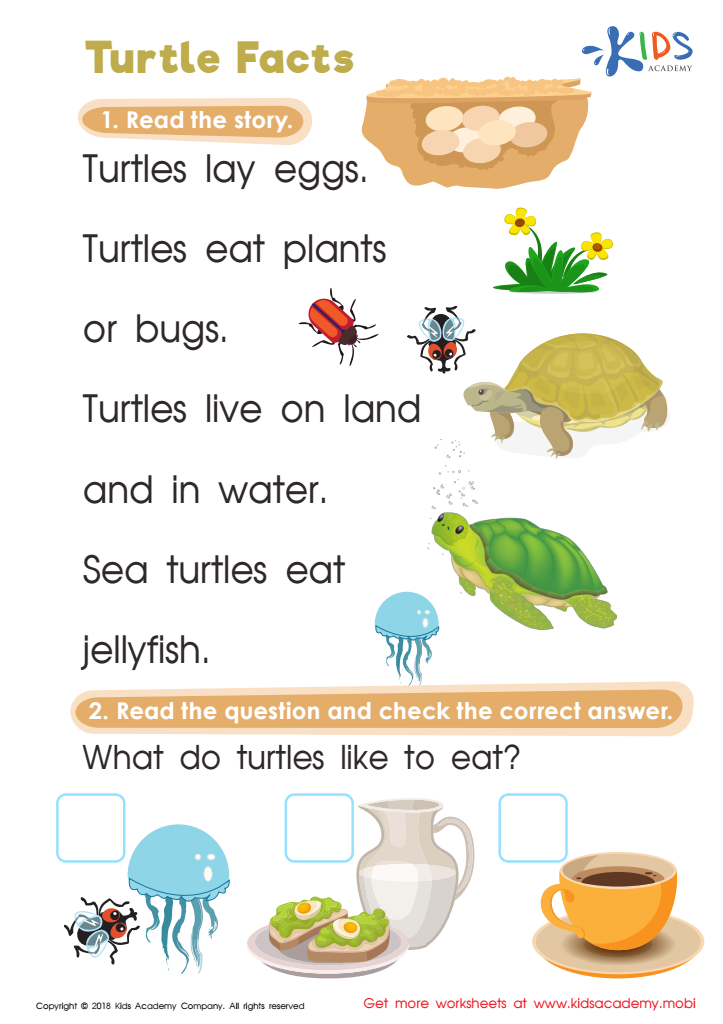
Turtle Facts Worksheet
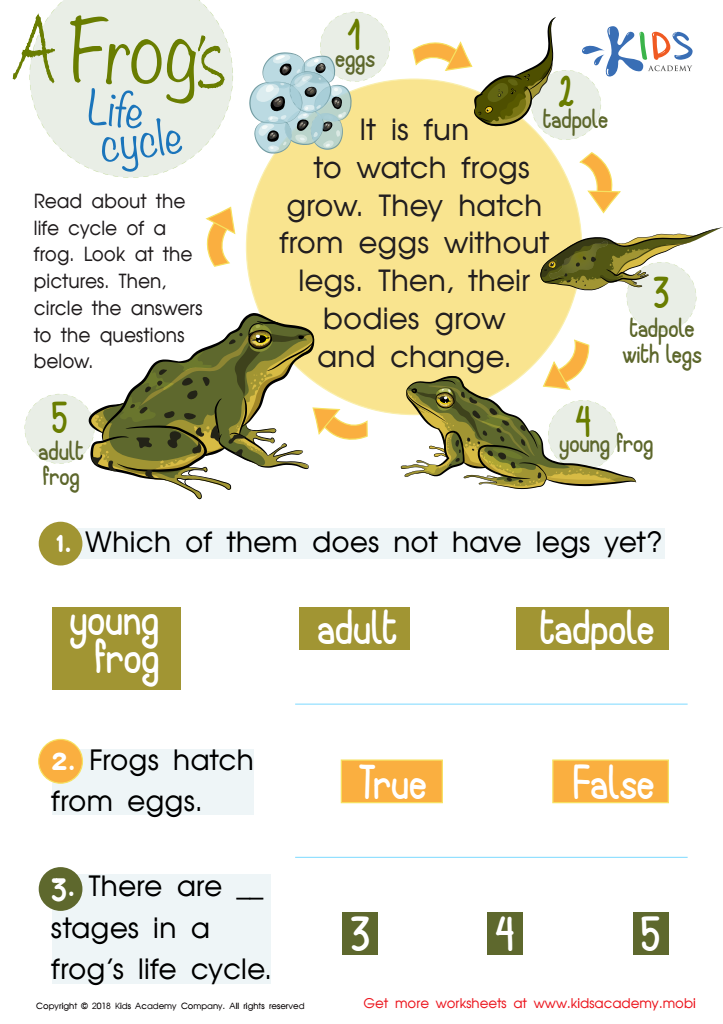
A Frog’s Life Cycle Worksheet
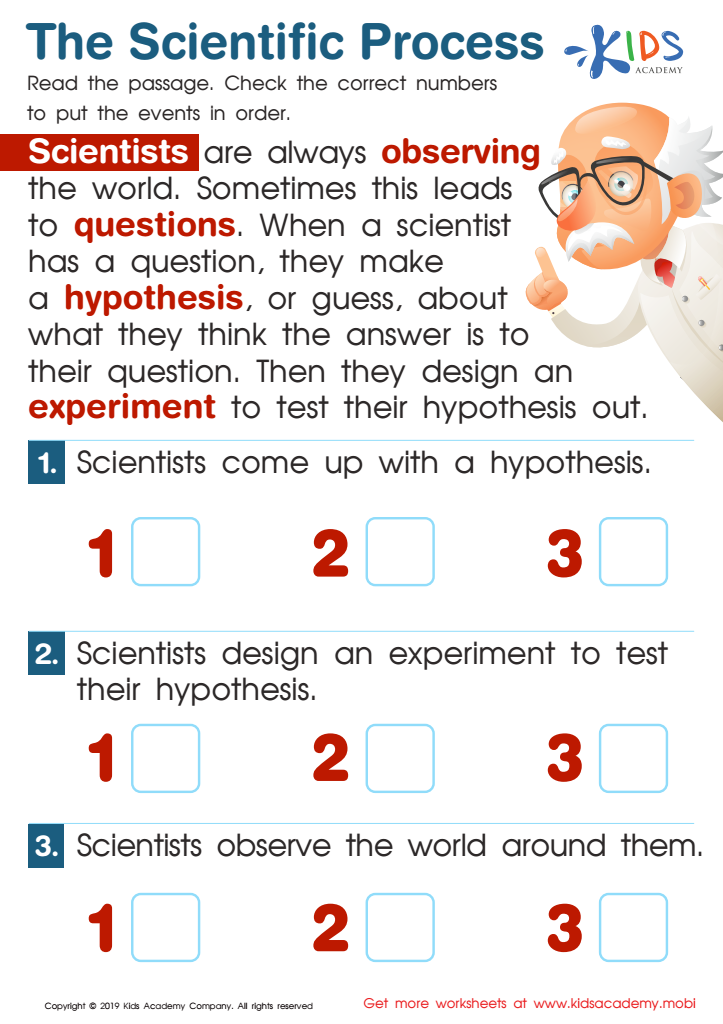
The Scientific Process Worksheet
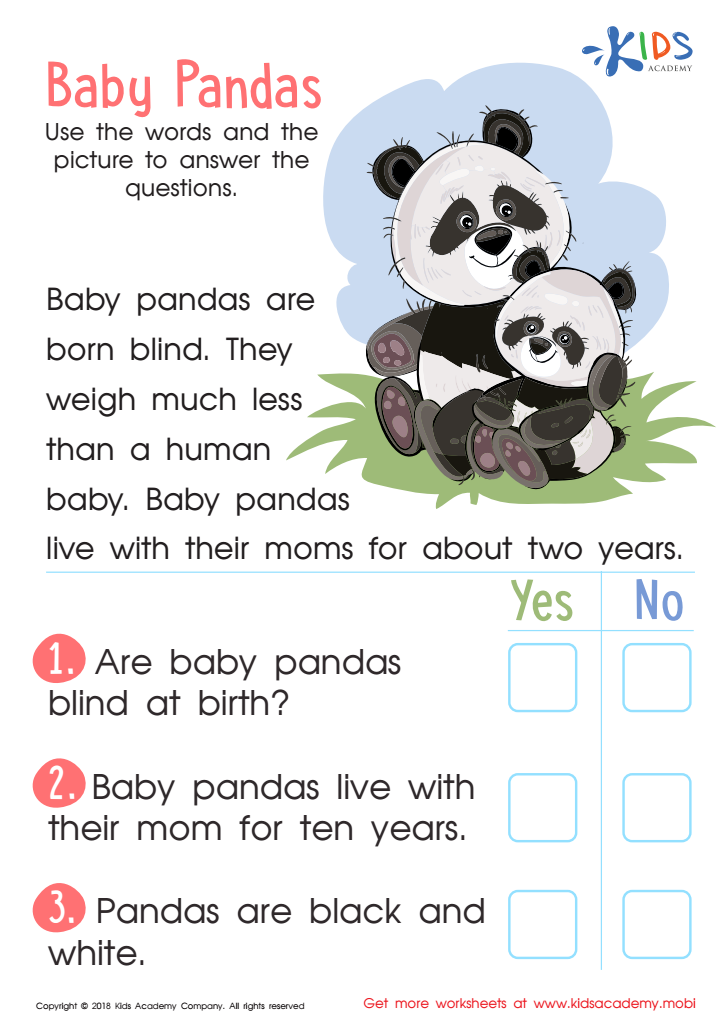
Baby Pandas Worksheet
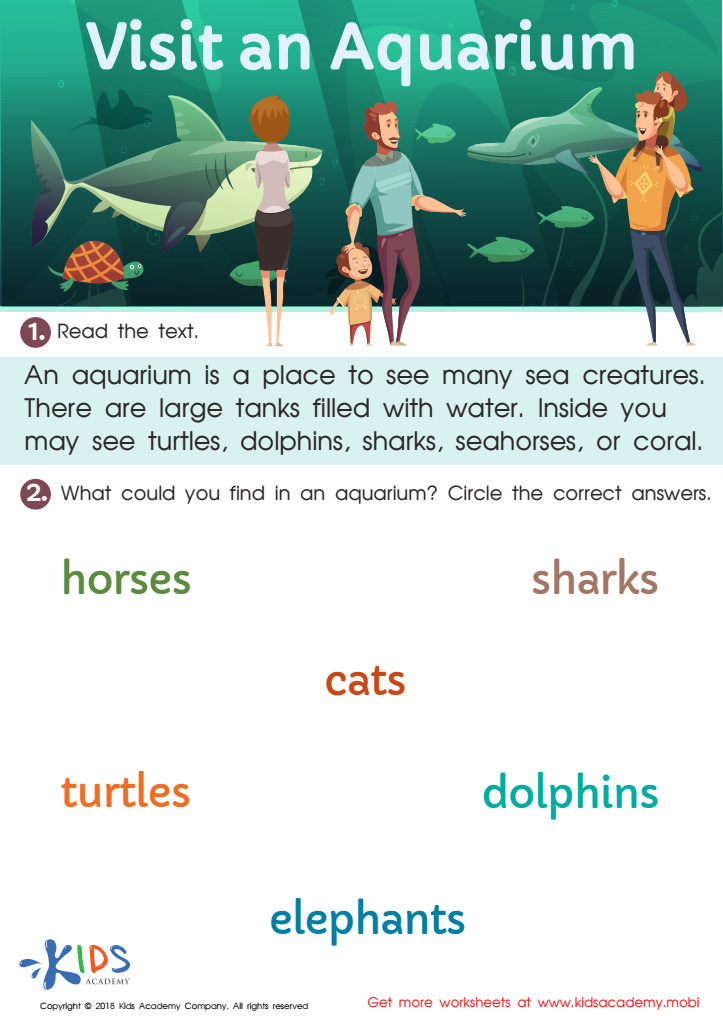
Visit an Aquarium Worksheet
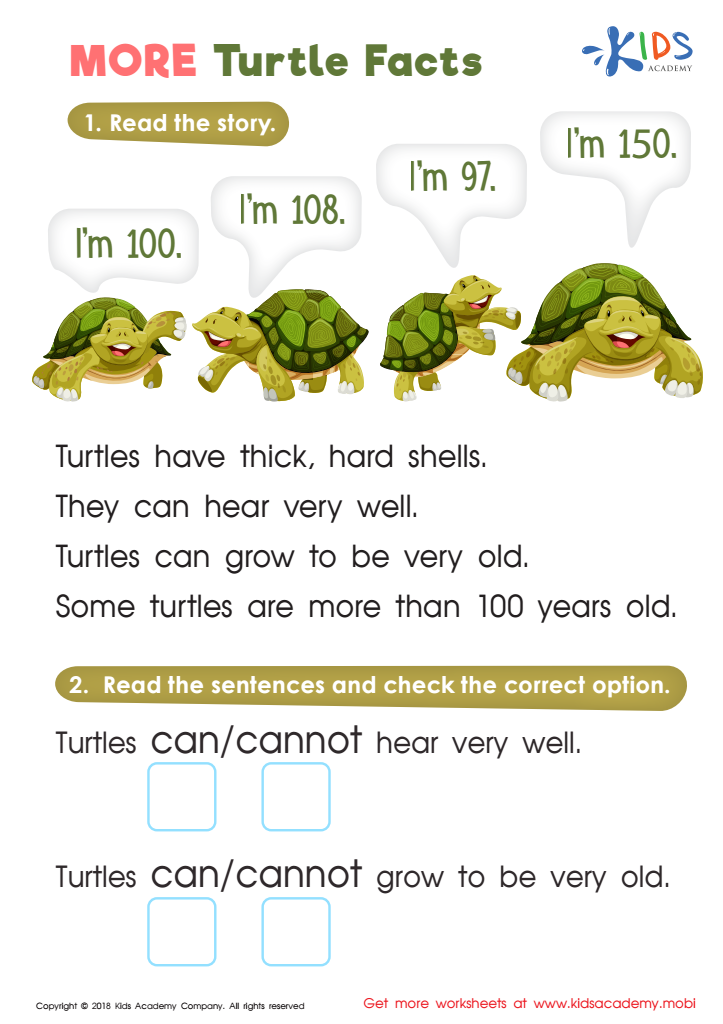
More Turtle Facts Worksheet
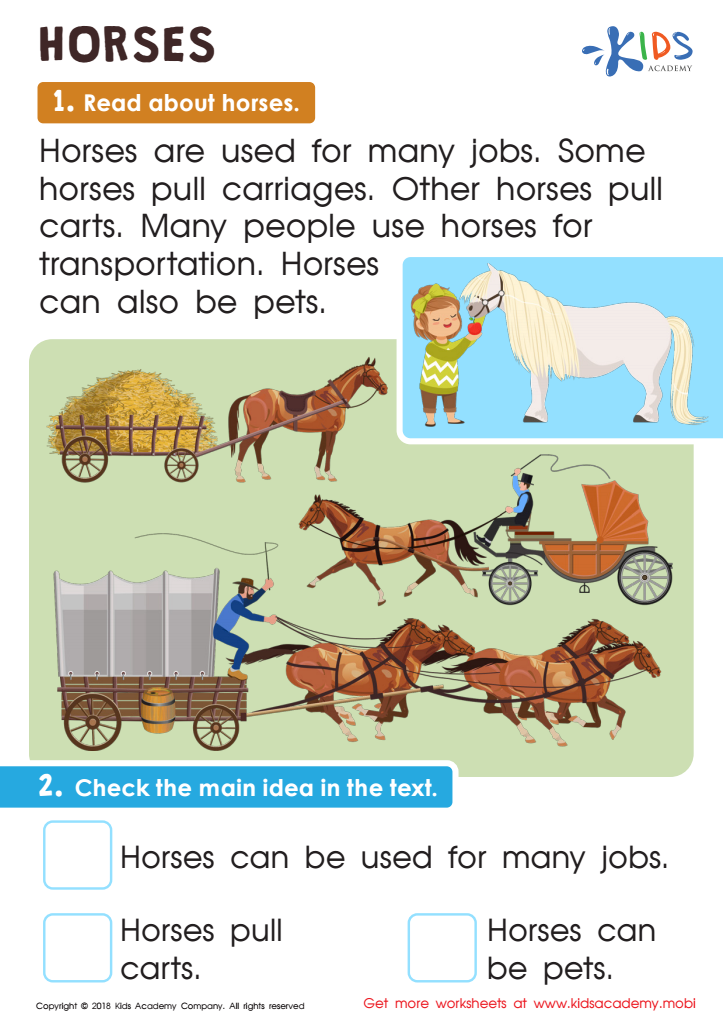
Horses Worksheet
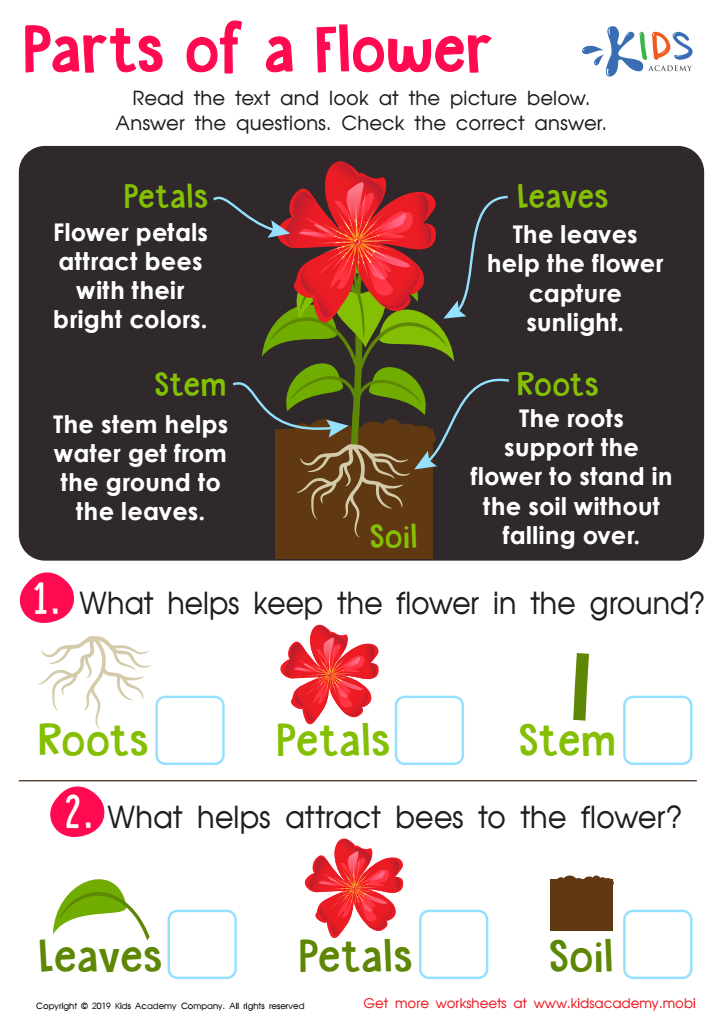
Parts of Flower Worksheet
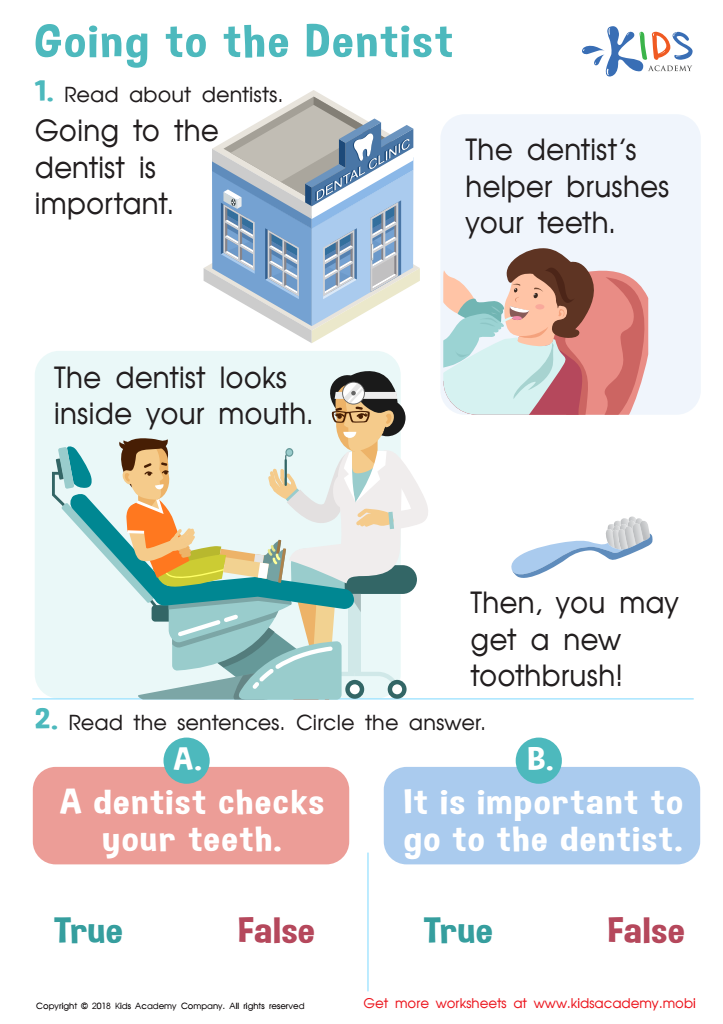
Going to the Dentist Part 2 Worksheet
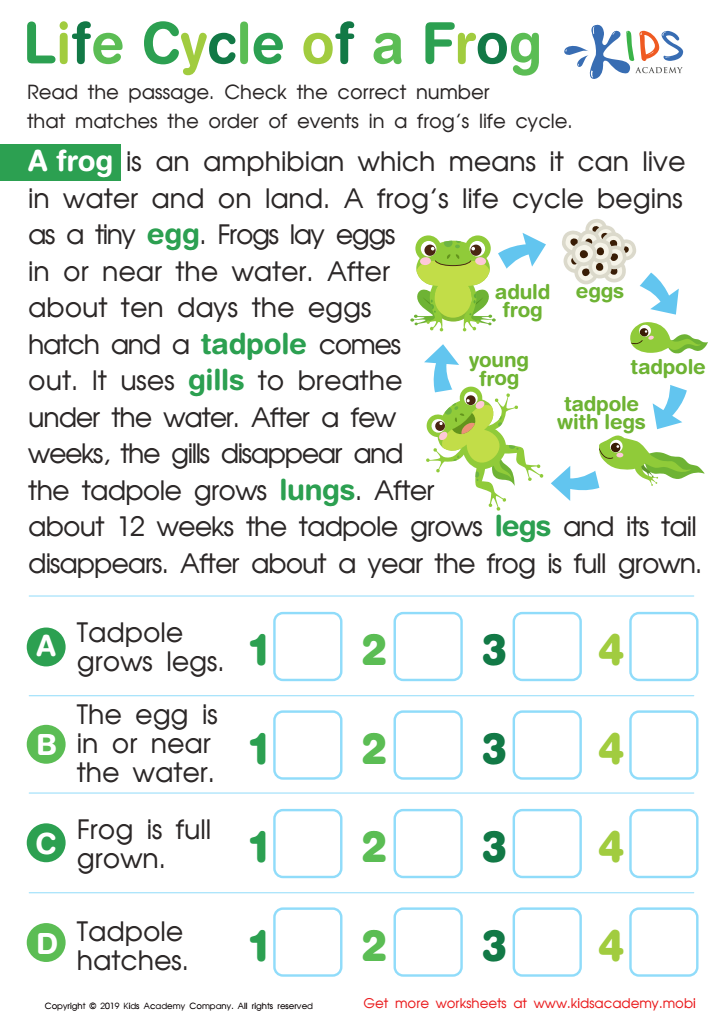
Life Cycle of a Frog Worksheet
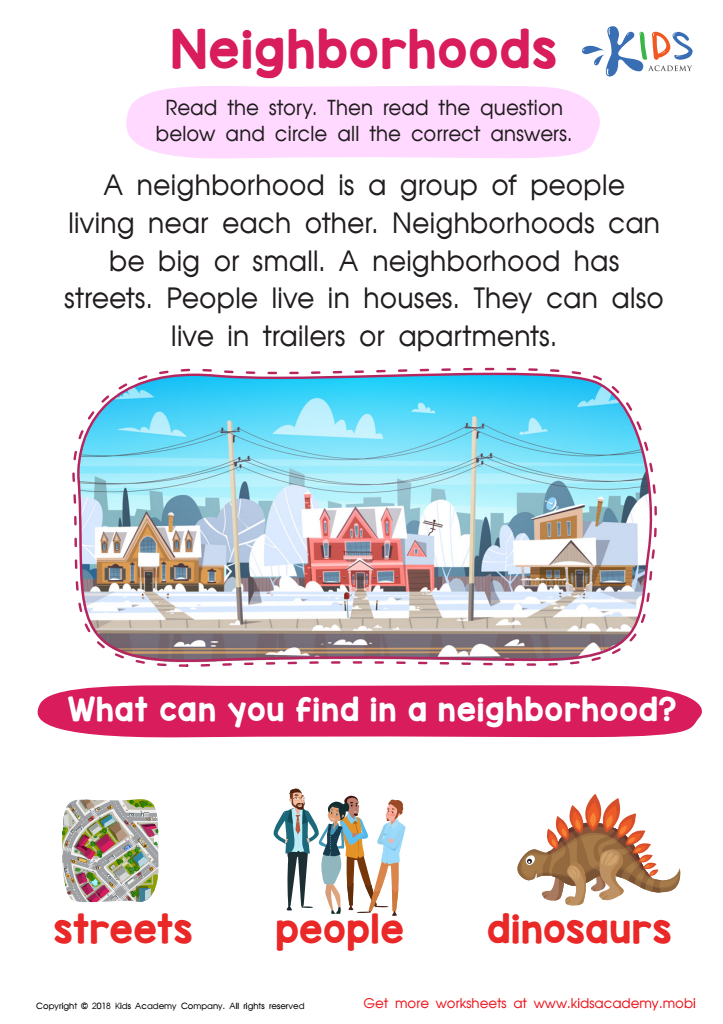
Neighborhoods Worksheet
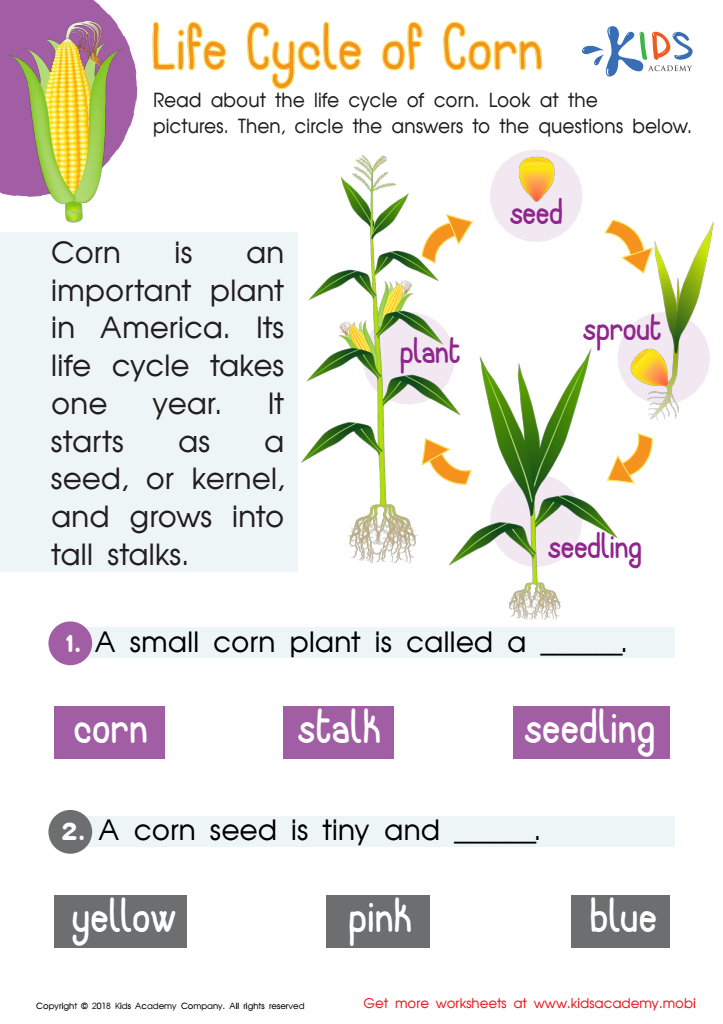
Life Cycle of Corn Worksheet
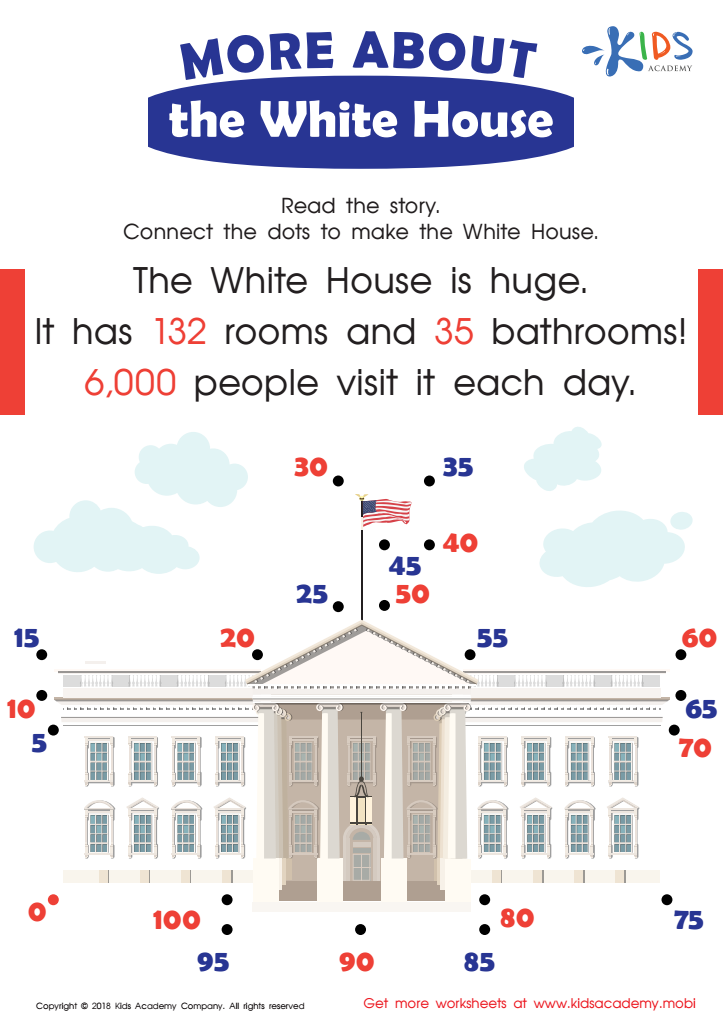
More About the White House Worksheet
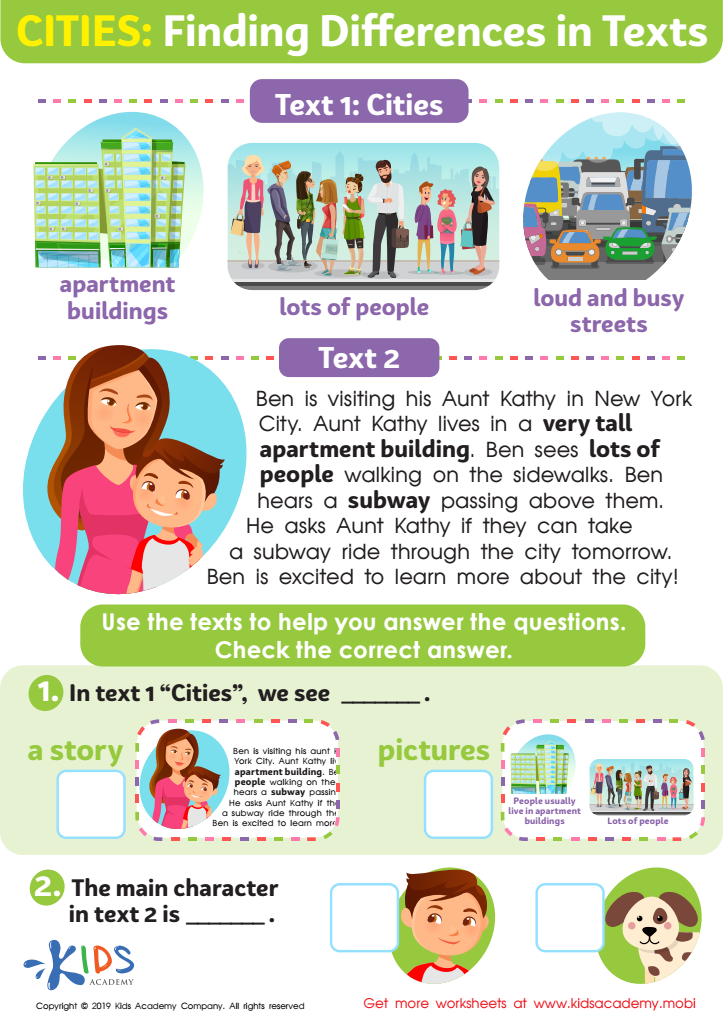
Cities: Finding Differences Worksheet
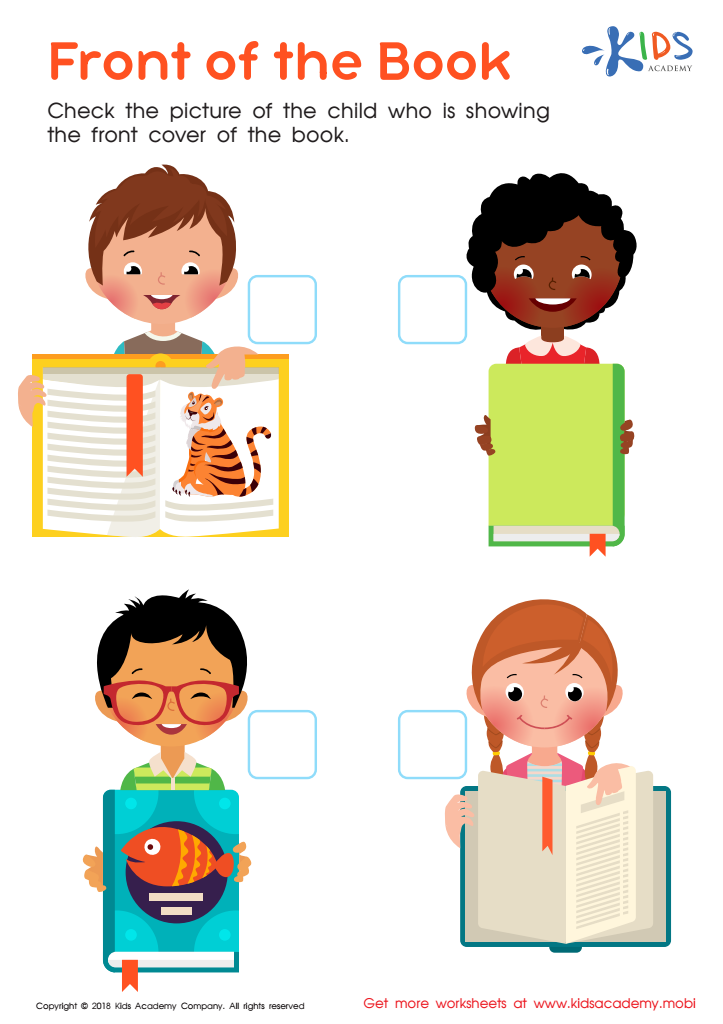
Front of the Book Worksheet
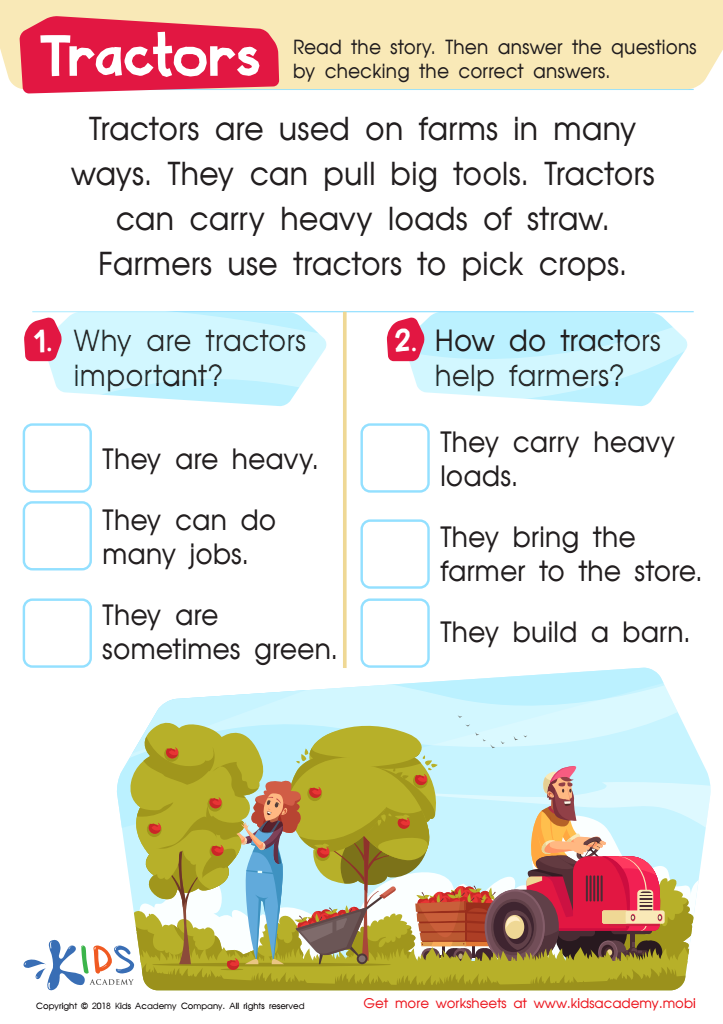
Tractors Worksheet
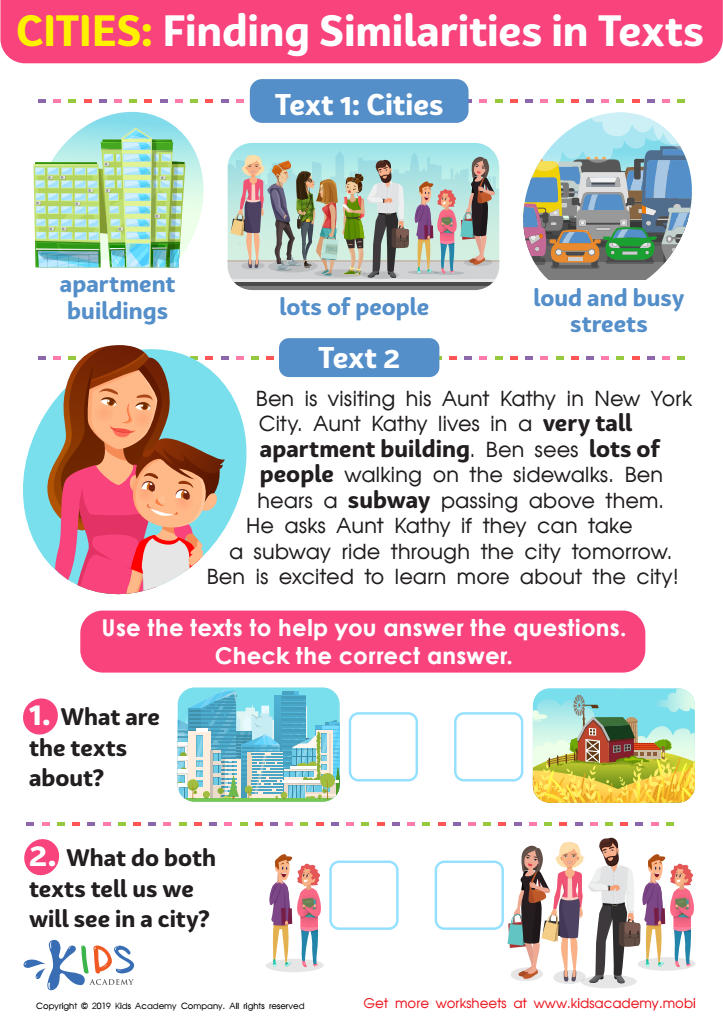
Cities: Finding Similarities Worksheet








Parents and teachers should emphasize easy reading non-fiction for ages 3-8 due to its substantial benefits in early childhood development. Firstly, engaging children with non-fiction books helps expand their vocabulary and comprehension skills by introducing them to real-world concepts and terms that are not typically found in fiction. This broadens their knowledge base and language skills.
Secondly, non-fiction enhances critical thinking and curiosity, as children learn about diverse topics from nature and space to technology and history. It encourages them to ask questions and seek further information, fostering an inquisitive mindset. Engaging with true accounts and factual information at a young age also builds a foundation for more advanced reading and understanding in later educational stages.
Non-fiction books are typically designed with visual elements such as colorful photographs and infographics that aid in memory retention and make learning interactive and enjoyable. This visual support aids children in relating text to real-world images, thereby reinforcing the comprehended material.
Moreover, non-fiction nurtures emotional and social development by exposing children to stories about real people and diverse cultures, deepening their empathy and understanding of the world. By prioritizing easy reading non-fiction, parents and teachers equip young learners with essential skills for both academic success and lifelong curiosity.







