Basic arithmetic skills Easy Worksheets for Ages 4-8
5 filtered results
-
From - To
Discover our engaging Basic Arithmetic Skills worksheets designed for kids ages 4-8! Perfect for young learners, these easy-to-use printable worksheets introduce foundational math concepts such as addition, subtraction, and numeral recognition through colorful illustrations and fun activities. Our resources promote effective learning while keeping children motivated and excited about math. Whether used at home or in the classroom, these worksheets are ideal for reinforcing essential skills and building confidence in young students. Join us in making math enjoyable for your child today with our comprehensive collection of easy arithmetic worksheets that will support their learning journey!
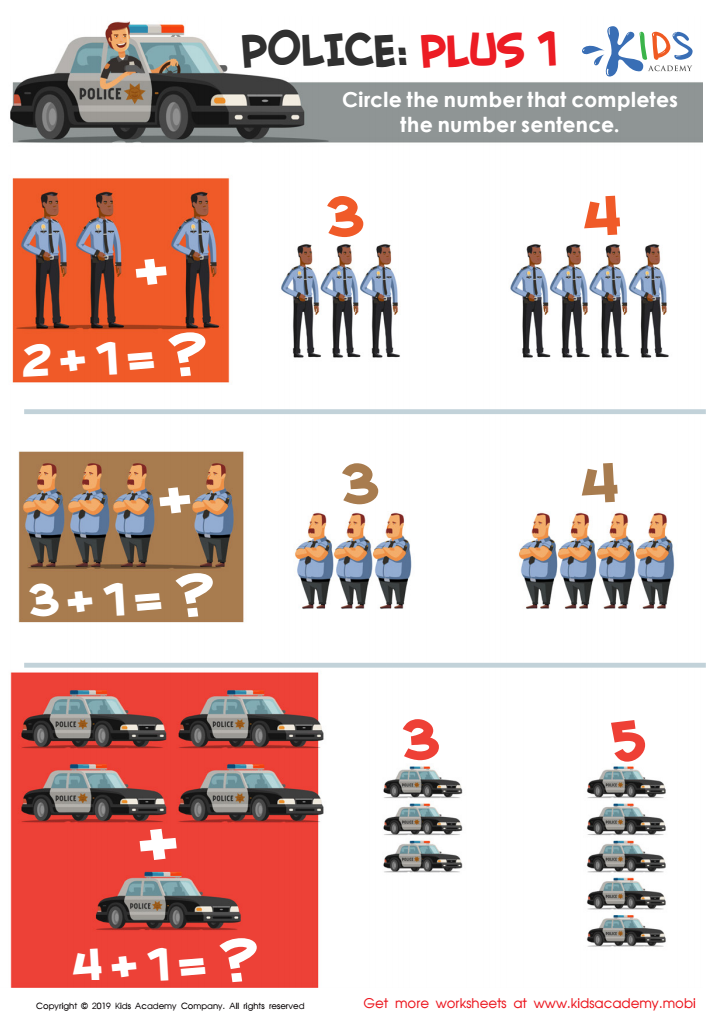
Police: Plus 1 Worksheet
 Assign to My Students
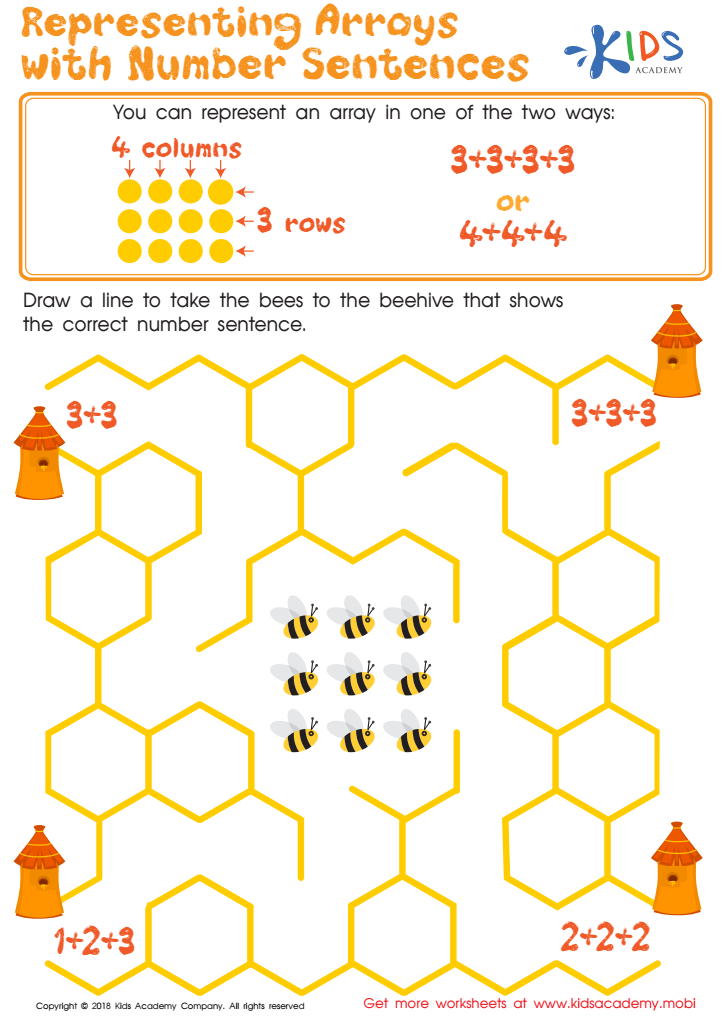
Representing Arrays with Number Sentences Worksheet
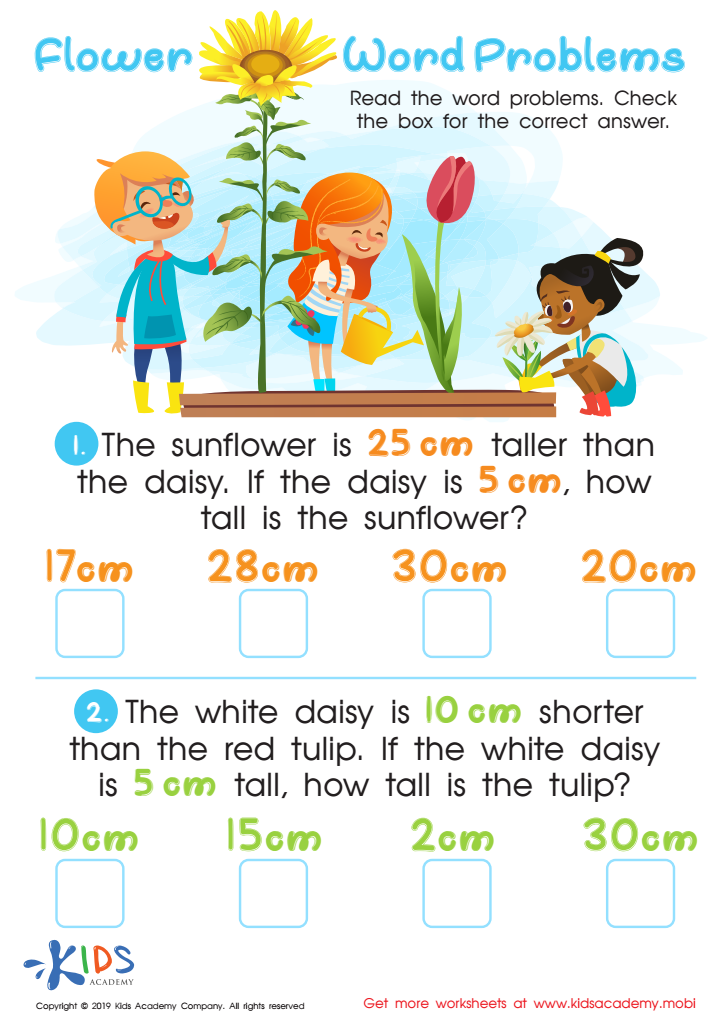
Flower Word Problems Worksheet
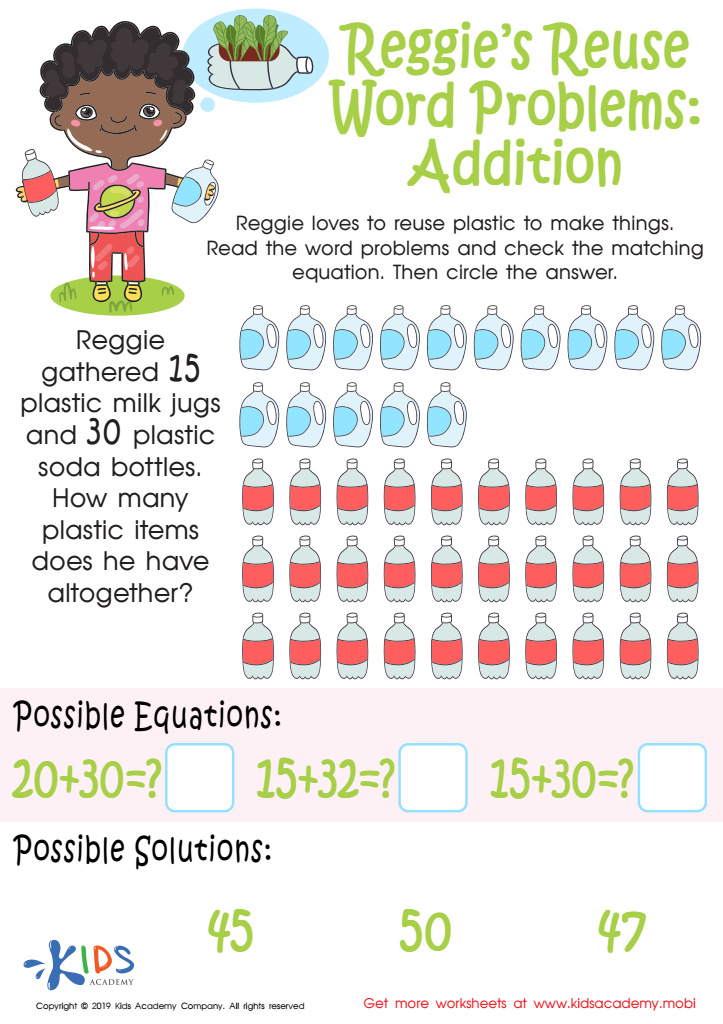
Reggie's Reuse Word Problems: Addition Worksheet
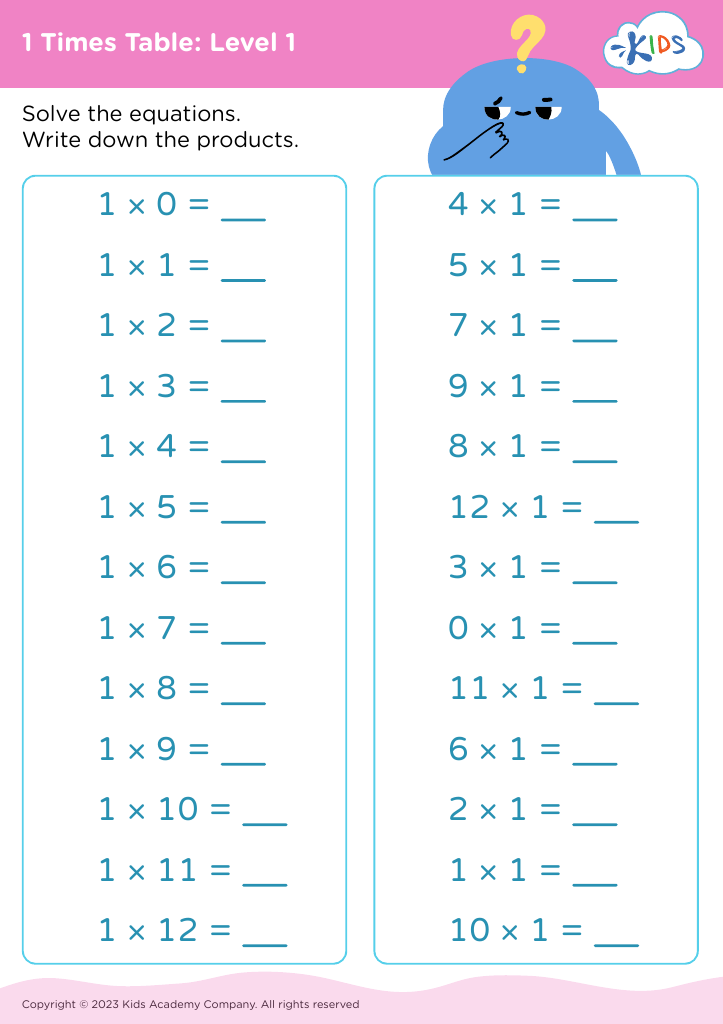







Basic arithmetic skills are foundational for young learners, especially those aged 4-8. During these formative years, children build essential cognitive and problem-solving skills that form the backbone of their future academic success. Developing arithmetic abilities helps children understand numbers, quantities, and relationships between them, providing a cornerstone for future math learning and fostering confidence in their abilities.
Engaging with basic arithmetic also enhances critical thinking. As children learn to add, subtract, and categorize, they learn to analyze problems and develop solutions, skills that will be valuable beyond mathematics. Most day-to-day life experiences, whether shopping or cooking, involve arithmetic, making these skills crucial for practical living.
Additionally, early proficiency in arithmetic can positively impact a child's self-esteem and motivation. Successful experiences in math create a sense of achievement, encouraging further exploration in learning. It can bridge gaps in understanding and can be pivotal for encouraging a lifelong love of learning.
Moreover, society benefits from children who are mathematically literate. Emphasizing basic arithmetic not only equips future learners for academic challenges but also prepares them for an increasingly data-driven world, reinforcing the need for educators and parents to prioritize these essential skills.








