Easy Word Problems Worksheets for Ages 4-8 - Page 2
44 filtered results
-
From - To
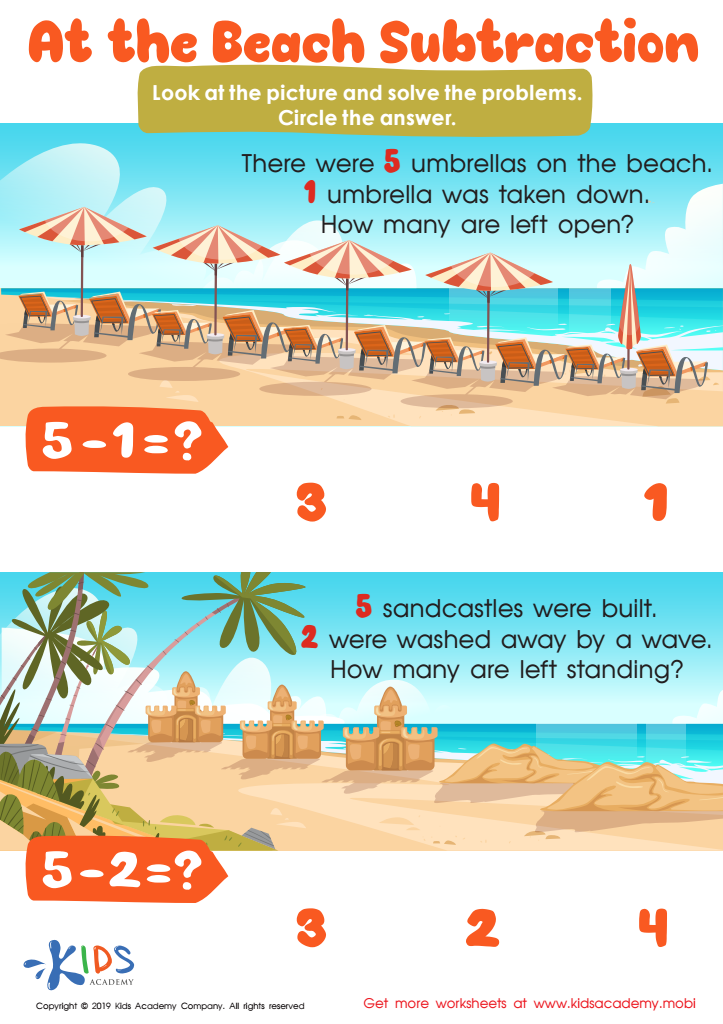
At the Beach Subtraction Worksheet
 Assign to My Students
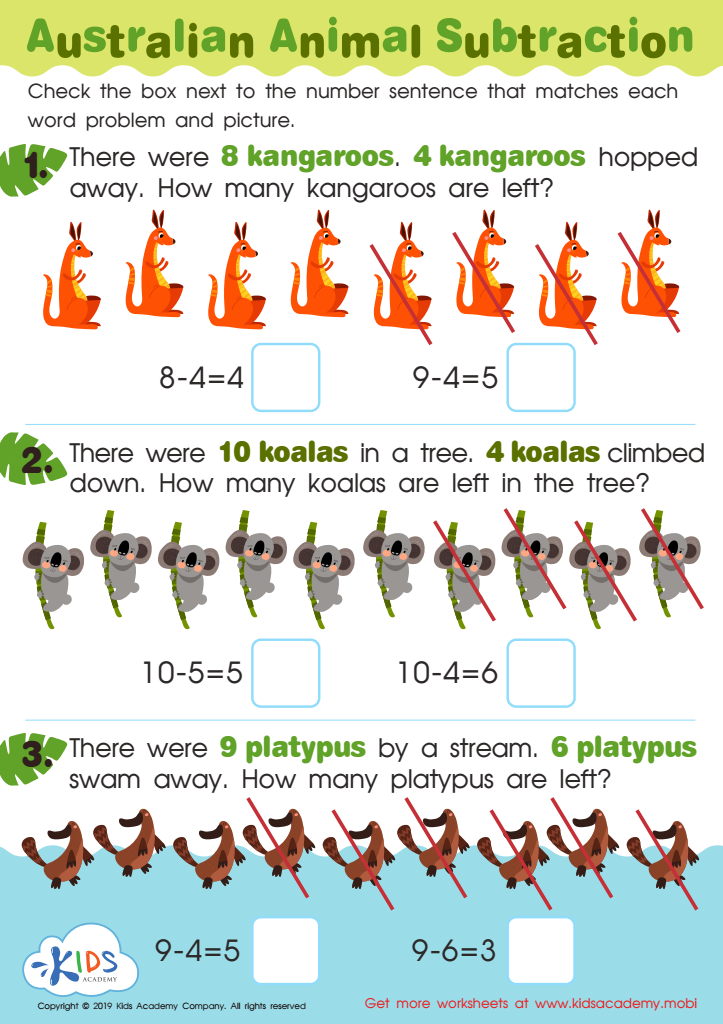
Australian Animal Subtraction Worksheet
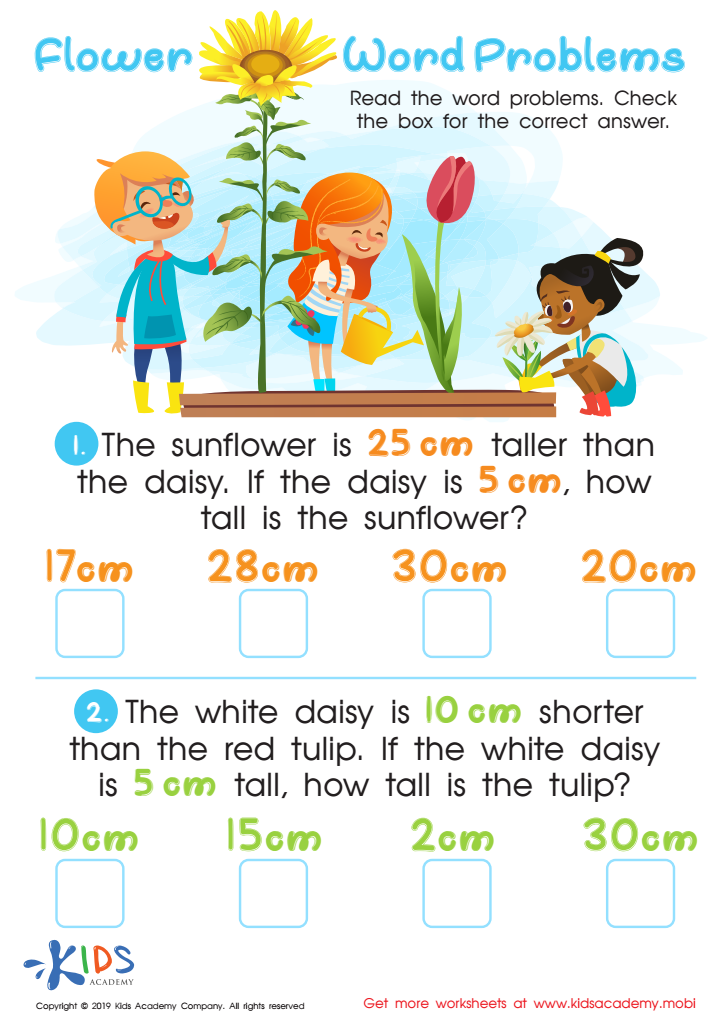
Flower Word Problems Worksheet
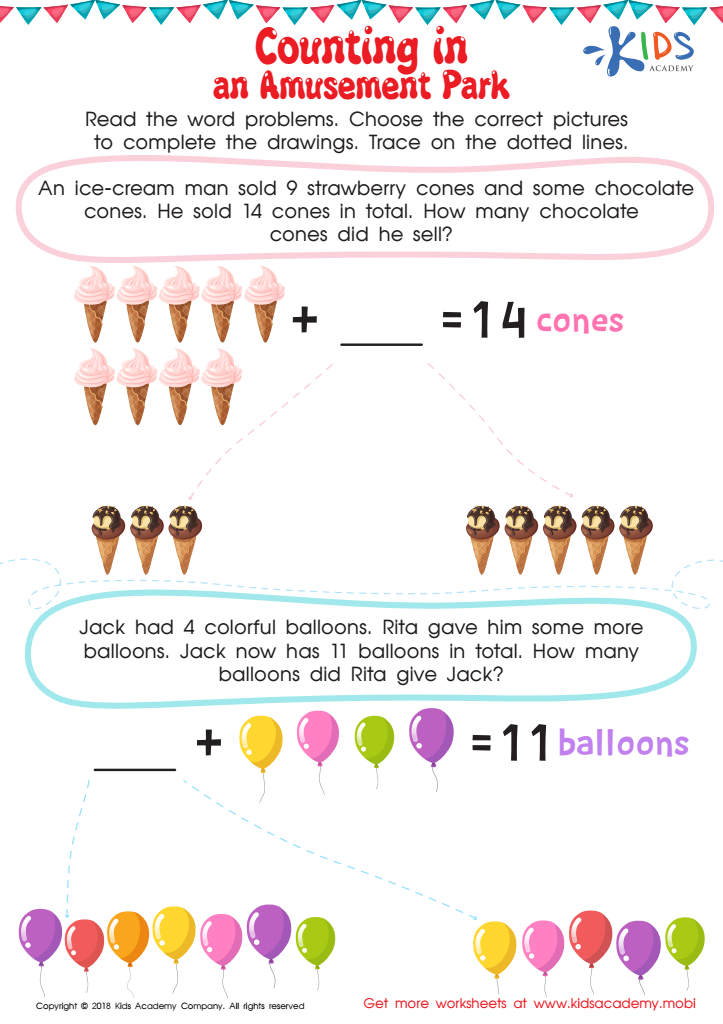
Counting in an Amusement Park Worksheet
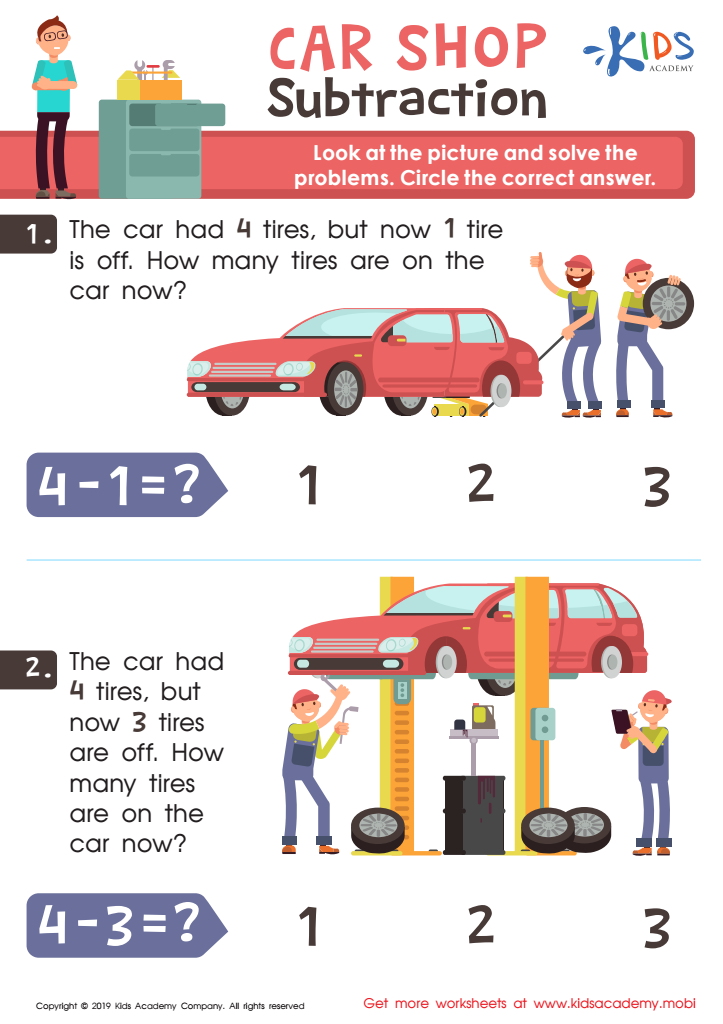
Car Shop Subtraction Worksheet
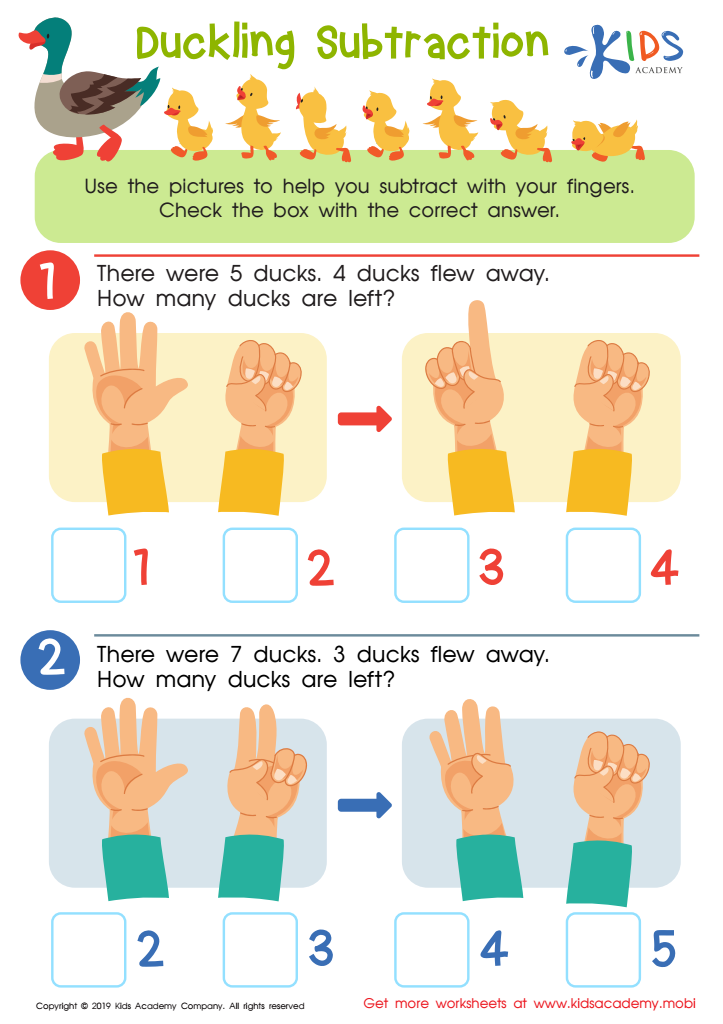
Duckling Subtraction Worksheet
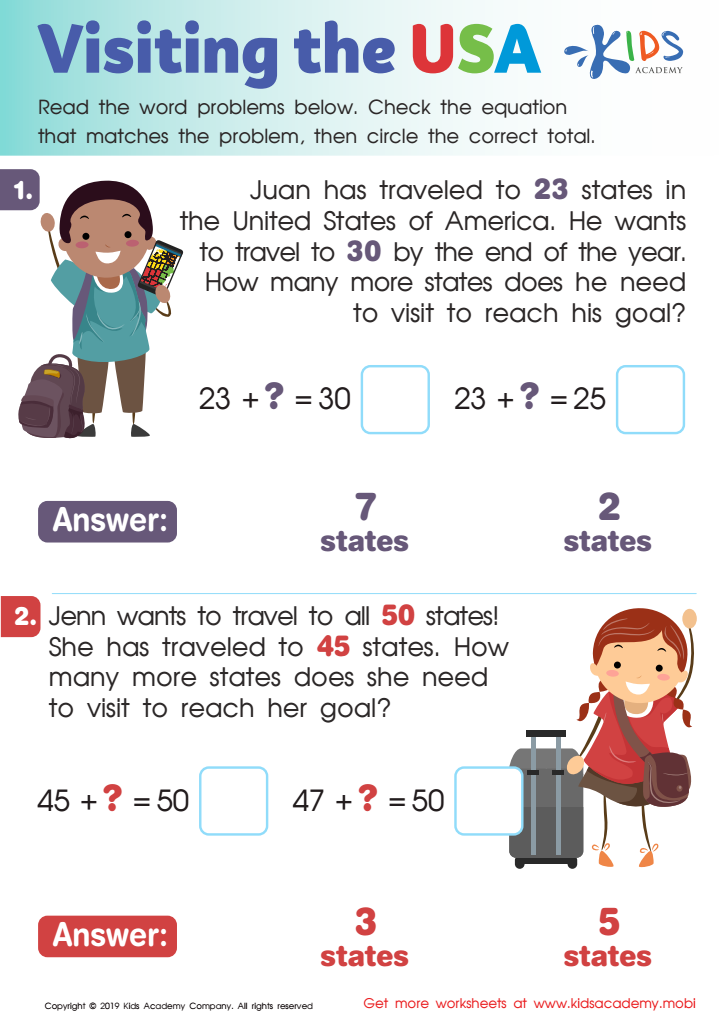
Visiting the USA Worksheet
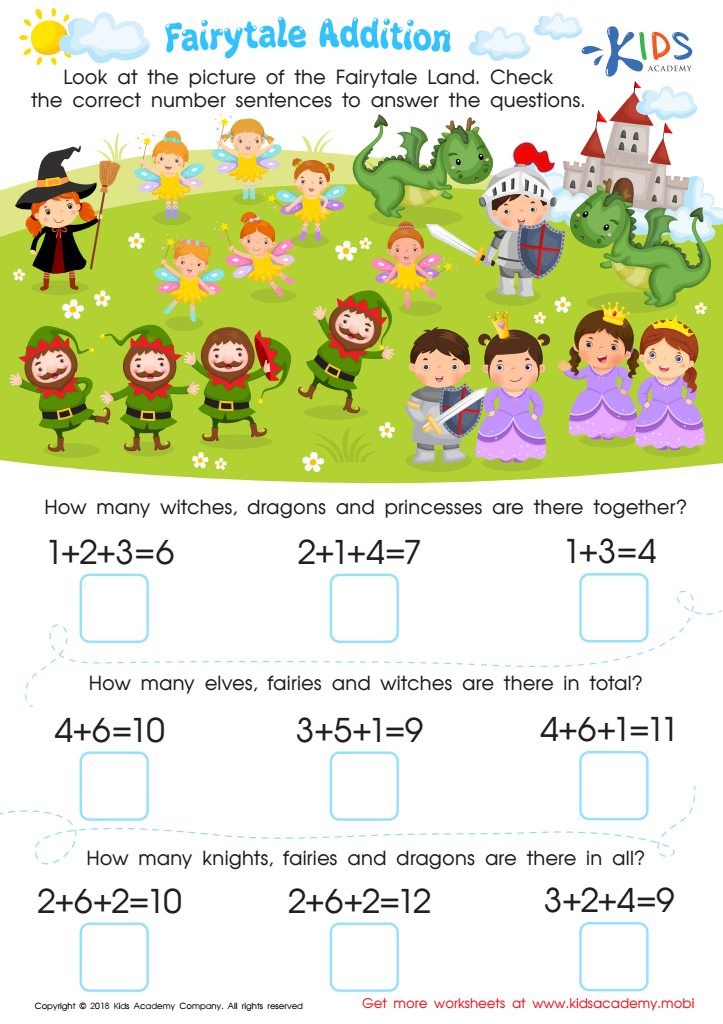
Fairytale Addition Worksheet
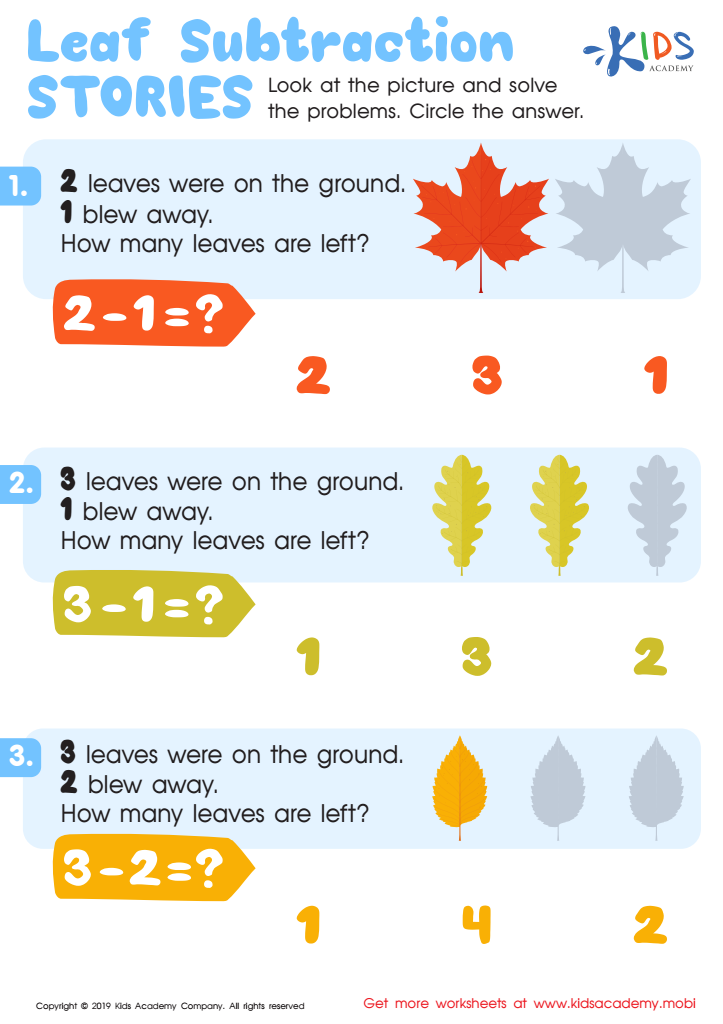
Leaf Subtraction Stories Worksheet
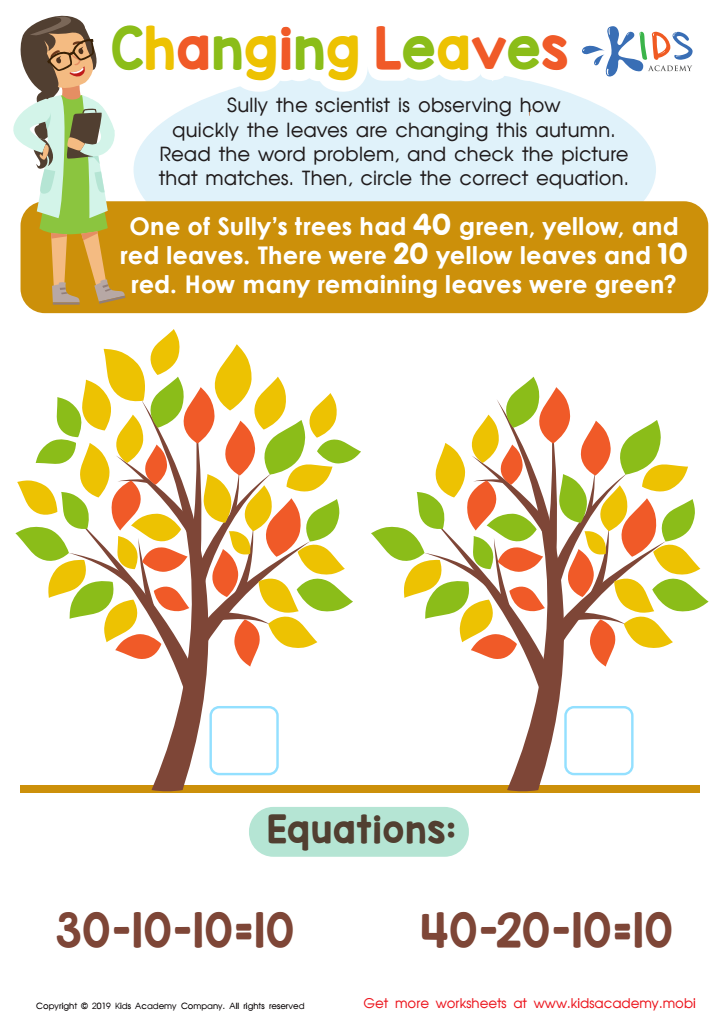
Changing Leaves Worksheet
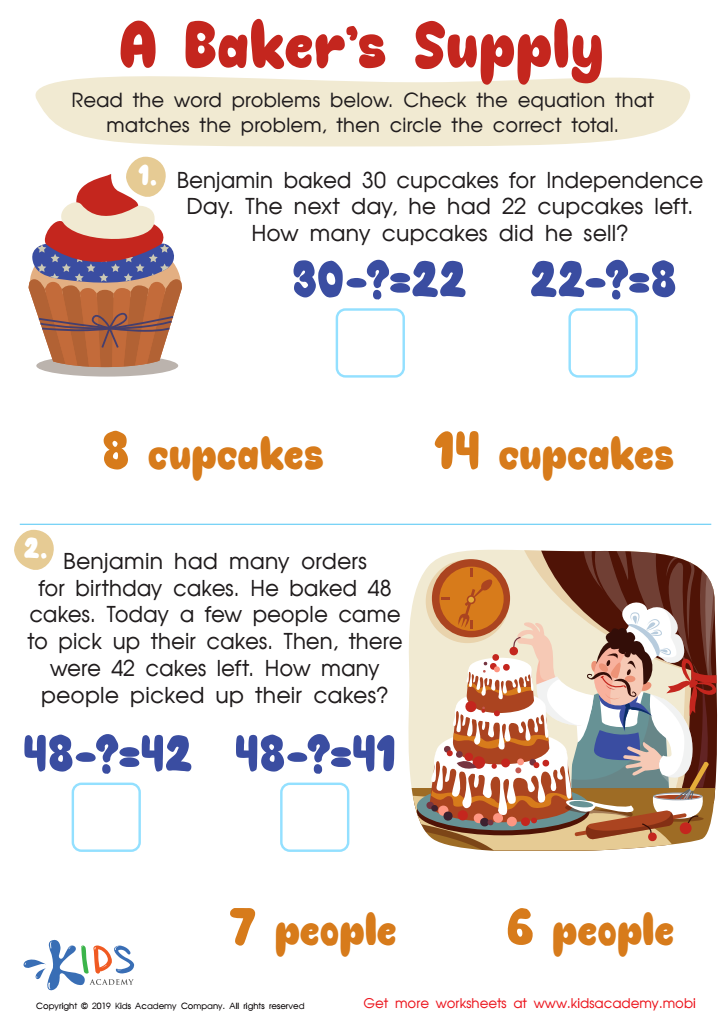
A Baker's Supply Worksheet
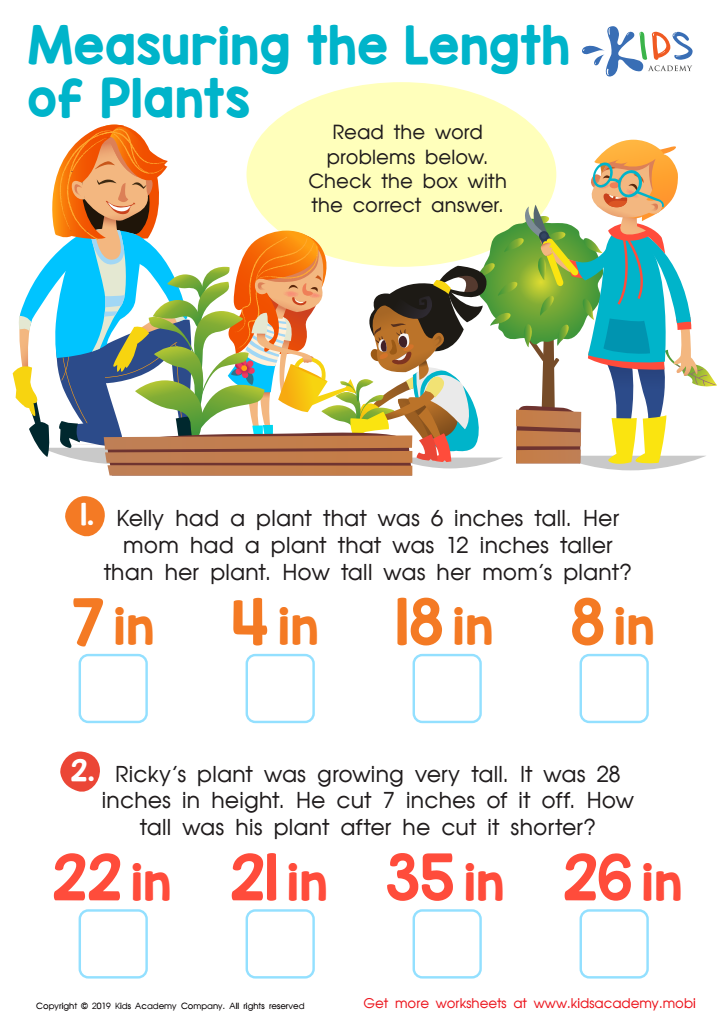
Measuring the Length of Plants Worksheet
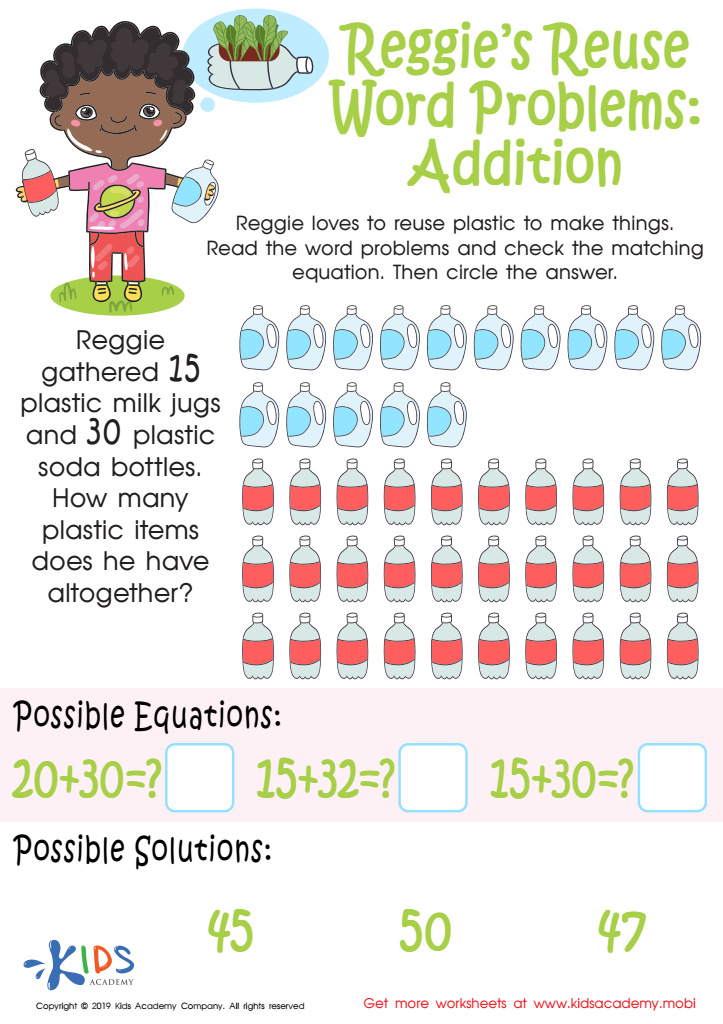
Reggie's Reuse Word Problems: Addition Worksheet
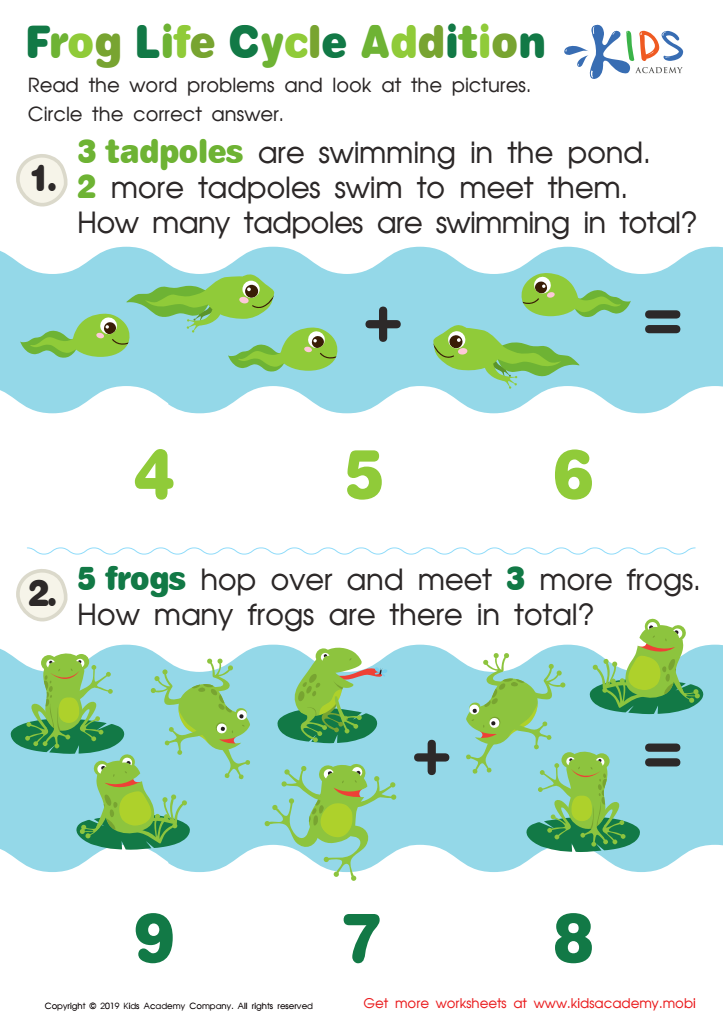
Frog Life Cycle Addition Worksheet
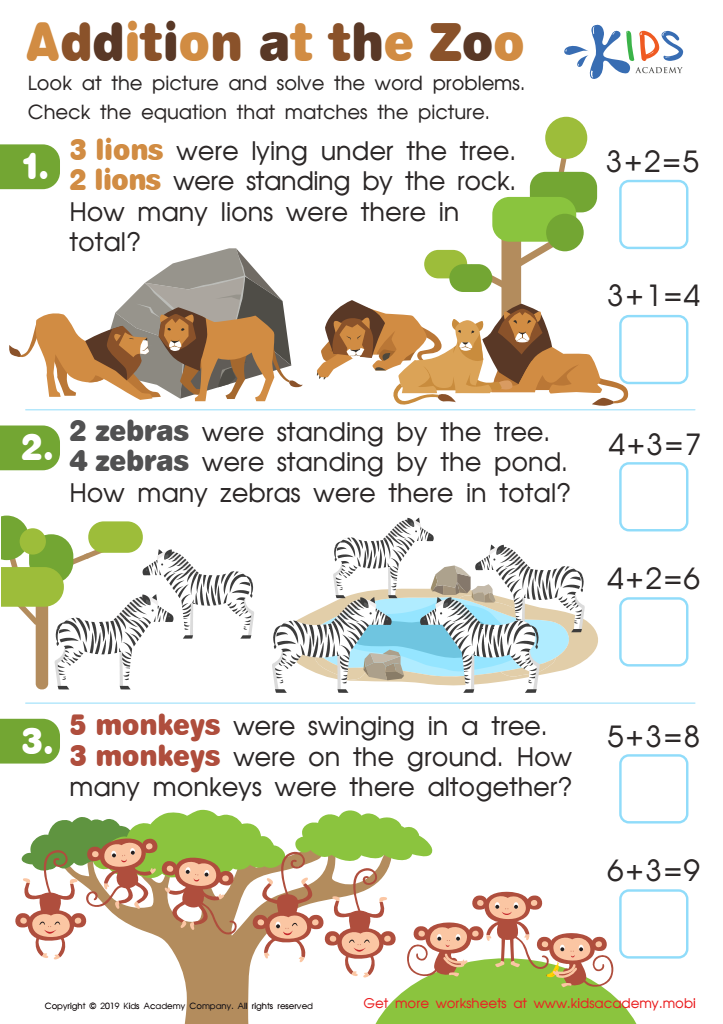
Addition at the Zoo Worksheet
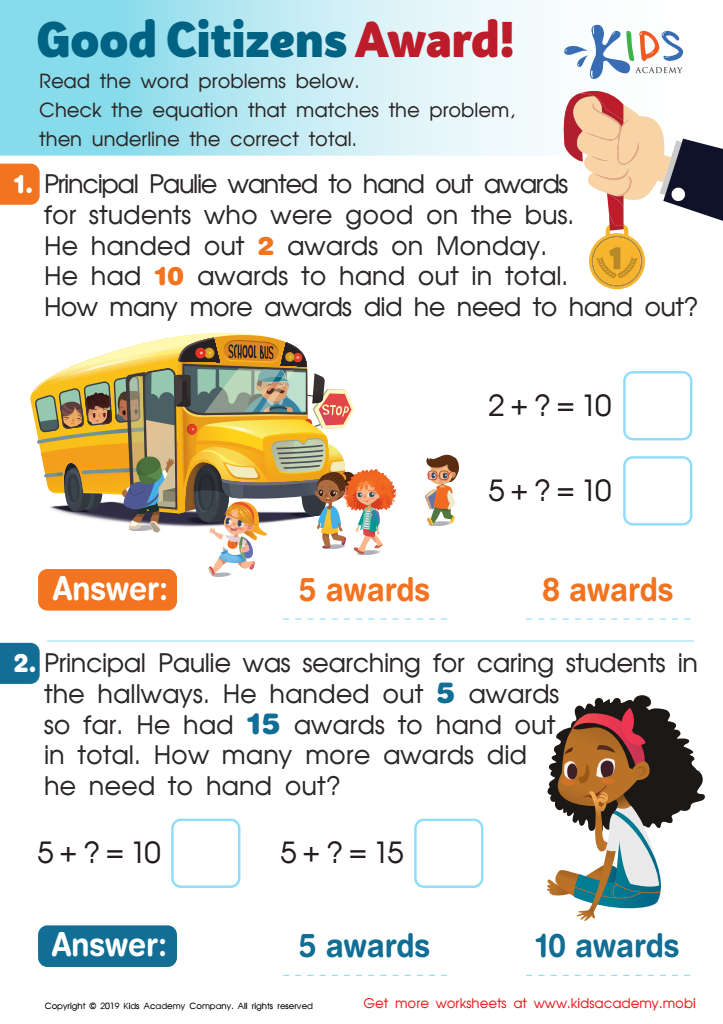
Good Citizens Award! Worksheet
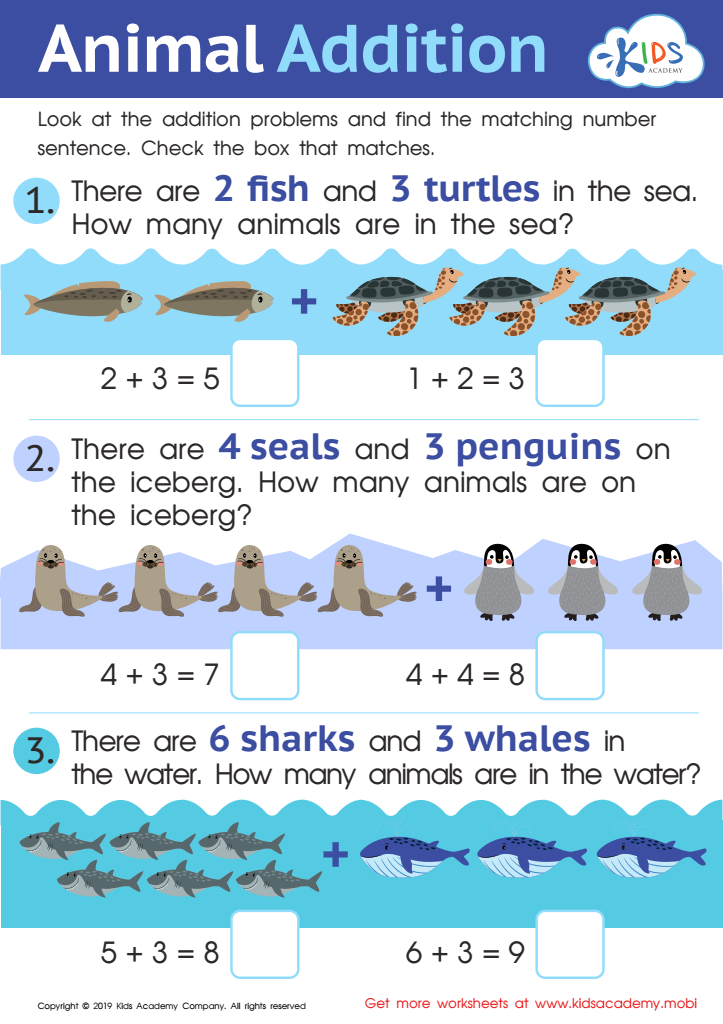
Animal Addition Worksheet
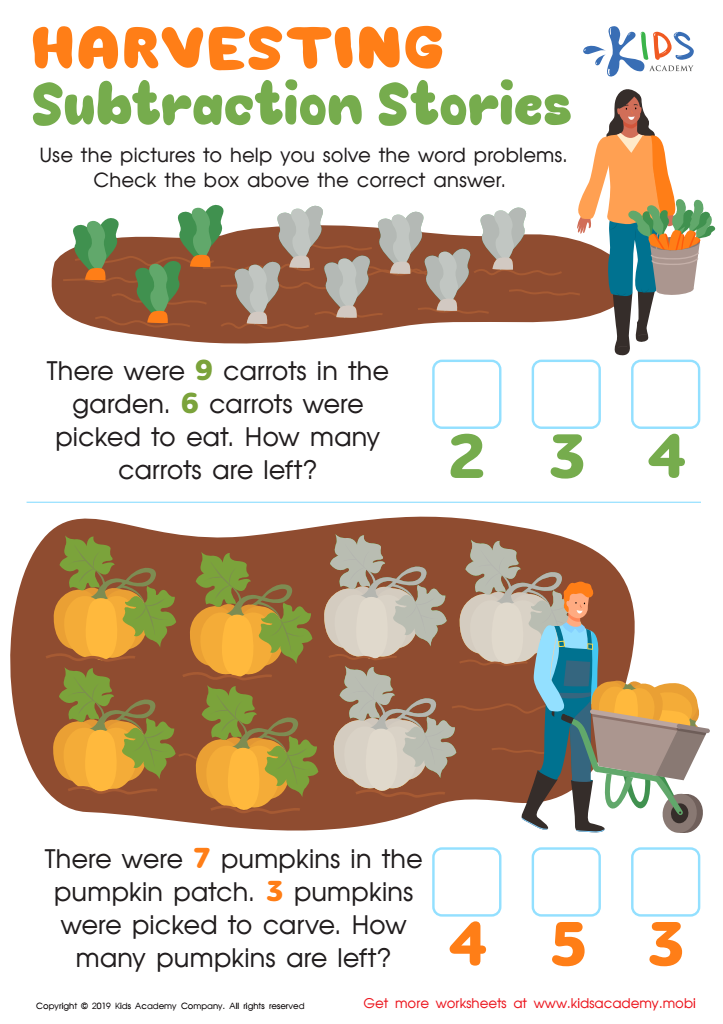
Harvesting Subtraction Stories Worksheet
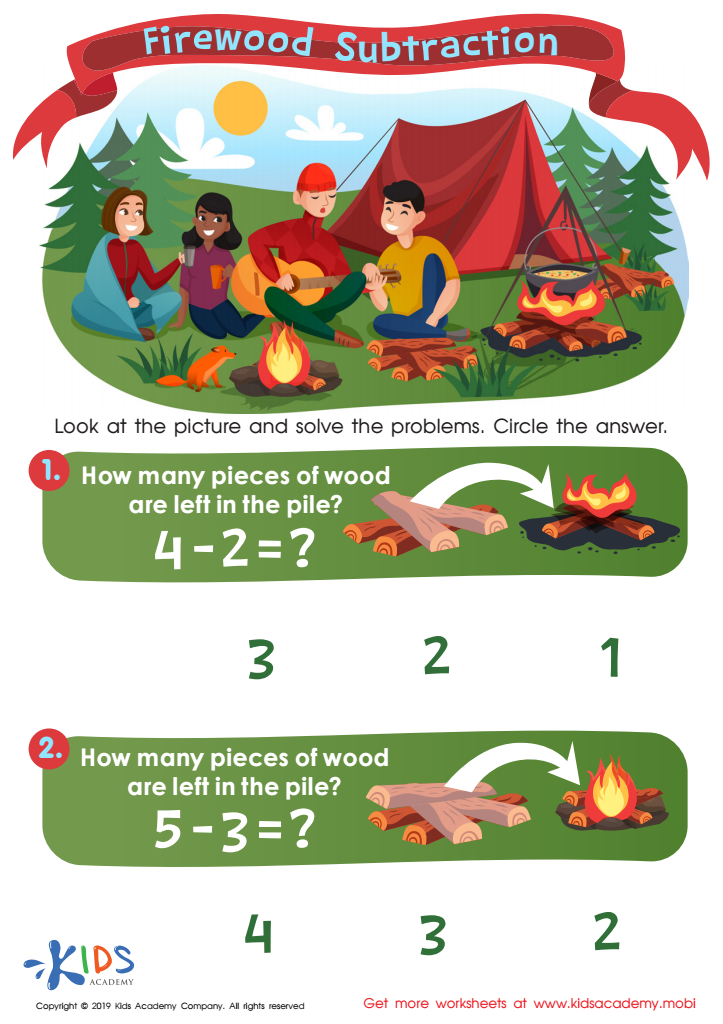
Firewood Subtraction Worksheet
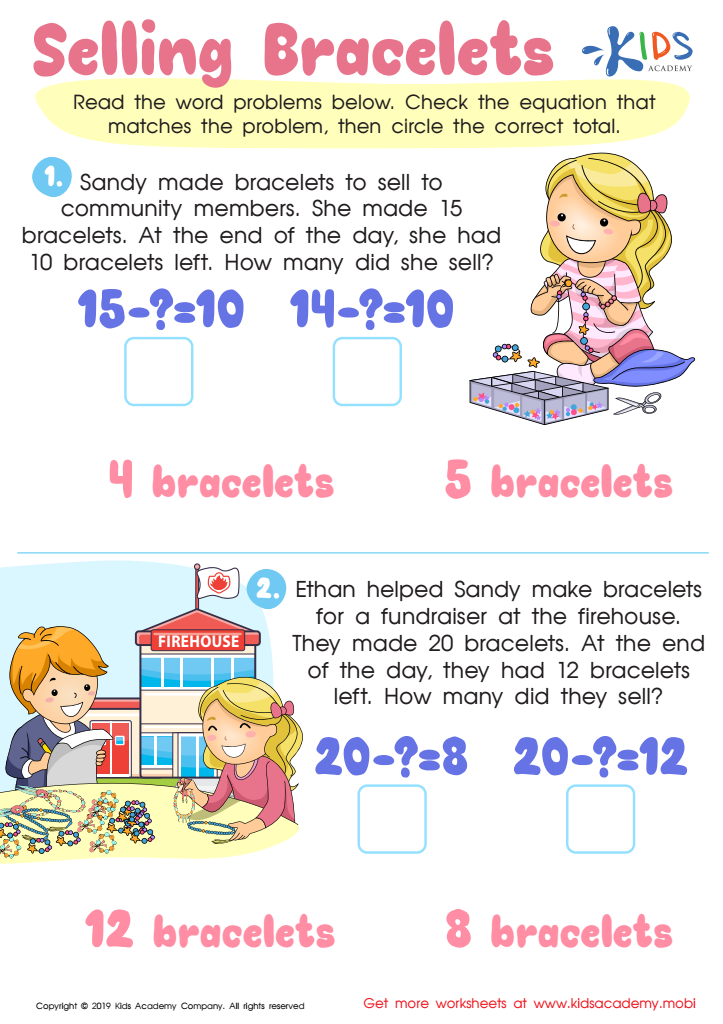
Selling the Bracelets Worksheet








Parents and teachers should prioritize easy word problems for children aged 4-8 for several compelling reasons.
Firstly, word problems enhance critical thinking and problem-solving skills. By practicing these types of questions, young learners develop their ability to understand and analyze information, fostering cognitive growth.
Secondly, easy word problems introduce foundational math concepts in an engaging way. They encourage children to apply basic operations—addition, subtraction, or simple multiplication—within real-life contexts, making math more relatable and meaningful.
Additionally, these problems improve literacy and comprehension skills. Children learn to decode language and contextual clues, promoting vocabulary development while understanding how to extract mathematical meaning from text.
Moreover, engaging with word problems builds confidence. As children successfully navigate these challenges, they gain a sense of accomplishment and motivation, encouraging a positive attitude towards learning.
Lastly, supporting children in this area fosters early math readiness, laying a solid groundwork for more complex mathematical concepts as they grow. Strong foundational skills contribute to long-term academic success.
In conclusion, easy word problems serve as a bridge between literacy and numeracy, ensuring that children develop a well-rounded skill set crucial for their educational journey.








