Easy Plants and Animals Worksheets for Ages 4-9
24 filtered results
-
From - To
Discover the wonders of nature with our Easy Plants and Animals Worksheets designed for ages 4-9! Engaging and educational, these printable worksheets from Kids Academy introduce young learners to the fascinating world of flora and fauna. Children will enjoy hands-on activities that teach basic concepts about plant and animal life, growth, habitats, and more. Each worksheet is crafted to be developmentally appropriate, promoting curiosity and encouraging a love for science. Perfect for both classroom use and at-home learning, these fun, interactive resources help children connect with nature while building essential early science skills. Start exploring today!
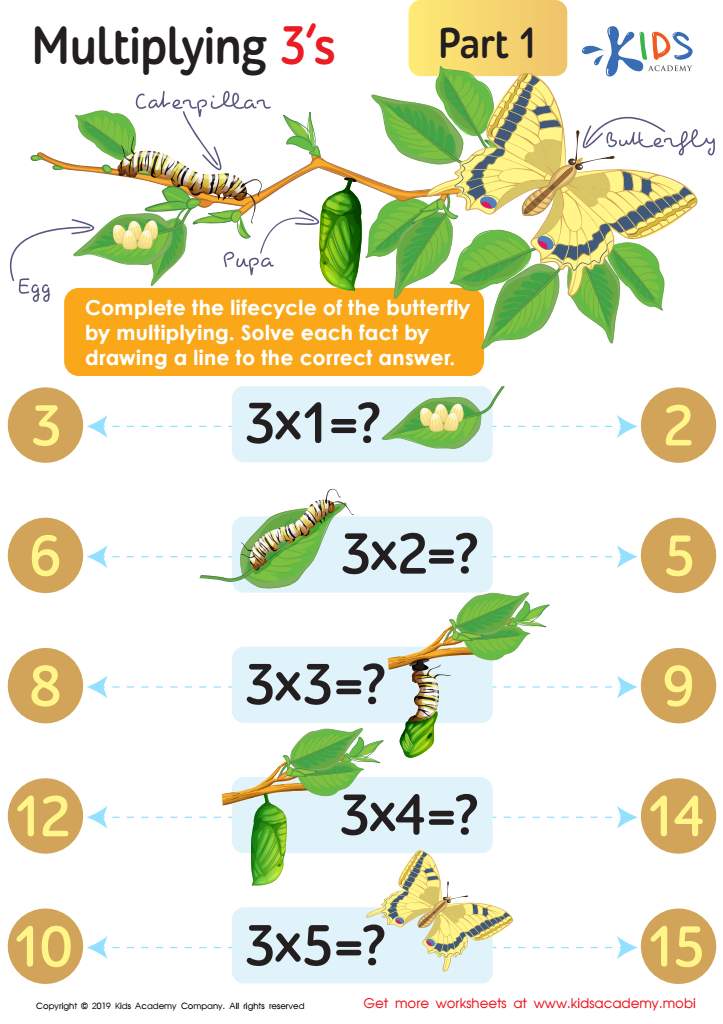
Multiplying 3’s Part 1 Worksheet











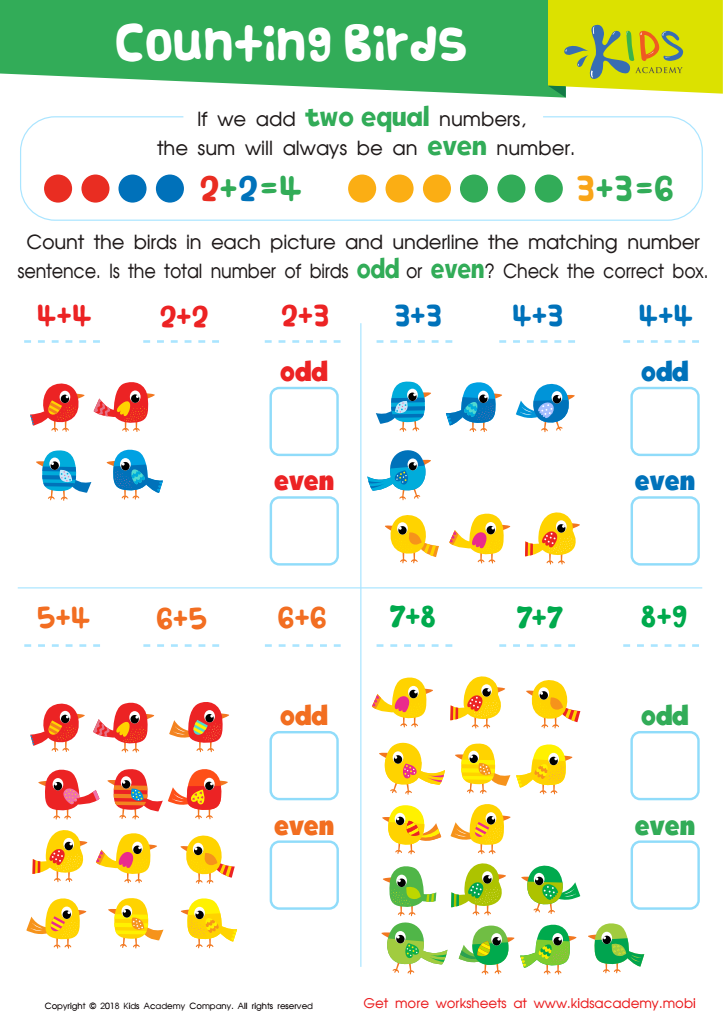
Counting Birds Worksheet
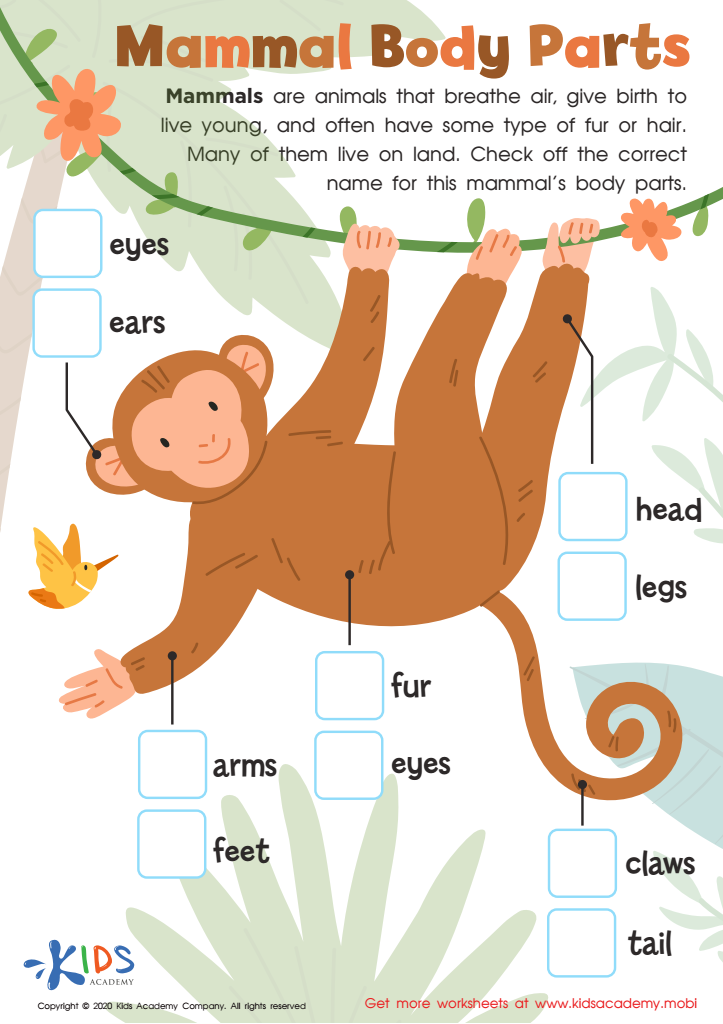
Mammal Body Parts Worksheet
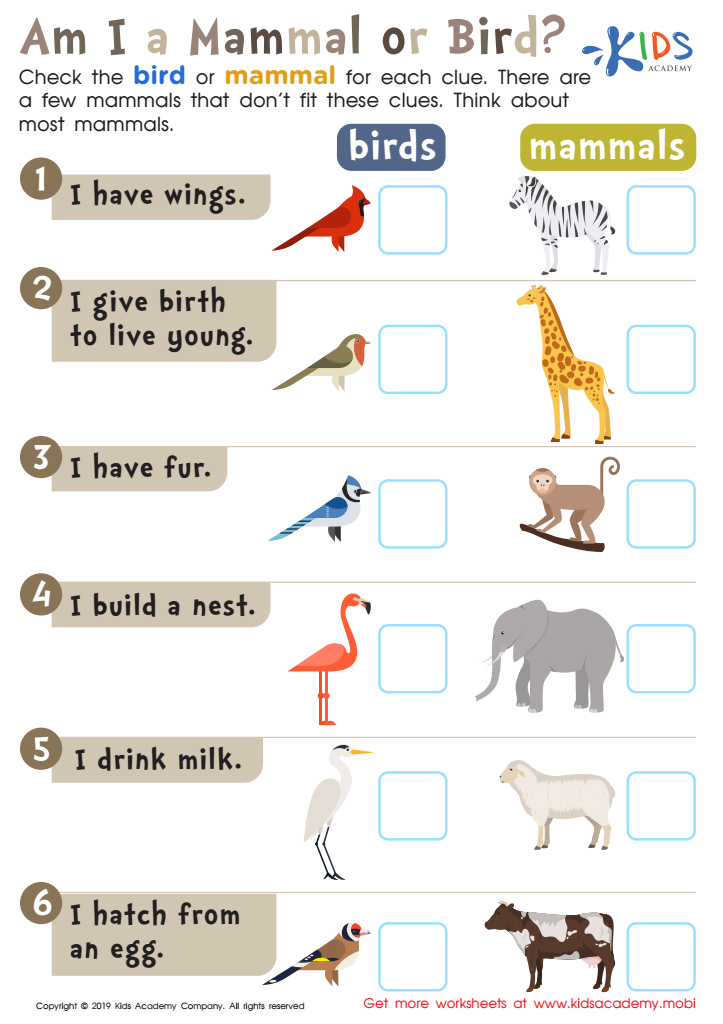
Am I a Mammal or Bird? Worksheet
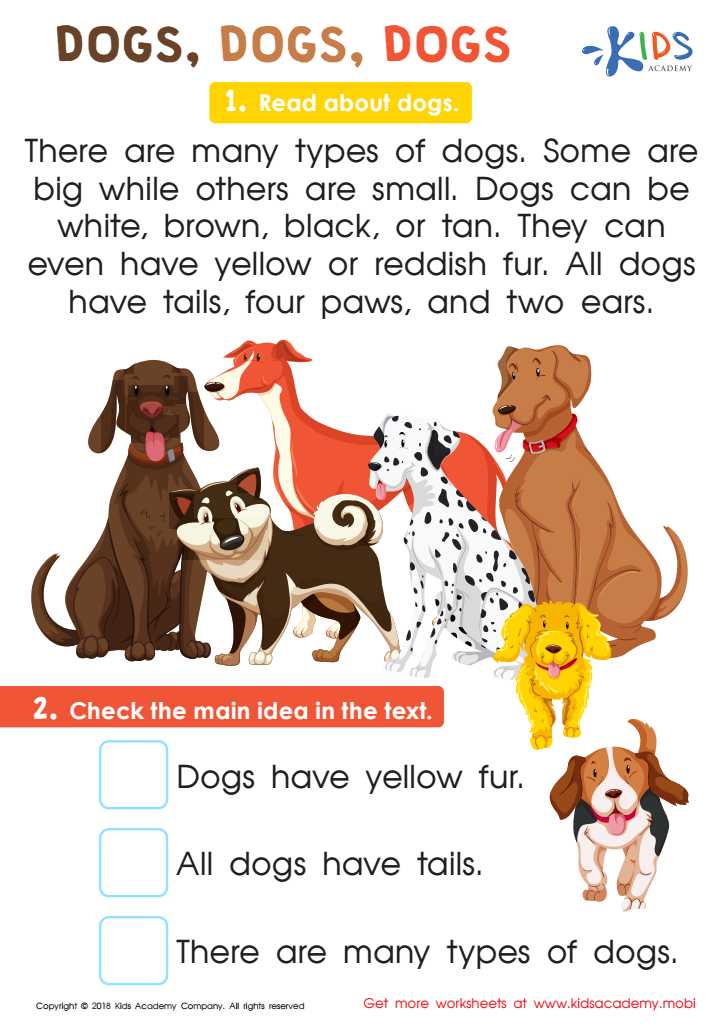
Dogs, Dogs Worksheet
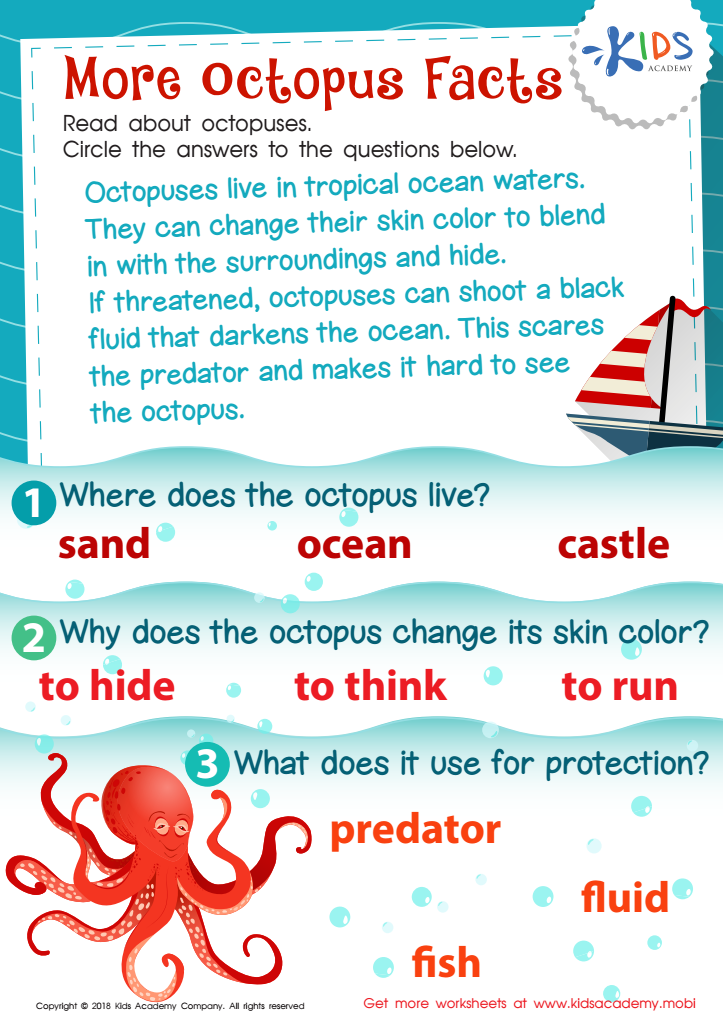
More Octopus Facts Worksheet
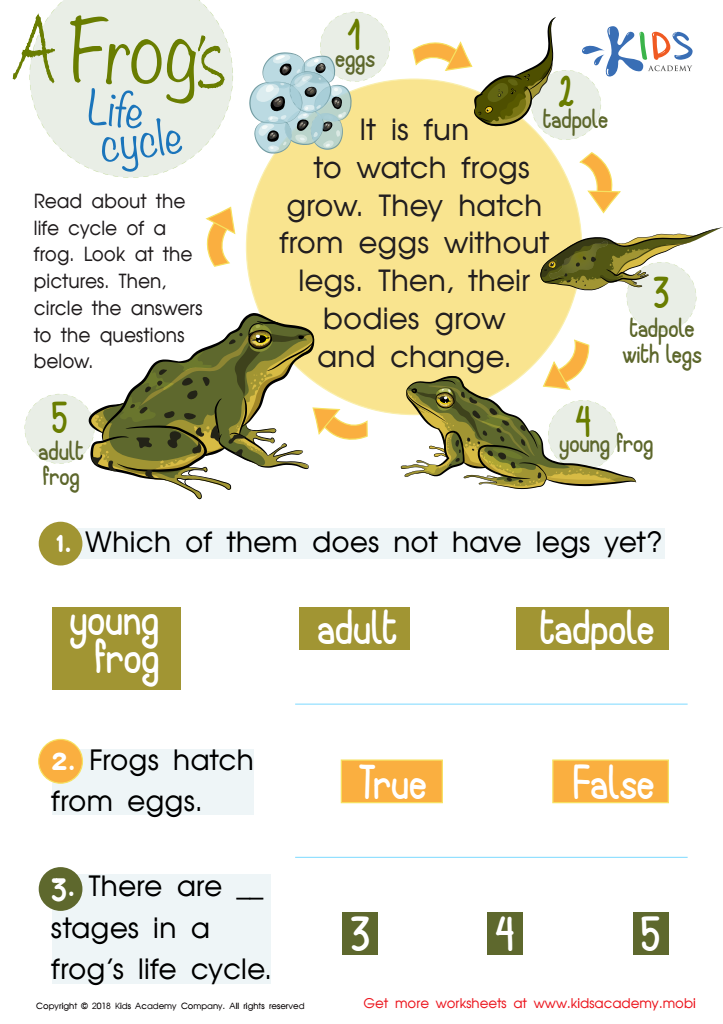
A Frog’s Life Cycle Worksheet
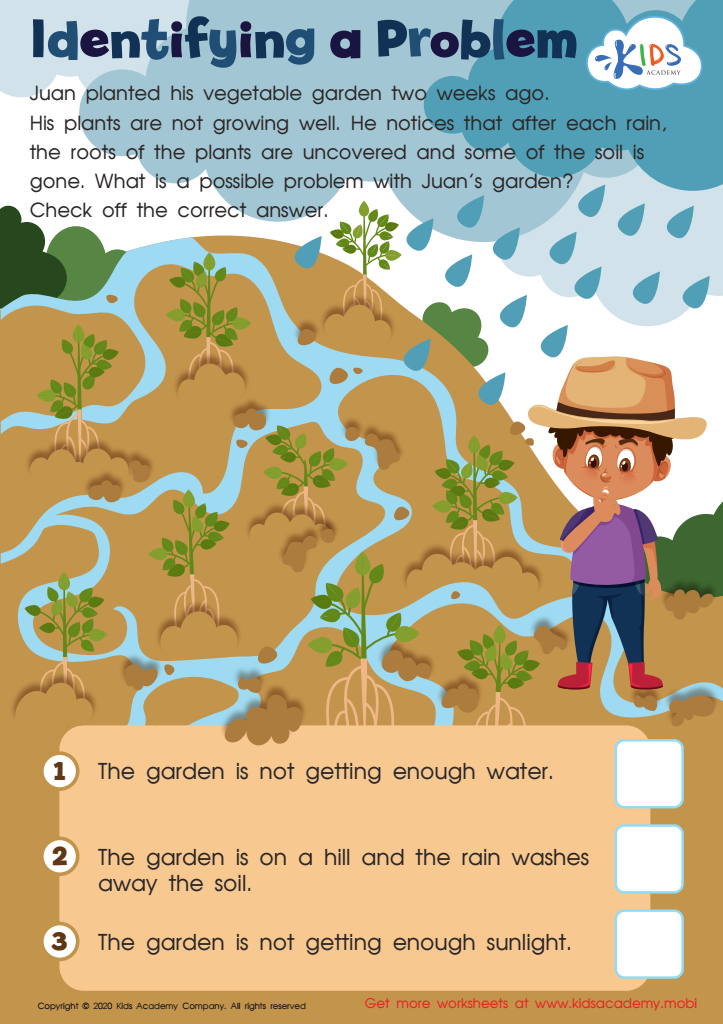
Identifying a Problem Worksheet
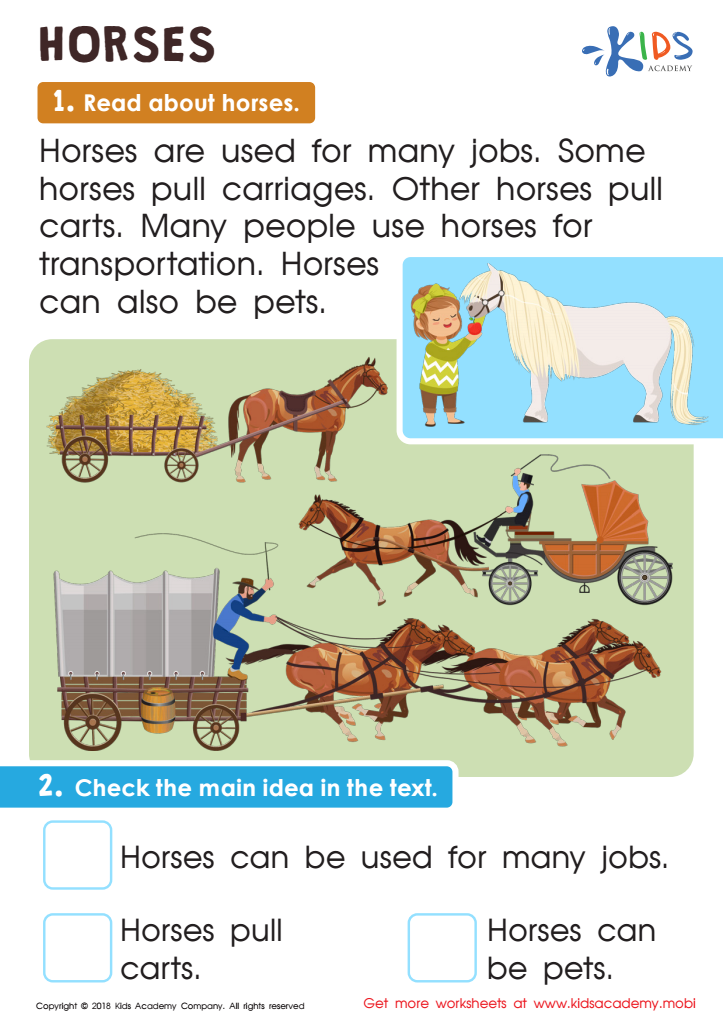
Horses Worksheet
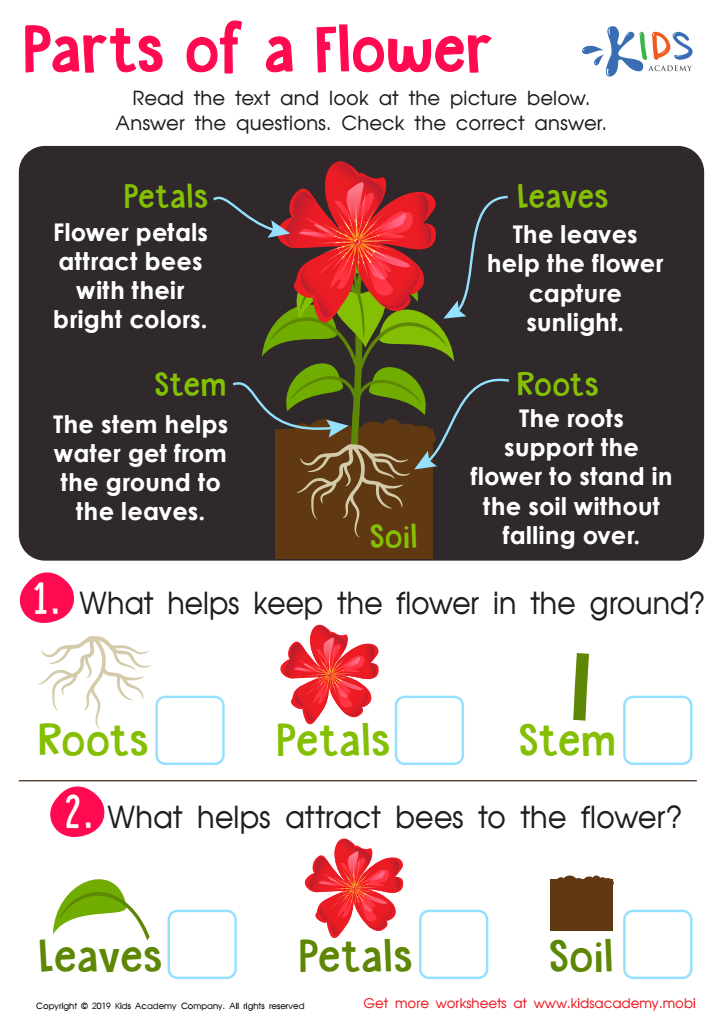
Parts of Flower Worksheet
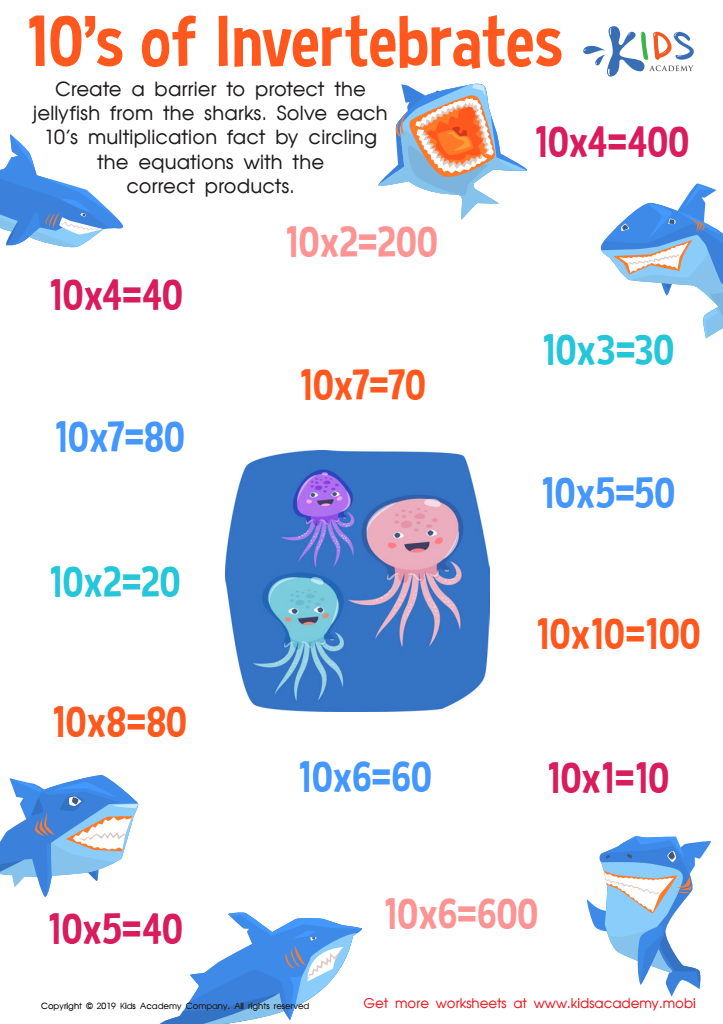
1s Invertebrates Worksheet
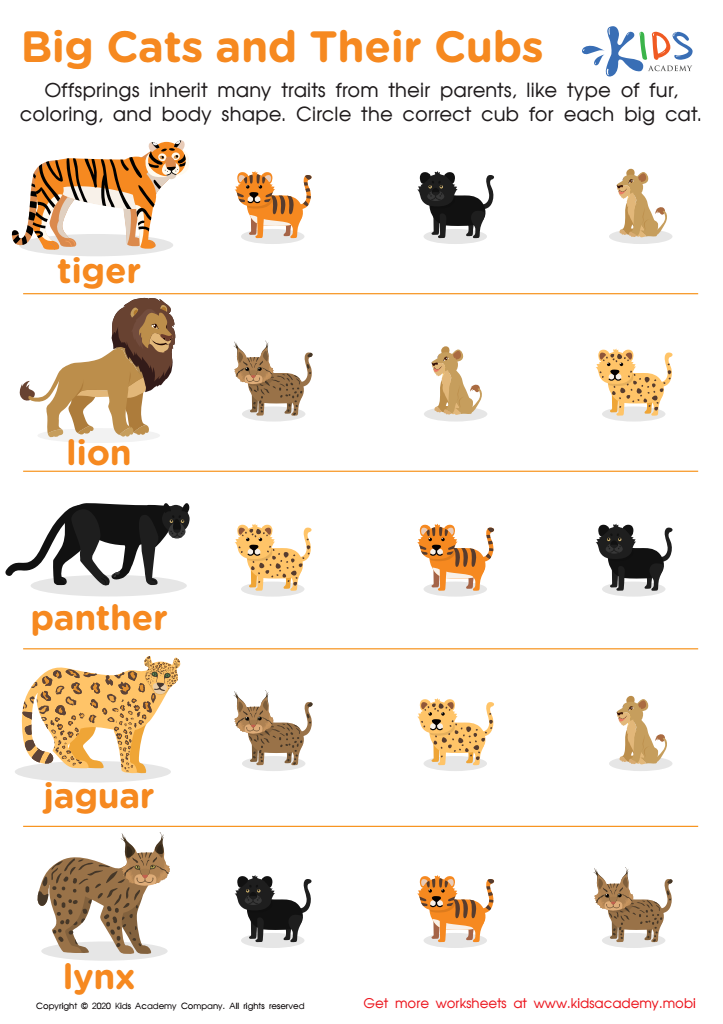
Big Cats and Their Cubs Worksheet
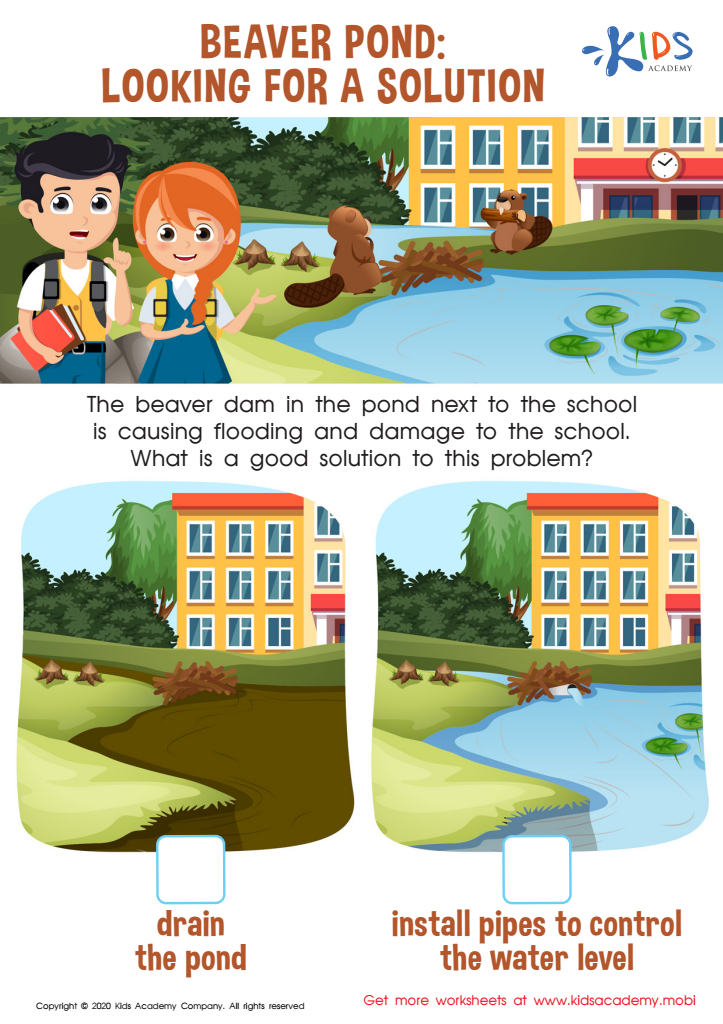
Beaver Pond: Looking for a Solution Worksheet
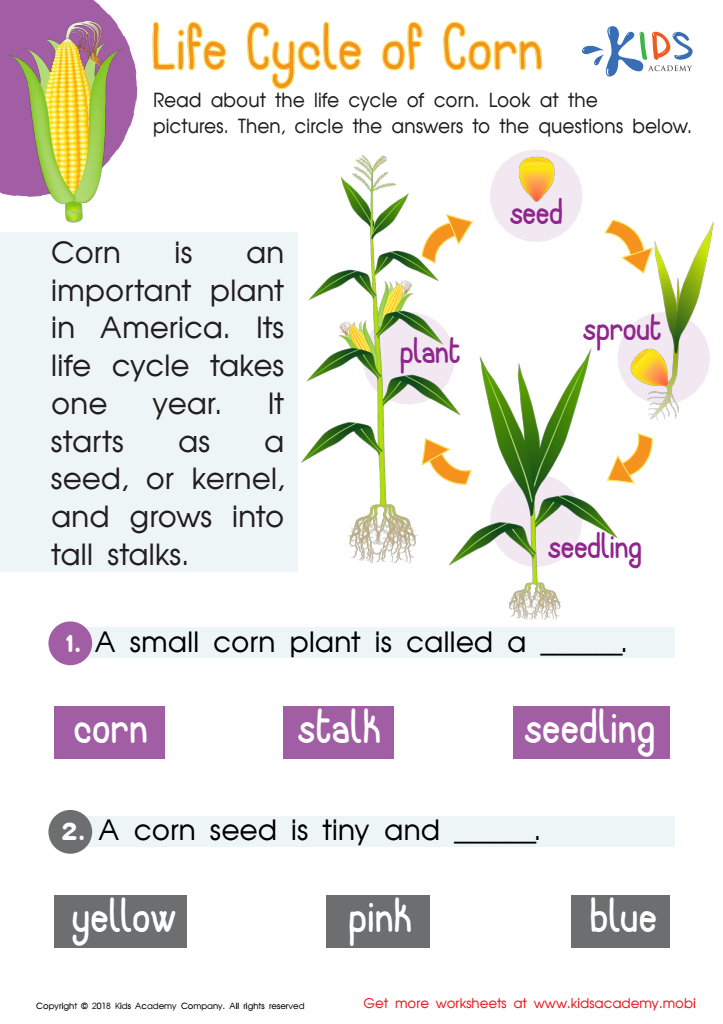
Life Cycle of Corn Worksheet
Jungle Plants Worksheet
 Assign to My Students
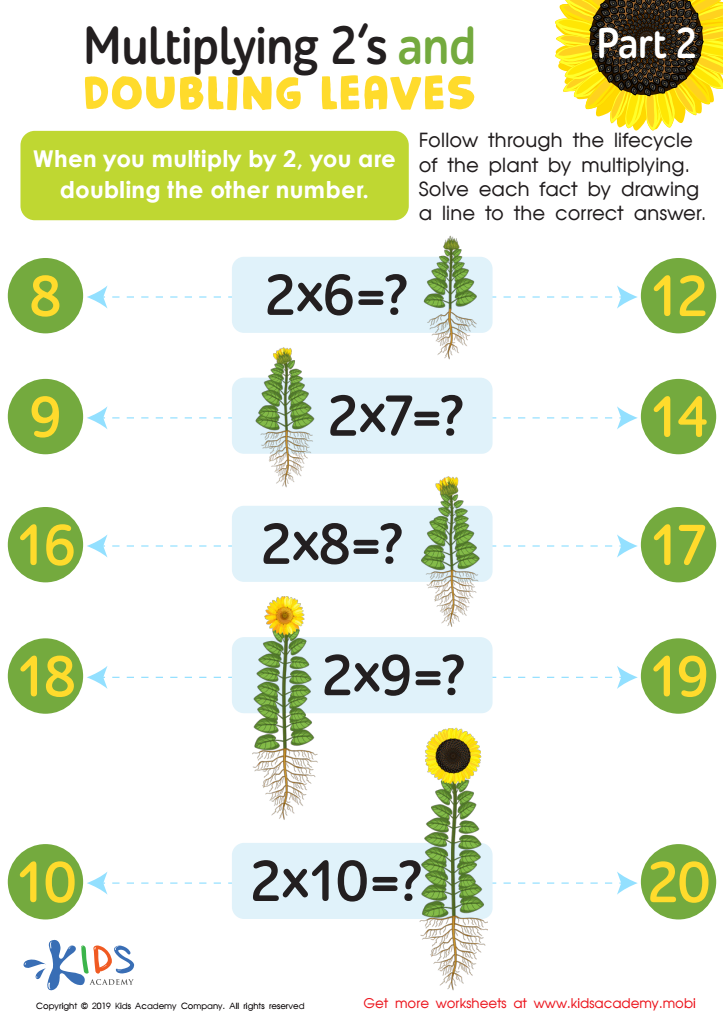
Multiplying 2’s and Doubling Leaves Part 2 Worksheet
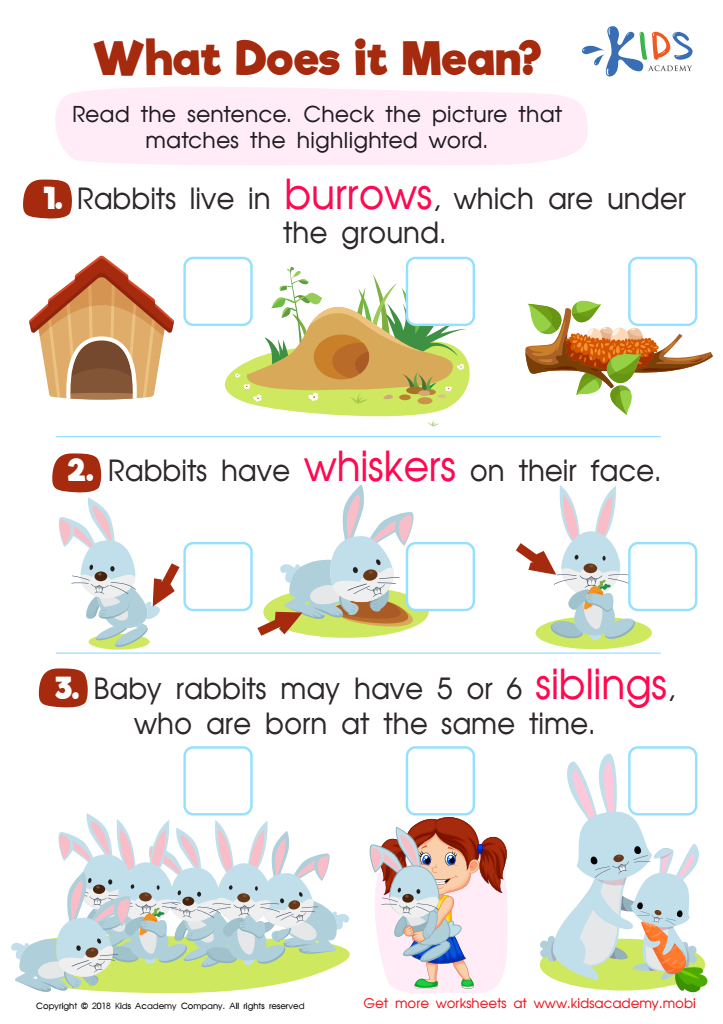
What Does It Mean? Worksheet
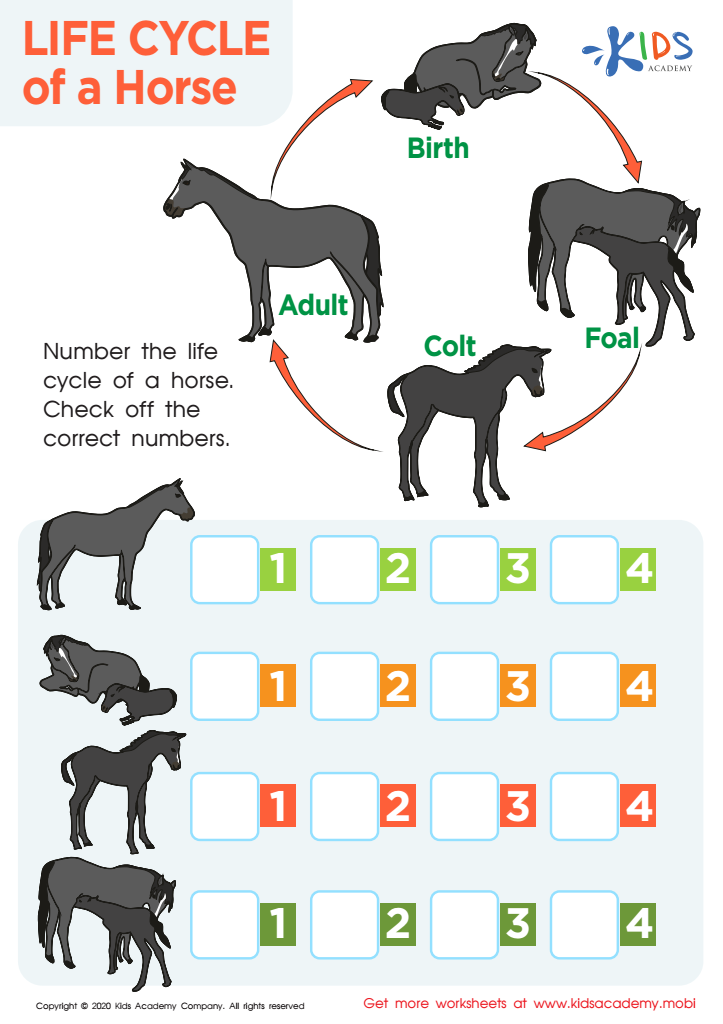
Life Cycle of a Horse Worksheet
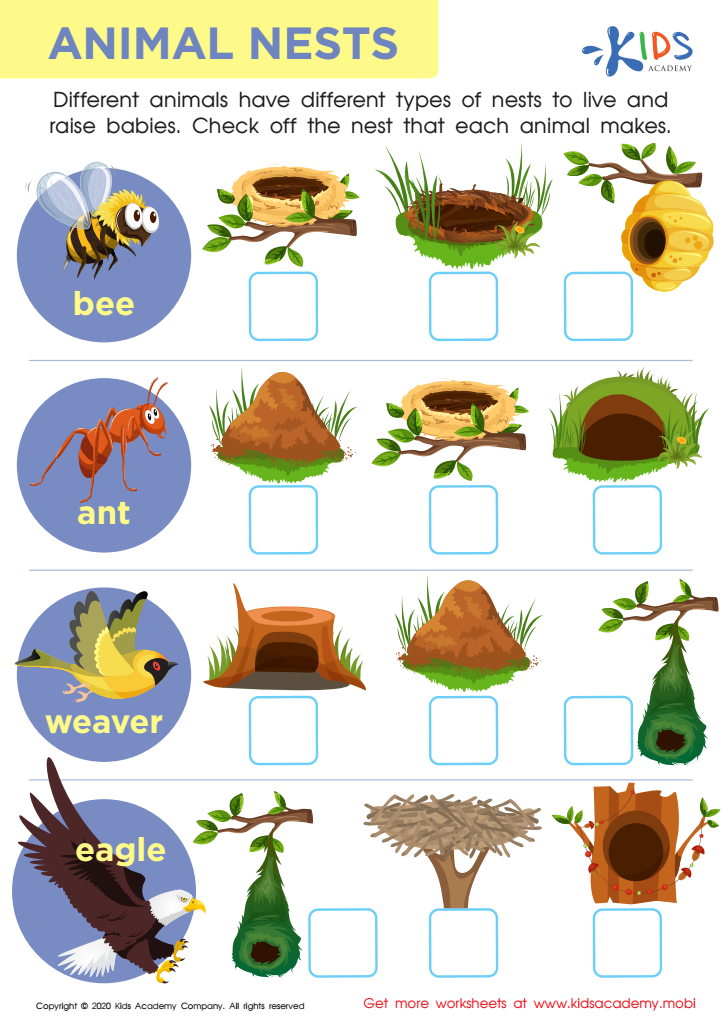
Animal Nests Worksheet
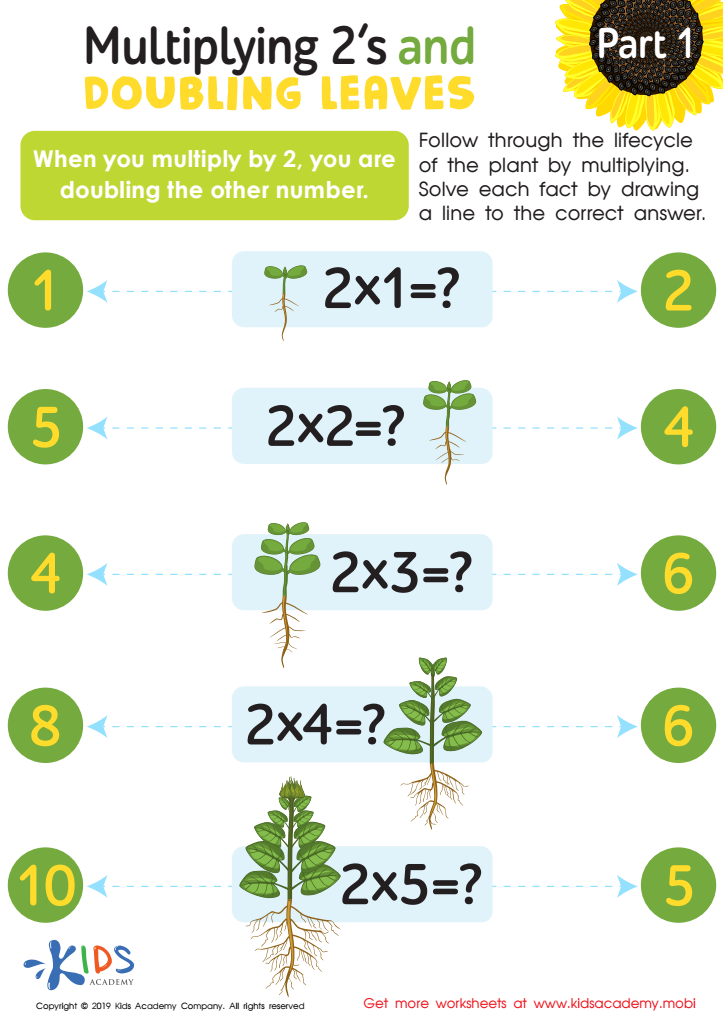
Multiplying 2’s and Doubling Leaves Part 1 Worksheet
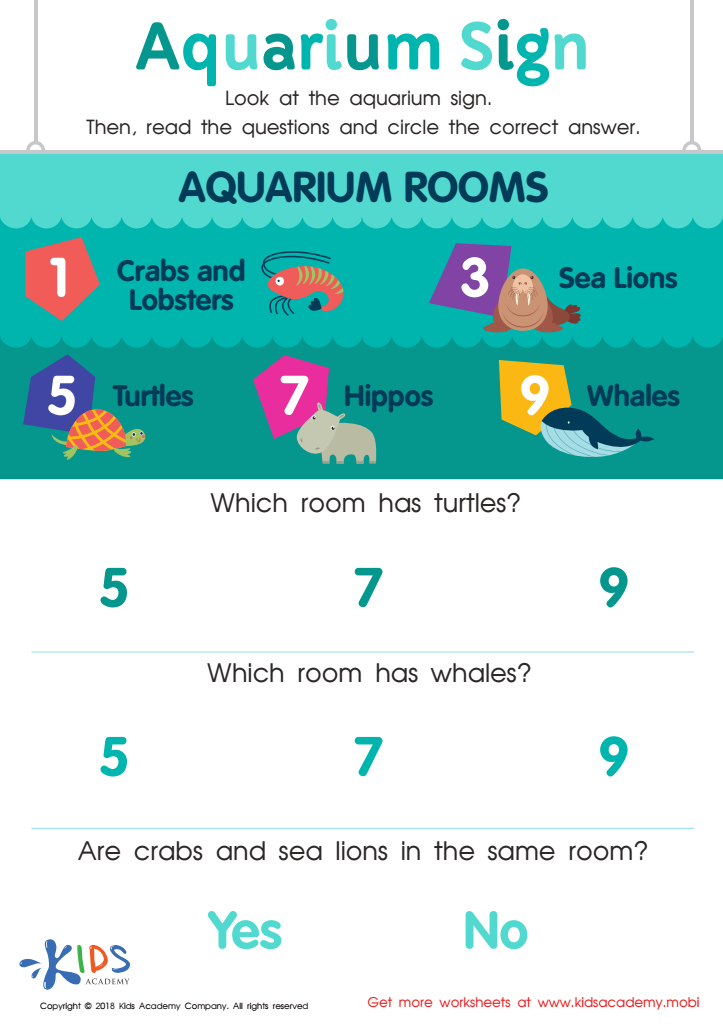
Assessment: Aquarium Sign Worksheet

Arctic Animals: Polar Bear Worksheet
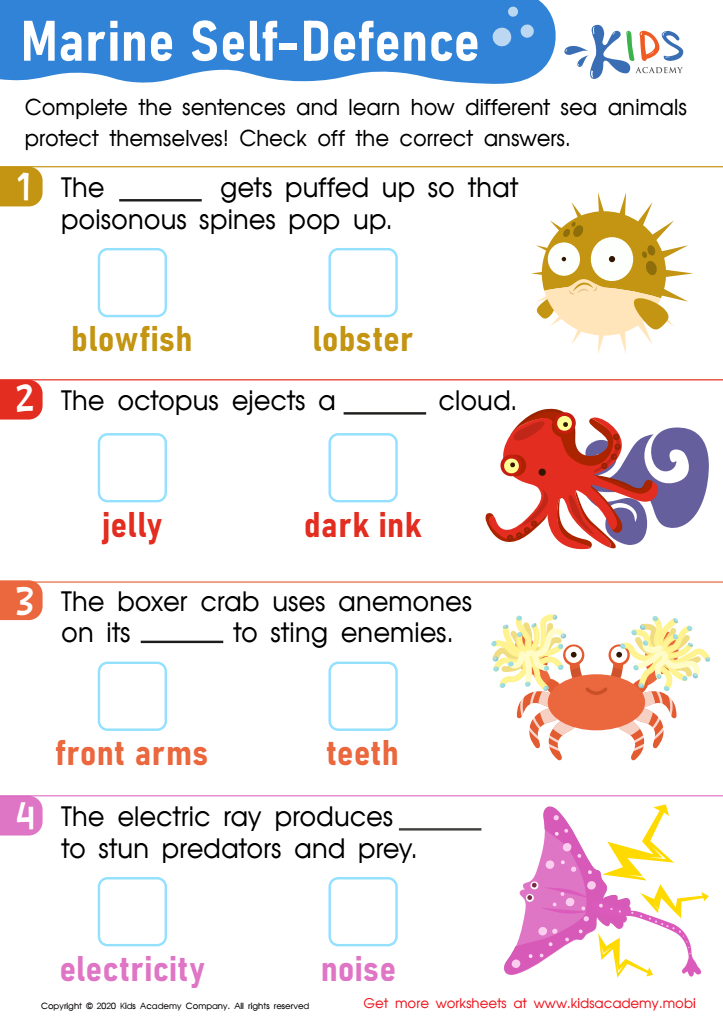
Marine Self-Defence Worksheet
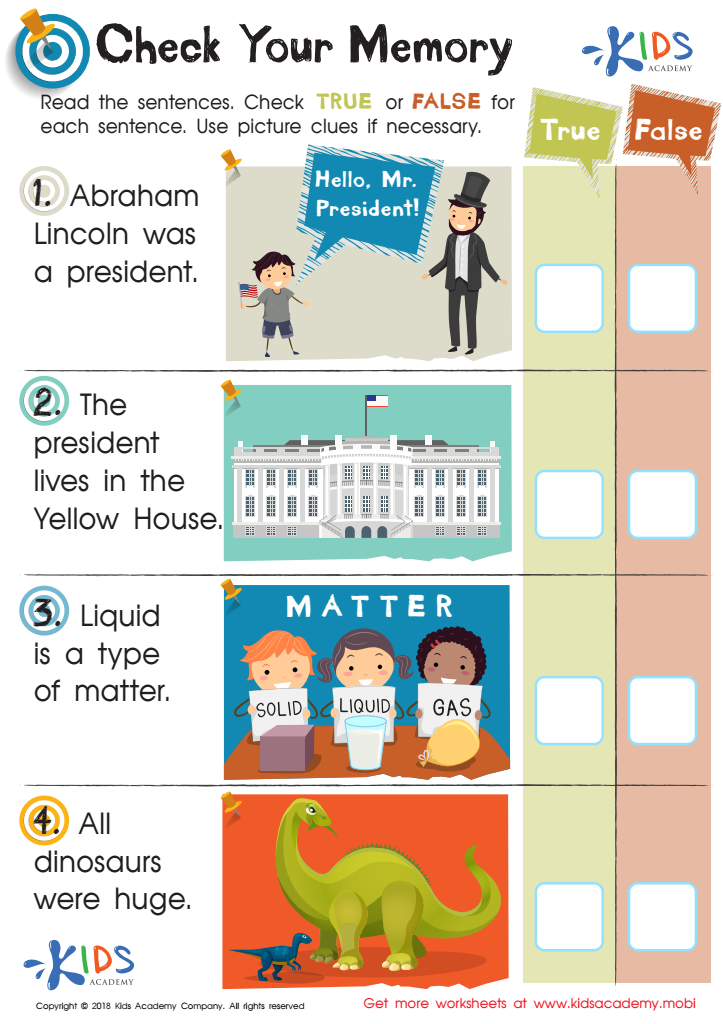
Check Memory Worksheet







Parents and teachers should care about easy plants and animals for children aged 4-9 because introducing young minds to nature fosters curiosity, empathy, and foundational knowledge about the world around them. At this developmental stage, children are naturally curious and eager to explore. Learning about simple plants and animals can tap into that curiosity and encourage a lifelong interest in science and nature.
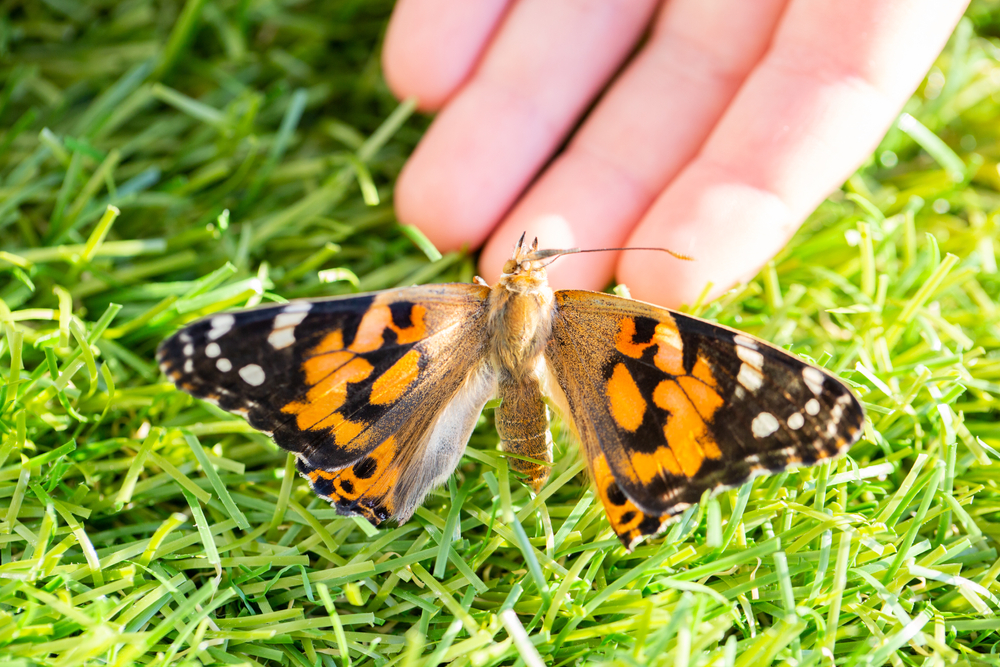
By teaching kids about the basics of plant and animal life, parents and teachers nurture observational skills and critical thinking. For example, children learn about life cycles by watching a caterpillar become a butterfly or a seed grow into a sunflower. Such hands-on experiences can be both magical and educational, making abstract concepts like growth, change, and interdependence more concrete and understandable.
Furthermore, understanding and appreciating nature can contribute to a child's emotional and social development. Learning about the needs and characteristics of living things can foster empathy and compassion, making children more considerate of the environment and other beings.
Additionally, engaging in simple gardening or observing local wildlife provides physical activity and can enhance fine motor skills and coordination. Ultimately, nurturing an early connection with nature cultivates responsible future caretakers of our planet, making it essential for overall child development.