Problem-Solving Skills Easy Worksheets for Ages 5-9 - Page 3
61 filtered results
-
From - To
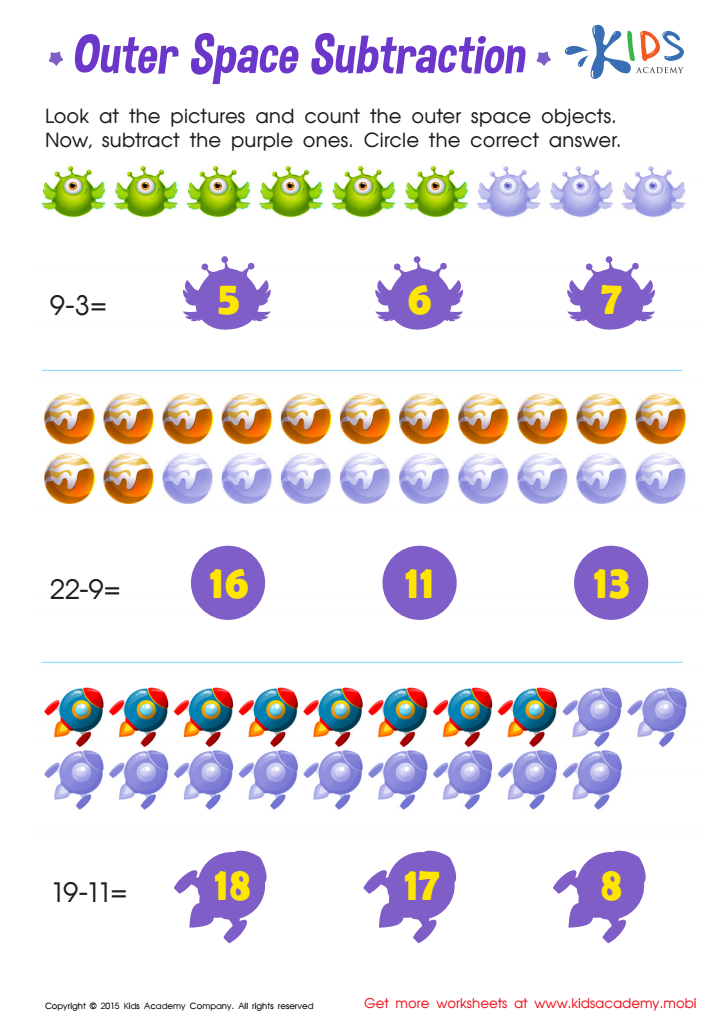
Outer Space Substraction Worksheet
 Assign to My Students
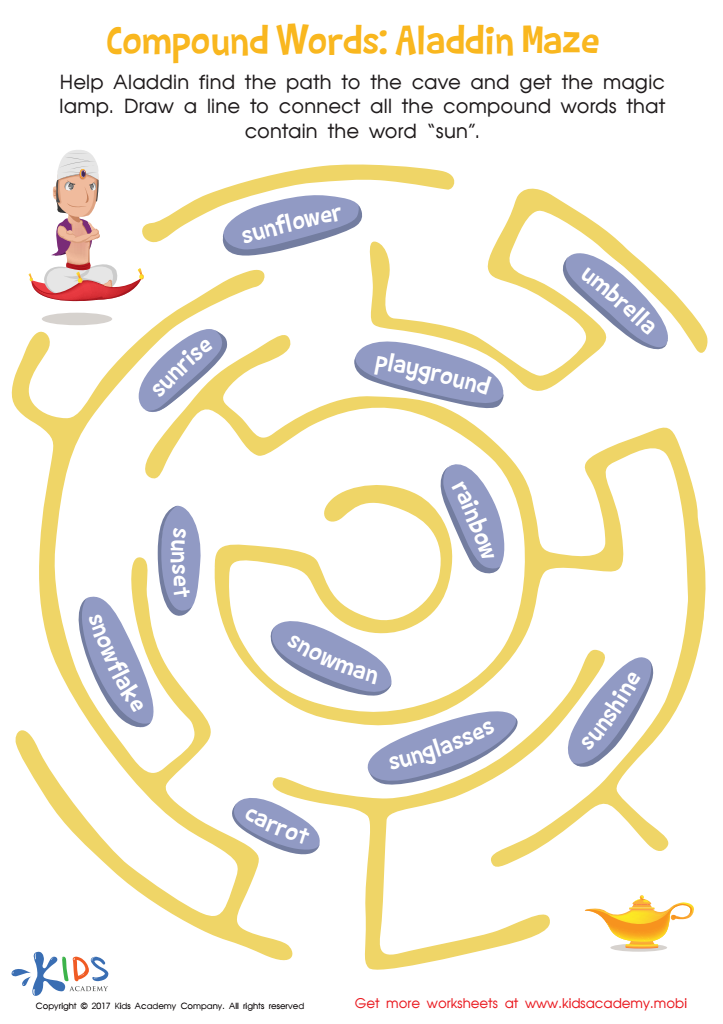
Compound Aladdin Maze Word Structure Worksheet
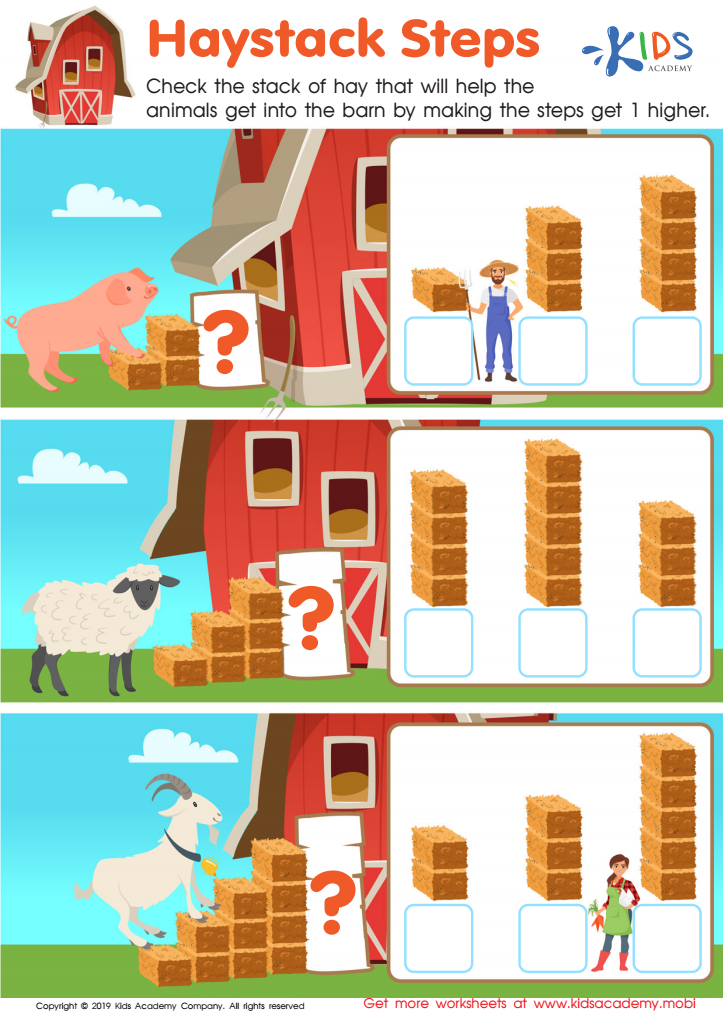
Haystack Steps Worksheet
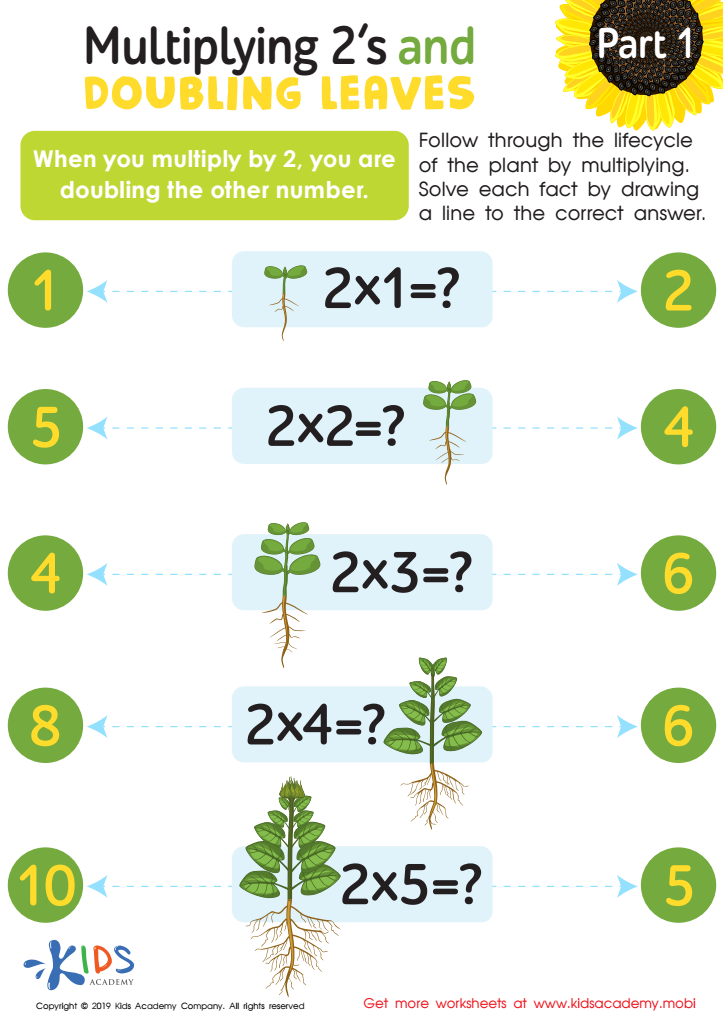
Multiplying 2’s and Doubling Leaves Part 1 Worksheet
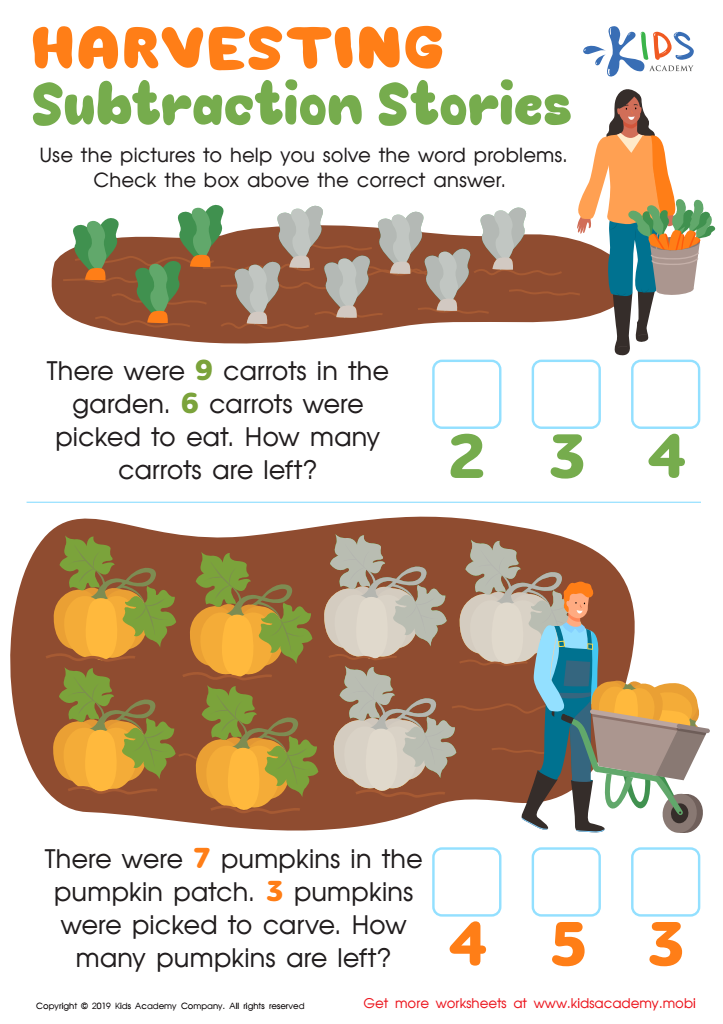
Harvesting Subtraction Stories Worksheet
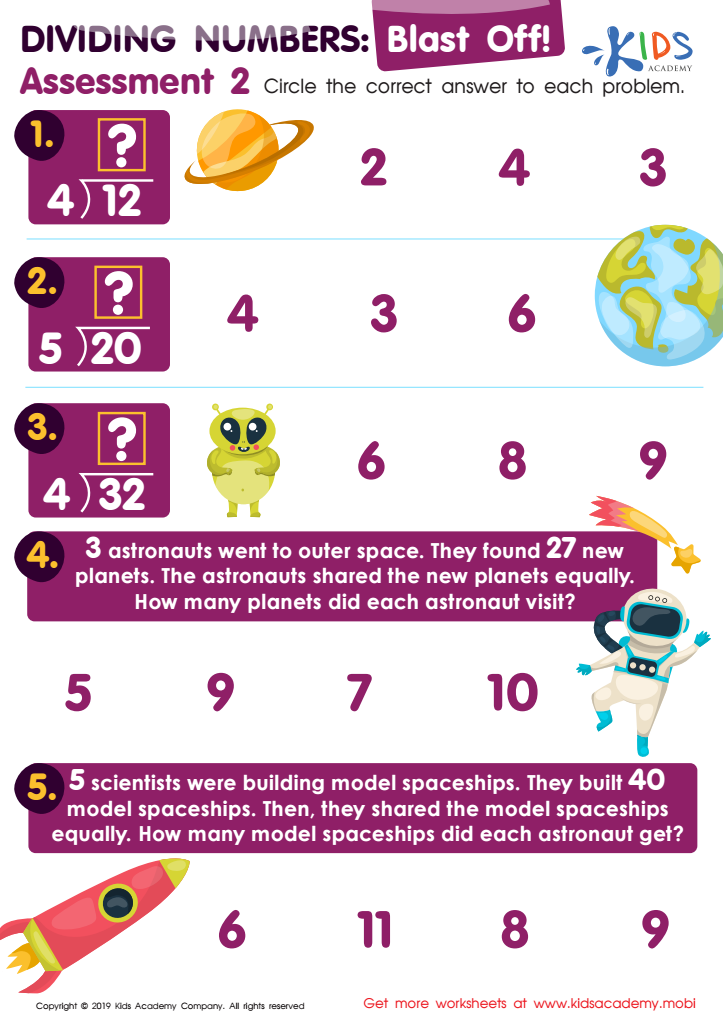
Dividing Numbers Assessment 2 Worksheet
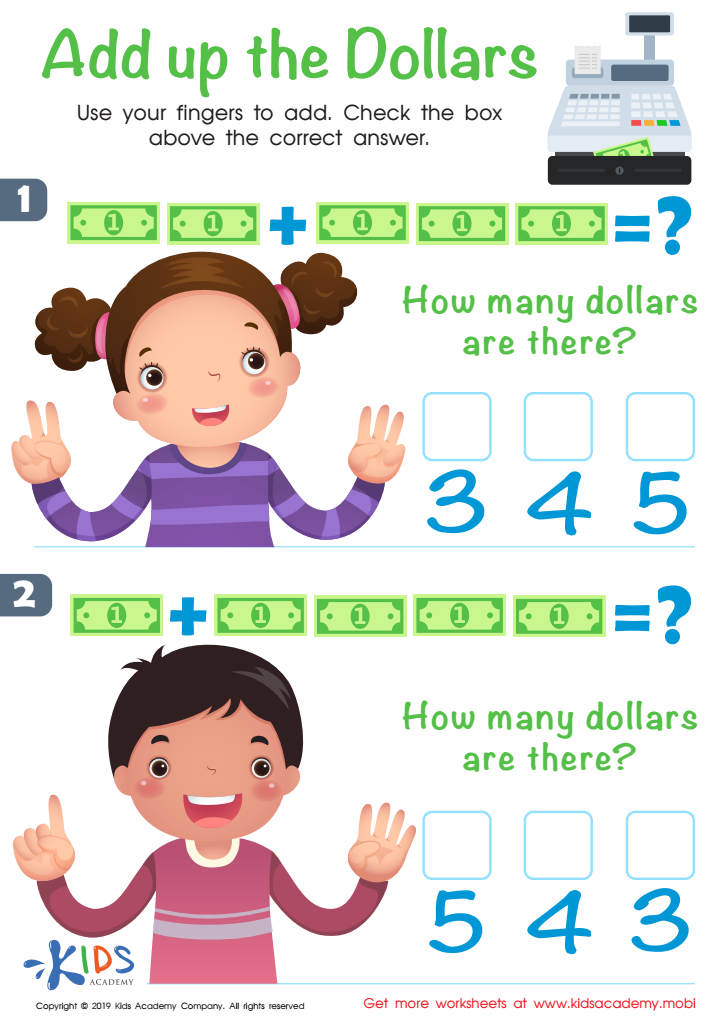
Add up the Dollars Worksheet
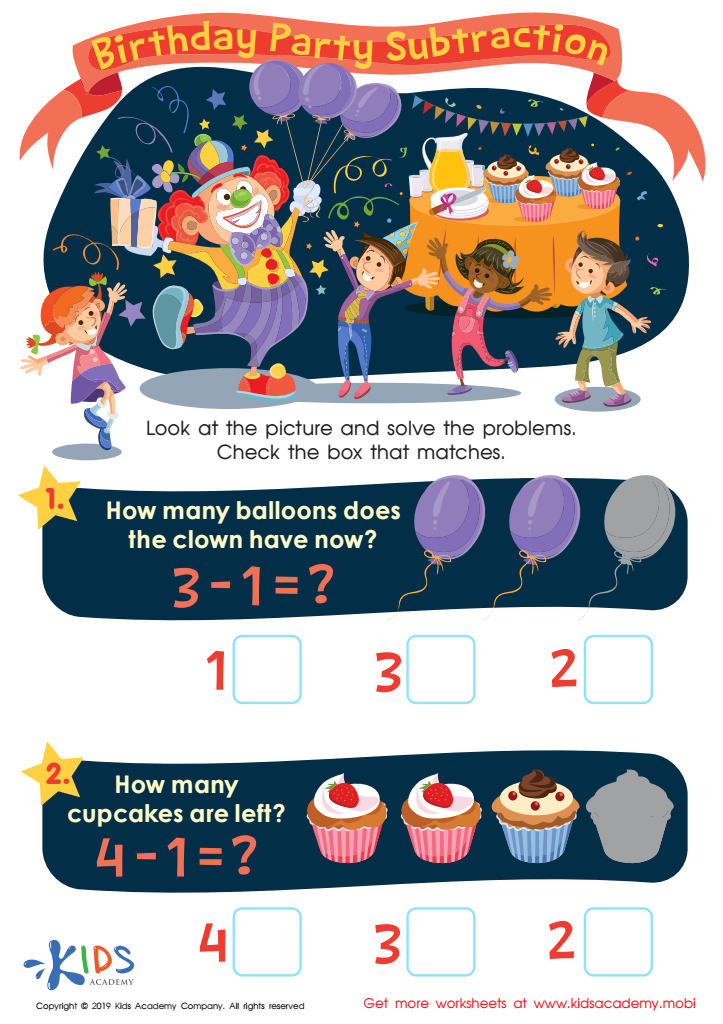
Birthday Party Subtraction Worksheet
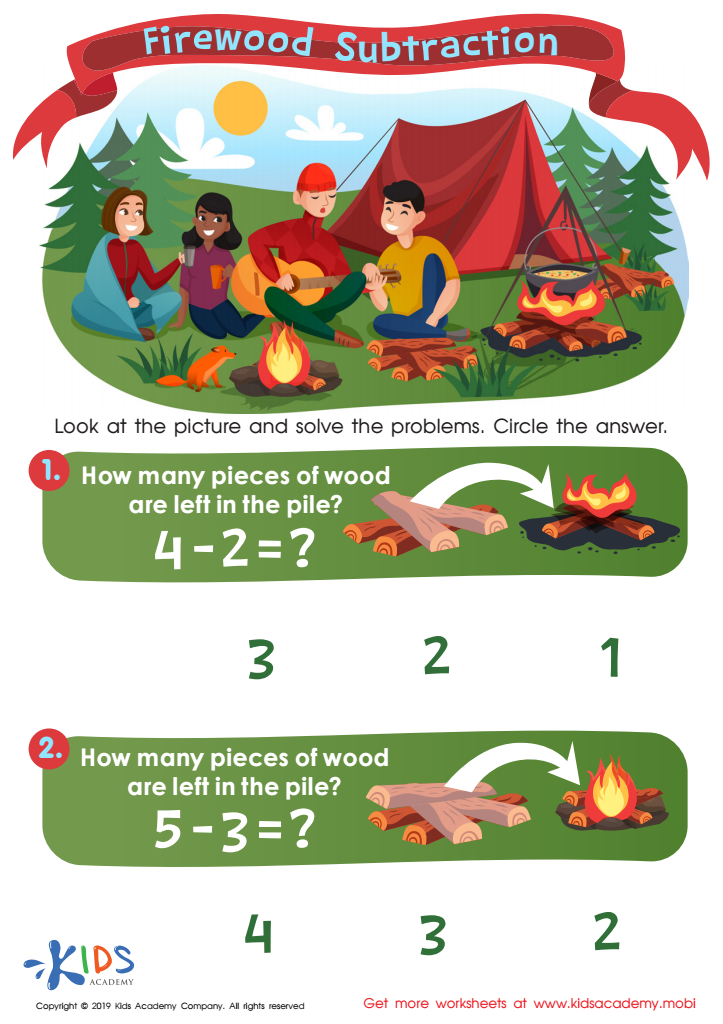
Firewood Subtraction Worksheet
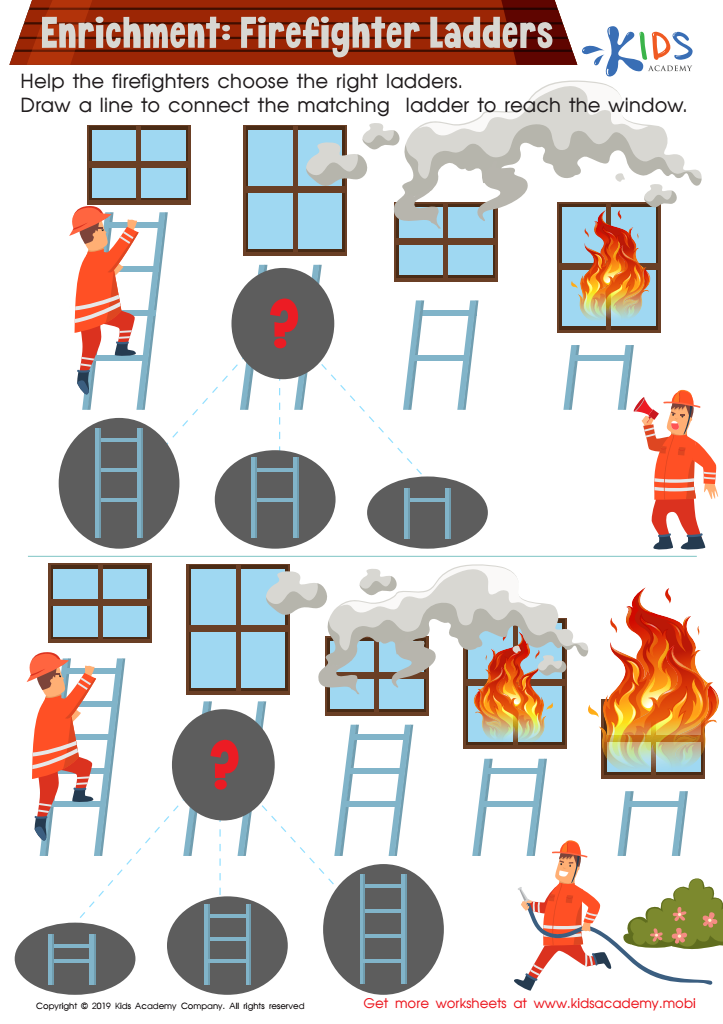
Enrichment: Firefighter Ladders Worksheet
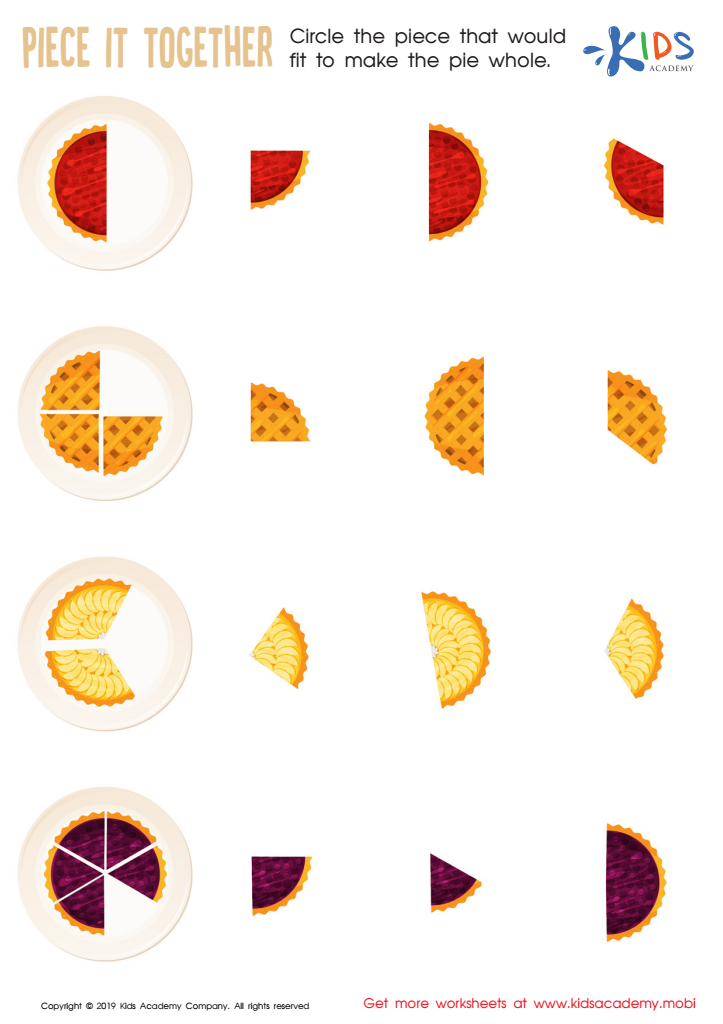
Piece it together Worksheet
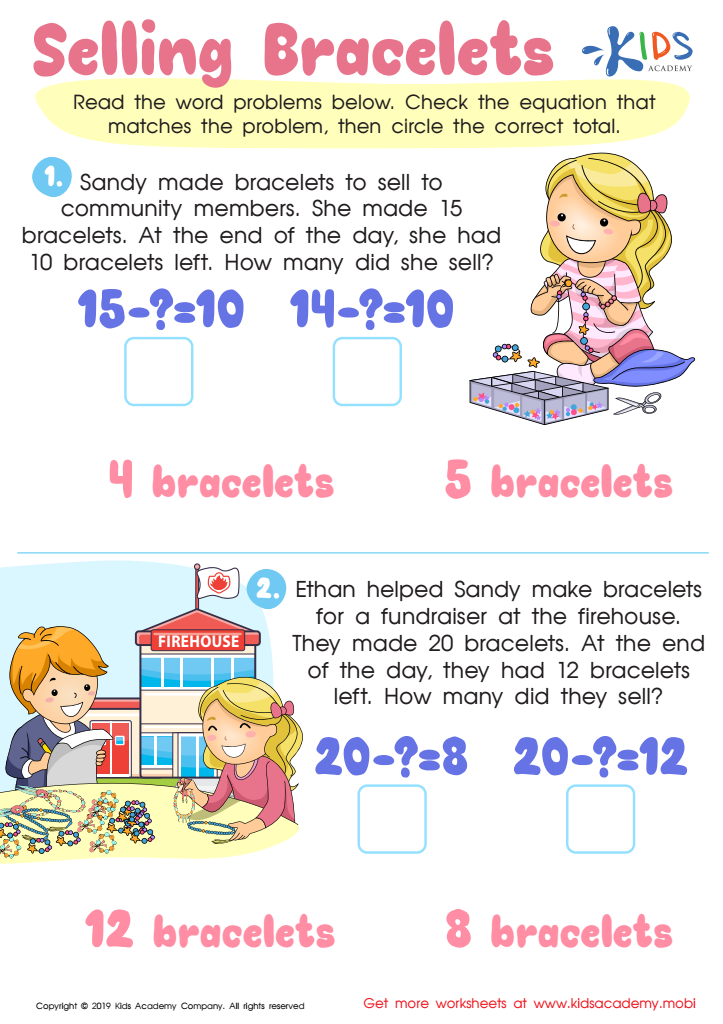
Selling the Bracelets Worksheet
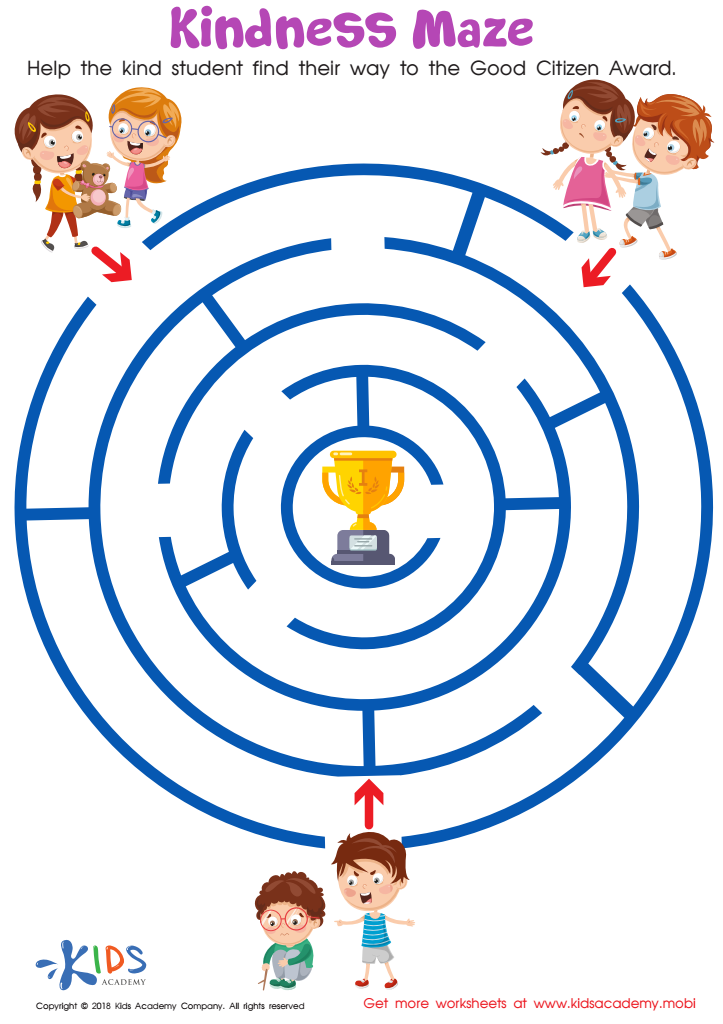
Kindness Maze Worksheet



Problem-solving skills are essential for children aged 5-9 as they form the foundation for lifelong learning and critical thinking. At this age, children are naturally curious and engage in exploring their environment. By teaching them problem-solving skills, parents and teachers encourage them to think independently, assess situations, and come up with solutions.
These skills help children develop resilience; they learn to face challenges, understand that mistakes are part of learning, and bounce back from setbacks. Moreover, problem-solving fosters creativity, as kids often need to think outside the box to find solutions, stimulating their imagination and innovative thinking.
In addition, strong problem-solving abilities promote social skills. Children learn to share ideas, collaborate with peers, and negotiate solutions during group work or play, which enhances communication skills and emotional intelligence.
Furthermore, problem-solving skills translate to better academic performance. Children who can approach challenges strategically are more likely to excel in subjects such as math and science. By nurturing these skills early, parents and teachers equip children with the tools necessary for academic and personal success, paving the way for future achievements and responsible citizenship. Investing in problem-solving skills is, therefore, a vital step towards fostering well-rounded, capable individuals.








