Problem-Solving Skills Easy Worksheets for Ages 6-7 - Page 2
51 filtered results
-
From - To

Discovered Check: Puzzle 2 Worksheet
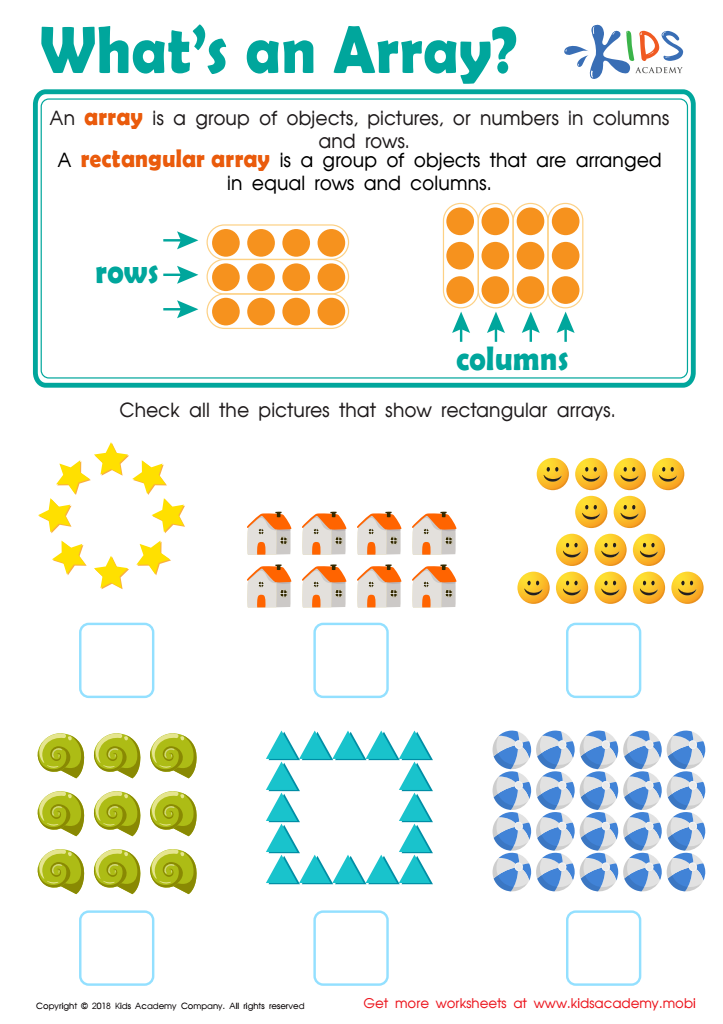
What's an Array? Worksheet
 Assign to My Students
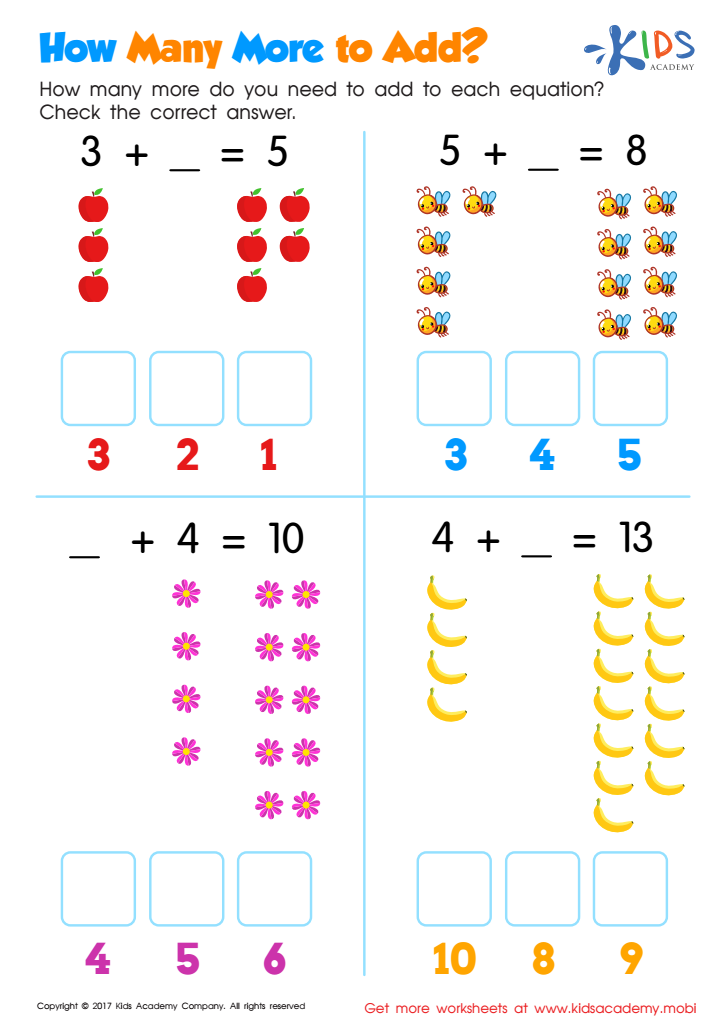
How Many More to Add Worksheet
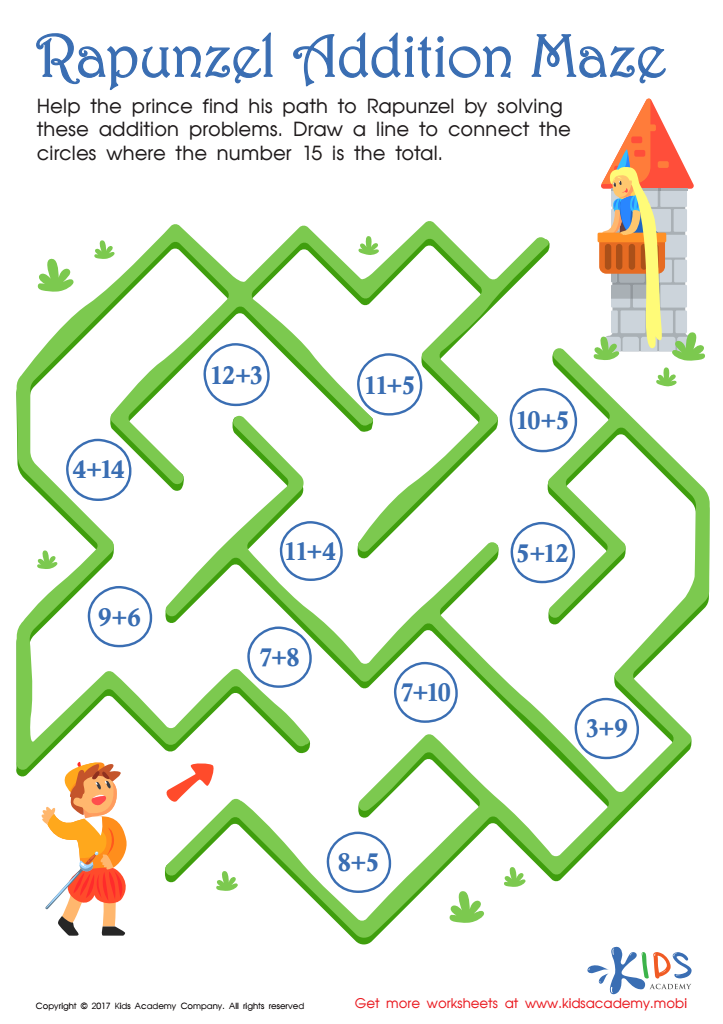
Rapunzel Addition Maze Worksheet
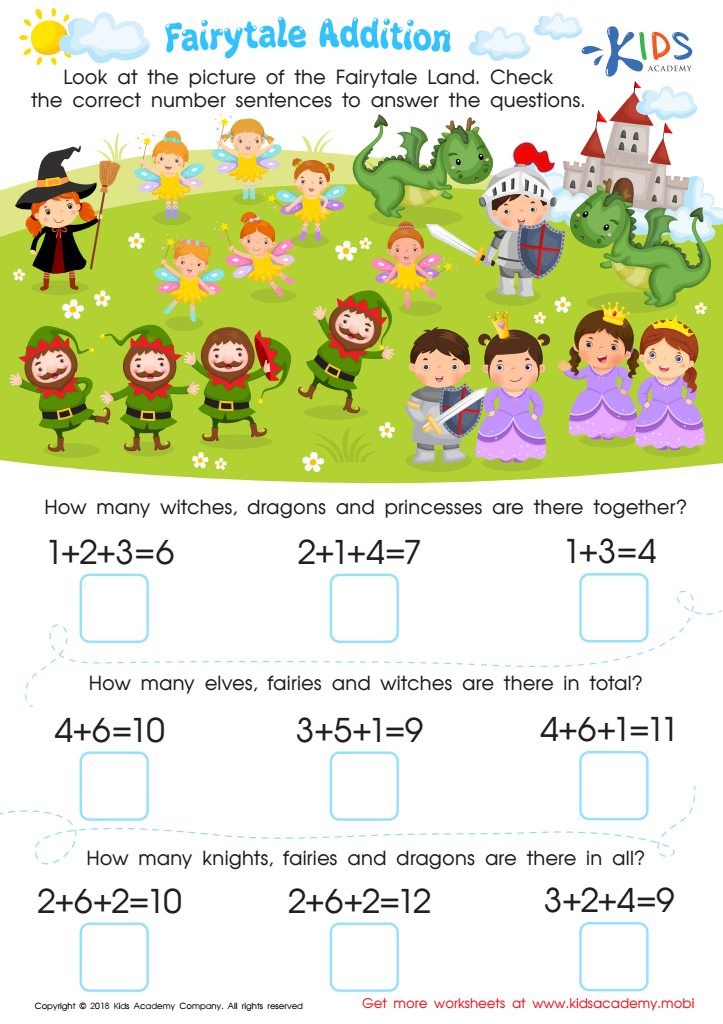
Fairytale Addition Worksheet
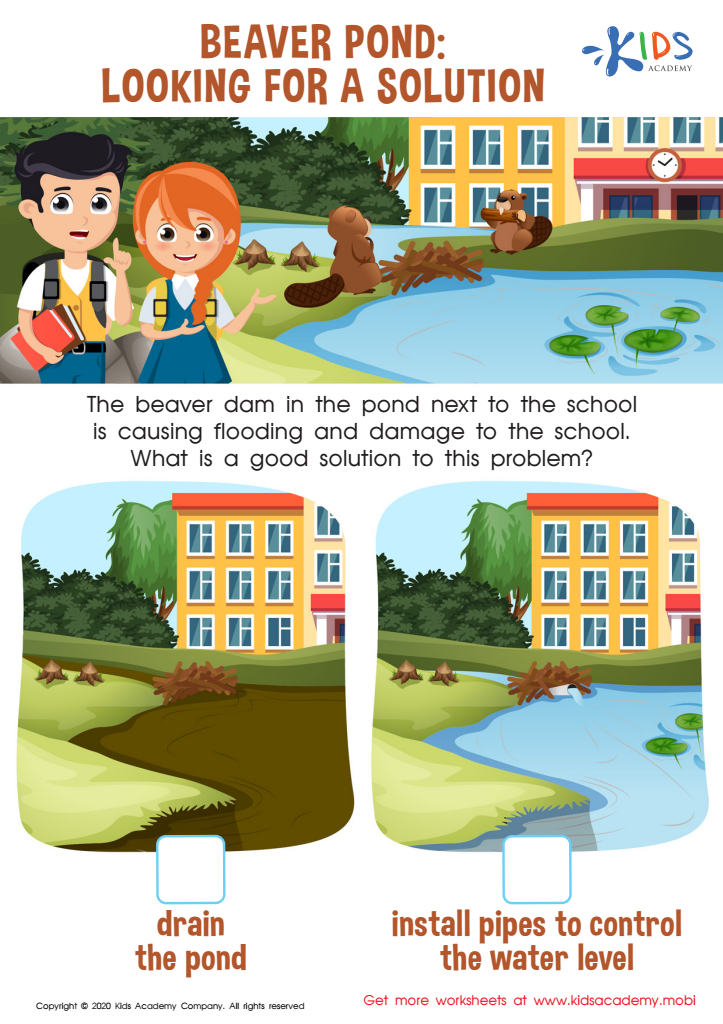
Beaver Pond: Looking for a Solution Worksheet
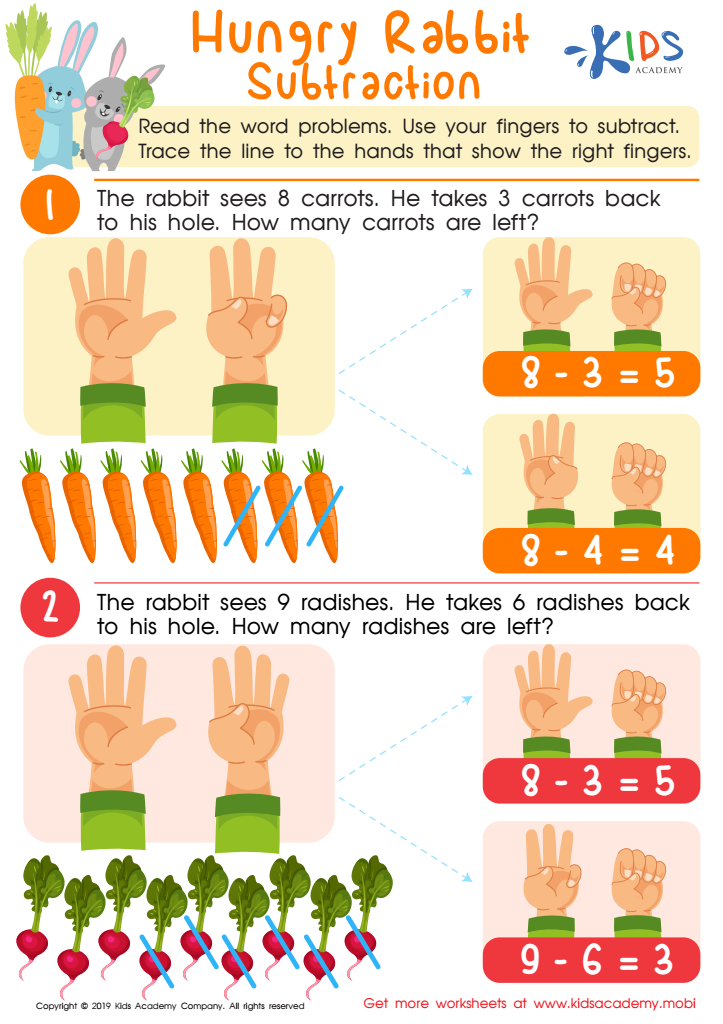
Hungry Rabbit Subtraction Worksheet
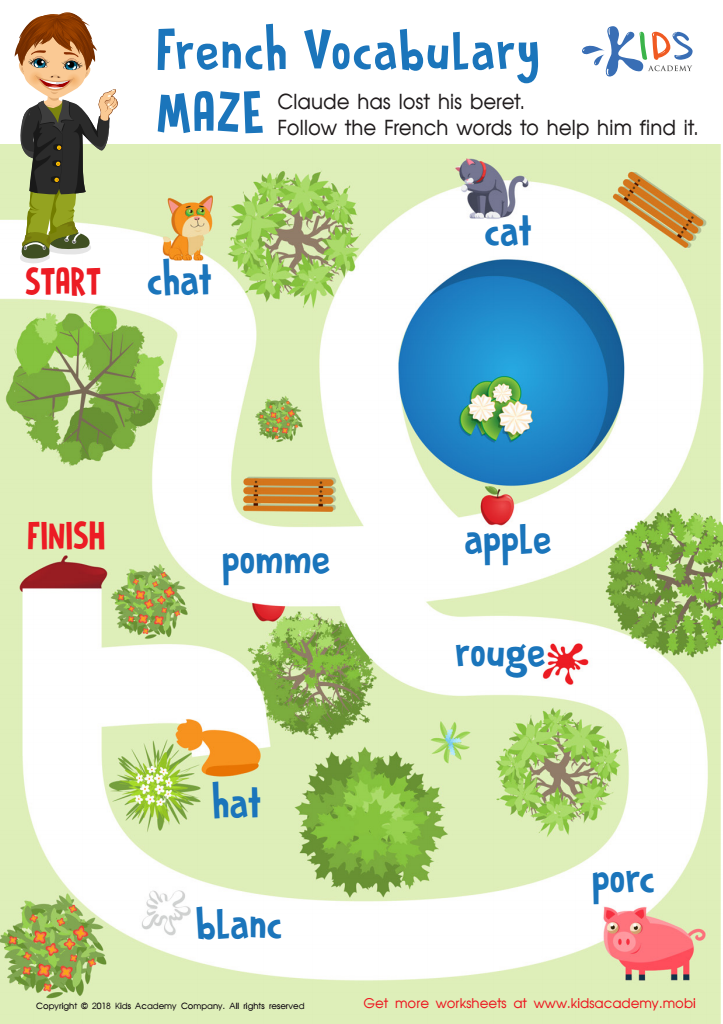
French Vocabulary Maze Worksheet
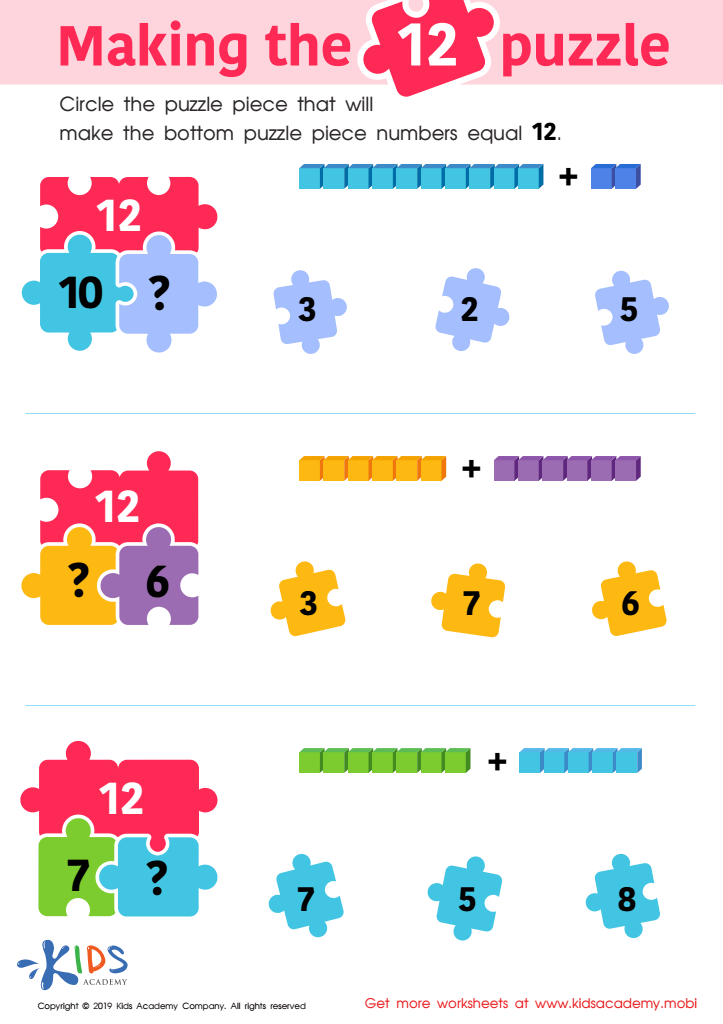
Making the 12 Puzzle Worksheet

Picking Carrots Worksheet
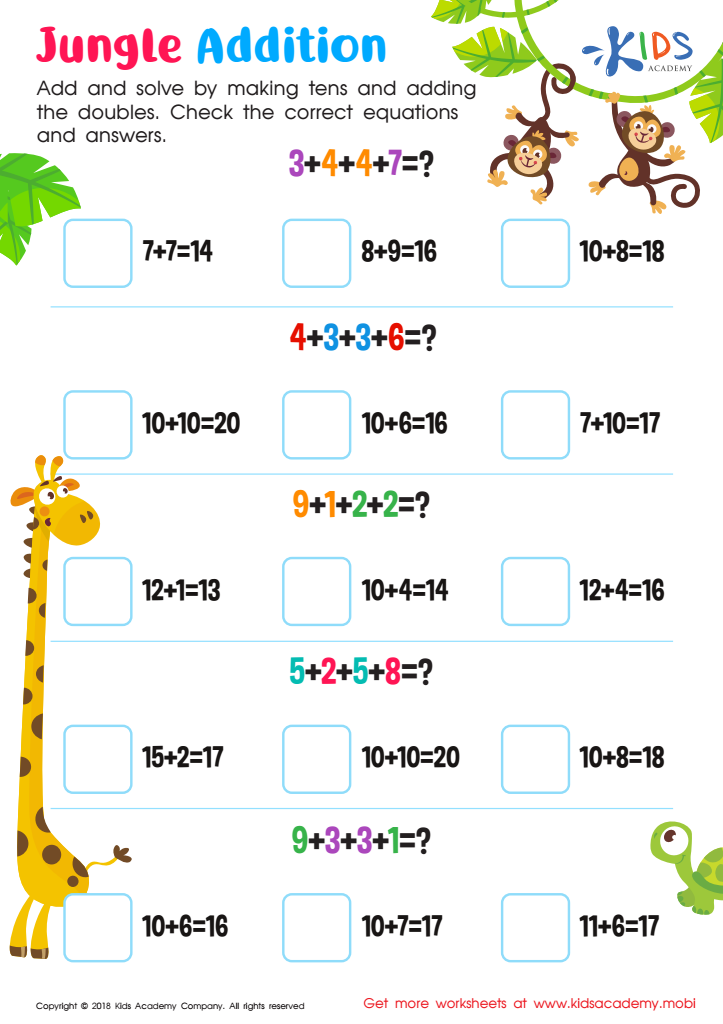
Jungle Addition Worksheet
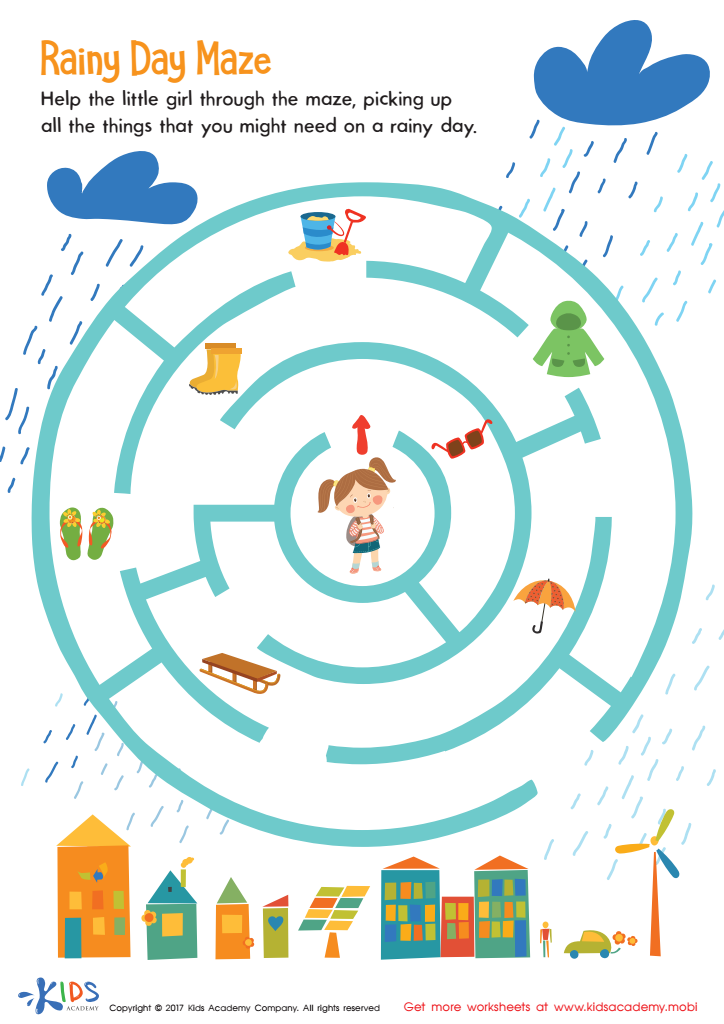
Rainy Day Maze Worksheet
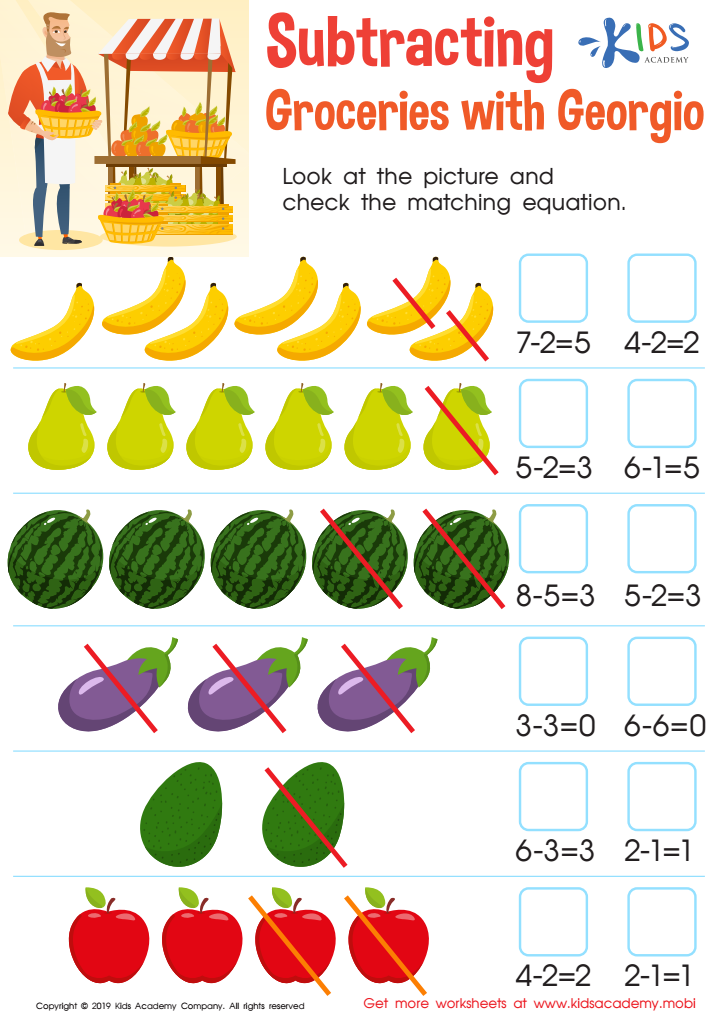
Subtracting: Groceries with Georgio Worksheet
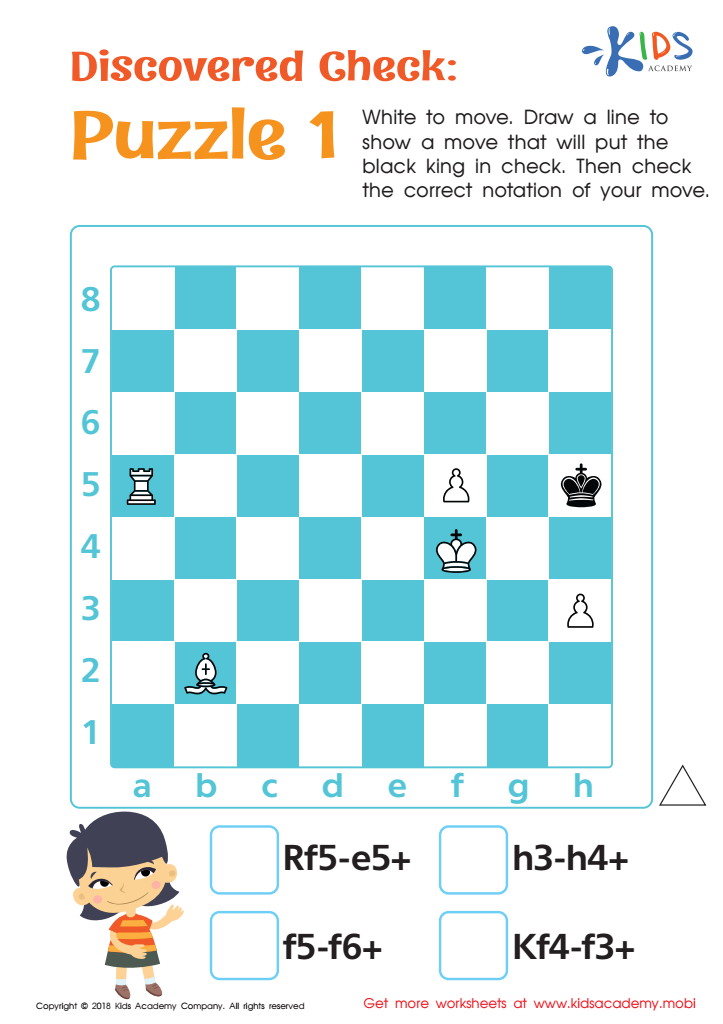
Discovered Check: Puzzle 1 Worksheet
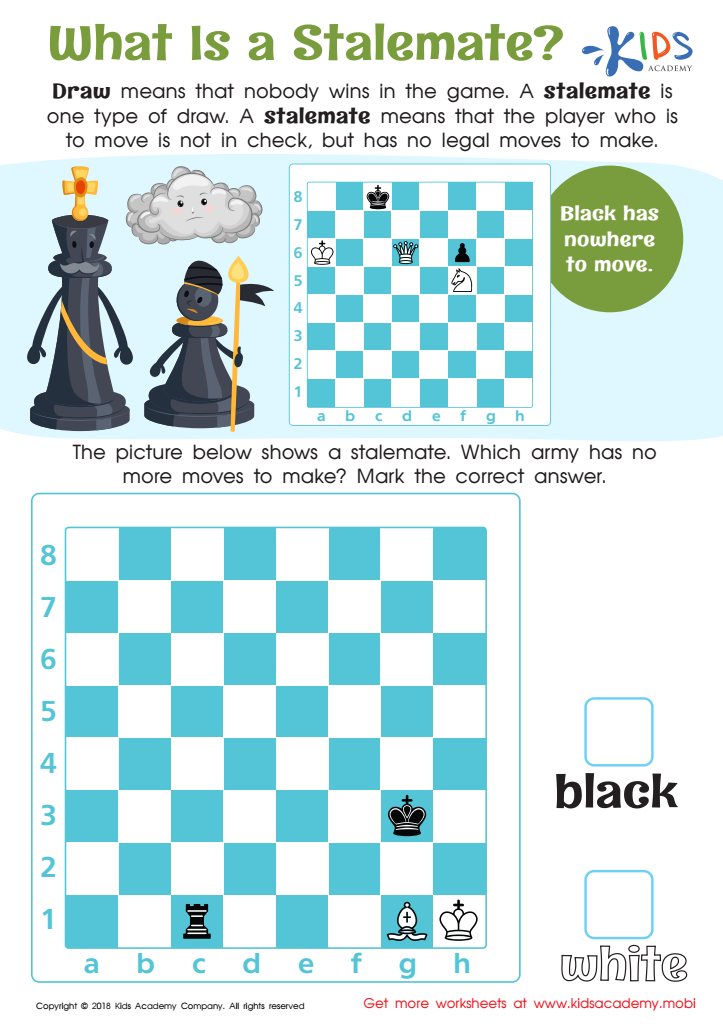
What Is a Stalemate? Worksheet
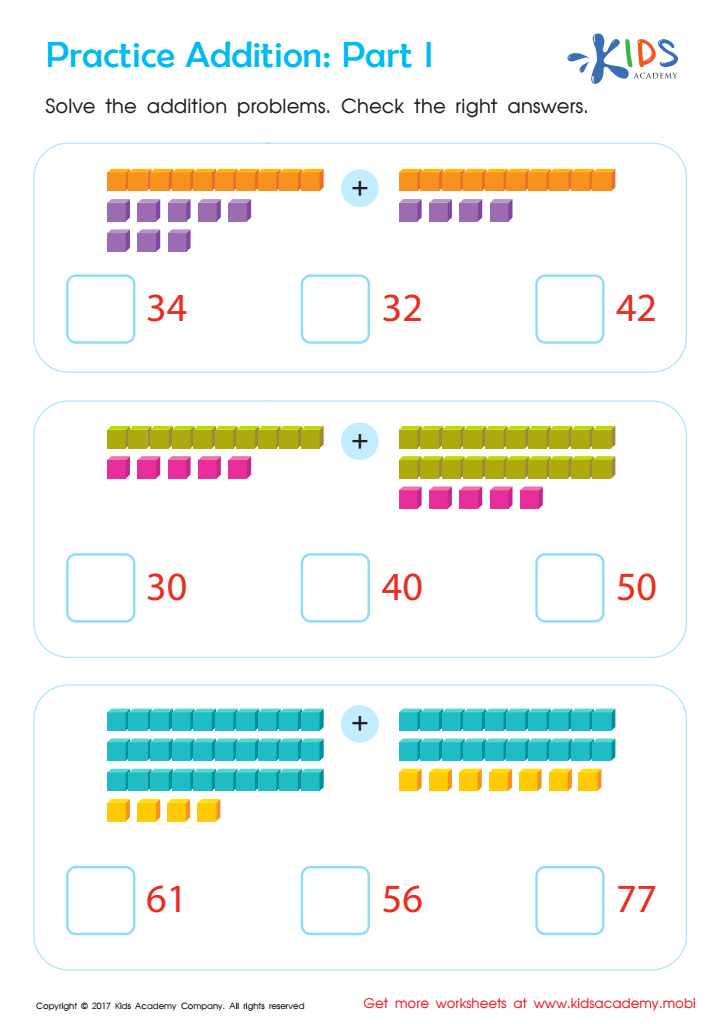
Practice Addition: Part 1 Worksheet
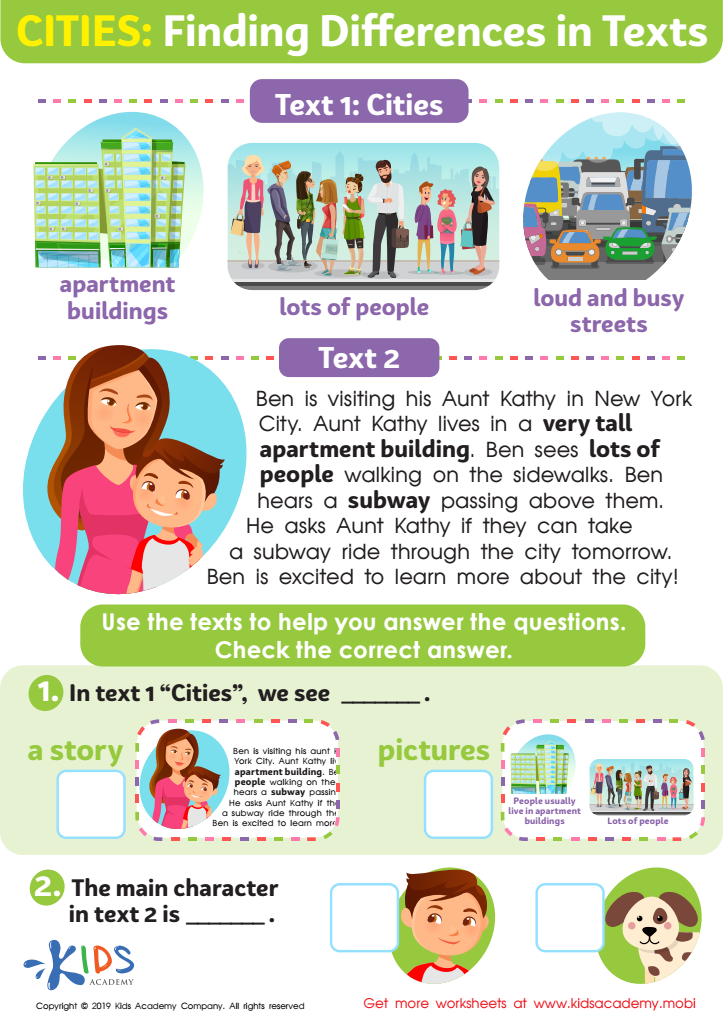
Cities: Finding Differences Worksheet
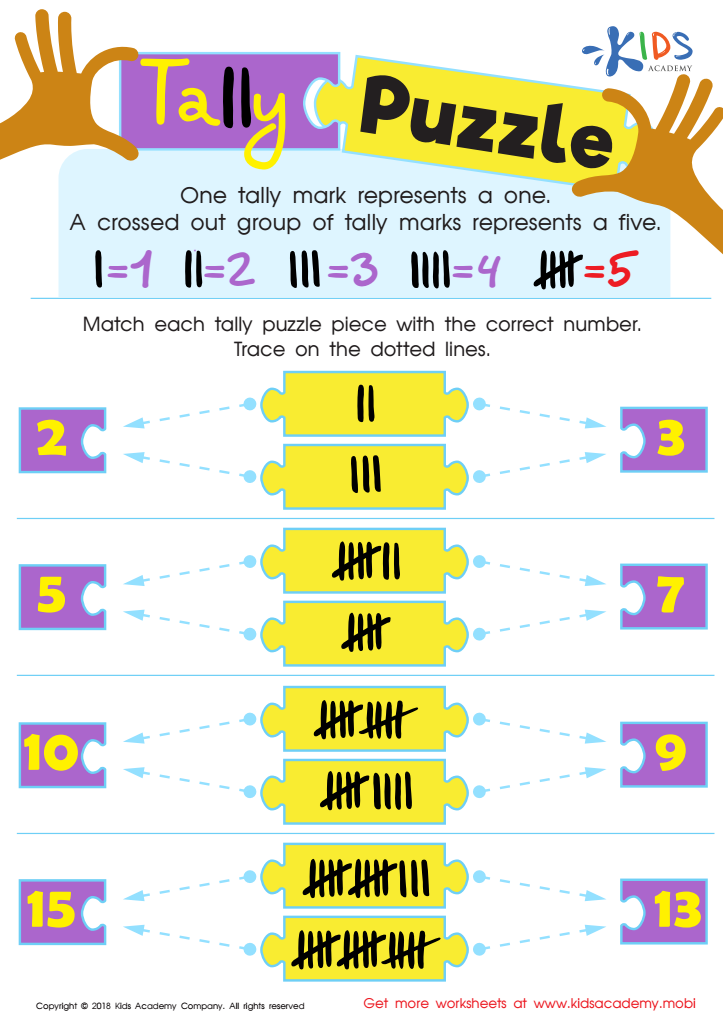
Tally Puzzle Worksheet
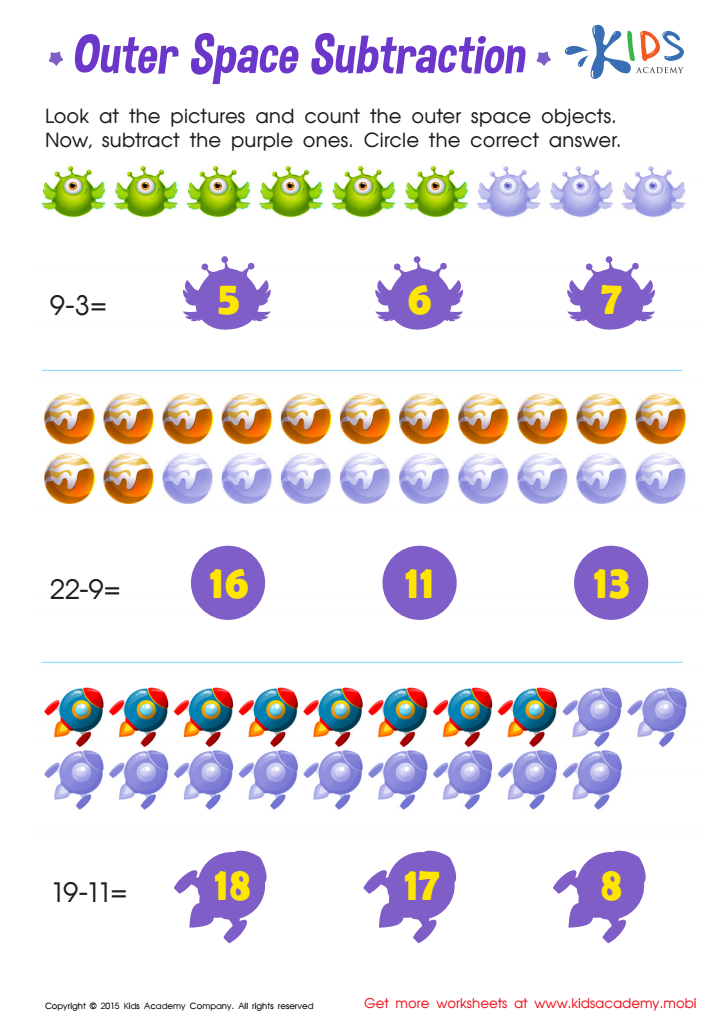
Outer Space Substraction Worksheet

Haystack Steps Worksheet
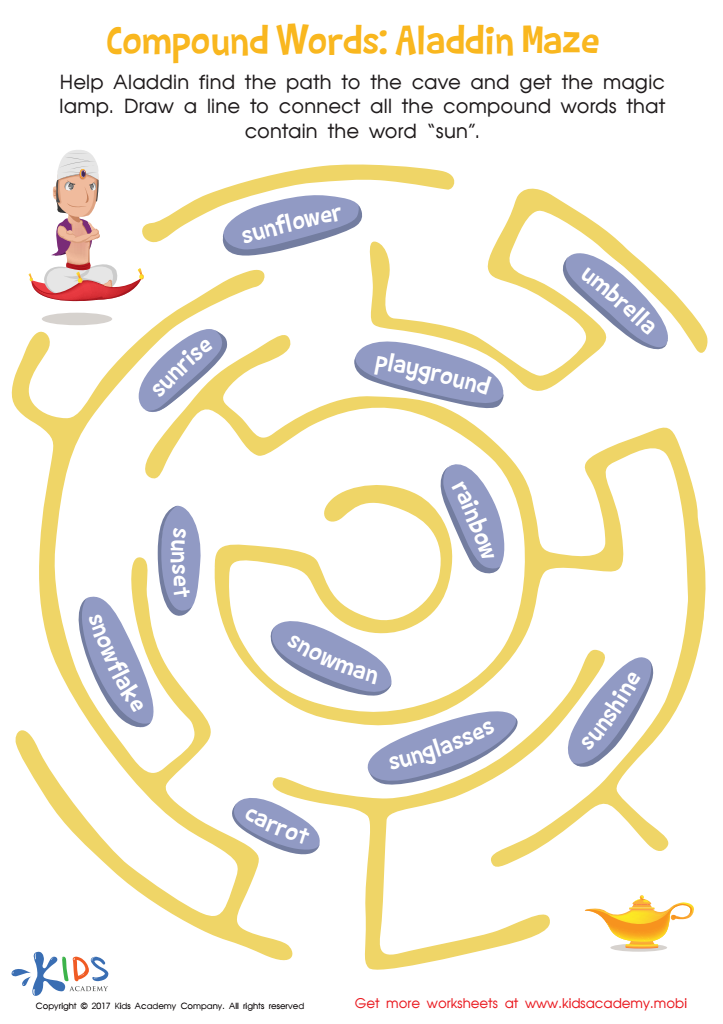
Compound Aladdin Maze Word Structure Worksheet
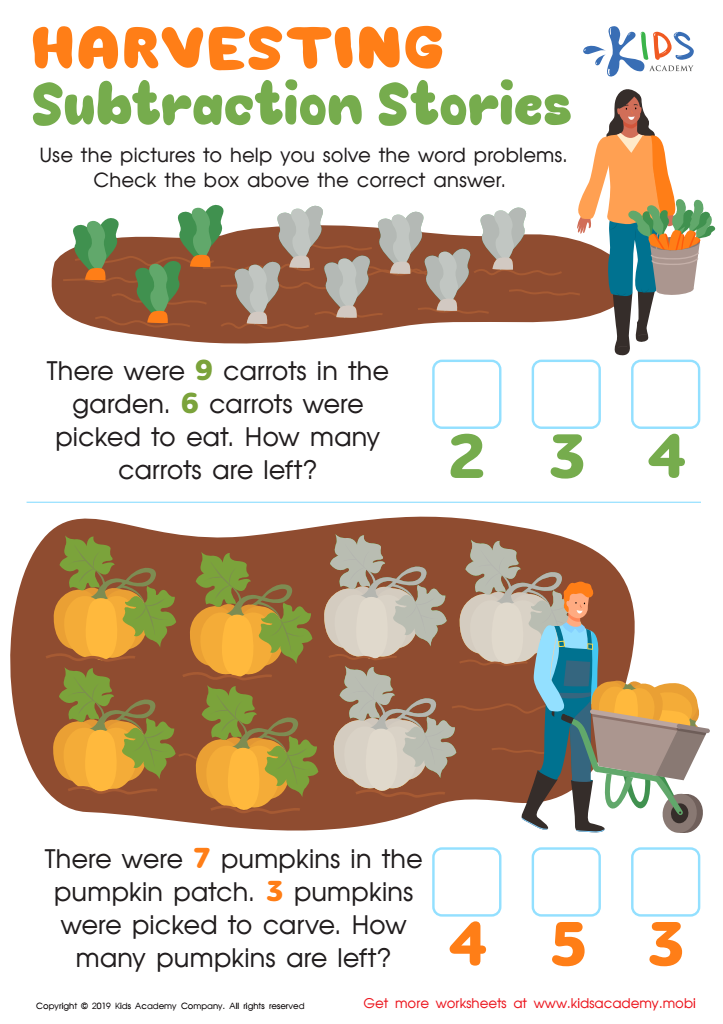
Harvesting Subtraction Stories Worksheet
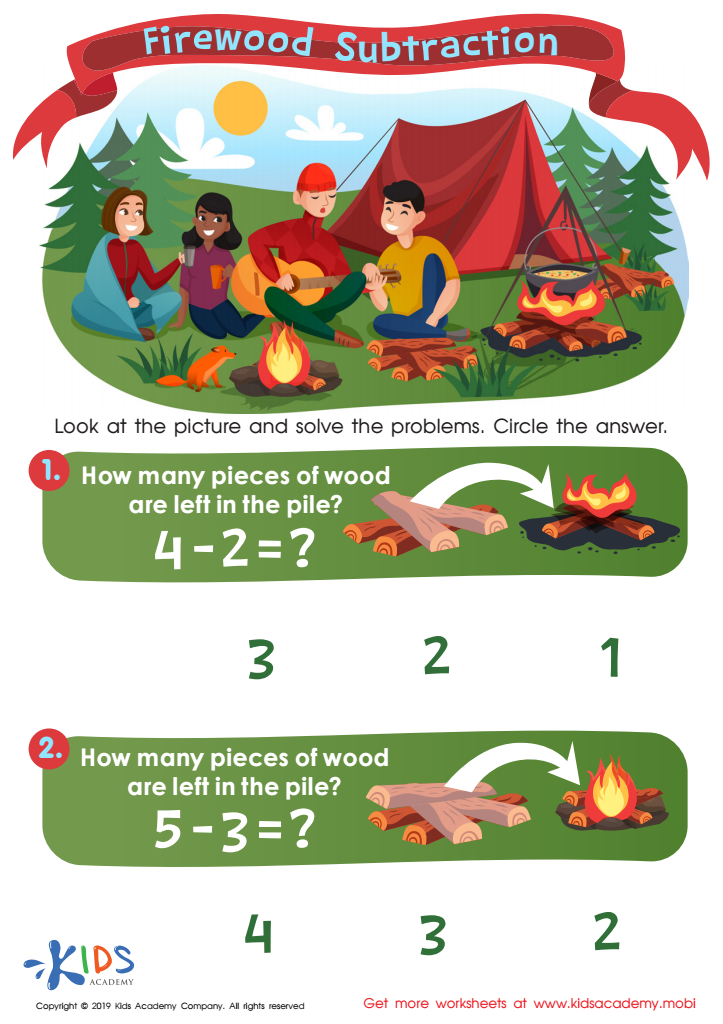
Firewood Subtraction Worksheet
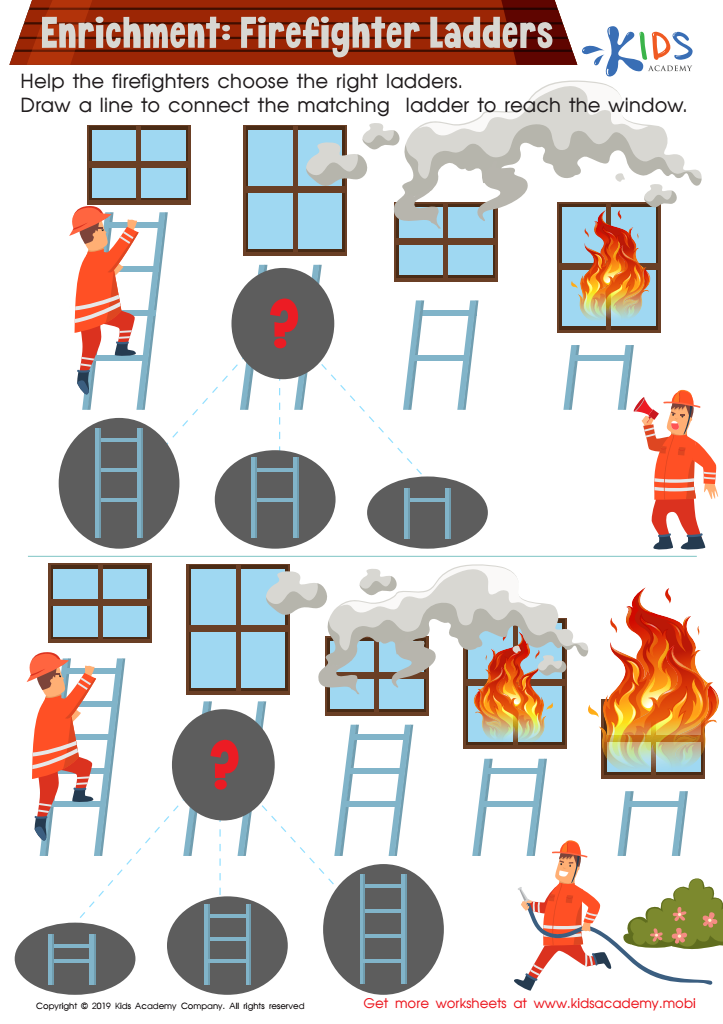
Enrichment: Firefighter Ladders Worksheet






.jpg)
Parents and teachers should prioritize problem-solving skills for children aged 6-7 because these skills lay the foundation for their overall development and lifelong learning. At this age, children are naturally curious and eager to understand how things work, making it an ideal time to foster critical thinking. Problem-solving encourages children to analyze situations, think creatively, and find solutions independently, boosting their confidence and resilience.
Moreover, strong problem-solving skills are essential for academic success. Children who learn to approach challenges systematically are more likely to excel in subjects like math and science, where logical reasoning is key. These skills also translate into social contexts, helping children navigate friendships and collaborative play effectively.
Furthermore, teaching problem-solving skills nurtures emotional intelligence. As children learn to manage conflicts or setbacks, they develop empathy and patience, essential for healthy relationships. In a rapidly changing world, resilience and flexibility—rooted in effective problem-solving—prepare children for future challenges they will face beyond the classroom.
Overall, by cultivating problem-solving skills, parents and teachers equip children not only for academic achievements but also for personal growth and social interactions, creating well-rounded individuals capable of tackling life's complexities.








