Color recognition Easy Worksheets for Ages 6-9 - Page 2
37 filtered results
-
From - To

Deer Tracing Winter Words Worksheet
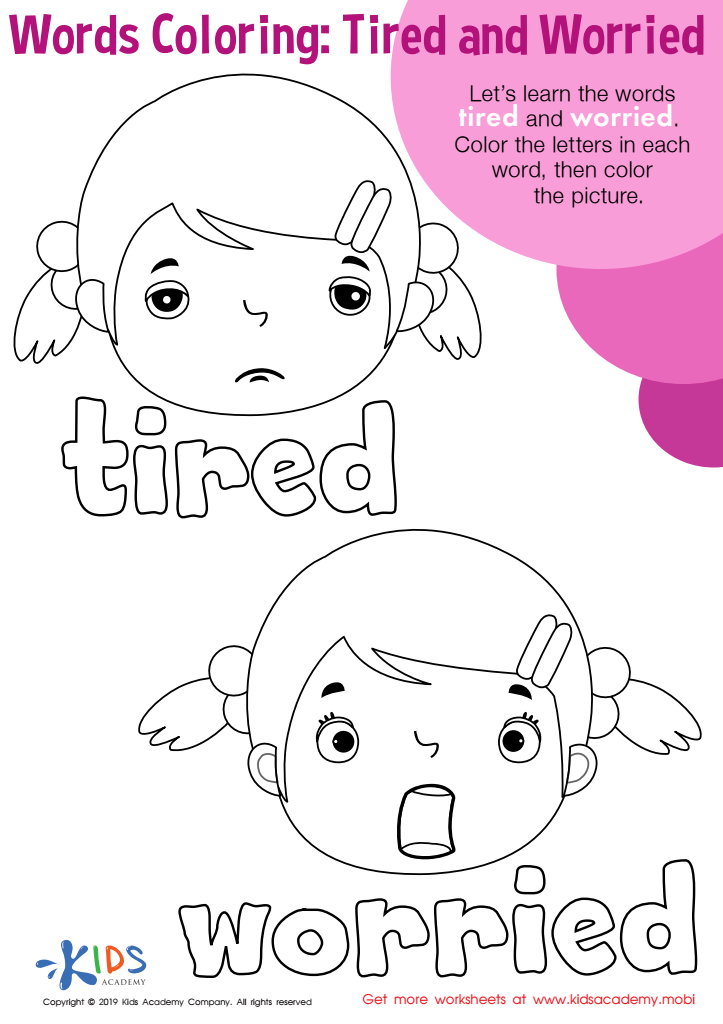
Tired and Worried Words Coloring Worksheet
 Assign to My Students
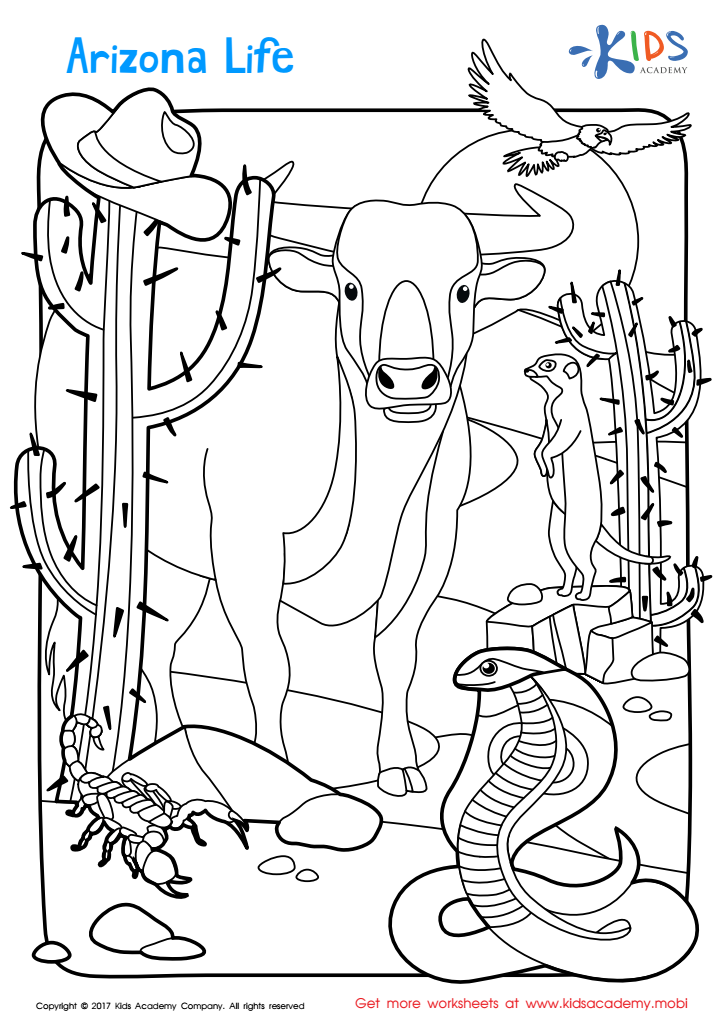
Arizona Coloring Page Worksheet
Assign to My Students
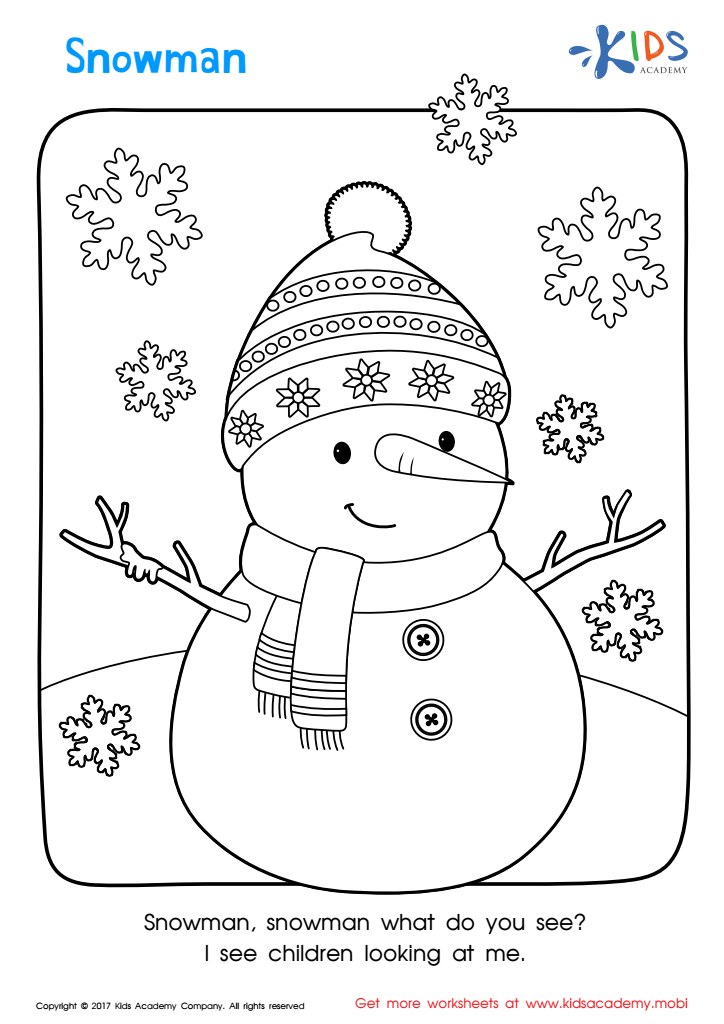
Christmas: Snowman Printable
Assign to My Students
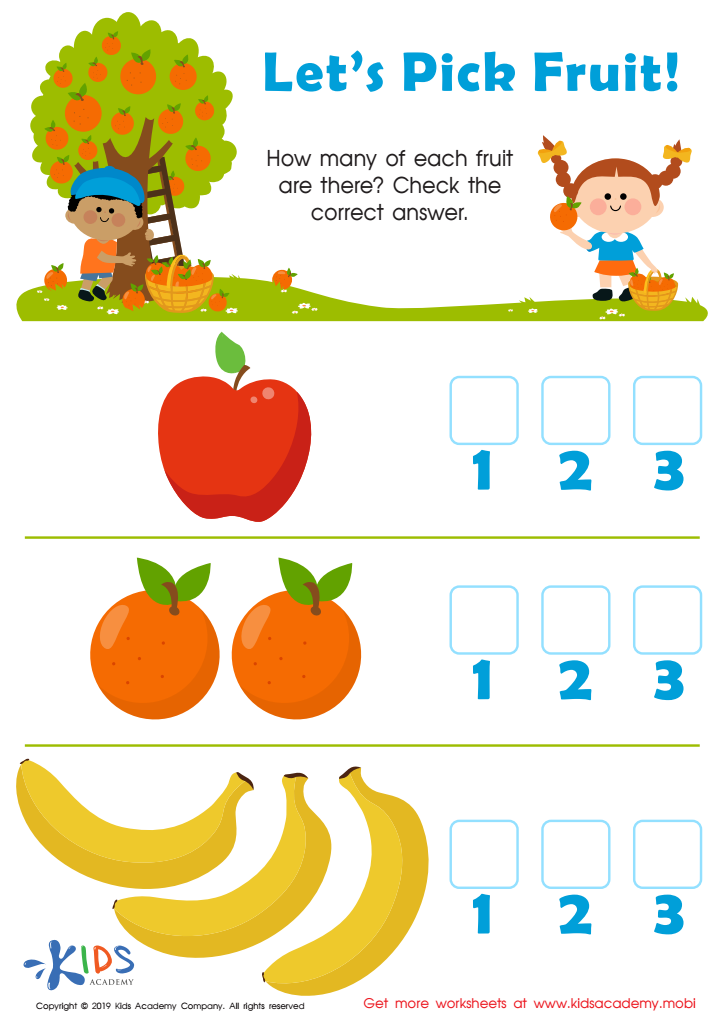
Let's Pick Fruit Worksheet
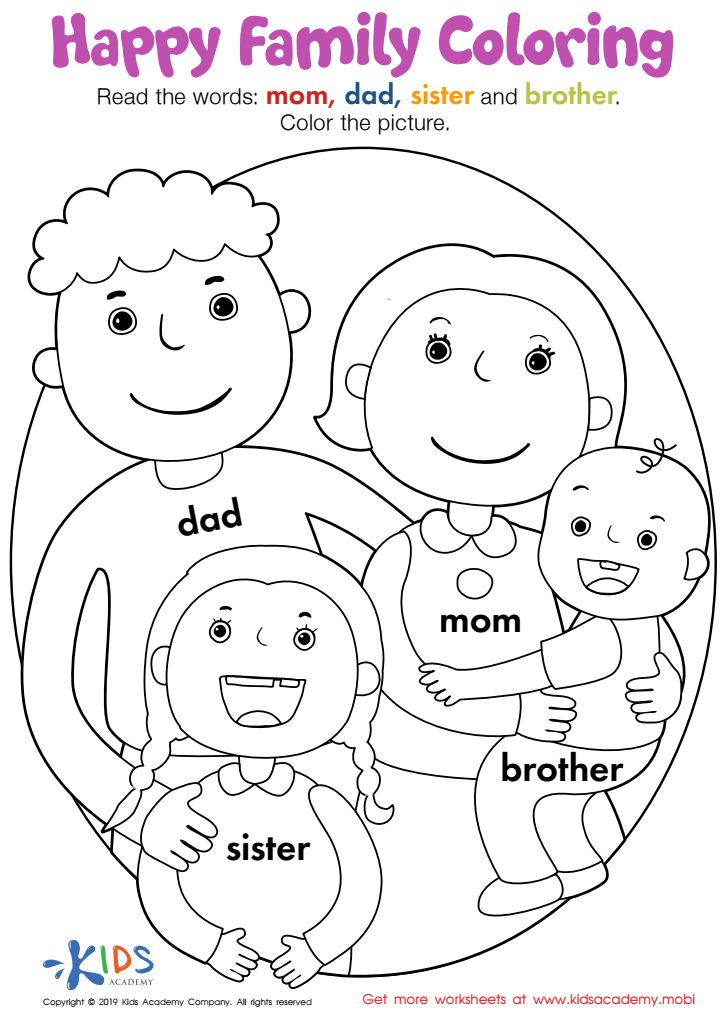
Happy Family Coloring Worksheet
Assign to My Students

Globe Coloring Page Worksheet
Assign to My Students
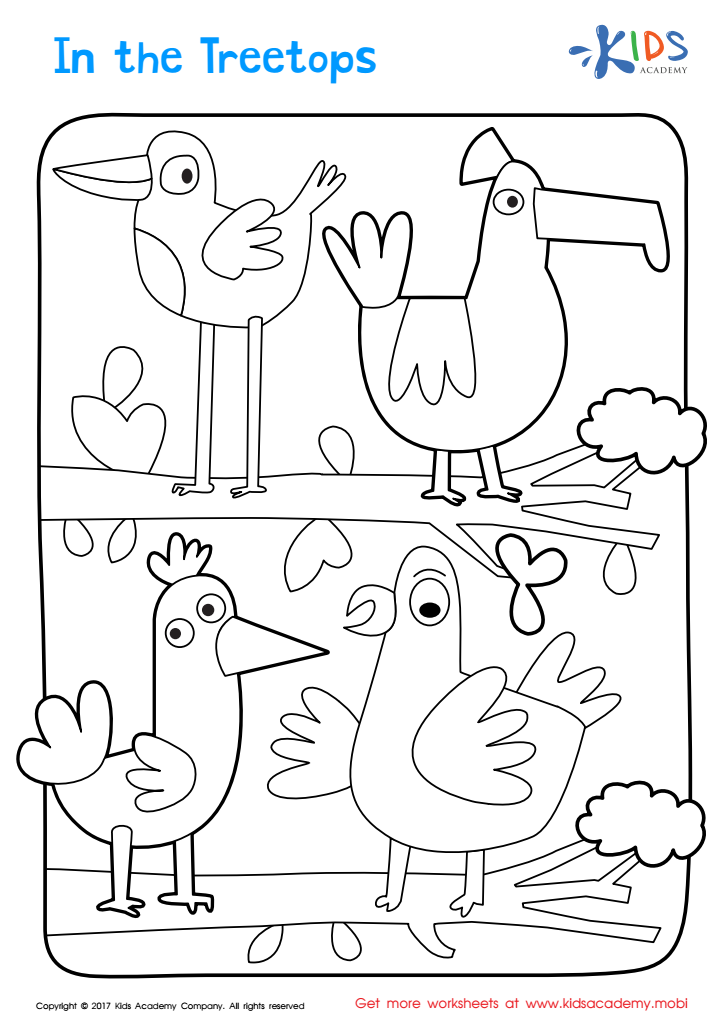
In the Treetops Coloring Page
Assign to My Students
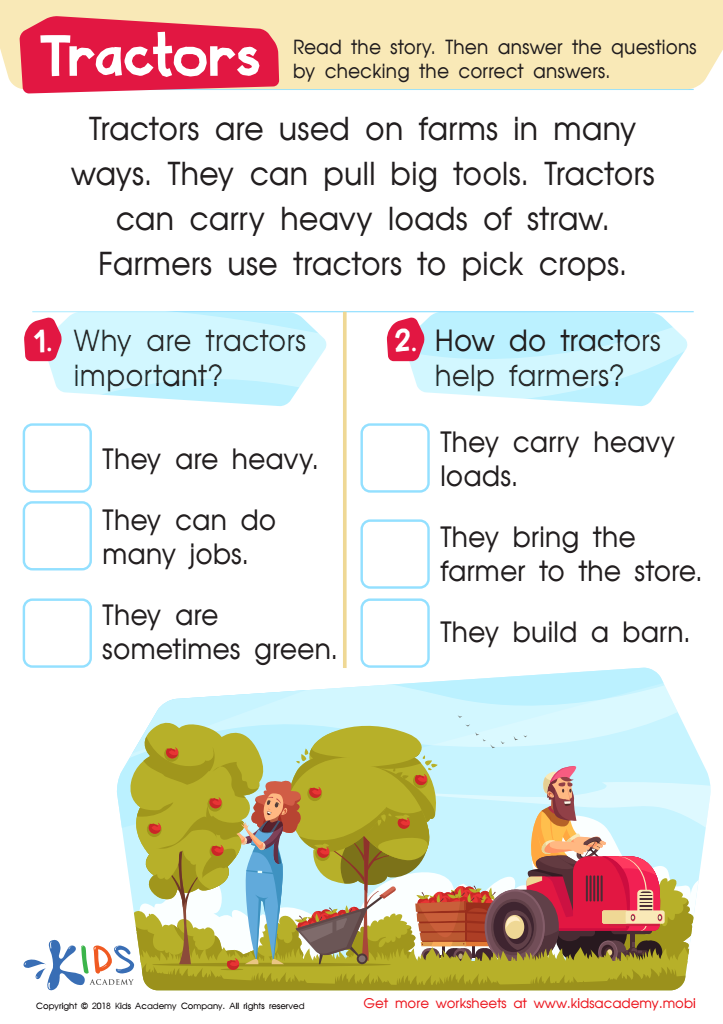
Tractors Worksheet
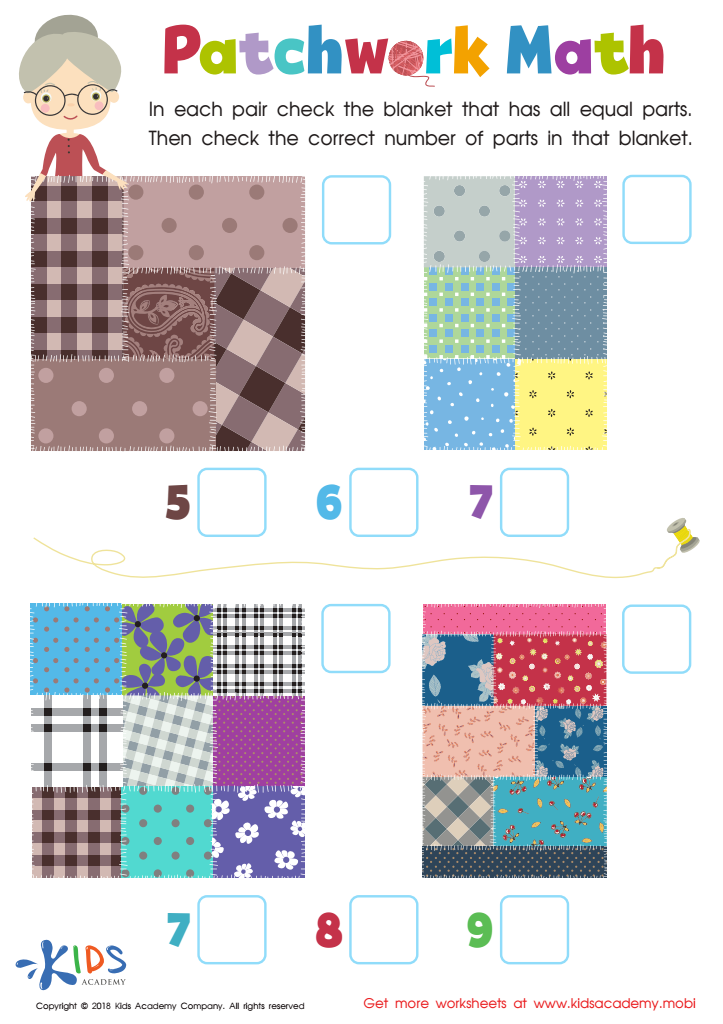
Patchwork Math Worksheet
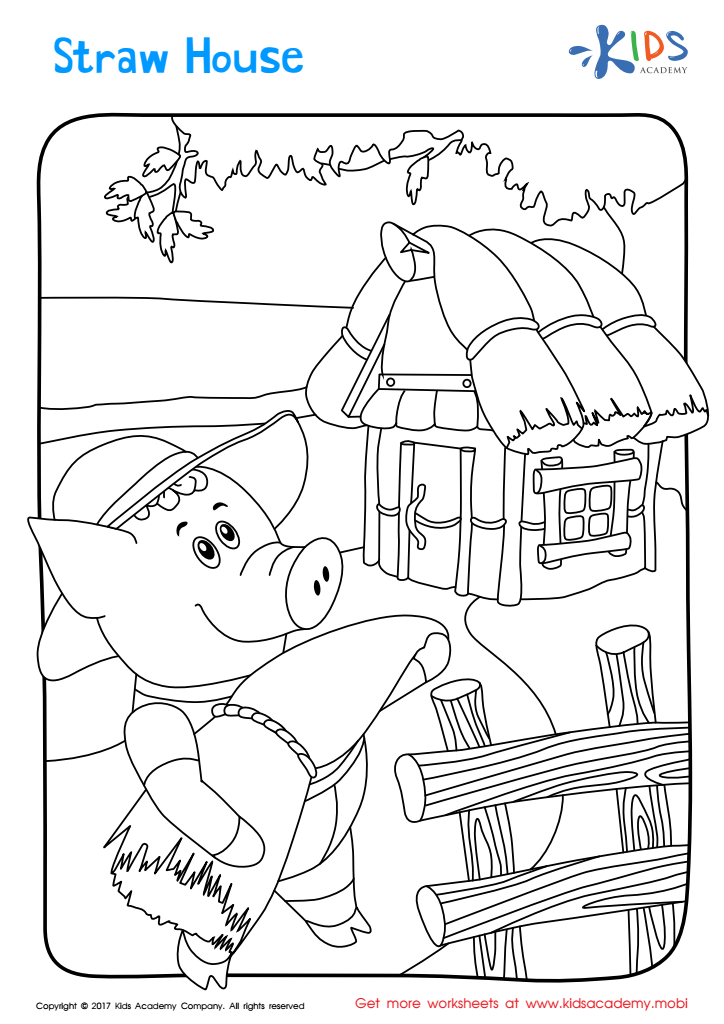
Straw House Printable Coloring Page
Assign to My Students
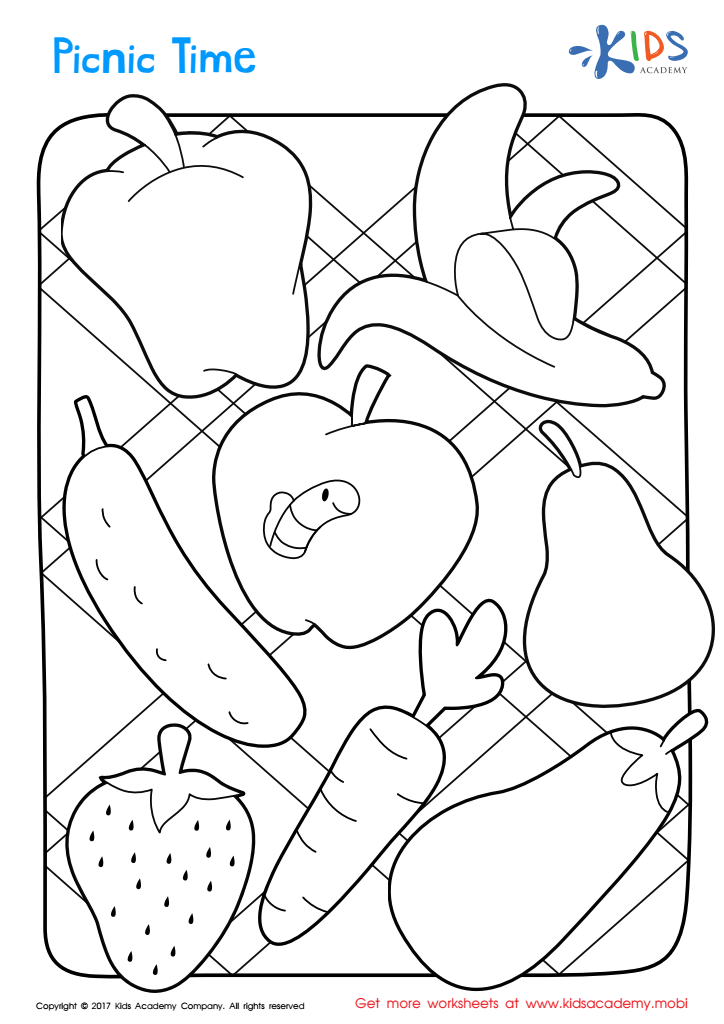
Picnic Time Coloring Page
Assign to My Students








Color recognition is a fundamental skill for children aged 6-9 and holds significant importance for parents and teachers. At this age, children are developing their cognitive abilities, and understanding colors enhances their observation skills and promotes cognitive development. Recognizing colors helps children classify and organize the world around them, making sense of their surroundings.
Moreover, color recognition supports language development, as children learn to articulate the names of various colors, expanding their vocabulary. It also fosters social skills when children engage in activities requiring color identification, such as sharing art supplies or participating in games.
For academic success, a firm grasp of colors assists in subjects such as mathematics, art, and science, where color can indicate different categories or groups. This foundational skill also aids in developing basic problem-solving skills, as recognizing patterns and colors plays a role in critical thinking.
Providing opportunities for children to engage with colors through creative activities, storytelling, and play is essential. Encouraging color recognition not only enhances a child's academic readiness but also bolsters their self-expression and creativity. Therefore, parents and teachers should actively prioritize and integrate color recognition into early education.








