Fine Motor Skills Easy Worksheets for Ages 6-9 - Page 2
78 filtered results
-
From - To
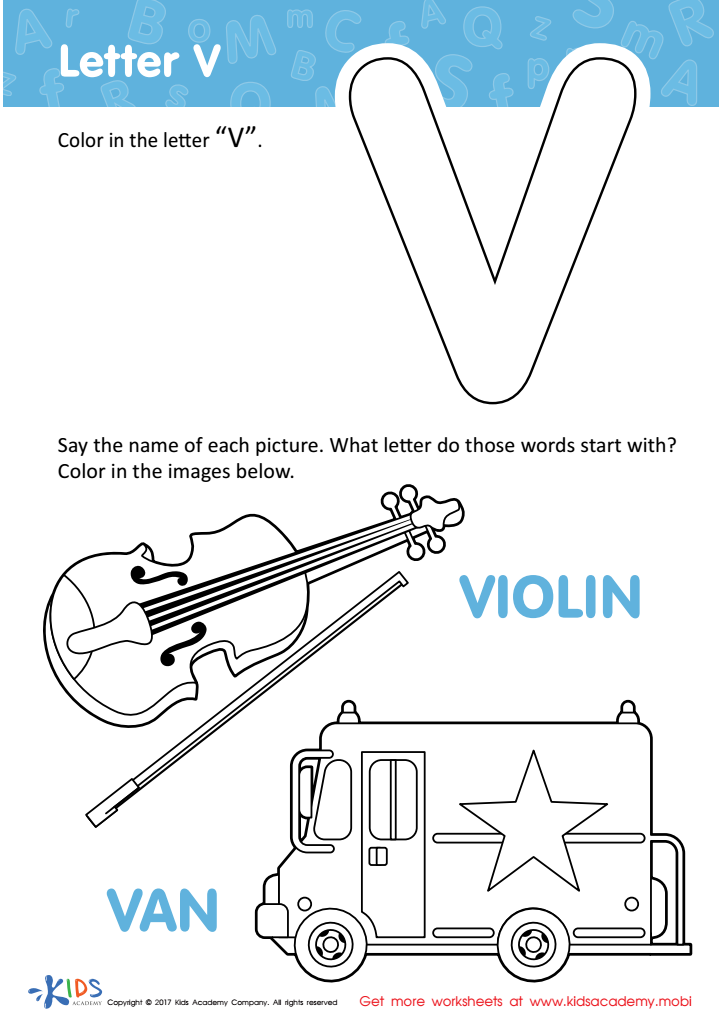
Letter V Coloring Sheet
 Assign to My Students
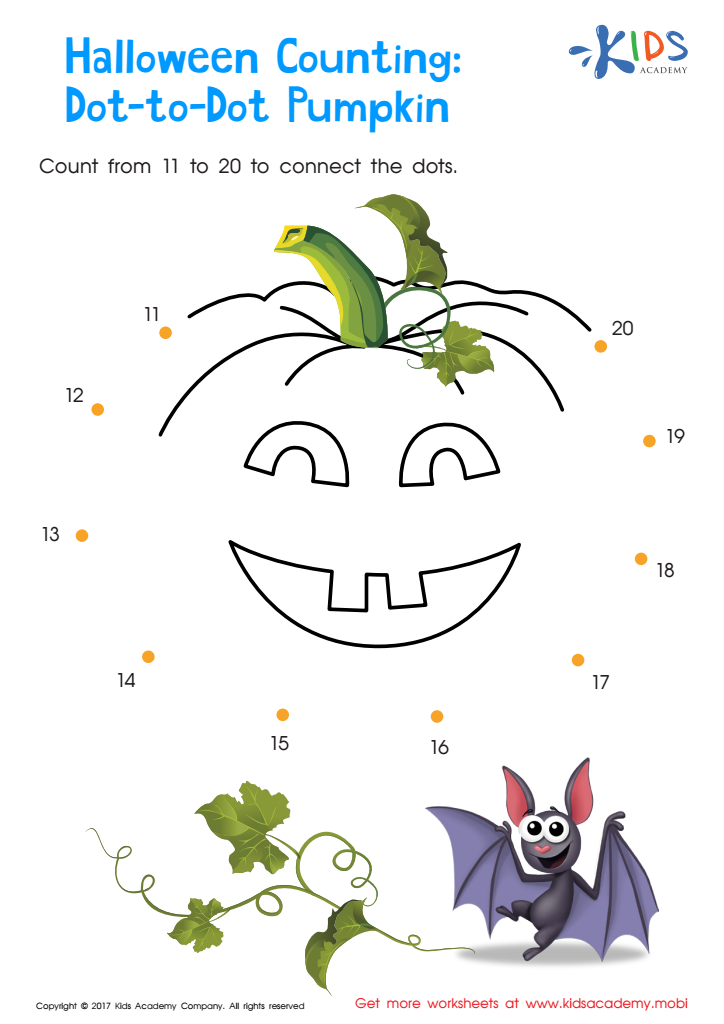
Ordering 11–20: Halloween Counting Worksheet
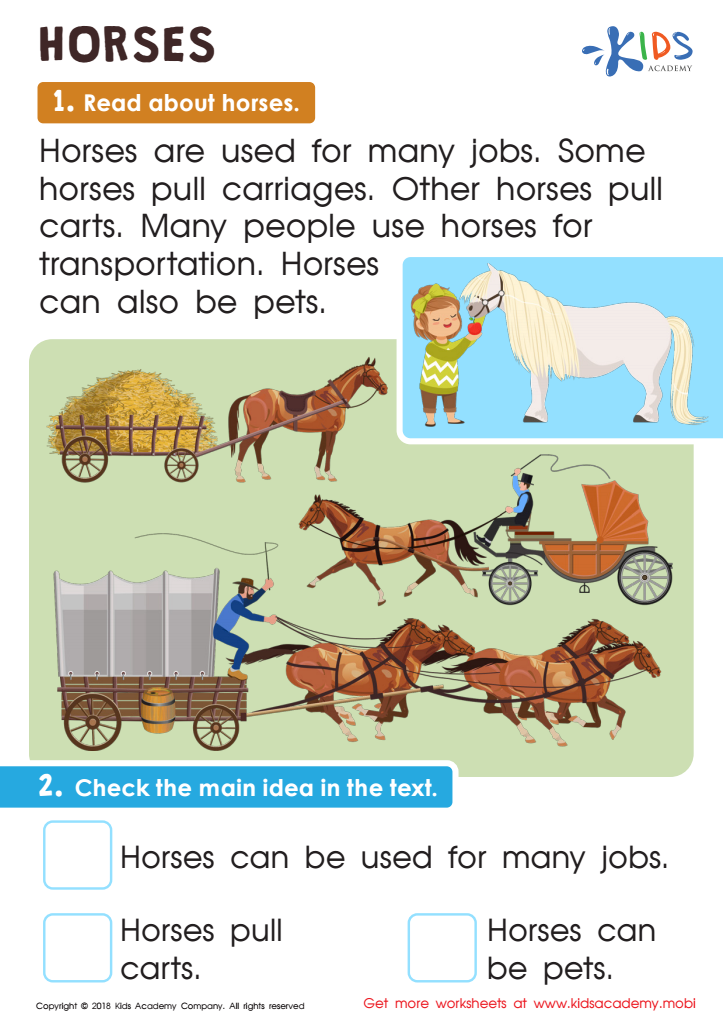
Horses Worksheet

Little Mermaid Coloring Page
Assign to My Students
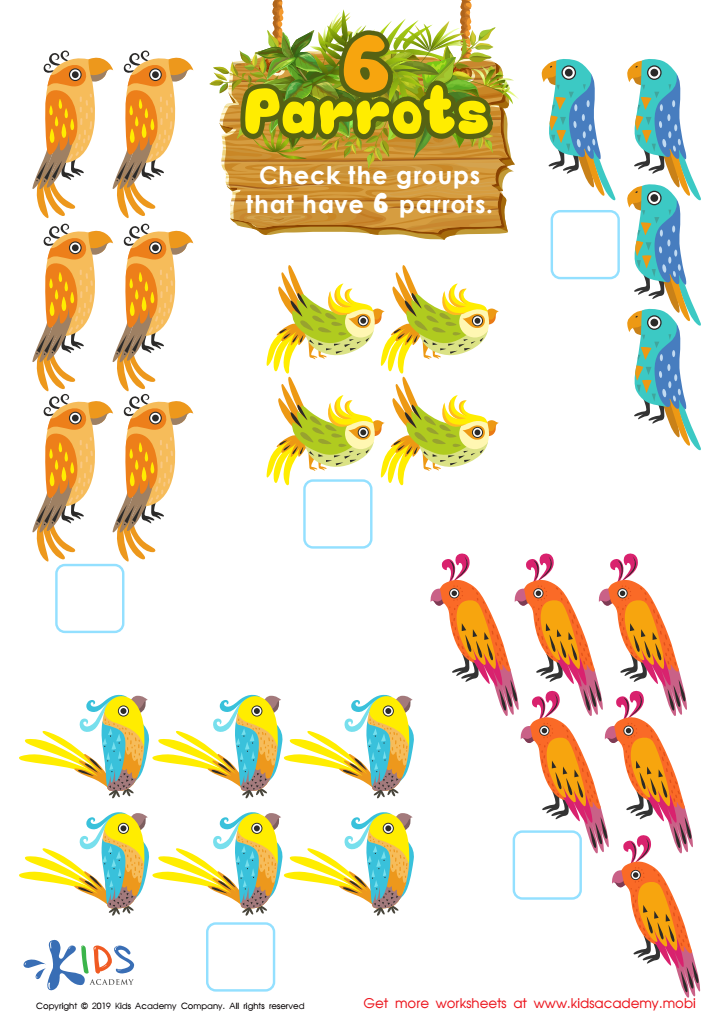
6 Parrots Worksheet
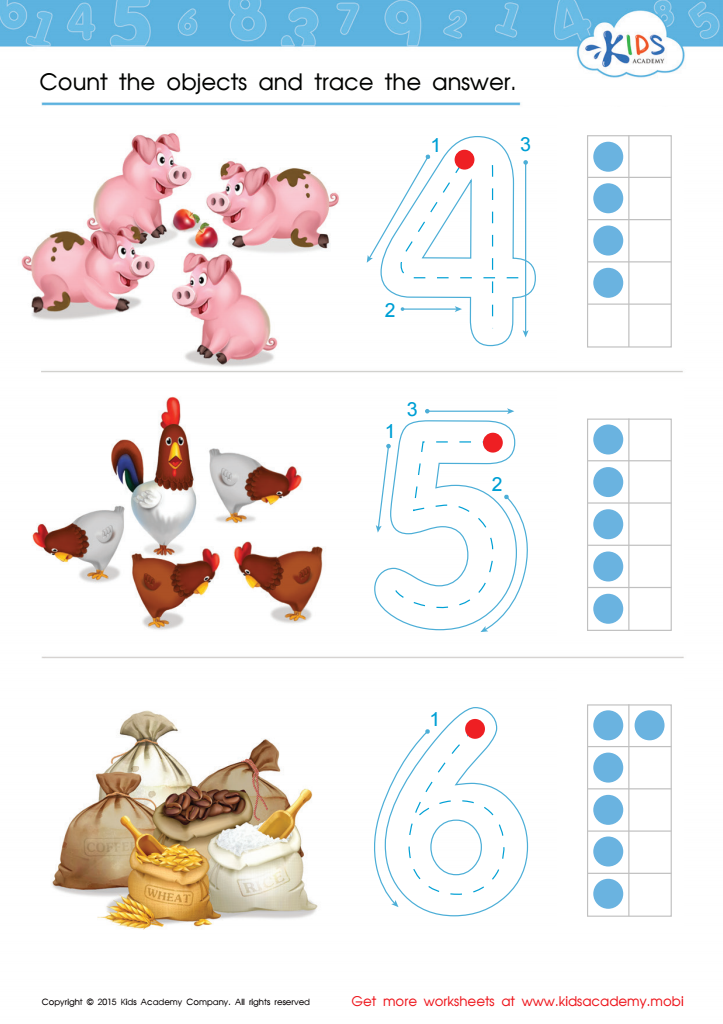
Count and Trace 4 – 6 Worksheet
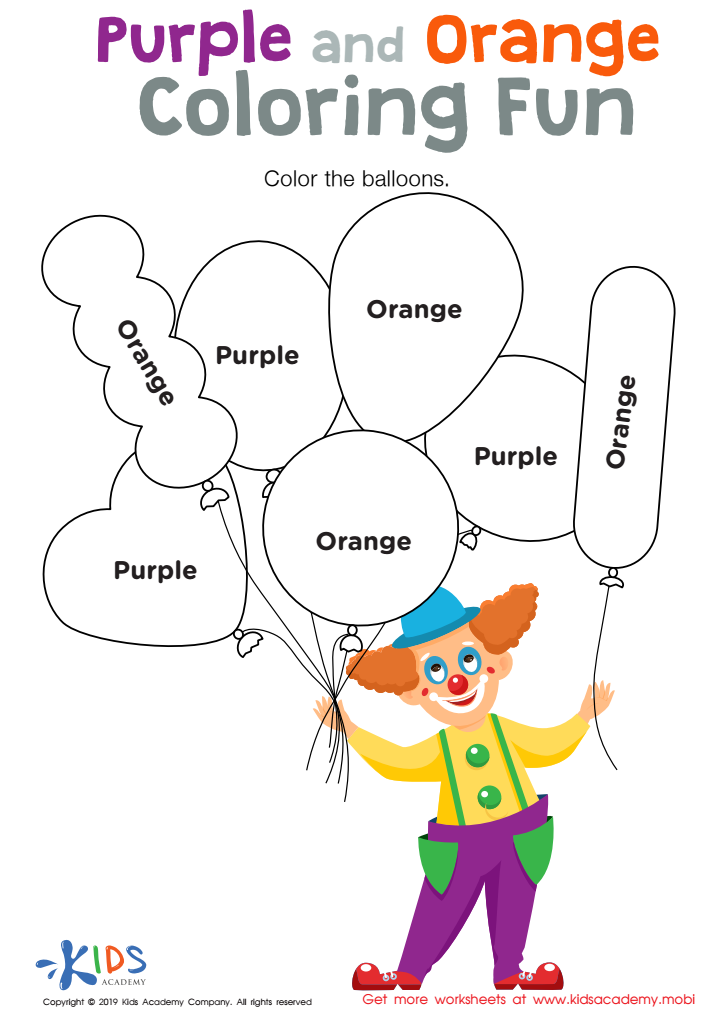
Purple and Orange Coloring Fun Worksheet
Assign to My Students
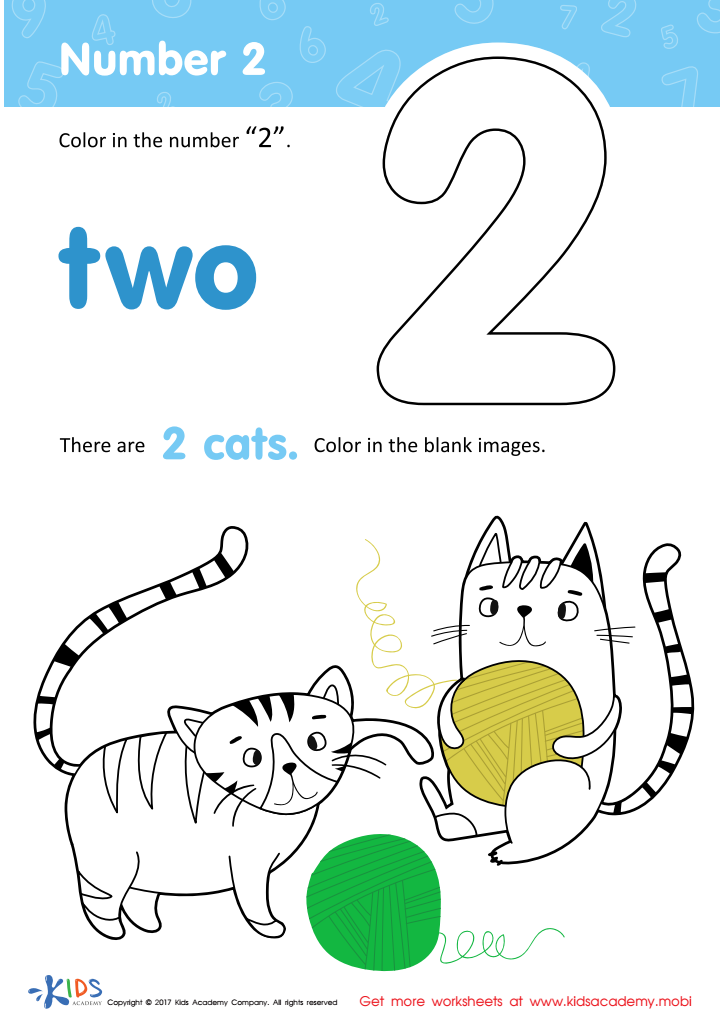
Number 2 Printable
Assign to My Students
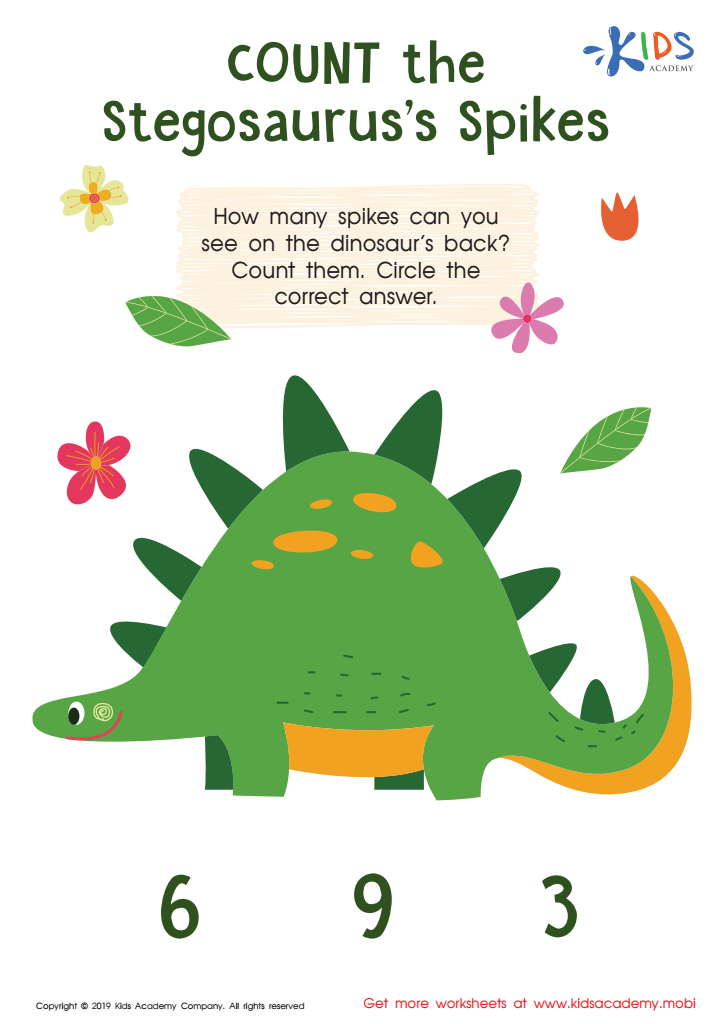
Count the Stegosaurus's Spikes Worksheet

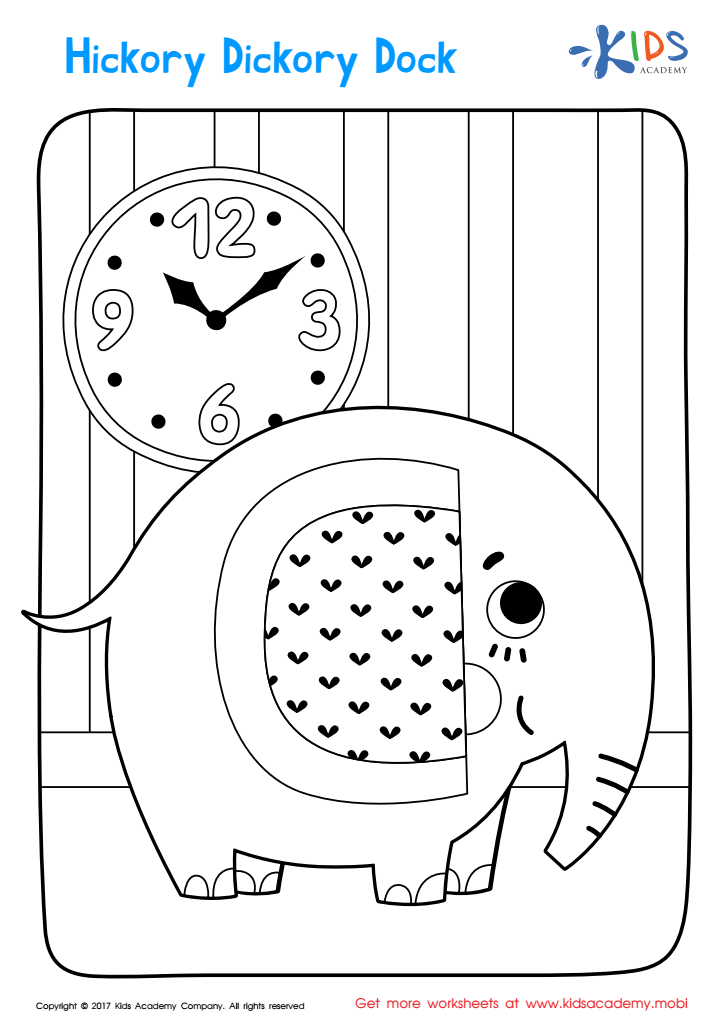
Hickory Dickory Dock Coloring Page
Assign to My Students
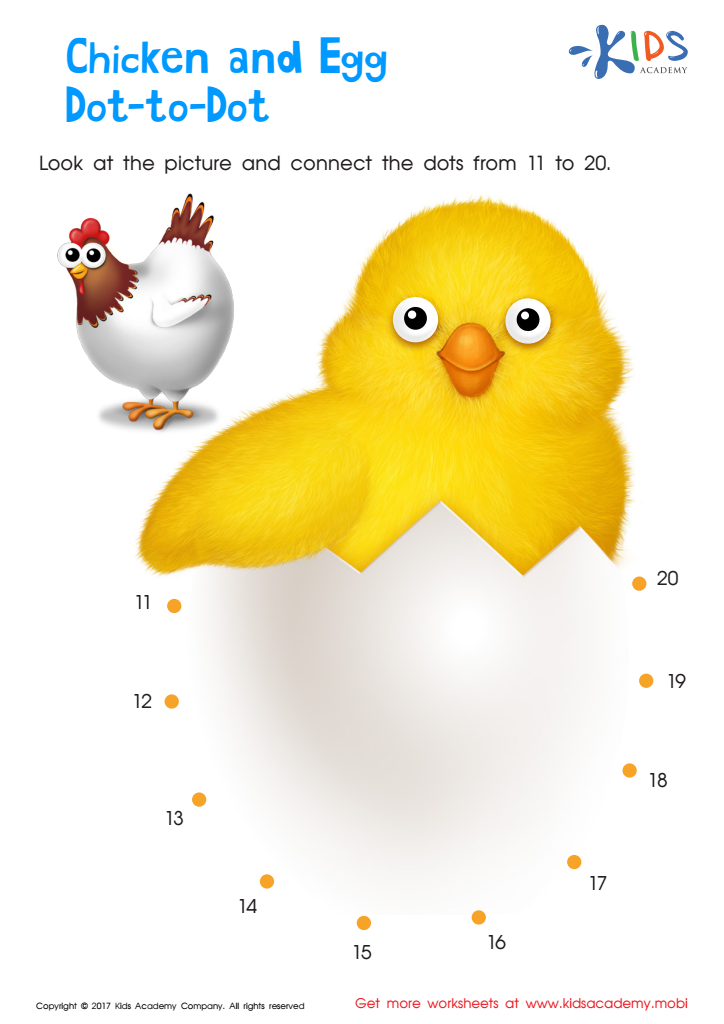
Ordering 11–20: Chicken & Egg Dot–to–dot Worksheet

Bicycle Shapes Worksheet
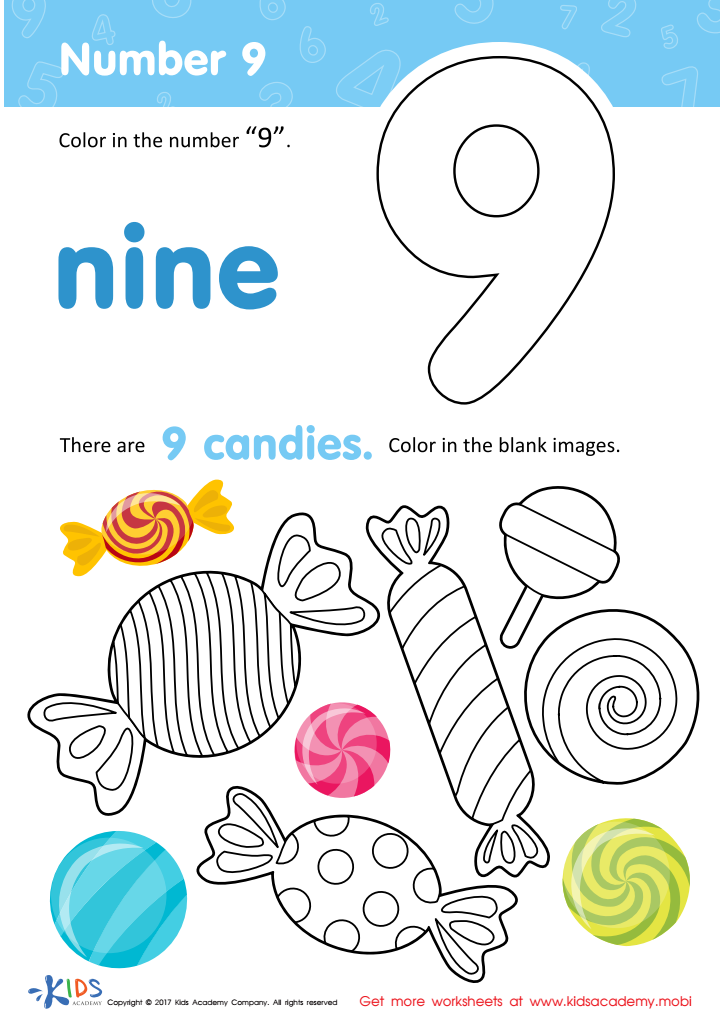
Number 9 Printable
Assign to My Students
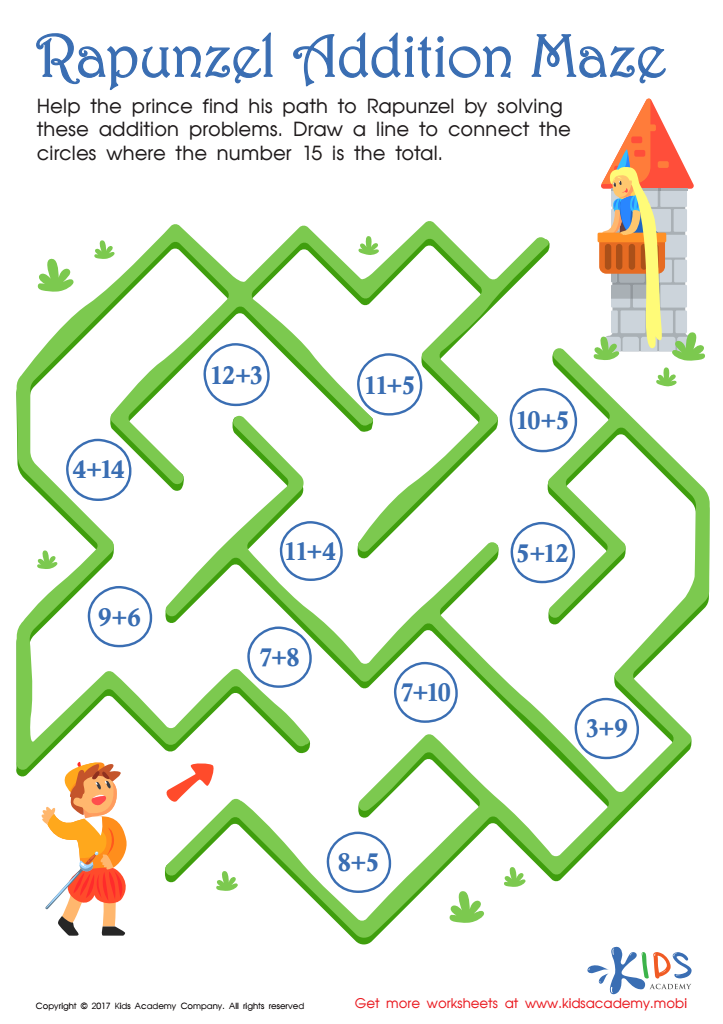
Rapunzel Addition Maze Worksheet
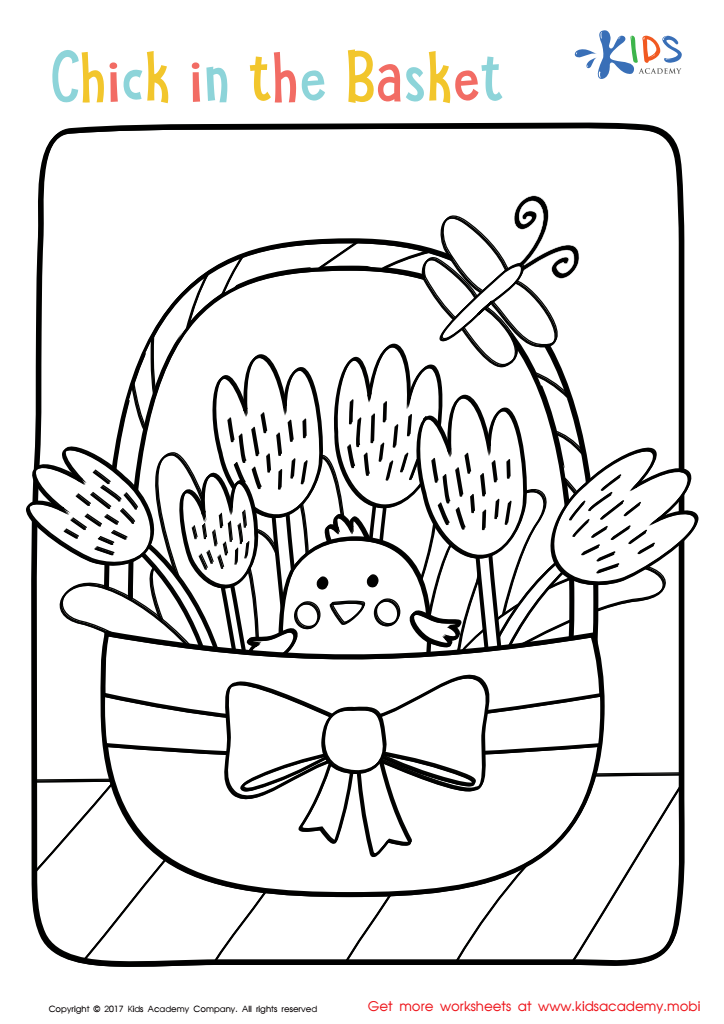
Easter: Chick in the Basket Worksheet
Assign to My Students
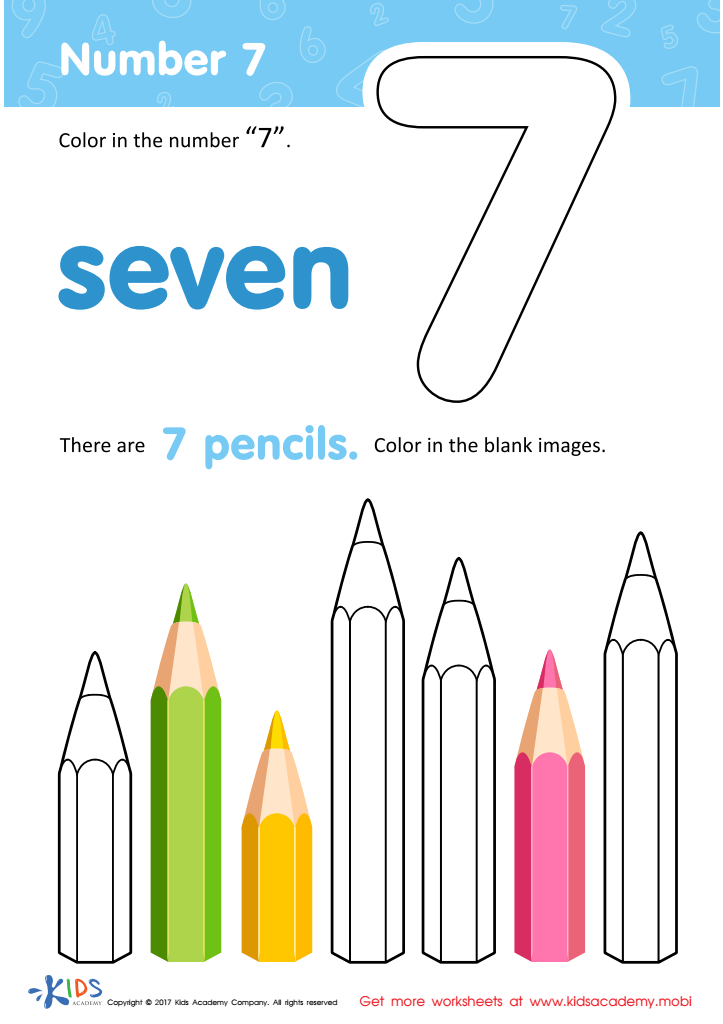
Number 7 Worksheet
Assign to My Students
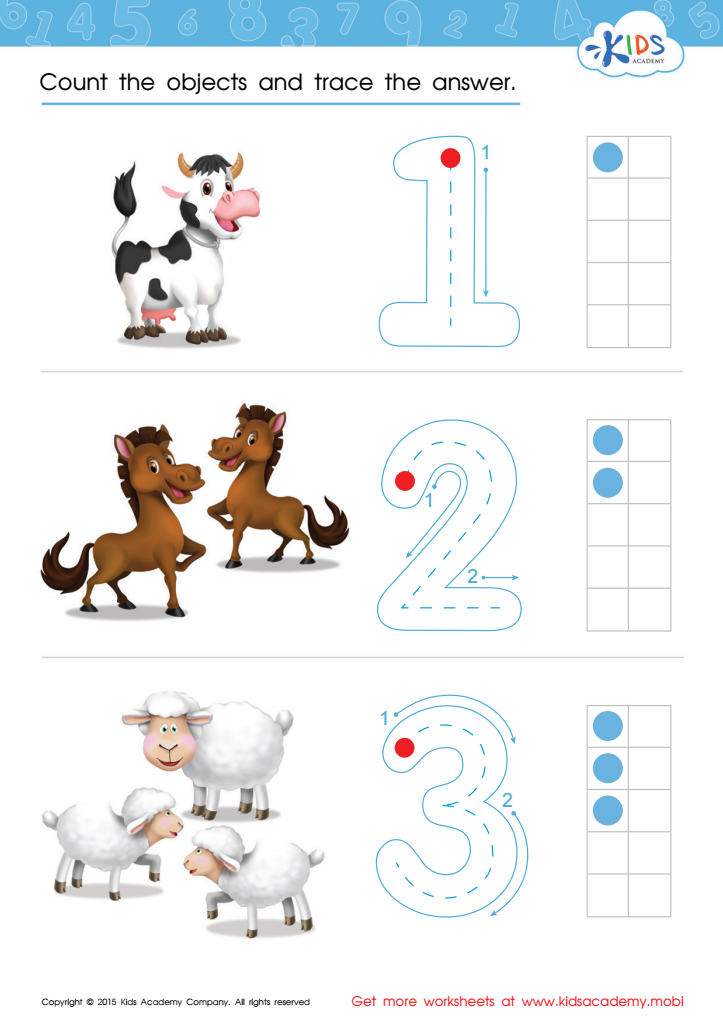
Count and Trace 1 – 3 Worksheet
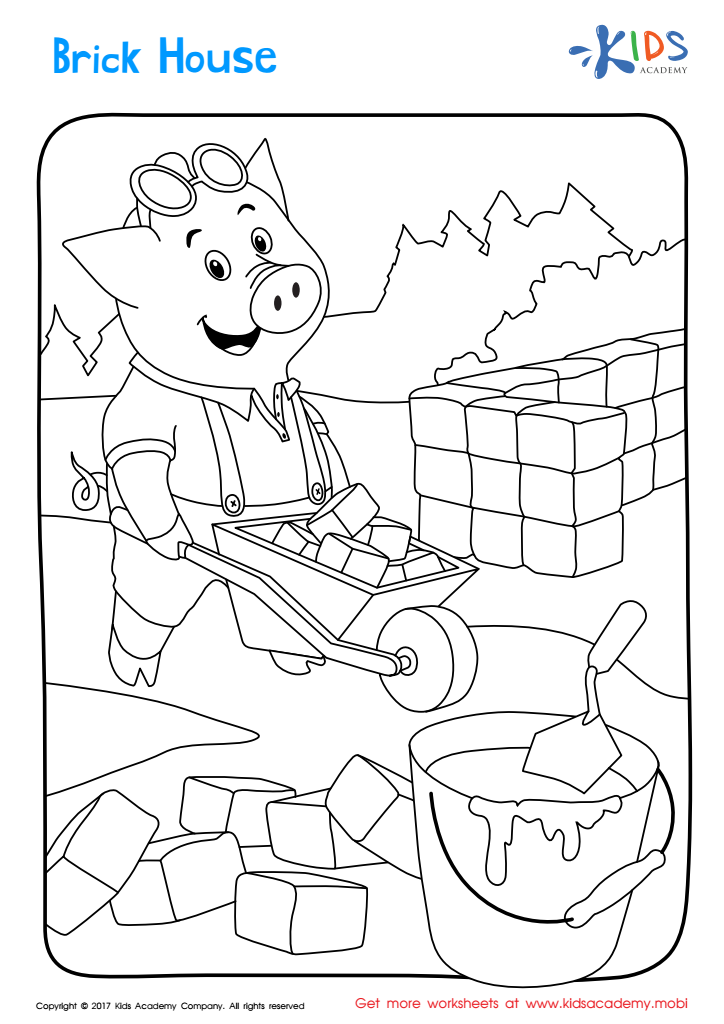
Brick House Printable Coloring Page
Assign to My Students
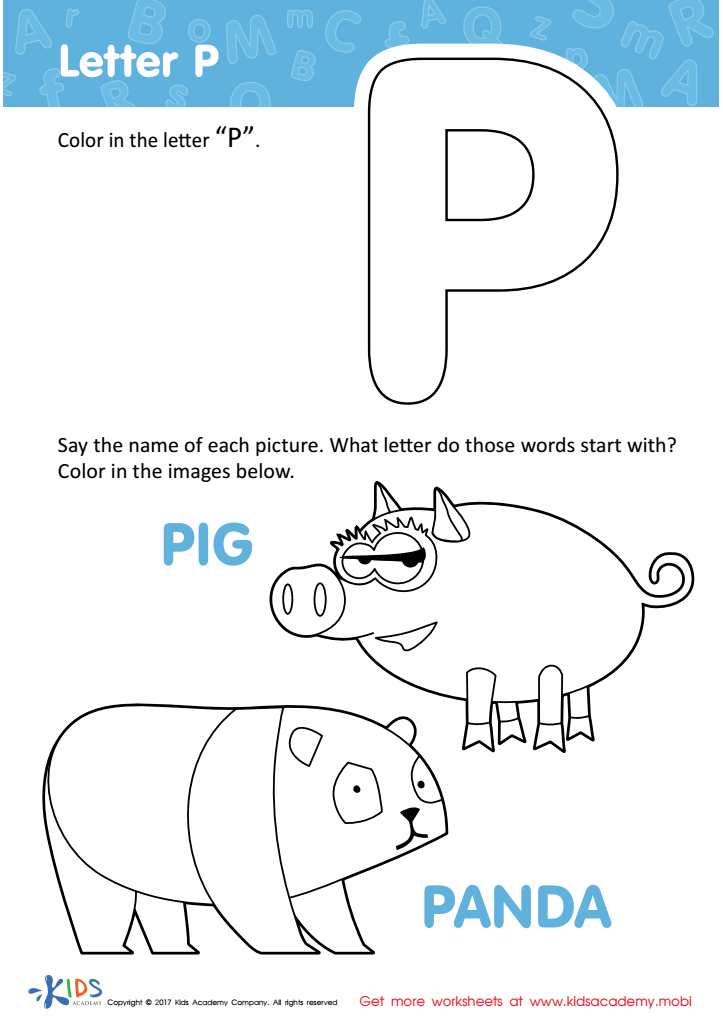
Letter P Coloring Sheet
Assign to My Students

Japan Printable
Assign to My Students
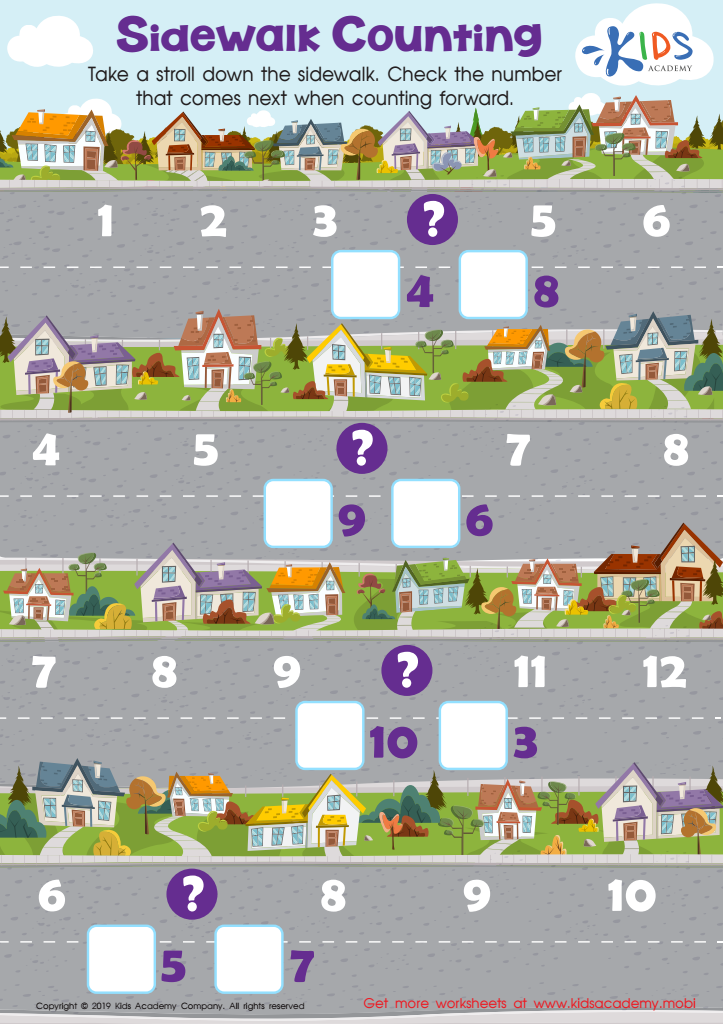
Sidewalk Counting Worksheet

Deer Tracing Winter Words Worksheet
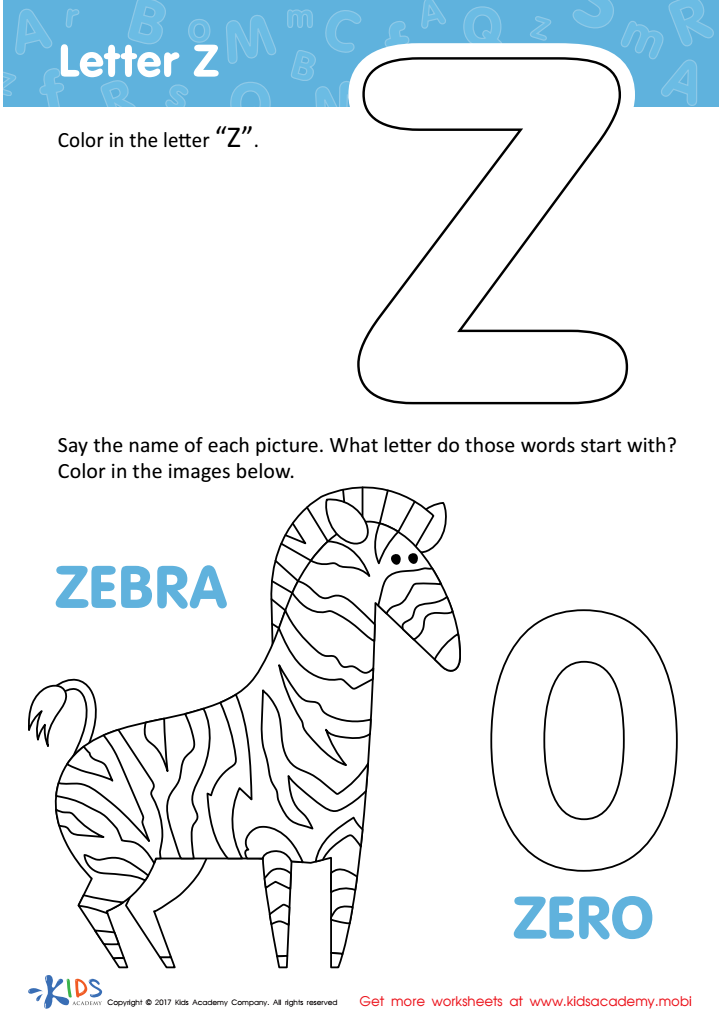
Letter Z Coloring Sheet
Assign to My Students








Fine motor skills are essential for children aged 6-9 as they significantly impact their academic and daily life activities. For parents and teachers, nurturing these skills is vital for a child's development. Fine motor skills involve movements that require small muscle control, which is critical for tasks like writing, using scissors, buttoning clothes, and tying shoelaces.
As children enter school, they begin engaging in more complex activities that require precision. Strong fine motor skills enable them to write neatly, manipulate classroom tools effectively, and even partake in arts and crafts confidently. When these skills are lacking, children may become frustrated and discouraged, potentially affecting their self-esteem and enjoyment of learning.
Furthermore, fine motor coordination also supports cognitive development, as many tasks involve planning and problem-solving. For teachers, incorporating activities that enhance fine motor skills—like drawing, building with blocks, and threading beads—assists in creating a well-rounded learning environment. Likewise, parents can encourage practice through simple home tasks like cooking or gardening.
In summary, fostering fine motor skills is crucial for promoting children's independence, facilitating their academic performance, and enhancing their overall confidence, making it a priority for both parents and teachers.








