Problem-Solving Skills Extra Challenge Worksheets for Ages 3-8 - Page 4
80 filtered results
-
From - To
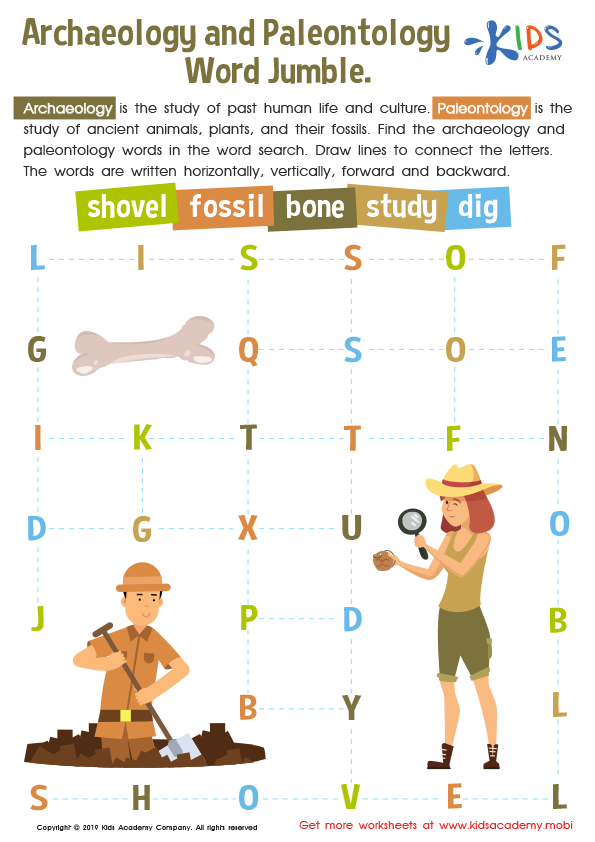
Archaeology and Paleontology Word Jumble Worksheet
 Assign to My Students
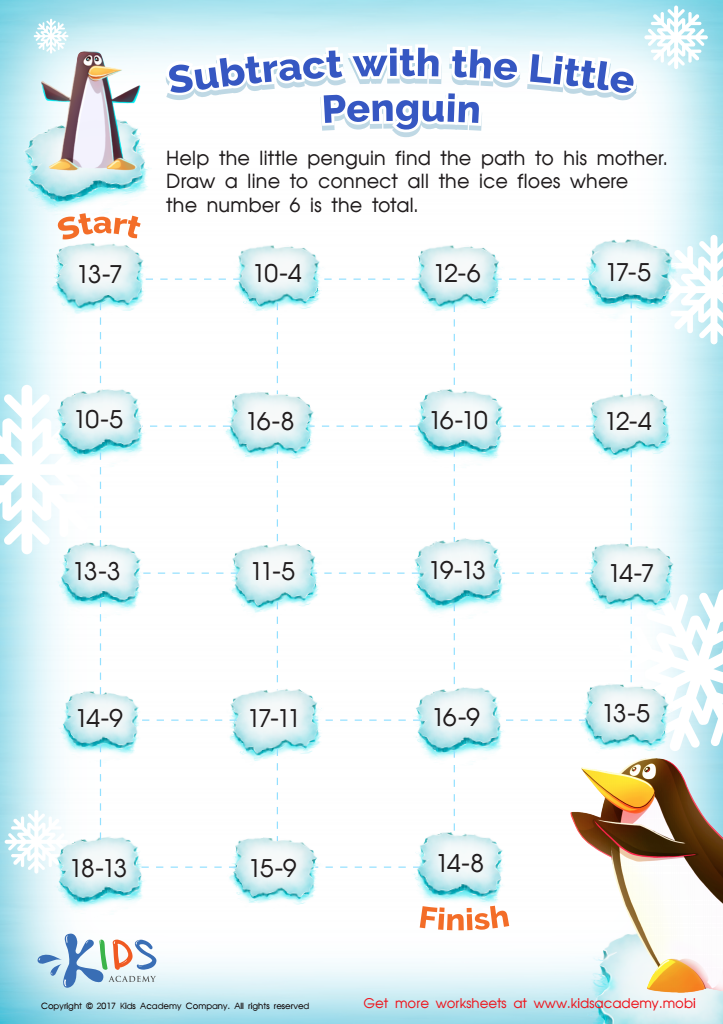
Subtract With The Little Penguin Substraction Worksheet
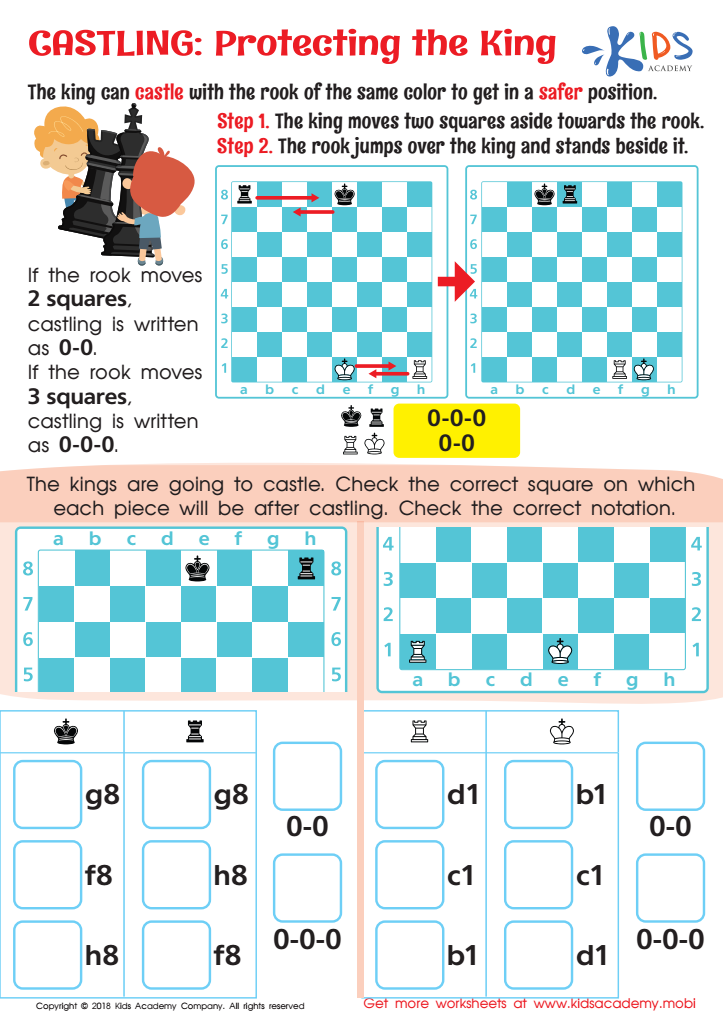
Castling: Protecting the King Worksheet
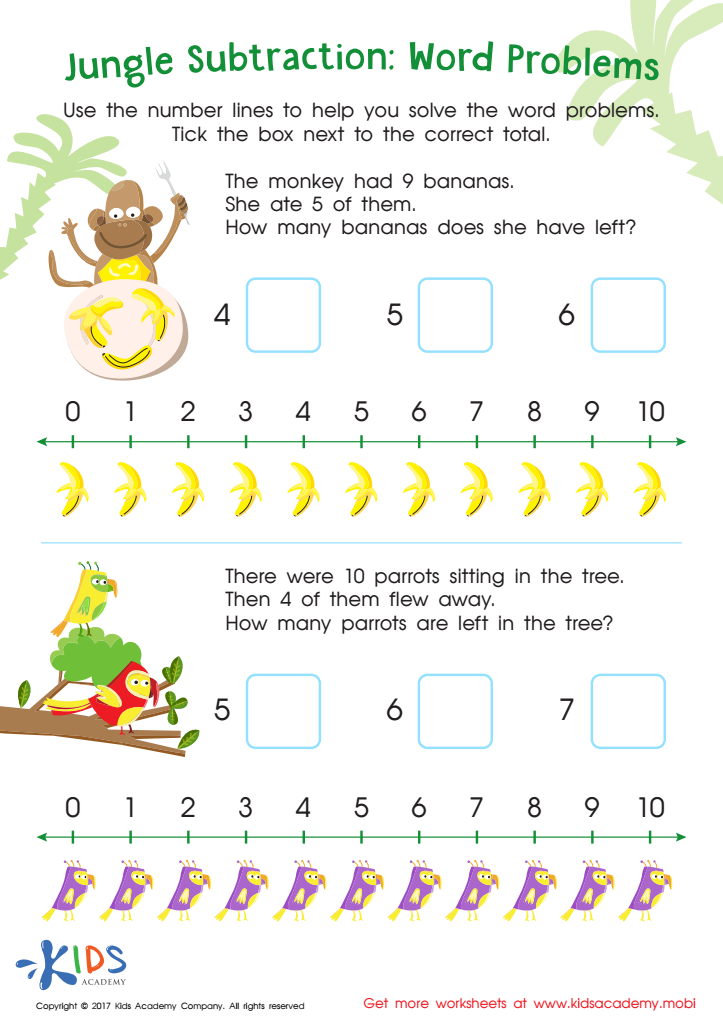
Jungle Subtraction Word Problems Substraction Worksheet
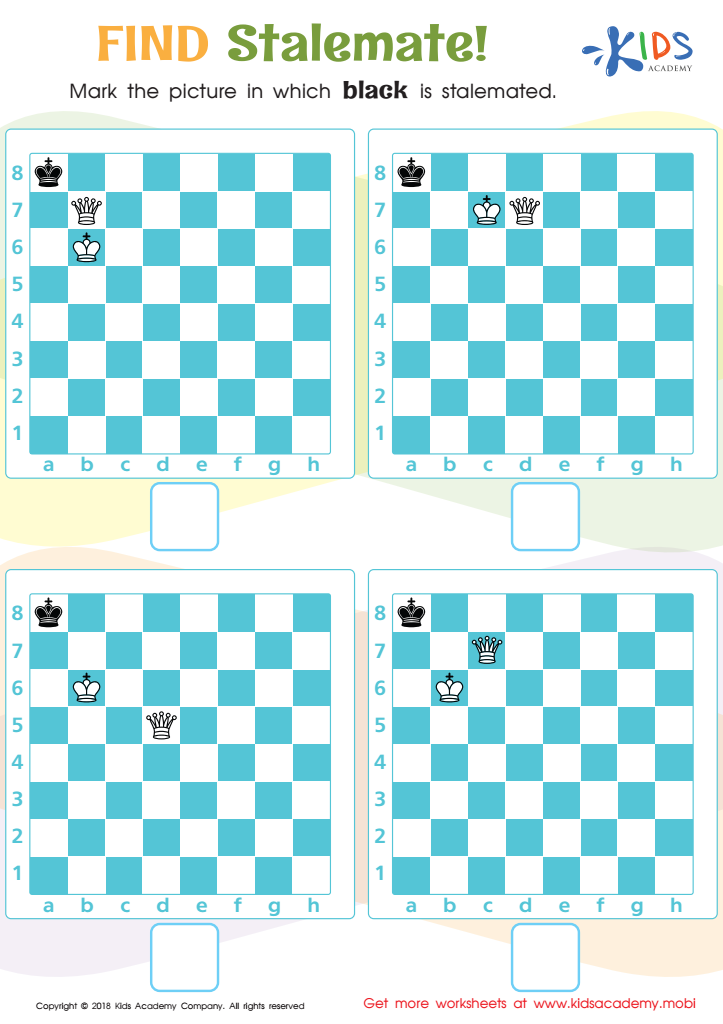
Find Stalemate! Worksheet
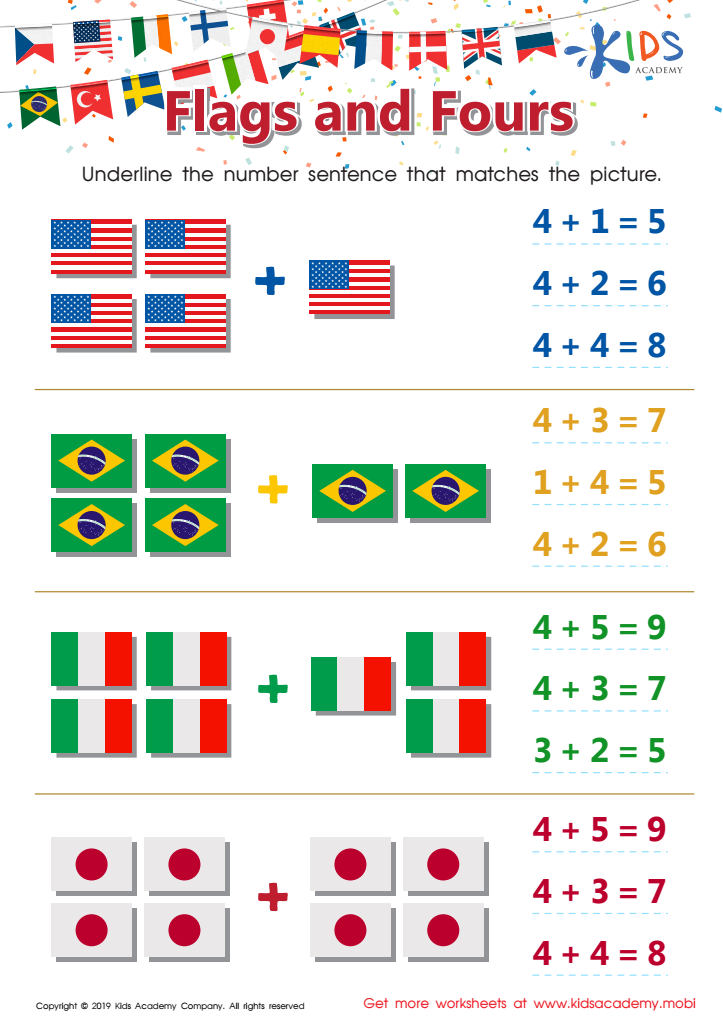
Flags and Fours Worksheet
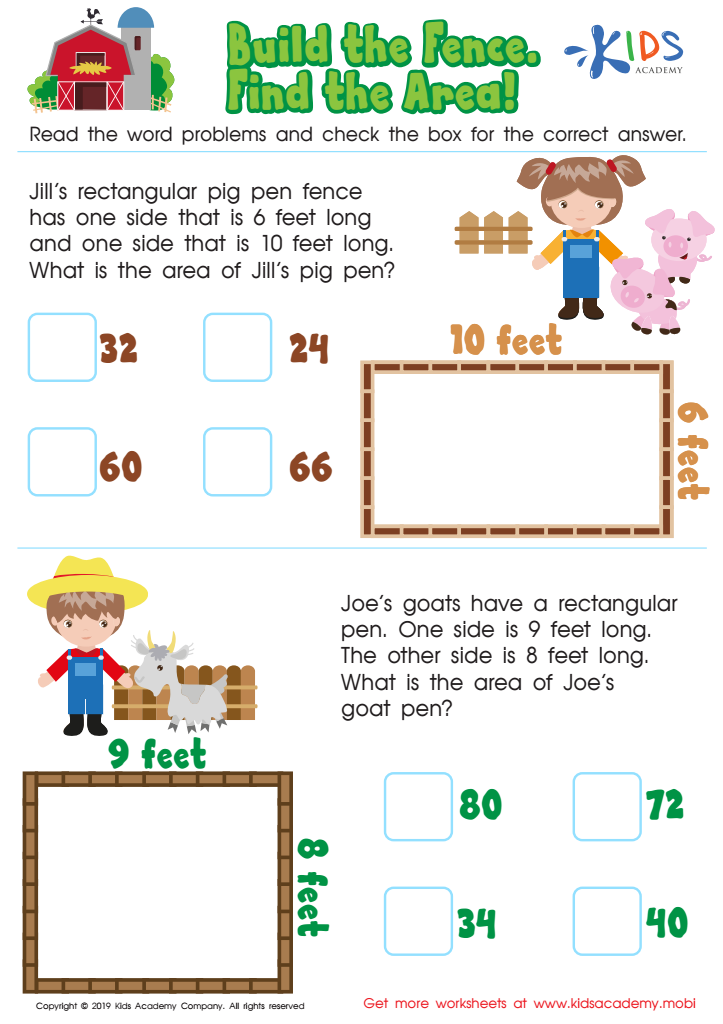
Build the Fence, Find the Area Worksheet







Problem-solving skills are foundational for children aged 3-8, influencing their cognitive development and future learning experiences. For parents and teachers, fostering these skills helps children navigate everyday challenges, enhancing their confidence and independence. When children are encouraged to explore solutions, they learn critical thinking, creativity, and persistence—attributes that are invaluable throughout life.
Engaging children in problem-solving activities, such as puzzles, games, or real-life scenarios, cultivates their ability to analyze situations, make decisions, and collaborate with peers. These activities not only make learning fun but also promote emotional intelligence as children manage frustrations and celebrate successes.
Moreover, early development of problem-solving skills lays the groundwork for academic success. Children become more adept at subjects like math and science, as they increasingly apply logical reasoning to complex concepts. As the world becomes more interconnected, these skills also enable children to tackle issues like teamwork, conflict resolution, and adaptability, preparing them for future social interactions and challenges.
By prioritizing problem-solving skills from an early age, parents and teachers can equip children with essential tools for lifelong learning, ensuring they become resilient, competent individuals ready to face the world.








