Vowel Recognition Extra Challenge Worksheets for Ages 3-8
9 filtered results
-
From - To
Enhance your child's reading skills with our Vowel Recognition Extra Challenge Worksheets designed for ages 3-8! These engaging and interactive worksheets are perfect for helping young learners master vowel sounds through fun activities. Our carefully crafted exercises encourage children to identify, differentiate, and practice vowels in a dynamic way. From matching games to fill-in-the-blanks and sound recognition tasks, each worksheet promotes essential phonetic skills while keeping your child entertained. Ideal for both classroom settings and home learning, these worksheets make vowel mastery an enjoyable adventure! Download now and watch your child gain confidence in their reading abilities.
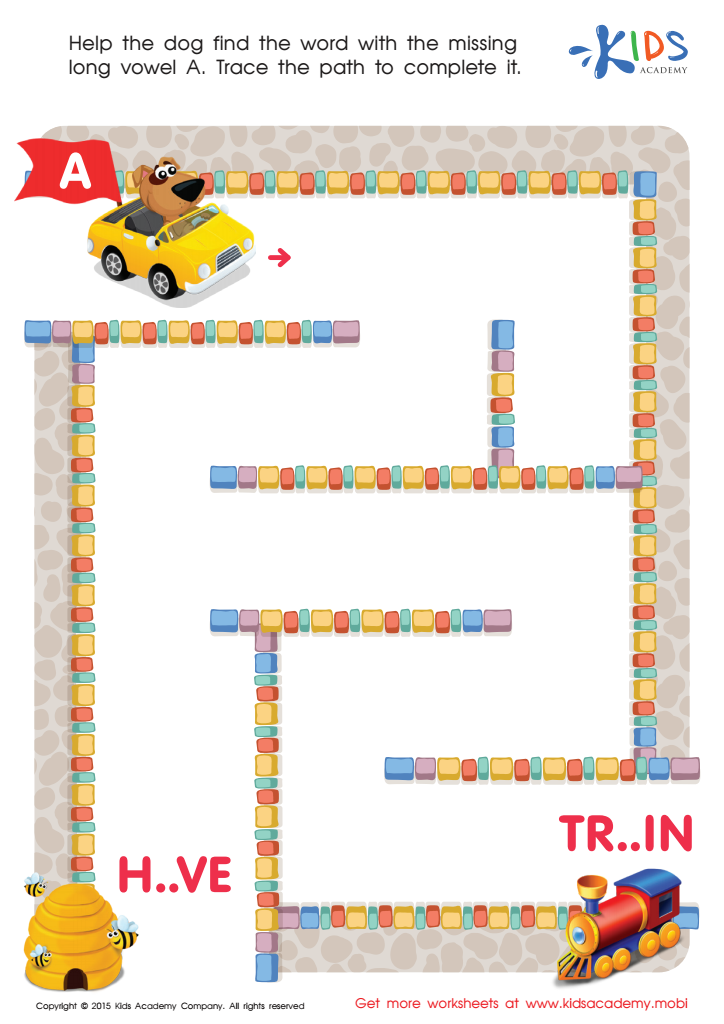
Long Vowel Sound A Worksheet
 Assign to My Students
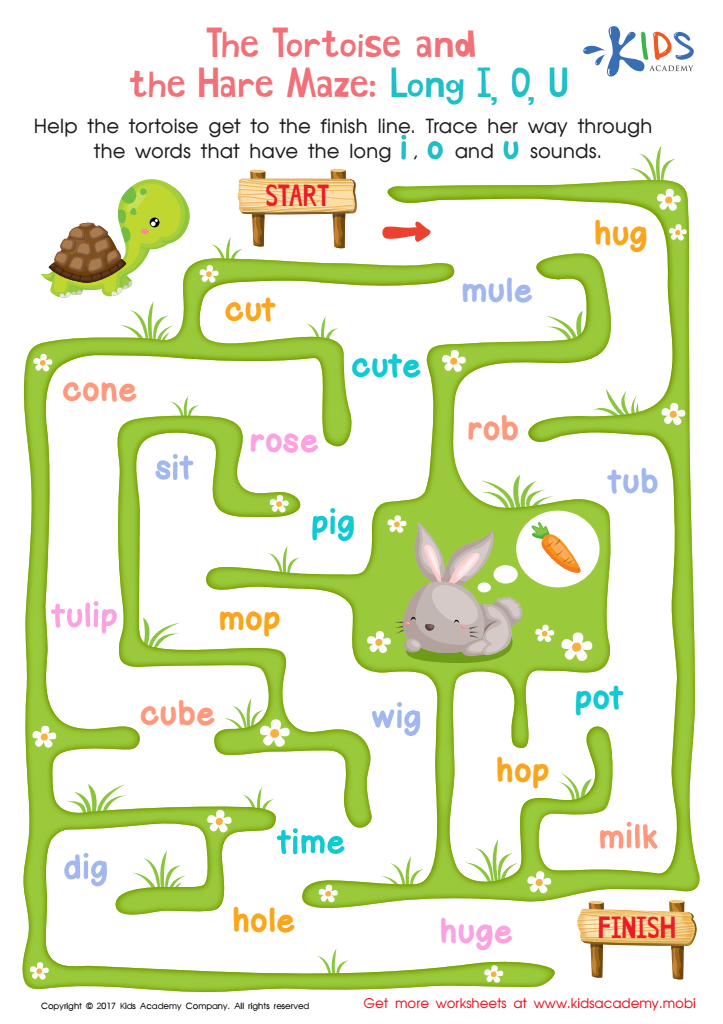
Long I, O, U Words Worksheet
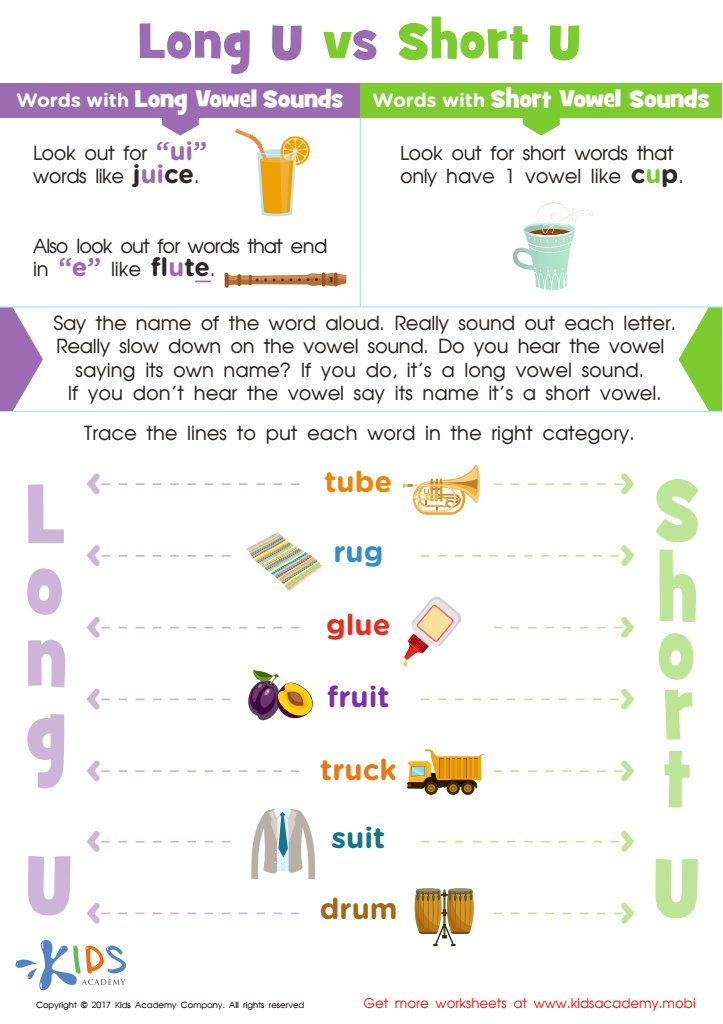
Long and Short Vowel U Spelling Worksheet
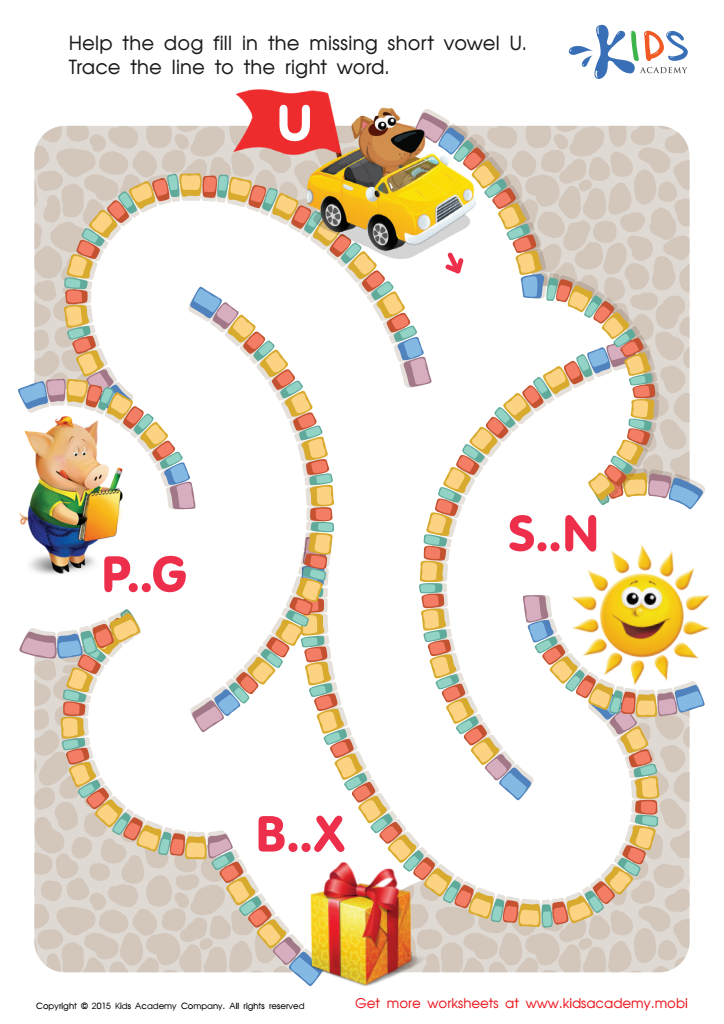
Short Vowel Sound U Worksheet
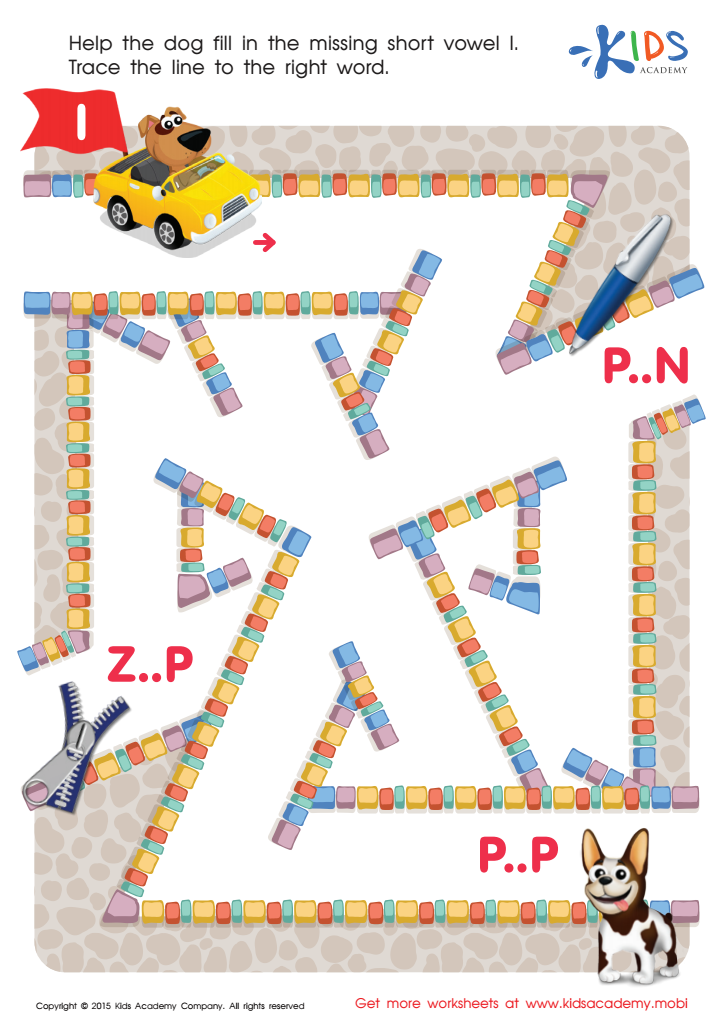
Short Vowel Sound I Worksheet
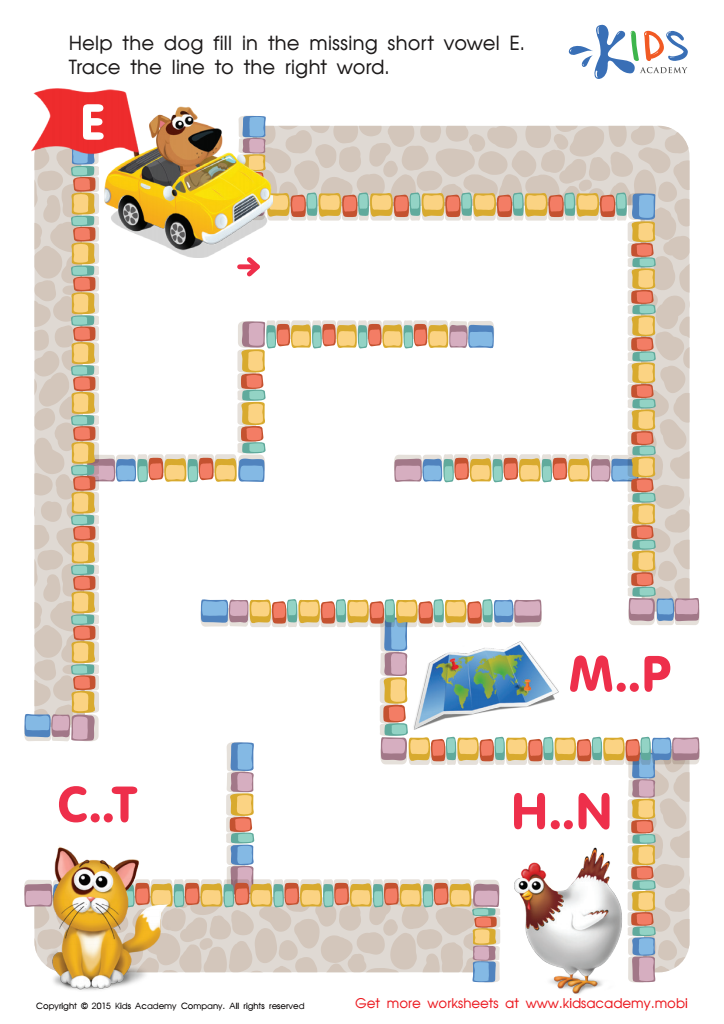
Short Vowel Sound E Worksheet
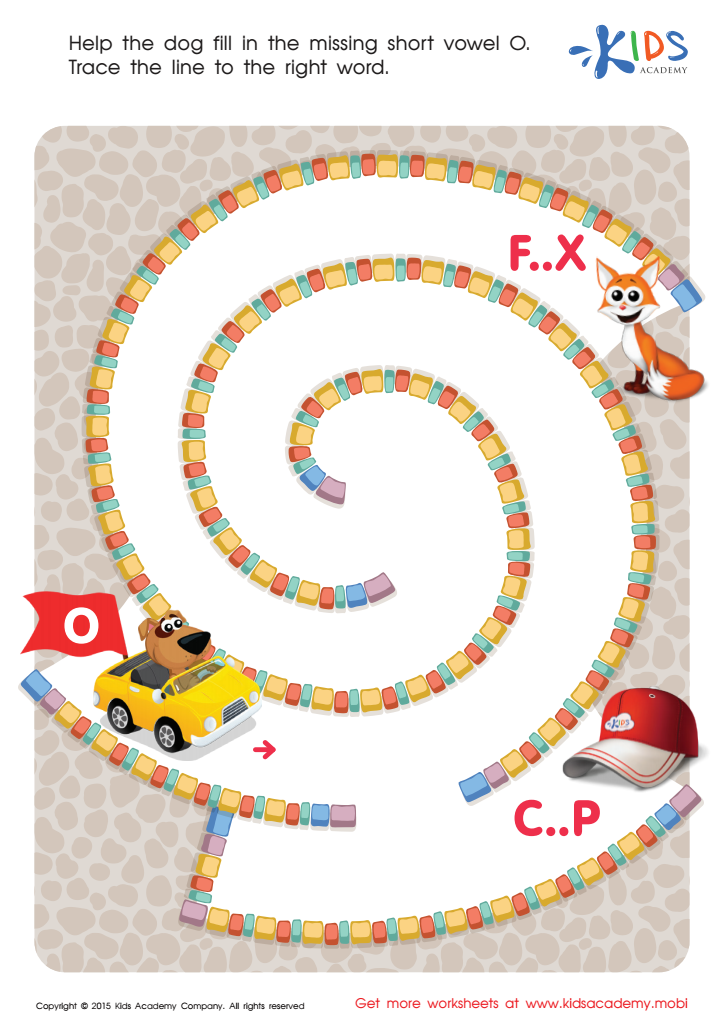
Short Vowel Sound O Worksheet
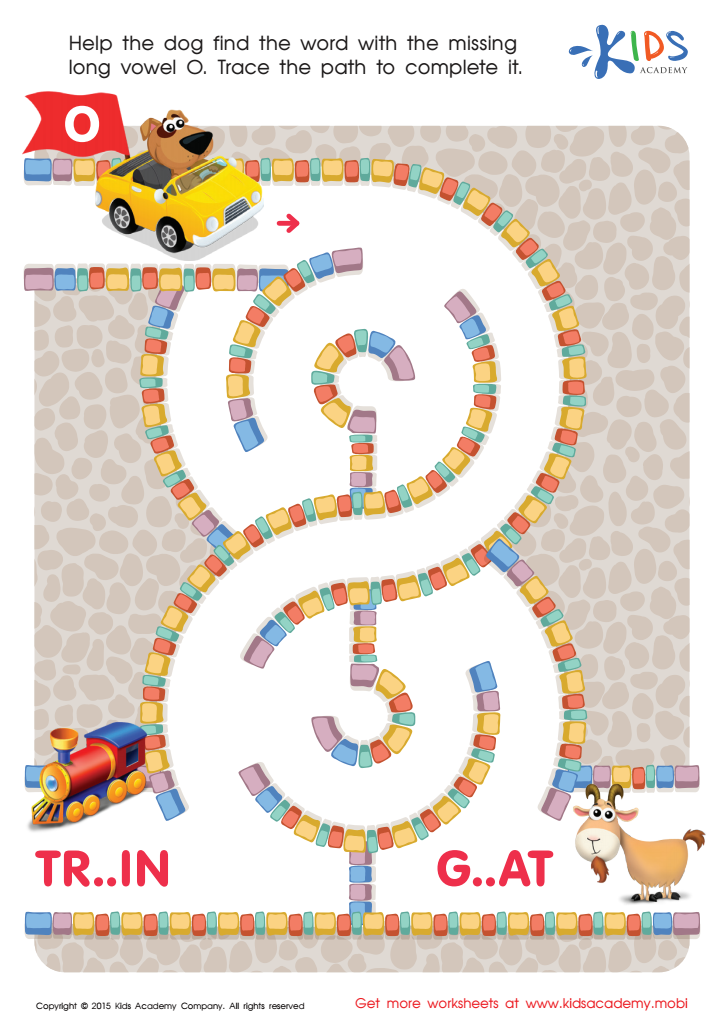
Long Vowel Sound O Worksheet
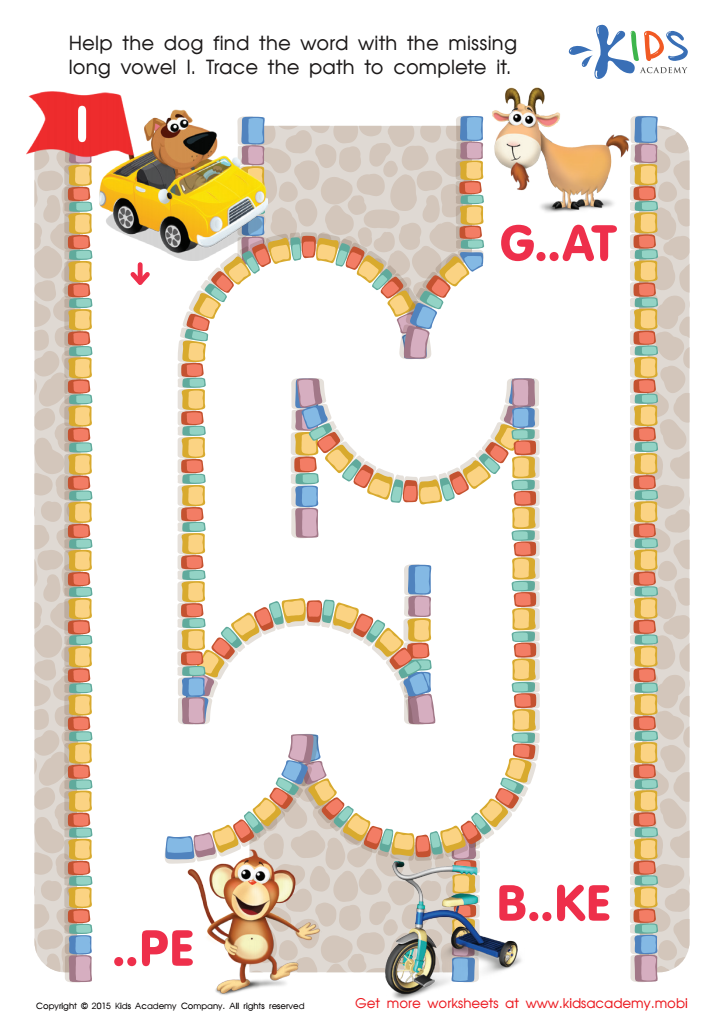
Long Vowel Sound I Worksheet








Vowel recognition is a foundational skill that significantly influences literacy development in young children. For parents and teachers, understanding the importance of the Vowel Recognition Extra Challenge for ages 3-8 can shape effective educational strategies. Mastering vowel sounds is crucial for phonics, which in turn supports the ability to read, write, and communicate effectively.
Vowel recognition helps children decode words, making reading less daunting. By engaging in targeted activities, children can differentiate between short and long vowels, leading to improved reading fluency. Additionally, this skill fosters vocabulary growth and enhances spelling capabilities. For educators, incorporating challenges related to vowel recognition within the classroom supports differentiated learning, encouraging all students to engage and grow at their own pace.
Moreover, children's early experiences with vowels can instill a love for reading and learning, laying the groundwork for academic success. Engaging with these challenges enables educators to identify potential reading difficulties early, allowing for timely intervention. Parents can reinforce these skills at home, creating a collaborative approach to their child’s literacy journey. Investing in vowel recognition not only equips children with essential skills but also empowers teachers and parents to support lifelong learning and literacy proficiency.








