Problem-Solving Skills Extra Challenge Worksheets for Ages 4-6 - Page 2
61 filtered results
-
From - To
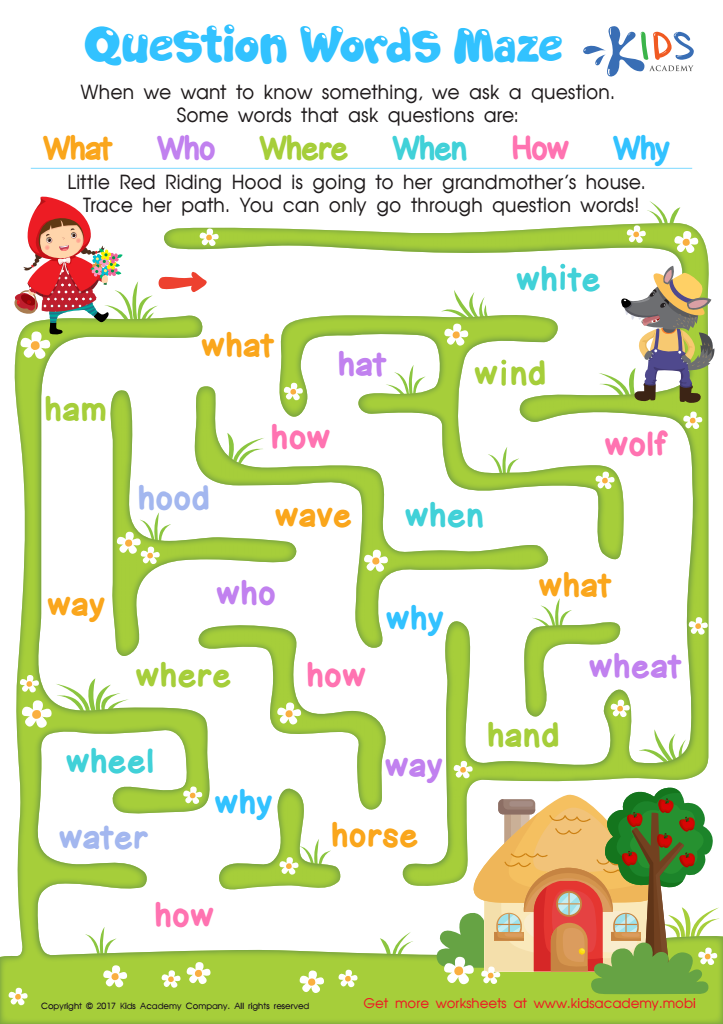
Question Words Maze Worksheet
 Assign to My Students
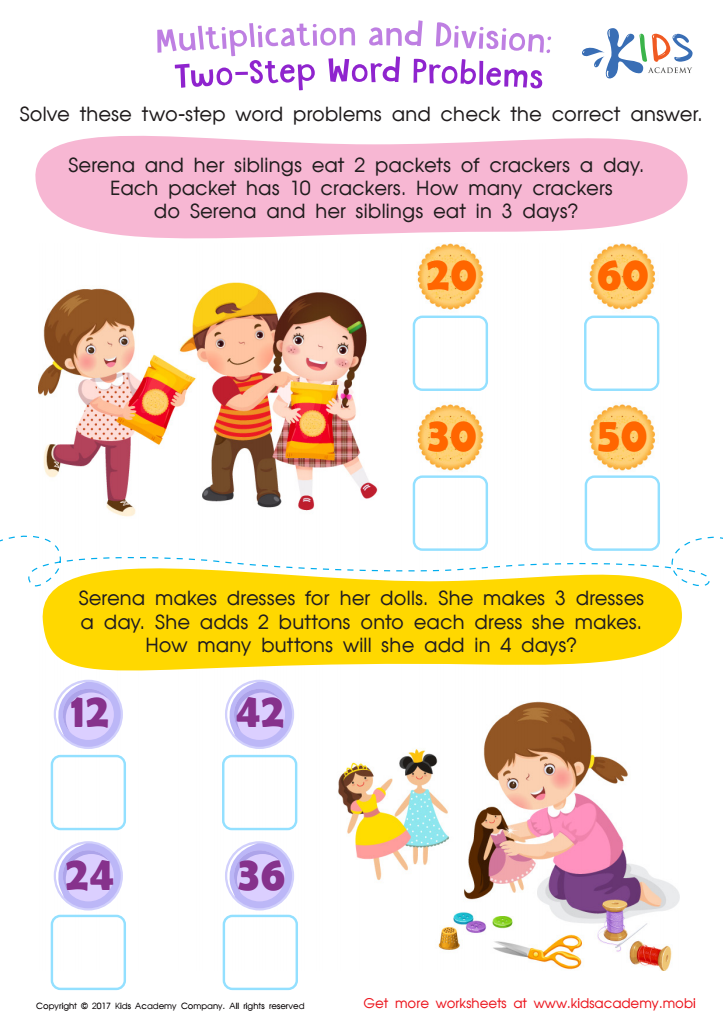
Two Step Word Problems Worksheet
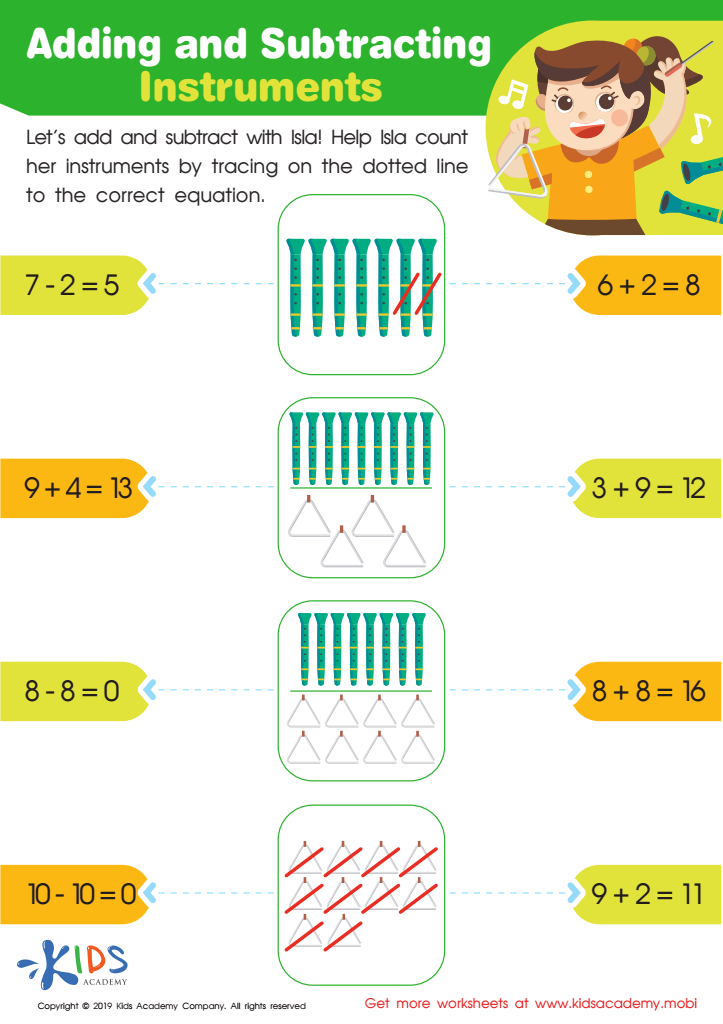
Adding and Subtracting: Instruments Worksheet
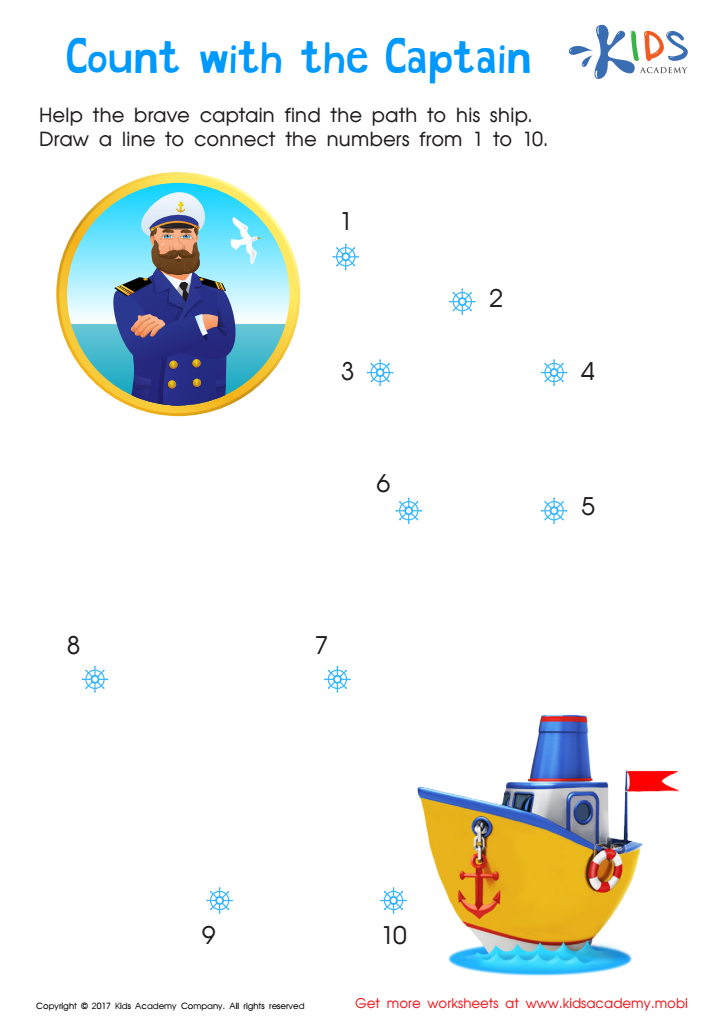
Count with the Captain Connect Dots Worksheet
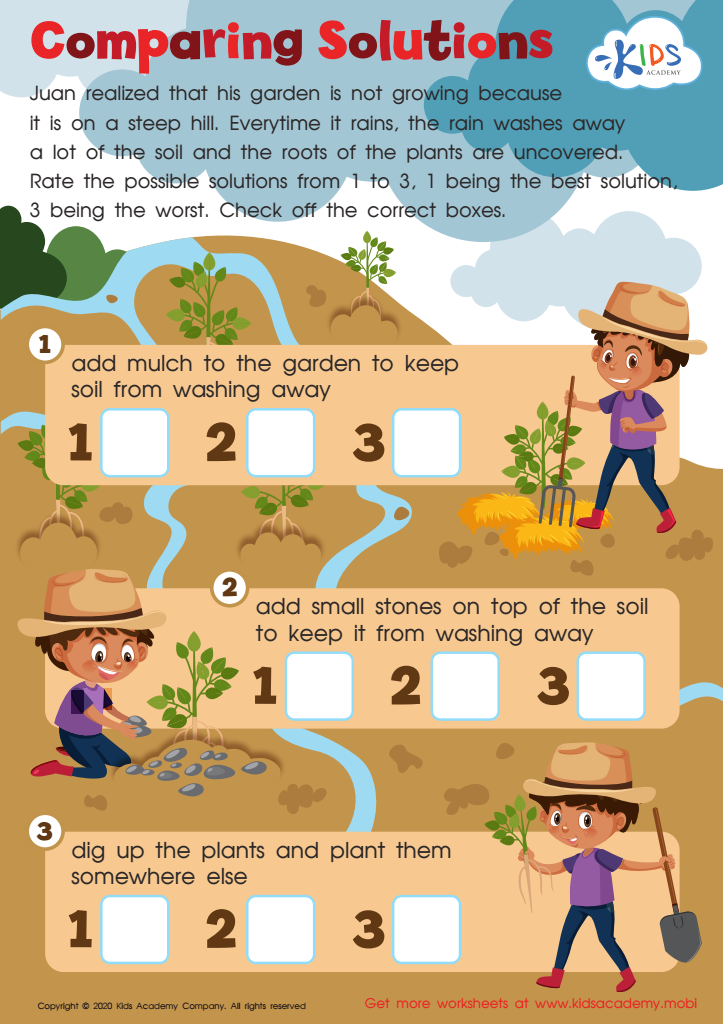
Comparing Solutions Worksheet
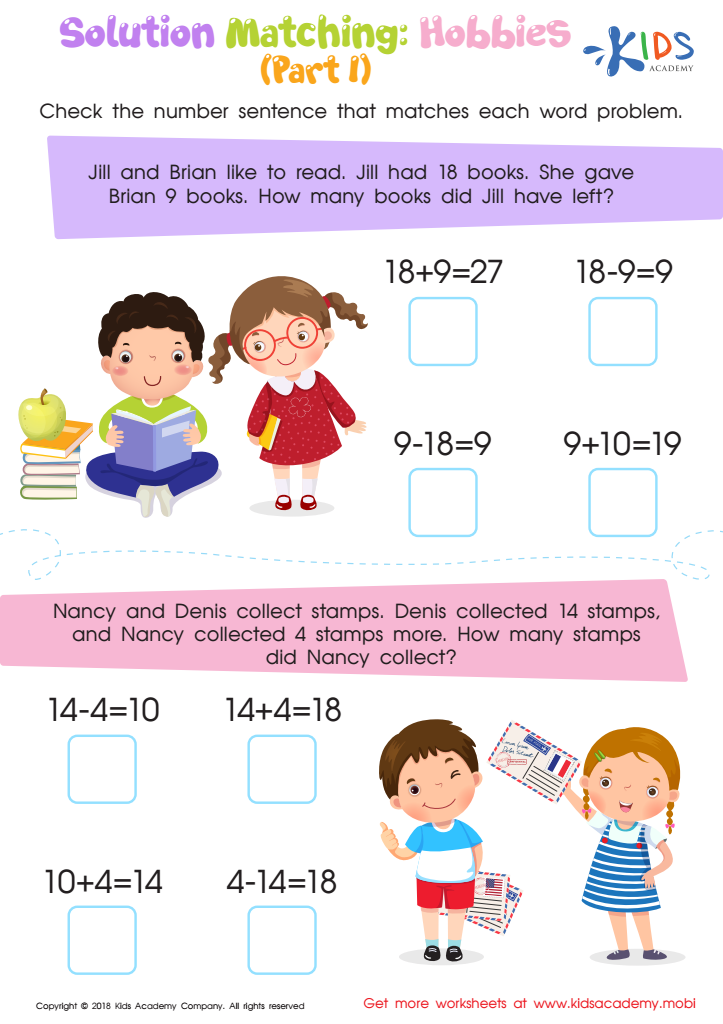
Solution Matching: Hobbies. Part 1 Worksheet
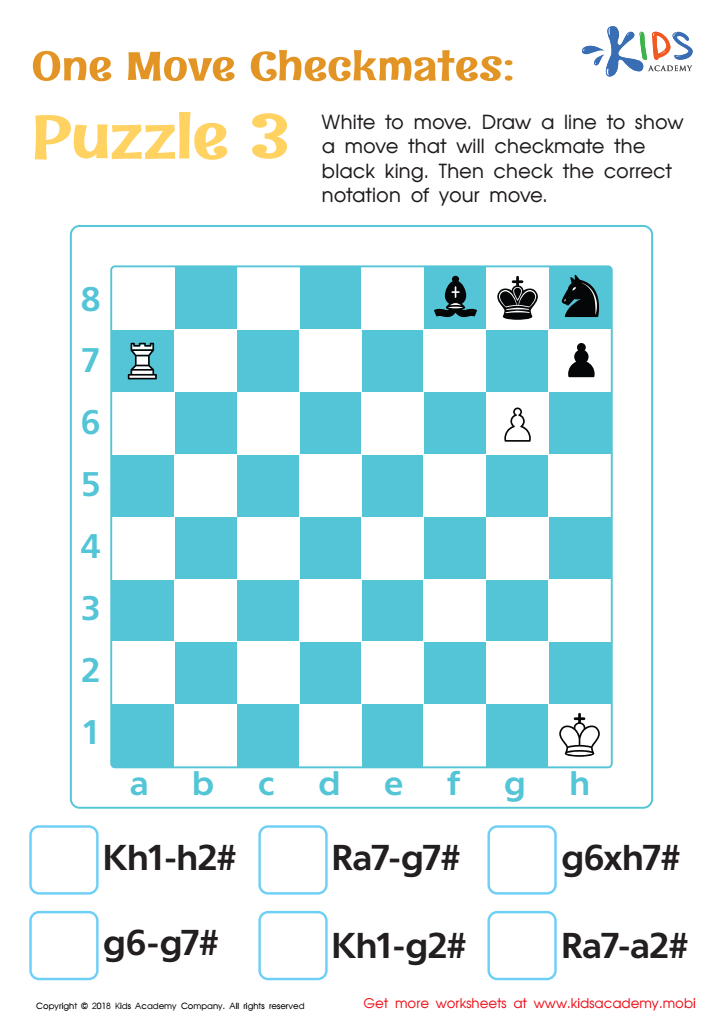
One Move Checkmates: Puzzle 3 Worksheet
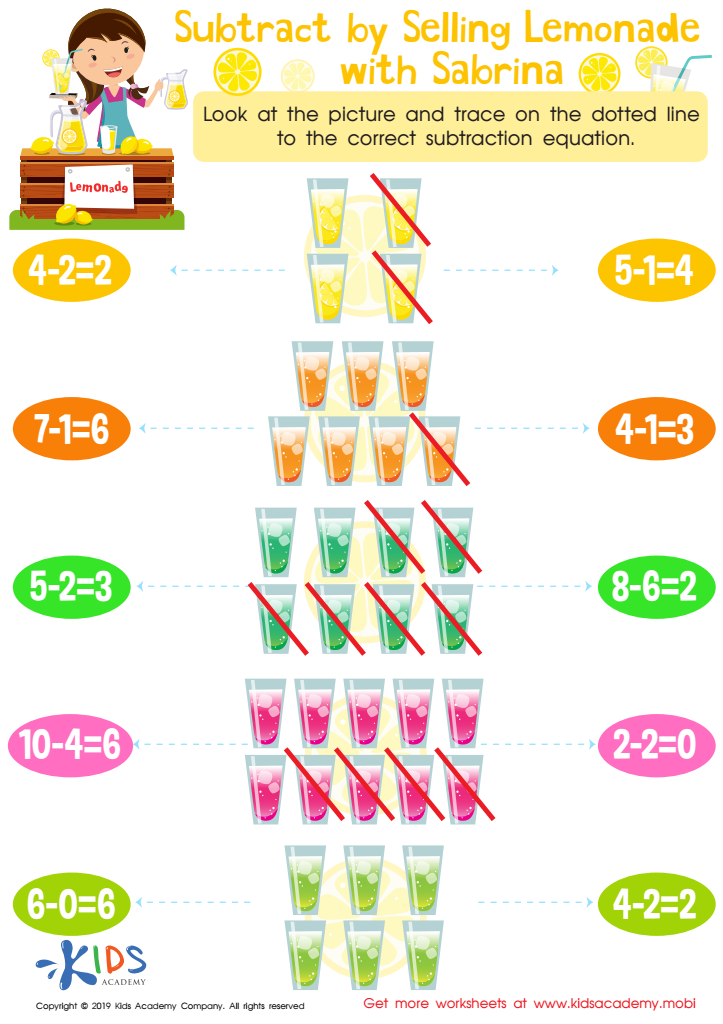
Subtract by Selling Lemonade with Sabrina Worksheet
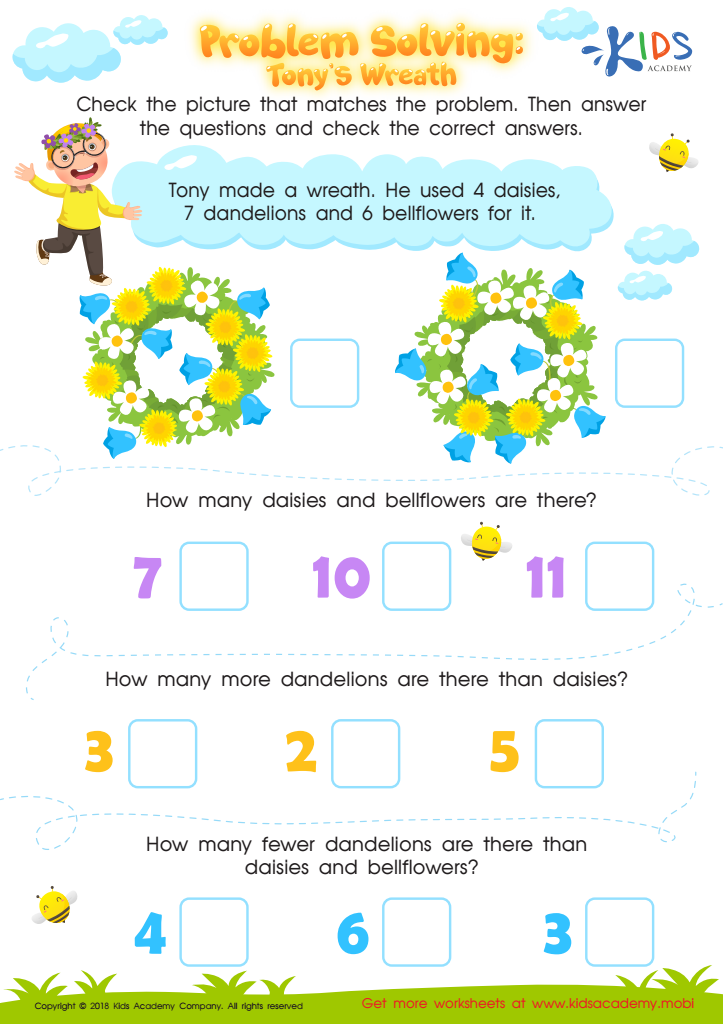
Problem Solving: Tony's Wreath Worksheet

Count Santa's Presents Worksheet
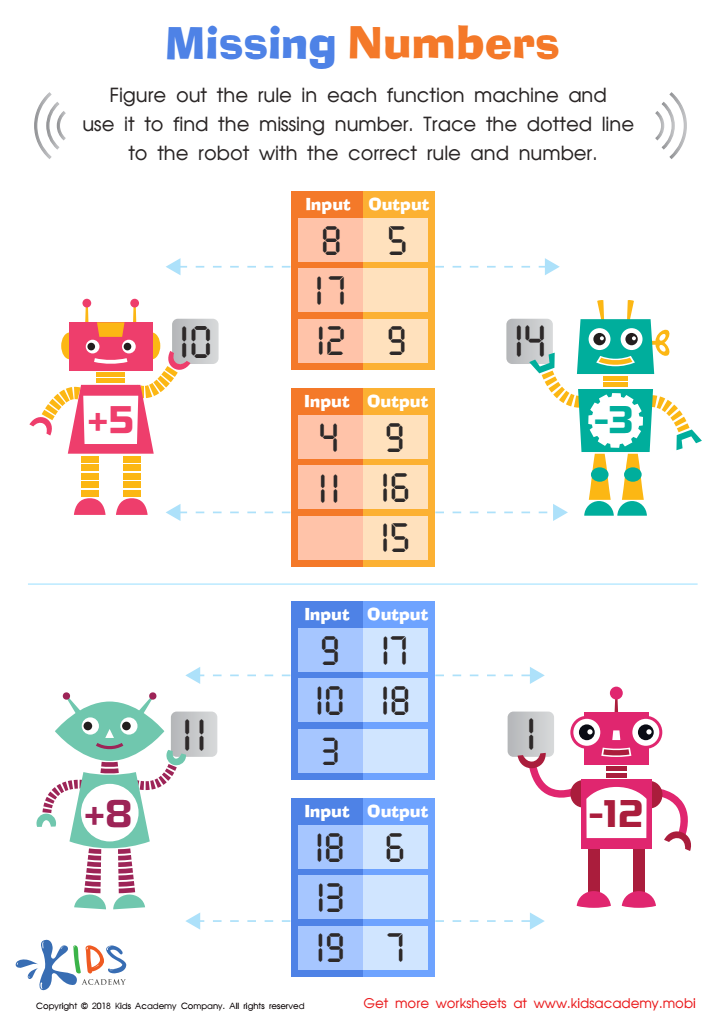
Missing Numbers Worksheet
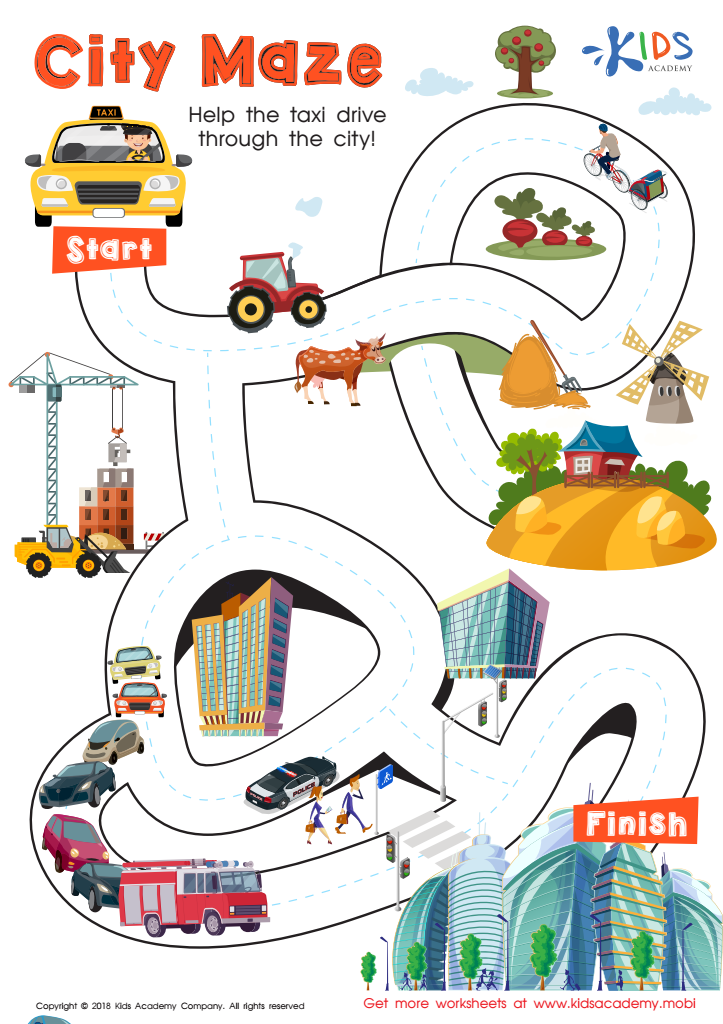
City Maze Worksheet
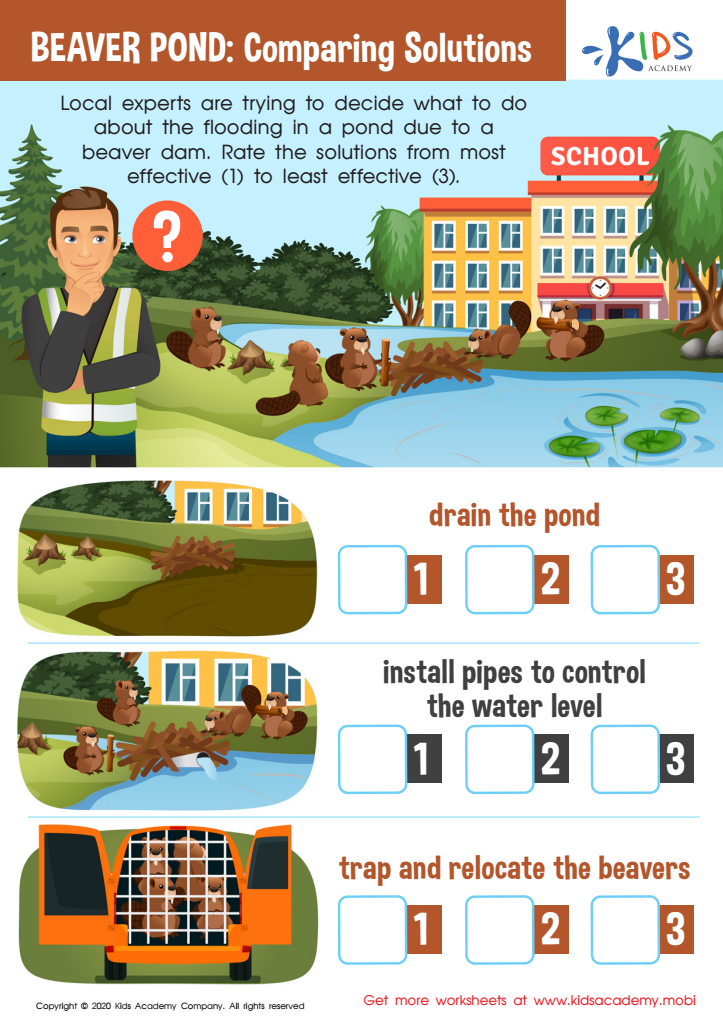
Beaver Pond: Comparing Solutions Worksheet
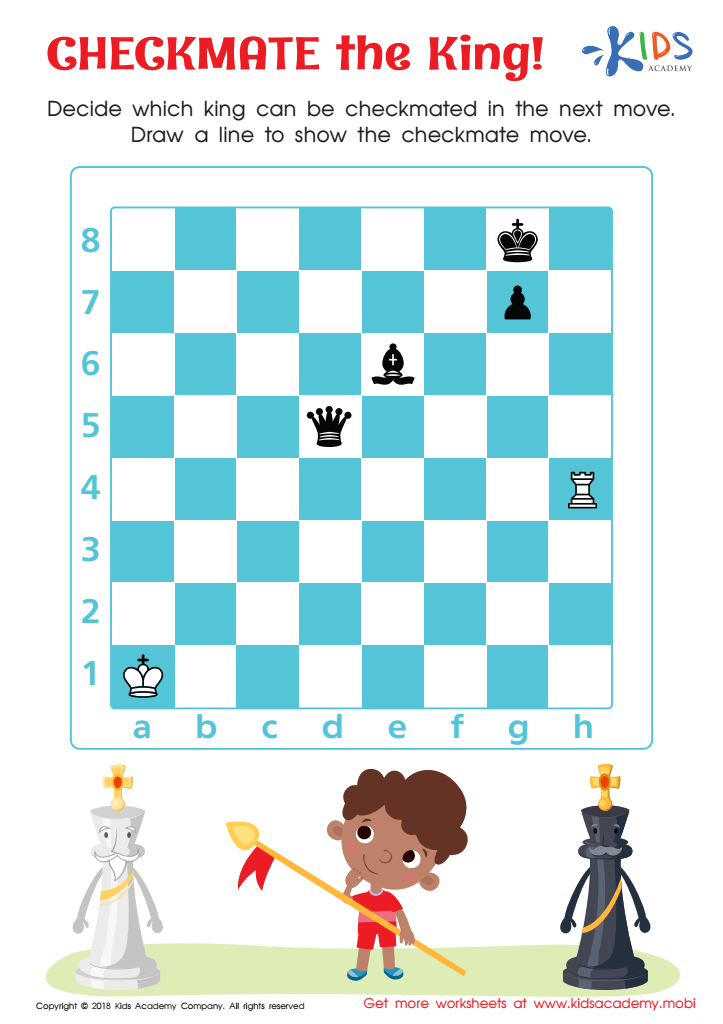
Checkmate the King Worksheet
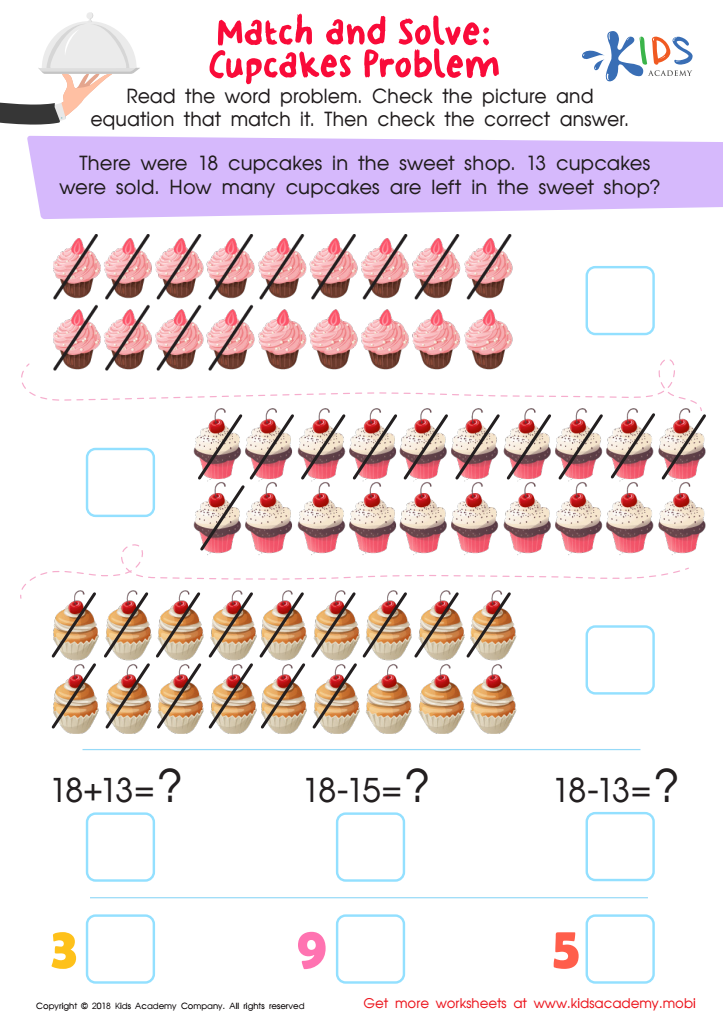
Match and Solve: Cupcakes Problem Worksheet
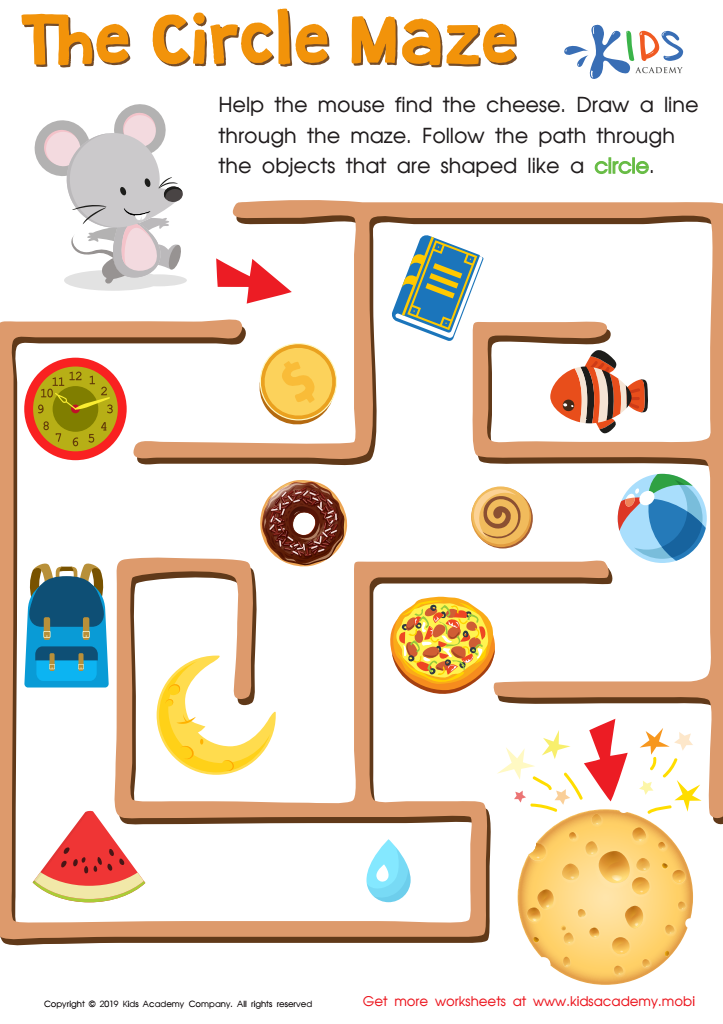
The Circle Maze Worksheet
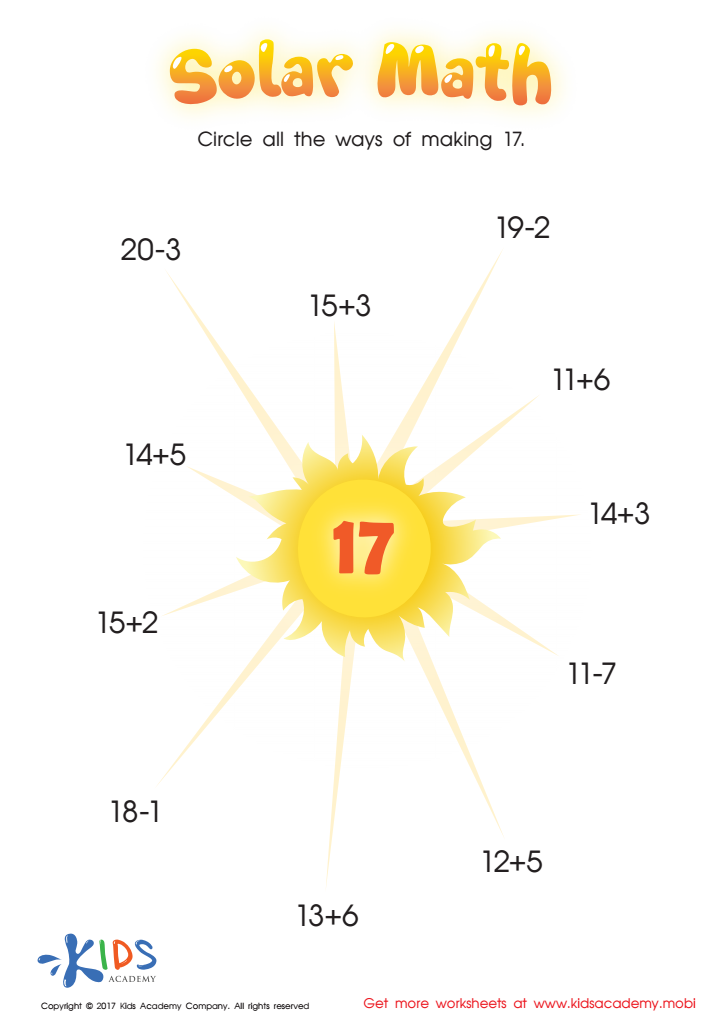
Solar Math Substraction Worksheet

Check. Checkmate or Stalemate? Worksheet
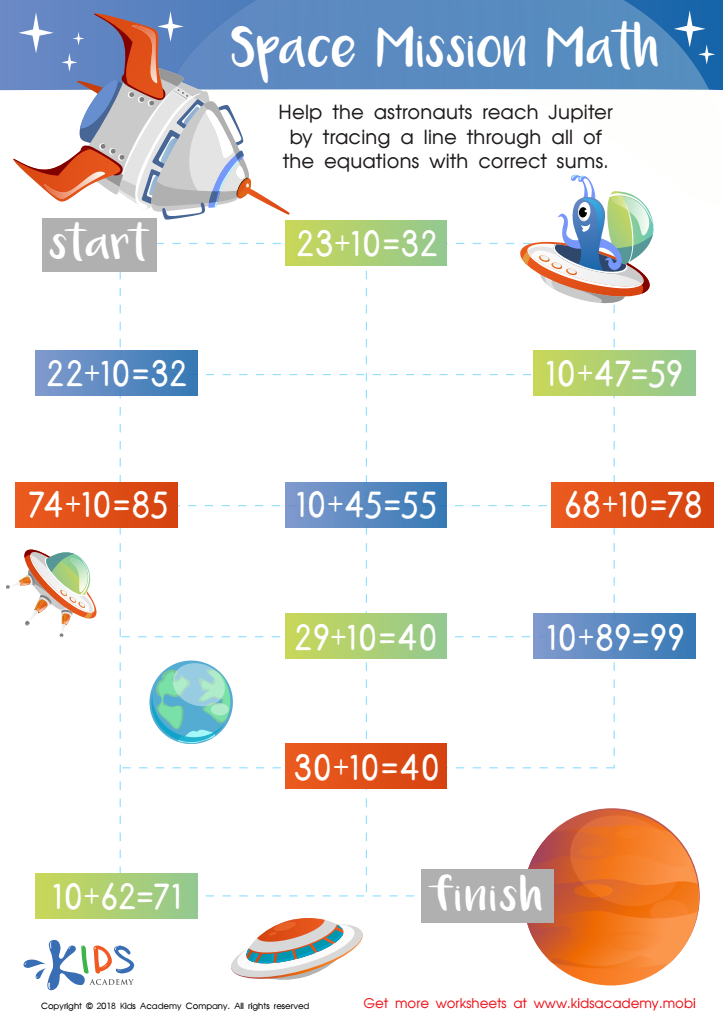
Space Mission Math Worksheet
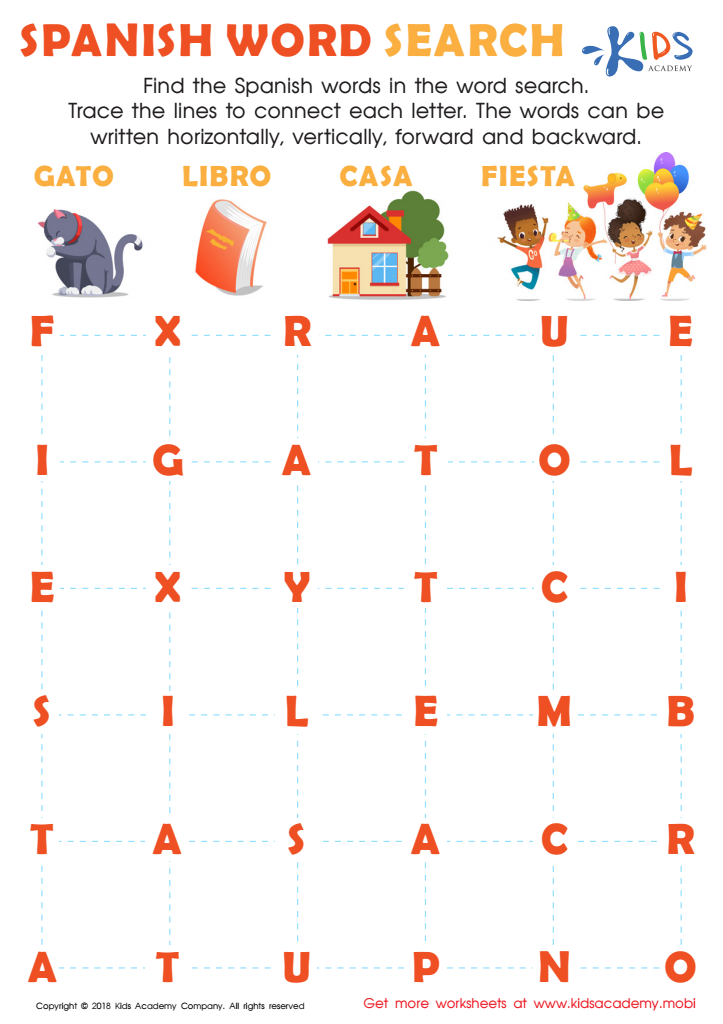
Spanish Word Search Worksheet
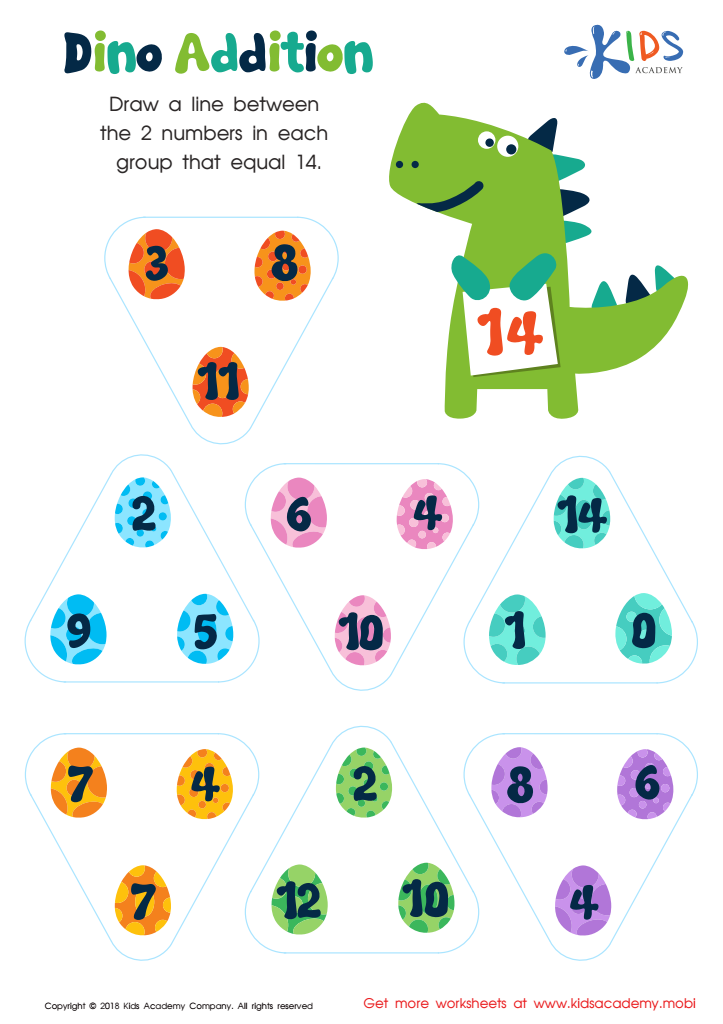
Dino Addition Worksheet
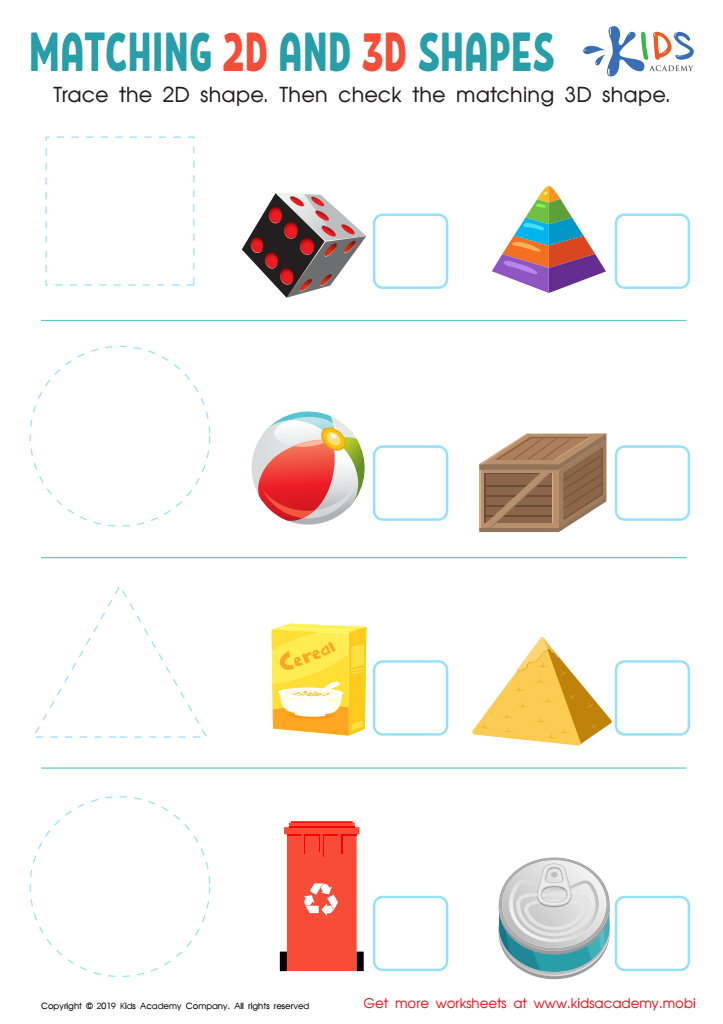
Matching 2D and 3D Shapes Worksheet
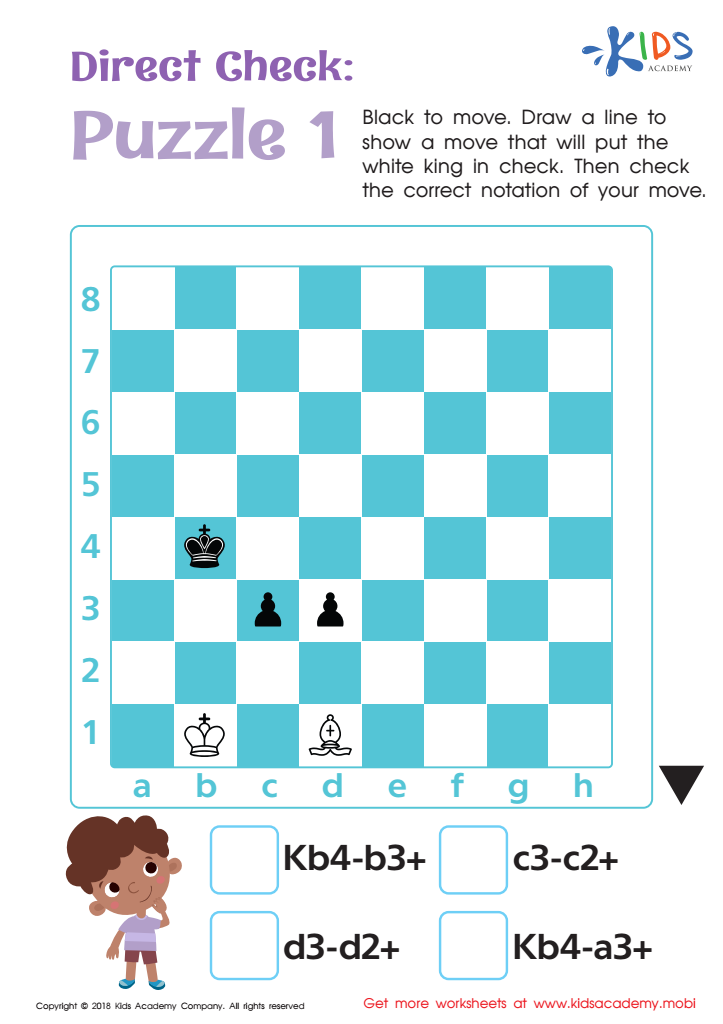
Direct Check: Puzzle 1 Worksheet

Leprechaun Maze Printable







Problem-solving skills are crucial for early childhood development, particularly for children ages 4 to 6. During this stage, cognitive abilities rapidly evolve, and nurturing these skills can lead to long-lasting benefits. Parents and teachers should prioritize problem-solving activities because they encourage critical thinking, creativity, and resilience. These skills not only enhance academic readiness but also support social interaction and emotional growth.
Engaging in problem-solving activities can empower children to approach challenges with confidence. It fosters a mindset where obstacles become opportunities for learning, allowing children to develop determination and adaptability. As they collaborate with peers or ask for guidance, they build essential communication skills and learn the value of teamwork.
Furthermore, participating in interactive problem-solving tasks can be a source of joy and excitement, making learning enjoyable! It also lays the foundation for future academic subjects, such as math and science, by promoting logical reasoning. Ultimately, investing in these skills enriches children's lives, ensuring they become lifelong learners prepared to navigate an increasingly complex world. Therefore, both parents and teachers play a pivotal role in fostering an environment conducive to developing strong problem-solving abilities in young children.








