Shape identification Extra Challenge Worksheets for Ages 5-7
6 filtered results
-
From - To
Explore our "Shape Identification Extra Challenge Worksheets" designed specifically for ages 5-7! These engaging worksheets go beyond basic shape recognition, adding a fun twist that encourages critical thinking and enhances spatial awareness. Your young learners will tackle exciting puzzles that help them identify and categorize shapes in various contexts. Perfect for individual use or group activities, these worksheets promote cognitive development and make learning shapes interactive and enjoyable. Ideal for both classroom settings and at-home learning, they are an excellent resource for early education. Spark your child's curiosity and confidence in geometry with our thoughtfully crafted challenges today!
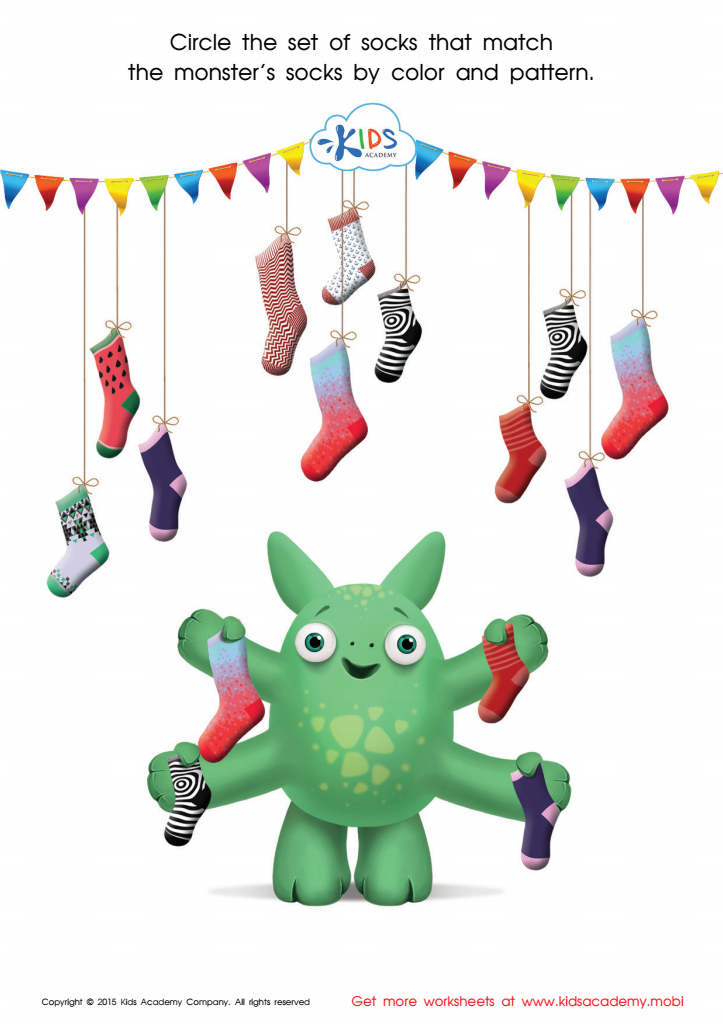
Sort the Monster's Socks Worksheet
 Assign to My Students
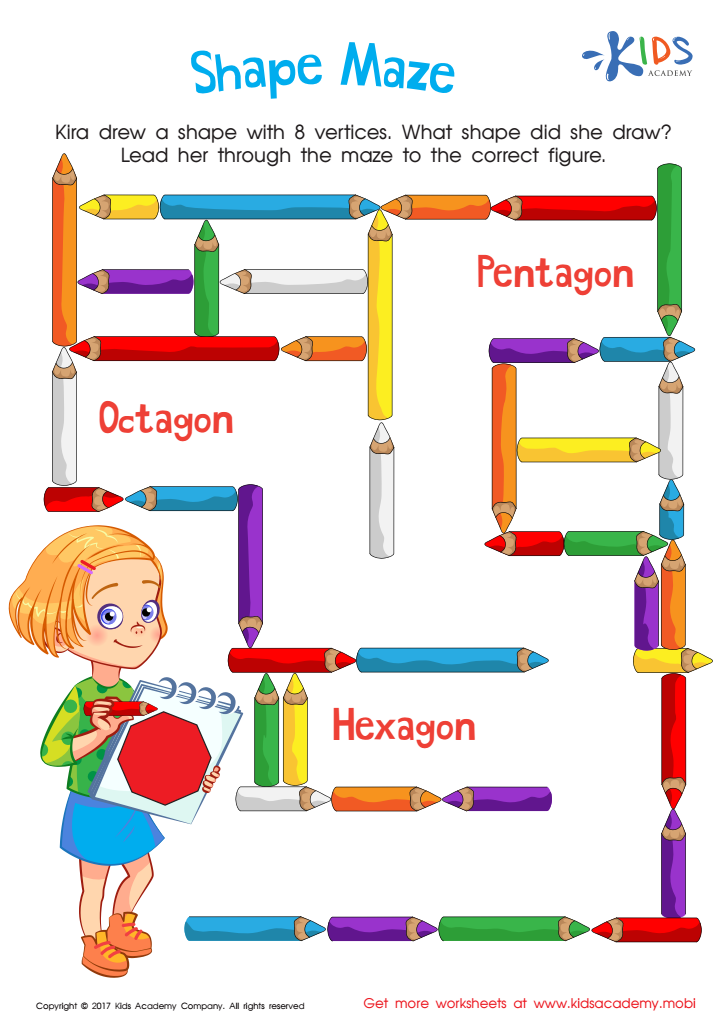
Shape Maze Worksheet
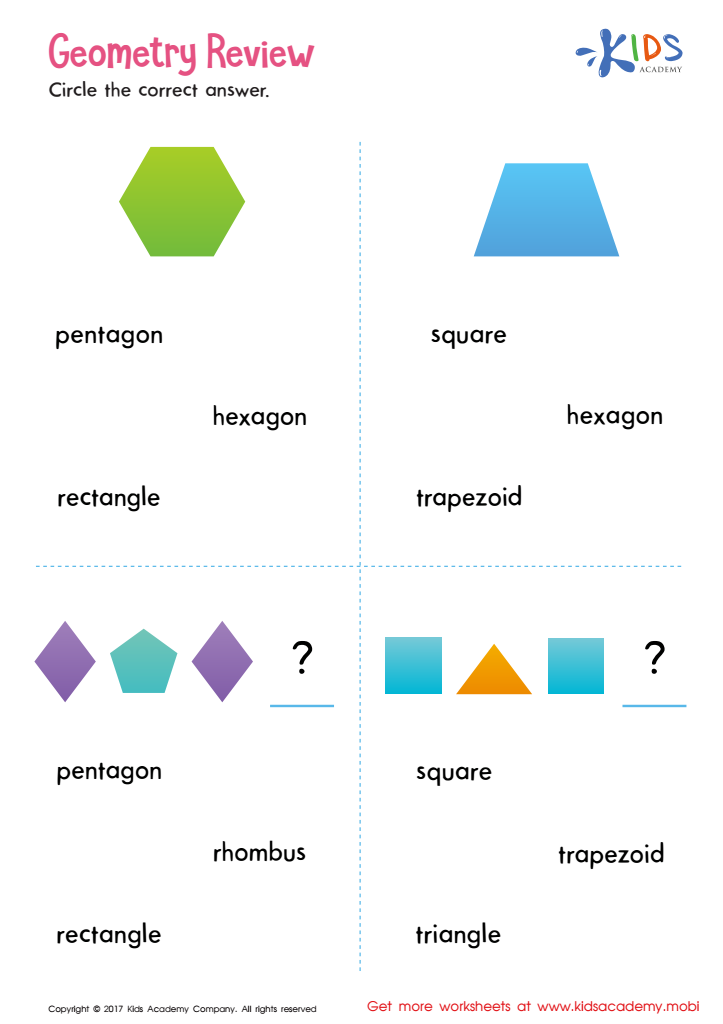
Geometry Review Printable
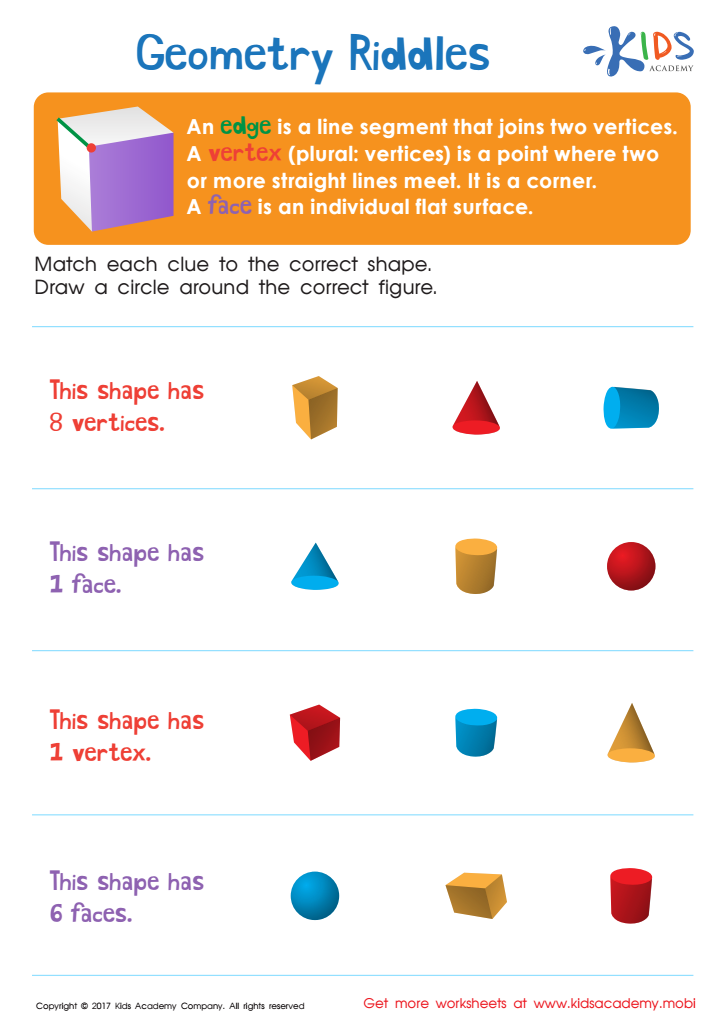
Geometry Riddles Printable
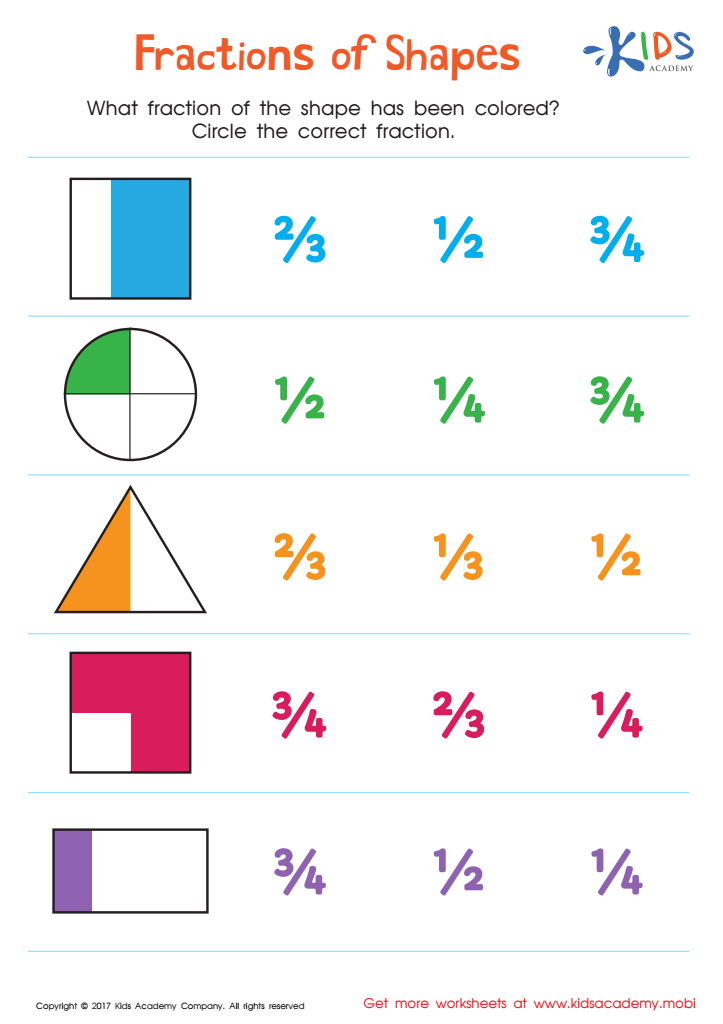
Fractions of Shapes: Math Concept Worksheet
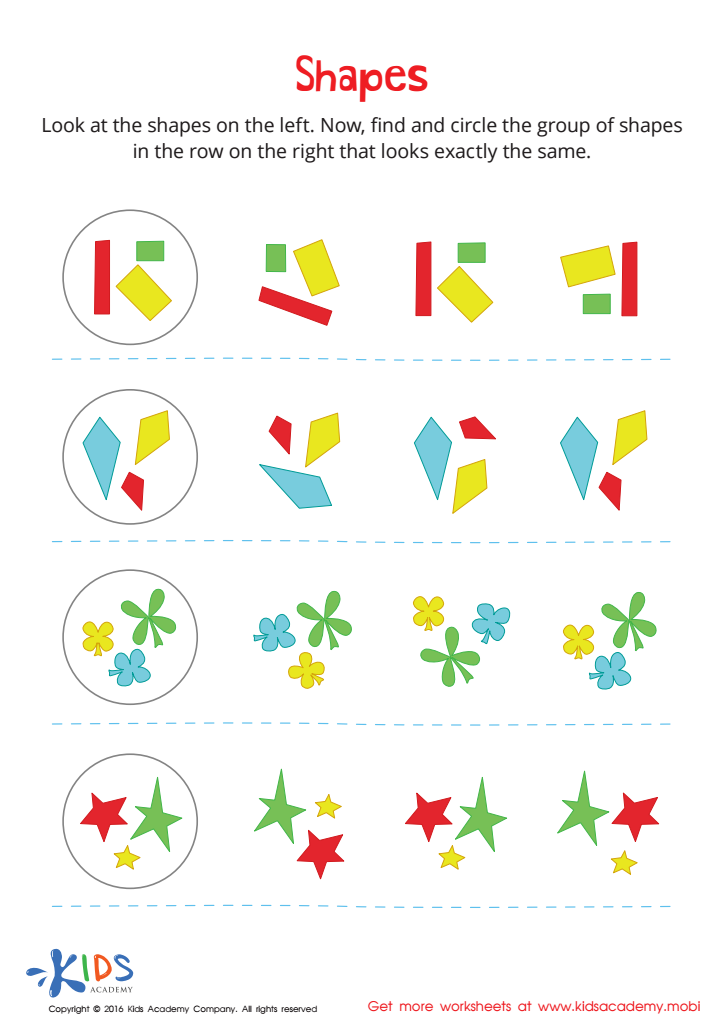
Shapes Worksheet





Shape identification is a crucial component of early childhood education for children aged 5-7. Parents and teachers should care about incorporating this Extra Challenge into their curriculum for several reasons. Firstly, shape identification helps develop cognitive skills, promoting spatial awareness and critical thinking. When children learn to recognize and categorize shapes, they build a solid foundation for more complex mathematical concepts, such as geometry, in later years.
Moreover, engaging in shape identification activities enhances fine motor skills. Tasks such as tracing, cutting, or building shapes require coordination and control, which are essential for young learners. This hands-on interaction not only reinforces shape recognition but also encourages creativity and problem-solving.
Additionally, challenge activities can foster a love for learning. When children are presented with fun and engaging shape-related tasks, they are more likely to remain motivated and excited about their education. It also promotes social skills, as children often work in groups, sharing ideas and collaborating.
Finally, supporting shape identification at this age can contribute to a child’s confidence, as mastering these early concepts allows them to feel accomplished and capable in their learning journey. Overall, prioritizing shape identification through Extra Challenges is vital for a holistic approach to early development.








