Cognitive Development Extra Challenge Worksheets for Ages 7-8
18 filtered results
-
From - To
Introducing our "Cognitive Development Extra Challenge Worksheets for Ages 7-8"! Designed to boost your child's critical thinking, these fun and engaging worksheets focus on enhancing problem-solving skills, memory, and logical reasoning. Perfectly aligned with educational standards, our printable activities include math challenges, reading comprehension exercises, and creative puzzles tailored for young learners. These worksheets not only make learning enjoyable but also help in developing essential cognitive skills vital for your child's academic success. Unlock your child's potential with our expertly crafted exercises, and watch them excel and gain confidence in their abilities. Ideal for classroom or home use!
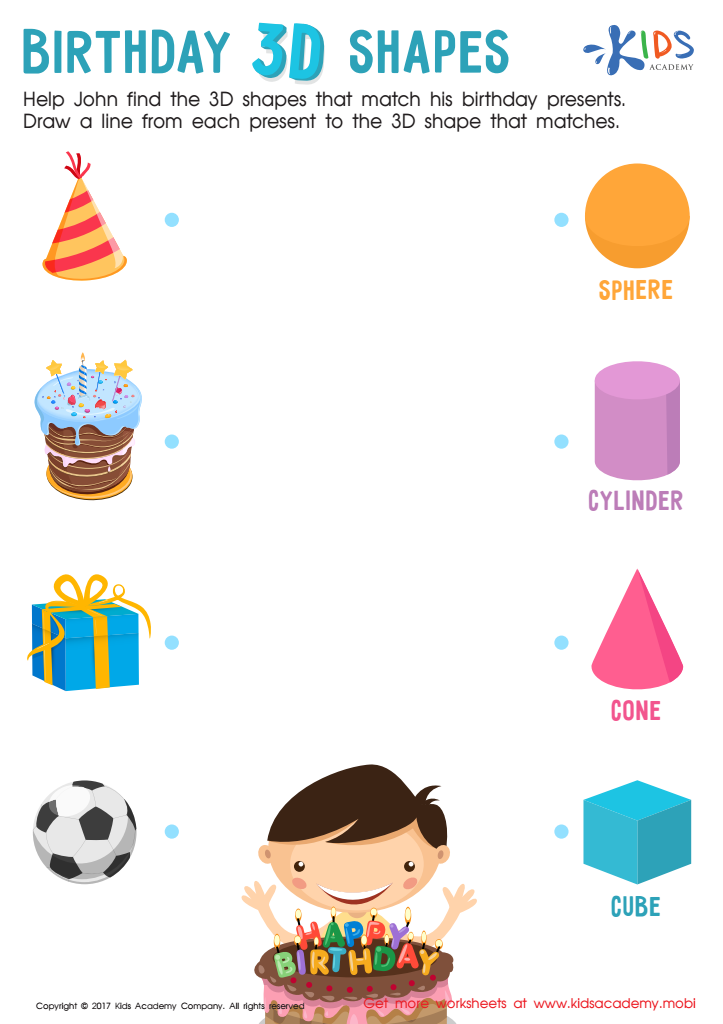
Birthday 3D Shapes Worksheet
 Assign to My Students
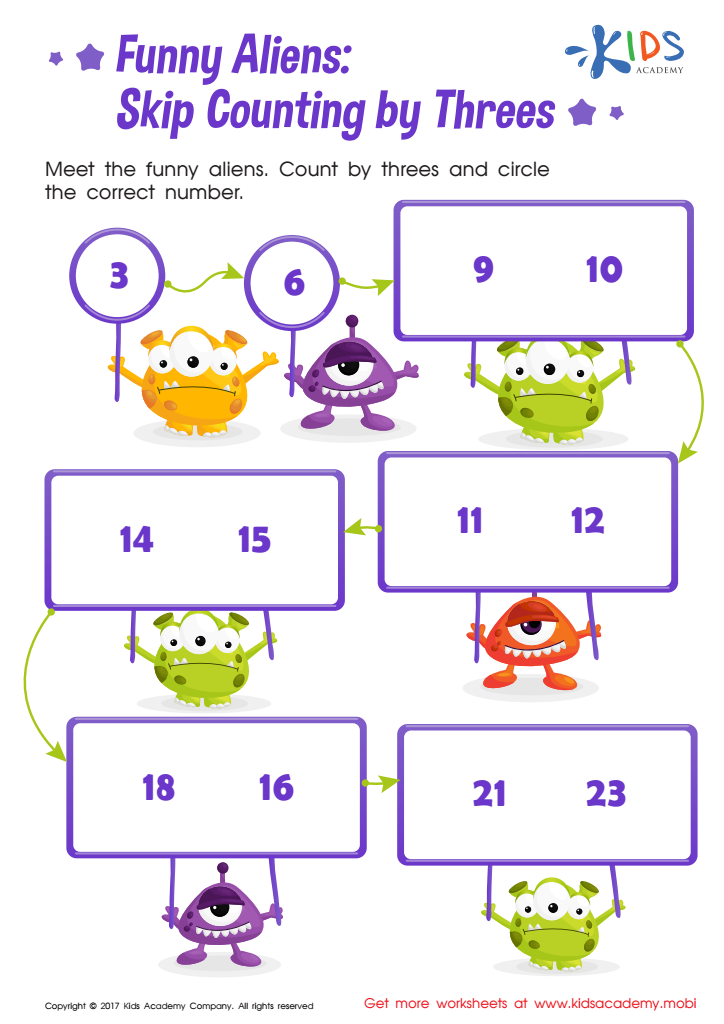
Skip Counting by 3s: Funny Aliens Printable
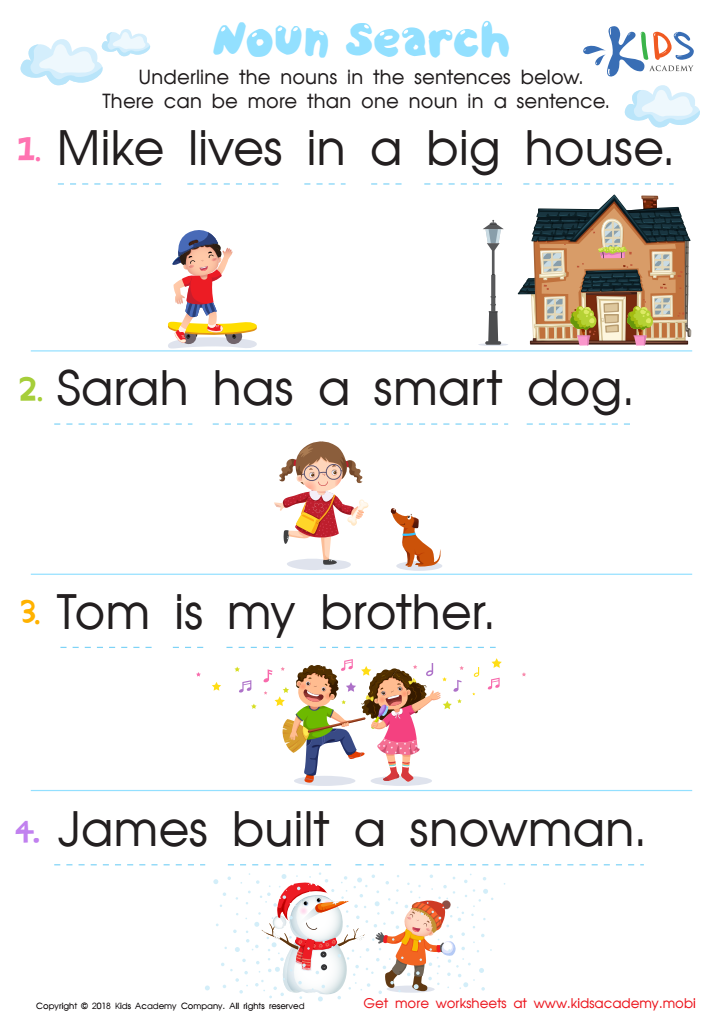
Noun Search Worksheet
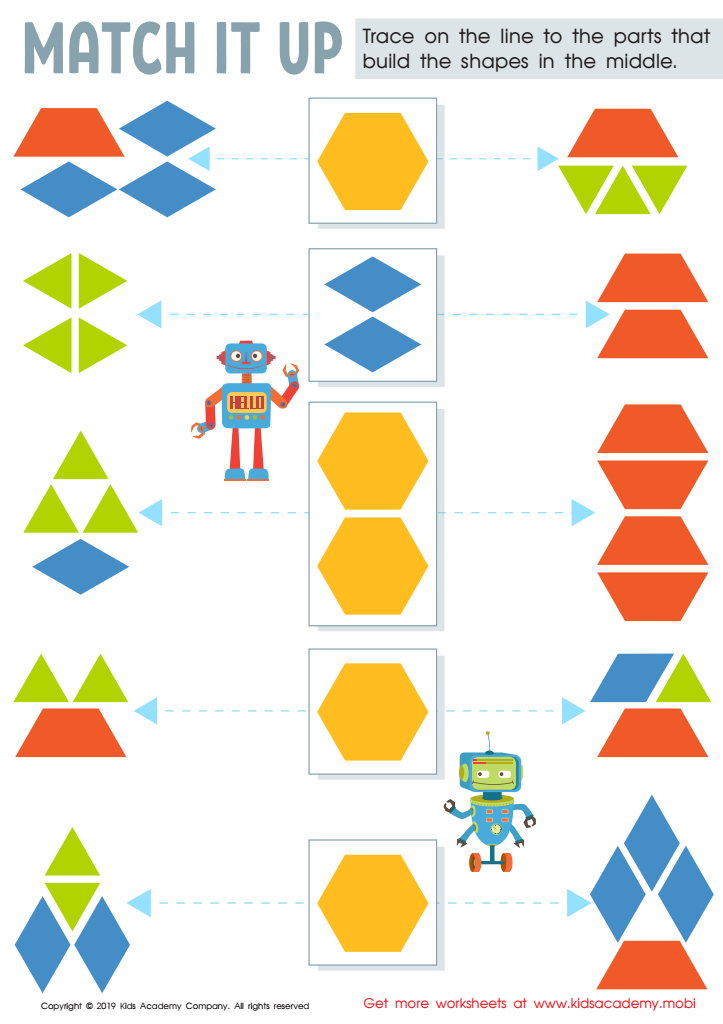
Match It up Worksheet
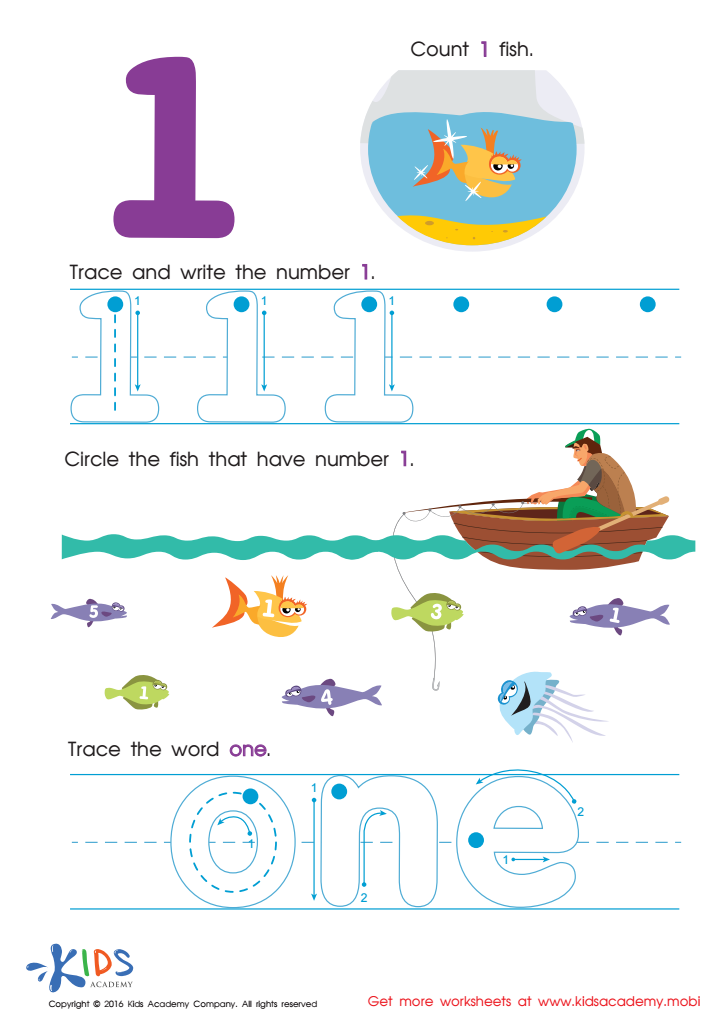
Learning to Write 1 Worksheet
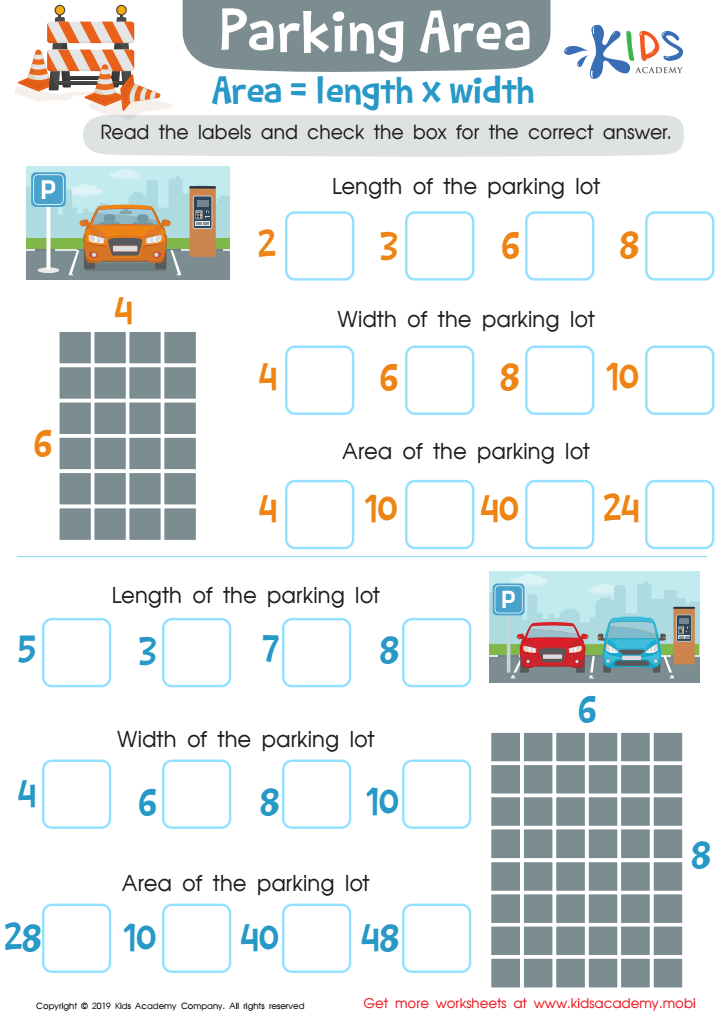
Parking Area Worksheet
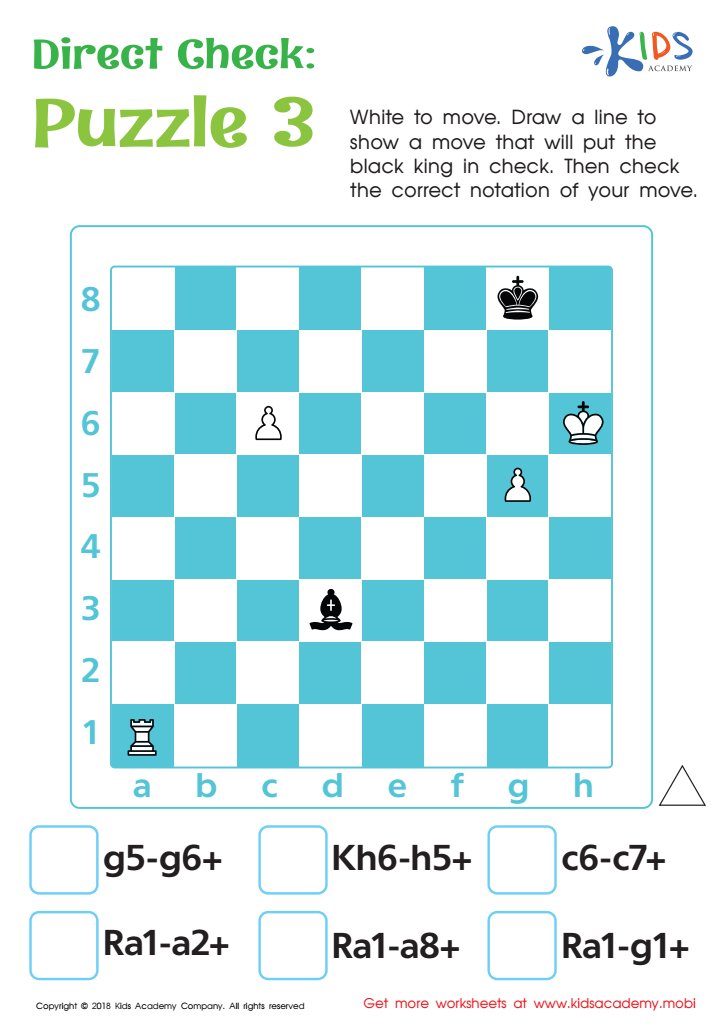
Direct Check: Puzzle 3 Worksheet
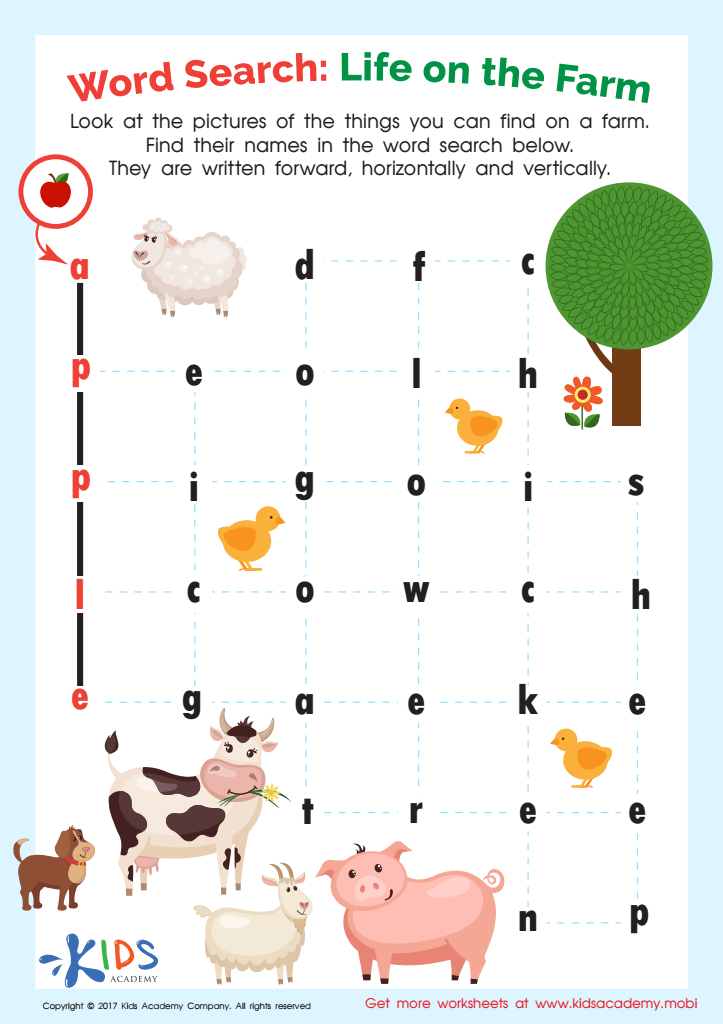
Word Search Puzzles Worksheet
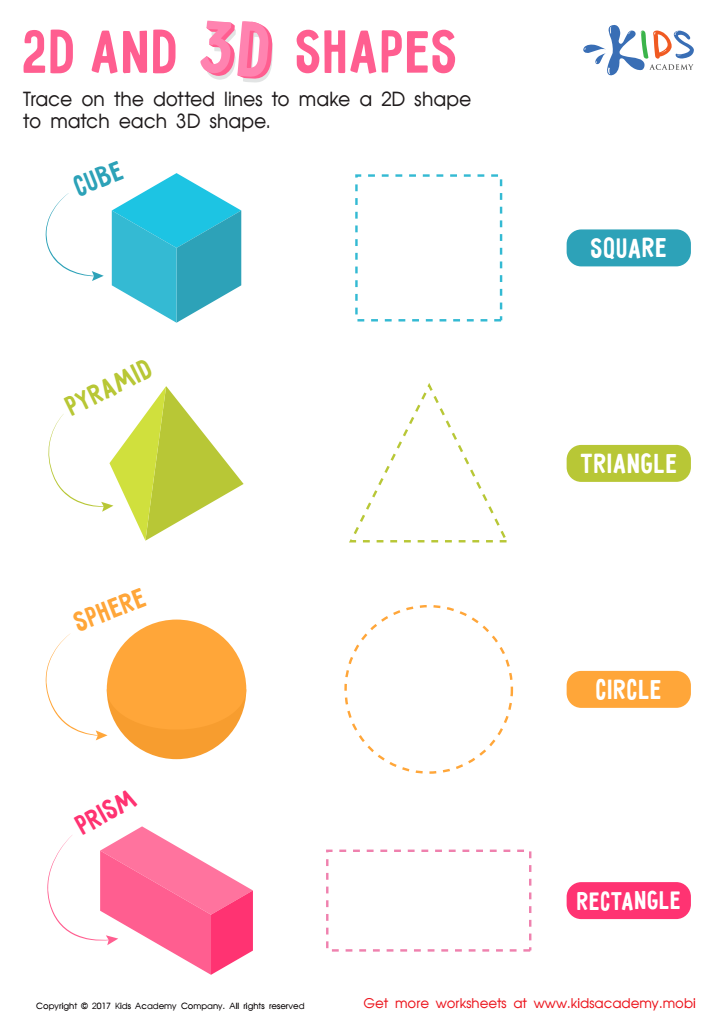
2D and 3D Shapes Worksheet
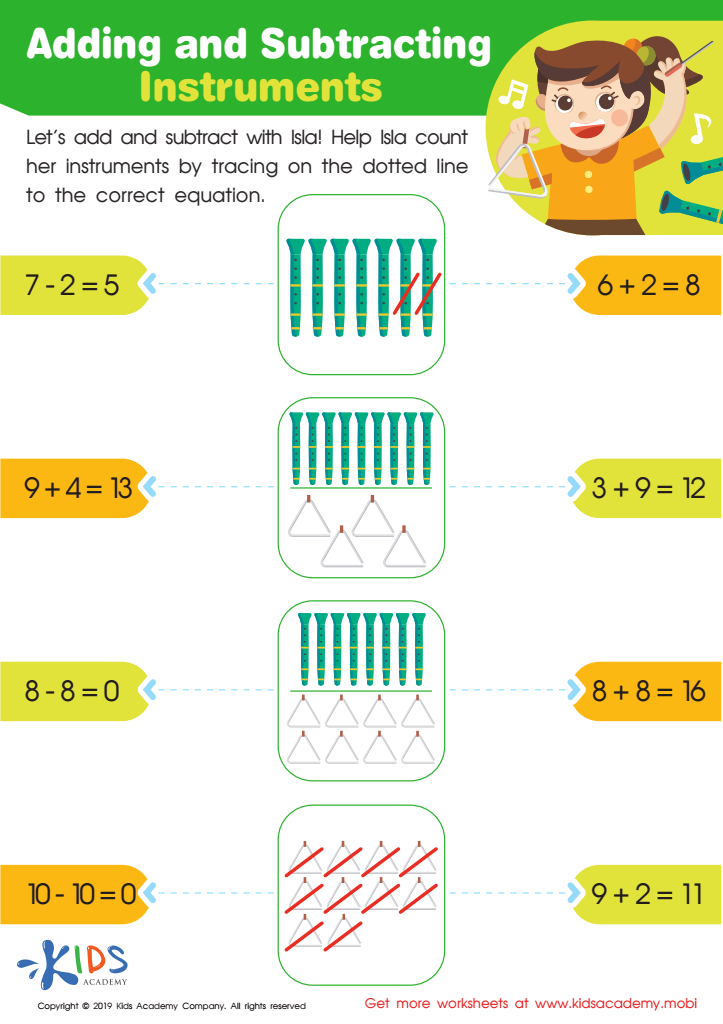
Adding and Subtracting: Instruments Worksheet
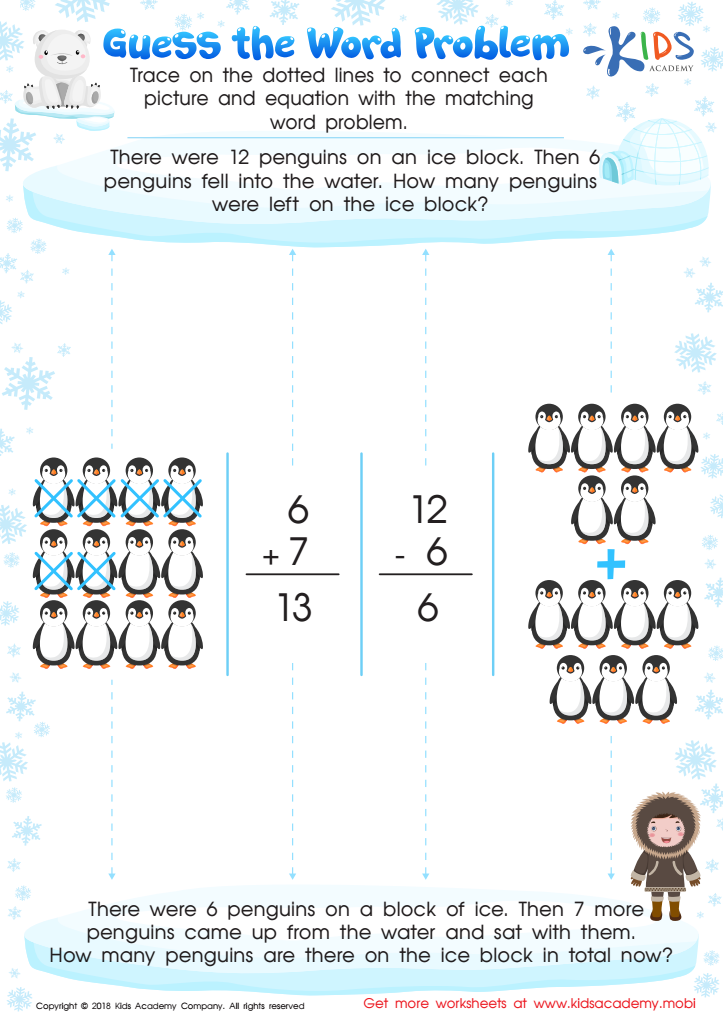
Guess the Word Problem Worksheet
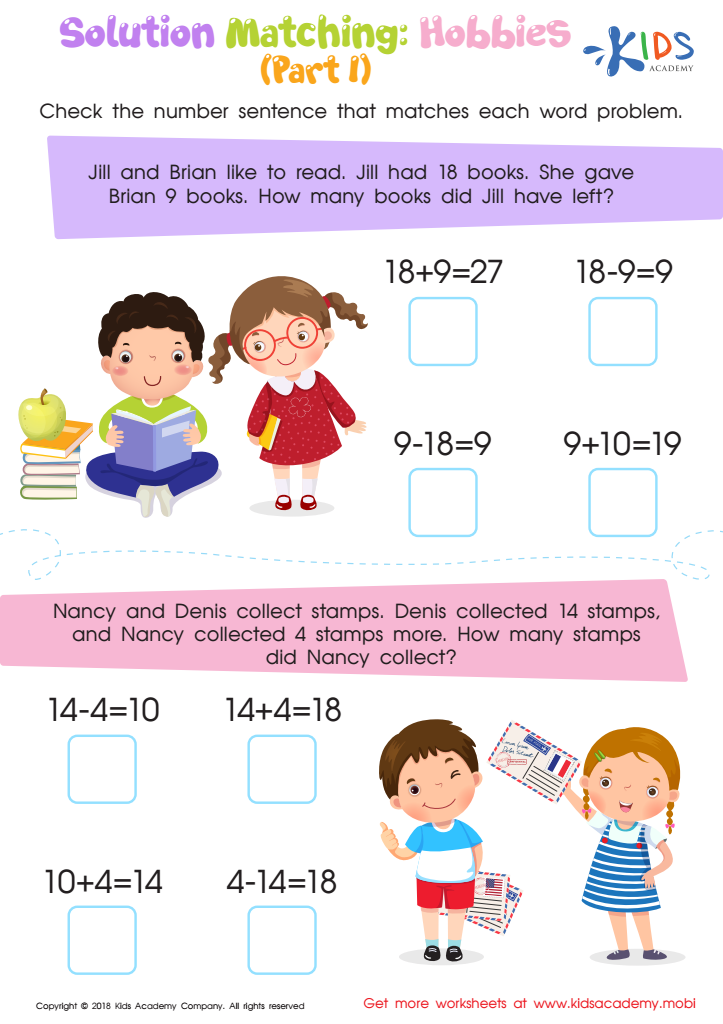
Solution Matching: Hobbies. Part 1 Worksheet
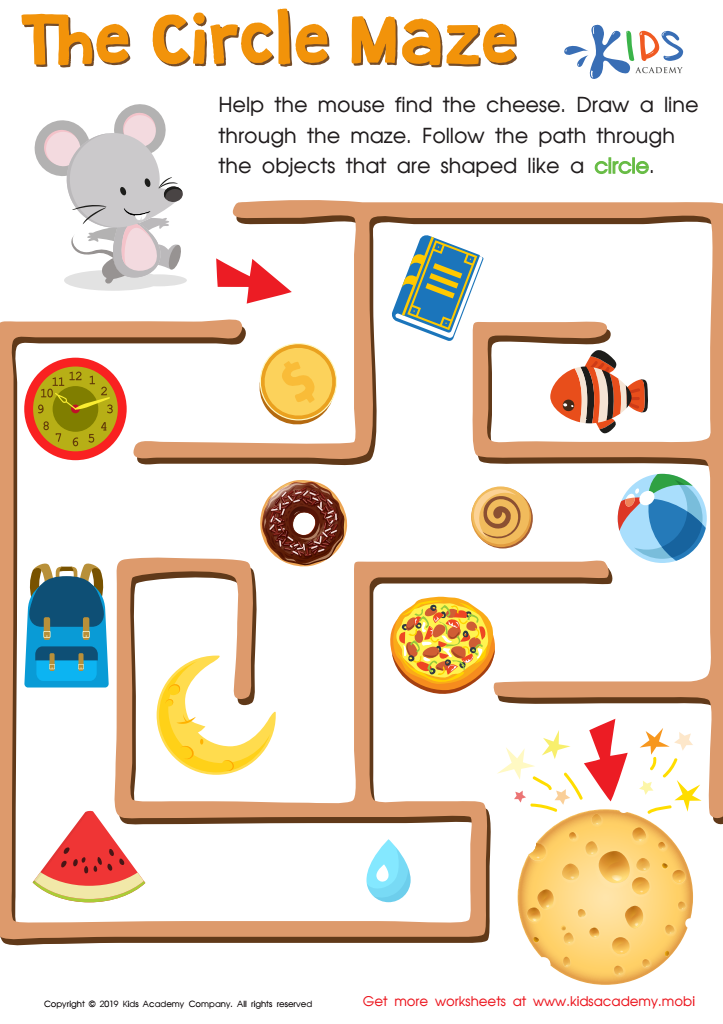
The Circle Maze Worksheet
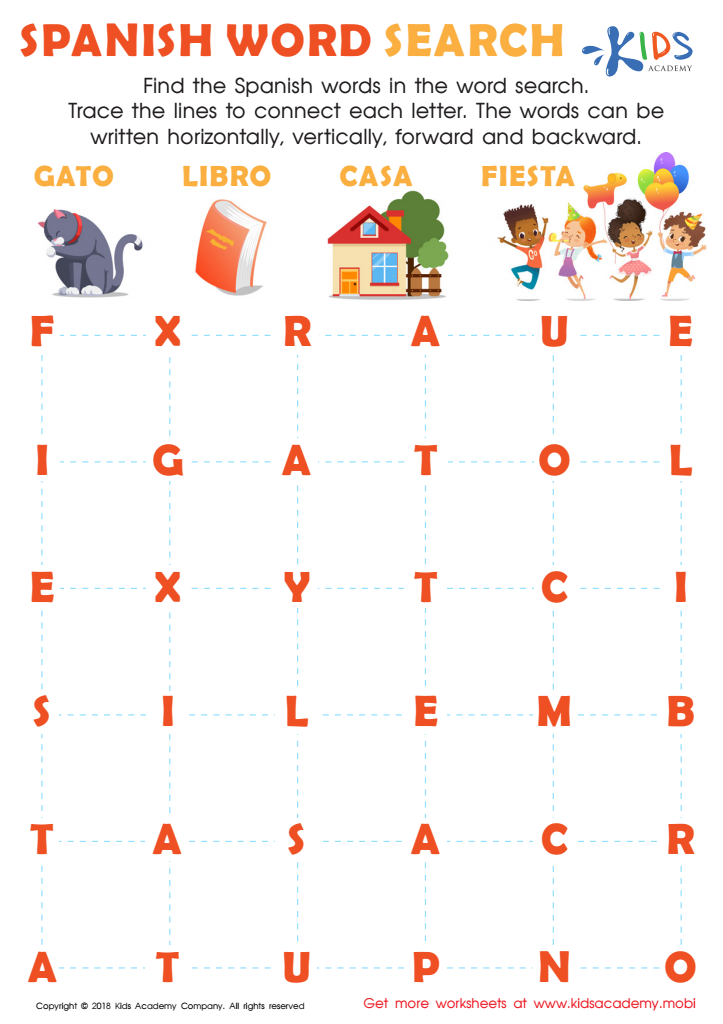
Spanish Word Search Worksheet
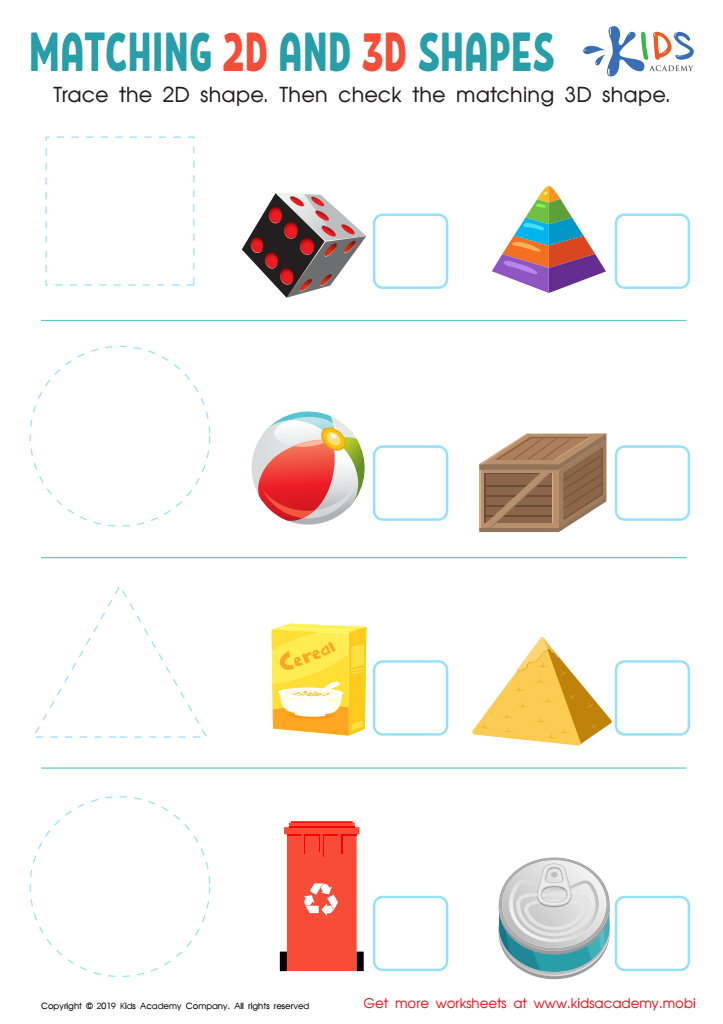
Matching 2D and 3D Shapes Worksheet
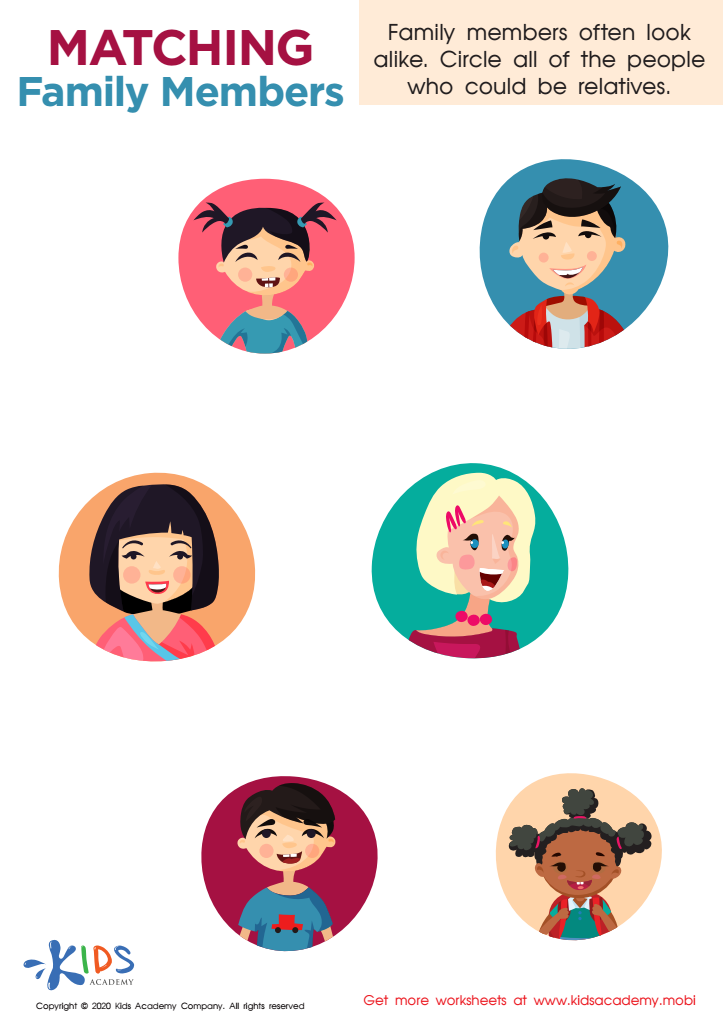
Matching Family Members Worksheet
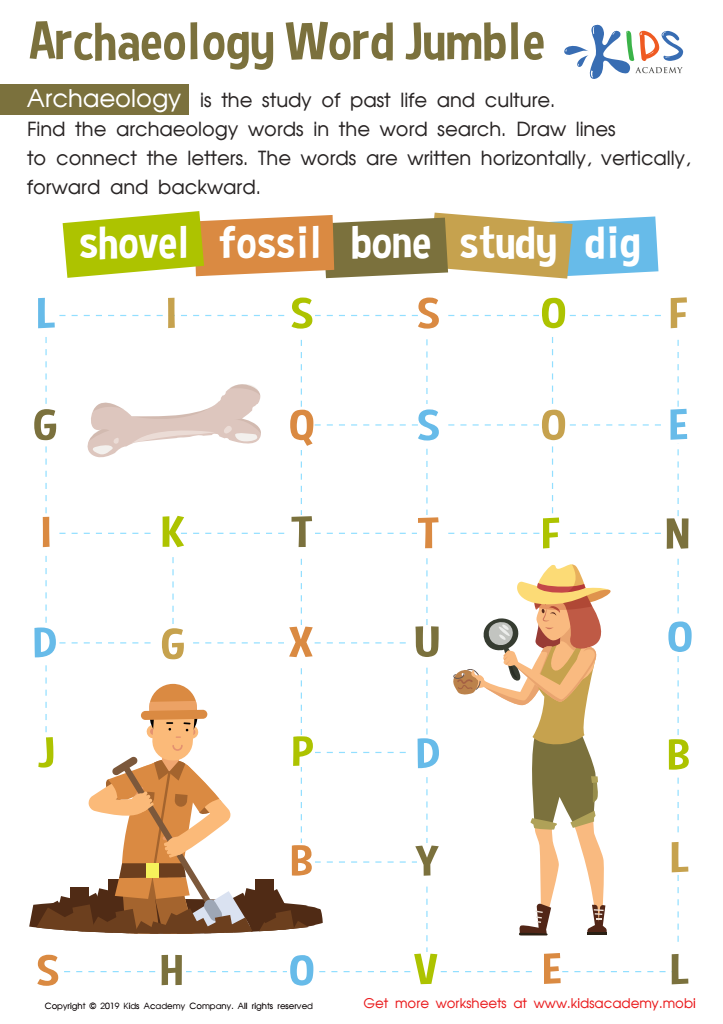
Archaeology Word Jumble Worksheet
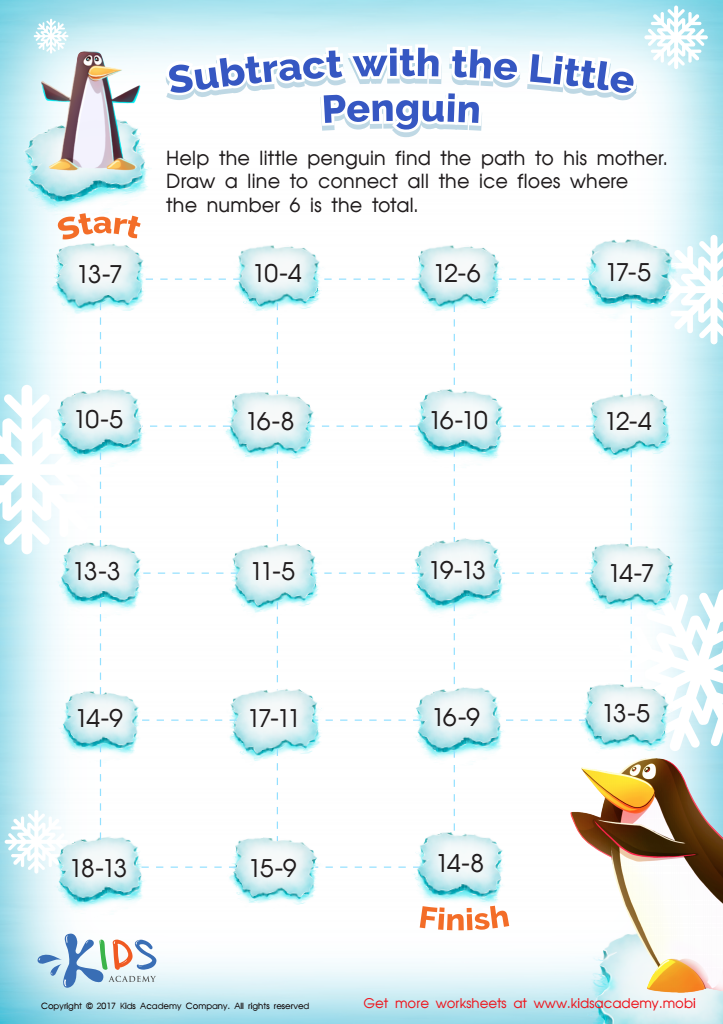
Subtract With The Little Penguin Substraction Worksheet








Cognitive Development Extra Challenges for children aged 7-8 are crucial as they target a pivotal stage in a child's intellectual growth. During these formative years, children move from concrete operational thinking to more complex logical and abstract reasoning. Engaging in cognitive challenges strengthens critical thinking, problem-solving, and decision-making skills, laying a robust foundation for future academic success.
For parents and teachers, facilitating such activities ensures children are not only learning the basics but are also developing higher-order skills. Extra challenges stimulate curiosity and intrinsic motivation, making learning an enjoyable and rewarding process. For instance, puzzles, advanced reading materials, and strategy games encourage kids to think beyond immediate answers, promoting perseverance and intellectual resilience.
Moreover, cognitive activities foster social-emotional learning. Many challenges require teamwork, helping children develop collaboration and communication skills. This interaction builds their confidence and peer relationships, essential components of their holistic development.
Investing in cognitive extra challenges garners long-term benefits. Children equipped with strong cognitive skills are better prepared to tackle complex subjects in subsequent grades. Teachers and parents play a pivotal role in molding these young minds, and by emphasizing cognitive development, they set the stage for lifelong learning and success.








