Cognitive Development Extra Challenge Geometry Worksheets for Ages 7-9
6 filtered results
-
From - To
Enhance your child's cognitive development with our "Extra Challenge Geometry Worksheets" designed specifically for ages 7-9. These engaging worksheets encourage critical thinking and problem-solving skills while making geometry fun! Tailored to advance visual-spatial awareness and logical reasoning, your young learners will explore shapes, angles, and spatial relationships through challenging exercises. Each worksheet promotes creativity and independent thinking, ensuring effective learning experiences. Perfect for home or classroom use, these worksheets aim to reinforce essential math skills while offering an extra layer of challenge. Boost your children's confidence and proficiency in geometry today with our fun-filled activities!
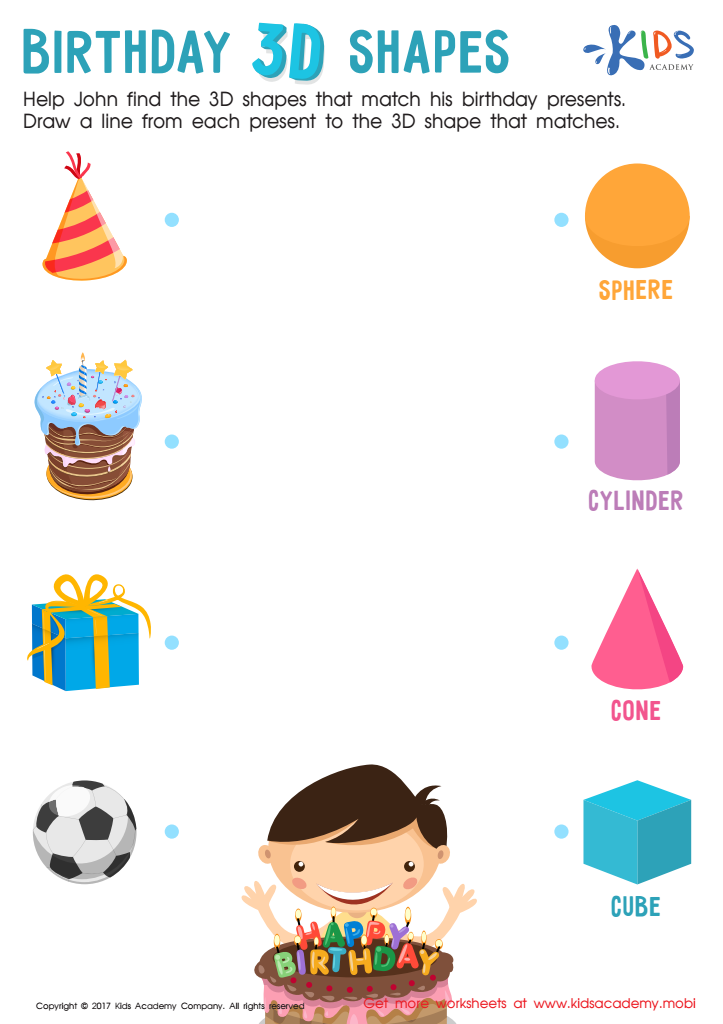
Birthday 3D Shapes Worksheet
 Assign to My Students











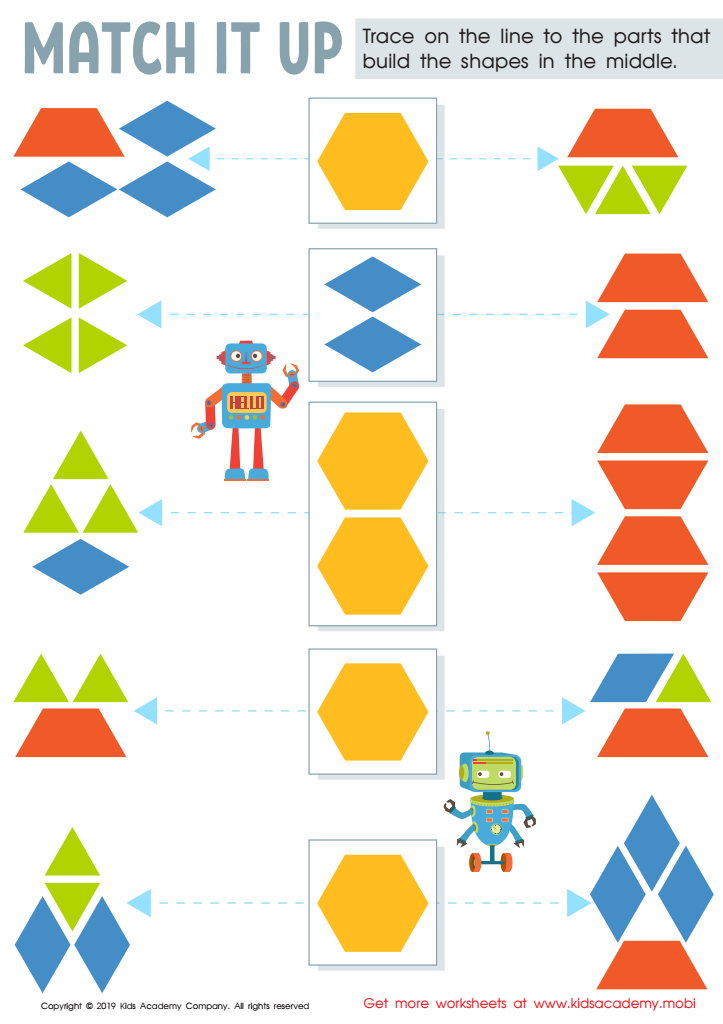
Match It up Worksheet
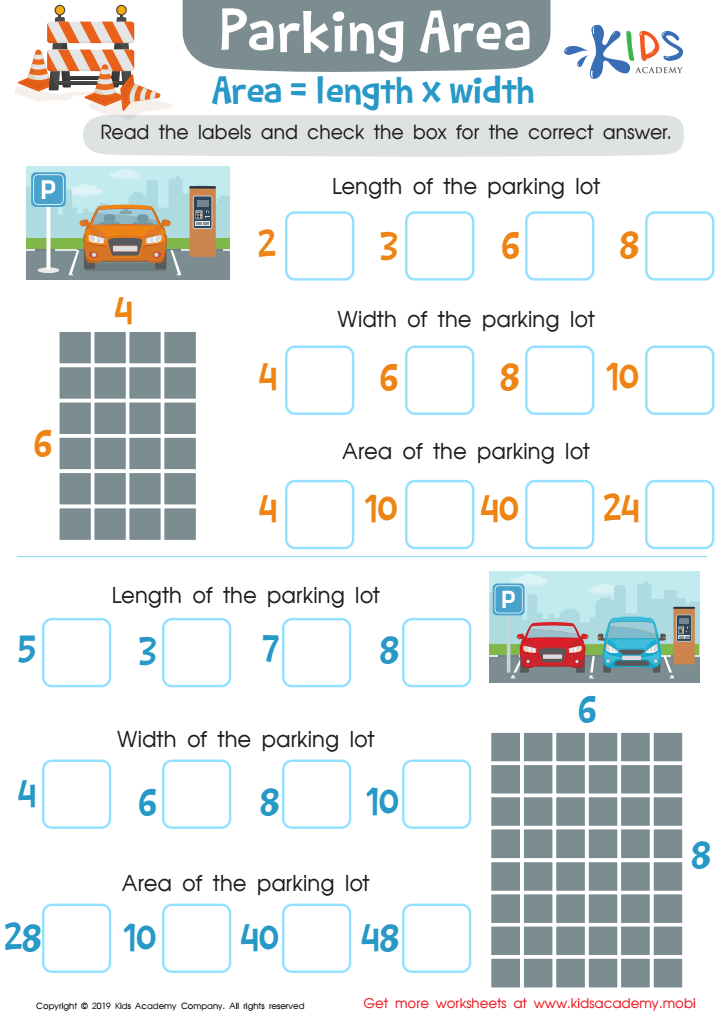
Parking Area Worksheet
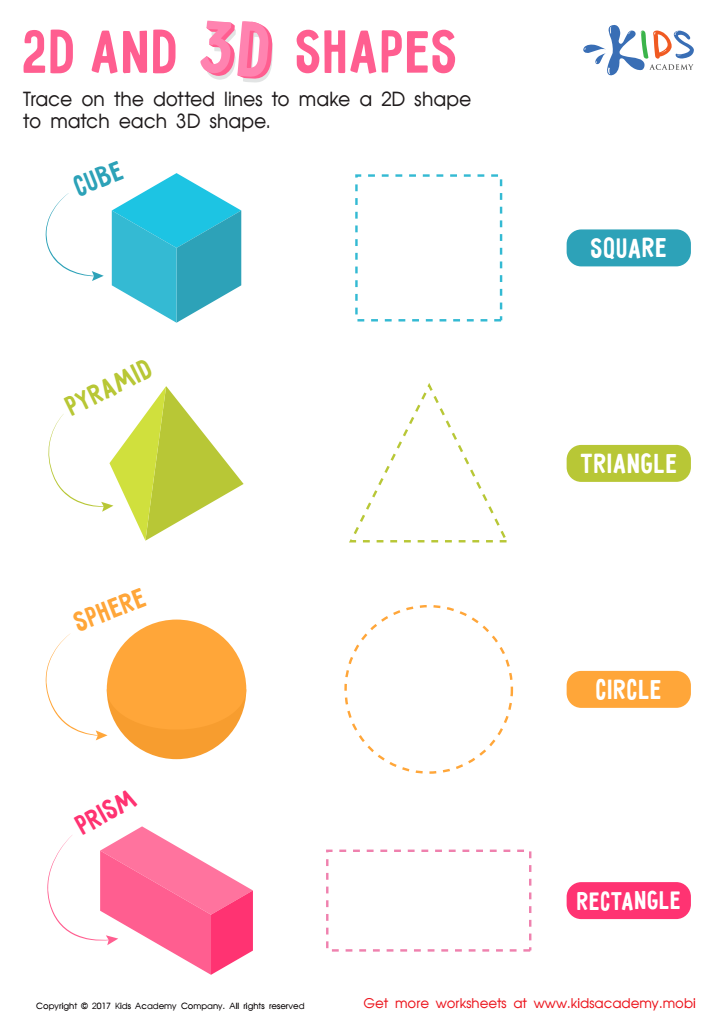
2D and 3D Shapes Worksheet
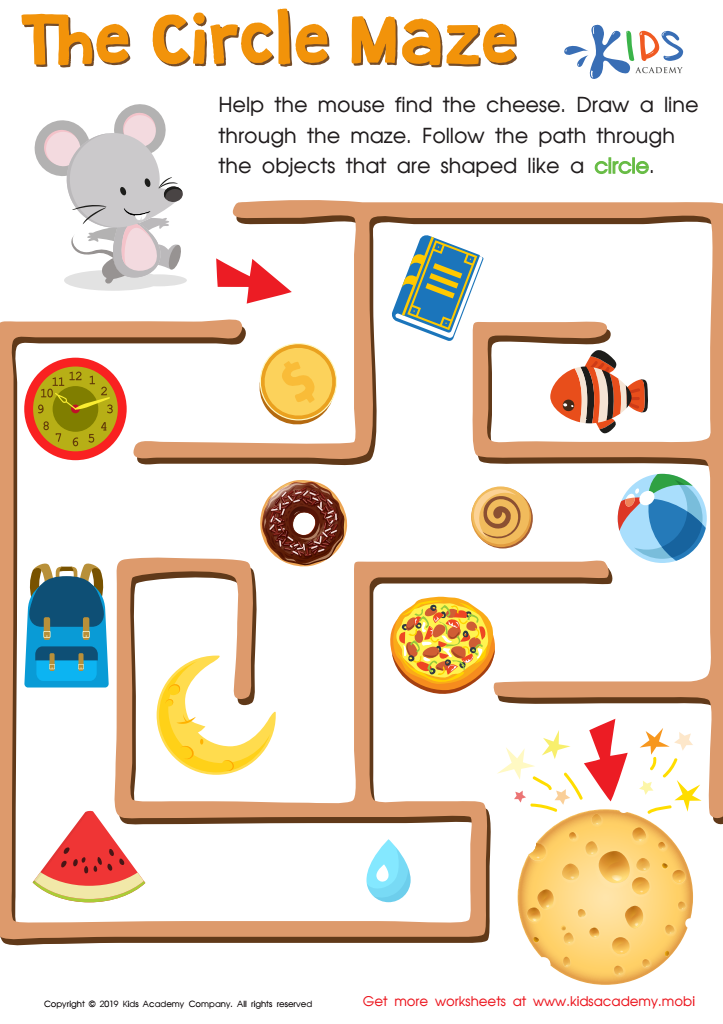
The Circle Maze Worksheet
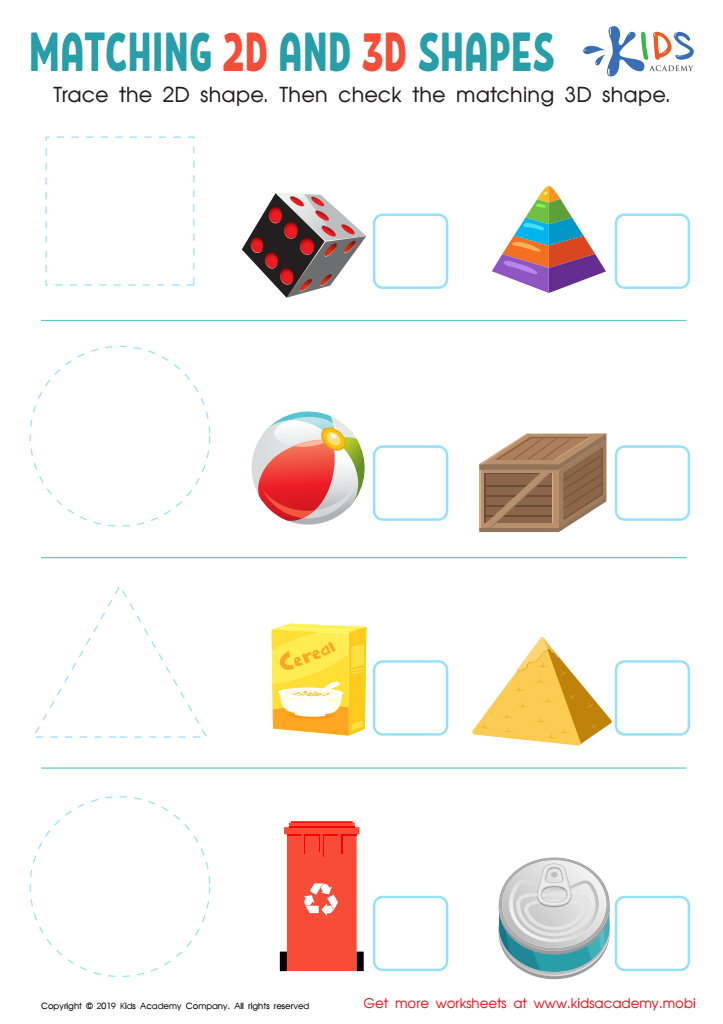
Matching 2D and 3D Shapes Worksheet








Cognitive development during the ages of 7-9 is a critical stage in a child’s educational journey, particularly in subjects such as geometry. Engaging in extra challenge geometry helps foster essential cognitive skills like critical thinking, spatial awareness, and problem-solving. At this developmental age, children begin to grasp abstract concepts, making it an ideal time to introduce them to more complex mathematical ideas and geometric principles.
Parents and teachers should prioritize these challenges as they encourage active exploration and deeper understanding, paving the way for higher-level math and science skills. Moreover, exposure to advanced geometry strengthens pupils’ ability to visualize and manipulate shapes, build resilience in tackling difficult tasks, and enhances their confidence in their mathematical abilities.
Additionally, this early focus on geometry promotes interdisciplinary connections, linking math with art, architecture, and even nature, thereby making learning more relatable and engaging. The skills acquired during this period can spill over into other subjects, improving overall academic performance. By investing in cognitive development through extra challenges, educators and parents equip children with the critical tools they need for lifelong learning and success, nurturing inquisitive minds ready to tackle future academic challenges.








