Spatial awareness Geometry Worksheets
17 filtered results
-
From - To
Discover our engaging Spatial Awareness Geometry Worksheets, carefully designed to nurture young minds and develop crucial spatial reasoning skills. Each worksheet offers fun, interactive activities focusing on shape recognition, positional understanding, and directional awareness. These puzzles and exercises are perfect for building a strong foundation in geometry, suitable for preschool and early grade learners. Whether identifying objects, learning left from right, or understanding spatial relationships, our worksheets make learning enjoyable and effective. Empower your child with the tools they need for academic success and real-world problem-solving. Visit Kids Academy today to explore our educational resources!
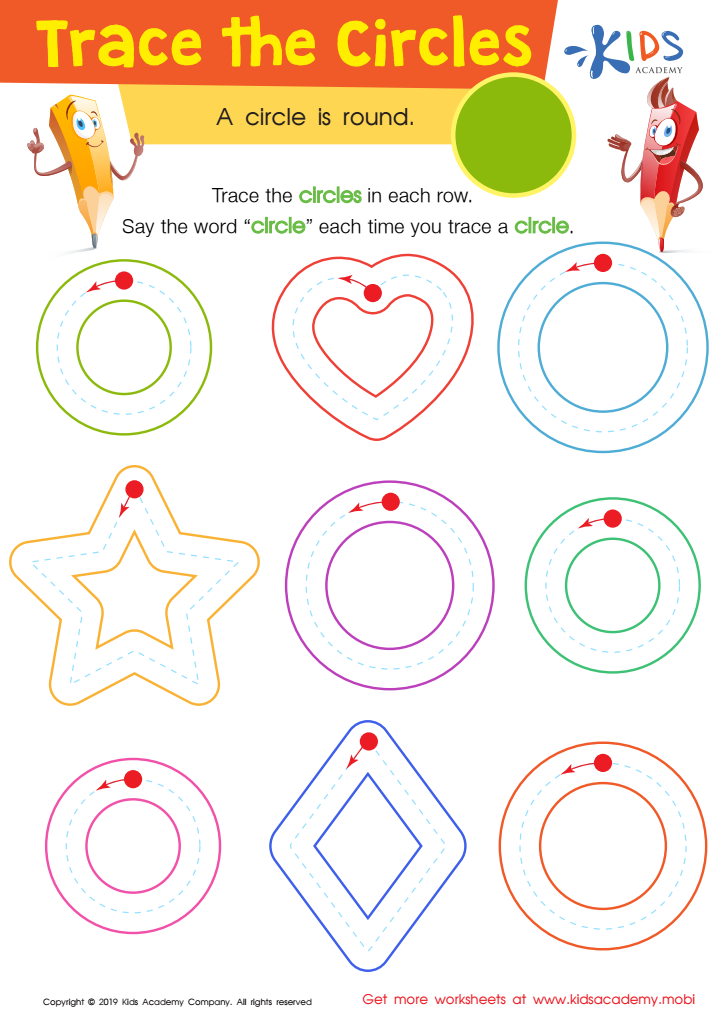
Trace The Circles Worksheet
 Assign to My Students











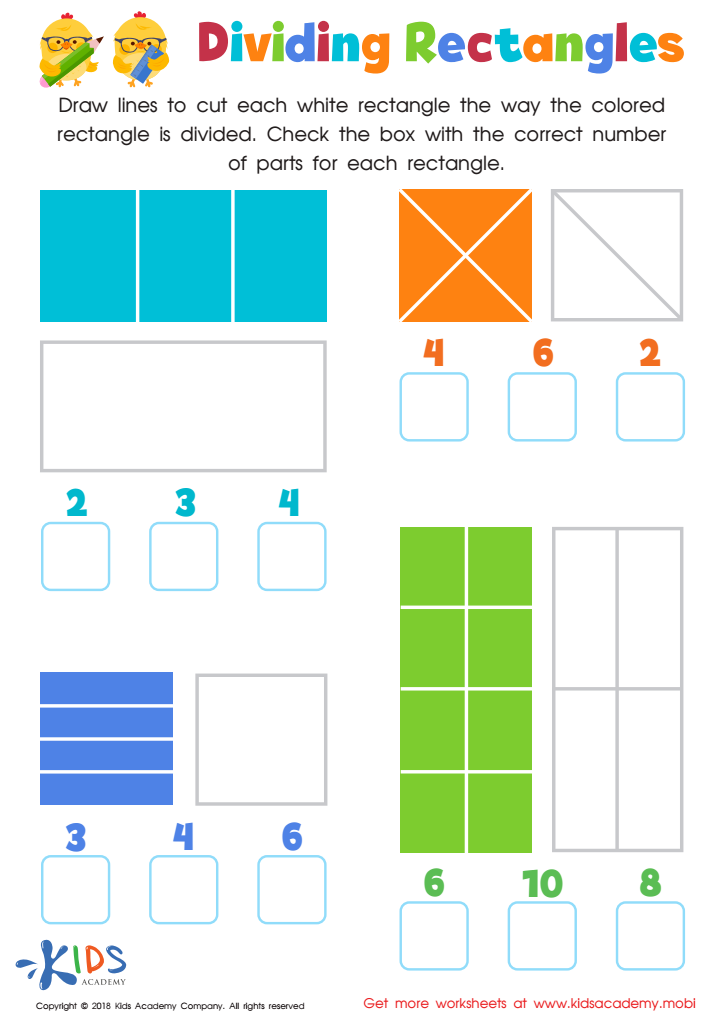
Dividing Rectangles Worksheet
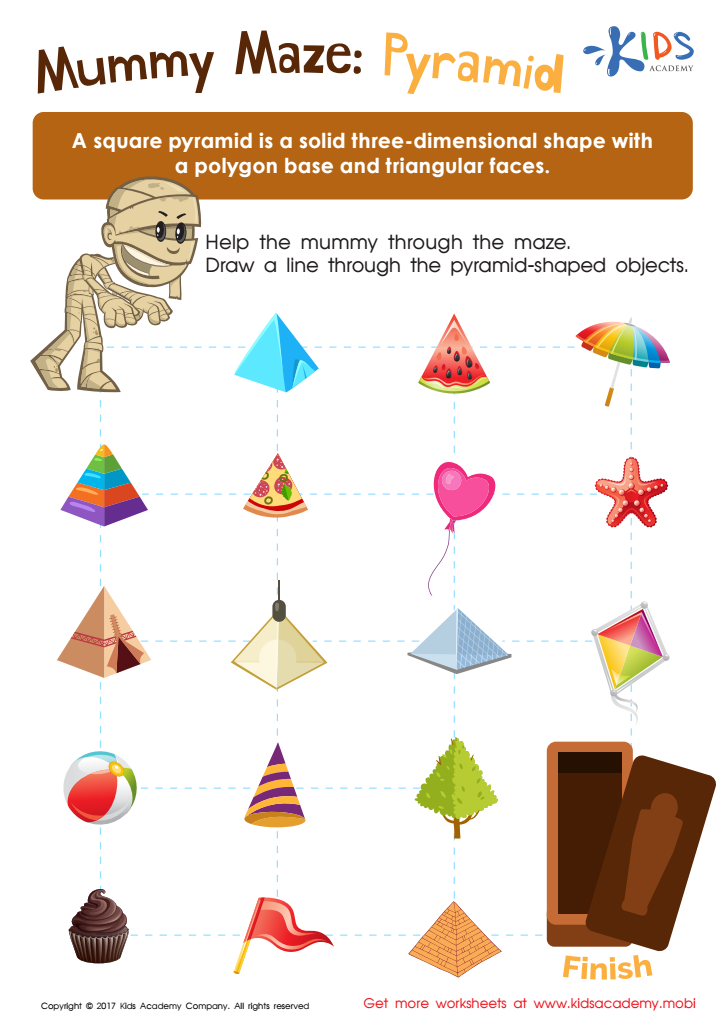
Mummy Maze: Pyramid Printable
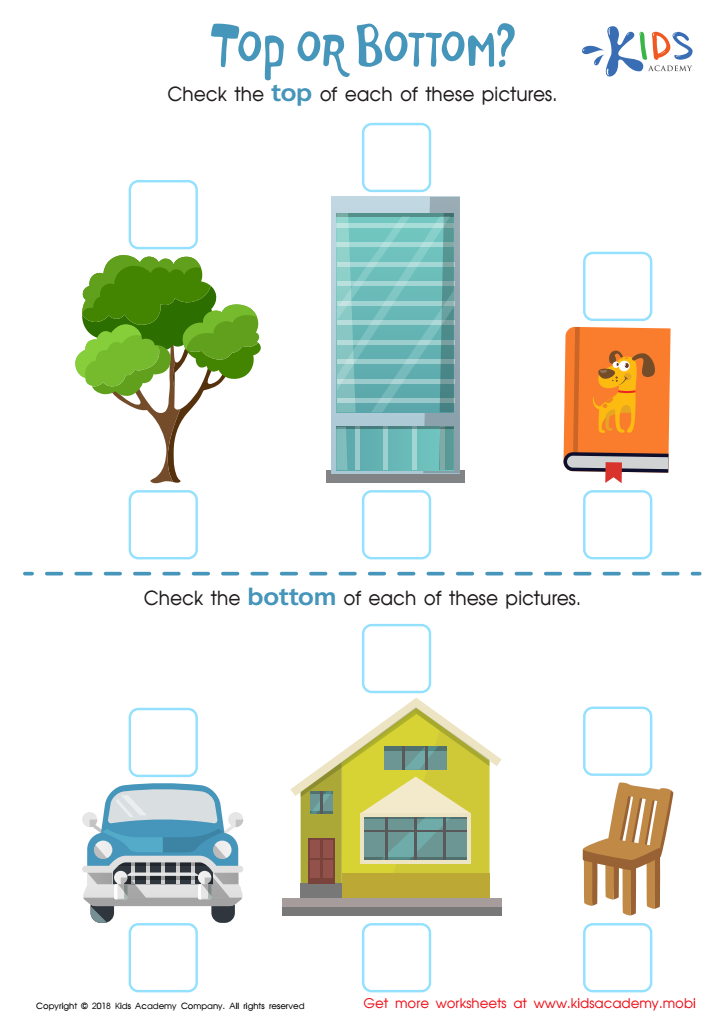
Top or Bottom Worksheet
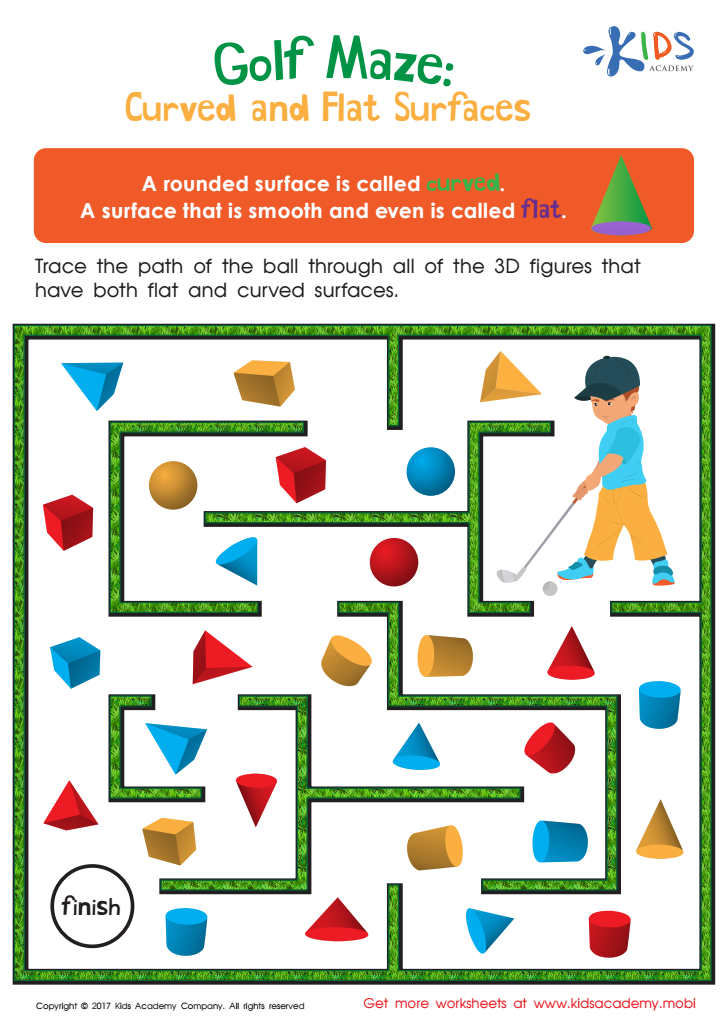
Golf Maze: Curved and Flat Surfaces Worksheet
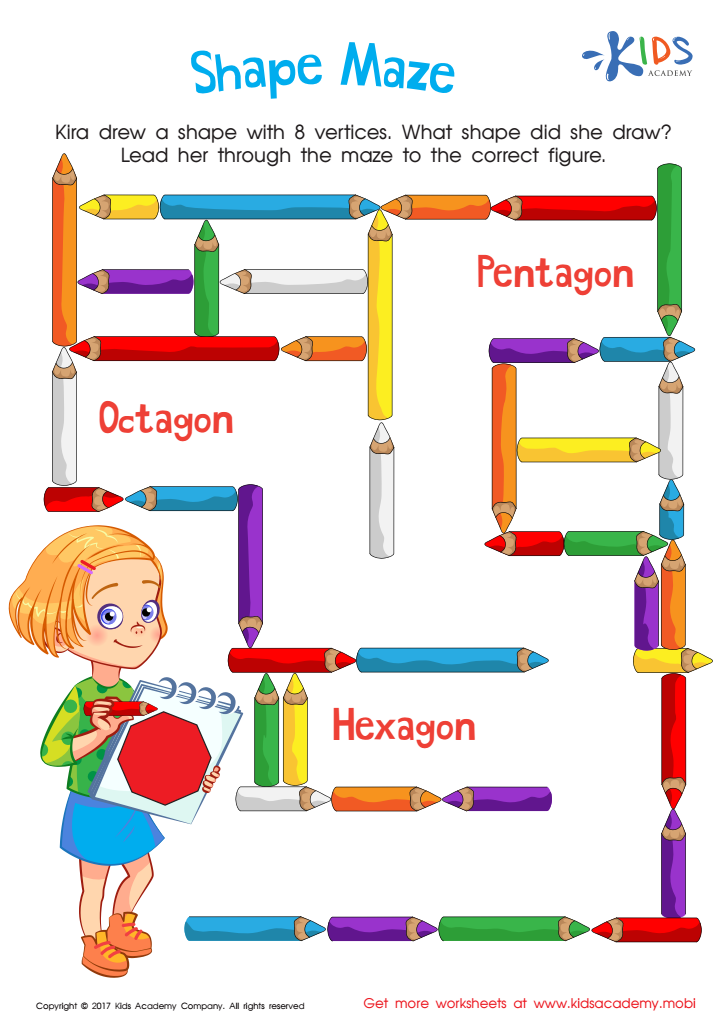
Shape Maze Worksheet
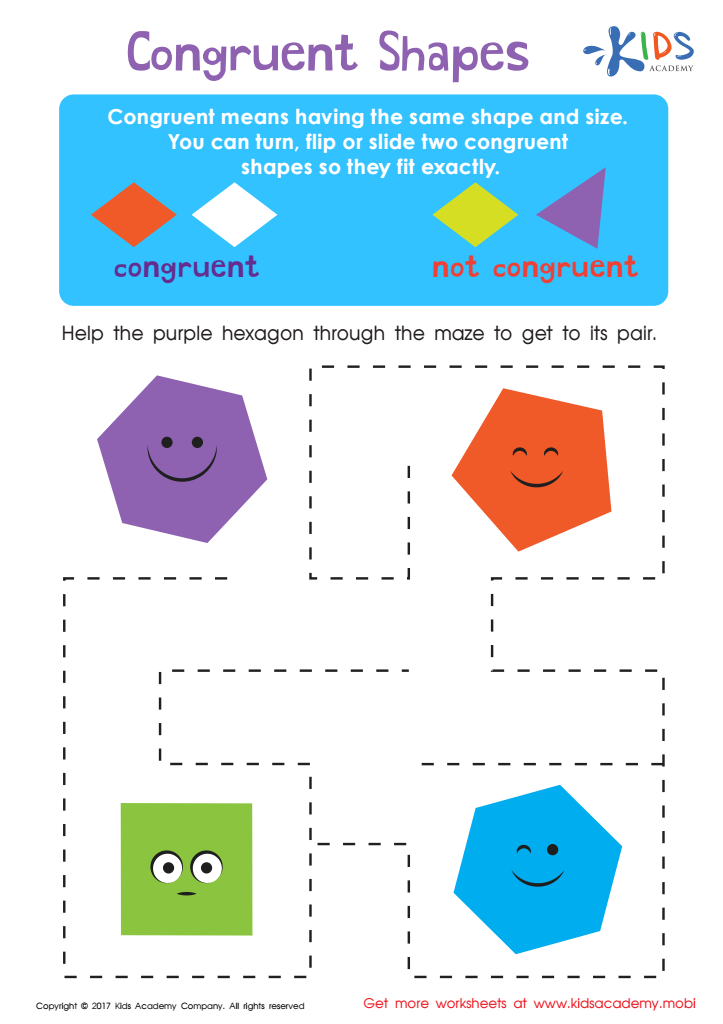
Congruent Shapes Worksheet
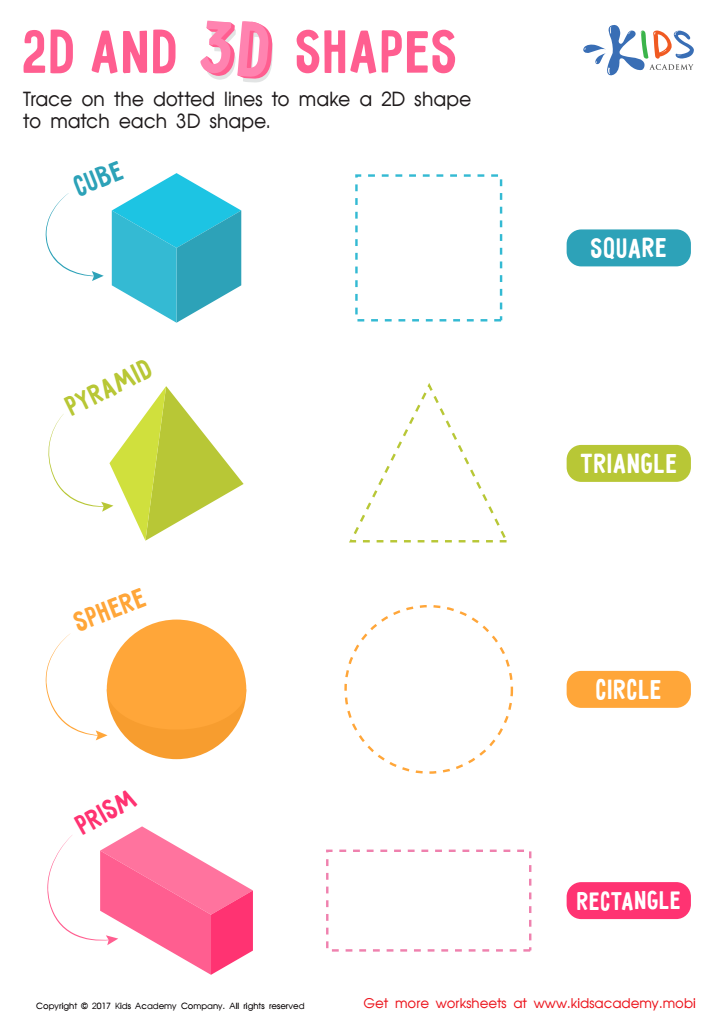
2D and 3D Shapes Worksheet
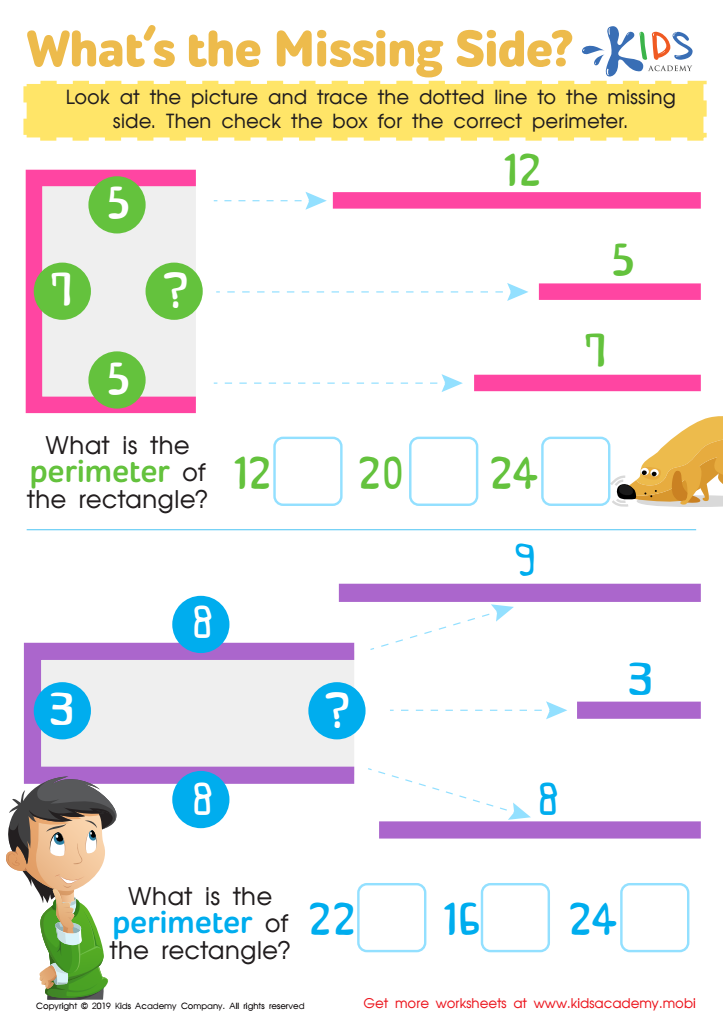
What's the Missing Side Worksheet
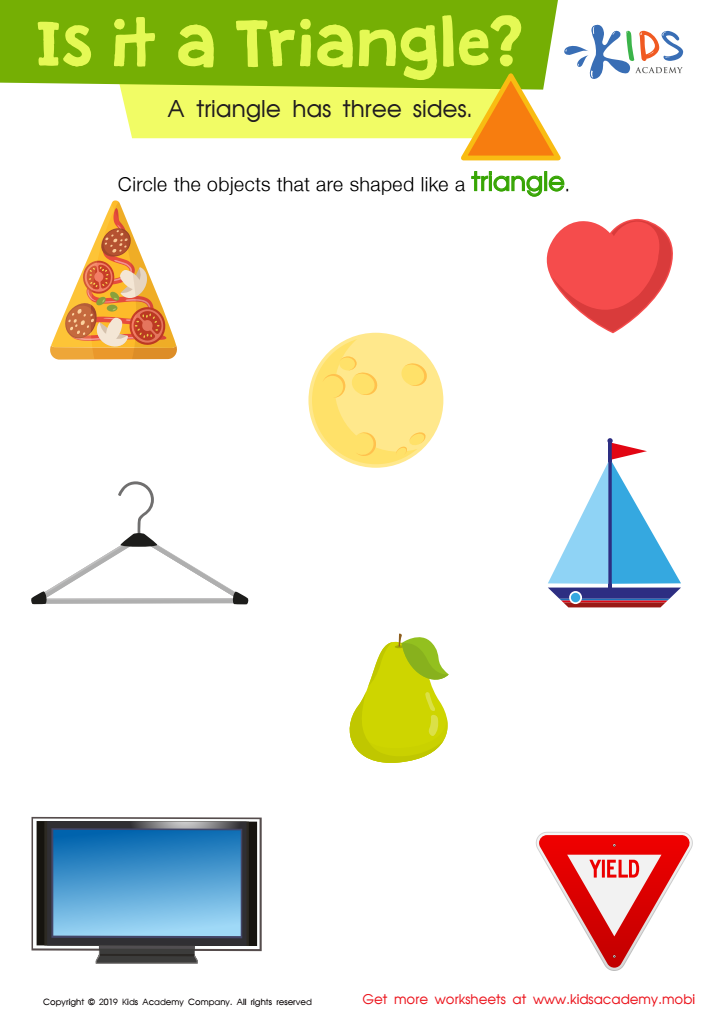
Is It a Triangle? Worksheet
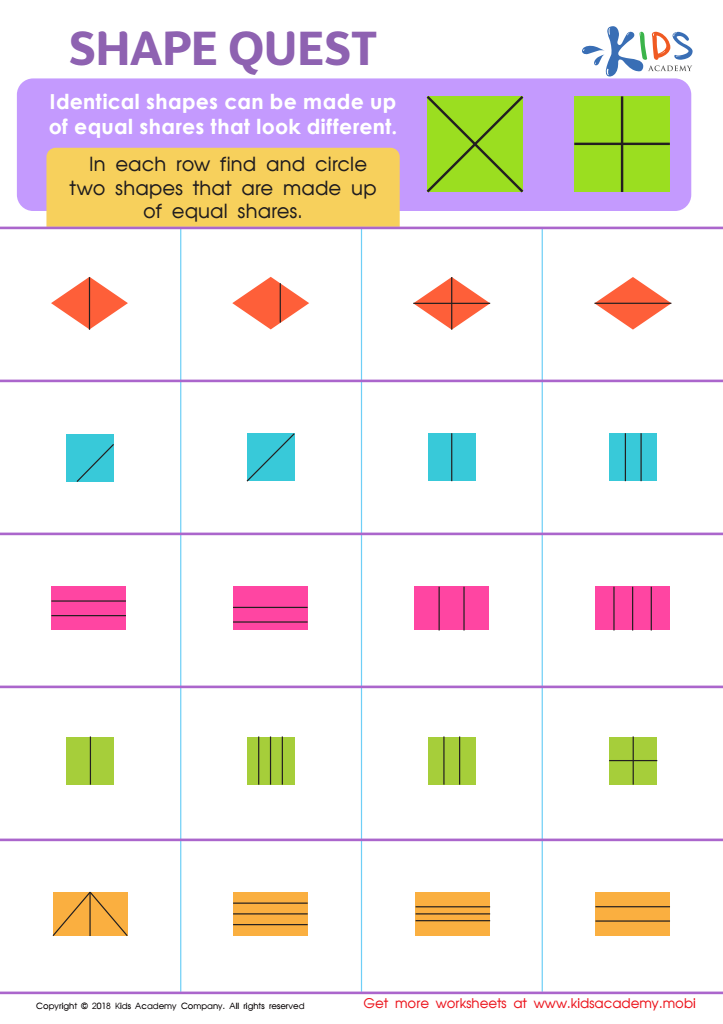
Shape Quest Worksheet
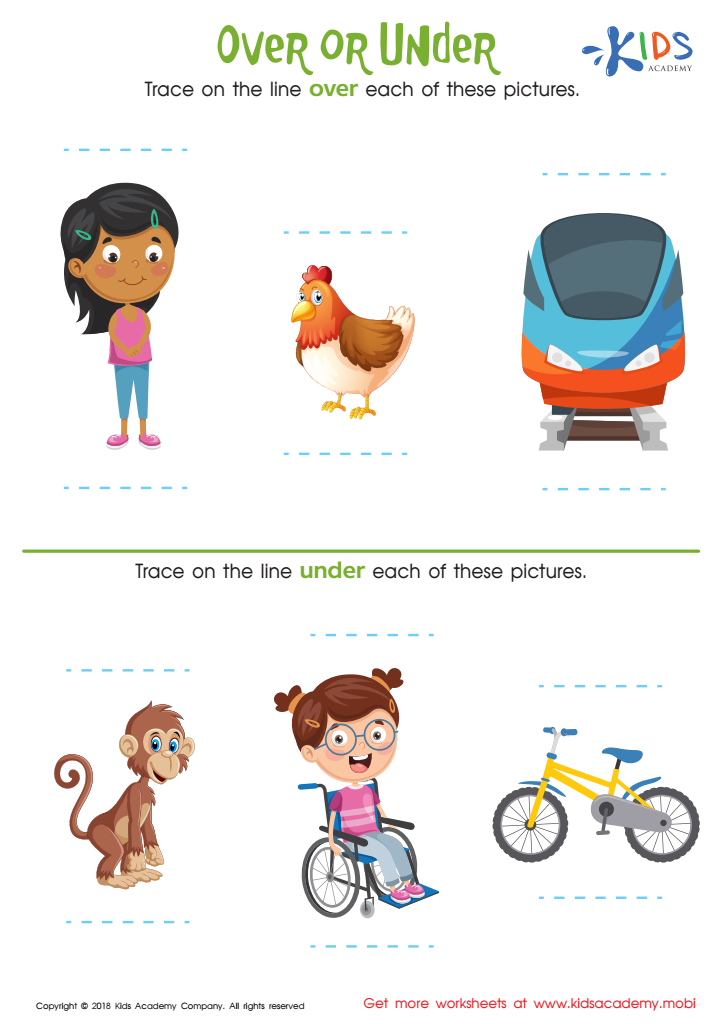
Over or Under Worksheet
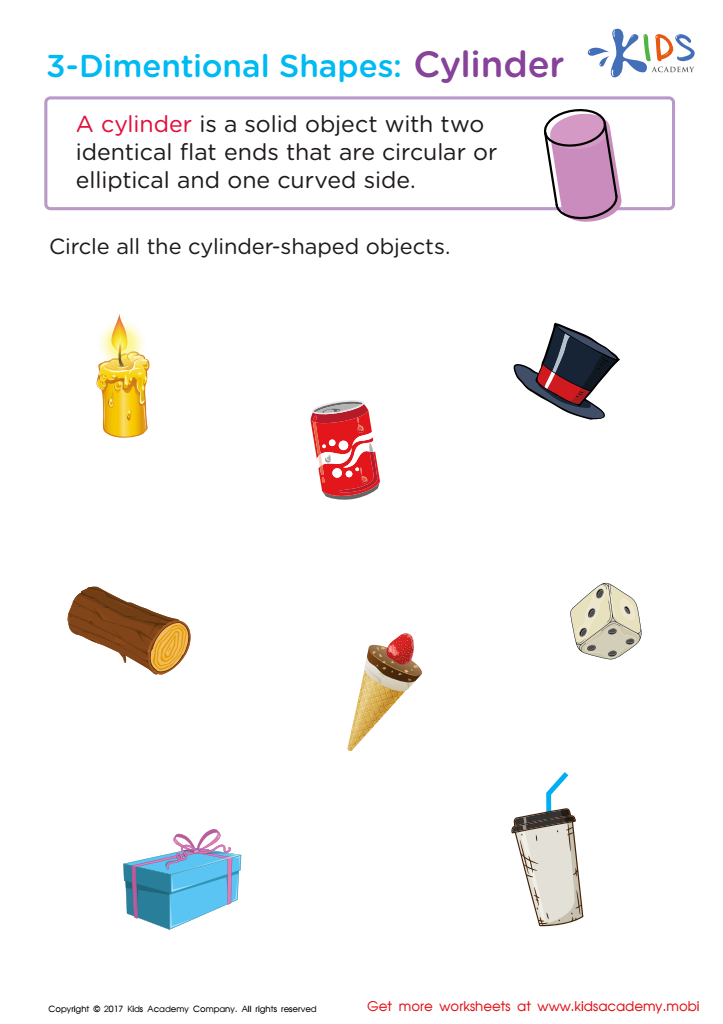
Three–Dimensional Shapes: Cylinder Worksheet
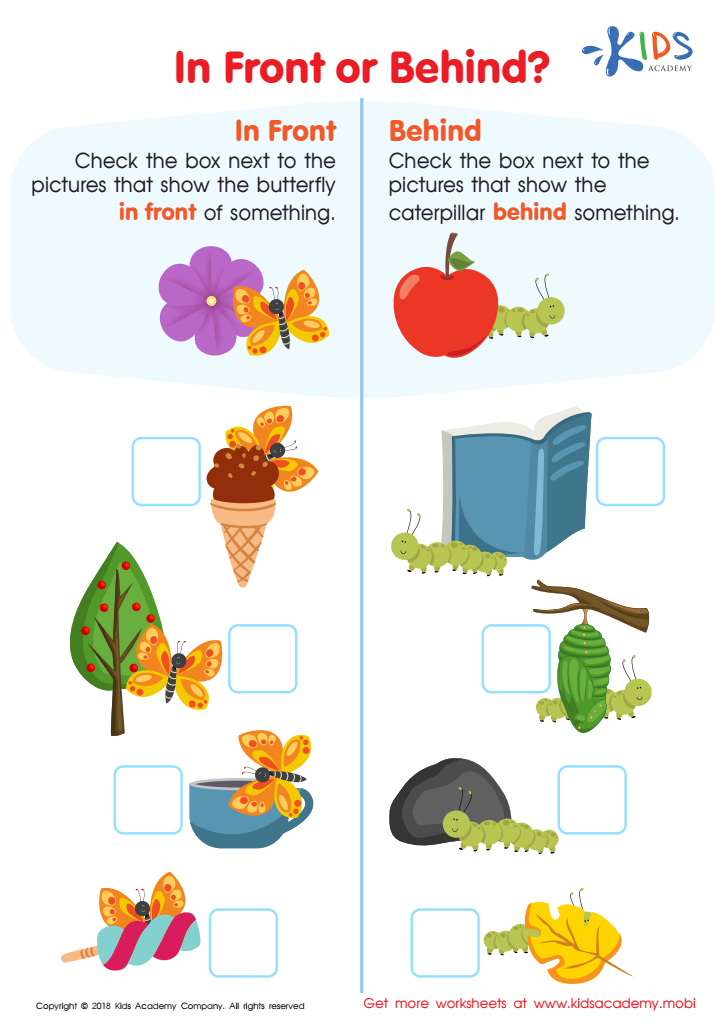
In Front or Behind Worksheet
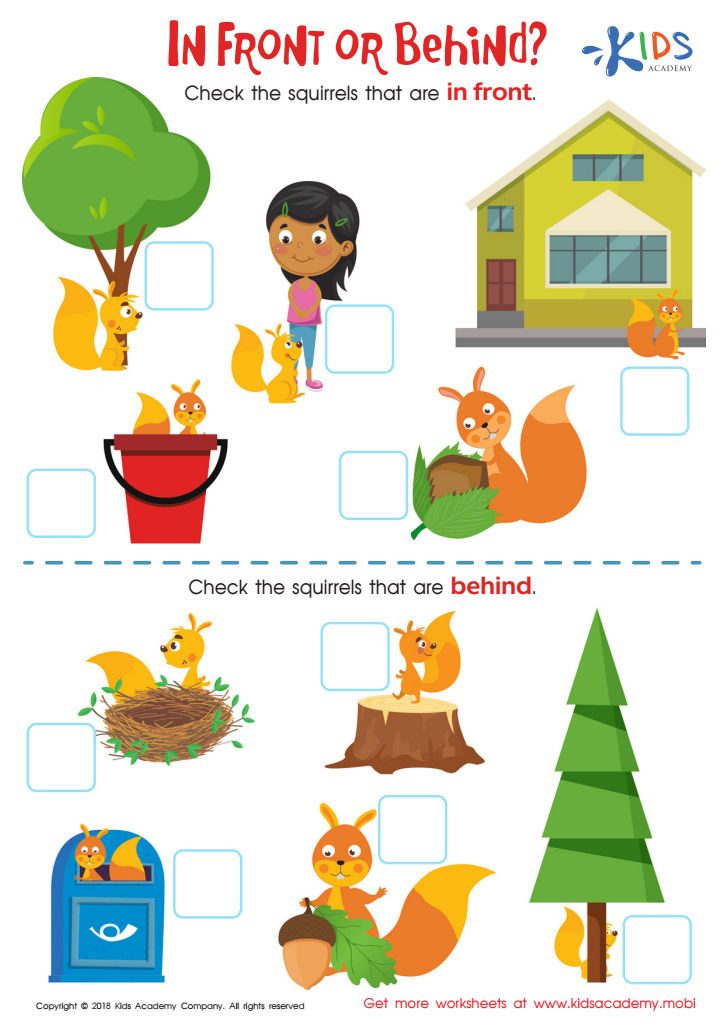
In Front or Behind: Part 2 Worksheet
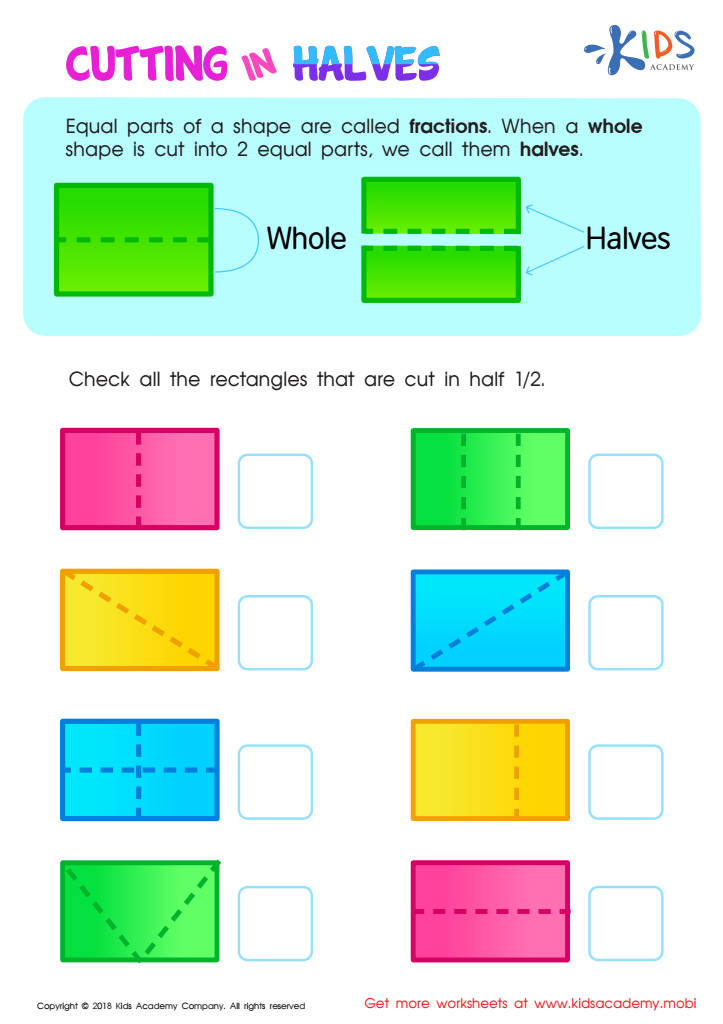
Cutting in Halves Worksheet
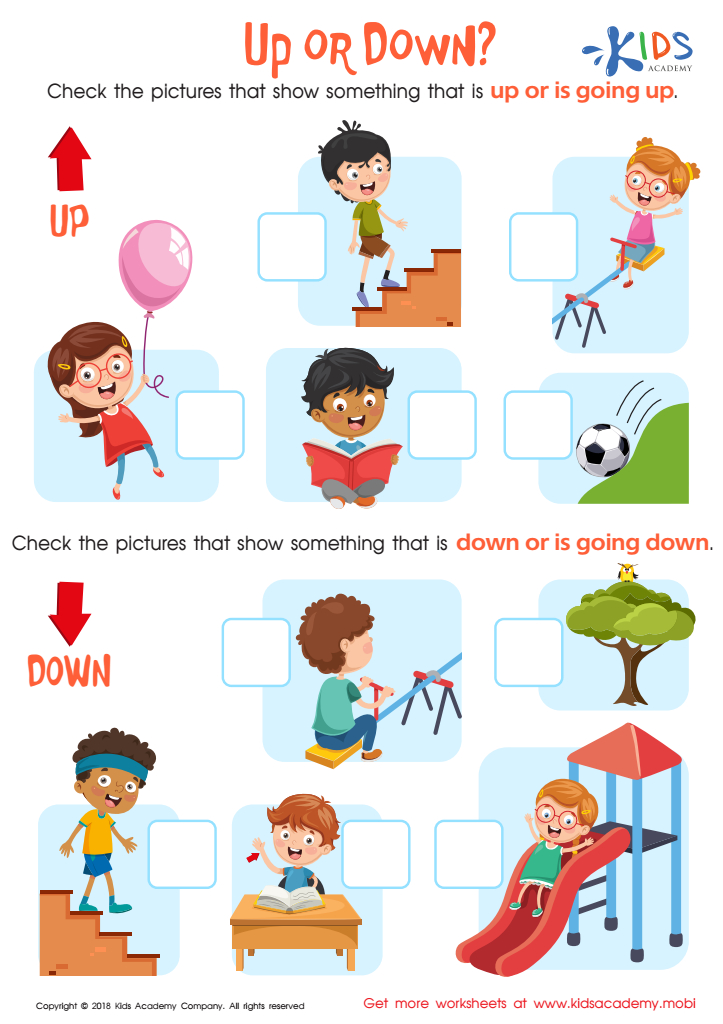
Up or Down Worksheet








Spatial awareness and geometry are crucial elements in early childhood development, and both parents and teachers should place substantial emphasis on them. Spatial awareness refers to an understanding of one’s own position in space and the relationship between objects in the environment. Early cultivation of spatial skills can profoundly influence a child's abilities in various critical areas, including mathematics, science, reading, and problem-solving.
Mastery in geometry allows children to comprehend shapes, sizes, patterns, and the attributes of various objects around them. It bolsters their cognitive development by encouraging logical thinking and visualization skills. For instance, when children play with blocks or puzzles, they are subtly learning concepts of symmetry, proportions, and spatial relationships, all foundational elements in geometry.
Moreover, strong spatial skills have been linked to success in STEM (Science, Technology, Engineering, and Mathematics) fields. Fortune later stages of learning and career, kids who develop strong spatial awareness early are better equipped to tackle complex tasks like reading maps, understanding diagrams, and engaging in technical drawings, essential skills in numerous professional domains.
Thus, prioritizing spatial awareness in early education prompts a mindset geared towards exploration and analytical thinking. Both teachers and parents can nurture these skills through play, hands-on activities, and incorporating geometry into everyday learning experiences, ultimately laying a robust foundation for future academic and professional achievements.








