Visual Learning Math Worksheets
101 filtered results
-
From - To
Transform mathematical concepts into vivid visual adventures with our "Visual Learning Math Worksheets." Tailored for young learners, these engaging worksheets transform abstract math into colorful, interactive experiences, enhancing comprehension and retention. They are designed to align with key learning objectives while making math fun. Through visually-rich activities, children can grasp foundational math skills such as counting, addition, subtraction, and shape recognition with ease. Our worksheets also include puzzles and games that foster critical thinking and problem-solving skills. Suitable for classroom use or at-home practice, empower your child’s learning journey with our effective visual math resources. Make math exciting and accessible today!
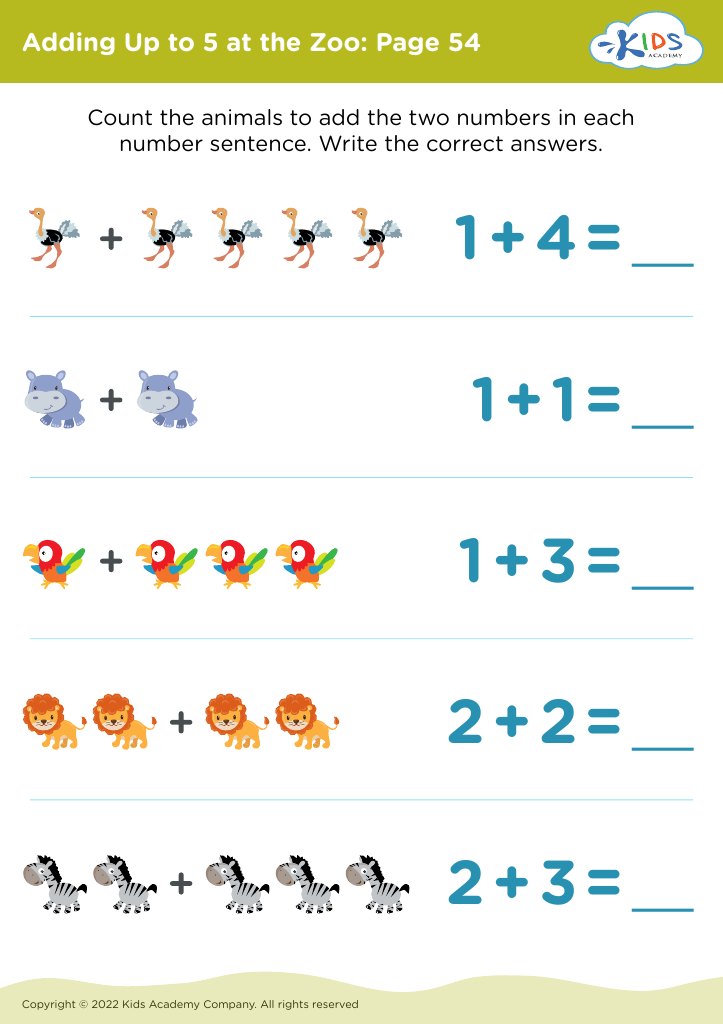
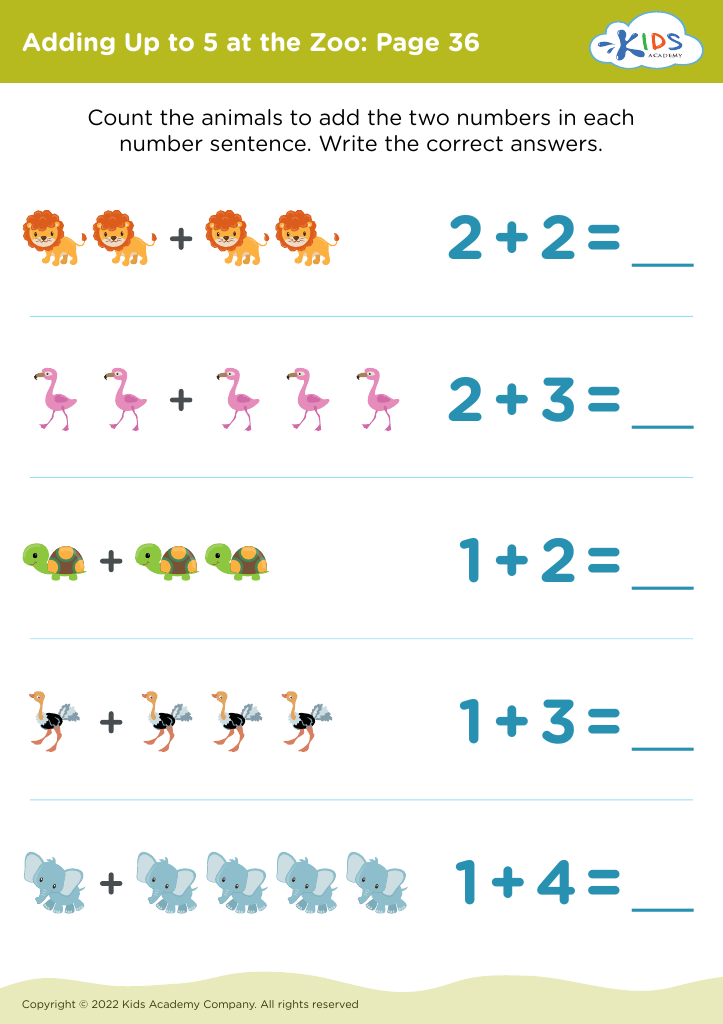
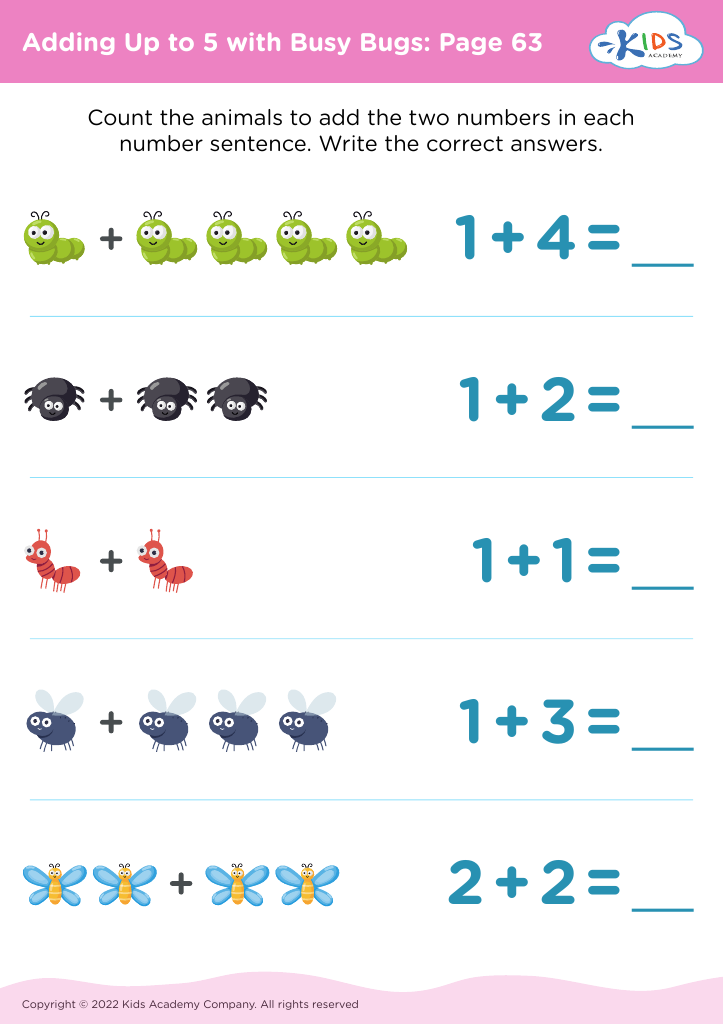
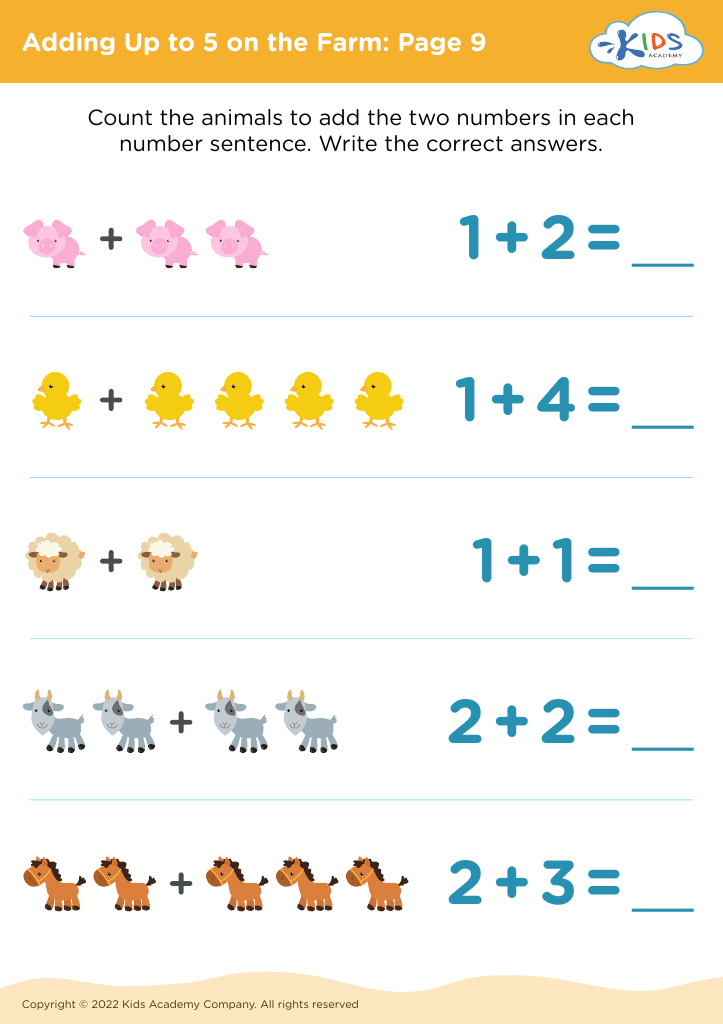
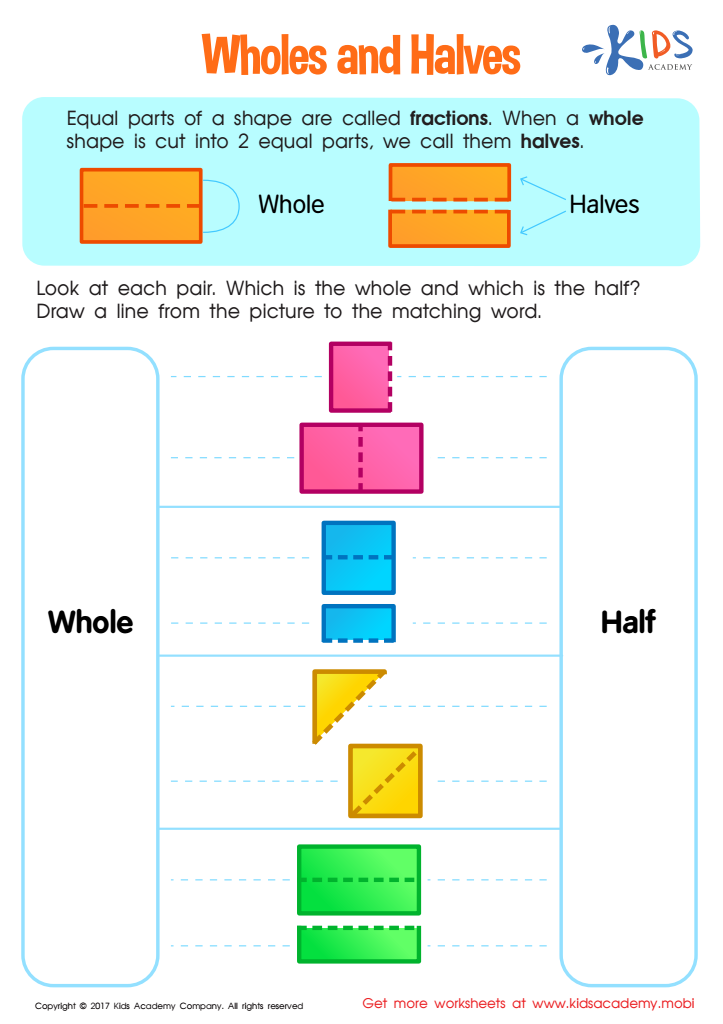
Wholes and Halves Worksheet
 Assign to My Students
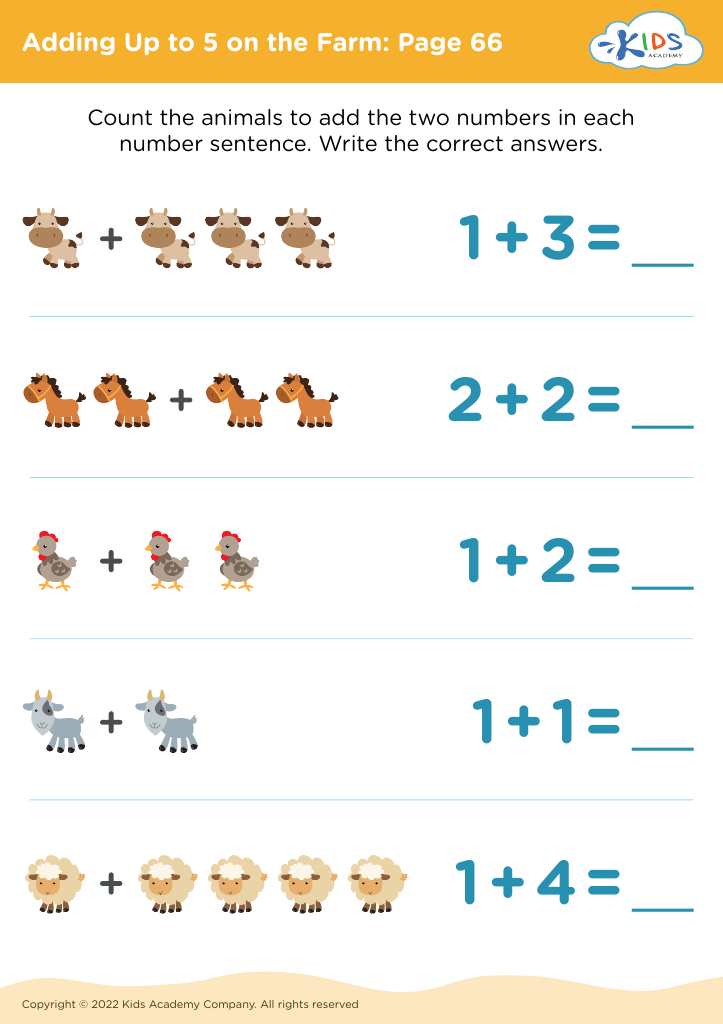
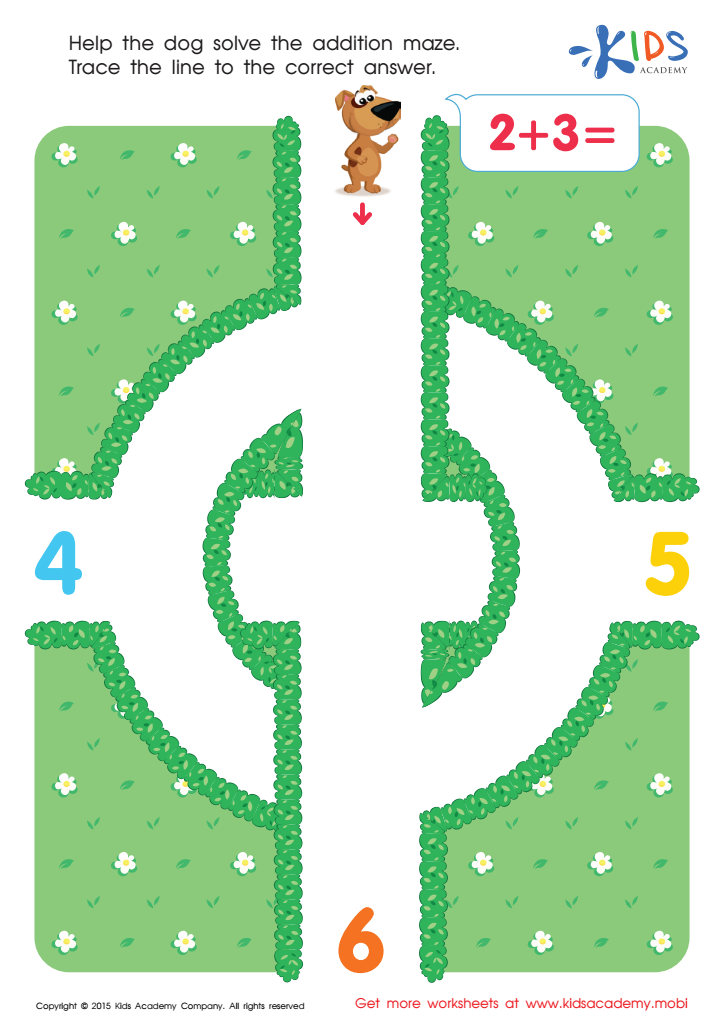
Two And Three Addition Worksheet
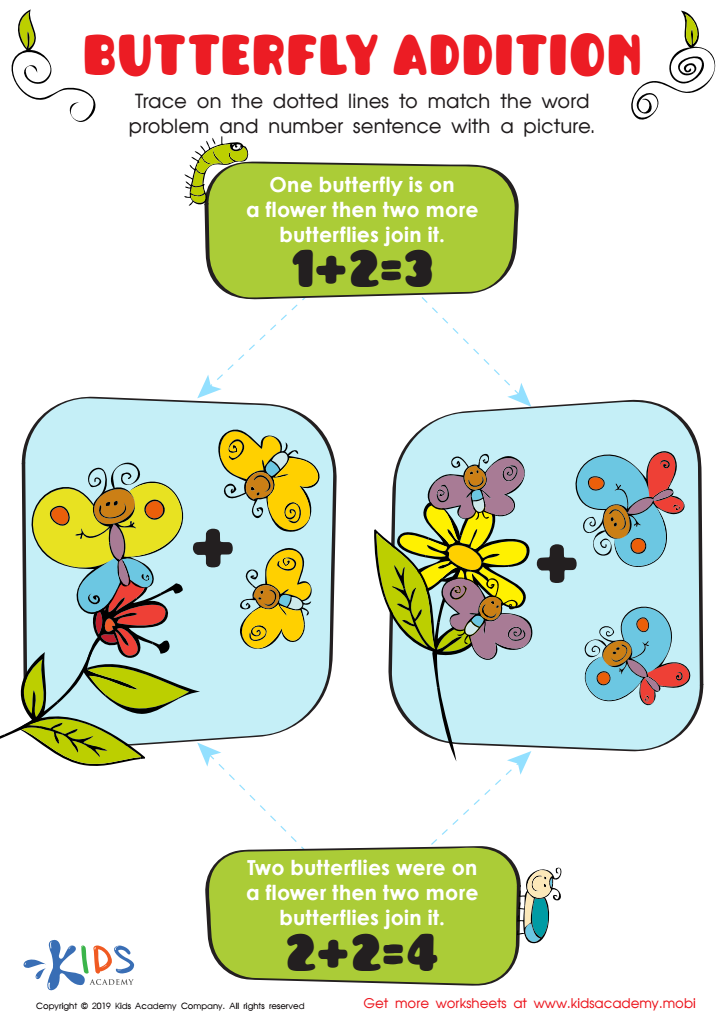
Butterfly Addition Worksheet
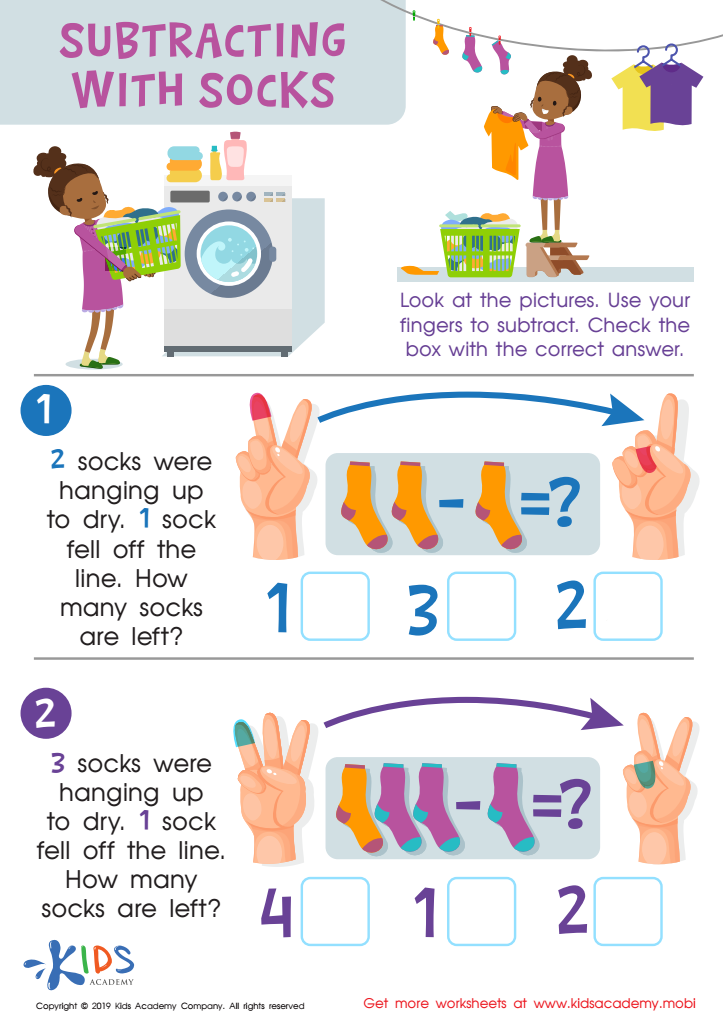
Subtracting Socks Worksheet
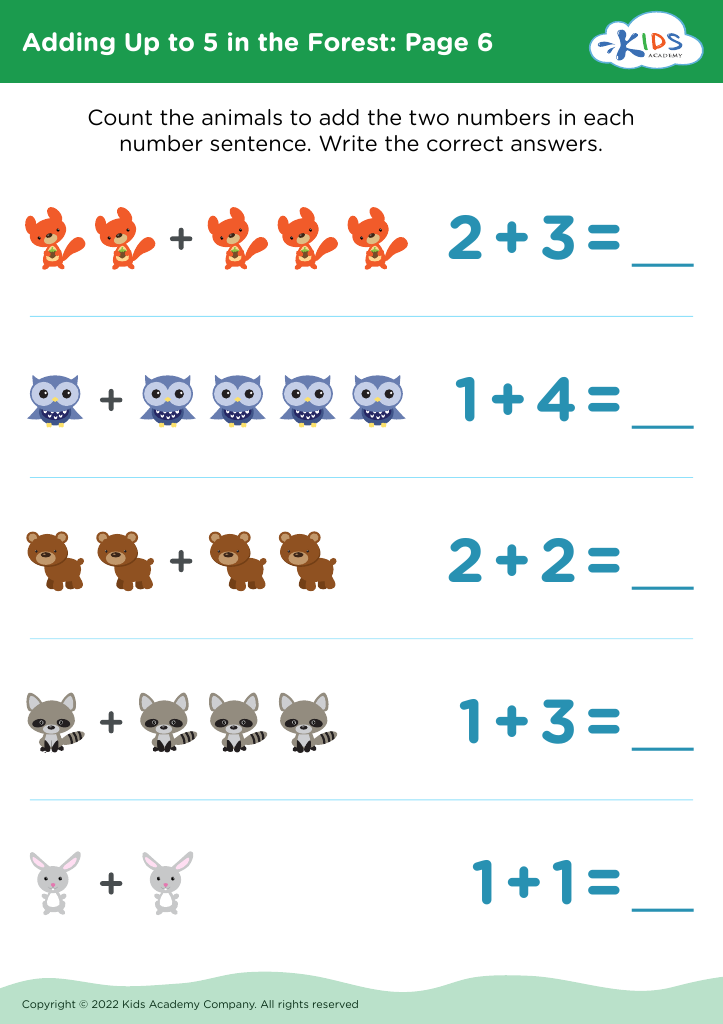
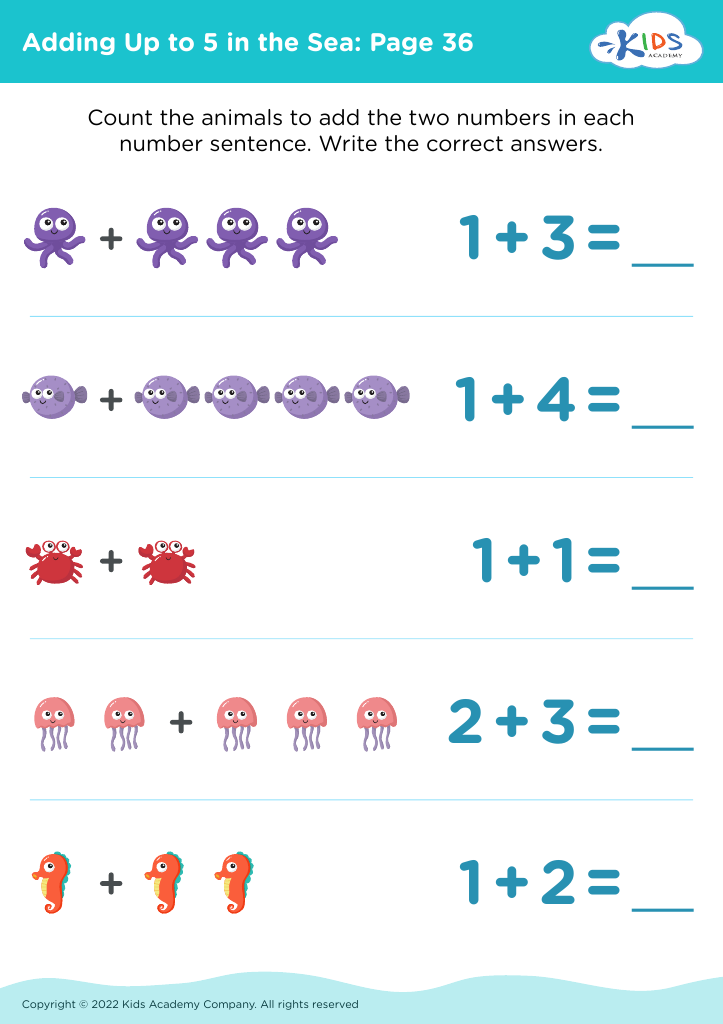
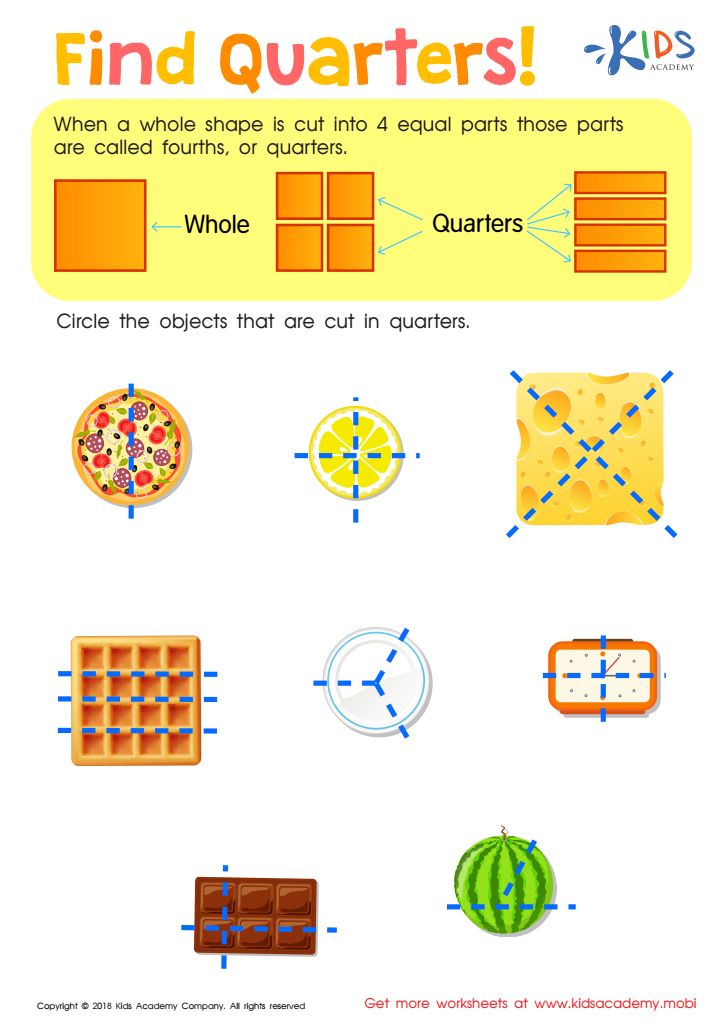
Find Quarters Worksheet
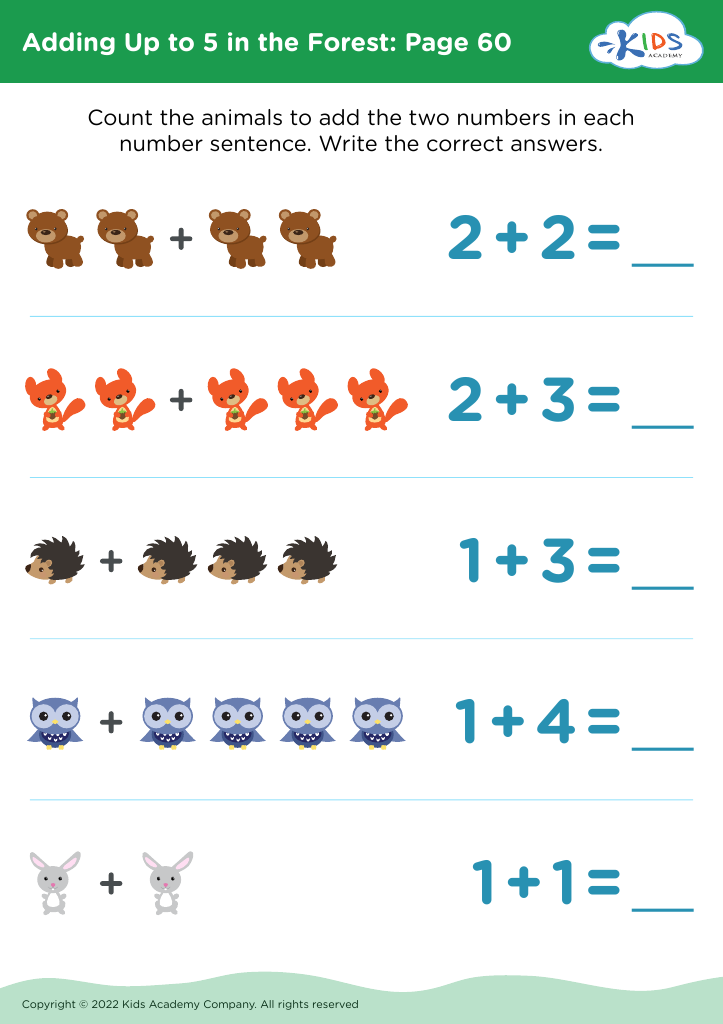
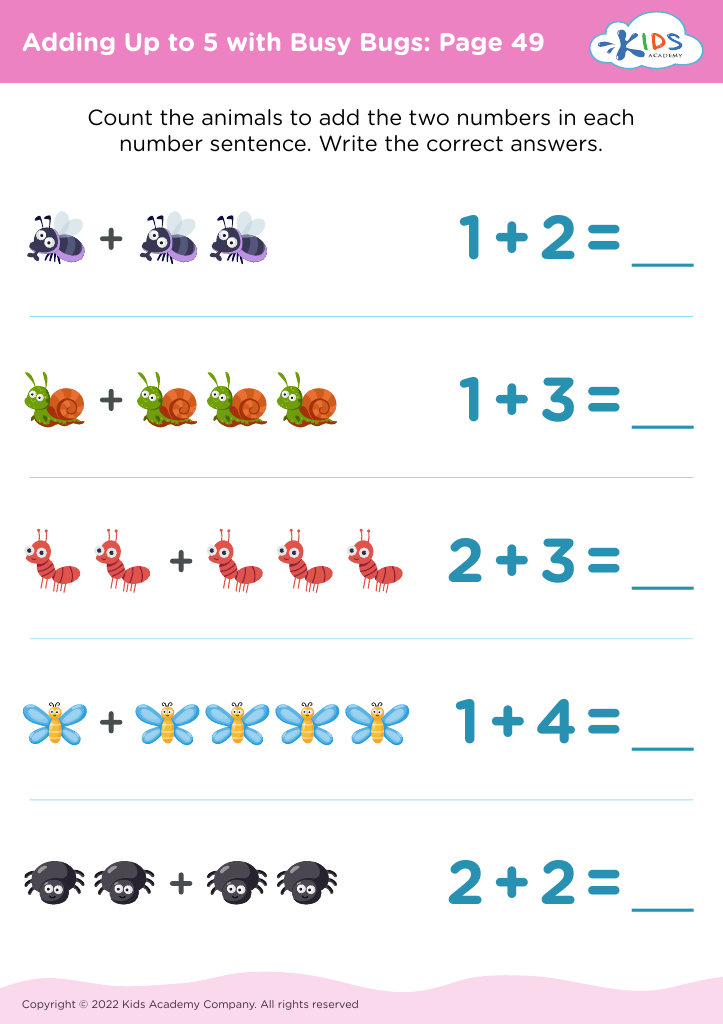
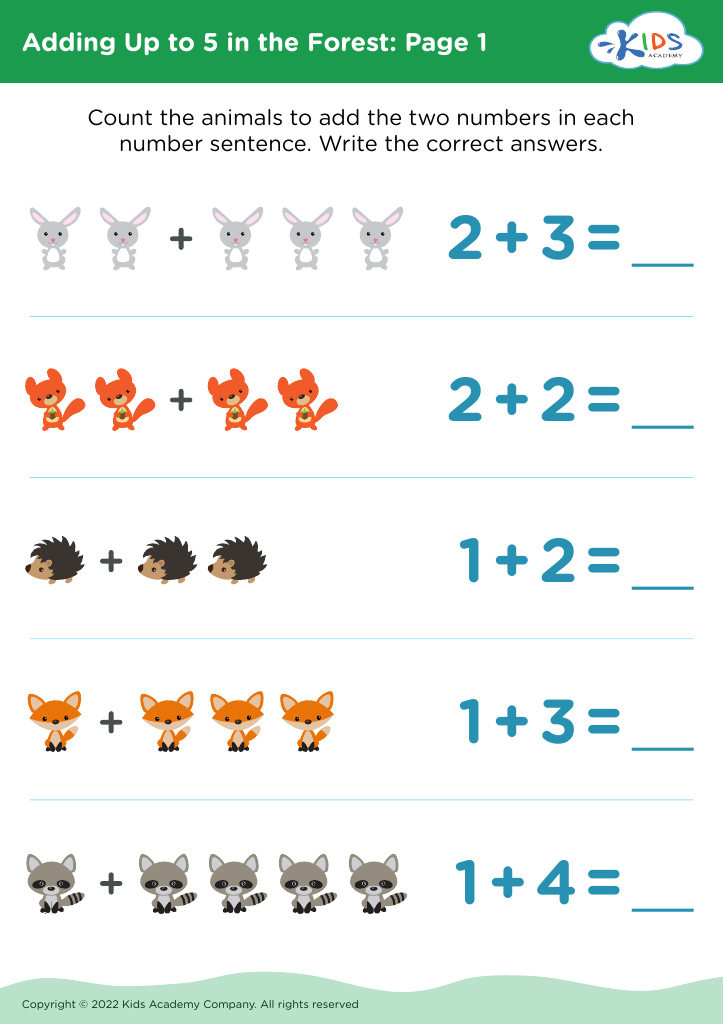
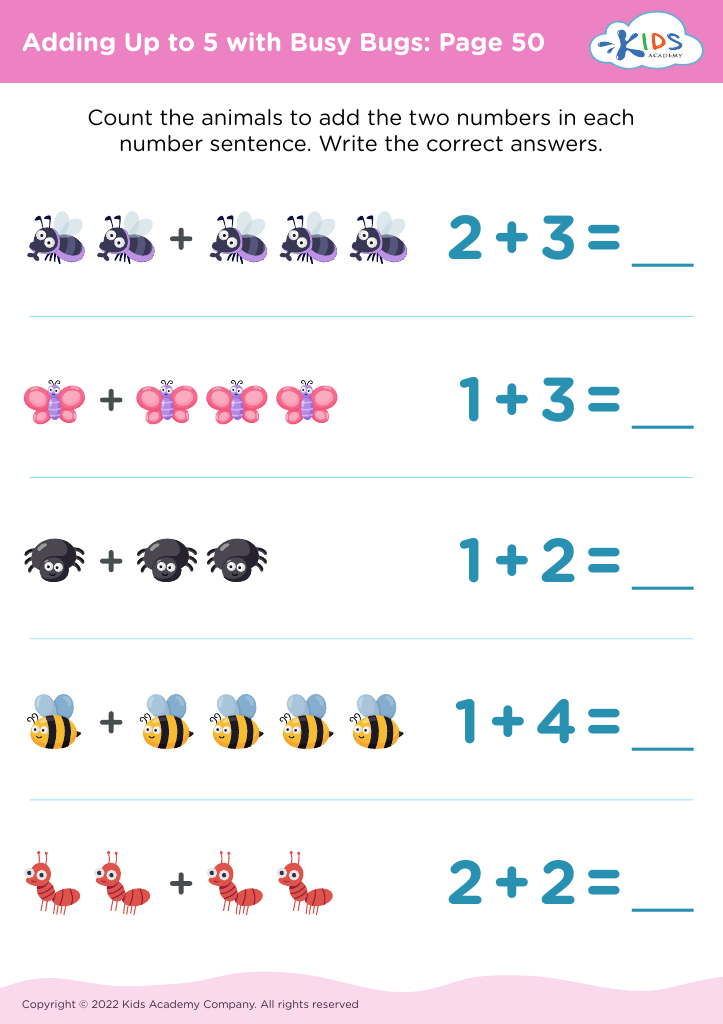
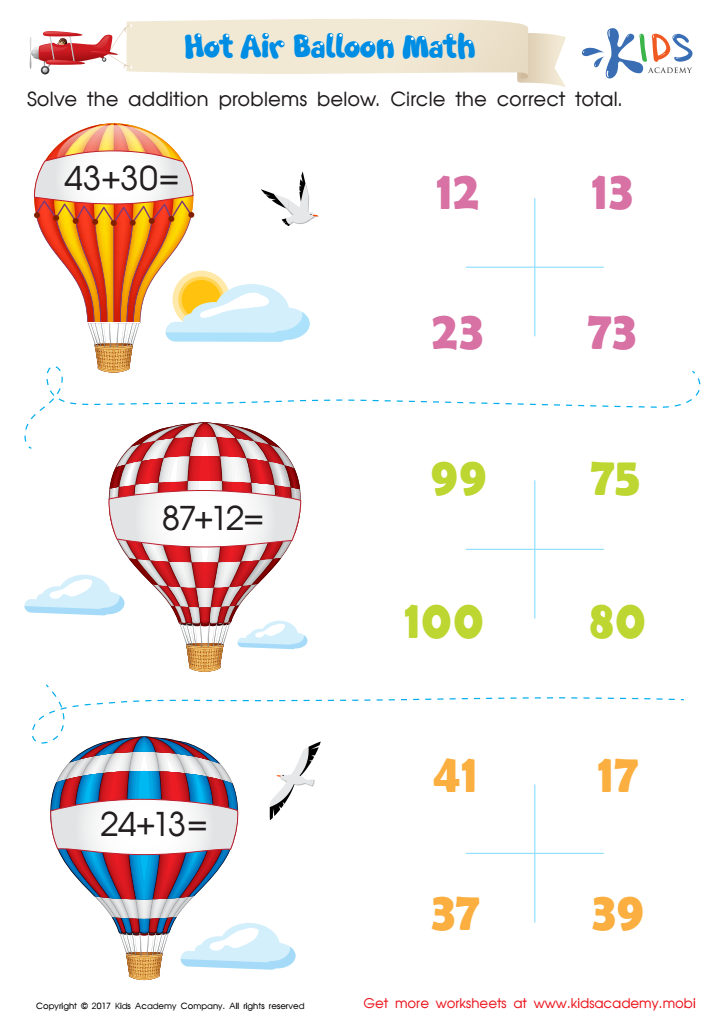
Hot Air Balloon Math Worksheet







Visual Learning Math is crucial in helping students understand and retain mathematical concepts more effectively. When parents and teachers incorporate visual learning strategies, they meet diverse learning needs and foster a more inclusive educational environment.
Visual aids, such as diagrams, charts, and graphs, help students to see the relationships between different elements. This concrete representation makes abstract concepts more accessible, reducing anxiety and boosting confidence. For instance, a visual learner might find it easier to grasp the concept of fractions by seeing pie charts rather than reading numerical fractions alone.
Moreover, visual learning engages multiple senses, which can enhance memory retention and cognitive processing. By linking visual information with verbal explanations, students form stronger neural connections. This dual coding theory supports deeper understanding and long-term retention.
Visual learning tools also encourage problem-solving and critical thinking. Students can use visuals to break down complex problems into manageable parts and explore various solutions.
Additionally, visual math tools align with real-world applications. Graphs, maps, and geometric representations are practical tools used beyond the classroom.
For teachers, visual learning techniques can be particularly efficient in assessing student understanding and providing instant feedback. Ultimately, integrating visual learning in math education enriches the learning experience and equips students with vital skills for academic success and everyday problem-solving.








