Cognitive Development Normal Worksheets for Ages 3-4
41 filtered results
-
From - To
Explore our engaging Cognitive Development Worksheets designed specifically for children ages 3-4. These worksheets help young learners develop essential cognitive skills, including problem-solving, memory, and critical thinking. Tailored to match their developmental stages, these activities feature vibrant illustrations and fun exercises that make learning enjoyable. Each worksheet encourages creativity while enhancing concentration and cognitive abilities, laying a strong foundation for future learning. Whether at home or in the classroom, our worksheets provide meaningful practice in an interactive format. Discover the joys of cognitive growth with our expertly crafted resources that will keep little minds curious and engaged!
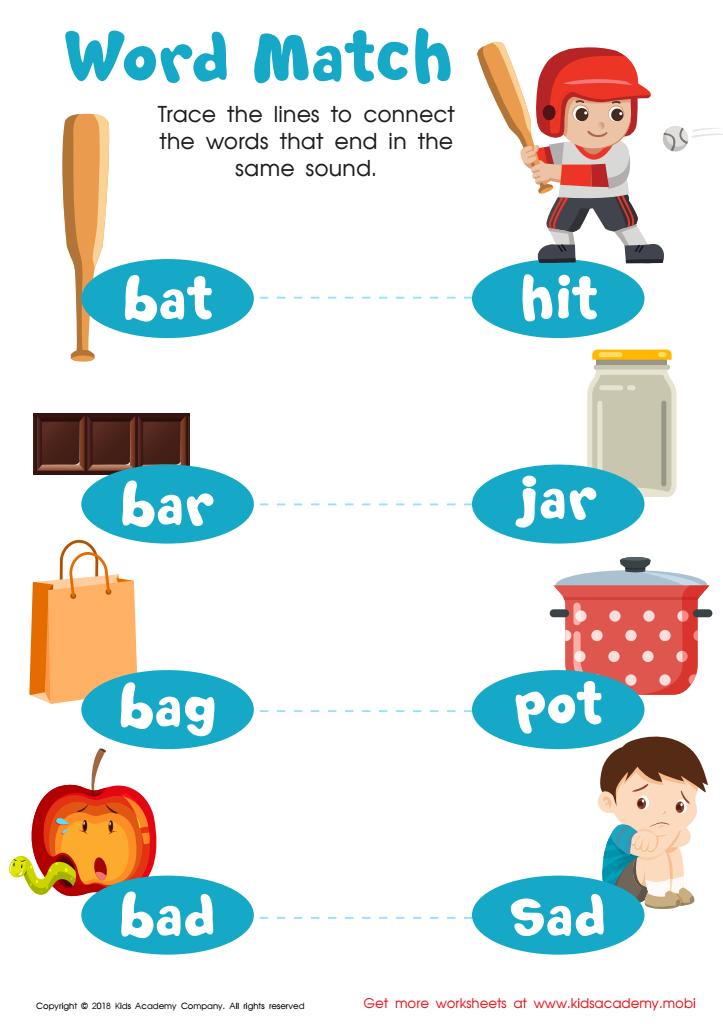
Word Match Reading Worksheet
 Assign to My Students

Count and Match Boxes with Vegetables
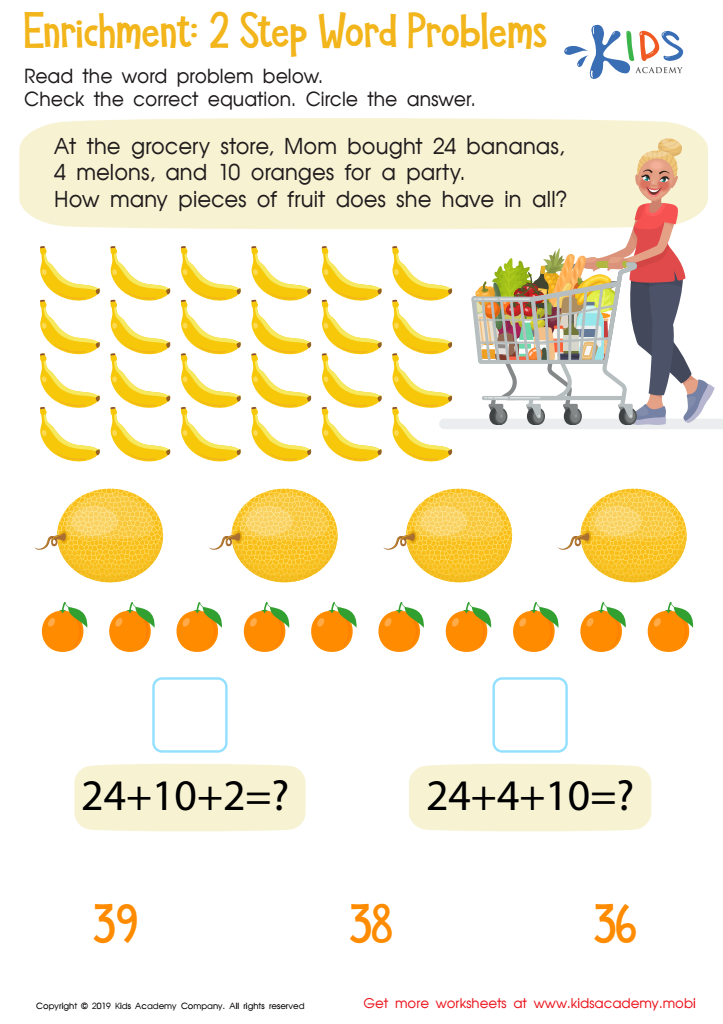
Enrichment -2 Step Word Problems Worksheet
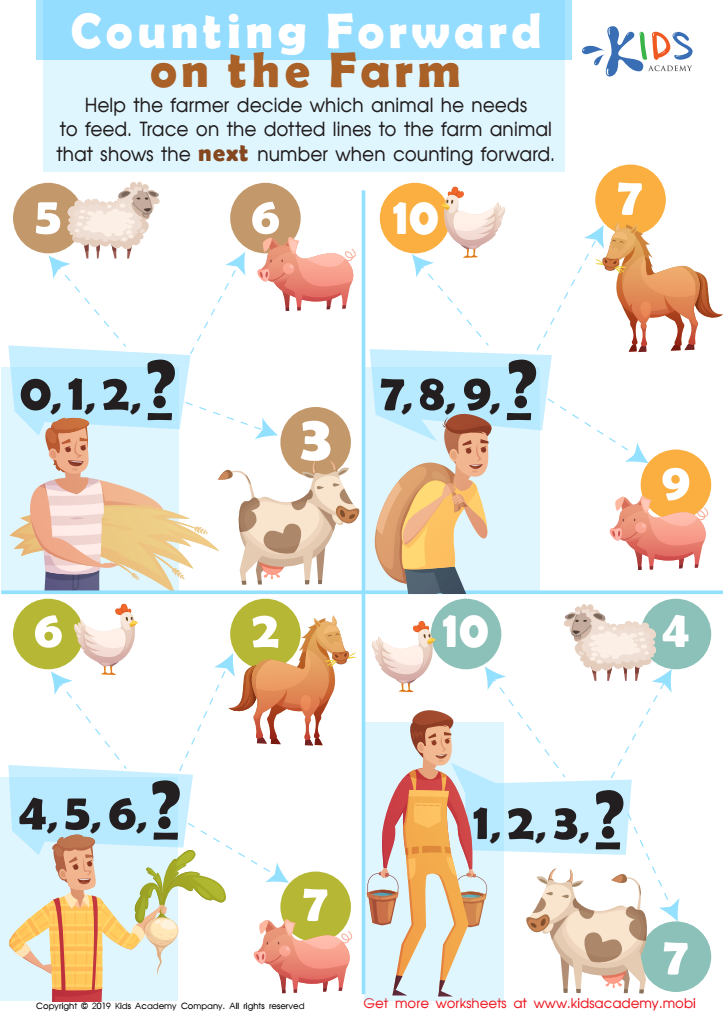
Counting Forward On the Farm Worksheet
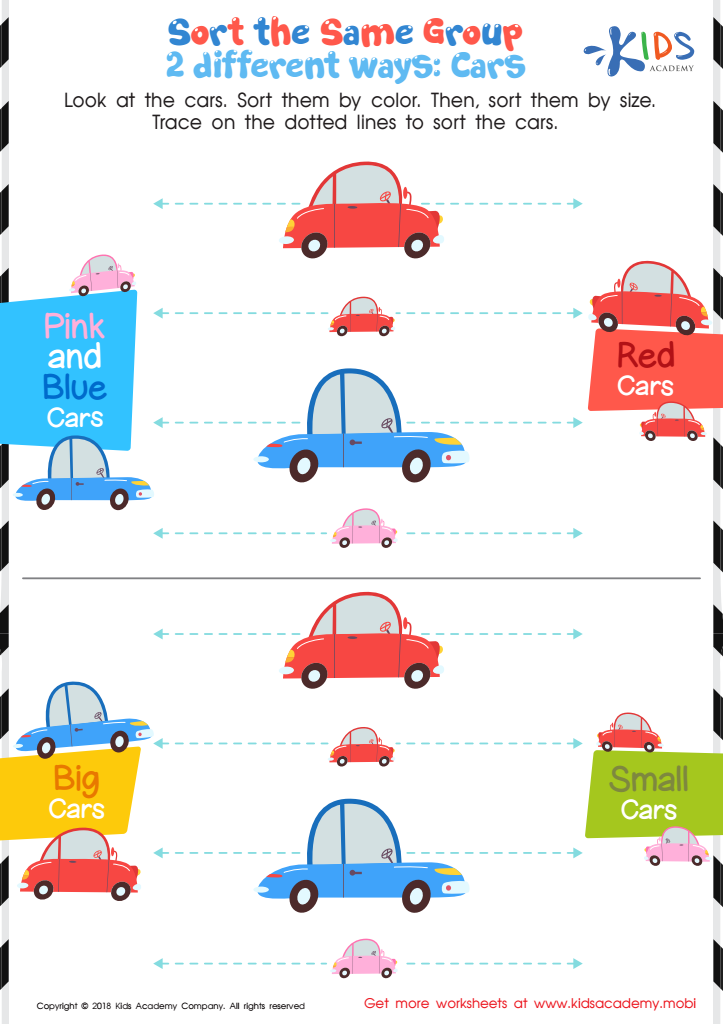
Sort the Same Group 2 Different Ways: Cars Worksheet
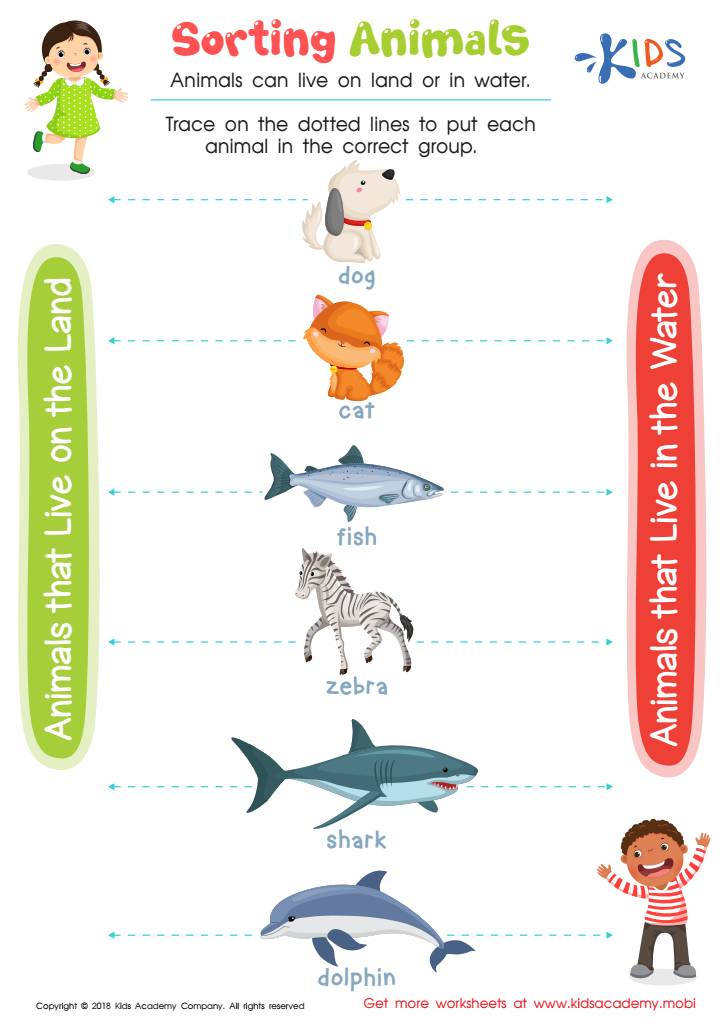
Sorting Animals Worksheet
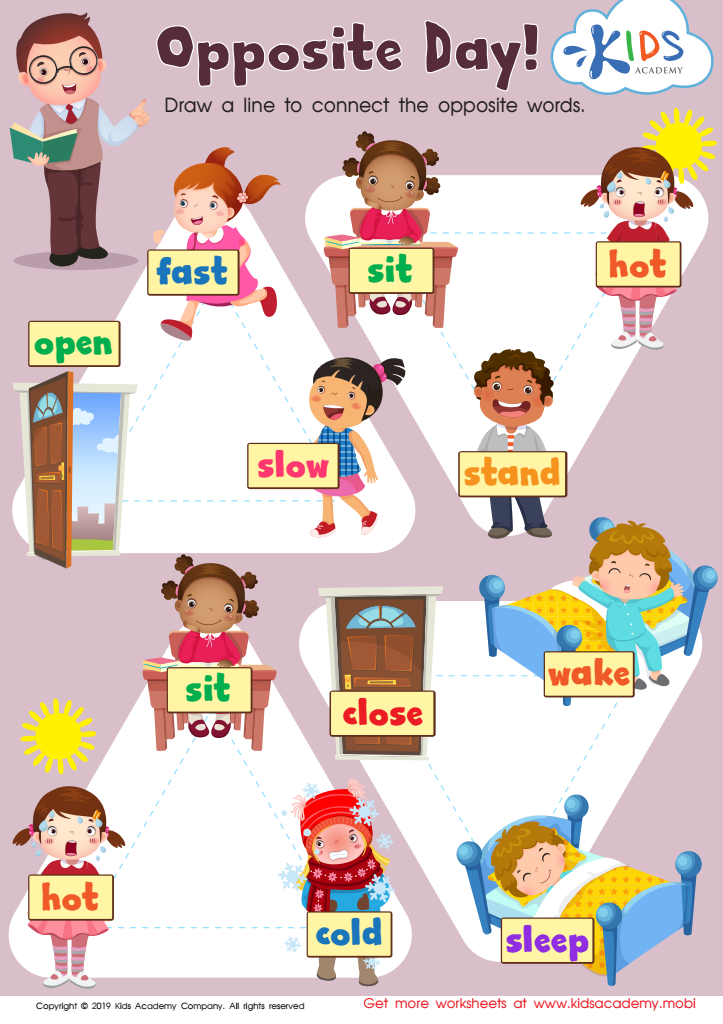
Opposite Day Worksheet
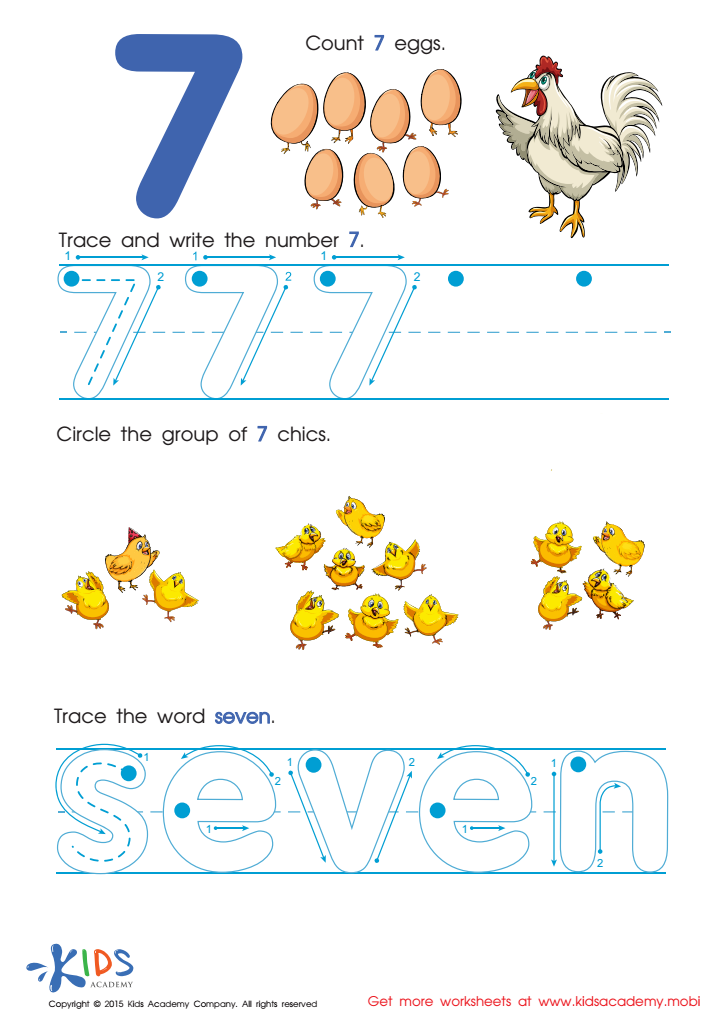
Trace And Write Number 7 with Fun Worksheet
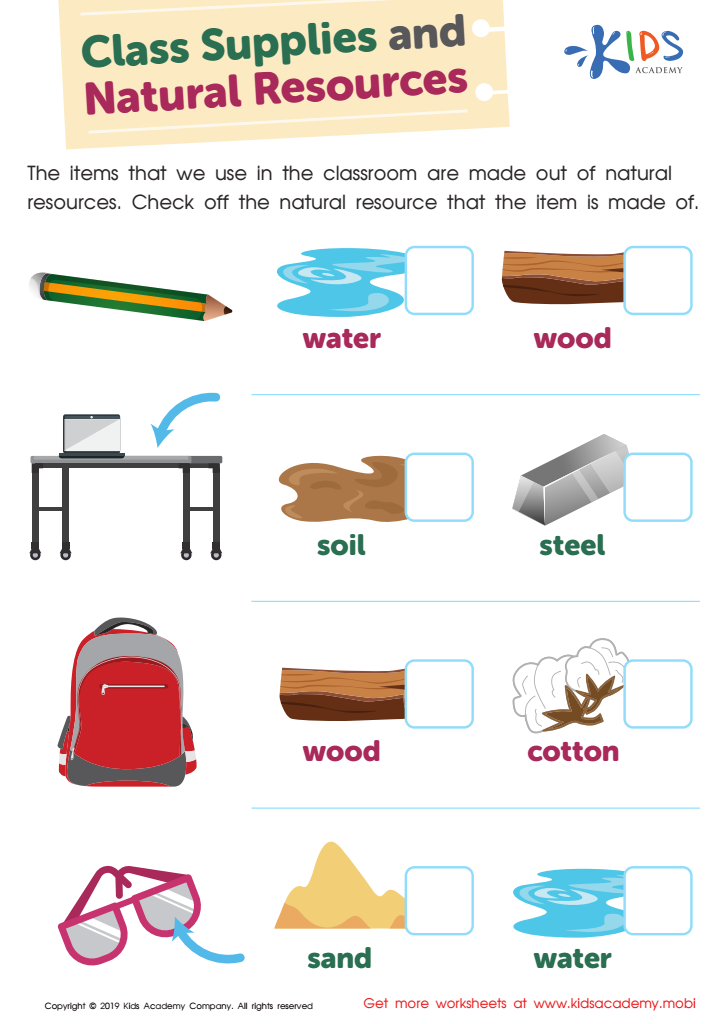
Class Supplies and Natural Resources Worksheet

Let's Look! Assessment Worksheet
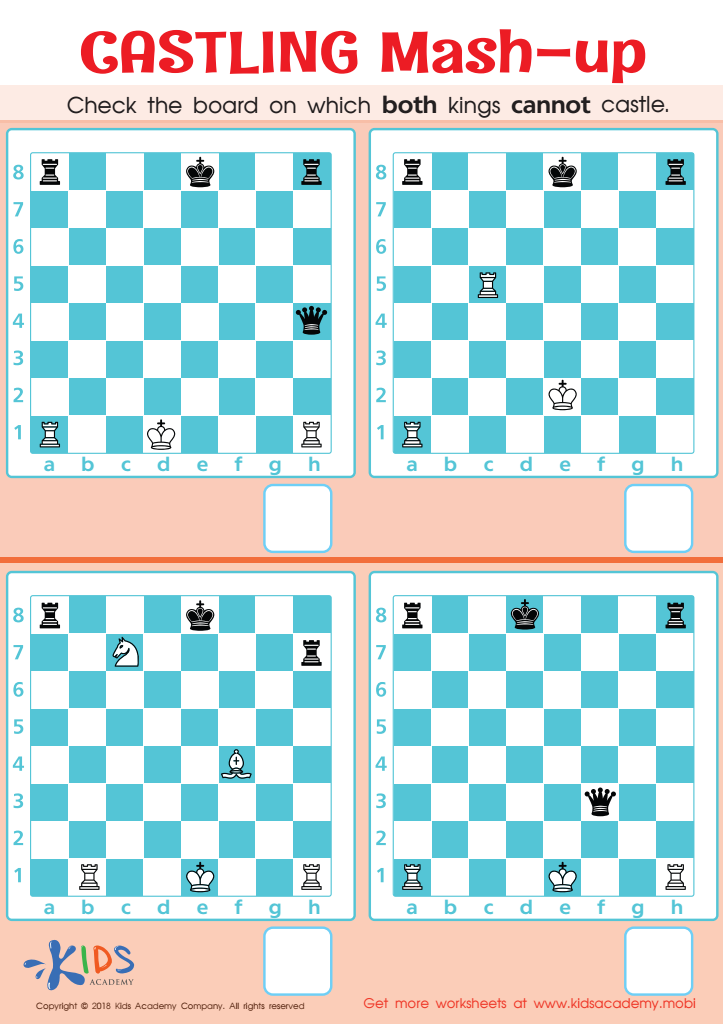
Castling Mash–up Worksheet
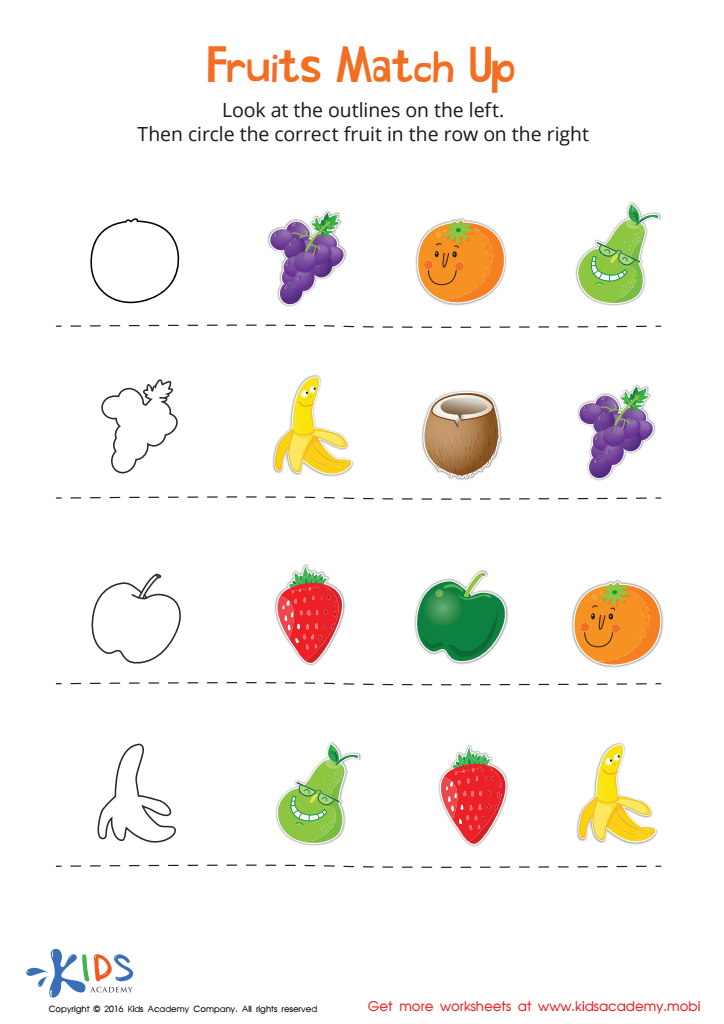
Fruits Match Up Worksheet
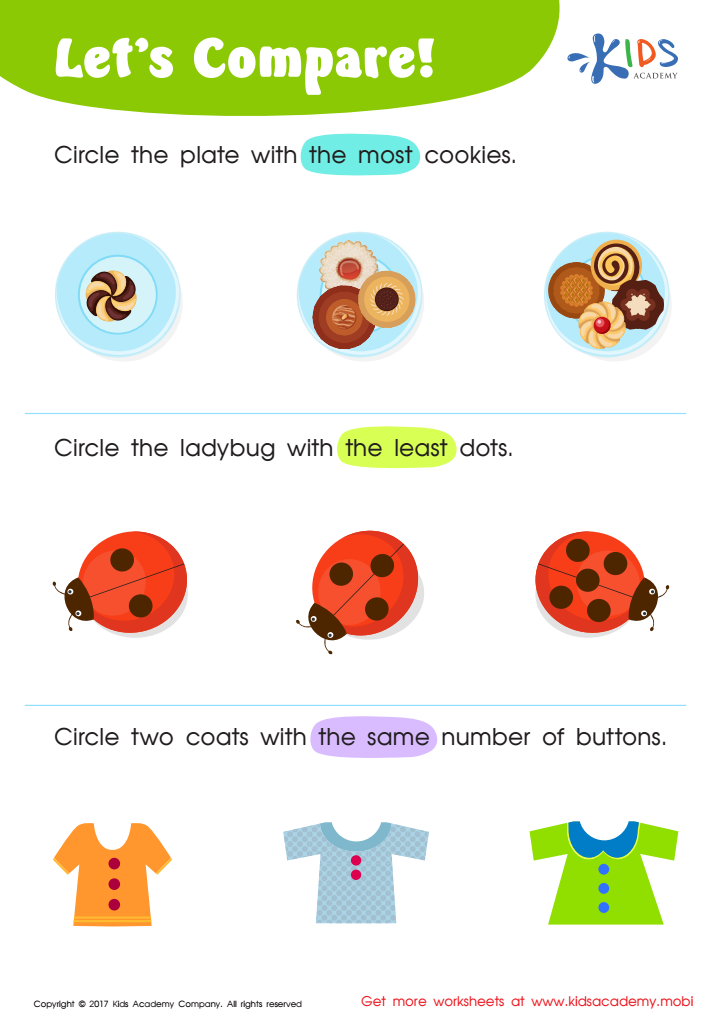
Matching: Classifying Toys by Size Worksheet

City Workers Community Helpers Worksheet
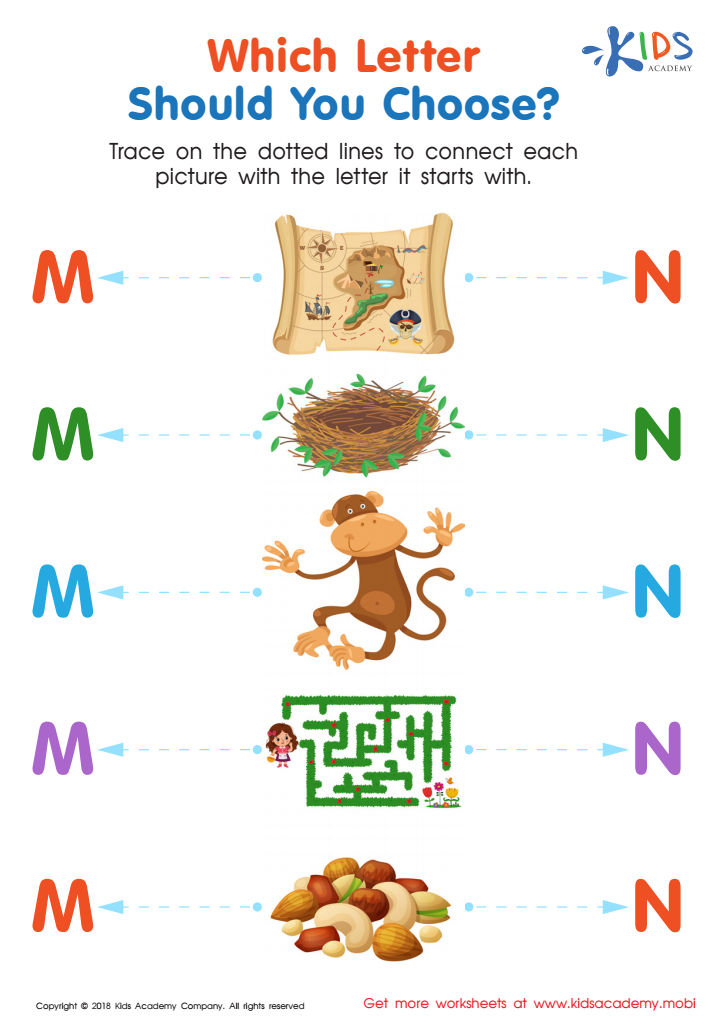
Which Letter Should you Choose? Worksheet
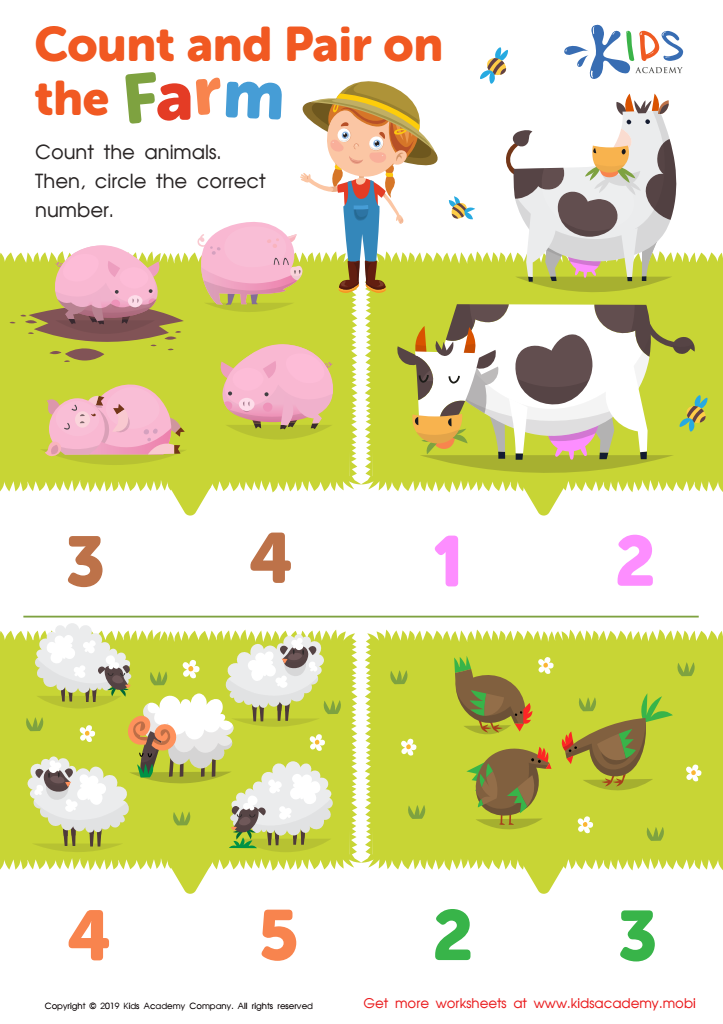
Count and Pair on the Farm Worksheet
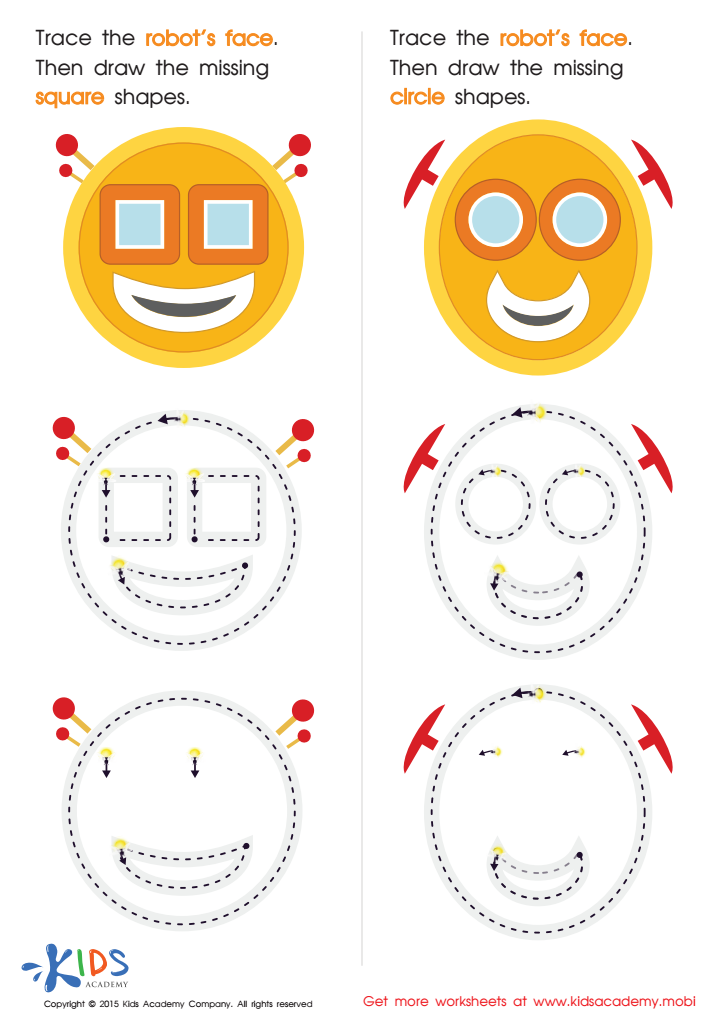
Practicing to Draw Circles And Squares Printable
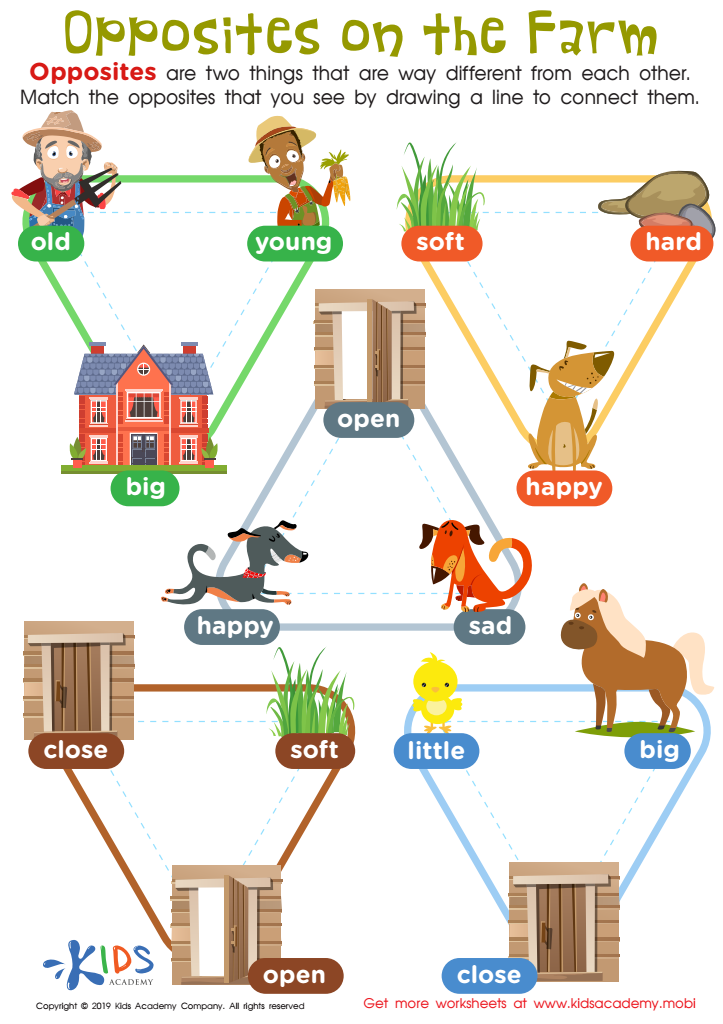
Opposites on the Farm Worksheet
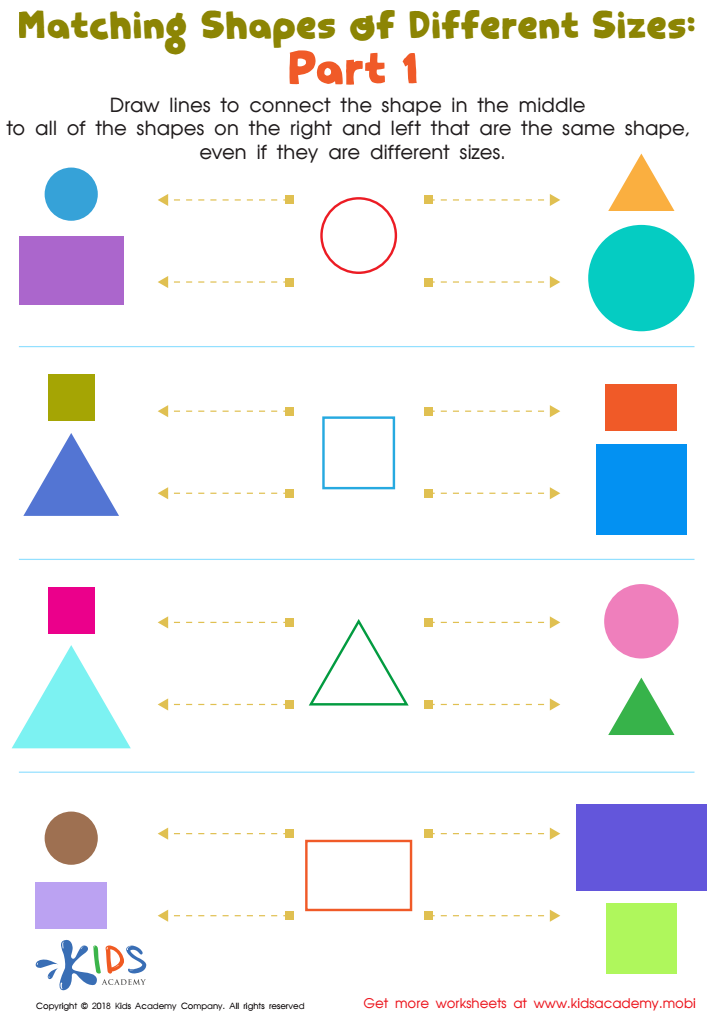
Geometry: part 1 Worksheet

Pawns Bingo Worksheet
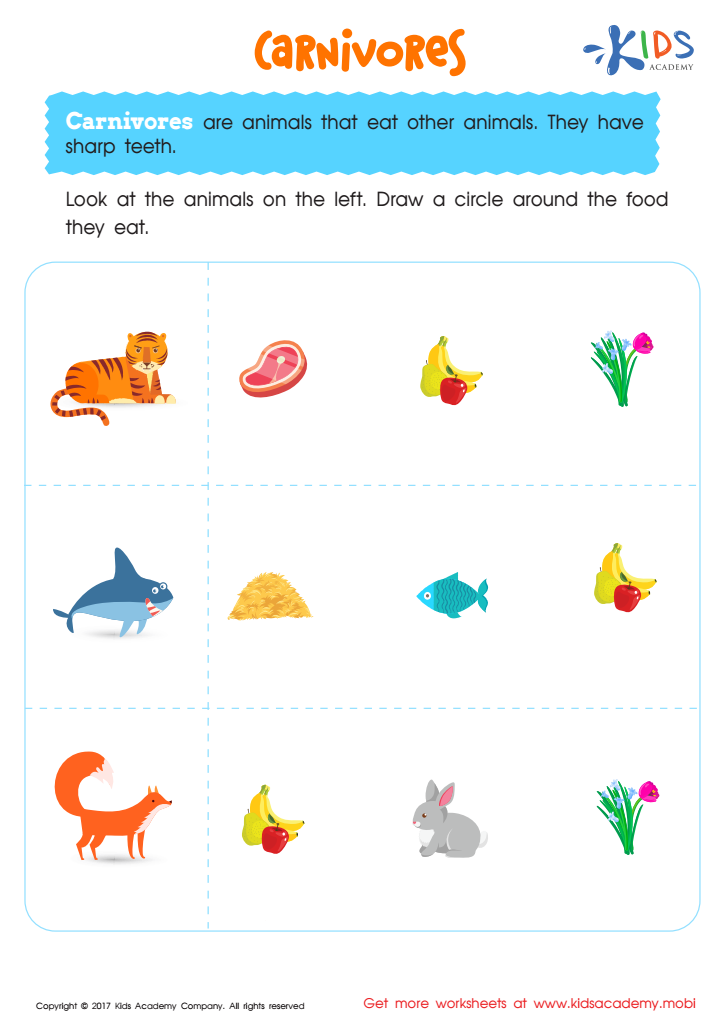
Carnivores Worksheet

Red Tracing Color Words Printable
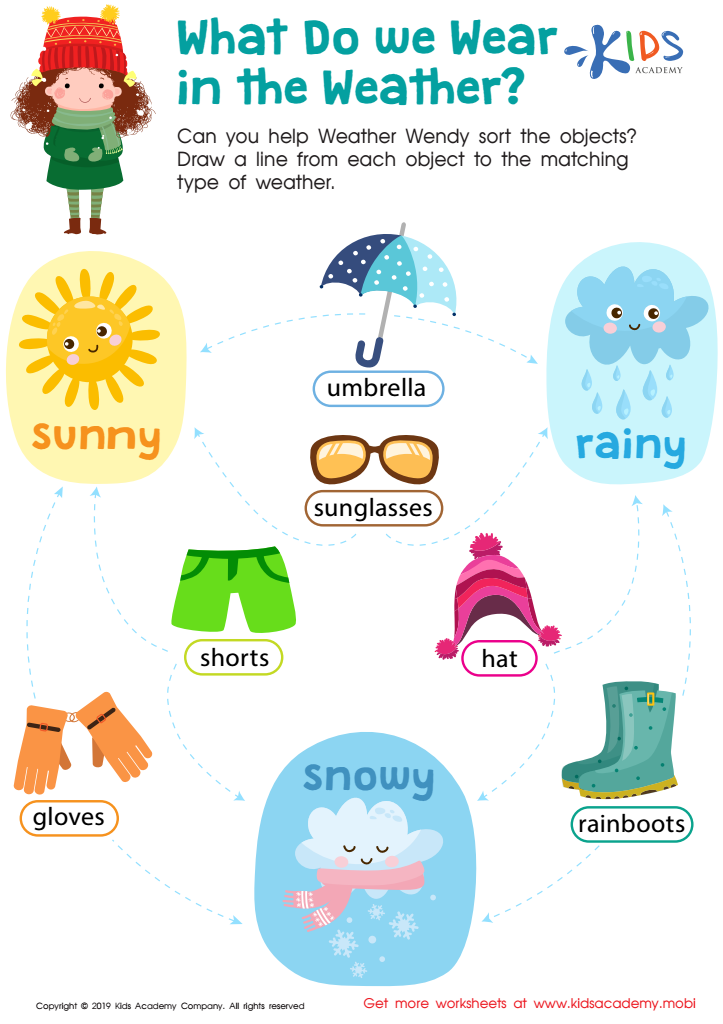
What Do We Wear in the Weather? Worksheet
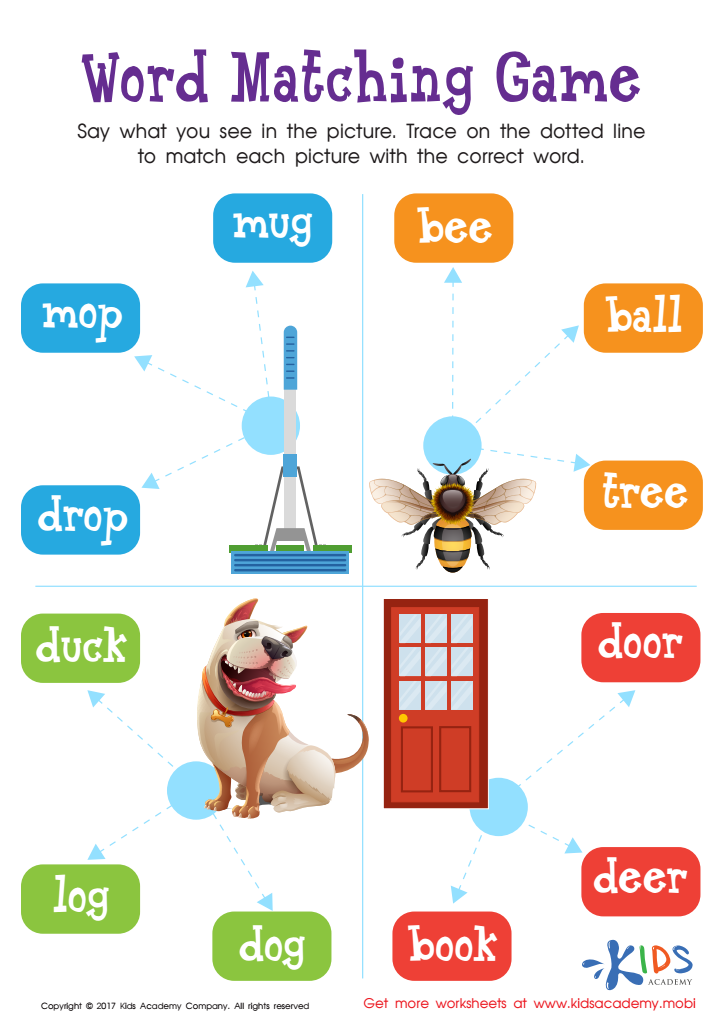
Word Matching Game Worksheet








Cognitive development in children ages 3-4 is crucial as it lays the foundation for future learning, social interactions, and emotional well-being. During these formative years, children rapidly develop critical thinking, problem-solving, and language skills. Parents and teachers should care about this development because it significantly influences children's ability to process information, understand concepts, and communicate effectively.
At this age, children thrive on exploration and curiosity. Engaging in activities like reading, playing educational games, and encouraging creative play not only stimulates their cognitive growth but also fosters a love for learning. Observing and supporting children’s progress through milestones such as recognizing shapes, counting, or following multi-step instructions helps to tailor educational experiences that meet their unique needs.
Moreover, understanding cognitive development can assist in identifying potential learning challenges early. Early intervention can significantly impact children's long-term learning trajectories, ensuring they receive the support they need to thrive. In summary, fostering cognitive development from ages 3-4 sets the stage for greater academic success, social skills, and emotional intelligence, making it essential for parents and teachers to prioritize these aspects in children's everyday experiences.








