Vocabulary enhancement Normal Worksheets for Ages 3-4 - Page 3
74 filtered results
-
From - To
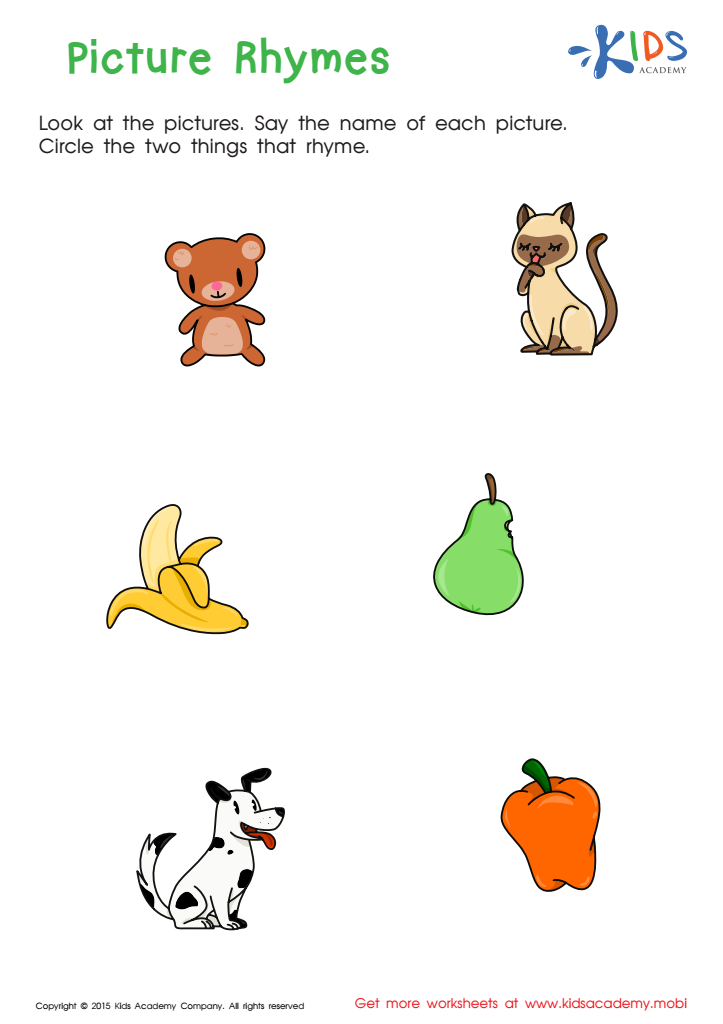
First Words: Picture Rhymes Worksheet
 Assign to My Students
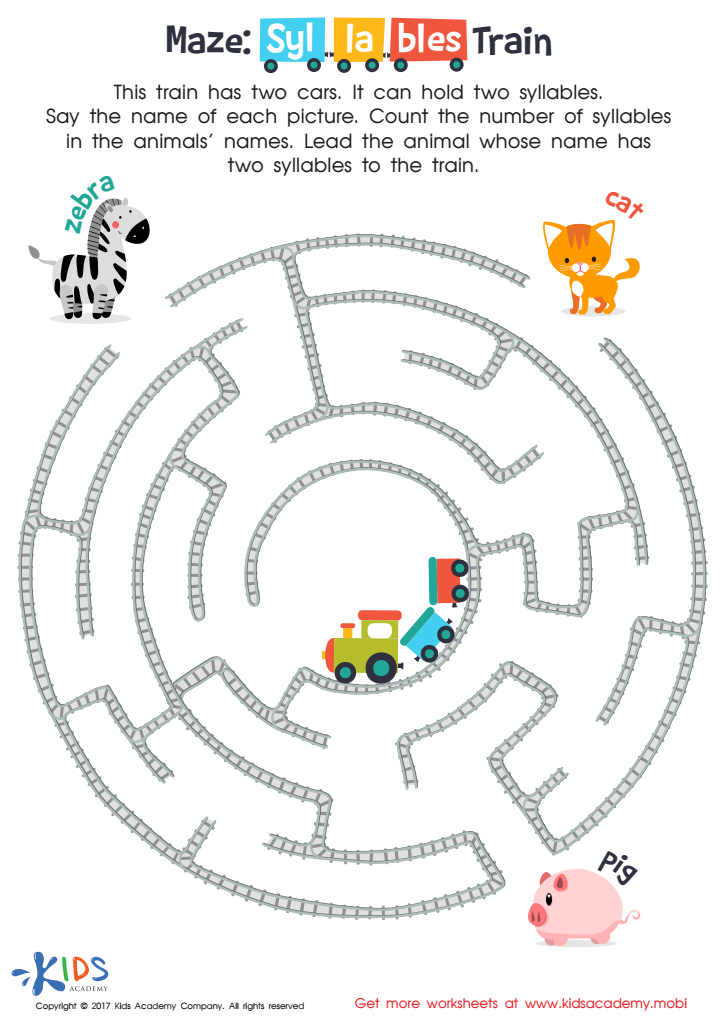
Maze Syllables Word Structure Worksheet
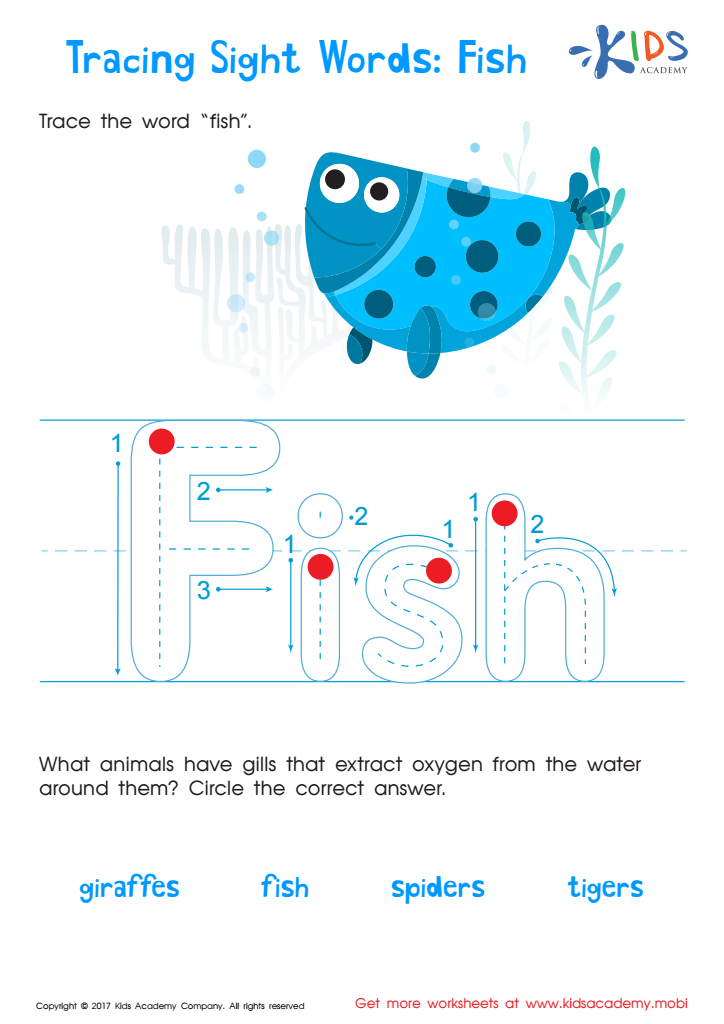
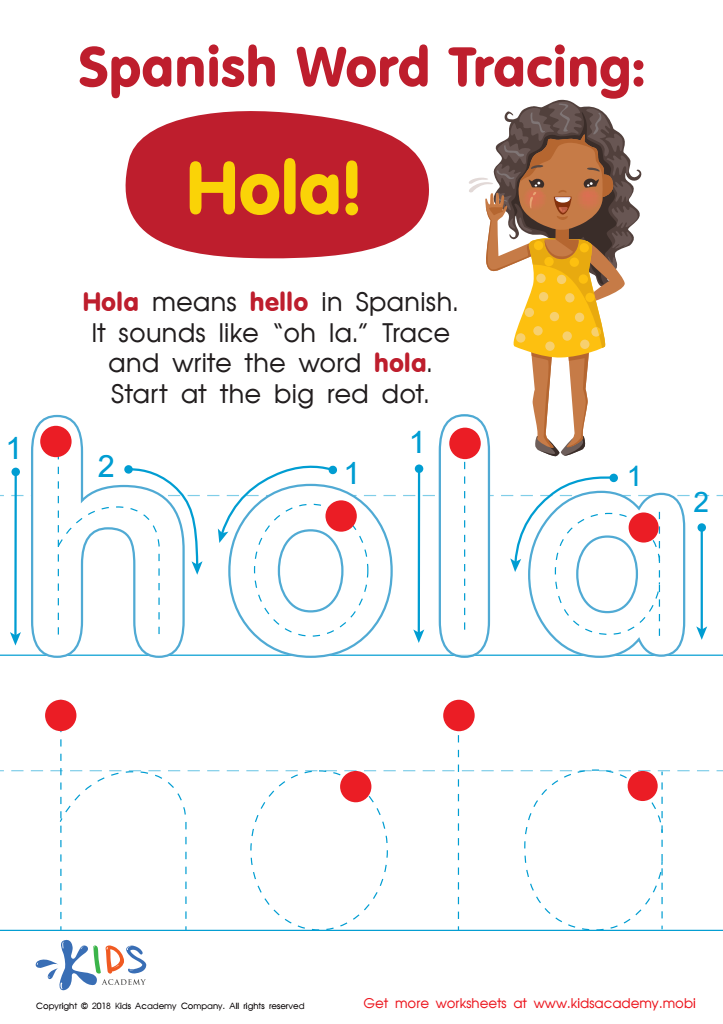
Spanish Word Tracing: Hola Worksheet
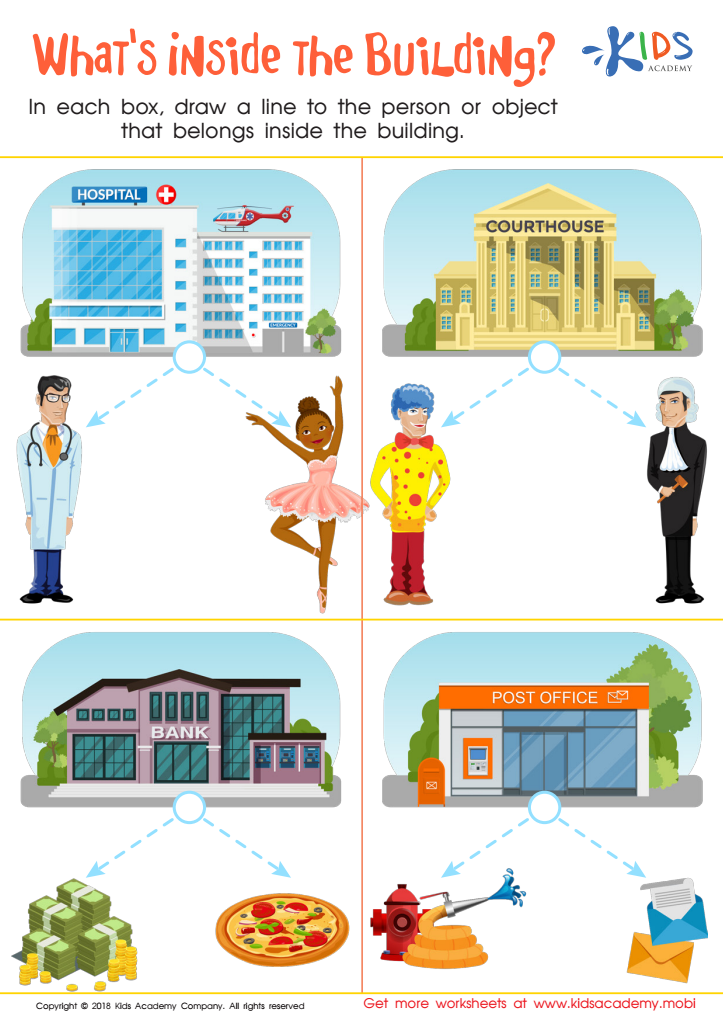
What's Inside the Building? Worksheet
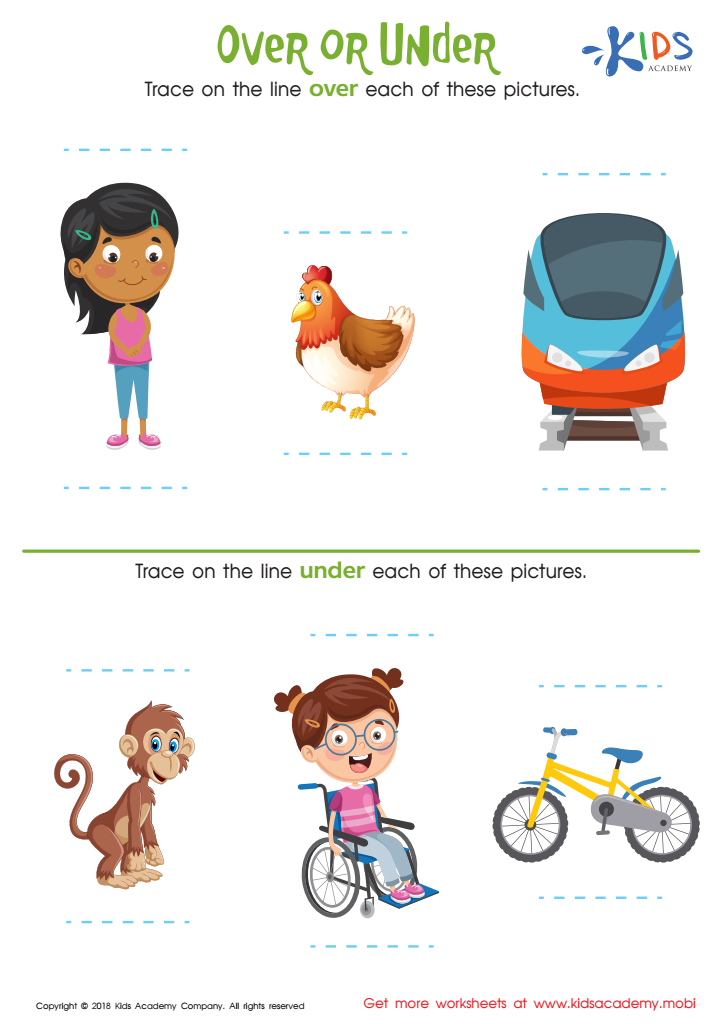
Over or Under Worksheet
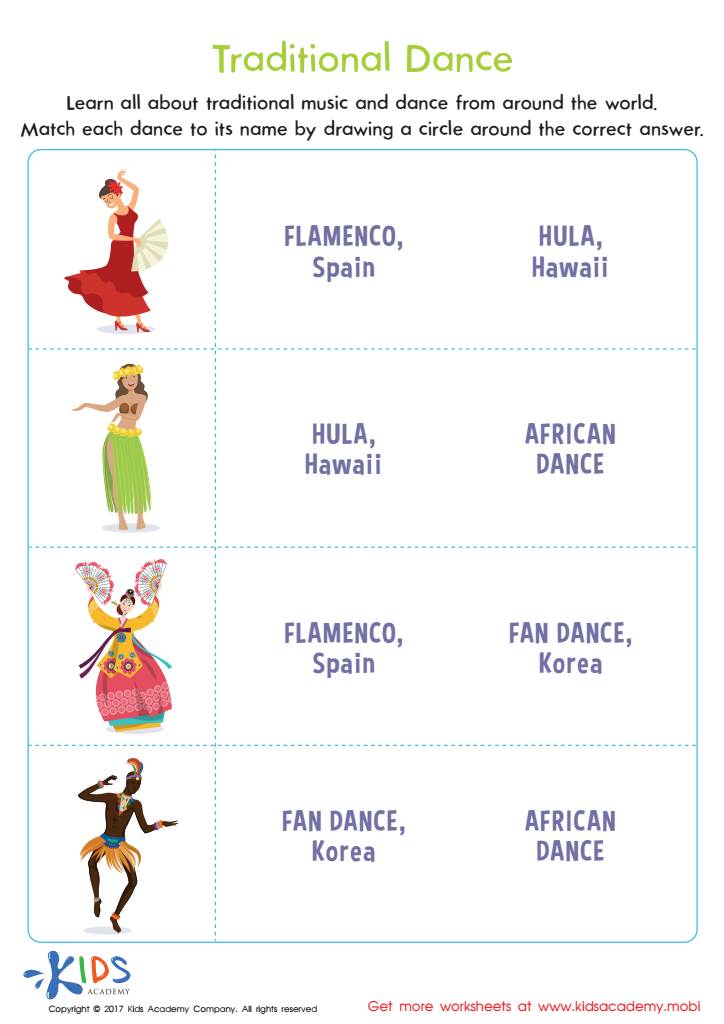
Traditional Dance Printable
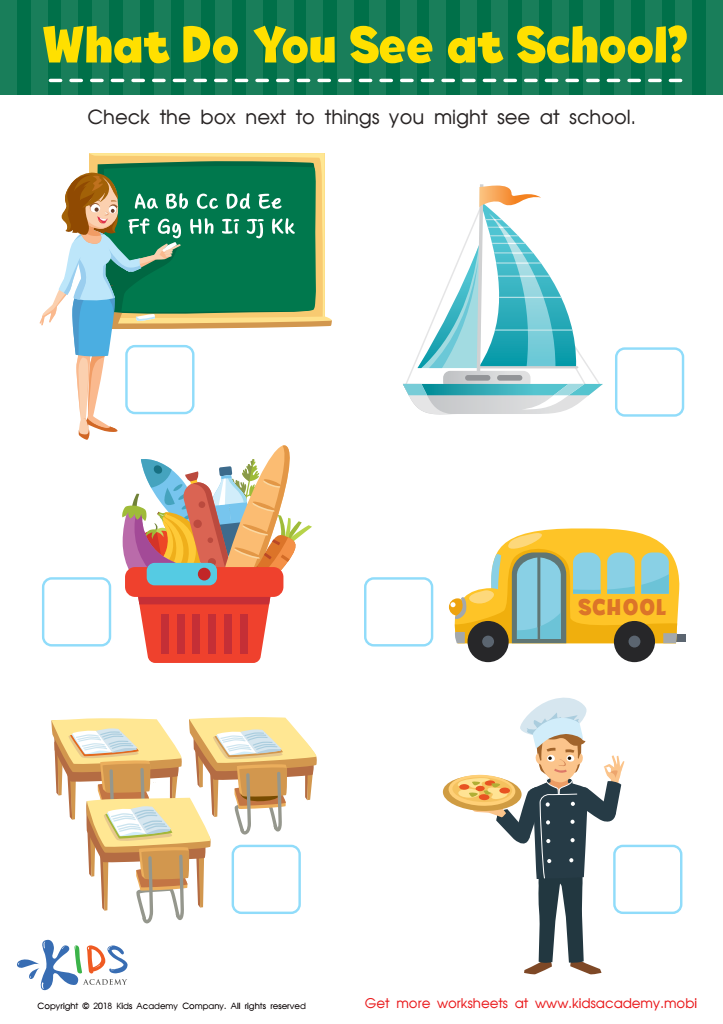
What Do you See at School? Worksheet
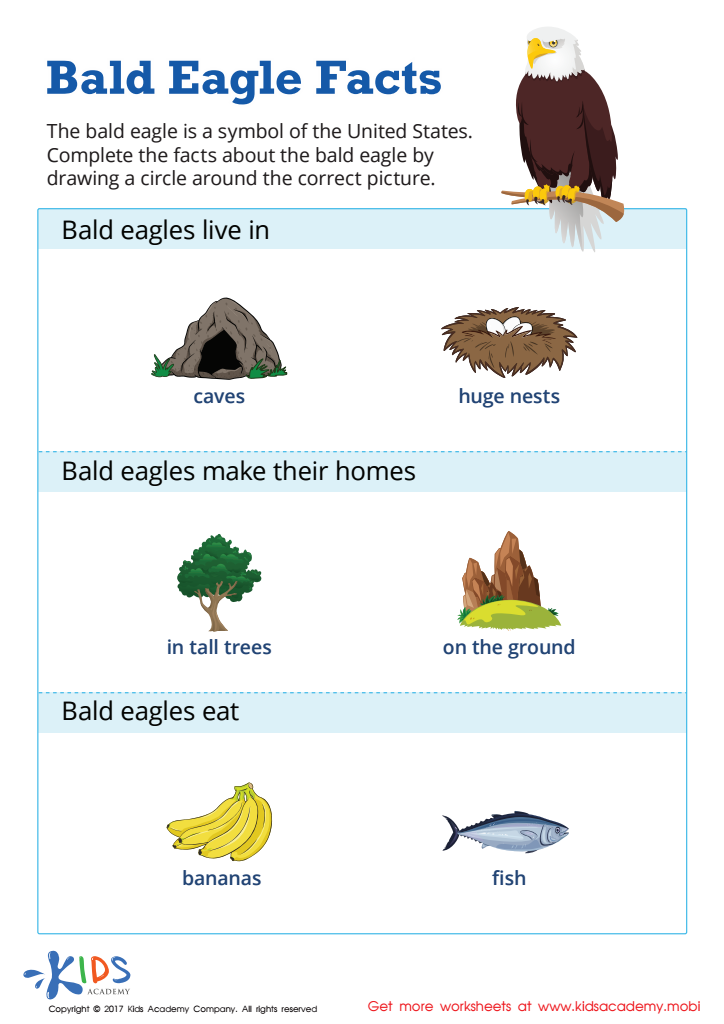
Bald Eagle Facts Worksheet
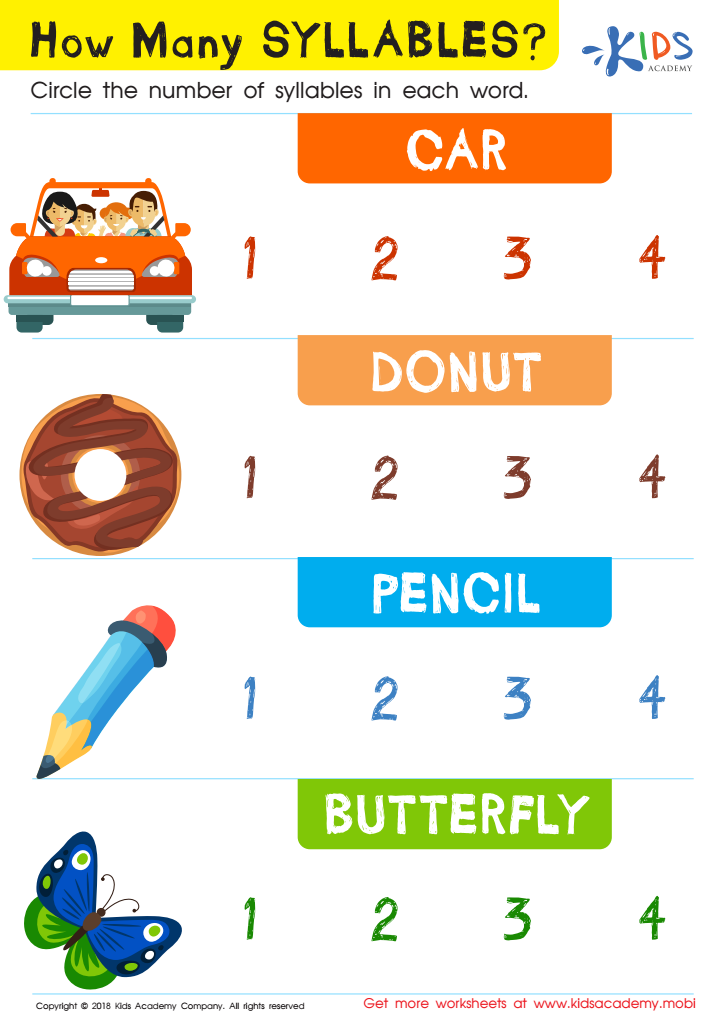
How Many Syllables? Worksheet

The Planets: Saturn Printable
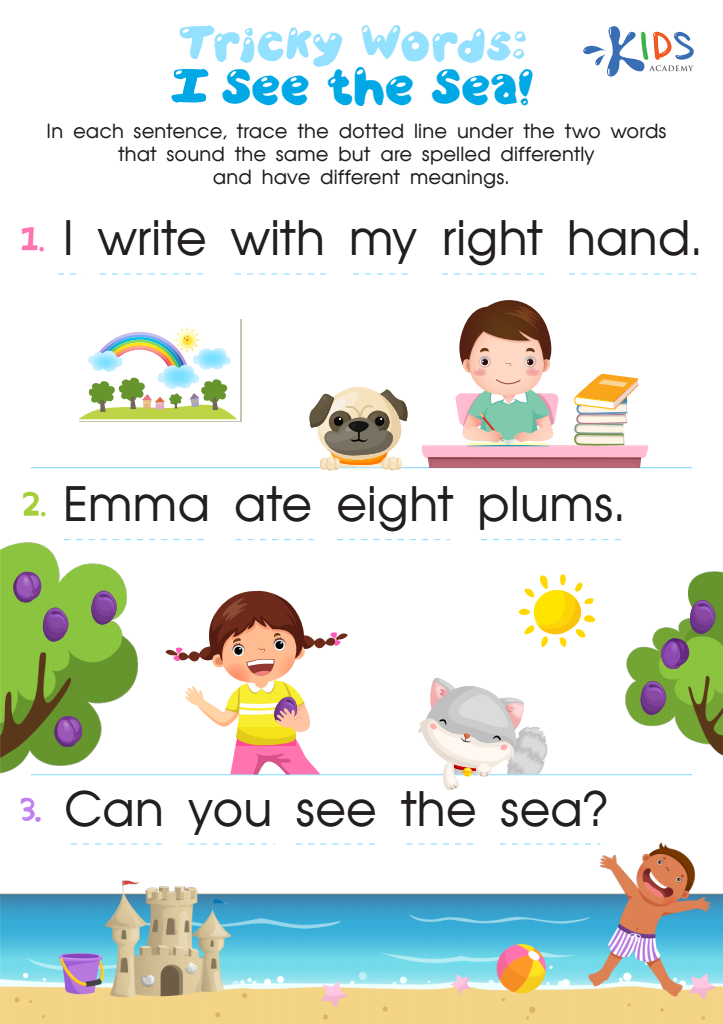
Tricky Words Worksheet
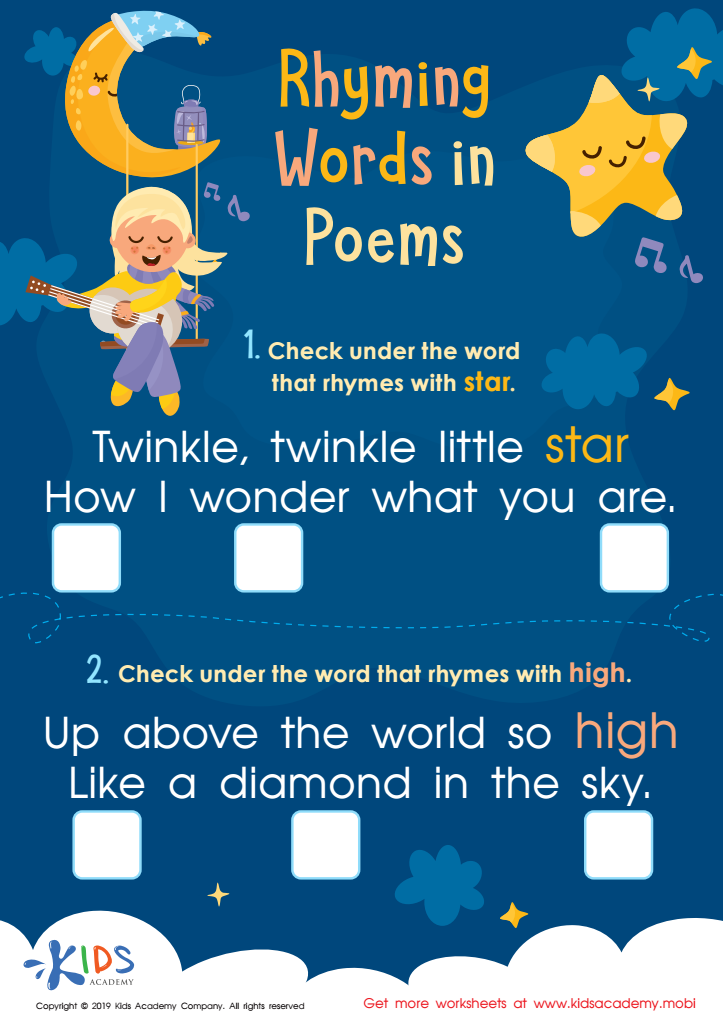
Rhyming Words in Poems Worksheet
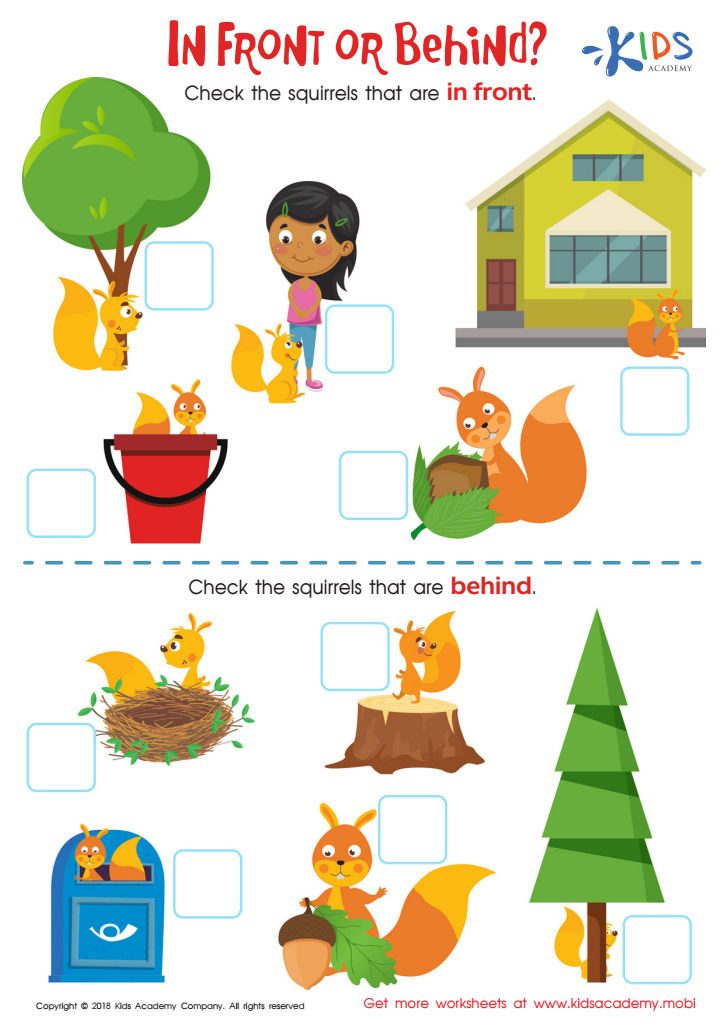
In Front or Behind: Part 2 Worksheet
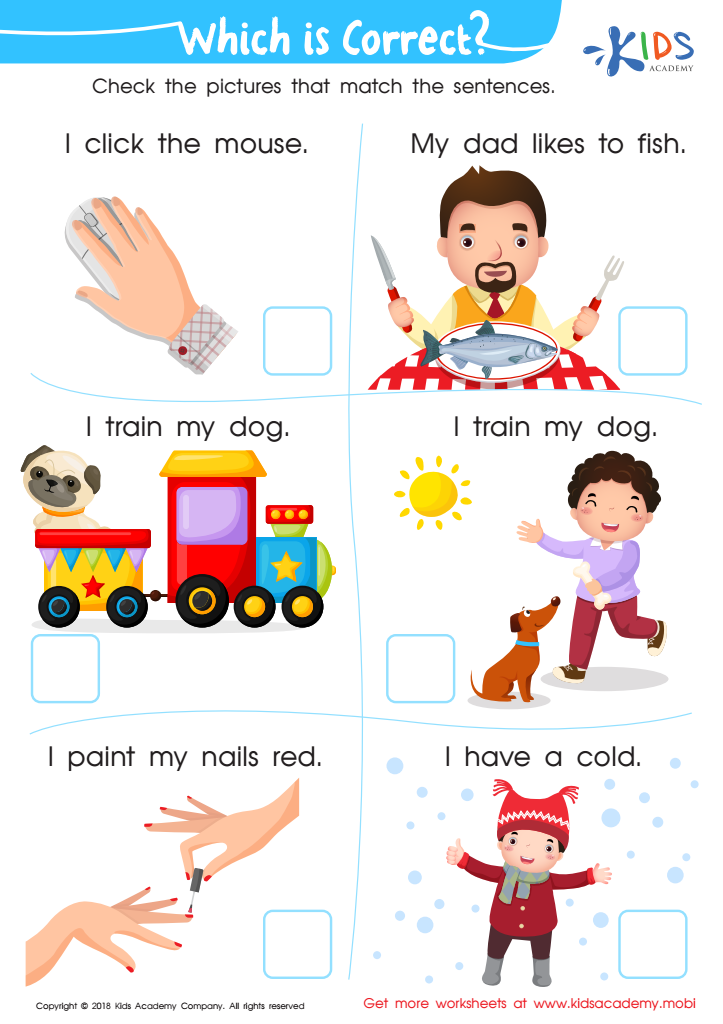
Which Is Correct? Worksheet
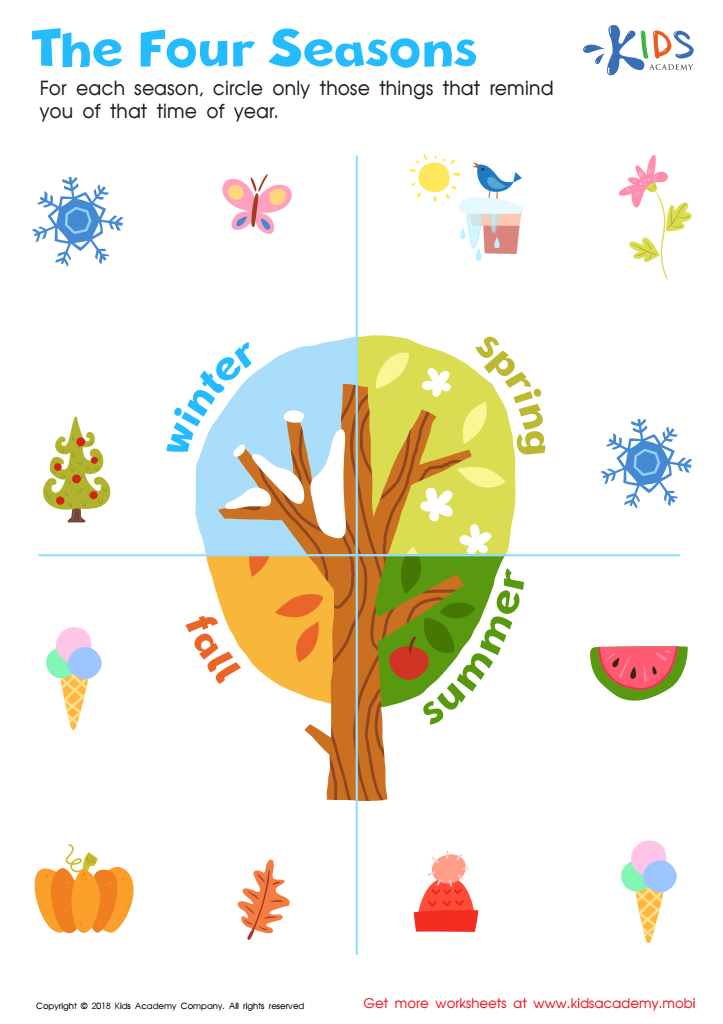
The Four Seasons Worksheet
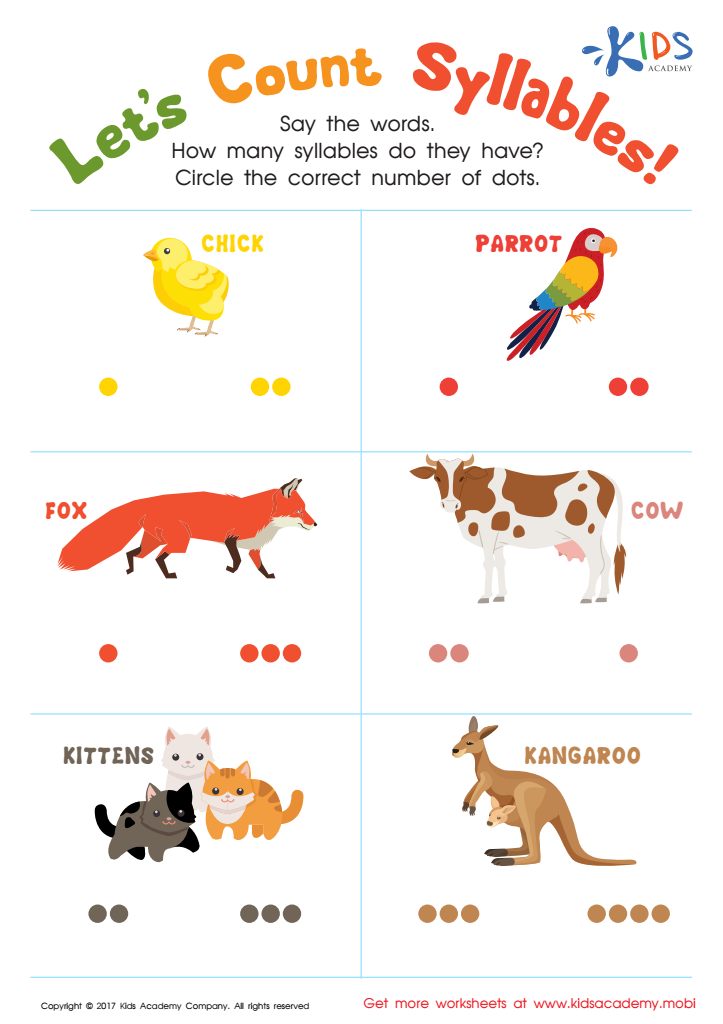
Lets Count Syllables Worksheet
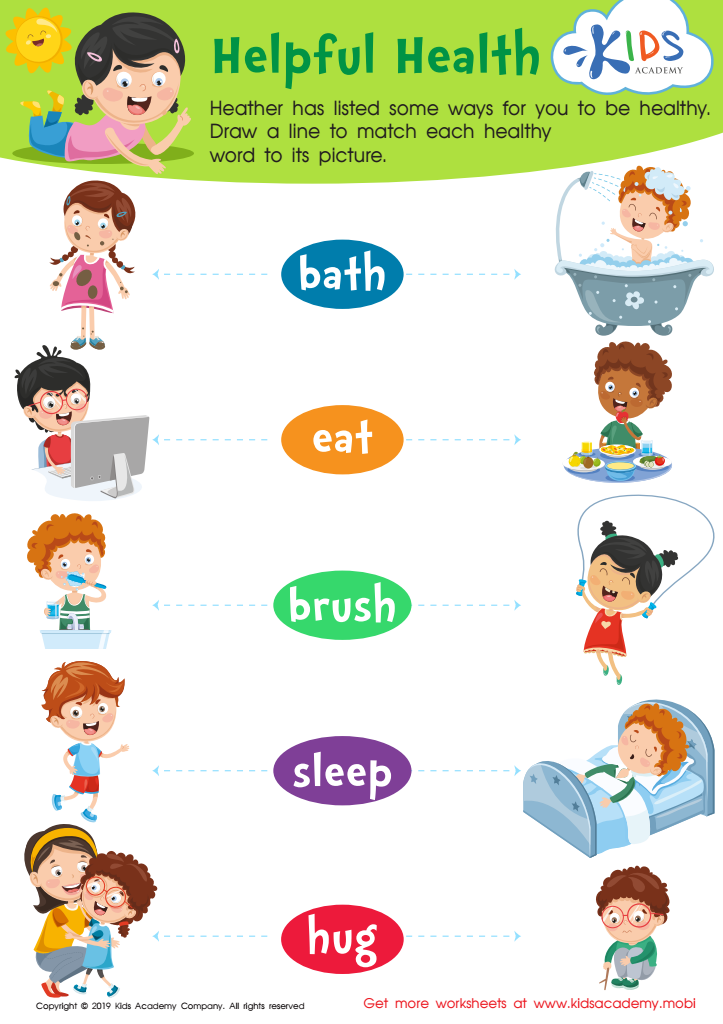
Helpful Health Worksheet
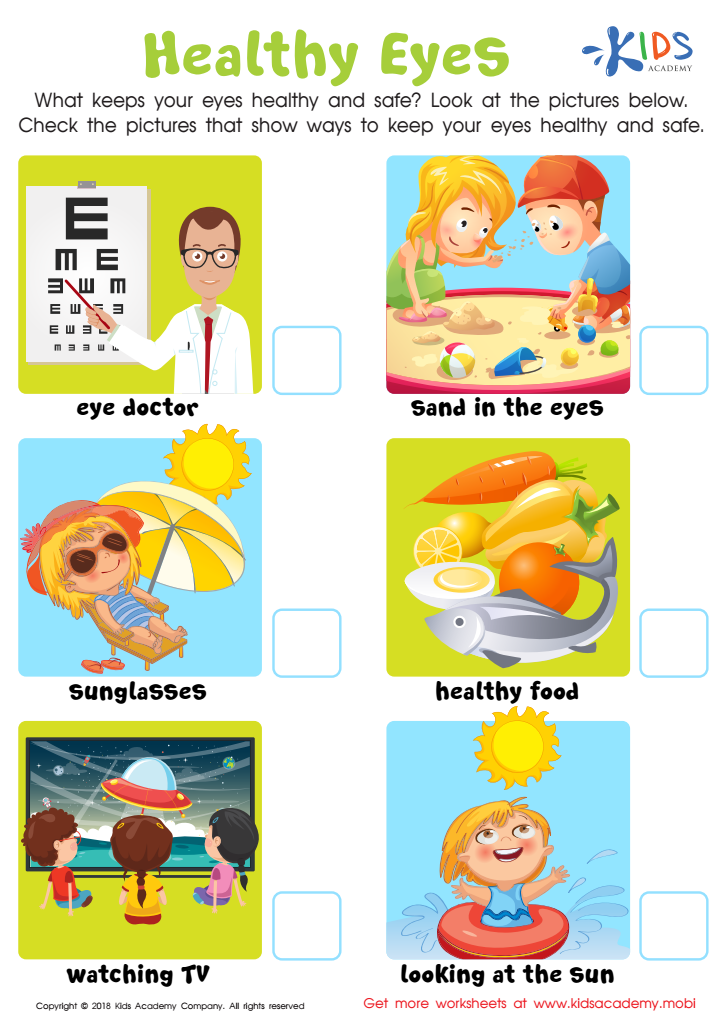
Healthy Eyes Worksheet
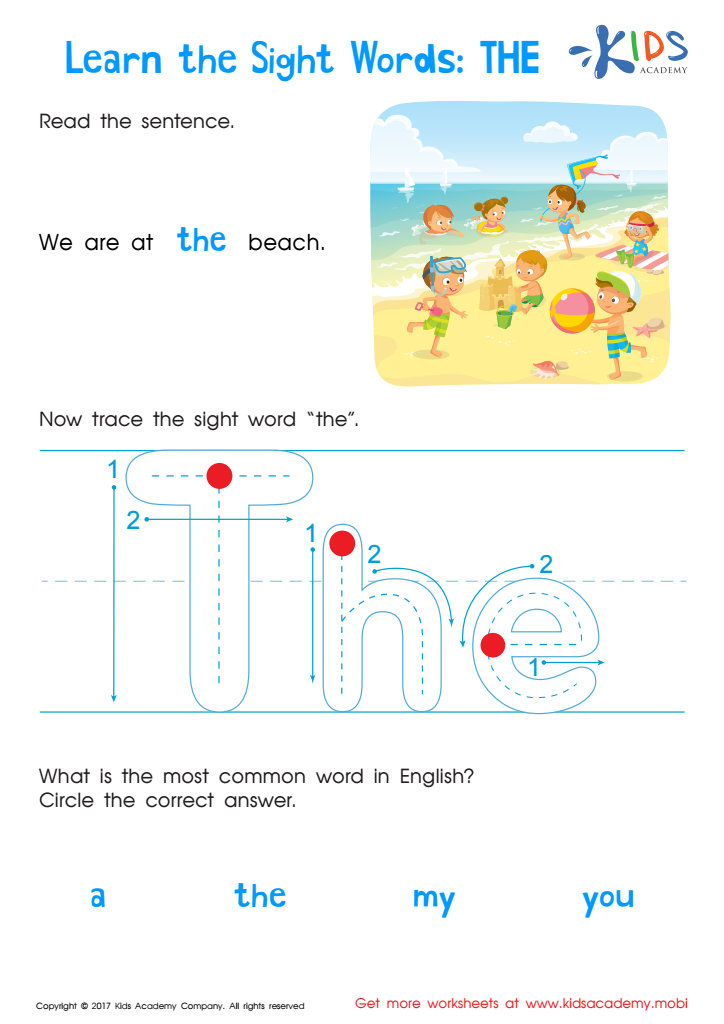
Sight Words: The Worksheet
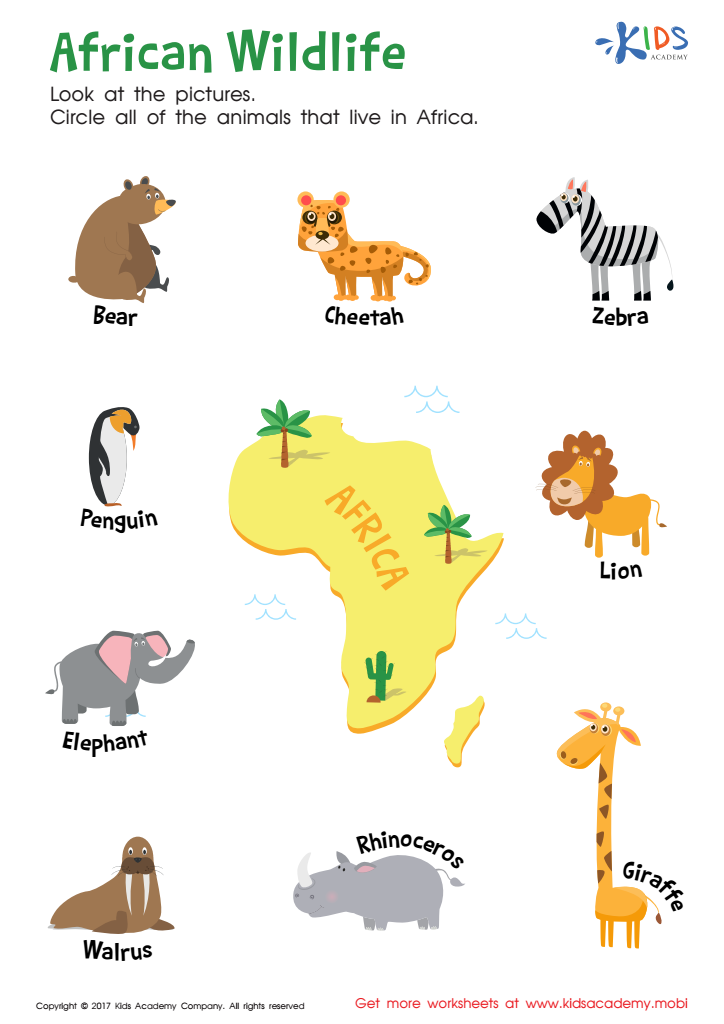
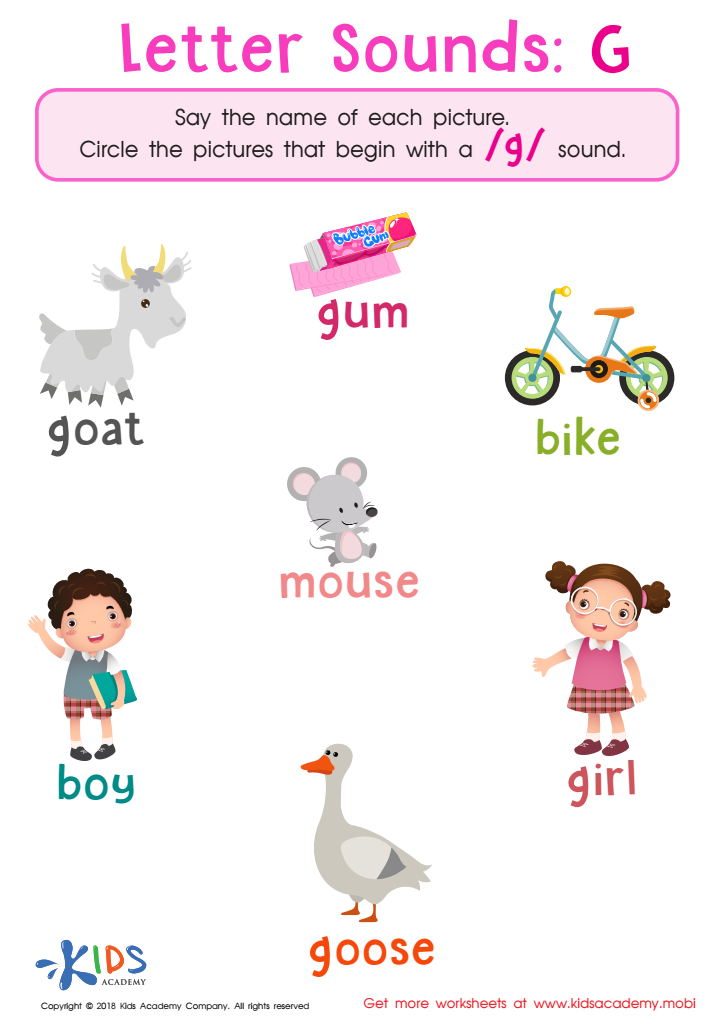
Letter G Sounds Worksheet
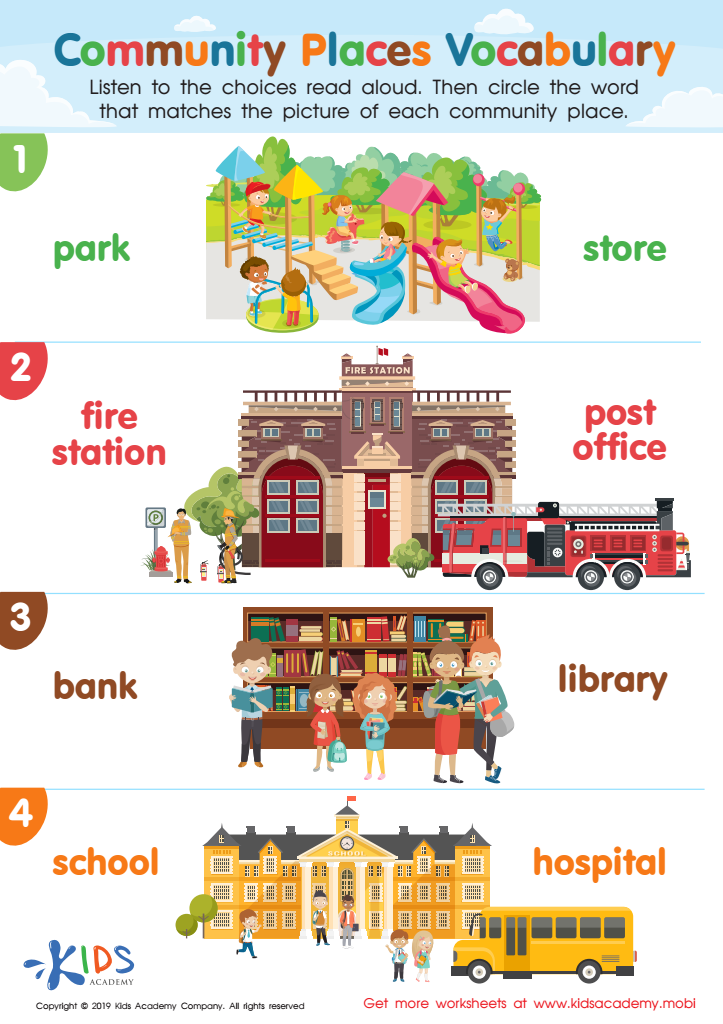
Community Places Vocabulary Worksheet
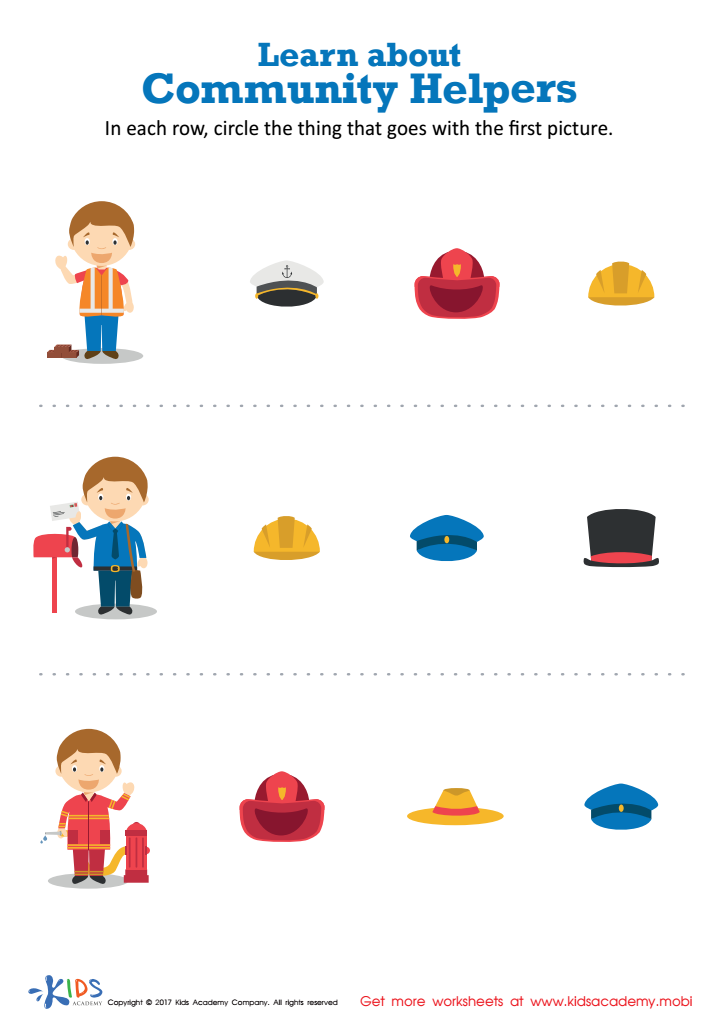
Learn about Community Helpers Printable








Vocabulary enhancement for children aged 3-4 is crucial as it lays the foundational skills for future communication, literacy, and academic success. During these formative years, children experience rapid brain development, and exposure to a rich vocabulary fosters cognitive growth and language acquisition. Teachers and parents play a pivotal role in this process by engaging children in enriching dialogues, reading diverse texts, and introducing new words in context.
Strong vocabulary skills improve a child's ability to express themselves, understand instructions, and develop critical thinking abilities. Children with robust vocabularies are also more likely to enjoy reading and comprehend stories better, which is linked to overall academic achievement later in life. Furthermore, enhanced vocabulary helps boost social skills, allowing them to engage more effectively with peers and adults.
Furthermore, early vocabulary development can narrow gaps in educational equity, as children from language-rich environments often perform better in school. Thus, teachers and parents should prioritize vocabulary activities—such as storytelling, songs, and interactive games—to foster a love for language and instill the confidence necessary for successful learning trajectories. Investing time and resources in vocabulary enhancement during these early years can yield lifelong benefits for children's intellectual and emotional development.








