Counting skills Normal Math Worksheets for Ages 3-4 - Page 3
72 filtered results
-
From - To
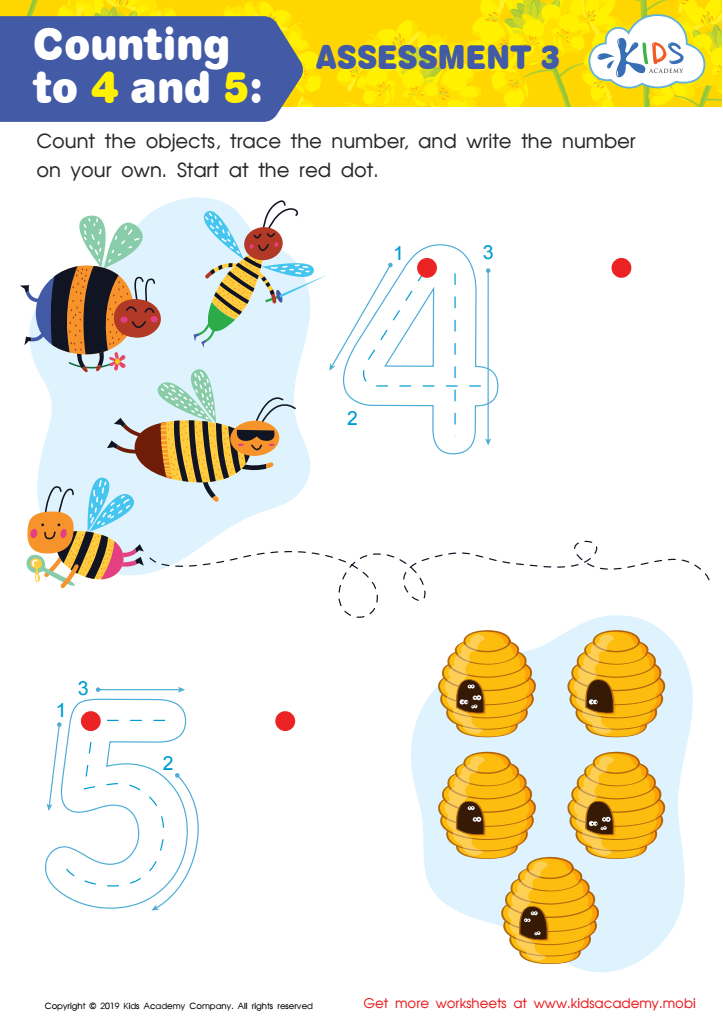
Counting to 4 and 5: Assessment 3 Worksheet
 Assign to My Students
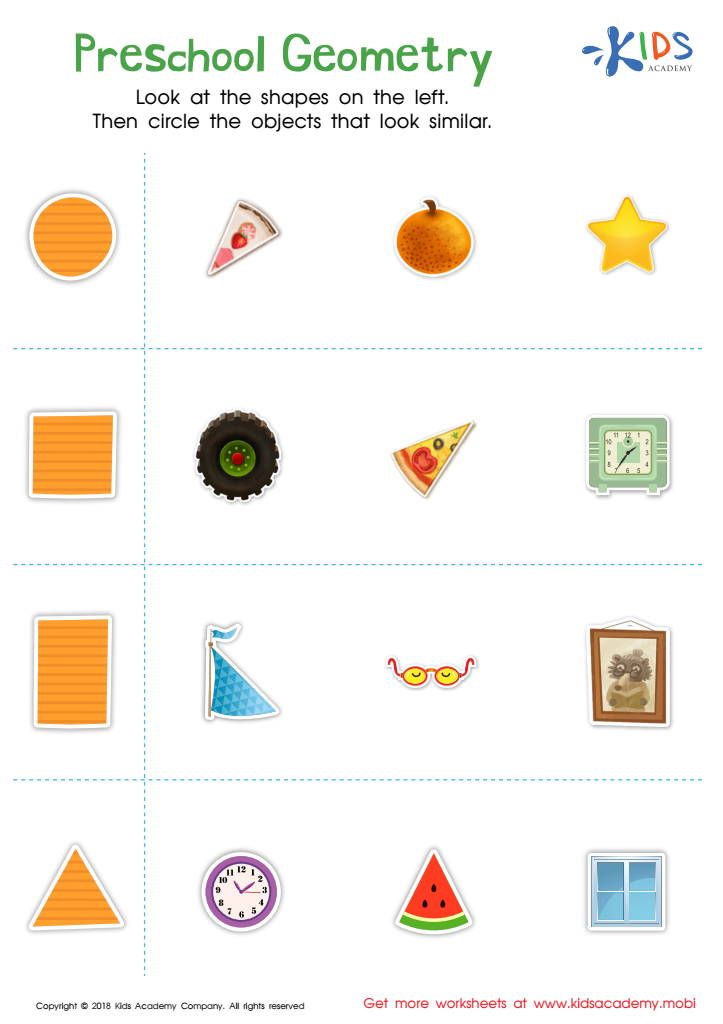
Preschool Geometry Worksheet
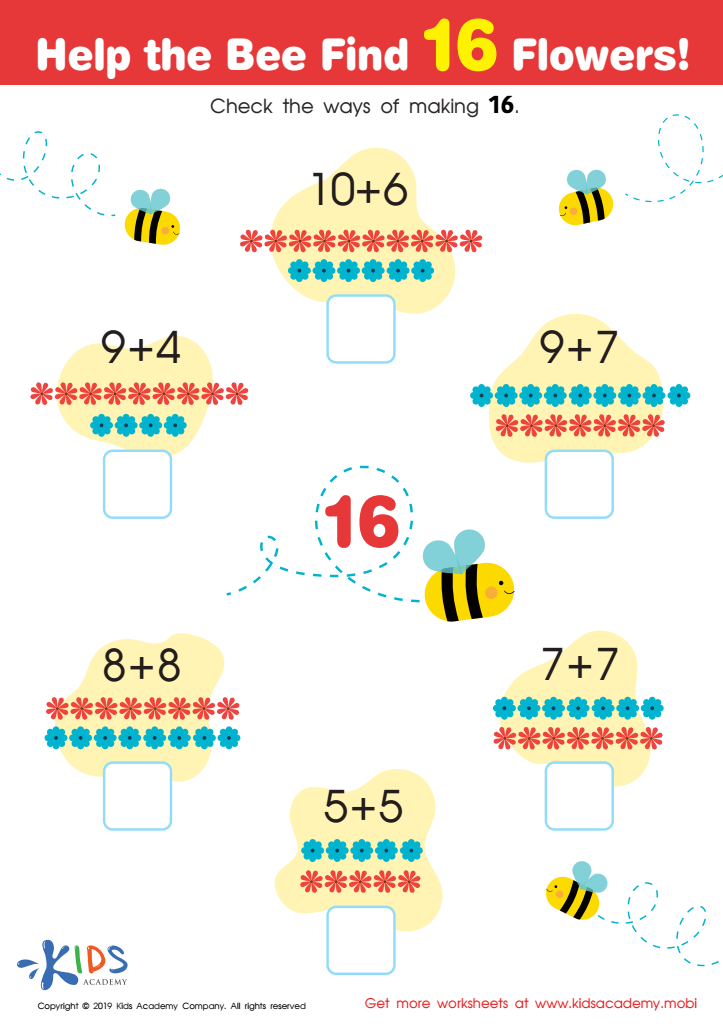
Help the Bee Find 16 Flowers Worksheet
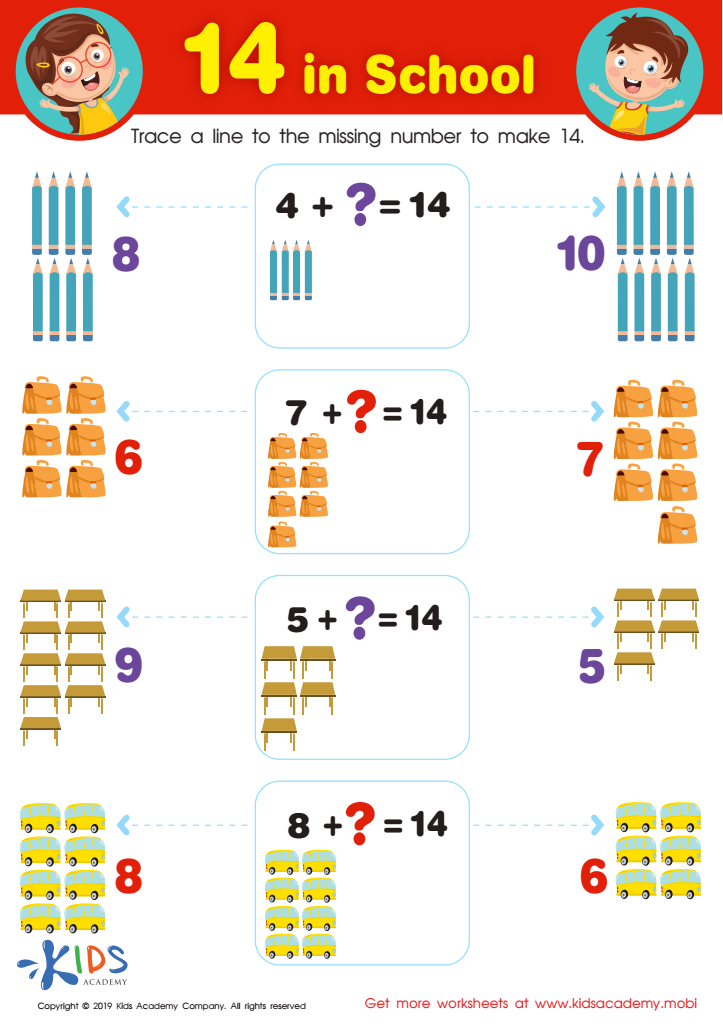
14 in School Worksheet
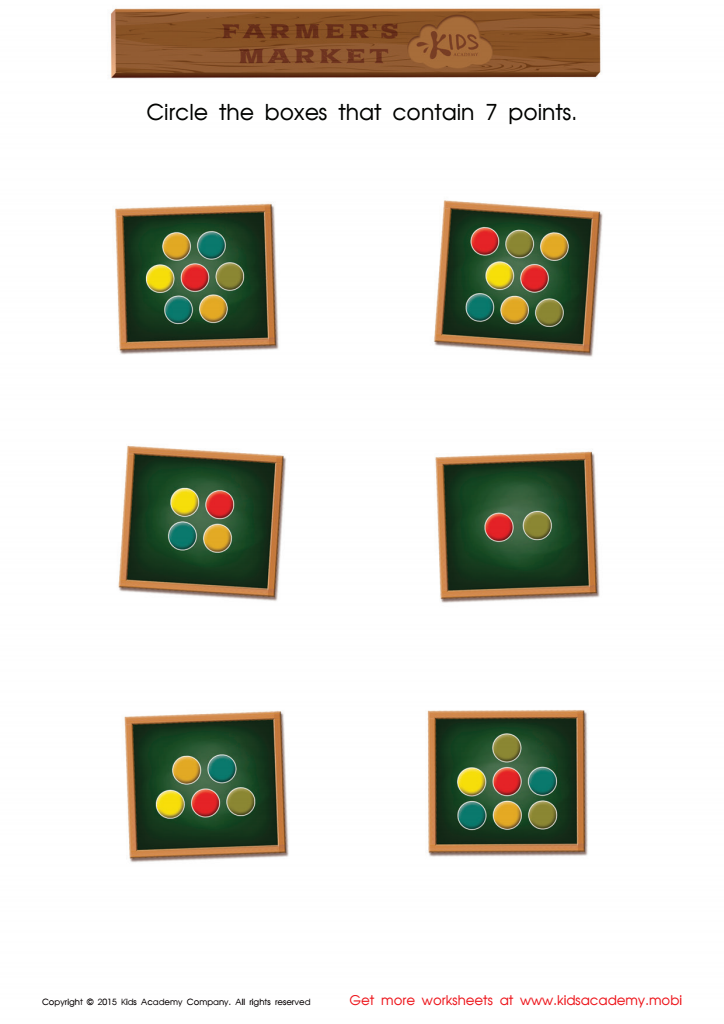
Count and Match Points 7 Math Worksheet
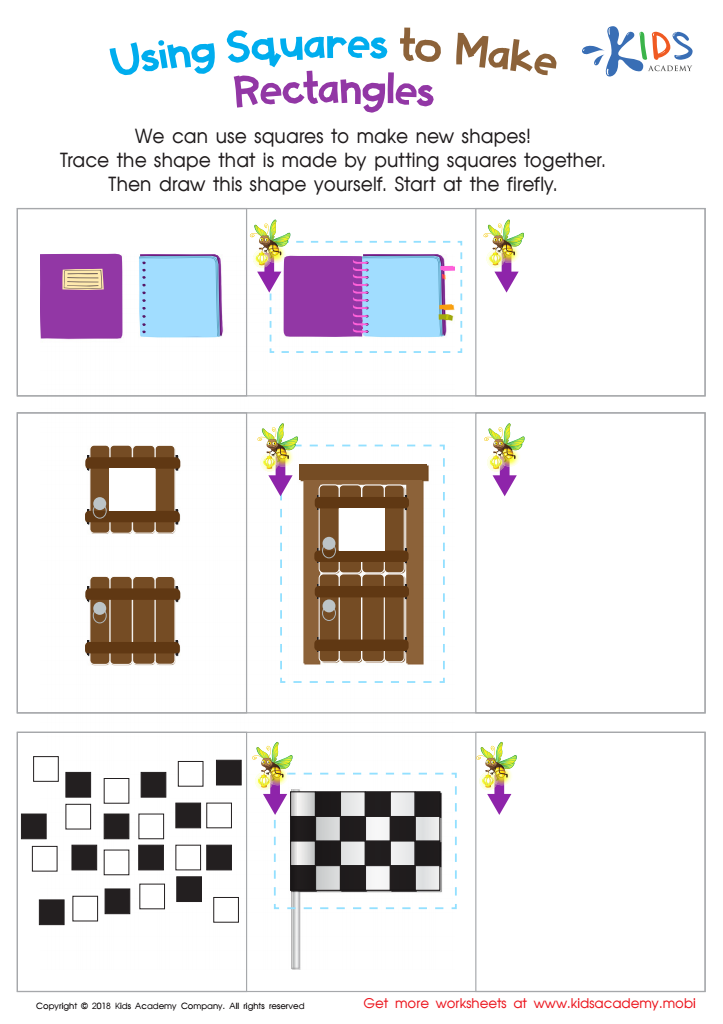
Using Squares to Make Rectangles Worksheet
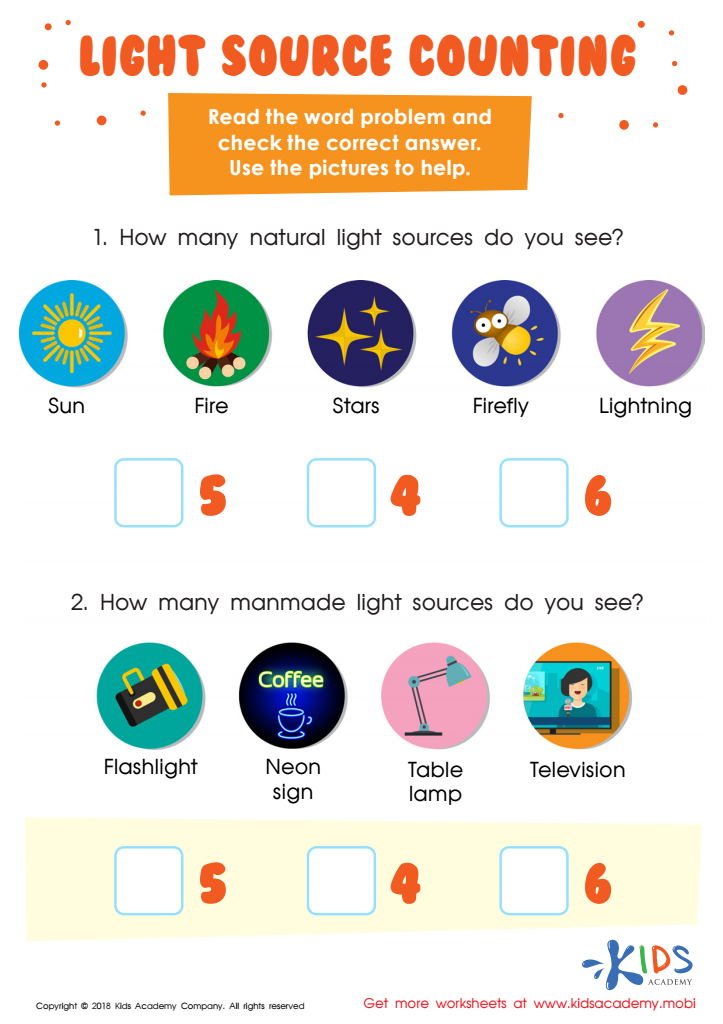
Light Source Counting Worksheet
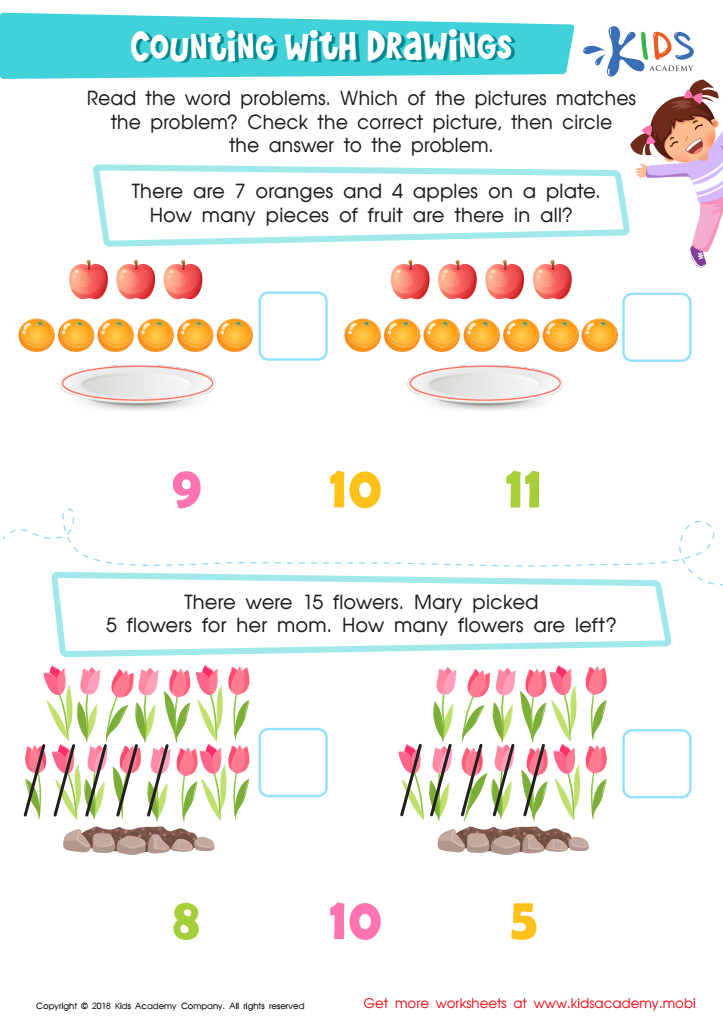
Counting with Drawings:Fruits & Flowers Worksheet
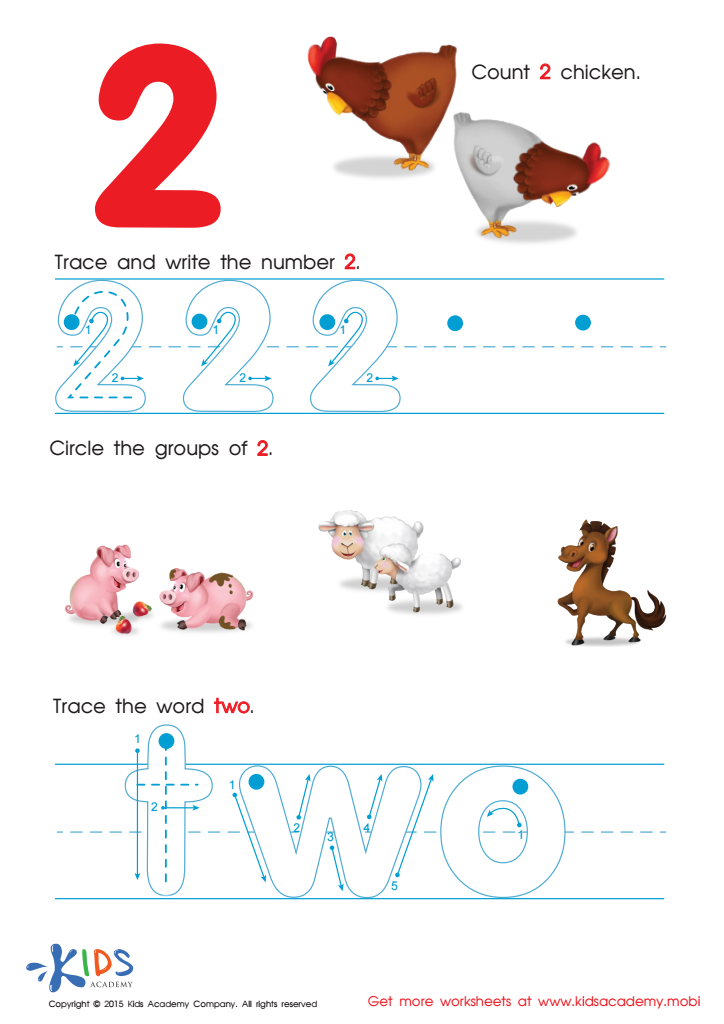
Learn to Write the Number 2 Worksheet
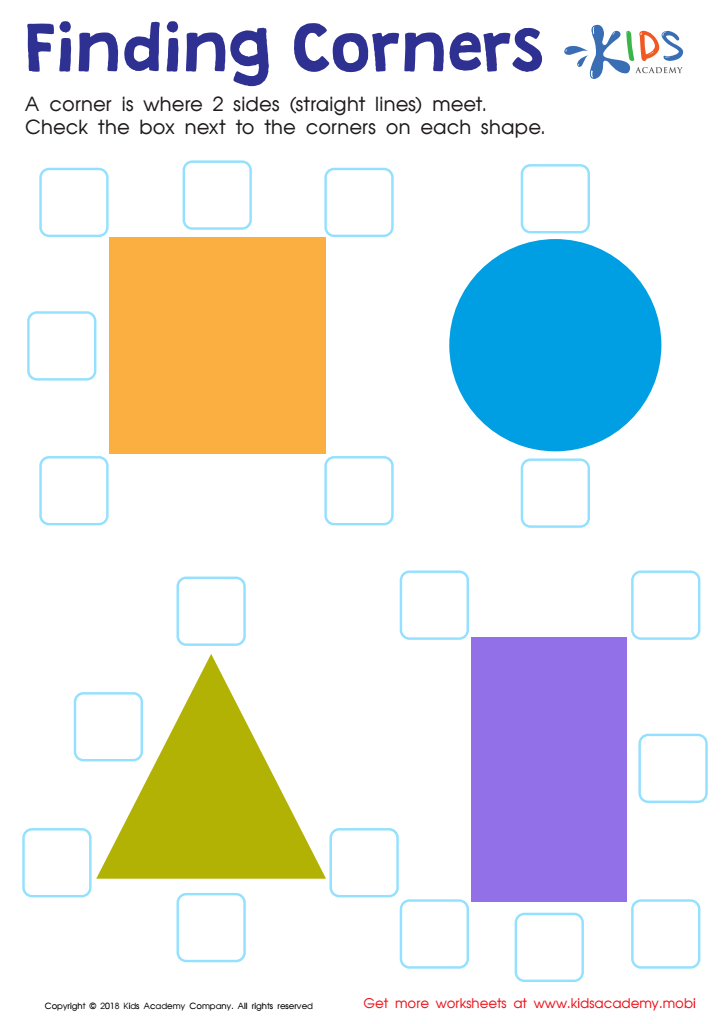
Finding Corners Worksheet
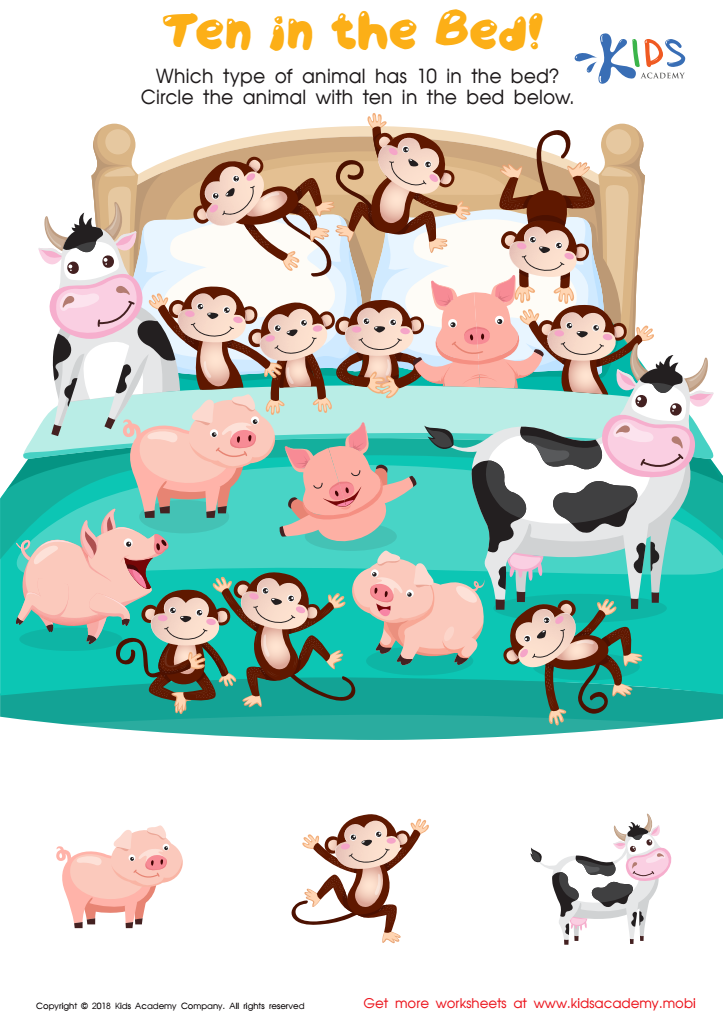
Ten in the Bed Worksheet
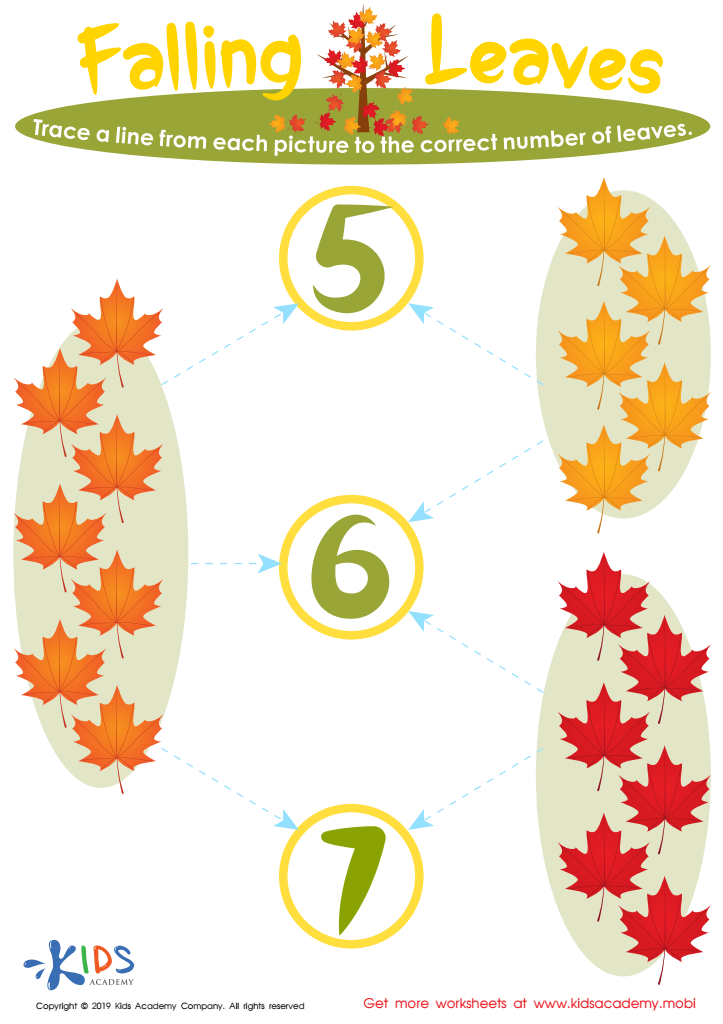
Falling Leaves Worksheet
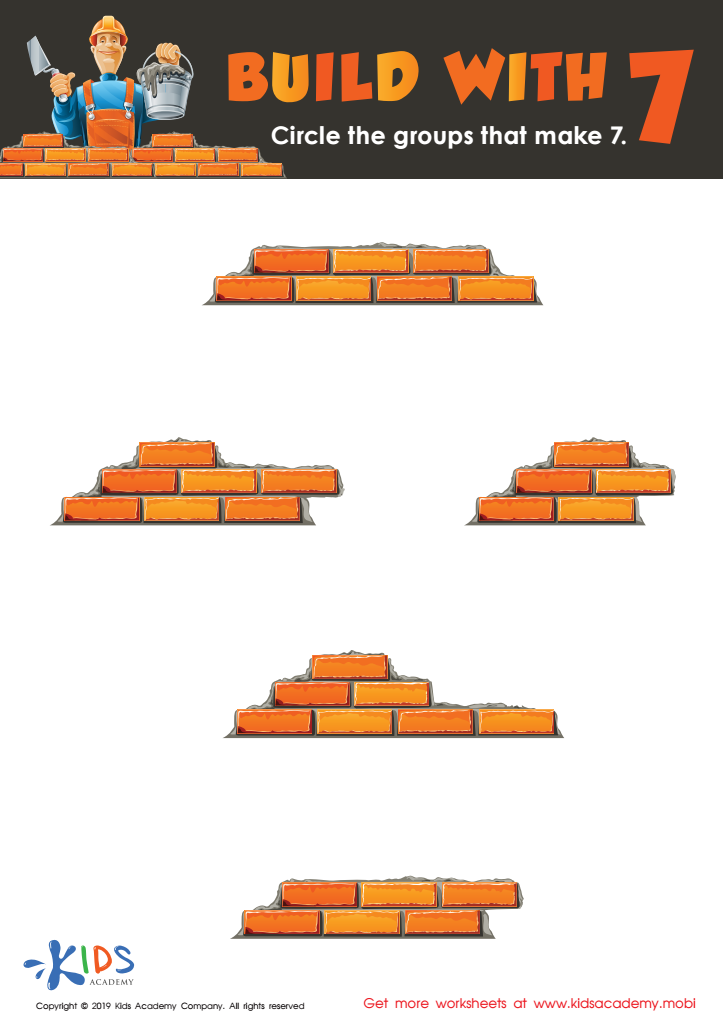
Build with 7 Worksheet
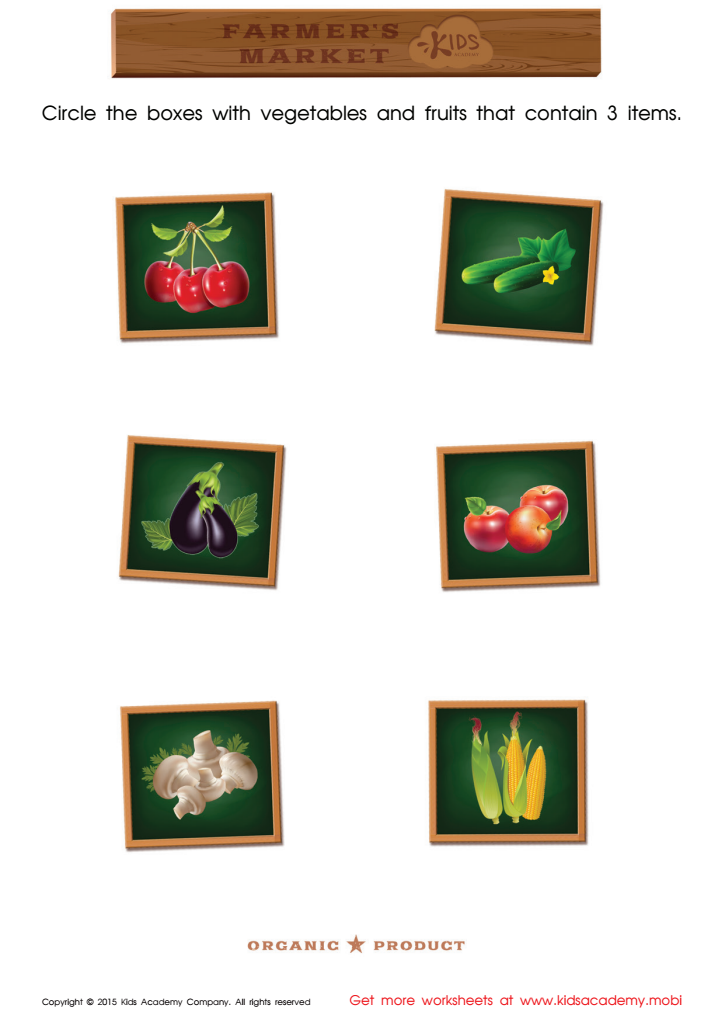
Count and Match Vegetables 1 – 5 Math Worksheet
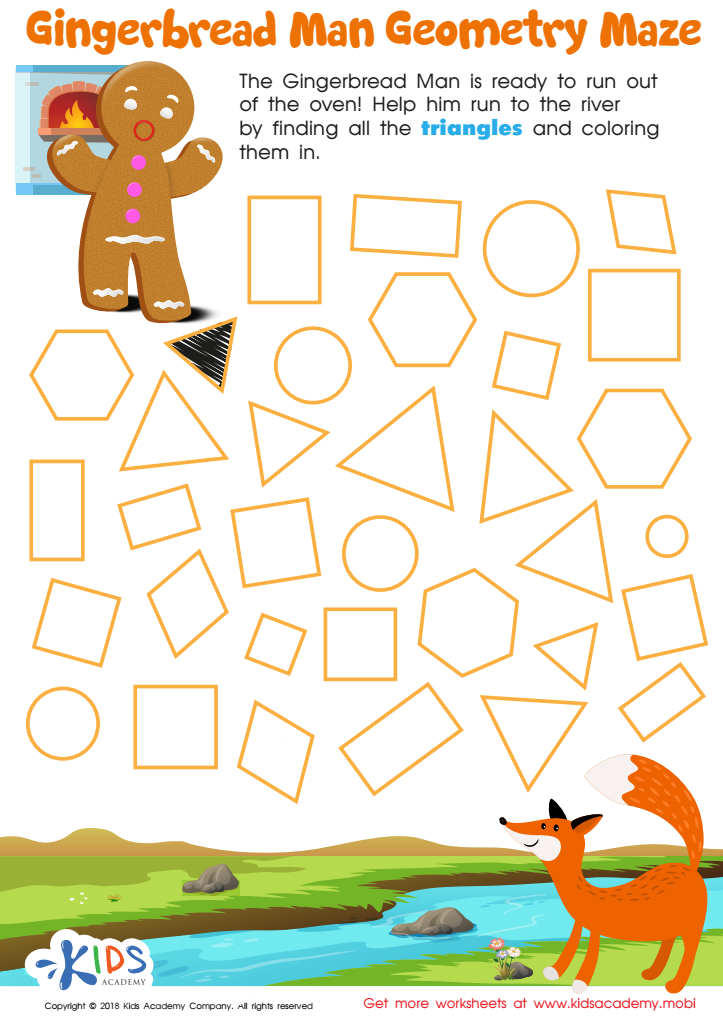
Gingerbread Man Geometry Maze Worksheet
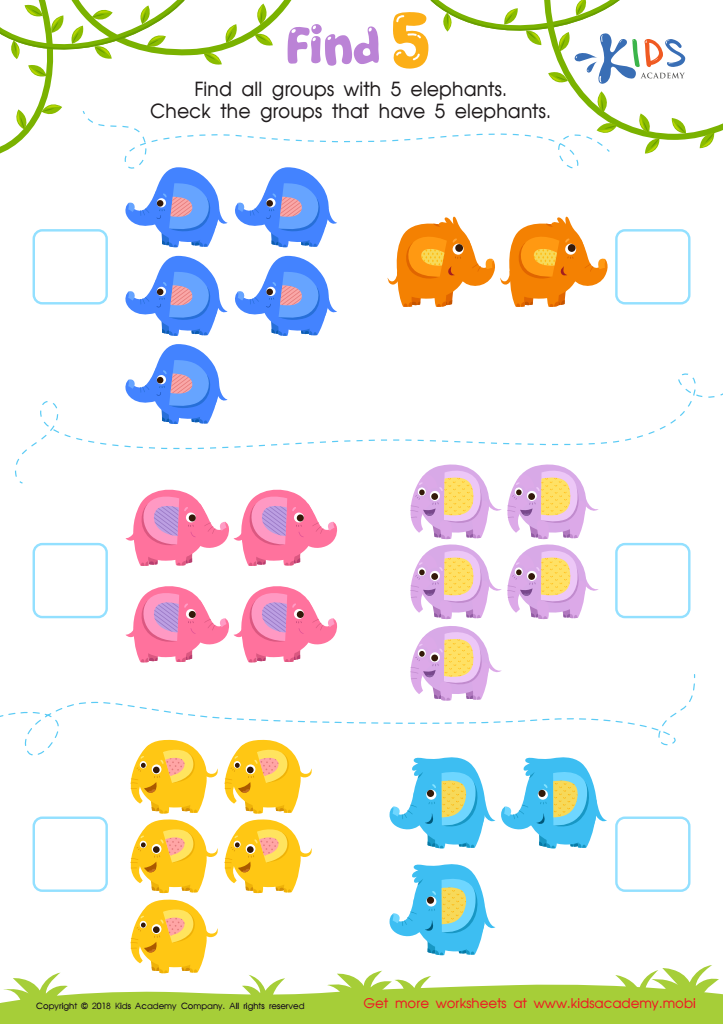
Find 5 Worksheet
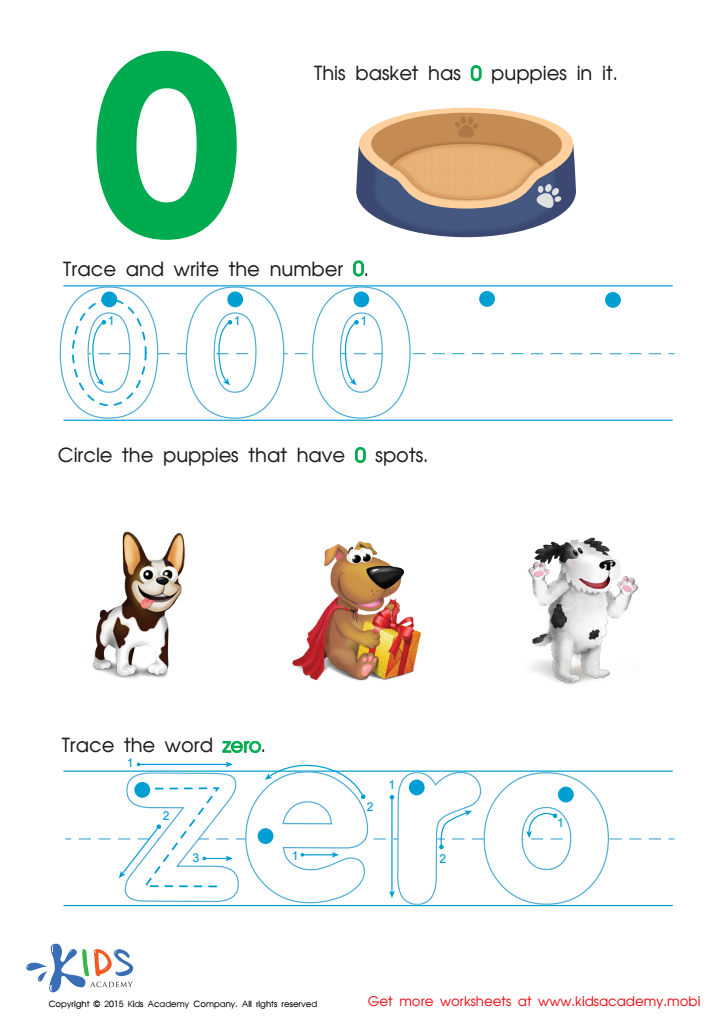
Trace And Write Number 0 Worksheet
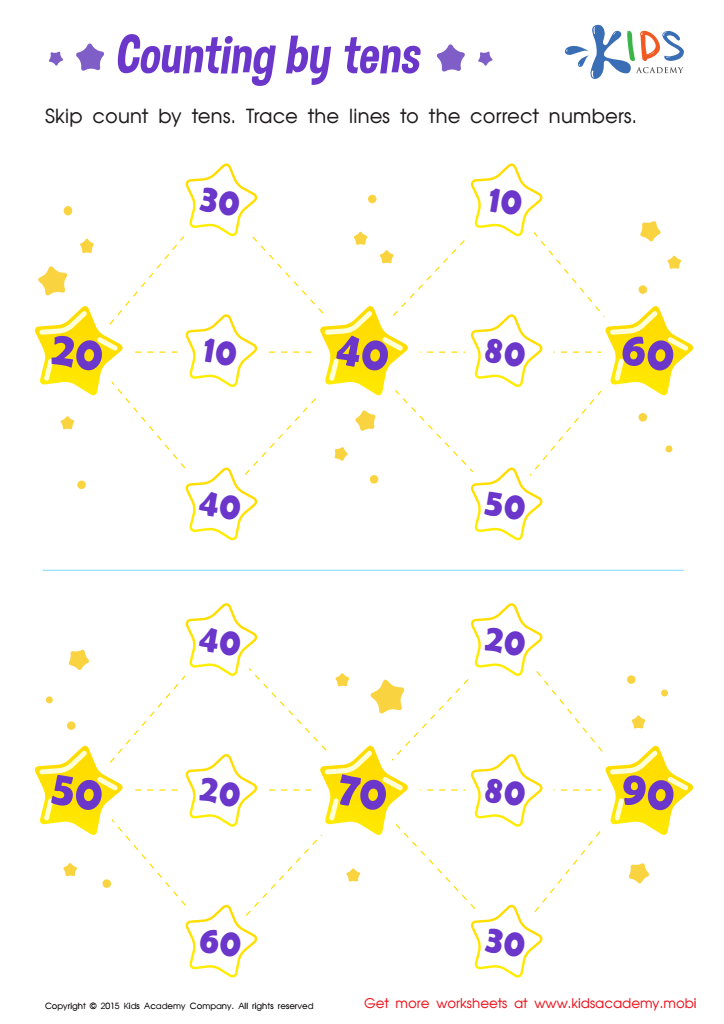
Learn Dozens: Counting by Tens Printable
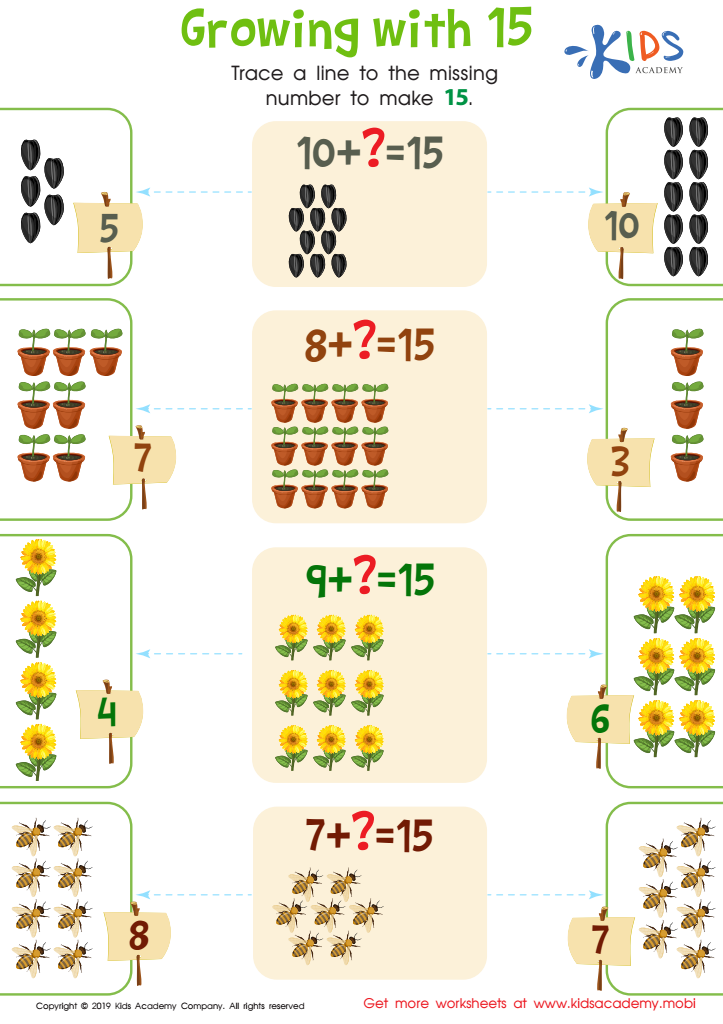
Growing with 15 Worksheet
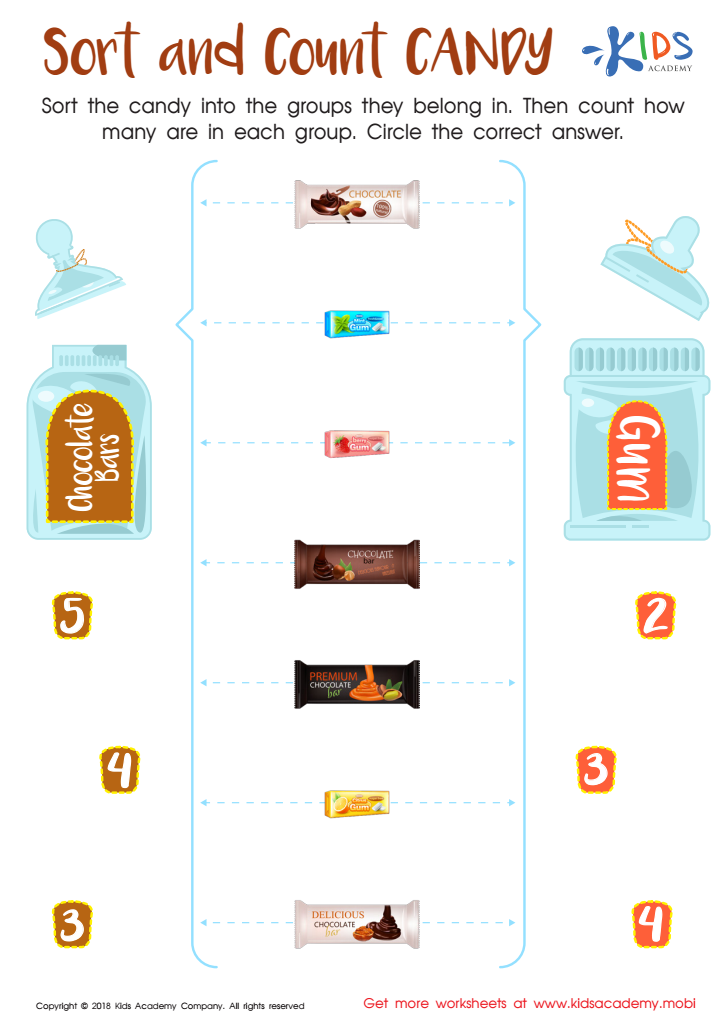
Sort and Count Candy Worksheet
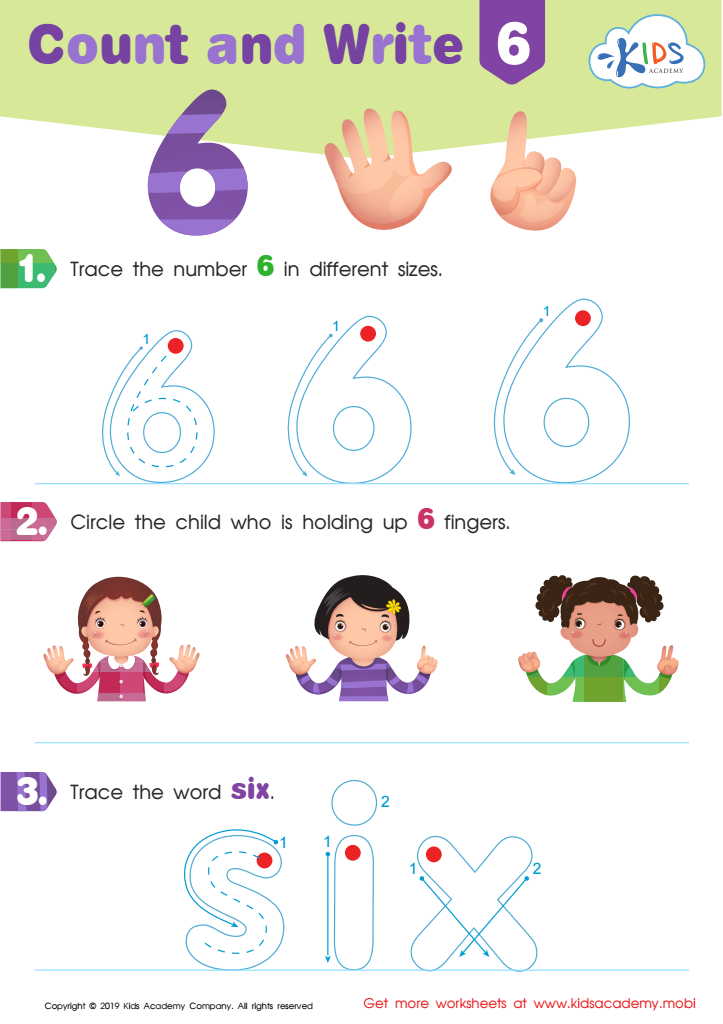
Count and Write 6 Worksheet
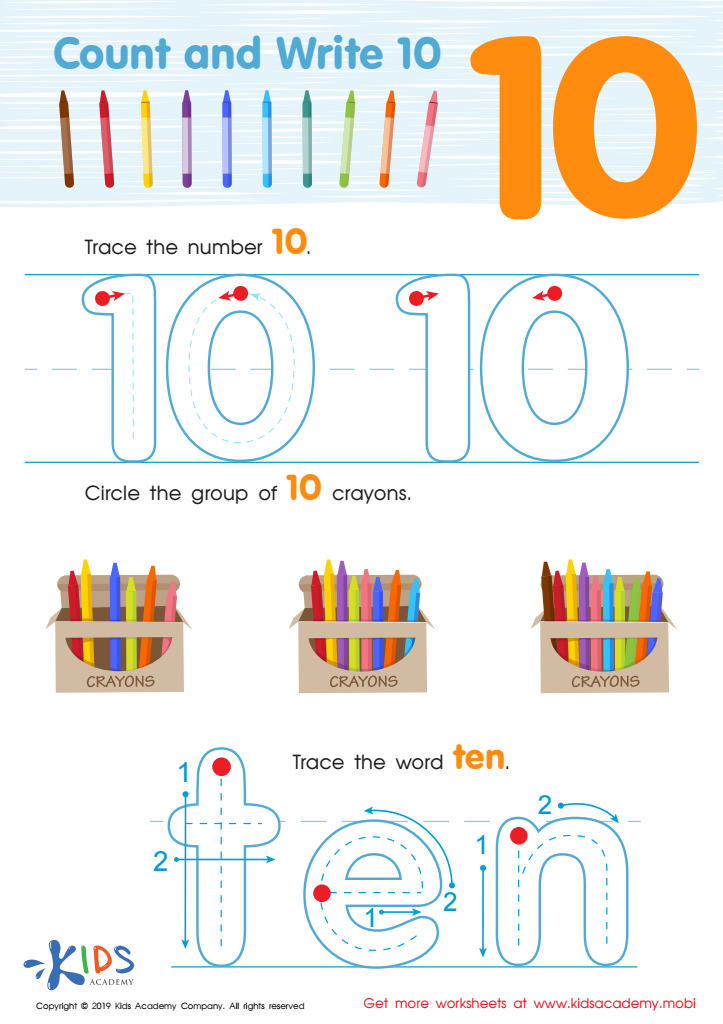
Count and Write 10 Worksheet
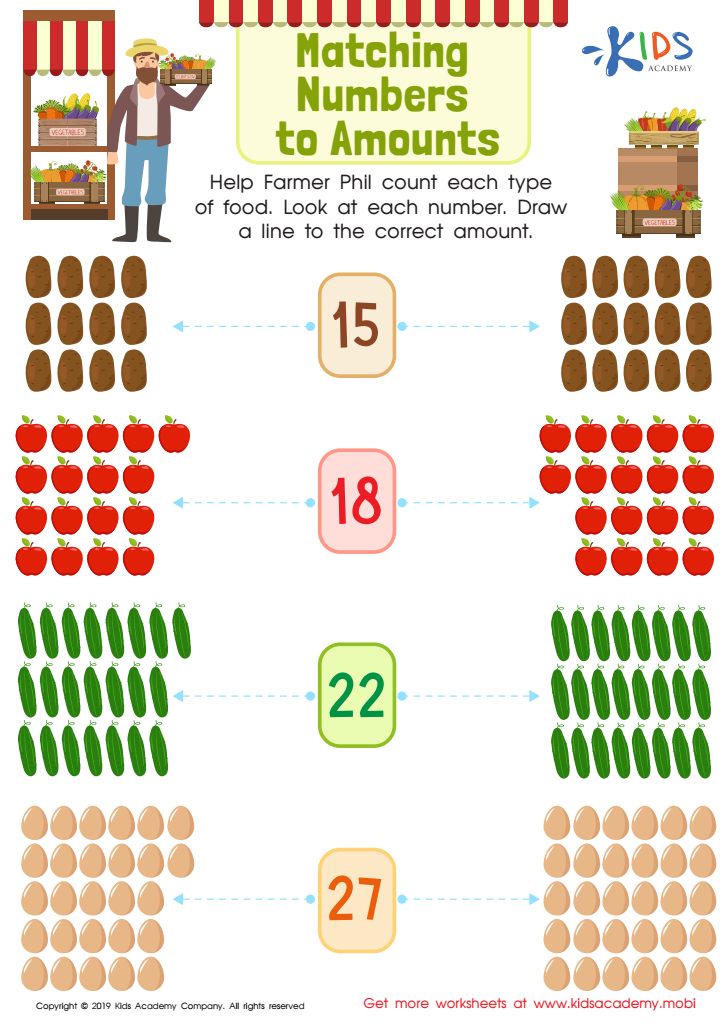
Matching Numbers to Amounts Worksheet
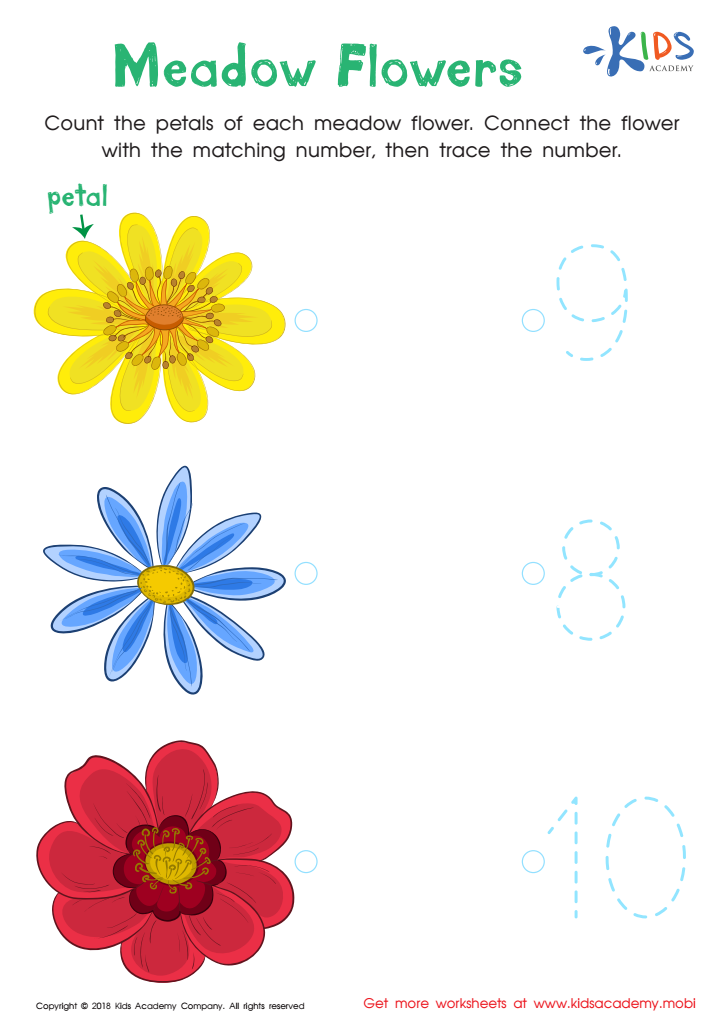
Kindergarten Number Tracing: Medow Flowers Worksheet





%20(1).jpg)

Counting skills are foundational for young children's mathematical development and overall cognitive growth. For ages 3-4, these early math skills play a crucial role in future academic success. When parents and teachers engage children in counting activities, they are not only teaching them numbers but also enhancing critical thinking, problem-solving, and spatial awareness. Counting helps children understand basic numerical concepts, such as quantity, order, and patterns.
Additionally, learning to count fosters a sense of curiosity and confidence as children realize they can categorize and make sense of their environment. This foundational skill serves as a stepping stone to more complex mathematical concepts like addition, subtraction, and place value, which they'll encounter in later school years. By nurturing counting skills early on, we're setting the stage for a positive attitude toward learning and mathematical proficiency.
Moreover, counting exercises can also enhance children's language development and fine motor skills. Activities like counting objects, clapping hands, or hopping while counting instill a sense of rhythm and coordination. In sum, mastering counting skills at an early age equips children with essential tools for their academic journey and everyday interactions, making it imperative for parents and teachers to prioritize these activities.








