Problem-Solving Skills Normal Math Worksheets for Ages 3-5
29 filtered results
-
From - To
Enhance your child's problem-solving abilities with our Normal Math Worksheets designed specifically for ages 3-5. These engaging worksheets provide foundational math skills through fun, interactive activities. Young learners will explore concepts such as addition, subtraction, patterns, and comparisons while developing critical thinking and reasoning skills. Each worksheet encourages creativity and cognitive development in a playful manner, fostering a positive learning environment. Perfect for both homeschooling and classroom settings, our worksheets support early learners in building confidence in their math skills. Print them out and watch your child thrive as they solve problems and gain essential math knowledge—one worksheet at a time!
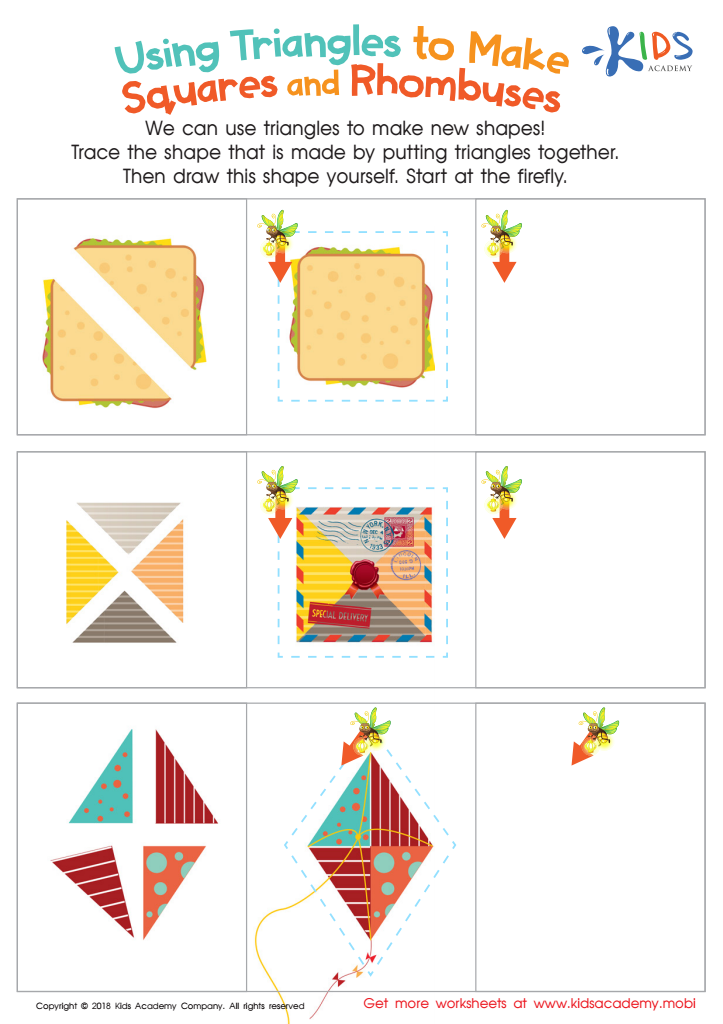
Using Triangles to Make Squares and Rhombuses Worksheet
 Assign to My Students
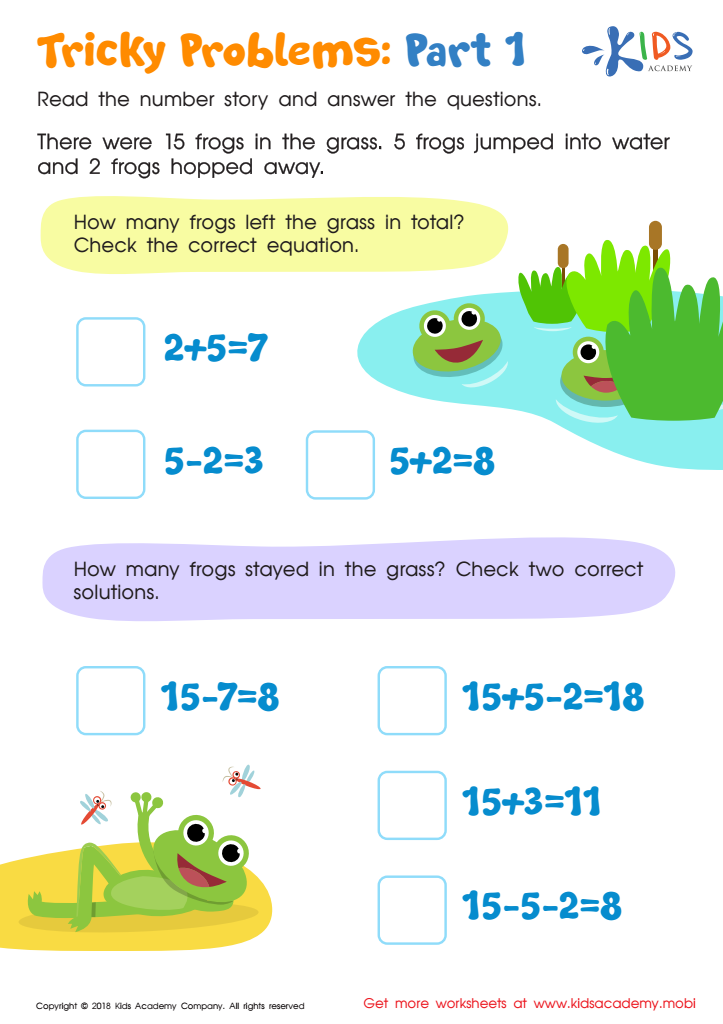
Tricky Problems Worksheet: Part 1
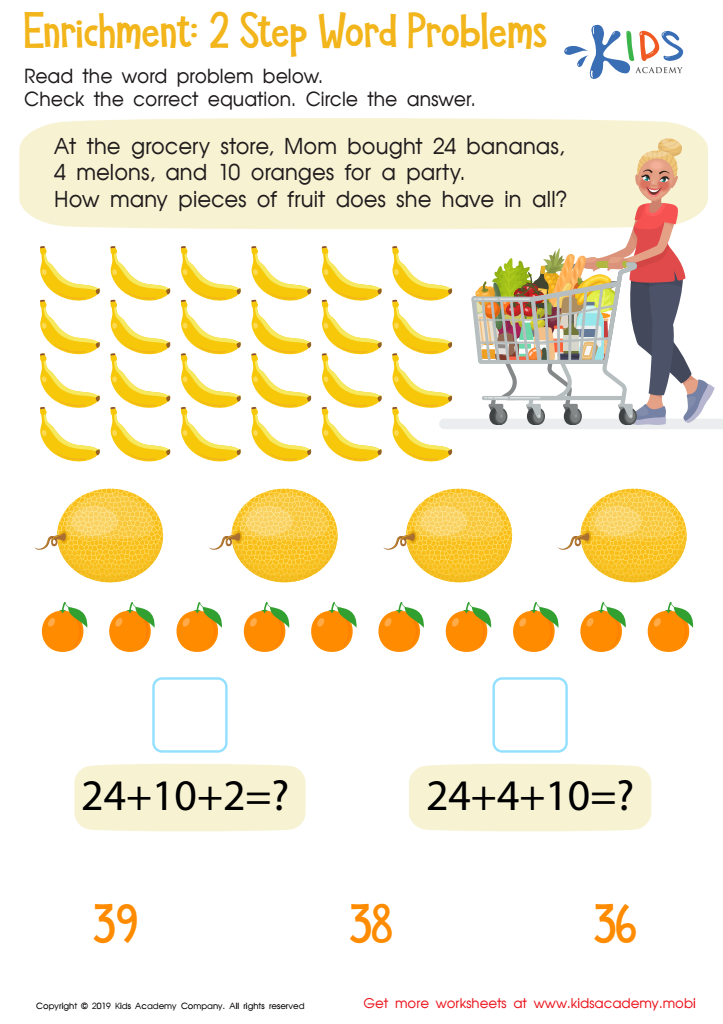
Enrichment -2 Step Word Problems Worksheet
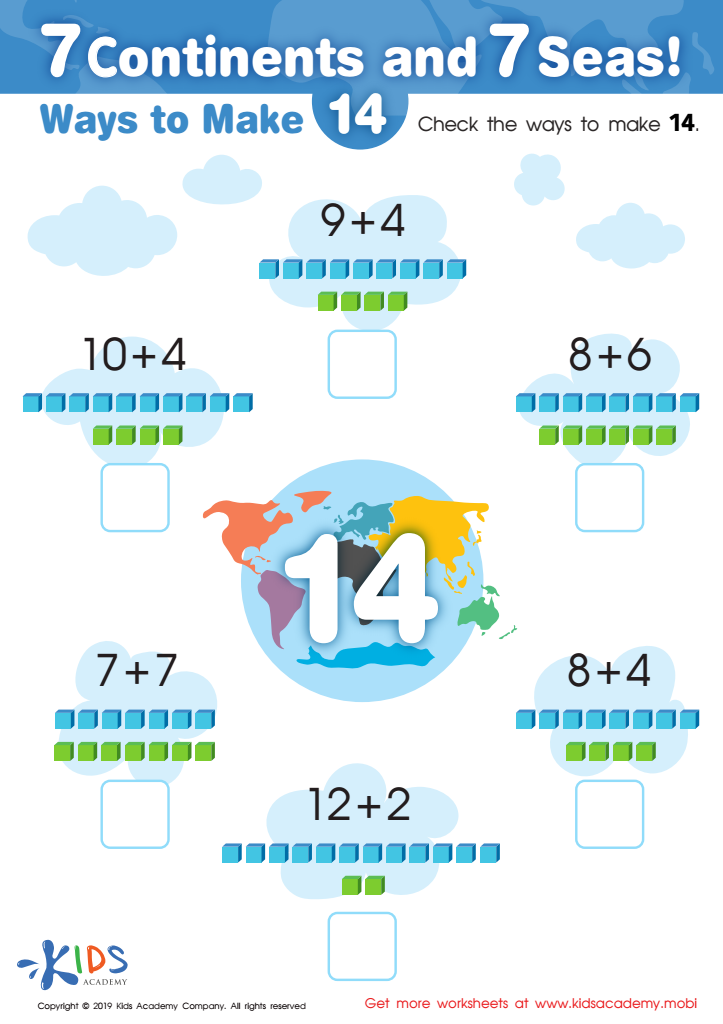
7 Continents and 7 Seas Worksheet
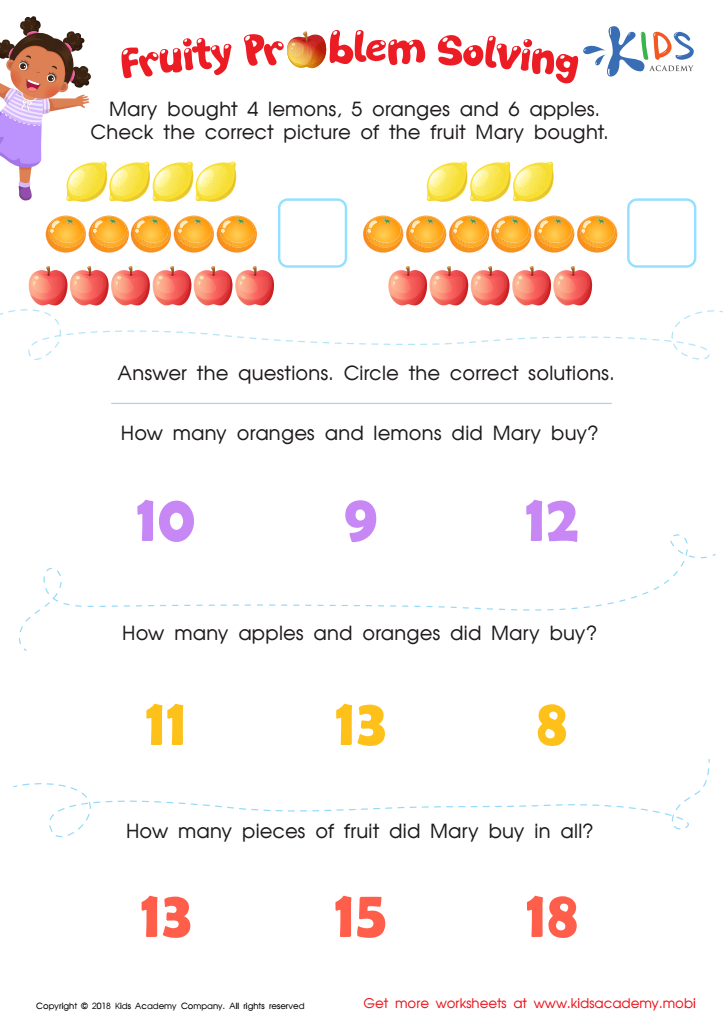
Fruity Problem Solving Worksheet
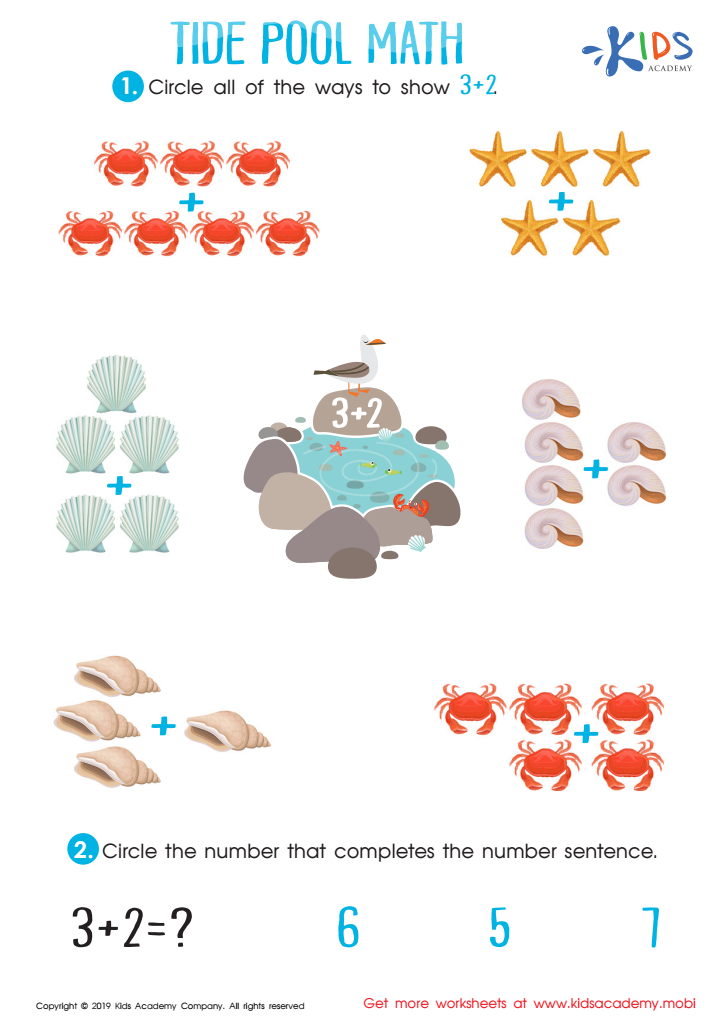
Tide Pool Math Worksheet
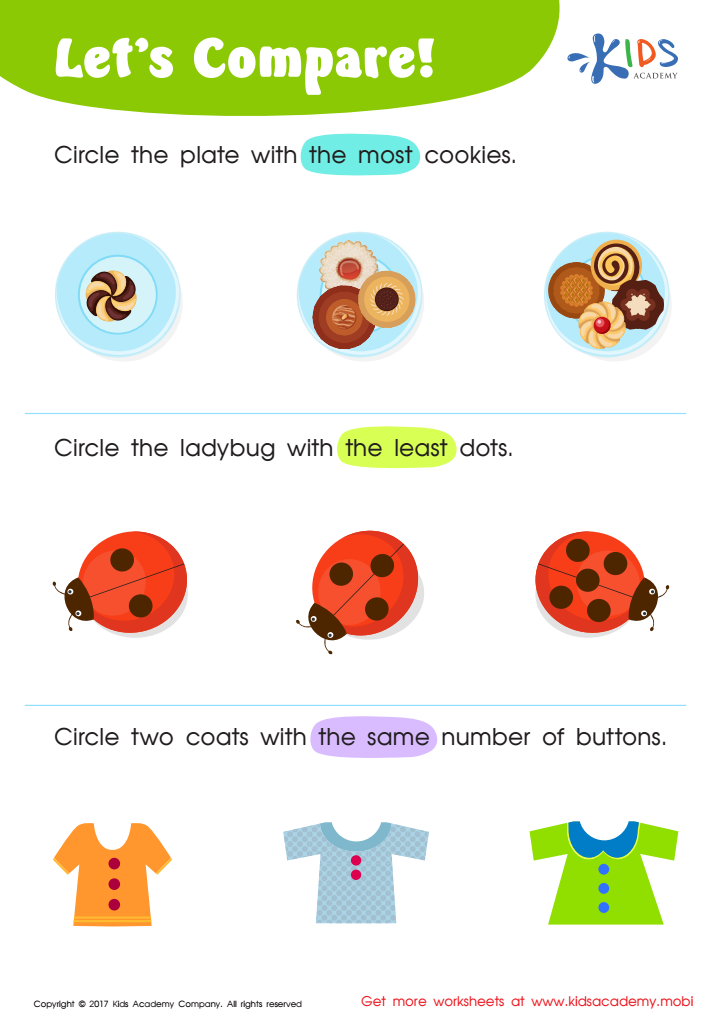
Matching: Classifying Toys by Size Worksheet
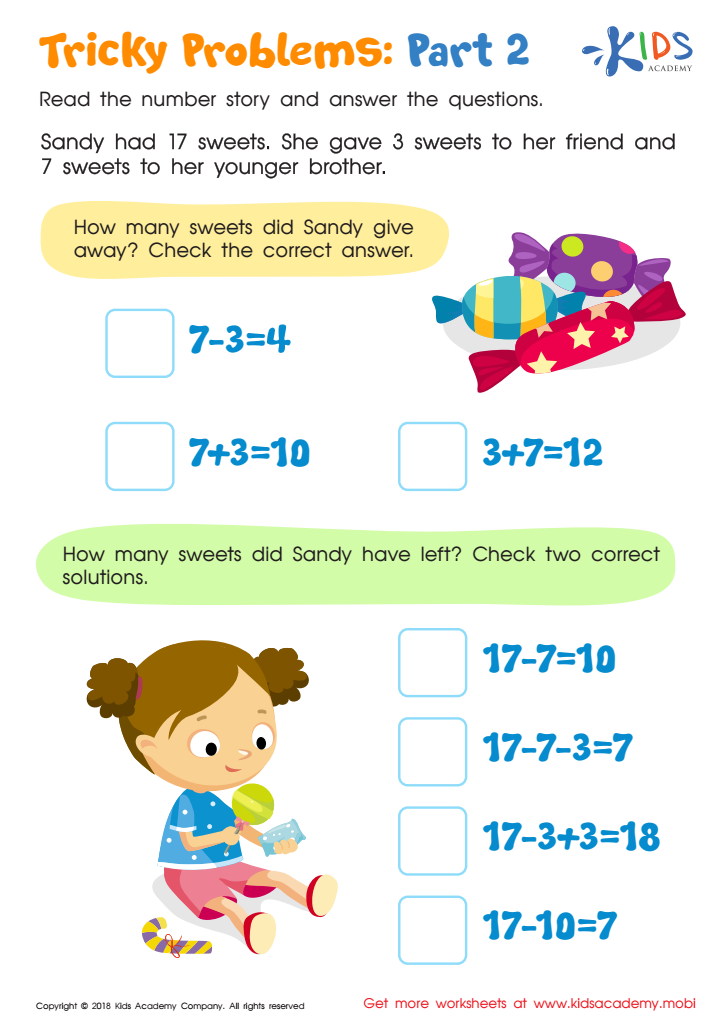
Tricky Problems Worksheet: Part 2
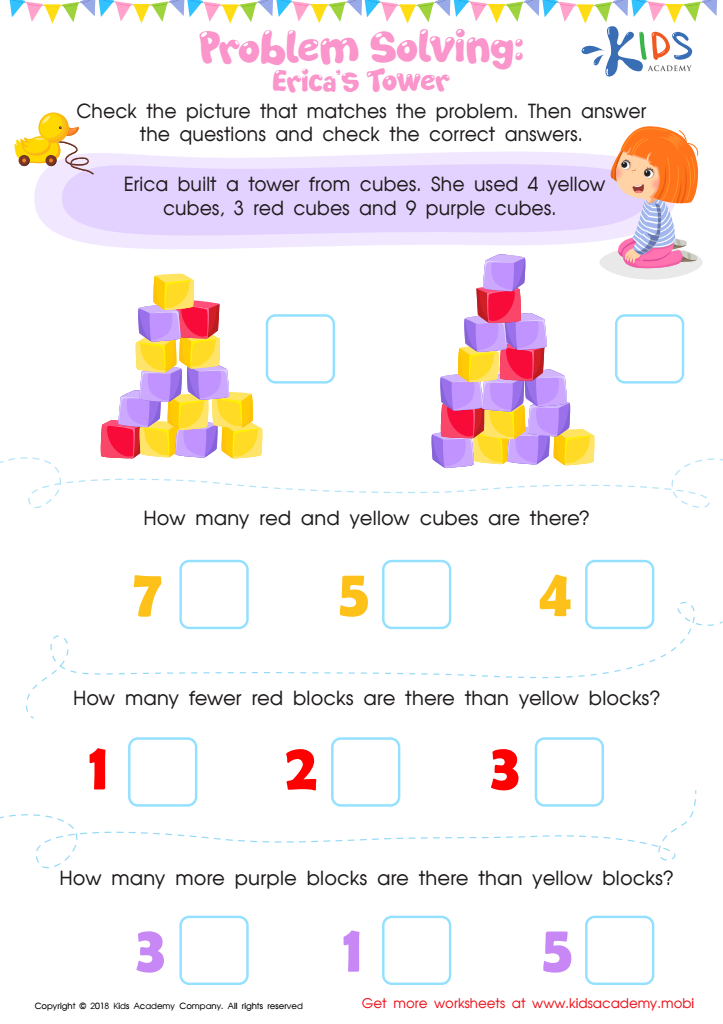
Problem Solving: Erica's Tower Worksheet
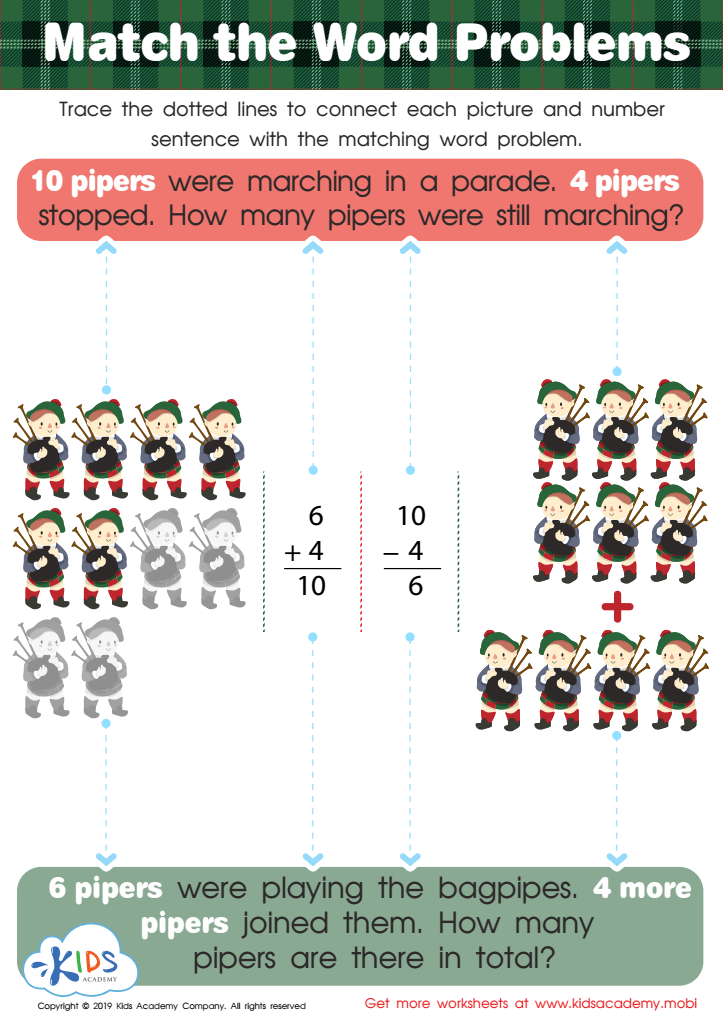
Match the Word Problems Worksheet
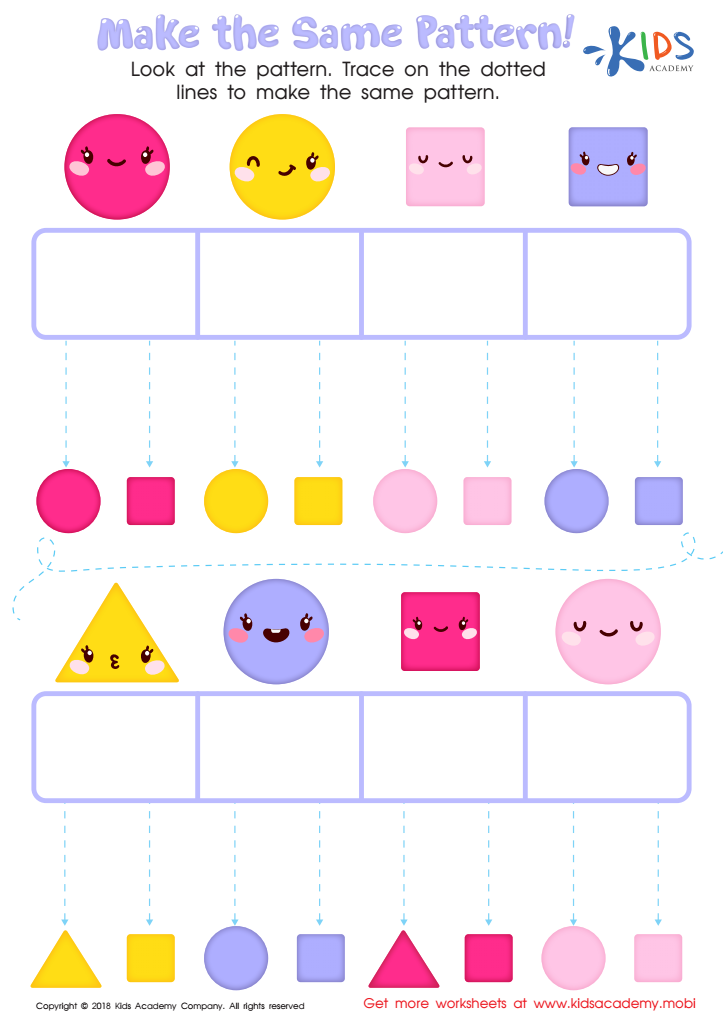
Make the Same Pattern Worksheet
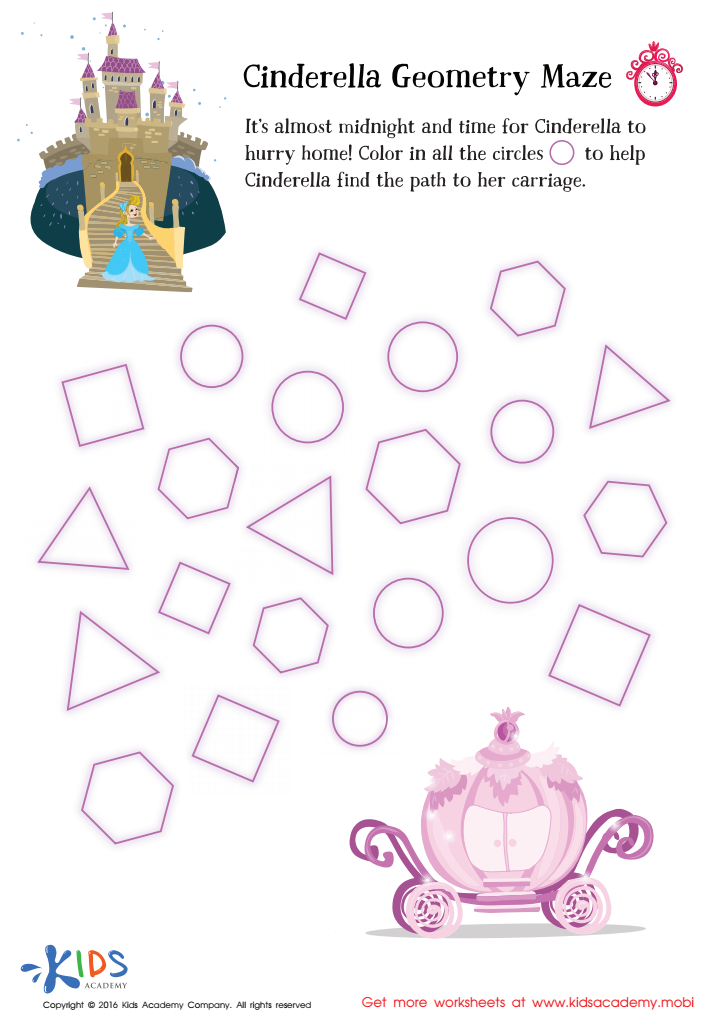
Cinderella Geometry Maze Worksheet
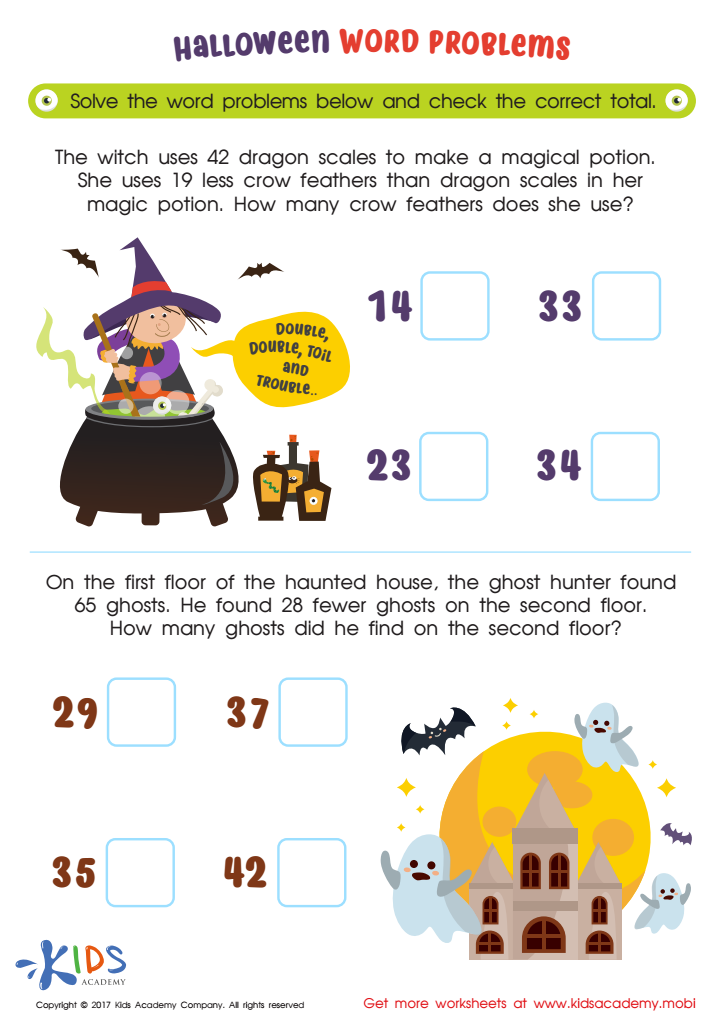
Halloween Word Problems Printable
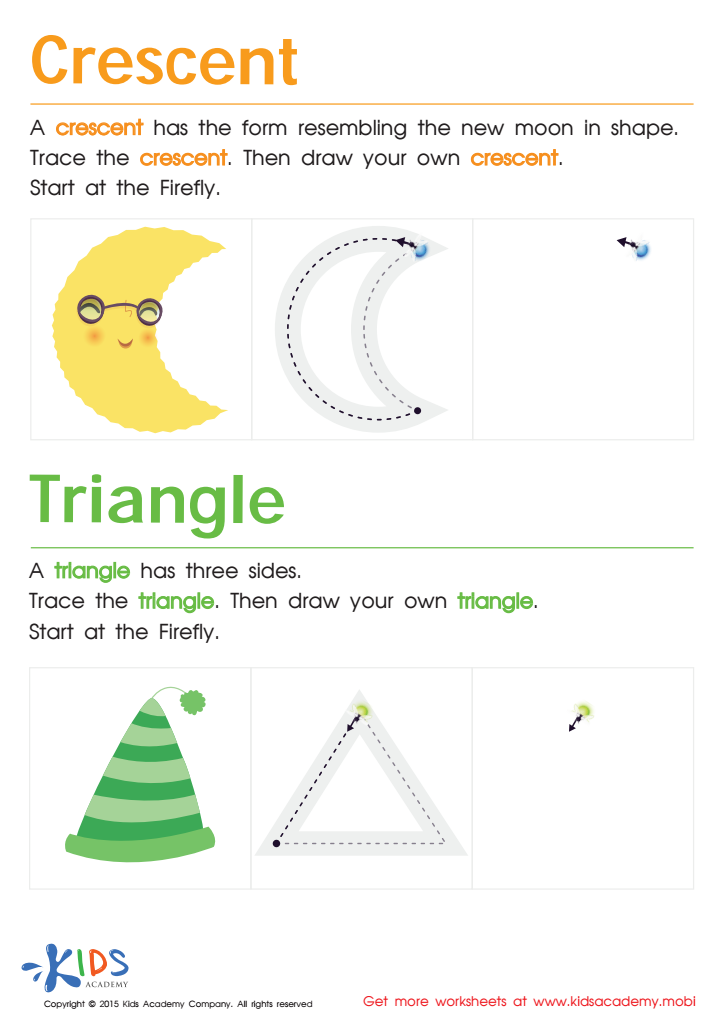
Learning to Draw Crescents And Triangles Worksheet
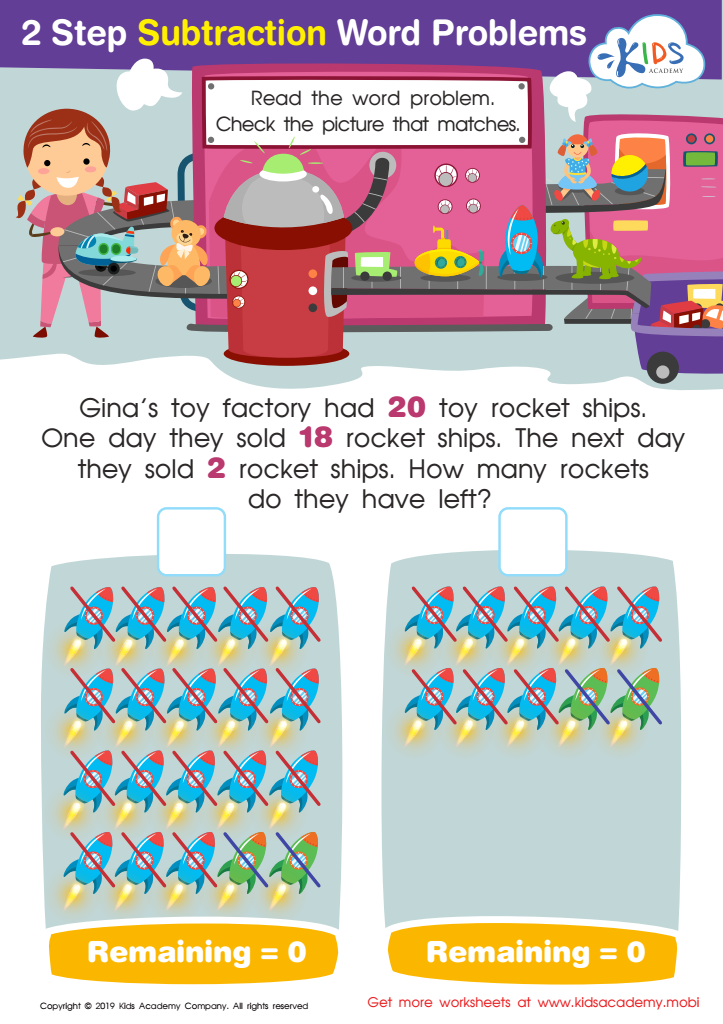
Step Subtraction Word Problems Worksheet
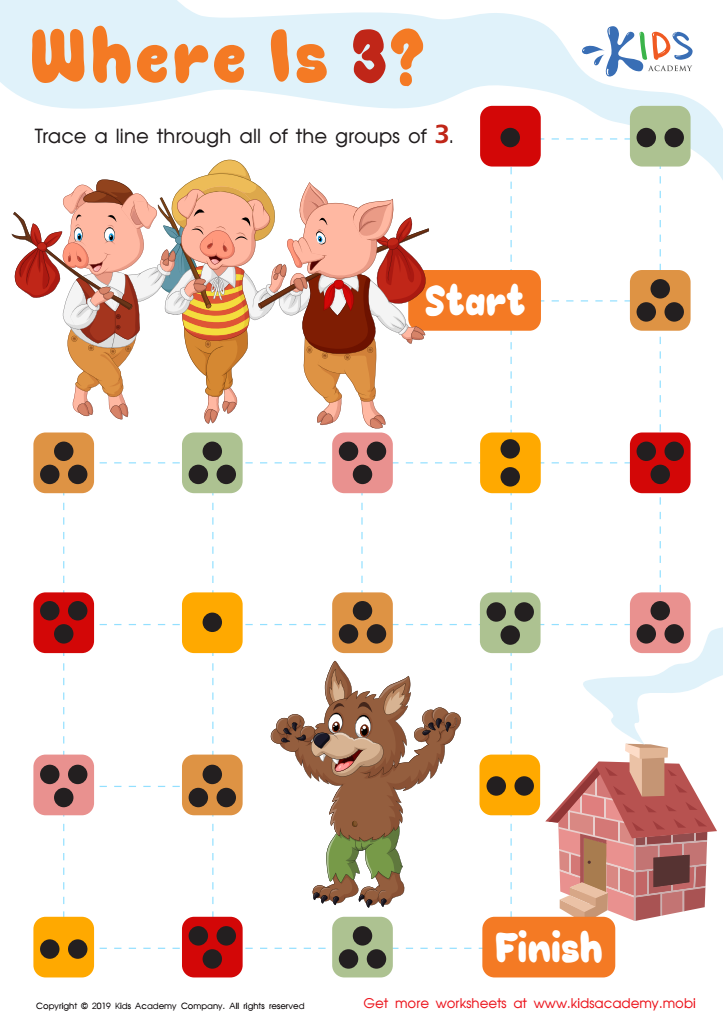
Where Is 3? Worksheet
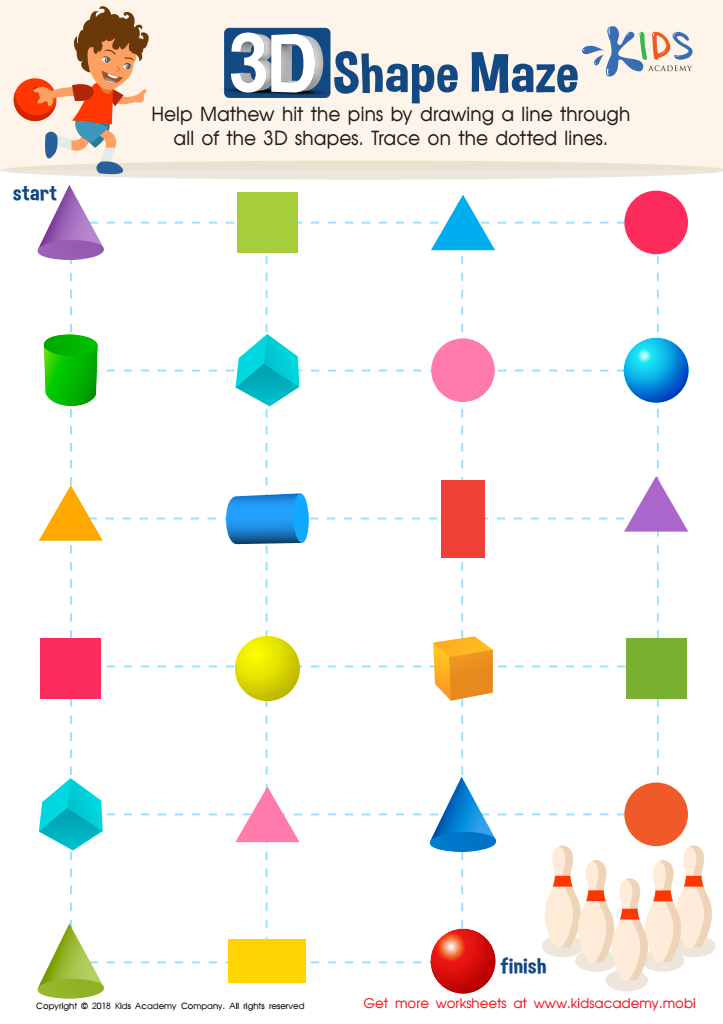
Shapes Maze Geometry Worksheet
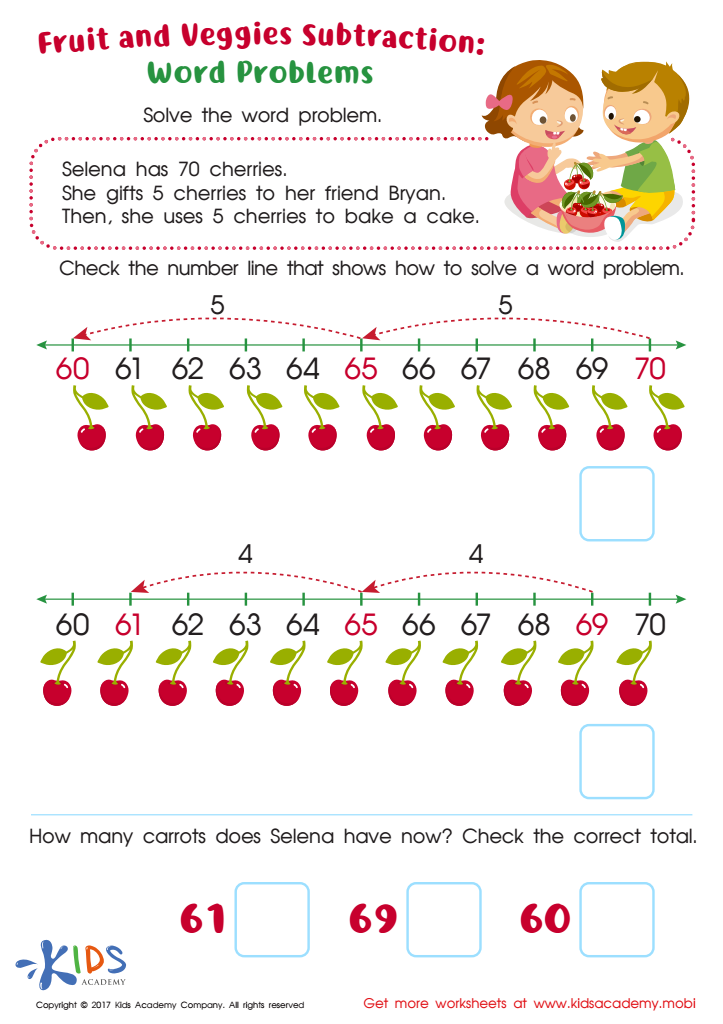
Subtraction Word Problems Free Printable
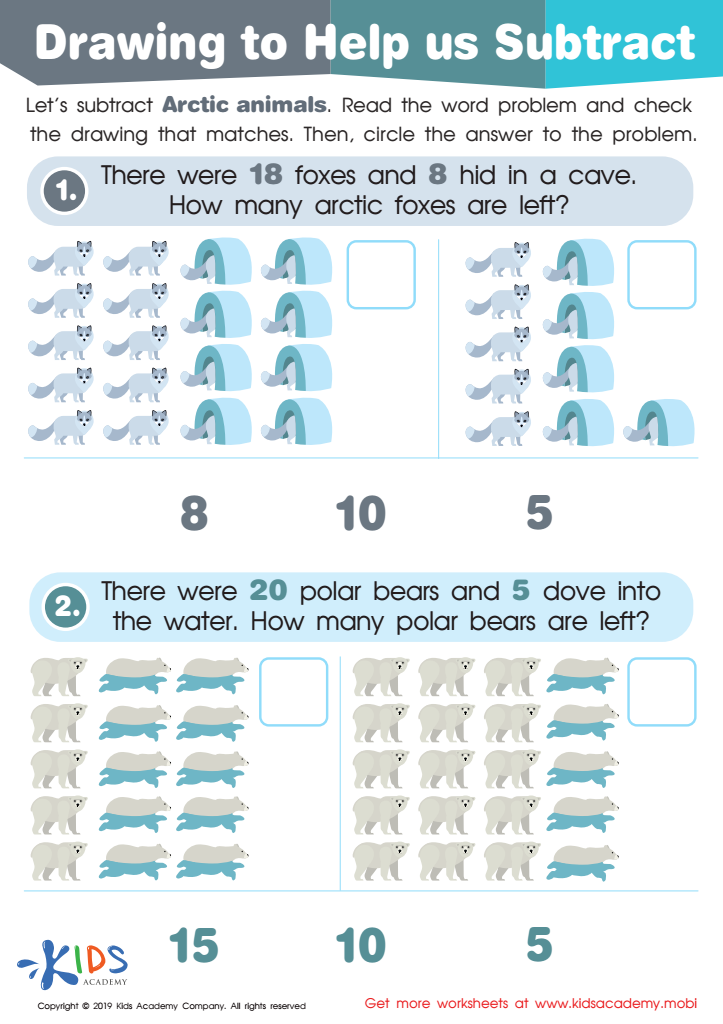
Drawing to Help Us Subtract Worksheet
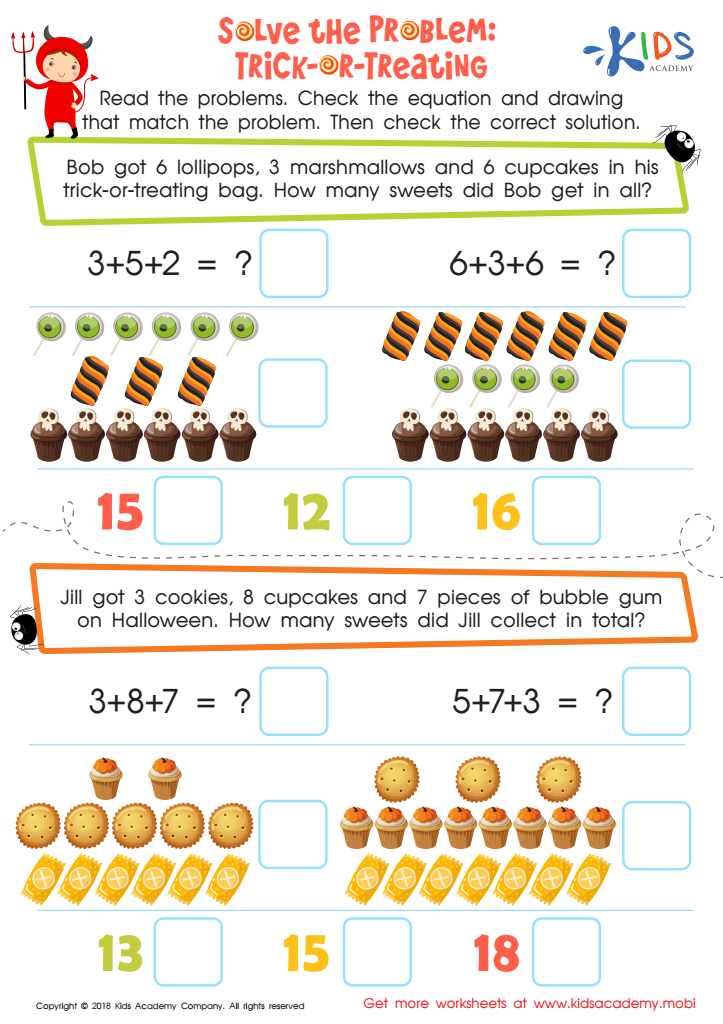
Solve the Problem: Trick–or–treating Worksheet
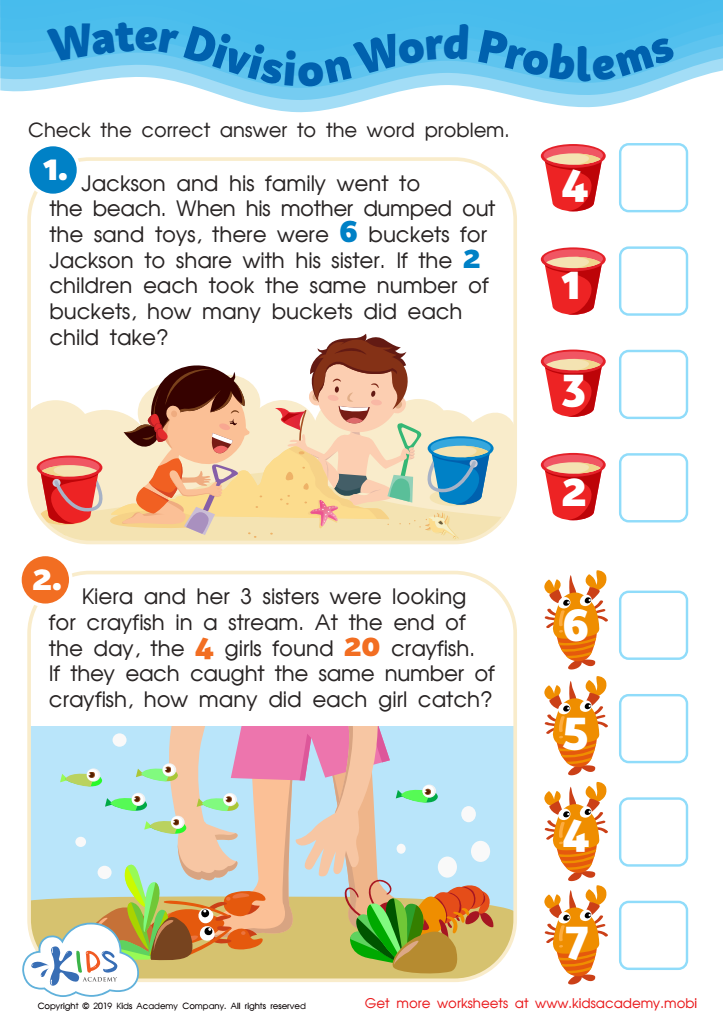
Water Division Word Problems Worksheet
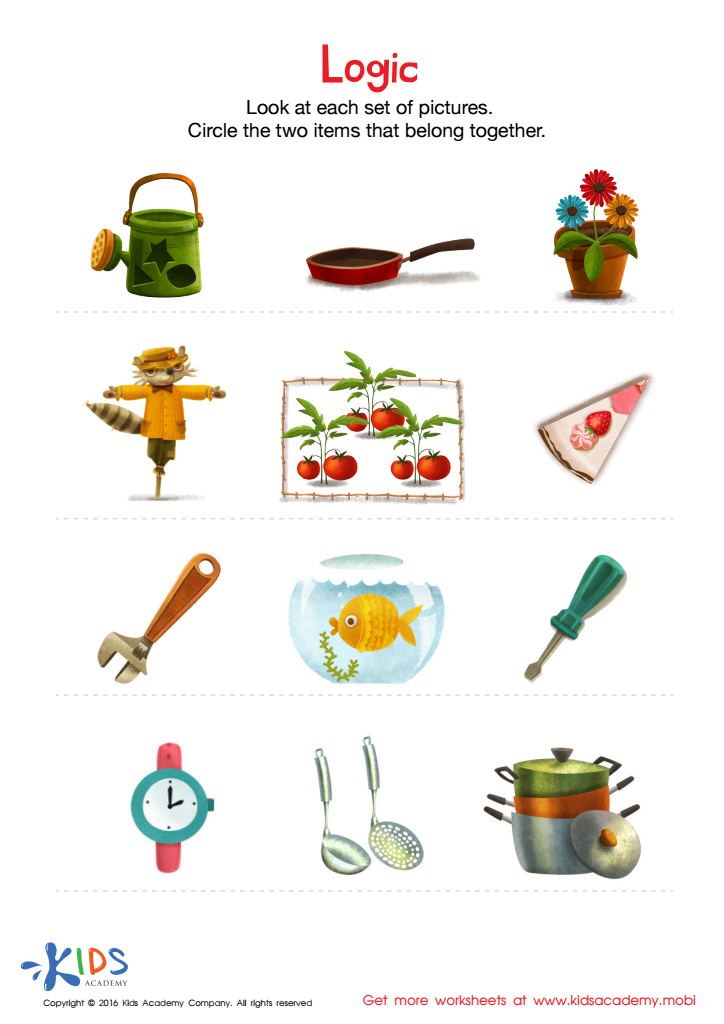
Logic Game Sorting Worksheet
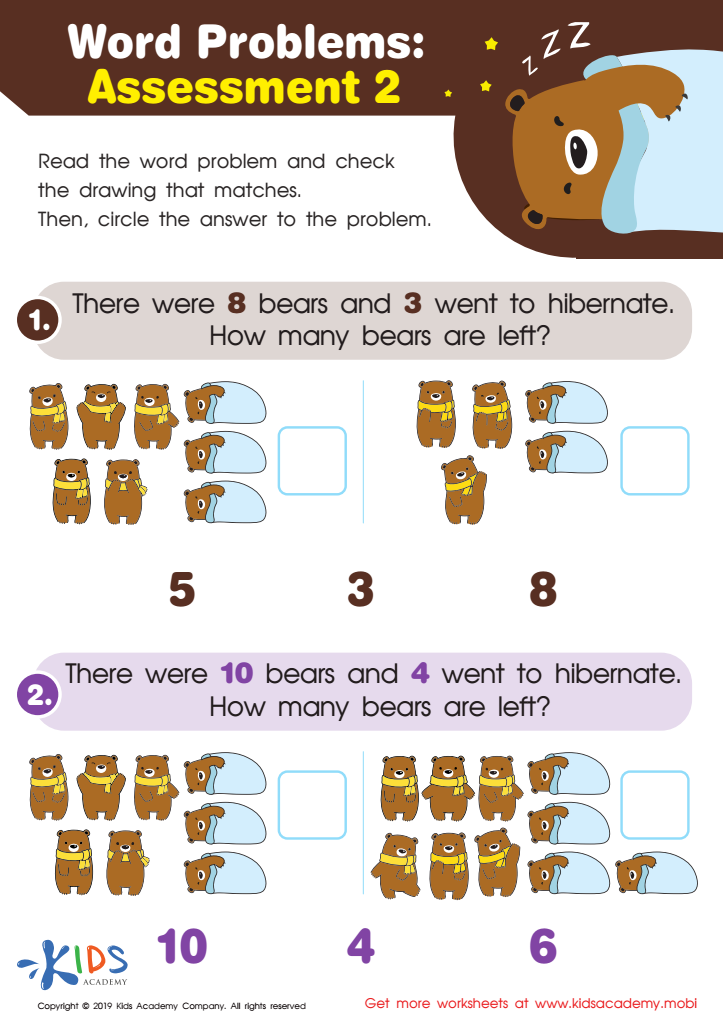
Word Problems: Assessment 2 Worksheet
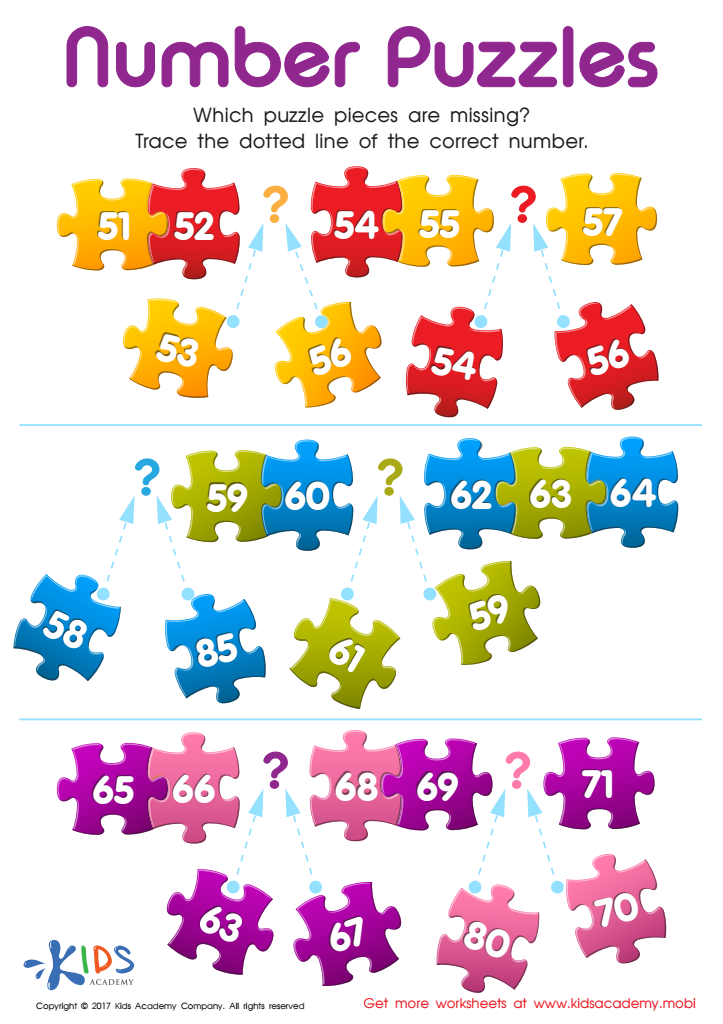
Number Puzzles Worksheet








Parents and teachers should prioritize problem-solving skills in early math for ages 3-5 because these skills lay the foundation for critical thinking, logical reasoning, and future academic success. During this developmental stage, children are naturally curious and eager to explore their environment. Engaging them in problem-solving activities nurtures their analytical abilities and enhances cognitive development.
Incorporating math-based problem-solving into play can also bolster a child's confidence and independence. When children learn to approach problems systematically—understanding concepts like patterns, measurements, and spatial awareness—they develop resilience in the face of challenges, which is a valuable life skill. Additionally, early exposure to math fosters a positive attitude toward the subject, encouraging a lifelong love of learning.
Furthermore, strong problem-solving skills are essential for real-world applications. They enable children to navigate everyday situations—like dividing snacks among friends or sorting toys—which reinforces their social interaction and communication skills.
Ultimately, by investing time in developing these skills during the formative years, parents and teachers equip children with the tools to thrive academically and socially, helping to create a well-rounded foundation for their future learning adventures. This proactive approach promotes not just mathematical fluency, but also a holistic growth of young learners.








