Normal Two-step Word Problems Worksheets for Ages 3-5
13 filtered results
-
From - To
Introducing our Normal Two-step Word Problems worksheets, tailored specifically for young learners aged 3-5 years. These engaging school online printables are designed to develop early problem-solving skills in a fun and interactive way. Each worksheet encourages children to tackle challenges that require thinking through two sequential steps, enhancing their cognitive abilities and understanding of basic mathematical concepts. Ideal for both home and classroom use, our printables are a wonderful resource for parents and teachers aiming to foster a love for learning in their little ones. Dive into our collection and watch your child's confidence and skills grow with each problem solved!
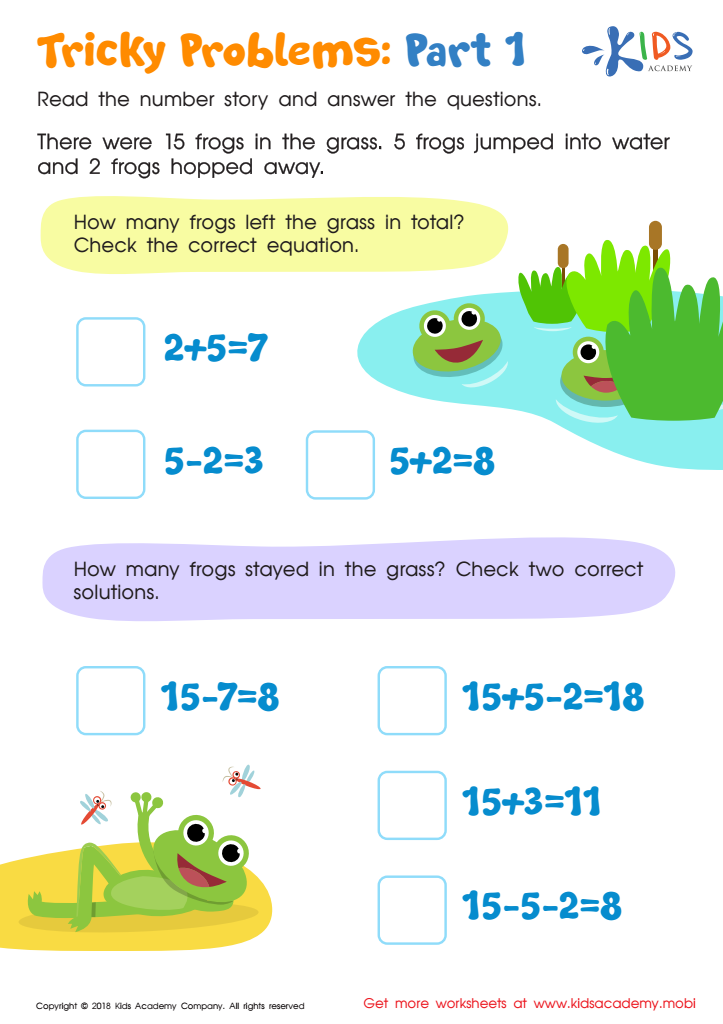
Tricky Problems Worksheet: Part 1
 Assign to My Students
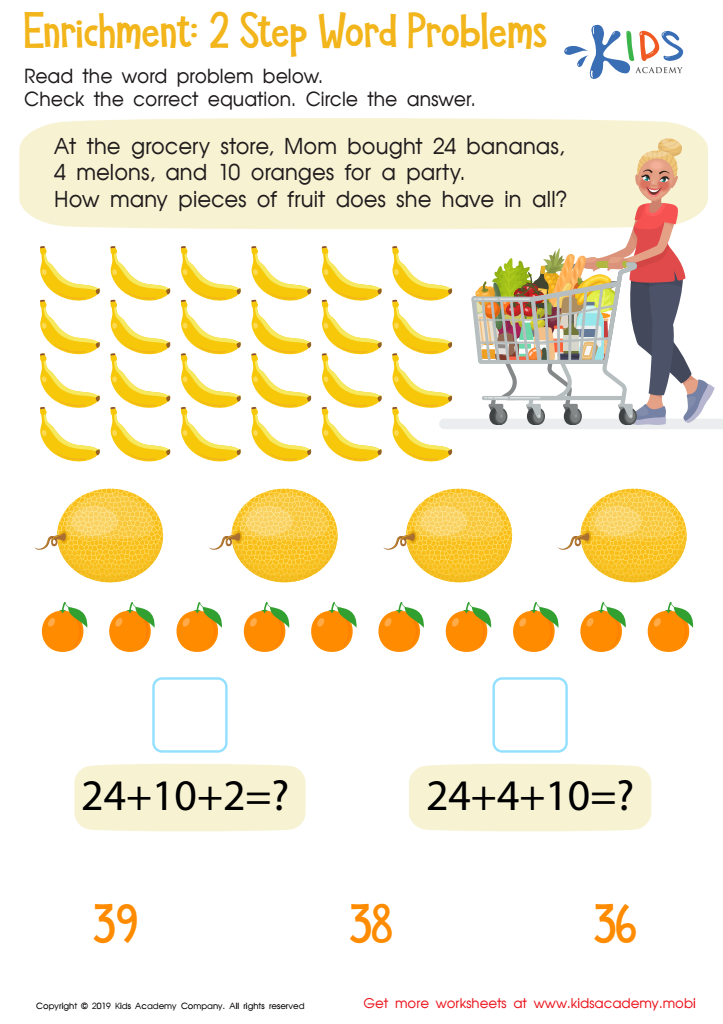
Enrichment -2 Step Word Problems Worksheet
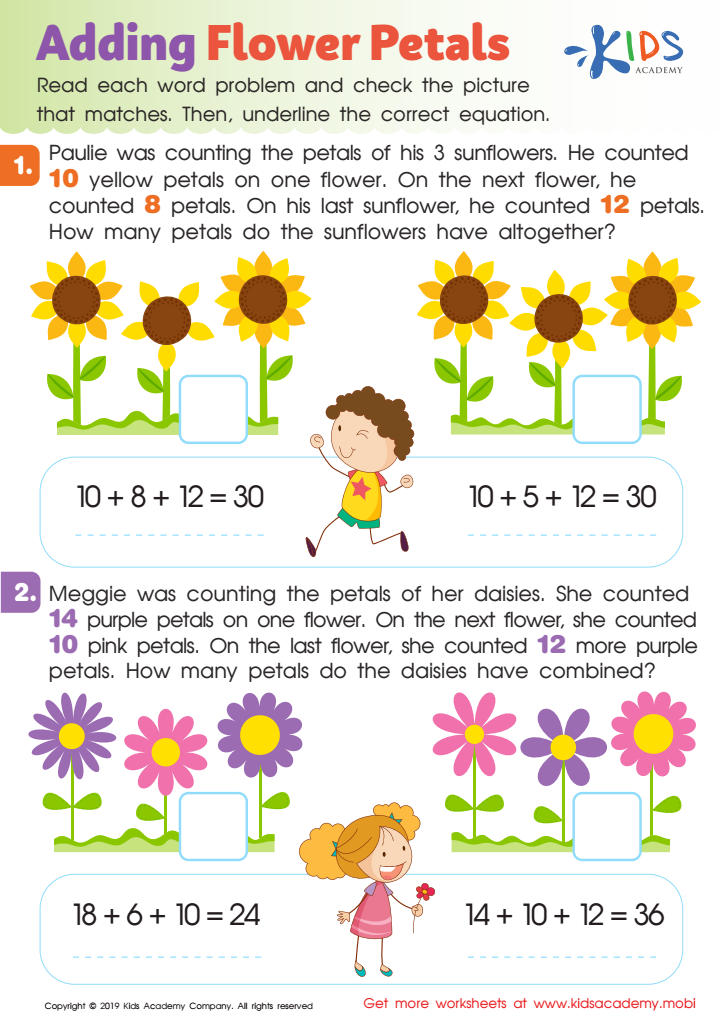
Adding Flower Petals Worksheet
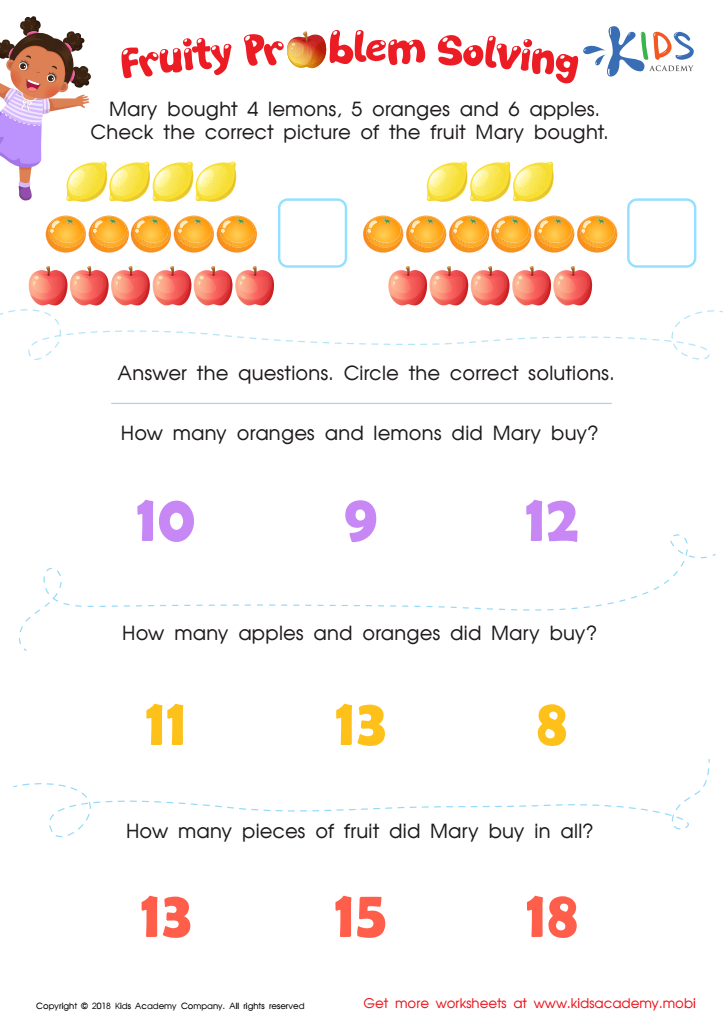
Fruity Problem Solving Worksheet
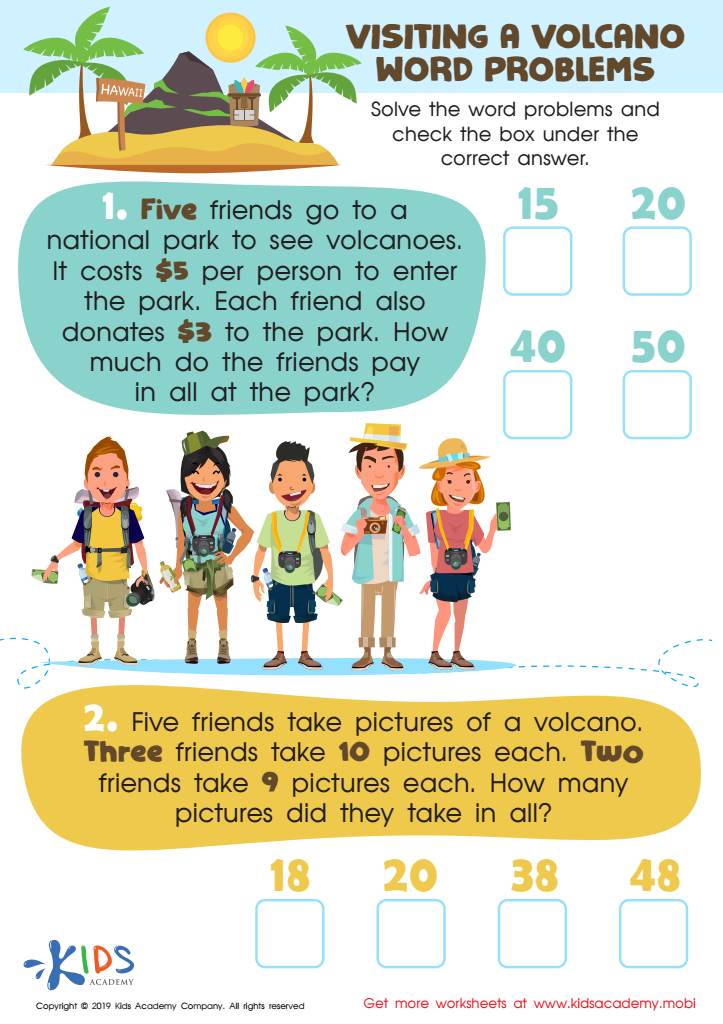
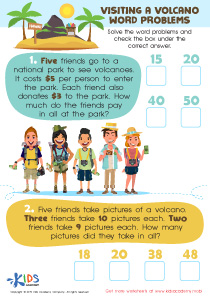
Visiting a Volcano Word Problems Worksheet
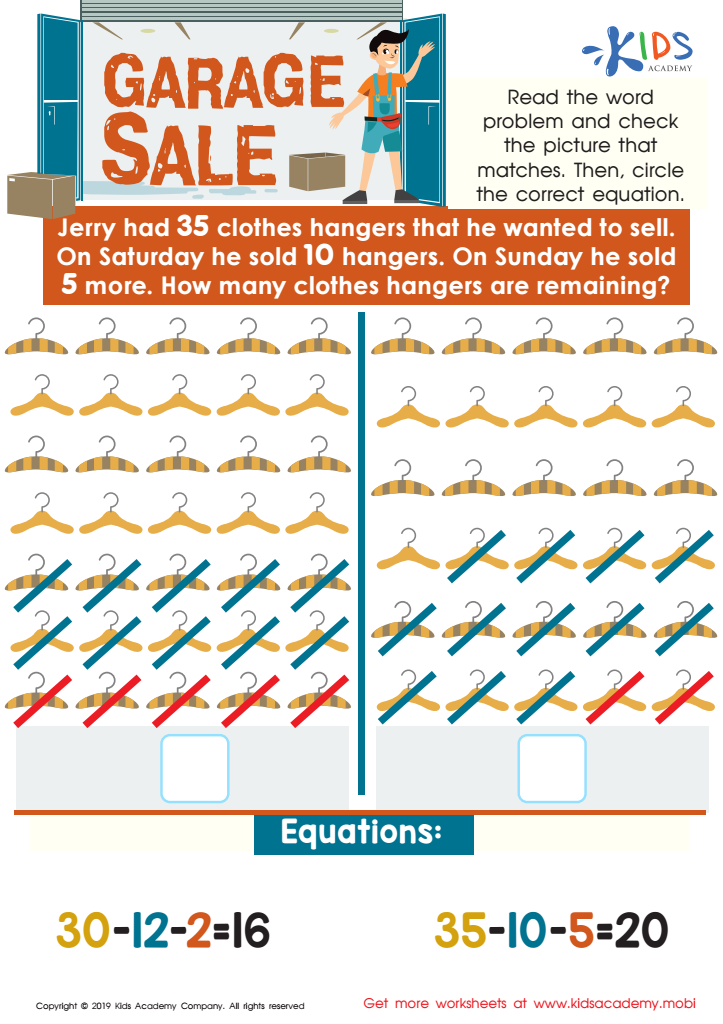
Garage Sale Worksheet
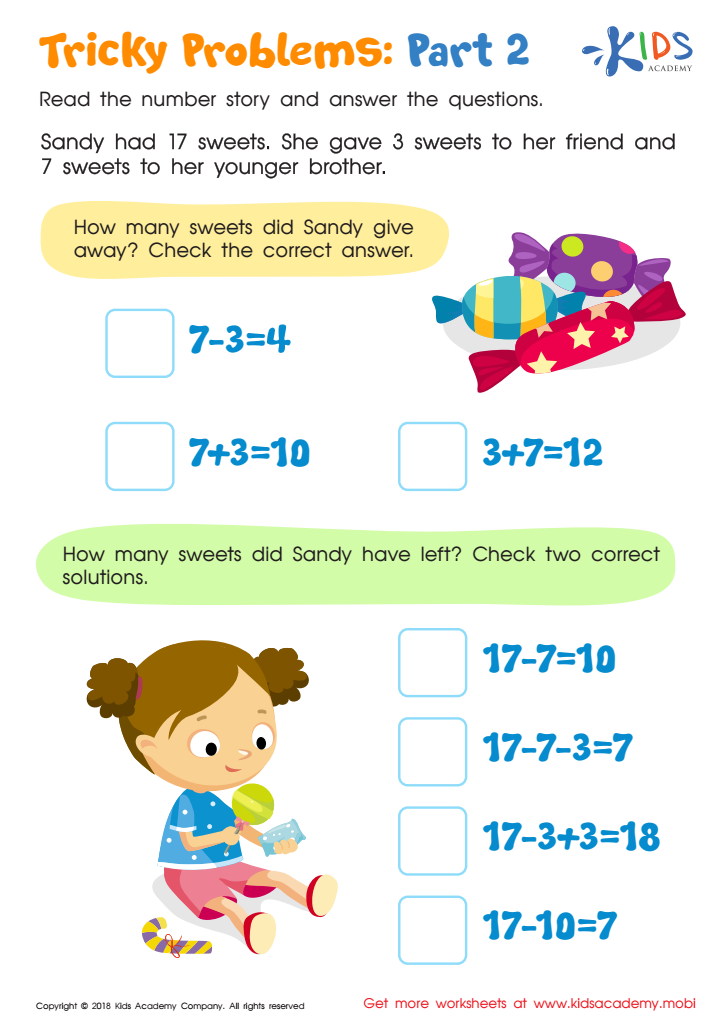
Tricky Problems Worksheet: Part 2
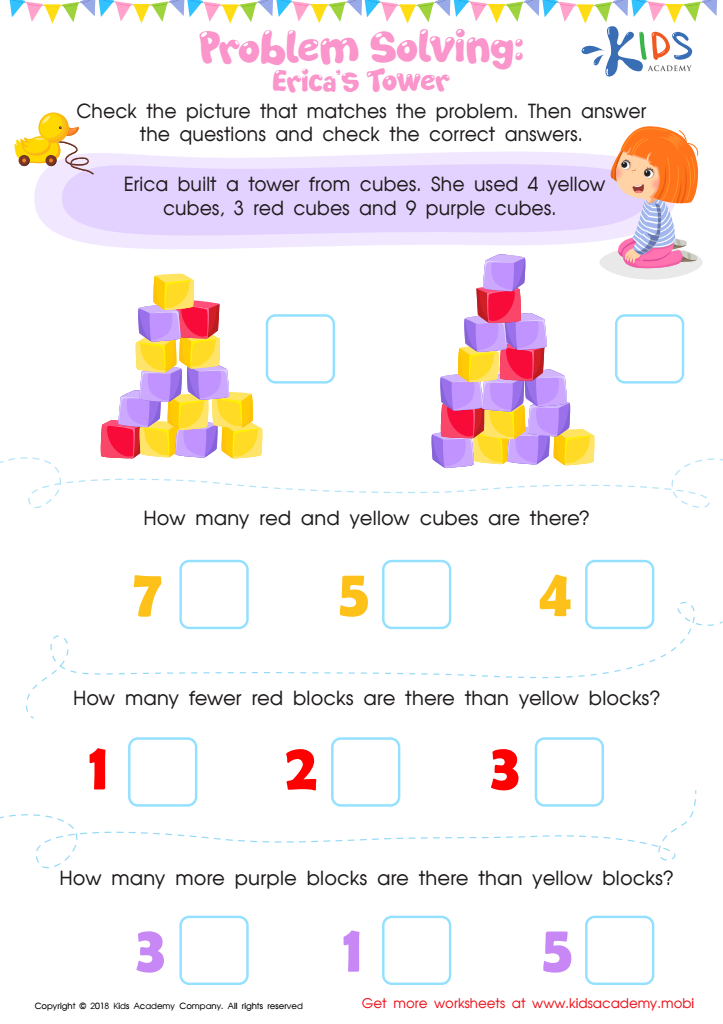
Problem Solving: Erica's Tower Worksheet
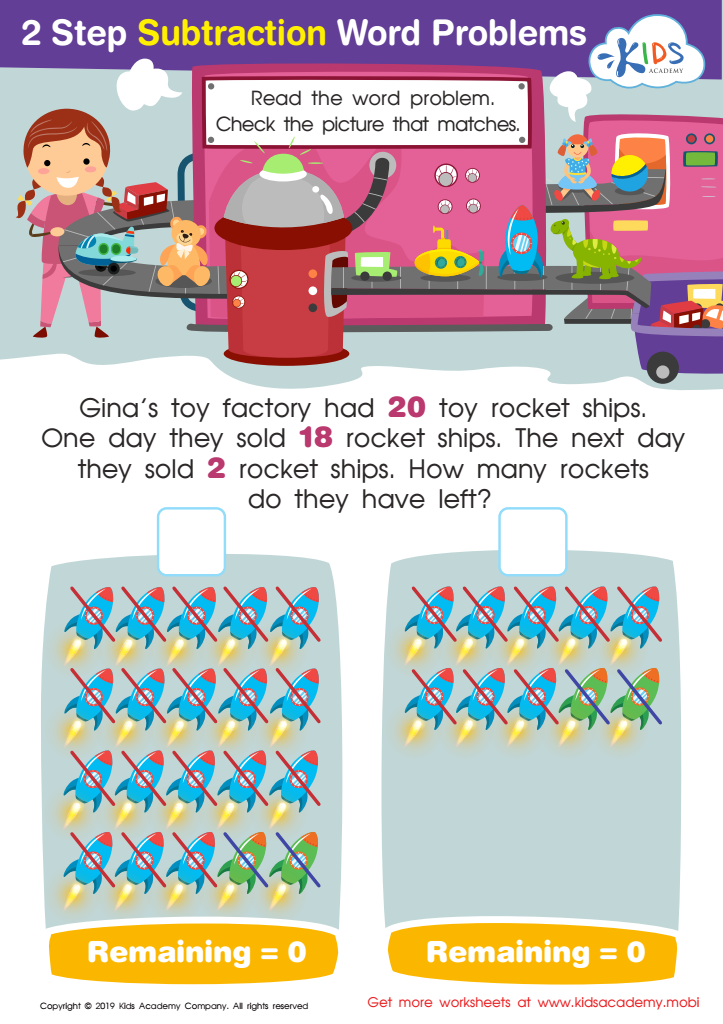
Step Subtraction Word Problems Worksheet
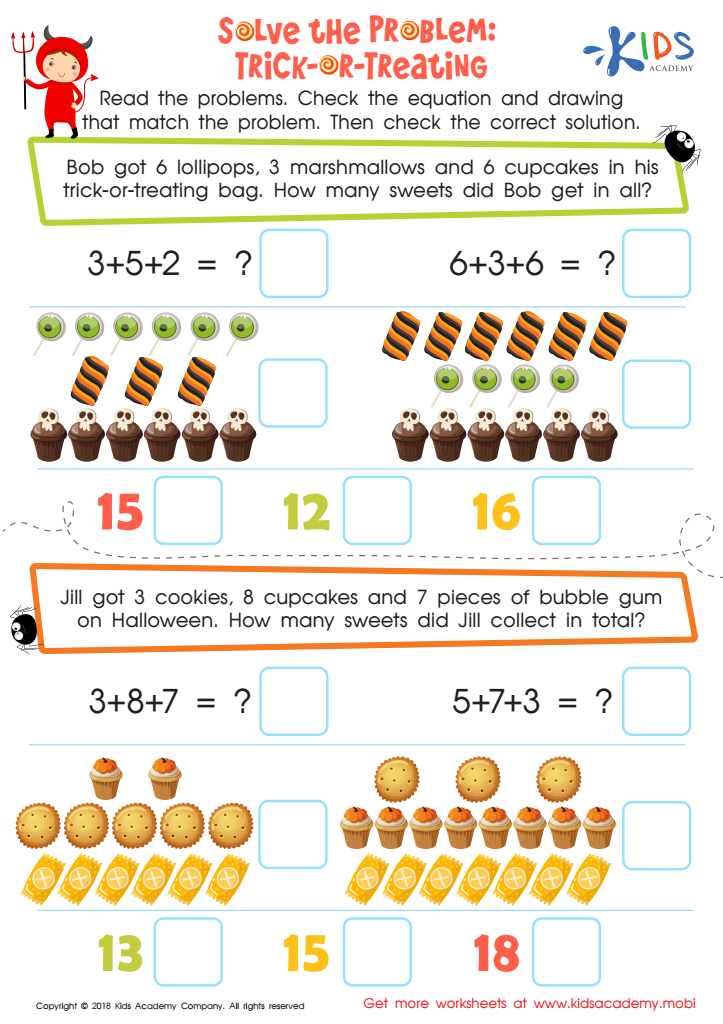
Solve the Problem: Trick–or–treating Worksheet
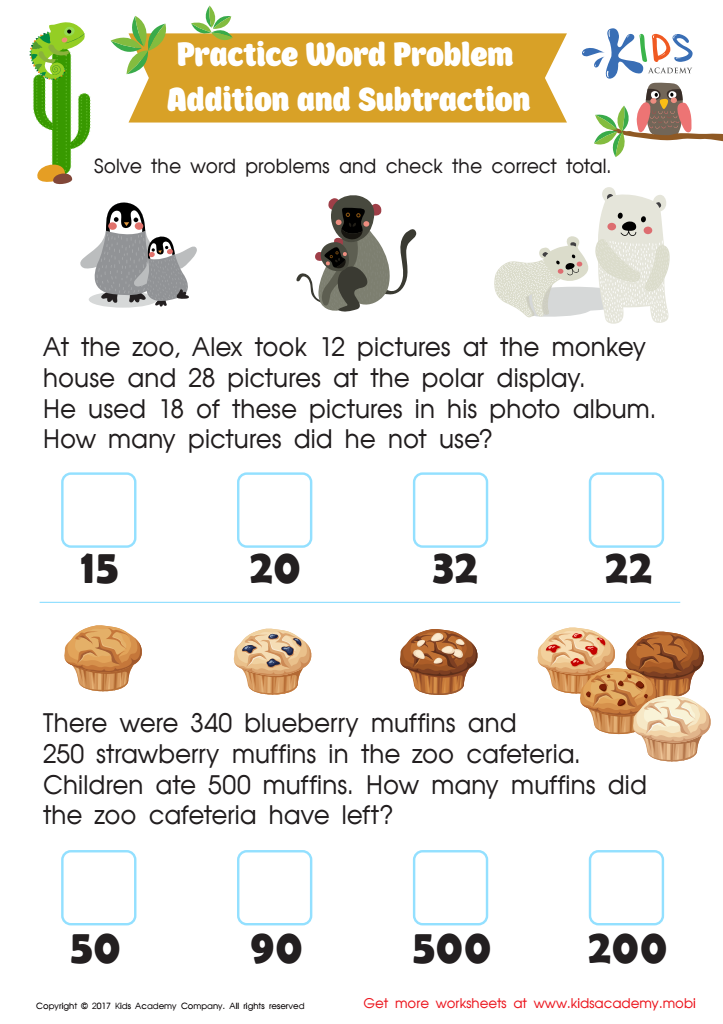
Addition and Subtraction: Word Problems Worksheet
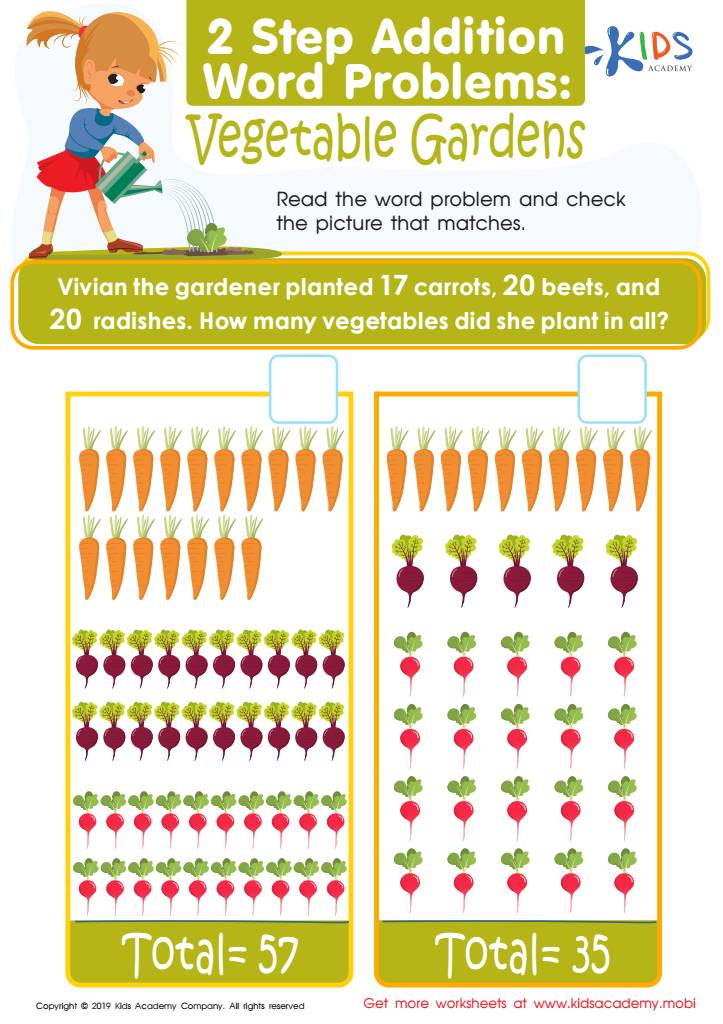
Vegetable Gardens Worksheet
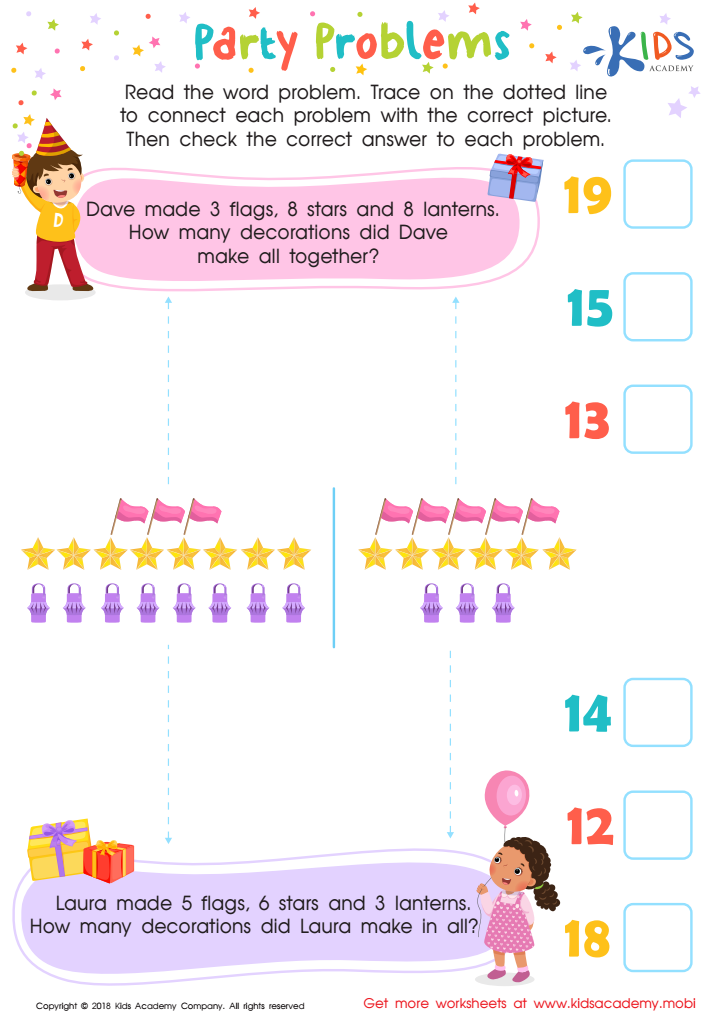
Party Problems Worksheet



Normal worksheets on Two-step Word Problems are an exceptional resource for early learners, particularly those between the ages of 3 to 5 years. These worksheets are not only about solving math problems; they are a foundational tool that introduces young children to logical thinking and problem-solving in a structured yet engaging way. When integrated into the learning curriculum as school interactive worksheets, their benefits are amplified, offering young students a head start in mathematical reasoning and critical thinking.
Why Normal Worksheets on Two-step Word Problems Are Useful:
-
Development of Sequential Thinking: Two-step word problems require children to follow a sequence of operations to arrive at a solution. This helps in developing their ability to process information in a logical order, which is crucial not only in mathematics but in everyday problem-solving scenarios. For children aged 3 to 5 years, developing this sequential thinking early on can enhance their cognitive abilities and ease their transition into more complex mathematical concepts in later years.
-
Enhancement of Comprehension Skills: To solve two-step word problems, children must first understand the question. This involves significant language skills, including reading comprehension and vocabulary. School interactive worksheets designed with vibrant images and engaging story-based problems can make this learning both fun and effective, encouraging children to delve deeper into the text and derive meaning, which is a critical skill in all subjects.
-
Cultivating Patience and Determination: Two-step problems by nature require a bit more effort and perseverance than single-step problems. Children learn to approach the problem in stages, solving one part before moving on to the next. This can be a great exercise in patience and persistence, qualities that are invaluable throughout a child’s educational journey and beyond.
-
Interactive Learning: Incorporating these worksheets into school interactive worksheets platforms can transform traditional learning into a dynamic activity that better engages young learners. Interactive elements such as drag-and-drop, fill-in-the-blanks, or even animated story problems can make learning more captivating, helping children to focus and learn more effectively.
-
Real-world Application: Two-step word problems often use real-world scenarios, which can help children understand the practical application of mathematics. Whether it’s figuring out how many apples are left in a basket after some are given away, or how many coins are needed to buy a toy, these problems use familiar contexts, making abstract concepts more concrete and understandable for young minds.
-
Collaborative Learning: While individual worksheets offer great value, they also present an opportunity for collaborative learning experiences in classroom settings. Children can work together on two-step word problems, discussing their thought processes and solutions. This collaborative approach not only enhances understanding but also helps in developing social skills like communication, listening, and teamwork. School interactive worksheets can facilitate such interactions by including features that allow children to work in pairs or small groups, even if they are interacting through digital tools.
-
Feedback and Adaptation: Interactive elements in school worksheets can provide immediate feedback, which is invaluable for young learners. When children understand right away whether their approach to a problem is correct, they can quickly adjust their thinking. This immediate correction helps reinforce learning and accelerates improvement. Moreover, educators can use these tools to track progress and tailor instruction to meet the needs of each student, ensuring that all children can move forward confidently and competently.
-
Encouraging Curiosity: School interactive worksheets with two-step word problems can stimulate curiosity. By presenting problems that are puzzling yet accessible, children are encouraged to question, explore, and experiment with different solutions. This inquisitiveness is a critical component of a lifelong love of learning.
-
Building Confidence: Mastery of two-step word problems can significantly boost a child’s confidence. As they successfully solve these problems, their self-assurance in their mathematical abilities grows. This confidence can translate into other areas of their academic and personal life, fostering a positive attitude and openness to new challenges.
-
Preparation for Future Educational Demands: Early exposure to structured problem-solving sets a foundation for later academic demands. Skills learned from tackling two-step word problems are directly applicable to more complex math in primary school and beyond. Early mastery not also smoothes the transition into more advanced mathematical thinking but can also ignite a passion for mathematics and related disciplines.
In conclusion, normal worksheets on two-step word problems are invaluable in the developmental years of children aged 3 to 5. When these are integrated into school interactive worksheets, they become not just a teaching tool, but also an engaging, adaptive, and effective method of learning that can adjust to the individual needs of each child. These worksheets lay down the cognitive, social, and educational groundwork necessary for young learners, preparing them for a lifetime of learning and problem-solving.