Color Identification Normal Worksheets for Ages 3-6
23 filtered results
-
From - To
Welcome to our Color Identification Normal Worksheets for Ages 3-6! Designed specifically for young learners, these engaging worksheets provide a fun and interactive way for children to explore and recognize colors in their world. Our easy-to-follow activities encourage creativity while enhancing color vocabulary and cognitive skills. Through vibrant illustrations and hands-on exercises, kids will sharpen their ability to identify and differentiate colors. Perfect for parents and teachers, these worksheets make learning enjoyable and effective. Dive into the colorful world of learning with our specially crafted resources, ideal for preschool and early grade education. Explore, learn, and watch your little ones thrive!
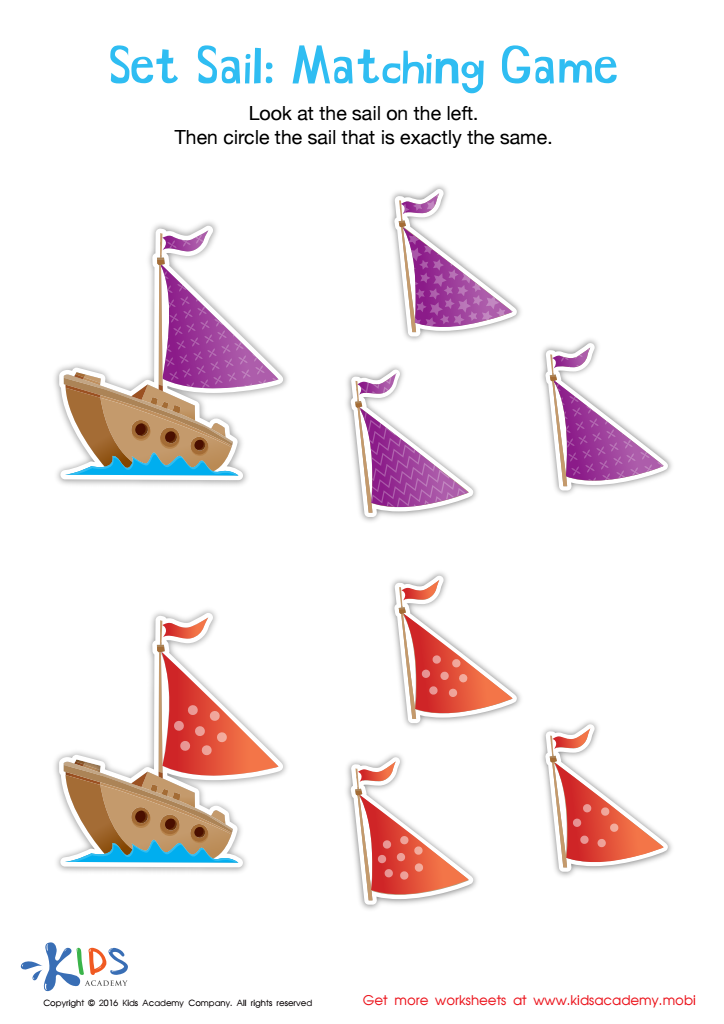
Set Sail Worksheet
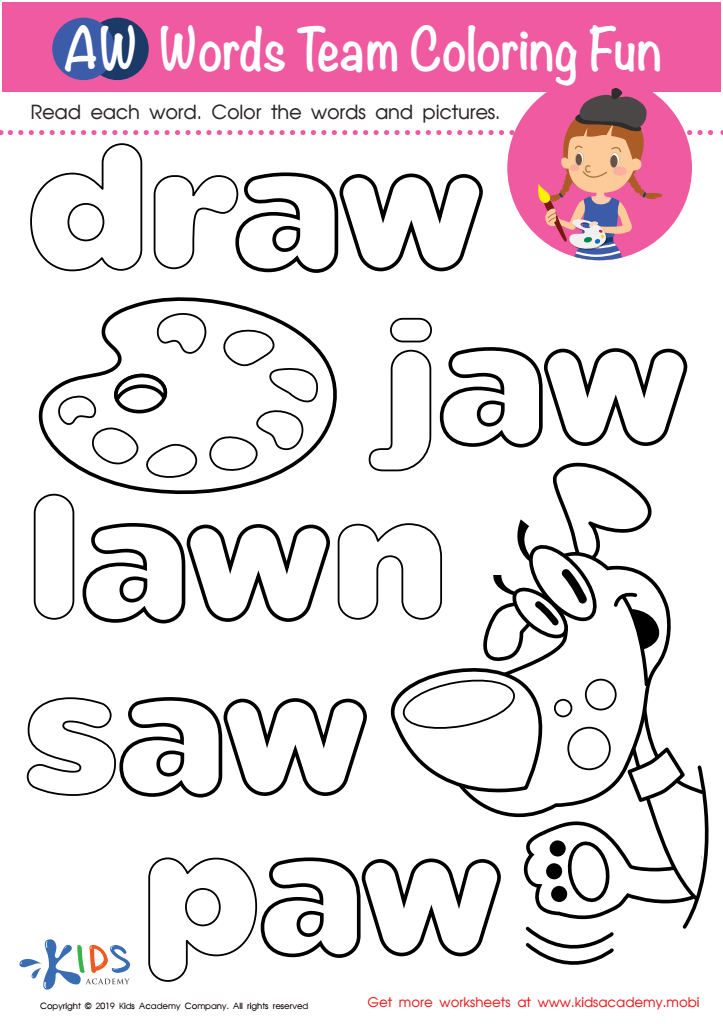
AW Words Team Coloring Fun Worksheet
 Assign to My Students
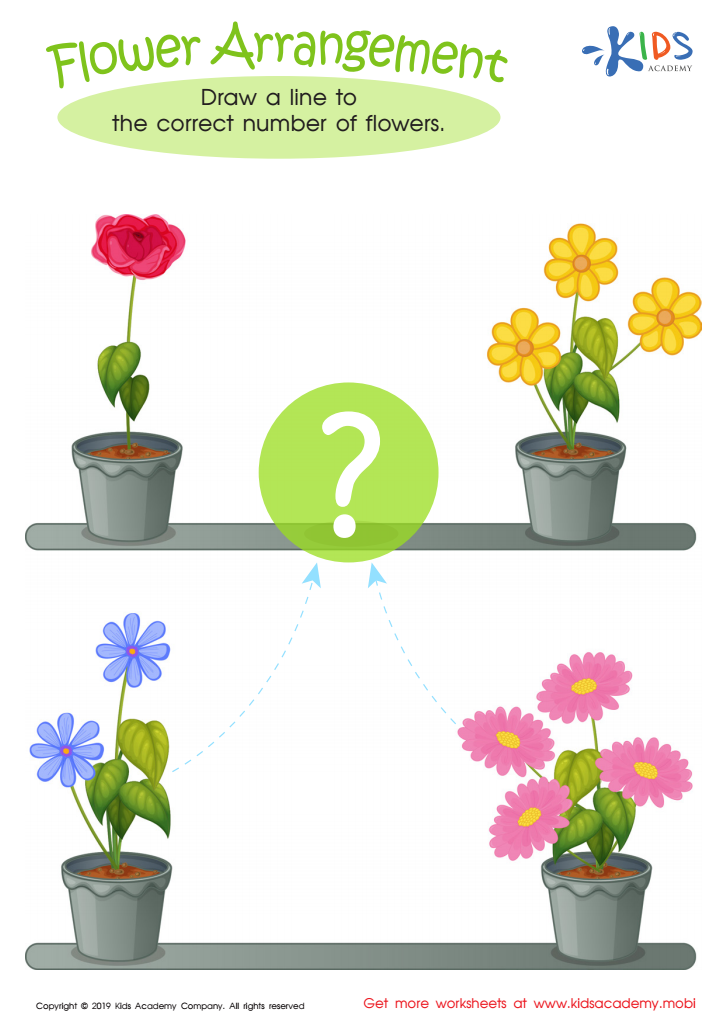
Flower Arrangement Worksheet
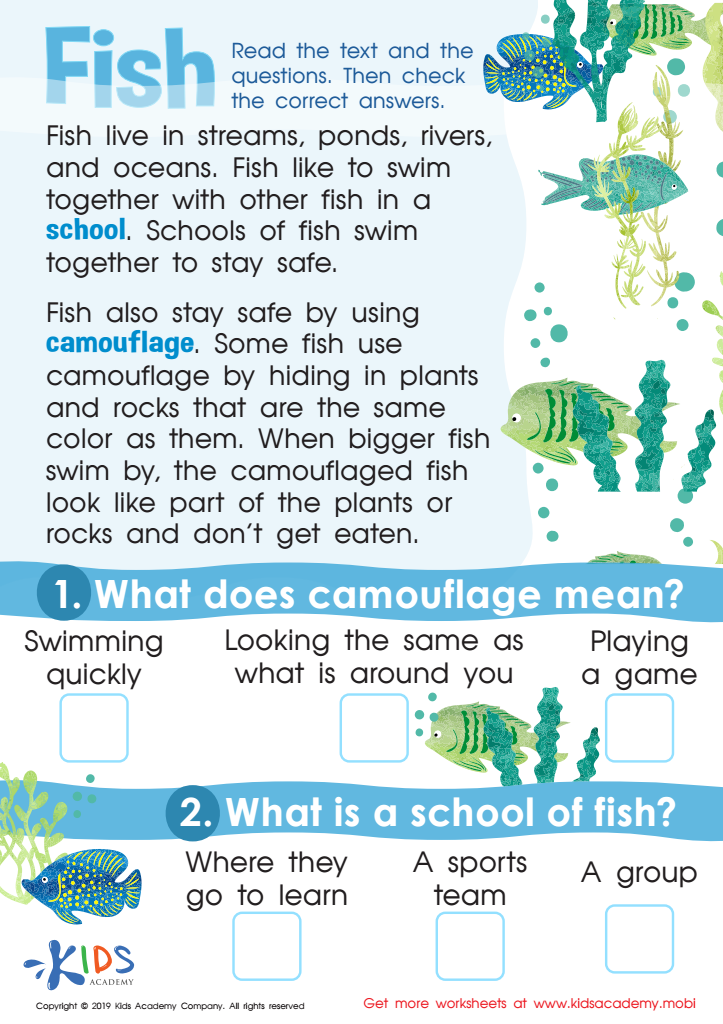
Fish Worksheet
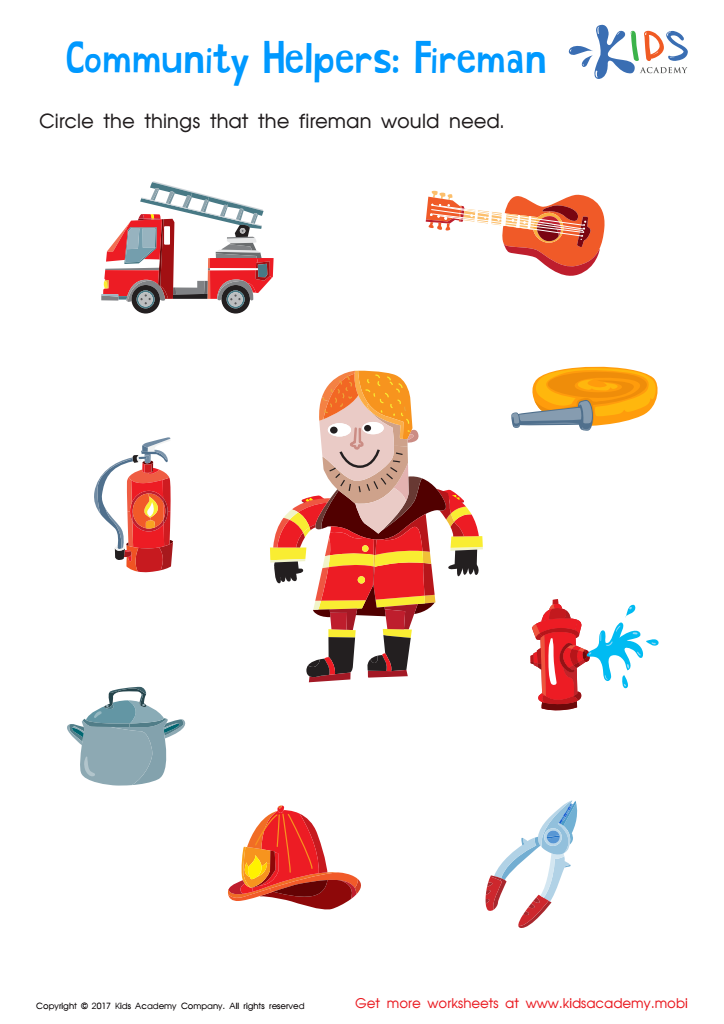
Fireman Worksheet
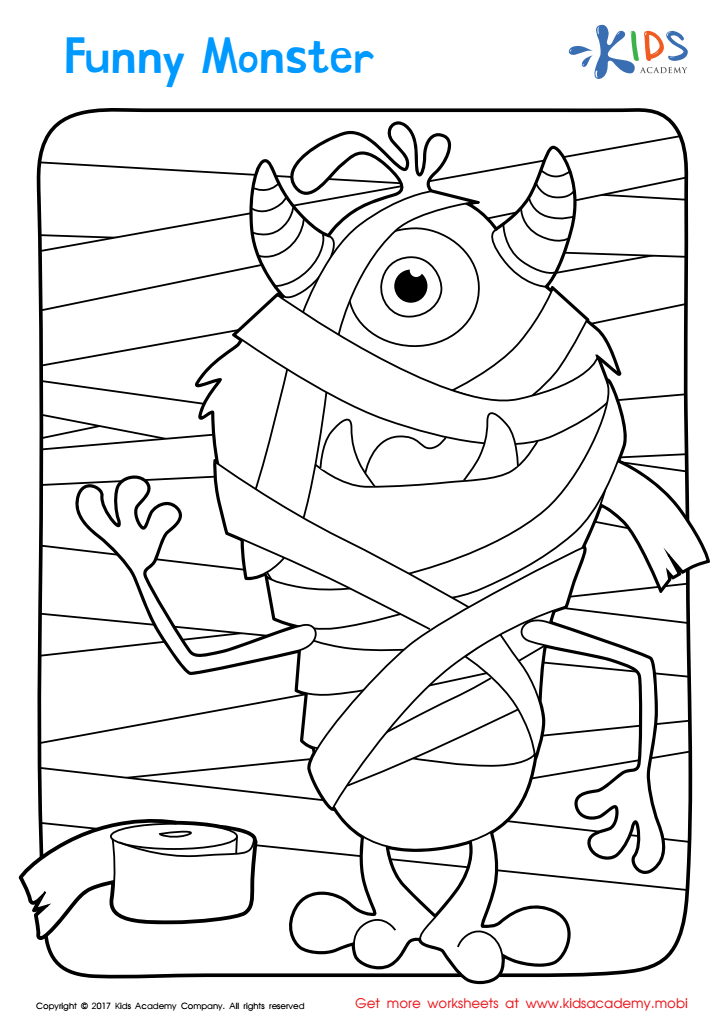
Halloween: A Funny Monster Worksheet
Assign to My Students
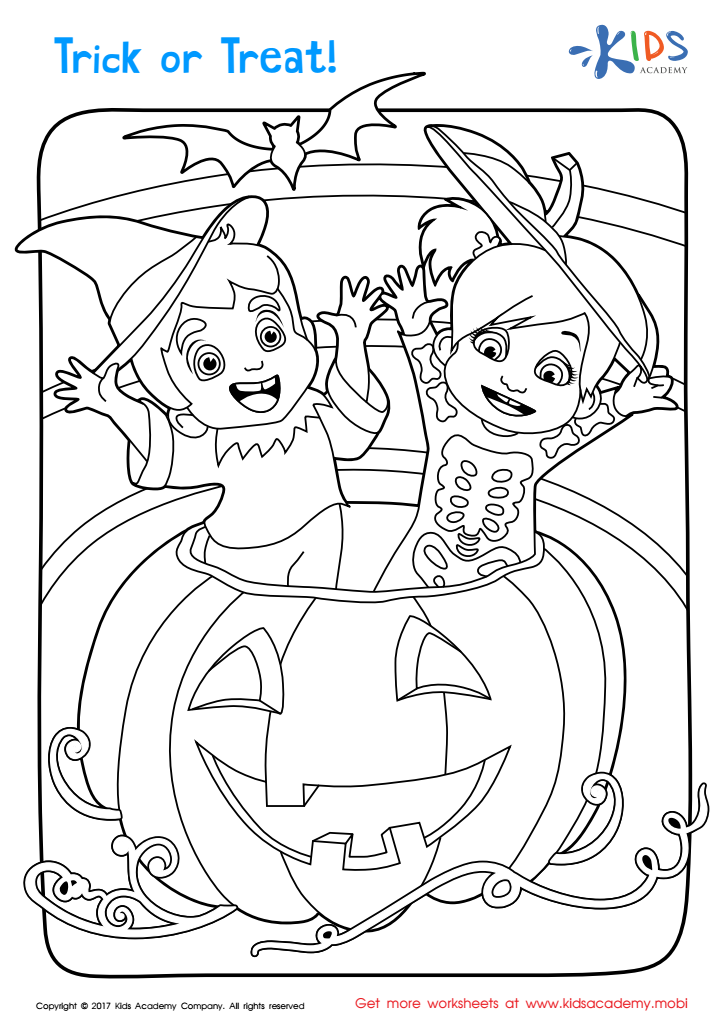
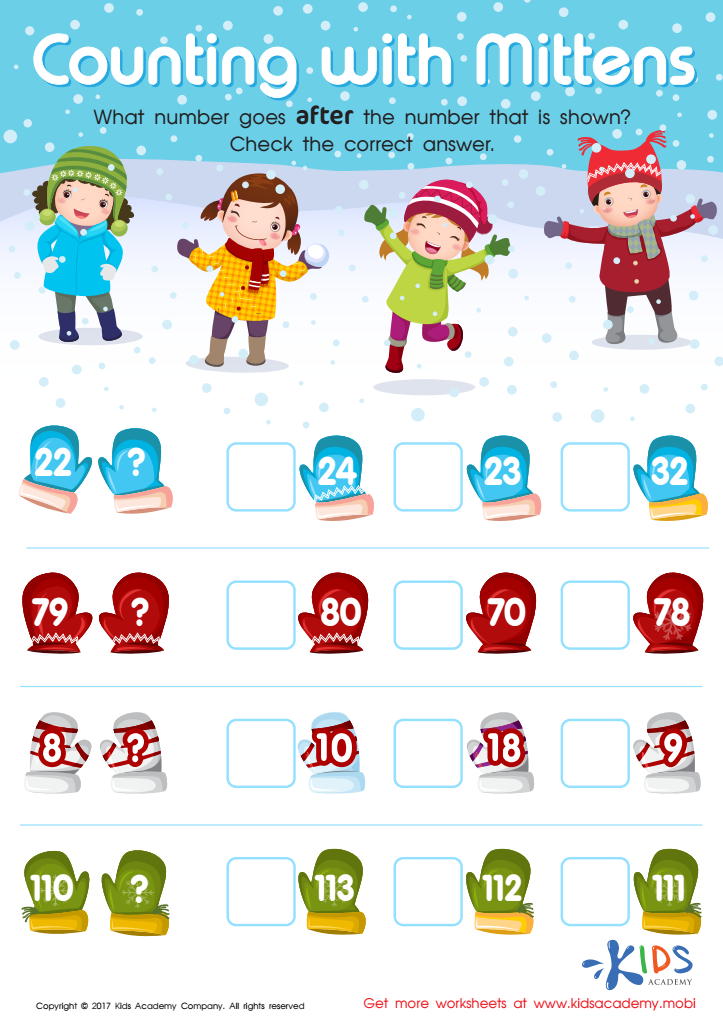
Counting with Mittens Worksheet
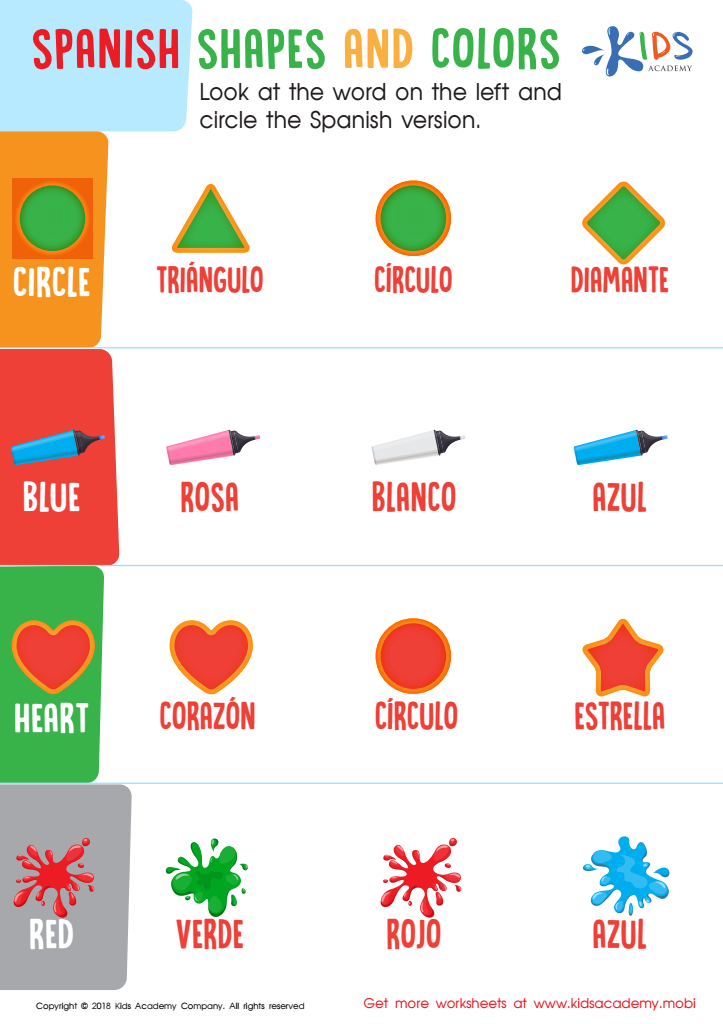
Spanish Shapes and Colors Worksheet
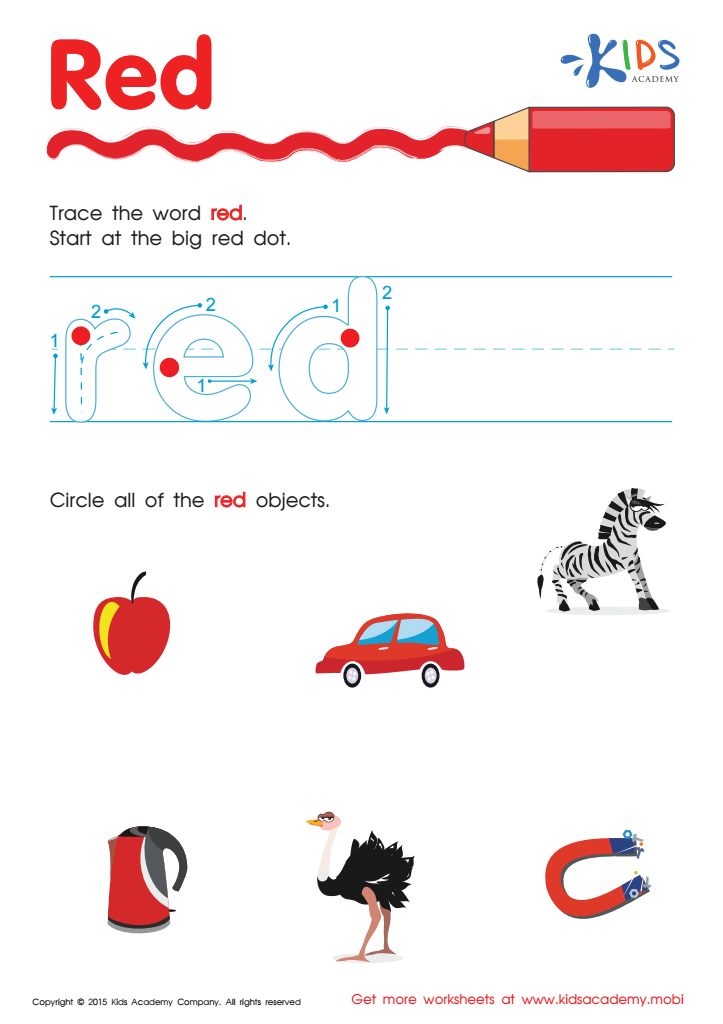
Red Tracing Color Words Printable
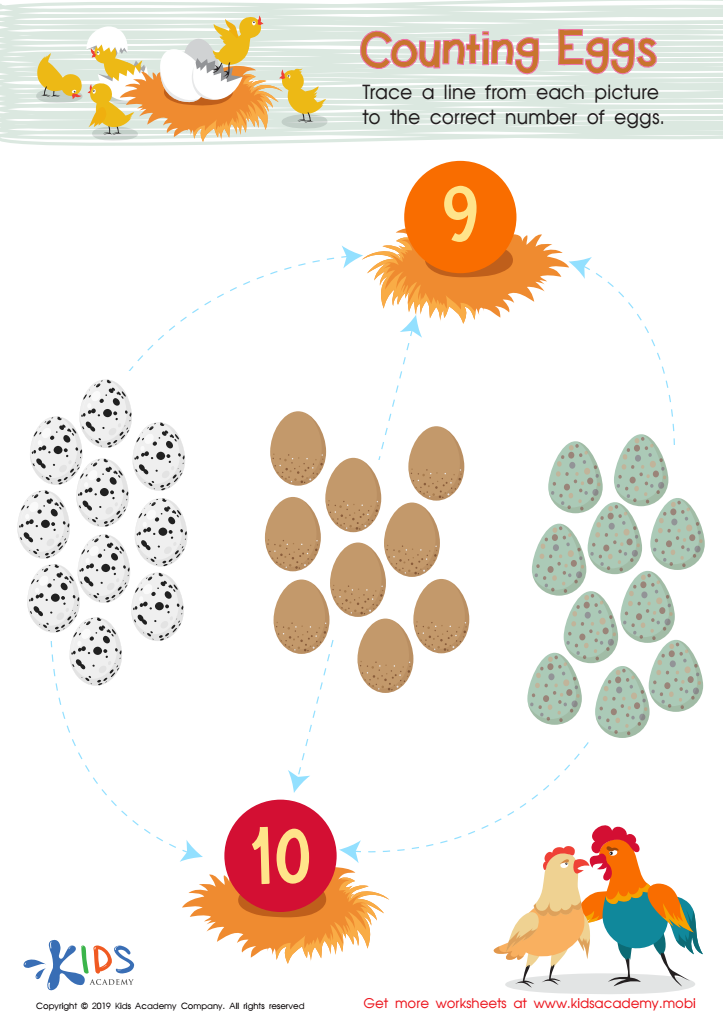
Counting Eggs Worksheet
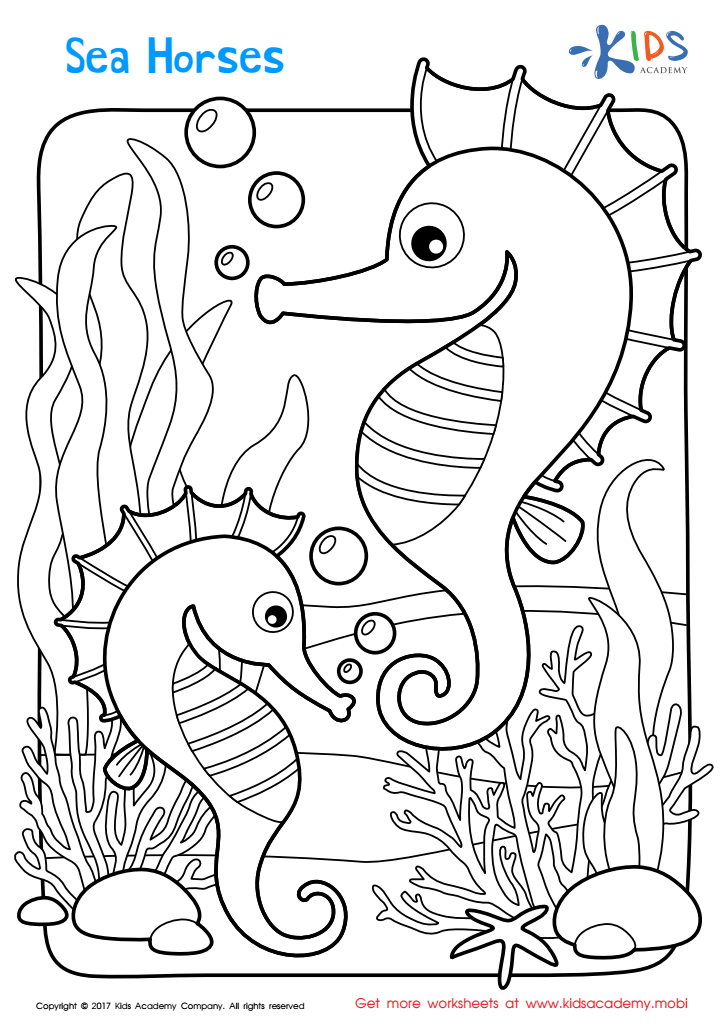
Sea Horses Printable
Assign to My Students
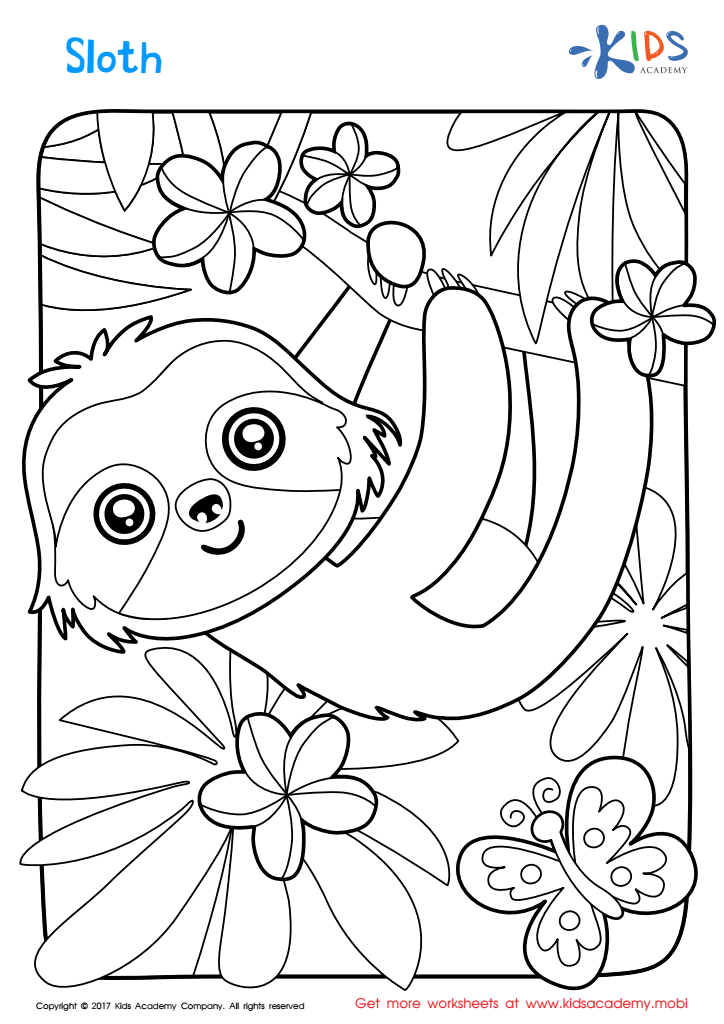
Sloth Worksheet
Assign to My Students
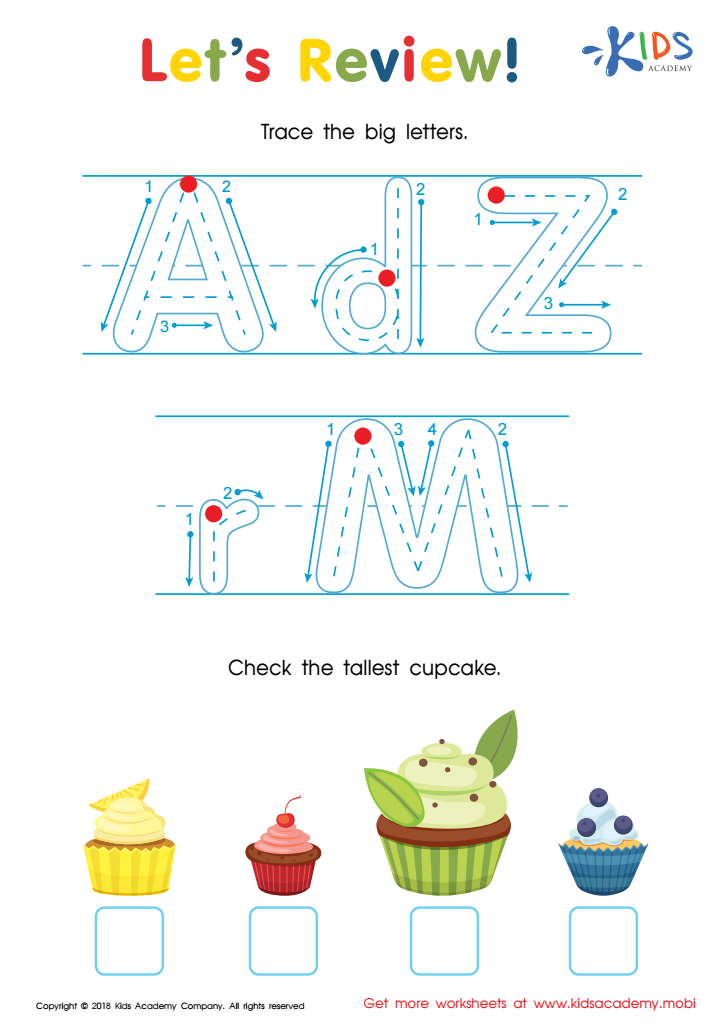
Let's Review! Big Letters Worksheet
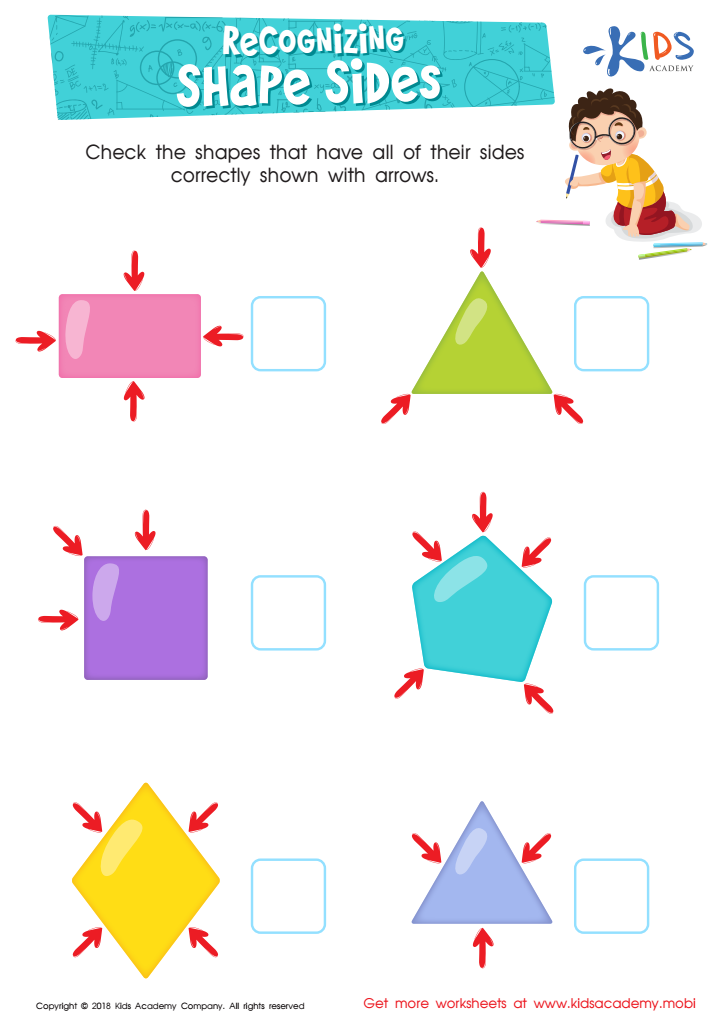
Recognizing Shape Sides Worksheet
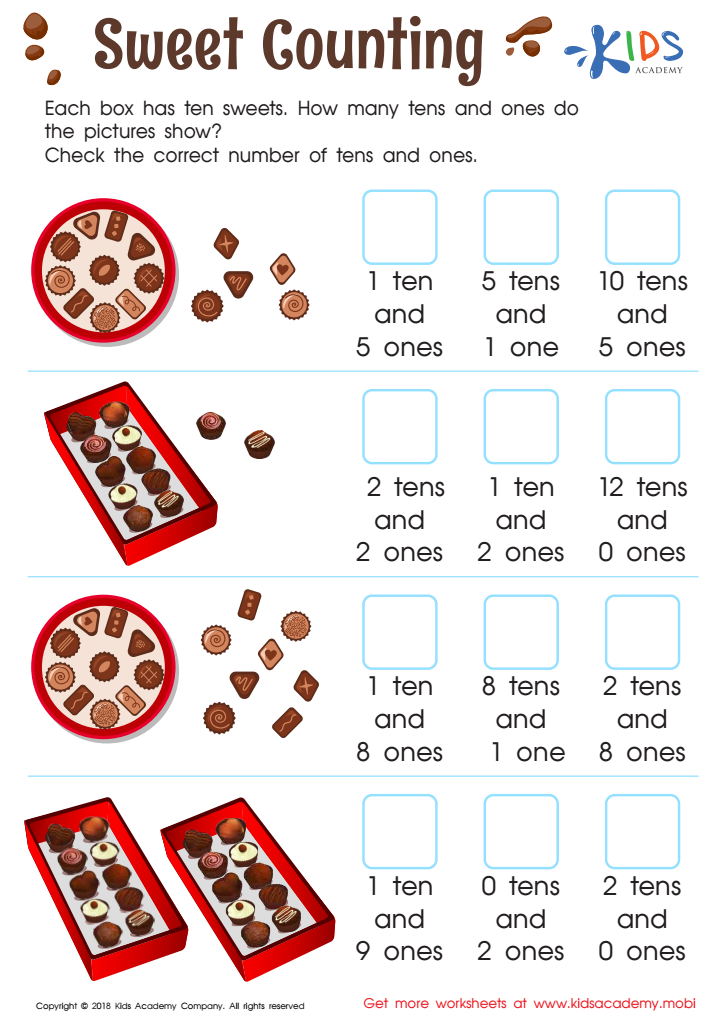
Sweet Counting - Part 2 Worksheet
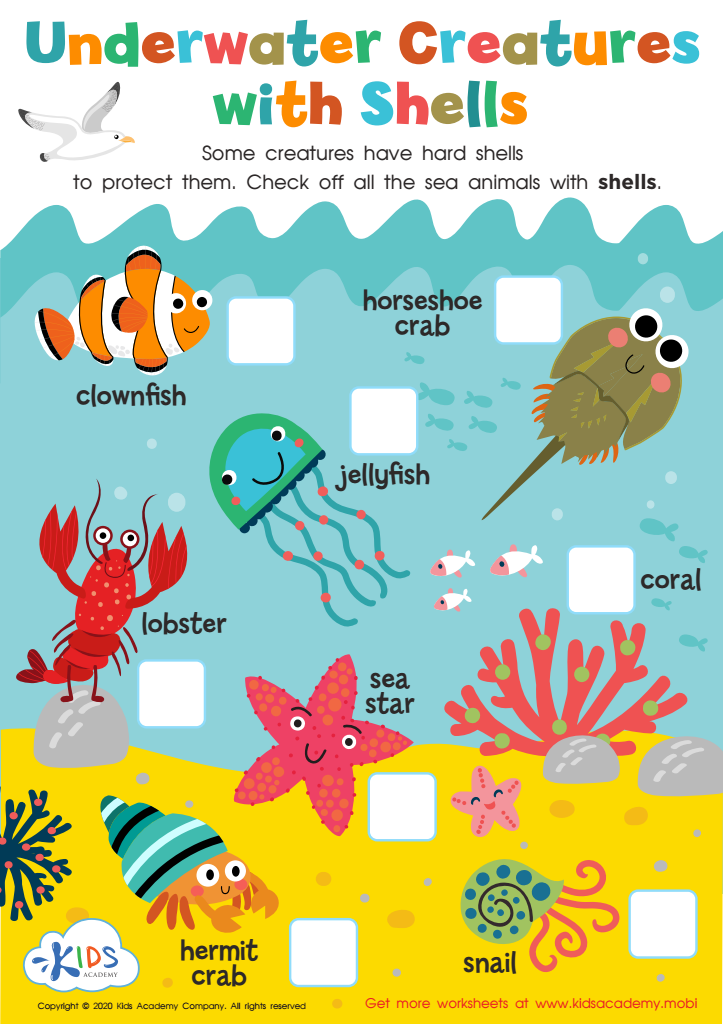
Underwater Creatures with Shells Worksheet
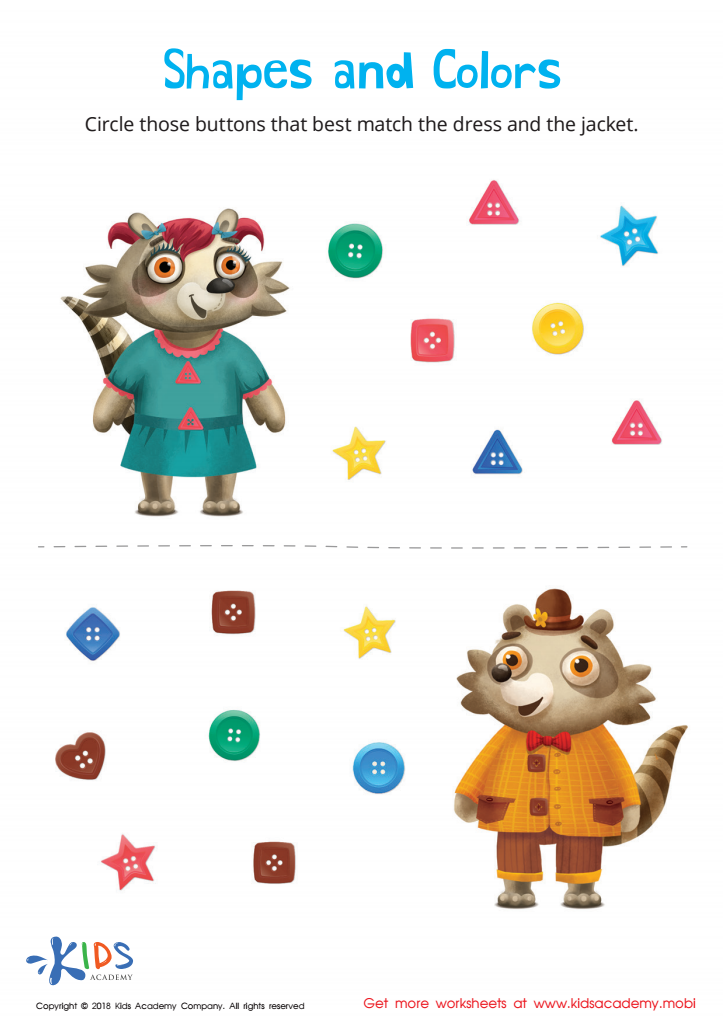
Shapes and Colors Worksheet
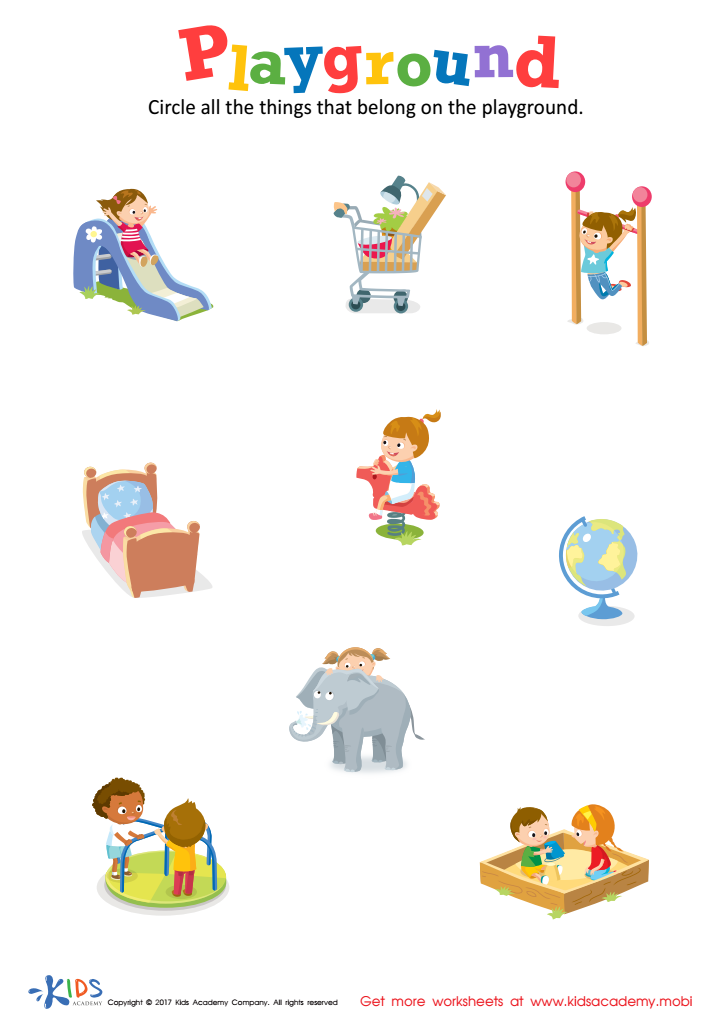
Playground Worksheet
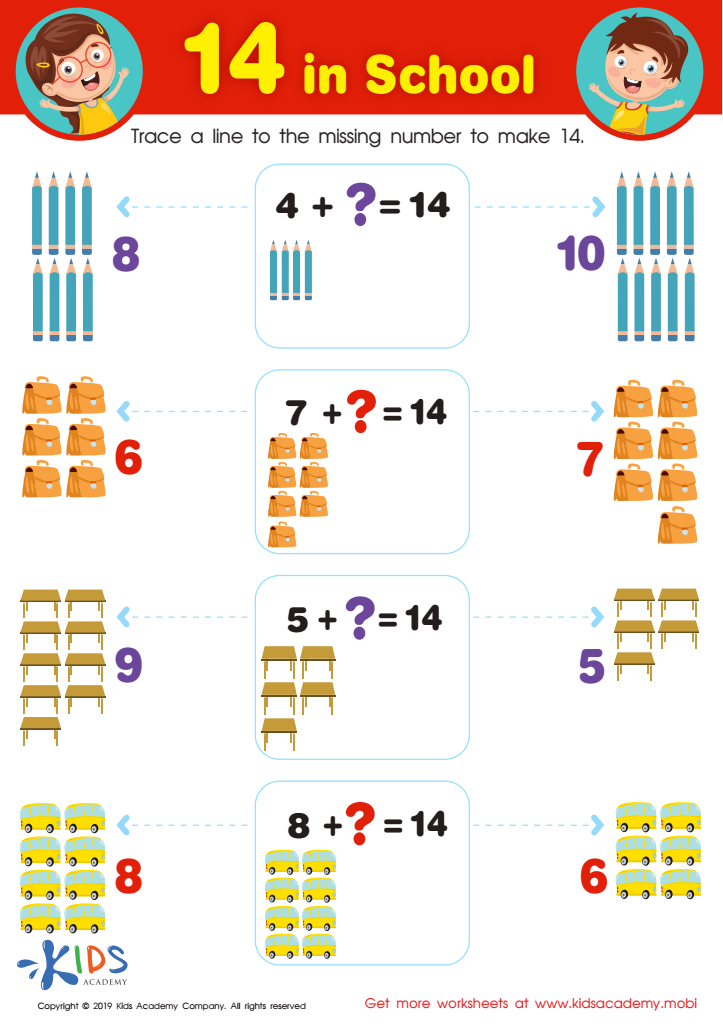
14 in School Worksheet
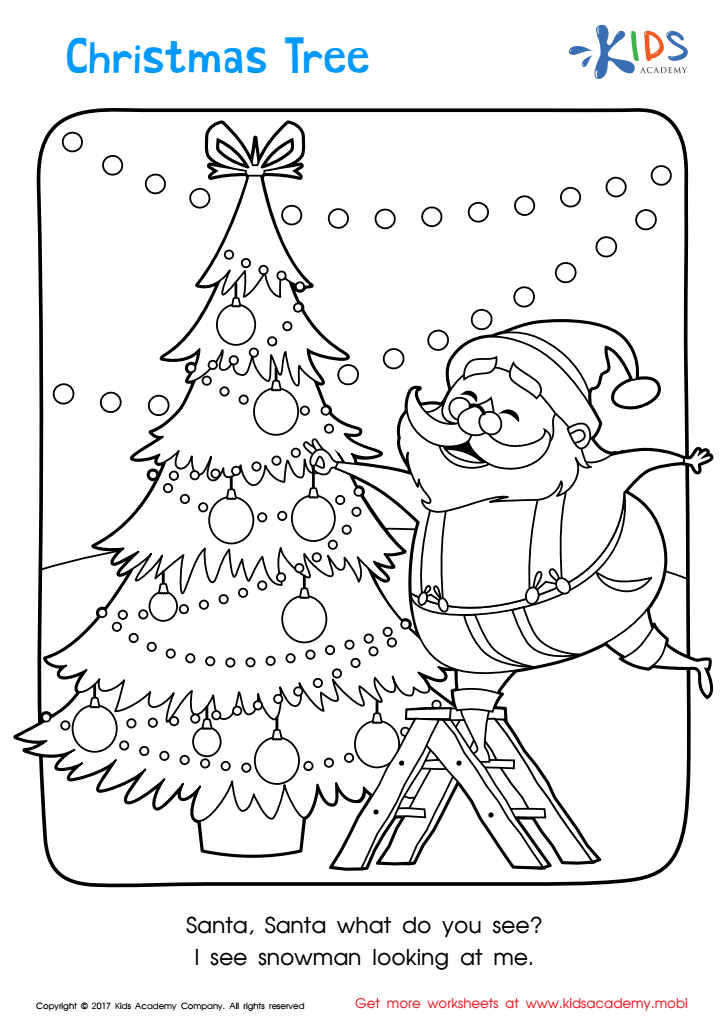
Christmas: Christmas Tree Printable
Assign to My Students
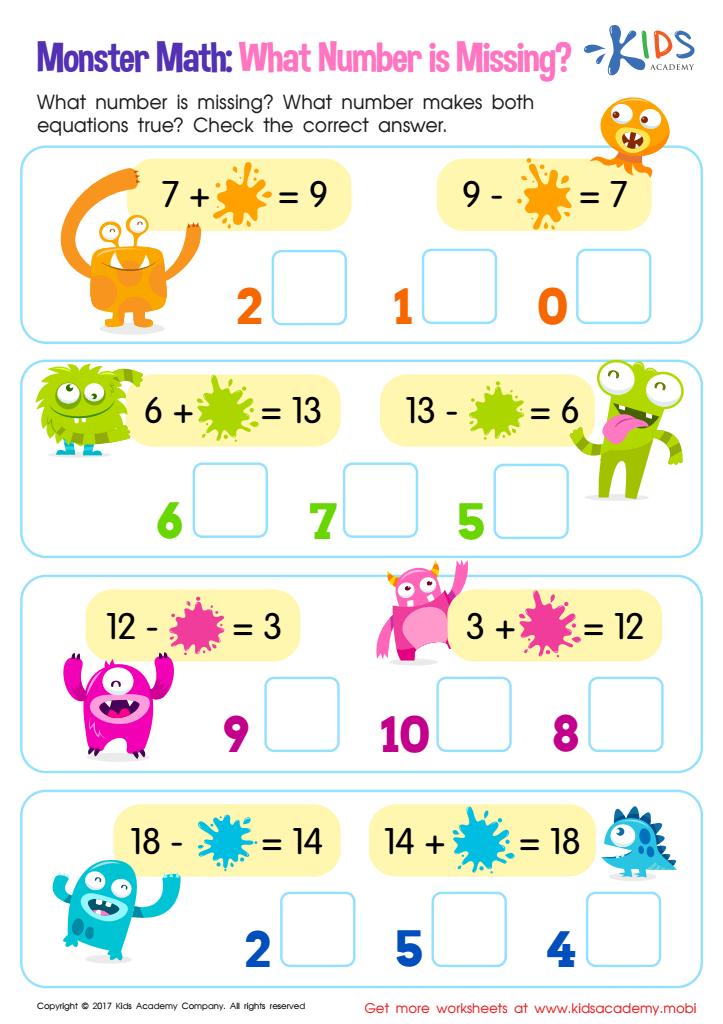
Missing Number: Monster Math Worksheet




.jpg)


Color identification is an essential early learning milestone for children aged 3-6, and parents and teachers should prioritize it for several reasons. Firstly, recognizing colors helps with cognitive development. It enhances observation skills, promoting critical thinking and attention to detail. When children learn to identify colors, they begin to categorize objects and understand relationships in their environment, laying the groundwork for more complex concepts later on.
Additionally, color identification boosts language development. As children learn color names, they expand their vocabulary and improve communication skills. This also allows parents and teachers to engage in more meaningful conversations, fostering a rich linguistic environment.
Socially, color identification can promote teamwork and cooperation in group activities. Children can work together to sort and organize colorful items, build social bonds, and understand different perspectives.
Moreover, many educational activities, such as art, storytelling, and creative play, rely on an understanding of colors. Being able to identify and name colors enhances a child's ability to participate meaningfully in these activities.
In sum, focusing on color identification is crucial as it supports cognitive, linguistic, and social development, empowering children with foundational skills that facilitate lifelong learning.








